A Sensitive Renovation that Balances Heritage, Landscape and Contemporary Design
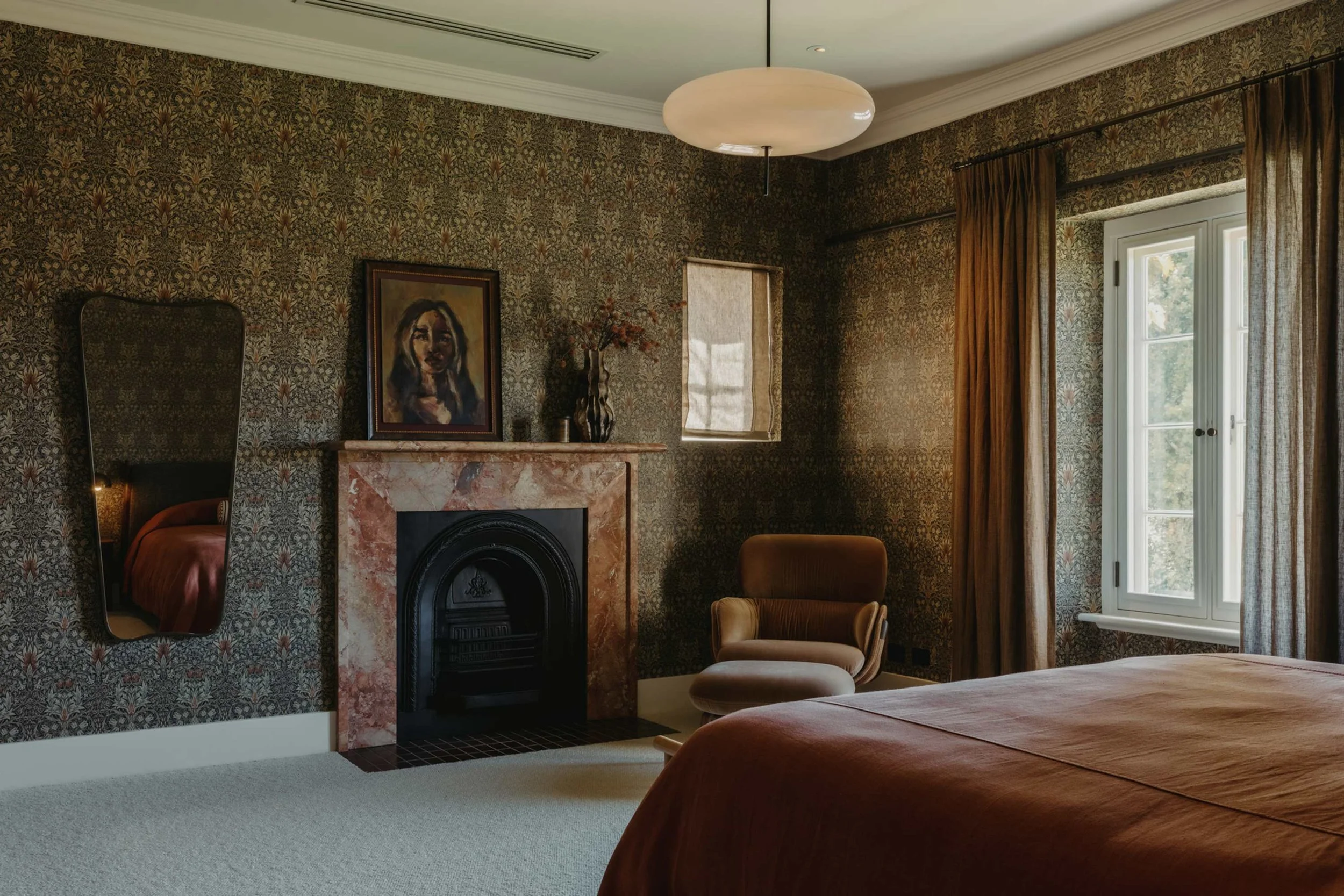
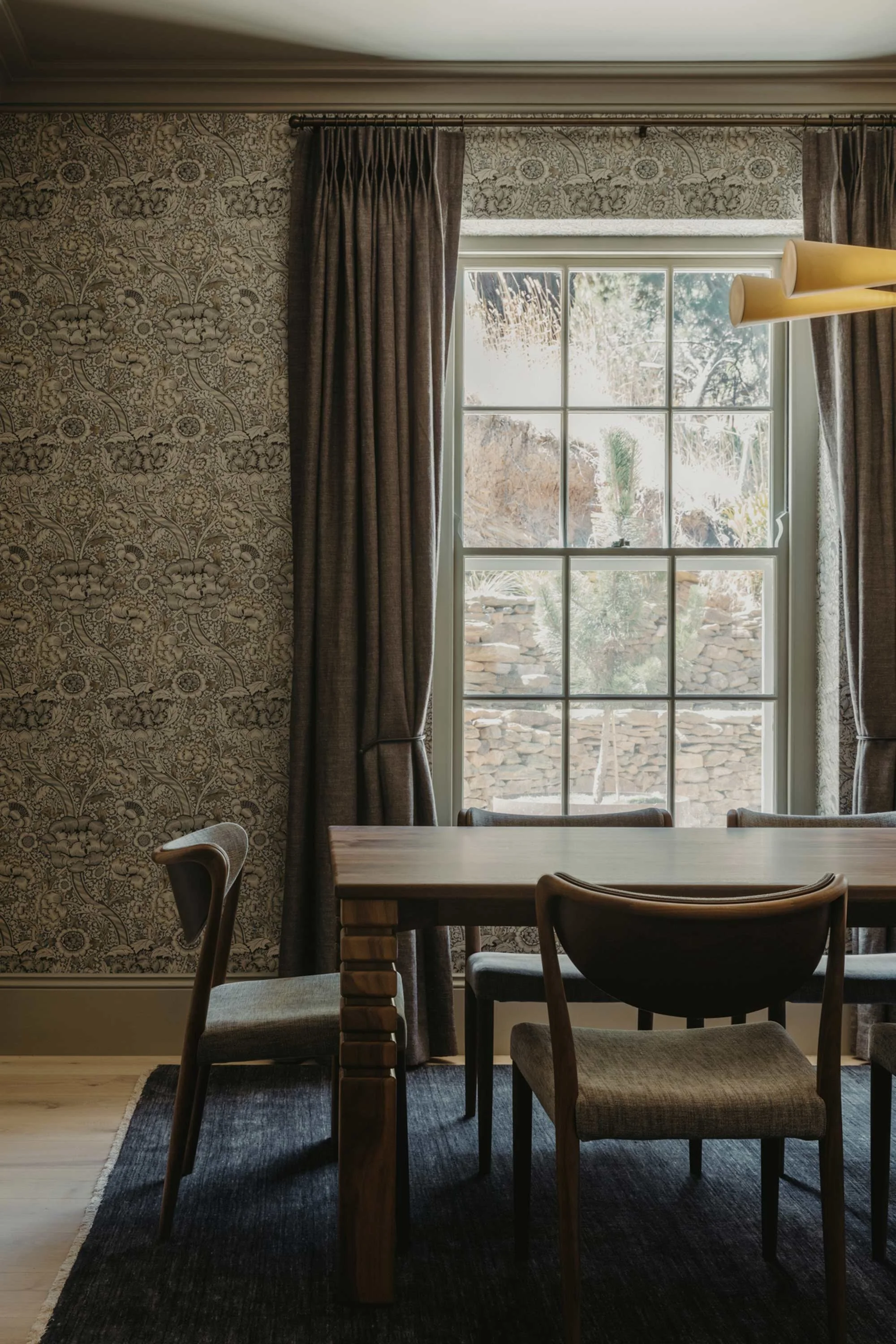
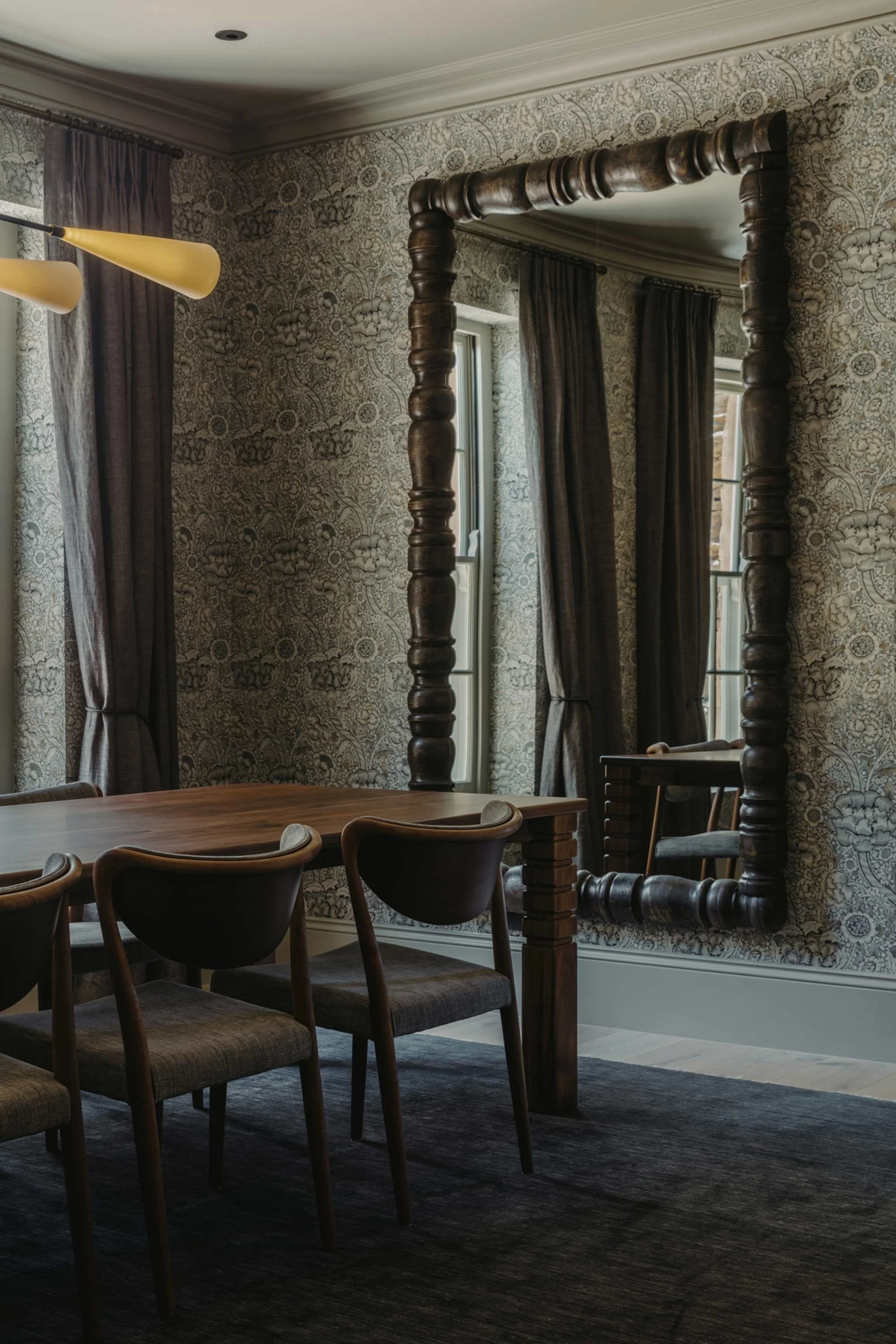
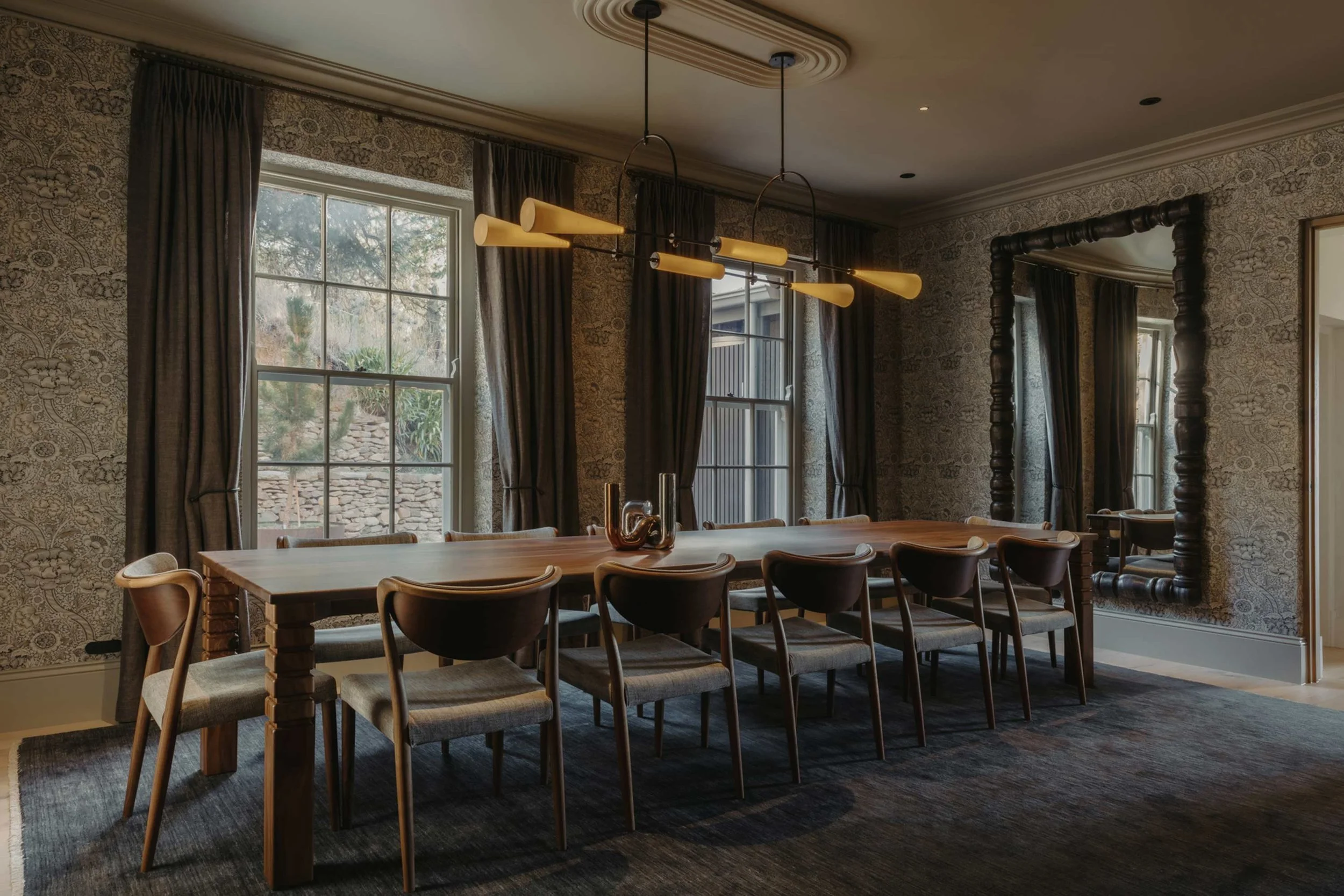
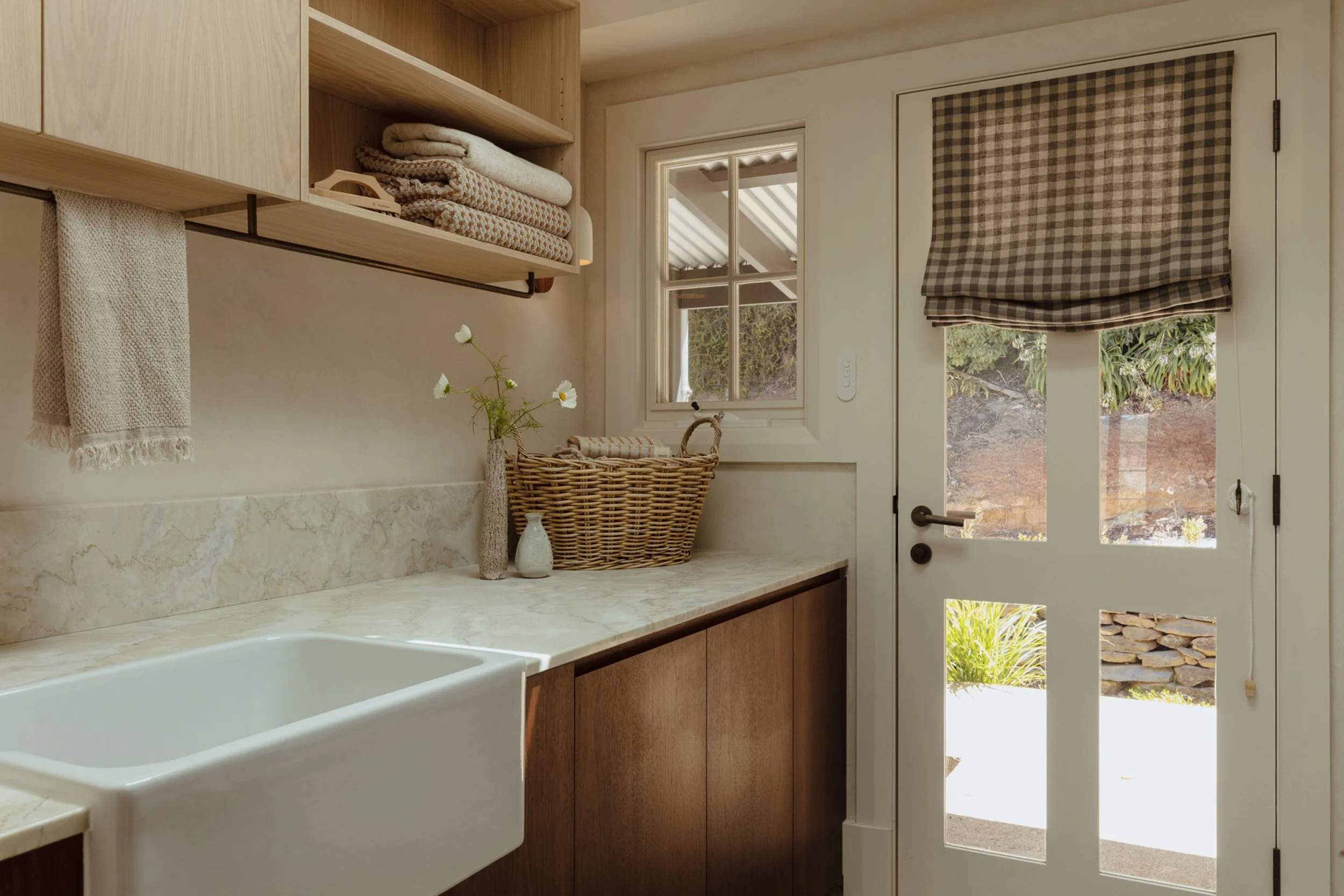
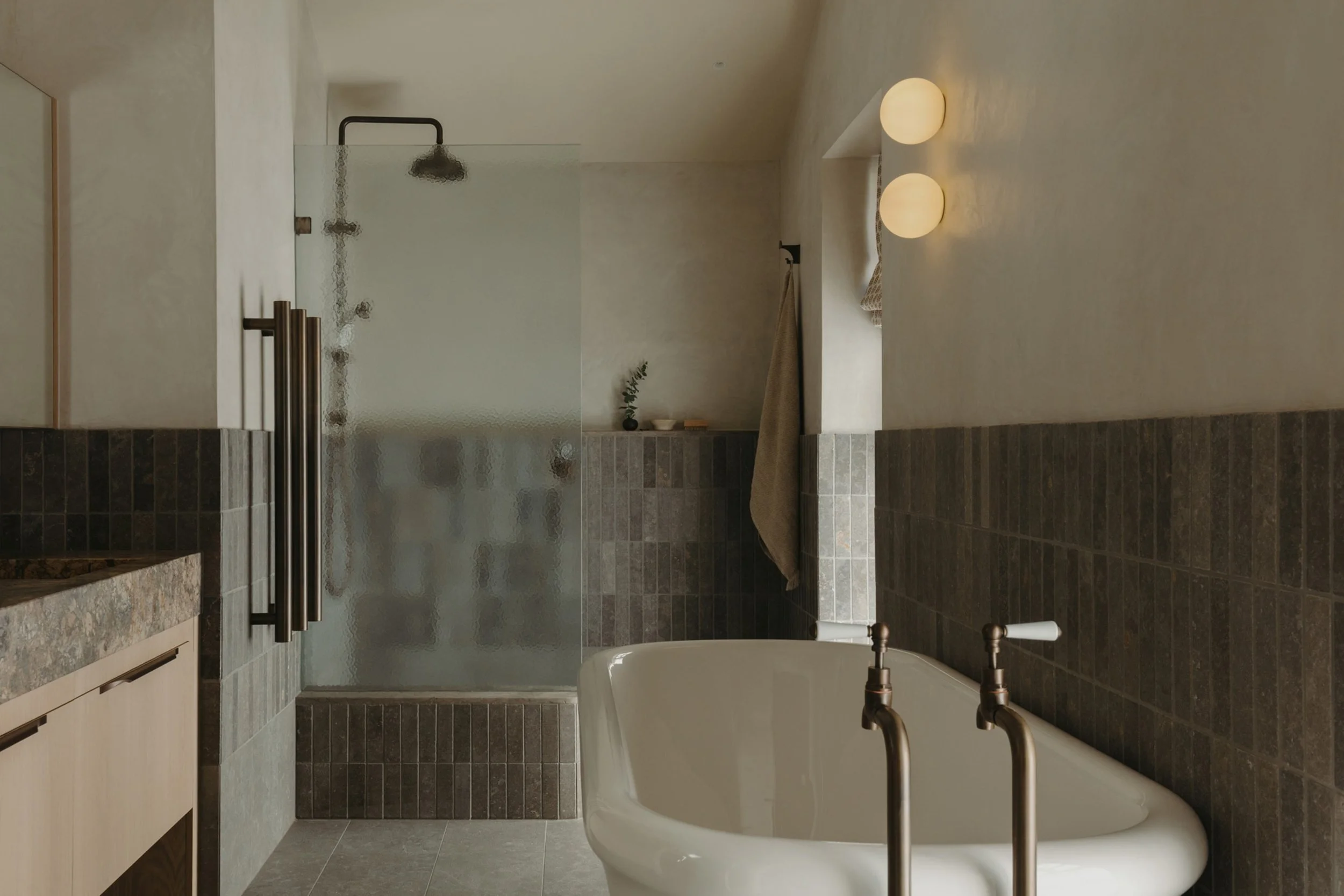
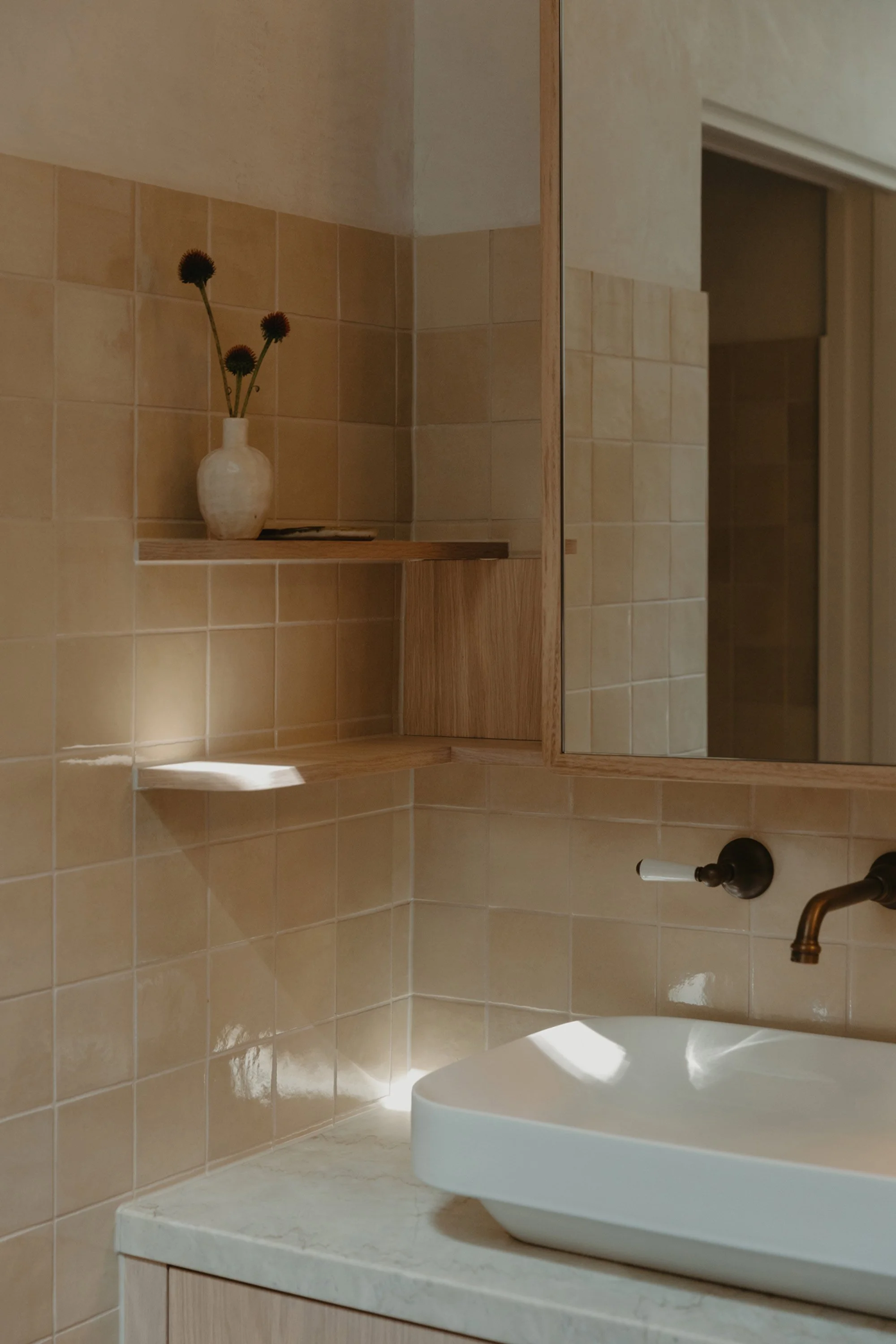
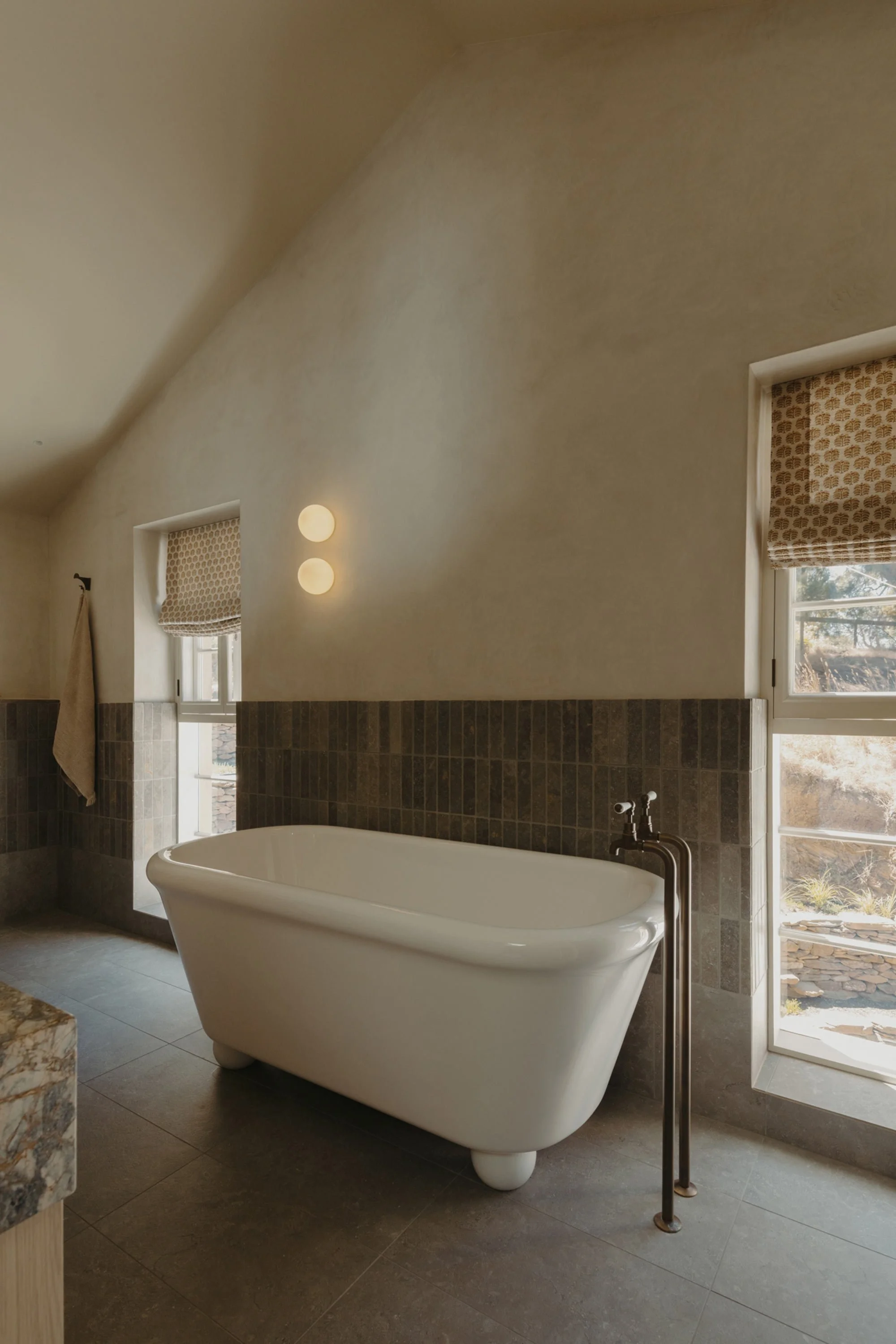
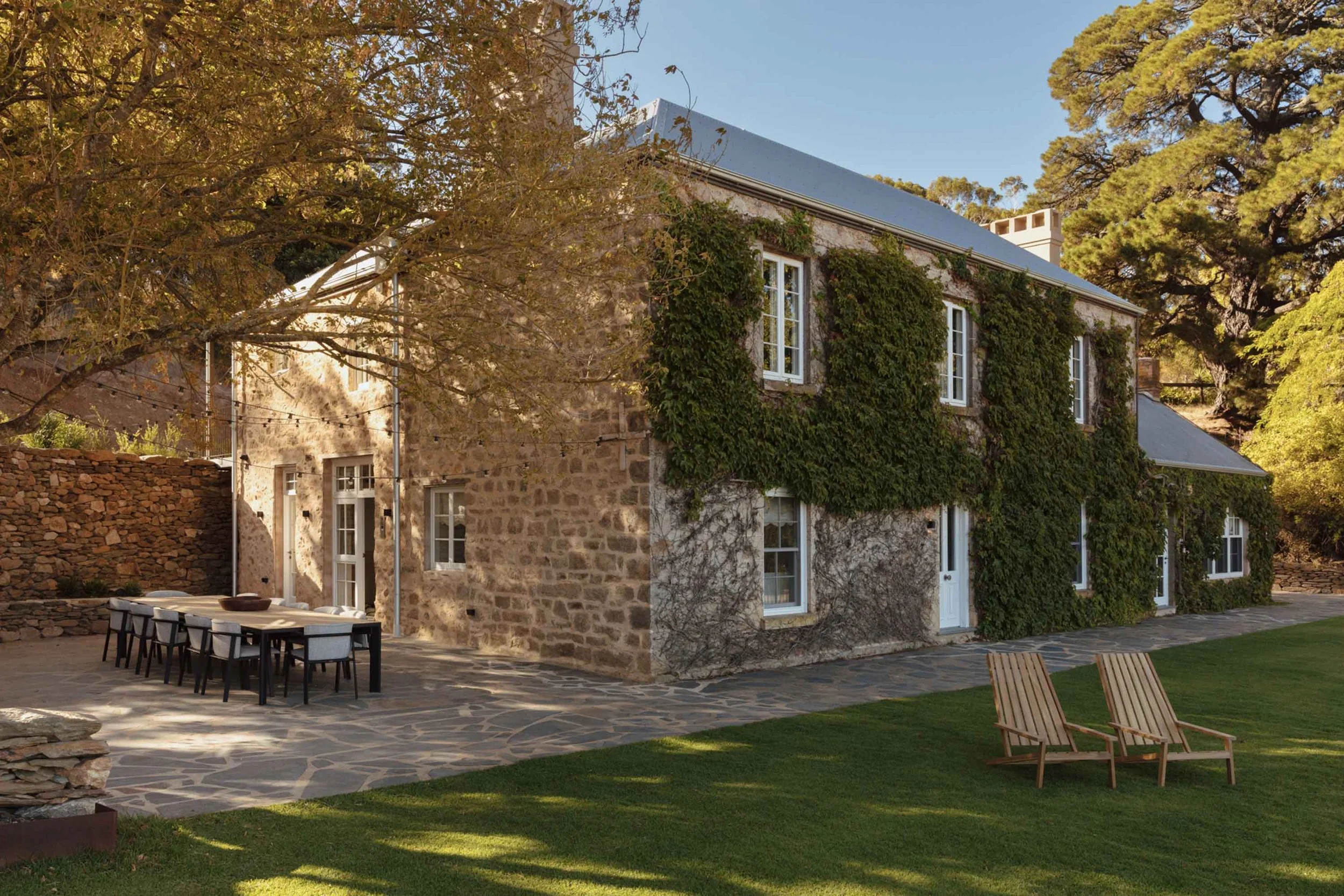
Set on an estate in the town of Kangarilla in South Australia, Glengrove was designed by Fabrikate to honour the original 19th-century structure’s heritage and character, incorporating original materials, contemporary touches and a deep connection to the landscape
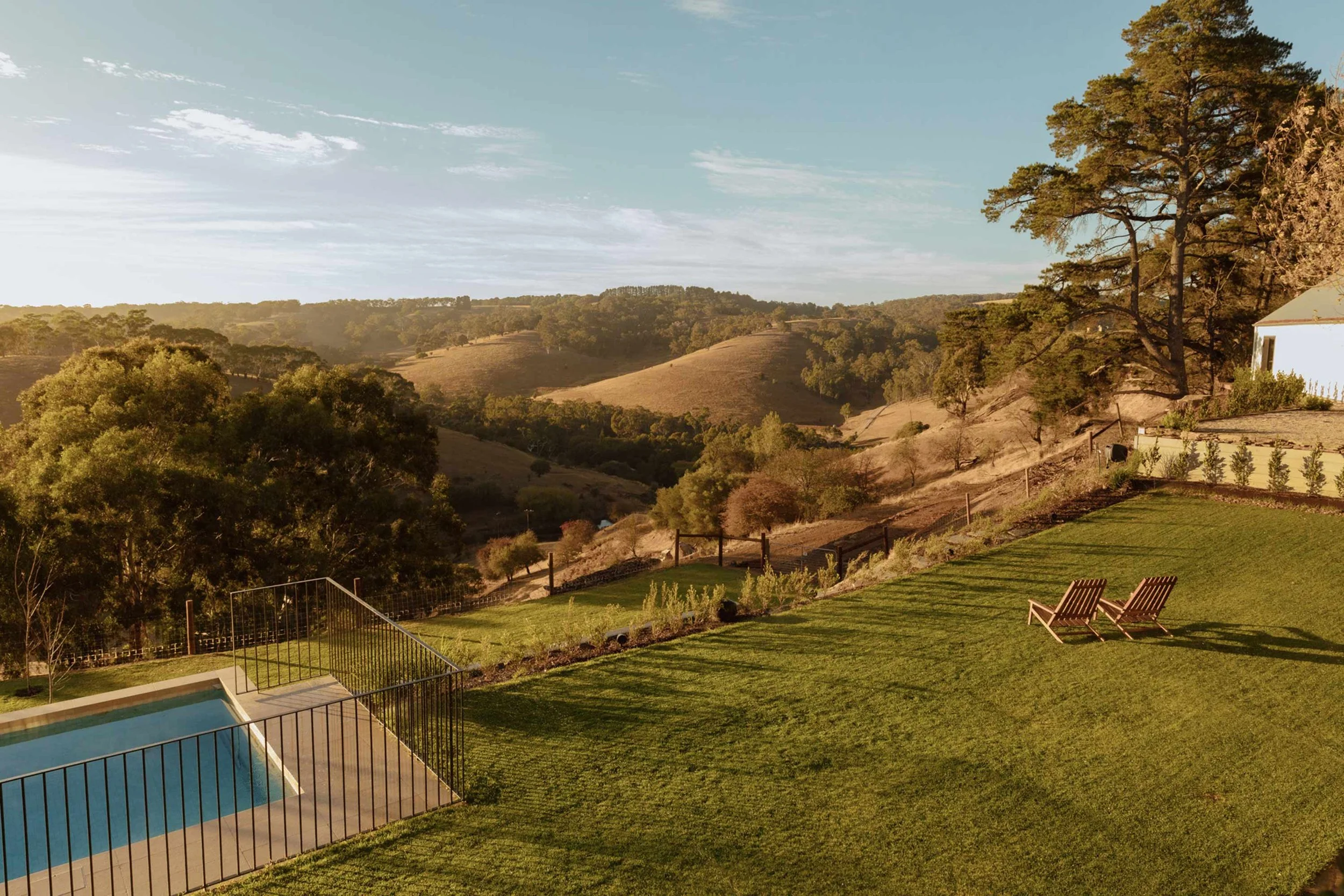
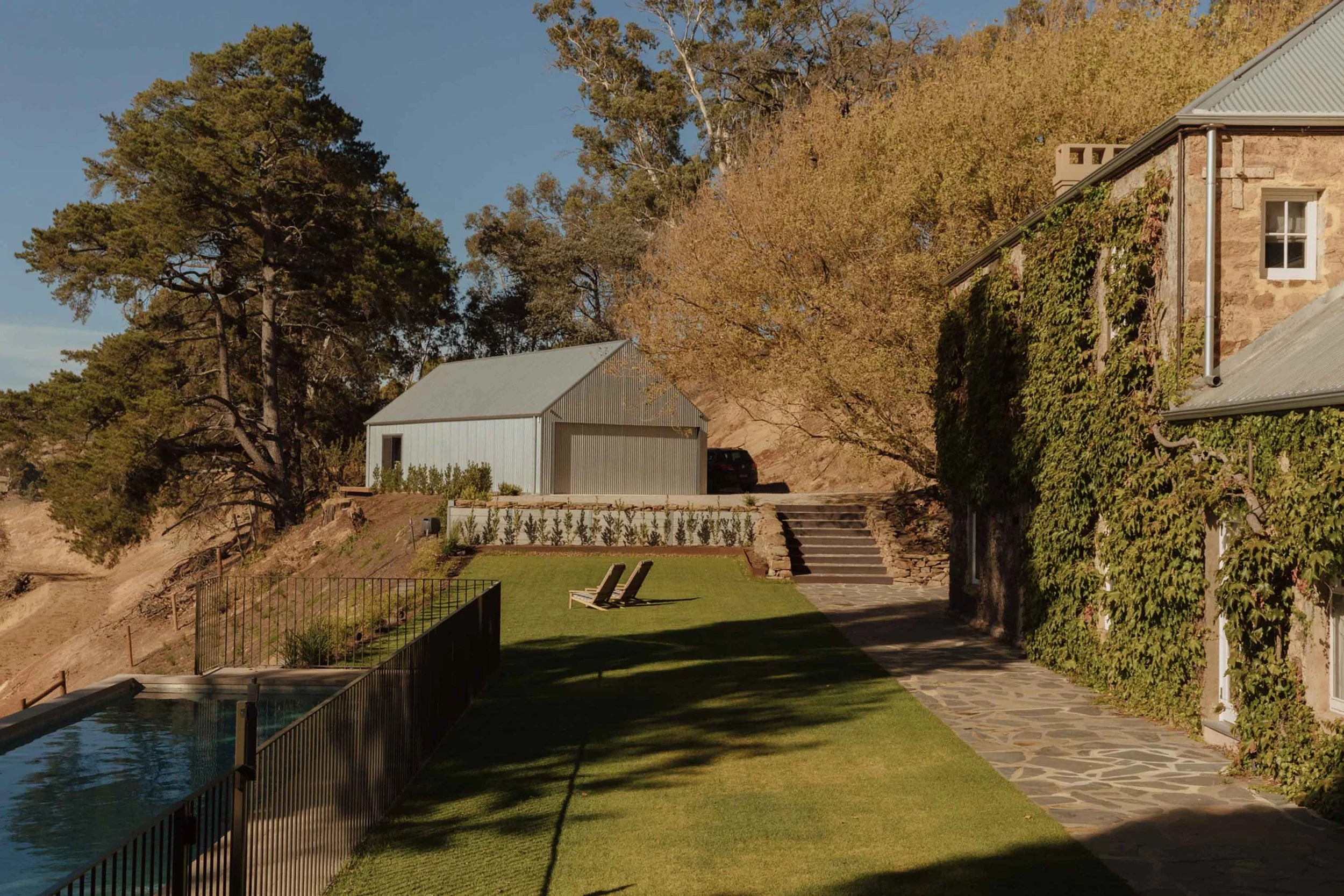
With its enviable outlook over uninterrupted rolling hills, Glengrove forms part of a larger estate and an even more ambitious vision. Located outside of Adelaide in the small town of Kangarilla in South Australia and built over many years, this 19th-century homestead reclaims its place within the landscape.
As a deeply layered and sensitive response, the restoration was led by Adelaide studio Fabrikate and brought to life through close collaboration with the owners and G-Force Building and Consulting. In anticipation of the inevitable surprises that reveal themselves when working with a historic building, the project began not with certainty, but with curiosity. The clients, an Australian family living in Tokyo, purchased the 50-hectare Hillenvale
property sight unseen during the pandemic. ‘Initially, the future of the home wasn’t clear,’ says Fabrikate director Kate Bowen. ‘It was about stabilising the site to test its viability, it hadn’t yet become deeply personal.’ But with each return visit, the potential and the connection became clearer. ‘Each time the owners visited, they fell more and more in love with the home,’ Bowen continues. ‘Over time, their connection to the site deepened and so did their vision.’ What began as a cautious renovation of the adjacent coach house evolved into a full reimagining of the existing homestead into what would become Glengrove.
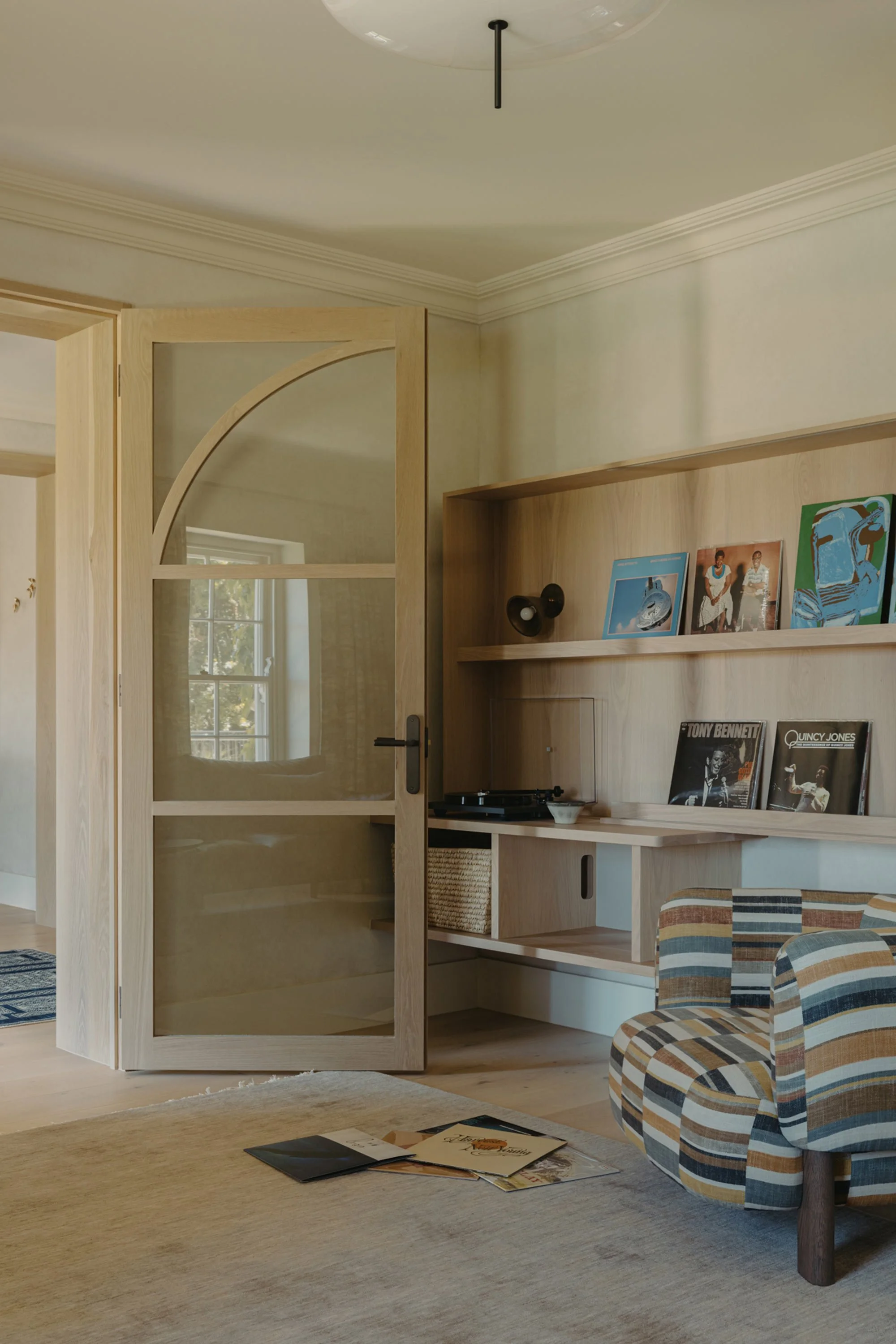
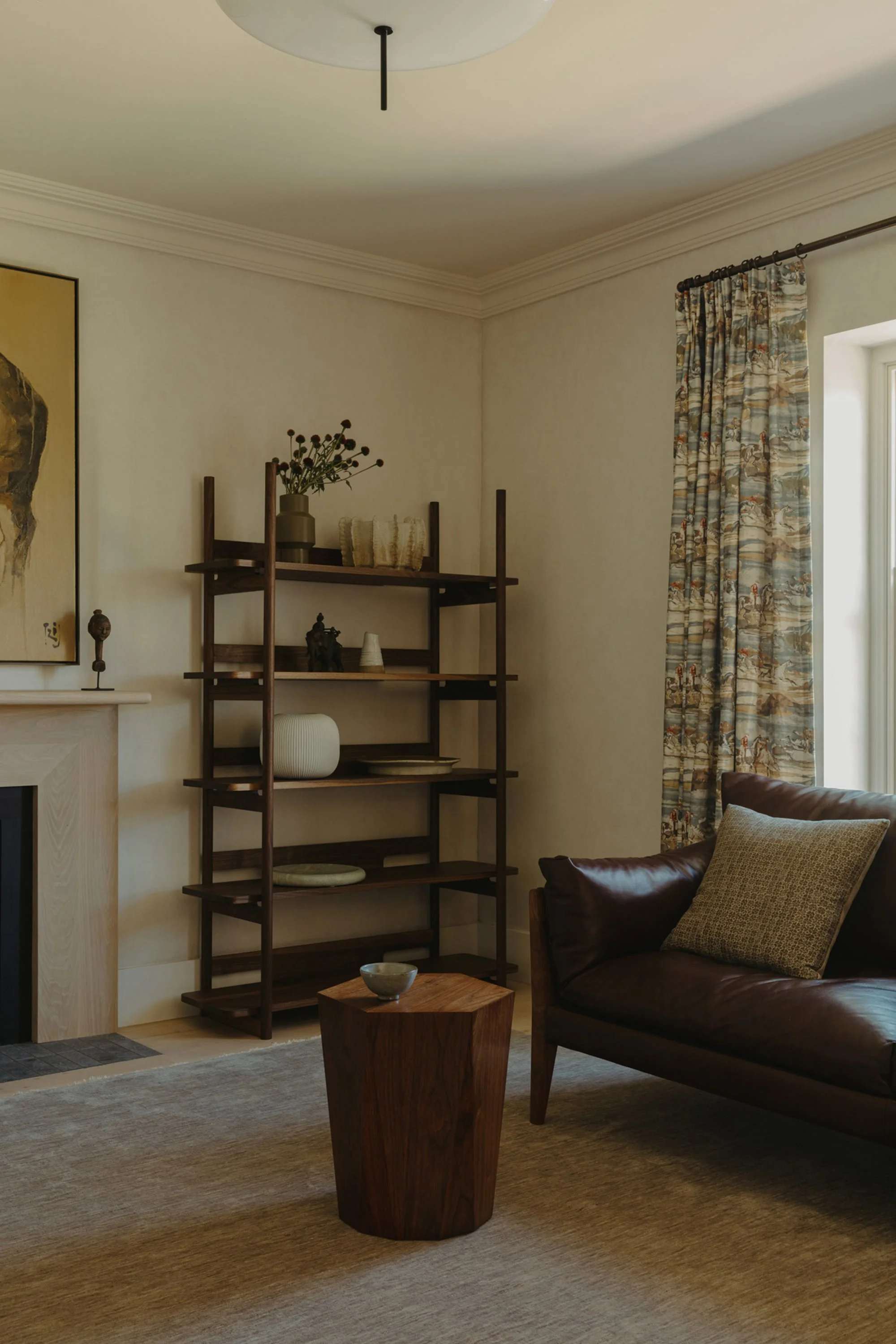
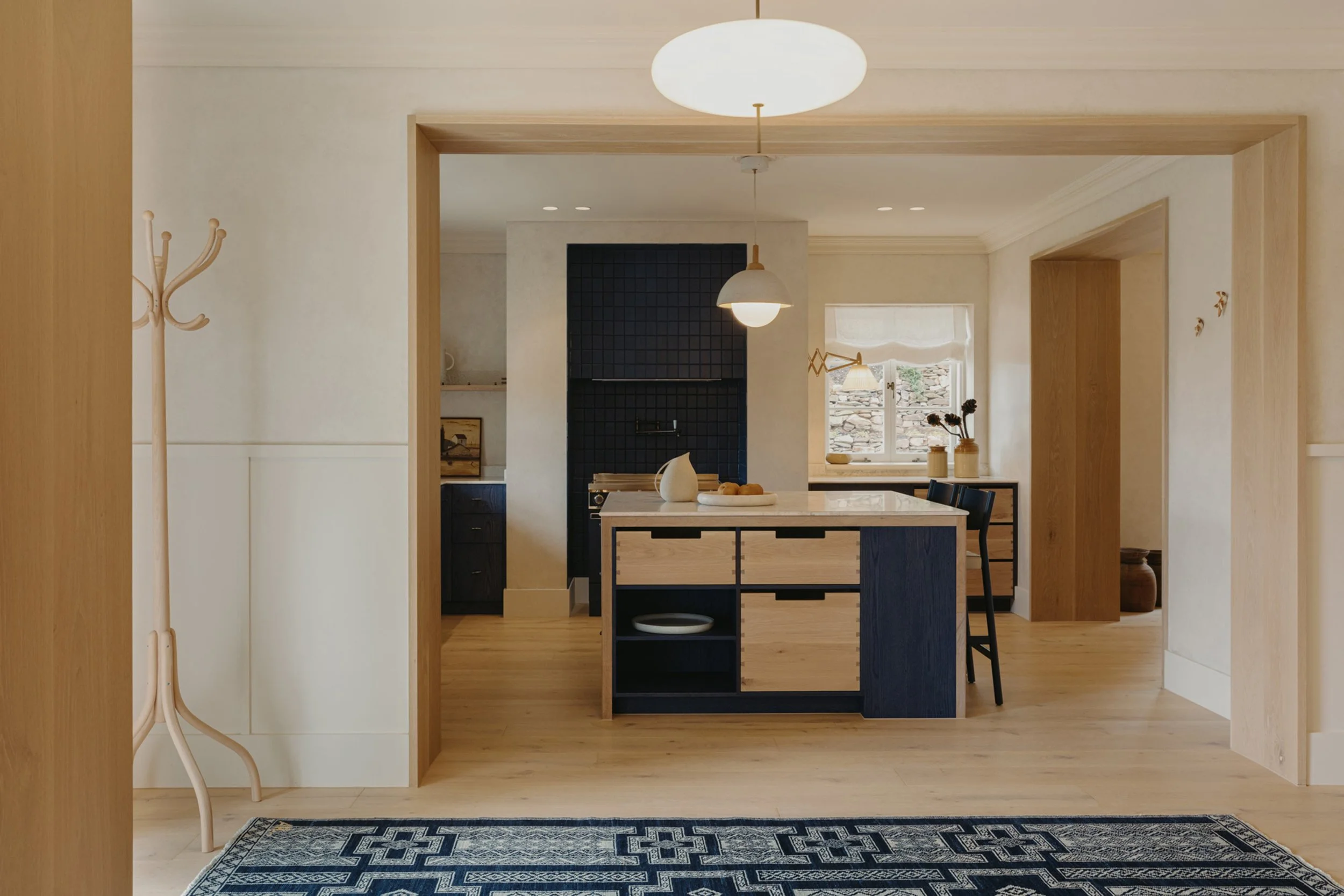
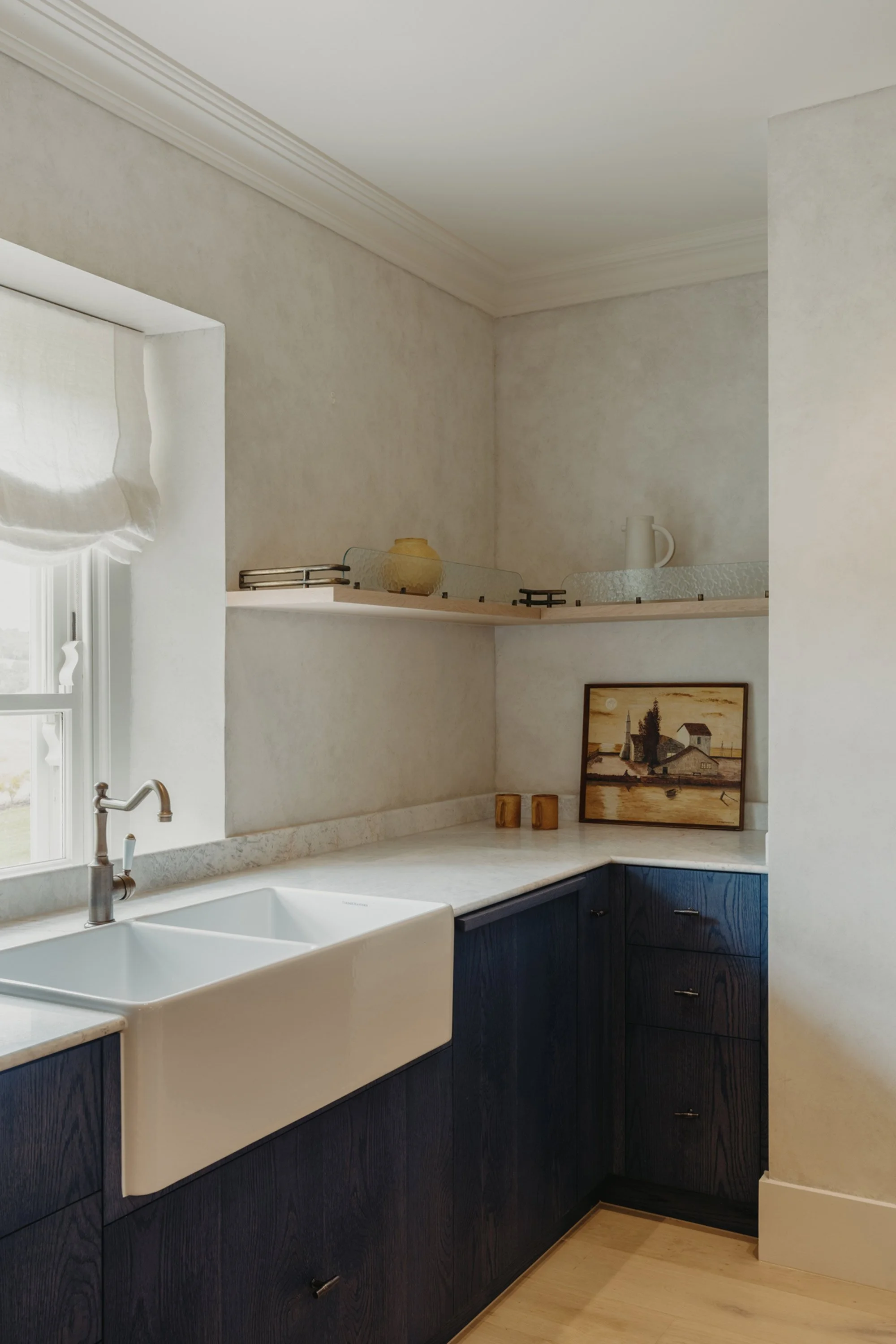
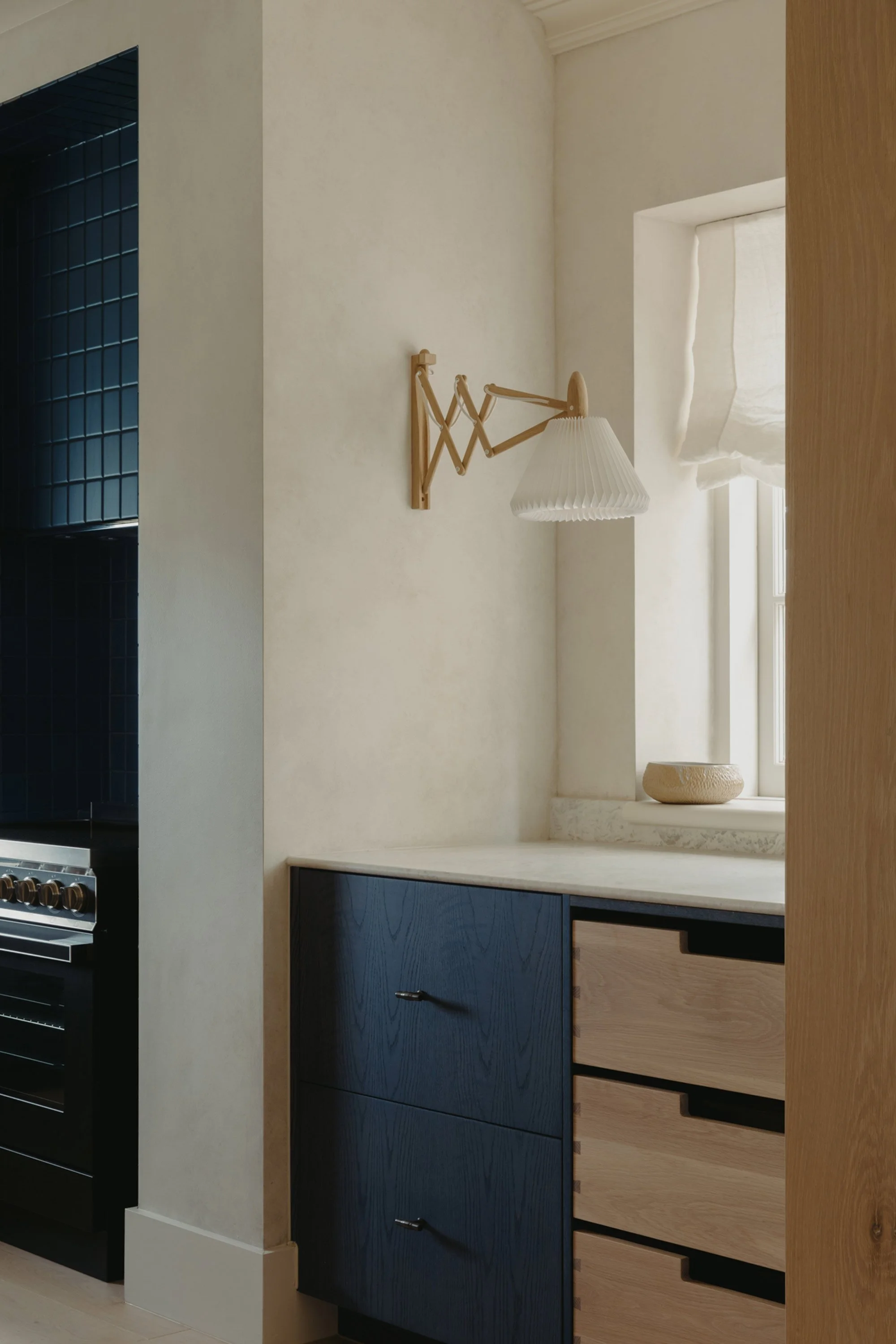
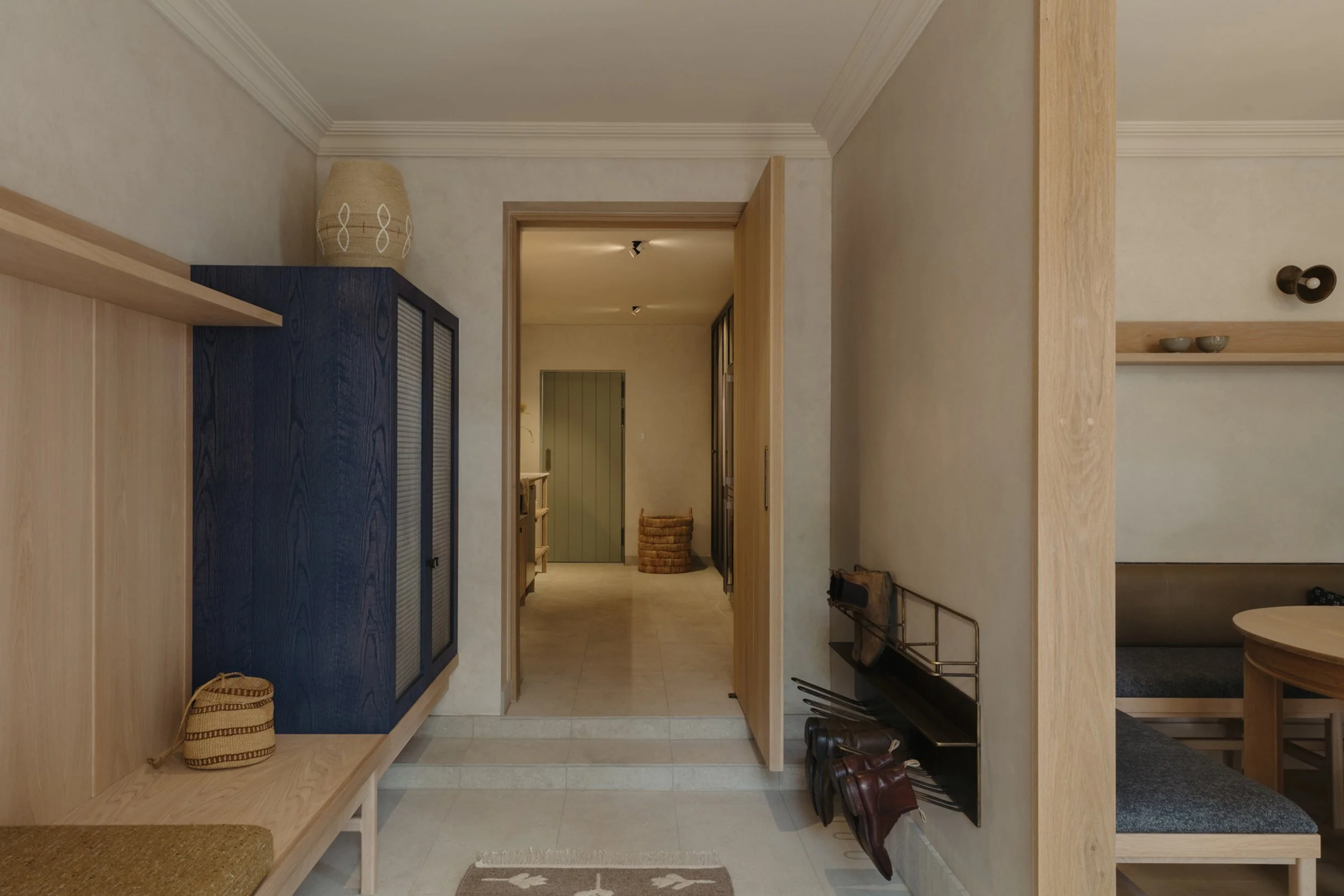
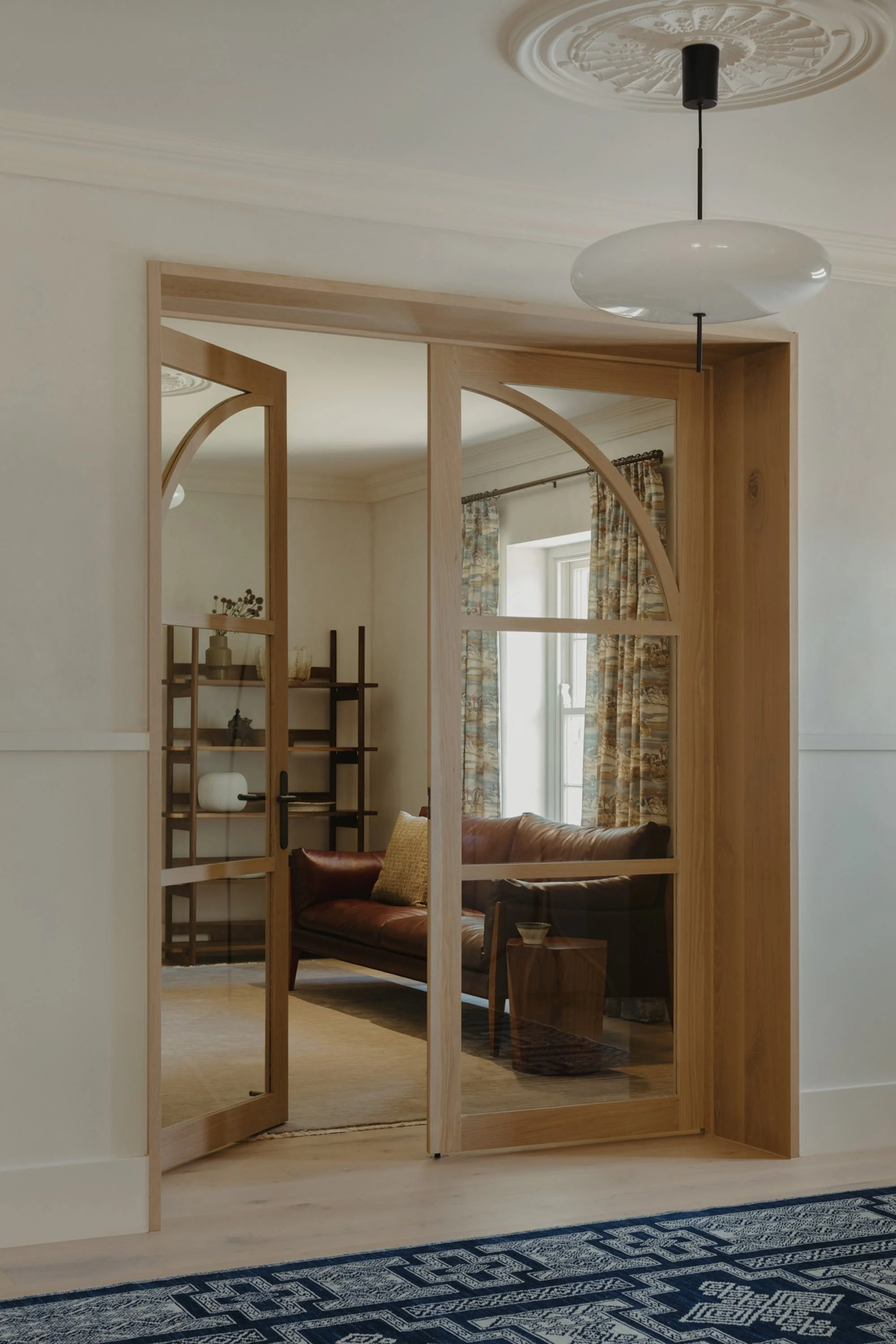
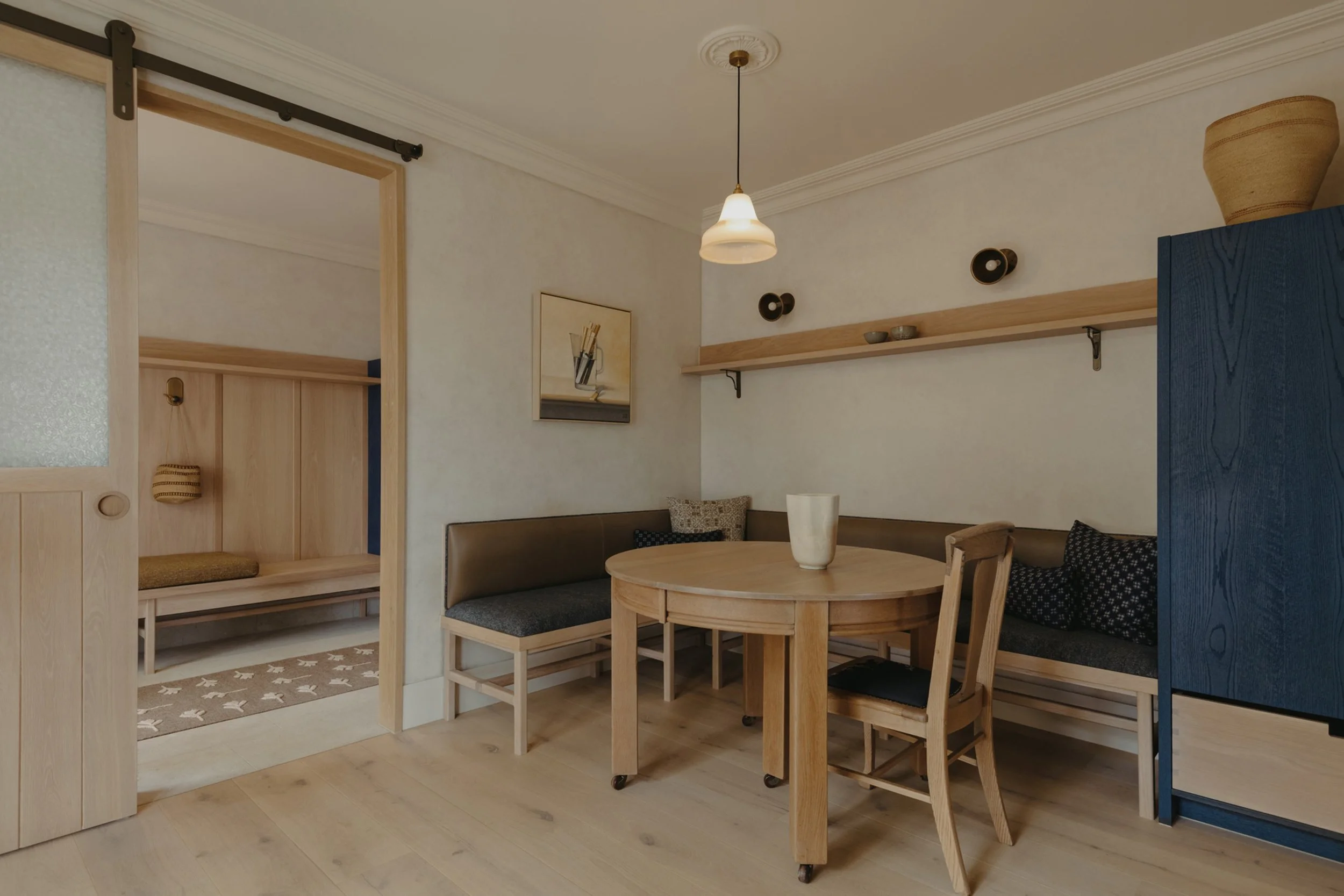
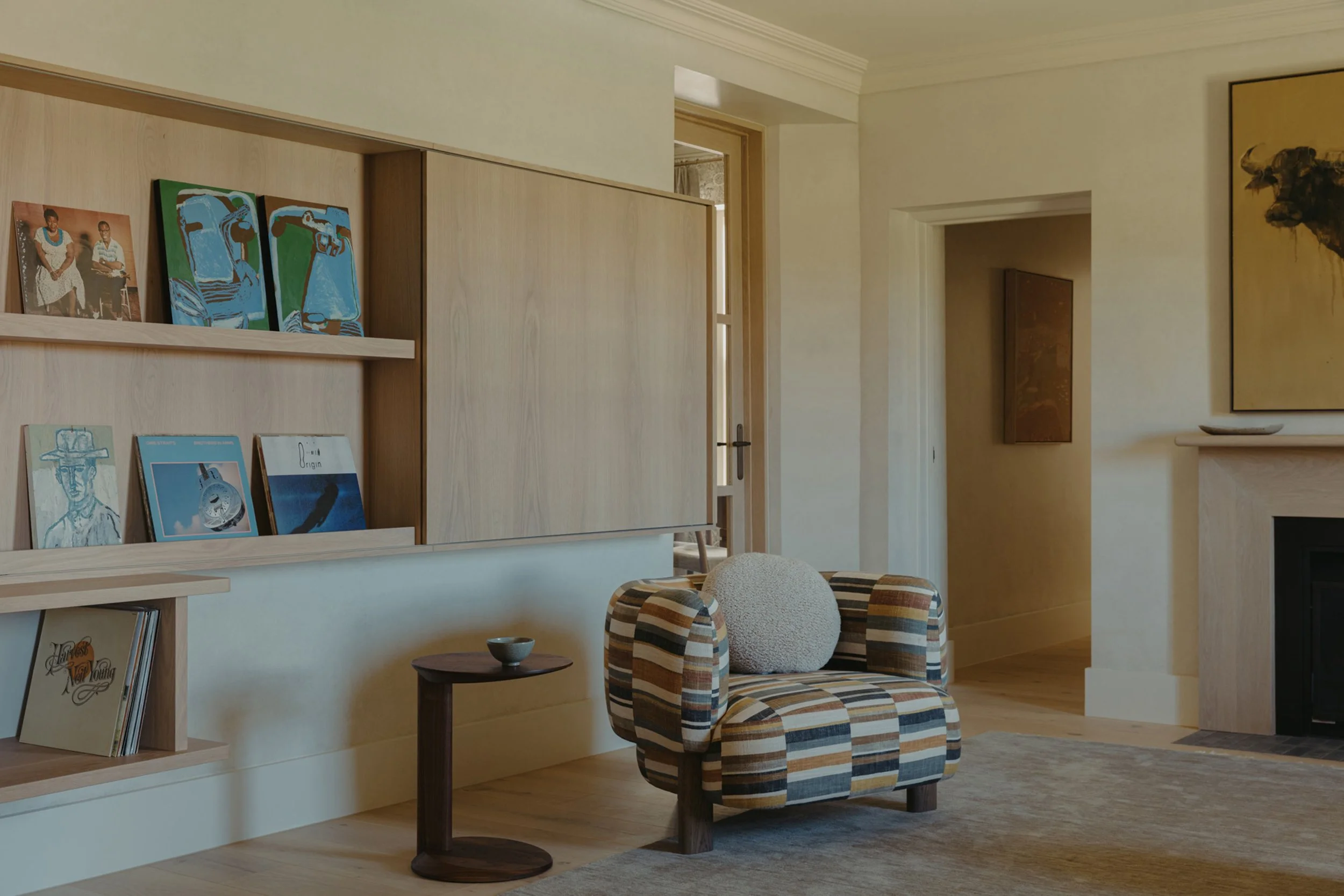
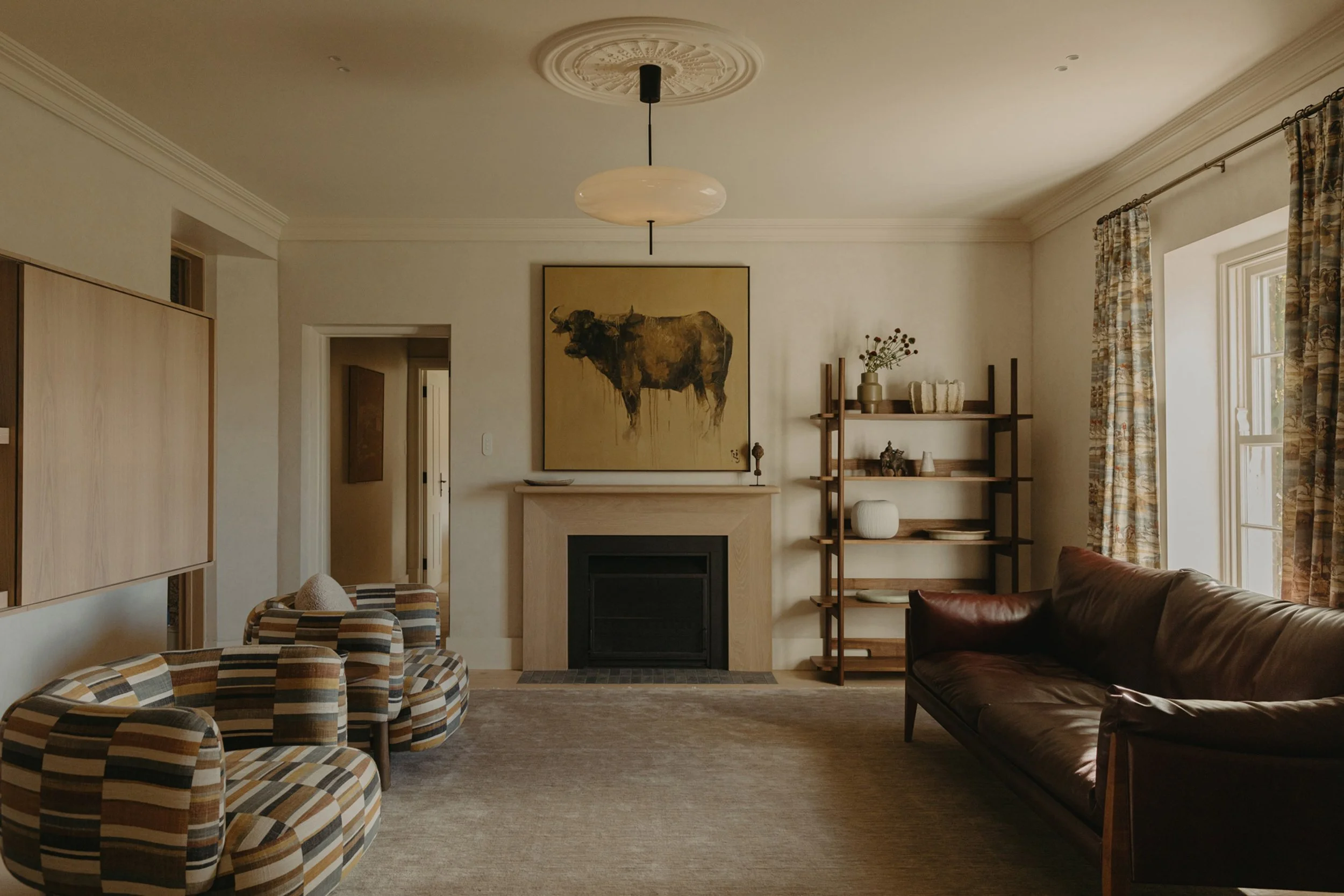
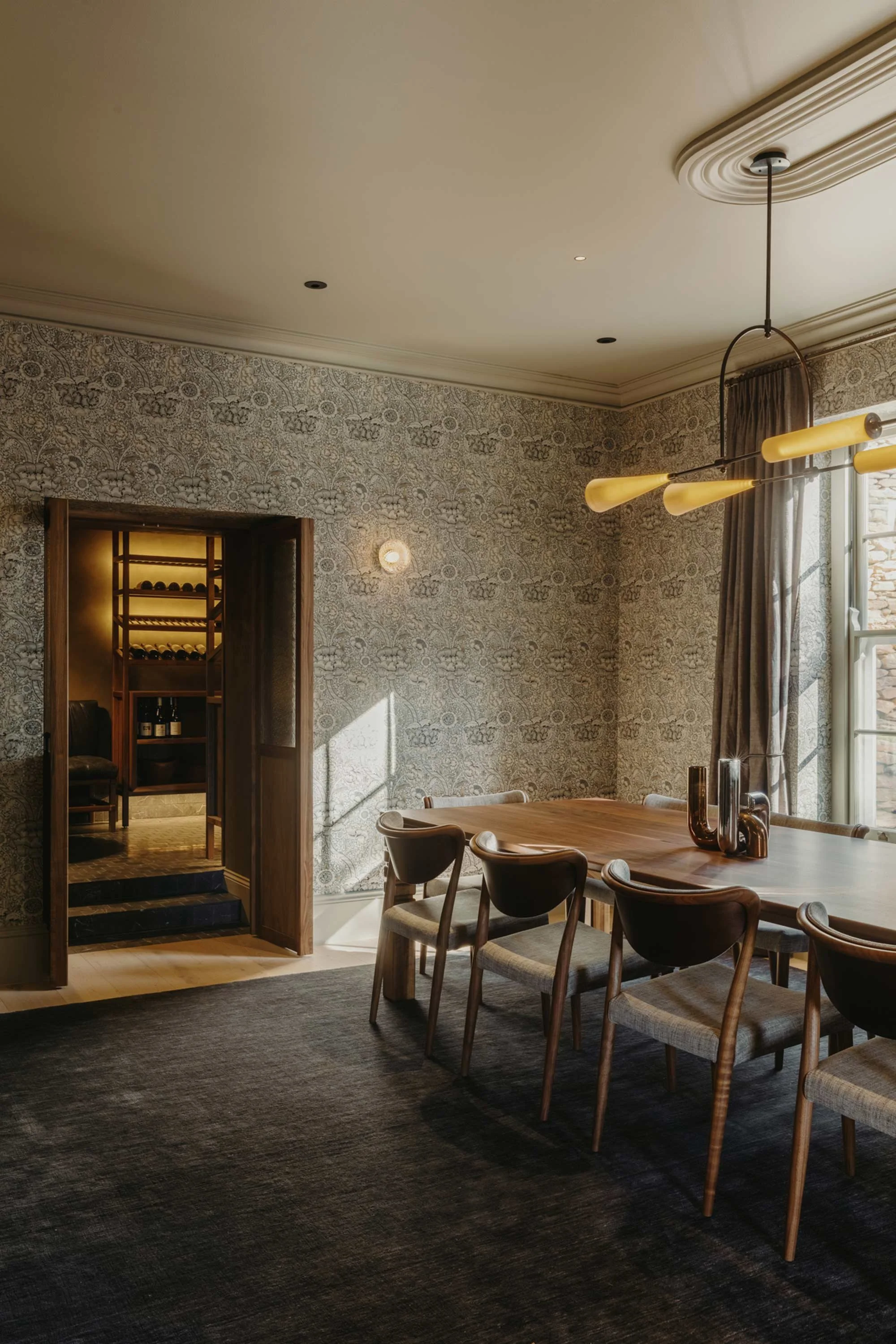
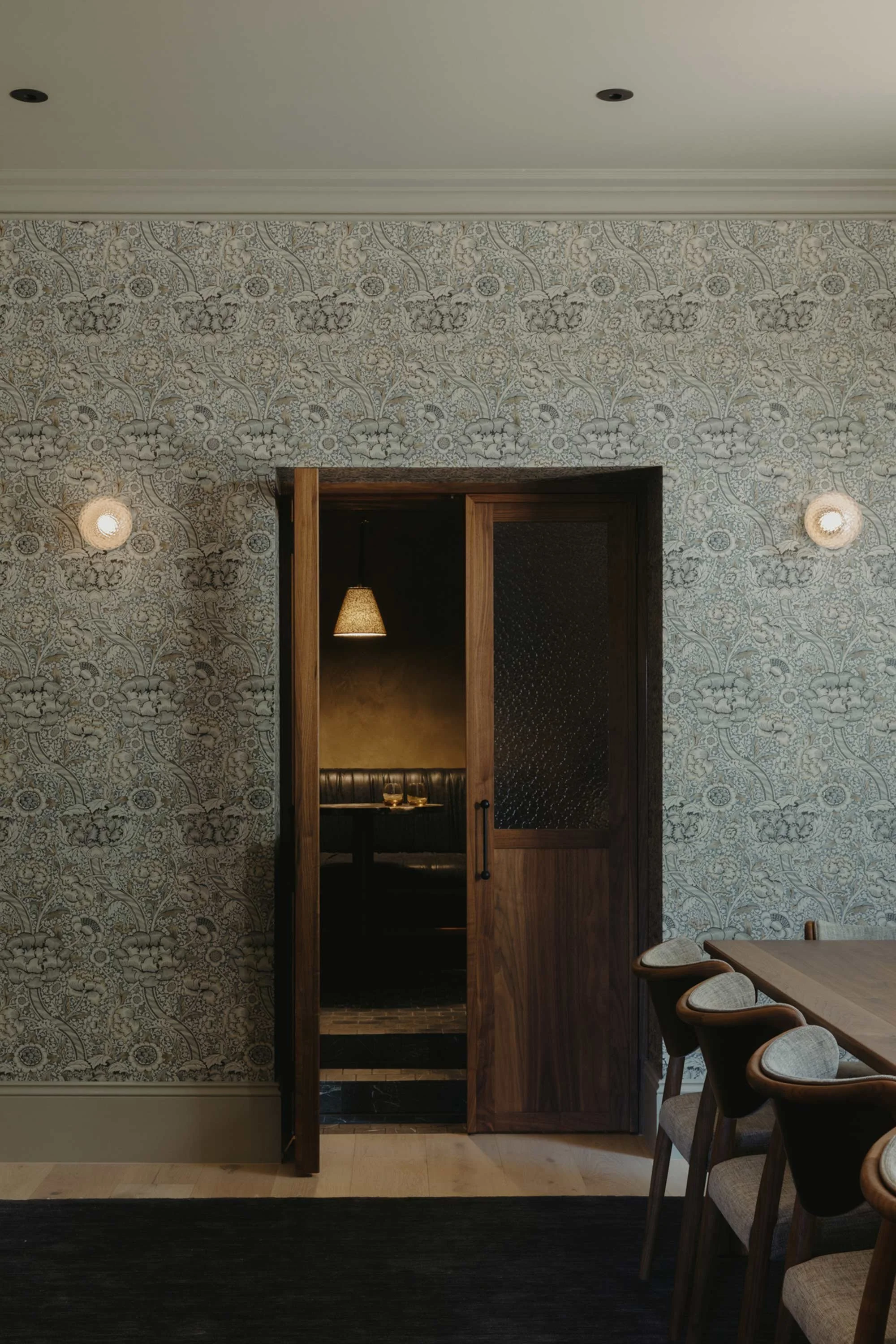
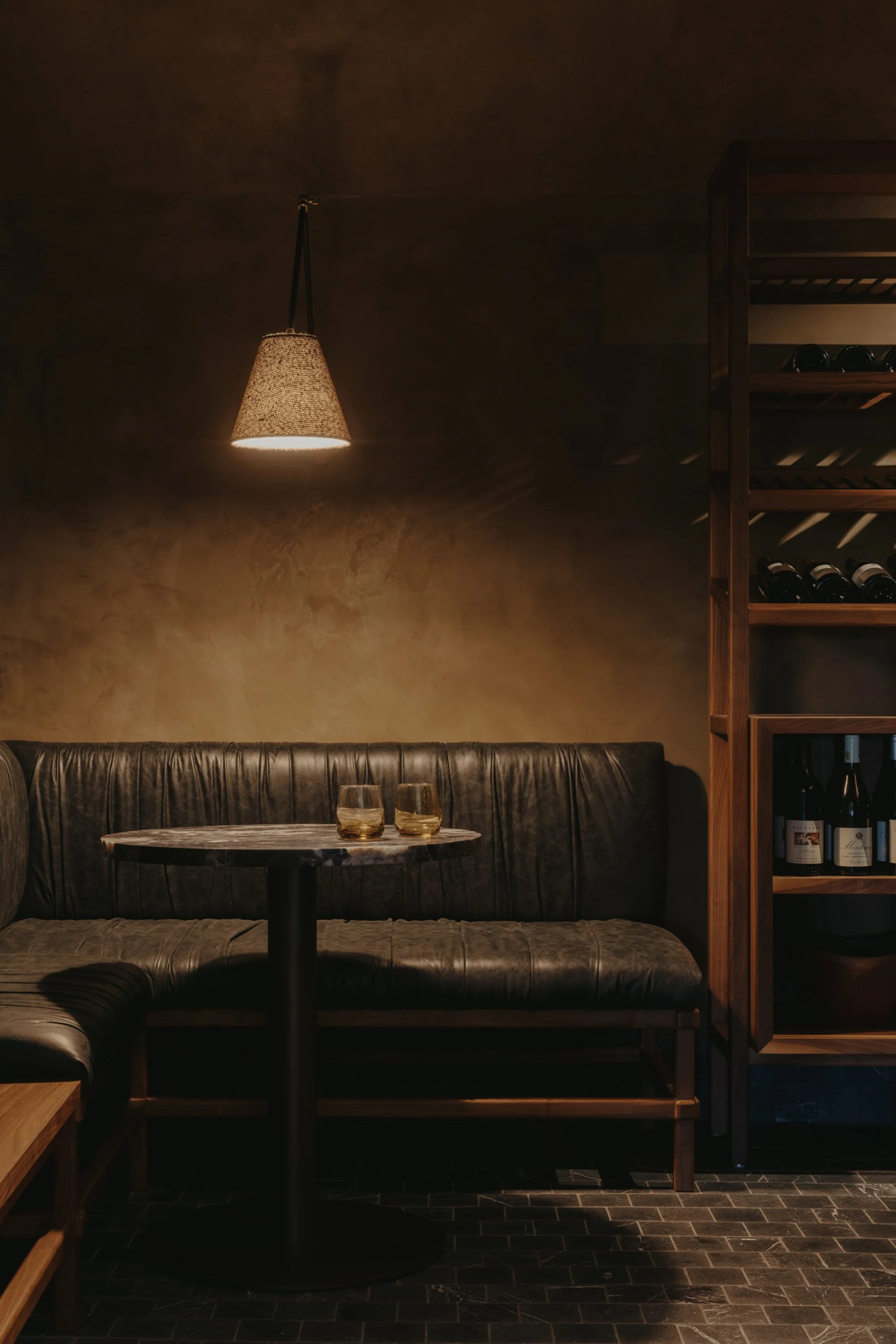
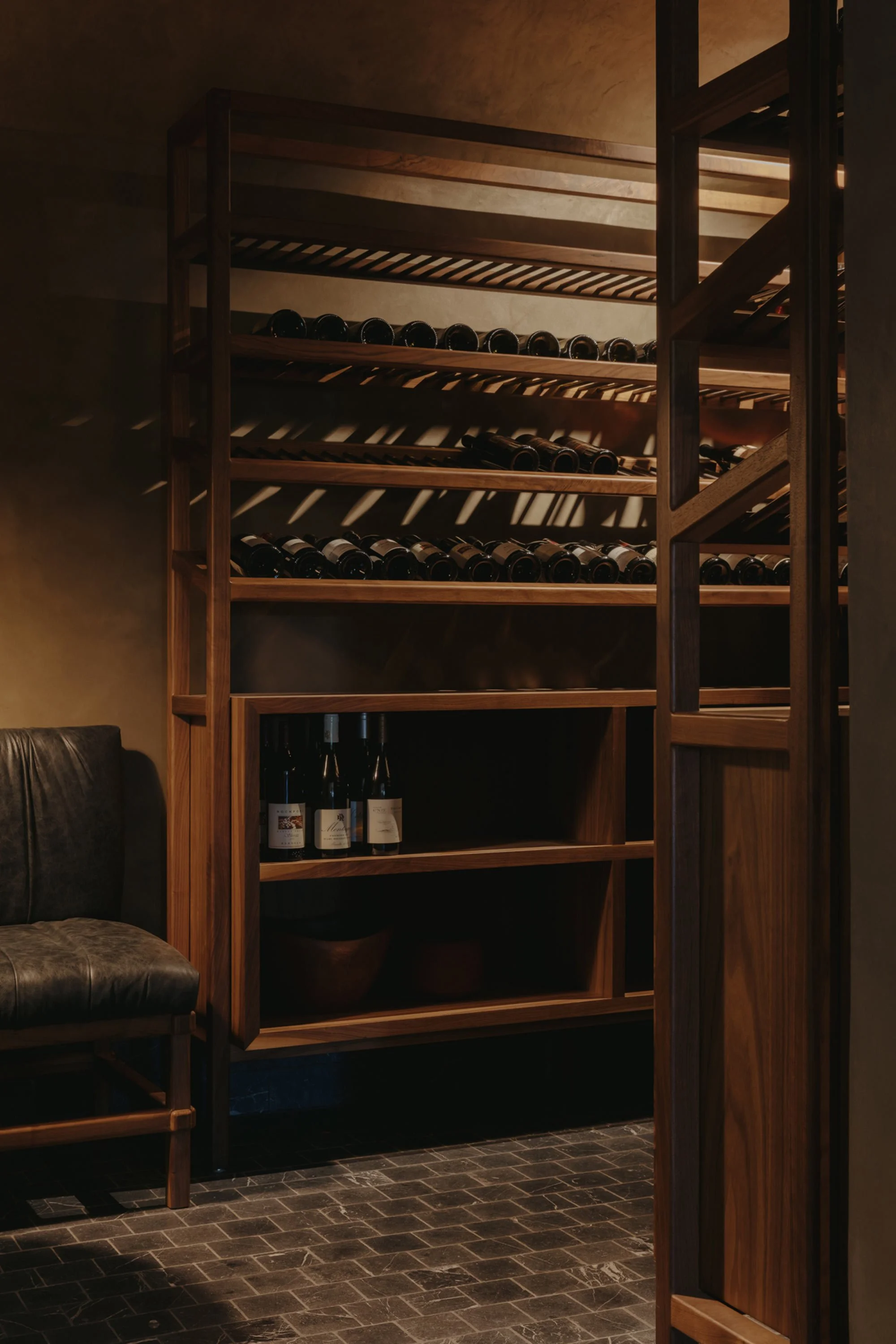
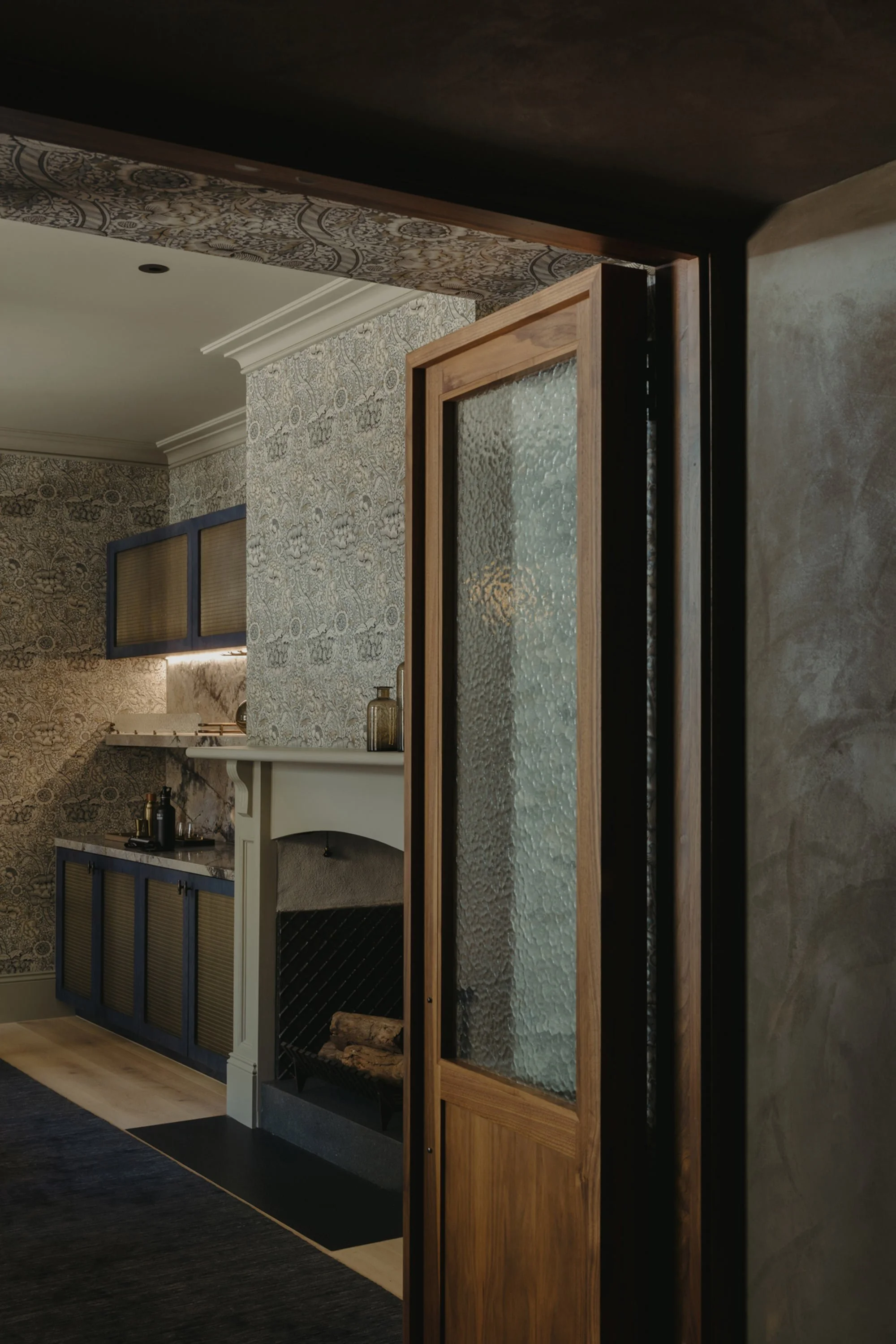
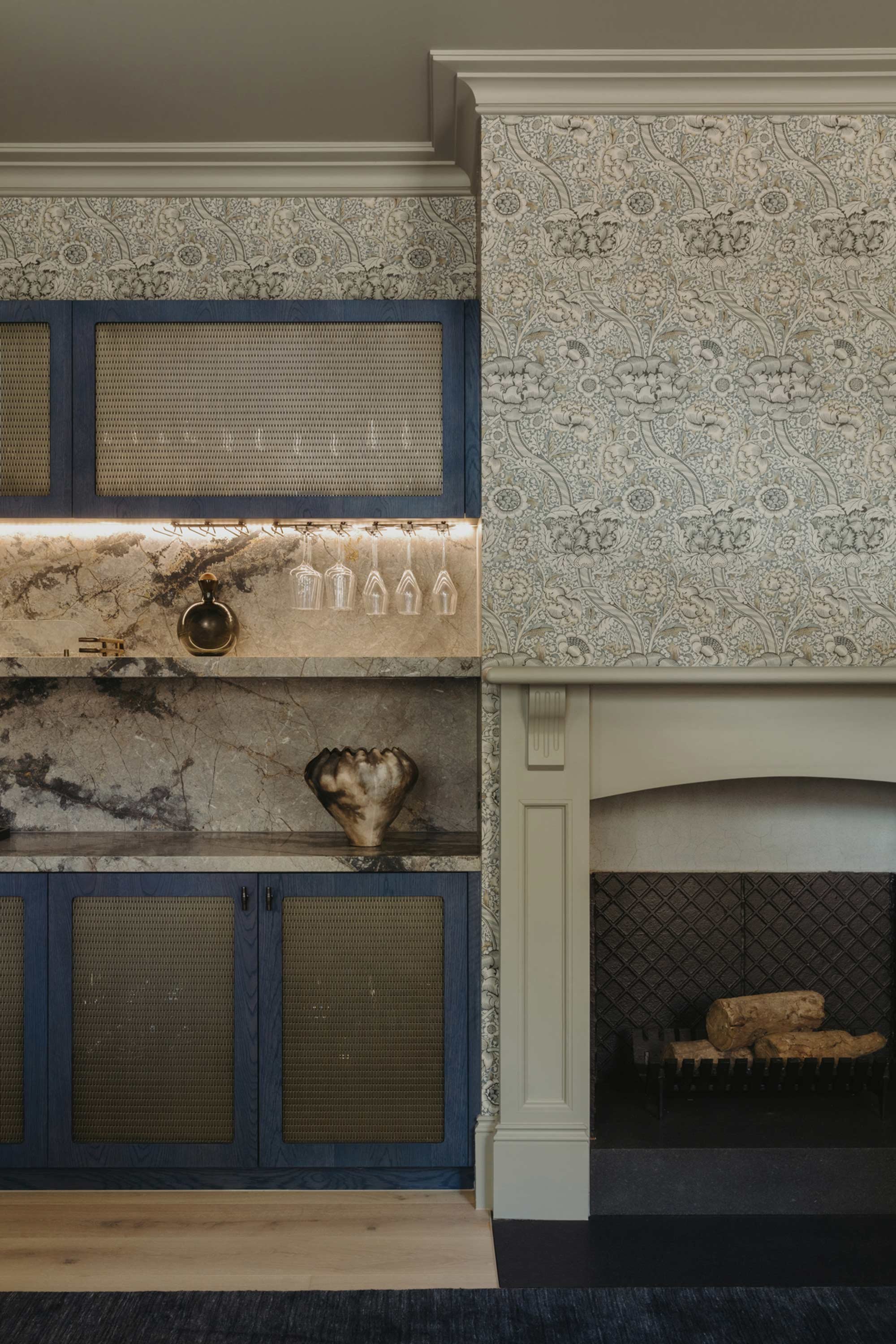
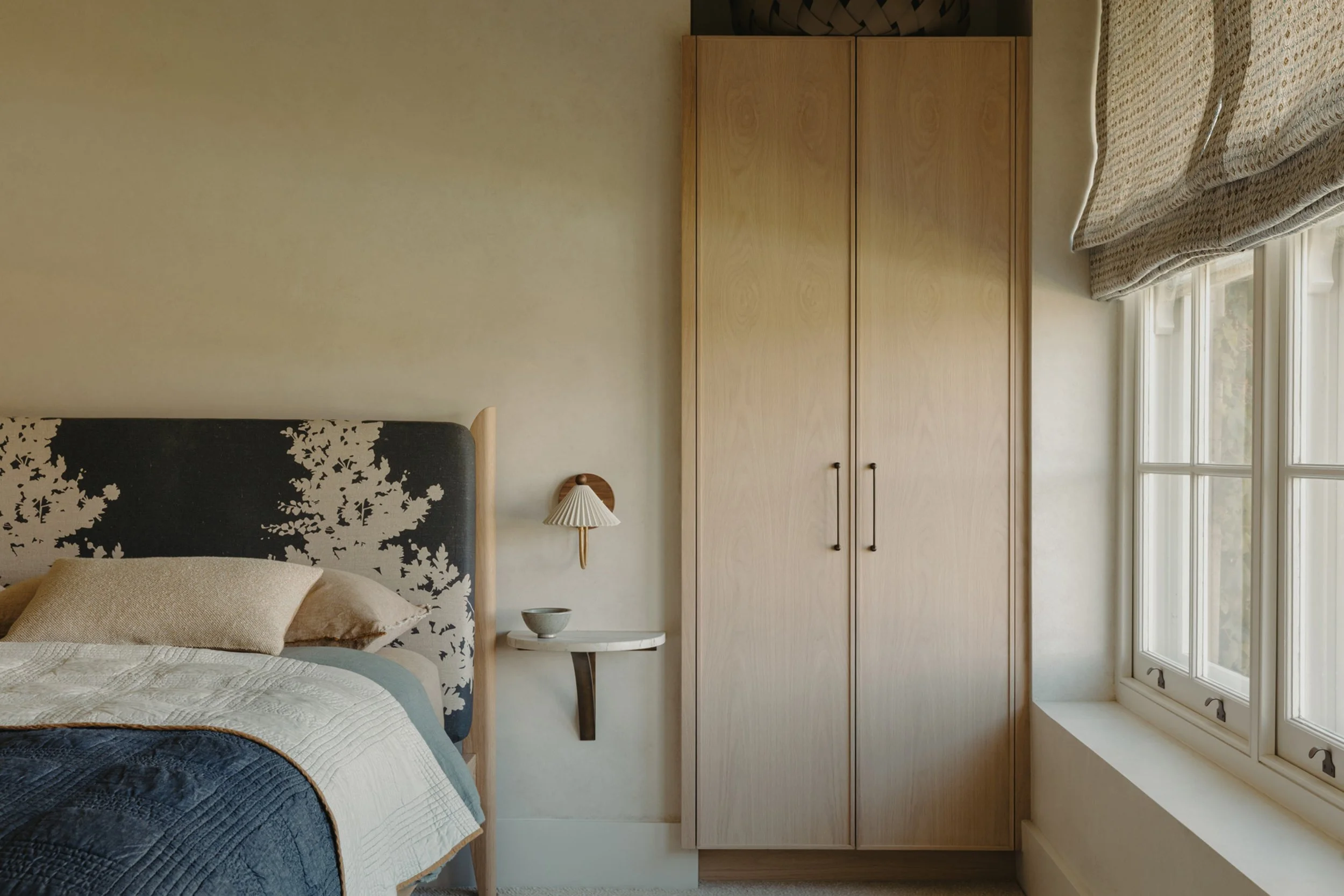
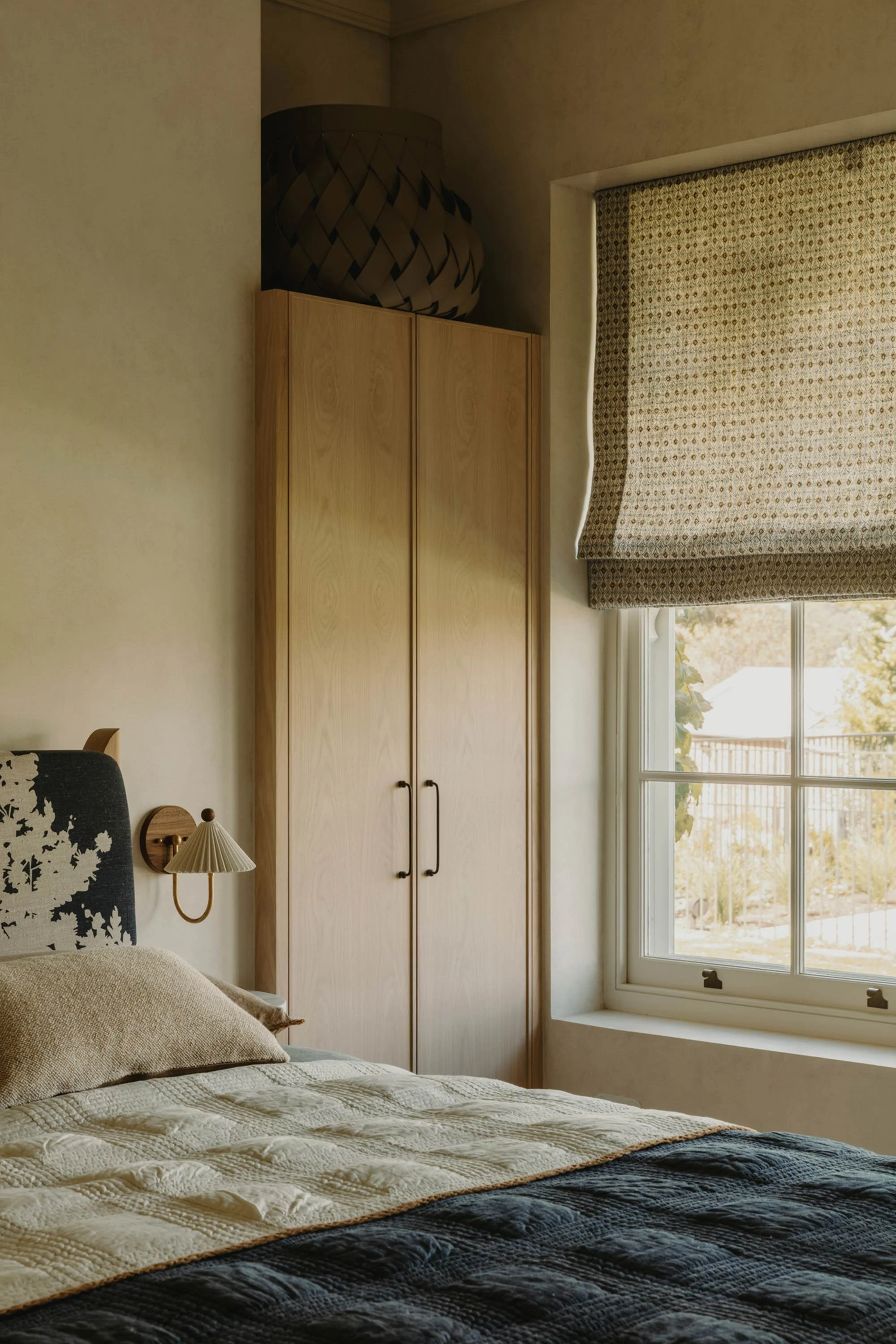
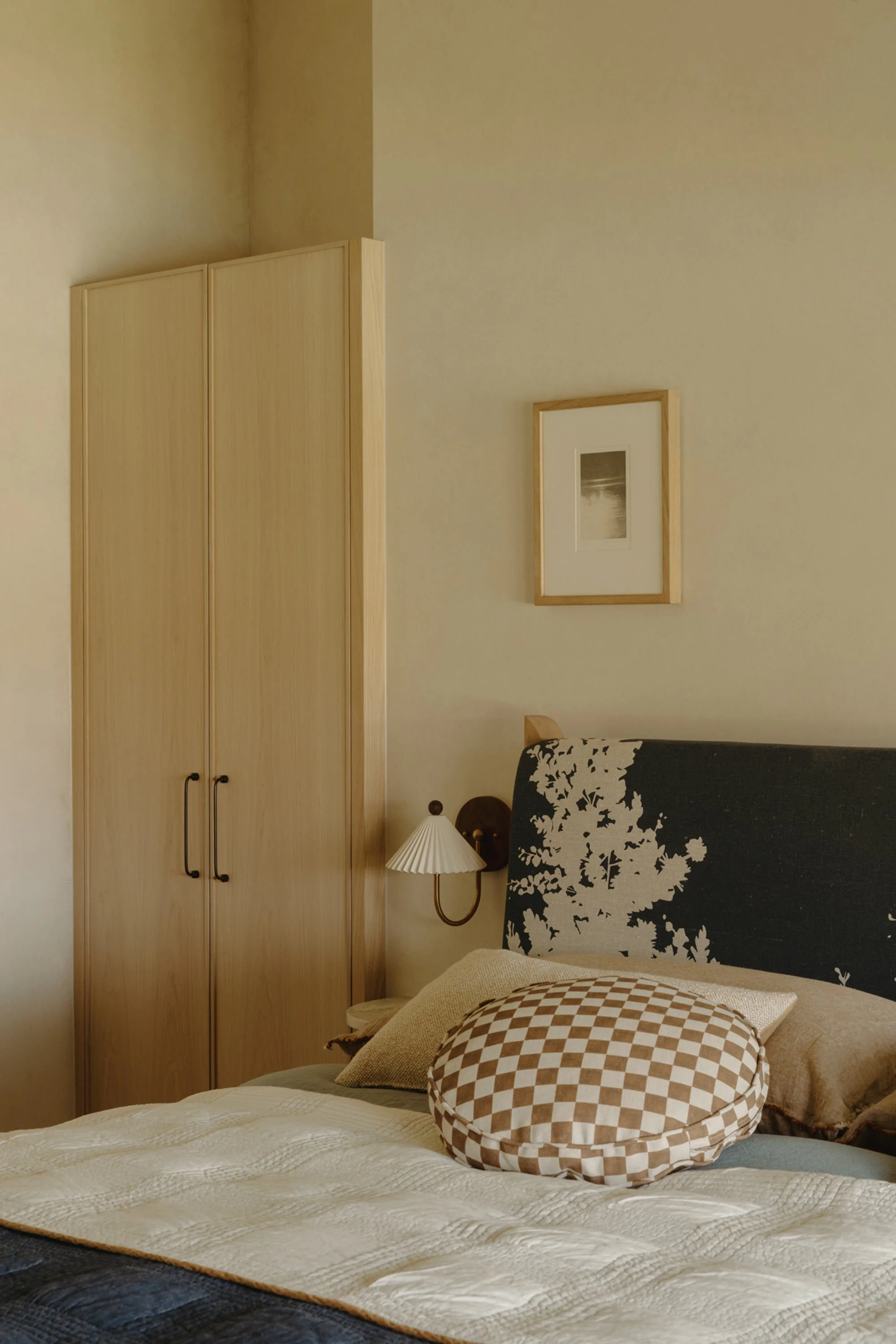
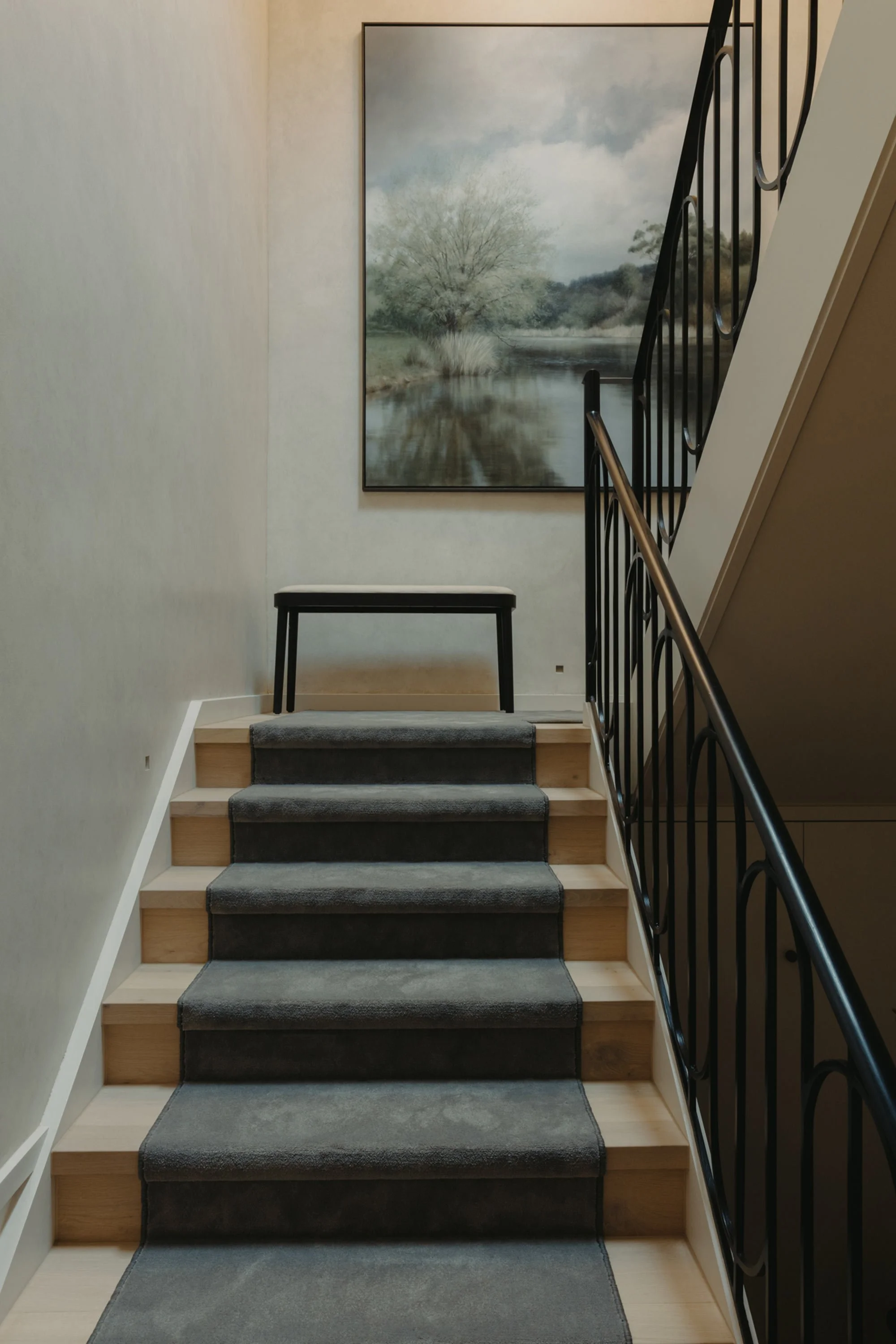
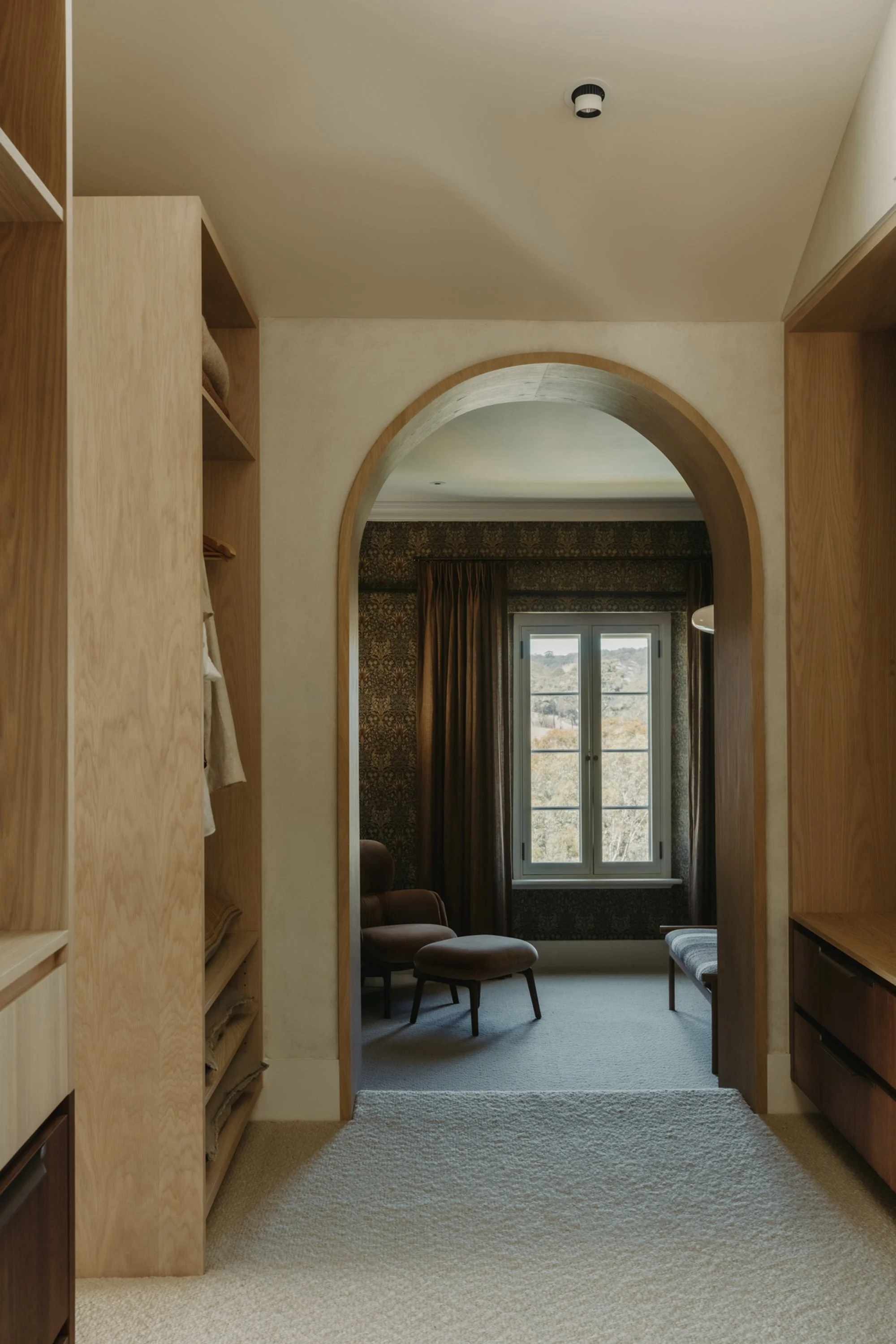
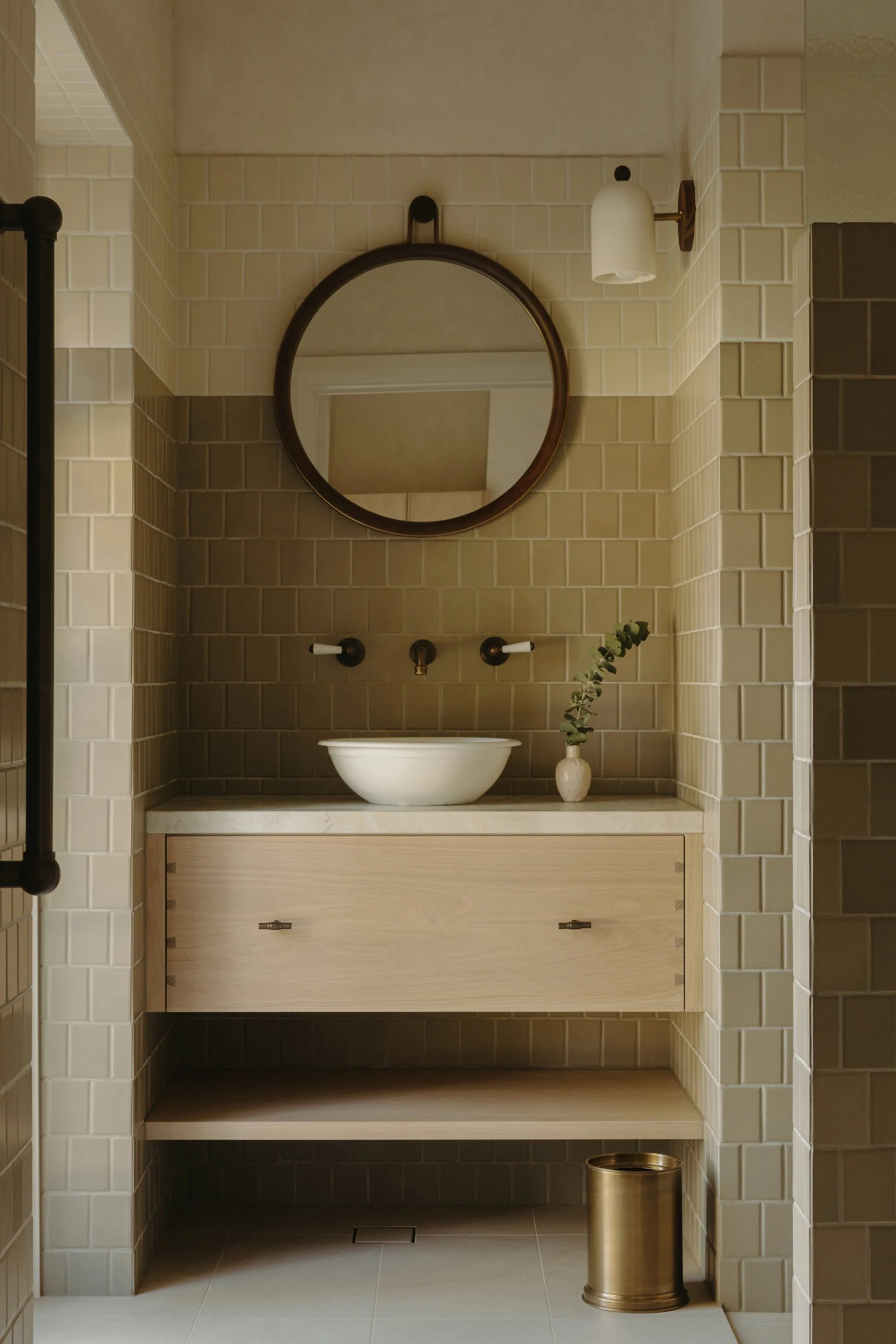
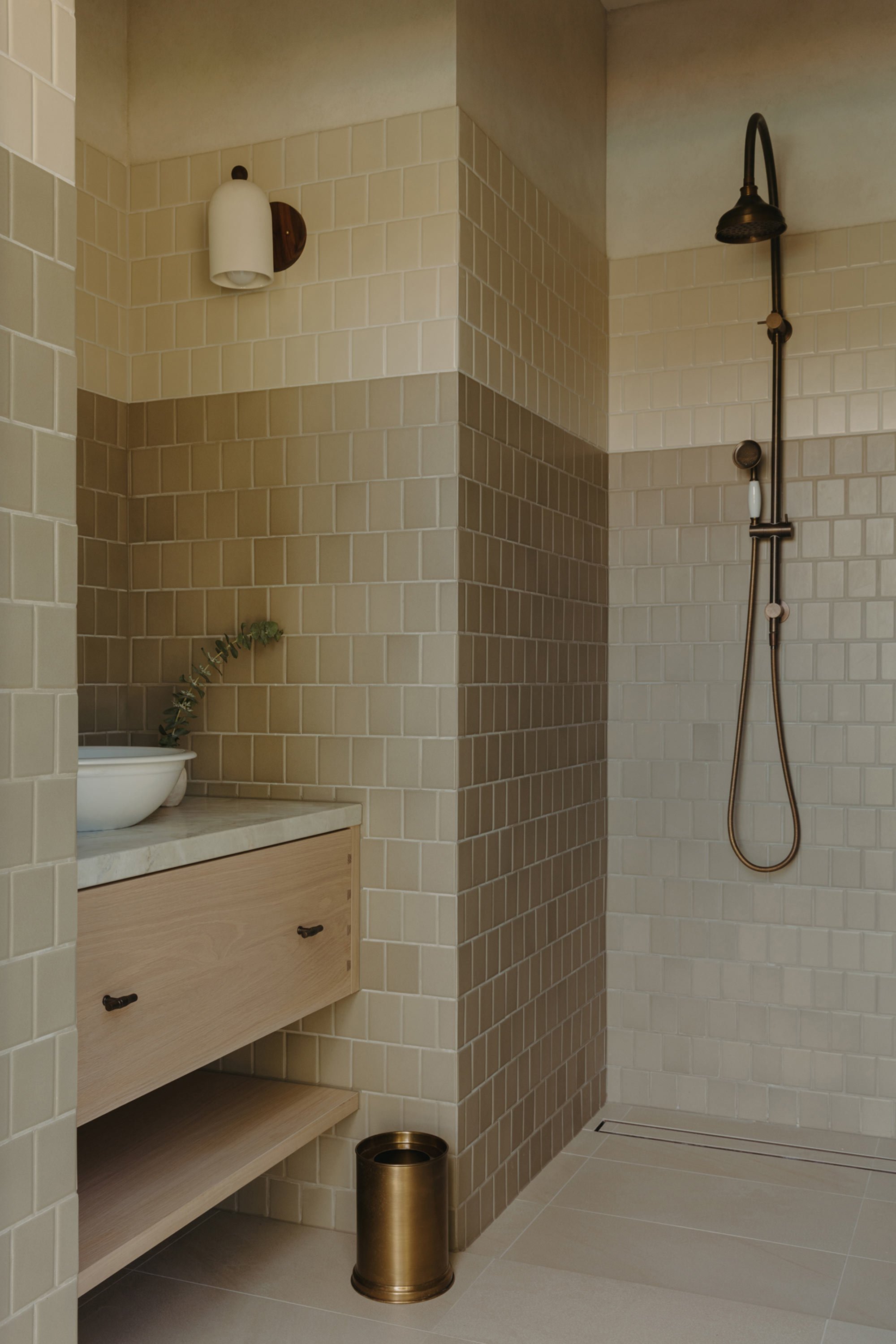
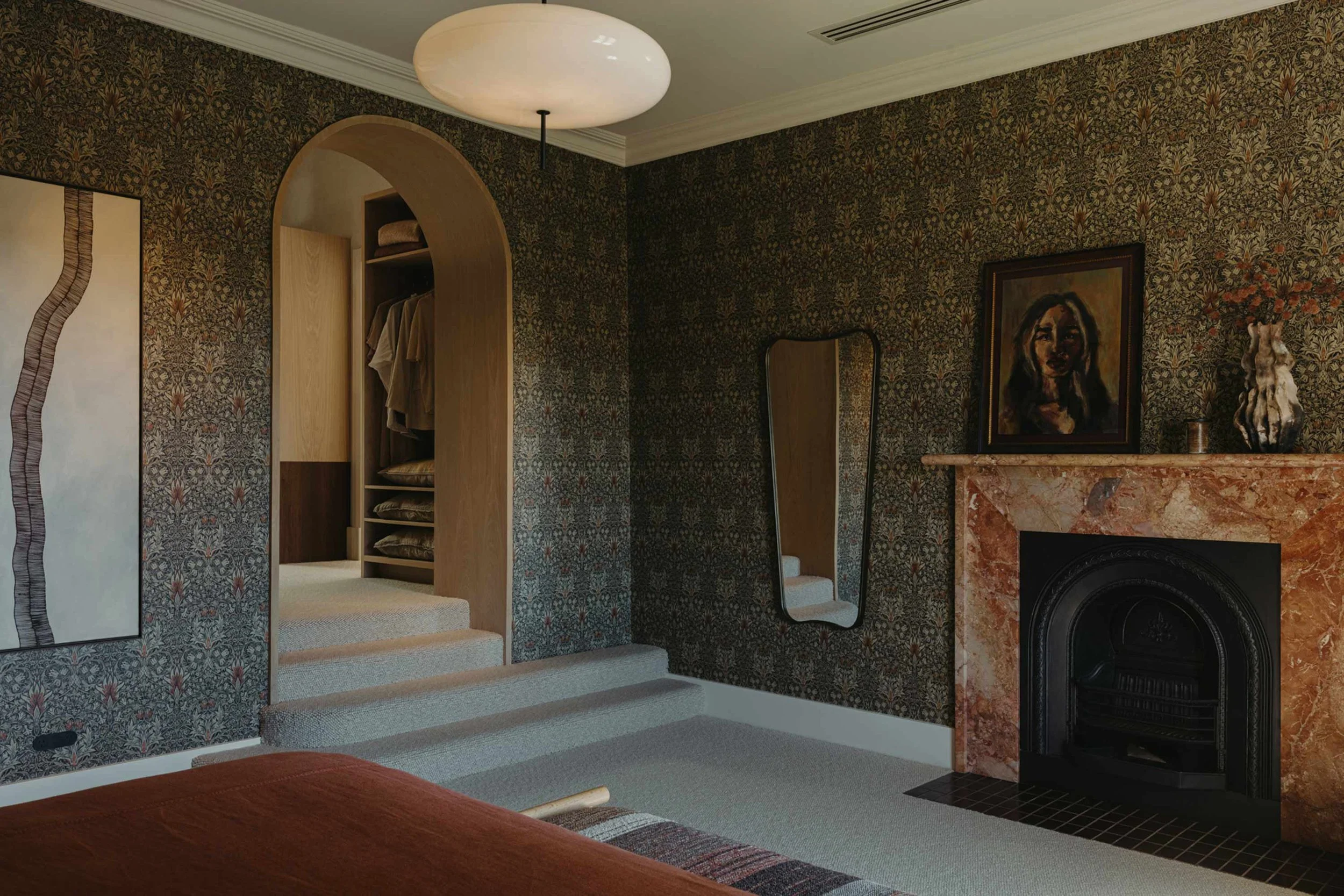
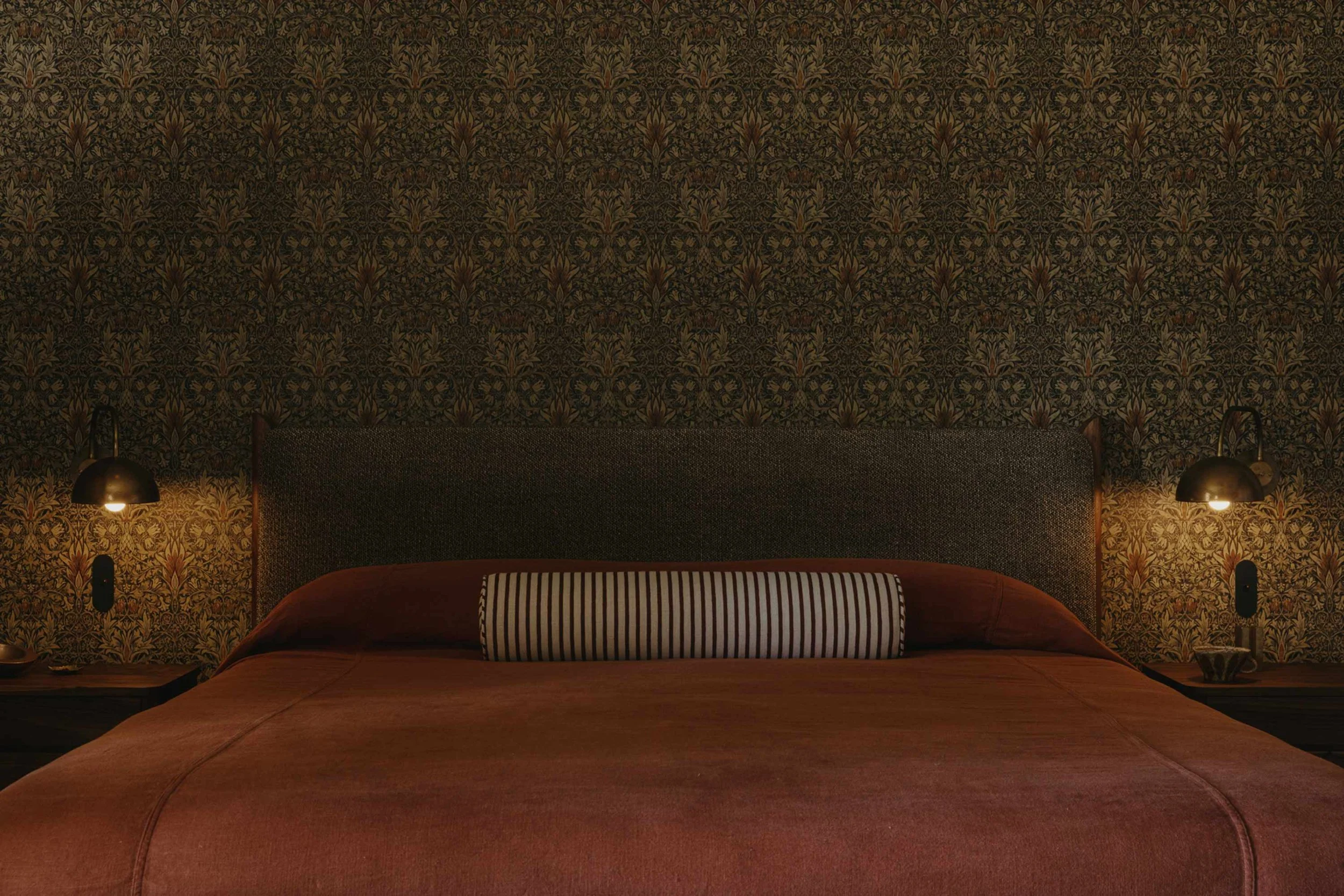
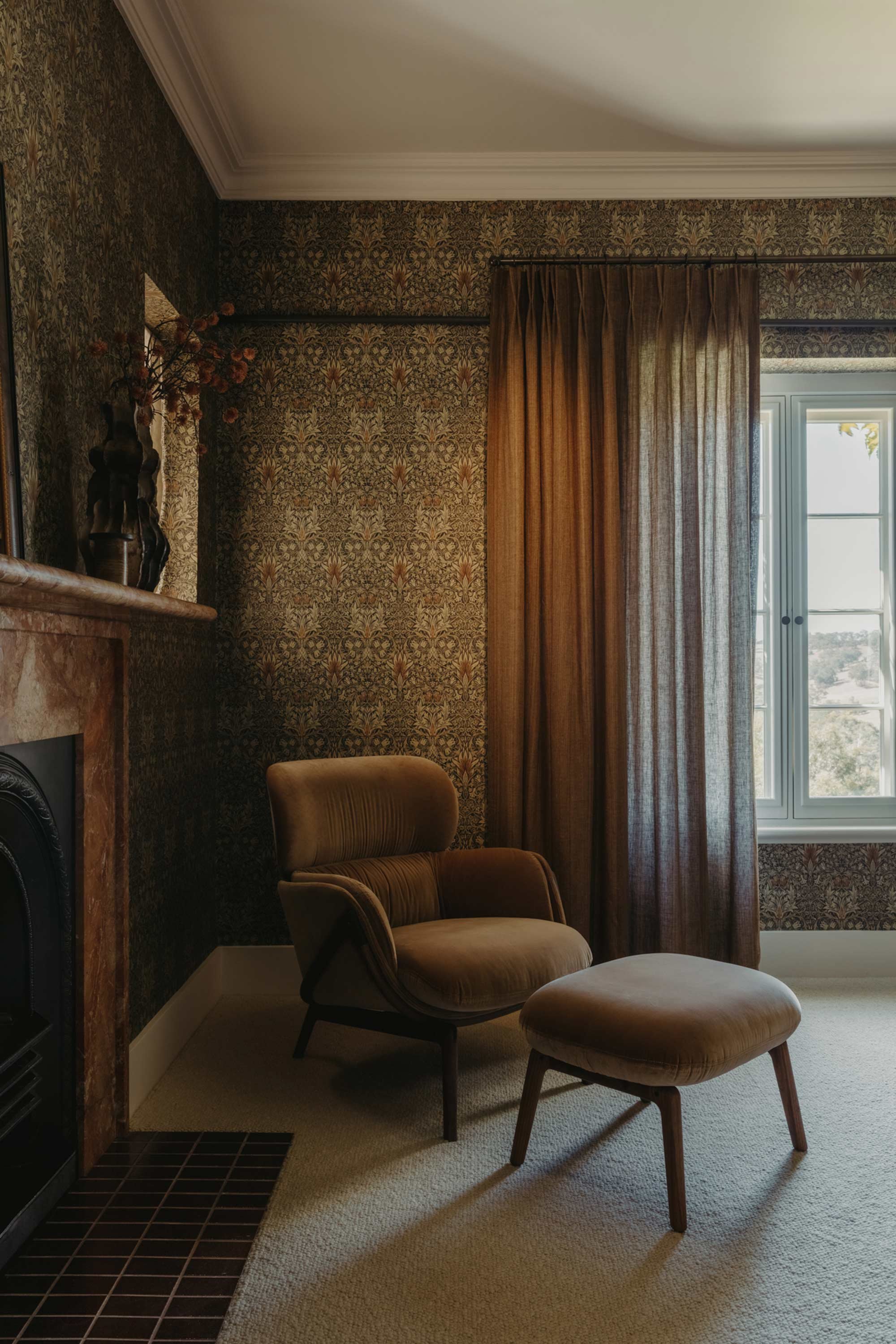
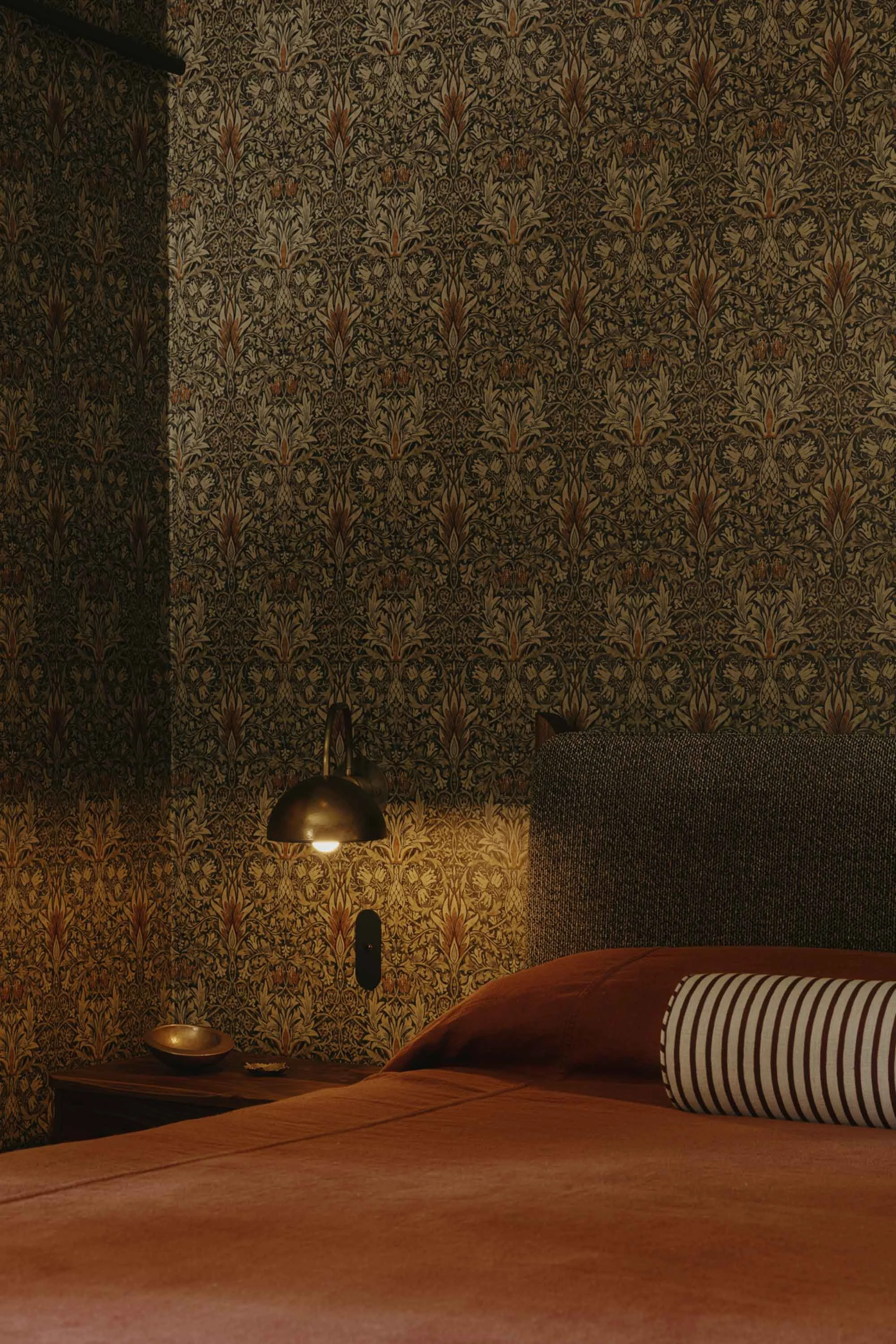
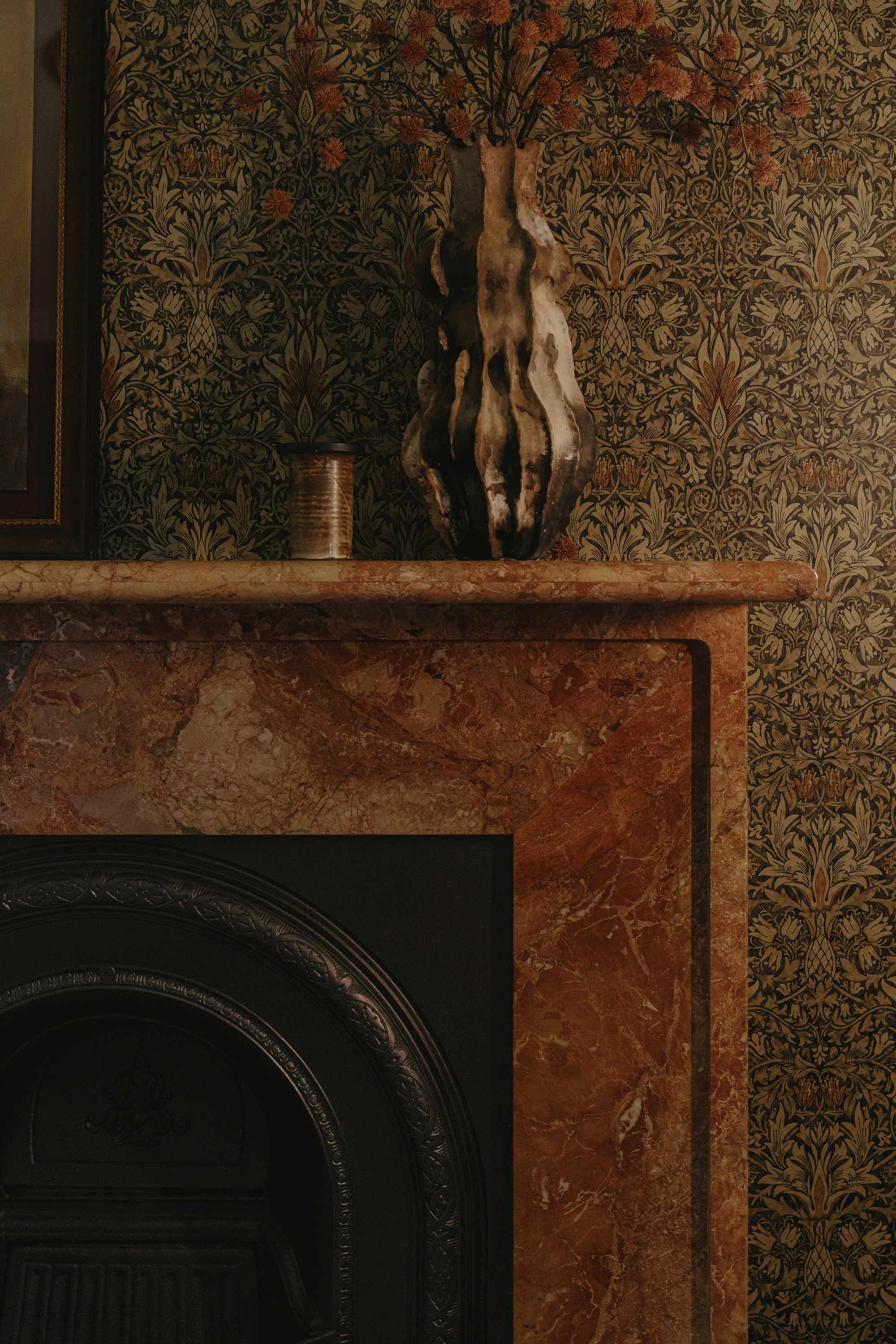
The approach Bowen and her team took was both intuitive and deliberate, driven by a desire to honour the rich history and past owners’ occupation of the land, while also creating space for a contemporary life. ‘The house had to be brave,’ Bowen explains. ‘We didn’t just want to take a traditional approach to timber country homes, we wanted something unexpected.’ That sense of bravery reveals itself in details both subtle and striking. A rich navy palette, evocative of Japanese interiors and South Australian skies, anchors key spaces, and original stone and salvaged timber figure throughout. ‘We focused our efforts on both restoration and reinvention, bringing back the soul of the home while also creating moments of drama,’ she says. One such moment was entirely unplanned: a landslide unearthed a 19th-century underground water tank, a development that otherwise might have been problematic but which Bowen seized to create something special, turning the space into a wine cellar and bar.
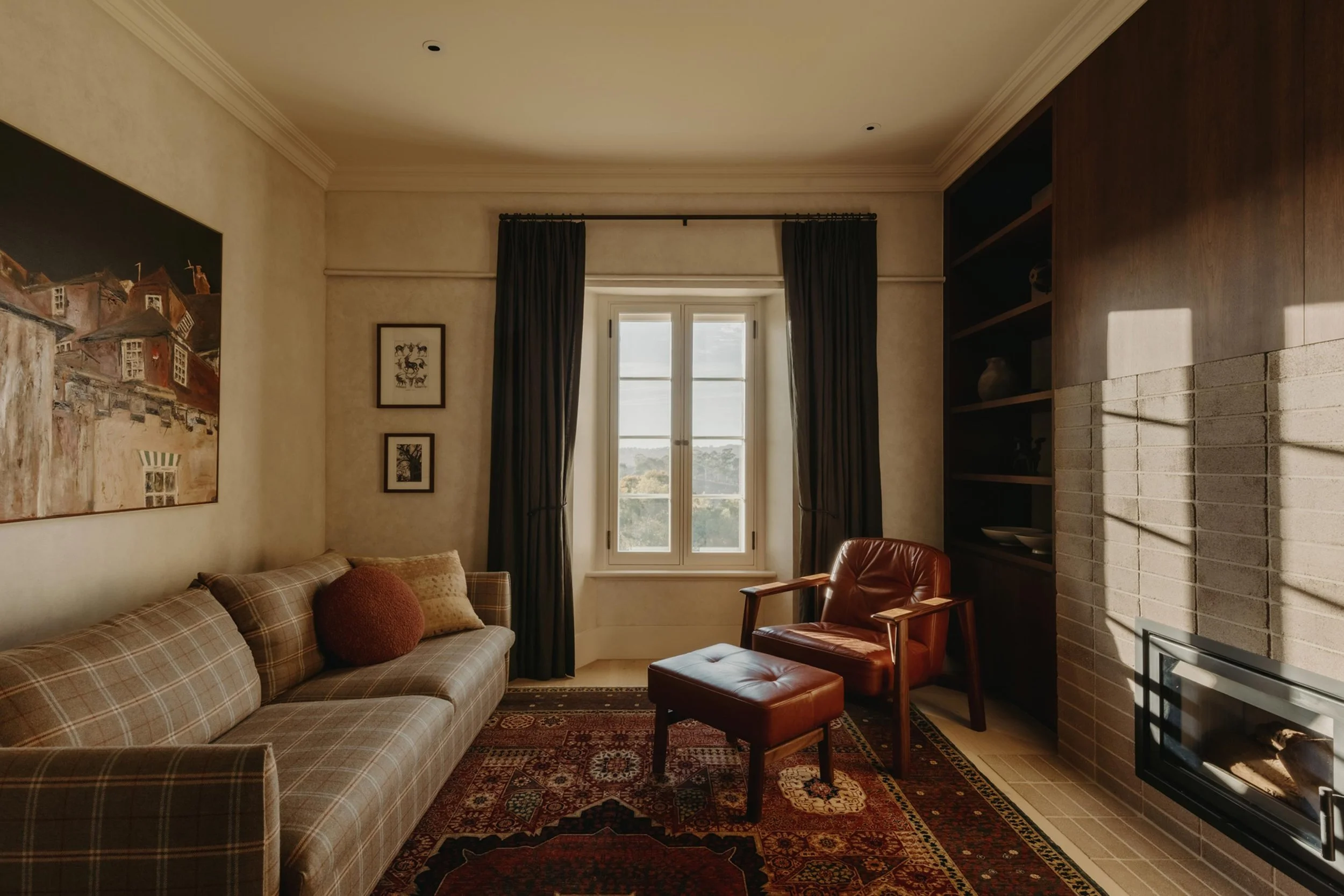
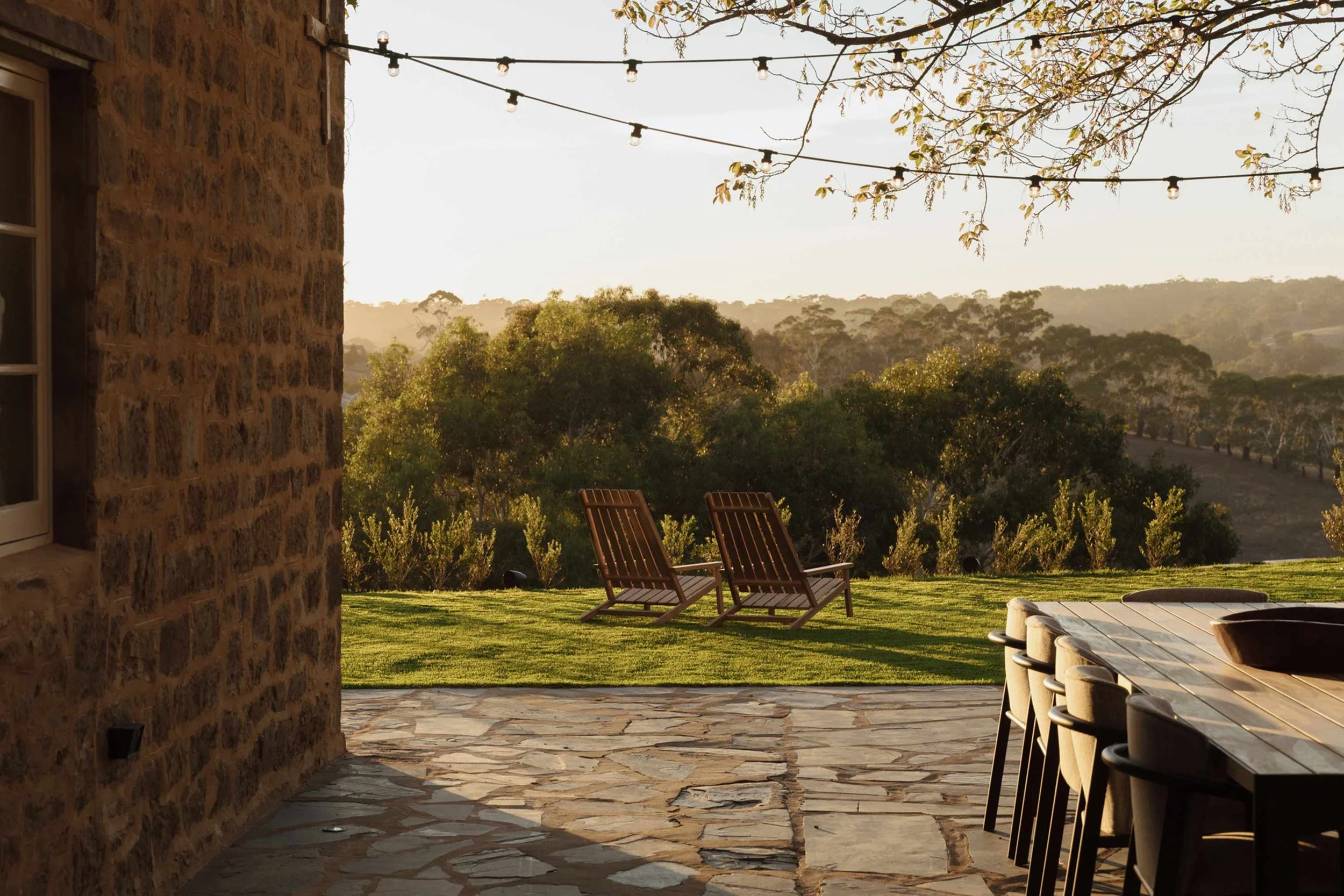
Though council regulations limited interventions to the home’s external footprint, views were reframed and vistas carefully composed. ‘There’s a deep connection between the interiors and the landscape,’ Bowen adds. ‘We framed views out, drew on the existing tones already there and aimed to balance heritage with contemporary touches.’
The resulting home is no longer just a country retreat, it’s a base, a place for the family to return to and, perhaps, a future full-time home. ‘The goal was never to create something overtly pretentious or imposing on the site,’ Bowen says. ‘The goal was to create a home they could live in, entertain in and grow with. Something that would stand for another hundred years.’
Text by Bronwyn Marshall
Images by Jonathan VDK
Styling by Deni Jones and Fabrikate