
A Chair for Life
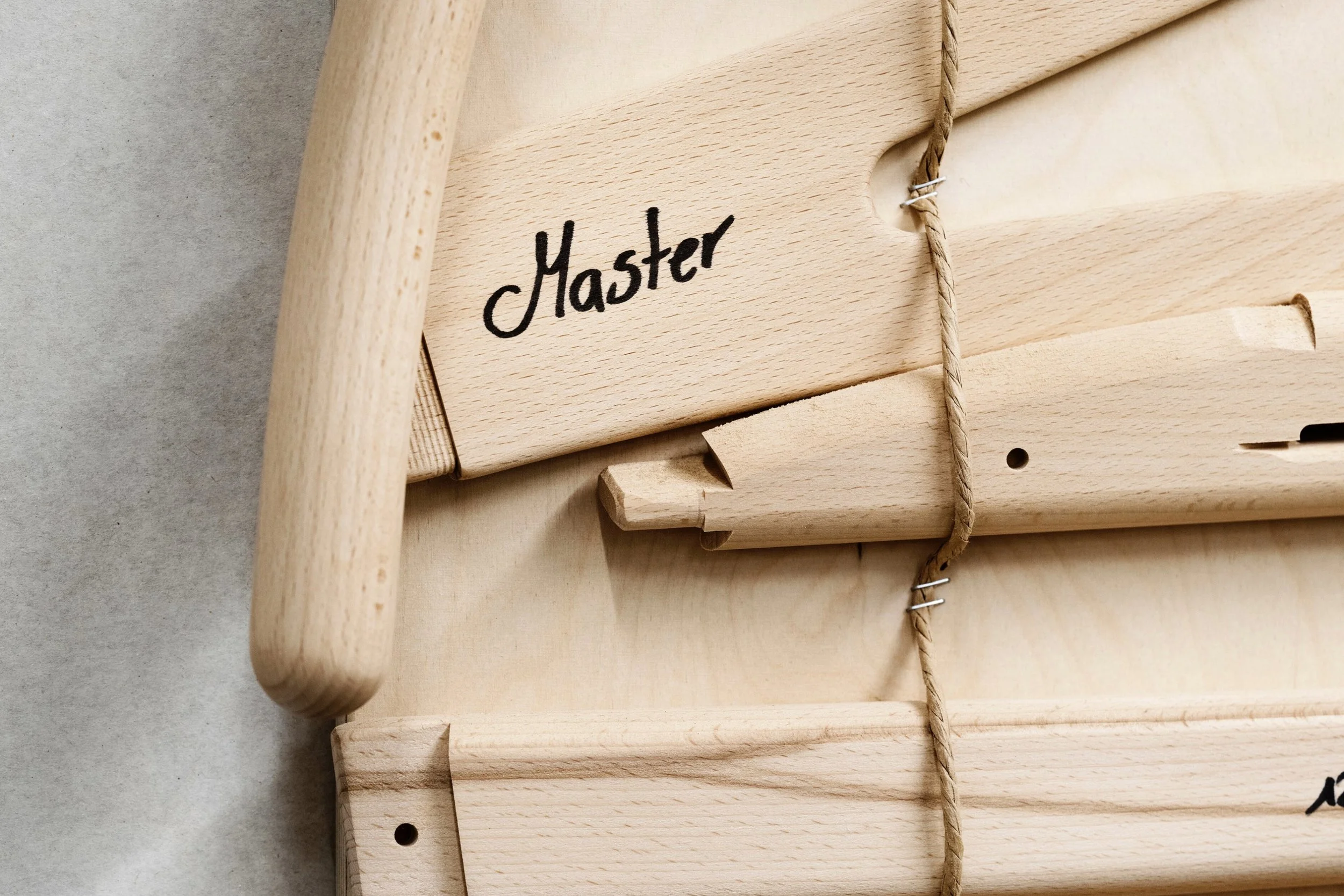
For more than a century, Carl Hansen & Søn has stood as a guardian of Danish furniture tradition. From a family-run base on the island of Funen, the company has nurtured generations of craftspeople, shaping a culture where skill, patience and a deep respect for materials guide the work as much as design.
At the heart of this legacy is the Wishbone chair (CH24). Its steam-bent oak frame, Y-shaped back and hand-woven paper-cord seat are instantly recognisable, yet it is the brand’s careful stewardship and attention to craft and detail that has maintained the chair’s relevance for more than 70 years. Today, the Wishbone chair remains an icon of simplicity and craft — a lasting expression of the values that continue to guide Carl Hansen & Søn.
The Long View
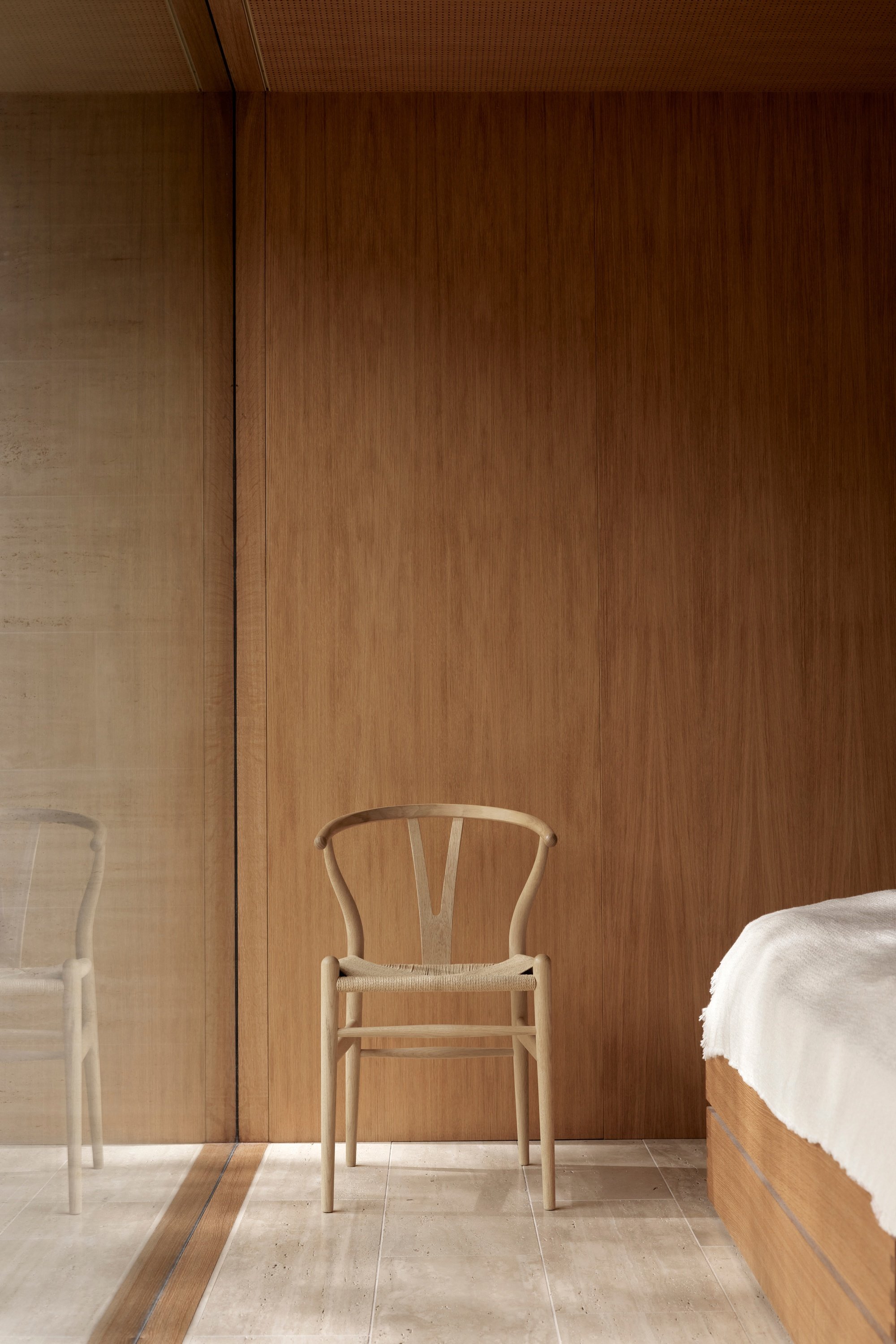
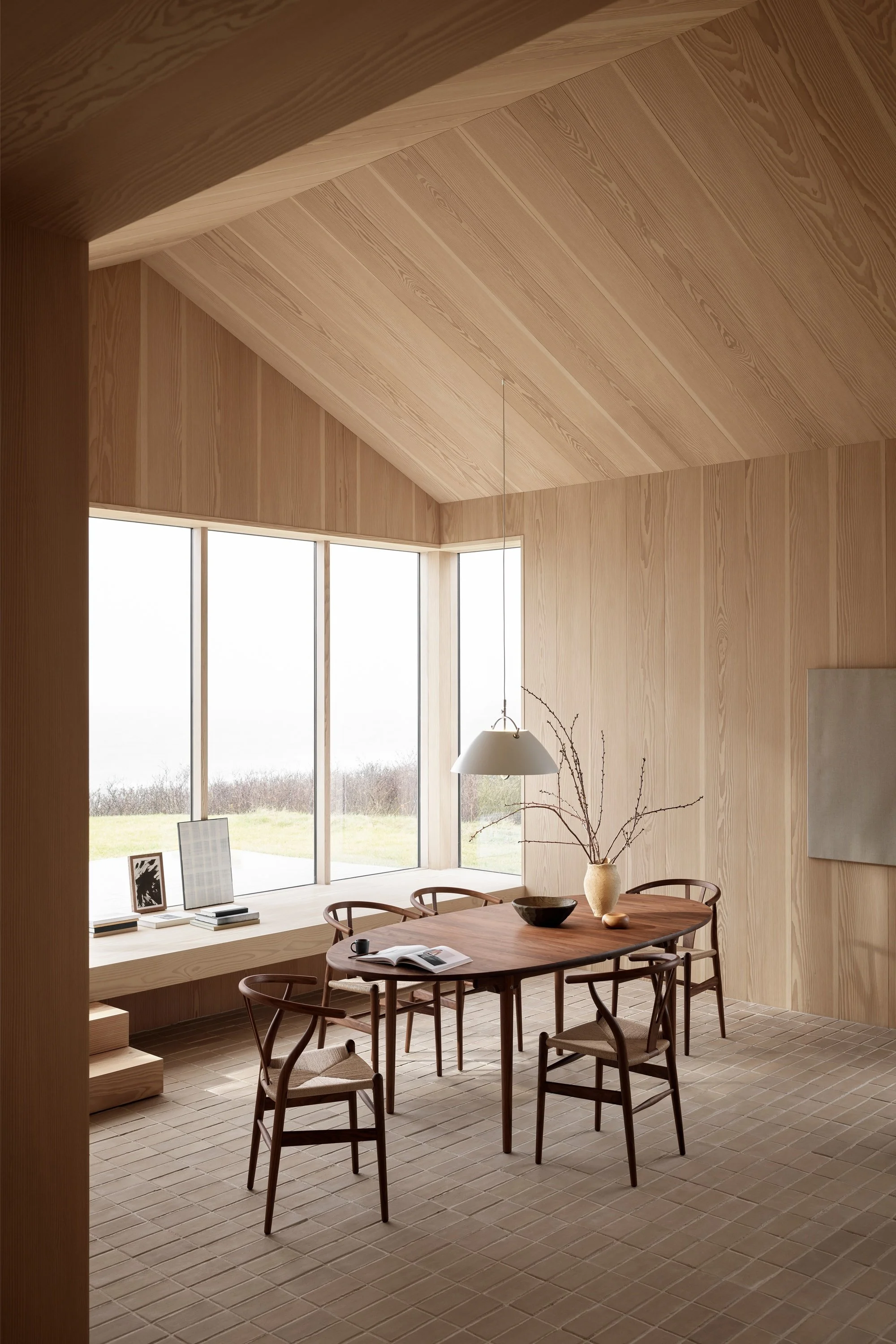
The Wishbone chair by Hans J Wegner is as enchanting today as it was groundbreaking in 1949. A product of the first collaboration between the renowned Danish designer and furniture maker Carl Hansen & Søn, it endures as one of the most celebrated chairs in design history
Between 1943 and 1945, Danish cabinetmaker and designer Hans J Wegner began work on a series of chairs inspired
by Chinese Ming Dynasty-era furniture. Hinting at both East Asian and modernist sensibilities, Wegner described his approach as ‘stripping the old chairs of their outer style and letting them appear in their pure construction’. His straightforward signature style — defined by line and silhouette with rigorous carpentry details and a deep respect for materials — made Wegner’s oeuvre instantly recognisable and quickly caught the attention of Carl Hansen & Søn, one of the country’s foremost furniture makers.
When the company commissioned him to create a chair suitable for series production, Wegner responded with four prototypes: the CH22, CH23, CH25 and the chair that would become his most celebrated design, the Wishbone chair (CH24). In a daring design leap, the Wishbone chair combined the top rails and arms into a single piece, stabilised by the characteristic Y-shaped back that earned the chair its famous nickname. Wegner also explored the CH26 in these sketches, which remained only a working drawing until it was first produced in 2016.
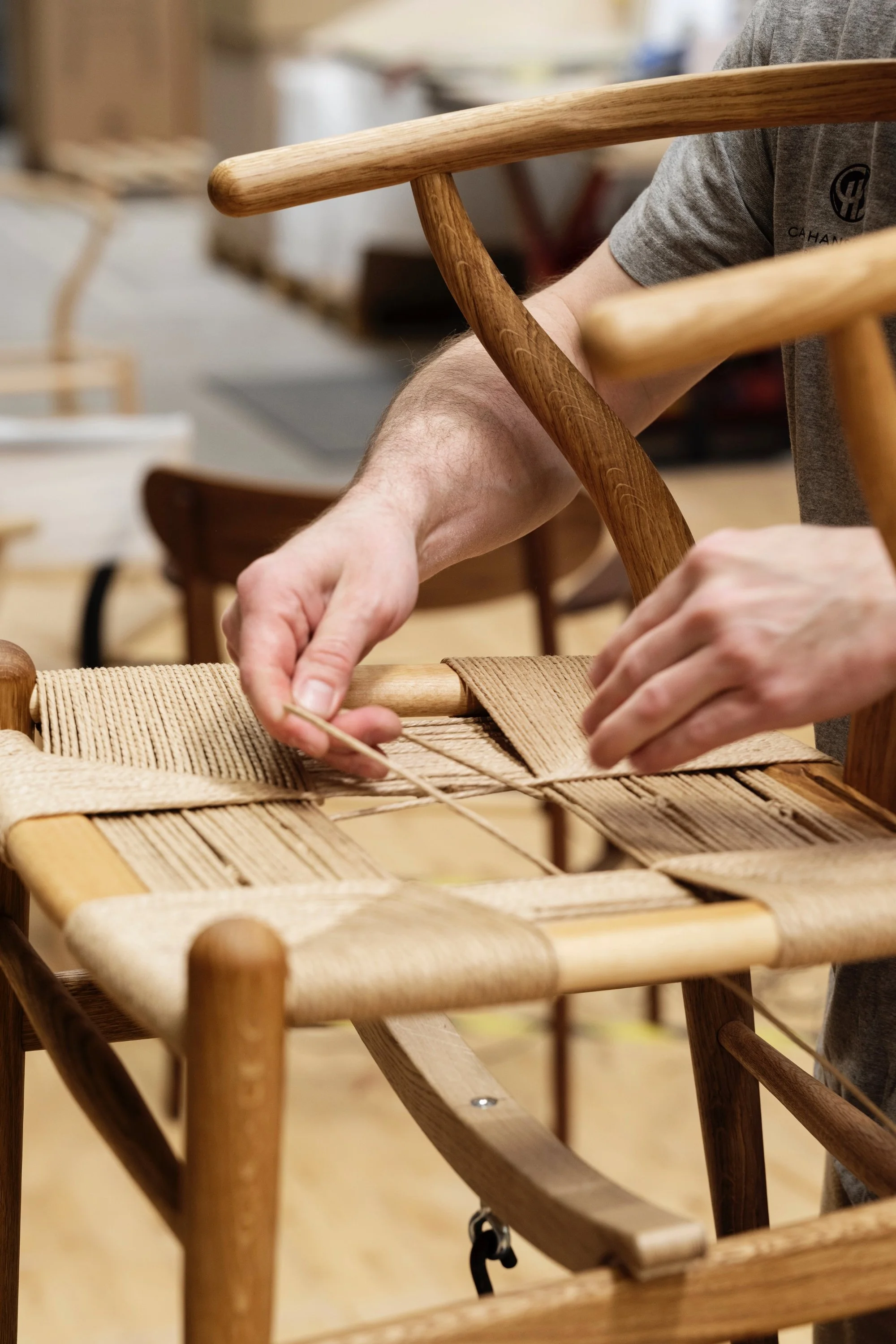
Although Wegner created the Wishbone chair with mass production in mind, the design requires more than 100 production steps, most of which are done by hand. Its complex woven paper-cord seat — a hallmark of Wegner’s design — takes an experienced weaver one hour to complete, while eight skilled cabinetmakers are needed to shape and coax the timber into its distinctive sculptural form. Despite these complexities, Carl Hansen & Søn embraced the challenge; all four prototypes went into production the following year, cementing the reputations of both Wegner and Carl Hansen & Søn as giants of Danish furniture history.
Nearly 80 years later, the Wishbone chair still occupies a special place in the design canon, celebrated as an icon of form and style. Generously proportioned, comfortable and texturally pleasing, the chair has remarkably required little change over the decades.
Continuously reviving the design’s relevance, the company has released multiple limited-edition versions to honour Wegner’s birthday, introducing subtle variations such as dark oak wood, leather seats, and new colourways and finishes. The company still partners closely with the family-run Hans J Wegner Design Studio, which maintains a meticulous archive of the designer’s original pencil drawings, numbering more than 500. As Wegner famously remarked: ‘Imagine if you could design just one good chair in your life... but you simply cannot.’
Text by Lena Hunter
In Good Hands

On the Danish island of Funen, Carl Hansen & Søn is training the next generation of world-class cabinetmakers. Its in-house apprenticeship, The Lab, immerses students in the signature techniques and designs that have defined Danish furniture for more than a century
Few manufacturers have specialised in wood furniture for as long as Carl Hansen & Søn. Since its founding in 1908, the
family-run company has brought to life some of the Danish modern movement’s most enduring wood masterpieces. Continuing the legacy, Carl Hansen’s grandson Knud Erik Hansen says great Danish design remains a balance of function and aesthetics: ‘It is minimalistic, easy to understand, with no unnecessary details.’
But minimalism does not mean easy manufacture. ‘We need skilled cabinetmakers,’ says Hansen,‘but they are hard to find.’That’s why, in 2019, the company launched its own apprenticeship, The Lab, at its factory in Gelsted, Denmark. ‘By training our own cabinetmakers, we preserve the design tradition that Denmark has become so famous for,’ he says.
Around 20 apprentices enrol at a time in the three-year, nine-month programme. As per tradition, the first task is to make their own tool cabinet. ‘They craft different kinds of joints and gain an in-depth understanding of the possibilities and challenges of cabinetmaking,’ says teacher Martin Tolberg Møller. Other techniques like finger joints, sanding, cut-outs and weaving are also passed down. ‘It’s a 360-degree experience of large-scale furniture production, while delivering excellent craft every time,’ says Møller.
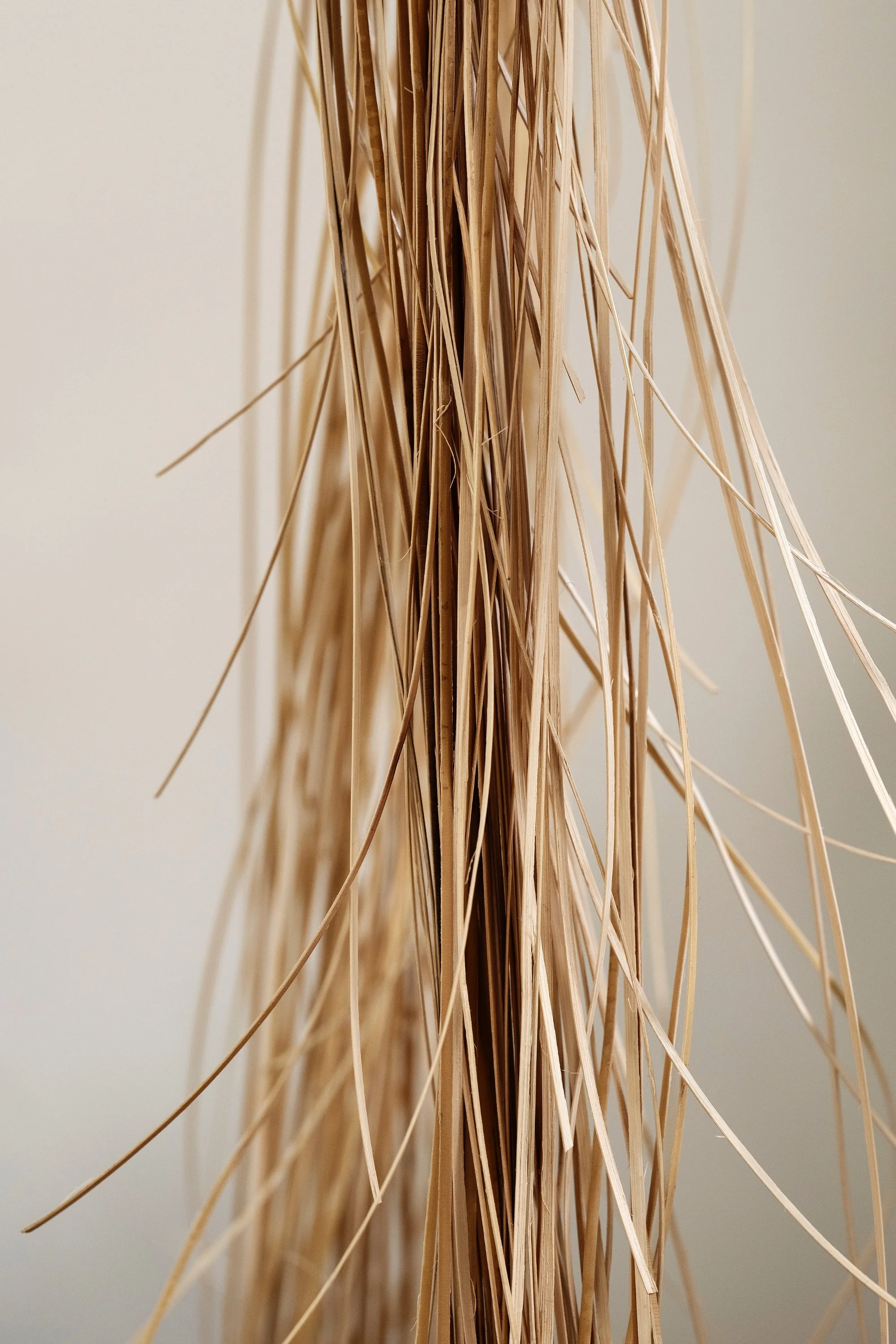

For many, cabinetmaking is a second career. Apprentice Simon Hamidavi R Moestrup joined at 28, leaving the office for something ‘non- digital and more tangible’. Today, cabinetmakers not only work with their hands, but use state- of-the-art machinery to handle the heavy and repetitive processes. ‘The human hand takes over where sensitivity, judgement and experience are required,’ explains Møller. ‘The challenge is to remain faithful to the designer’s original intentions,’ adds Moestrup, ‘combining the soul and tactility of handcraft with the precision and efficiency of machines.’
An even more delicate job is restoration. Reviving family heirlooms without erasing their patina requires the highest expertise. ‘It’s a special feeling to work on a piece of furniture that has already lived a long life. You can read its history in the surface of the wood, the paper-cord seat and the joints,’ says Moestrup. ‘It deepens my respect for the craft.’
Carl Hansen & Søn is one of the few historic furniture producers left in Denmark, and demand for its pieces is high. Fortunately, interest in cabinetmaking is ‘clearly growing’ among younger generations, according to Møller. ‘Last year we received five times as many applications as we have places.’
For Hansen, craft is the ‘beating heart’ of the company, and he intends to keep passing it on. ‘No machine can create a pleasing tactility like the human hand and eye combined,’ he says. ‘This is the essence of what we teach our apprentices.’
Text by Lena Hunter
Right at Home
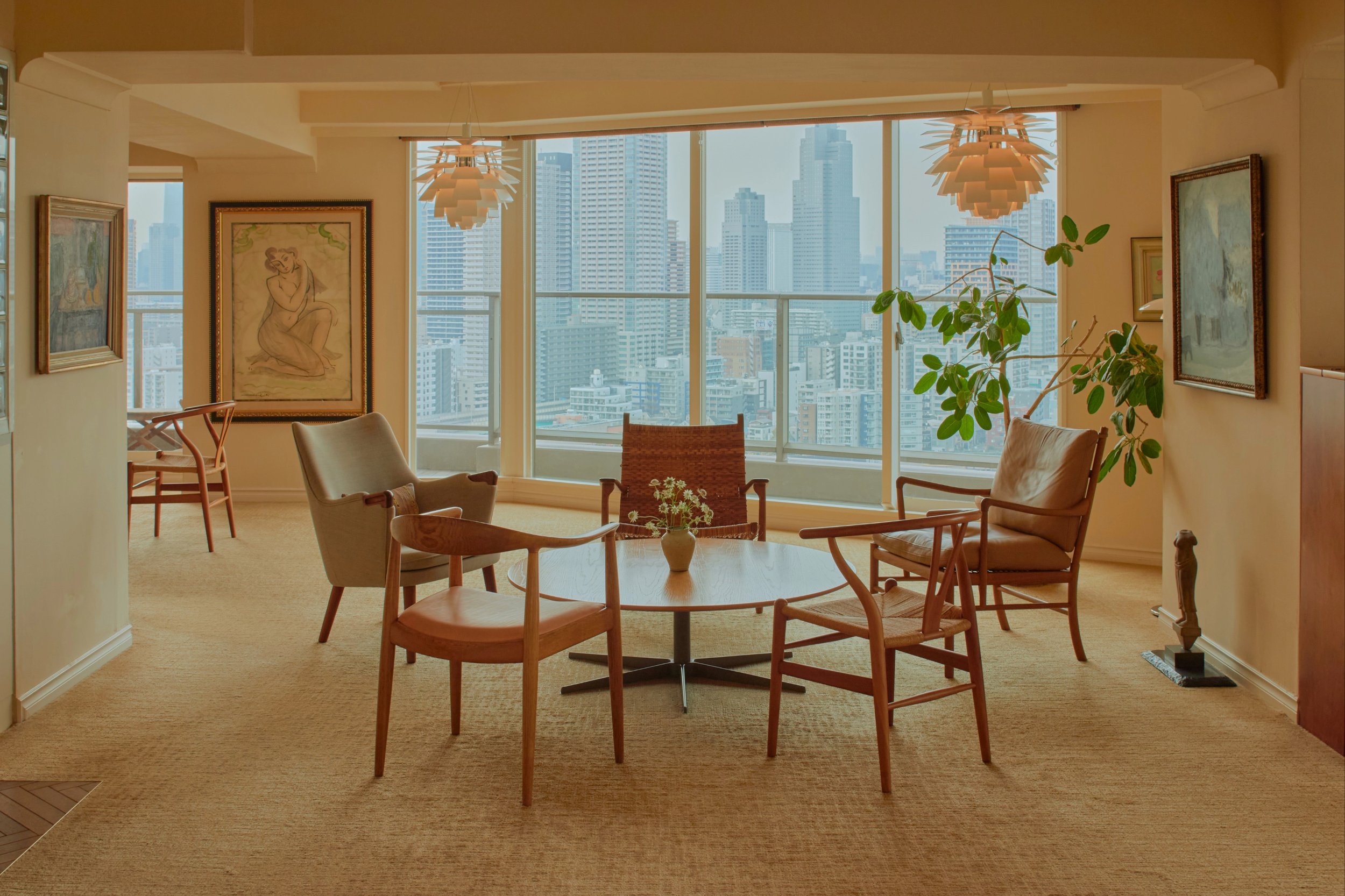
For Rika Yukimasa, dining is as much about atmosphere as it is a sense of taste. The Y-chair has shaped both for almost 40 years
When Rika Yukimasa was a high school exchange student in California, reluctant to return to her native Japan, her host family offered her a deal: make dinner five nights a week in lieu of rent. Cooking her way through junior college and then UC Berkeley, she realised that there was more to dining than what she put on the plate.
‘Entertaining isn’t just about food. It’s about the atmosphere,’ says Yukimasa. ‘When you enter a room, you listen to the music, you sense the light, you notice the furniture. That atmosphere already gives you an impression of the food before you eat anything.’
Teaching herself to cook and entertain would later flow into a career that spans authoring more than 50 books on cuisine and interiors, running restaurants, hosting international television programmes on Japanese cooking, and even developing online language learning systems for children.
After returning to Japan, she joined advertising behemoth Dentsu, her bilingual and bicultural fluency making her a natural fit for the firm’s international projects. It was there that she first encountered Nordic culture and design, immediately recognising its affinity with Japanese sensibility and style.
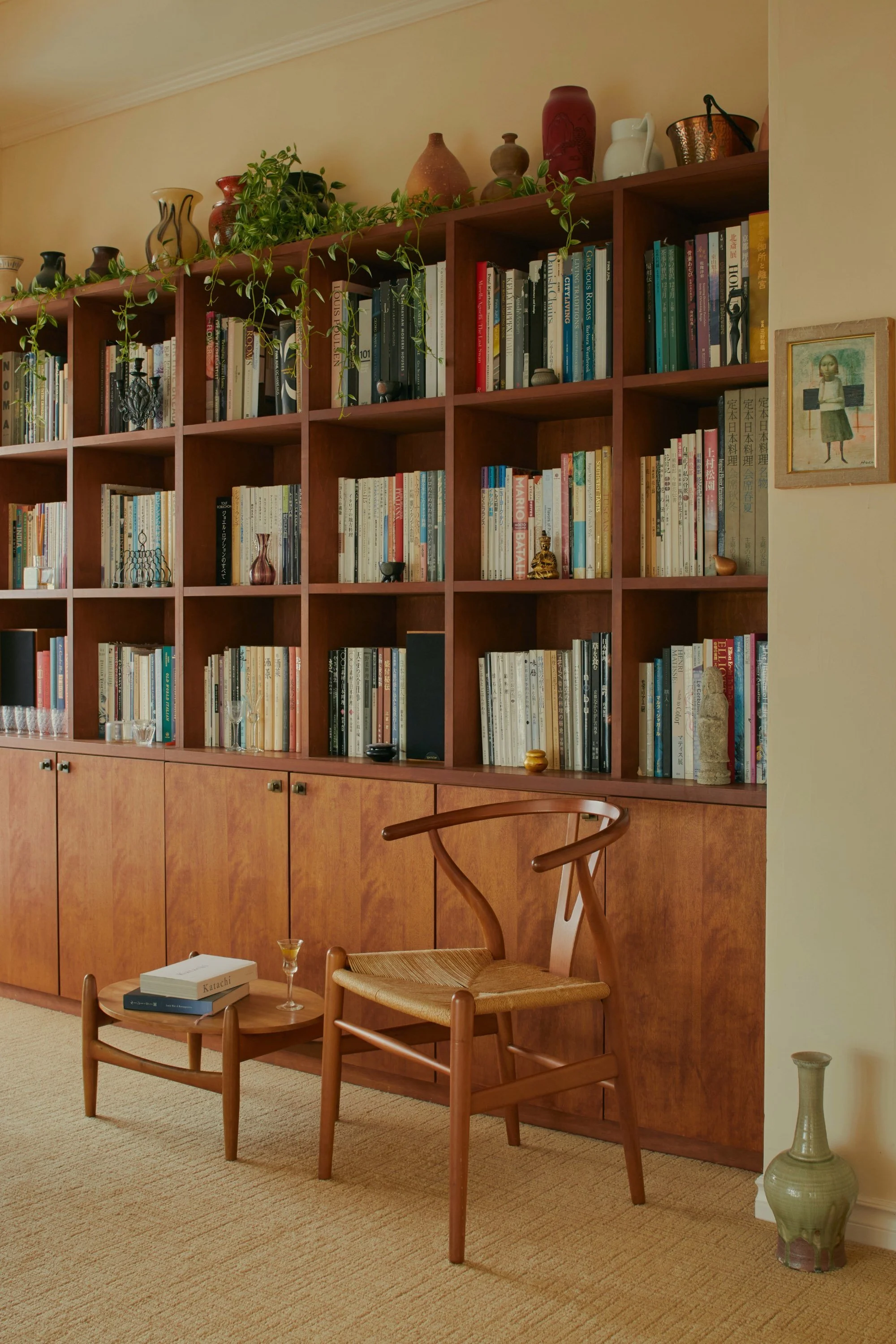
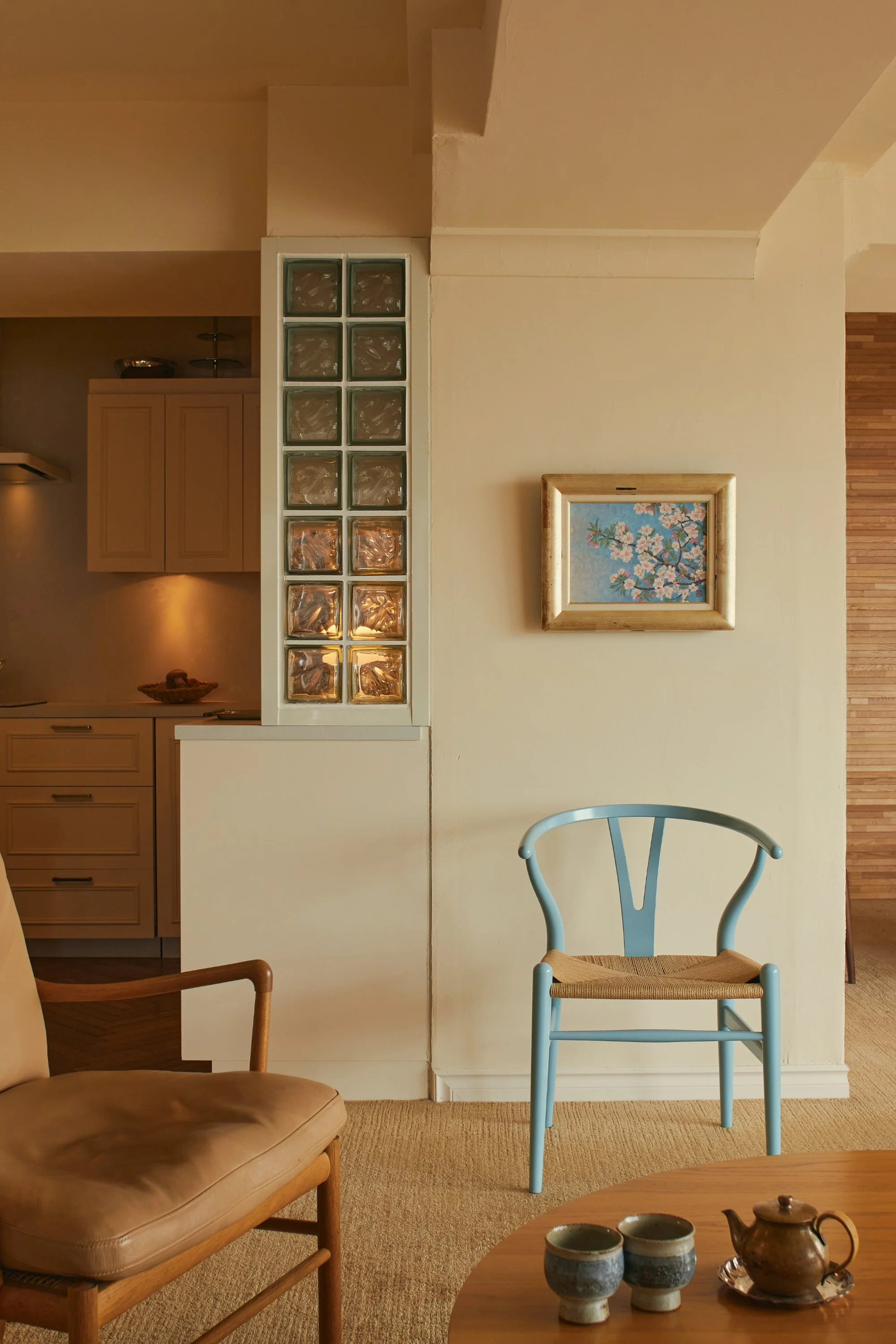
Yukimasa also felt that, although Italian and French style had caught Tokyo’s imagination at the time, Danish artisanship was more closely matched with Japanese restraint. ‘Nordic design has a simplicity that fits Japan very well. It’s not flashy or extravagant but, if you look closely, the attention to detail is incredible. That approach is very close to Japanese values.’
When Yukimasa came across the Wishbone chair at a friend’s house in Sweden nearly 40 years ago, it was a case of love at first sit: ‘It looks like a hard wooden chair, but it’s incredibly comfortable. I didn’t know the designer or the brand at first. I just knew it felt right.’
She notes the influence of Japanese craft and visual language on its designer Hans J Wegner, and its enduring popularity in Japan, where it is commonly called the Y-chair. Yukimasa has owned eight over the years, with four currently spread across her Tokyo home, a nearby design studio and her other studio in Kyoto.
At home, the chair accompanies Yukimasa’s leisurely evenings, which often commence with a bottle of wine around six p.m., continue through multi-course dinners and end with her moving the Wishbone chair in front of the television to enjoy a drama. ‘I even fall asleep in it sometimes,’ she confesses with a laugh.
She also lauds the chair’s low- maintenance nature, believing scratches and stains can add to its charm. ‘In Japan we talk about wabi-sabi. My kids spilt things, my husband spilt wine. But to me, that’s okay. I like to age with the chair.’
Text by Gavin Blair Images by Karin Tomino
Second Life
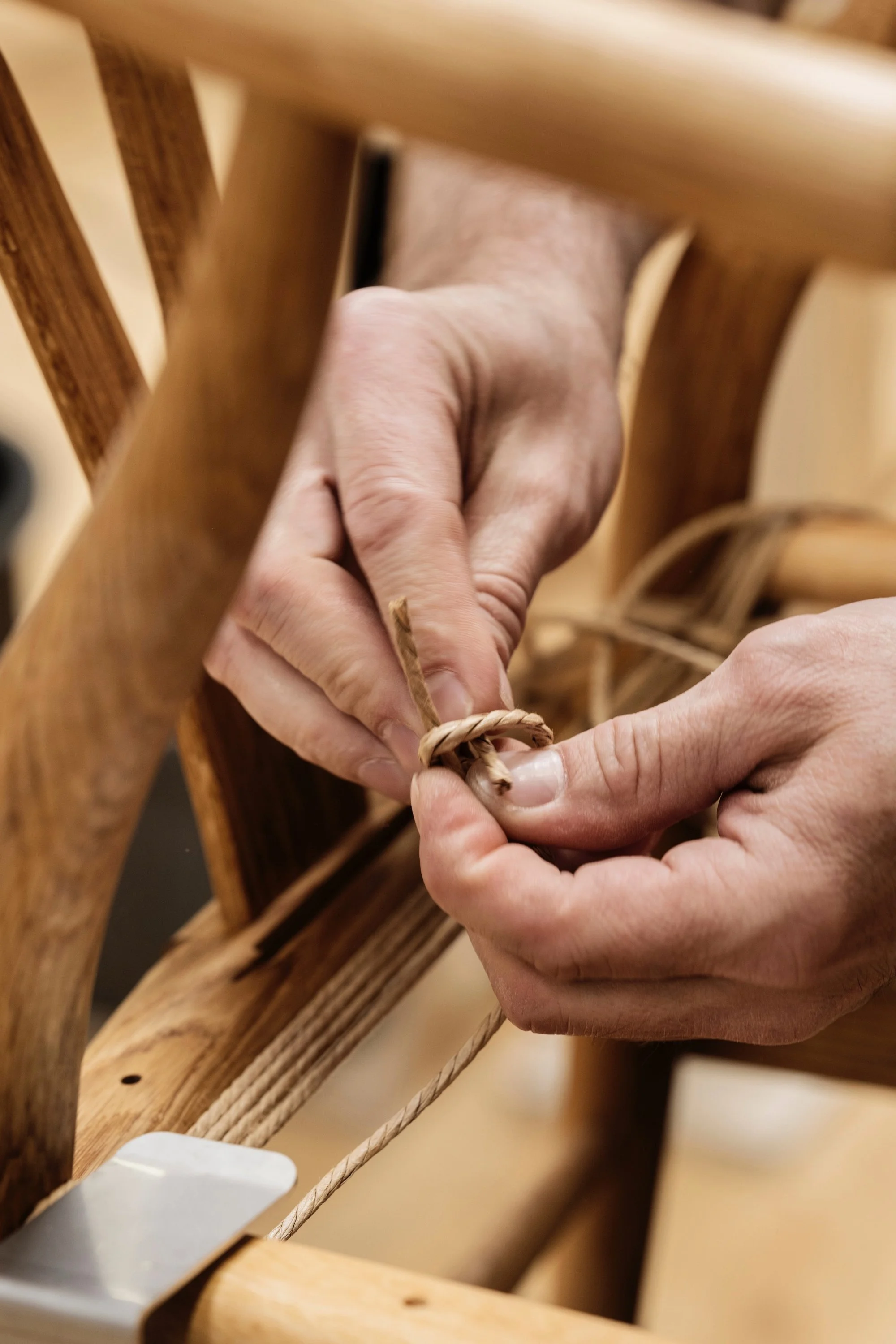
Character, longevity and the human touch are hallmarks of true craft — principles perfectly captured in Carl Hansen & Søn’s Wishbone chair
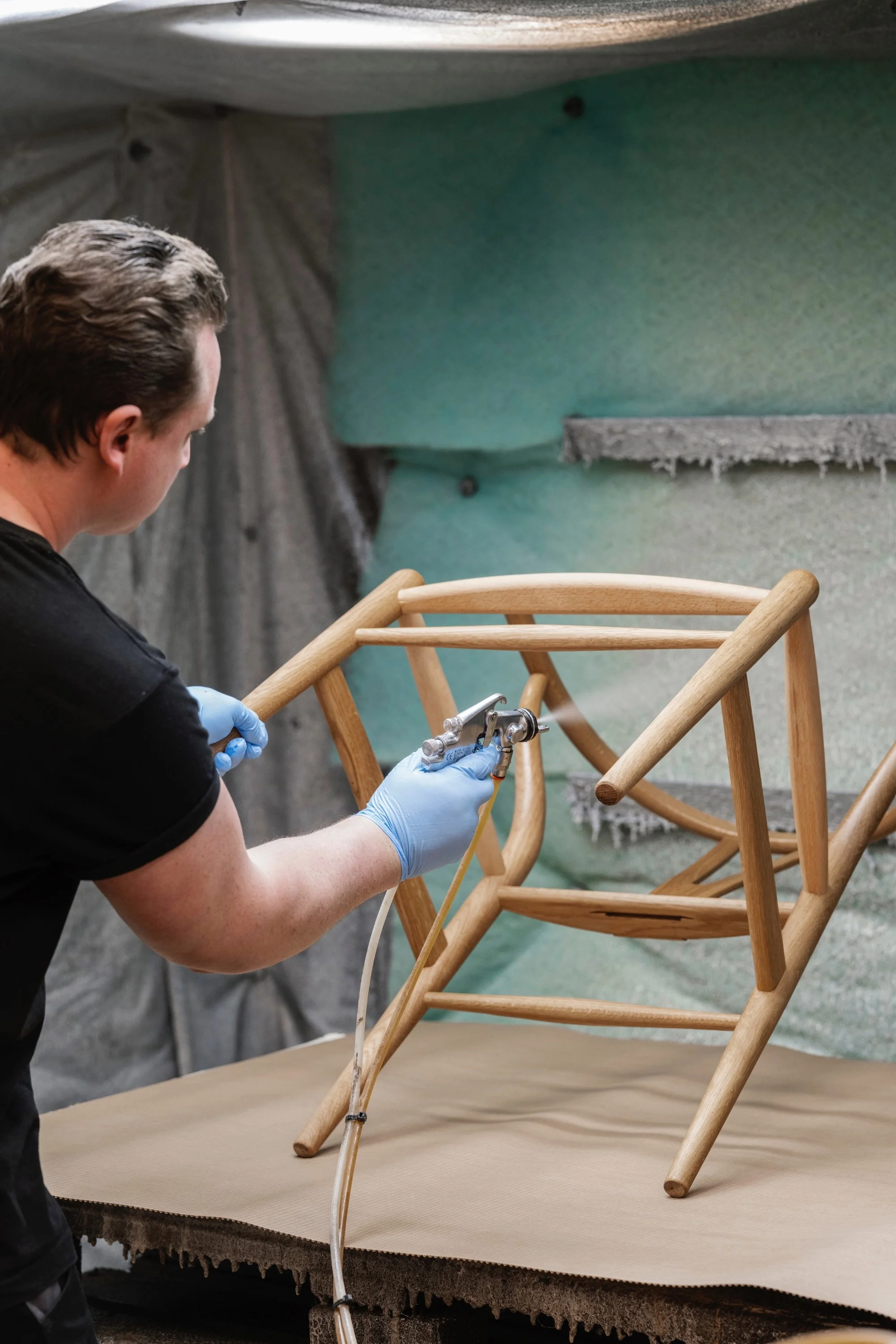
In the hands of Carl Hansen & Søn, furniture is made to be lived with, touched and treasured for generations. Central to this philosophy is the idea that repair and restoration deepen the appreciation of the objects themselves. A table can be mended after years of wear; a chair can be rewoven without losing its original character and beauty. Every mark of age becomes part of the story, a testament to both the materials and maker that have shaped it.
In Gelsted, Denmark, the Carl Hansen & Søn factory stands as the epicentre of the company’s craft, where generations of knowledge and skill converge, and every curve and joint is attended to with practiced familiarity, whether through creation or repair. This same dedication is mirrored in Japan, where a specialised restoration facility upholds the same rigorous standards, ensuring the brand’s designs are maintained with equal care.
A nation celebrated for craft and decades- old tradition, Japan has long nurtured generations of hands capable of transforming raw materials into objects of care and wonder. Concepts such as mottainai, the regret of discarding what could have another life, and wabi-sabi, which finds beauty in imperfection, reflect the same reverence for materials and process that underpins Carl Hansen & Søn’s work.
One of the brand’s most iconic designs, the Wishbone chair, is unmistakably human made, and therefore unsurprisingly popular not only in Japan but all over the world. Its exquisite ink-like curves are fashioned with care. Its paper-cord seat is handwoven by master craftspeople whose leathered hands are filled with valuable, prized expertise.
Today, the Wishbone chair inhabits a wide range of interiors across the globe, from private residences and studios to restaurants and cultural institutions, where it has become a signifier of taste and appreciation for design and making. Its appeal is inherently global, grounded in a shared sensitivity for craft and material honesty.
Through its specialised repair facilities, Carl Hansen & Søn ensures that this attention continues long after a piece leaves the workshop. Structural repairs, refinishing and reweaving are carried out with the same devotion as the original making. This care given to the materials and craft ensures that objects last for generations, accruing character and story over time.
The Next Chapter
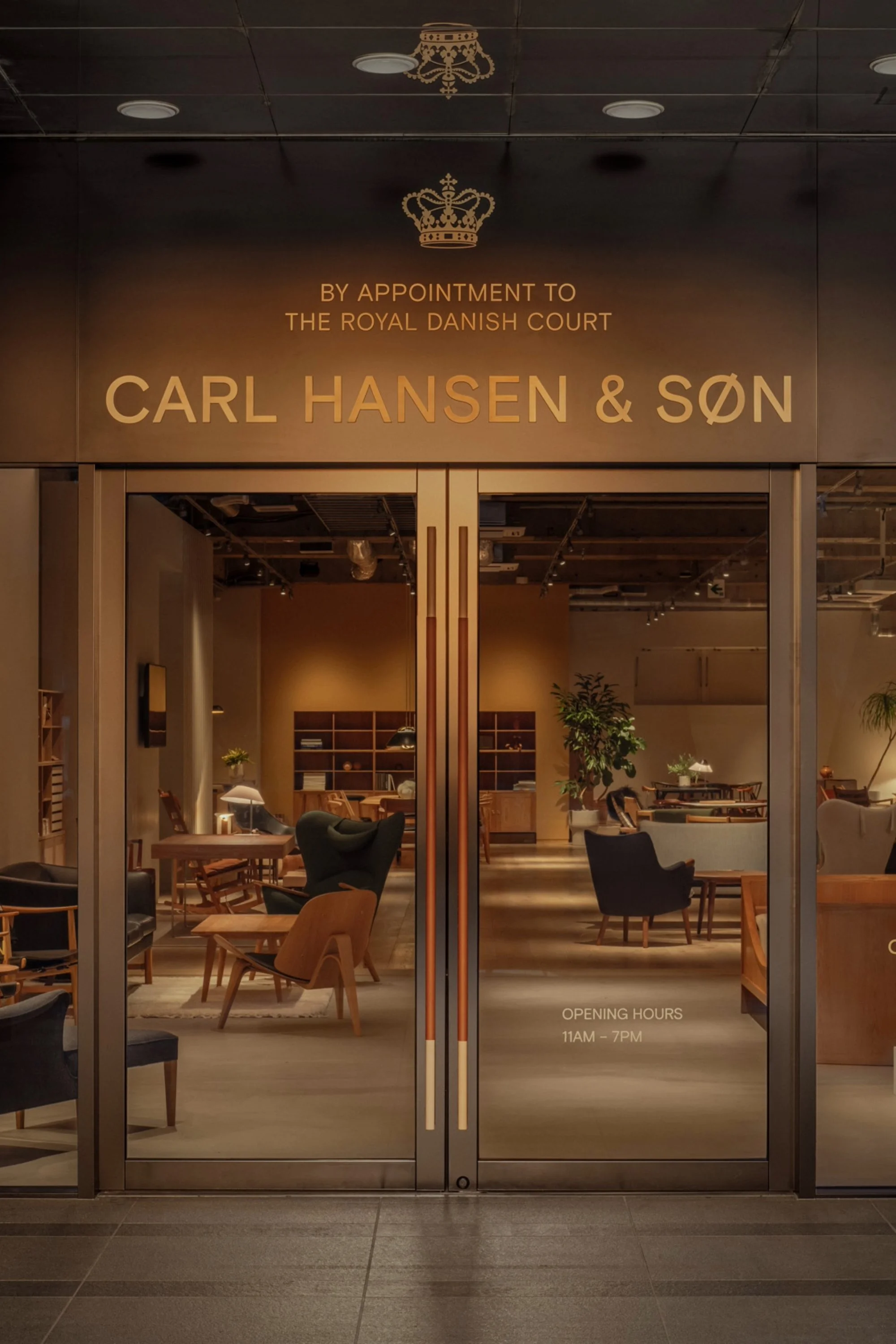
Image by Tomooki Kengaku
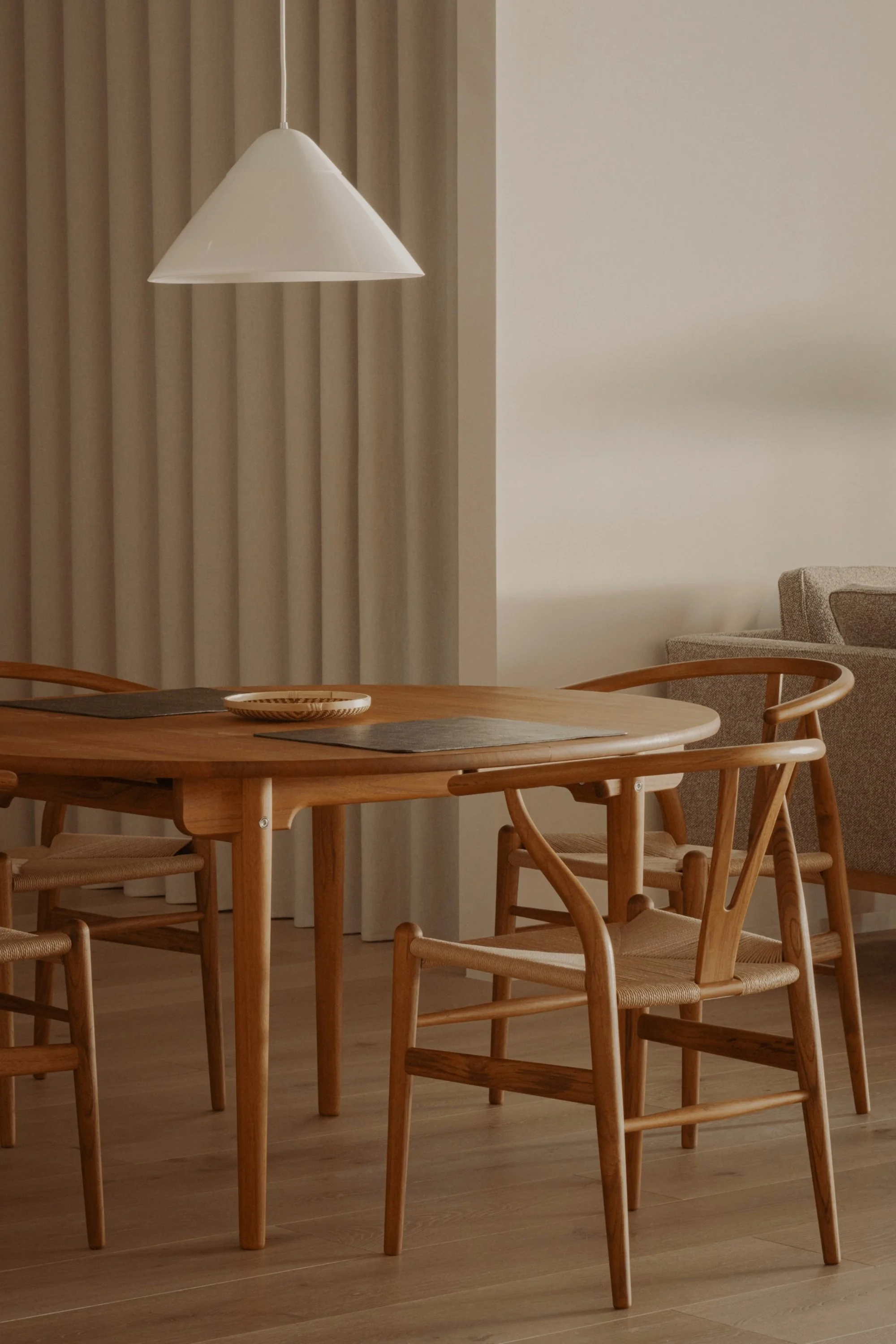
Image by Tomooki Kengaku
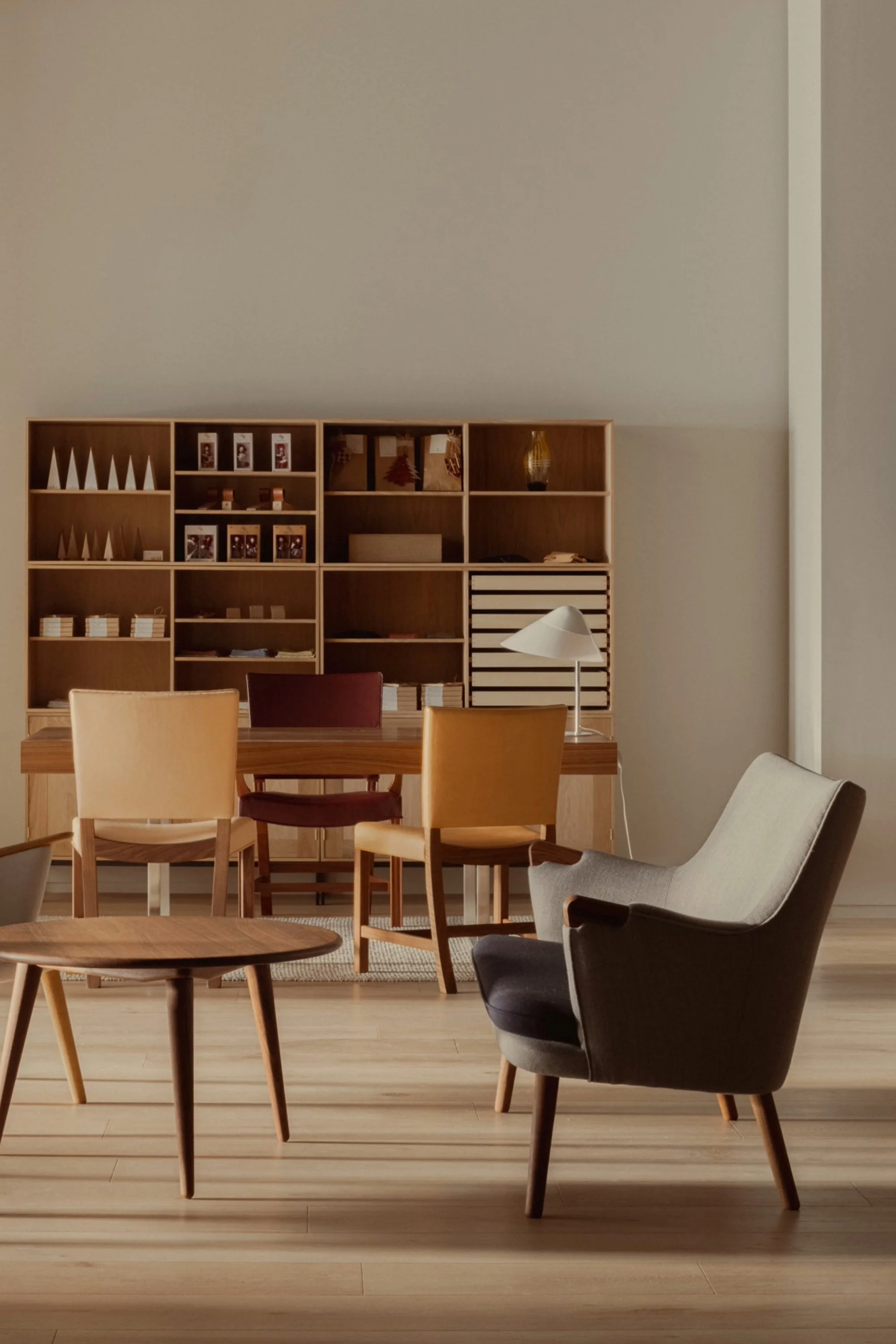
Image by Tomooki Kengaku
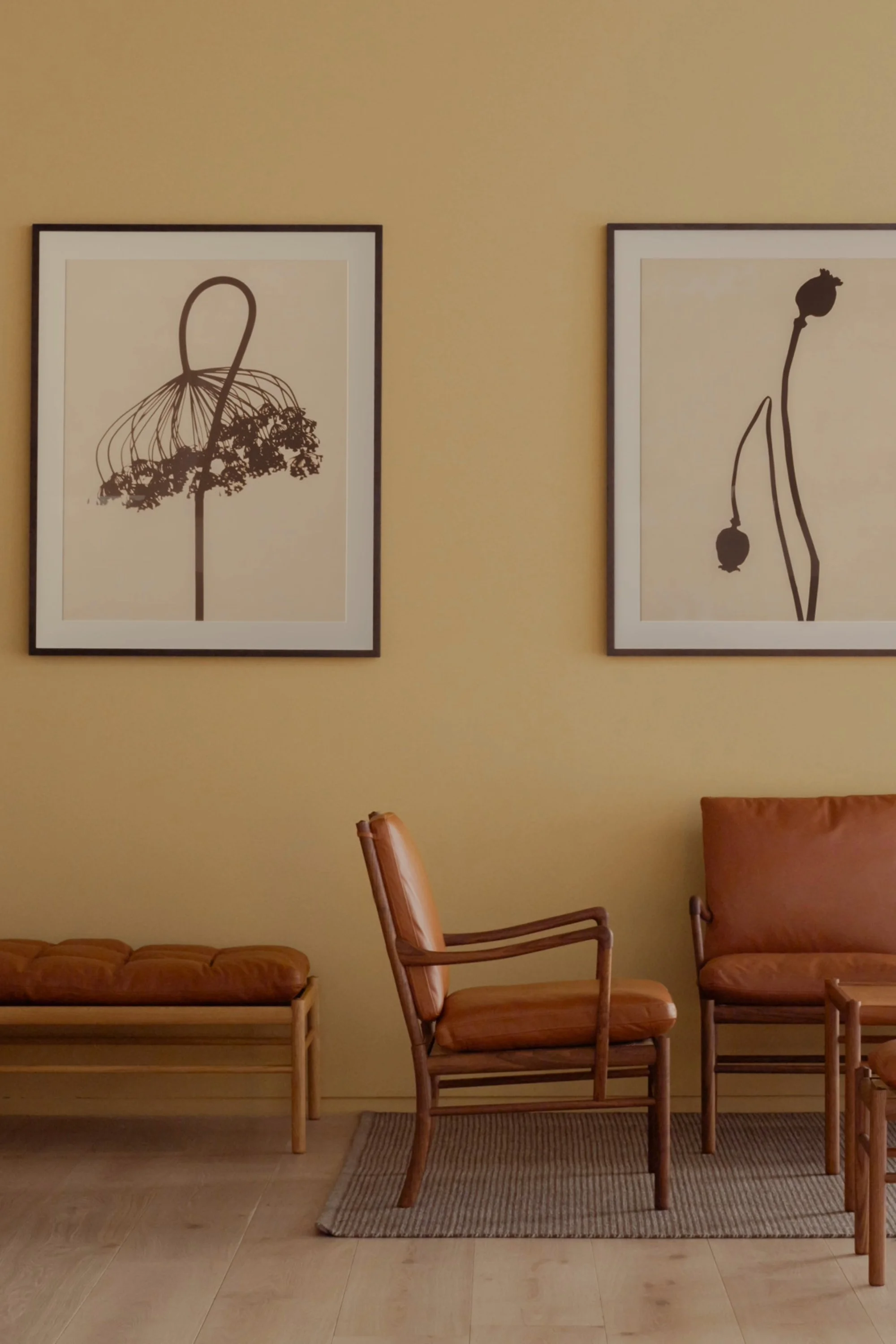
Image by Tomooki Kengaku
Explore the world of CH24 and more at Carl Hansen & Søn’s showrooms in Singapore, Tokyo, Osaka and at carlhansen.com