In Rural Dali, This Thermal Spa Draws on Simpler Times
In place of overt luxury, Signyan Design’s Qing Shan Hot Spring embraces rural authenticity and back-to-basics simplicity — without sacrificing modern comfort
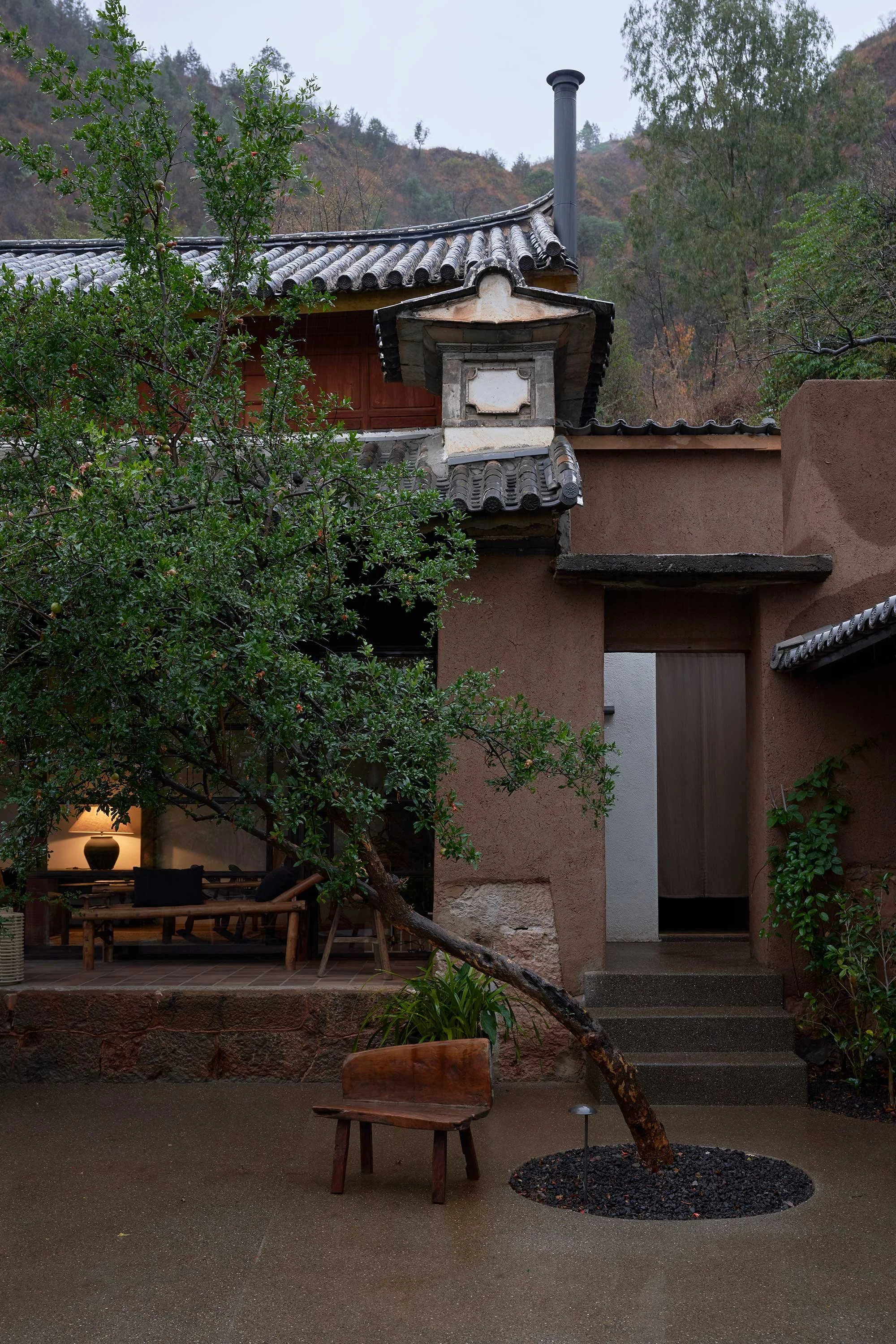
To complement Qing Shan 49, Signyan Design’s studio-run retreat, founder Ke Xie sought out a separate site in the largely untouched, thermally rich village of Xiashankou for a dedicated hot springs hideaway. Reached via a roughly 40-minute chauffeured drive, the spa occupies a historic courtyard dwelling, as integral to the experience as its wider surroundings. ‘We wanted the hot spring villa to feel more like the courtyard of a long-time resident, where guests can still sense the place as it once was,’ Xie says, recalling long, reflective site visits that led to this outcome. ‘Beyond studying the physical space, it was even more important to feel it and imagine.’
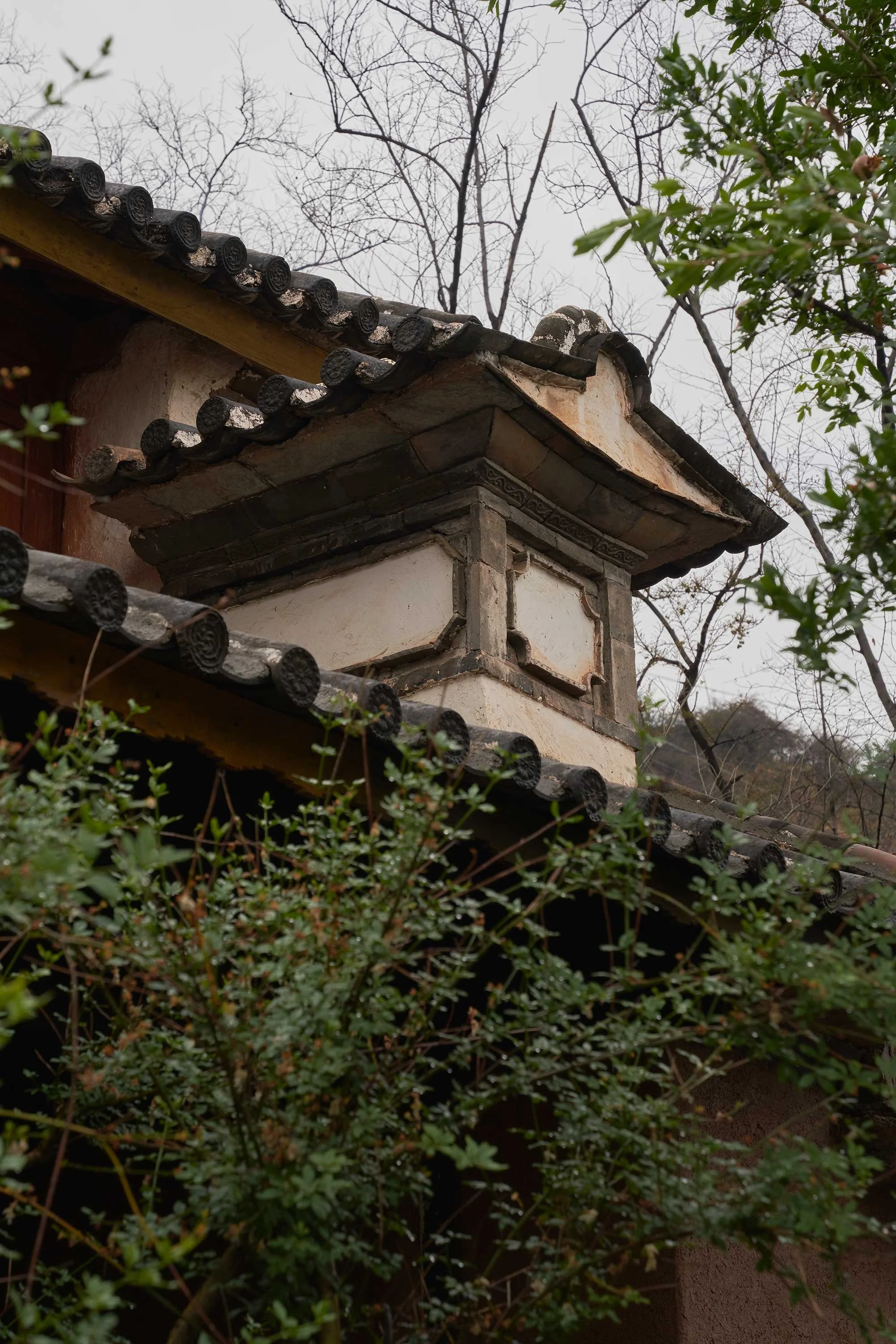
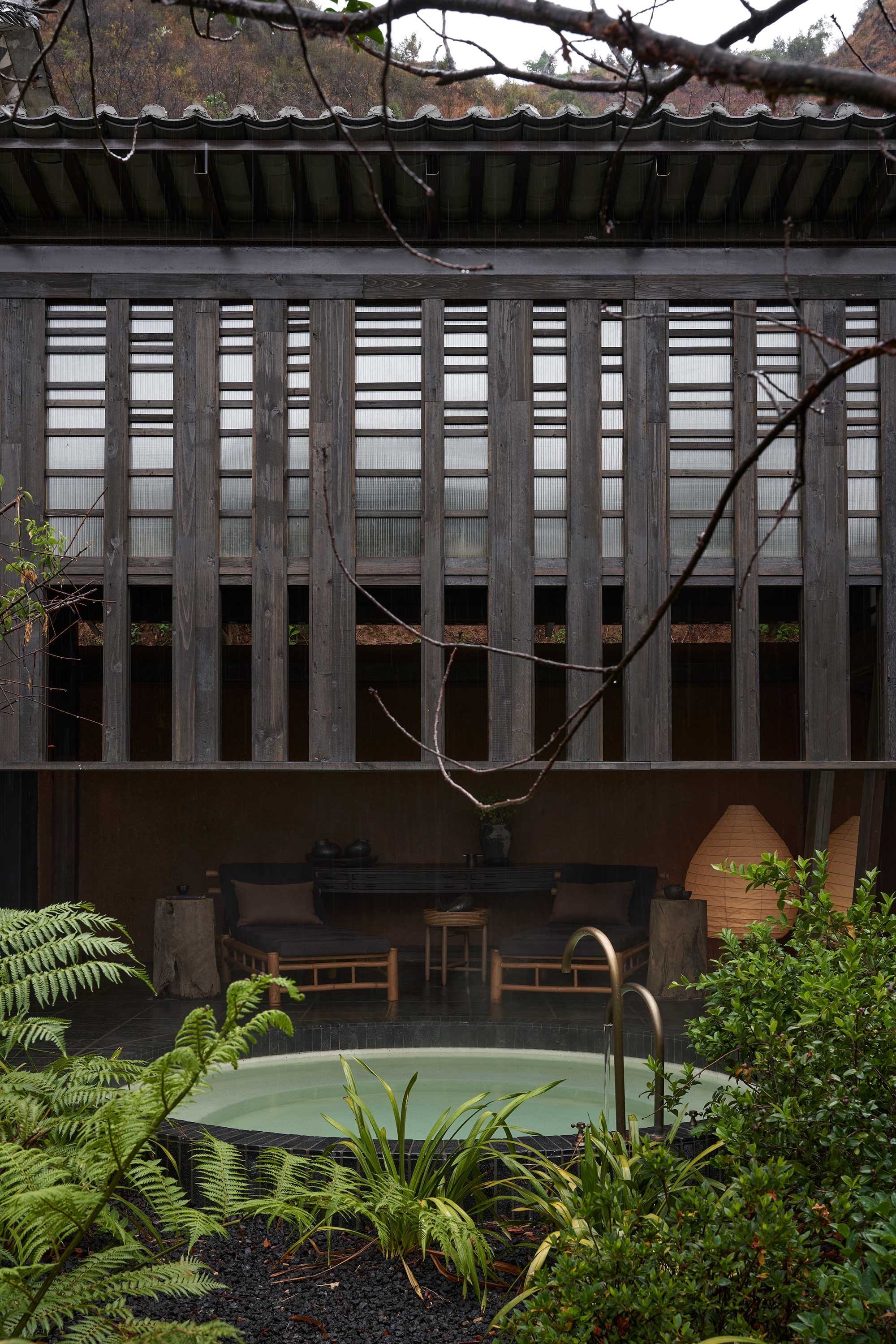
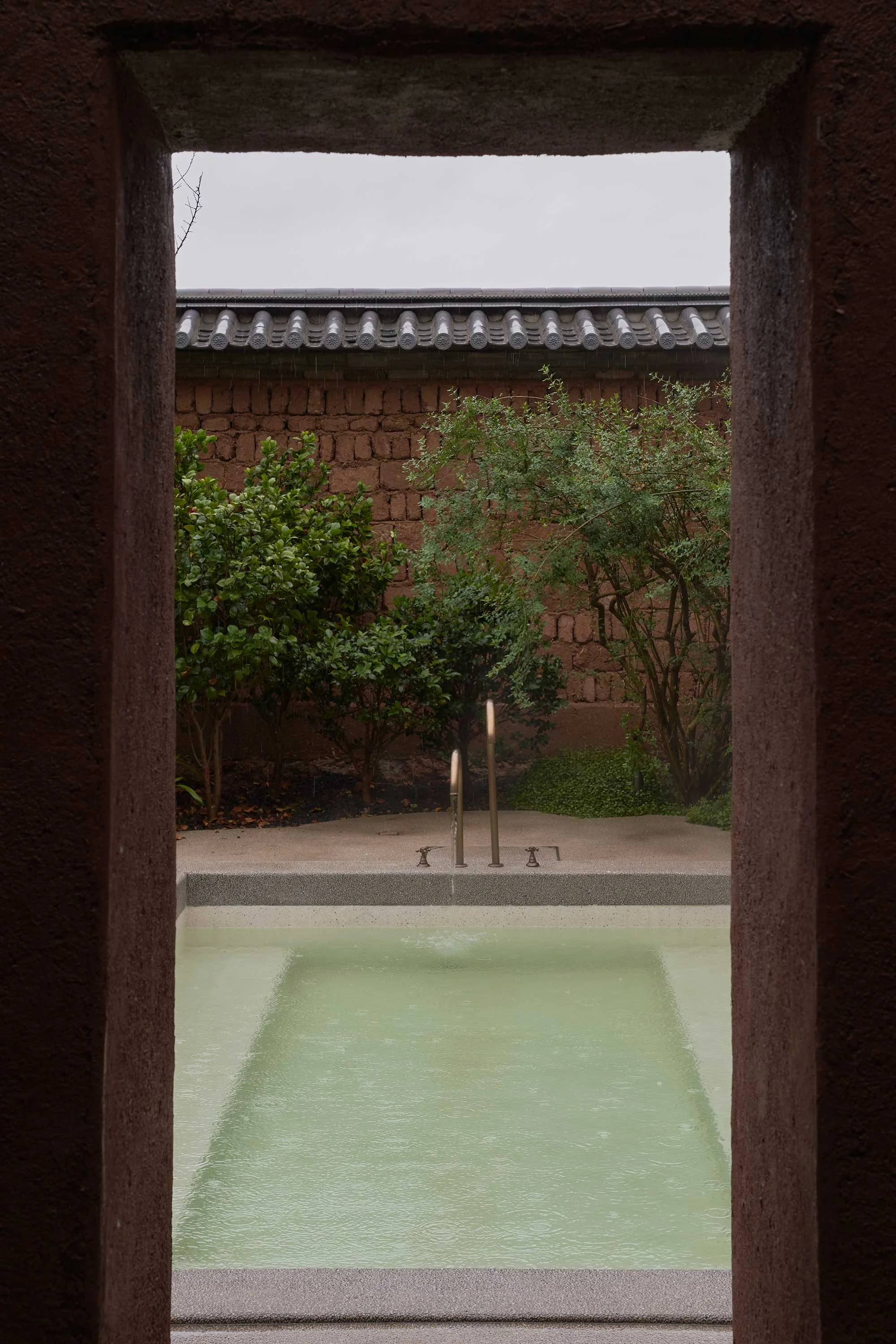
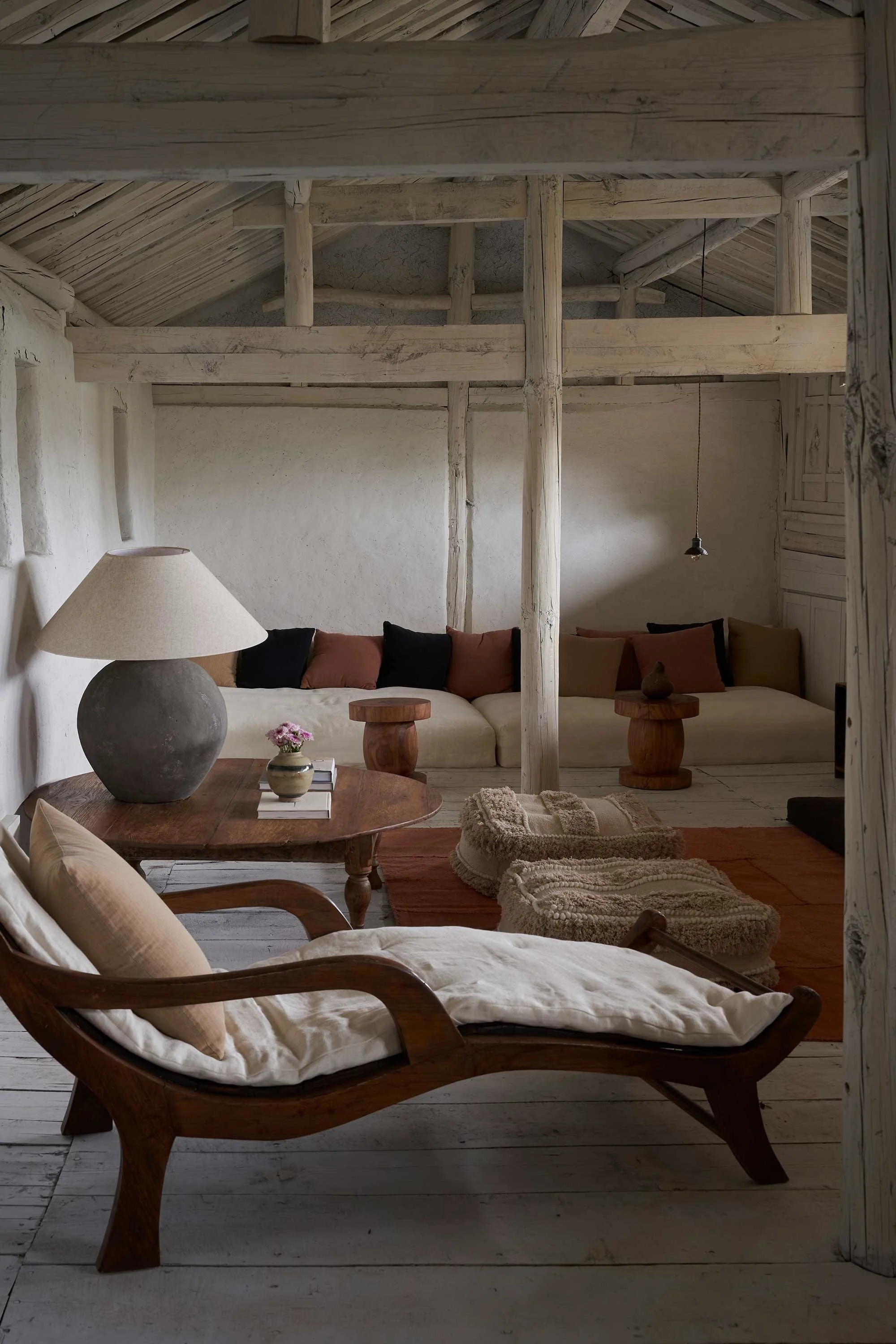
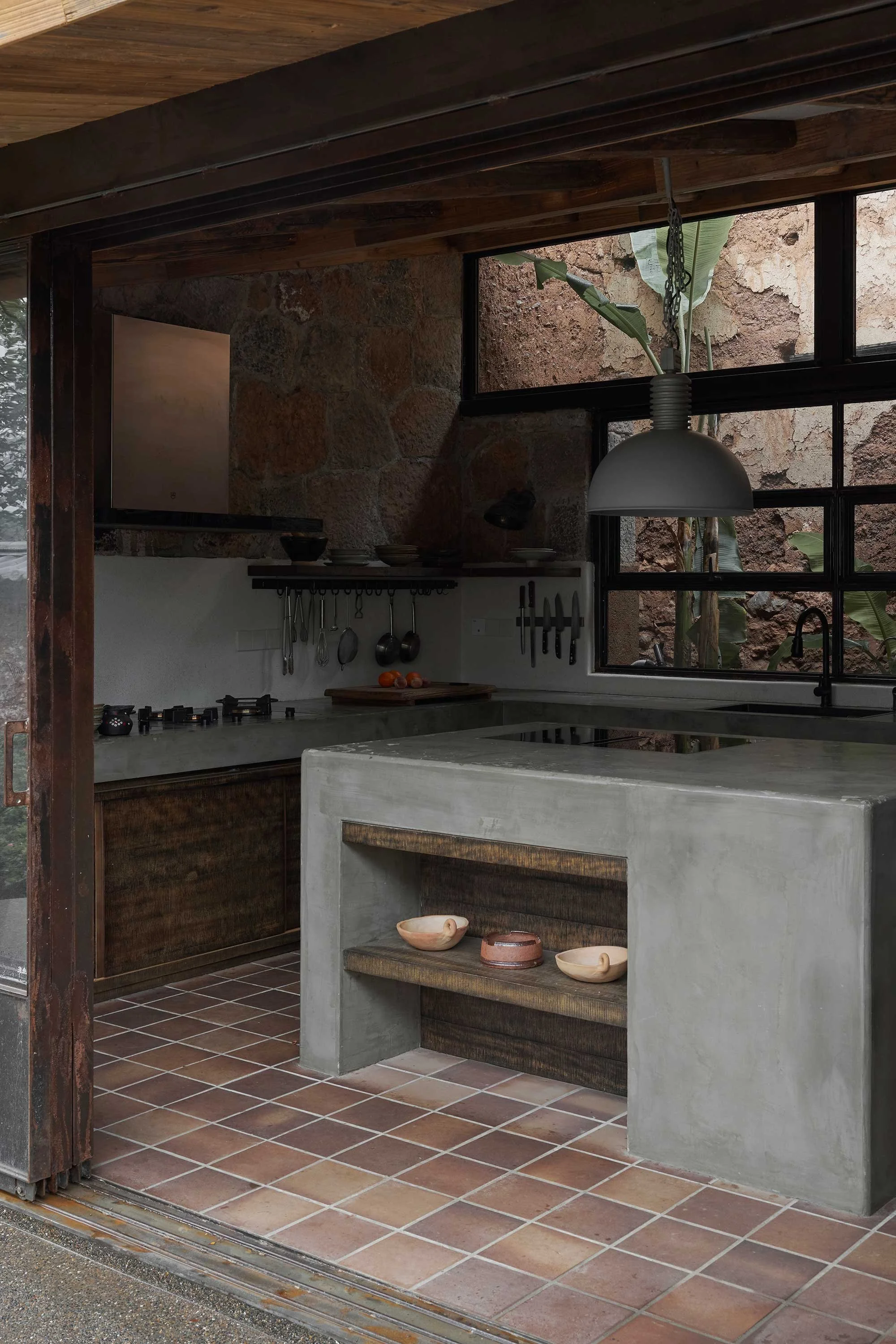
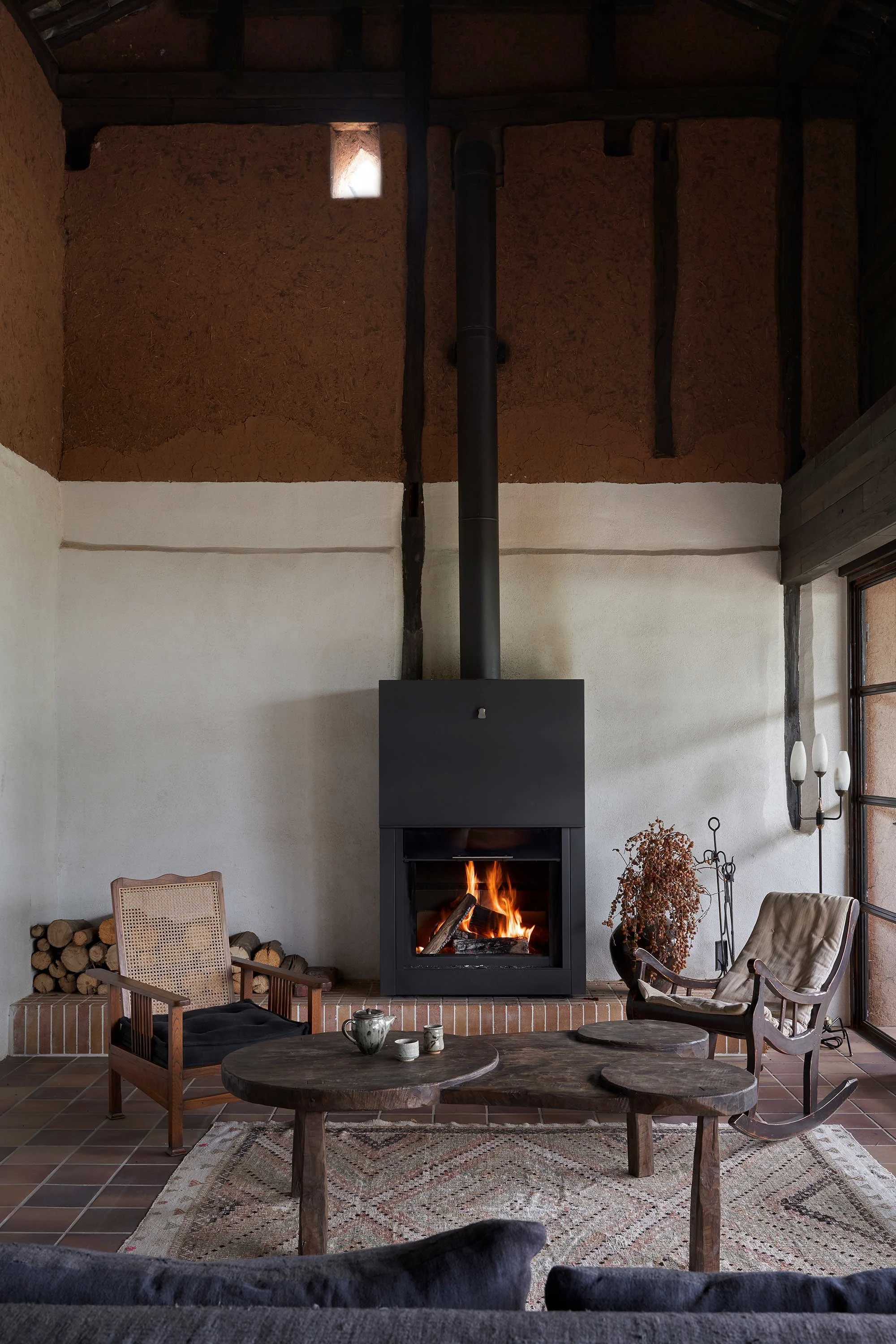
With a conservation-led approach, the project keeps an abundance of original imprints, from the entrance gate and wall paintings to the stonework, doors and handles. Traces of wear and time are also present throughout, helping to build a narrative, including windows with weathered glass panes and remnants of earlier paint finishes on rammed-earth walls. Beyond introducing heated pools into the layout, Xie limited significant interventions to opening key interior spaces into double-height volumes and replacing courtyard-facing walls with glazing to increase transparency.
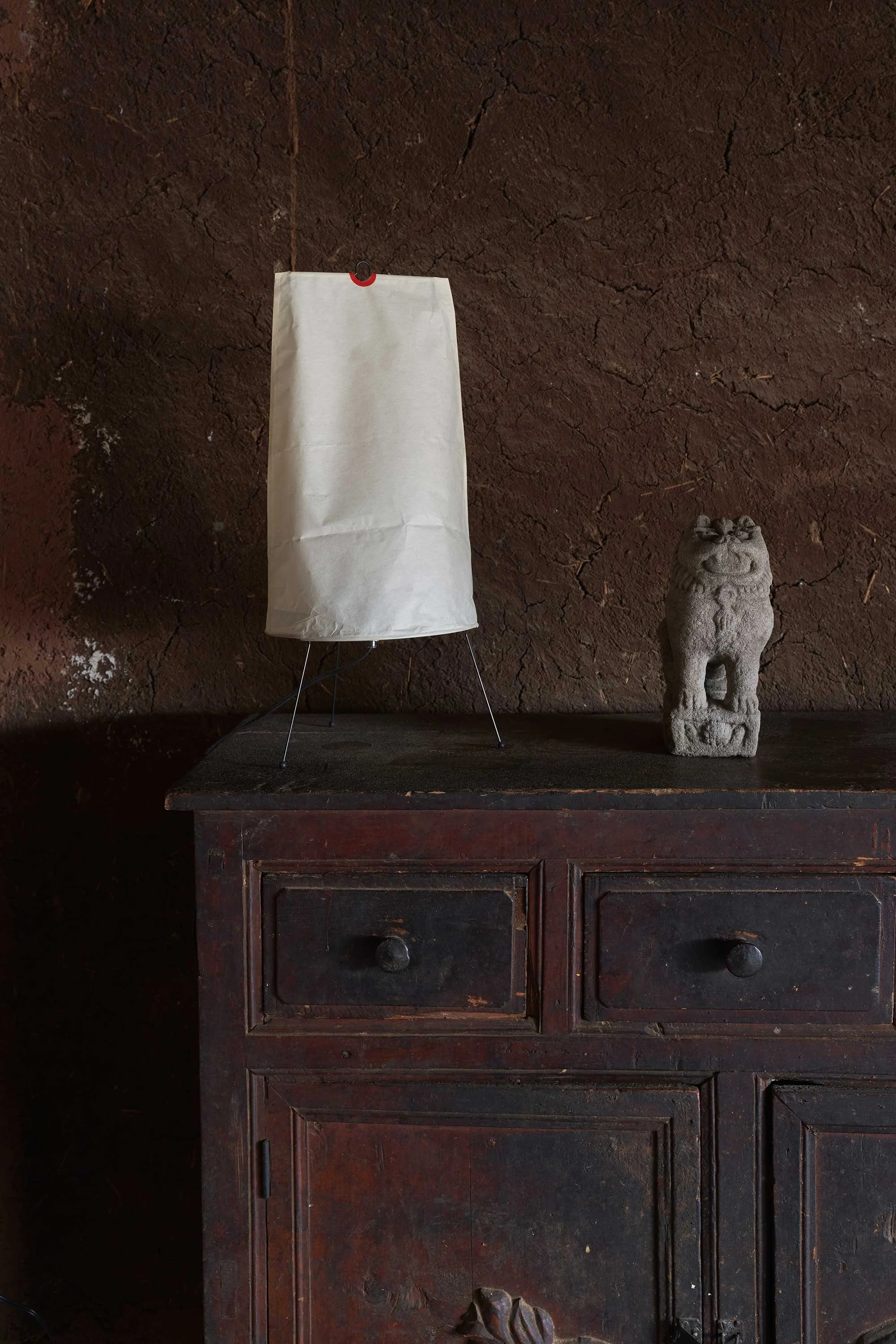
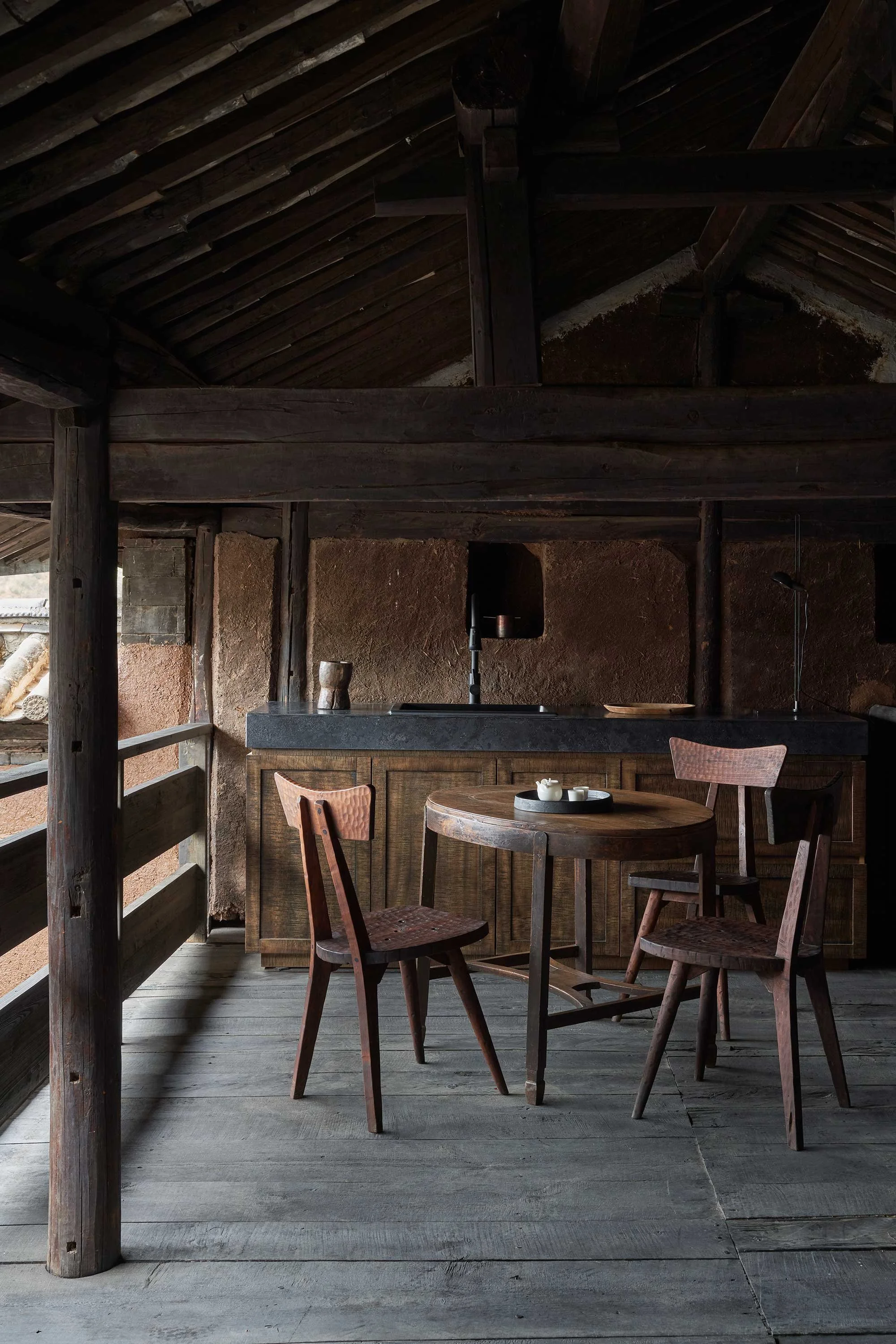
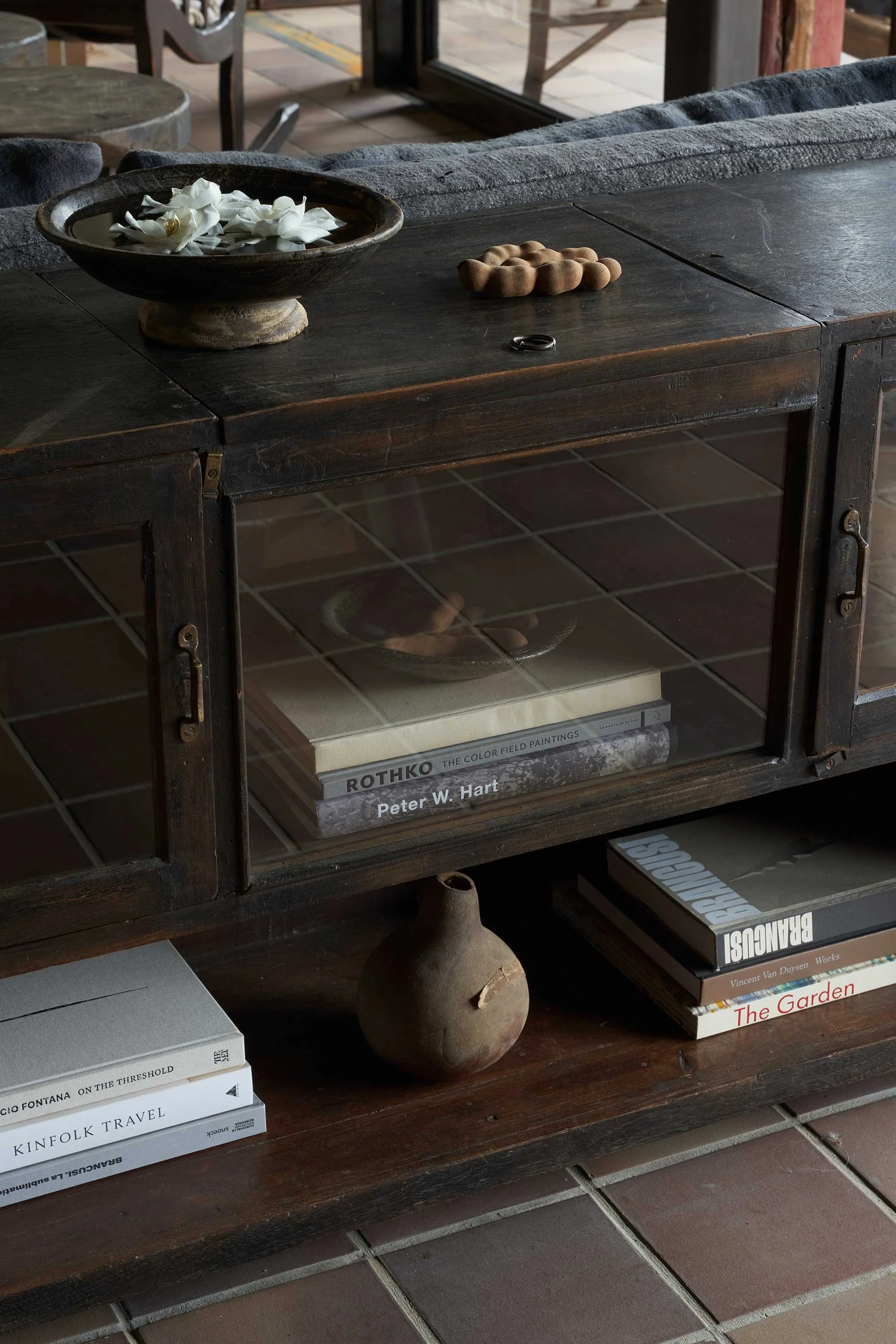
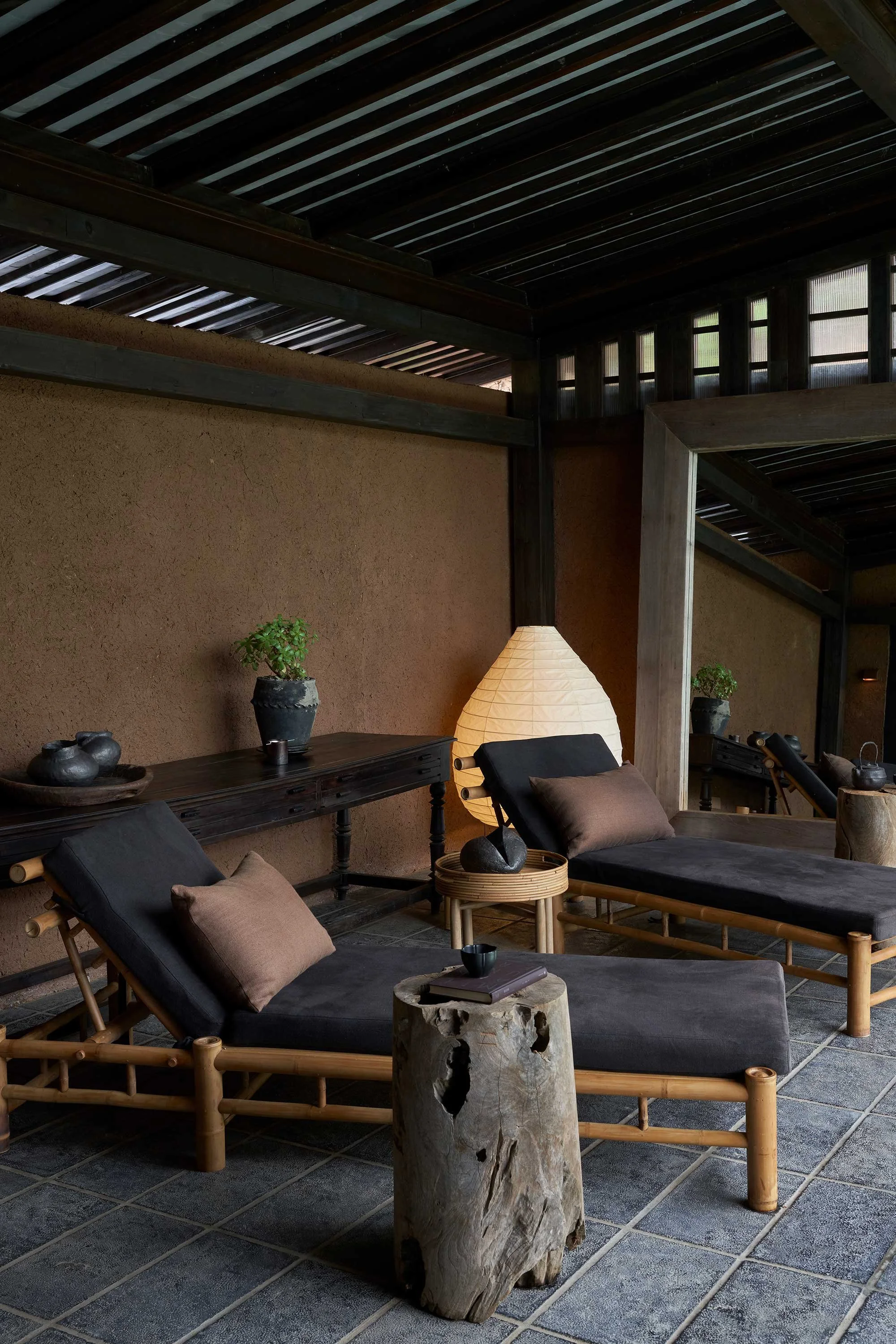
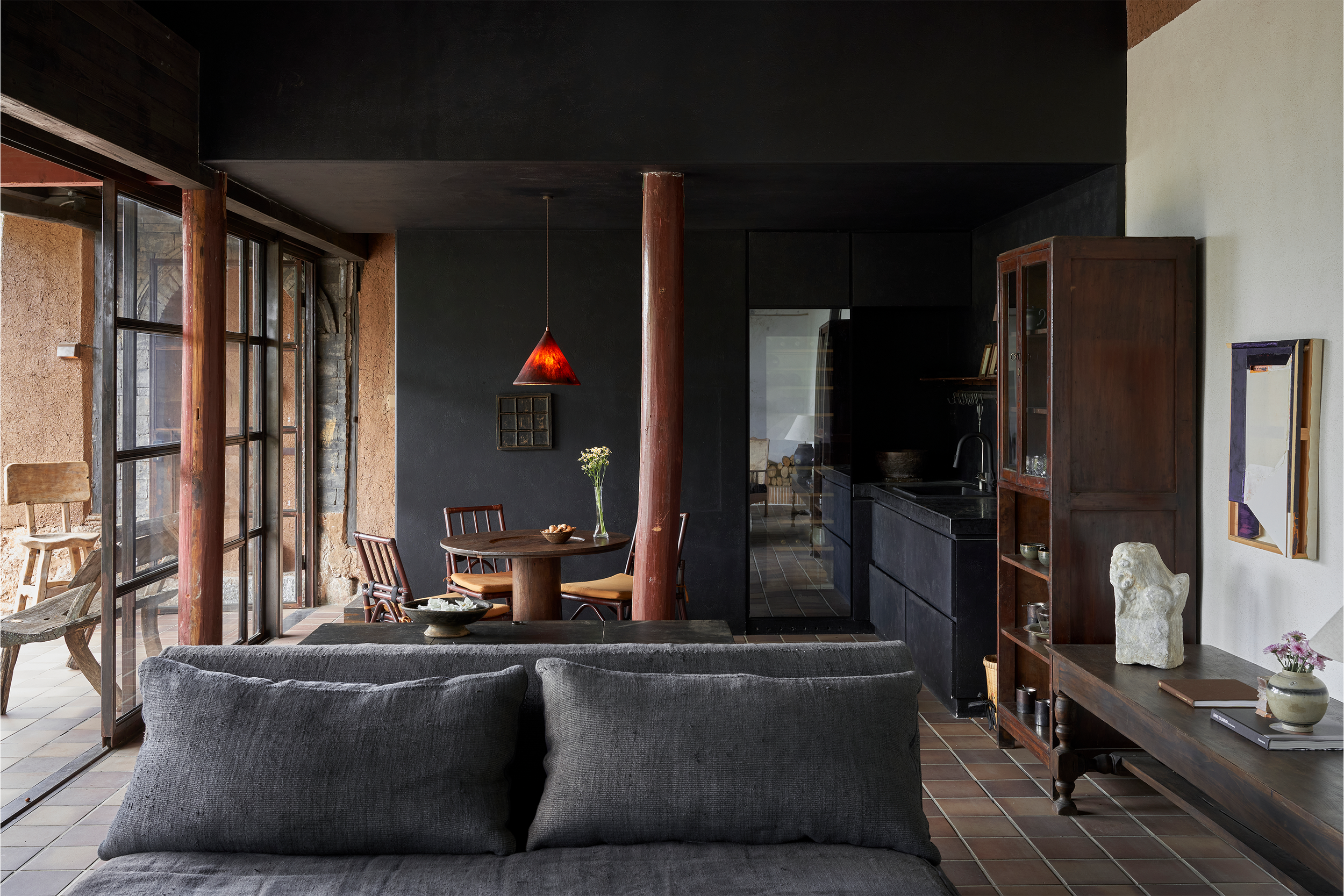
New materials were also introduced sparingly, either reclaimed locally — like roof tiles sourced from nearby farmhouses — or selected for minimal intrusion. The latter include black stone flooring, firebrick and terracotta surfaces, polycarbonate panels and ironwork fabricated on site. Decor, likewise, keeps its voice low. It nods to the rustic through objects once used by former residents, placed alongside antiques and artworks from Xie’s own Yiji Collection, and intermittent paper lighting by the likes of Isamu Noguchi.
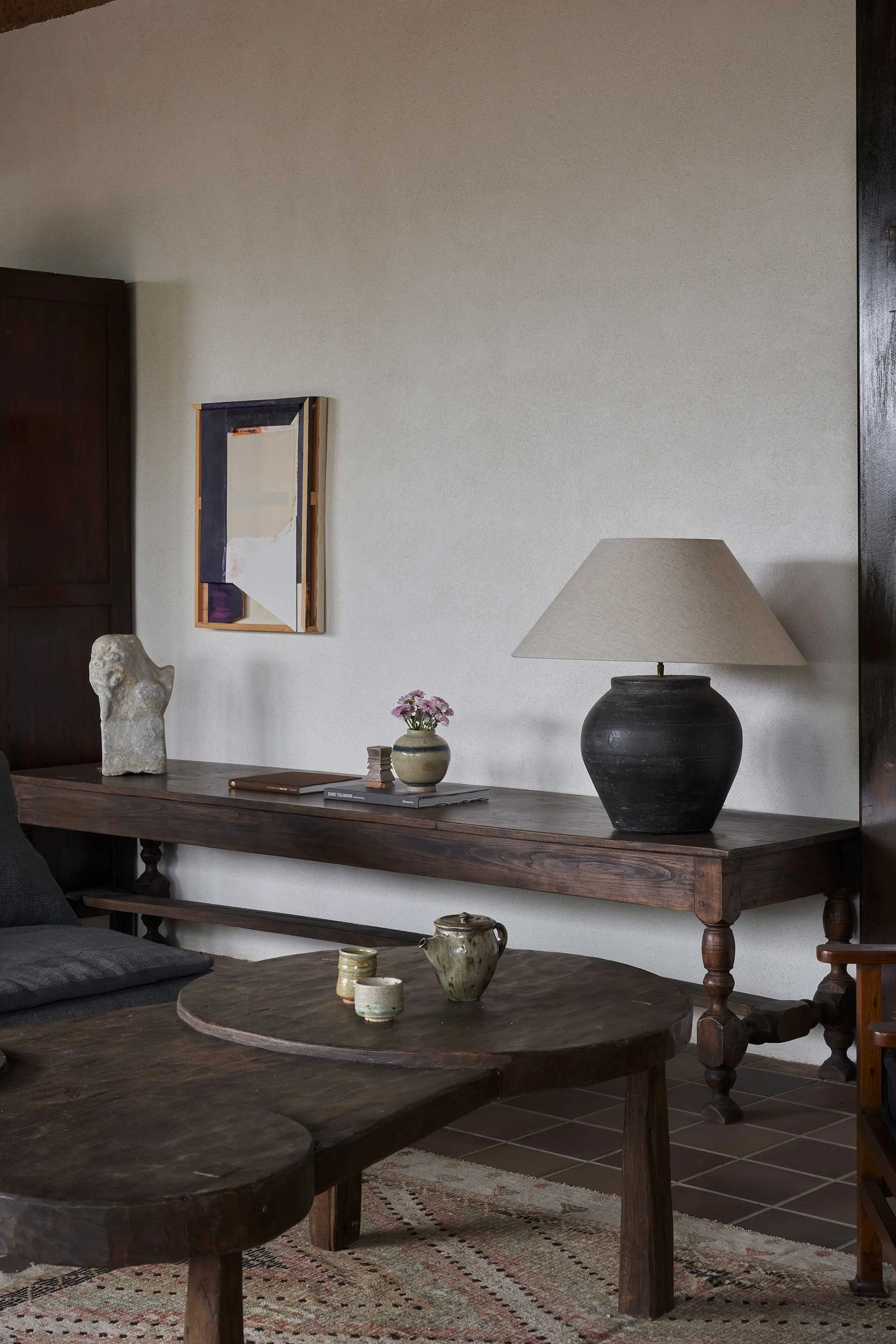
Xie and his team worked closely with local craftspeople and the home’s former owner, himself part of the construction trade, to anchor the project in authenticity. ‘Having worked within this landscape for many years, they brought deep, practical knowledge and an aesthetic sensibility rooted in nature and time,’ he notes. Such sensitivity extends to other aspects that define the experience, among them the planting, preserved or introduced — all local species that carry the scents of agrarian life — and the fare, considered with equal care to celebrate local flavours. ‘I hope those who visit feel a sense of coming home, as if returning to the Dali of twenty years ago, or to an old childhood dwelling,’ says Xie.
Text by Tomás Pinheiro
Images by Iker Zuñiga