What Makes A Neighbourhood?

This month, editor-in-chief Jeremy Smart has been thinking hard about what separates neighbourhoods that feel lived-in from those that merely look the part. The answer? Patience, good tenants and a willingness to let people make it their own
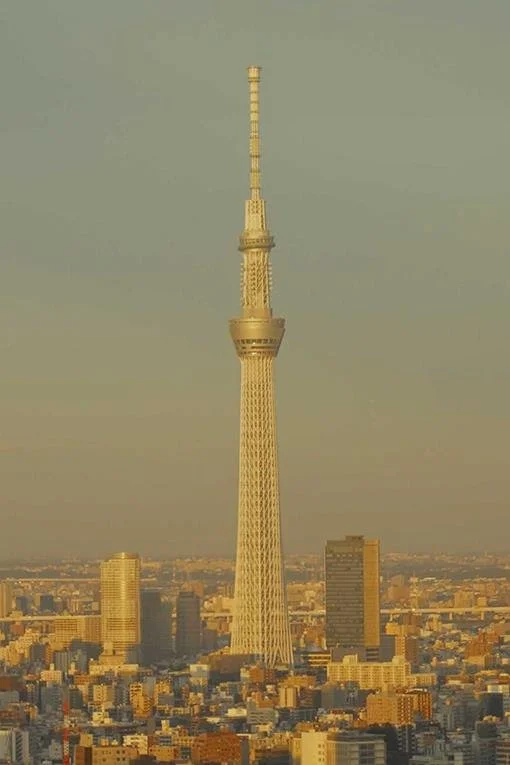
A new grocery store opened in my neighbourhood recently. A minor development in a city like Tokyo, forever under construction yet somehow complete. But this one set neighbours abuzz. The shop is entirely unremarkable but it answered a genuine need for fairly priced, seasonal fruit and vegetables in a world where that’s becoming harder to find. Perhaps there was a sense of relief in the community that it wasn’t another matcha monstrosity or gimmicky stop for the photo-hungry to tick off their list.
My neighbourhood has been teetering on the edge of tourist ruin for a long time — well before I made it home. You could argue I’m part of the problem. It’s been crowned Tokyo’s coolest more than once, and obviously, since I now live here, it surely is. Yet somehow, despite its central location and easy transport links, its sense of community has endured.
In my field of work, I spend a lot of time talking about cities — and often about the mega mixed-use developments that keep sprouting within them. Across Asia, this has become the default model. Follow the money and you’ll see why. Developers talk about creating somewhere real that grows into its surroundings, that residents might eventually love, and yet, so often, what’s being manufactured is an illusion of authenticity.
For a sense of community, you first need to attract the right people: ideally people who are creatively-minded and can fill in the gaps with new ideas. Then you need to leave them alone, implement fewer rules and regulations and allow mistakes, and even a little mess.
After months on the road, with too many nights in hotels that preach community but have little soul, I’ve been thinking hard about what separates places that feel lived-in from those that merely look the part. It’s been good to be back home, reacquainting myself with a city that through no concerted effort has become the model to follow.
A compact case study can be found in Kabutochō (no, not Kabukicho), a pocket of pioneering retail, drinking and dining in once-corporate Nihonbashi. Go check in at Soil, pick up a loaf at Bank Bakery, take your flat white at Parklet and round out the day with a glass of wine and dumplings at Timsum before dinner at Maruyama. While much of it has been developer-led, the result feels opinionated and knows who it’s for. And, most importantly, who it’s not for.
Perhaps you’ve been tasked with designing a new city or neighbourhood. Forget the grand master plan and the flashy facade. What you need is patience, good tenants and a willingness to let people make it their own. Everything else is decoration.
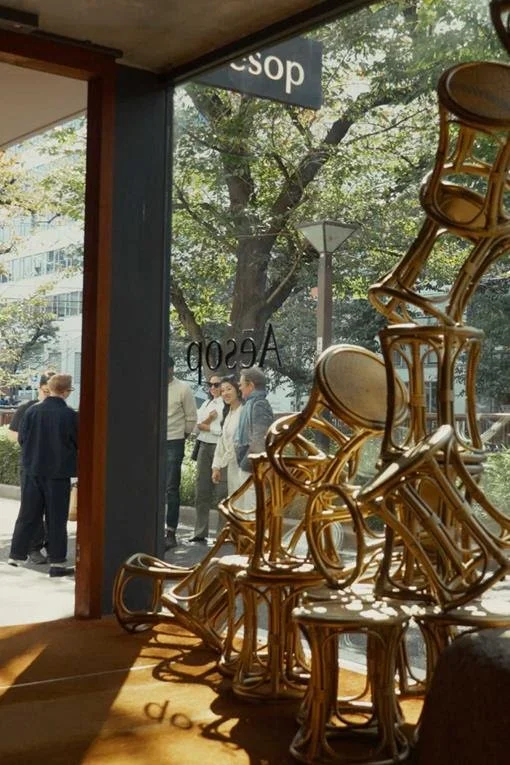
We celebrated this spirit last week, hosting a small gathering of guests, friends and collaborators in Tokyo alongside our dear friends at Aesop. Months in the making, it reminded me that the best part of this work is the conversations between deadlines and deliverables, the ones had over late dinners and early coffees. The next one takes place in Chandigarh in March and you’re invited. Come along, alone if you like. I promise you’ll make friends, and maybe even meet your next client or collaborator. See you there.
Jeremy Smart
Editor-in-Chief
Images by Nobu Arakawa