
Emerge in Focus: In Conversation with Curators Edwin Low and Suzy Annetta
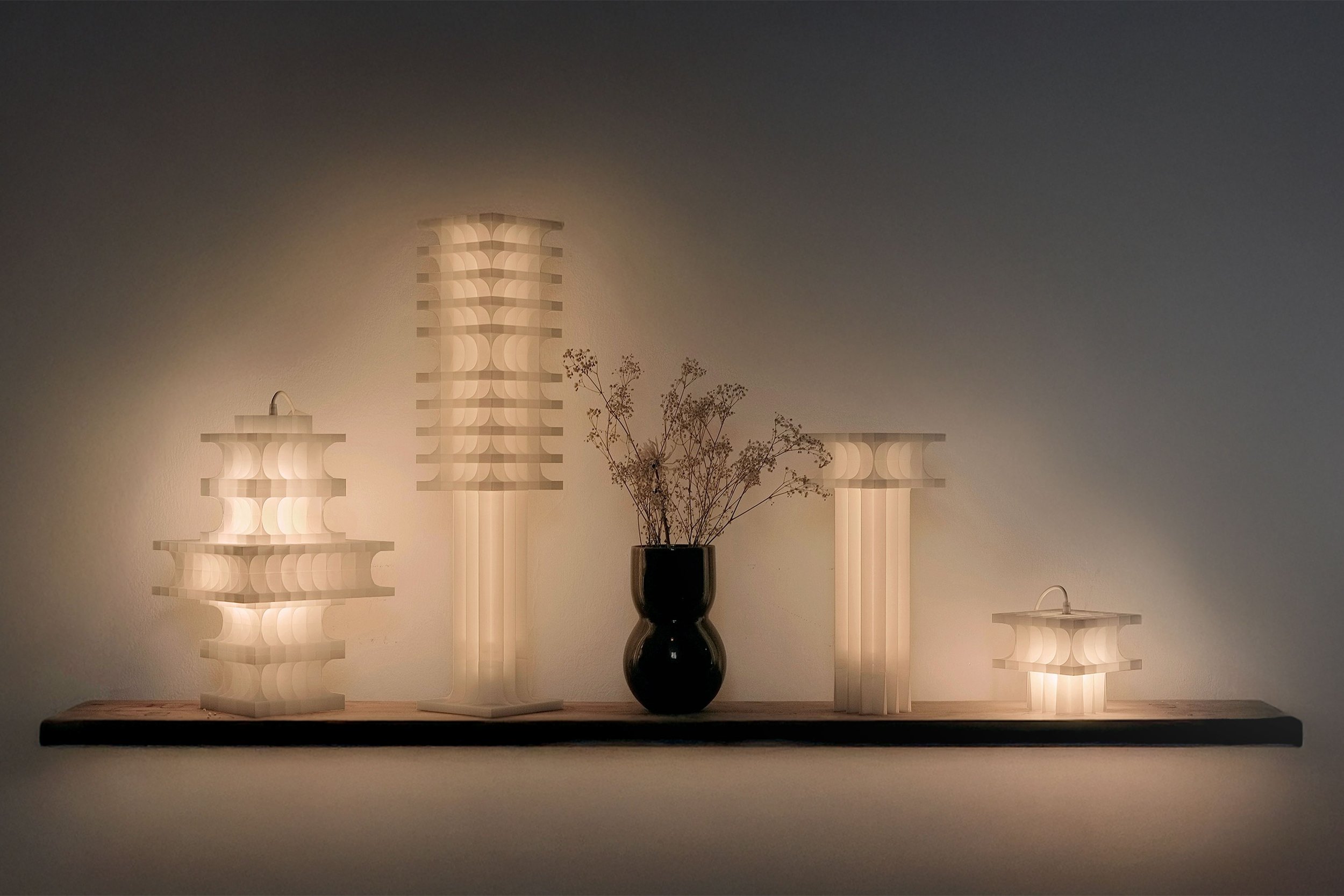
Citadel collection by Ewan Lamm, Ultramar Studio
In the lead up to the 2025 edition of Southeast Asian design showcase Emerge, taking place as part of Singapore Design Week, curators Edwin Low and Suzy Annetta reflect on the region’s design landscape and Emerge’s place in it
Joseph Koh: What does this year’s theme for Emerge, Dialogue through Design, mean to you?
Edwin Low (EL): Design is never neutral — it always carries something, be it history or a worldview. What does a chair carry beyond its function? To me, design carries a voice. It can be loud or soft, it can create a mood or evoke an emotion through the tone. That’s the beauty of a dialogue; every designer uses their voice differently.
Suzy Annetta (SA): How people from the region interpret it is really interesting. With ‘dialogue’, I also think about how any work is generally not made by only one person, there tends to be a craftsperson, maker or factory who brings the designer’s idea to life. As a platform, Emerge has also played a role in fostering that dialogue, when designers gather to knock around ideas, swap details of manufacturers, craftspeople and galleries, and end up collaborating. That sort of dialogue, too, is important.
What did the process of curating this year’s showcase tell you about the state of Southeast Asian design?
EL: One thing that really stood out to me is that we don’t live in silos. For example, Inodnesian designer Alvin Tjitrowirjo works closely with Handep, a social enterprise that works with indigenous artisans and smallholders in Central Kalimantan. I’ve noticed that more designers are pursuing meaningful, process-driven work, like working with welfare centres. I hope that such cross-collaboration continues, especially across countries.
Is there an underrepresented group of designers that Emerge is helping to shine a light on?
EL: We have one representative from Timor-Leste this year. Weavers from the women-led Lo’ud Cooperative have partnered with non-governmental organisation East Timor Women Australia, the Bamboo Institute and Things & Stories Artisan Studio in Timor-Leste and Singaporean designer Melvin Ong. This reflects the power of design, where collaboration can help create a commercial product.
SA: I’m excited that there’s someone from Timor-Leste this year. We wanted to include the whole of Southeast Asia from the beginning, but our connections led us to the first six countries: Singapore, Malaysia, Thailand, Vietnam, Indonesia and the Philippines. As a whole, Asian designers are still massively underrepresented on the world stage, given the population and the impact. When someone from the West considers Asian design, they most often think of Japan or South Korea, but there are so many more talents that aren’t necessarily being spoken about in global conversations.
EL: The oldest known cave painting in the world was found in Sulawesi, Indonesia, which shows that there has always been this raw energy in this part of the world. If Southeast Asian designers were to come together to form a collective language, it would make a powerful impact.
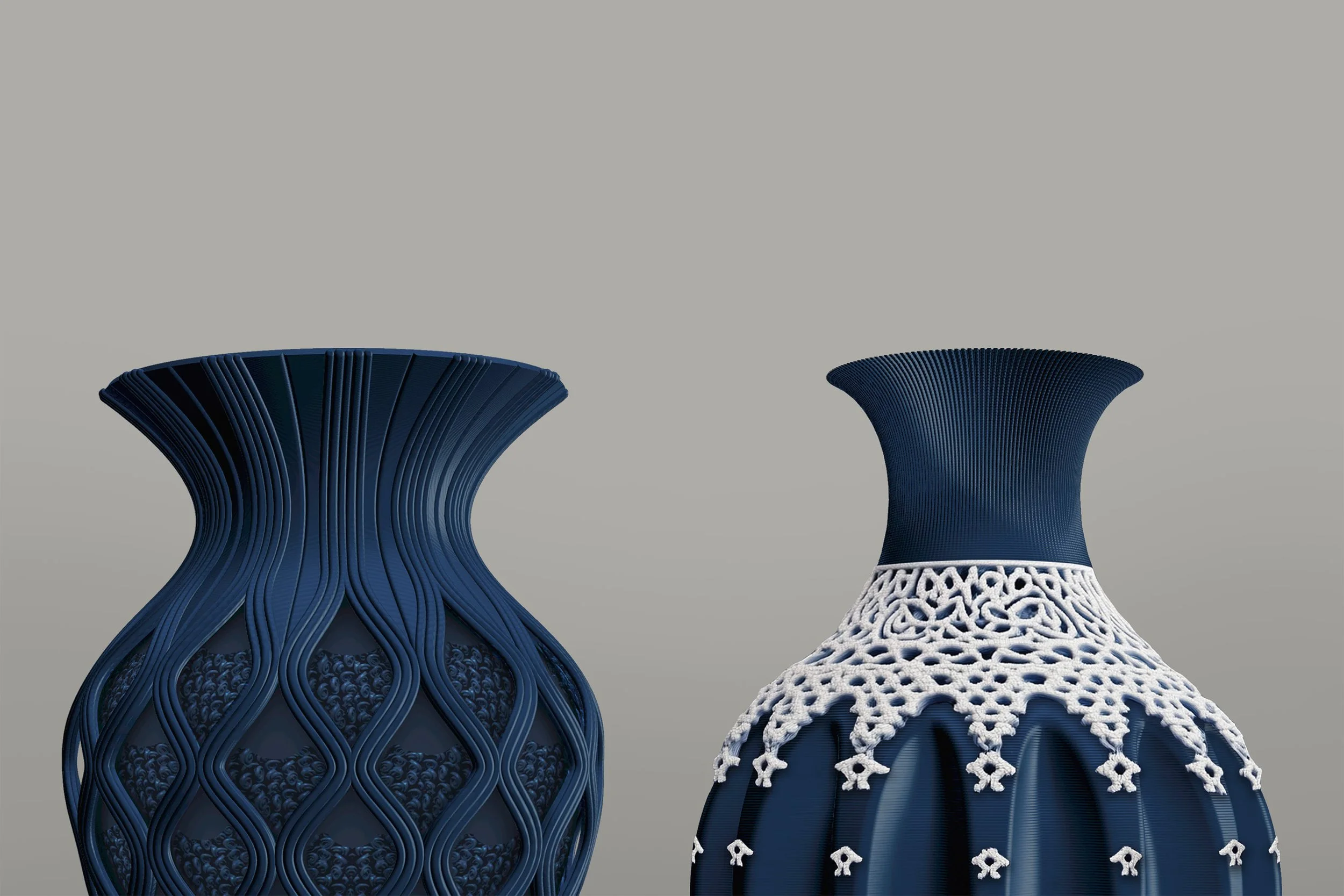
Threads of Becoming by Shervon and Melvin Ong
Speaking of language, is there something that’s special about Southeast Asian design to you?
SA: This is something I’ve hesitated to even try to define, given that I’m not from Southeast Asia and am merely an observer and commentator. But there is a vast breadth of culture and history from this region. It’s not a small place that you can easily describe with one broad brush stroke. In Southeast Asia, there is such a close connection with materials and making. Designers here have easy access to raw materials such as bamboo and rattan — something that is challenging for those in North Asia, Australia or Europe — which has led to all kinds of explorations and experimentation. And there are those who are making attempts to keep these traditional skills alive.
EL: This spirit of experimentation comes from Southeast Asia’s making culture. It’s easy for us in Indonesia or Malaysia to explore, prototype and push the design. In North Asia, for example, every prototype comes with a big cost and most of the time you’re wondering if your design is good enough for that craftsperson. In Southeast Asia, there is a can-do spirit that comes from this proximity to craft.
What are the biggest challenges for Southeast Asian designers?
EL: Collectively, we need a bigger voice. We really need to come together, then it would make sense for the world to hear about us.
SA: I agree with that. And I would add the commercial aspect, as such economic opportunities, is still a challenge for designers. I hope that more people in the region will understand the importance of design, which will enable designers to do good and make the world a better place than when they found it.
What do you hope to see in Southeast Asian design in the next five to ten years?
EL: I hope that Southeast Asian makers and designers will know their worth. In Japan, they know how to market their craft, and they will always be sure to share about how their work has continued for generations. Craft in Southeast Asia, on the other hand, has existed for longer, but we don’t talk about our legacy, since it’s a way of life. I also hope to bring a group of Southeast Asian designers and makers to different markets and showcase their work. We do have a voice in this world, and it’s time to make some noise.
SA: Yes, the work that is coming out of this region is already as good as what’s coming from anywhere else in the world. What I’d like to see is an ecosystem that supports the design talent pool, be it collectible design galleries, curators putting on shows, or support for designers to show their work in Milan or Copenhagen. This infrastructure is needed for these designers to continue what they want to do. That’s my wish.
As told to Joseph Koh
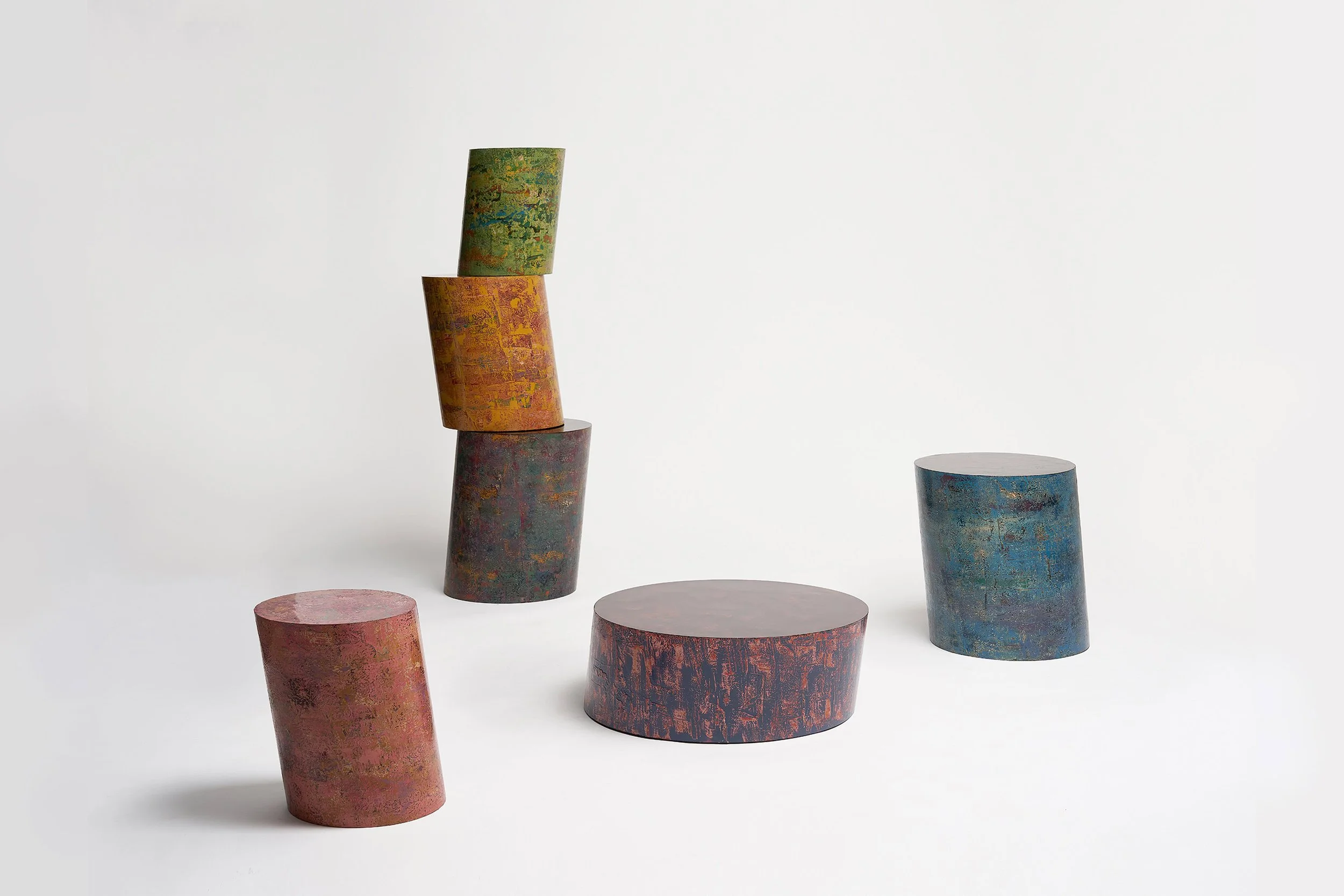
Merge Wishing Pagoda by Ok Kim Studio
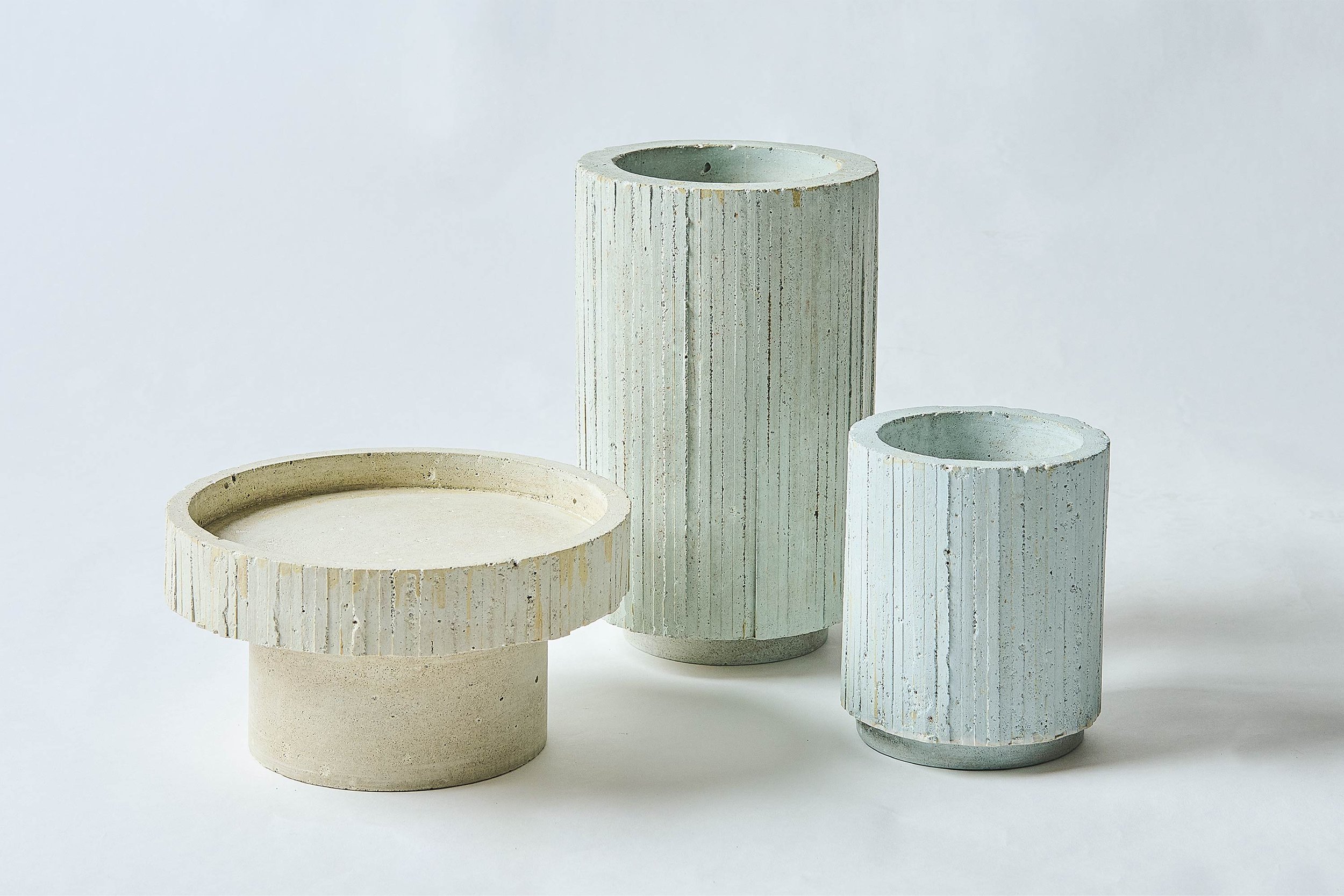
Mono vessels in concrete and coffee biochar by Viktoria Laguyo and Daniel Ubas, Krete Manila
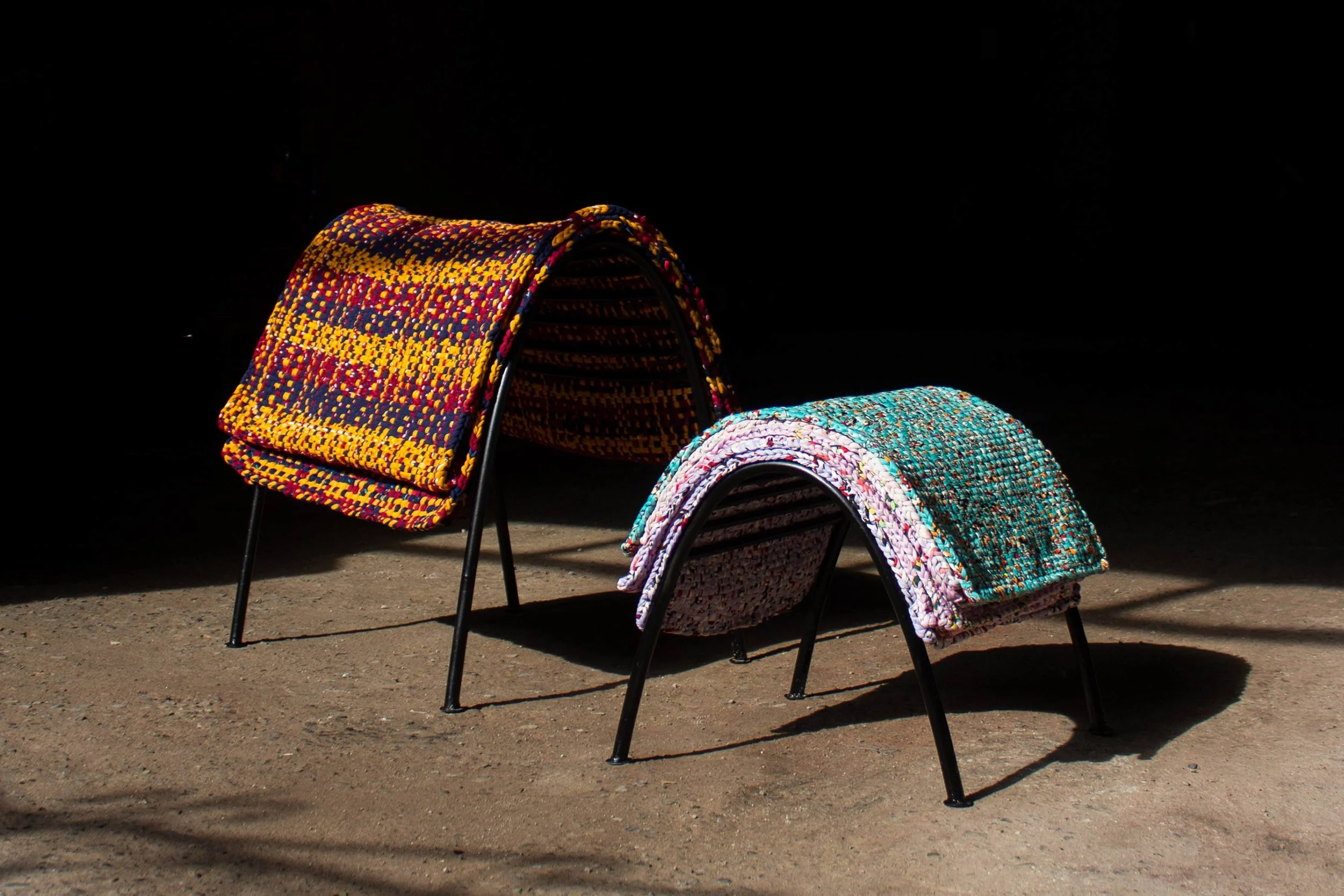
Bangko and Bangkito by Clark Mendoza

LoopLine by Thinkk Studio
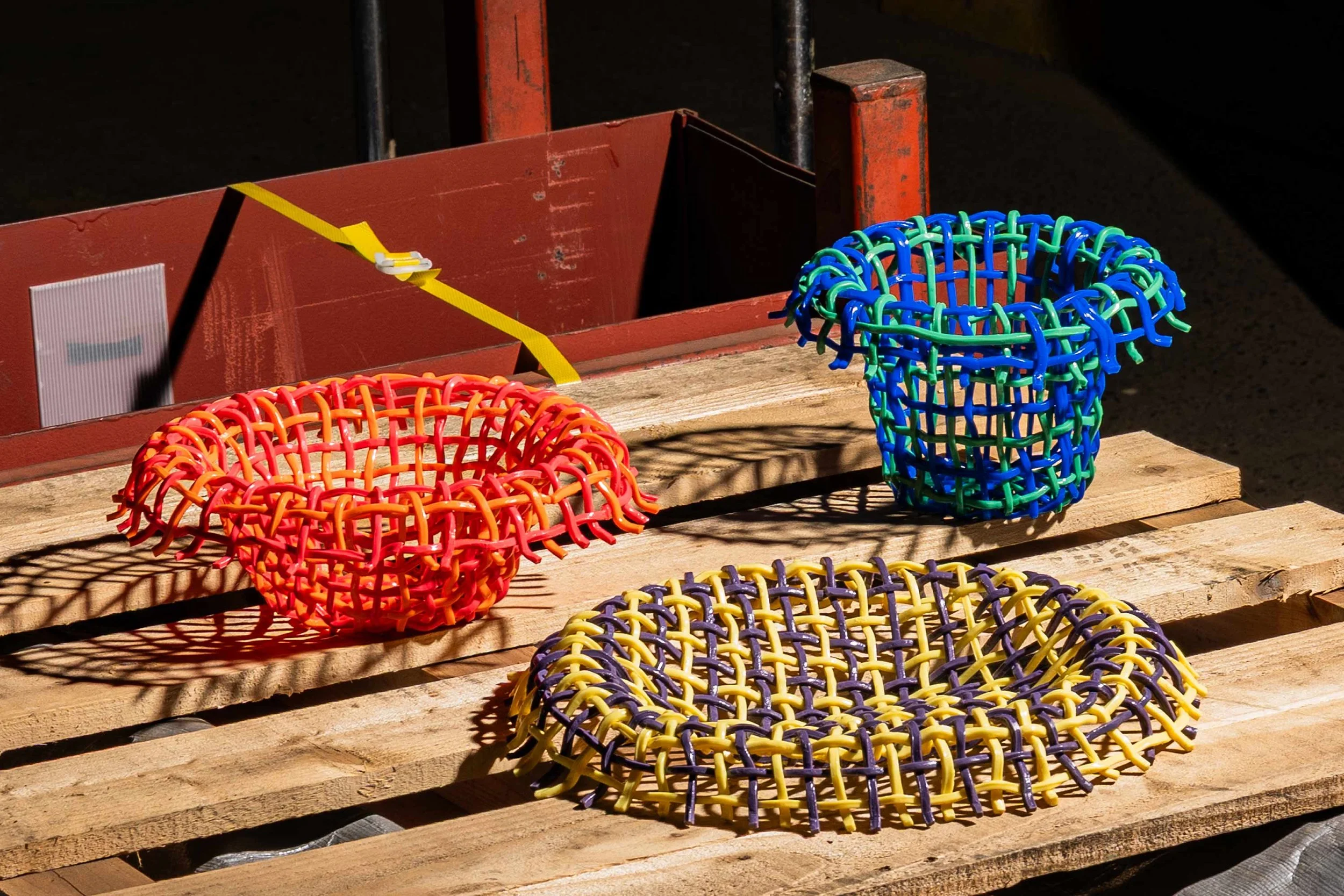
Take 5 Rubber by Yosuke Shimano
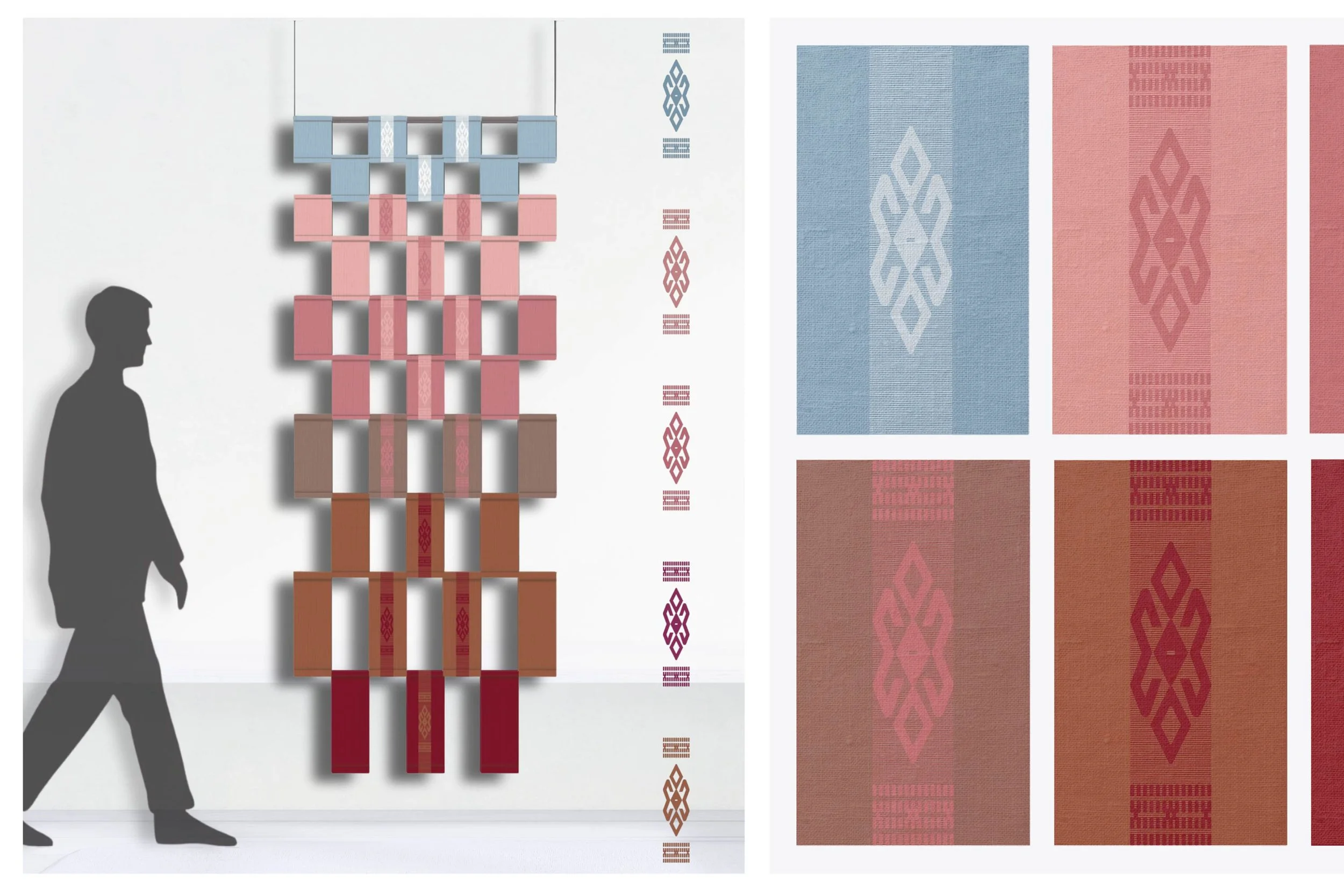
Mosu by Lo’ud Design Collective