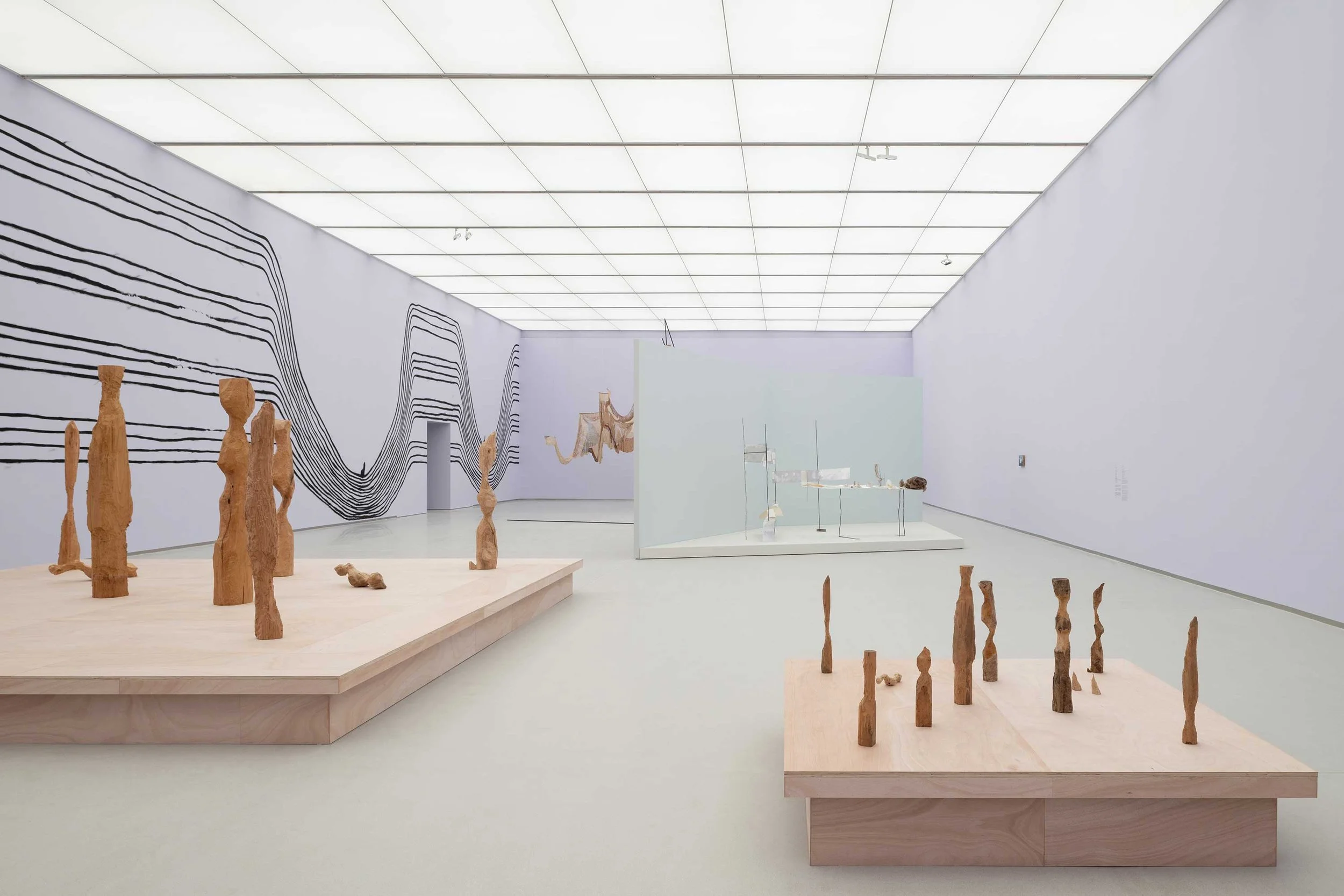
Why the New Espace Gabrielle Chanel in Shanghai Inspires Both Creativity and Caution
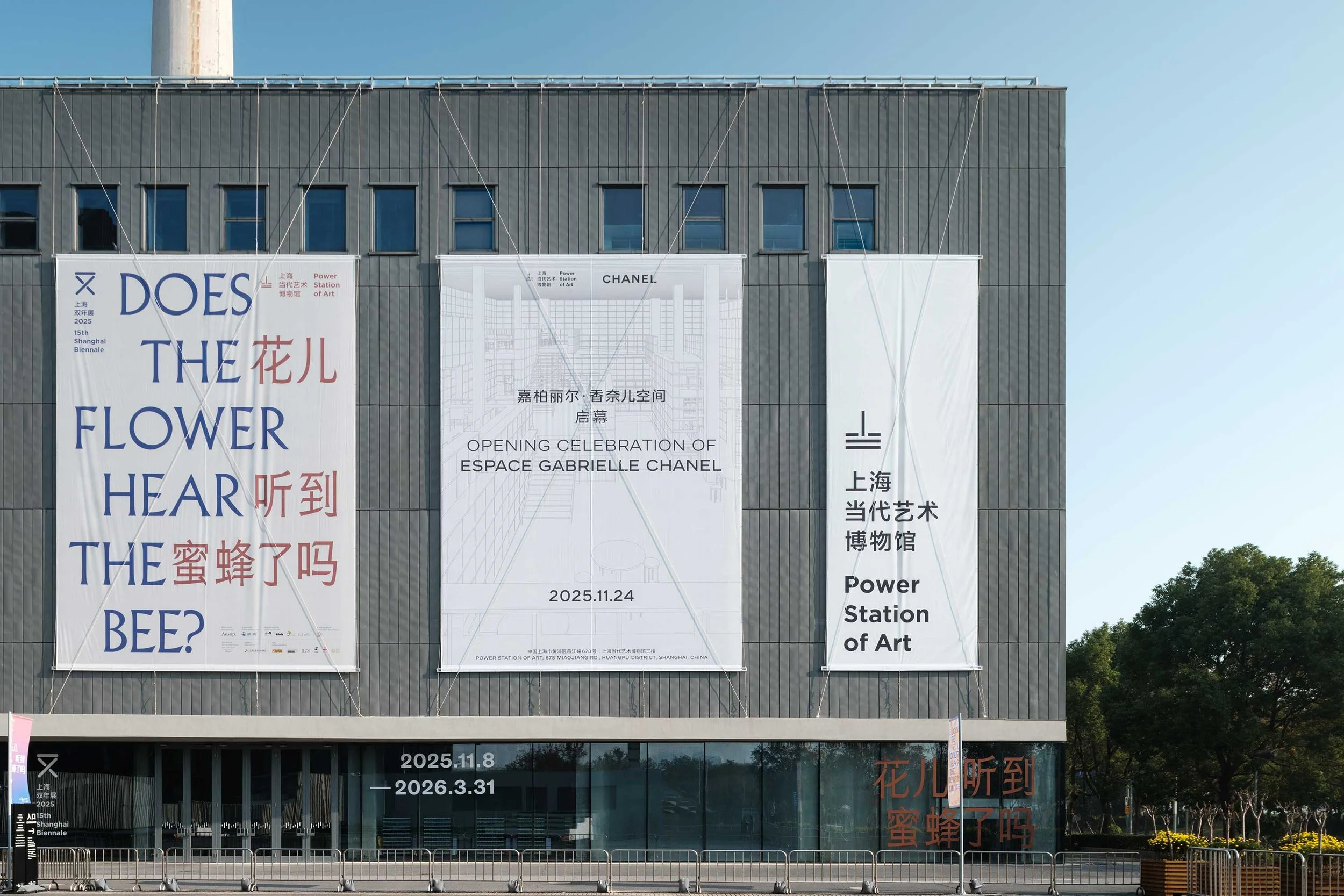
Chanel has transformed a historic Shanghai power plant into a sanctuary for art and literature, marking a sophisticated new chapter in the house’s deep-rooted and cinematic connection to the Chinese landscape
In late 2024, Chanel released an attention-grabbing new promotional video featuring Tilda Swinton. In the short film, directed by German auteur Wim Wenders, the British actor pulls up in an iconic Citroën DS outside the Paris apartment of Gabrielle ‘Coco’ Chanel.
Entering the home of the famed fashion house founder, Swinton gazes lengthily on a 19th-century lacquered Coromandel screen that showcases the historic daily life and landscapes of West Lake in the eastern Chinese city of Hangzhou. Although she never managed to visit China, Chanel is quoted as saying, ‘I almost fainted with happiness the first time I saw a Coromandel in a Chinese shop.’
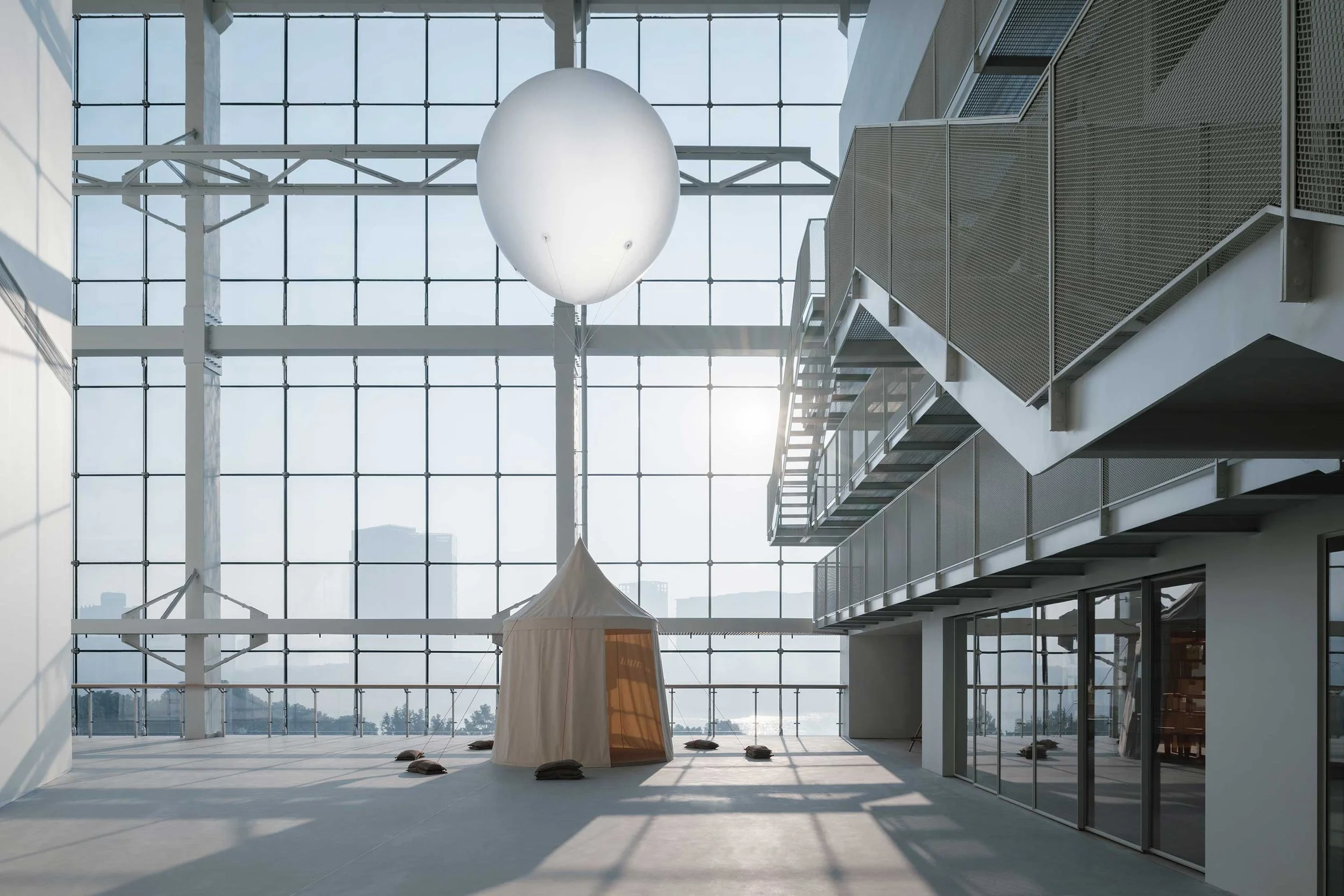
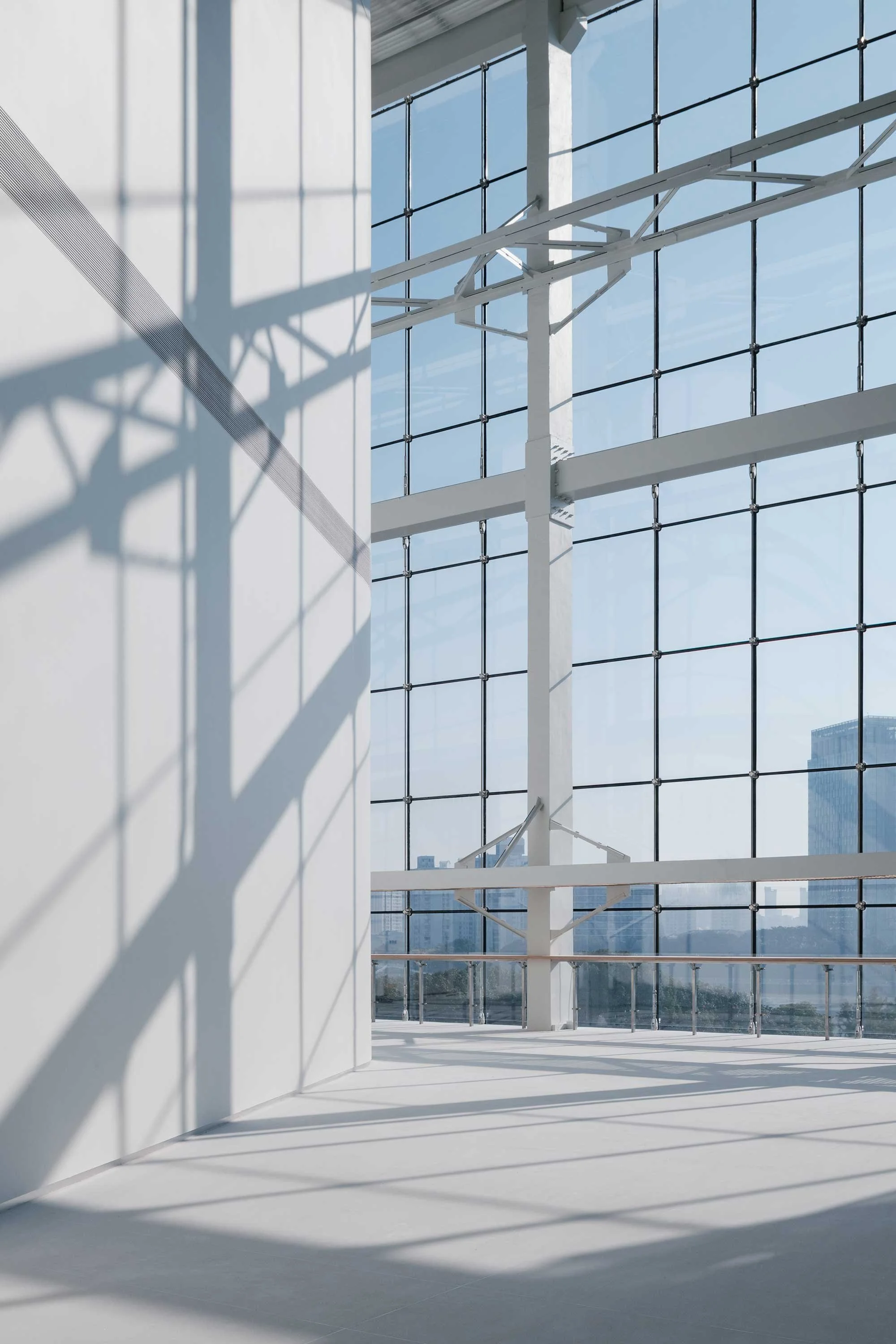
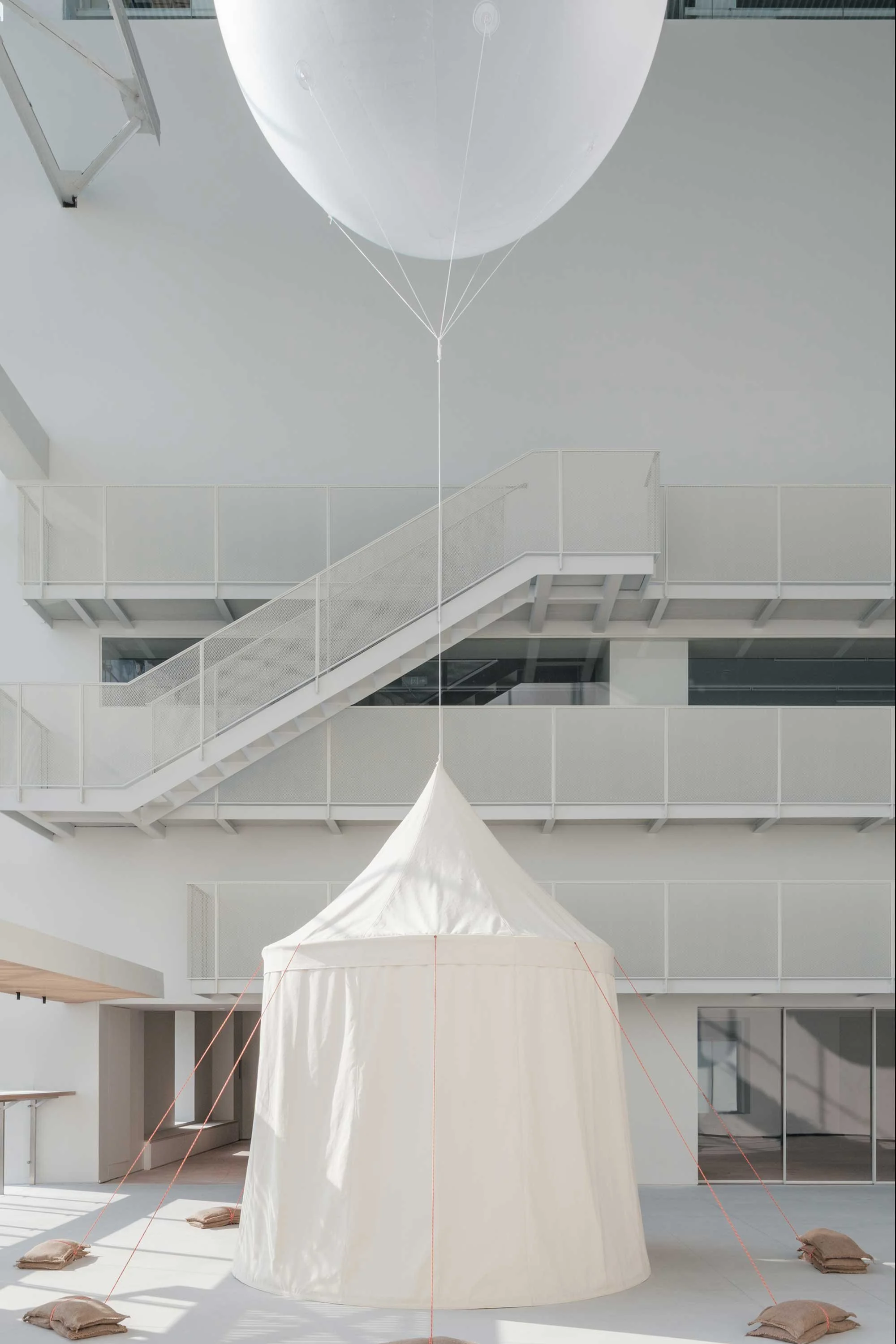
Long a patron of the arts, the company she founded has continued its love affair with China, and recently launched the new Espace Gabrielle Chanel, housed at Shanghai’s Power Station of Art. This monumental government-funded contemporary art centre was once known as the Nanshi Power Plant. Built in 1897, it provided the energy for some of China’s first electric lights and, a year later, illuminated the famous row of buildings on the Bund. From literally powering Shanghai, the hope is it's now generating a new enthusiasm for the arts, with its past and current similarity to the Tate Modern in London an obvious reference.
The Chanel collaboration at the Power Station of Art is part of the French fashion maison’s China-focused ‘Next Cultural Producer’ programme, which had its launch at the centre in 2021 with the goal of fostering creativity and innovation in contemporary Chinese creative fields. Chanel’s new project is yet another in a long line of international brand activations across China in recent years. In early 2025, in an event it labelled ‘Shell Toe Street’, Adidas took over a street front on Yongyuan Road in Shanghai’s charming former French Concession and created a traffic-stopping four-storey facade of oversized shoe boxes. Meanwhile in Guangzhou, Nike went with a more low-key approach, creating a pop-up soup stall with stylised swoosh-shaped spoons. Last September, outdoor clothing brand Arc’teryx sparked controversy when it set off a high-altitude fireworks display in the Tibetan Himalayas, a creation of Chinese artist Cai Guo-Qiang called Ascending Dragon. But the most audacious of them all has to be The Louis, Louis Vuitton’s three-storey cruise ship ‘docked’ in central Shanghai, a unique concept store in of the upscale Taikoo Hui shopping mall.
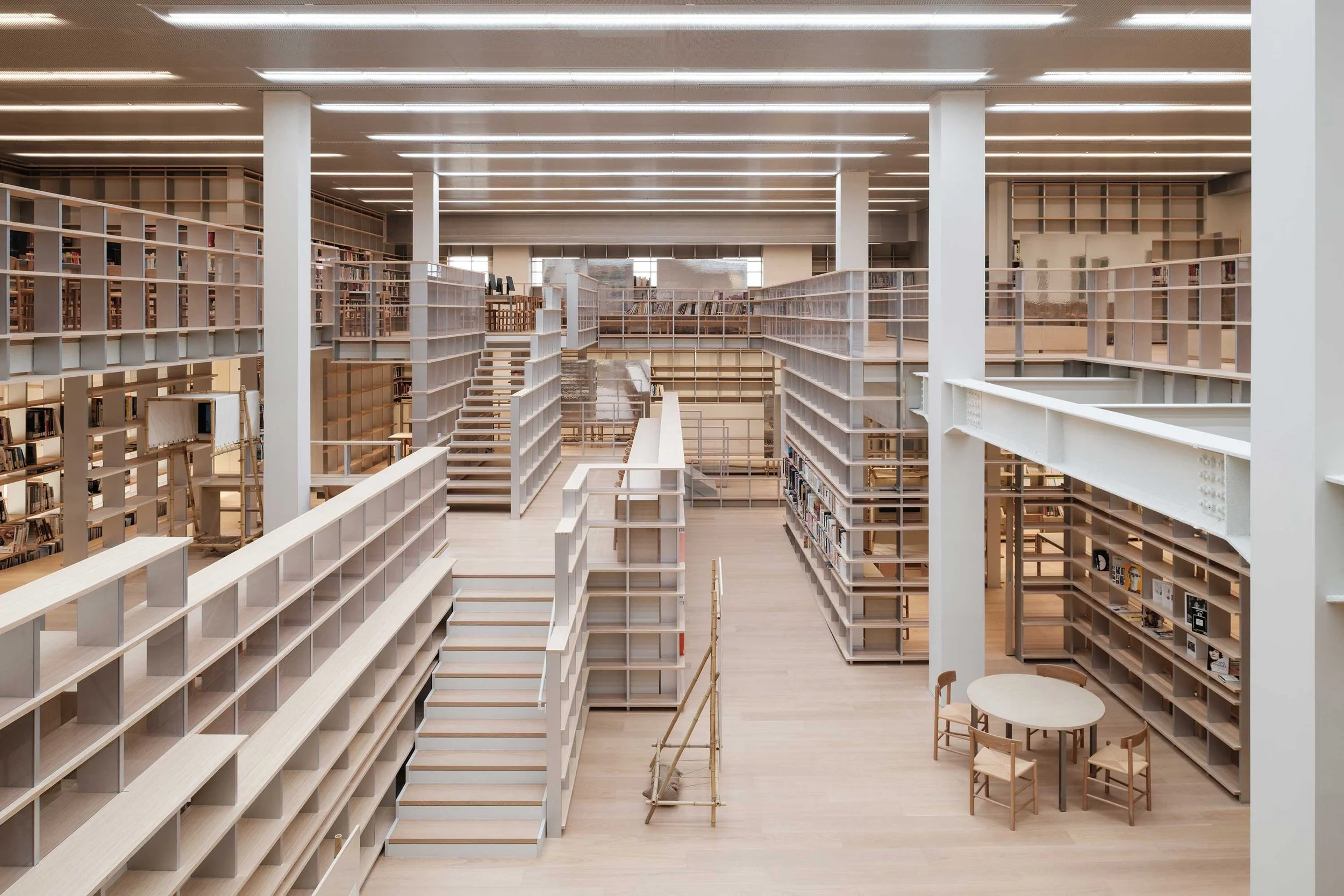
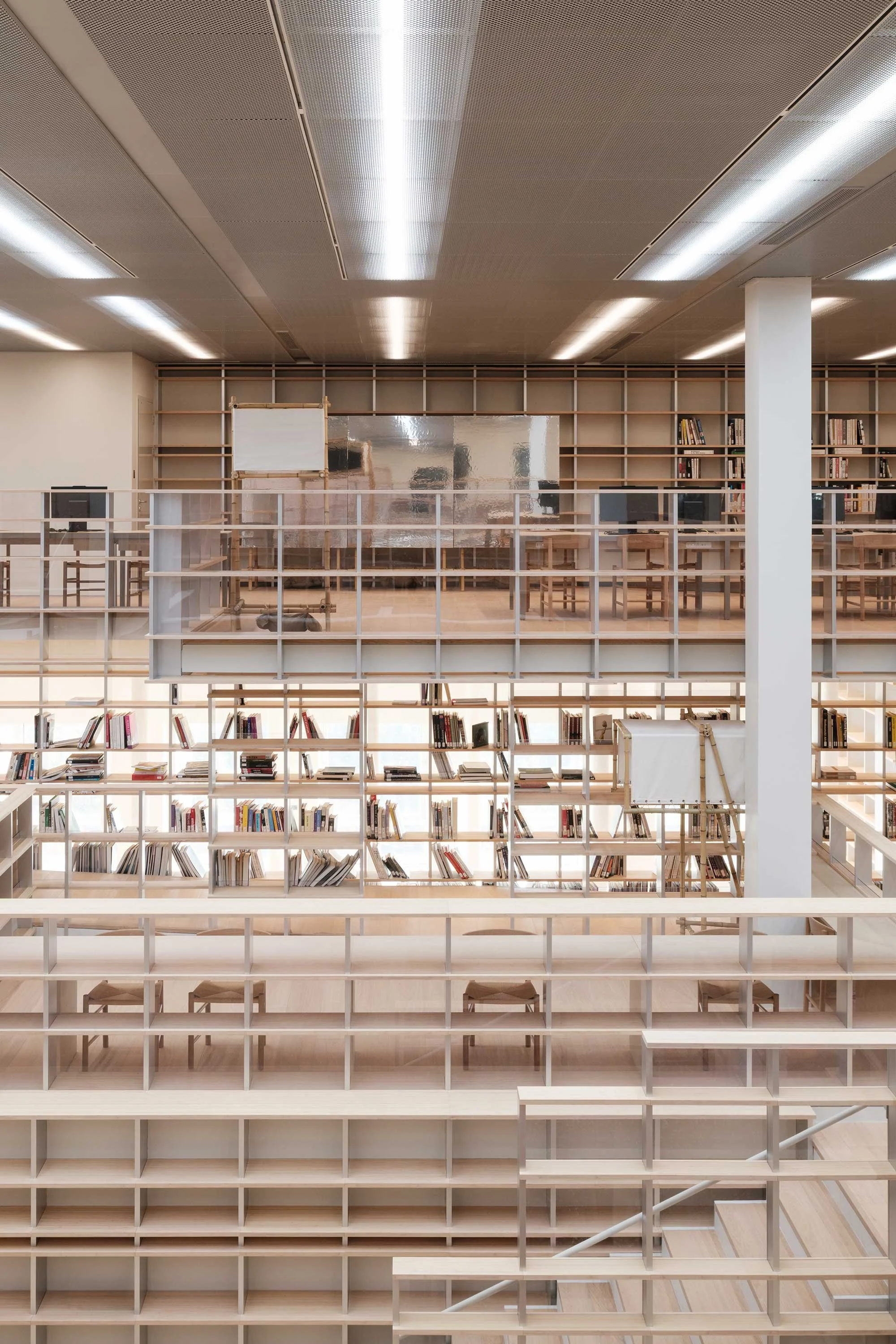
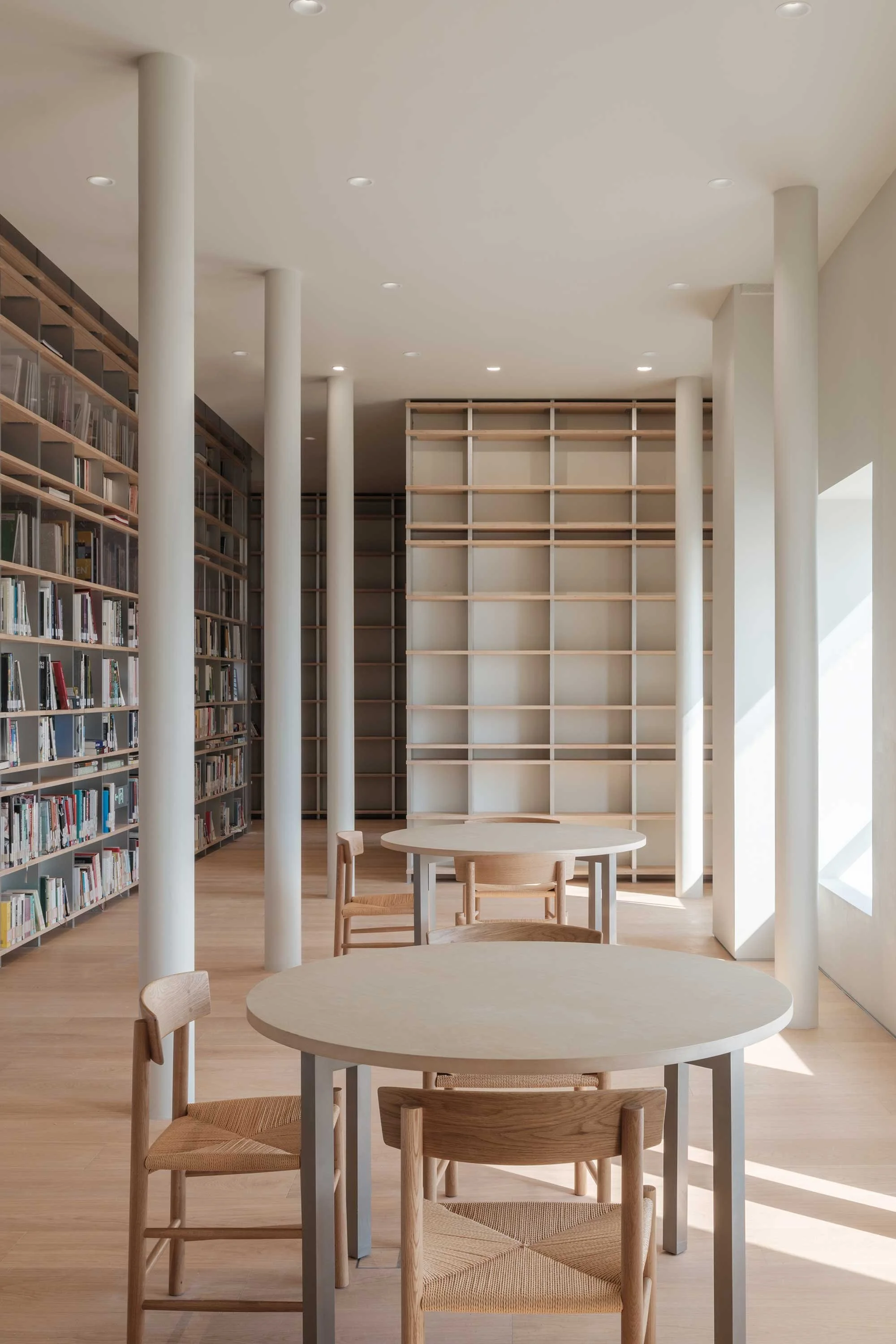
Back to Chanel, the Power Station of Art was opened in 2012 following the building’s use as the Pavilion of Future during the 2010 Shanghai World Expo, which transformed this derelict but formerly thriving hub of warehouses and traders. The new Espace Gabrielle Chanel occupies the third floor of the imposing 41,000-square-metre, 27-meter-high building and will later add a 300-seat theatre. For now, though, there is the Power Station of Design, with an exhibition hall and pleasant riverside terrace, and — at its heart — the first public library devoted to contemporary art on the Chinese mainland.
The remarkable library is the work of acclaimed Japanese architect Kazunari Sakamoto, the principal of Tokyo-based Atelier and I, Kazunari Sakamoto Architectural Laboratory. The design is deceptively simple: a soothing blend of light wood, split by symmetrical levels of boxes that serve as both shelves and railings, and open stairs that traverse the space, punctuated by large white-painted girders that hark back to the building’s origins.
While some 10,000 books are available for public viewing, the collection consists of five times that number, spanning design, social science, architecture and art. Later, it will also house the Archive of Chinese Contemporary Art.
Gong Yan, director and artistic director of the Power Station of Art, said at the opening: ‘A century ago, Gabrielle Chanel broke through the constraints imposed on women by her era and opened new horizons in fashion. Espace Gabrielle Chanel is therefore a place that pays tribute to cultural pioneers and, at the same time, a space that continues to inspire new ways of living, new culture and new art.’ It’s a worthy initiative, if worth some ‘wait and see’: when Design Anthology contacted the library to confirm its opening hours, we were told it had closed following its soft opening for ‘internal adjustments and shelf maintenance’.
Text by Simon Ostheimer
Images courtesy of Chanel