How This Heritage-Listed Sydney Home Bridges Past and Present
Cadence & Co has sensitively preserved a landmark Georgian Revival home in Sydney’s North Shore while transforming it for contemporary family life
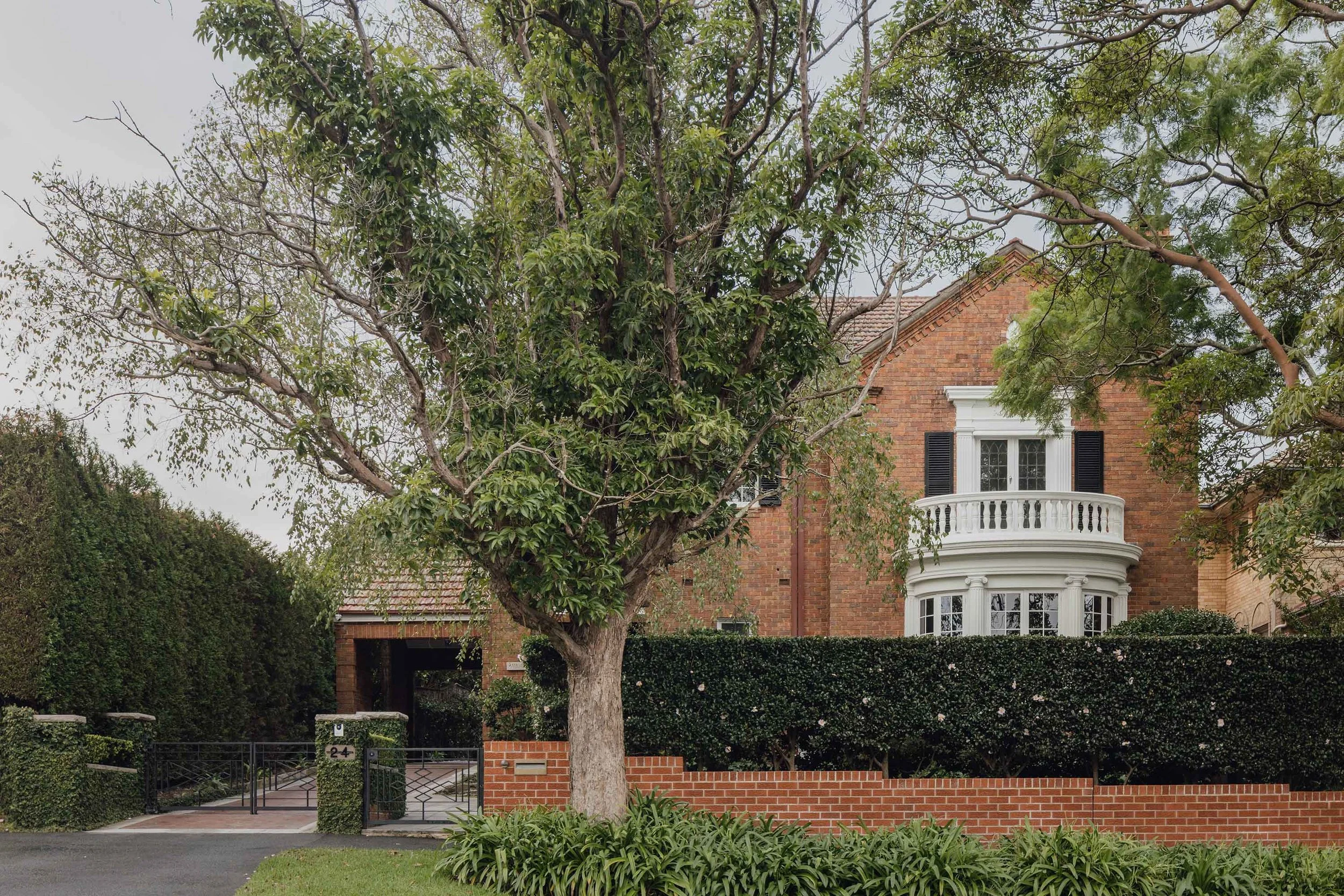
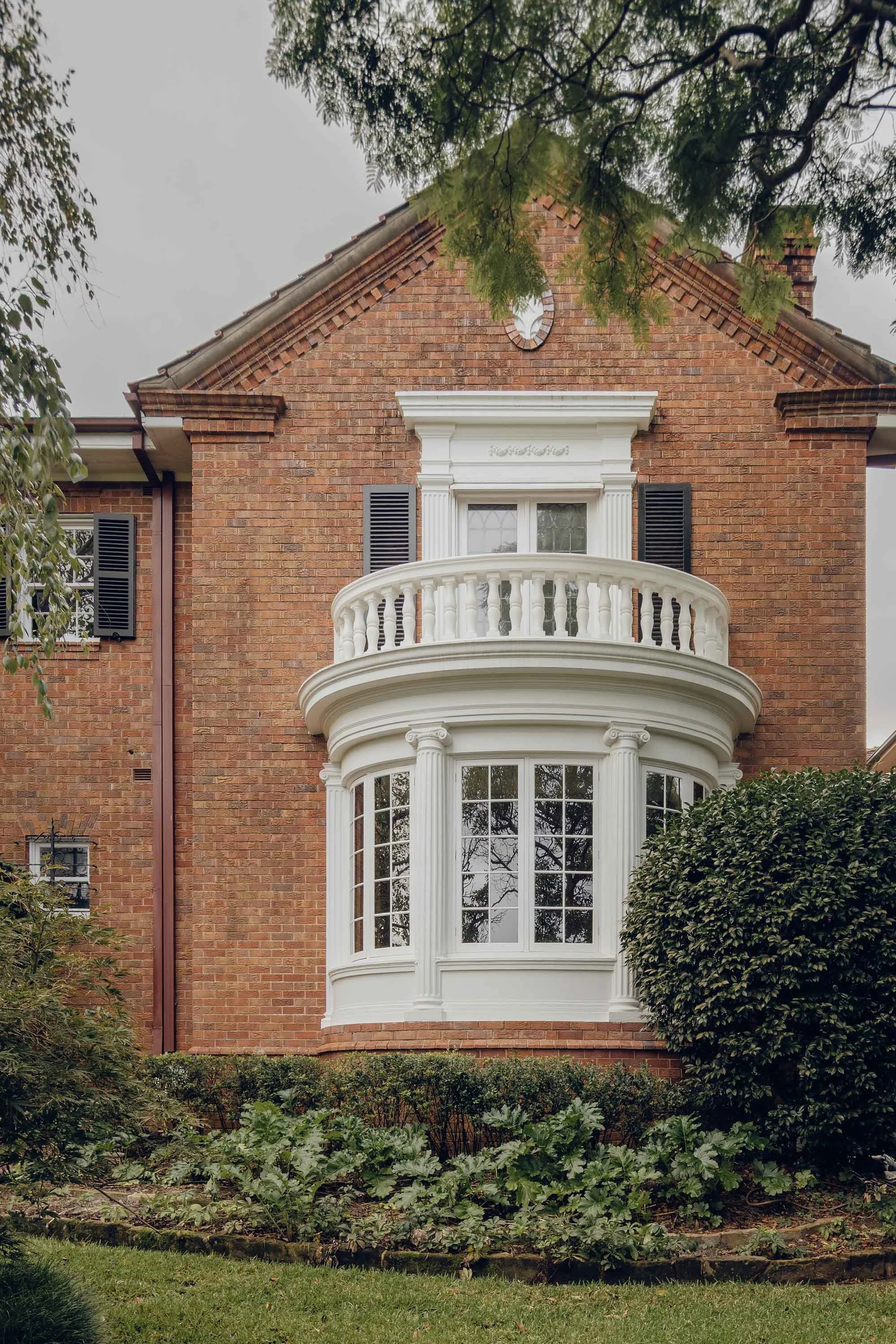
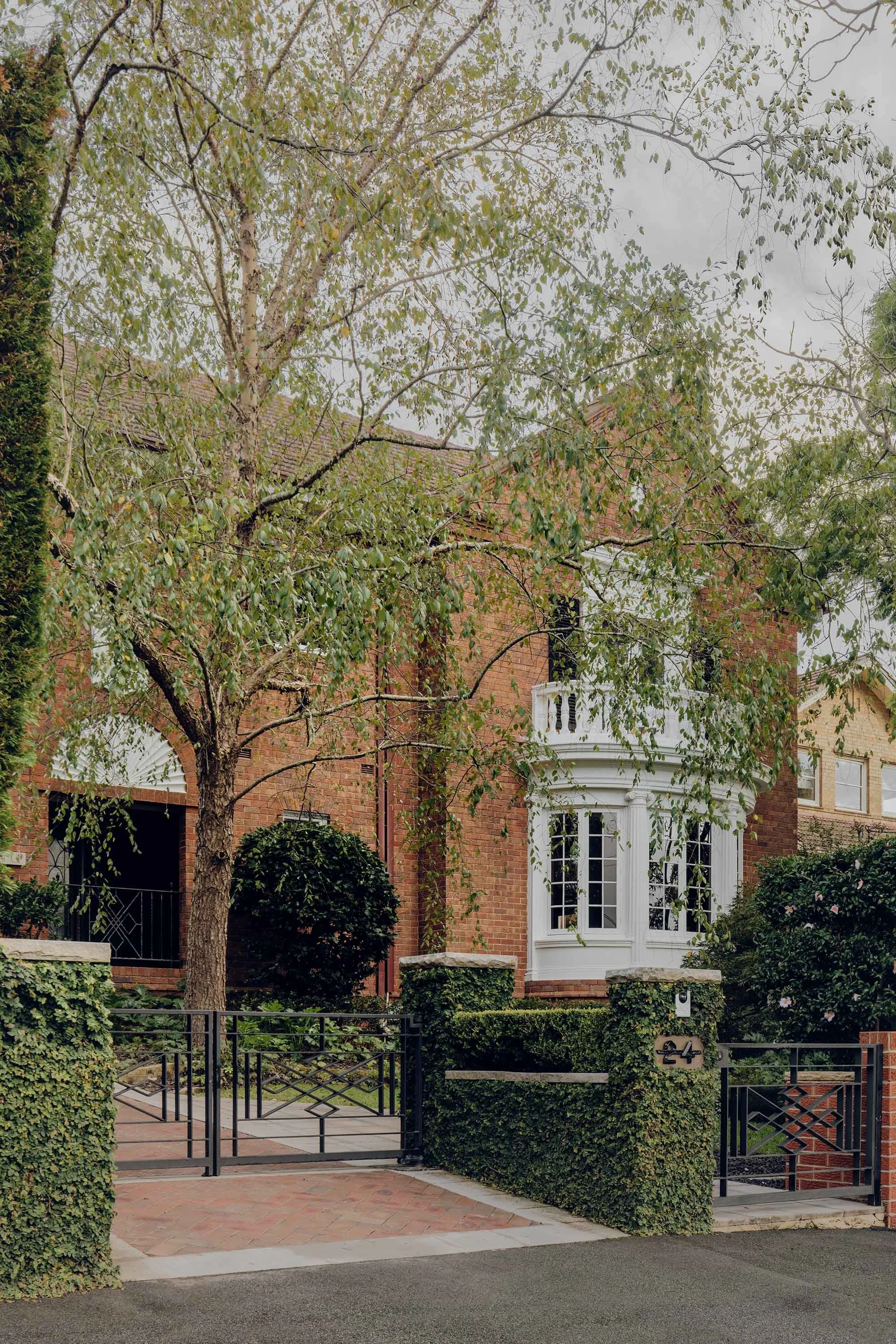
It’s not often an architecture firm is given the opportunity to work on a historically significant residence, but that was the case for Sydney firm Cadence & Co, which was approached by the owners of this Georgian Revival home in Sydney’s North Shore. ‘The home is listed on the Australian Institute of Architects’ 20th Century Buildings of Significance Register. It’s a rare example of Georgian revival architecture interwoven with Art Deco detail,’ says principal Michael Kilkeary. The architect, John R Brogan, was also responsible for Sydney’s Baháʼí Temple, which is considered one of the city’s most significant religious buildings.
Kilkeary describes the client family as ‘design-literate, thoughtful and deeply connected to their home’. And they needed a space that could support the demands of their everyday lives without sacrificing beauty or integrity. ‘The early conversations centred on how to retain the character of the home while better aligning it with the needs of contemporary family life,’ he says.
The designers were briefed to restore the architectural charm of the 1938 residence while introducing spatial clarity and warmth for modern family life. ‘There was a strong desire to honour the building’s Georgian Revival bones and layered Art Deco detailing, not through mimicry, but through a respectful reworking of the plan, materials and circulation,’ says project architect Natasha Grice. ‘Every intervention needed to feel both necessary and timeless.’
The generous two-level home retains its original structure but has undergone a complete internal reconfiguration, with the layout now ‘intuitive, open and light-filled, accommodating the family’s daily rhythms with generosity and flow,’ says Grice.
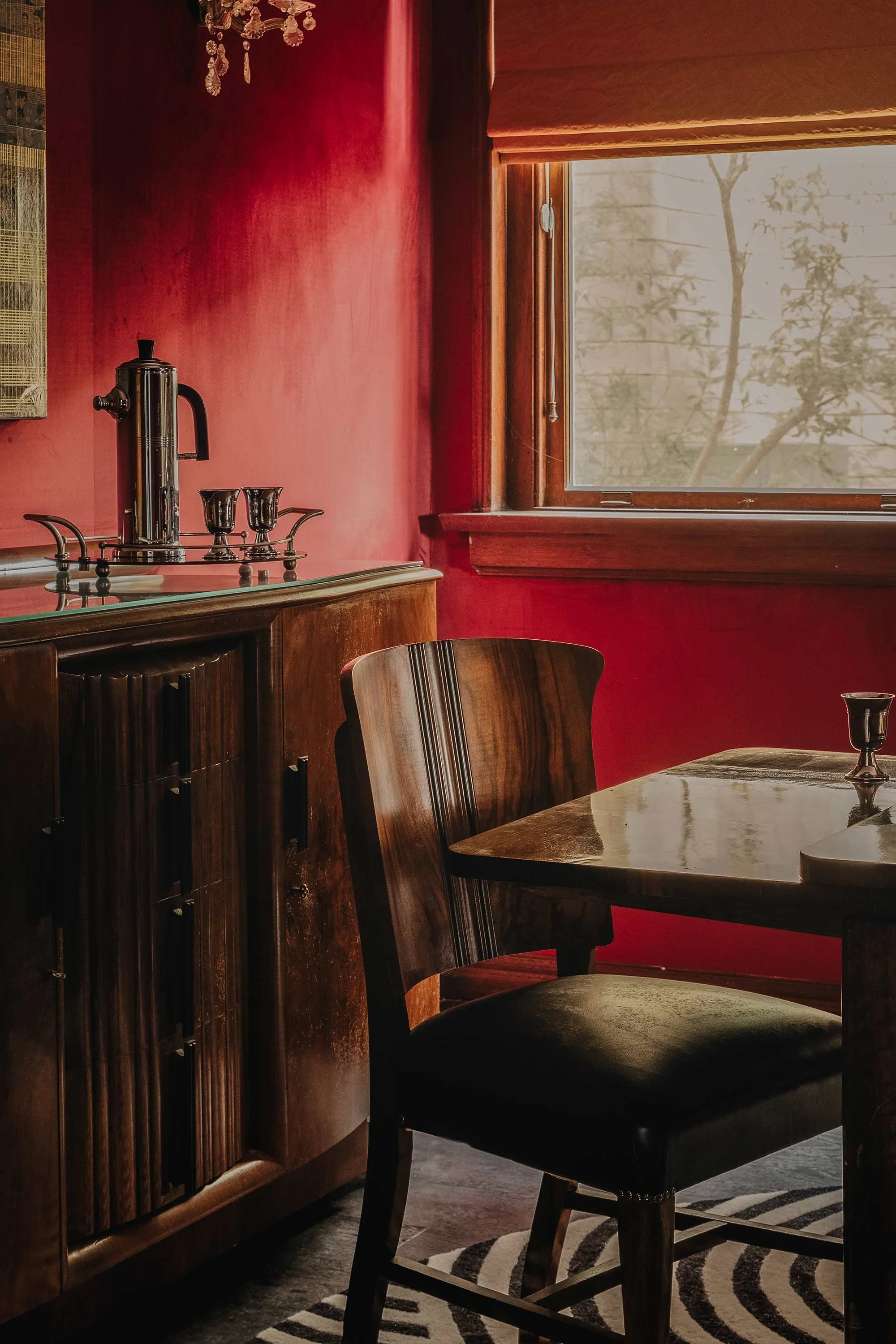
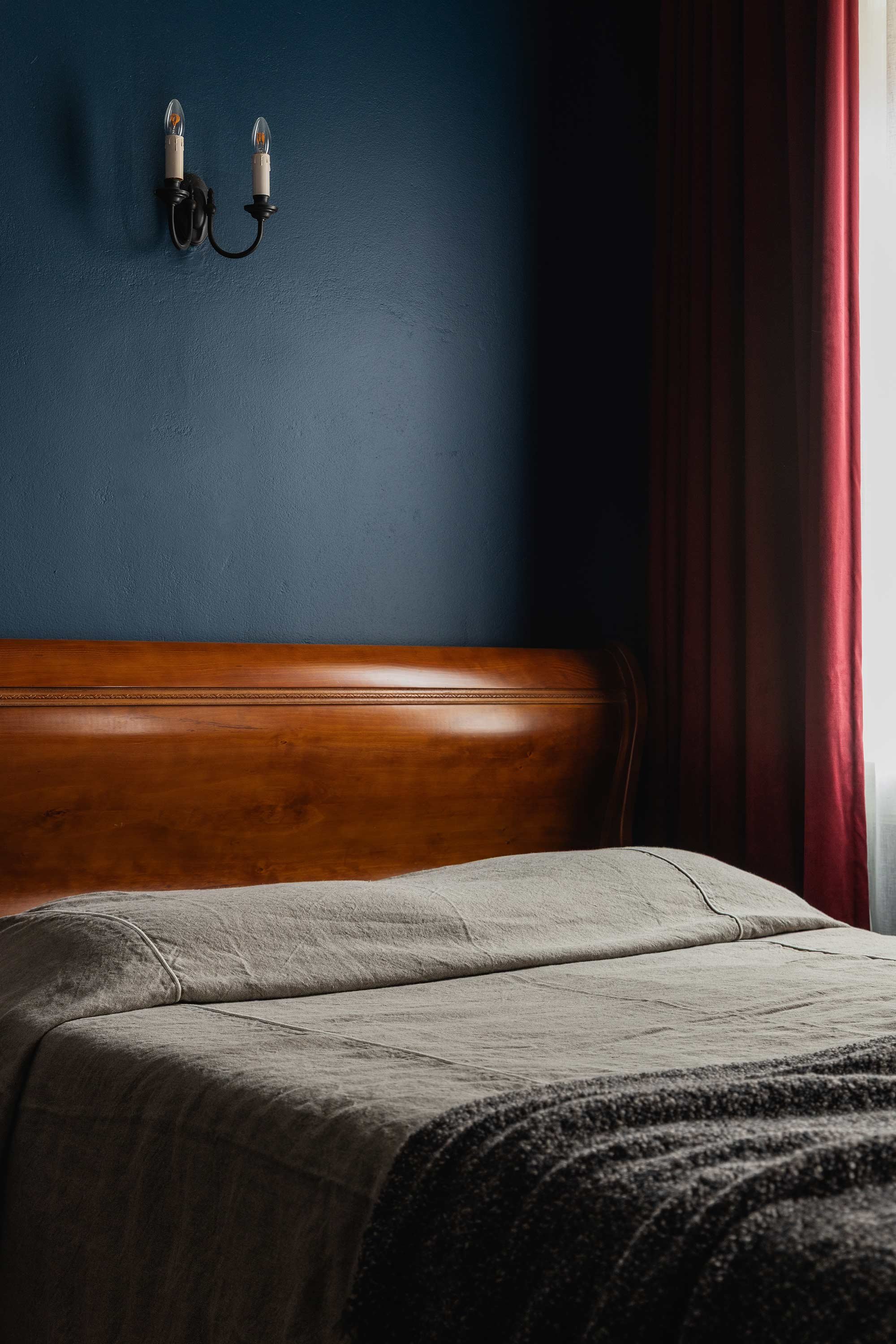
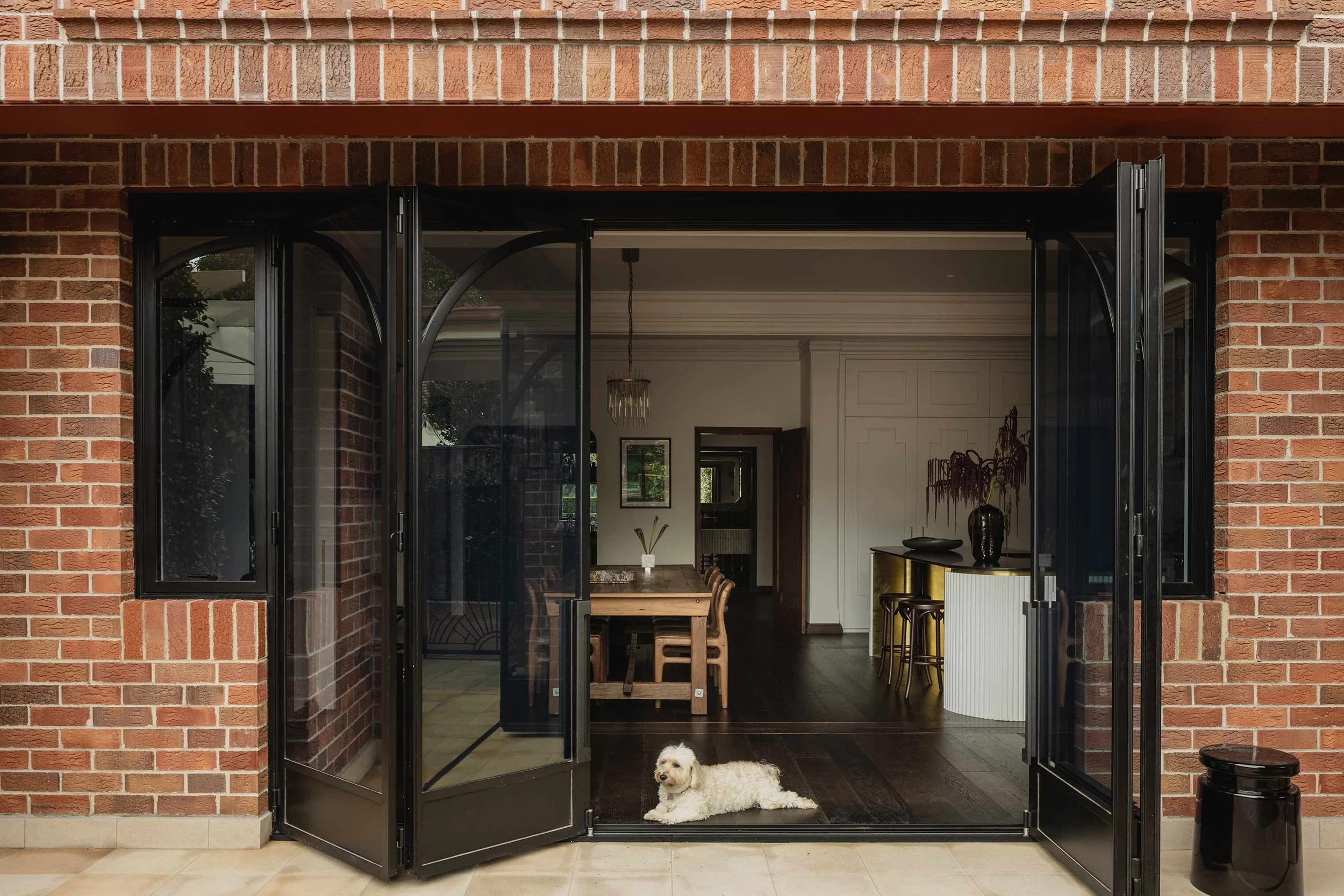
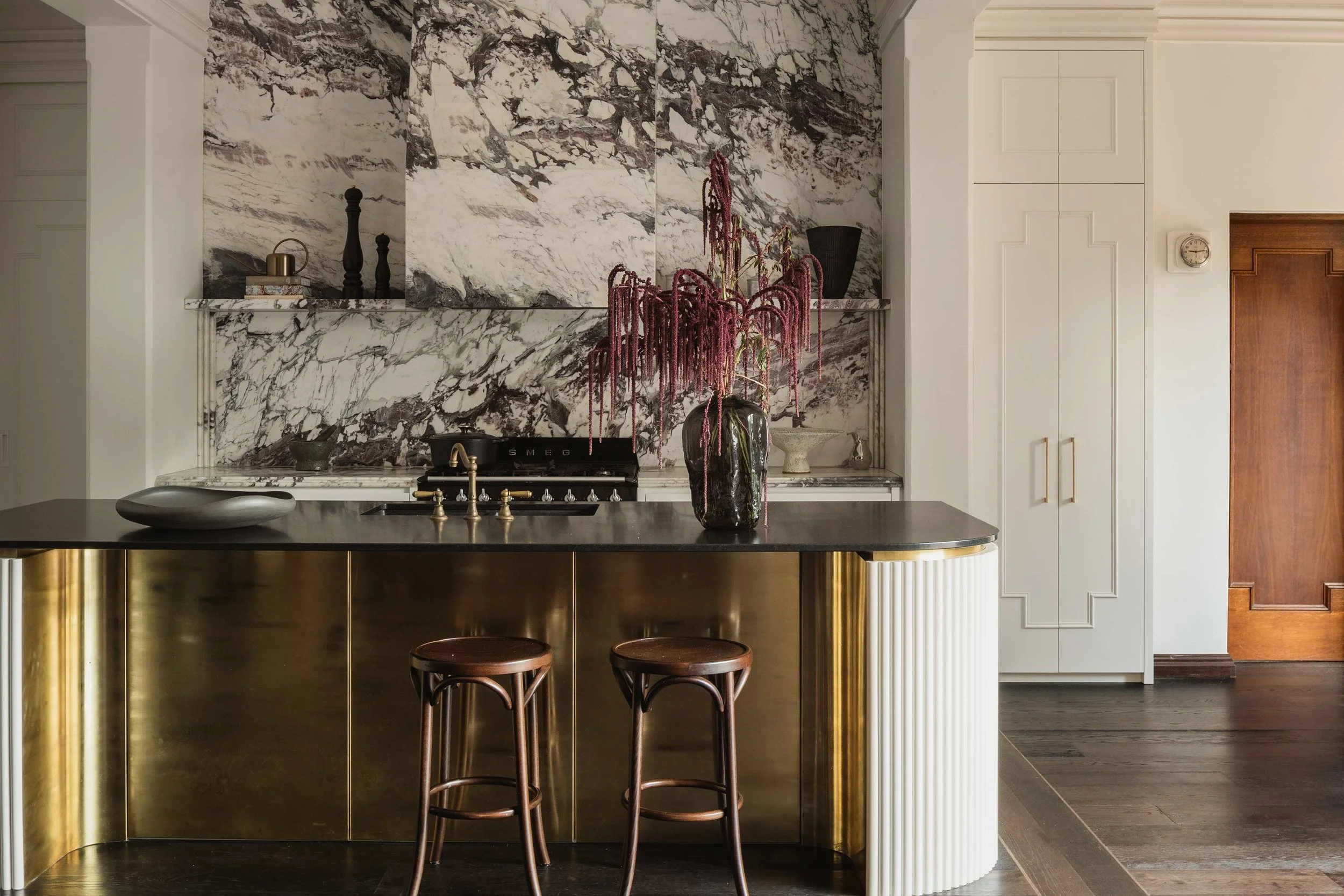
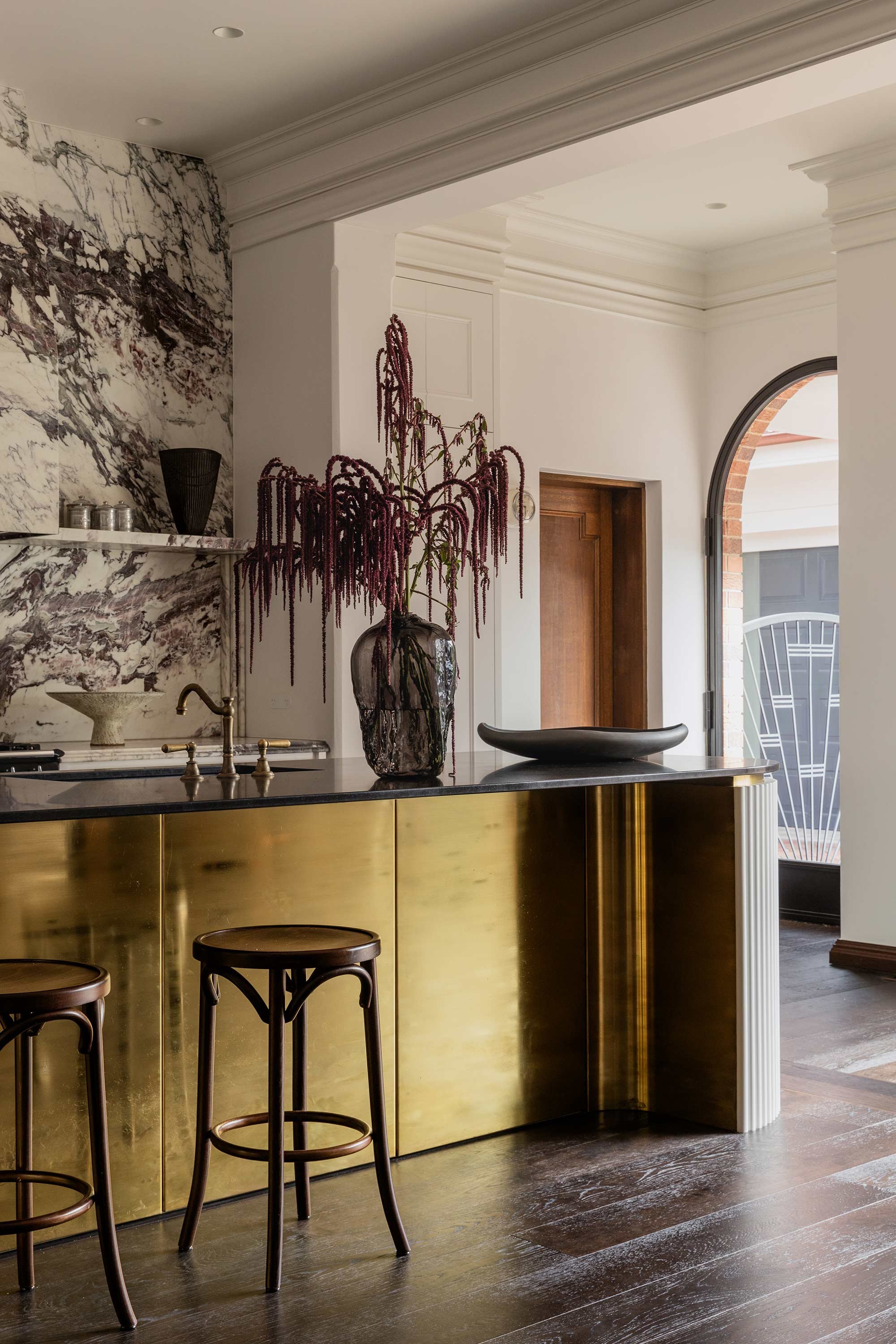
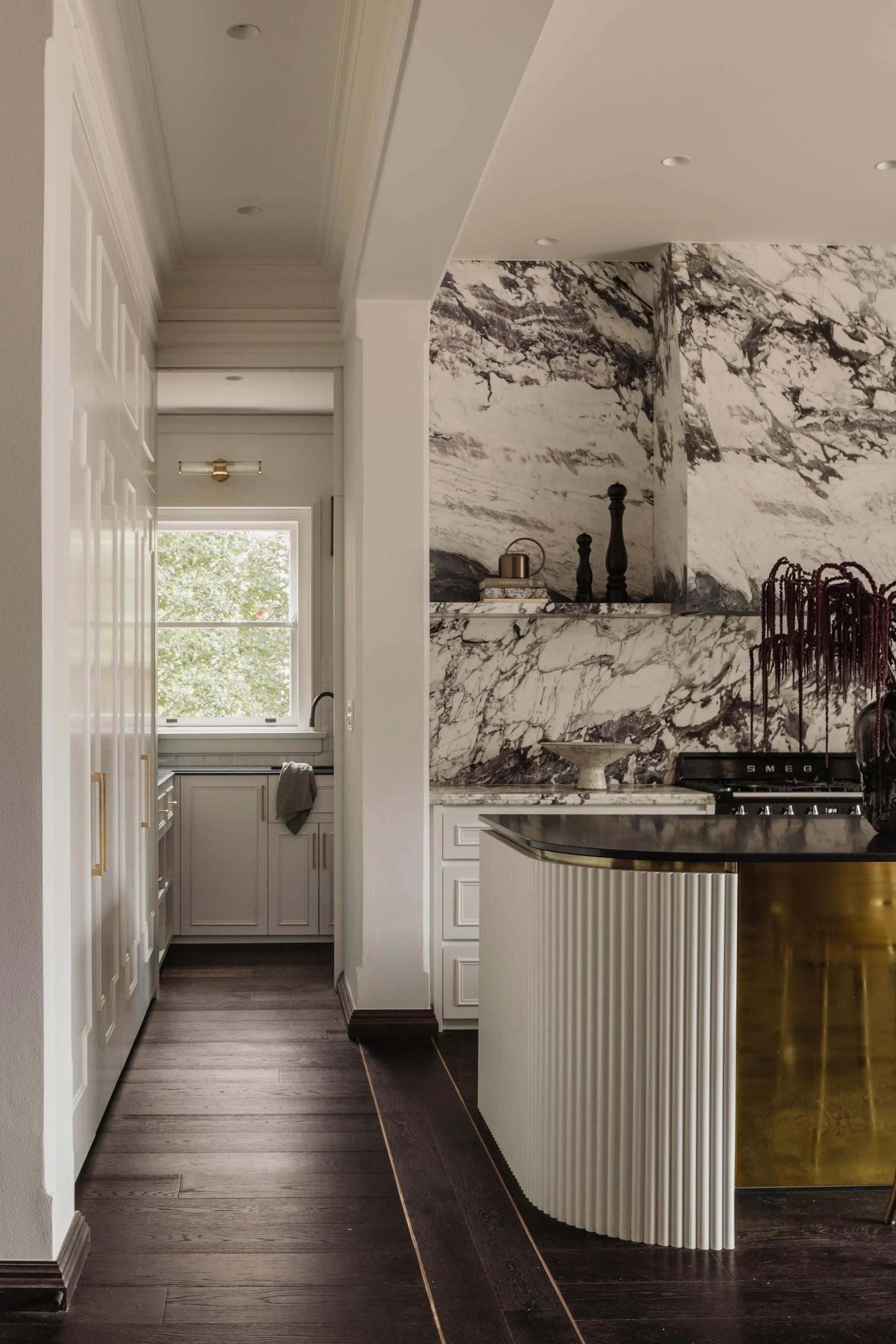
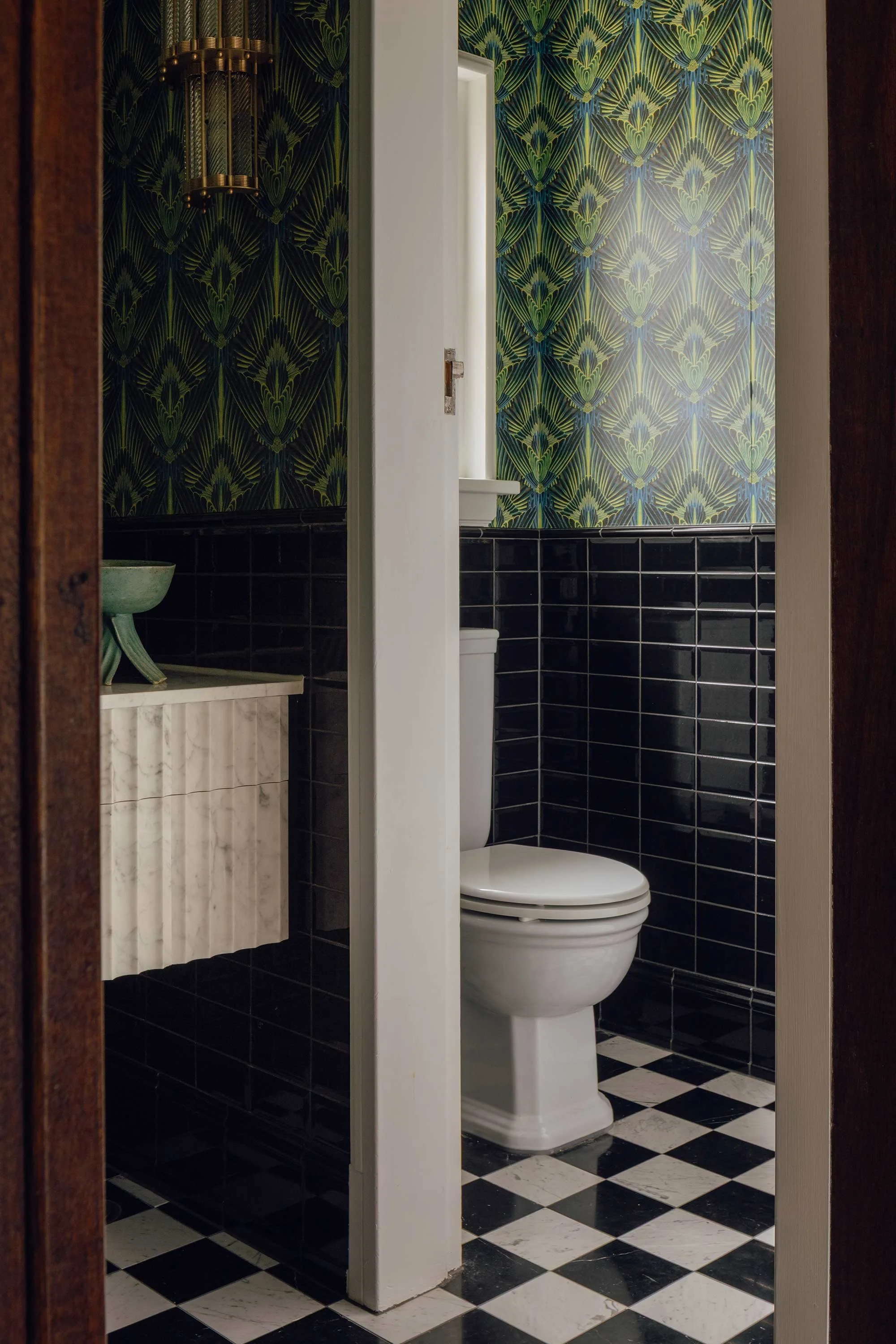
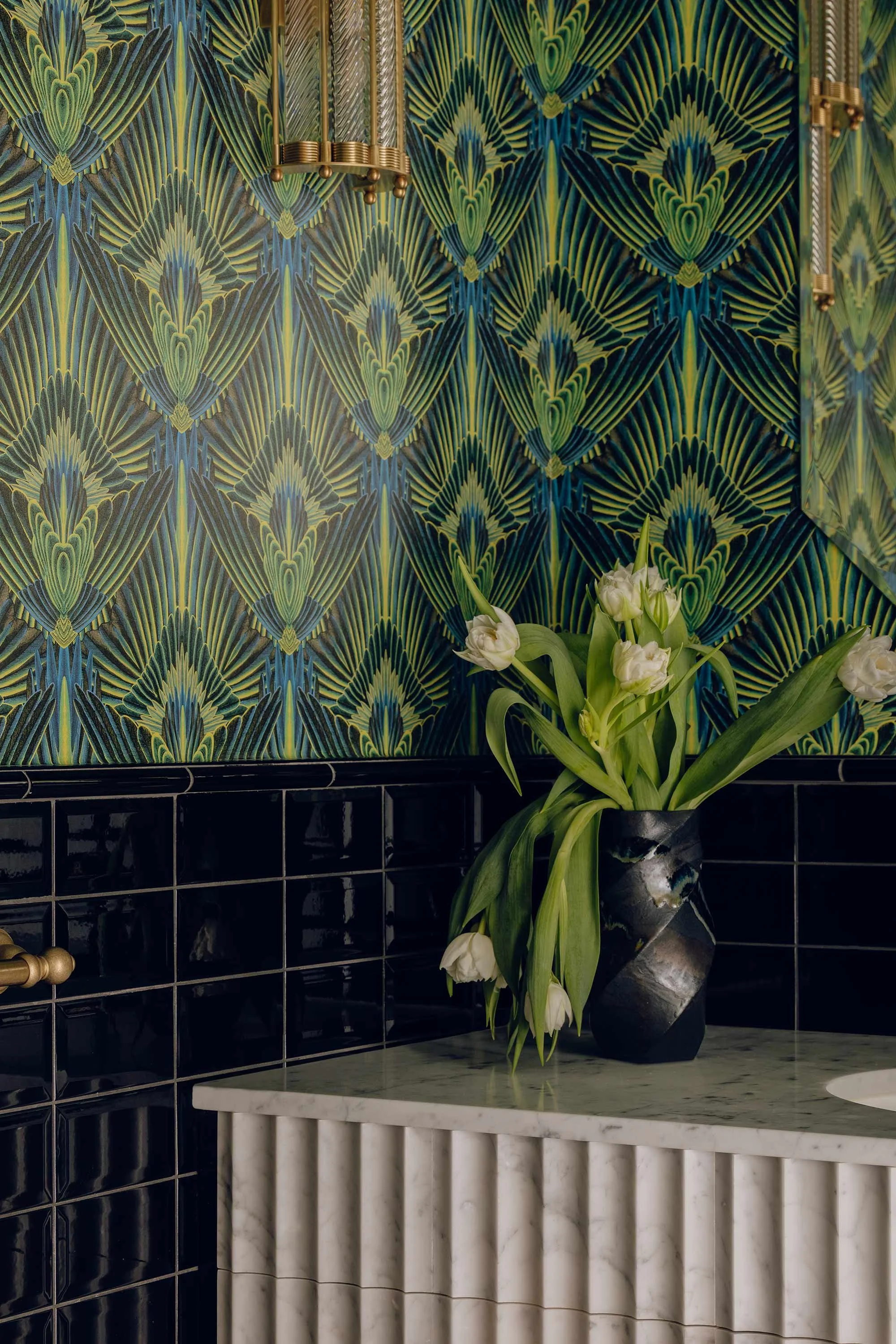
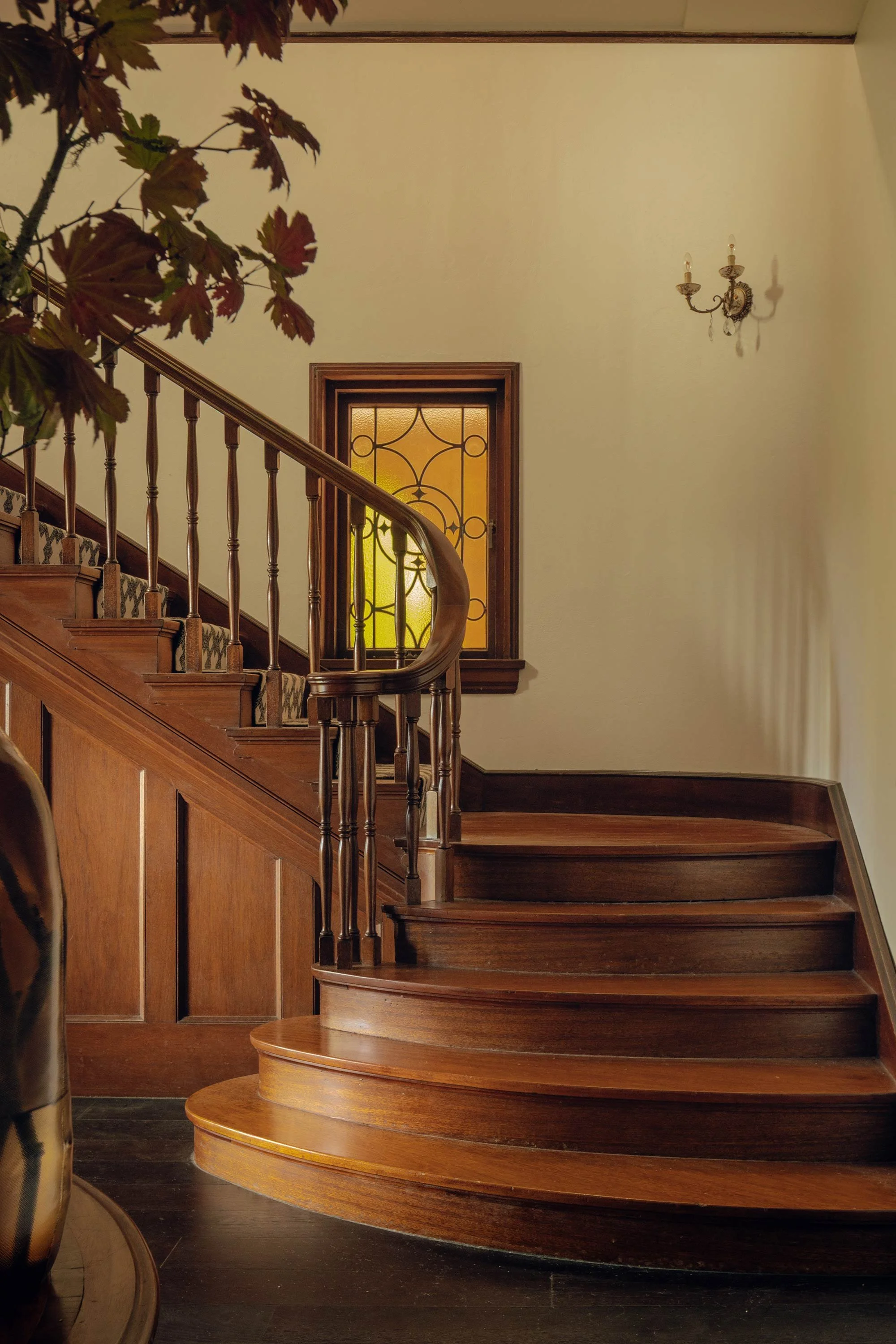
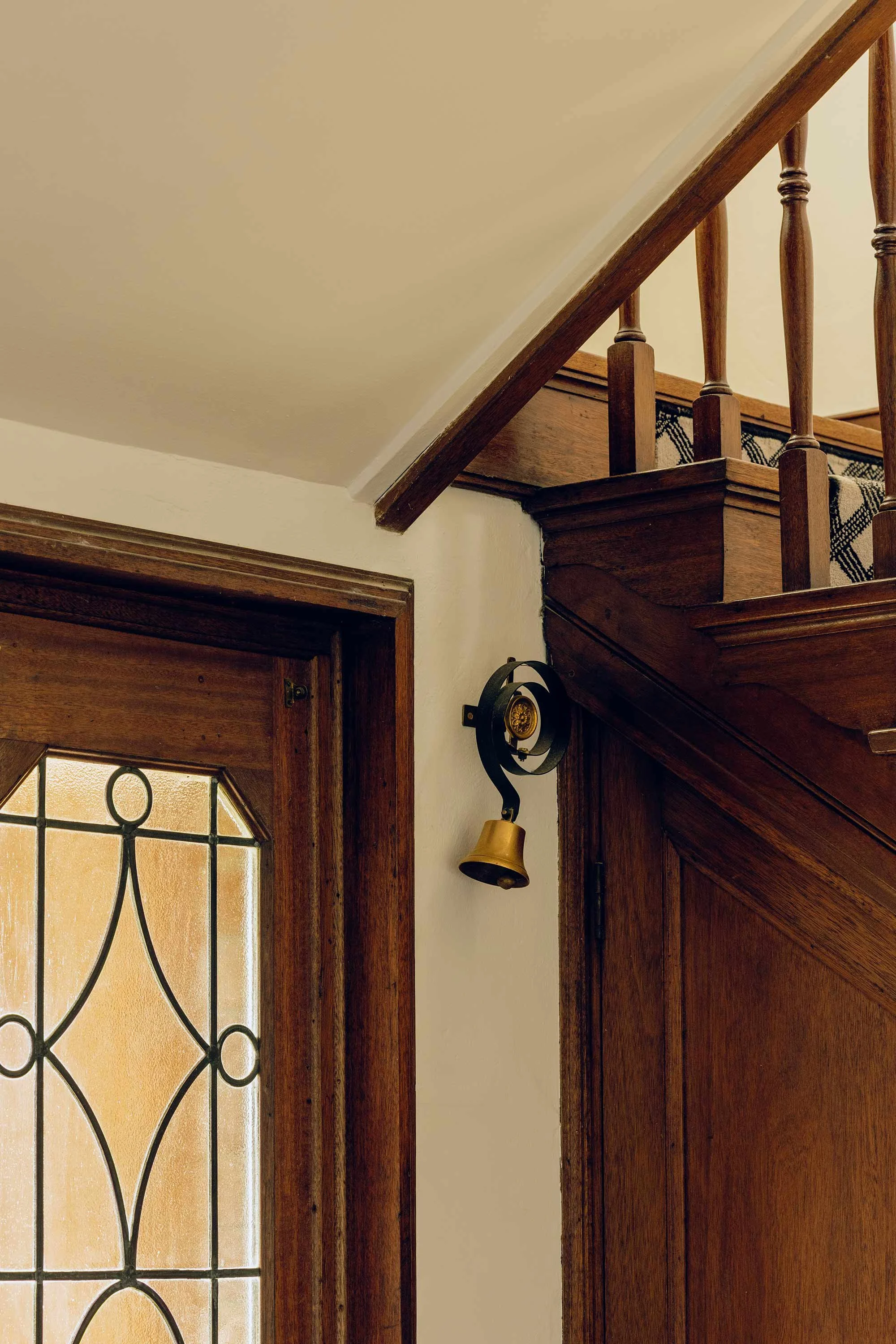
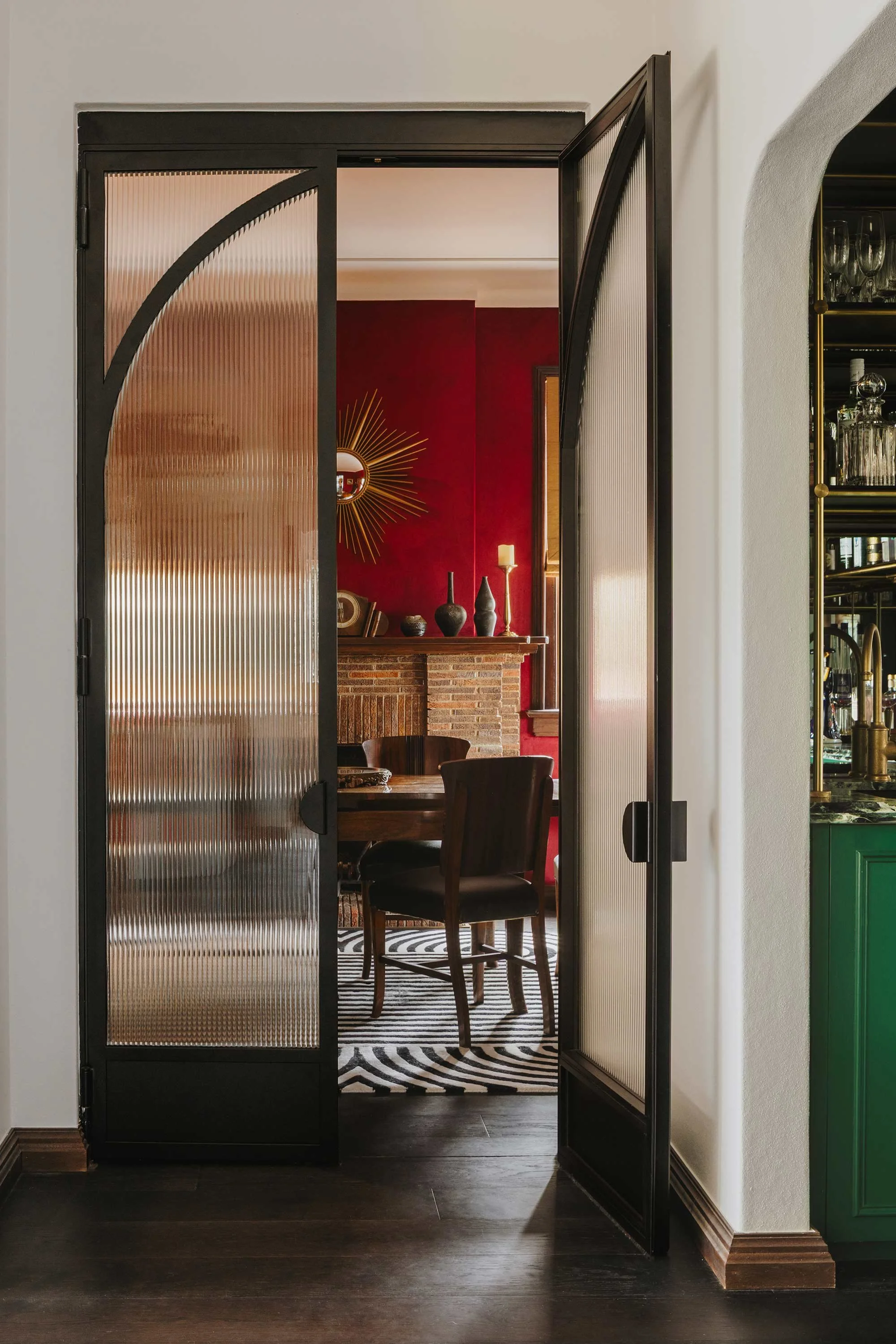
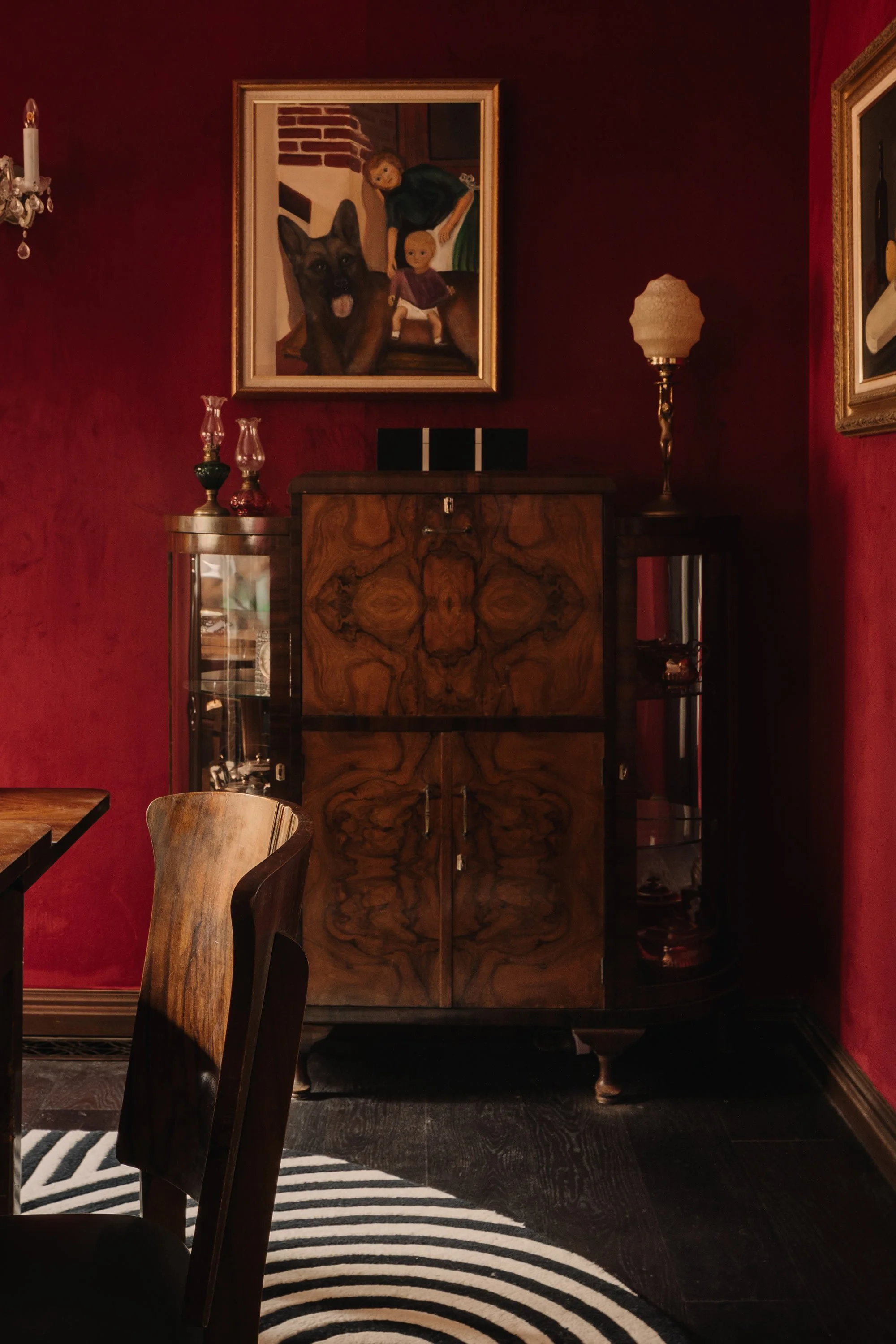
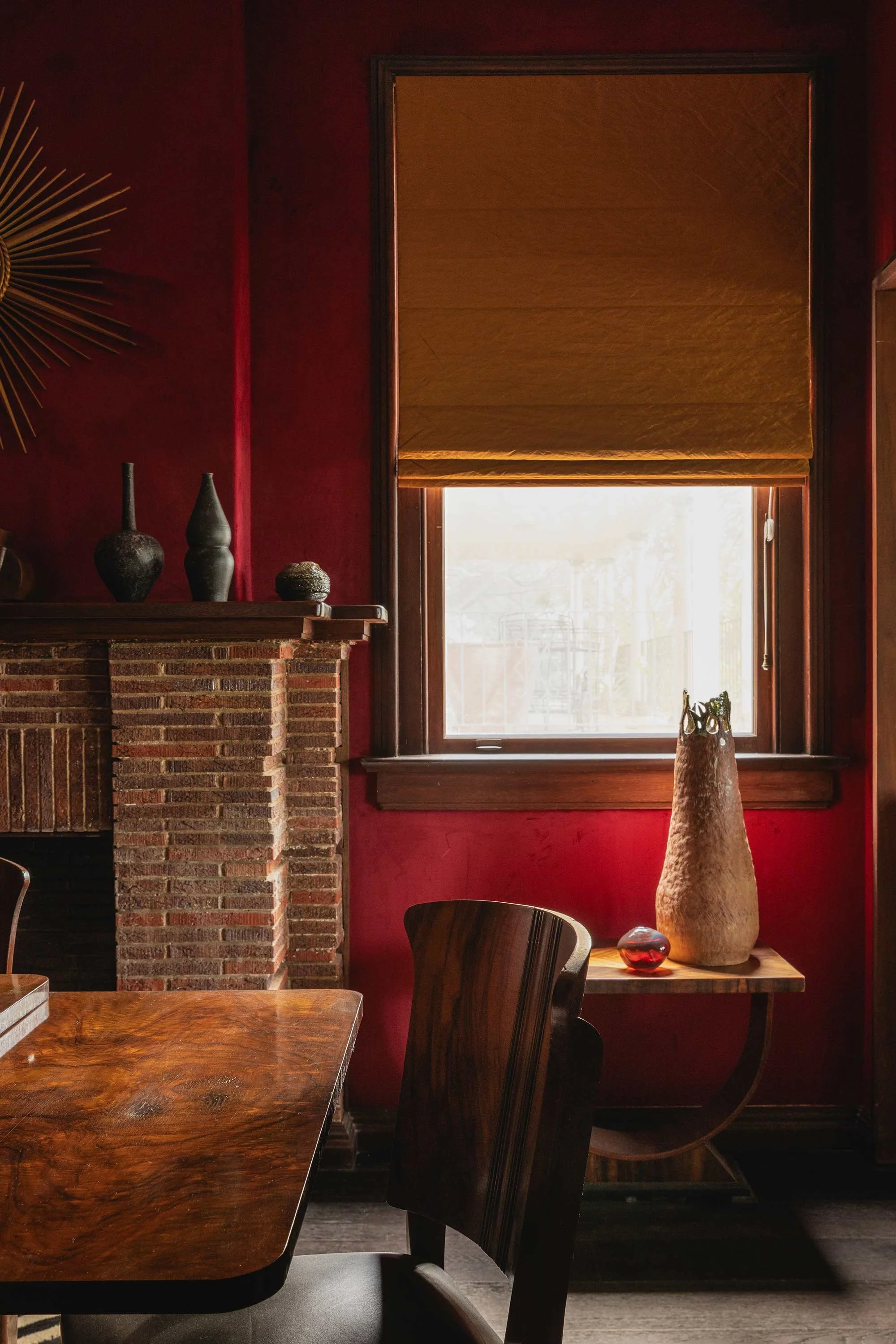
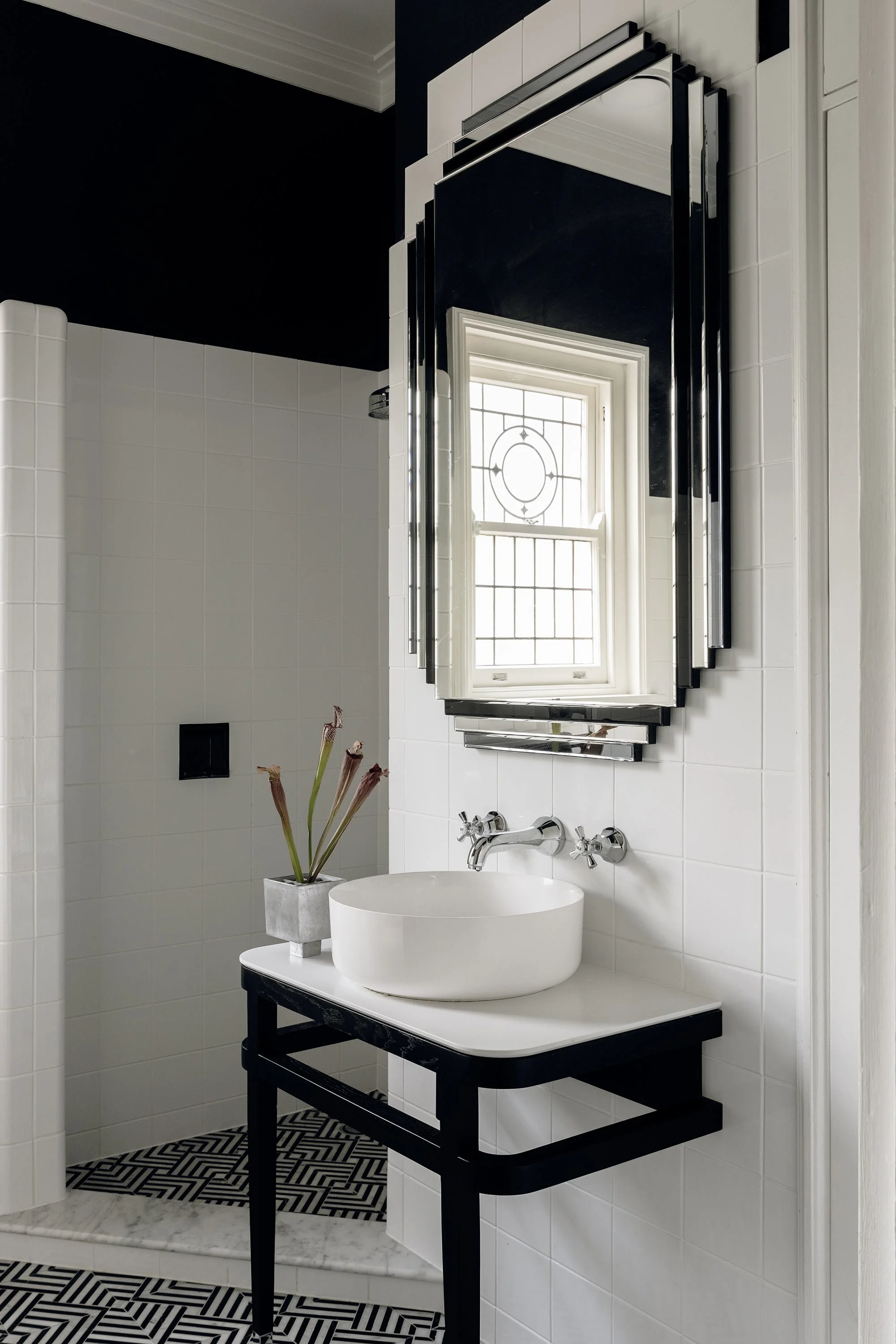
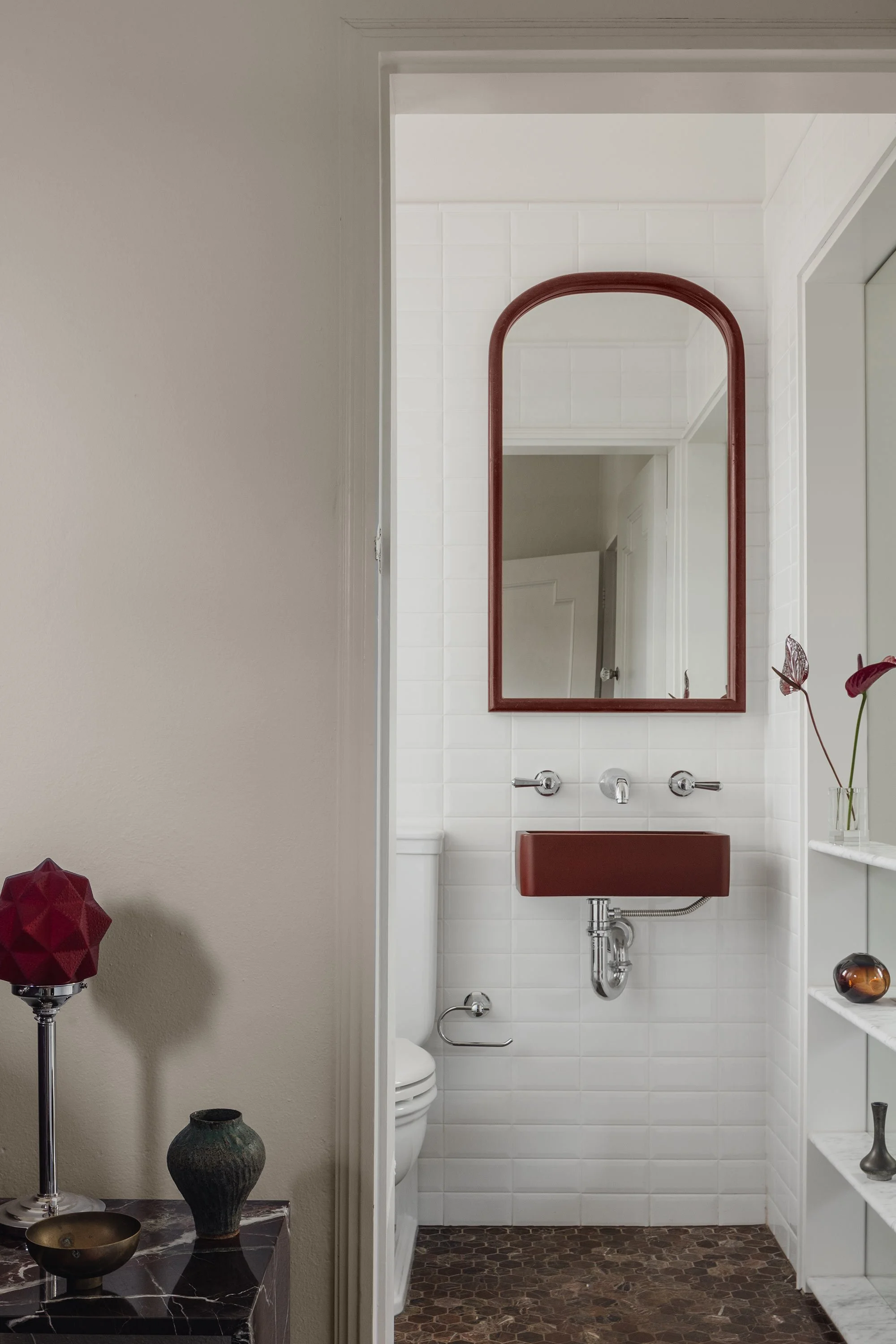
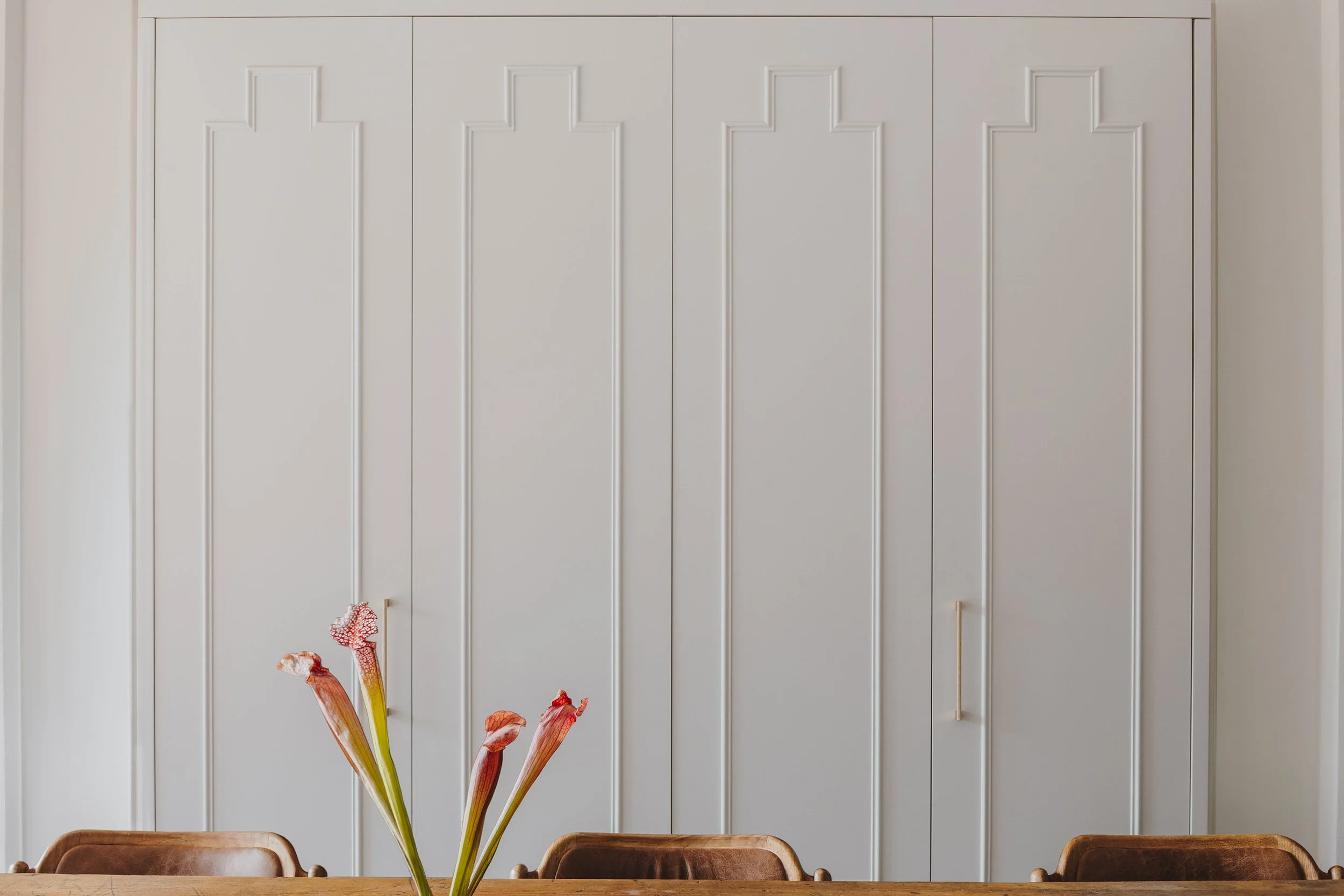
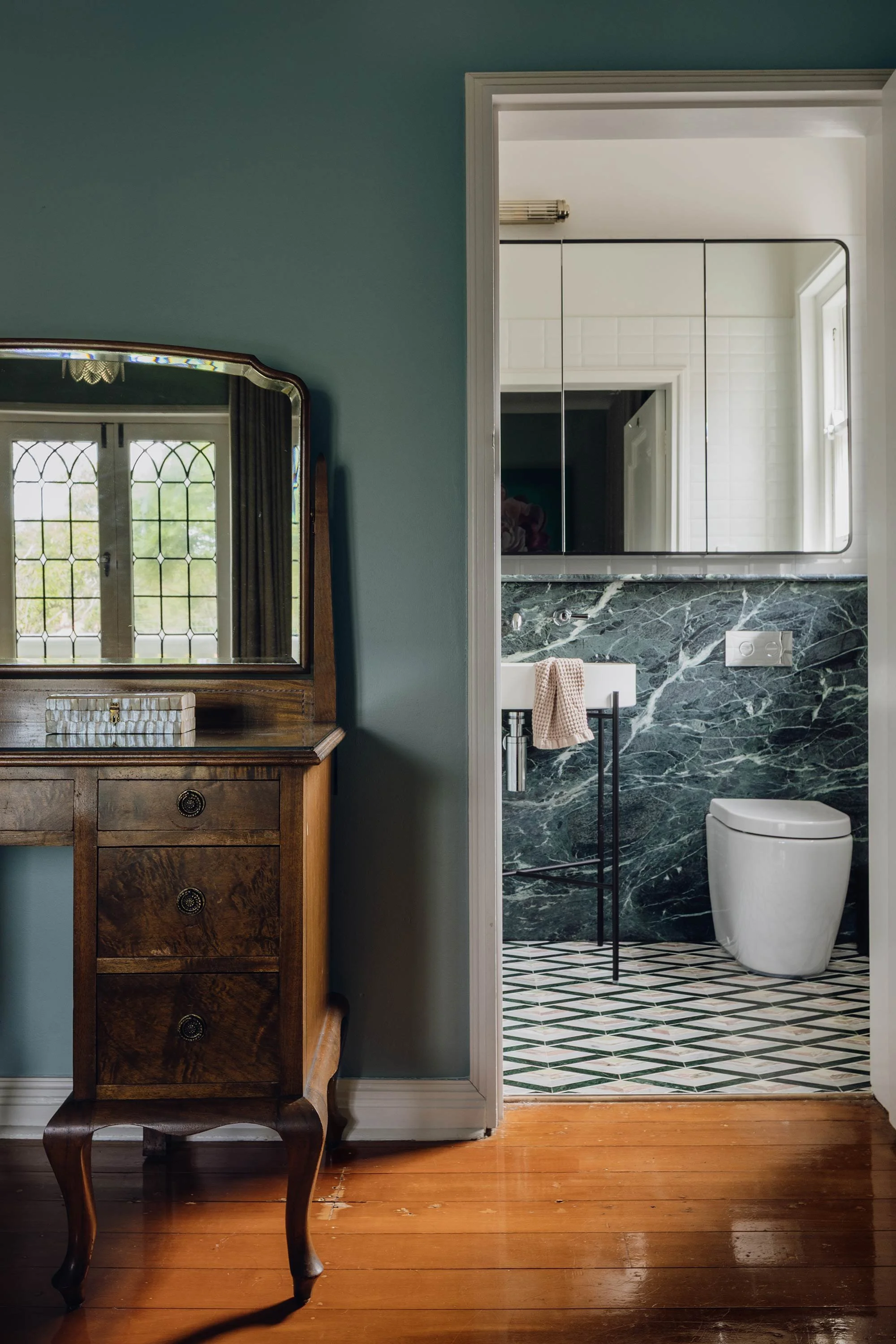
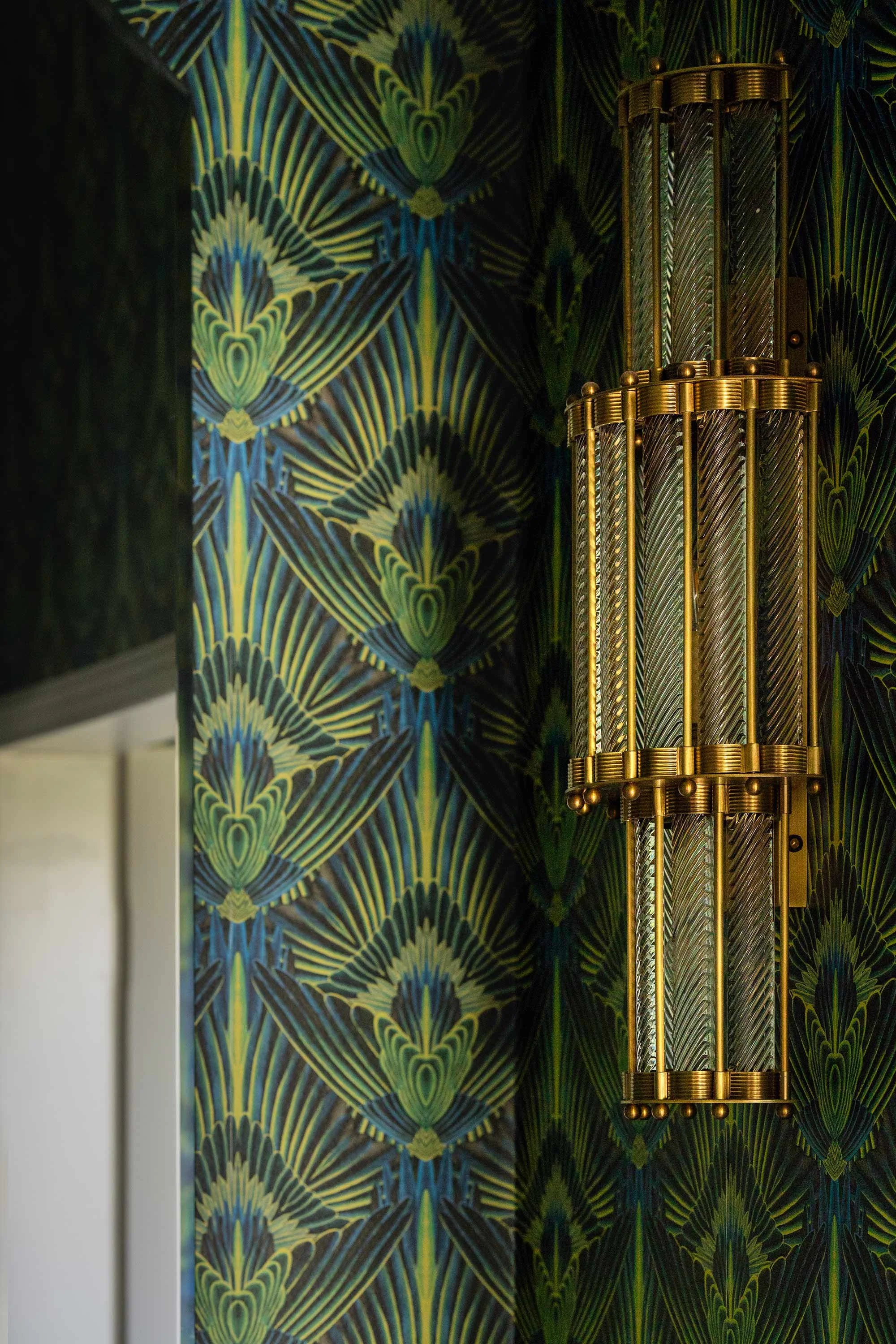
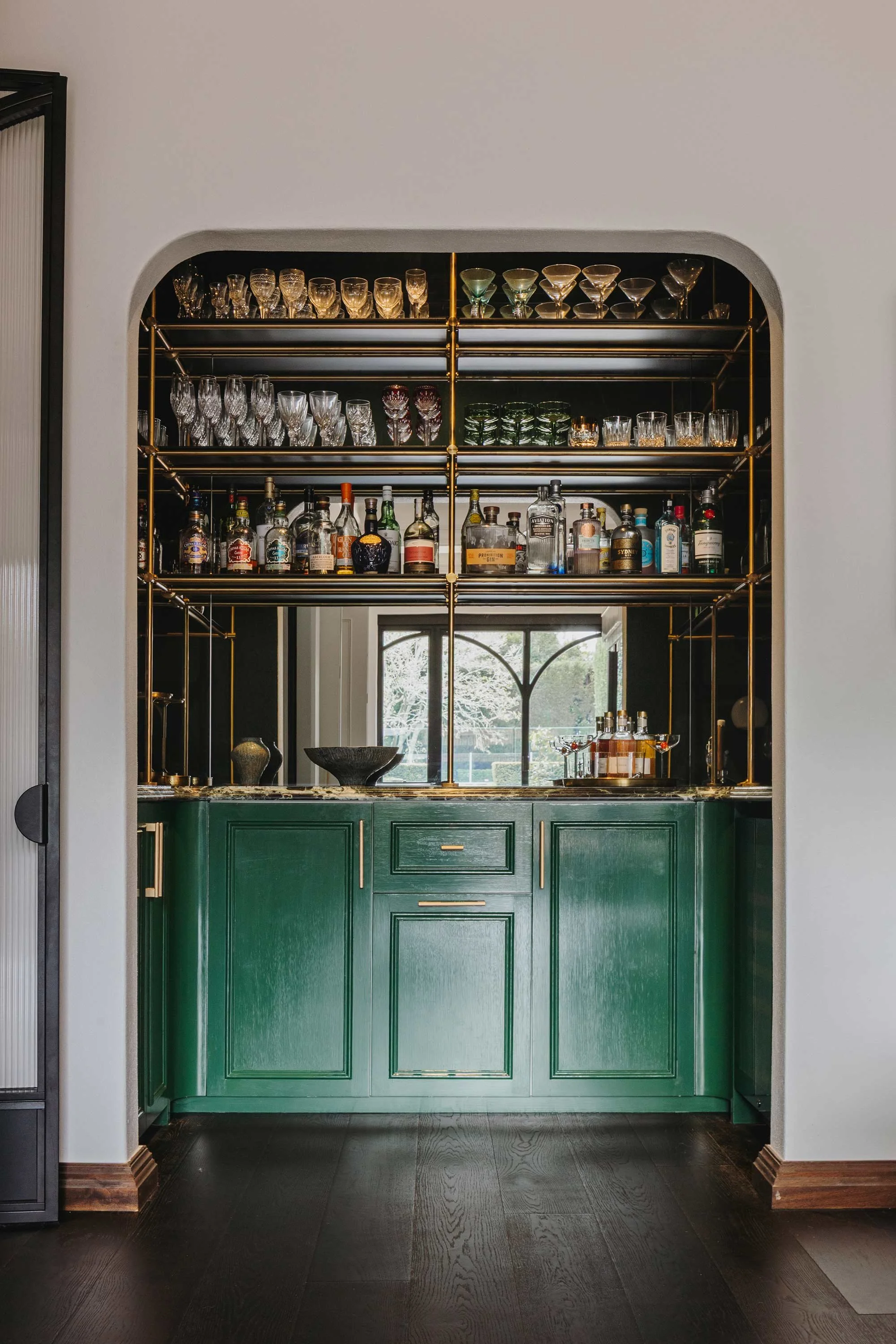
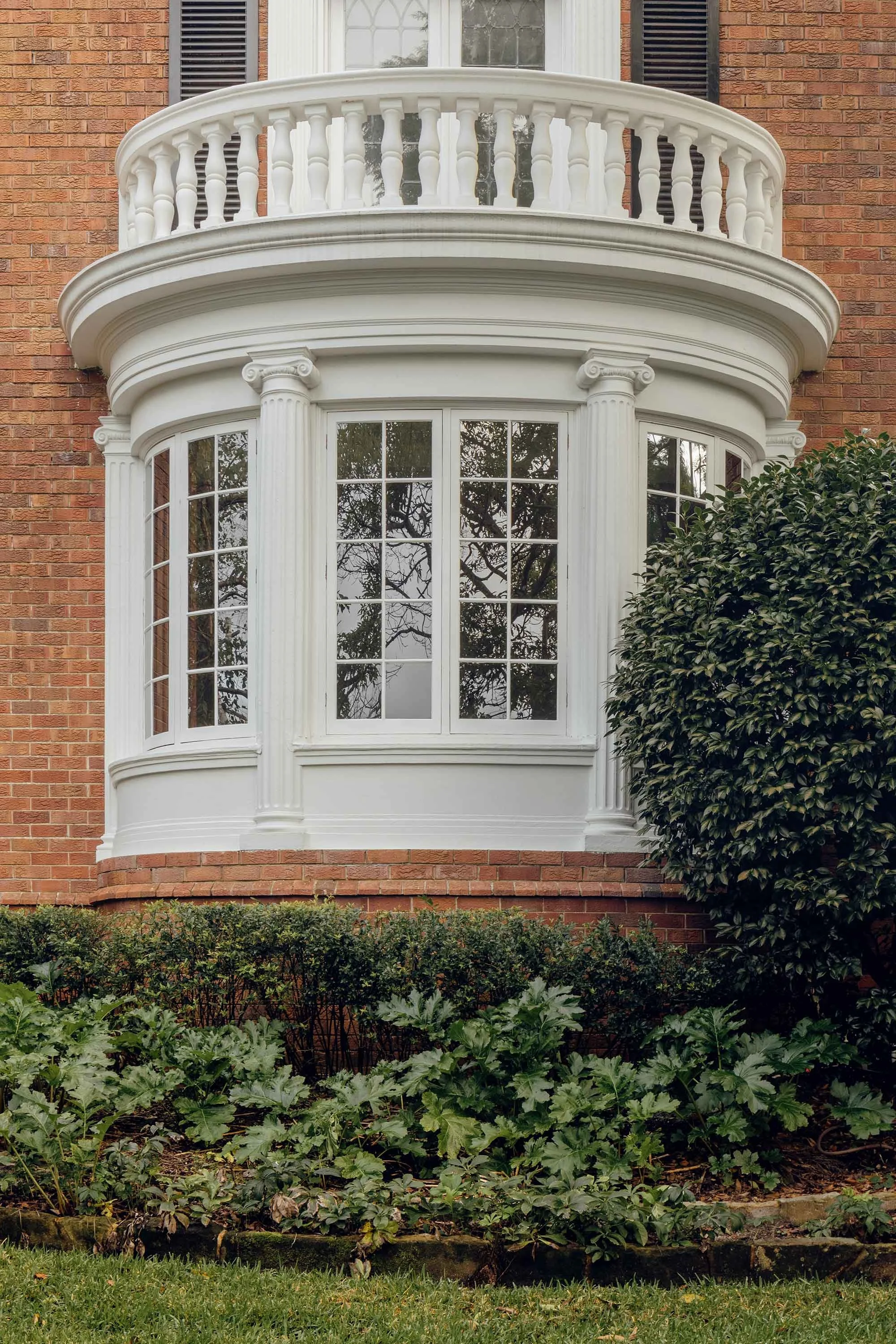
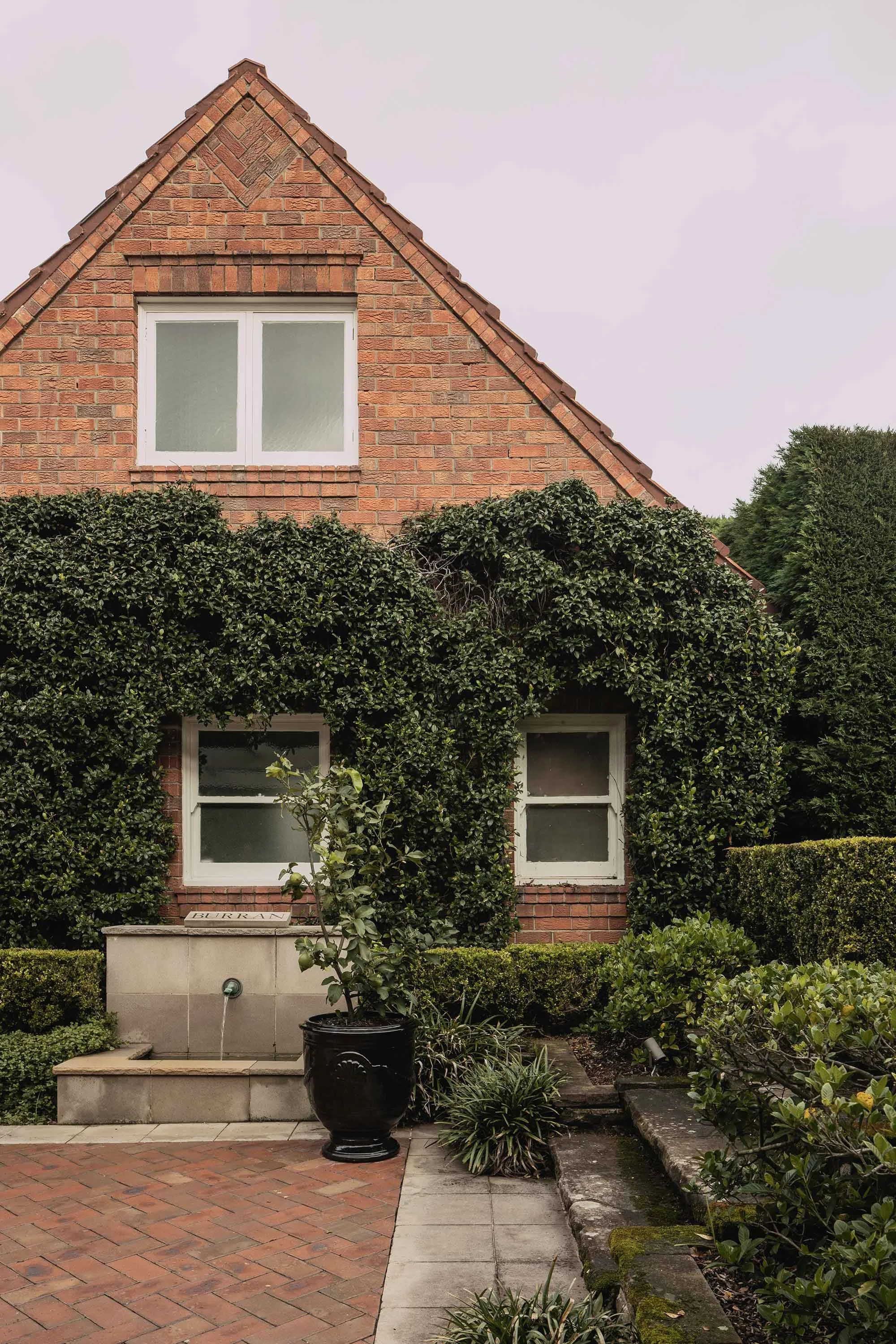
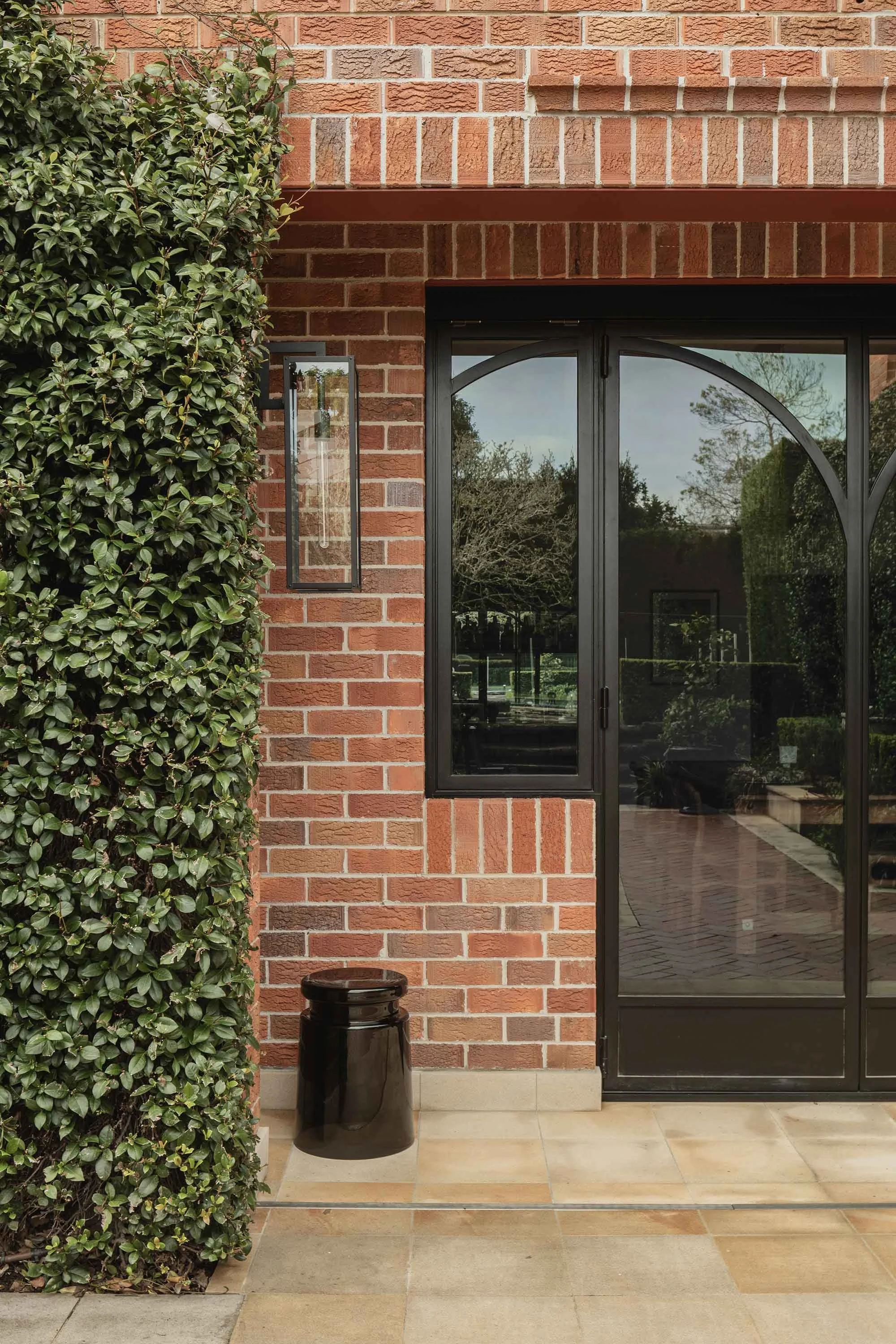
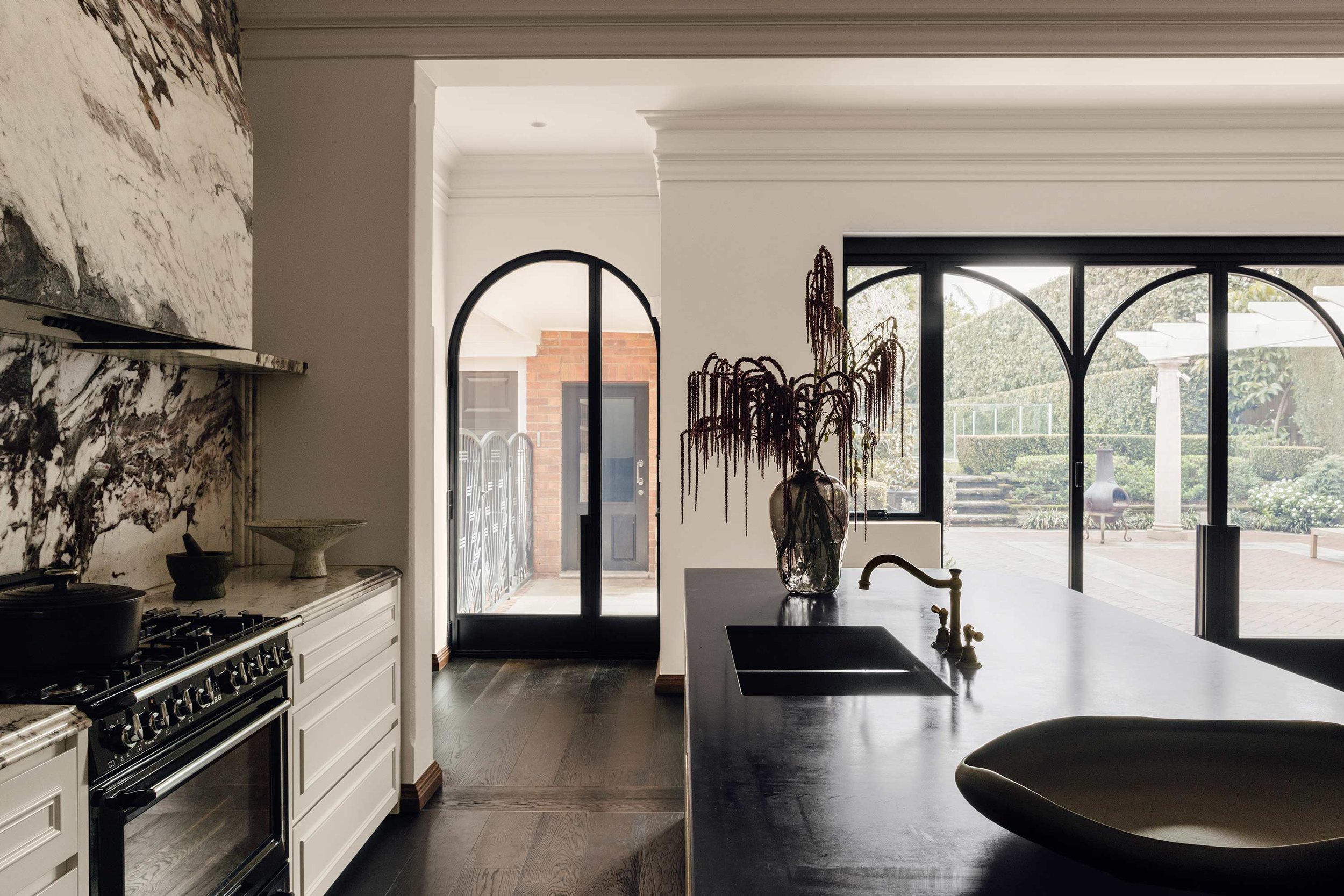
The architects prioritised preservation over transformation, so original elements such as deep cornicing, curved-edge tiles, a timber bay window and decorative brick corbels have been restored, with the new interventions conceived as respectful continuations. The material palette is tactile and grounded: marble, brass, green granite, fluted glass and natural timber echo the period without falling into pastiche. ‘The material selection was driven by tone and tactility, and all are intended to patinate gracefully over time,’ says Grice. Similarly, custom steel-framed doors and joinery reflect the proportions and geometry of the original detailing. Decorative gestures such as a high-gloss bar with mirrored brass shelving, a lion’s head basin spout and a playful attic loft offer moments of drama within the otherwise quiet narrative.
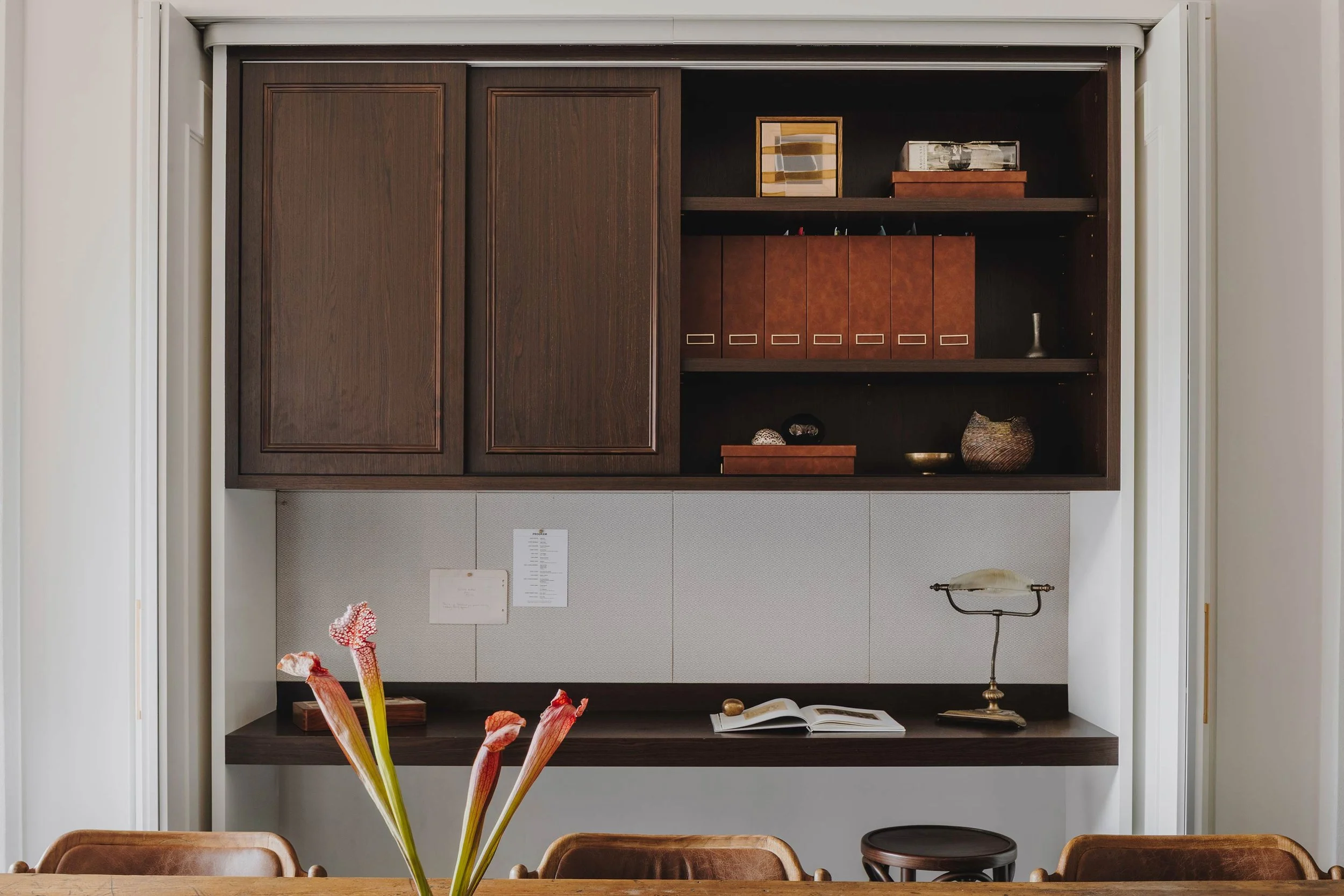
Elsewhere, the designers introduced bespoke touches, notably the kitchen’s sculptural marble rangehood, the reeded glass cabinetry and the study nook tucked near the kitchen, which was designed designed to support gentle supervision during screen time and study sessions. The custom steel-framed doors echo the proportions of the original bay windows, providing a dialogue between past and present, true to the overall deliberate and tailored approach.
The result is a renovation that the designers describe as ‘restrained and emotionally grounded’. Both Kilkeary and Grice point out the reinstated bay windows as one of the highlights. The restoration required specialist timberwork, and the windows now anchor the home in its past ‘both literally and emotionally’, in keeping with project’s respect for the home’s heritage.
Text by Philip Annetta
Images by Felix Mooneeram
Styling by Chloe McCarthy, Room on Fire