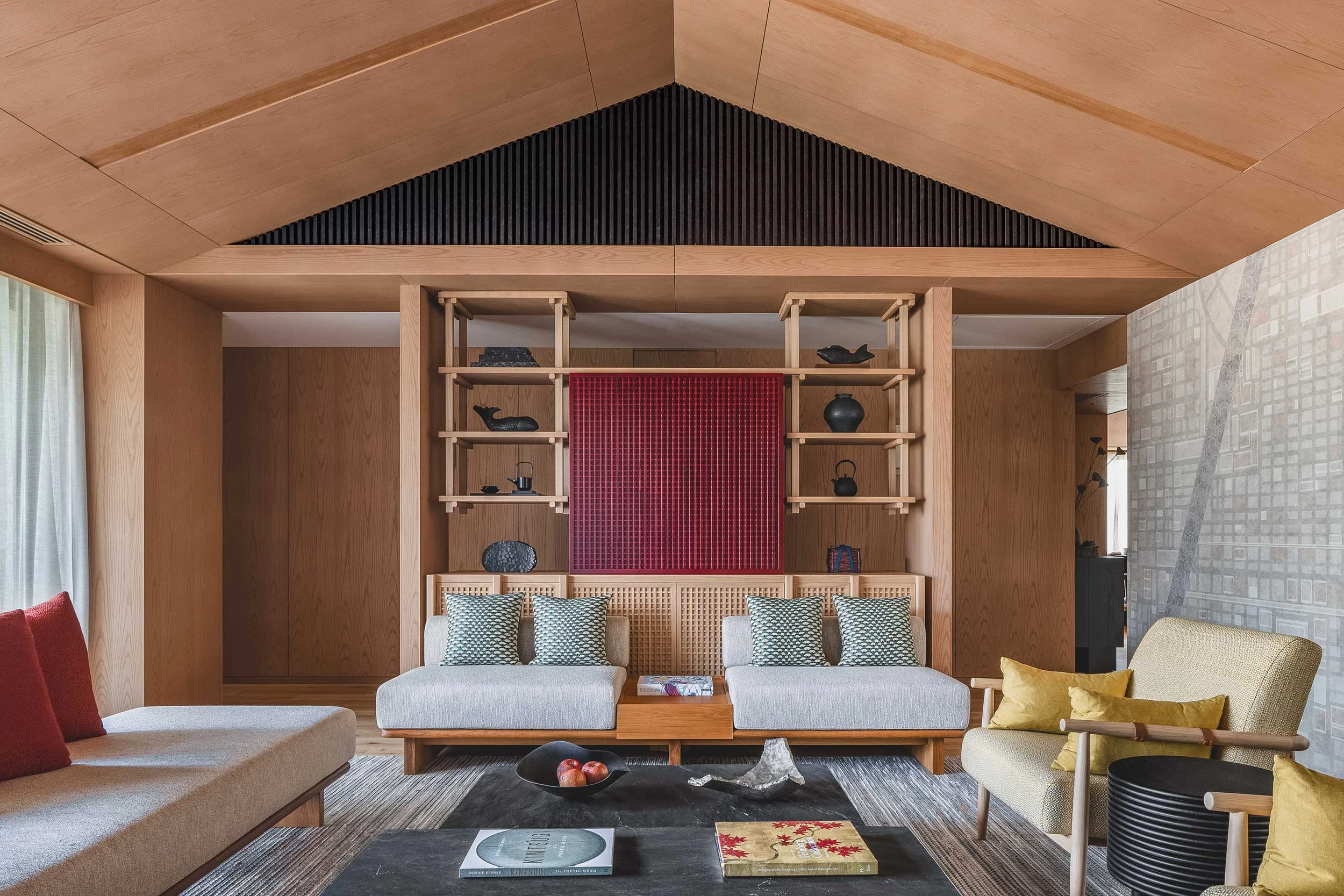
Inside Kyoto’s New Six Senses
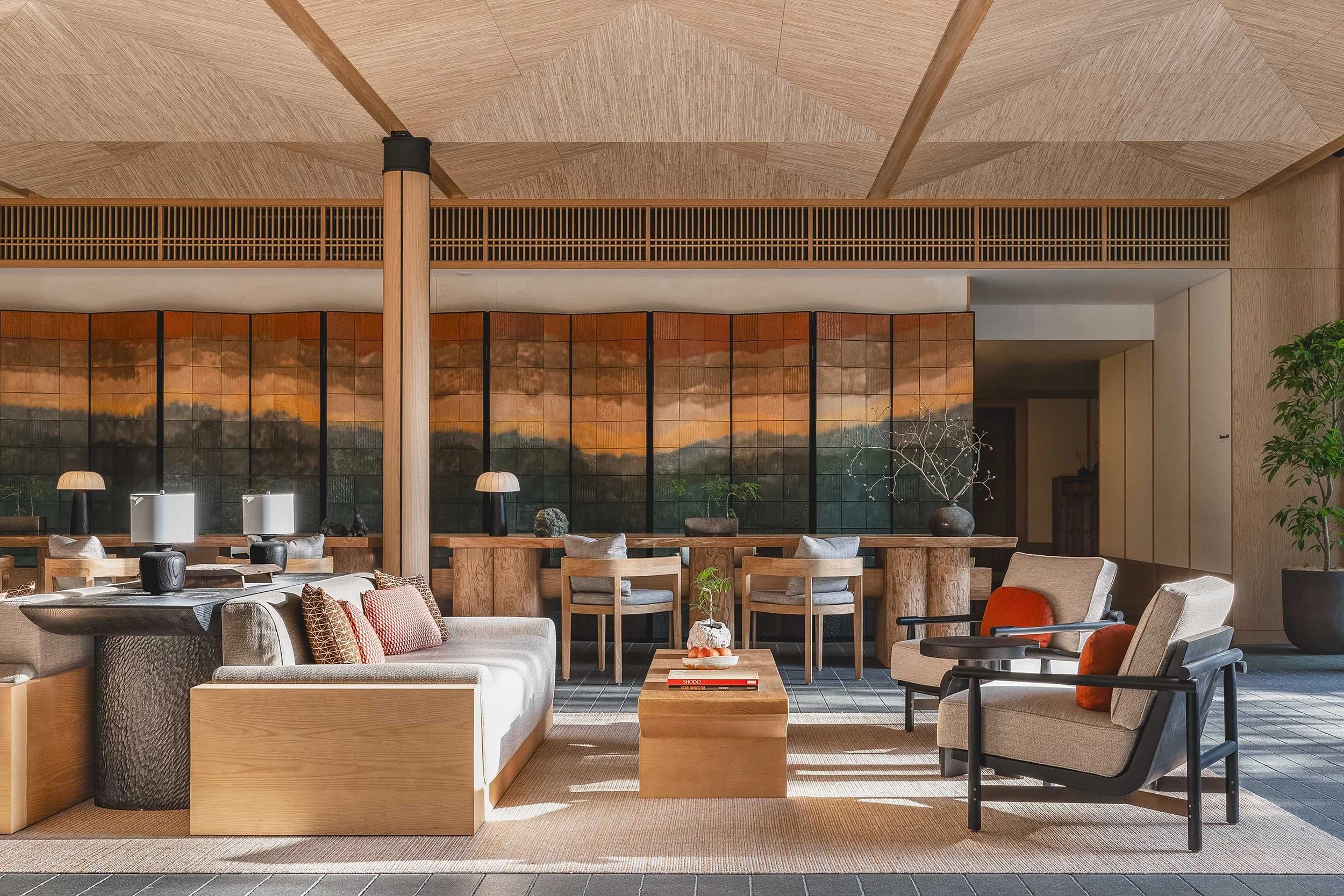
Six Senses has joined the world’s biggest hospitality groups in hotel hotspot Kyoto with its second urban offering. Realised by Blink Design Group, the group’s first Japan opening focuses on the brand’s key pillars of wellness, sustainability and a strong connection to local cultural heritage
Text by Jeremy Smart
Images by Ben Richards
Carving out a space not currently occupied by the luxury hotel mega-brands is no easy feat. Over the past decade, Japan’s cultural tourism boom has seen the arrival of hospitality giants all vying for a slice of the buoyant market. To capture this most prized traveller, armed with outsized spending power thanks to a weak yen, cultural curiosity and a hunger for Japanese omotenashi, brands are bringing out their best designers, F&B stars and hospitality heroes.
Since its founding in 1995, Six Senses has transitioned from an upstart group of high-end destination resorts to a luxury sub-brand under the umbrella of London-listed IHG Hotels & Resorts. For the first time, the group has begun adding city properties to its portfolio of 26, with Kyoto following an opening in Rome.
For Six Senses Kyoto, the group delivers on its core promise of wellness-focused, resort-style hospitality, while incorporating an abundance of local influences. Many hotels have had to tailor their offerings to reflect the very specific local architectural vernacular, but Six Senses feels right at home in a city famed for its sense of privacy and discretion, and has created an immersive retreat that feels isolated from the outside world while remaining deeply connected to the city.
Much of this is thanks to the work of Blink Design Group. ‘Working in Kyoto, where there’s so much history, it’s really about trying to understand the elements that make it a special place,’ says Blink founder Clint Nagata. ‘The design is very well integrated, not just from an architecture or interiors perspective, but also in terms of landscaping and signage, and even the kitchen design.’
The arrival sequence offers the first taste of this, as the heaving streets of the Higashiyama district give way to a dimly lit driveway. ‘As you go through the different layers of the hotel, you find yourself unwinding and slowing down. There’s a sense of decompression,’ the designer says. The check-in ritual involves the application of zuko to the guest’s hands, using incense by Tenkhodou, the supplier to many local temples.
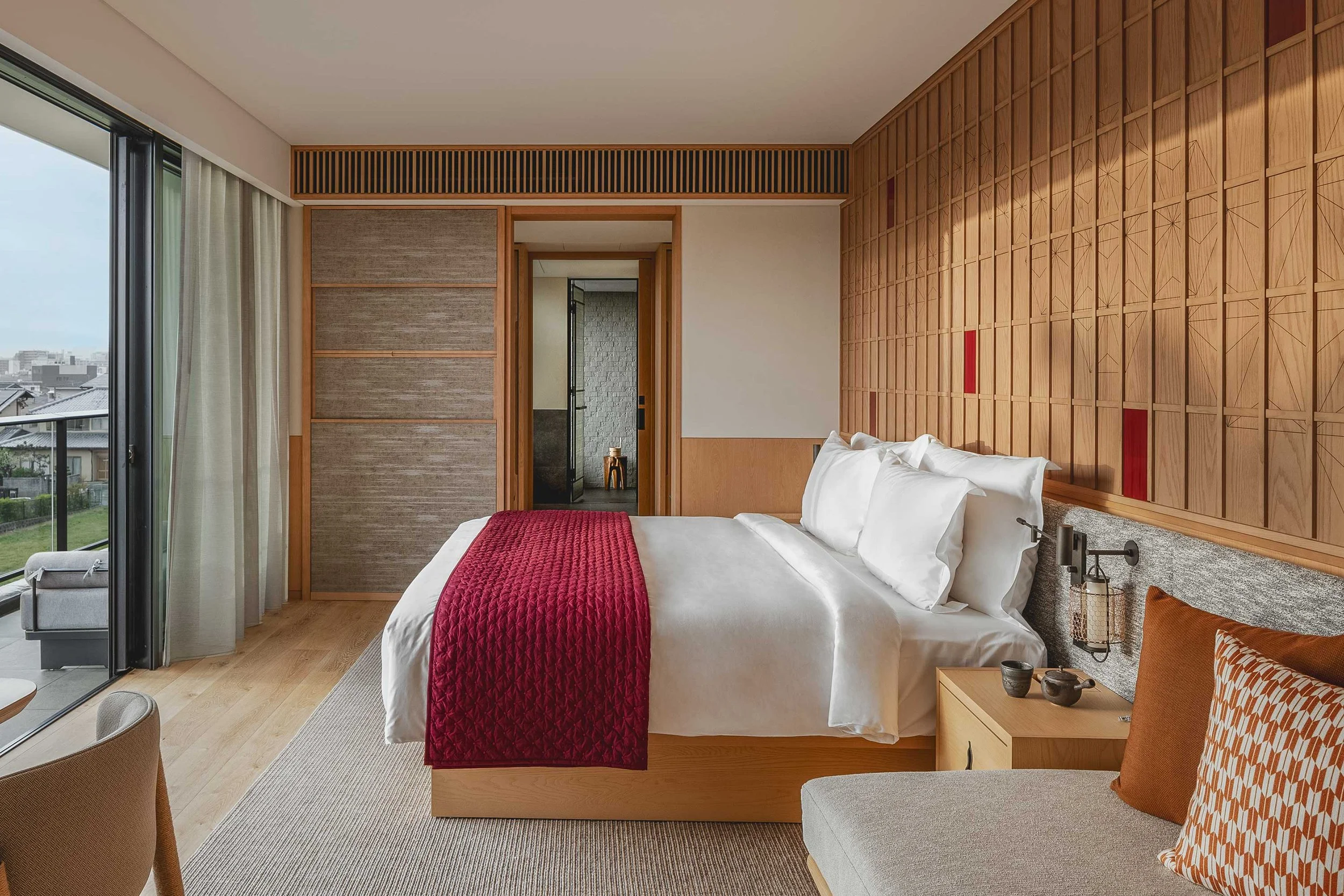
Six Senses is serious about wellness. The Kyoto property includes facilities dedicated to biohacking and the brand’s signature spa experiences, but more importantly, thoughtful, human touches are found everywhere. Rather than the usual bottle of wine, there’s fresh juice in guestrooms; lighting is warm and dim; and technology, discouraged in the pursuit of disconnection, is carefully concealed from view. Guestroom televisions, for example, are hidden behind sliding artwork-covered panels. In fact, many features that are attributed to wellness here should be universal tenets of hospitality design.
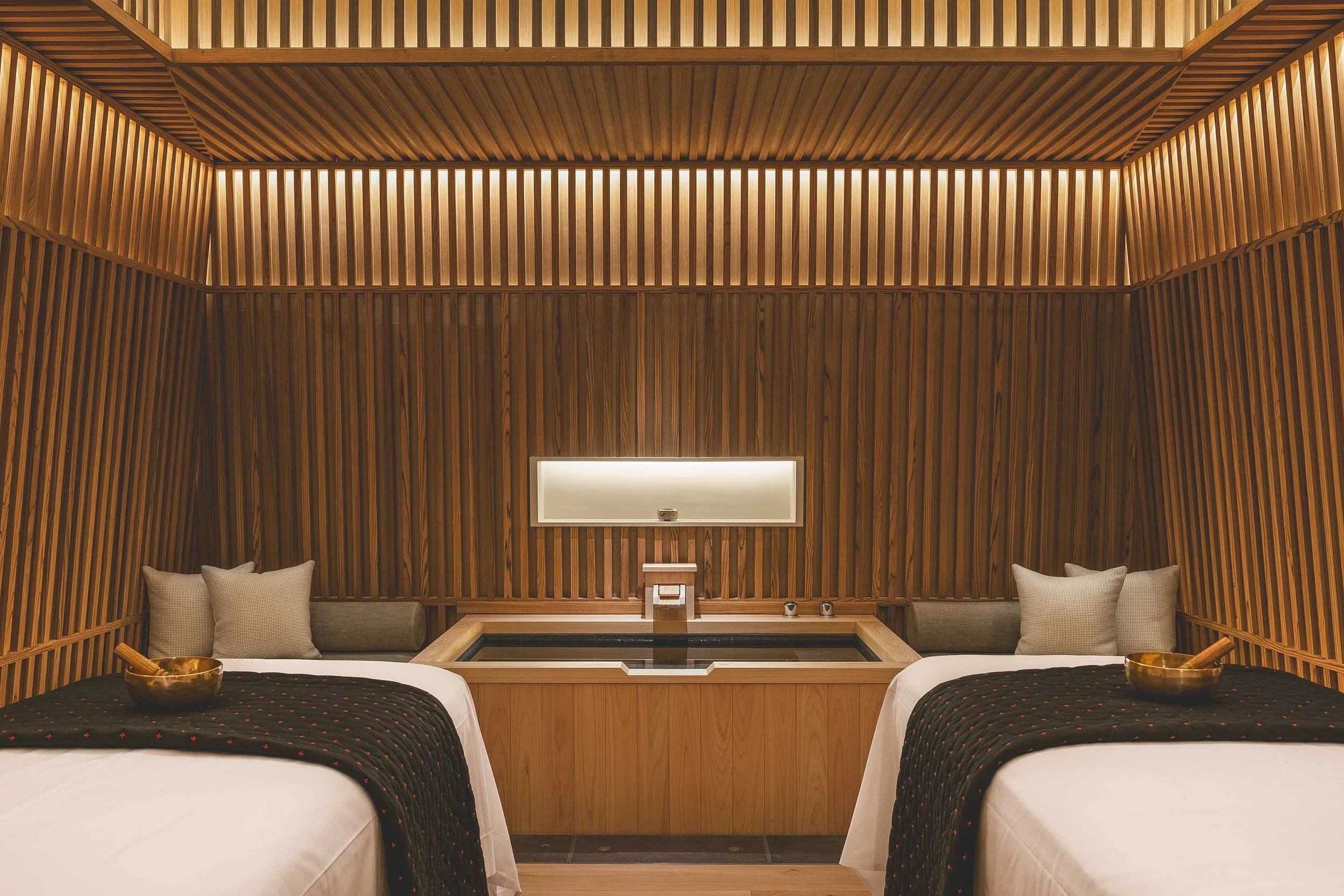
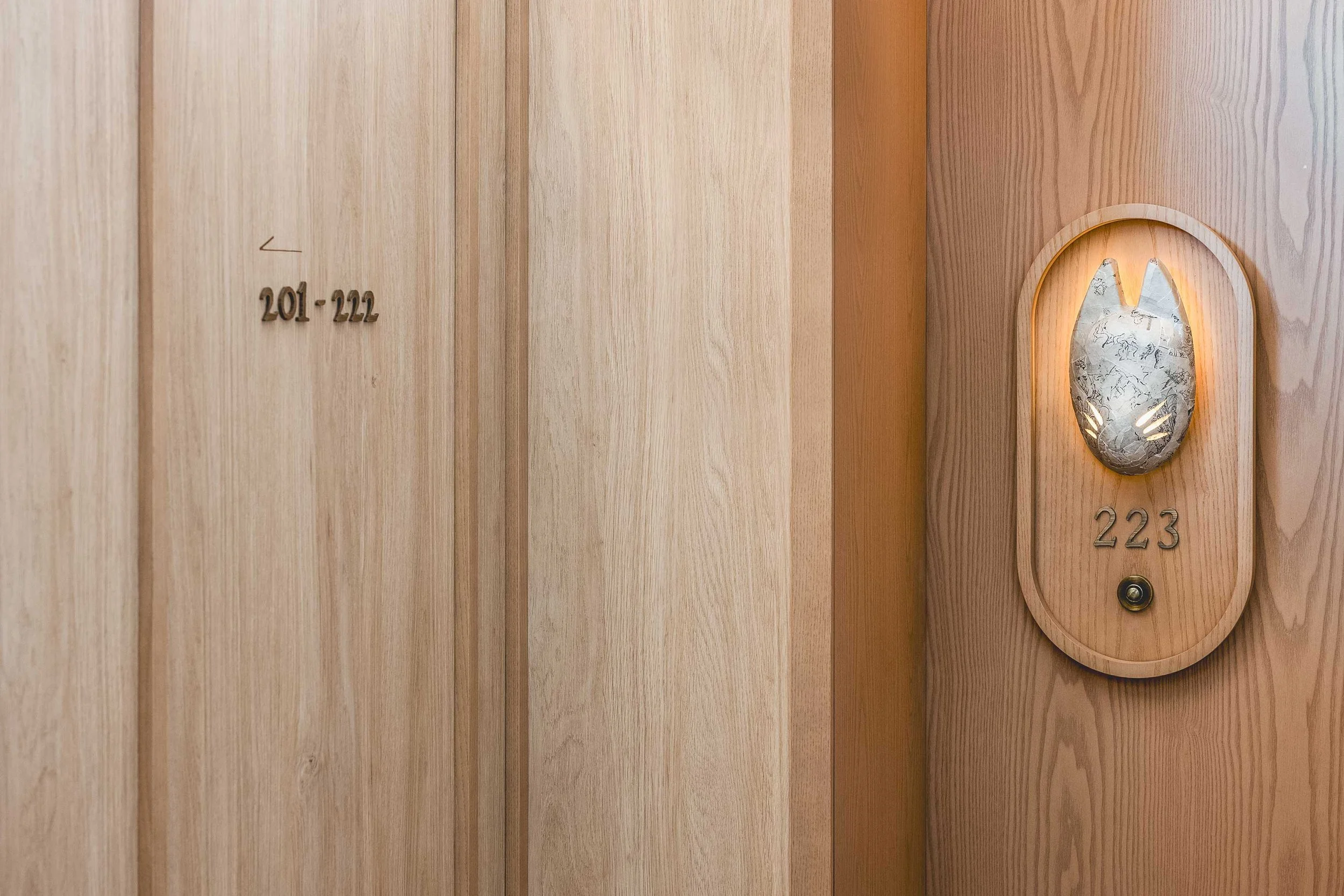
The material palette in both the interiors and in everything from tableware to pyjamas is tactile and natural, a mix of timber, stone, ceramic, tile and paper. Nagata’s studio has inserted soft, organic forms with curved windows, lights and furniture, while wayfinding is via hand-drawn arrows and lettering.
The Blink designers sought to bring a sense of asobi gokoro, or playfulness, to the project. The usual ‘do not disturb’ signs, for example, are made from recycled washi and depict the mask of a kitsune, or Japanese fox, known as a messenger of the gods in Kyoto folklore. ‘That was developed early on, so it was already part of the process to try to embrace the arts,’ Nagata says.
Even though it feels like a resort — with its mature gardens, cavernous spa and pool, as well as multiple restaurants and an escapist speakeasy — you never forget you’re in Kyoto. In fact, it’s perhaps one of the best parts of creating a hotel in this city: almost everything can be sourced locally, from walls and floors to all of the fixtures, features and, of course, the food. Some elements are from slightly further afield: at bedtime, changing into pyjamas by Tokyo ‘recovery-wear’ brand Tential makes for an indulgent end to the day. Sweet dreams indeed.