Why This Singapore Architect Looked to Public Parks to Redesign a Private Apartment
L Architects transformed a petite apartment into a biophilic space inspired by Singapore’s parks of yore
During the pandemic, many homeowners became amateur horticulturalists. For some, the interest faded as they headed back into the world and resumed normal life. But for others, gardening defined a new way of living. Such was the case for the owner of this Singapore apartment, who had become a true plantsman and was frustrated by the way his home’s compartmentalised framework kept him away from his leafy companions.
‘I want to wake up to my plants’ was the simple brief he gave Shing Hui Lim, founder of L Architects, who worked on the home with the studio’s architectural interior designer Reid Tan. Typically for dense, developed cities, the apartment had a small living area and an enclosed kitchen, with three bedrooms accessed via a corridor.
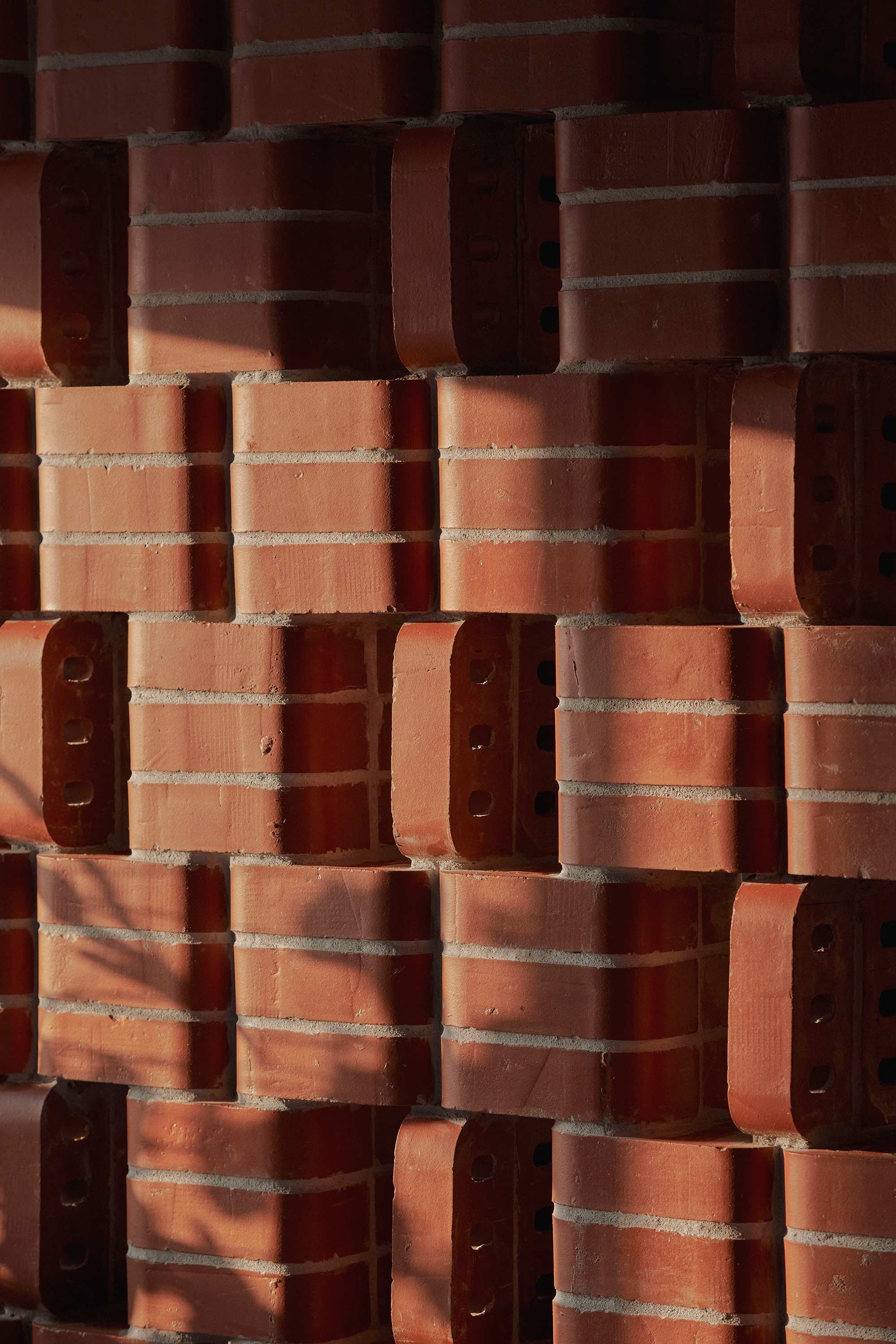
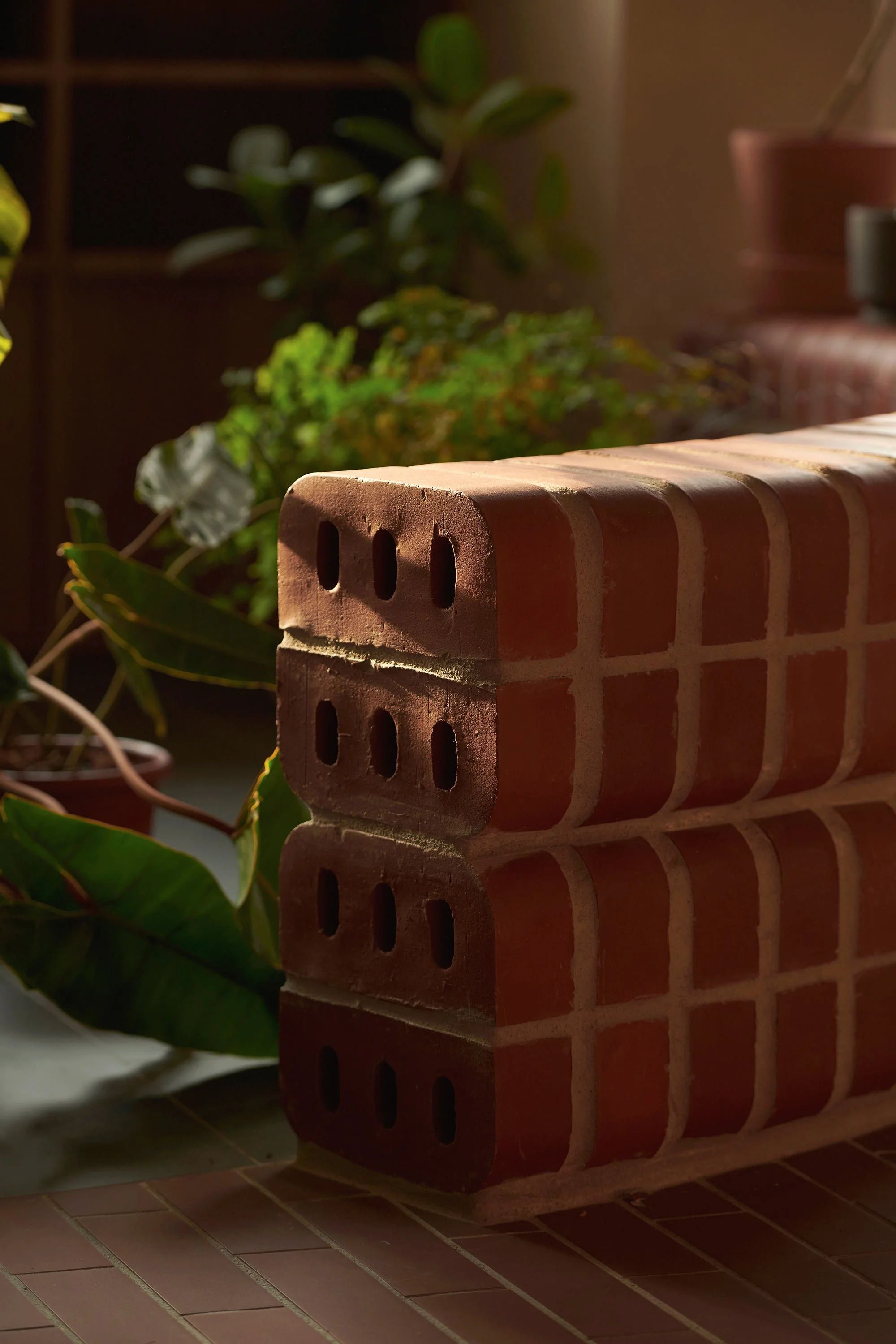
Lim decided to look at outdoor park settings as the starting point. ‘First, we needed to find the right material, and we wanted to look for one that was commonly used in parks,’ she explains. In particular, she drew on her memories of the outdoor benches, walkway edges and planters made of double bullnose bricks in Singapore’s older parks.
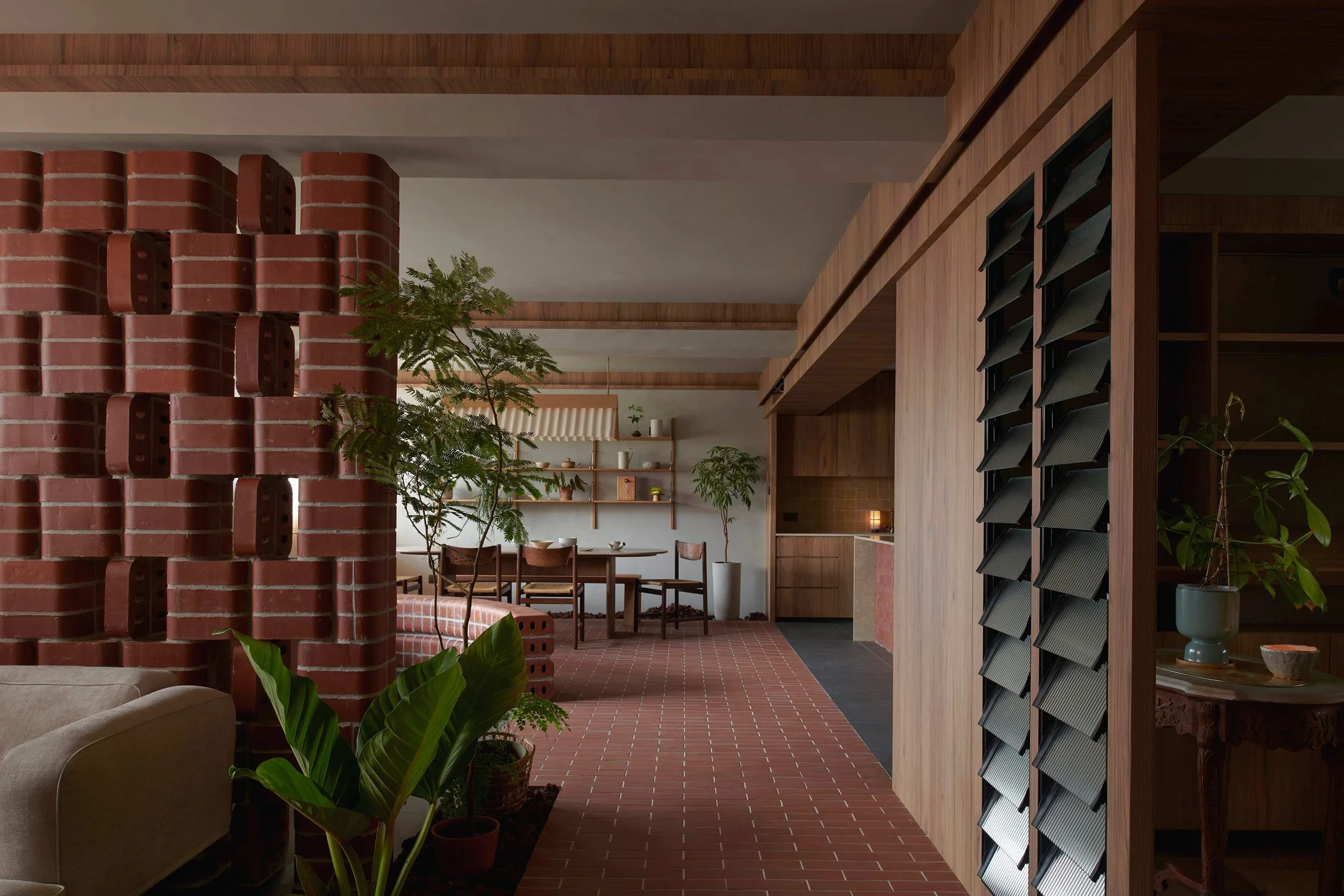
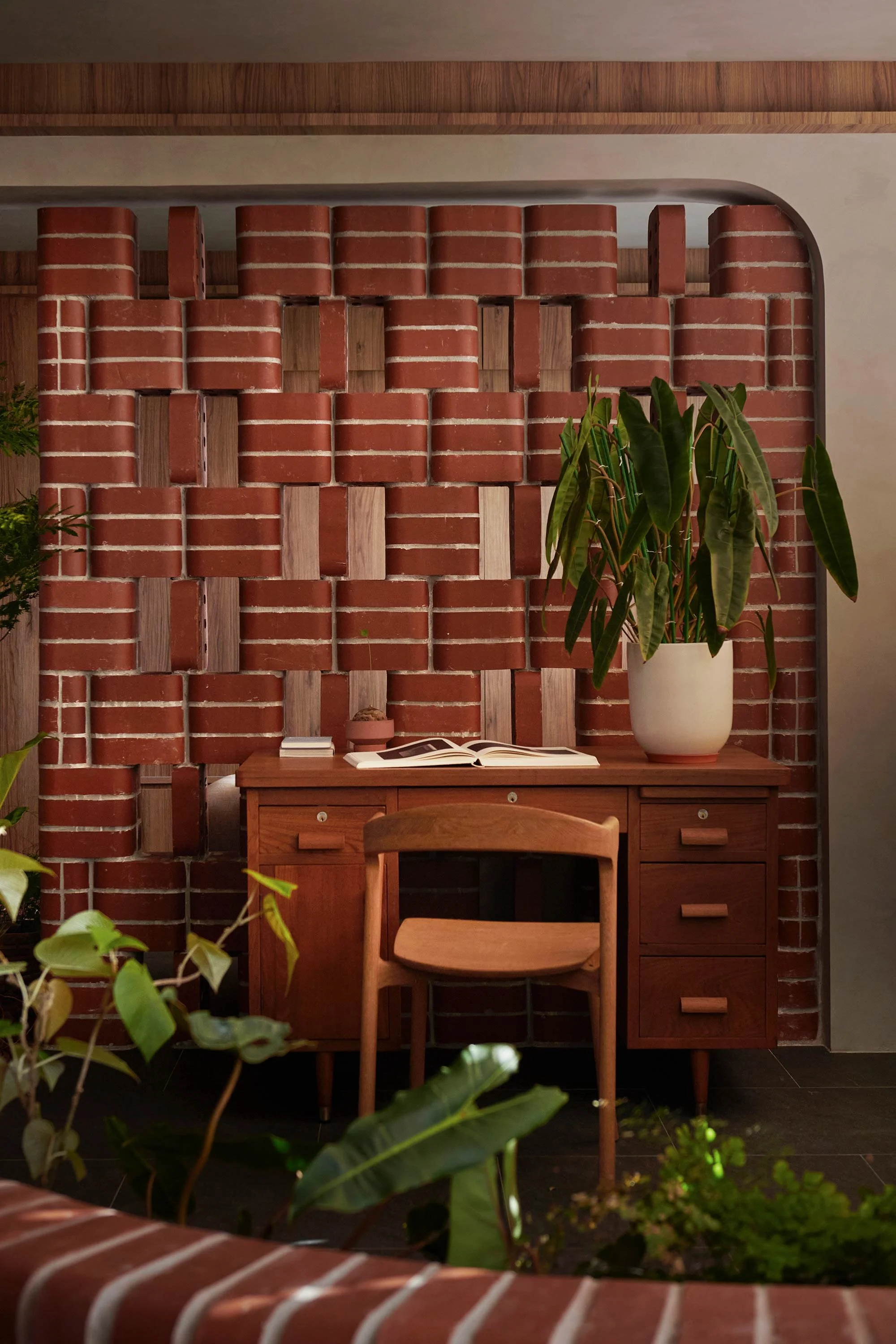
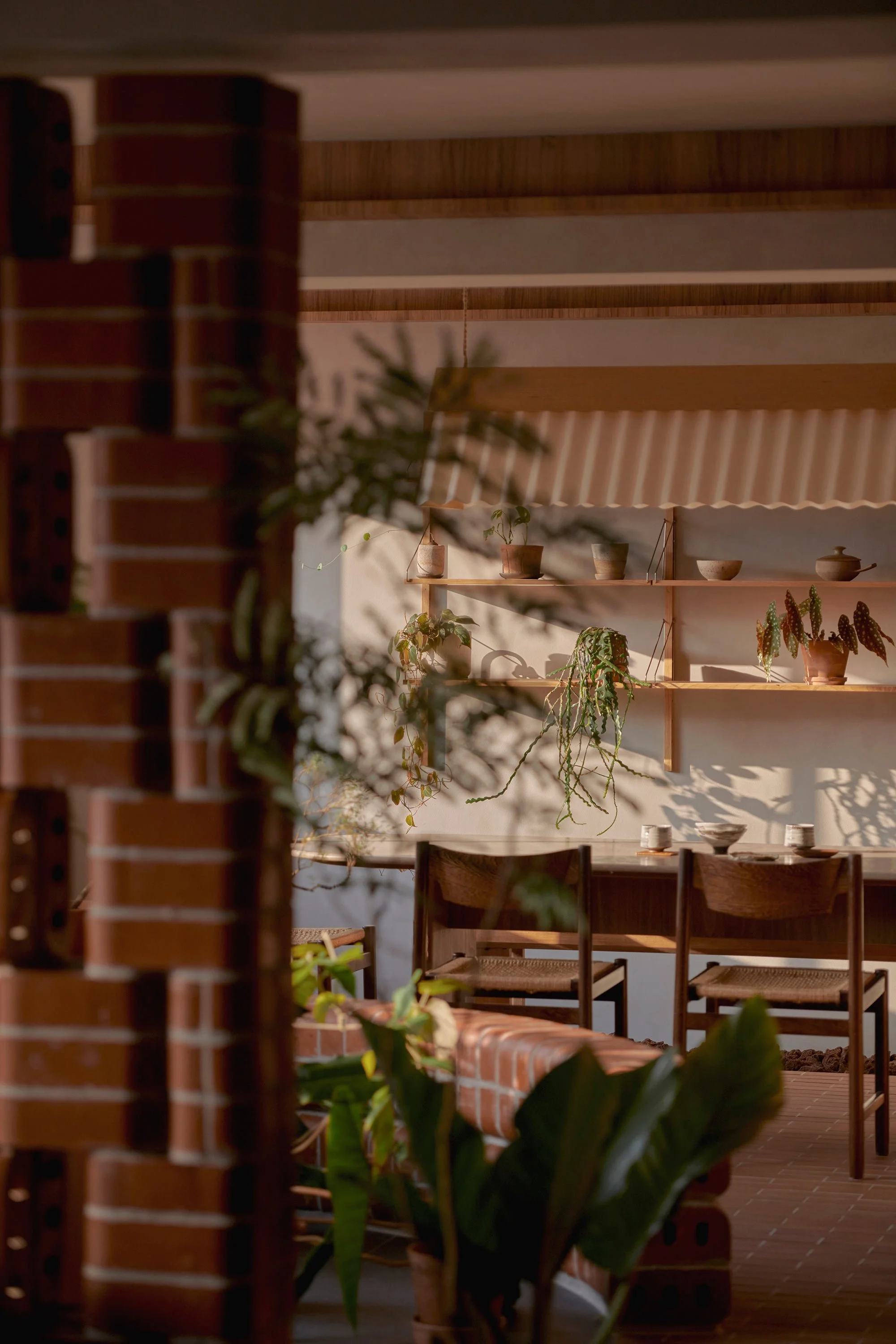
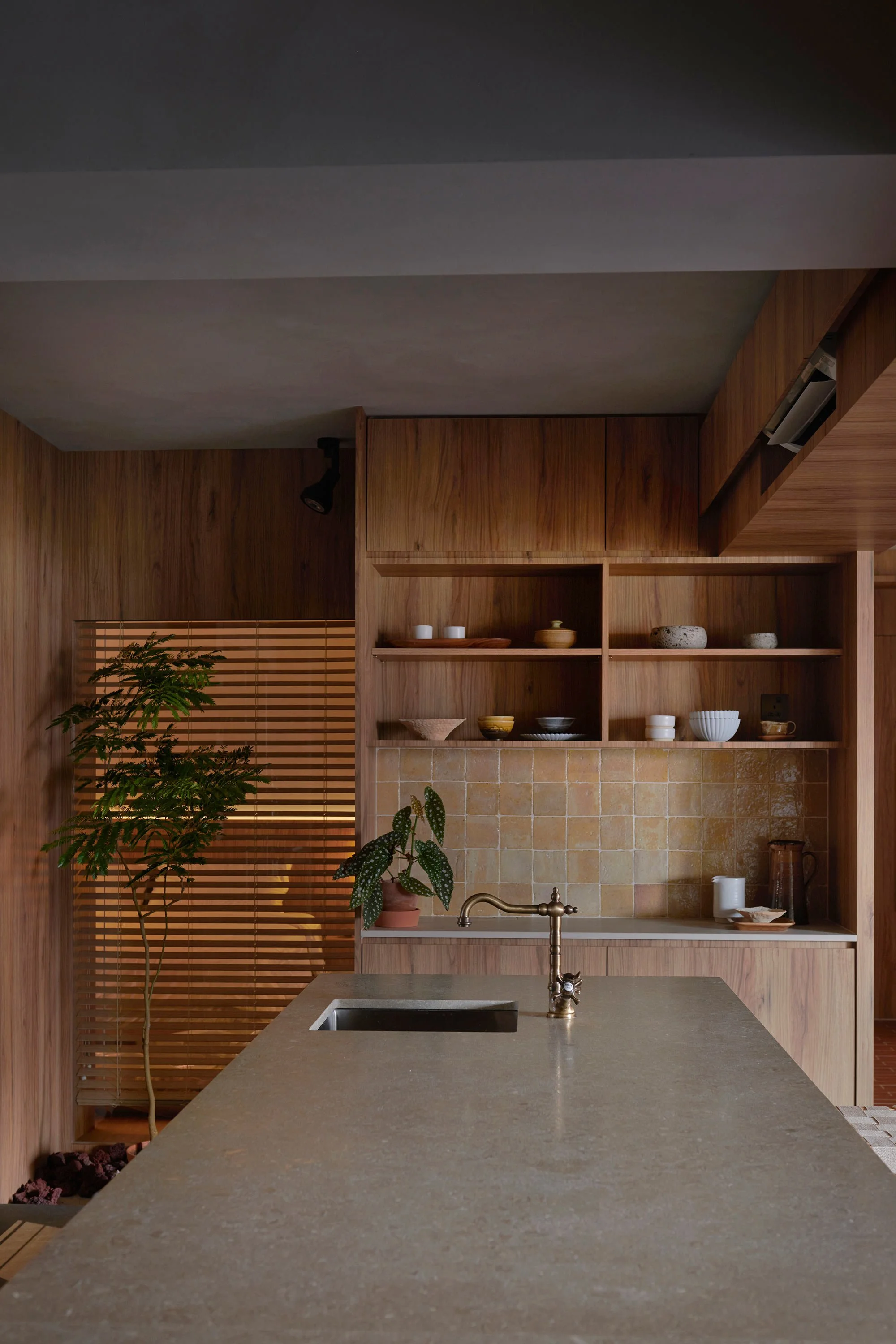
Eventually they found a supplier for the bricks; the material was out of production due to low demand, but the supplier ‘was happy to sell us all he had, all 571 pieces,’ she says. ‘These bricks are special because the round edges help soften the aesthetics of the interior.’ The team used the bricks to create a tessellated wall between the living and study areas, a low, curved bench between the study and dining area, and the base of the three metre-long kitchen island that caters to the couple’s love for cooking and entertaining.
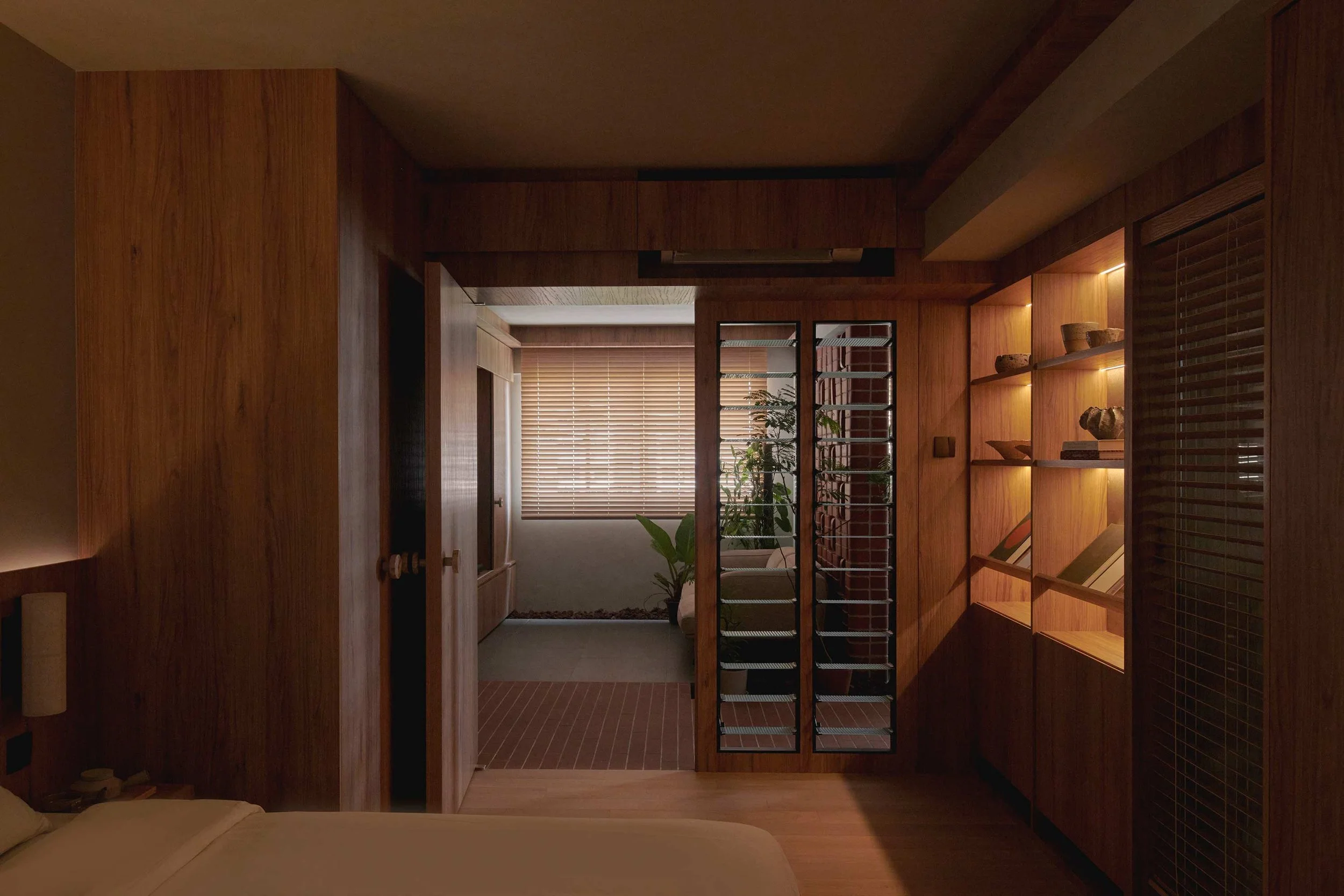
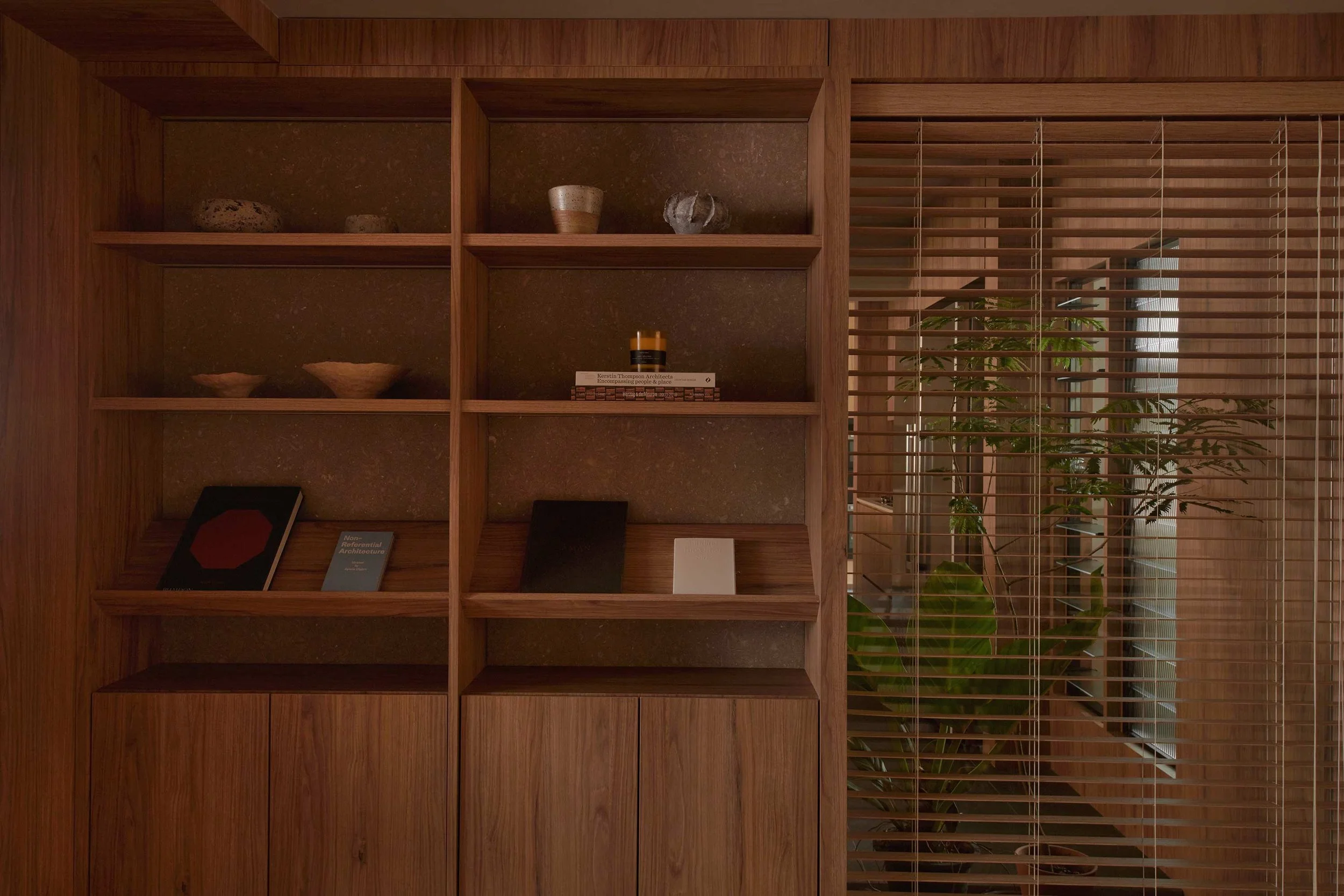
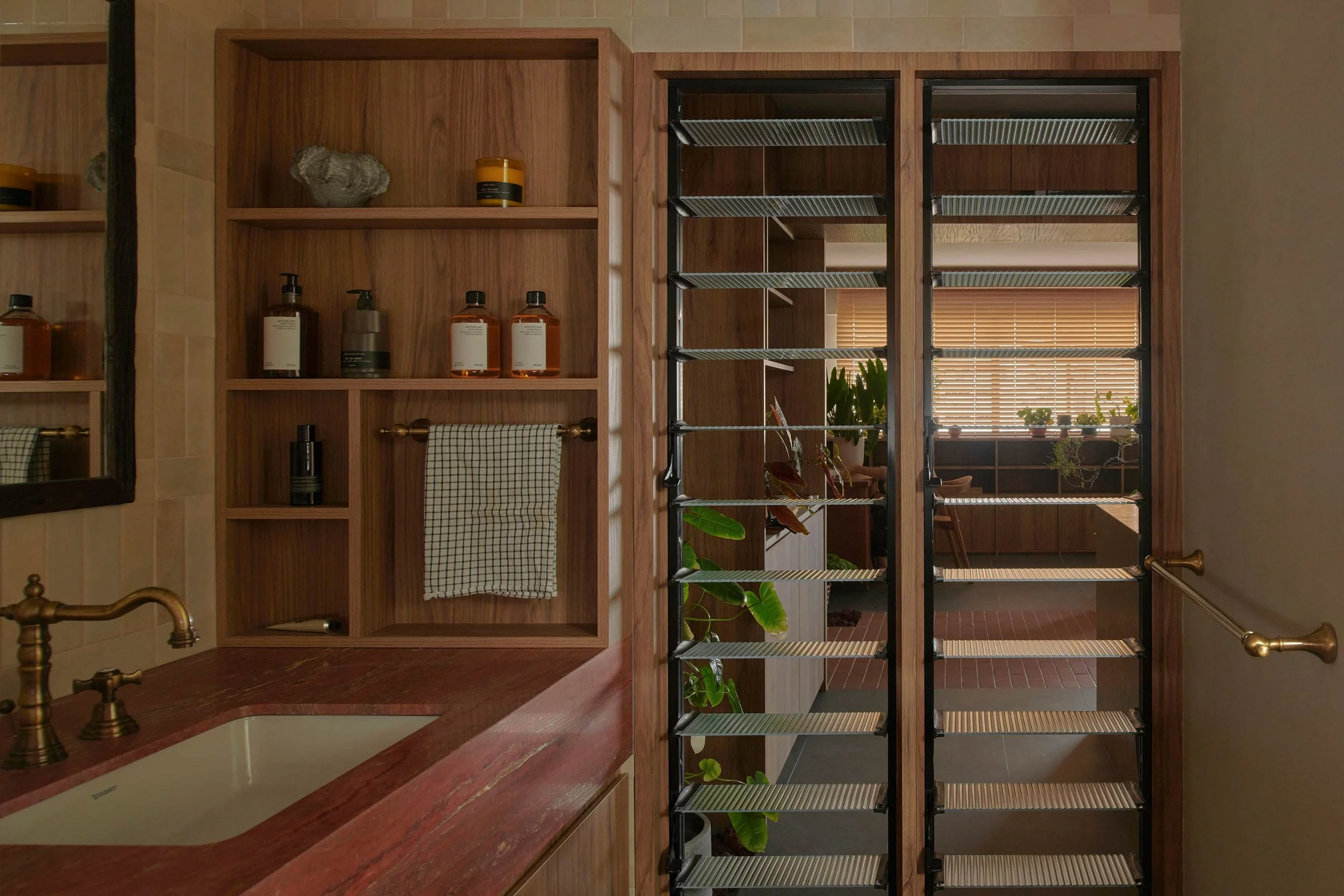
These elements now connect and divide the spaces, adding to the sense of fluidity that came with adjusting the floorplan. Lim removed the walls of two bedrooms and inserted jalousie windows that enhance physical fluidity, natural ventilation and daylight, and make good use of the bands of windows at either end of the apartment.
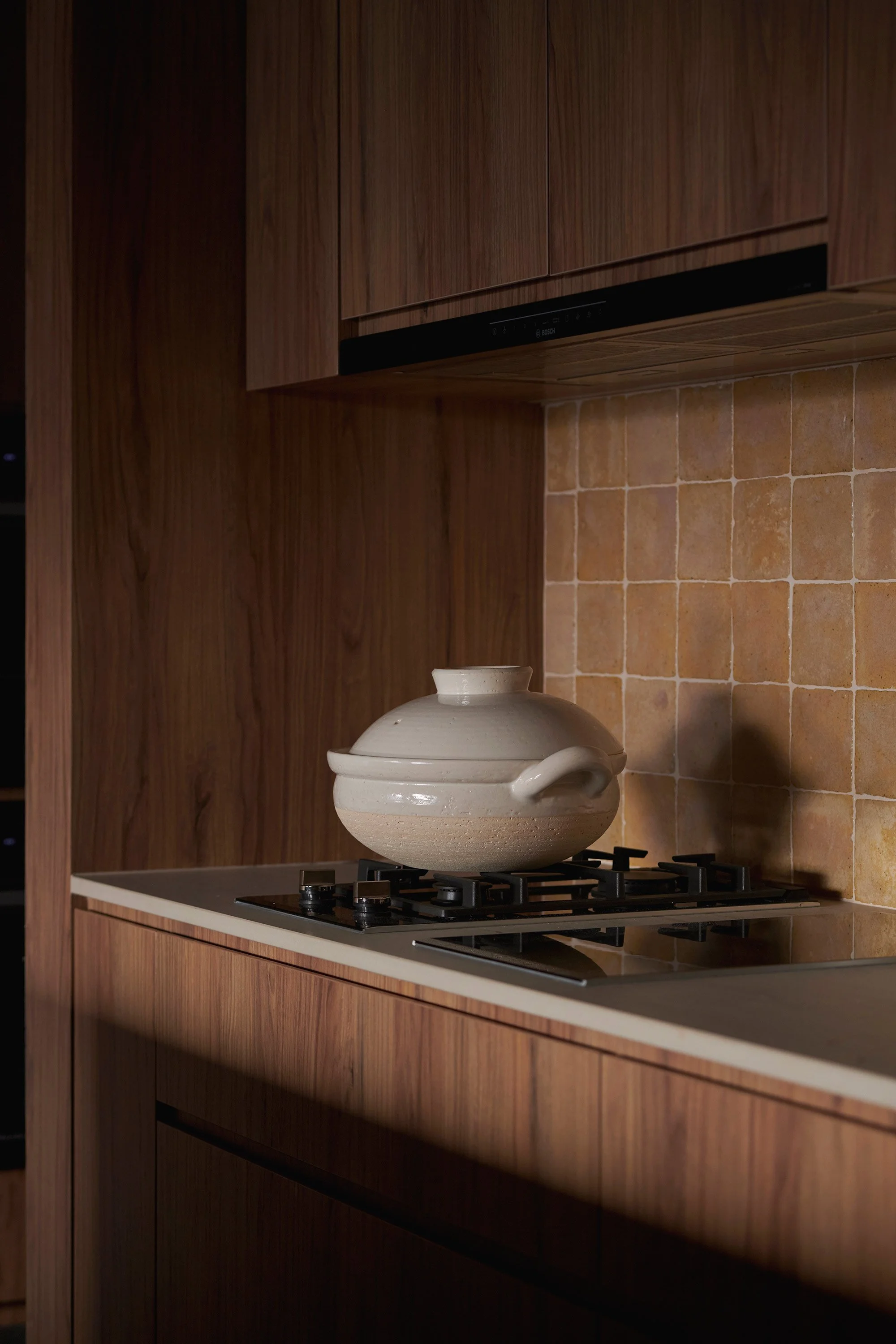
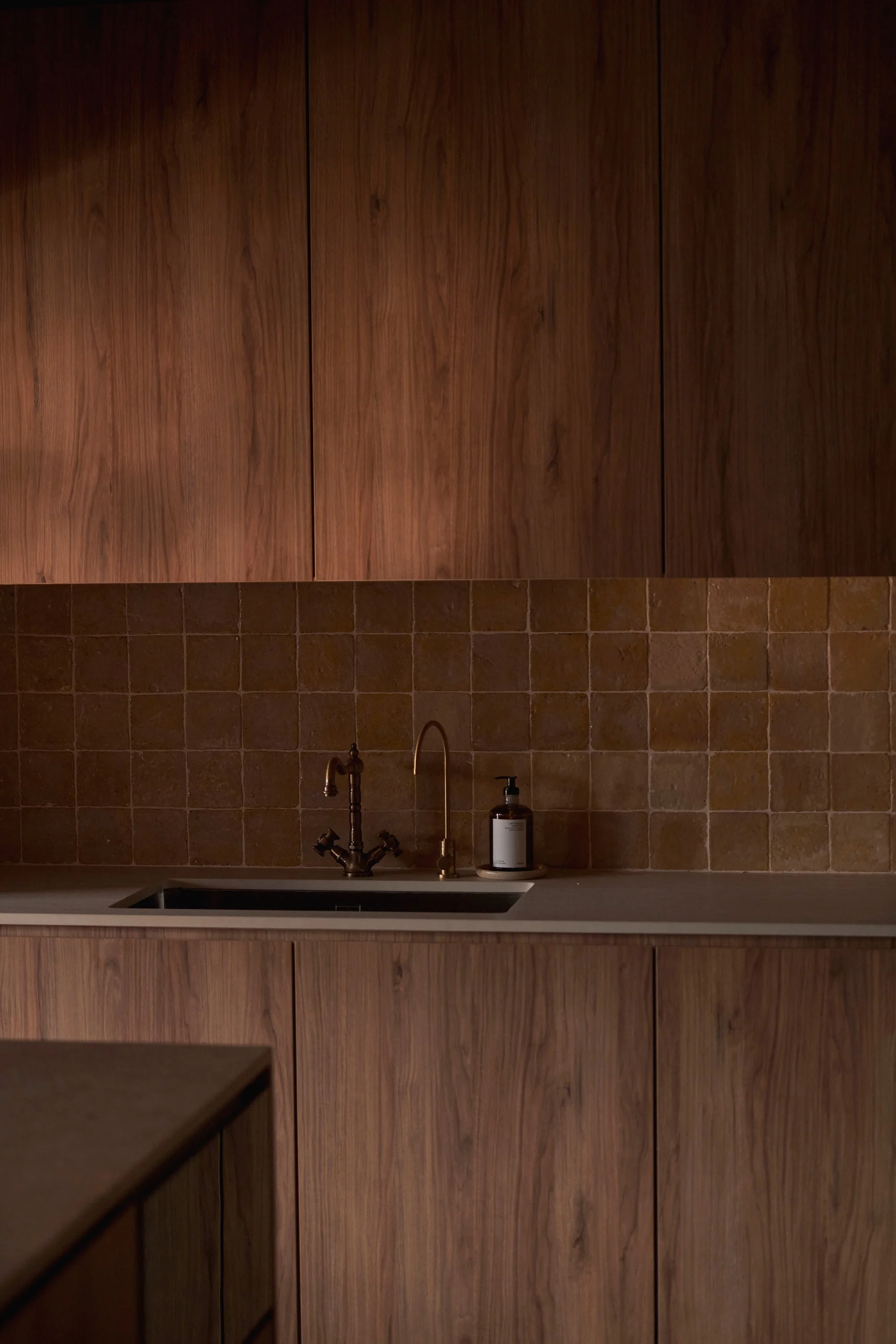
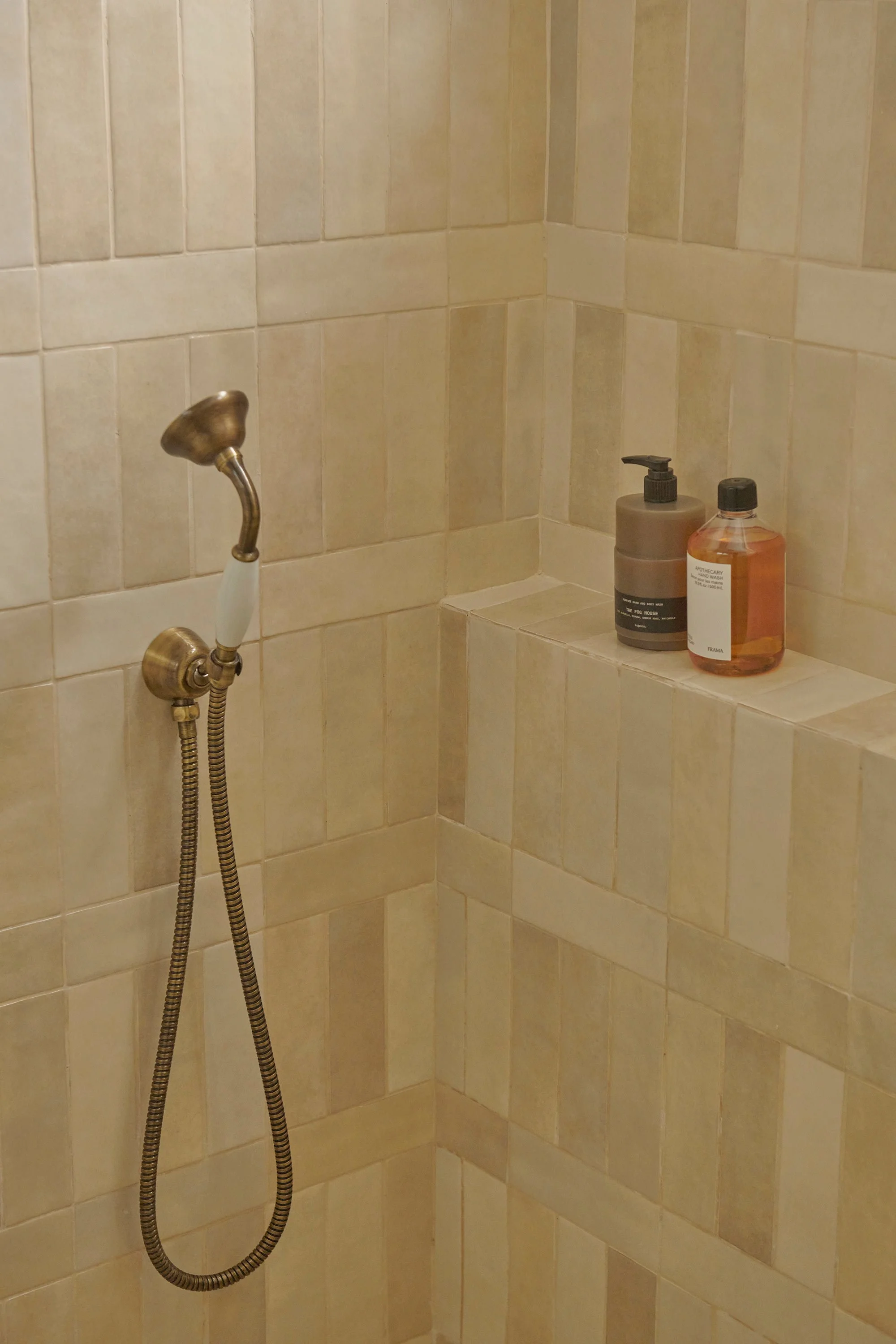
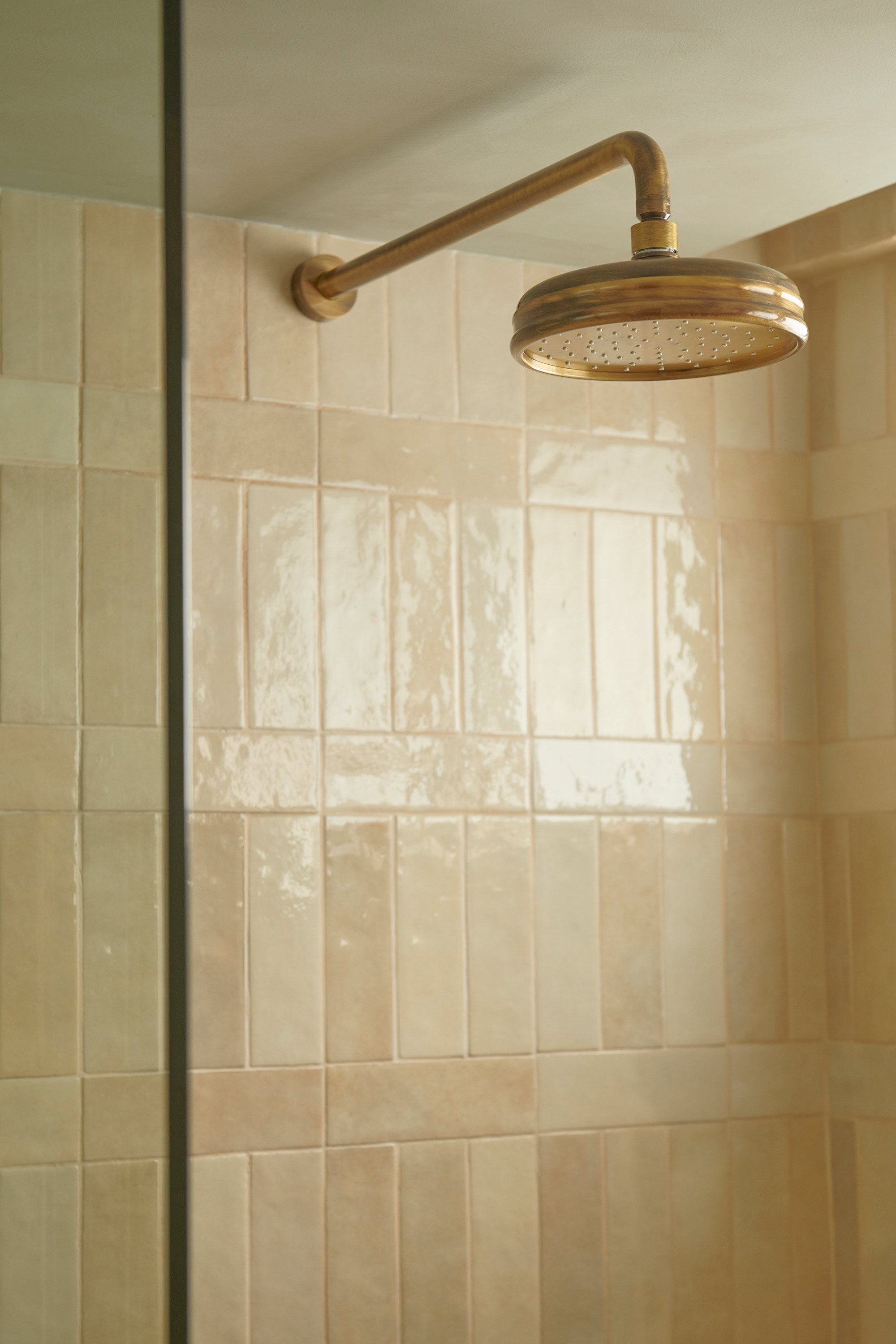
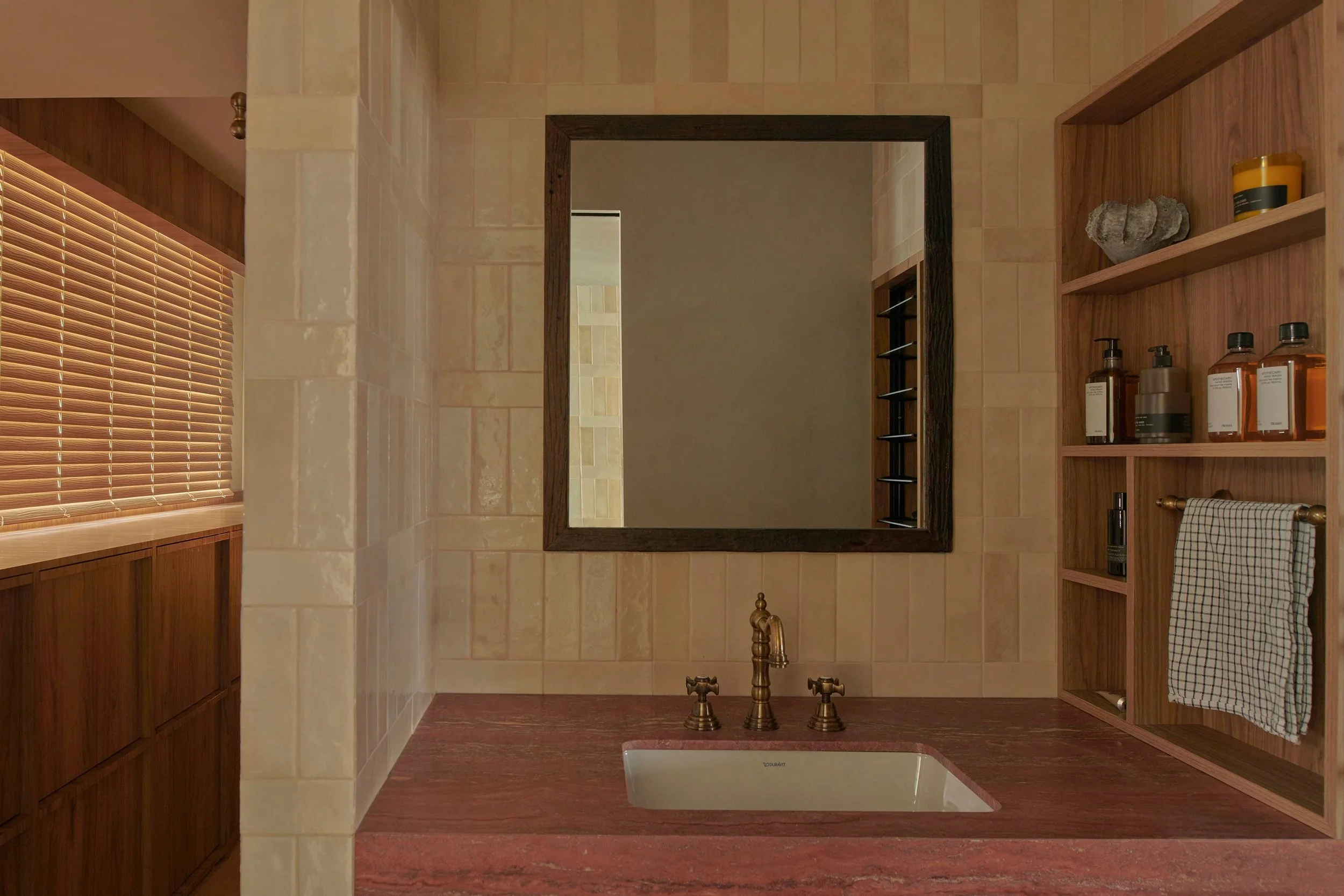
Other materials were chosen based on the bricks’ distinct burnt red colour, such as the terracotta-red travertine for the bathroom vanity’s top. ‘We used handcrafted and wood-fired tiles for the kitchen backsplash,’ Lim adds. ‘They have natural textures, making every individual piece different. When the tiles interact with the morning light, it creates a mesmerising visual tapestry for the kitchen setup.’ The overall effect is rustic yet refined.
Now the homeowners can see greenery from every vantage point, and the reworked home has become a petite study in creating biophilic spaces. ‘Besides sufficient light, in order for plants to thrive, ventilation is also key,’ Lim notes. ‘It brings in fresh air and carbon dioxide to give plants what they need for photosynthesis. And actually, as we focused on designing a good environment for the plants, we realised that good morning light and cross-ventilation also suits the occupants.’
Text by Luo Jingmei
Images by Jovian Lim