
The Signature Language of Volker Haug Studio
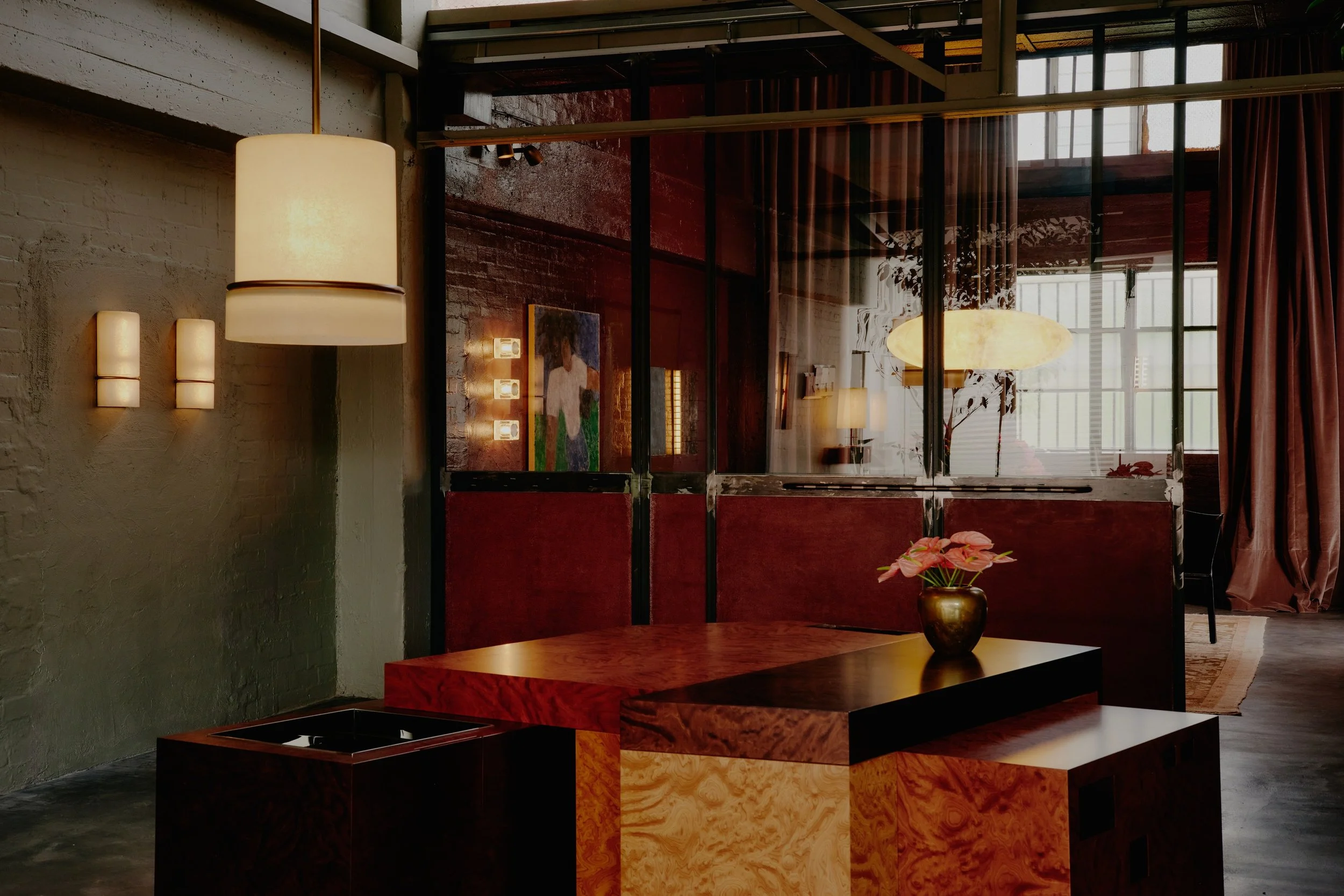
Image by Pier Carthew
After two decades of illuminating interiors, Melbourne-based Volker Haug is still chasing the curiosity and wonder that first drew him to the medium at the age of ten
Sculptural and luminous, Volker Haug’s lighting often takes geometric forms, softened by a sense of playfulness and whimsy that prevents the pieces from ever feeling rigid. The German-born, Melbourne-based designer attributes much of his distinctive approach to what he calls his ‘untrained eye’. Originally trained as a hairdresser, Haug has been fascinated by light since childhood, first experimenting at the age of ten, tinkering with lamps with the same restless curiosity that continues to fuel his work today.
‘What has stayed with me is that feeling of change, how a single switch can make a space feel calm, warm or dramatic,’he says.‘Light always felt natural to me, like a language I could understand without being taught. I’m still chasing the same feeling I had as a child, just more intentionally now.’
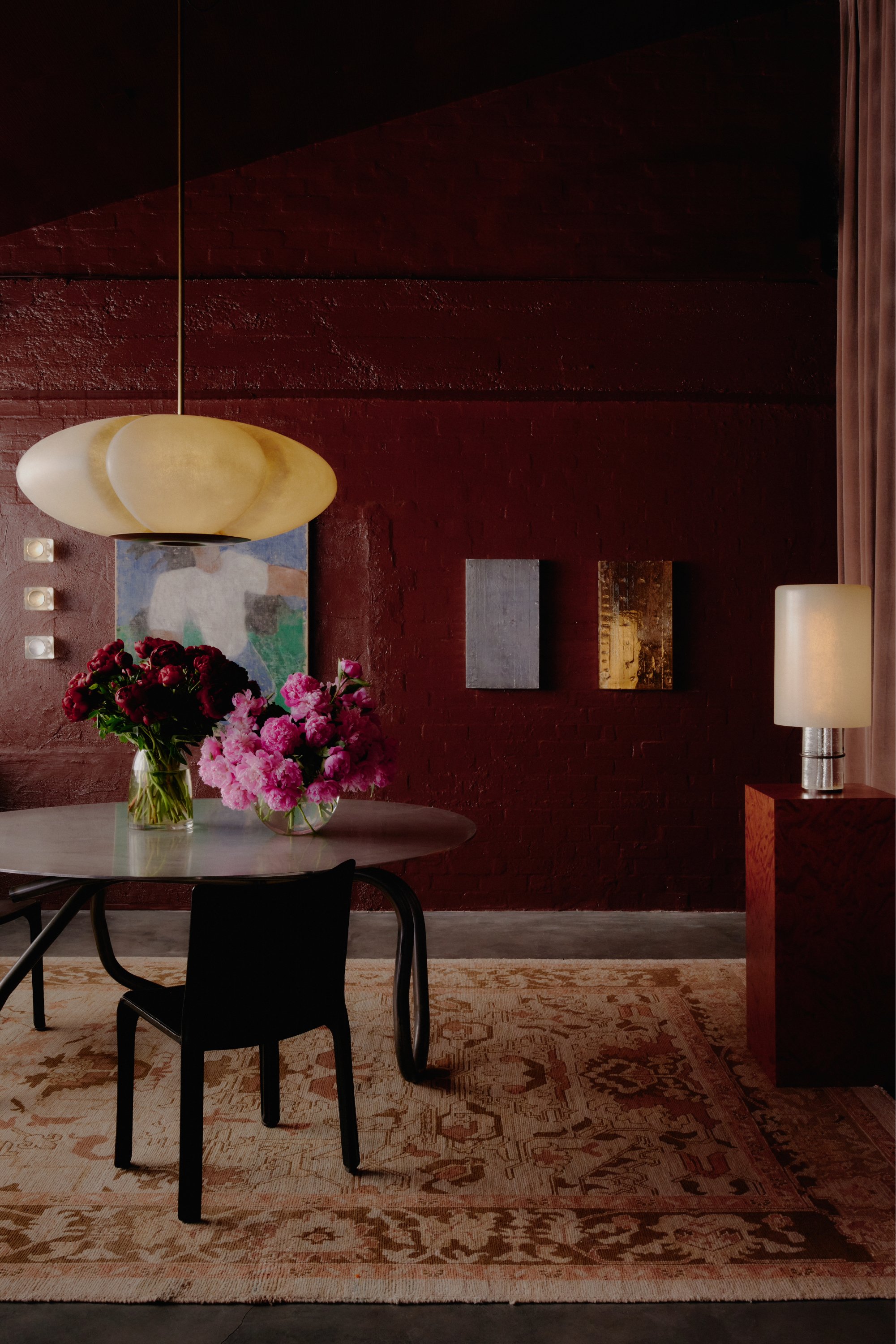
Image by Pier Carthew
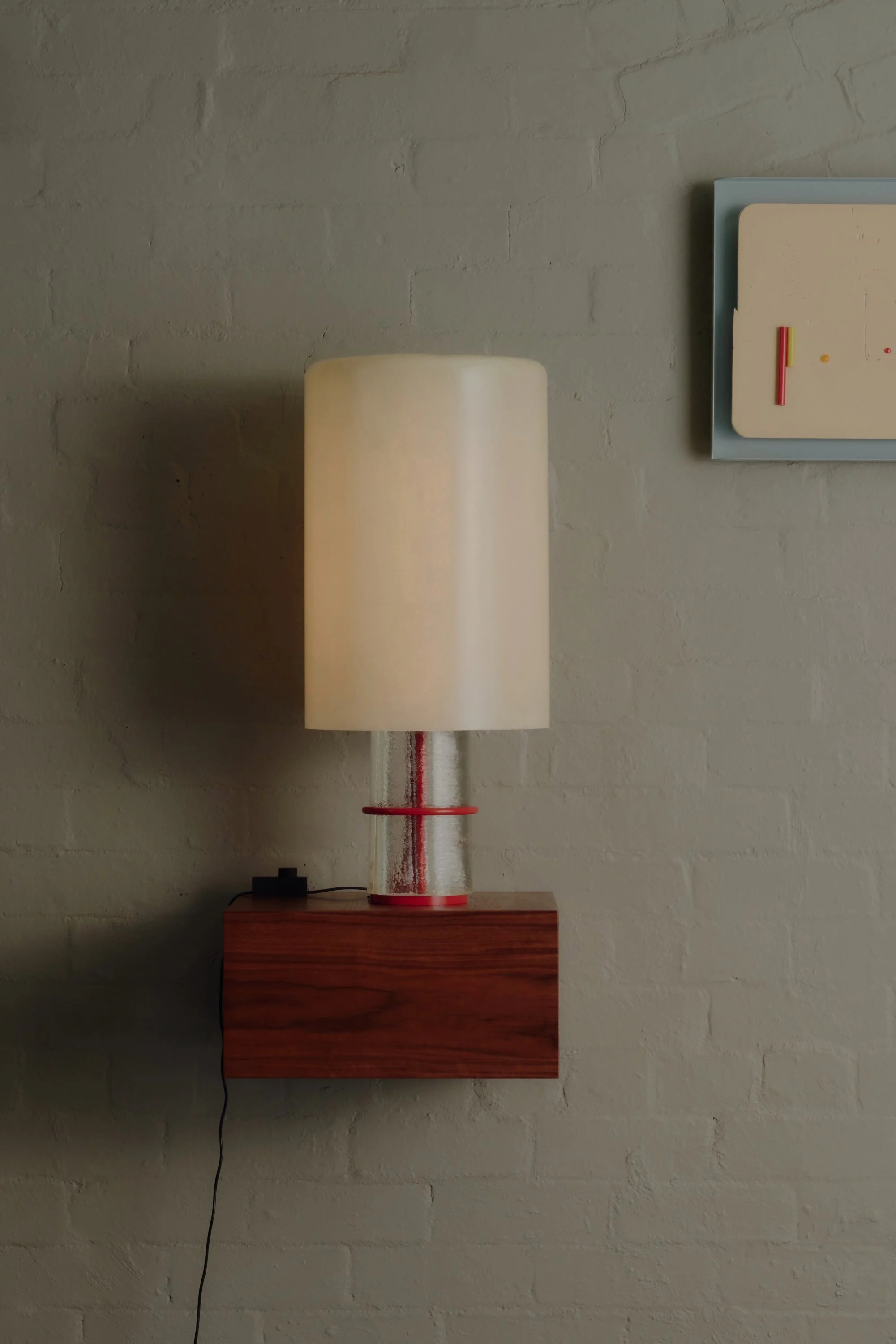
Image by Pier Carthew
This year marks two decades since Haug founded his eponymous studio. That delicate tension between discipline and play remains central to his practice, now amplified by a larger team and greater resources that allow him to realise more ambitious projects without ever losing his signature mischief and spontaneity.
The OMG chandelier, composed of reclaimed industrial aluminium light shades, crushed and anodised into iridescent colour fields illustrates this perfectly. First conceived nearly 20 years ago and refined through countless iterations since, its largest expression was commissioned by the National Gallery of Victoria and is now permanently installed at the Ian Potter Centre. The crushing was itself iterative: early experiments involved driving over the shades with a car, before Haug discovered the forms responded best to the focused force of a sledgehammer.
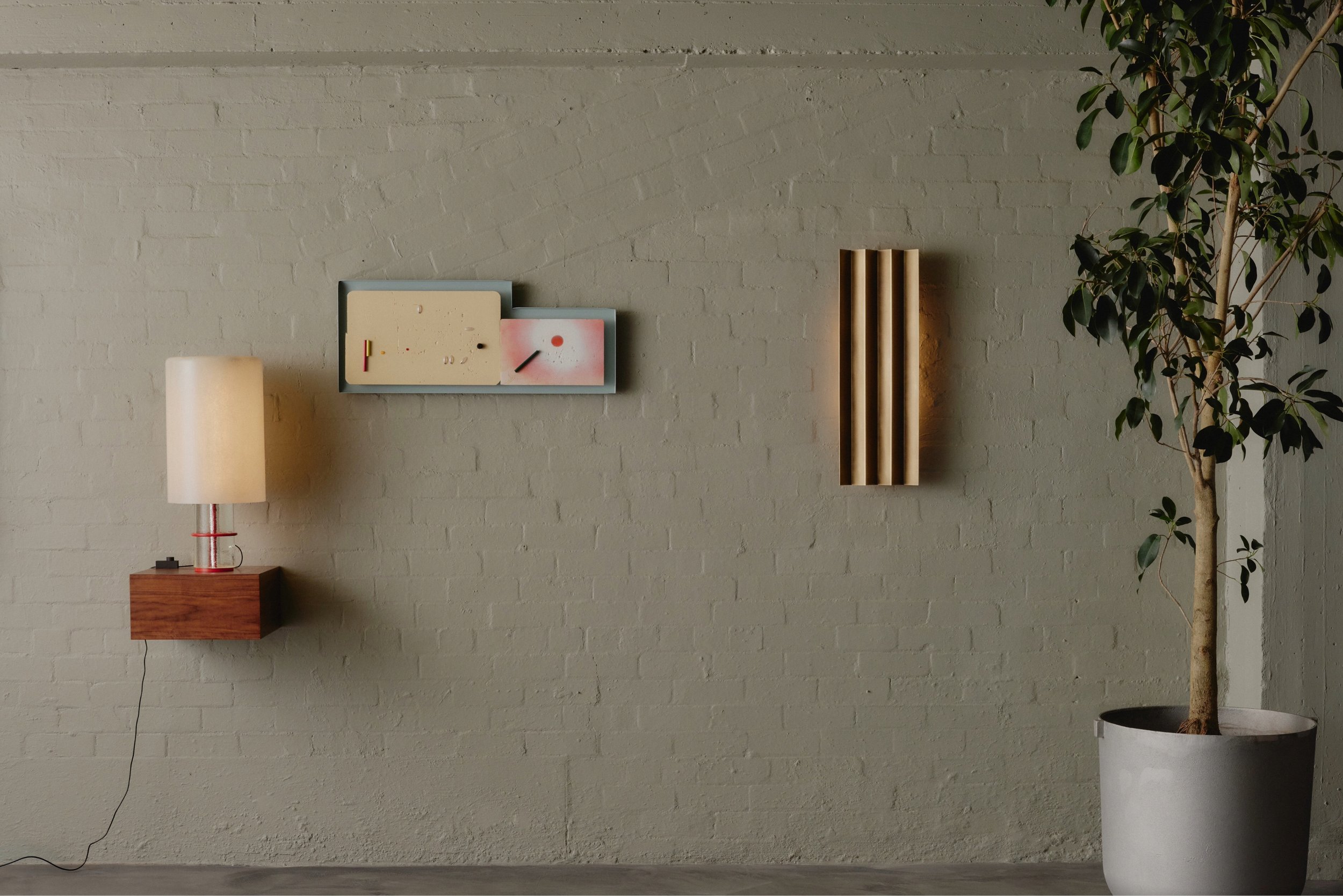
Image by Pier Carthew
‘While the process is very violent,’ Haug admits with a laugh, ‘I think that’s probably what really fascinates me. It becomes the most beautiful, iridescent, soft-looking design.’ The resulting puckered, disc-like forms gather in dense constellations, their folded surfaces catching and refracting light like draped fabric.
This duality persists throughout Haug’s work. His Fleur pendant, a collaboration with Flack Studio, layers fibreglass segments between spun brass plates like petals gently cupped mid-bloom, glowing softly from within. Earlier pieces, such as the Index 11 pendant, layer geometric cuts with subtle irregularity; stitched brass and fibreglass shields tilt at varying angles, catching the light in unexpected ways.
Brass, in particular, has emerged as a signature material, valued for its ability to transform through polished, weathered and patinated finishes. Increasingly, the studio is also working with other mediums, from fibreglass to blown glass. A new series developed with Murano artisans, Pilz, was recently presented at the Melbourne Art Fair, building on a collaboration that first began more than five years ago with the Blown Glass Anton collection.
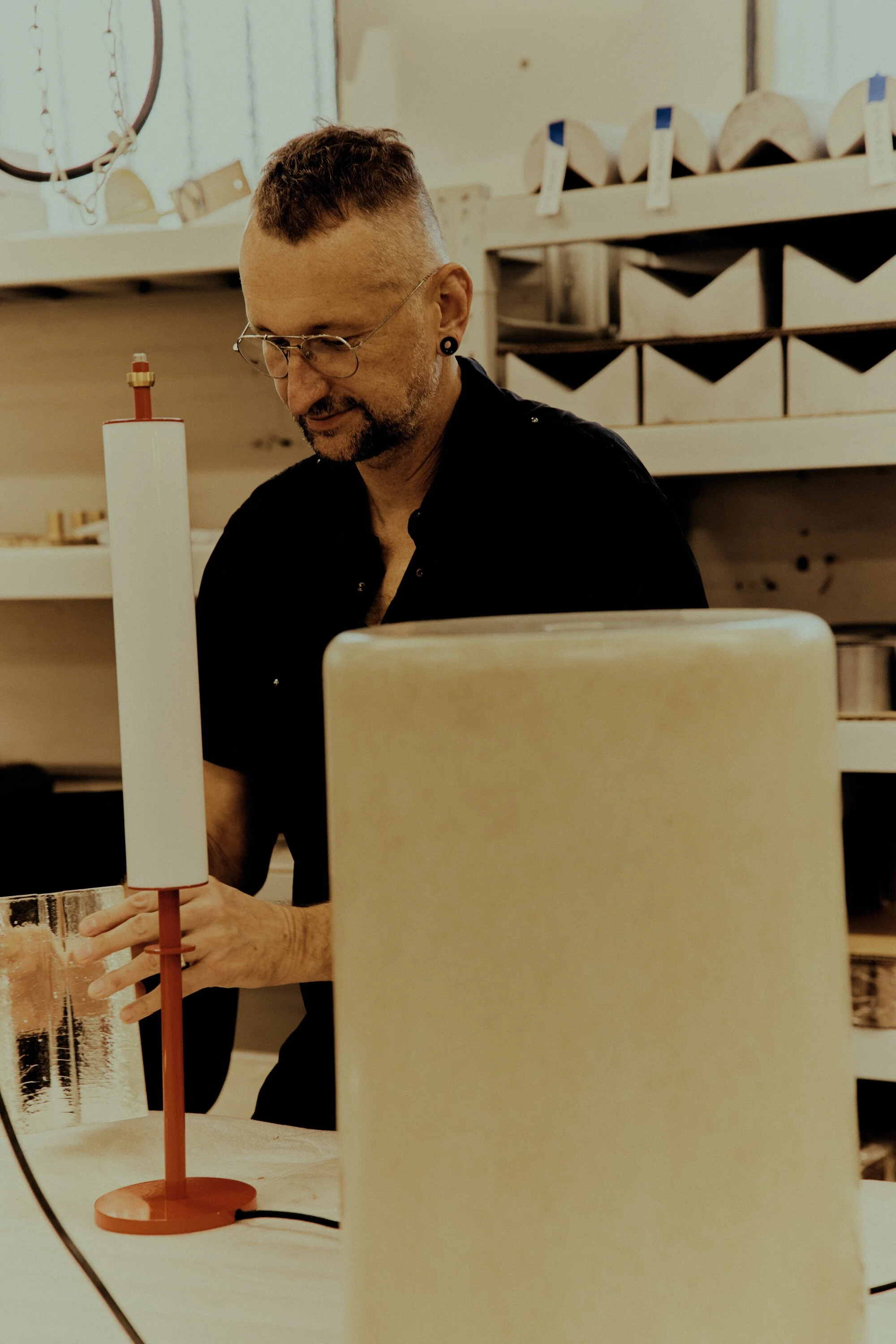
Image by Annika Kafcaloudis
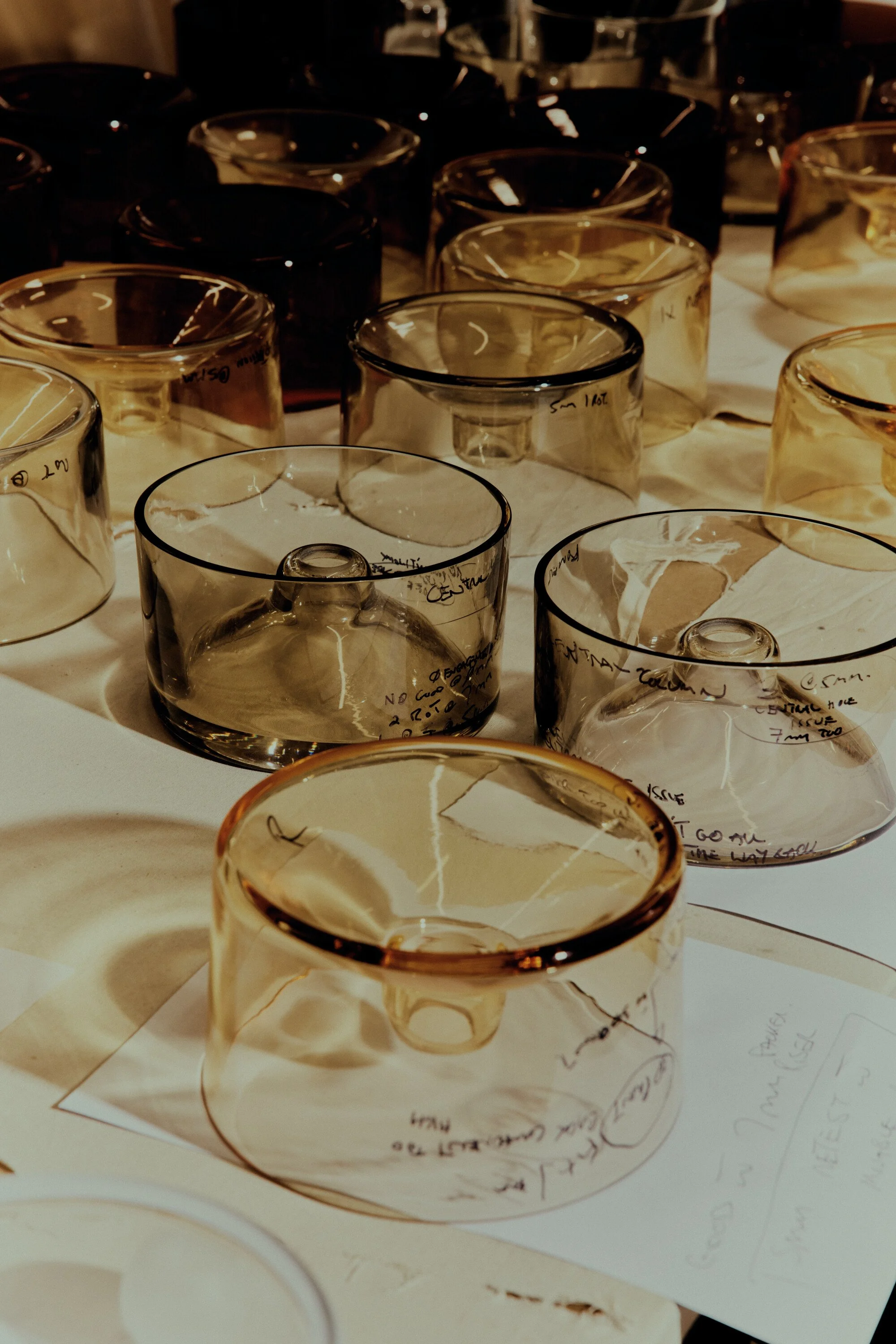
Image by Annika Kafcaloudis
Despite these striking designs, for Haug, lighting must never dominate architecture. ‘There is no boundary between architecture, design and atmosphere,’ he says. ‘It’s a fine, unspoken balance — you have to feel when it’s right.’ Accordingly, at Hyde Melbourne, where the lighting was developed in close collaboration with architecture studio Kennedy Nolan and Haug’s long-time creative partner Adriana Hanna. ‘The forms are drawn directly from the building itself: the distinctive cut- out at the top became a quiet inspiration, letting the lighting feel like it belongs there rather than being an addition,’ he notes. Through a mix of patinated brass and powder-coated finishes, the pieces speak to Haug’s gift for reading a space and honouring the architect’s language, while infusing it with playfulness and a gentle human touch.
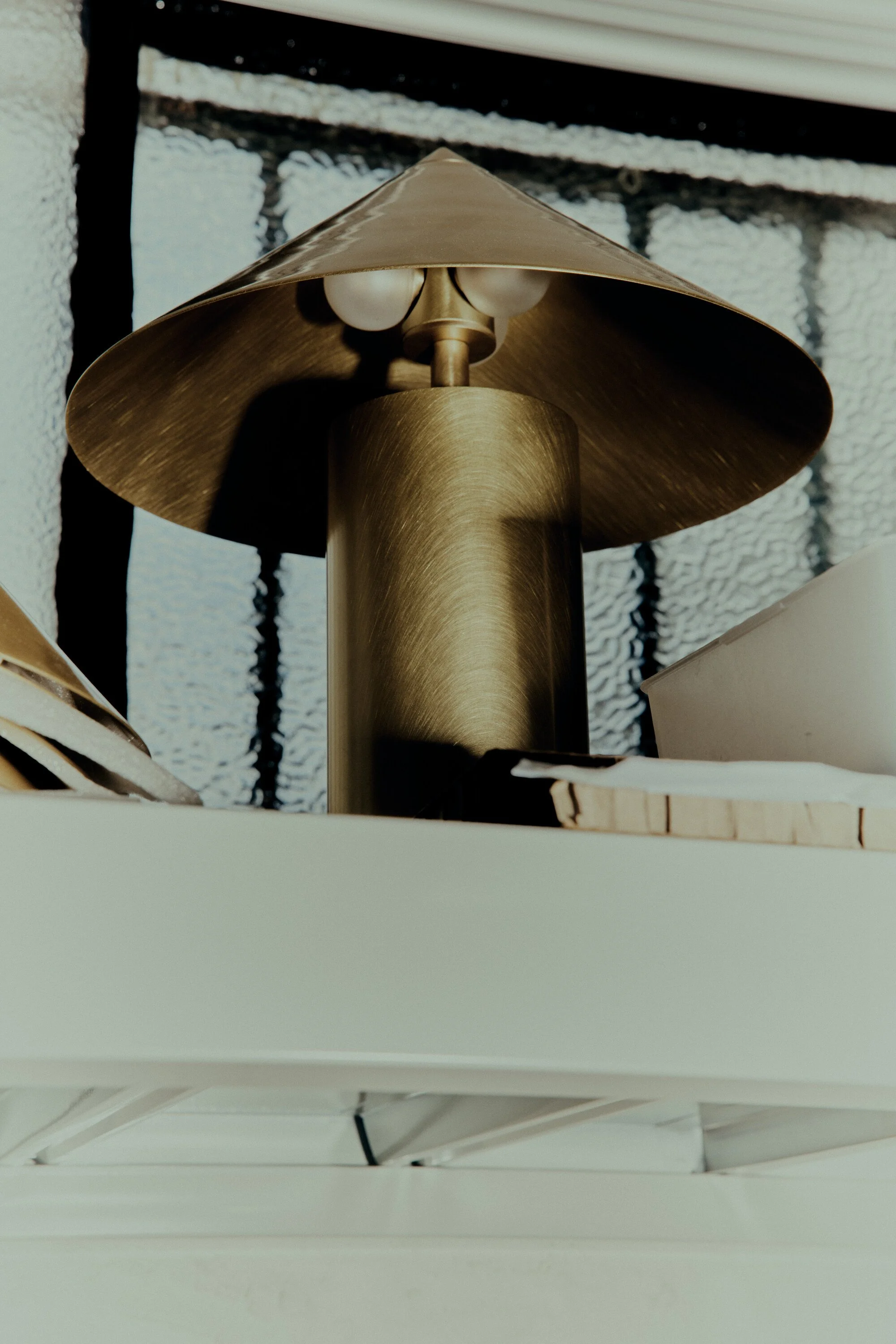
Image by Annika Kafcaloudis
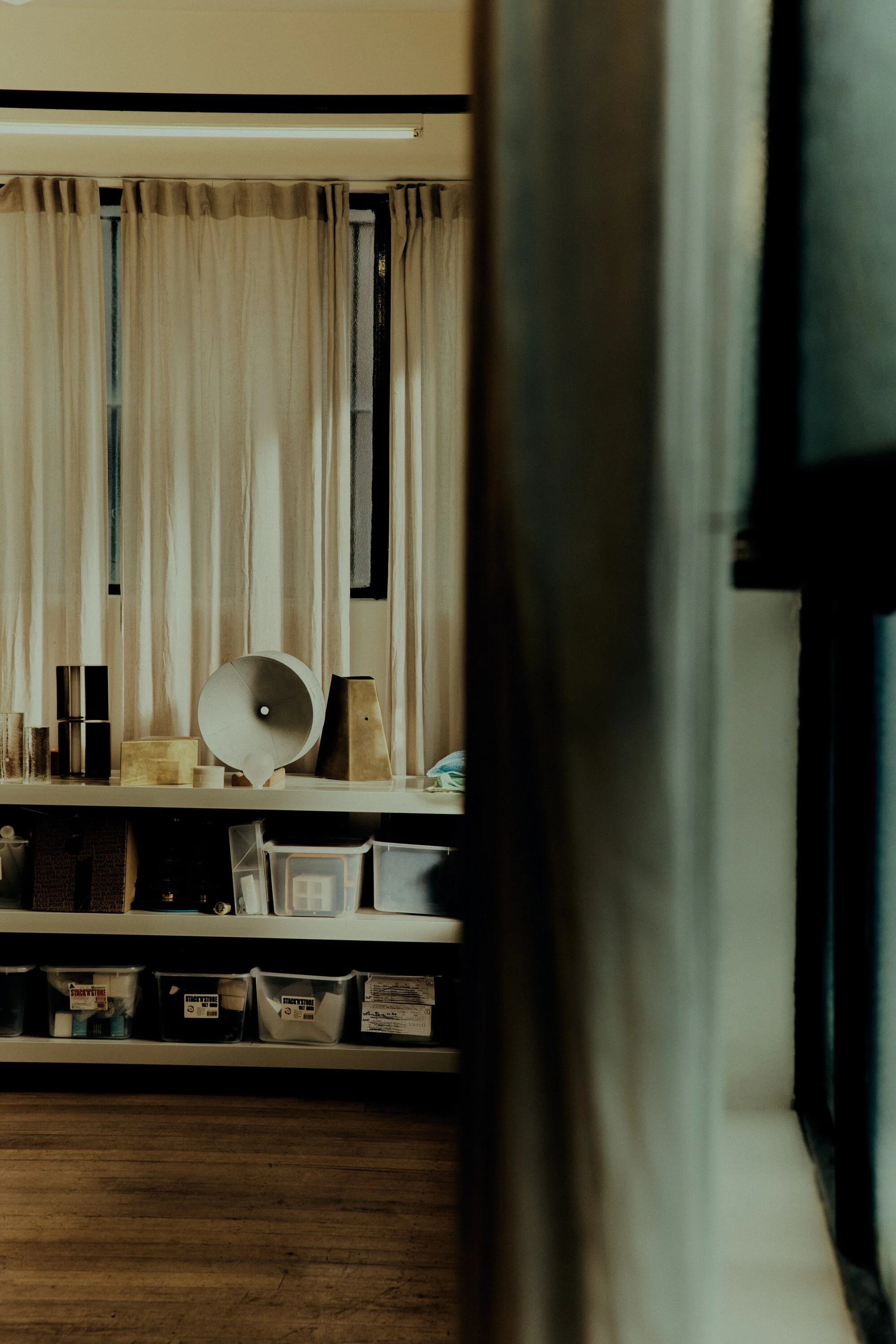
Image by Annika Kafcaloudis
Yet, regardless of the scale or material, the magic, according to Haug, lies in his team. Alongside lighting, the studio’s practice extends across industrial design, furniture, objects, jewellery and interiors, shaped by a diverse group whose varied cultural references inform a distinctive design language — one that has produced some of Australia’s most striking lighting designs.
Ideas develop through ongoing dialogue, drawing from travel, material exploration and lived experience, before being tested and refined in the workshop. ‘Everyone really brings something different to the table. If one person is missing, you feel it,’ he says. This collaborative spirit, which he nurtures both within the studio and externally, openly embraces friction and differing perspectives. ‘While we may have butted heads in the process,’ he admits, ‘the actual result is incredible. And that’s what we’re all proud of.’
Images by Pier Carthew and Annika Kafcaloudis
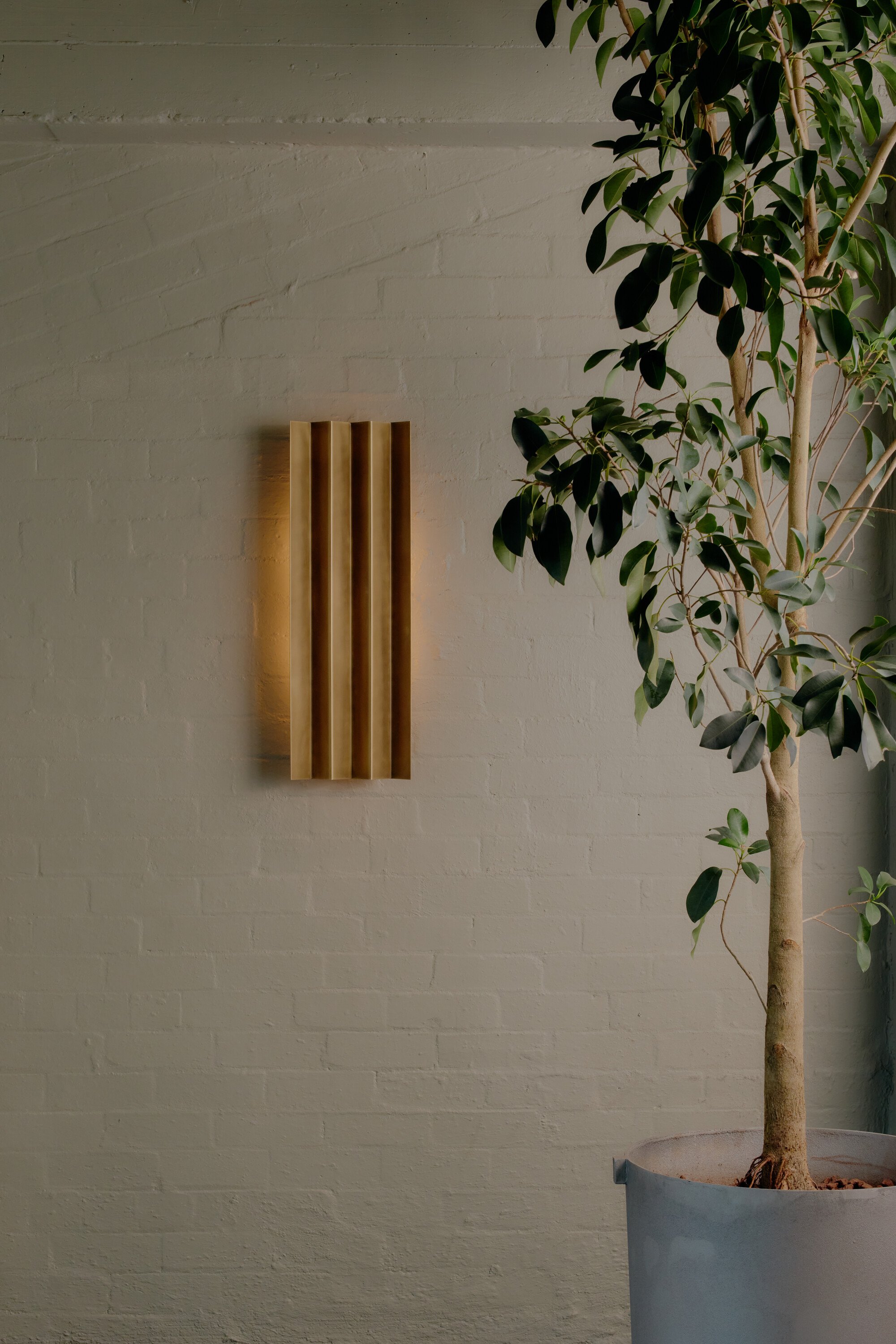
Image by Pier Carthew
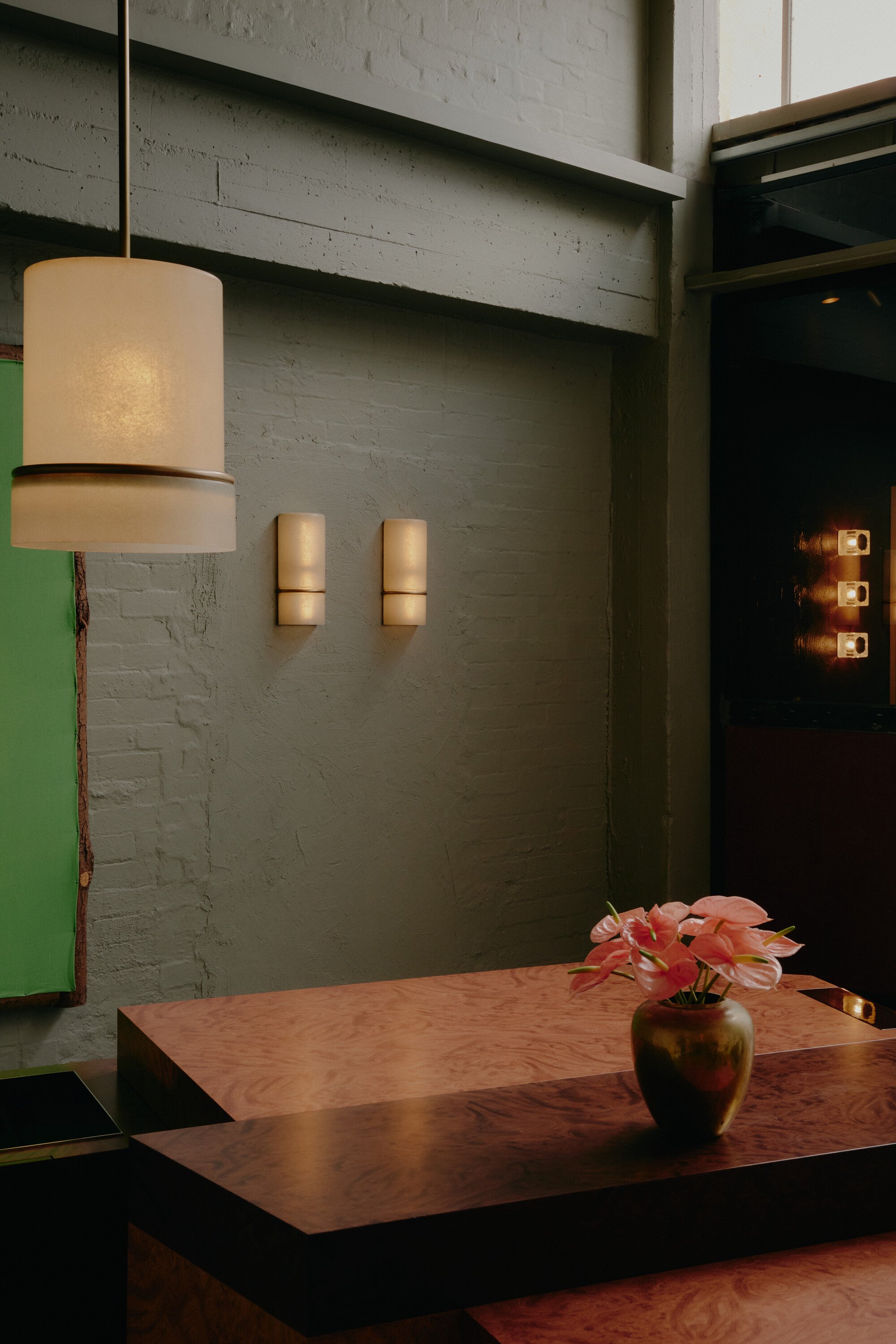
Image by Pier Carthew
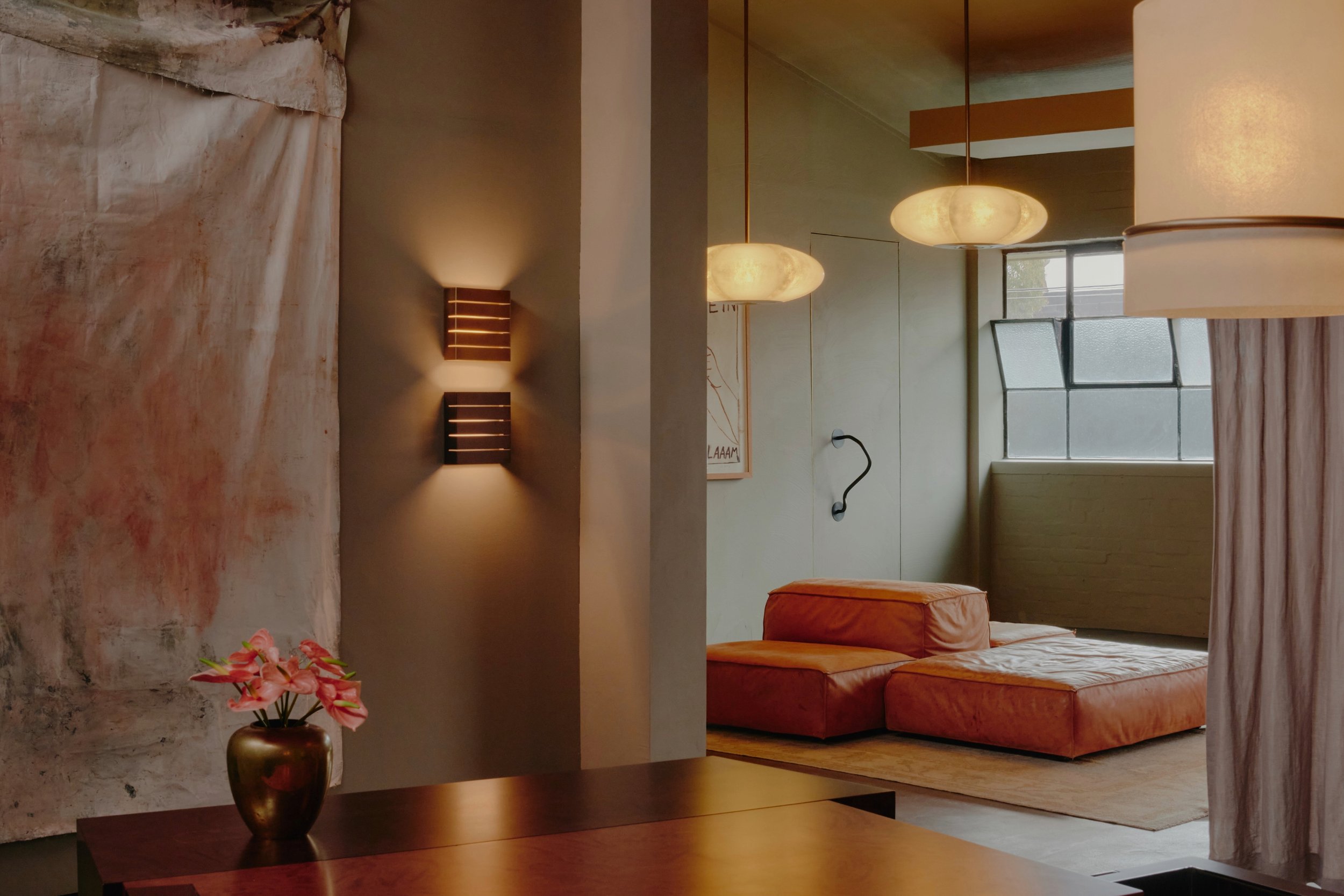
Image by Pier Carthew
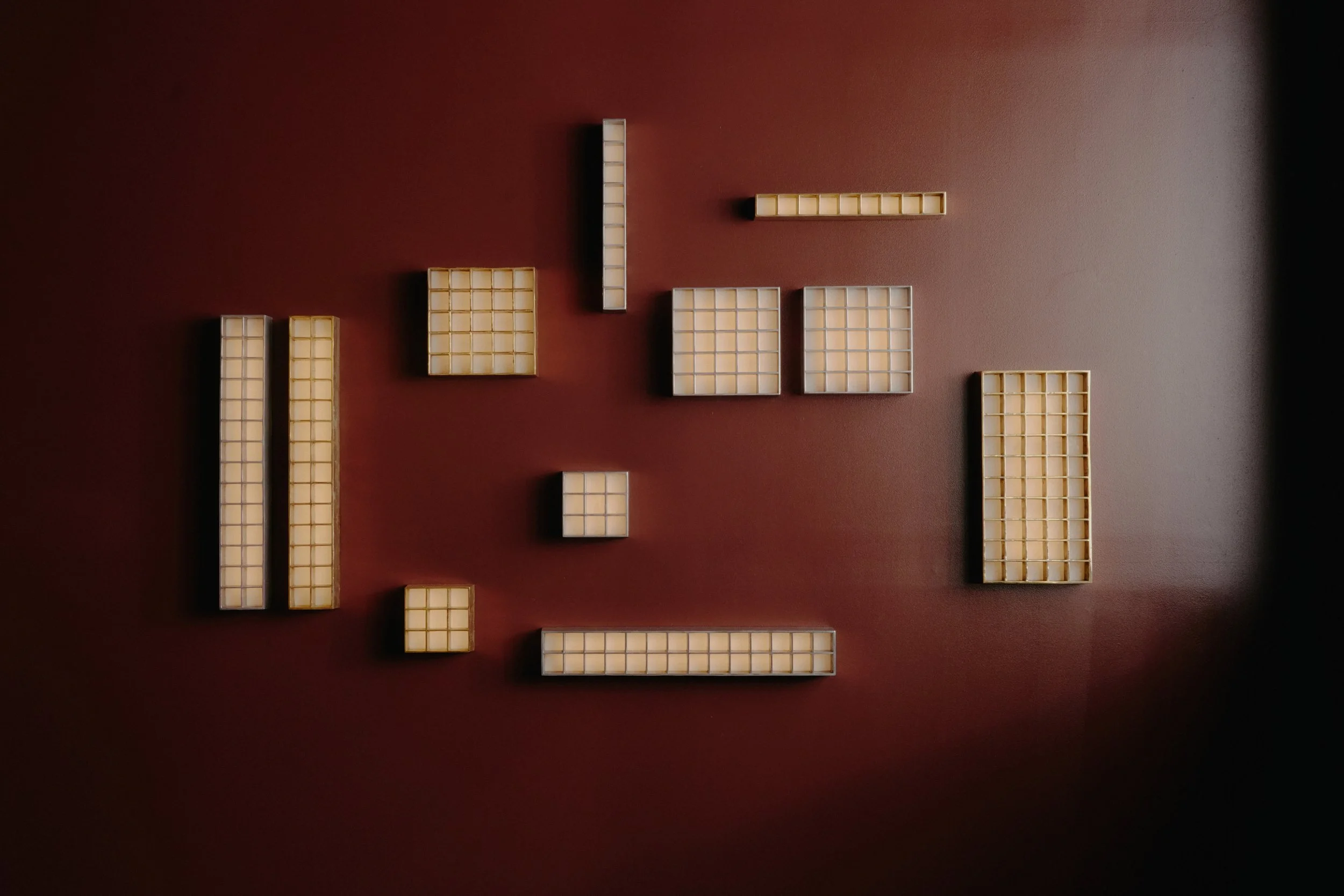
Image by Pier Carthew