Lessons in Endurance for the Next Generation of Hospitality Design
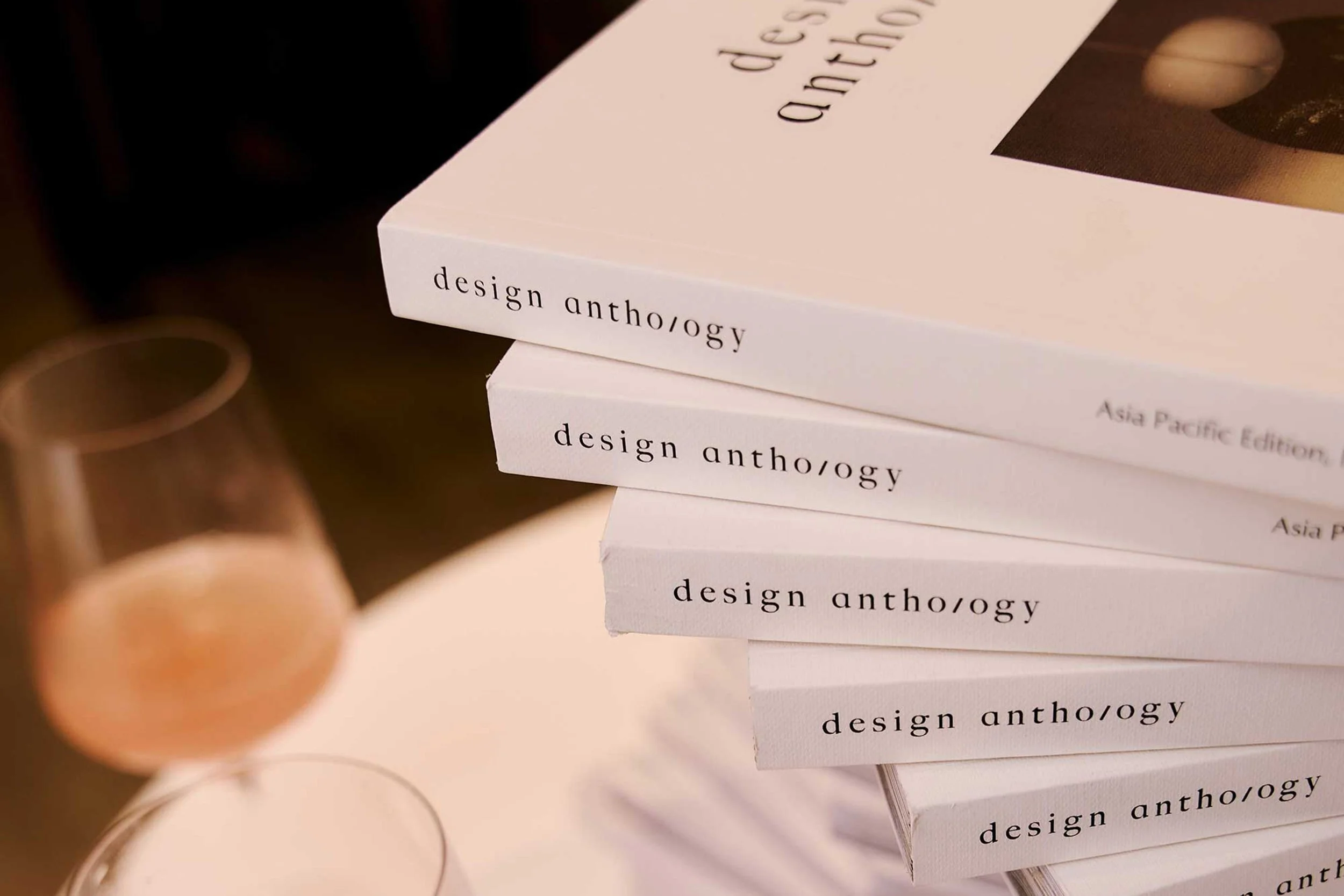
While celebrating Asia Pacific's creative industries in Indonesia, a stay at a decades-old Balinese hospitality institution offered our editor-in-chief Jeremy Smart a powerful reminder that the truest test of good design is longevity
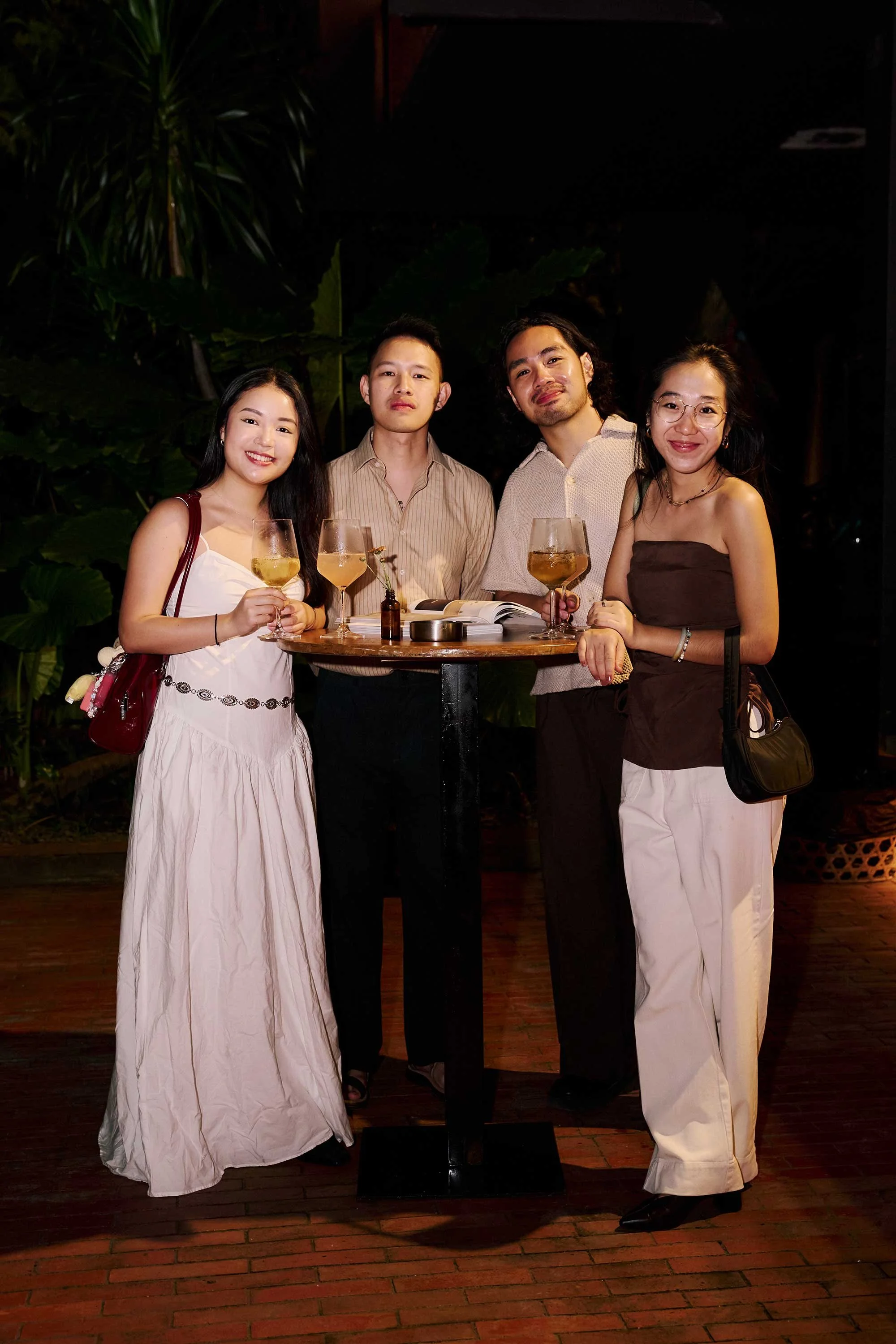
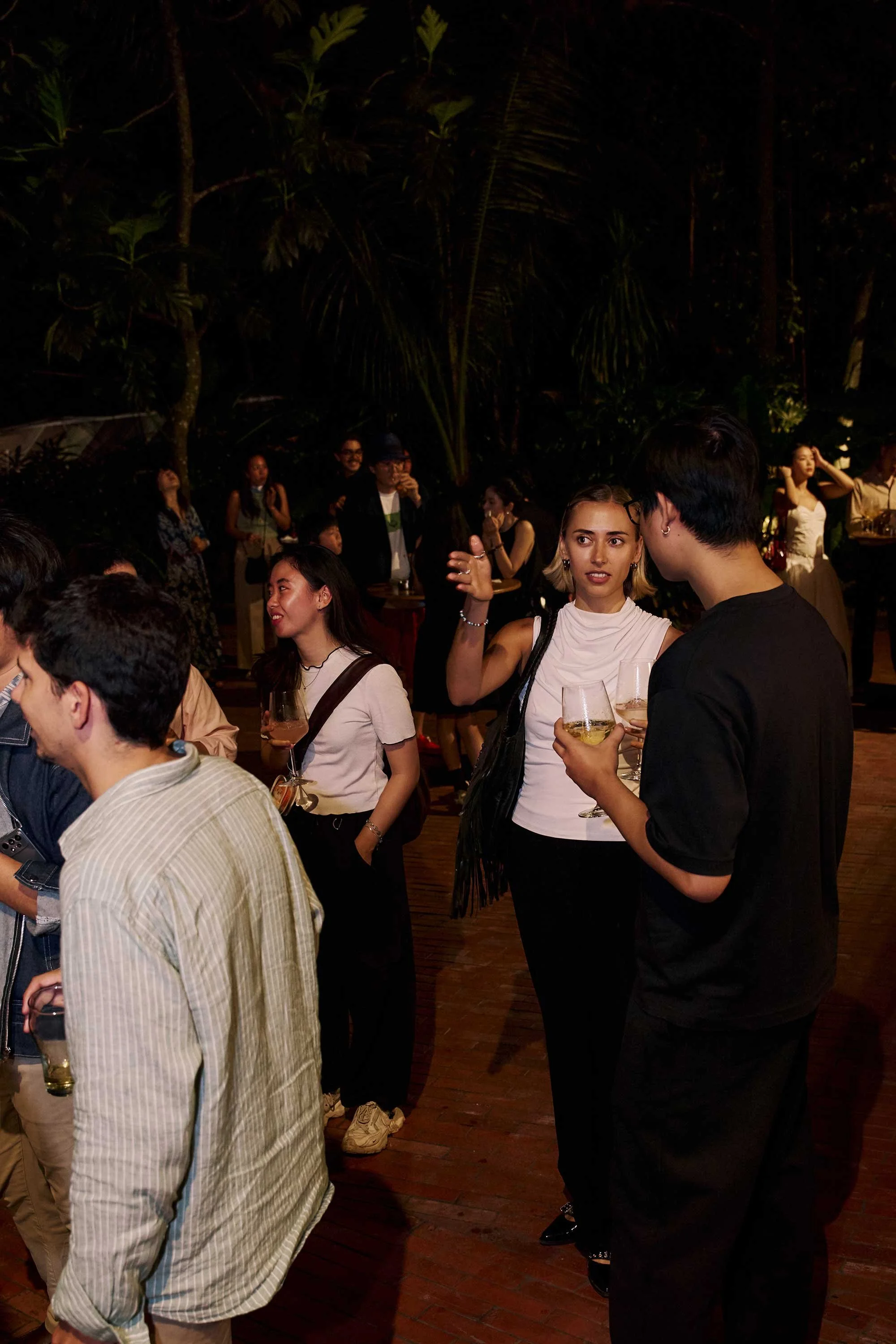
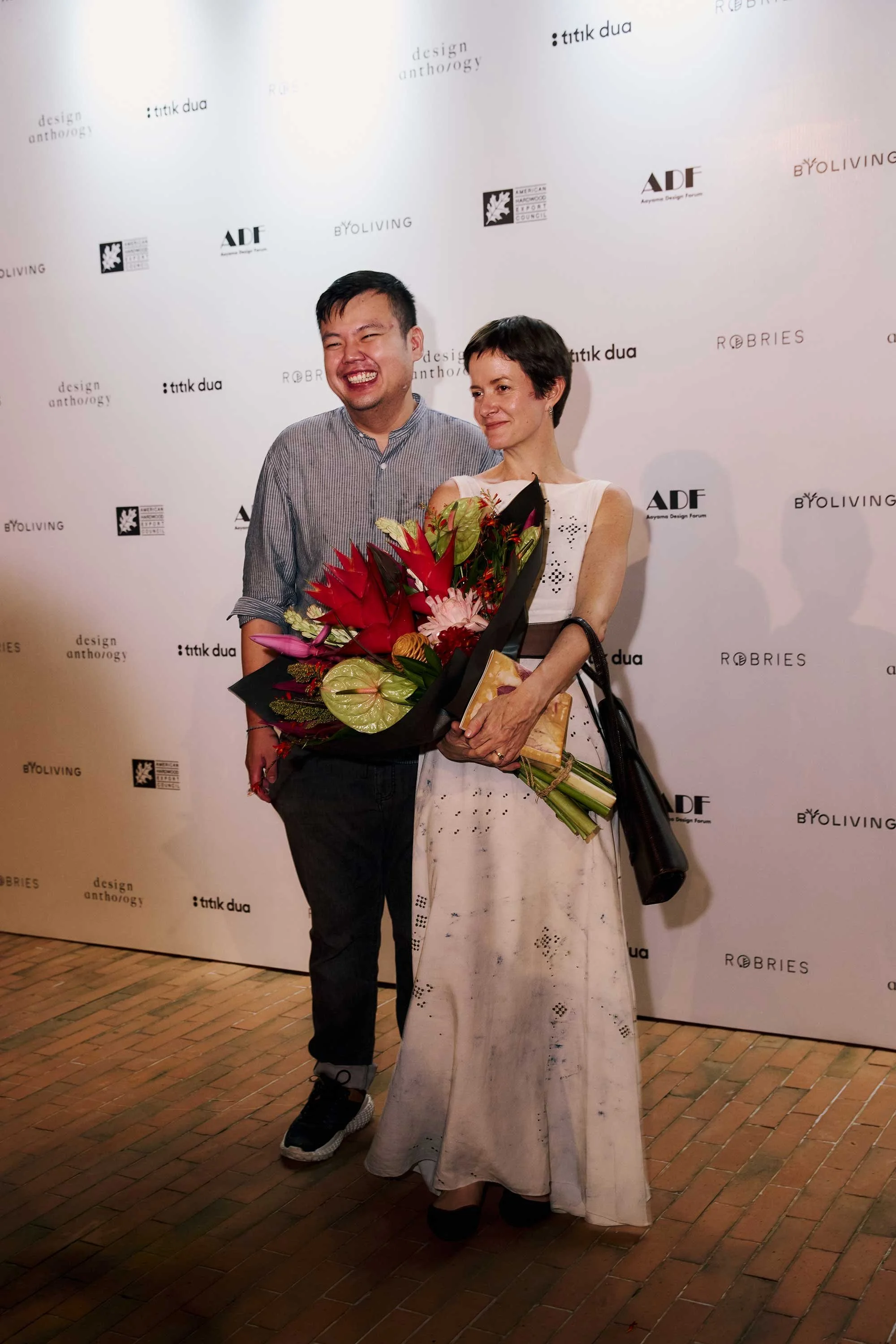
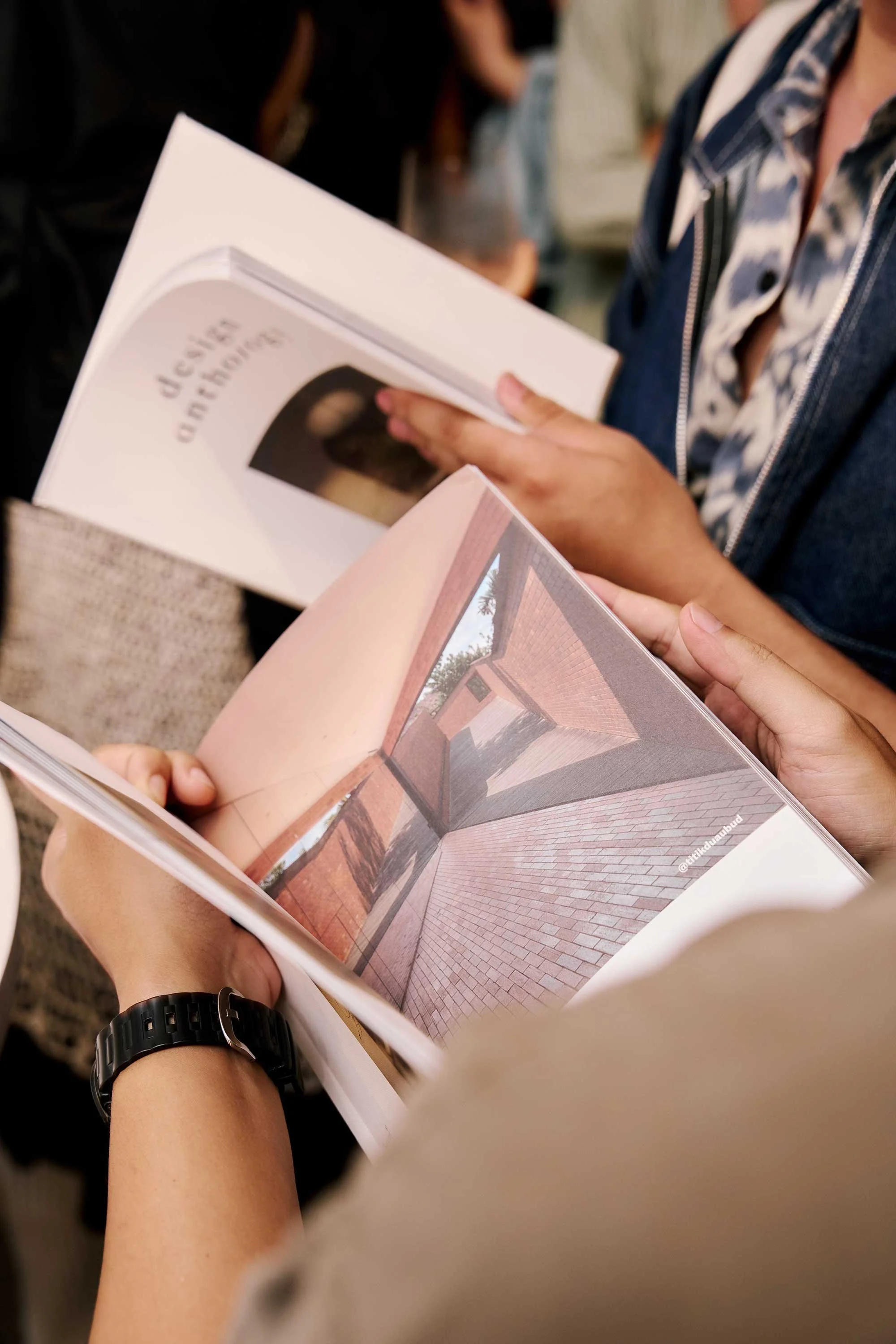
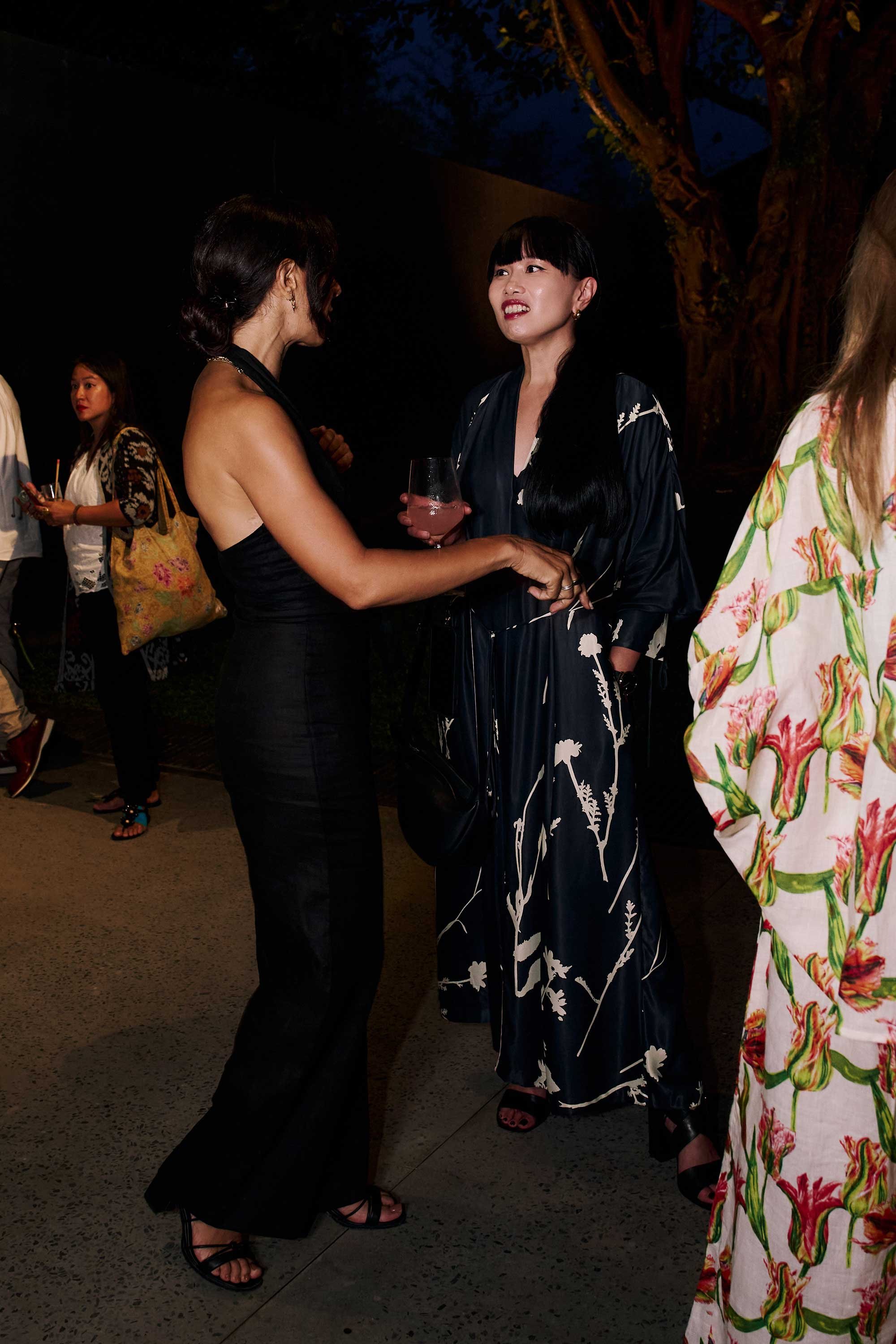
This note comes to you from Ubud, filed poolside on Thursday evening — never a bad place to tap out an editor’s letter — as our annual Awards gathering is about to kick off at the Andra Matin-designed Titik Dua. By the time this lands in your inbox, trophies will have been handed out, winners toasted and perhaps a few too many arak sours enjoyed.
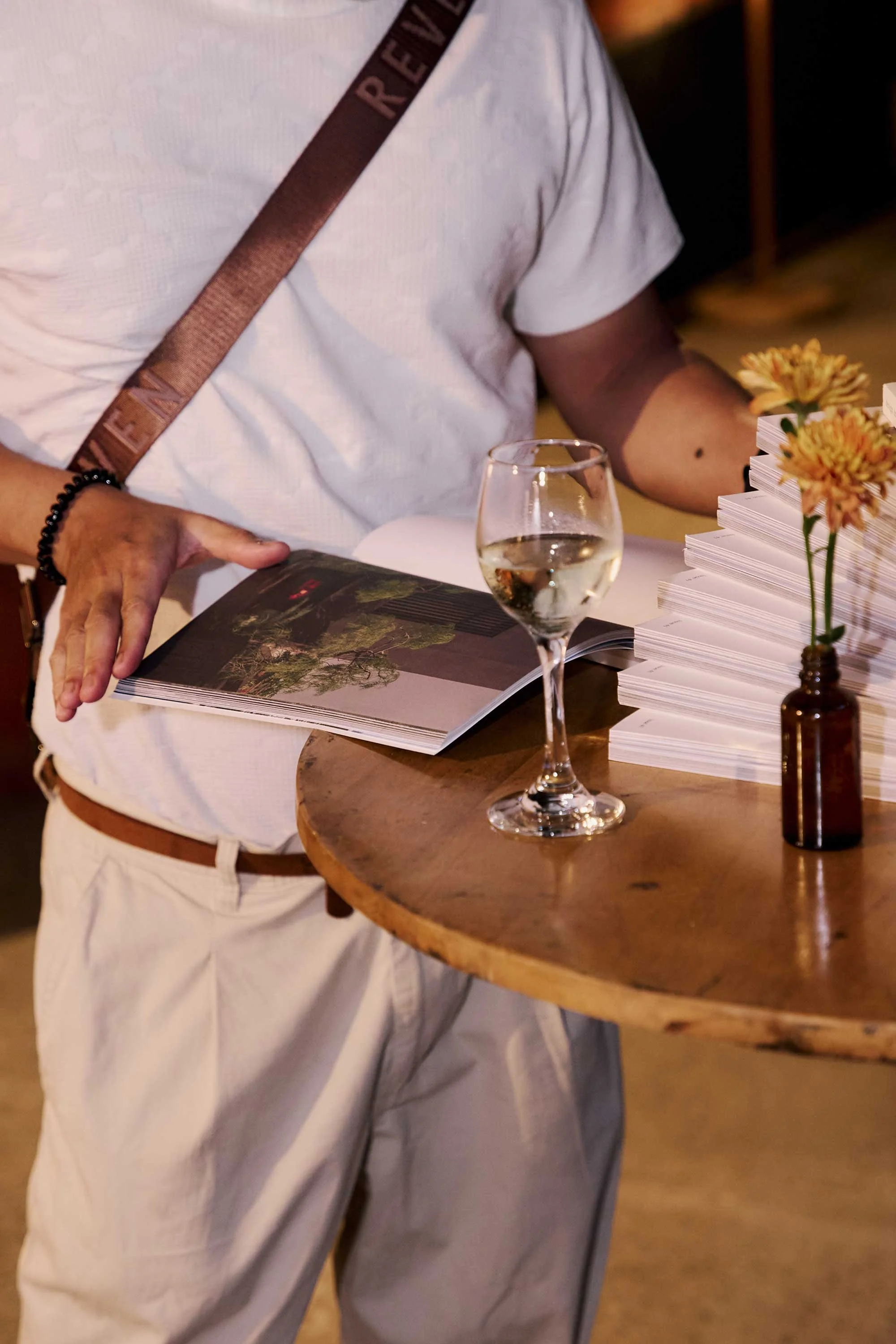
Having experimented with both ballroom-scale productions and more intimate formats, this year we chose to have a party: a chance to recognise those pushing our creative industries forward, to spend proper time with our most loyal readers in Indonesia, and, perhaps most importantly, to enjoy the best kind of social network: physical, human and pleasingly offline.
As we’ve learned, good design leaves a record. Not just for clients or shareholders, but for the people who rely on these cities, structures and objects for their daily life. Awards highlight the most promising work, but longevity is harder to judge. Materials may endure — but will the work stay relevant to how we live? Will it still deliver the same emotional punch in a decade or even a century?
Earlier this week, on a balcony shaded by frangipani, overlooking a small hotel on Bali’s eastern coast, I was reminded of this with great clarity. Built in the 1990s by one of the greats of tropical hospitality, it remains almost untouched. Its teak furniture has patinated gloriously, its proportions are still correct and its spirit intact, unlike many of today’s hotels which are sometimes rebuilt after barely a decade. Its small scale, sense of privacy and Eastern Balinese dining programme made it impossible for me to forget where I was. Just as important was the staff: tenure measured in decades — plural! — with many having grown up in the surrounding community.
The lesson? Design to endure. Work with the best (see our winners). Use materials and suppliers that belong to the place. And then — the hardest part — resist the urge to tinker. The result will be guests who feel they’ve discovered something real, rather than a showroom, and owners who can sleep easier knowing their investment has aged with grace and dignity.
Until next time, here’s to hotels with soul and spritzes with a kick. Thank you for reading Design Anthology and for your continued support.
Jeremy Smart
Editor-in-Chief