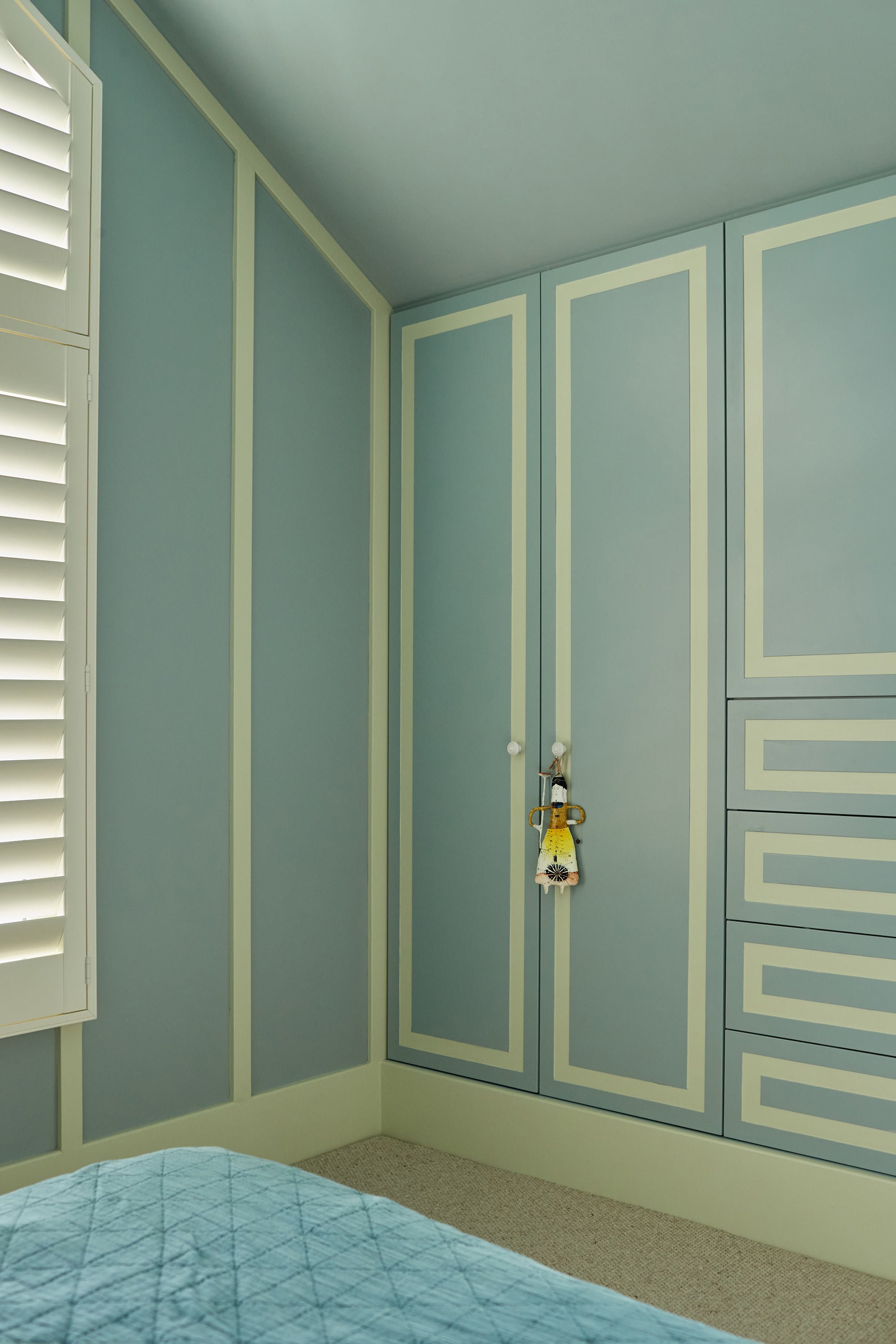
ByCerny Creates a ‘Contemporary Heritage’ Language in this Melbourne Home
An Edwardian-era residence in Melbourne’s Malvern East has been transformed by Alexandra Cerny of ByCerny to become an unfolding journey between past and present
Commissioned after the architectural envelope had already been established, interior designer Alexandra Cerny of ByCerny has overlayed a richly personal story onto this Edwardian-era residence.
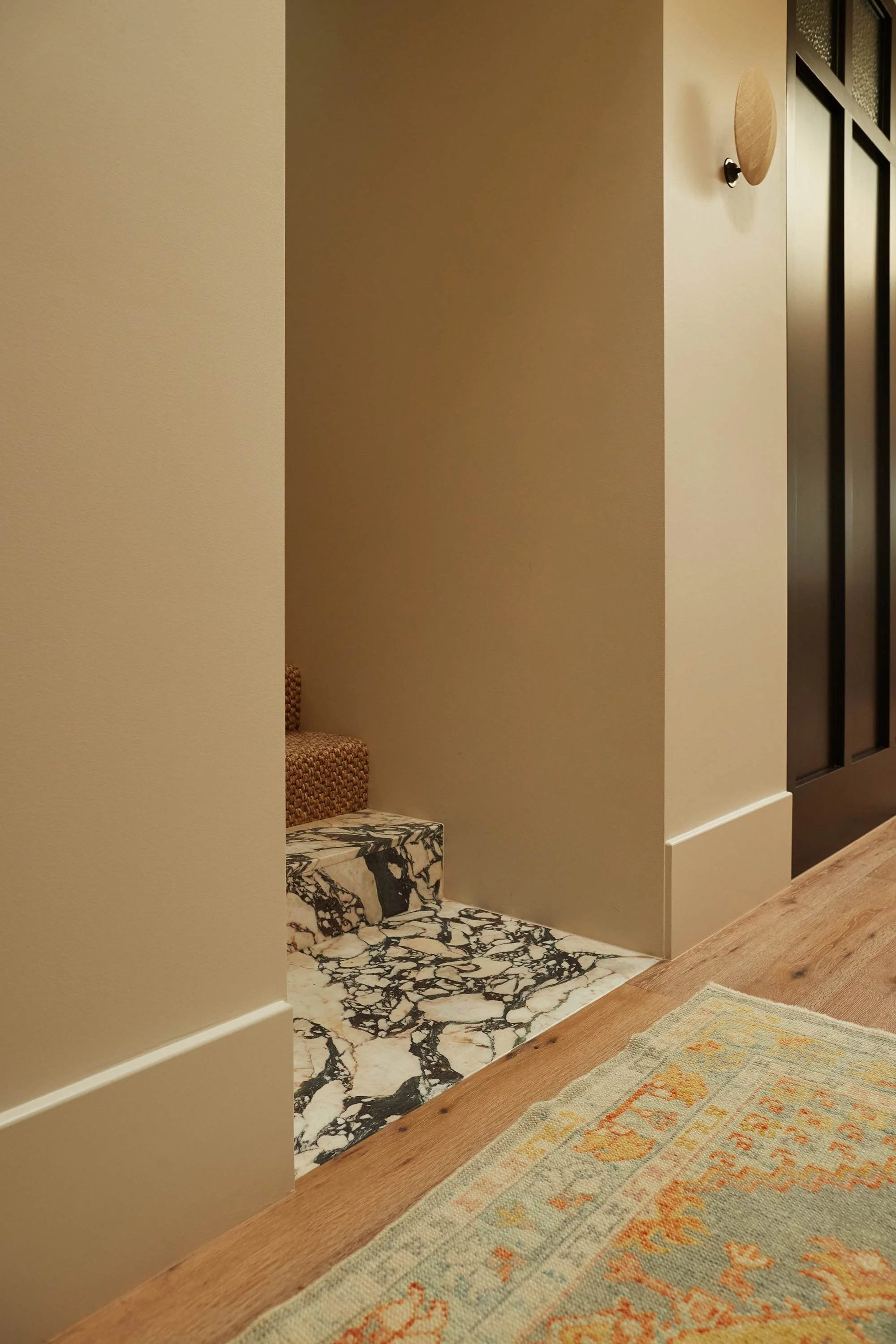
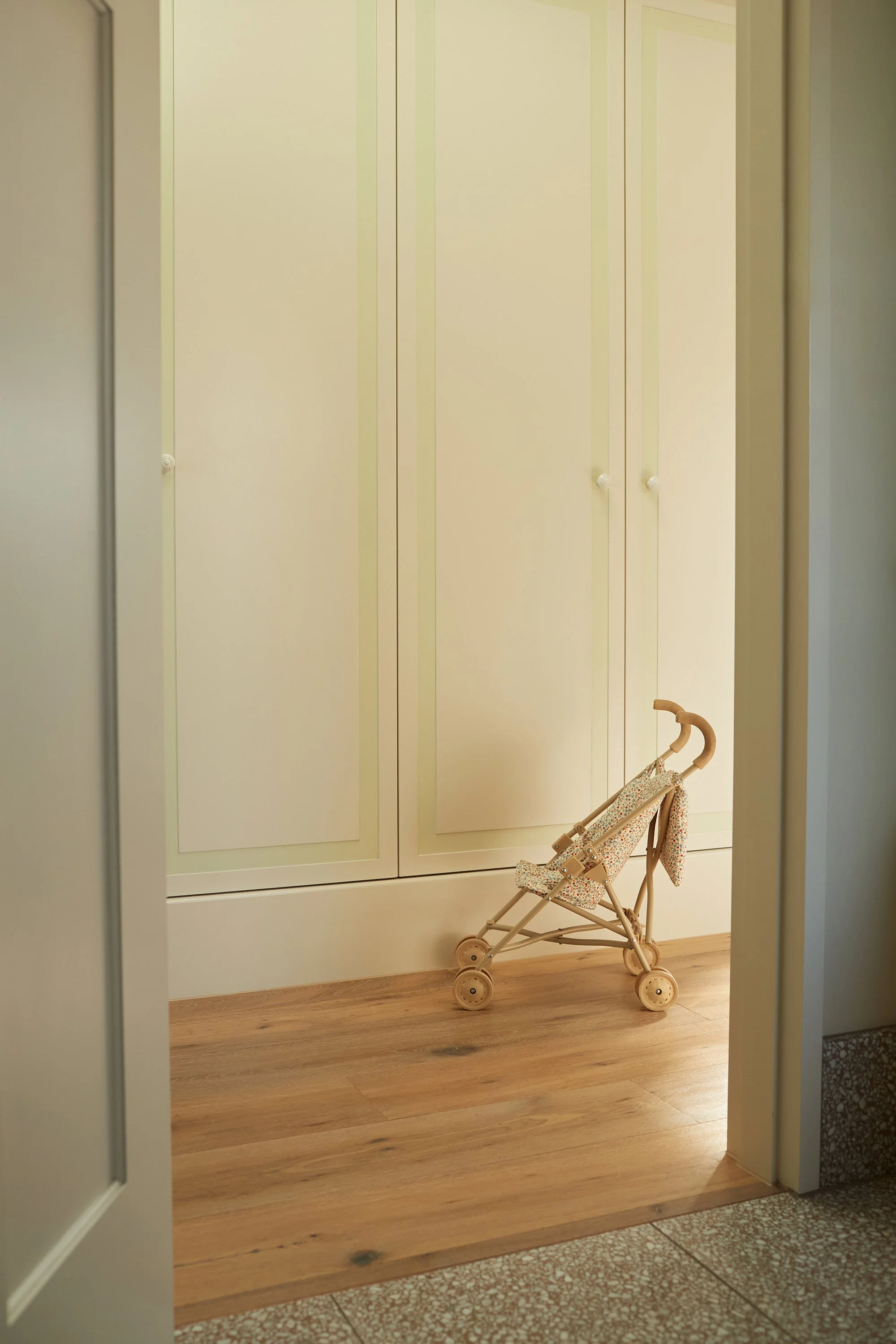
‘The original front rooms hold the weight of the Edwardian character,’ explains Cerny. ‘It’s amplified here: ornate, textural, detailed. But as you move deeper into the home and into the new additions, that heritage slowly dissolves into something quieter. There is no abrupt departure, just a change in density.’
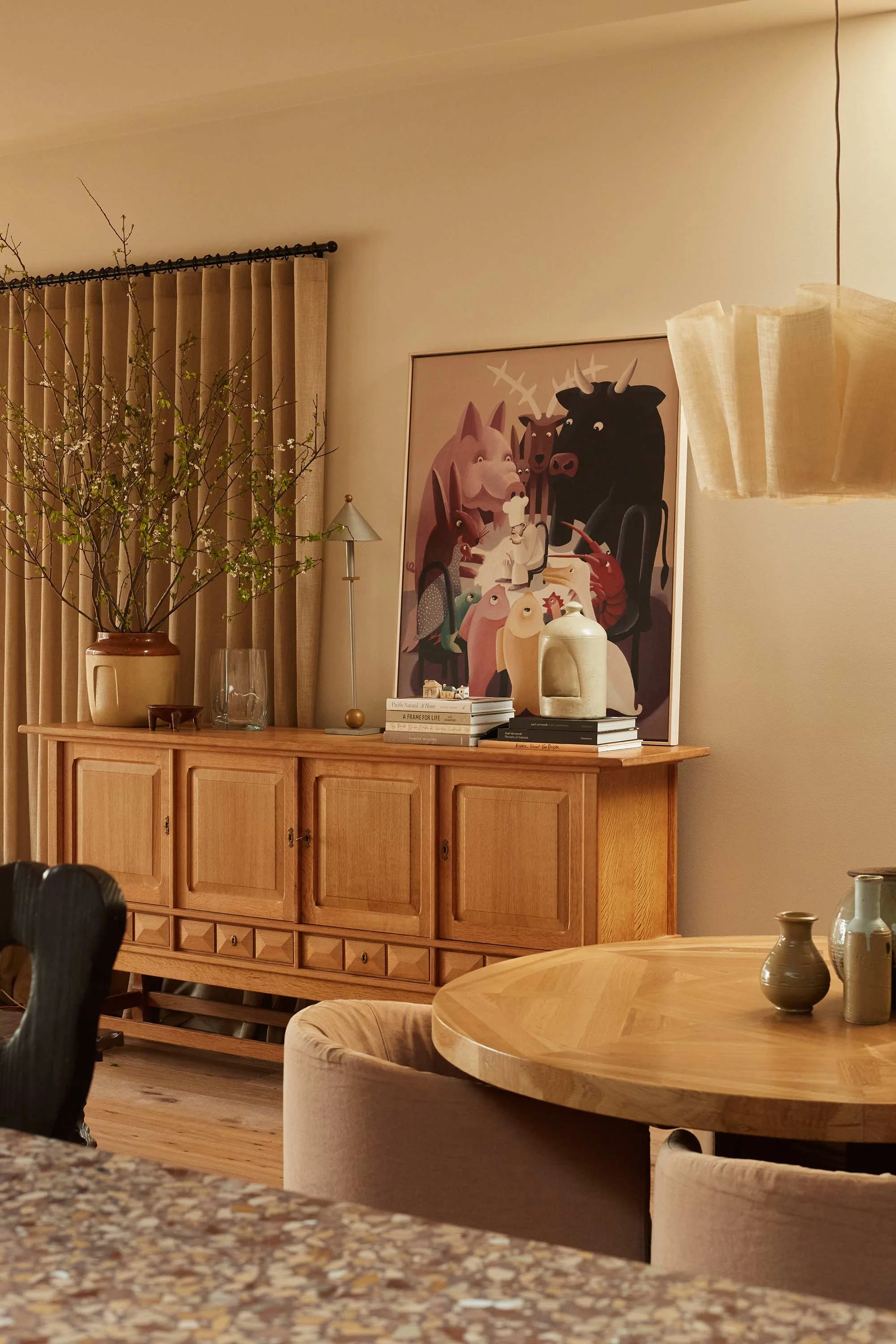
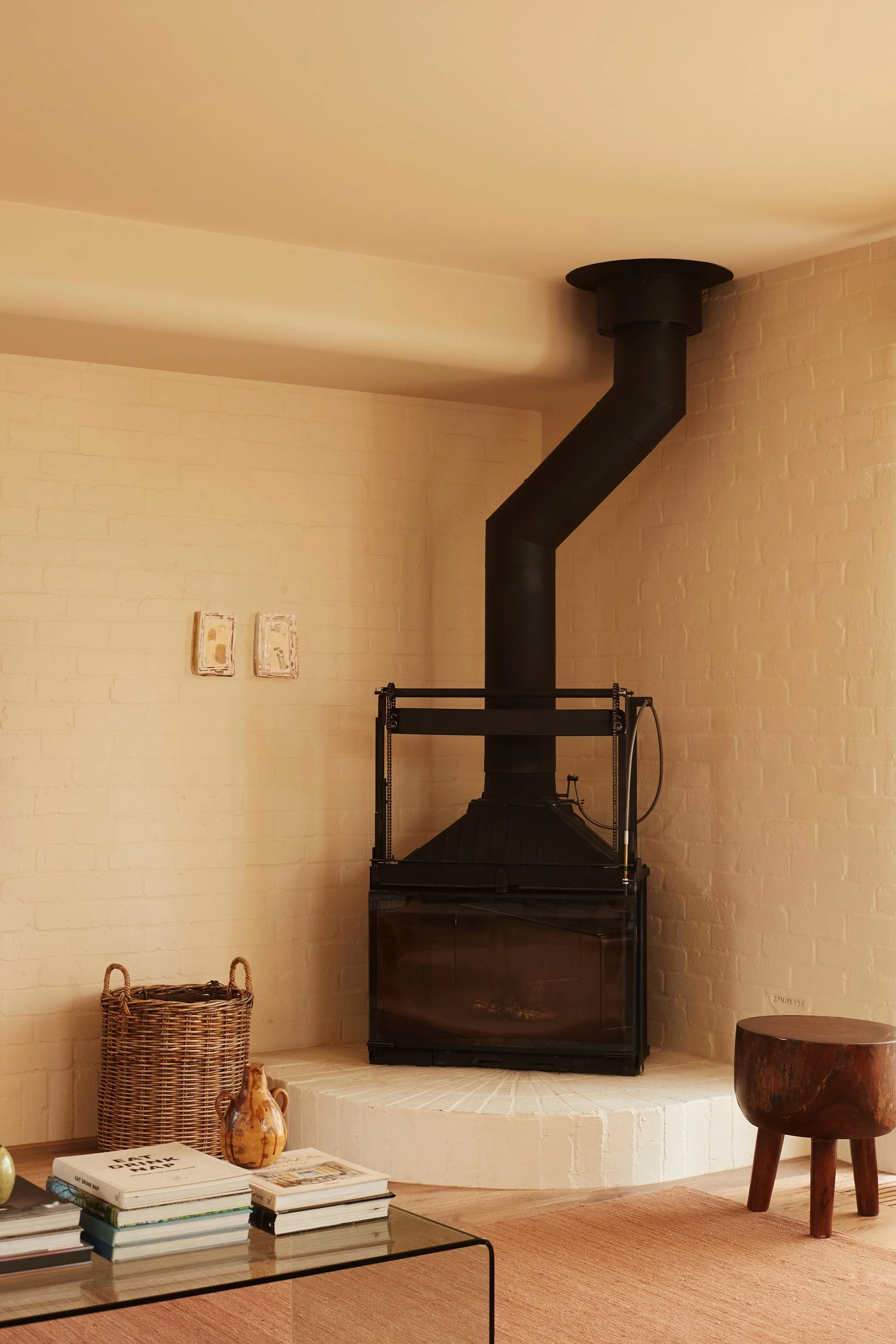
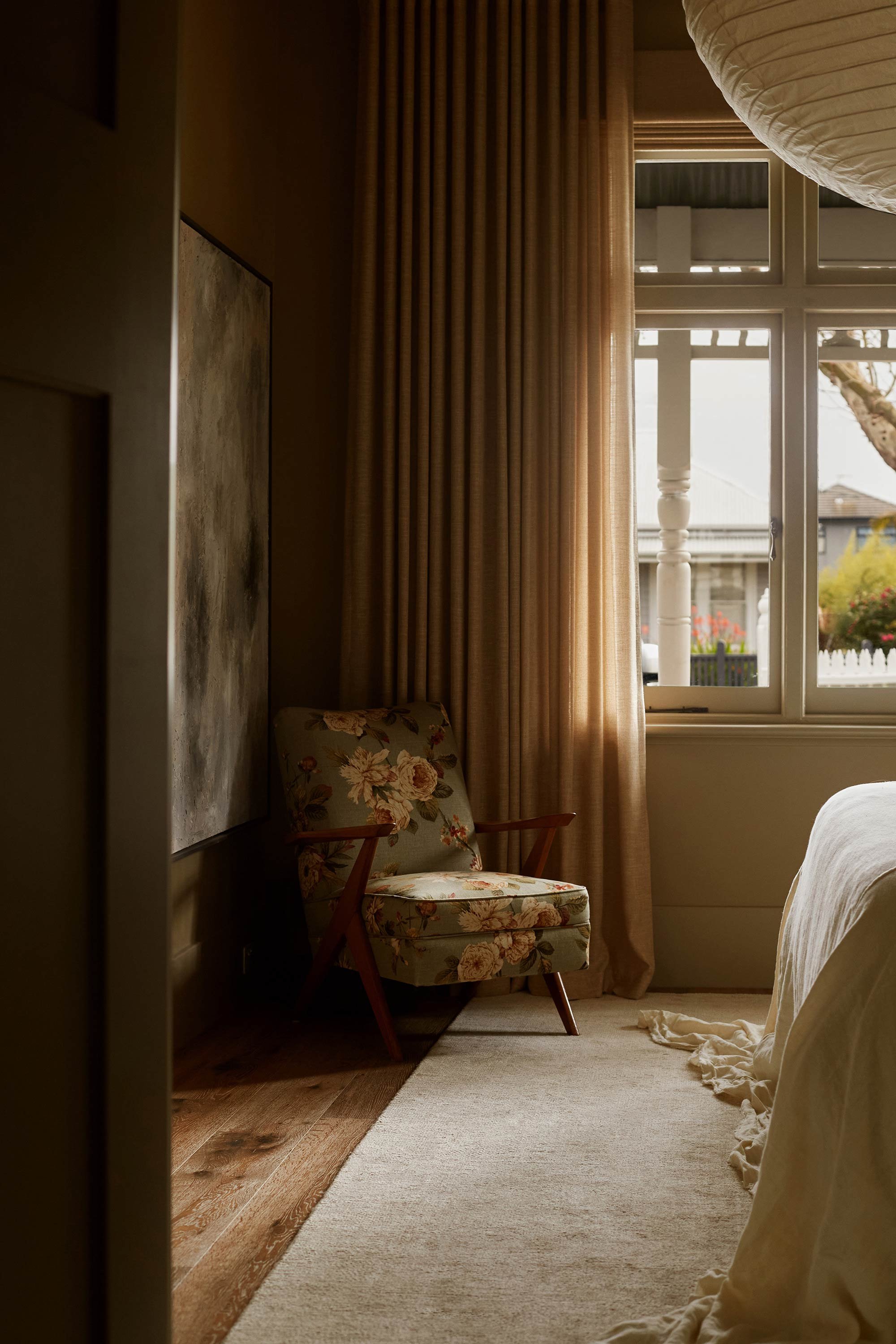
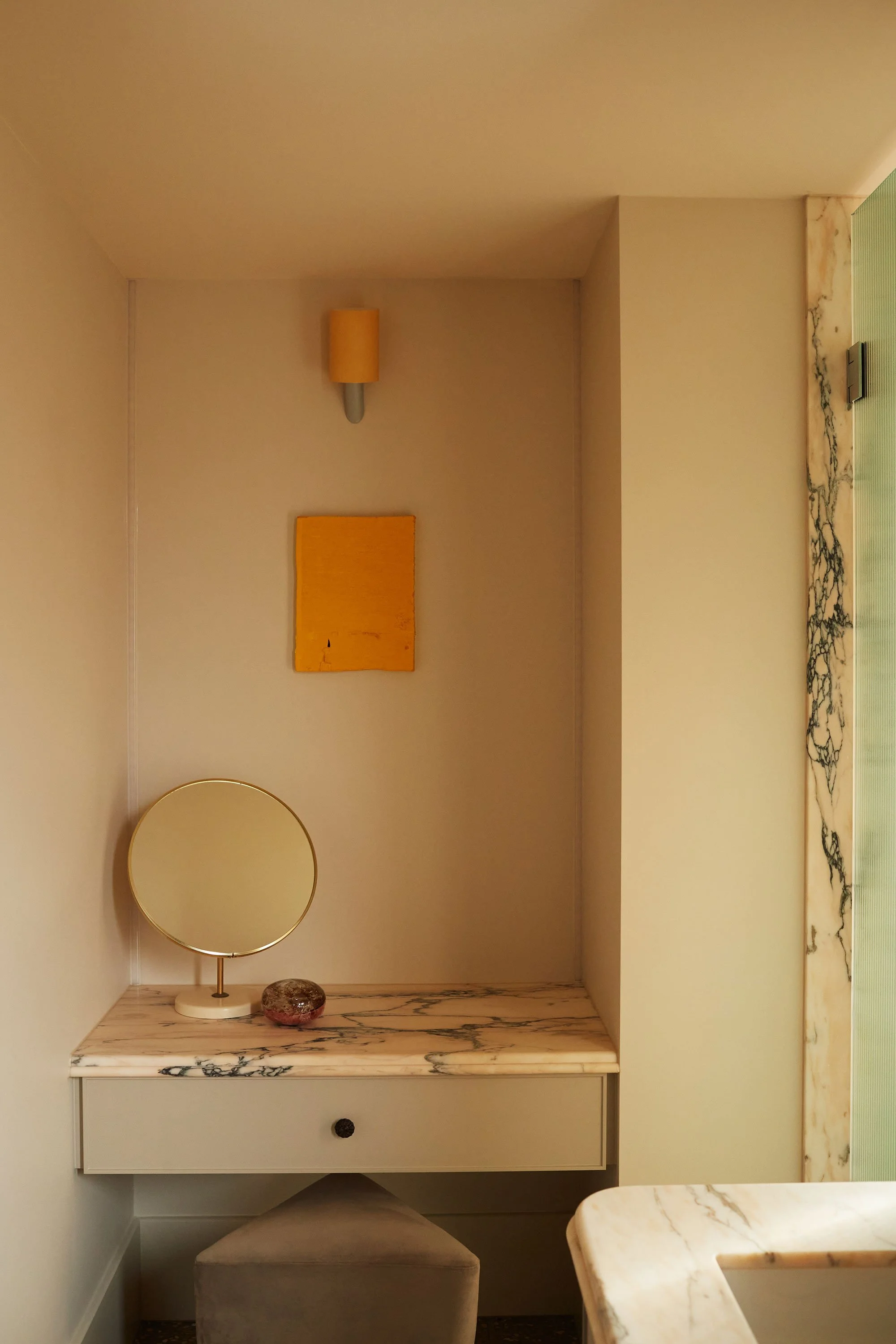
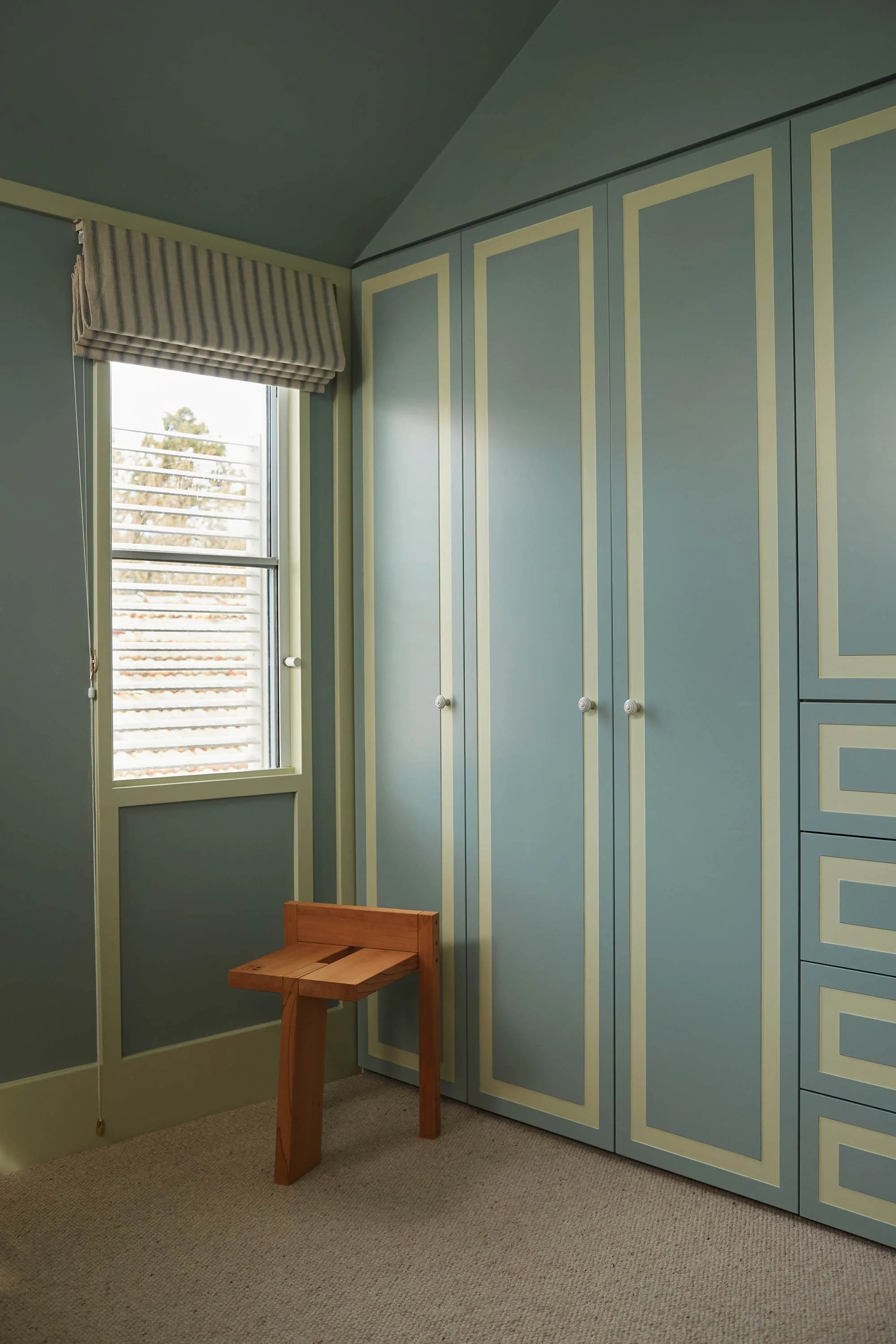
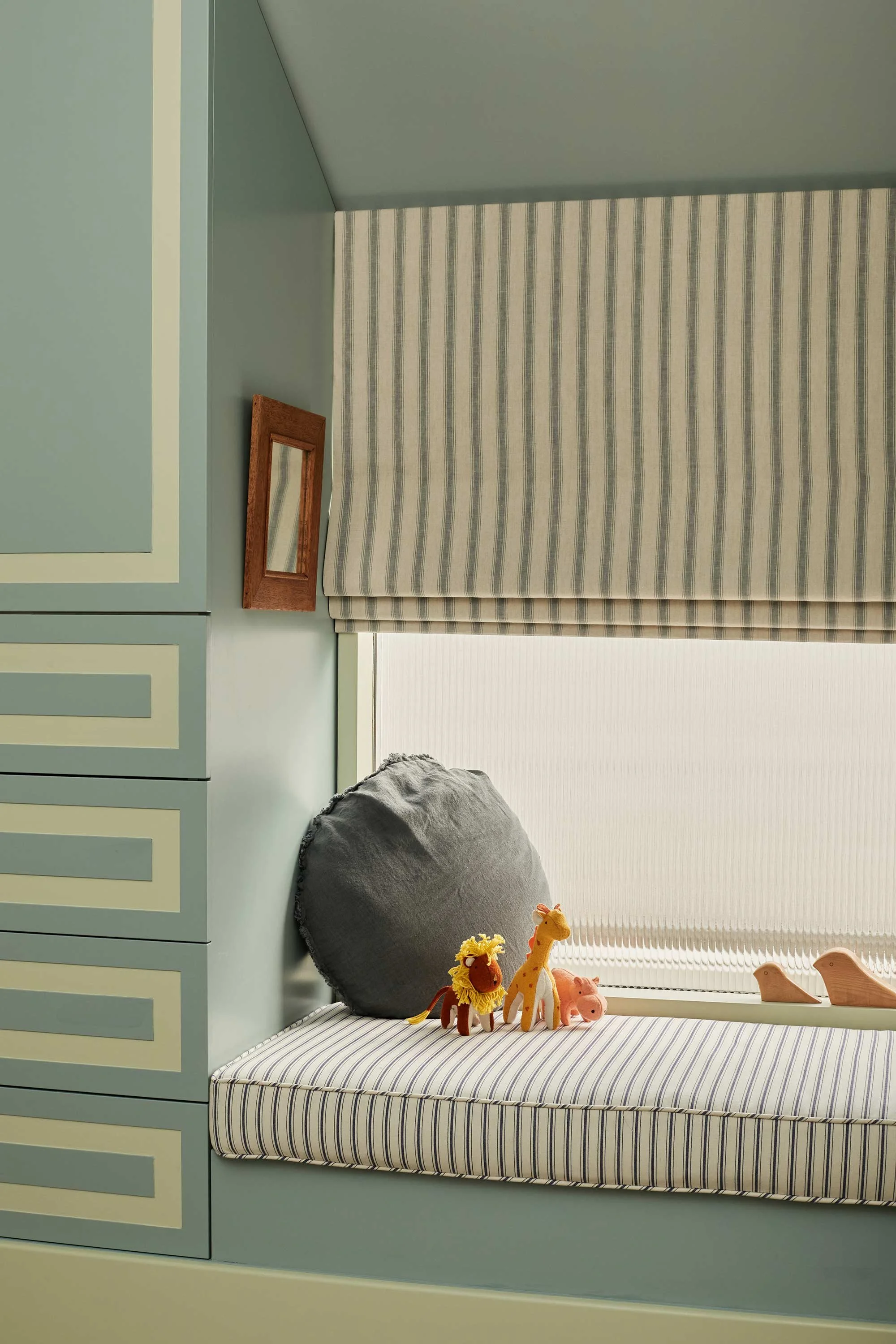
This gradient between past and present shapes how the spaces are woven together. Rather than defining a threshold between the old and new, Cerny’s approach allows and encourages them to blur, with traditional elements threaded throughout the contemporary spaces. The past is brought forward into the present through deliberate joinery profiles, architraves and custom detailing, and this subtle interplay between historic and new gives rise to a ‘contemporary heritage’ style.
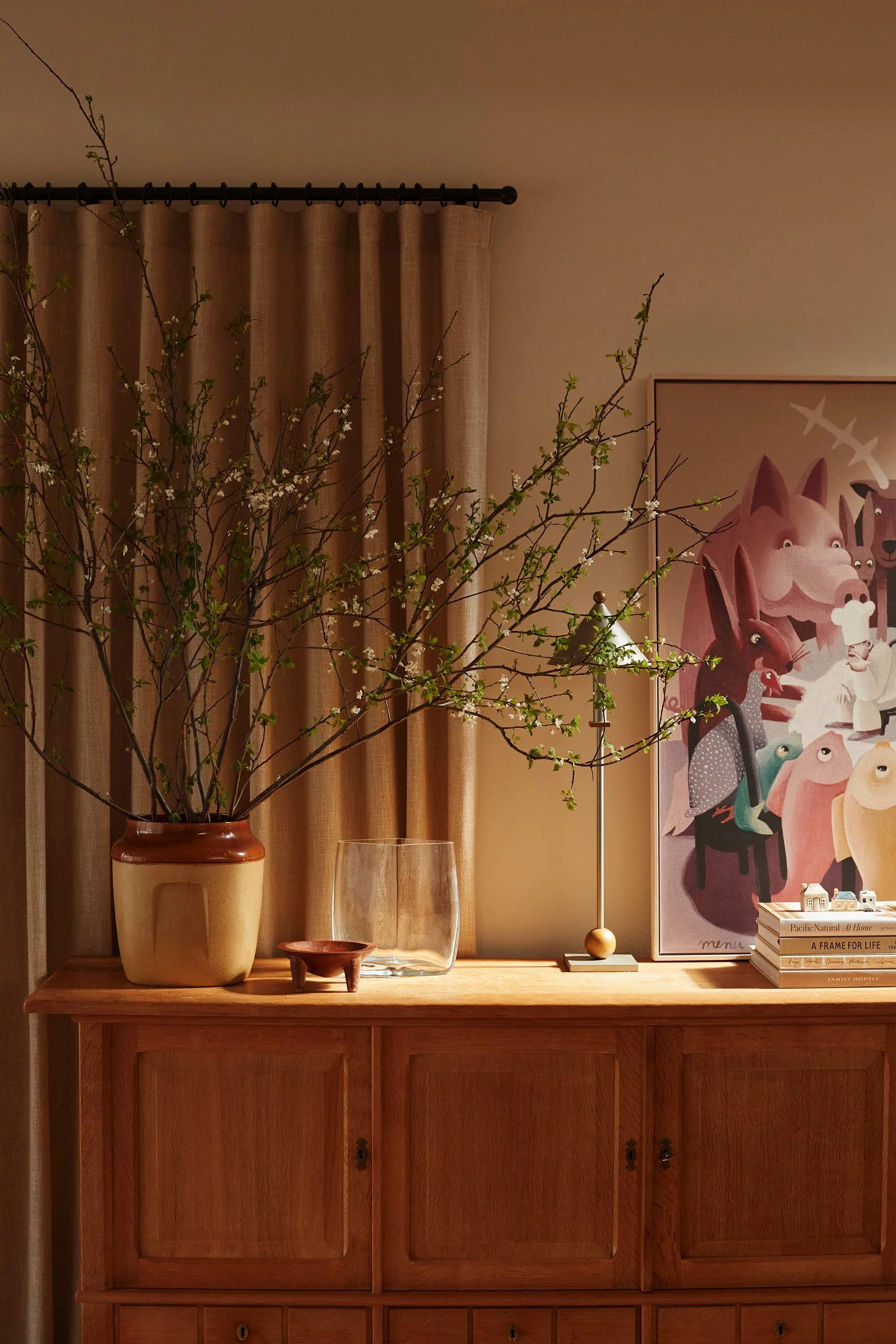
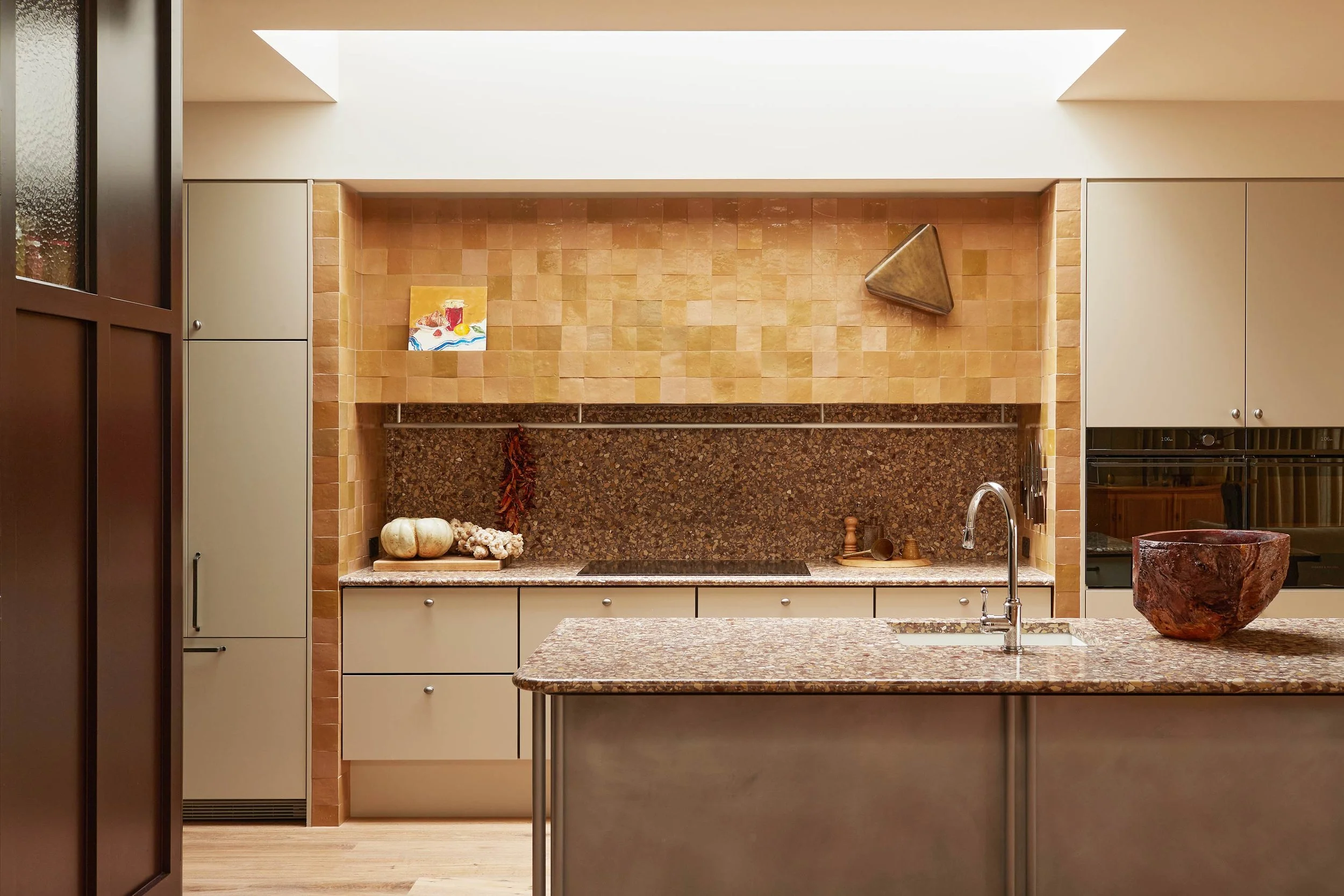
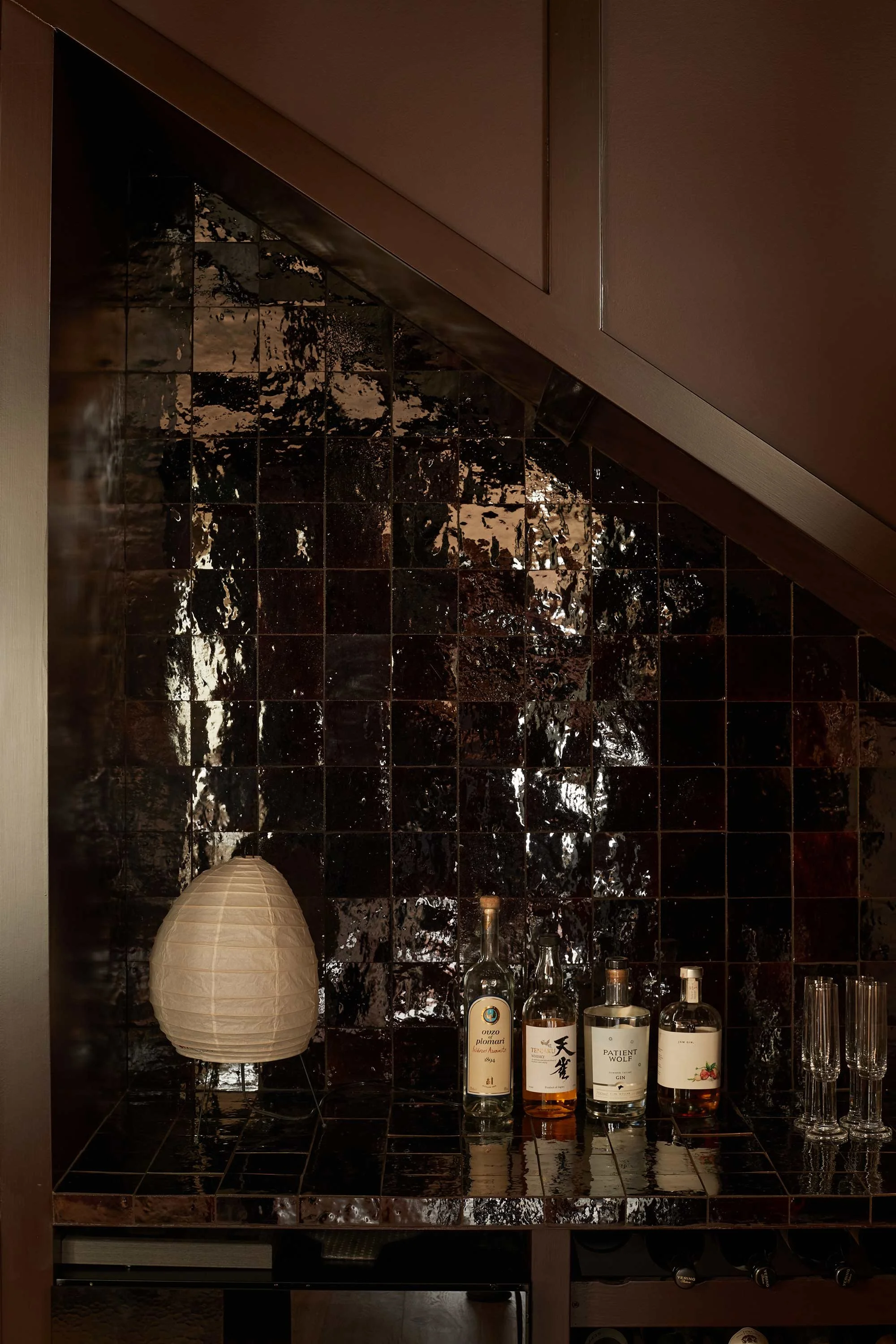
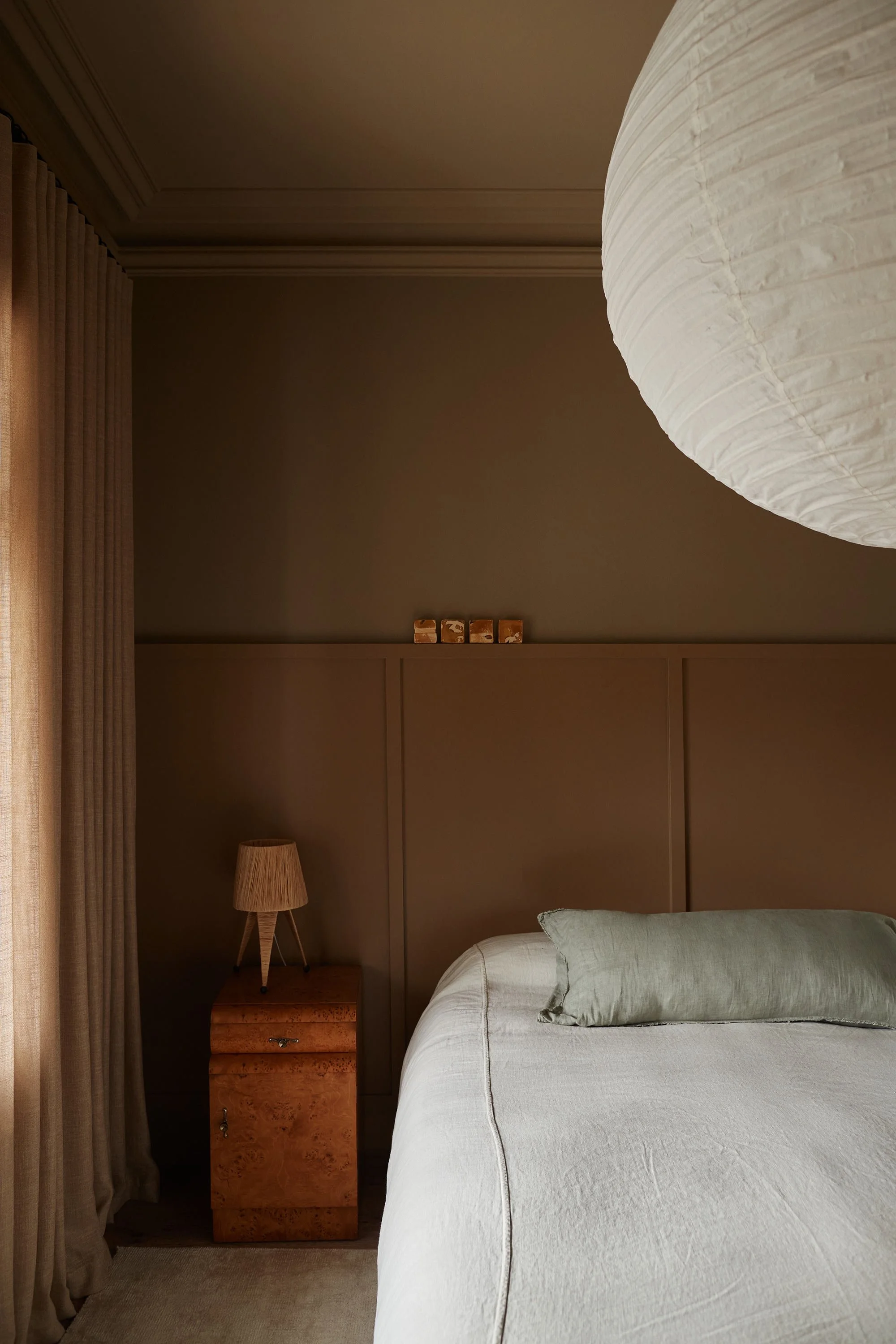
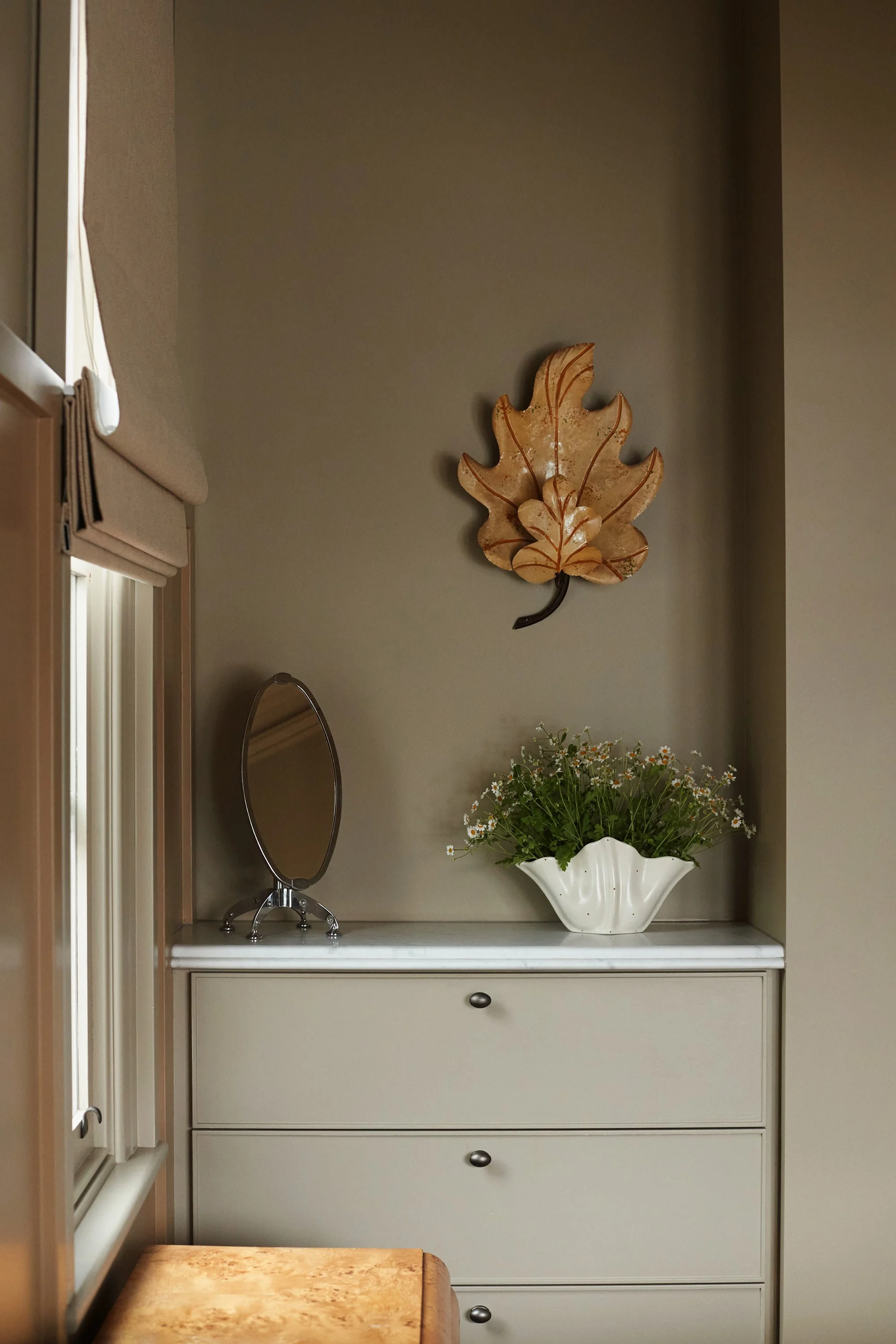
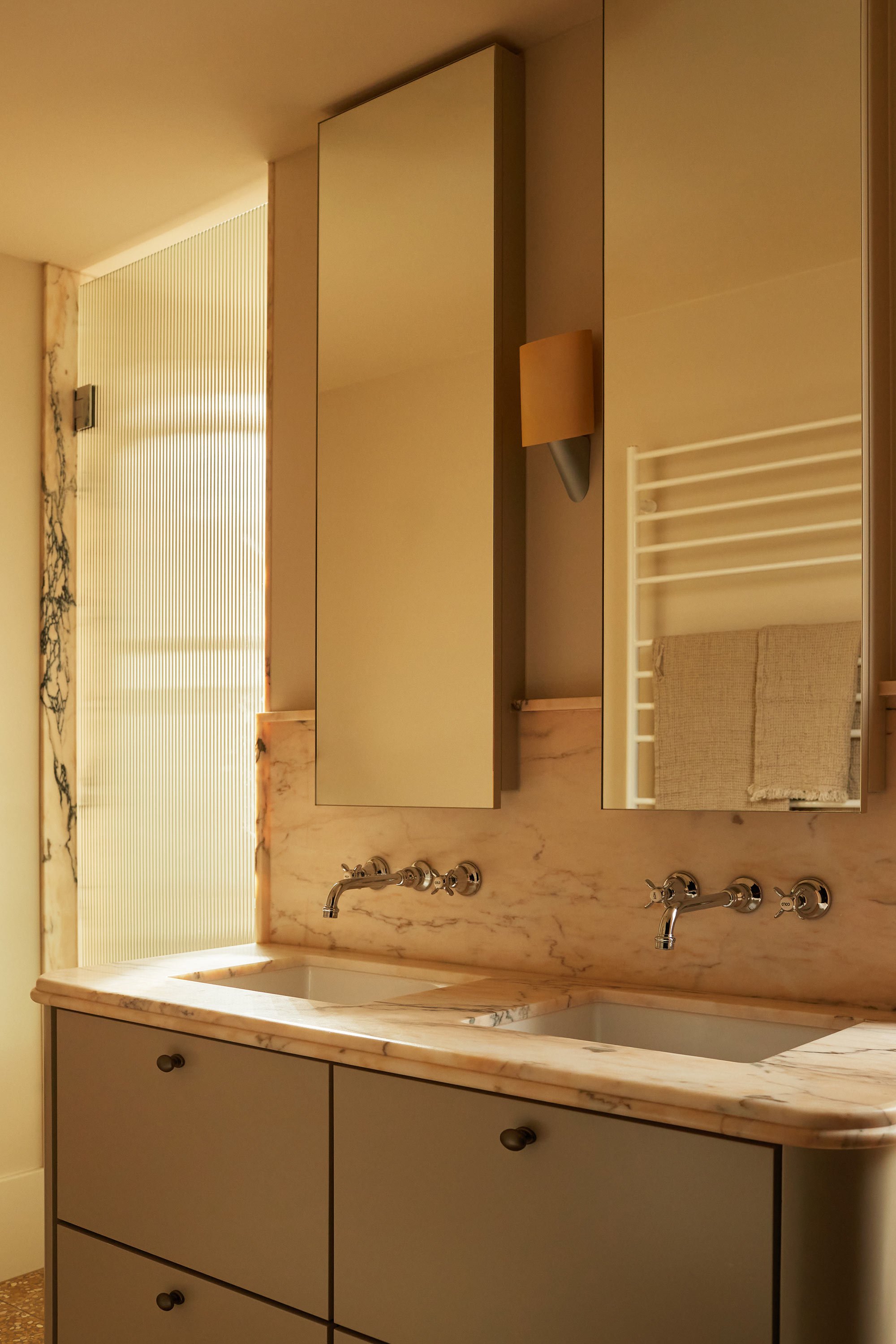
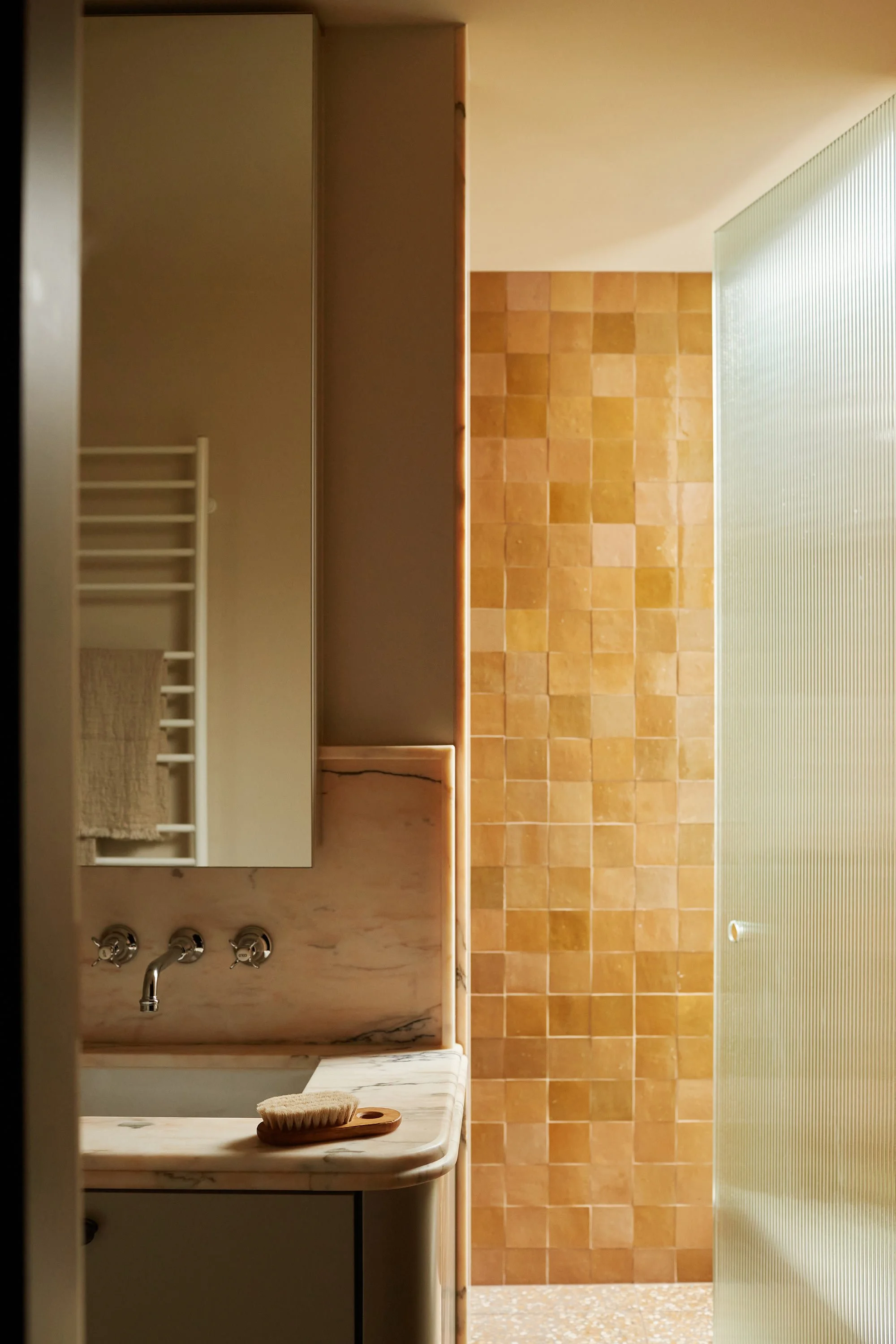
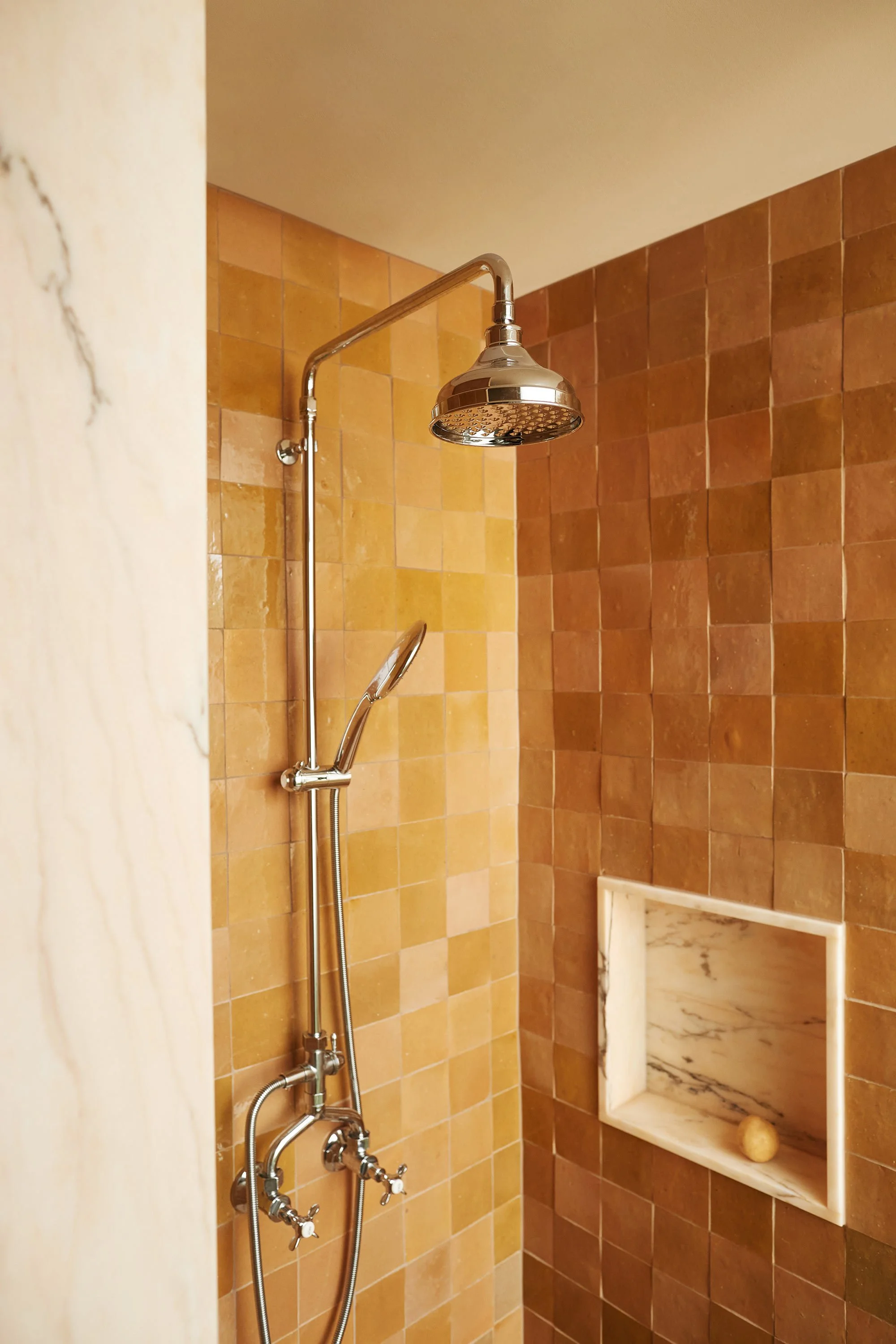
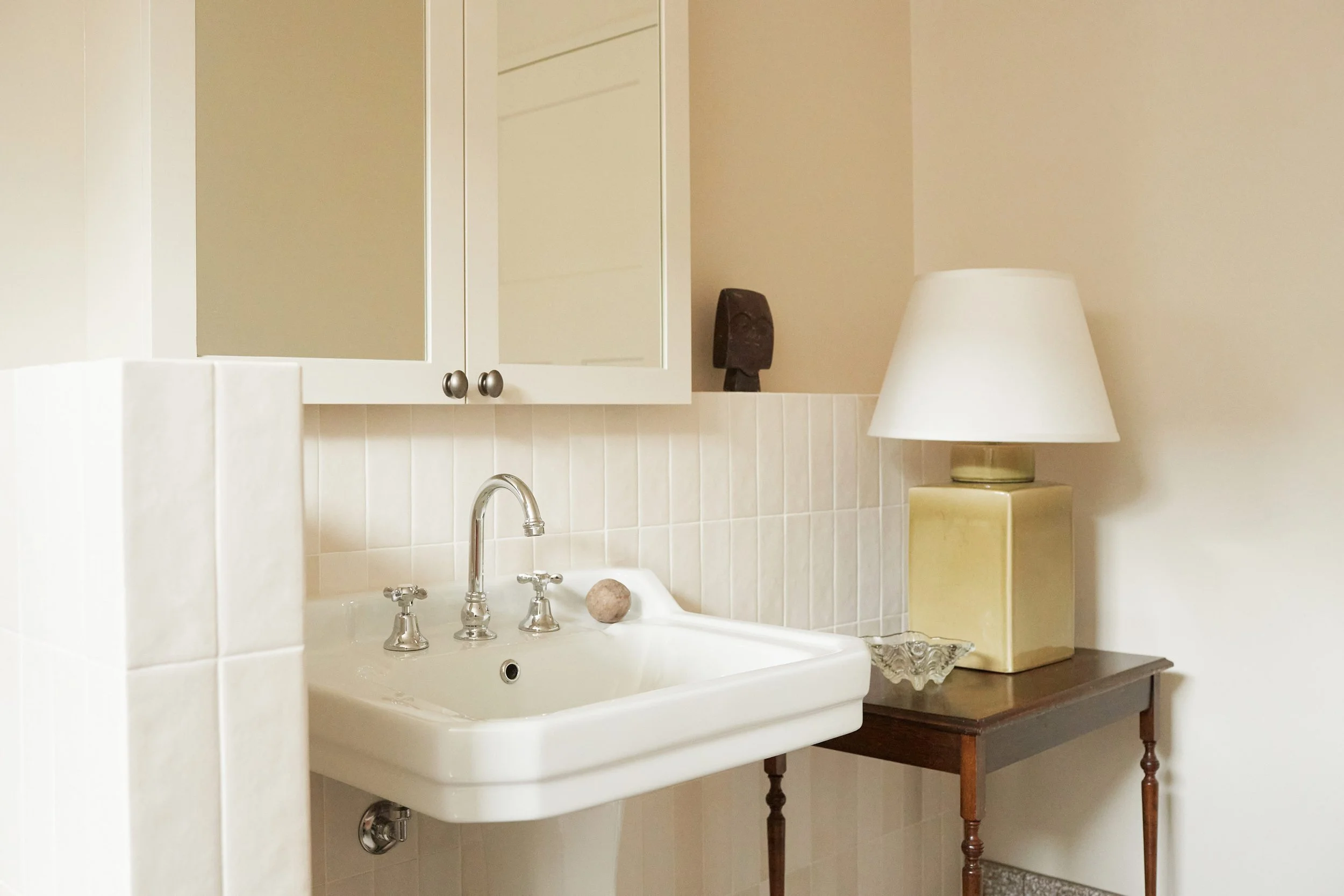
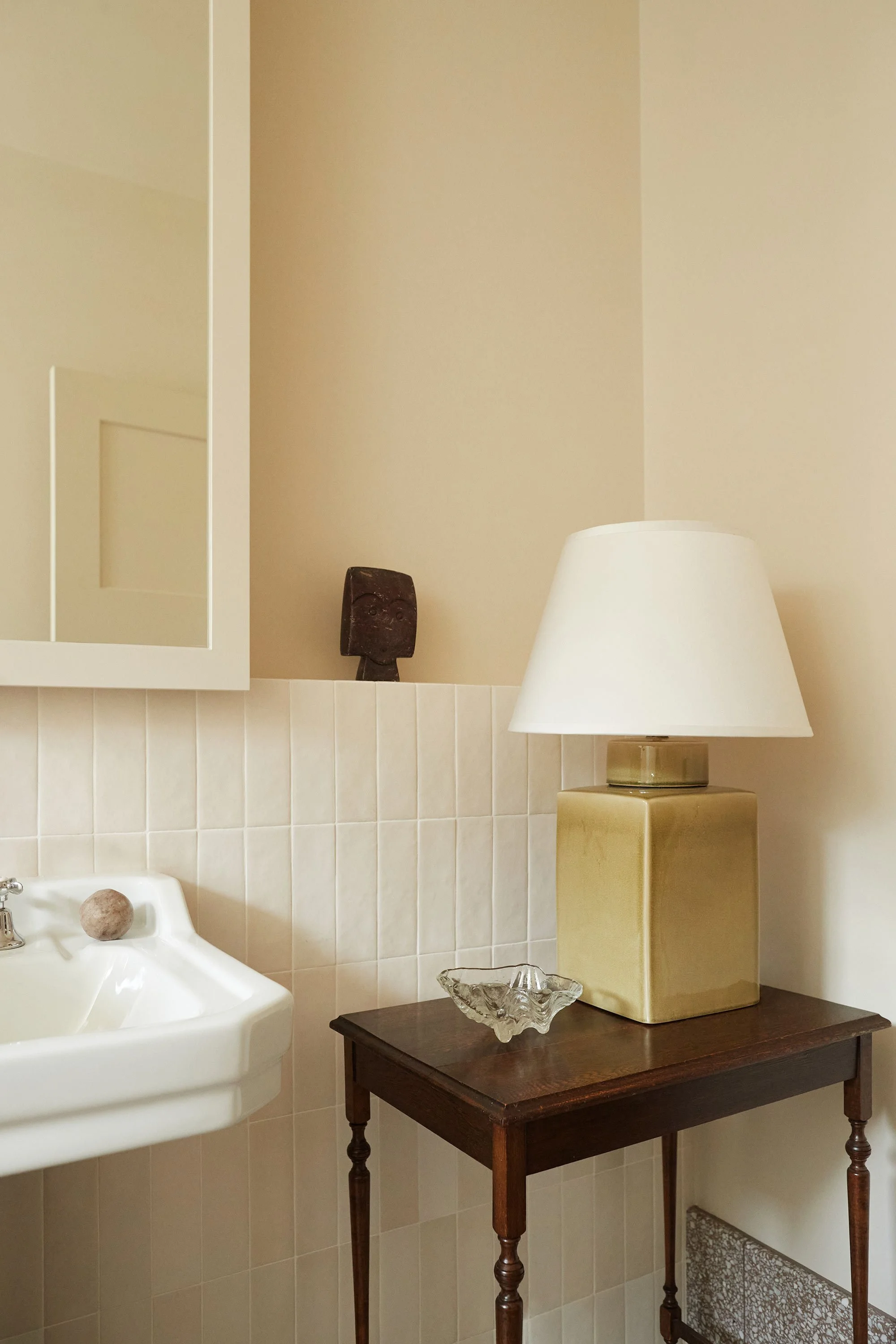
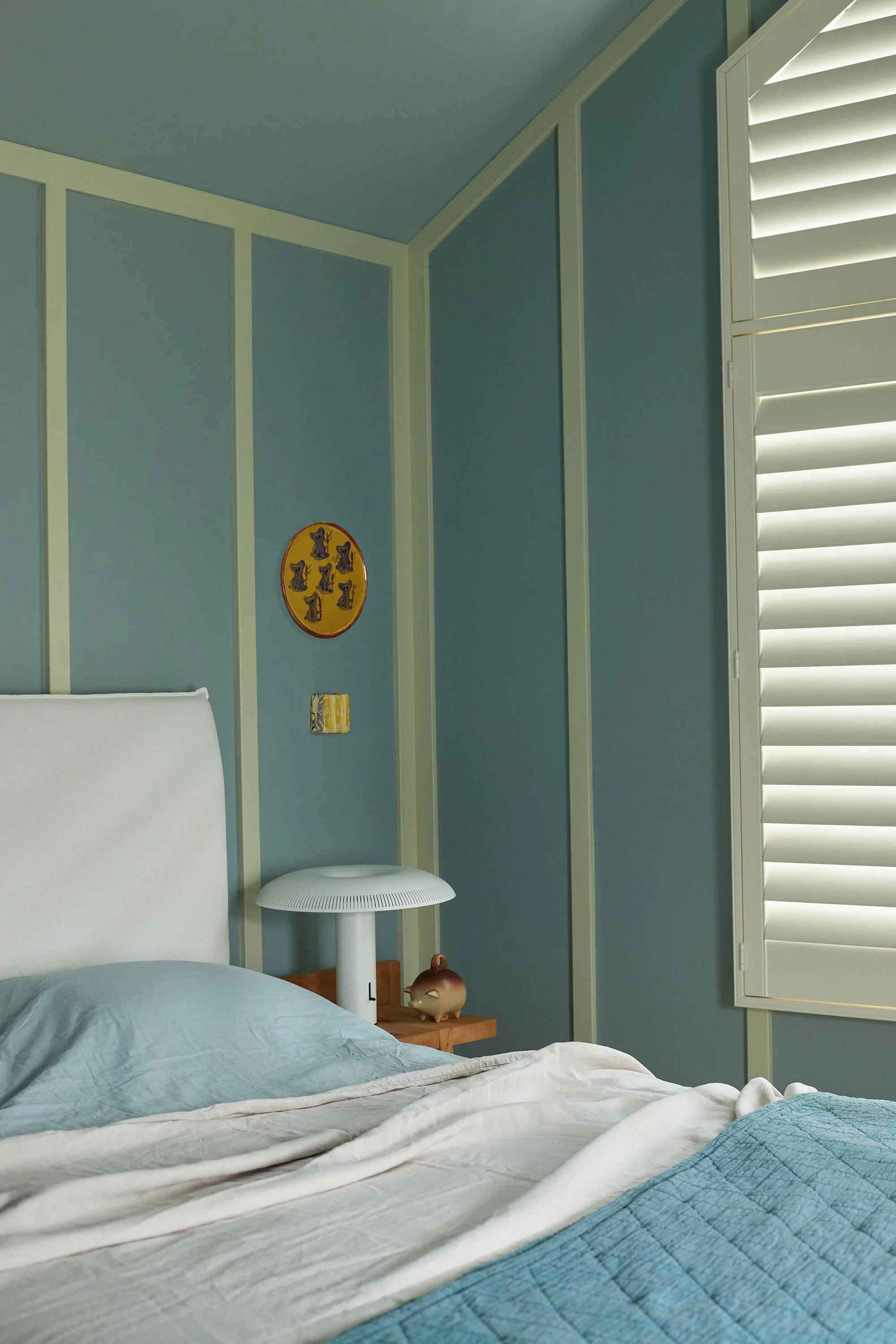
‘The interiors are bold and unafraid,’ says Cerny. ‘The owners are social and love to cook and entertain, and the house had to hold that and feel alive, spirited.’ The clients, who built the home under their company Ferne Built, approached the project with a clear agenda: no white walls, and an openness to expression and acute attention to detail. The resulting palette draws from warm, grounded tones — cream, burnt butter and tobacco — punctuated by moments of saturated colour. ‘They weren’t interested in neutrality,’ Cerny notes. ‘Each room was treated as its own composition, but with references that recur throughout the house, whether through materials, tones or finishes.’
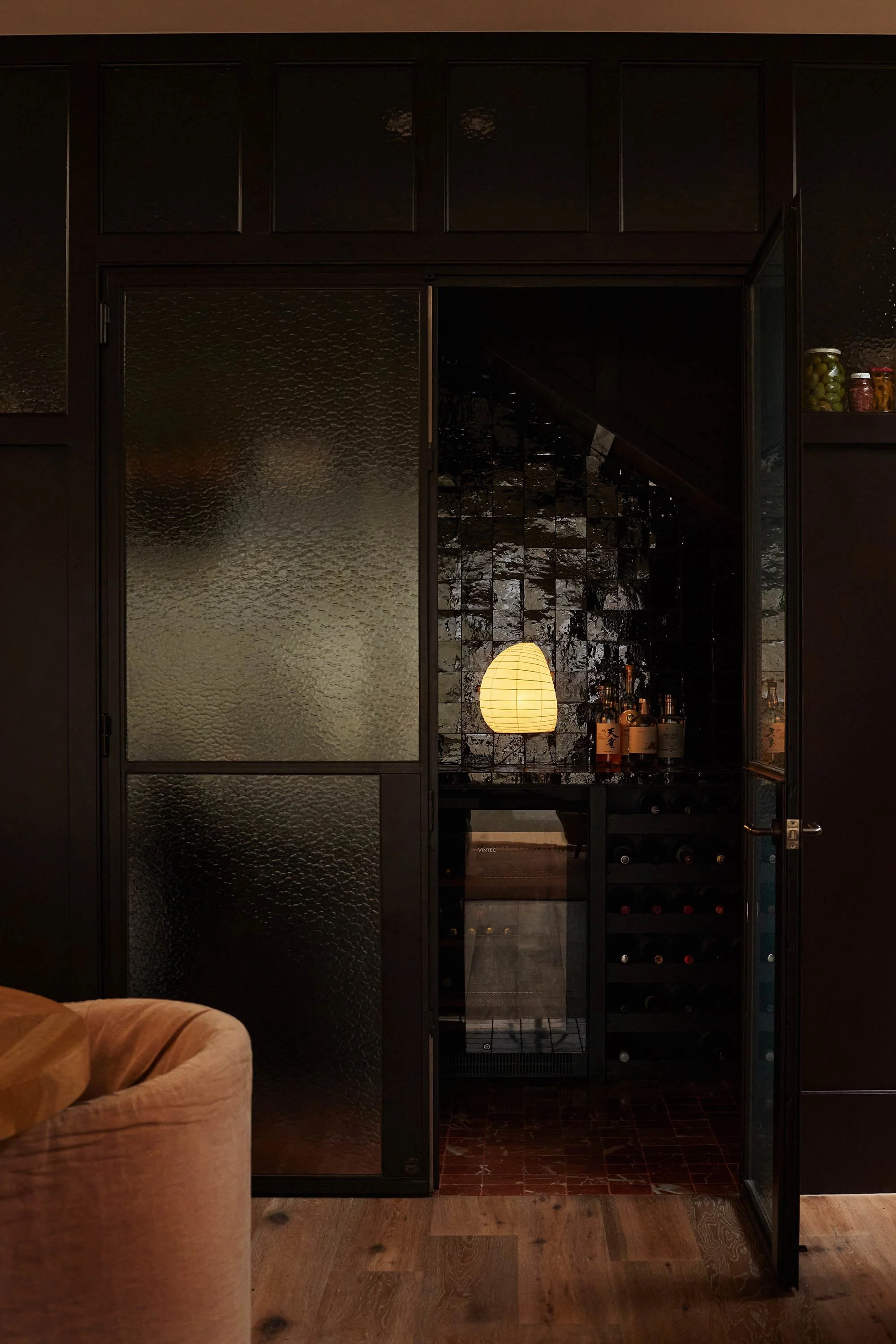
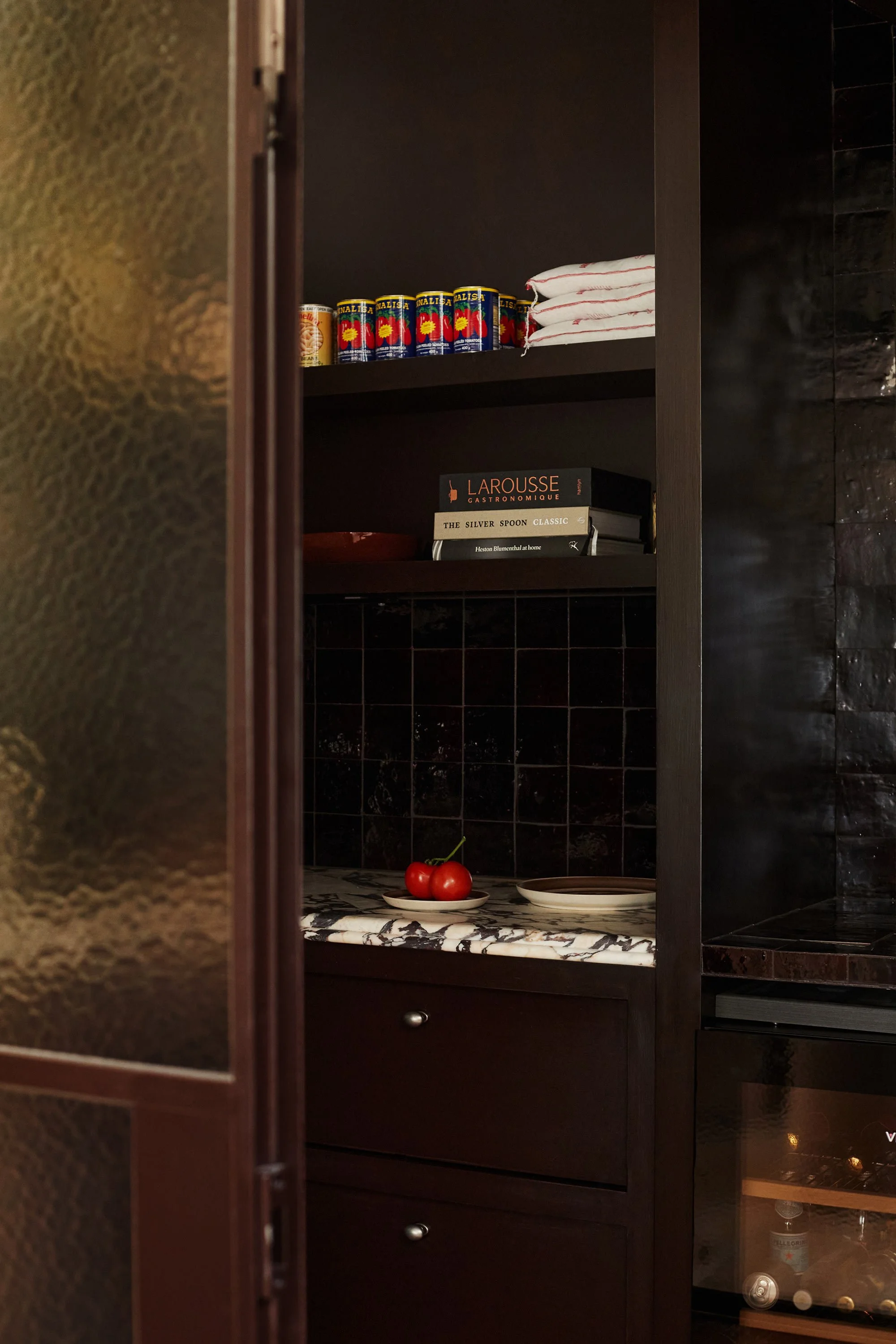
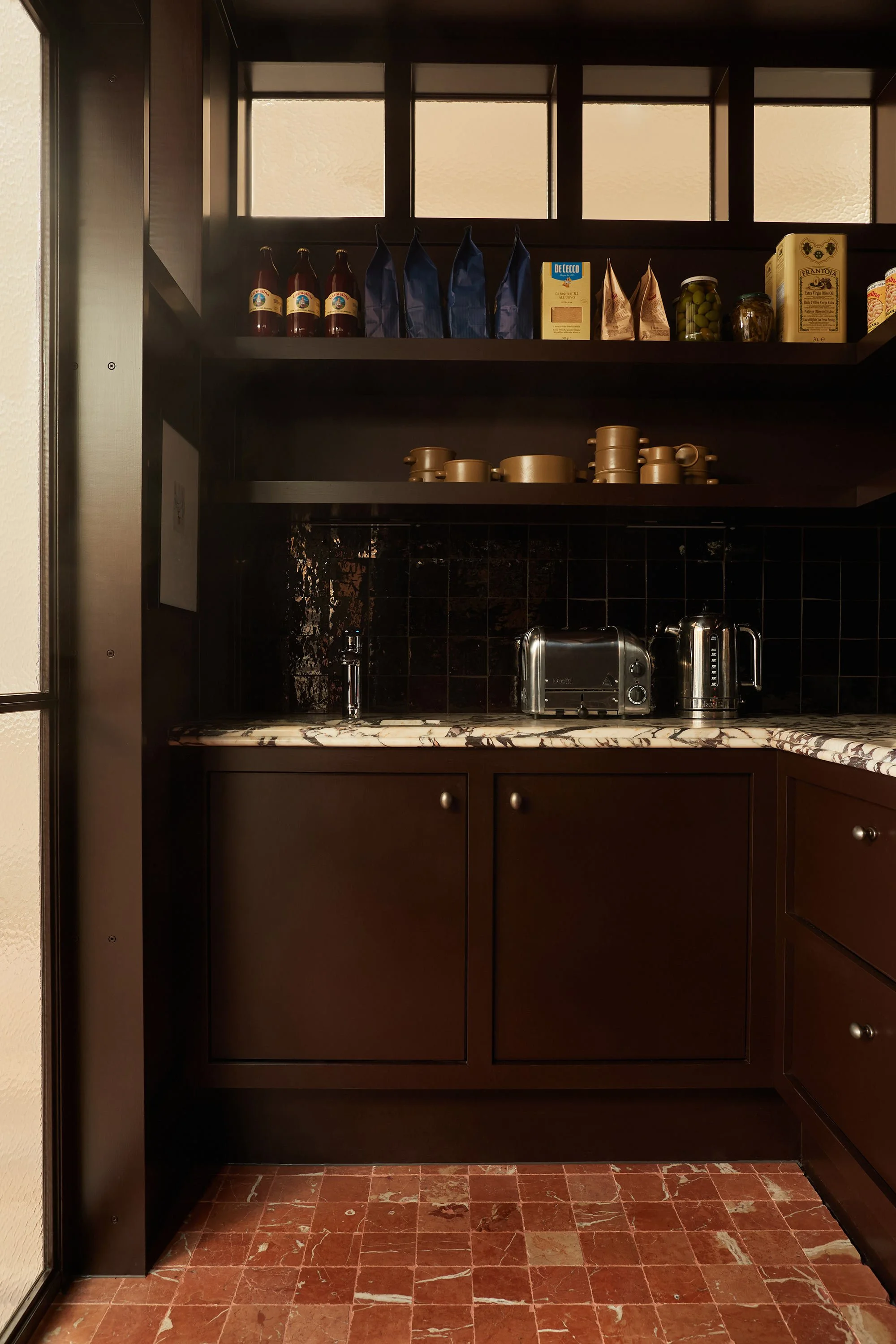
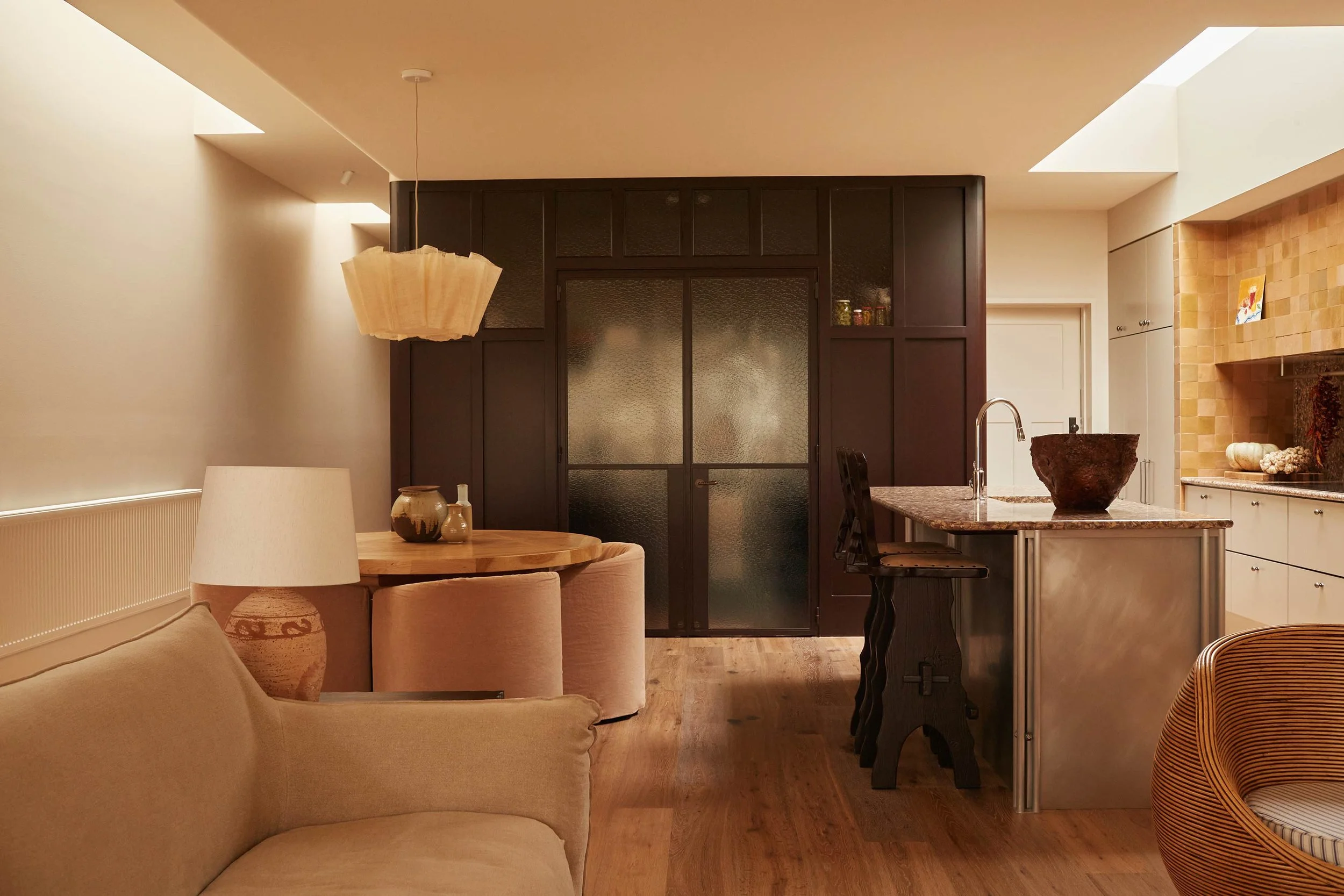
At the heart of the living space, a ‘scullery cube’ becomes a hub around which many of the daily rituals of family life centre. The enclosed area functions as a prep space, a hidden pantry and an architectural gesture. ‘It allows the kitchen to perform as a social agent, bringing people together, but also with a sense of intimacy,’ notes Cerny. ‘You can close the scullery down, step away from the mess of cooking and the living space still holds its warmth.’
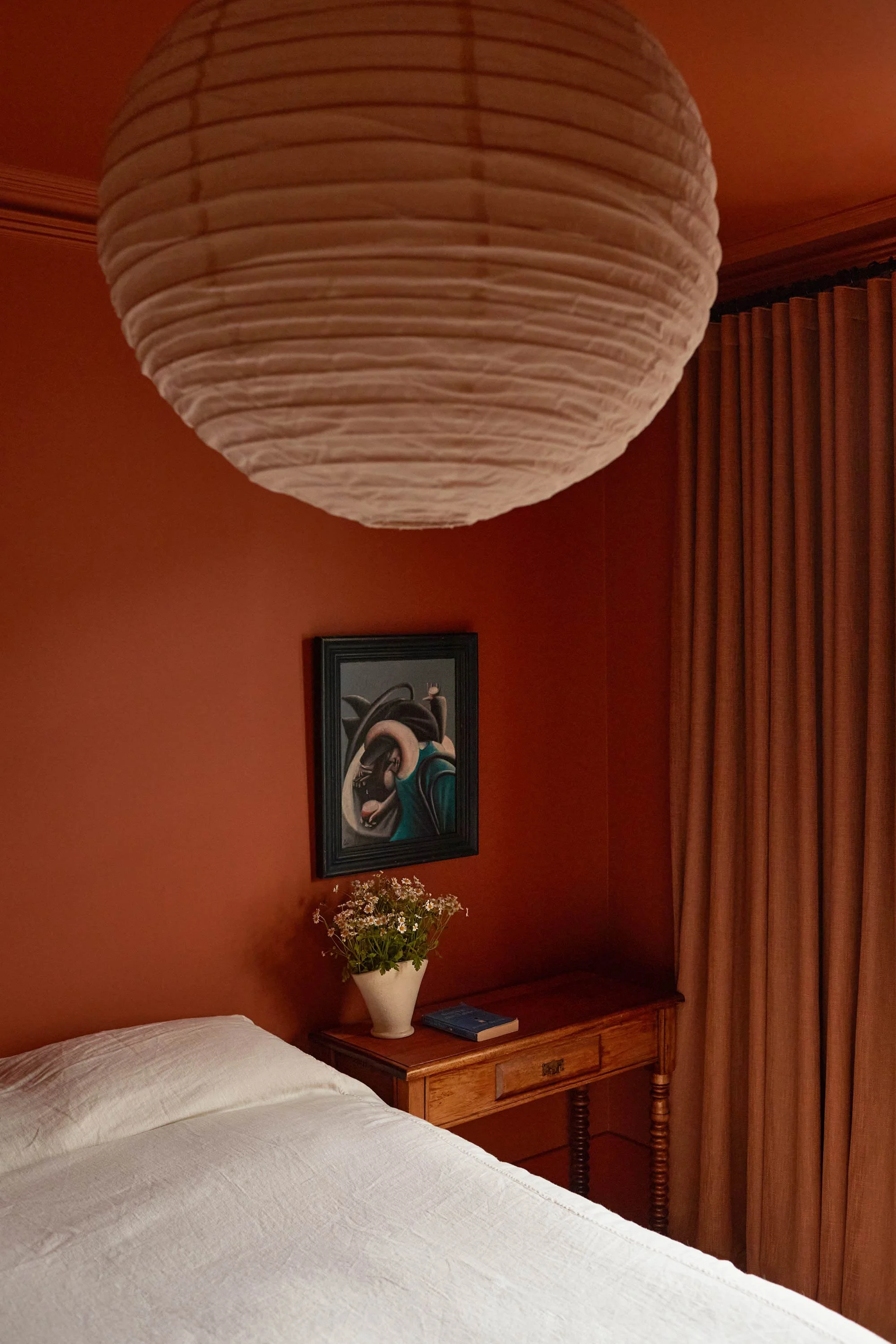
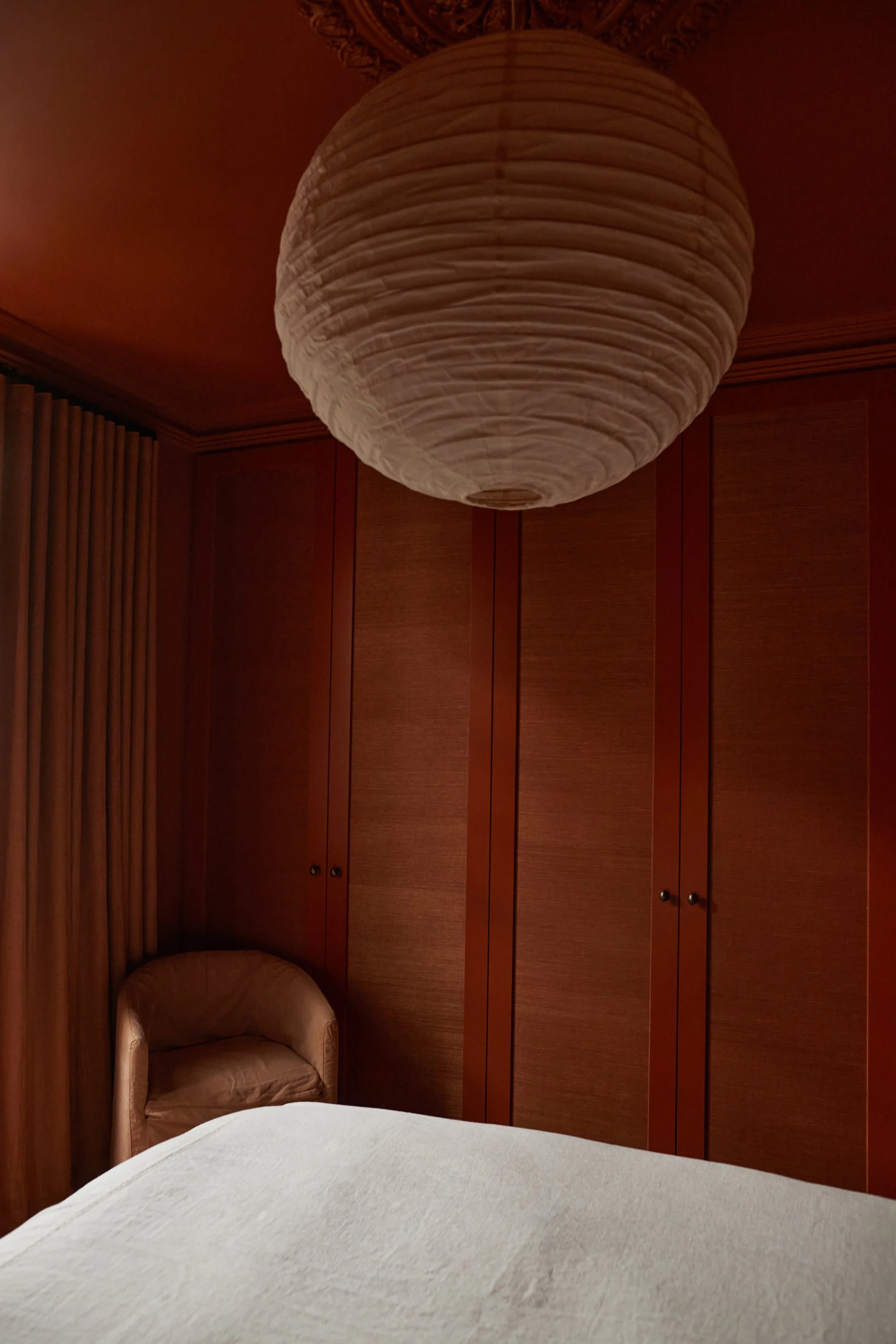
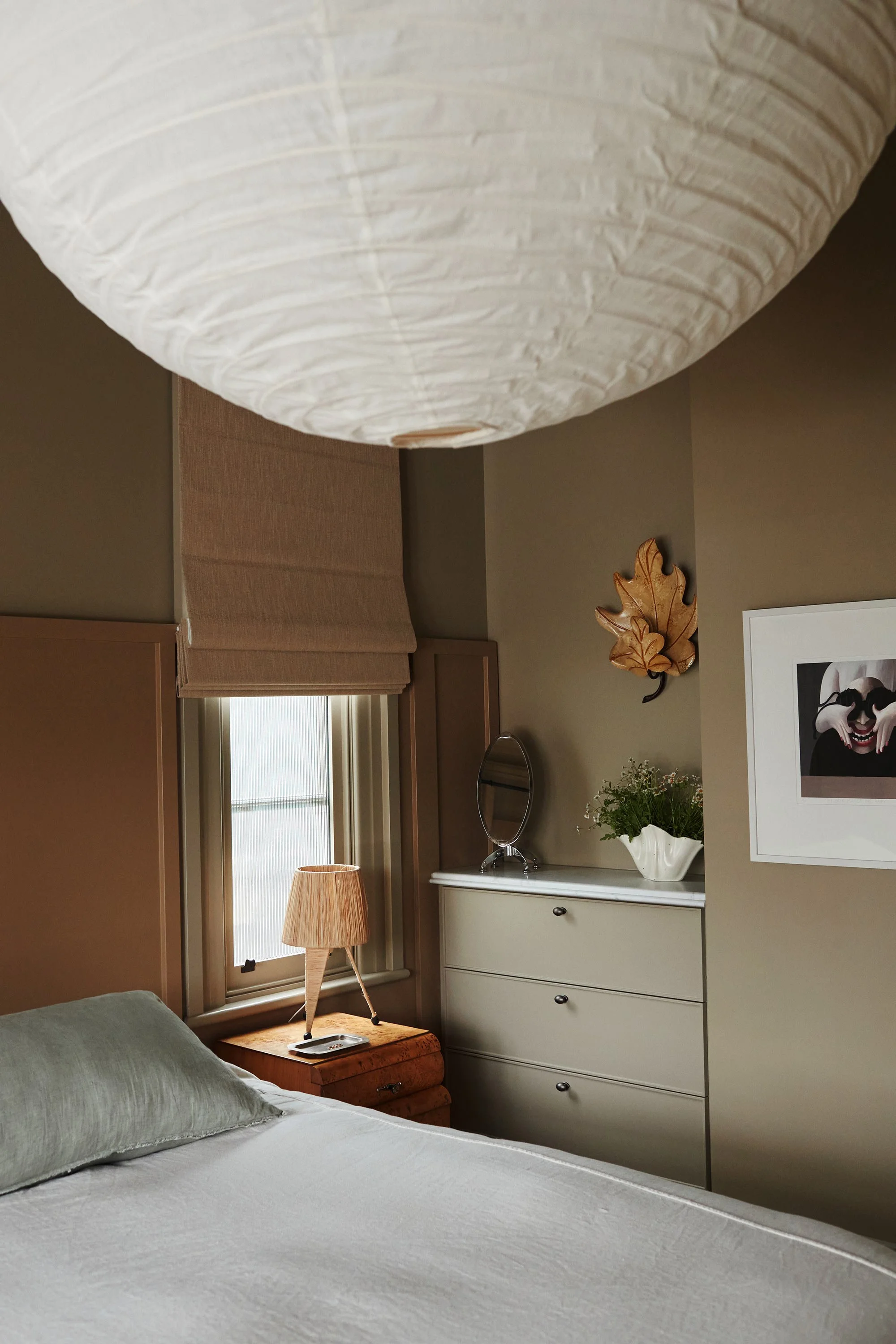
Upstairs, each of the bedrooms is light-filled and functional, while the main quarters embrace deeper tones and textural comforts. Downstairs, the guestroom is wrapped in red tones, leaning into a love of hospitality. ‘It’s a little like a hotel,’ Cerny says. ‘There’s an intentional immersion in colour and mood — it’s meant to feel special.’
There is, throughout the home, a sense of charm — not in the nostalgic sense, but something more nuanced. A warmth, a generosity, a gentle contradiction of old and new. ‘I think it reflects the clients,’ Cerny says. ‘It was never meant to be a “quiet” house. They wanted a home with personality. One that holds memory and mood, but still looks forward.’
The resulting home offers a series of shifting environments: from the formal to the familiar, from the restrained to the saturated. It speaks to a layered approach to contemporary living, one where heritage, personality and pragmatism are given equal weight across the domestic scale.
Text by Bronwyn Marshall
Images by Traianos Pakioufakis