In Singapore, One Sliding Door Reshapes Three Different Rooms
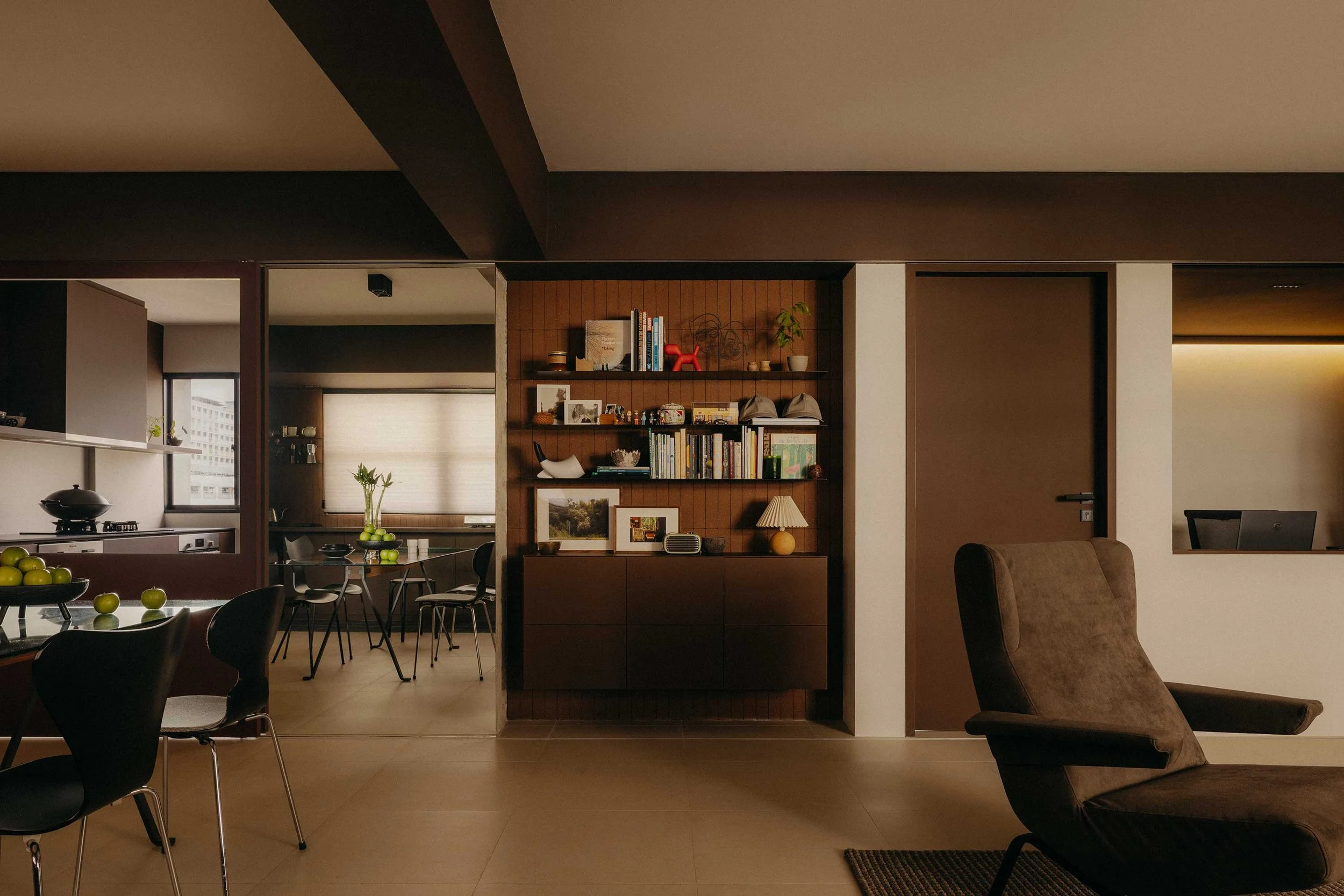
Studio Rascal’s 107-square-metre HDB flat in Pasir Ris trades the standard cellular layout for open, connected living — held together by a single sliding door and three decades of exposed concrete
Arden Lukito and Limay Foo, the designers behind Studio Rascal, describe themselves as workaholics. They run their practice from their four-room flat in Pasir Ris, an eastern part of Singapore where the sea is a just short walk away. They call the apartment Lucky Tofu House — a name that started as a project file label, merging their surnames.
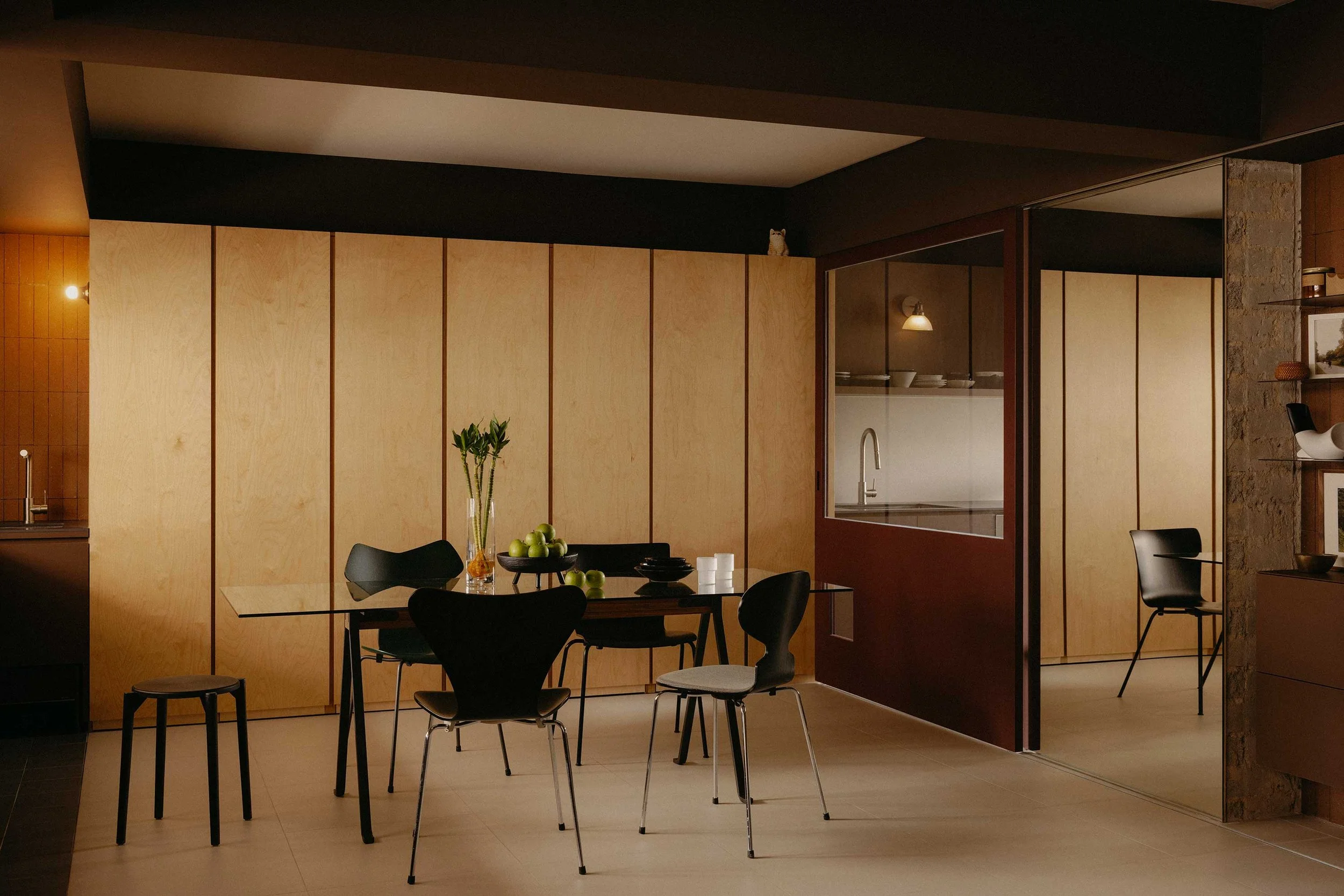
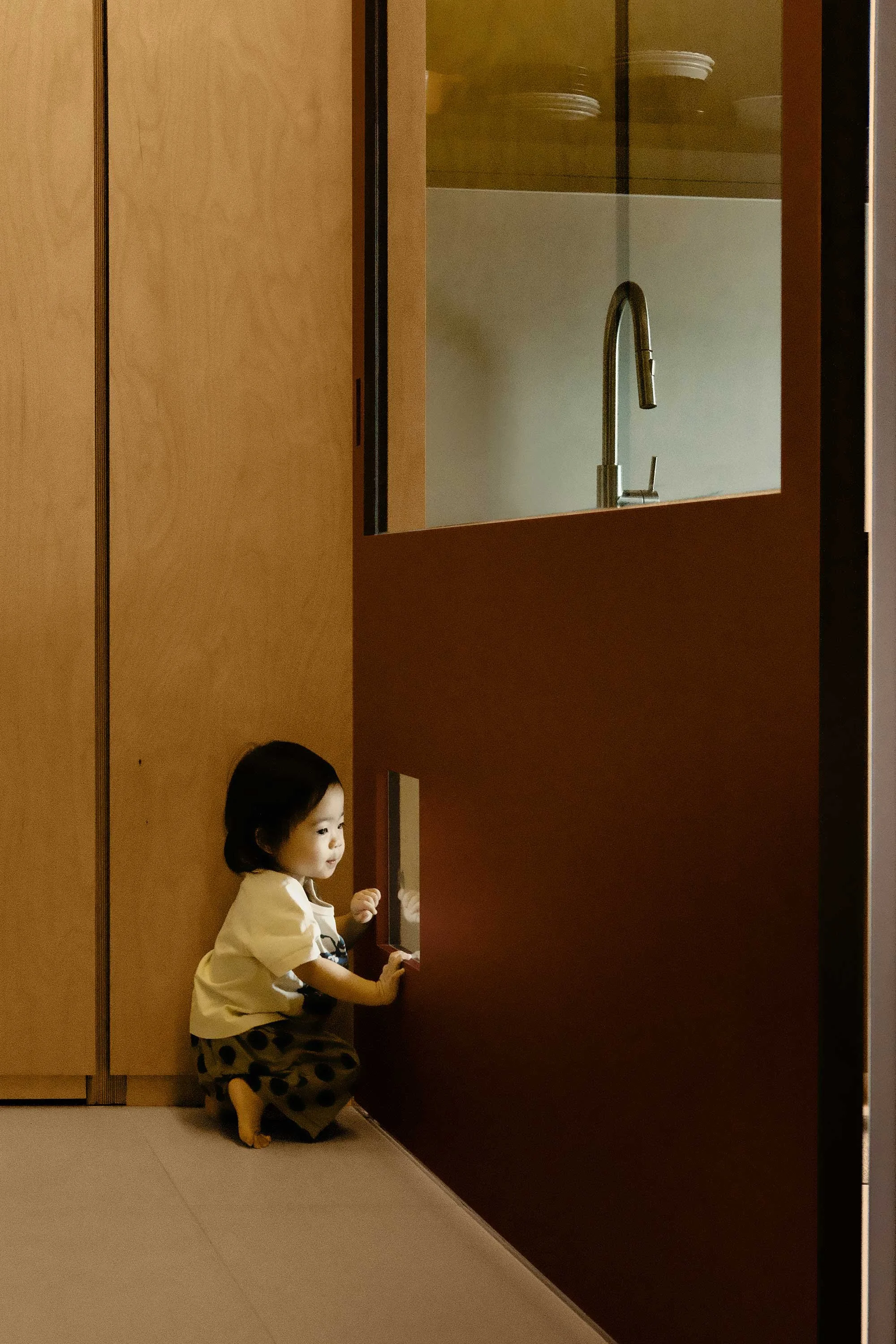
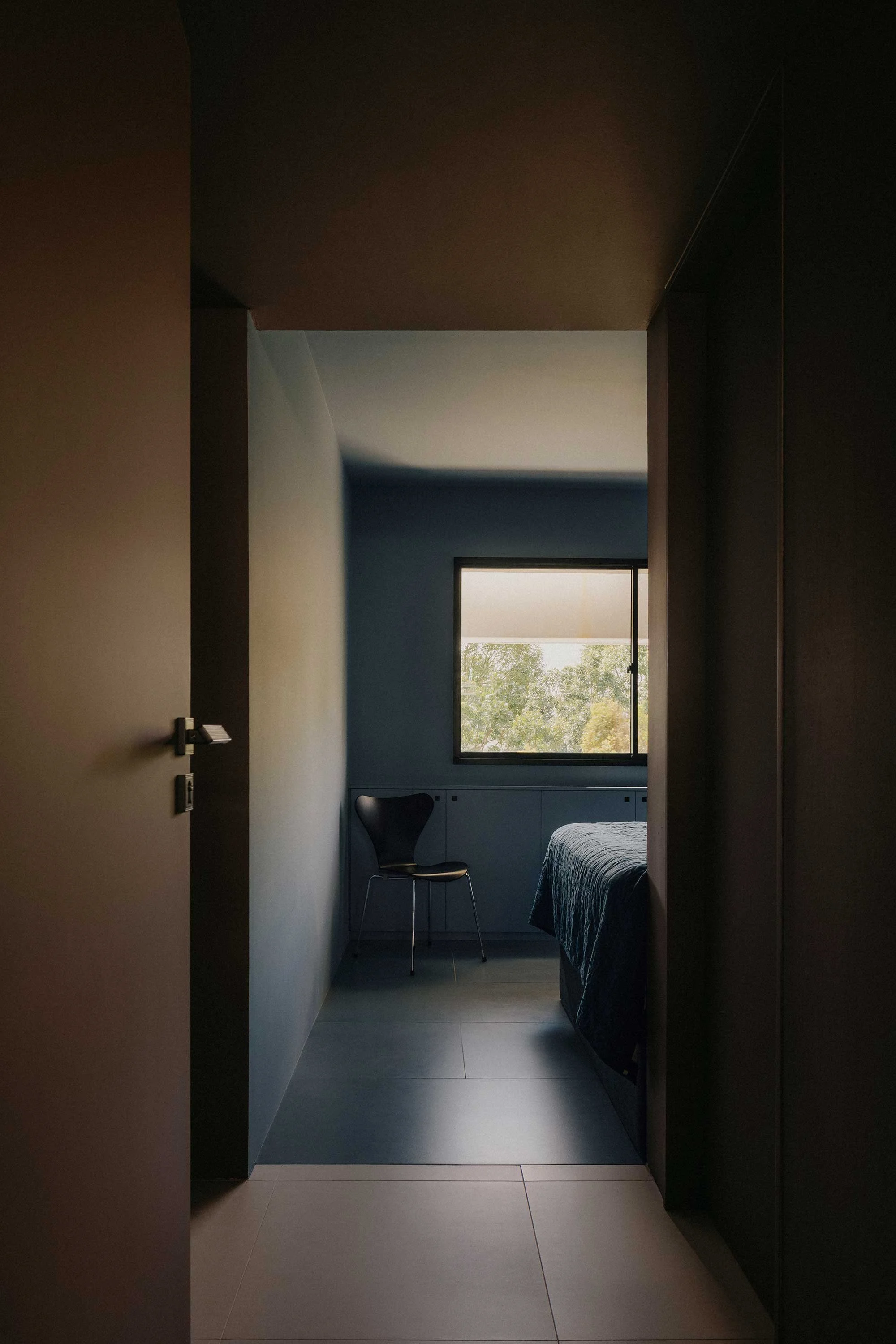
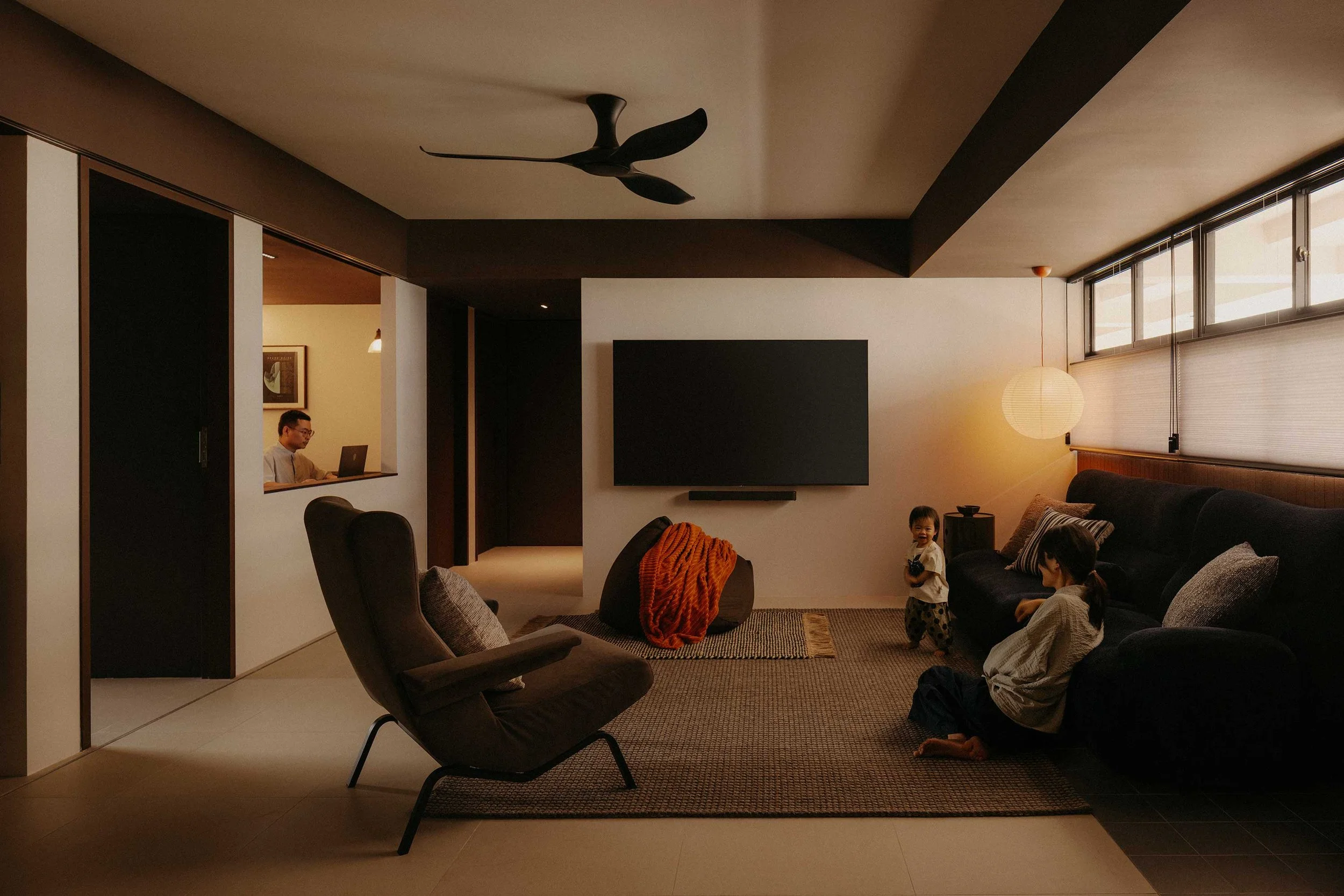
The 107-square-metre layout often catches visitors by surprise. ‘Everyone was very confused with our layout,’ Foo says. ‘They couldn’t find the door.’ The confusion comes from a large mirror and a single, continuous sliding panel that moves between the kitchen, a bookshelf and the study. This door is the centre of the couple’s day, allowing them to carve out a studio from the main bedroom while staying connected to the living room. At the bottom of the door, there’s a small glass peephole for their one-year-old daughter. ‘She’s always knocking on that peephole and asking to come in when Arden is in the kitchen,’ says Foo.
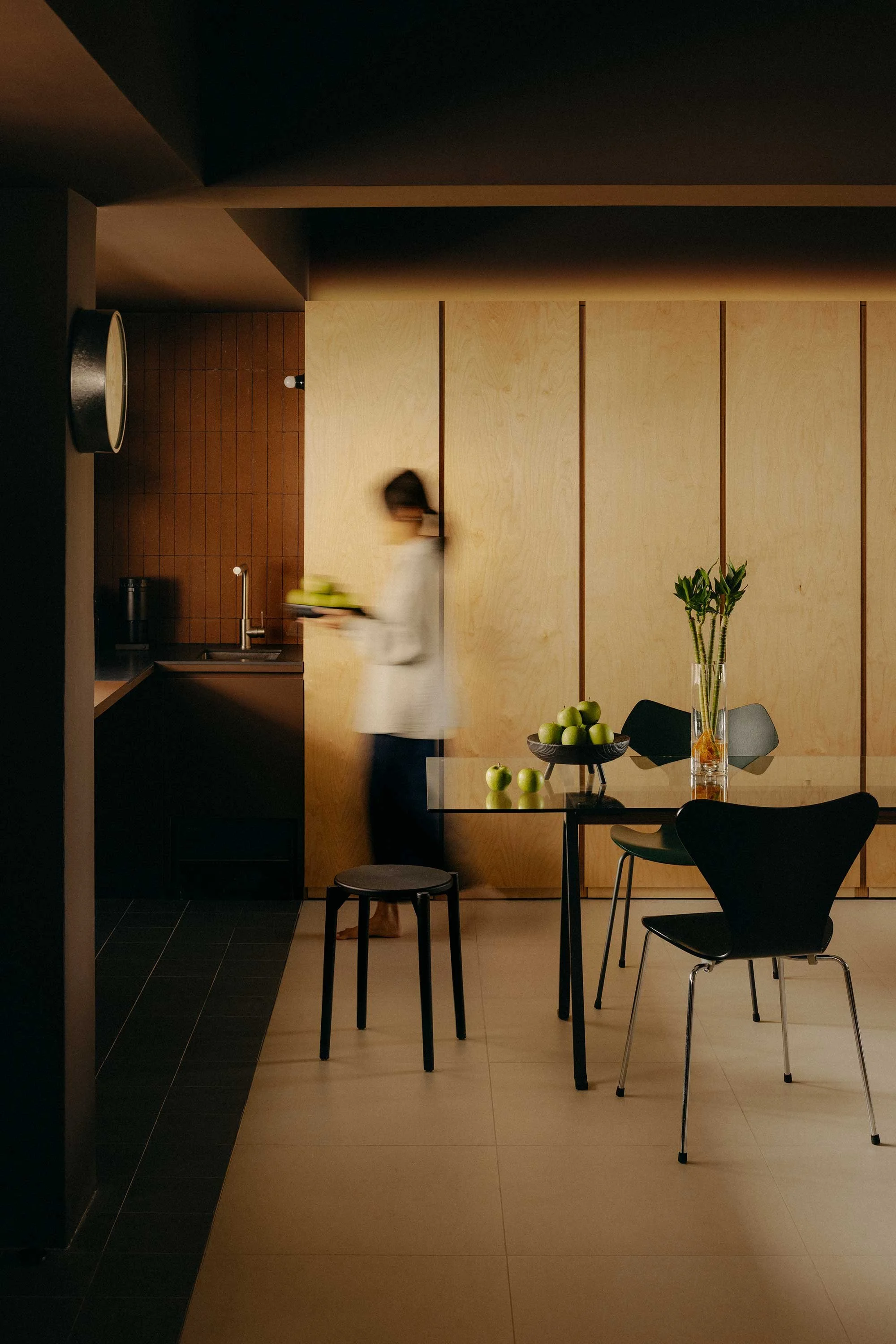
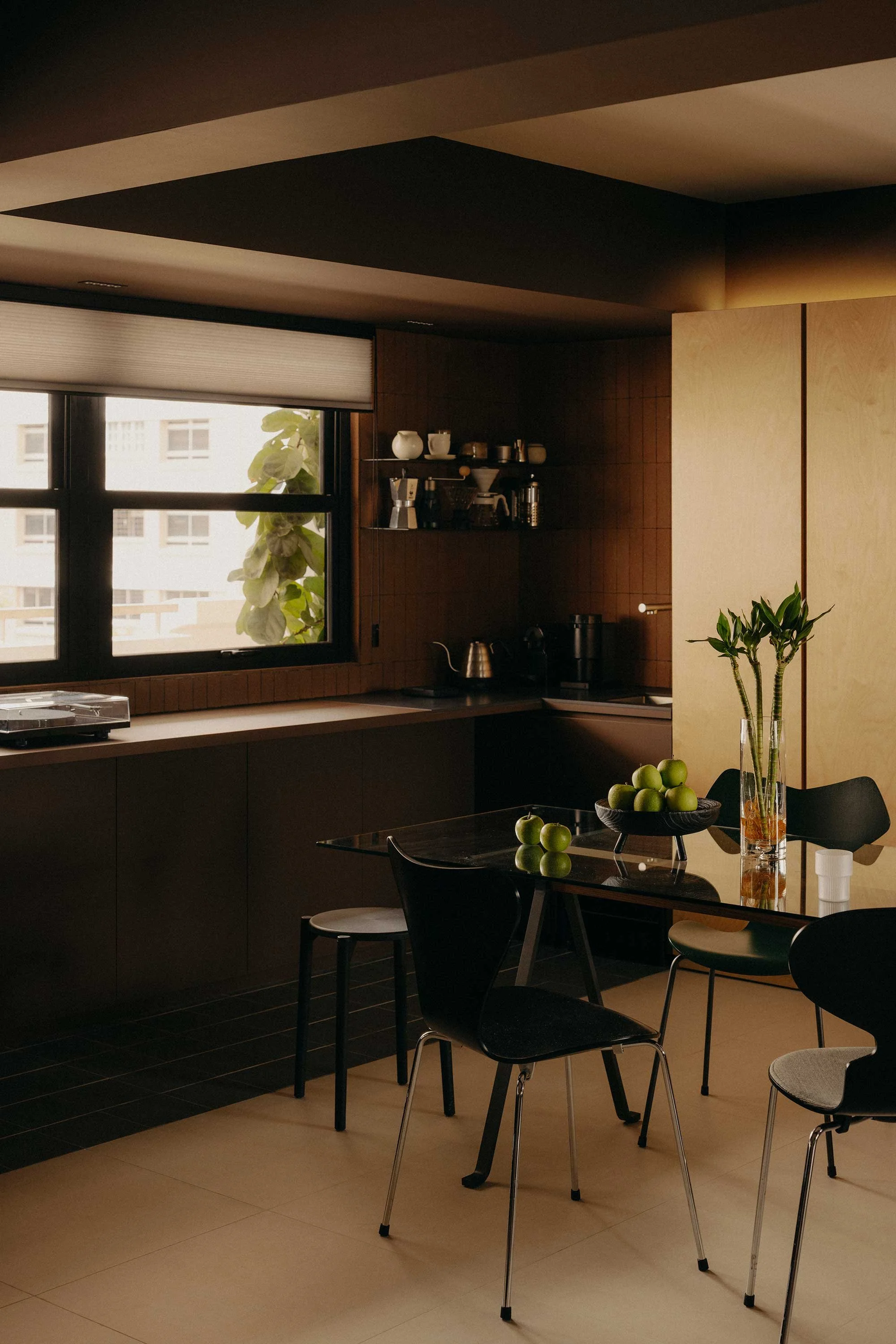
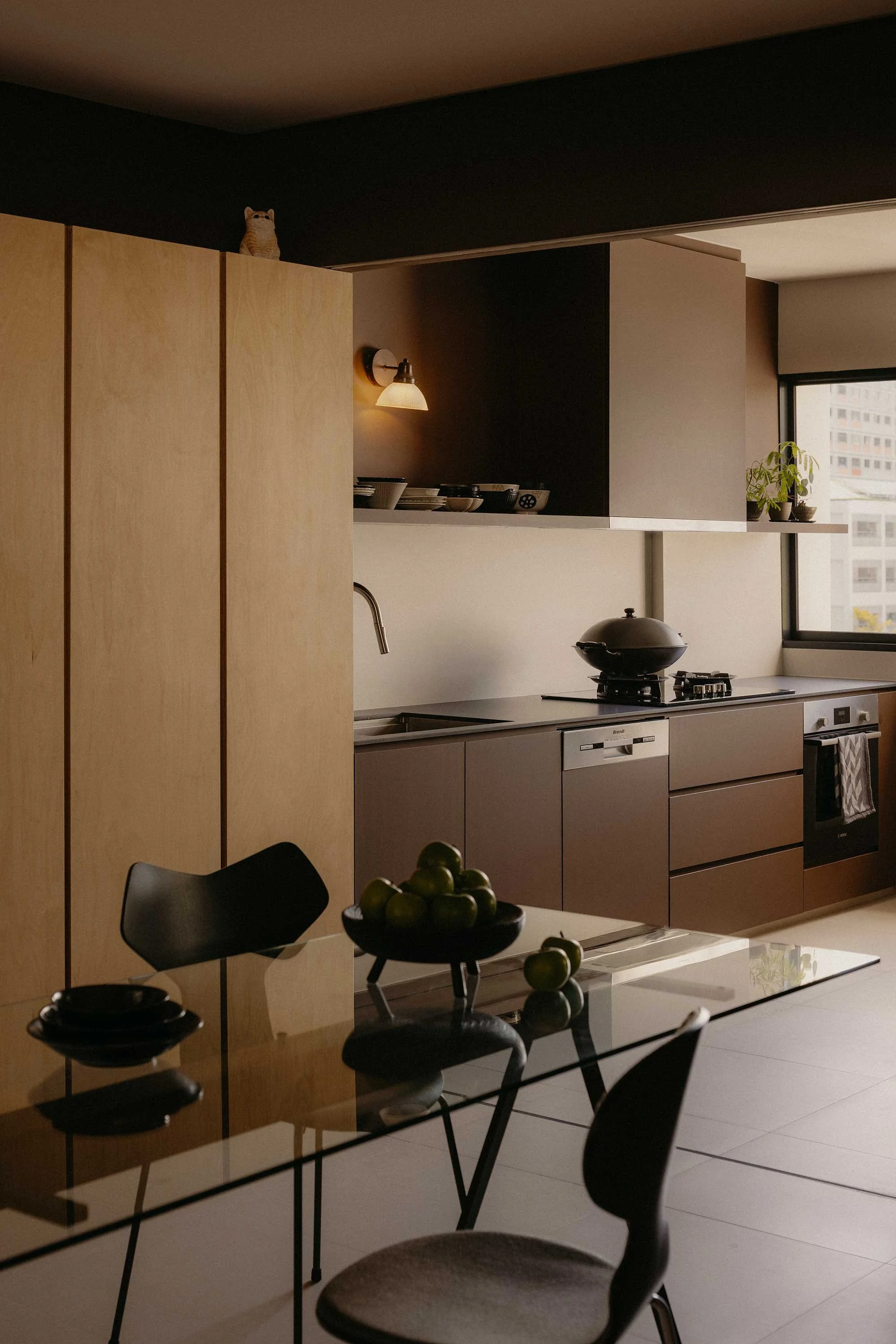
Lukito is the one who cooks, but he rarely stays in one place, a restlessness that defined the kitchen’s split design. A beverage counter faces the corridor window, which they’ve fitted with a vertically sliding panel — a detail many contractors refused to touch until the couple secured the building board’s blessing. ‘We always tell our friends: if design doesn’t work for us, we’ll probably sell coffee out of our house,’ Lukito jokes.
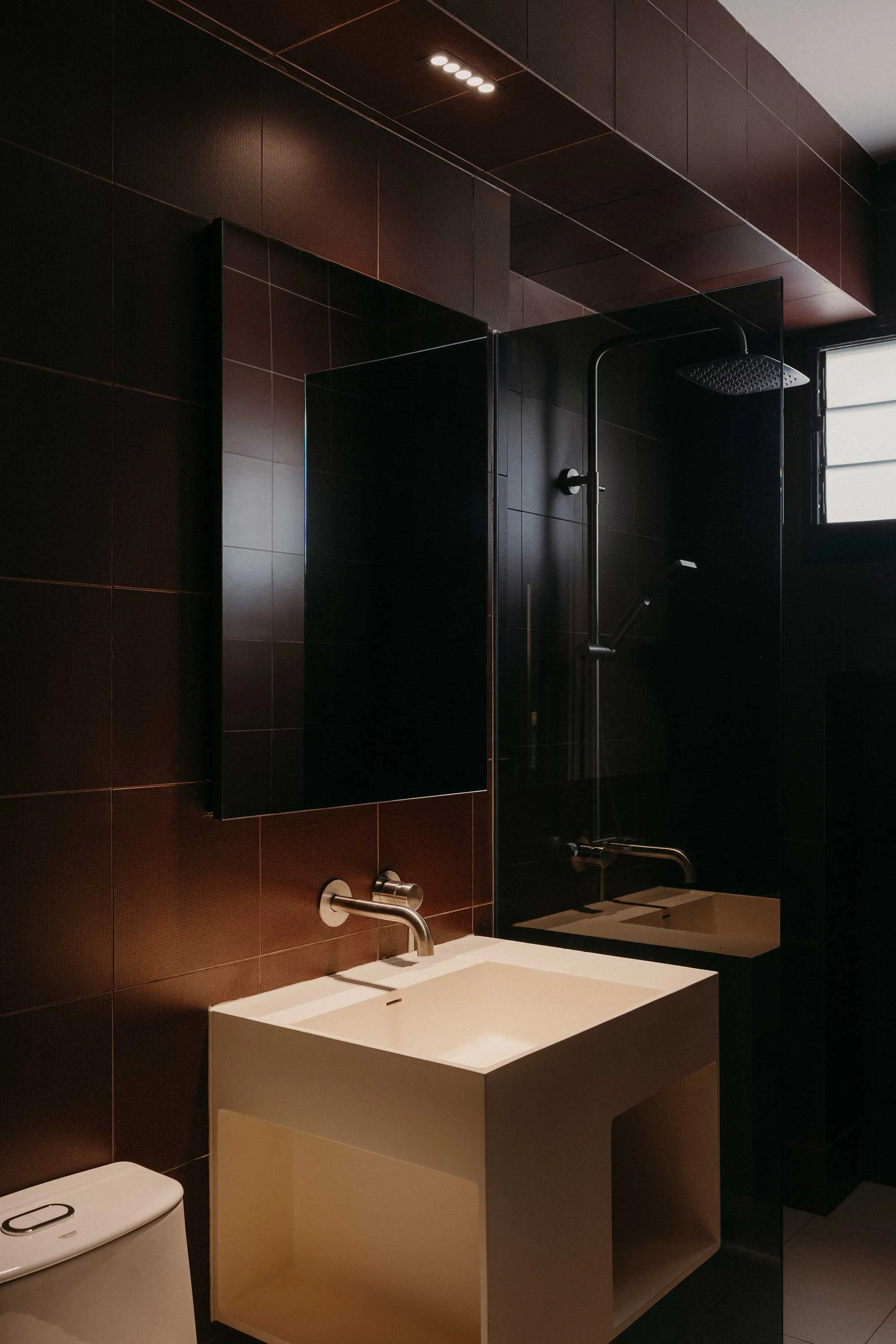
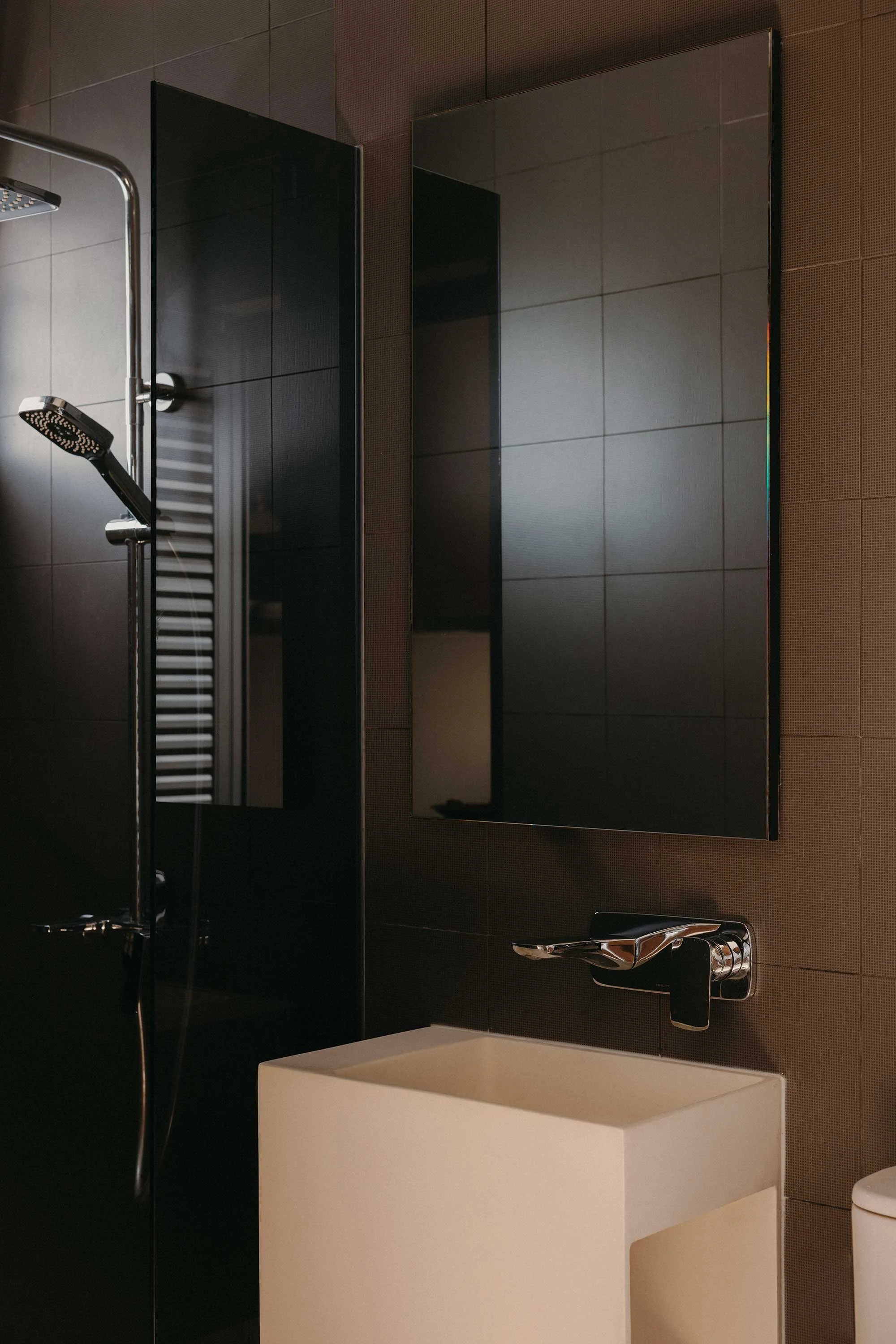
The home's aesthetic favours comfort and longevity, balancing warm, dark tones with tactile surfaces. The primary palette was inspired by the look of patinated bronze and red brick, and is accented by birch cabinetry. During demolition, the contractors uncovered the original 30-year-old concrete and sand wall, which the couple chose to leave beautifully exposed beside their bookshelf. Bronze sconces light the kitchen and study, holding a memory of the couple’s wedding day at Riders Cafe in Bukit Timah. The venue was demolished recently but before it closed, Lukito and Foo messaged the owners on Instagram to see if they could buy the lamps. ‘They were very kind. They sold them to us for about ten dollars each,’ Foo says.
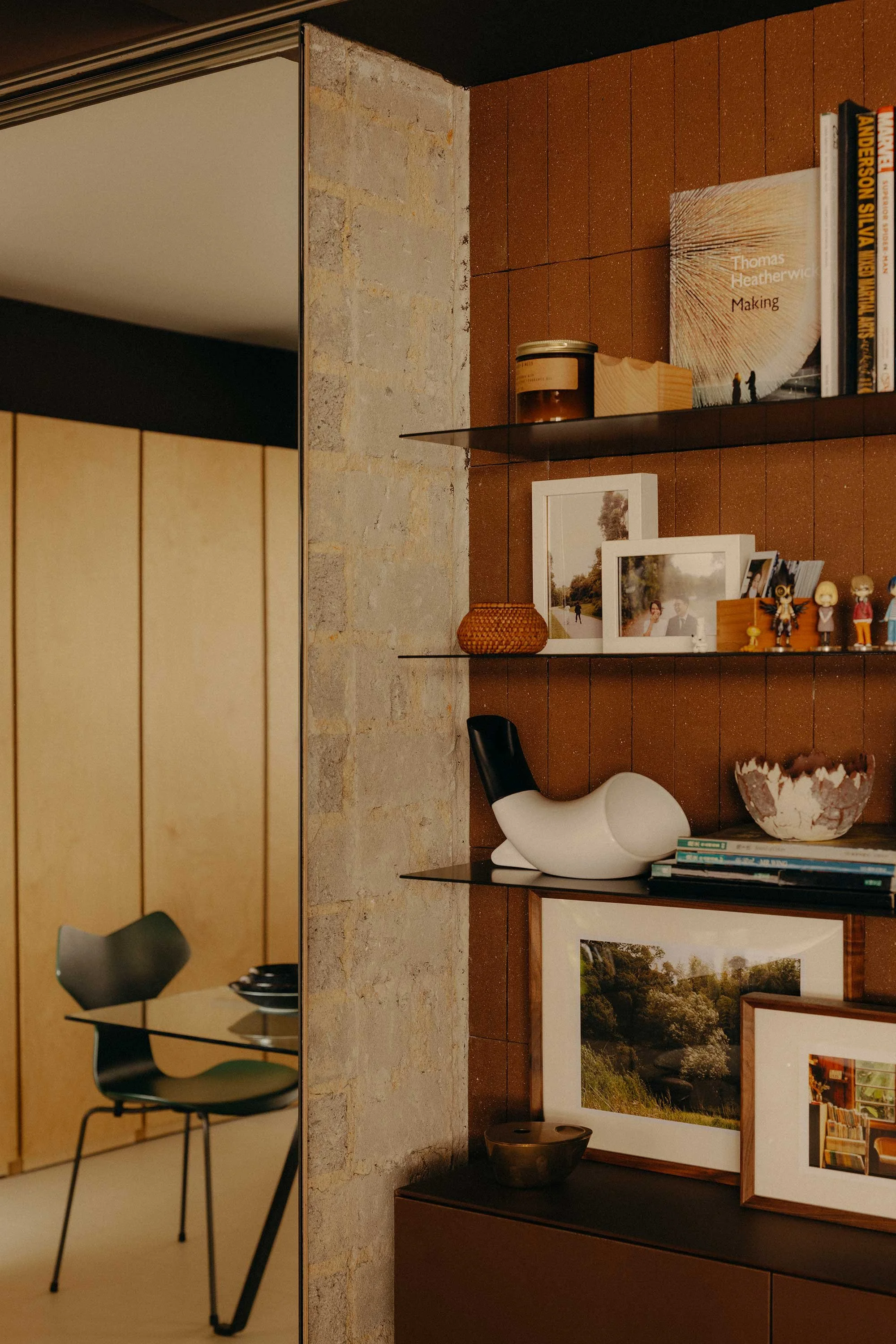
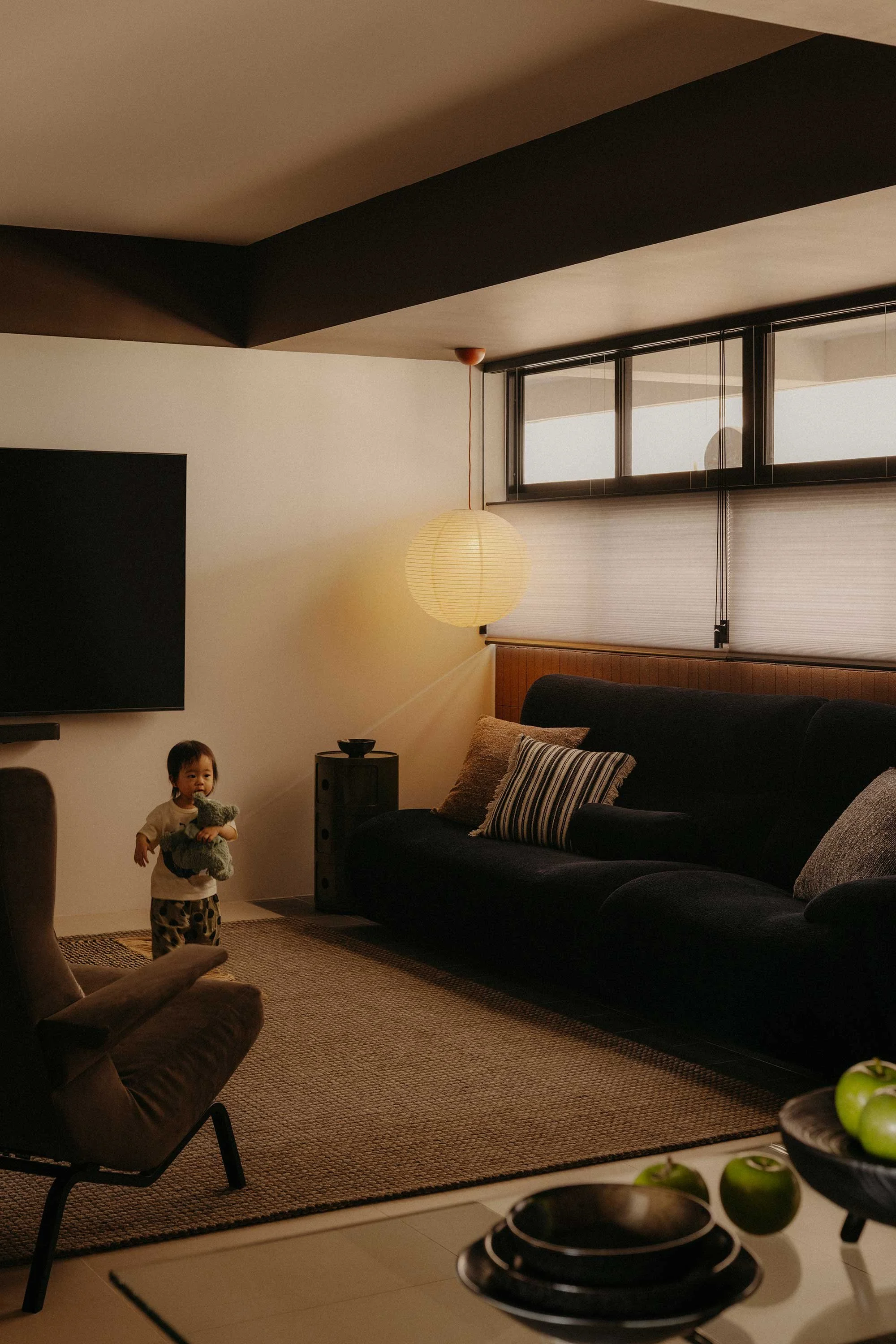
The build had its messier moments. The couple spent weeks finding the right handmade red brick, only for the supplier’s workers to accidentally throw the entire batch away during a clean-up. Lukito ended up sourcing 20 different samples from other suppliers to find the exact maroon tone he needed. Even the neighbours were part of the process — apartment building construction is loud, and they kept the peace by buying everyone coffee and treats.
‘Every time we design for our clients, we put a lot of heart and soul into it, but at the end, we always have to say goodbye,’ Lukito reflects. ‘This time we get to live in our sketch in real life. It’s a very surreal kind of feeling that we still have today.’
Text by Katherine Ring
Images by Studio Periphery