The 1930s Handshake Hidden in a Millswood Apartment
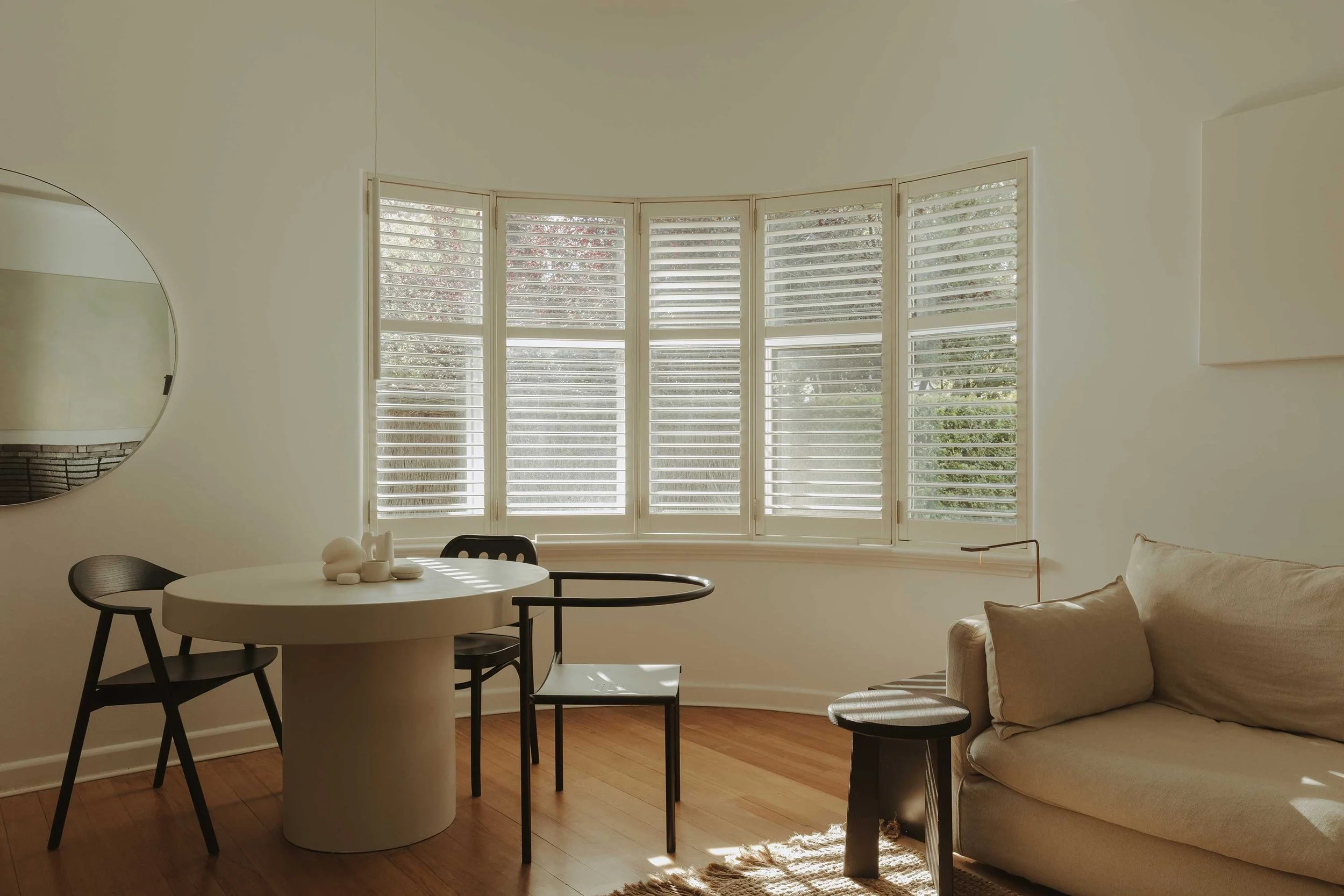
Marshall Studio has restored a rare Streamline Moderne apartment in Adelaide, stripping away decades of design clutter to honour the building’s original 1930s geometry
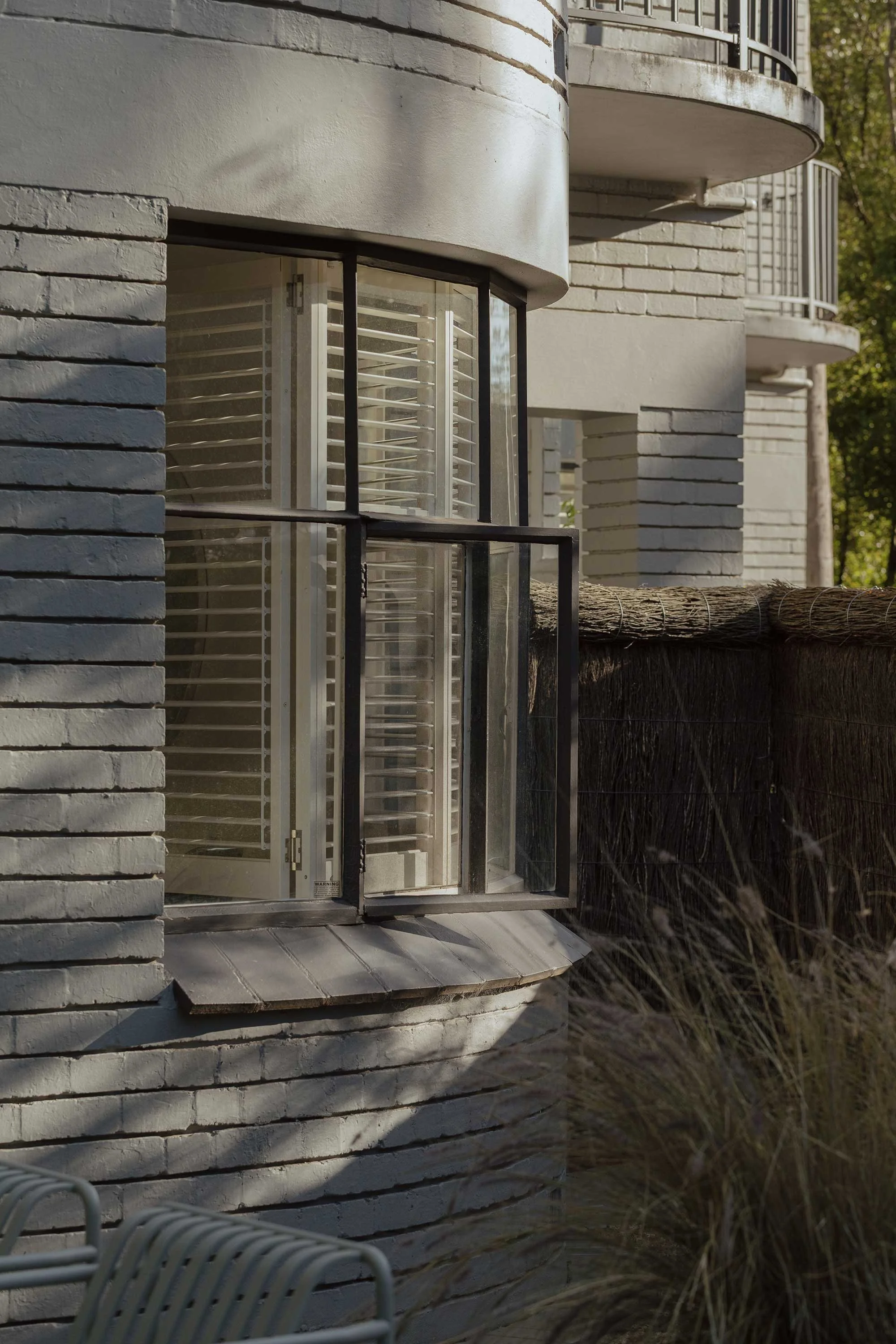
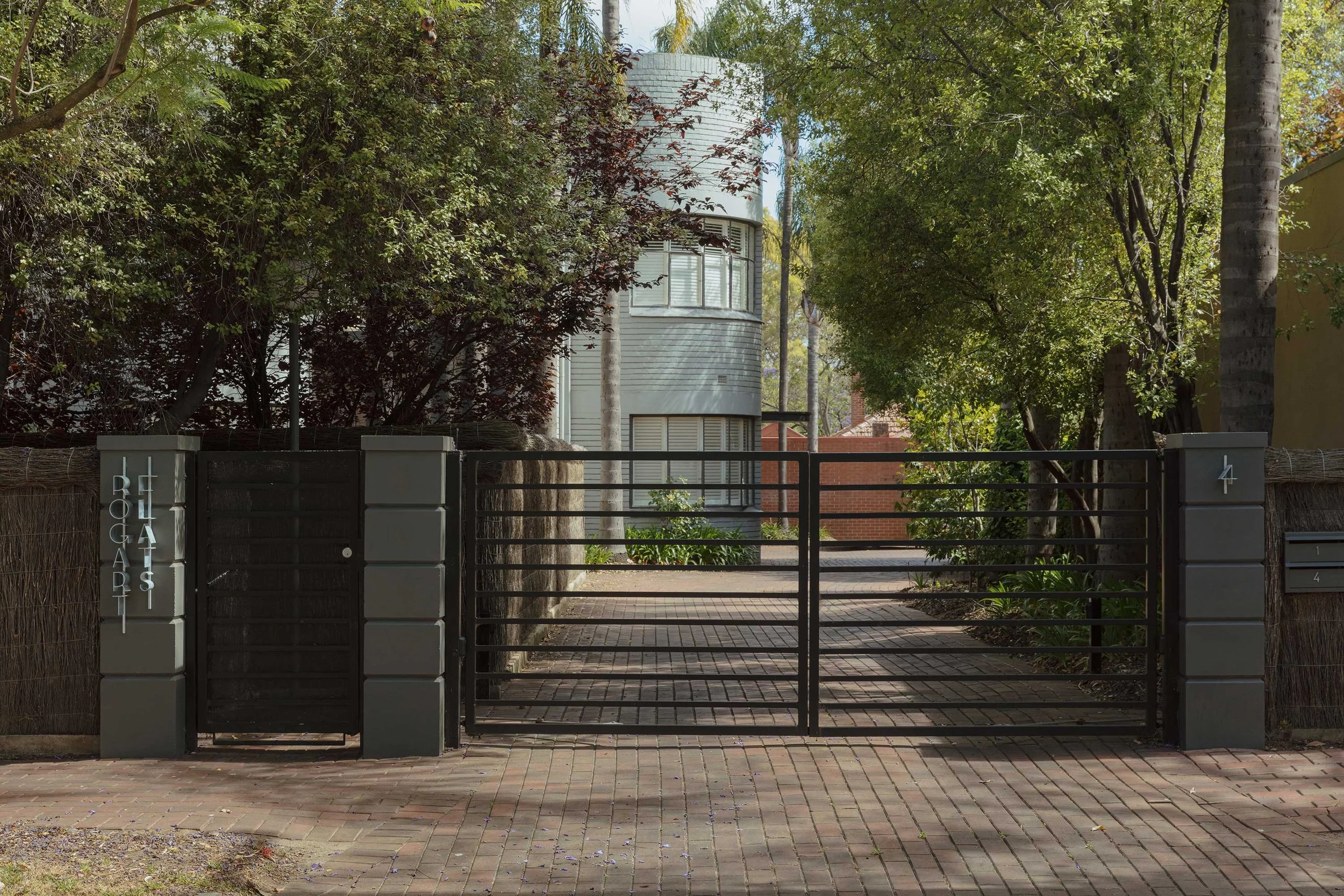
Located in a quiet suburb of Adelaide, Millswood Moderne stands as a rare surviving example of the city’s pre-Second World War architectural experimentation. Designed in the late 1930s by Lawson and Cheeseman, the staggered apartment building represents a fleeting moment in design history, capturing the transition from ornate Art Deco to the comparative functionalism of the Streamline Moderne. For owner and designer Bronwyn Marshall of Marshall Studio, taking ownership of one of its apartments was an act of architectural stewardship. ‘It’s Deco before it becomes modernism, which is such a small, narrow period of time,’ she notes. The building itself was an early experiment in medium density, cleverly cascading towards the rear of the site to maintain the stately presence of a traditional home.
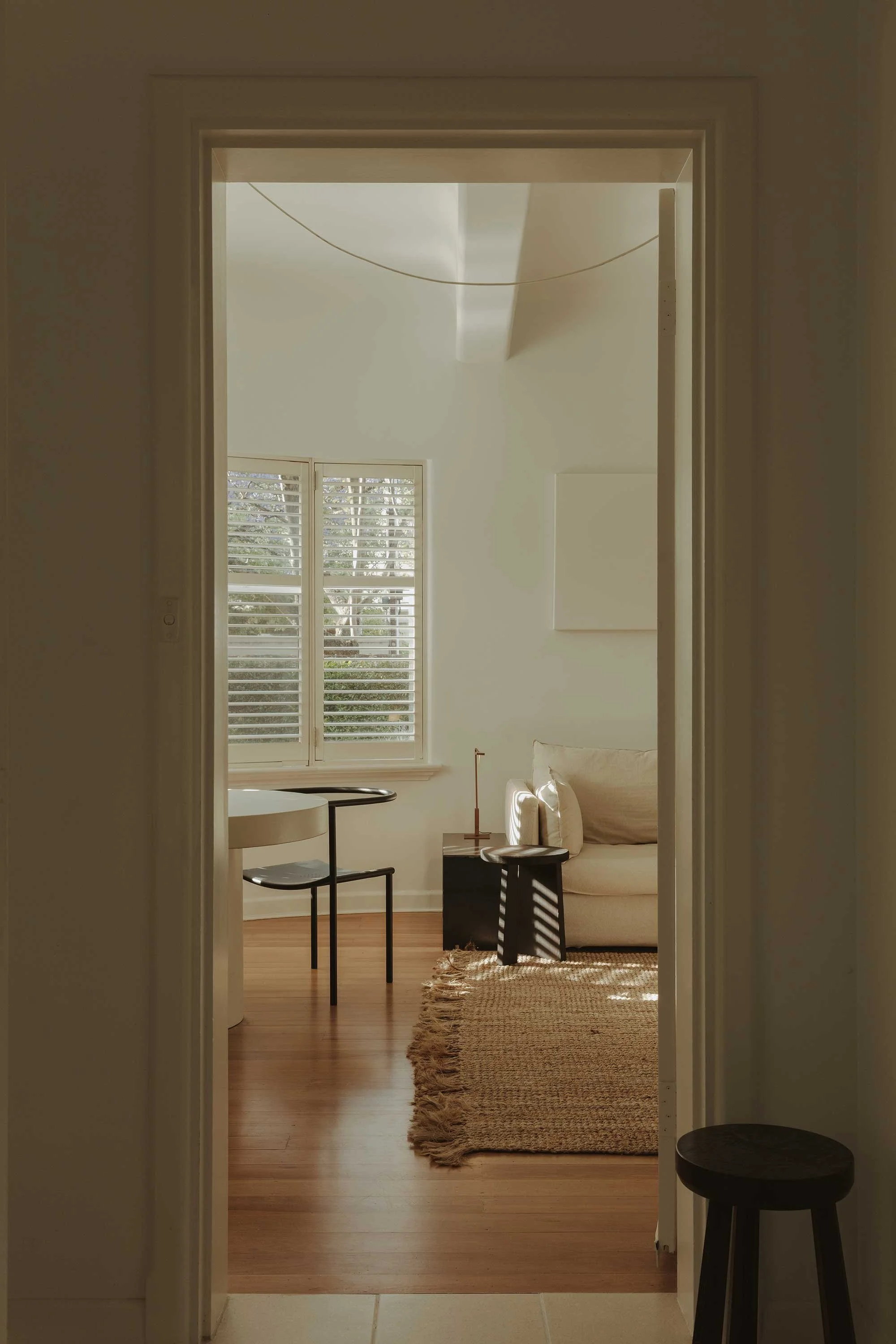
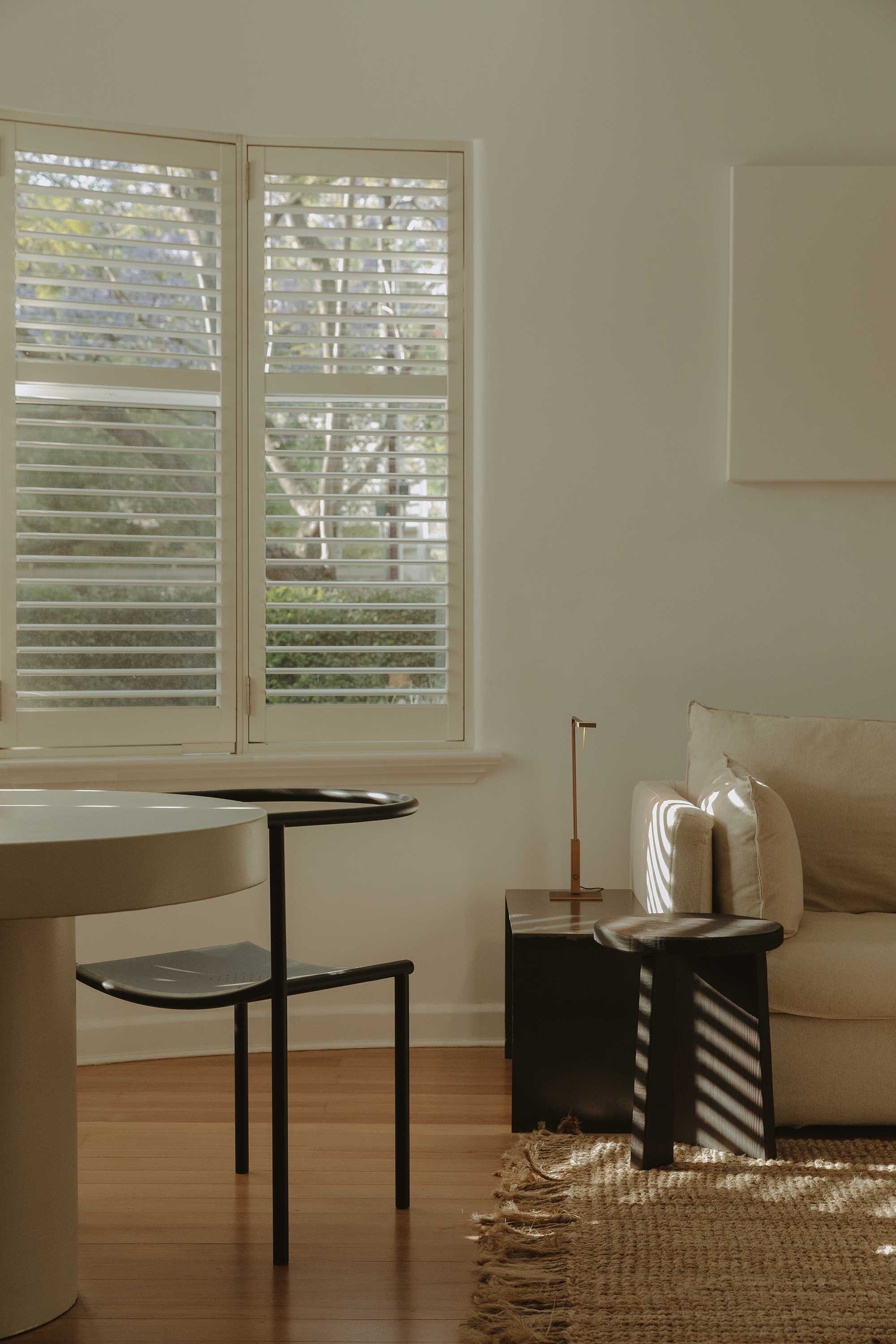
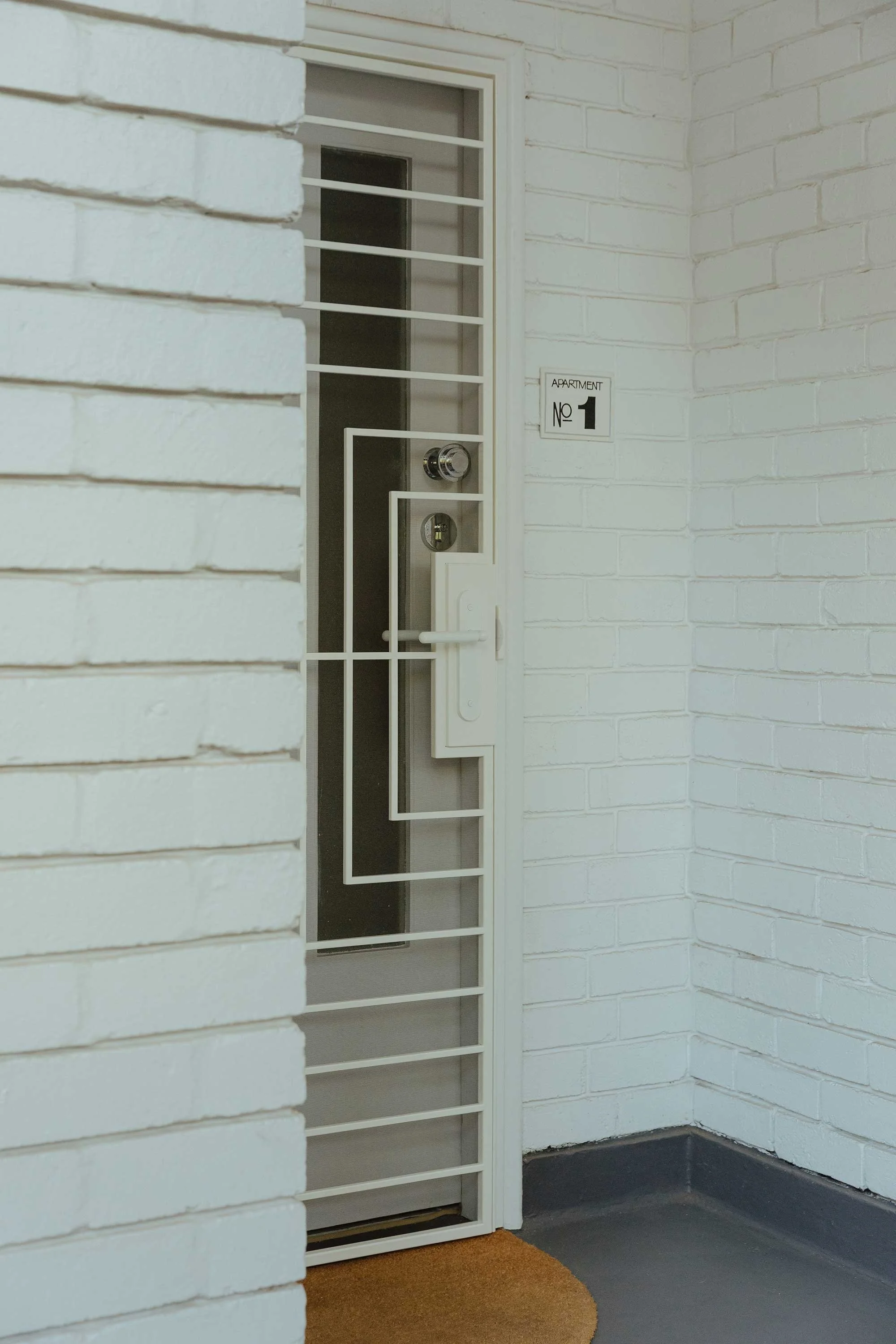
The restoration process began with patience. Marshall lived in the space for a year to observe its natural light and flow before initiating changes. Central to the exterior reinstatement was a collaboration with Adelaide metal artist Nat Penney. Together, they iteratively prototyped a custom geometric screen door and a sculptural building sign. Marshall refers to the screen door as ‘the handshake with the house’ — the crucial first physical interaction that sets the tone for the interior.
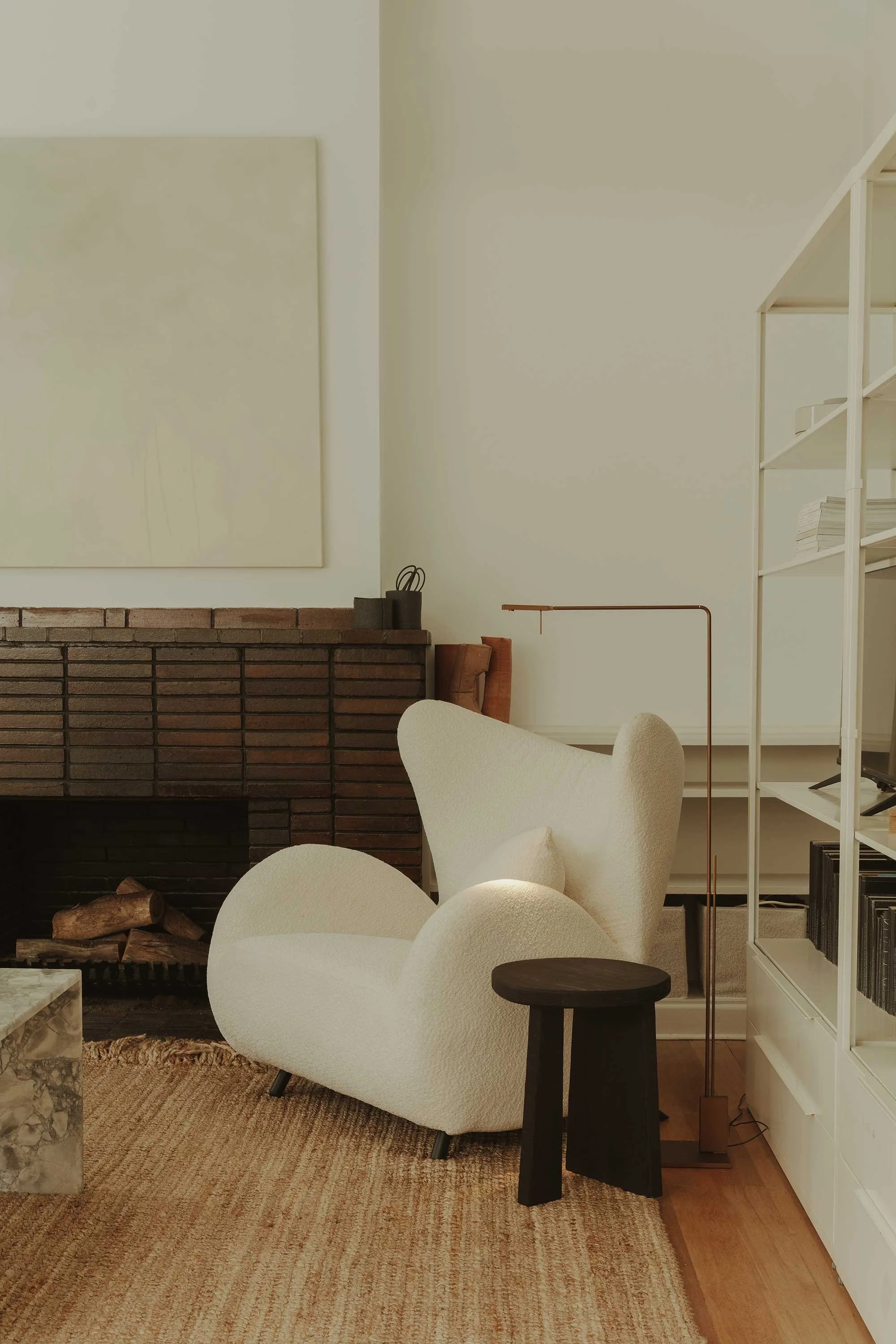
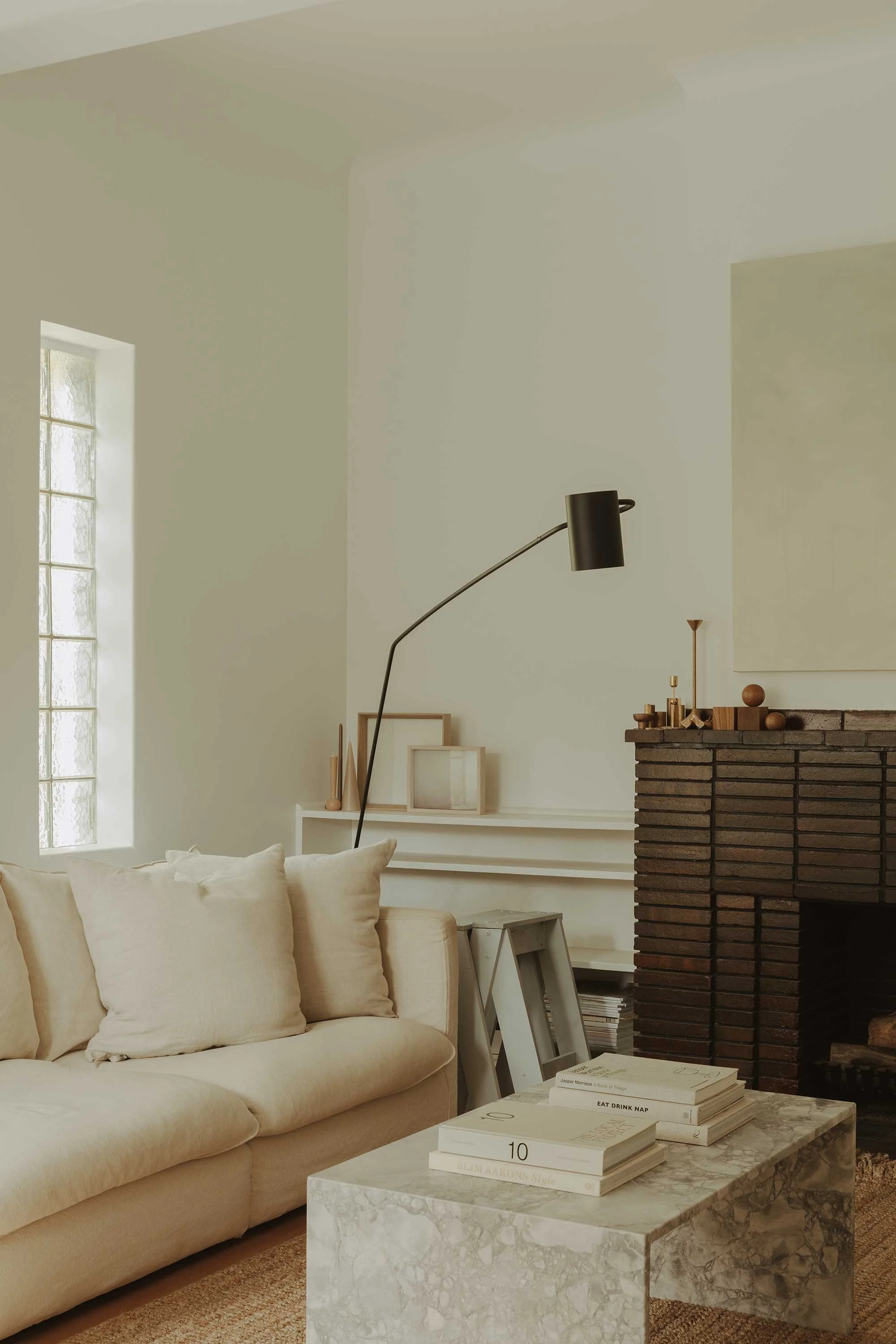
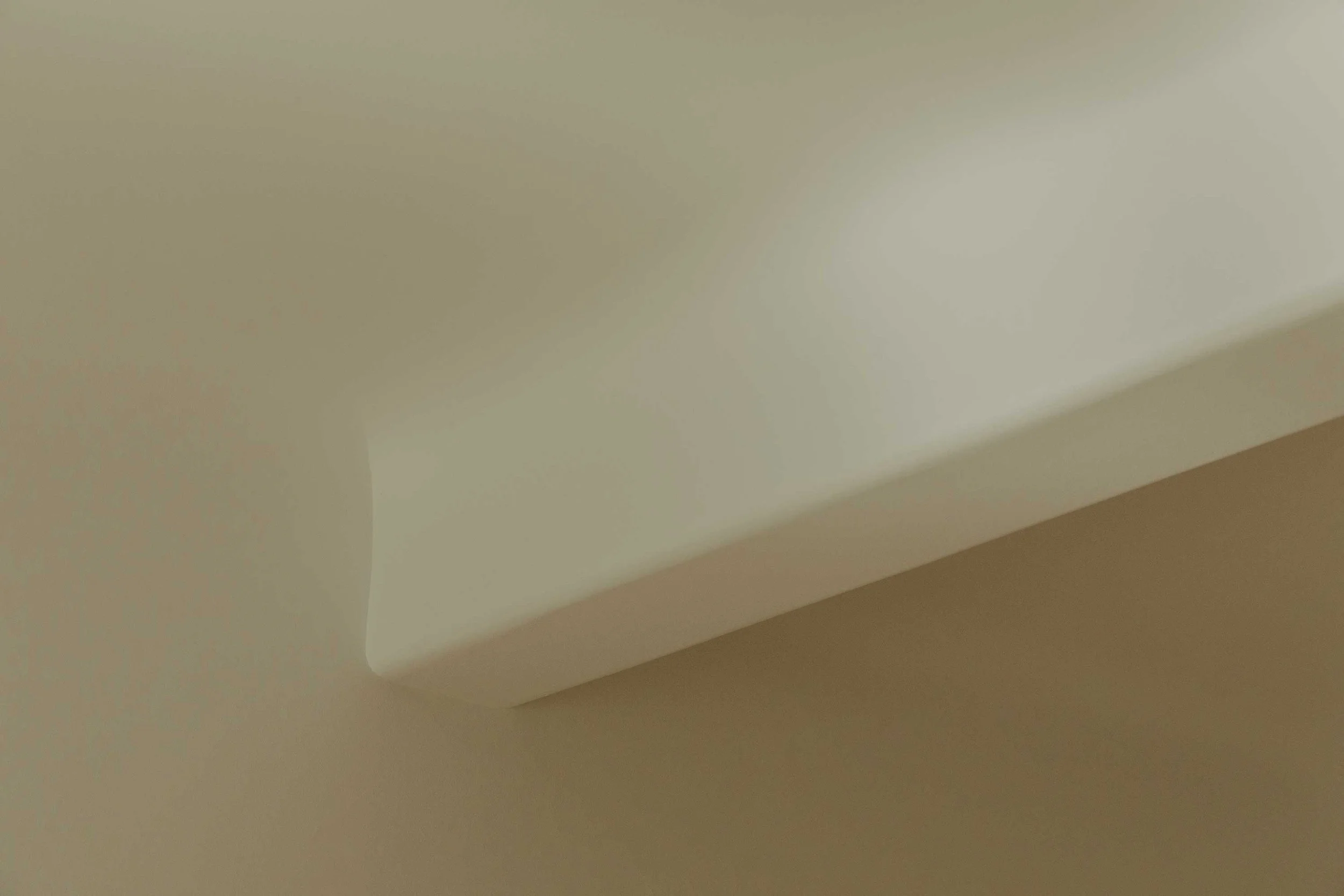
Inside, the architecture's inherent sweeping curves dictated the design language. Marshall was particularly drawn to the seamless transitions between surfaces. ‘There are no cornices,’ she explains. ‘It's just continuous plaster that wraps around beams, around the fireplace, around walls.’ Decades of incremental, stylistically confused renovations — including anachronistic diamond-patterned lighting — were stripped away to reveal a calmer foundation. The original concrete beams, an innovation of the era, allowed for a surprisingly generous six-and-a-half-metre living room and higher ceilings devoid of modern downlights.
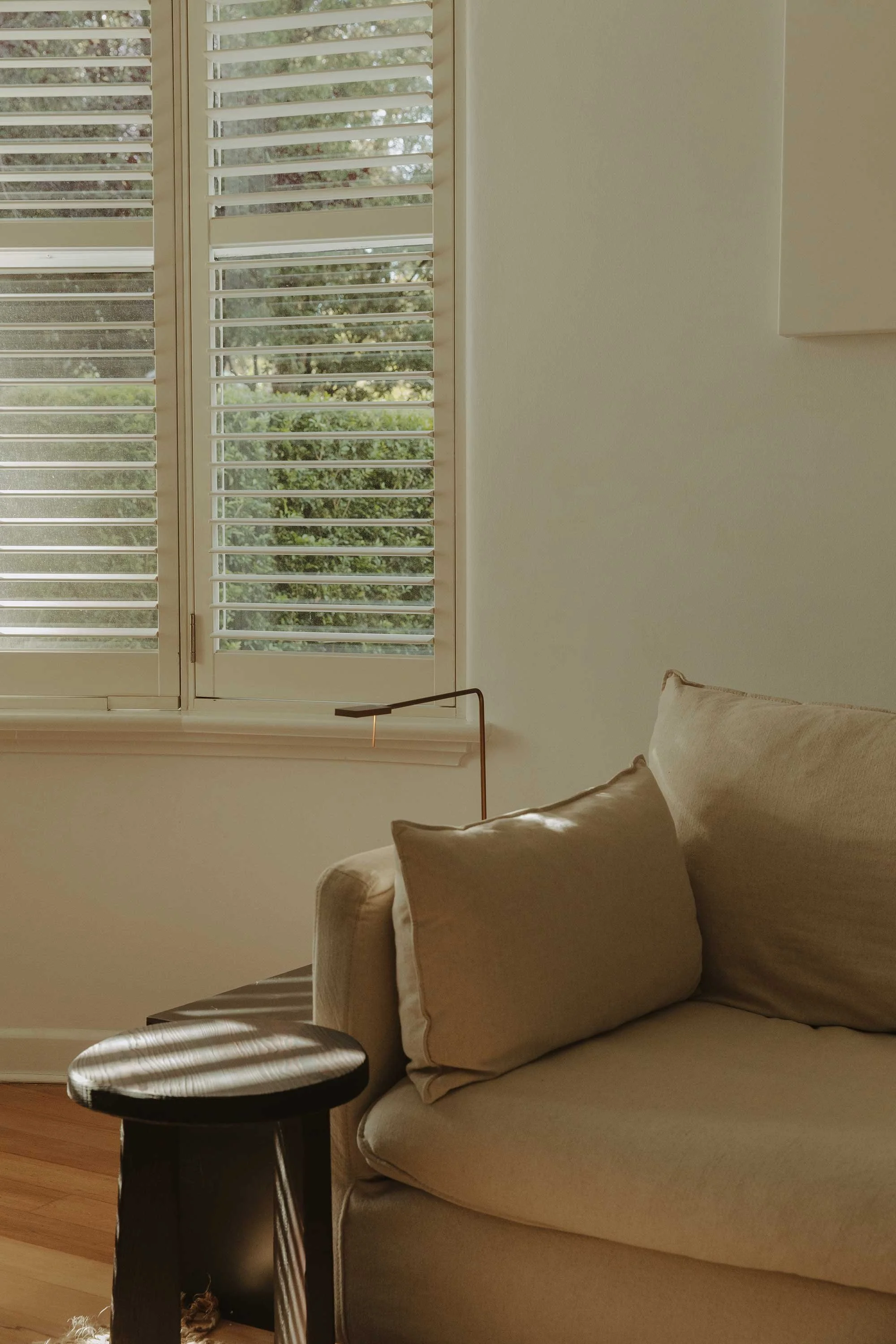
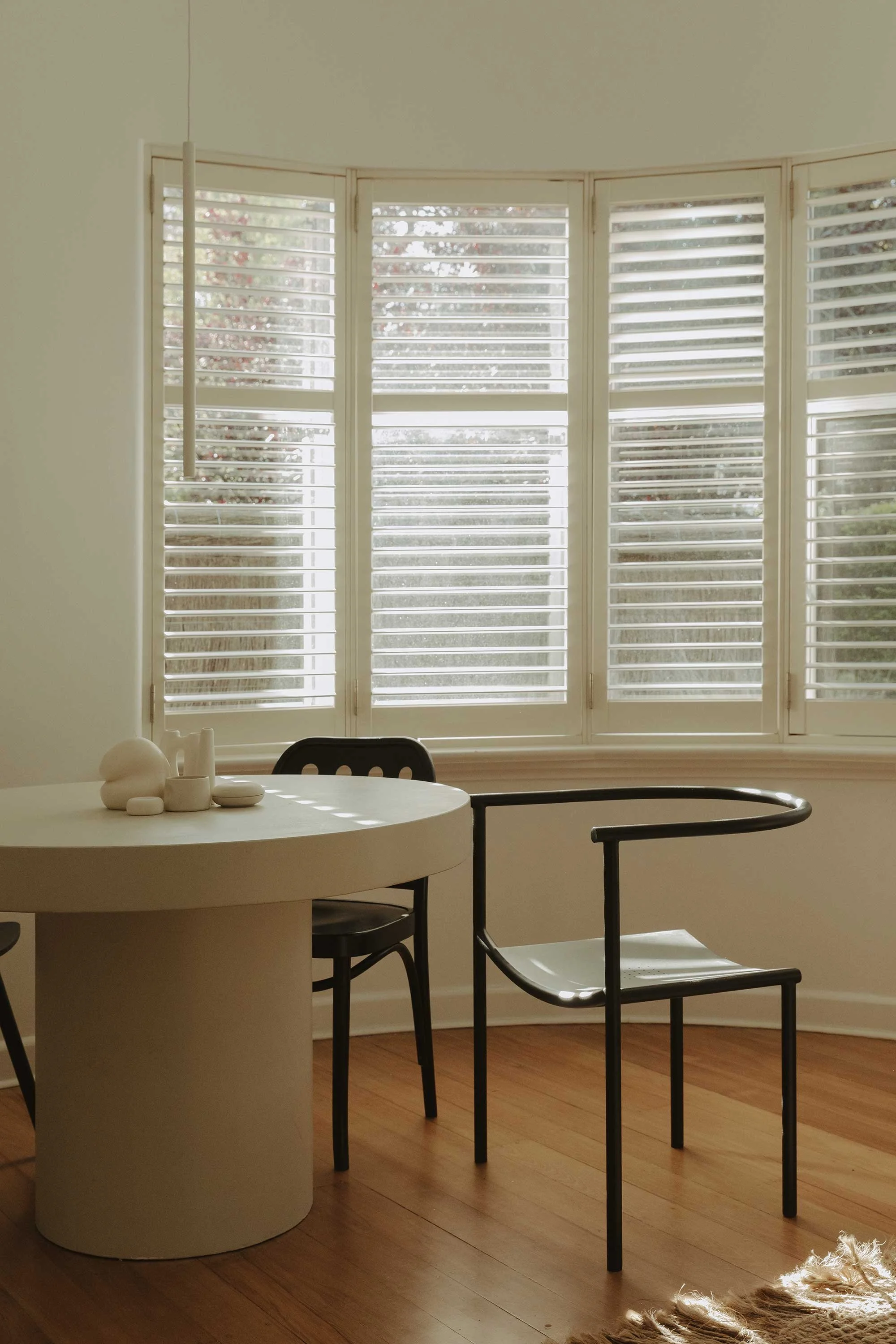
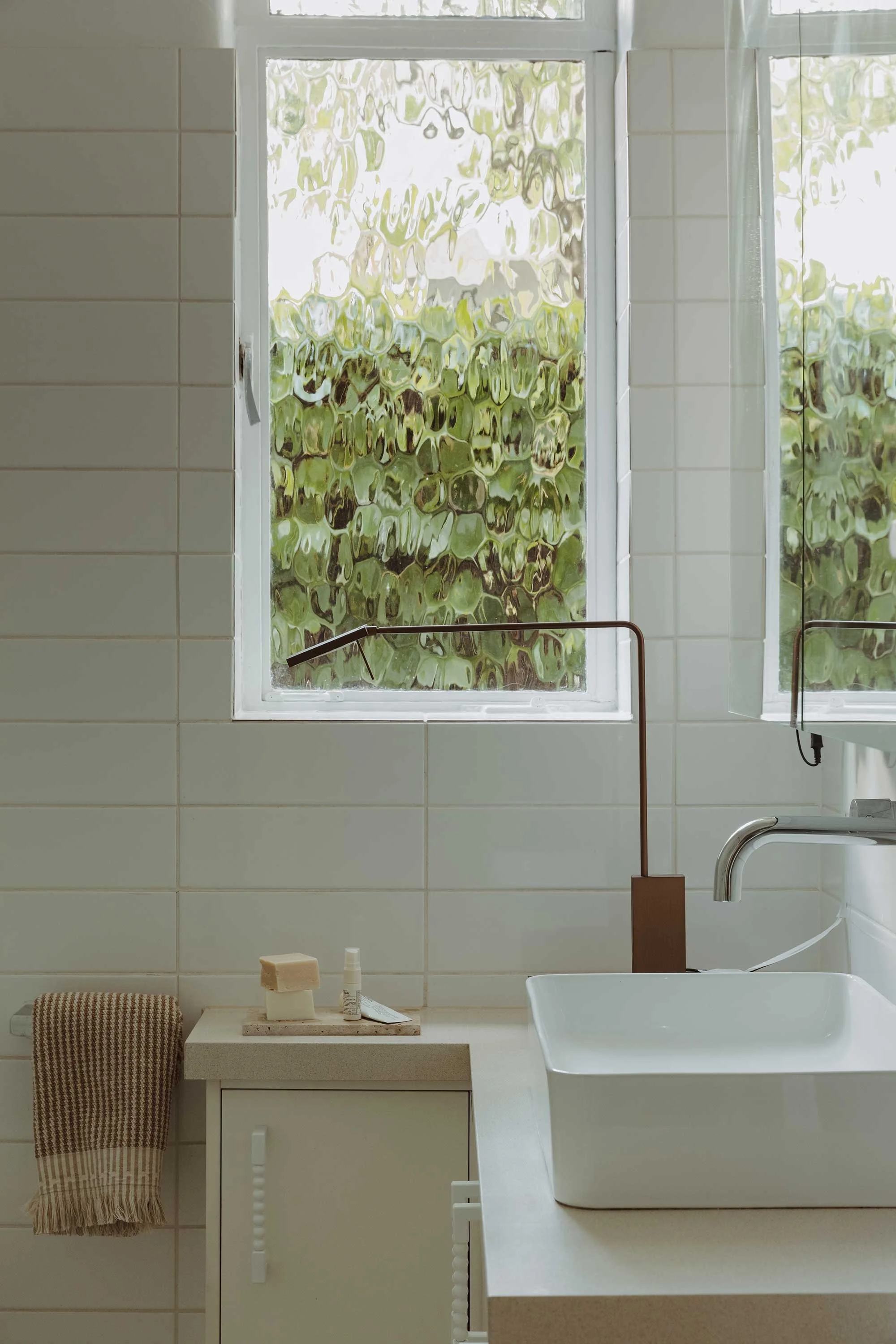
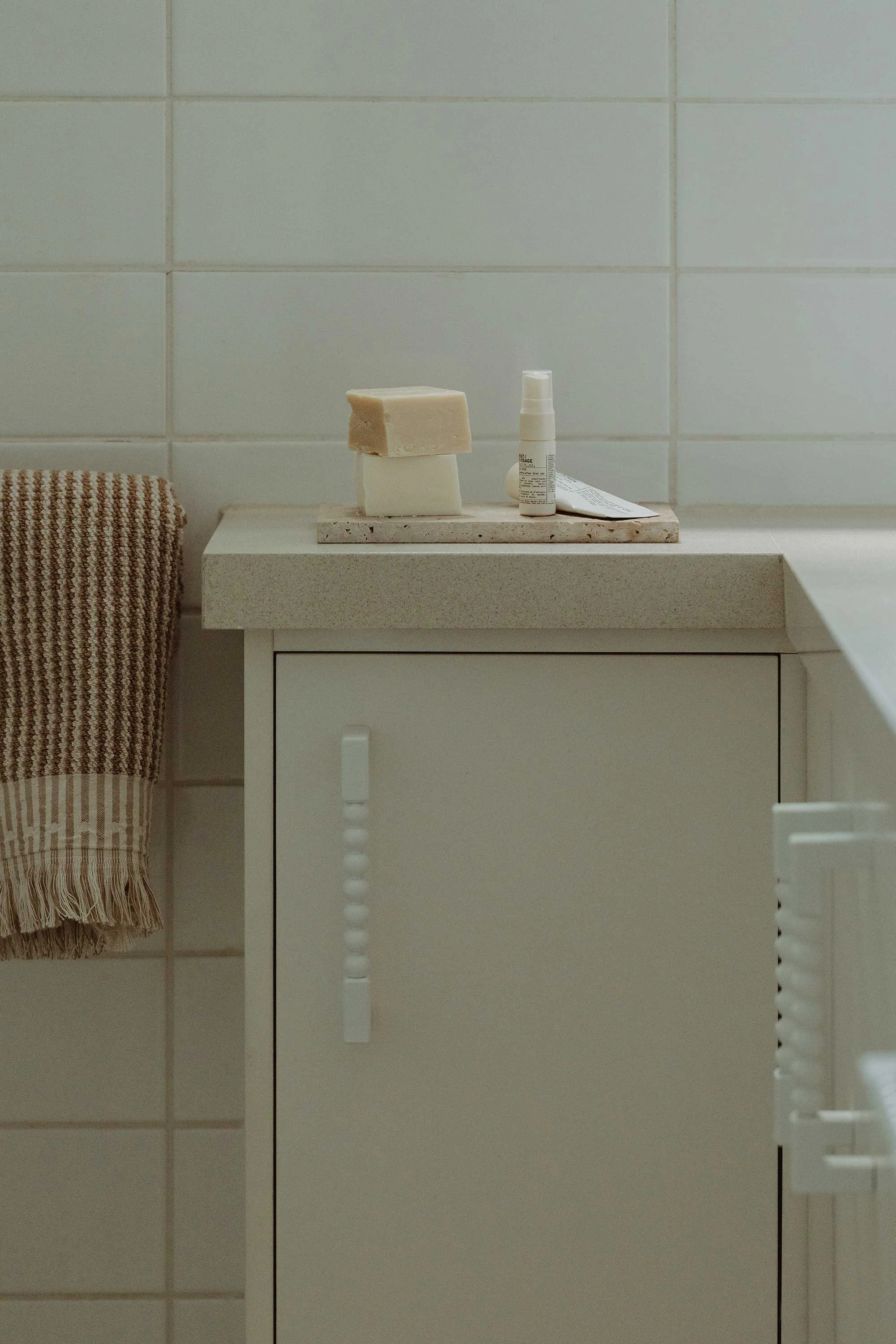
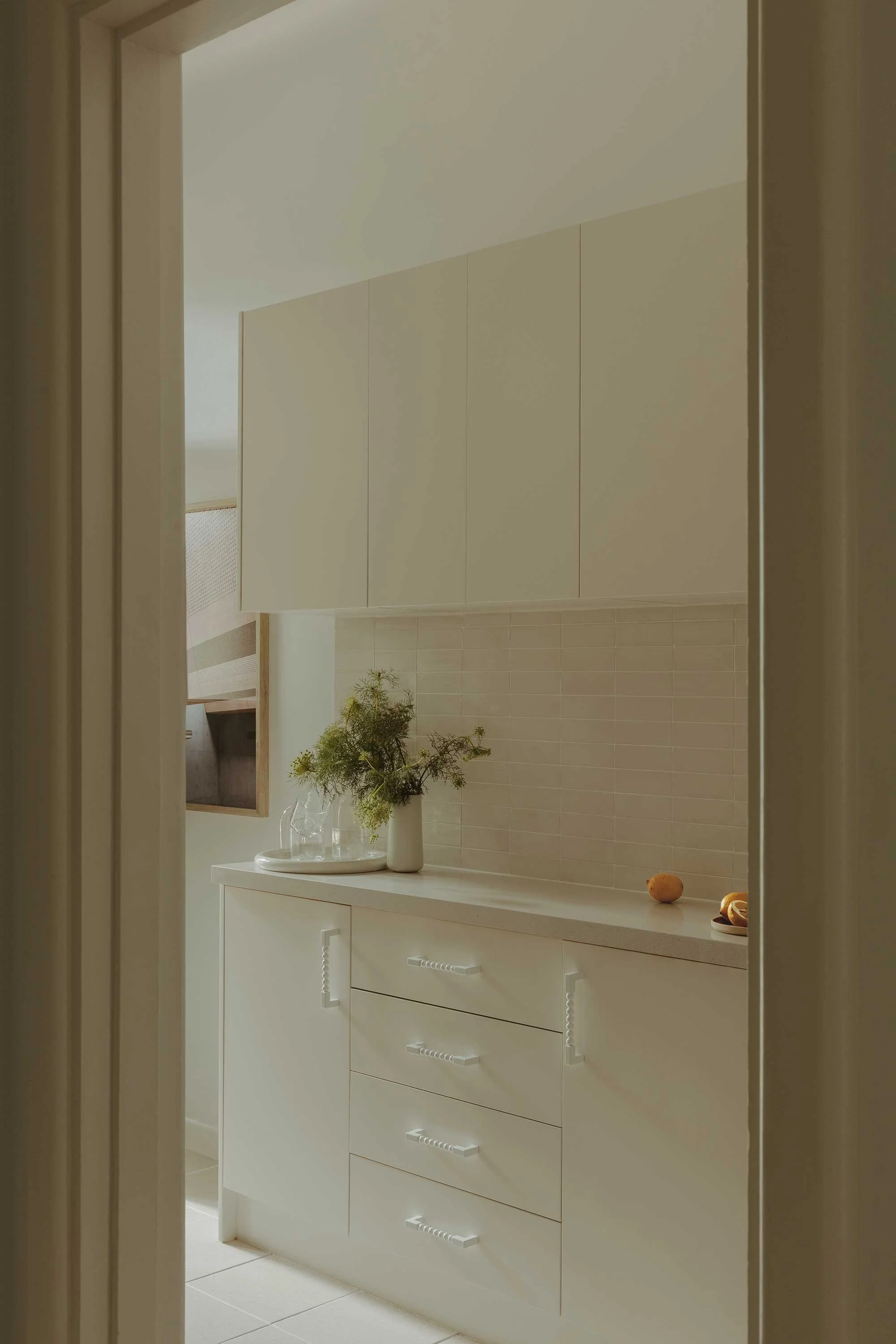
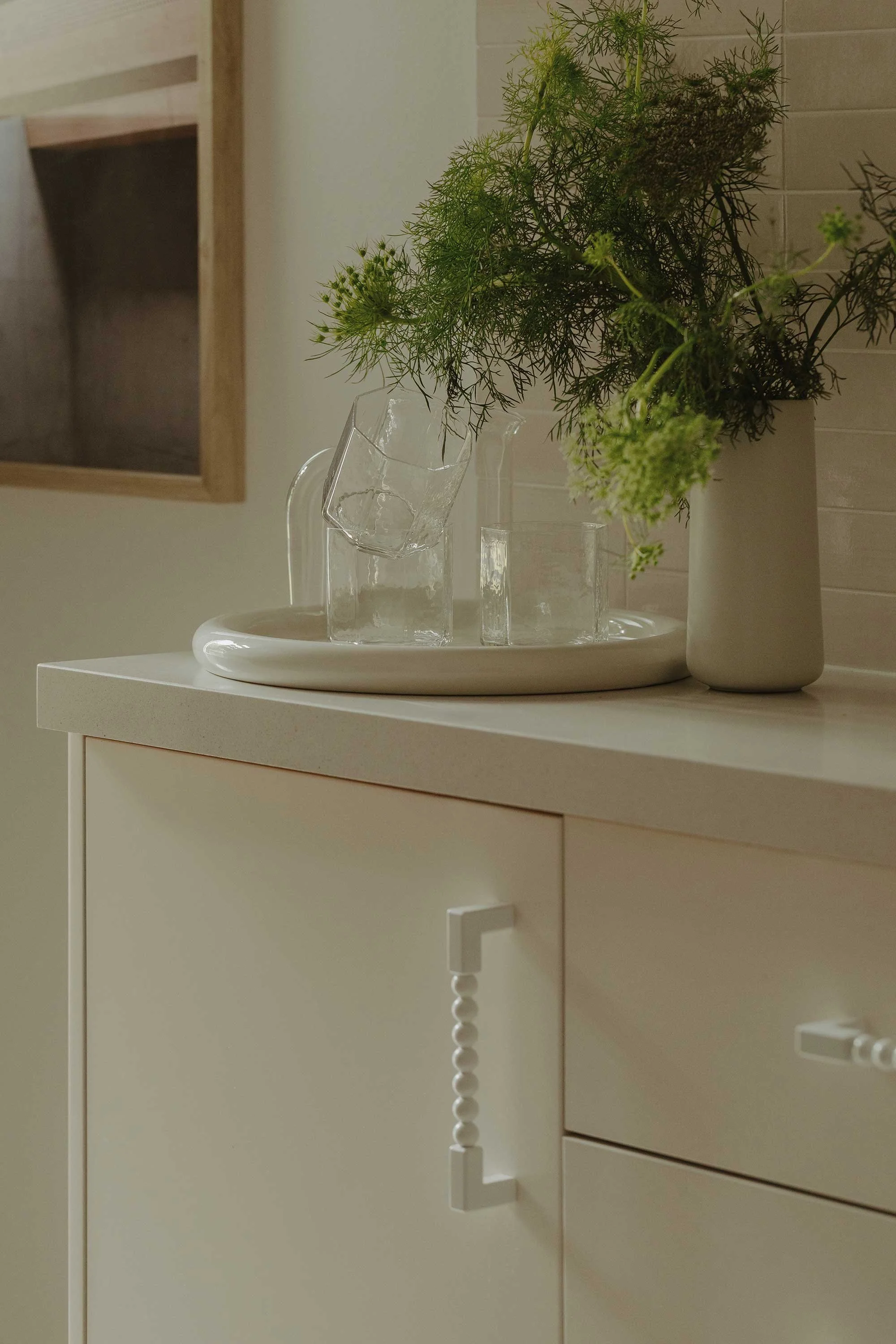
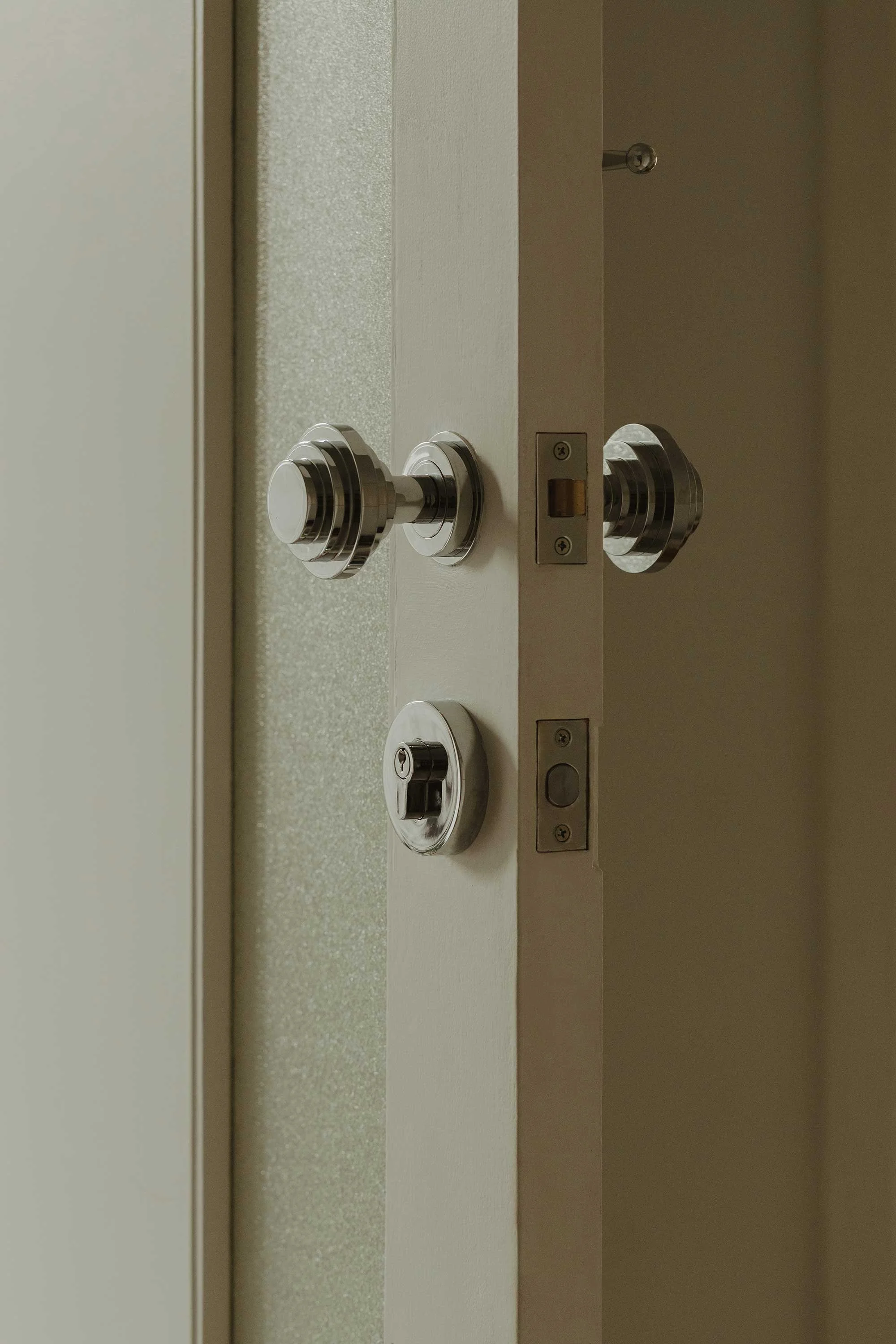
To honour the building’s specific proportions, Marshall established strict rules for the interiors. ‘In terms of geometries the style was all about long bands and spheres,’ she says. ‘So, when making any selection I was thinking, “How do we bring that back?” All the hardware, all the fixtures had to adhere to that language. Is it long and does it either have a rounded edge or is there some kind of rounded geometry to it?’ She reintroduced chrome fittings throughout the apartment, adhering faithfully to archival research, despite it not being her typical preference in contemporary practice. In the kitchen, playful white spherical handles provide a stark, functional contrast. Another pivotal addition was a salvaged 1930s stained-glass door, sourced from a neighbouring property.
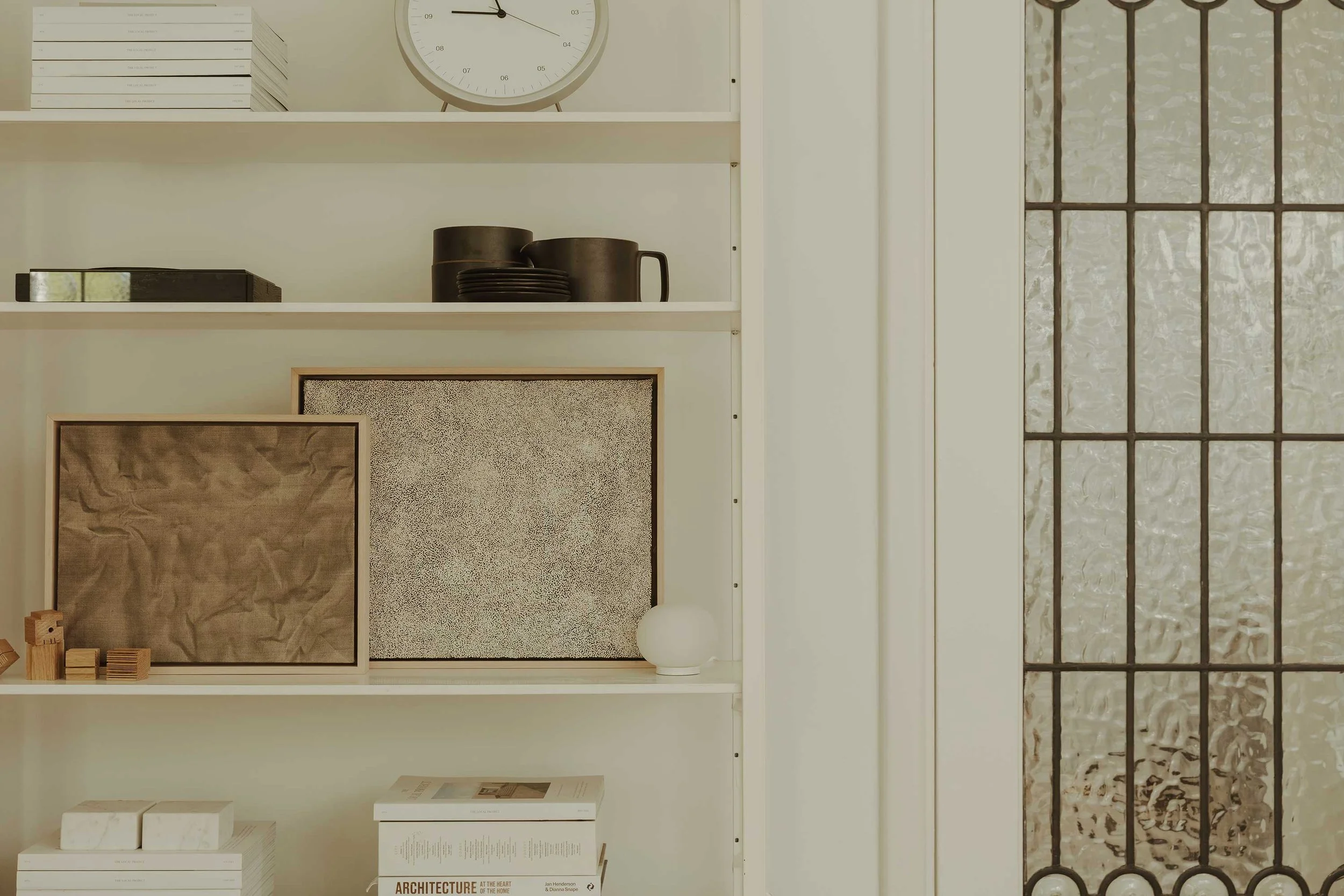
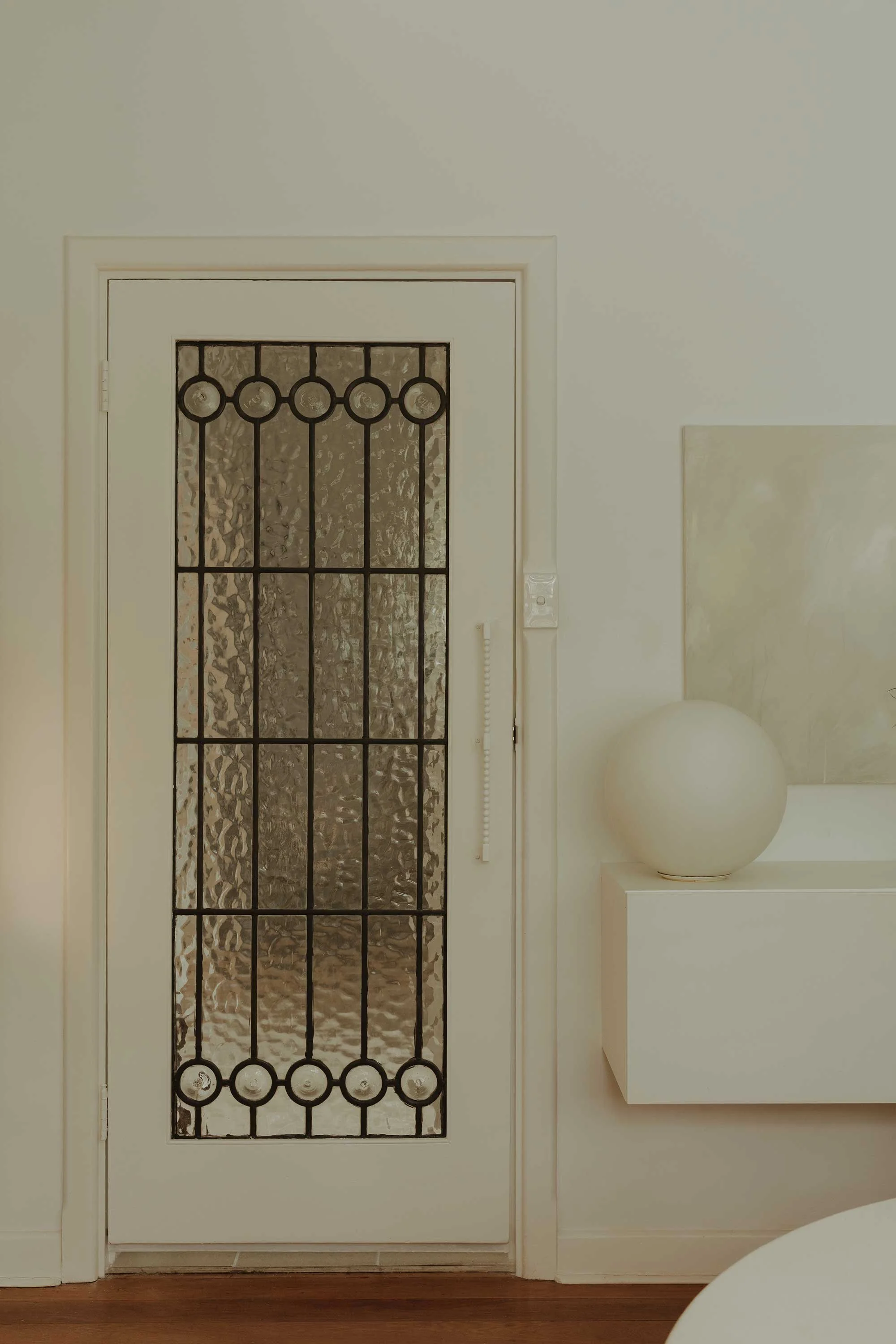
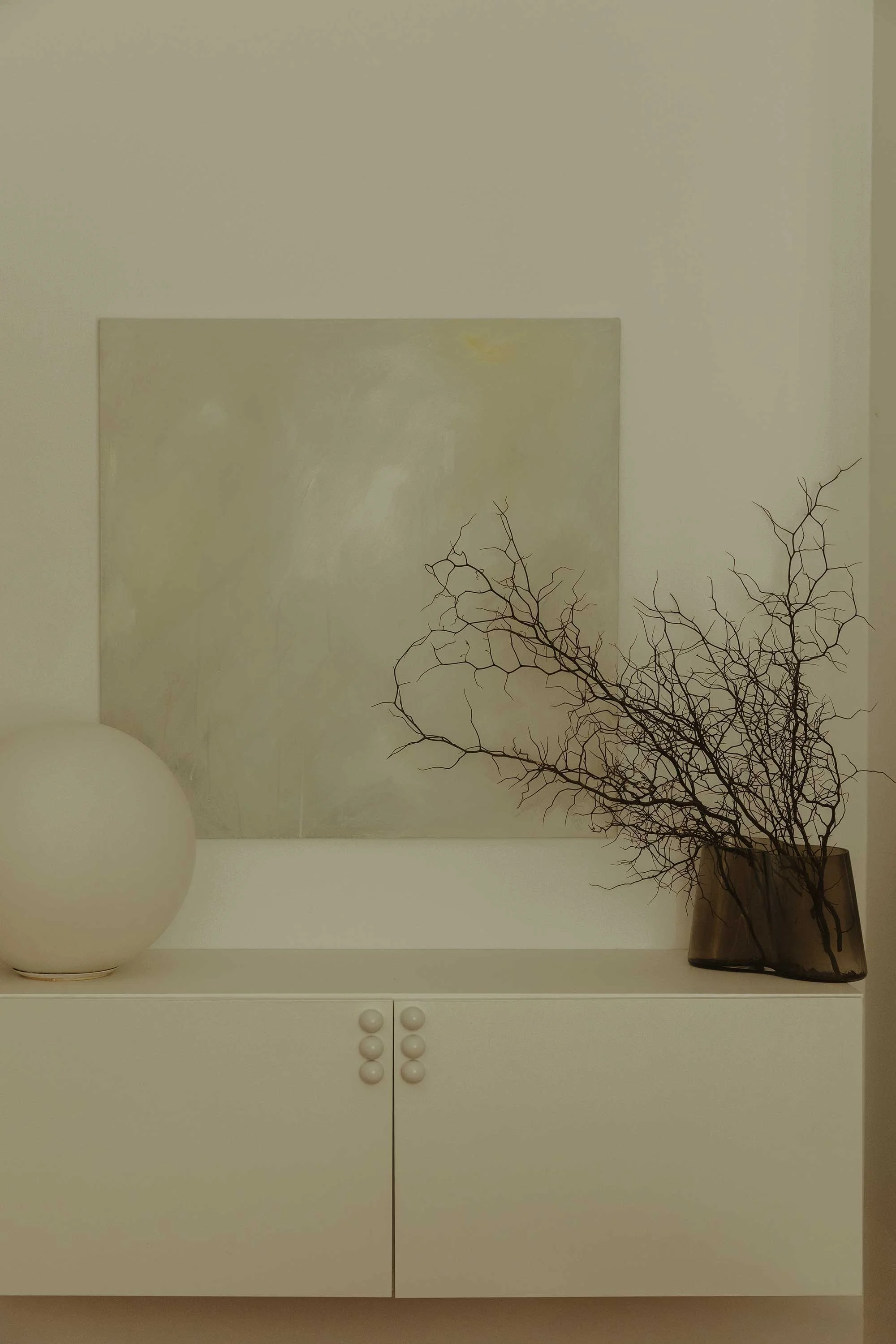
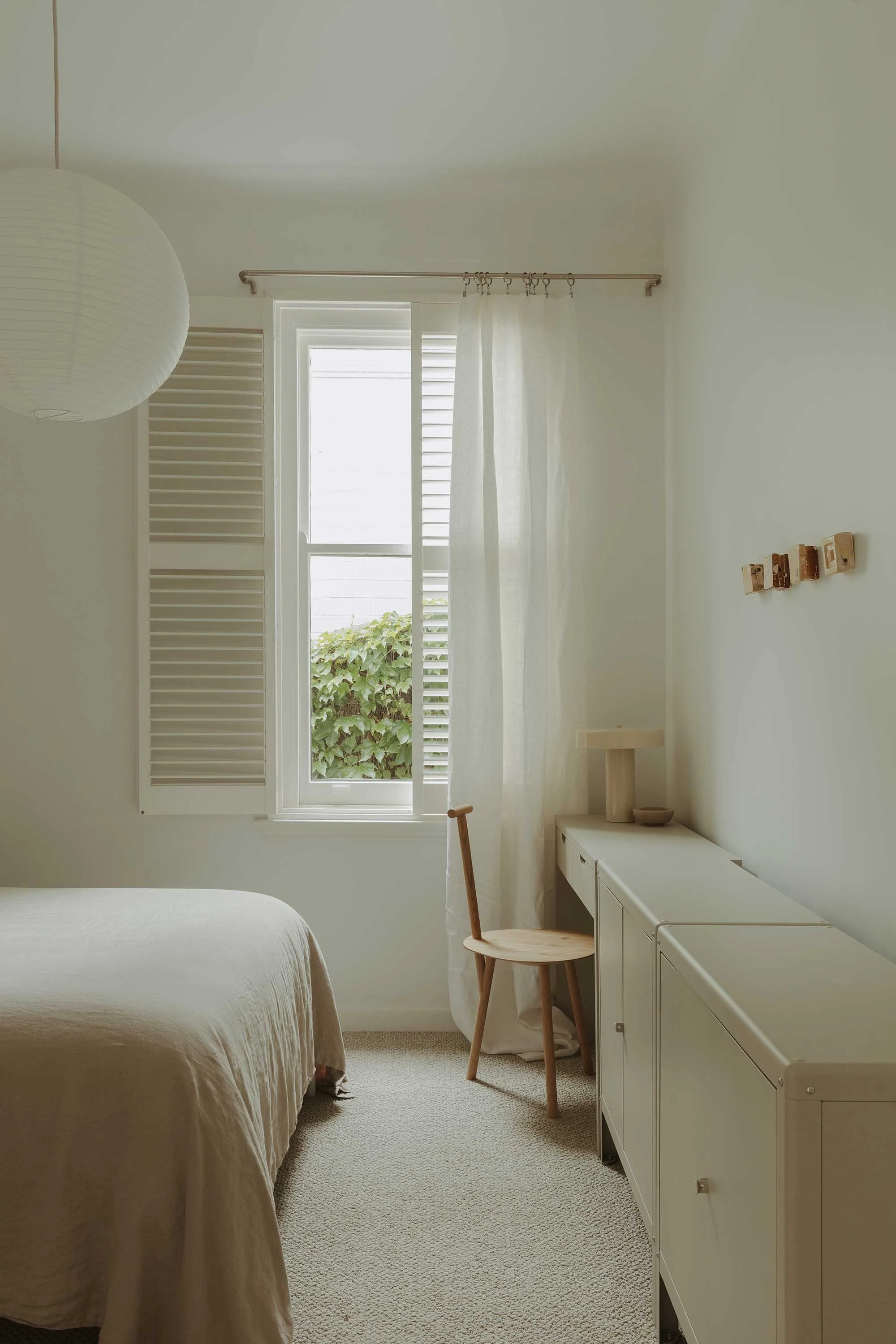
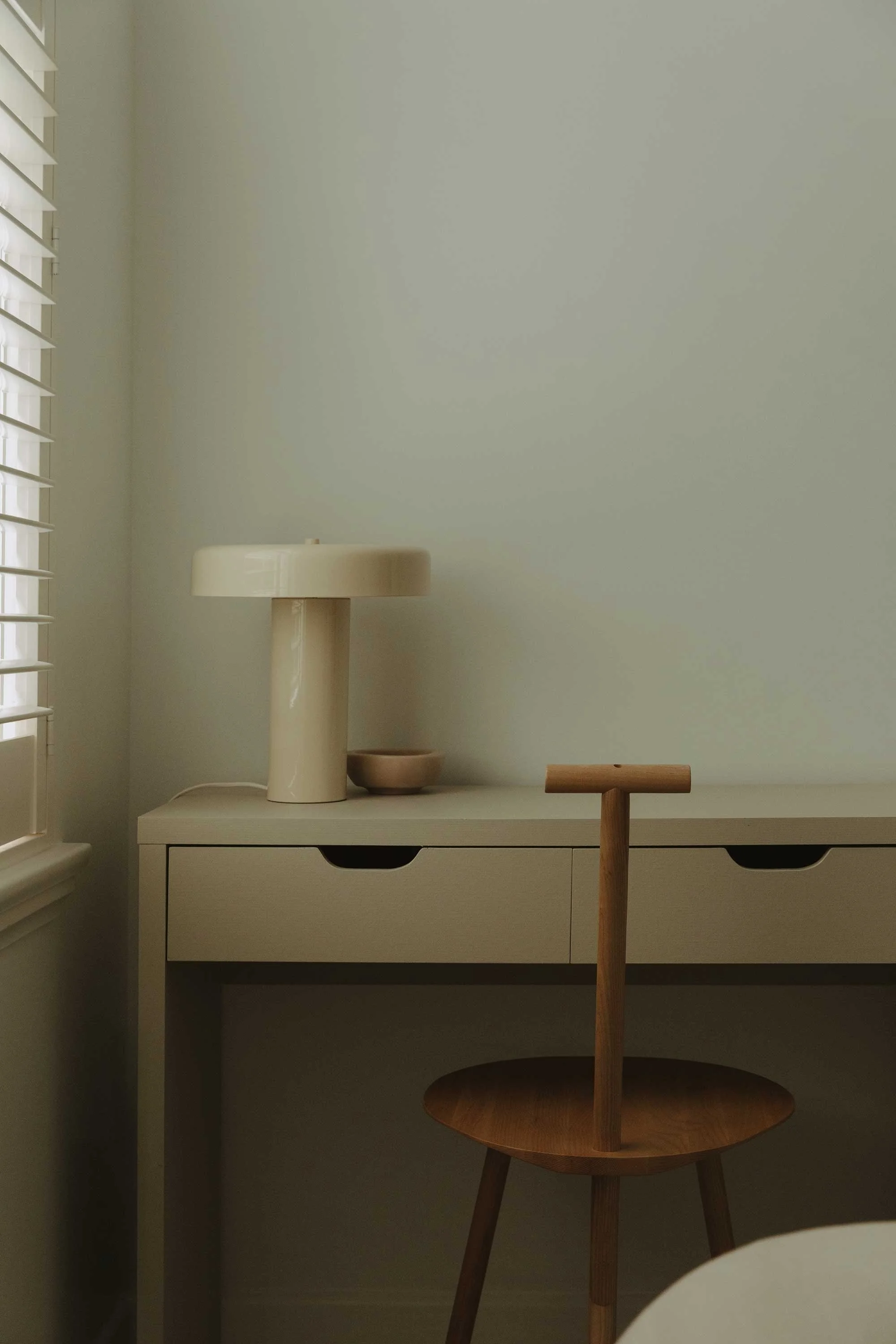
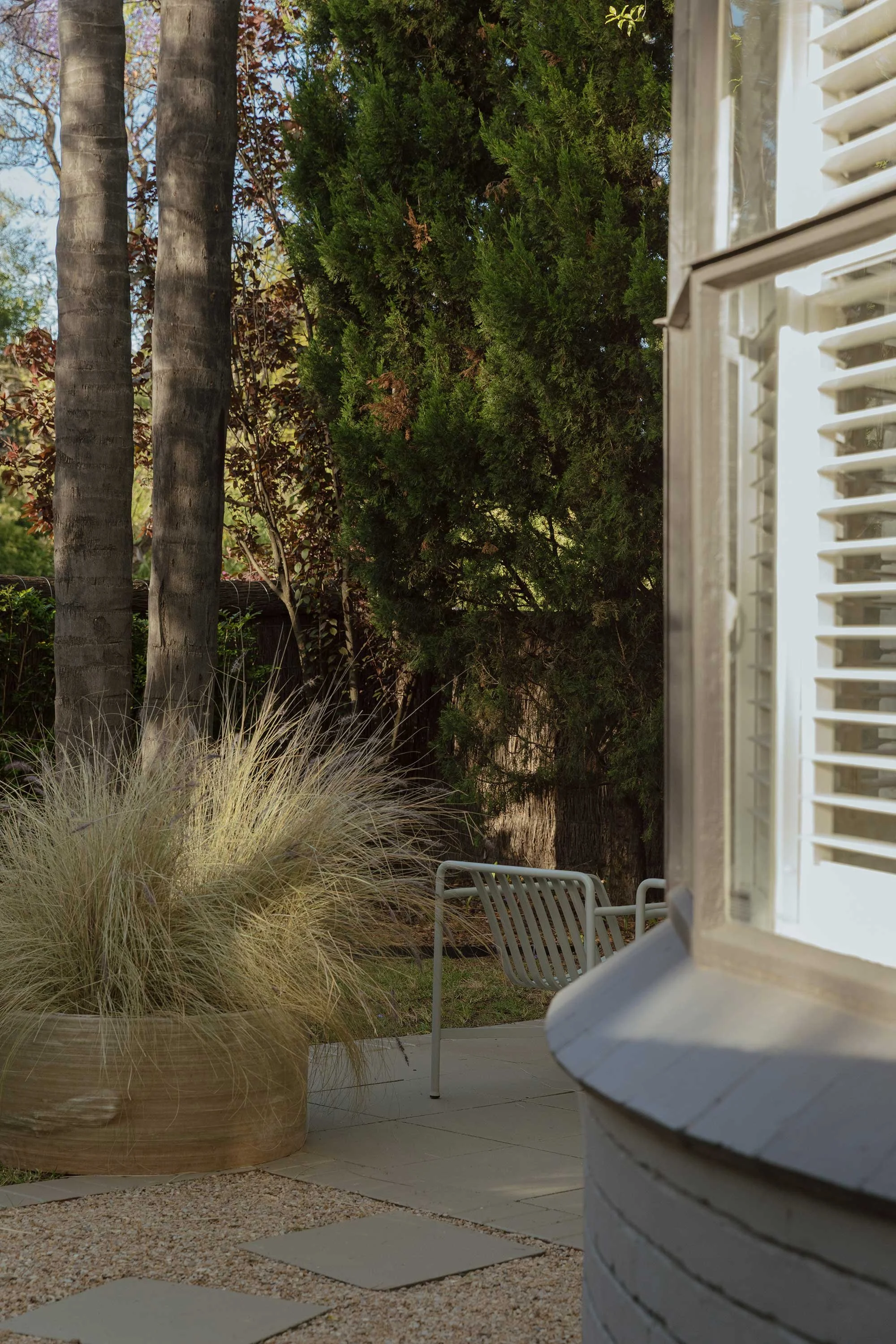
The completed project is an exercise in restraint, where small interventions allow the original structural volumes to breathe. Rather than rely on heavy overhead lighting, Marshall utilised intimate pendants and lamps to complement the natural light and maintain a soft atmosphere. Even the private garden, complete with heritage-listed palm trees, reflects this careful editing. For Marshall, the success of Millswood Moderne lies in its quietness. ‘There is a boldness in it, but the boldness is in its simplicity,’ she reflects. ‘It’s in the lack of details that there’s detail.’
Text by Katherine Ring
Images by Jonathan VDK