Why This Nishijin Machiya Looks Different Every Time You Enter
In Kyoto’s Nishijin district, a century-old machiya unfolds through shifting thresholds and materiality, where space, light and movement are shaped over decades in devotion to the ritual of tea
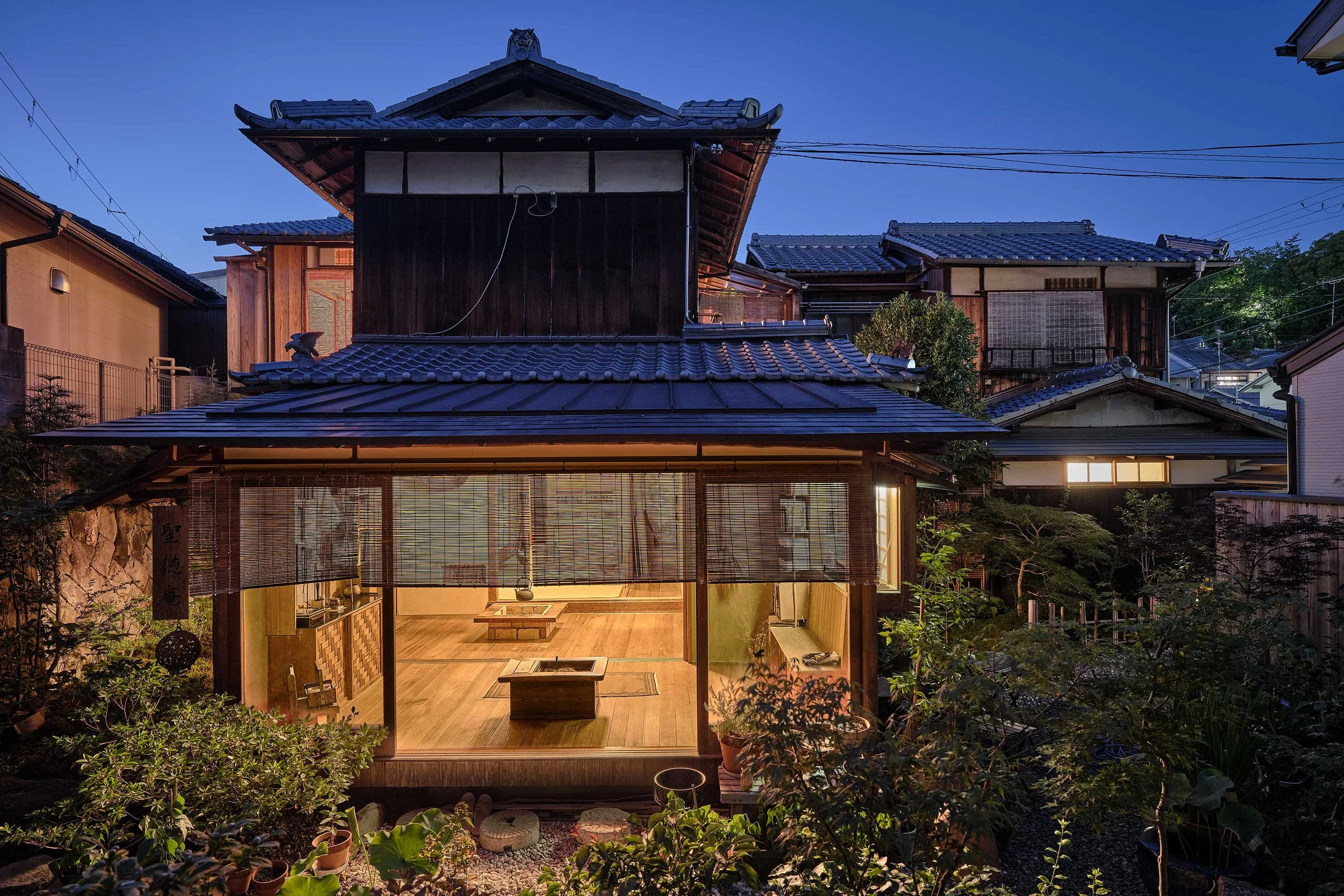
In a 100-year-old machiya in Nishijin, Kyoto’s historic weaving district, Jack Convery and his wife Hiromi have devoted more than four decades to chanoyu, the ceremonial practice of offering tea.
‘First you build the space,’ he says, ‘and then you invite people. The intention is to create a place for the joy of making and drinking tea.’
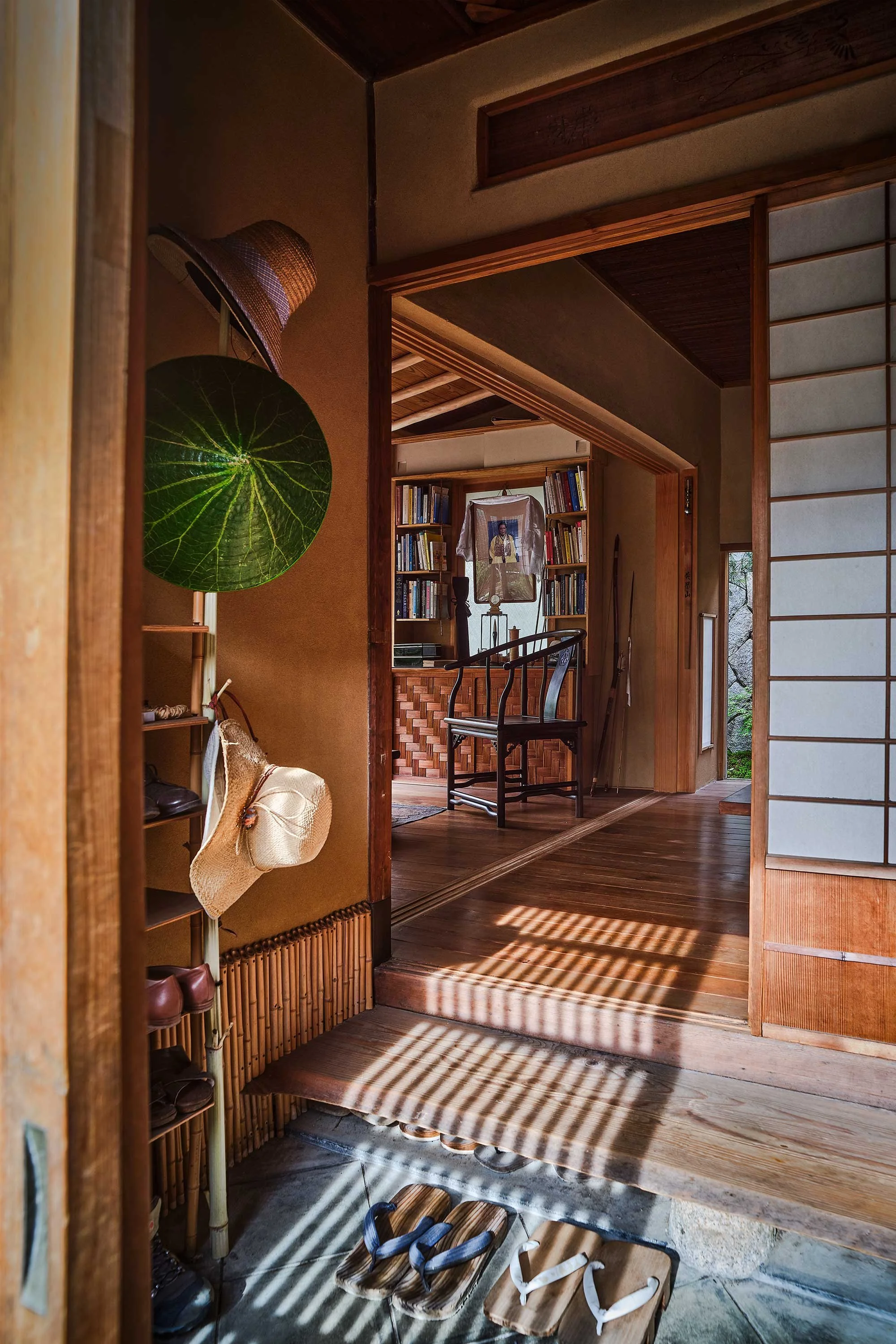

Convery arrived in Japan intending to stay six months. He had come, he says, to learn how to make a bowl of tea, having first begun to study chado with Tibetan Buddhist teacher Chögyam Trungpa at his home in Boulder, Colorado. This led him to Japan and to formal training under Hōunsai, the 15th-generation grand master of the Urasenke School of Tea. In Kyoto, he met Hiromi and together they acquired the house, built more than a century ago by a local carpenter for his family, its craft passing from one generation to the next. Many such machiya in the neighbourhood have since disappeared.
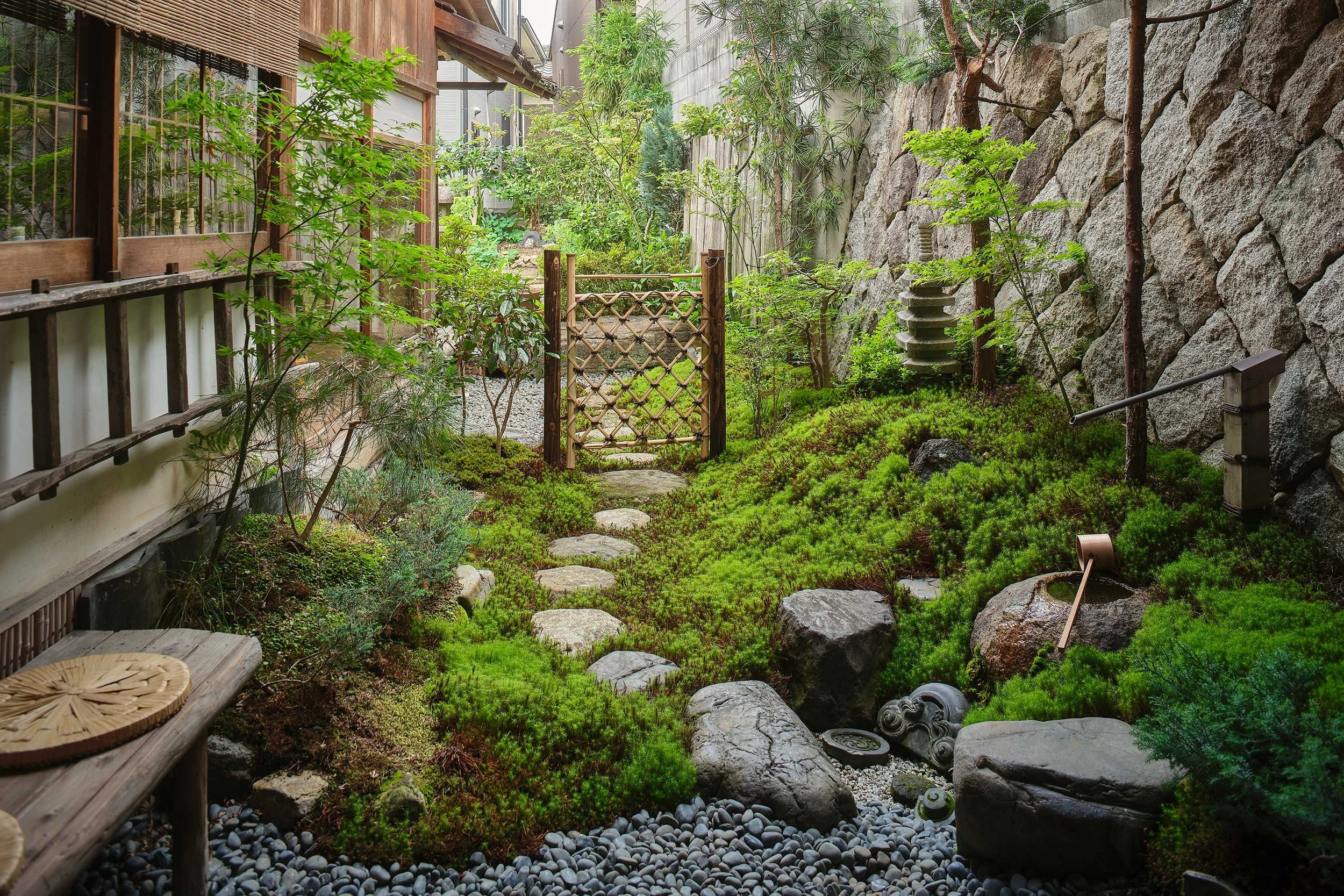
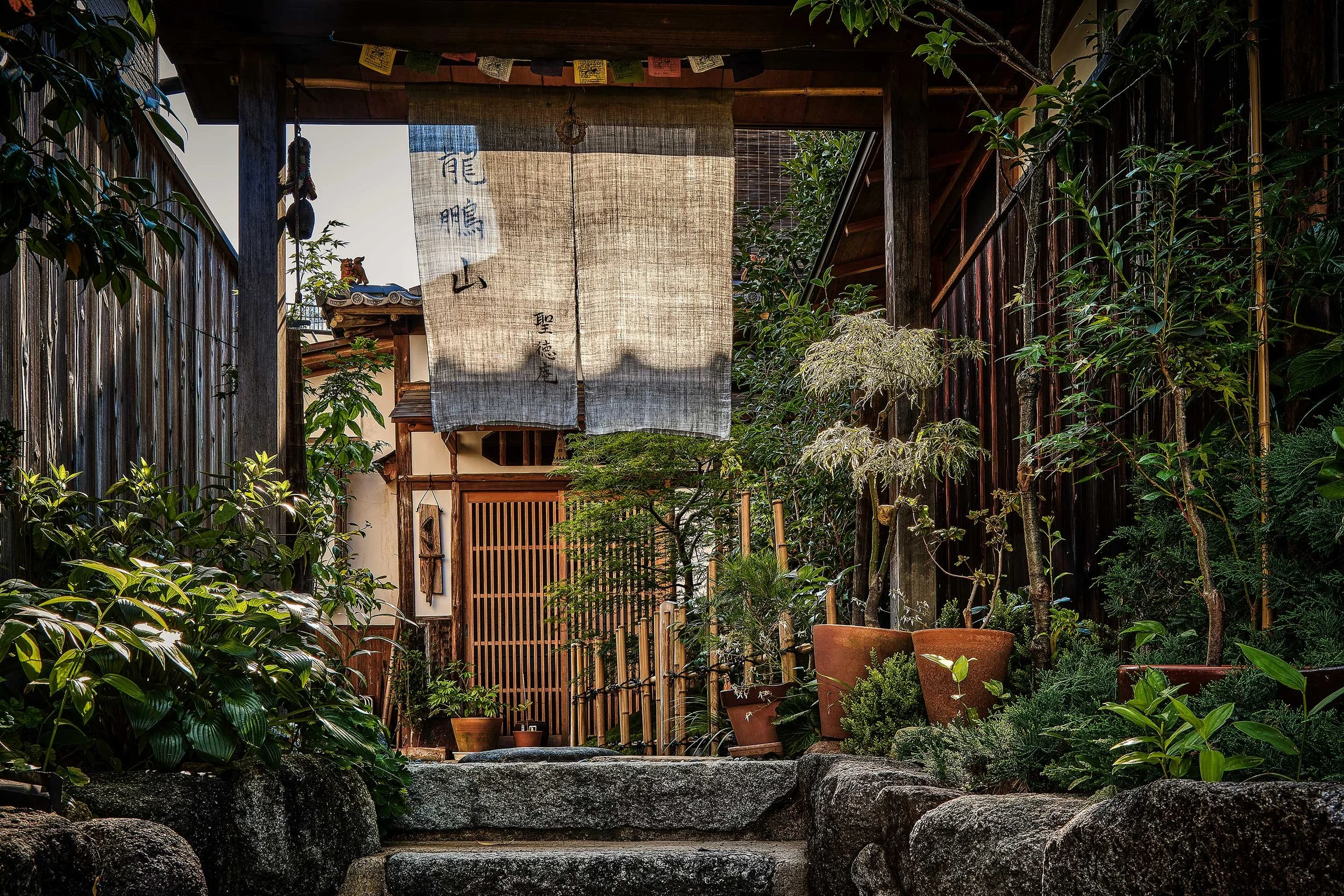
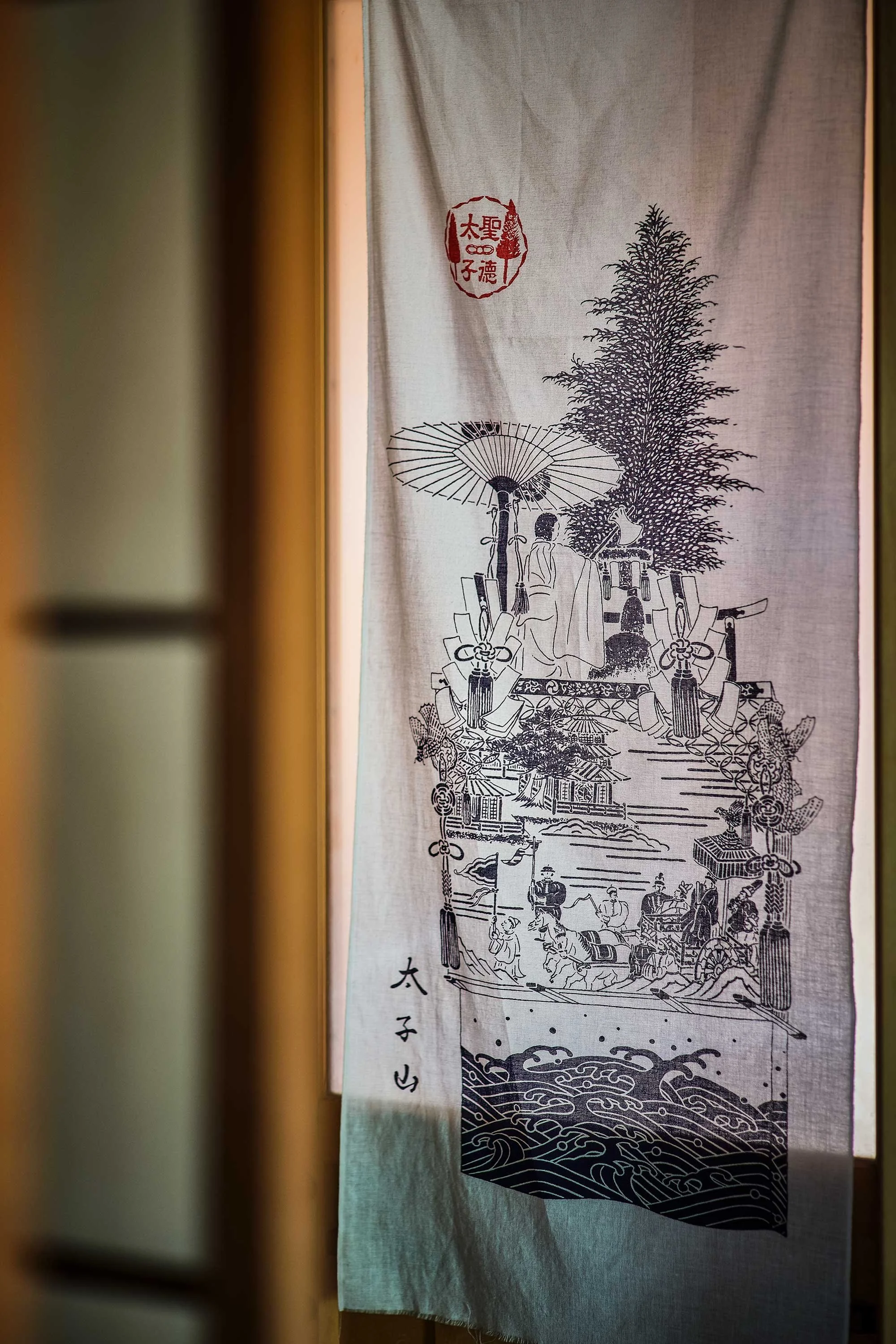
The tone is set at the entrance, where a hand-woven noren leads into a moss garden marked with a large, circular stone, once used for grinding rice.
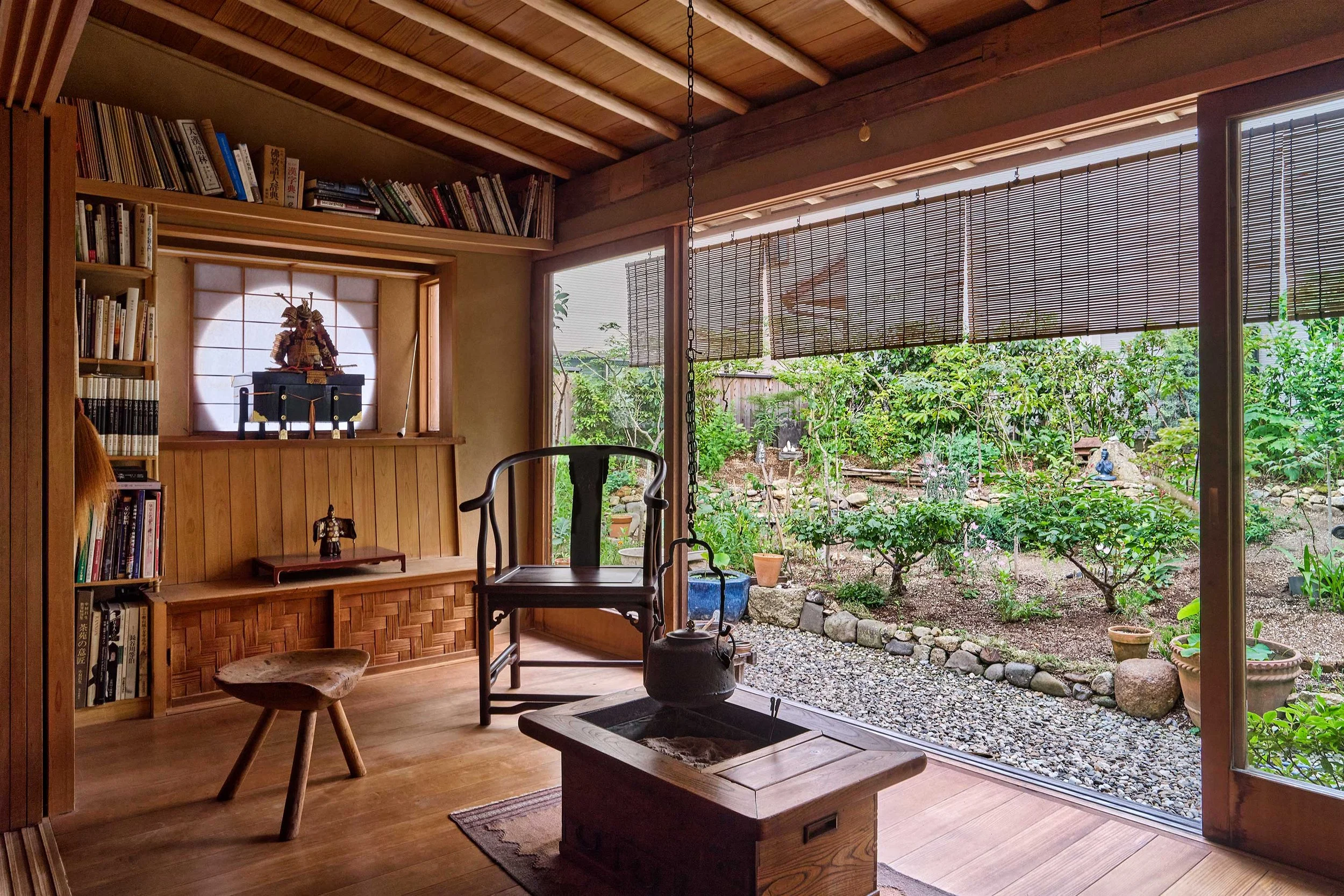
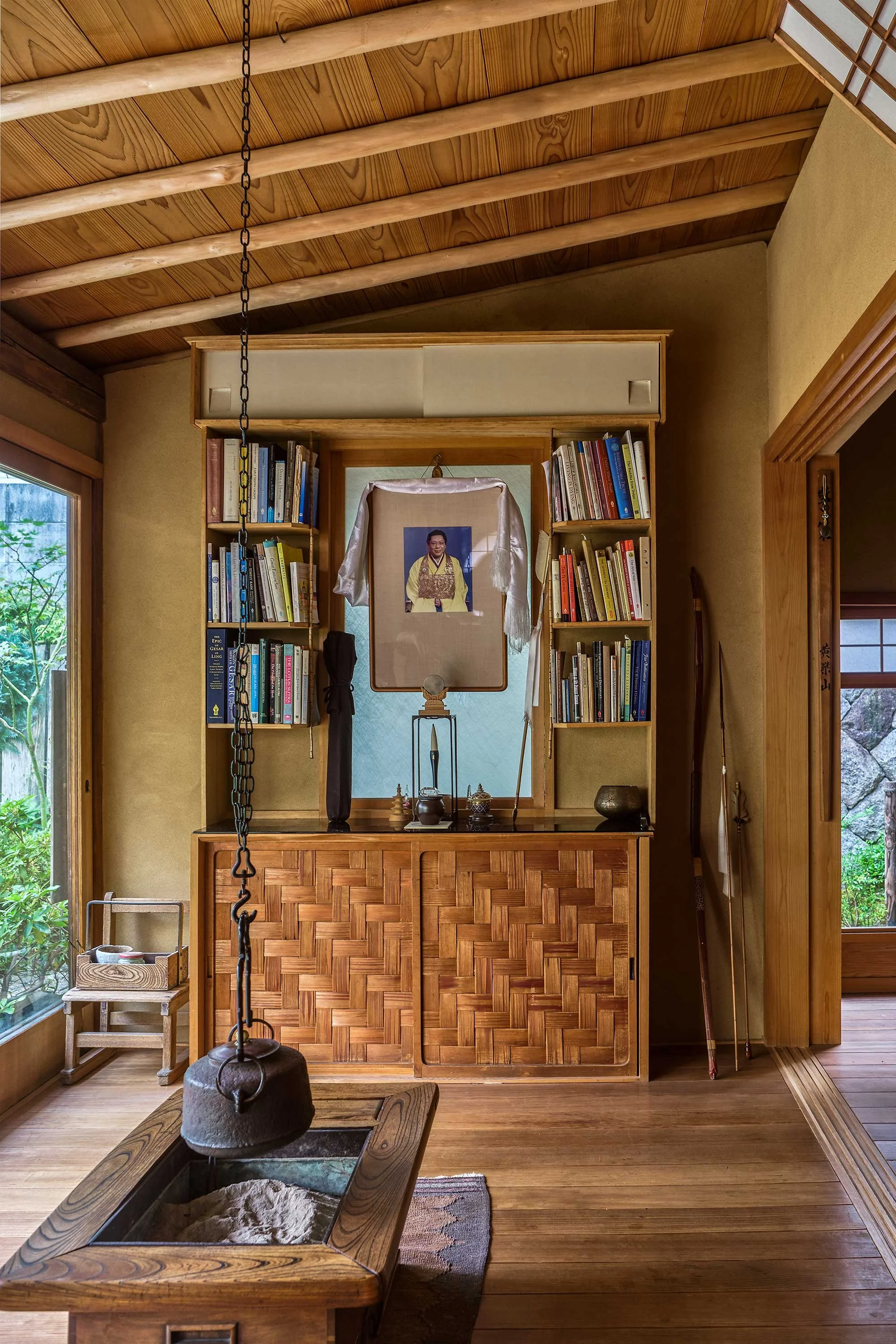
The two-storey house has a long architectural lineage, carefully composed and grounded in centuries-old principles of proportion, restraint and attentiveness to natural materials. Expanded and contracted over the years to accommodate living and teaching, the series of spaces remains visually connected, with removable shoji and openings with views that shift in relation to one another. Convery describes it as ‘space beyond space beyond space’, a way of seeing that changes as screens slide open and sightlines reorient. From the genkan, where guests remove their shoes, the eye is drawn through the room at the centre of the house, and out through glass to the teahouse garden beyond. It was this east–west alignment that first caught Convery’s attention, and it has been carefully maintained and accentuated over the years.
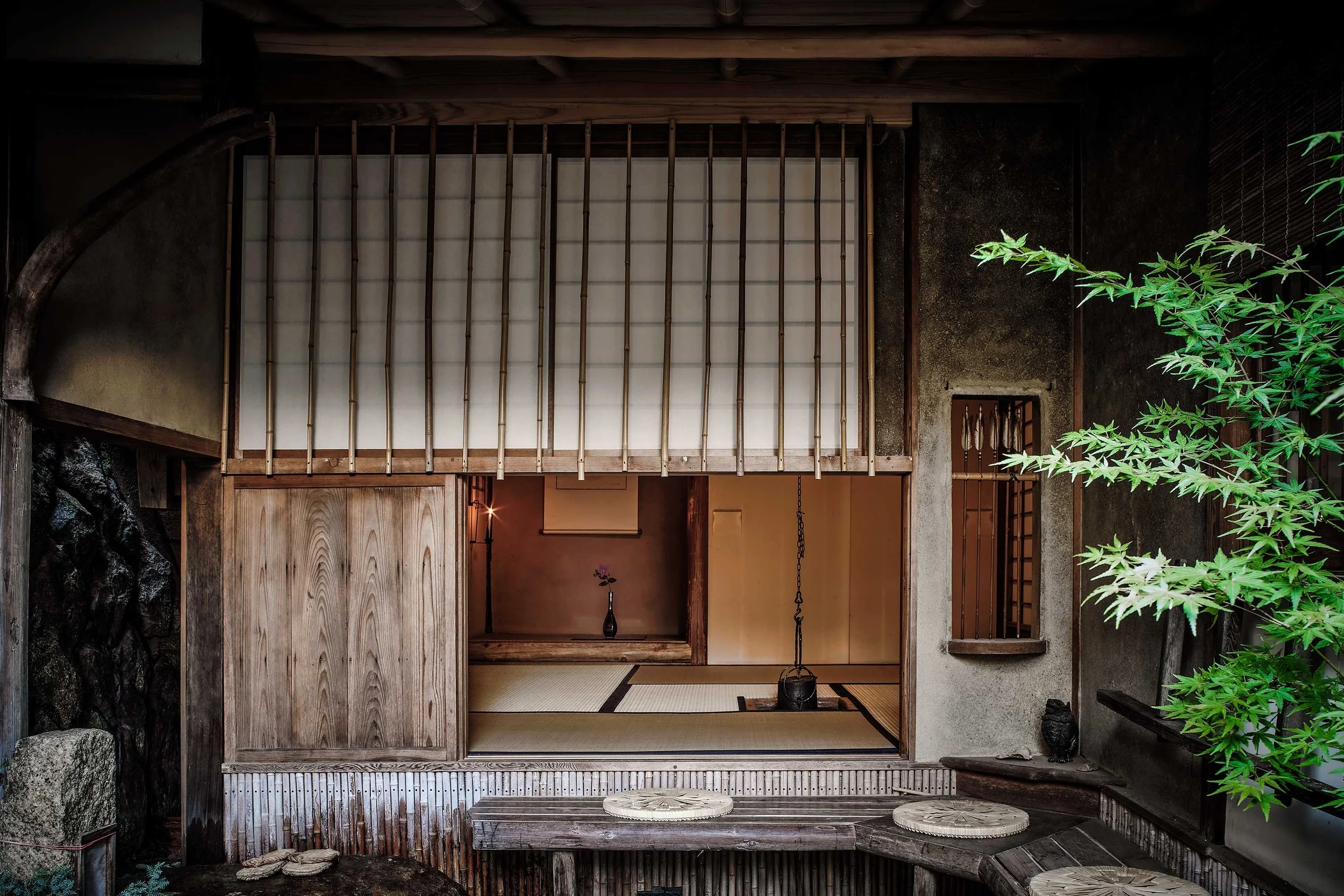
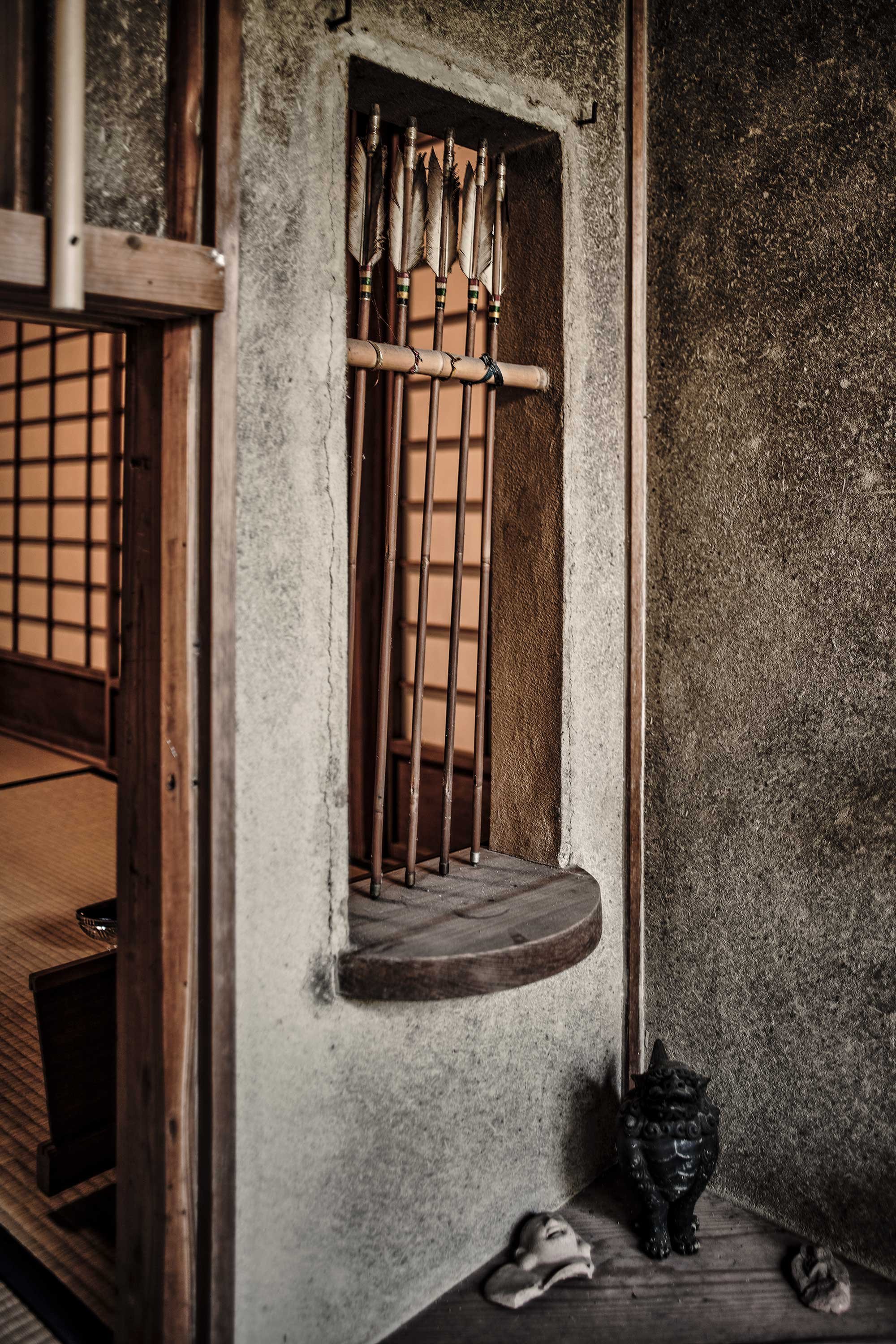
Materiality is refined yet modest. A moon window has been added to the left of the entrance, and sections of frosted glass throughout have been replaced with paper, allowing both light and shade to filter into the interior. Wood and plaster are largely untreated, in keeping with the sukiya-zukuri architectural style that originated in the design of 16th-century teahouses. Two structural timber posts sit in deliberate contrast — one square-cut from a round trunk and smooth to the touch, the other left with a more textured surface. As light moves across them, subtle shifts in tone and grain are revealed.
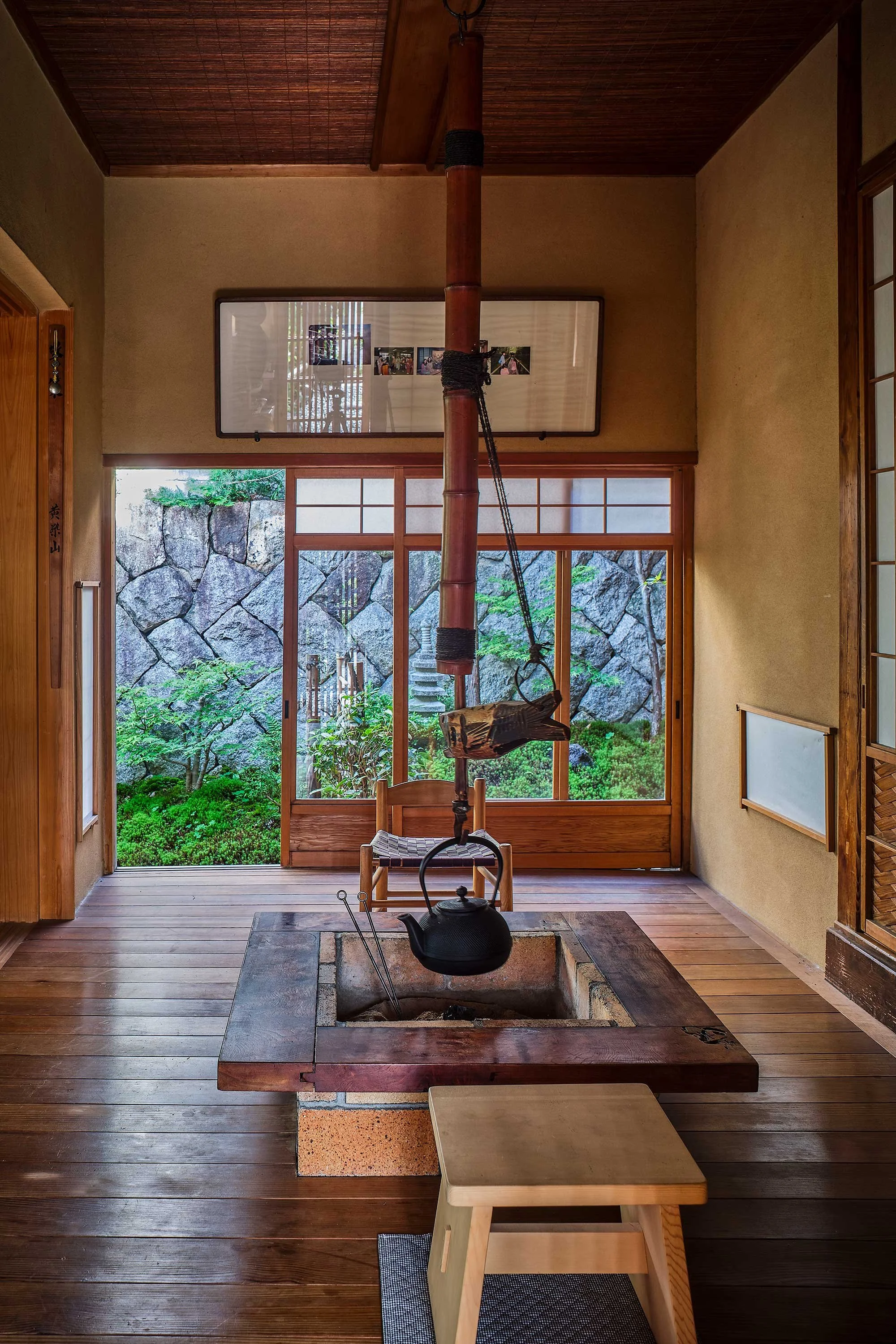
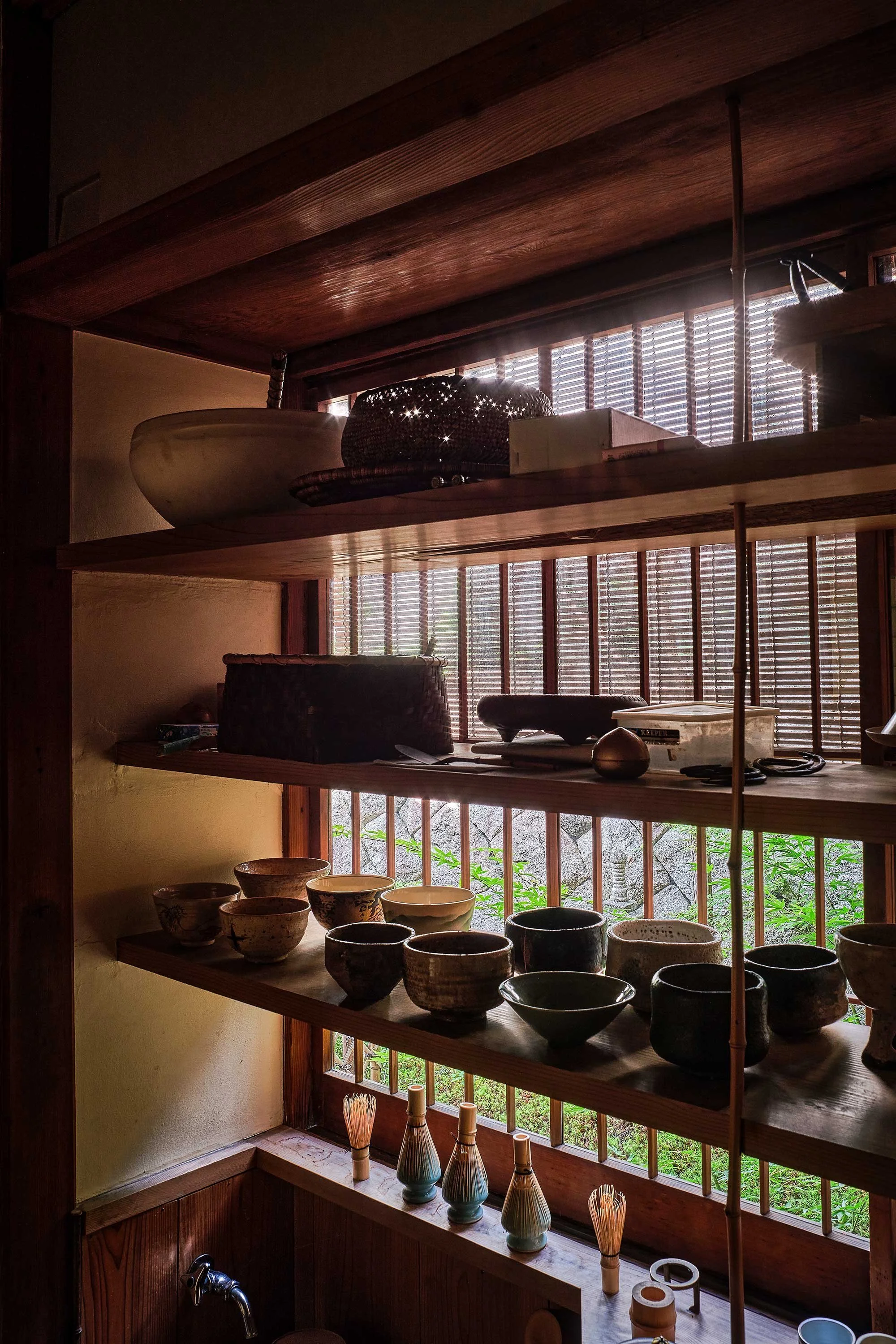
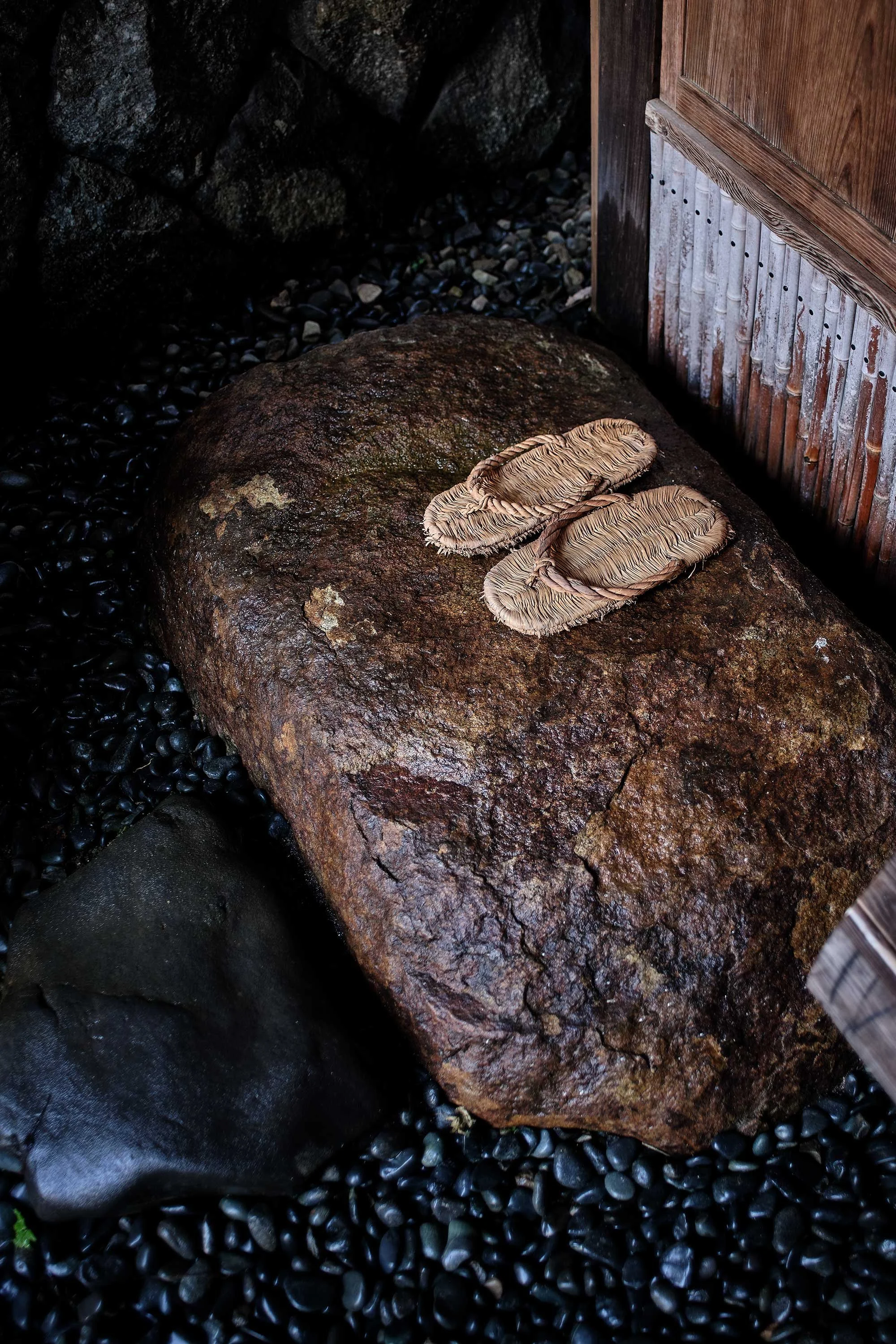
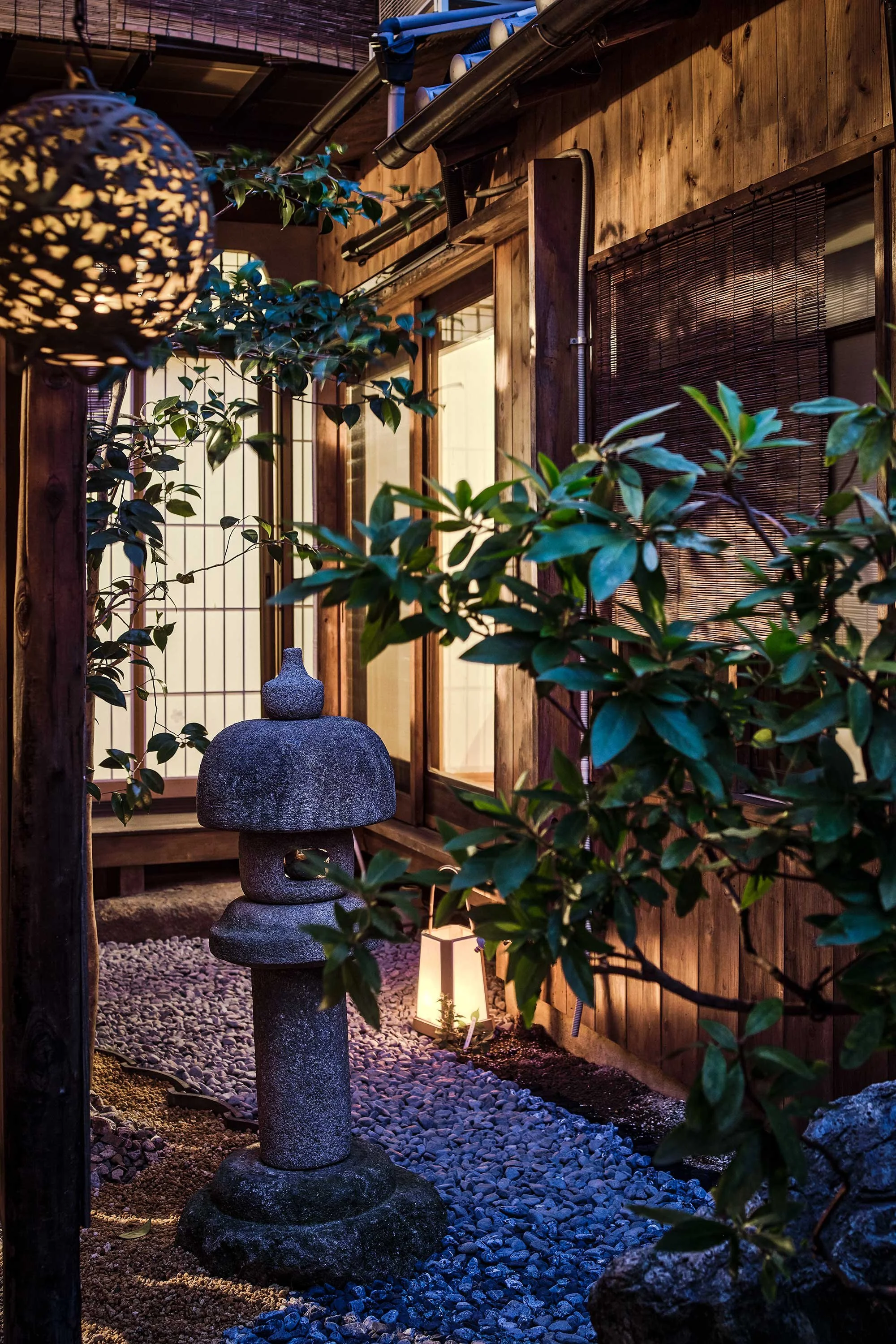
The machiya layout supports both daily life and the practice and teaching of tea. One room with floor-to-ceiling windows opens to the garden, where flowers for chabana and tatehana are selected. Another is for daily meals and conversation. Further in, the open shelves of the host preparation area hold bowls, whisks and utensils arranged for practical use rather than display. Guests and students reach the tearoom via a smaller, formal garden with a rustic wooden bench for removing shoes before entering through a crawl door (nijiriguchi). Inside, the original room has been reduced to four and a half tatami mats, and the ceiling finely adjusted to be ten centimetres lower.
For Convery, tea unfolds through movement, and the rhythm of the transition between spaces guides without instructing. This is not a performance but a heightened form of attention, with adjustments essential to ensuring perfectly balanced proportions.
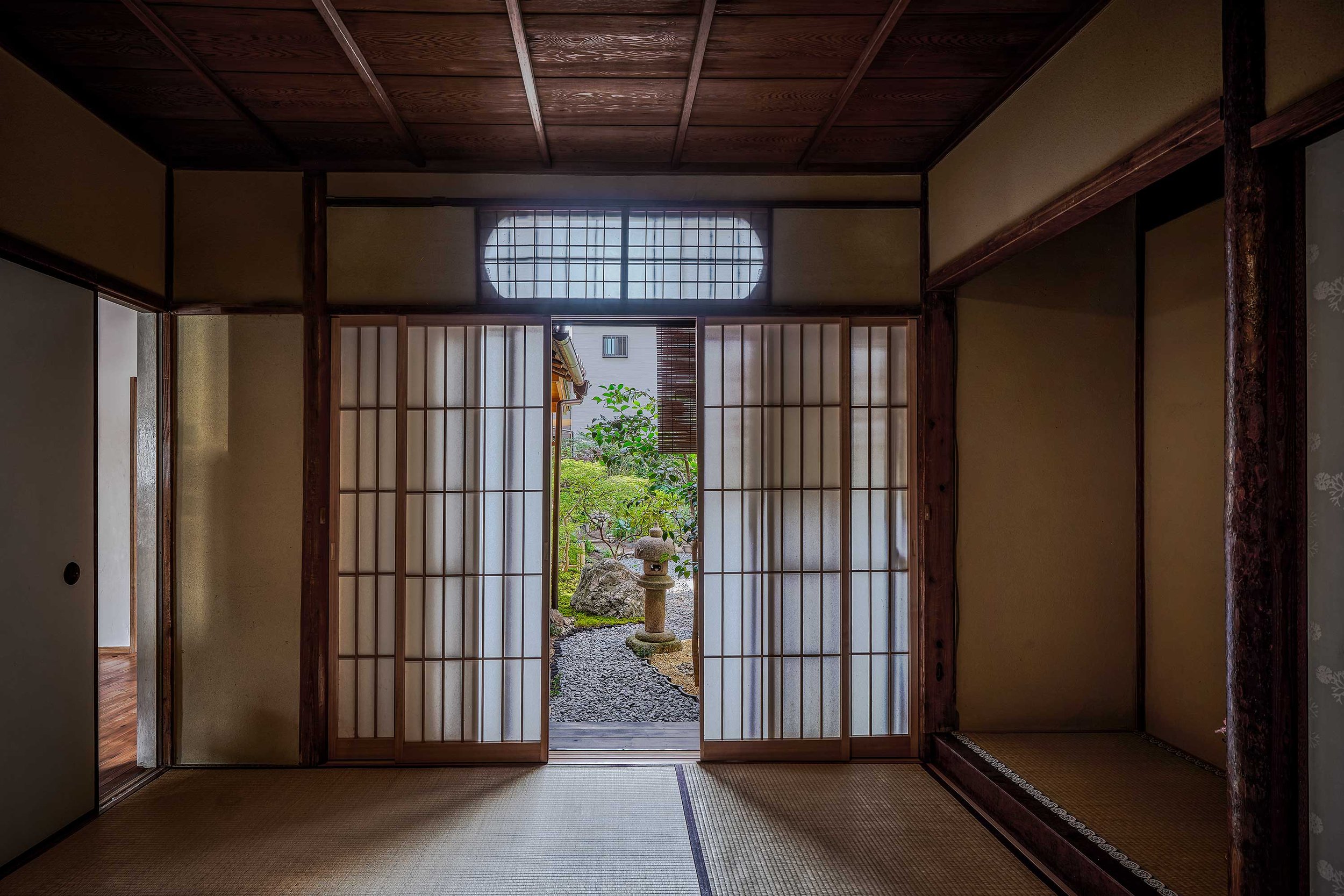
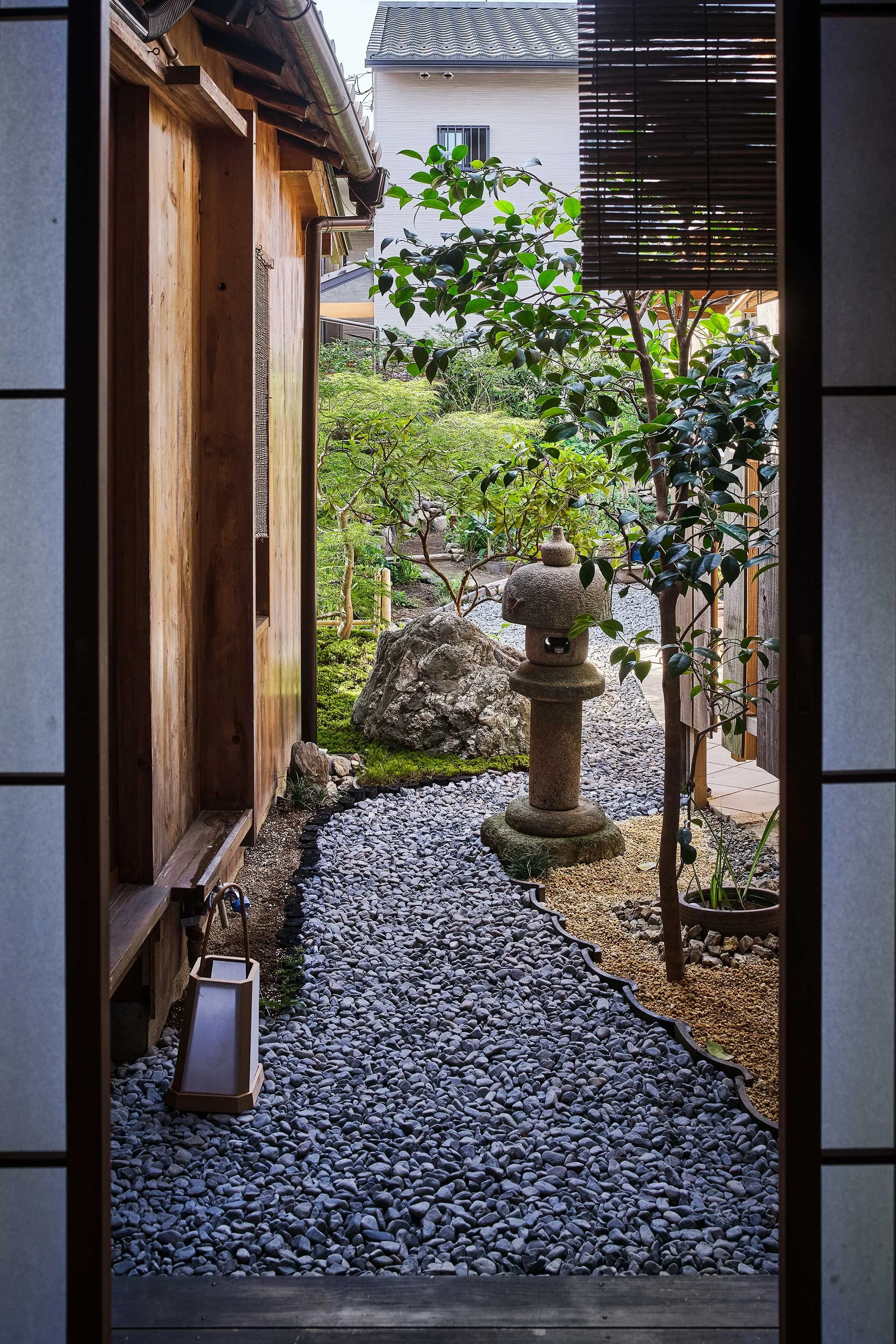
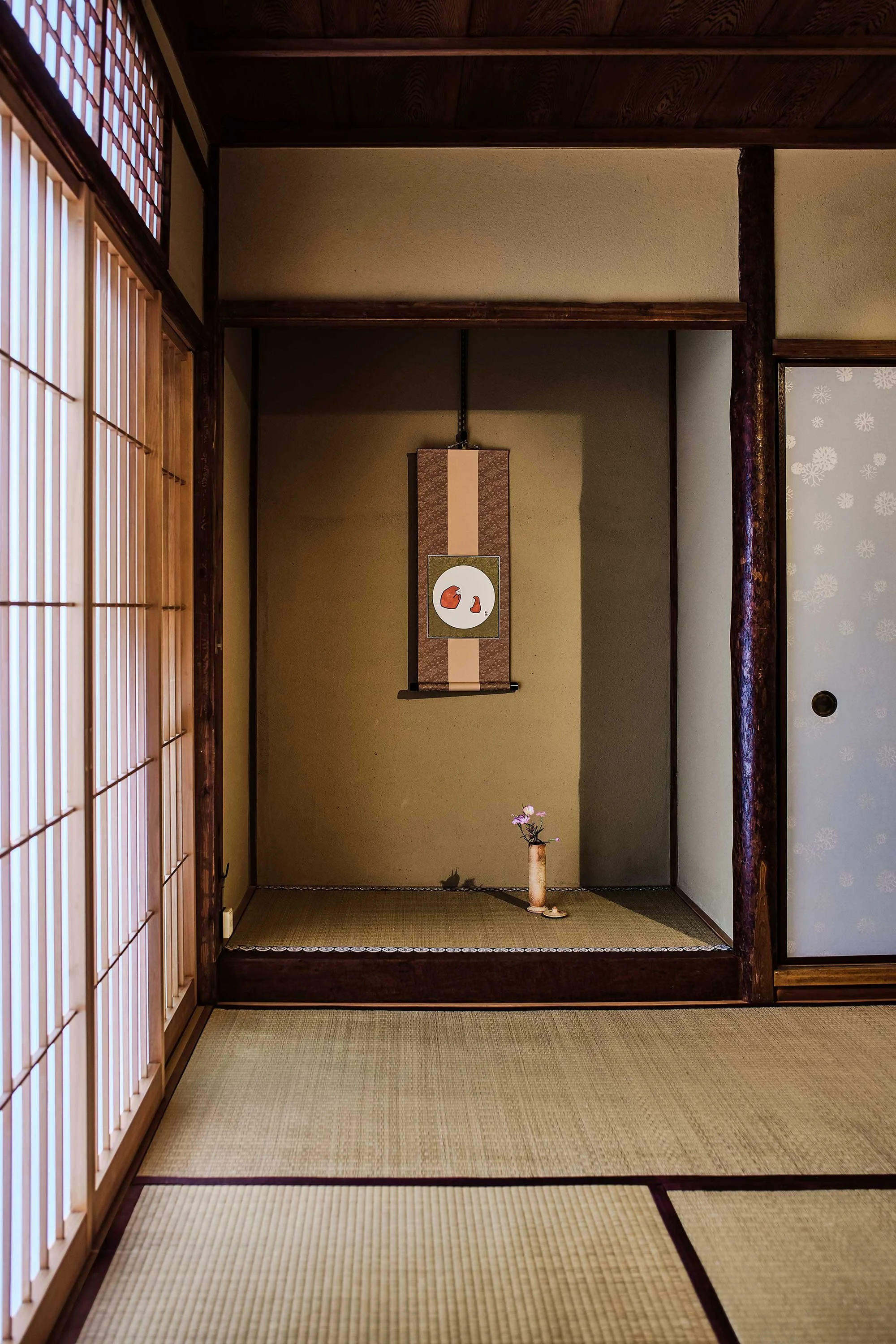
‘Guests bring all of their senses,’ he says. ‘And that is why the architectural form of the chashitsu provides more than just a setting. It embodies the artistic sensibility and cultural soul of tea.’
Text by Catherine Shaw
Images by Chester Ong