
Pritzker Prize Winner Riken Yamamoto on Designing for the Community
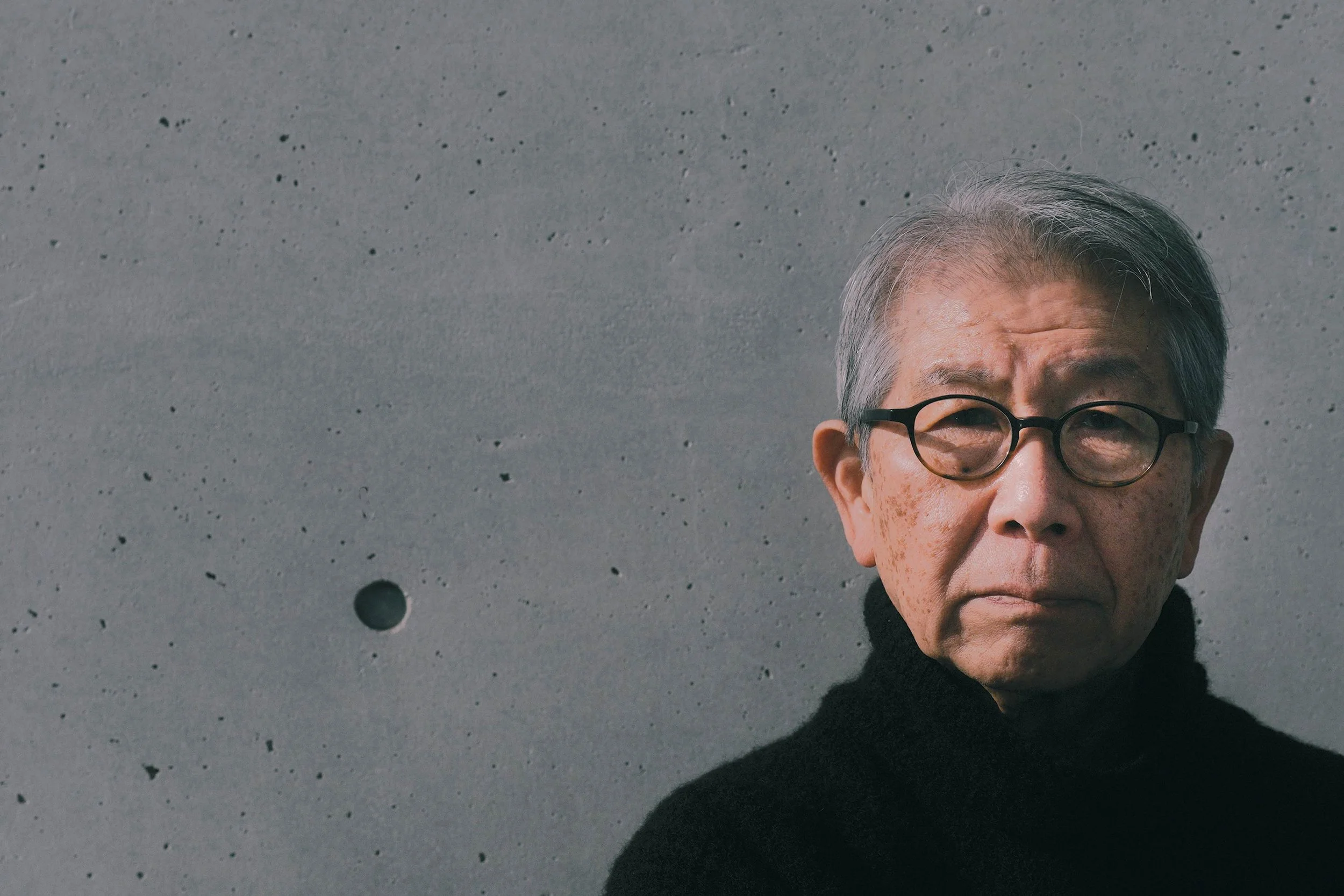
Image by Tom Welsh for The Hyatt FoundationPritzker Architecture Prize
The 2024 laureate speaks to us at Singapore Archifest about good design and how we can make cities work
From intimate villas to sprawling university campuses, Japanese architect Riken Yamamoto’s buildings have always upheld the value of community life. By sensitively blurring the boundary between the public and private, the 2024 Pritzker Architecture Prize winner deconstructs entrenched notions of freedom and privacy and shows how meaningful collectivism can take root in cities. He has been described by fellow laureate Alejandro Aravena as ‘a reassuring architect who brings dignity to everyday life’. During this year’s Singapore Archifest, an annual festival celebrating architecture and the built environment, we met Yamamoto to learn about his philosophies and how we can tackle today’s pressing urban challenges.
Design Anthology: ‘Community’ is a big part of your practice. Was there a moment that shaped your convictions in designing for the community?
Riken Yamamoto: After graduation, I joined Hiroshi Hara’s laboratory at the University of Tokyo. He’s best known for designing the Umeda Sky Building in Osaka and Kyoto Station, both of which have become symbols in their cities. Hara was not just an architect but also a historian. I had a chance to investigate community systems with him, and discovered his deep knowledge about old Greek systems — poleis — and cultures, something which was proven to be helpful for me. Recently I published a book, Space of Power, Power of Space: Designing the Relationship between the Individual and the State, which investigates the old Greek community system. The family house, what is perceived to be a private space, had a public space inside called the andron. It’s a space for the symposium — which means ‘drinking together’ in Greek — reserved for men. This is part of the reason why there was a very good community life back then. As I investigated other small villages in various countries, I found that everyone had a similar system.
From your perspective, what’s good design?
Good design is designing buildings that are not independent of one another. There needs to be a relationship between skyscrapers and an openness to the community, so that it can be a symbol for the people. In Singapore, there are many buildings that are not connected to each other, and this is the same in other cities, such as Tokyo and Osaka. It is not always necessary to build a big building — smaller can be better.
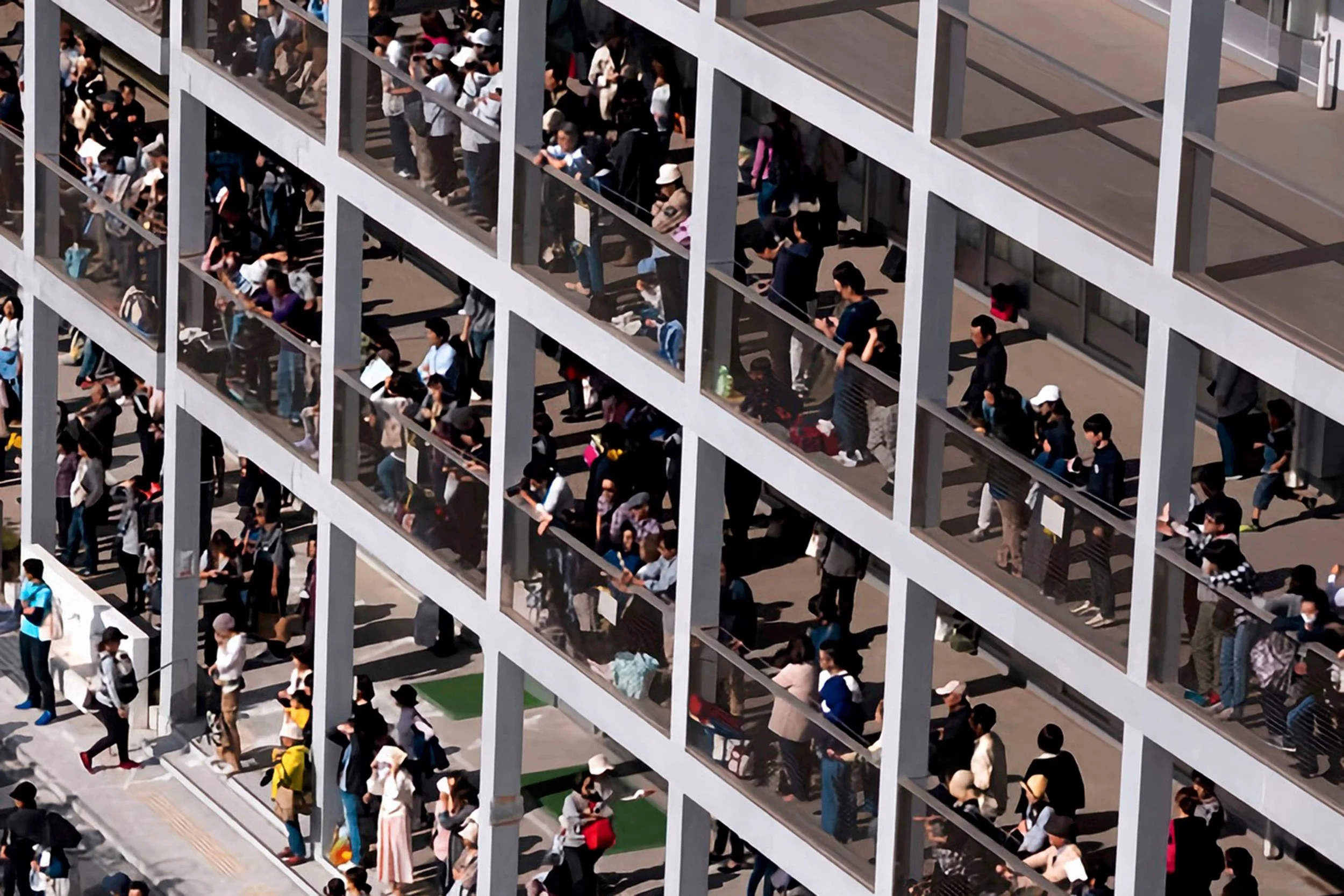
Koyasu Elementary
There’s a loneliness epidemic today, where people in urban environments live increasingly in isolation. What are some principles that can help alleviate this?
Openness and functionality are important. Too many public buildings are closed off to people, and they should be made open to the community. Even with a private building, it’s possible to open it up. There’s also a functional purpose for this openness. For example, in the event of a disaster, firefighters will often need help from the community living in the area. That’s why the Hiroshima Nishi Fire Station is designed to be very, very open, which helps foster relationships with the people. It’s an unusual but enjoyable place to visit, where rooms are transparent and even children can enter the space to see firefighters in training.
This is possible even for homes. My first project was to design a small summer house in Yatsugatake, Japan. The Yamakawa Villa has an open living room space in the middle with no windows and no door — animals can come in easily and neighbours drop by whenever I visit.
Speaking of houses, how can we build spaces that foster intergenerational living, in light of ageing populations in countries such as Singapore and Japan?
The biggest change in modern society is that the young and old are not connected to each other. In villages, both generations are still living together. The problem today is that the old are not respected. They aren’t viewed as useful, maybe because they’re not as mobile. However, the older generation can play a role in fostering strong communities. They know all about the history of one’s place, and can teach the next generation how to bring people together.
What’s one piece of advice you’d give to a young architect?
Don’t be afraid to design for the community. Try it, it’s not so difficult. Think about the relationships between the building, the neighbourhood and its people. Deep down you’ll know what’s a good design.
This interview has been edited for length and clarity.
As told to Joseph Koh
Images courtesy of Riken Yamamoto and Field Shop
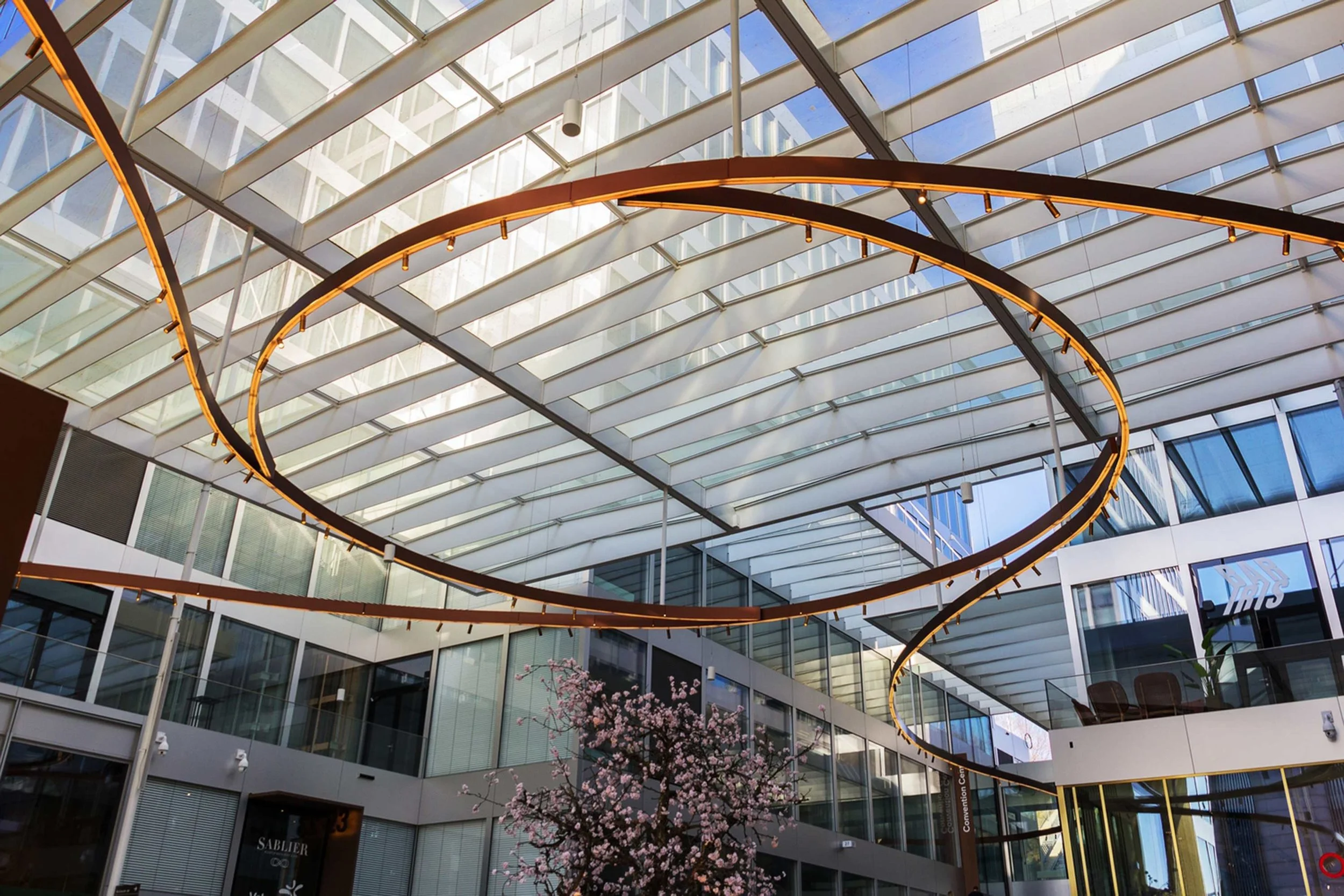
The Circle at Zurich Airport
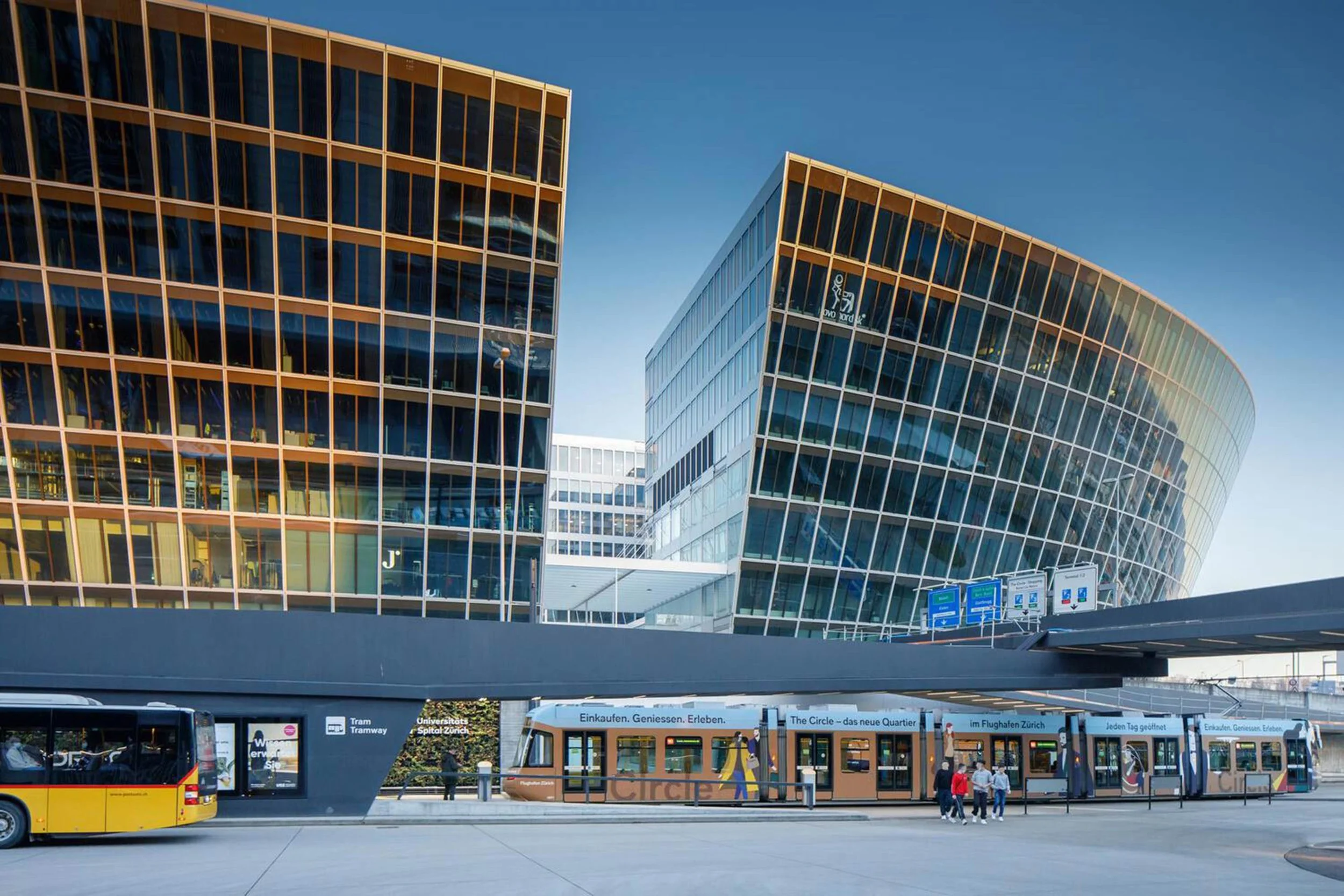
The Circle at Zurich Airport
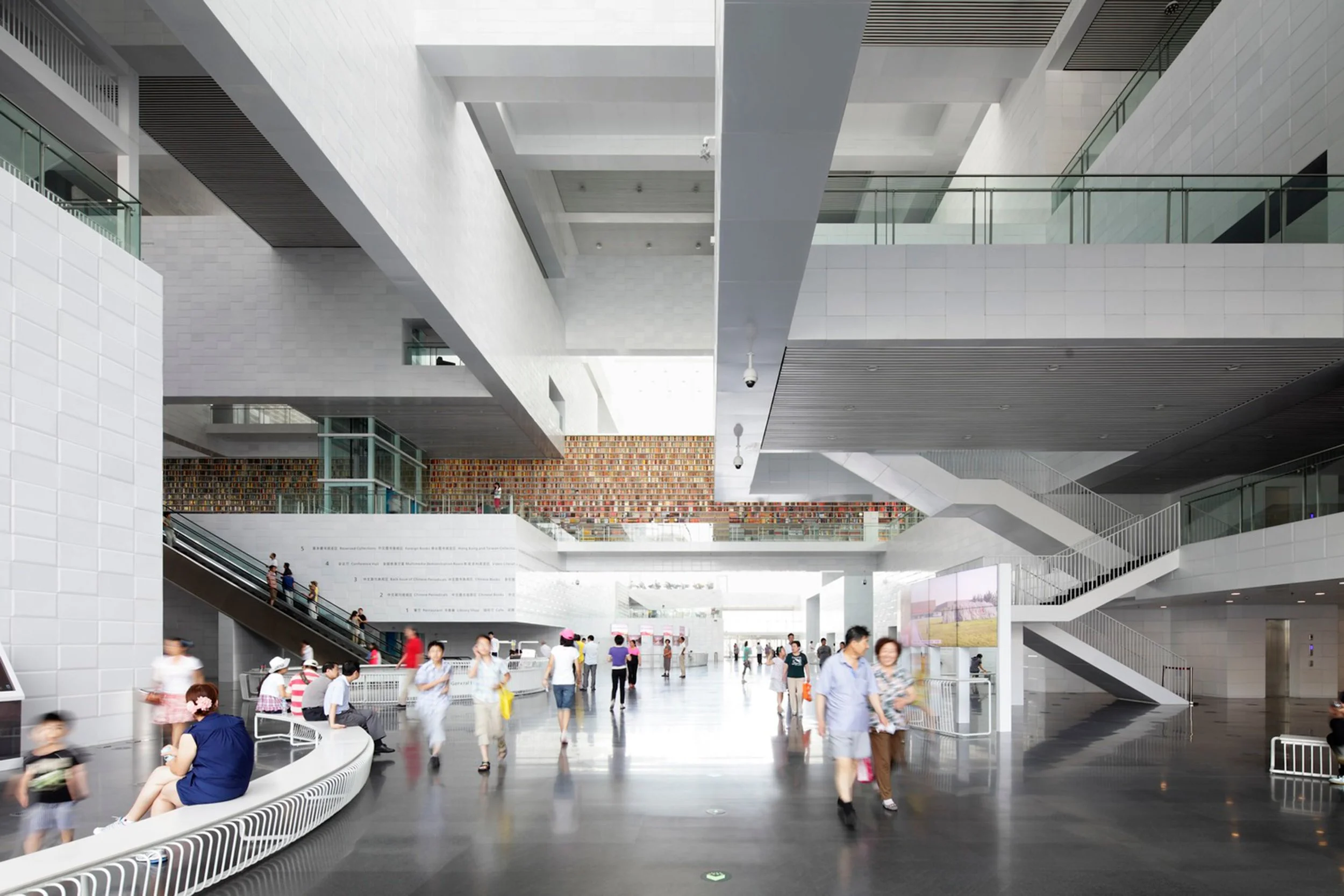
Tianjin Library
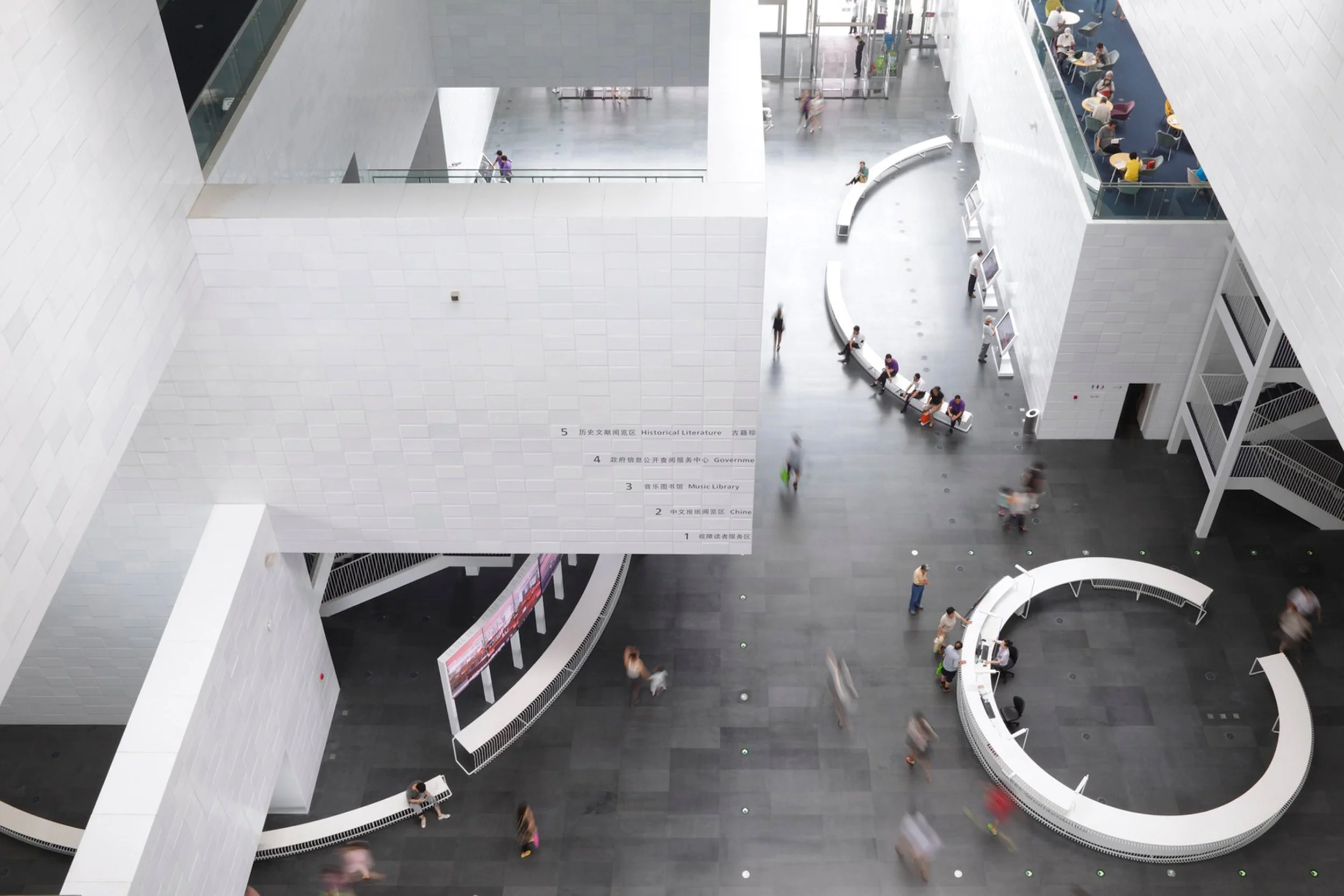
Tianjin Library
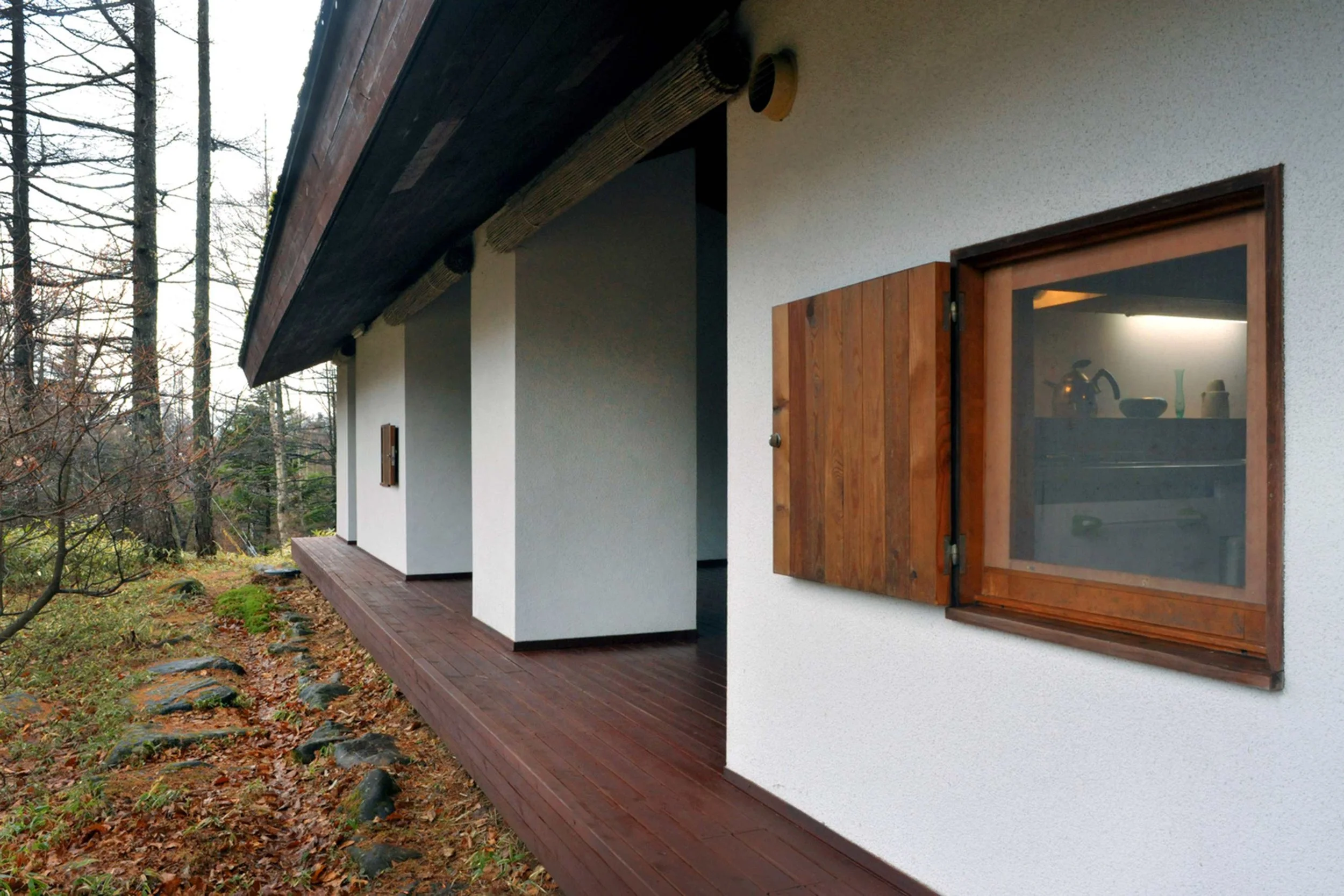
Yamakawa Villa
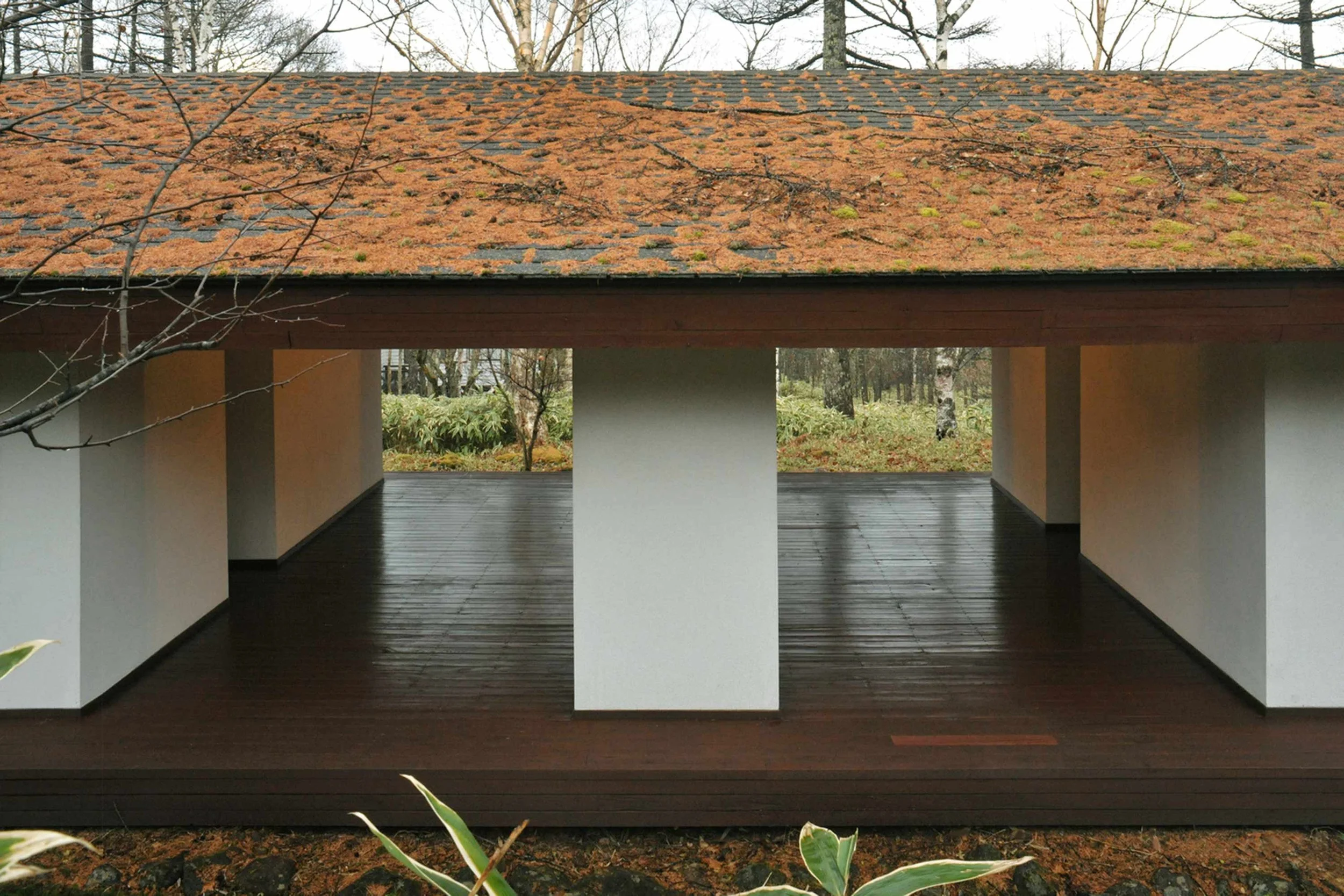
Yamakawa Villa

Koyasu Elementary
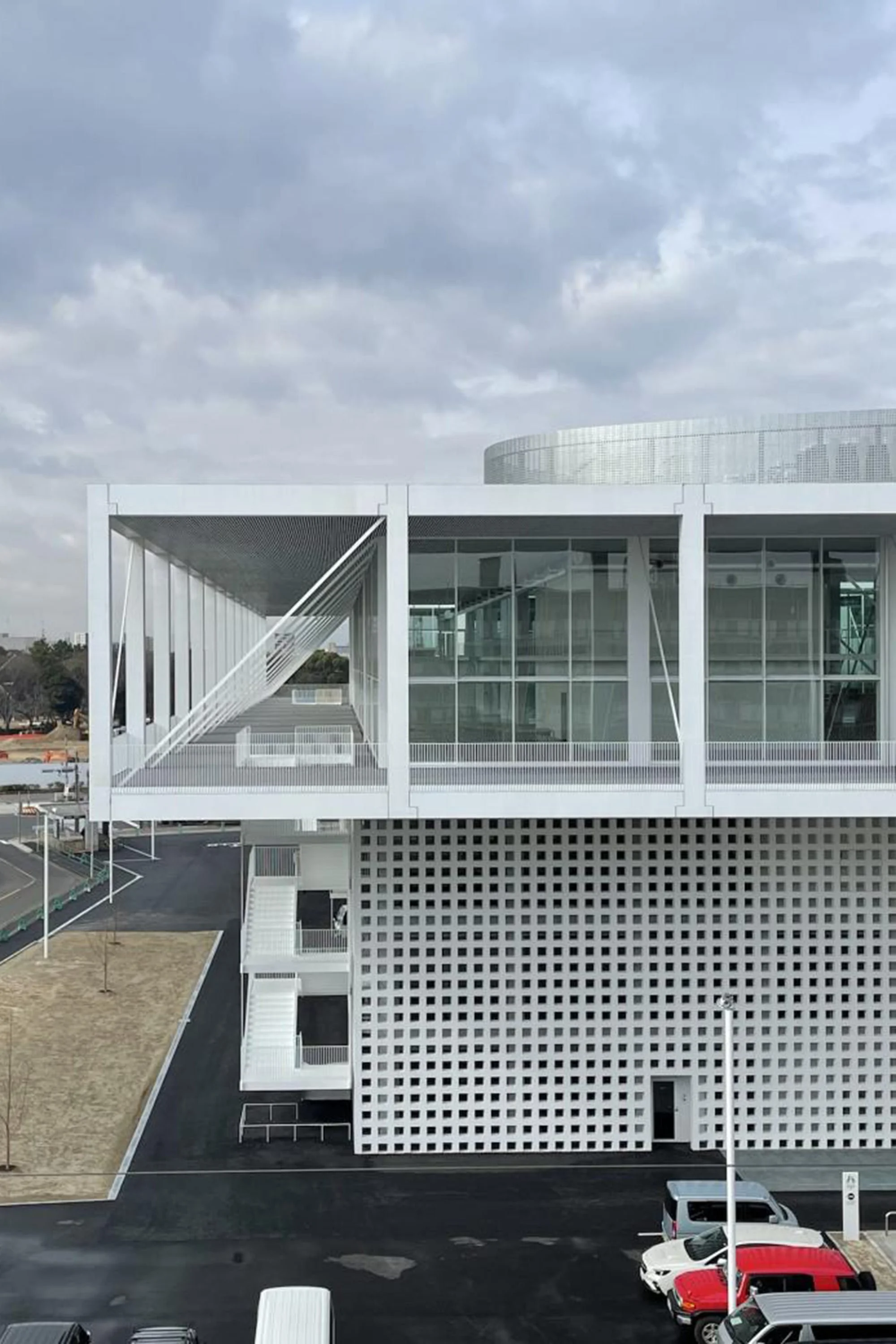
Nagoya Zokei University