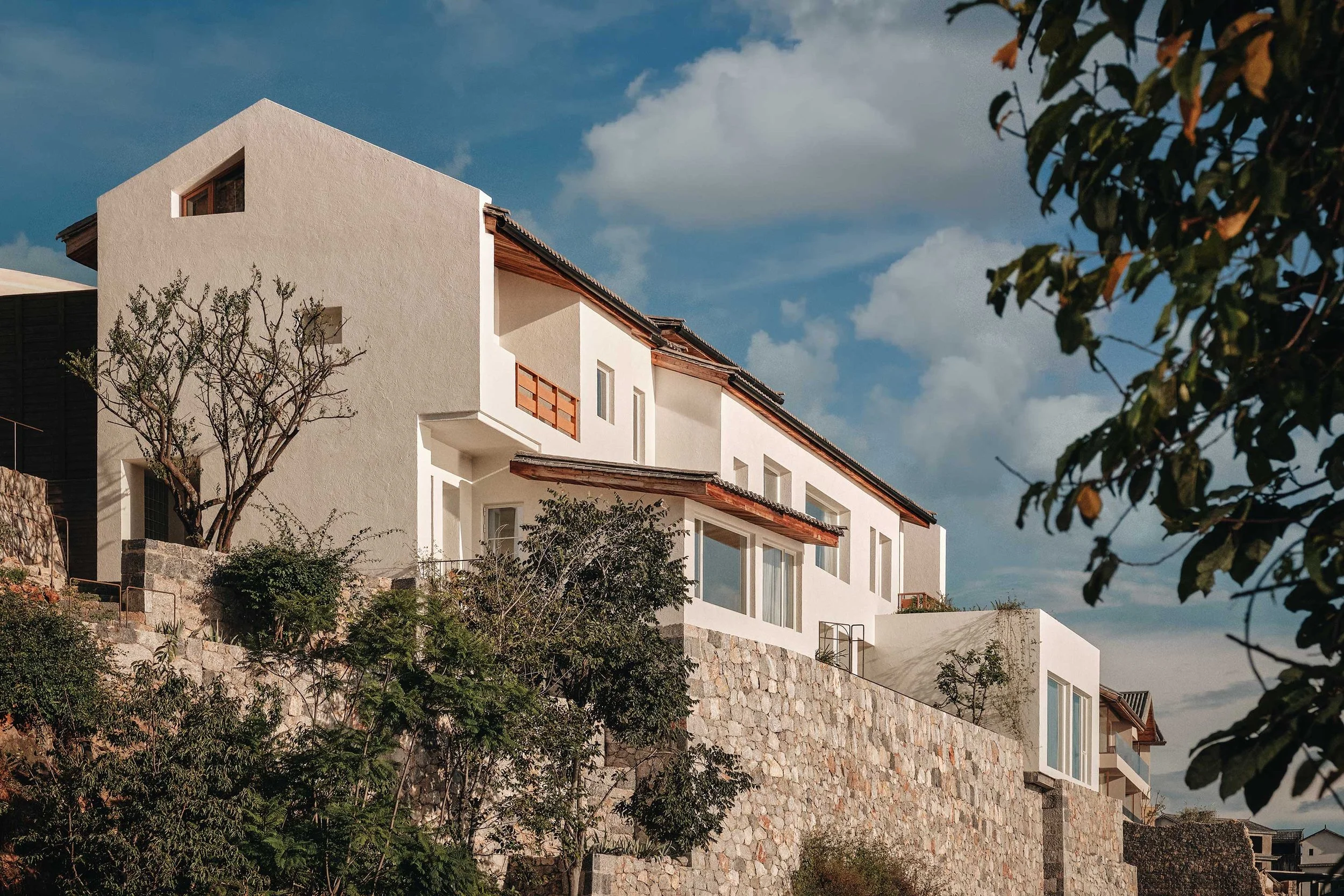
In Dali, Qing Shan 49 Offers an Intimate Escape into Warmth & Stillness
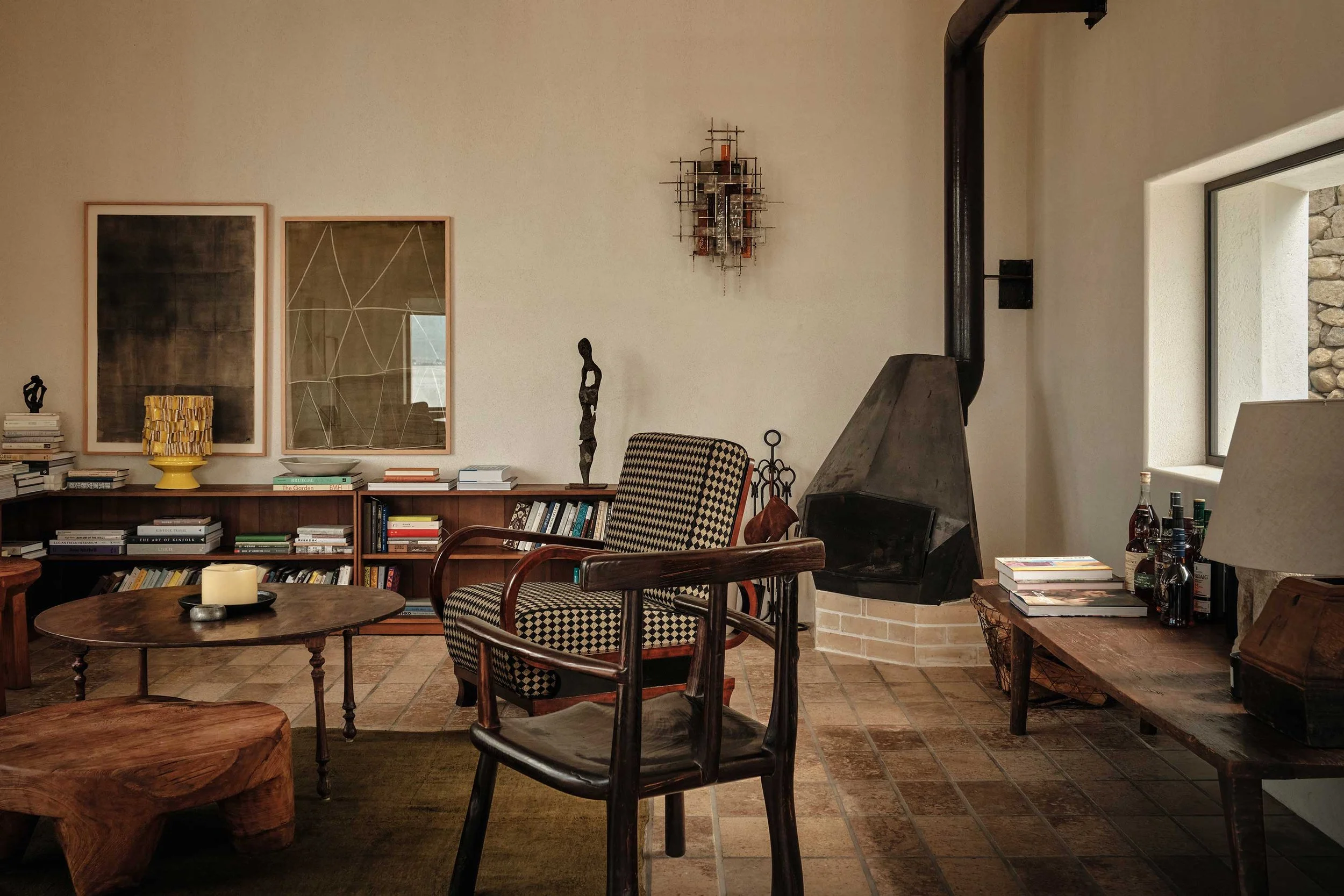
A deliberate departure from commercial excess, Qing Shan 49 by Signyan Design offers a window into the soul of Yunnan
Sitting between Erhai Lake and the Cangshan mountain range, in the ethnic Bai village of Qingshan in Dali, Qing Shan 49 is a seven-room, all-yours retreat rooted in local culture and human connection. Entirely conceived and managed in-house by a small team, it carries the intimacy of a private dwelling. ‘As outsiders, we had to consider how to bridge past and future, and how to become part of the village without a sense of intrusion,’ says Signyan Design founder Ke Xie, who is based in Chongqing but considers Dali a second home. Observing local life has always been a source of inspiration, says Xie: ‘Every household here opens its door to a well-tended courtyard where, under trees, acquaintances or strangers sit and chat.’
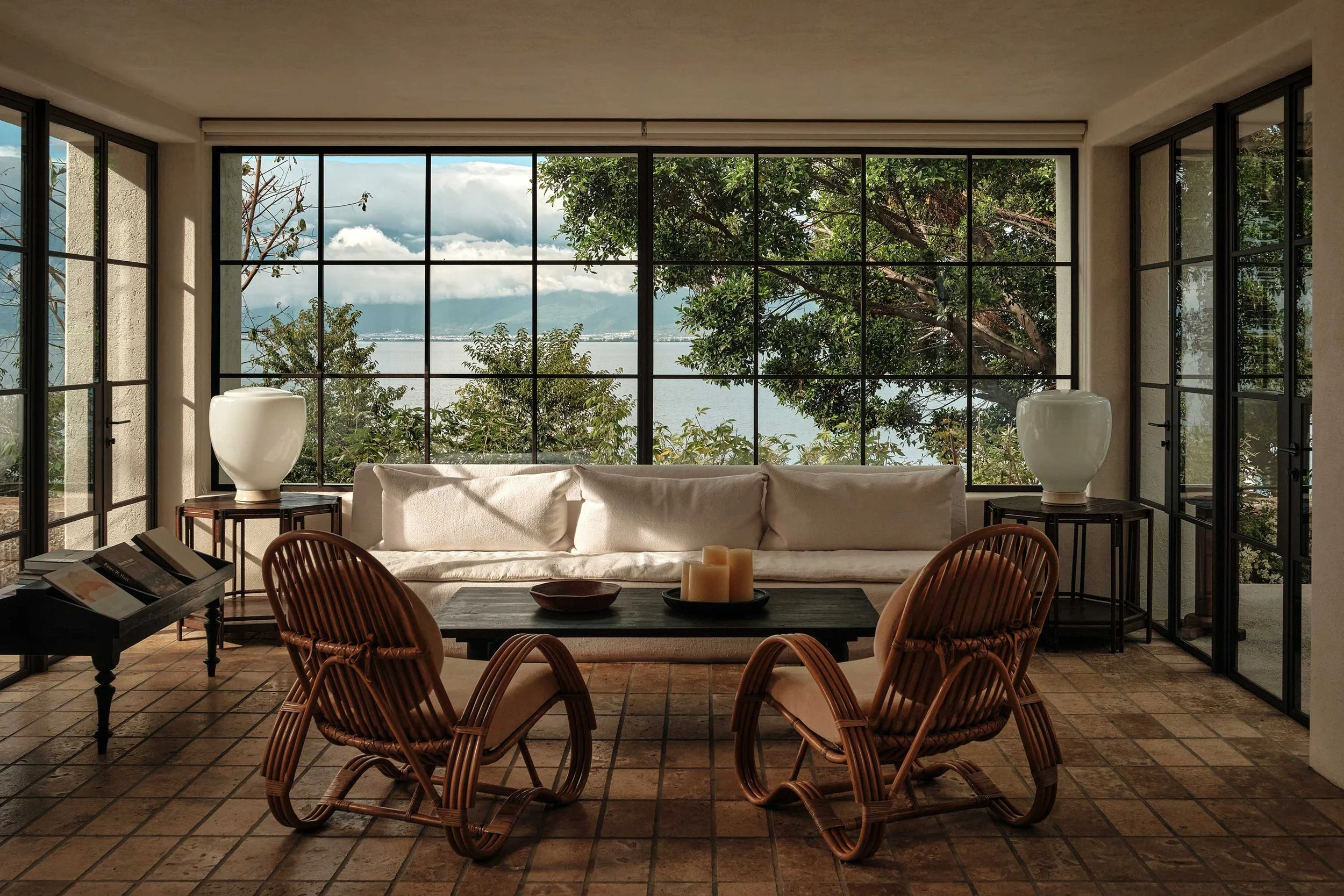
With two villas linked by a winding path, the hotel embraces pared-back geometry, marked by vertical wooden louvres, deep-set windows and sloped roofs, a subtle nod to the local vernacular. Xie reimagined the traditional interplay between indoors and out through a composition of courtyards, terraces, balconies and generously framed openings, drawing in light, air and the passing seasons. ‘Entering some rooms, guests must first pass by lake-facing terraces, transitional spaces that welcome a pause to take in the natural beauty,’ he says, adding that each room offers a unique perspective of the lake and mountains. ‘They’re a constant backdrop, continuously shifting and shaping the atmosphere.’
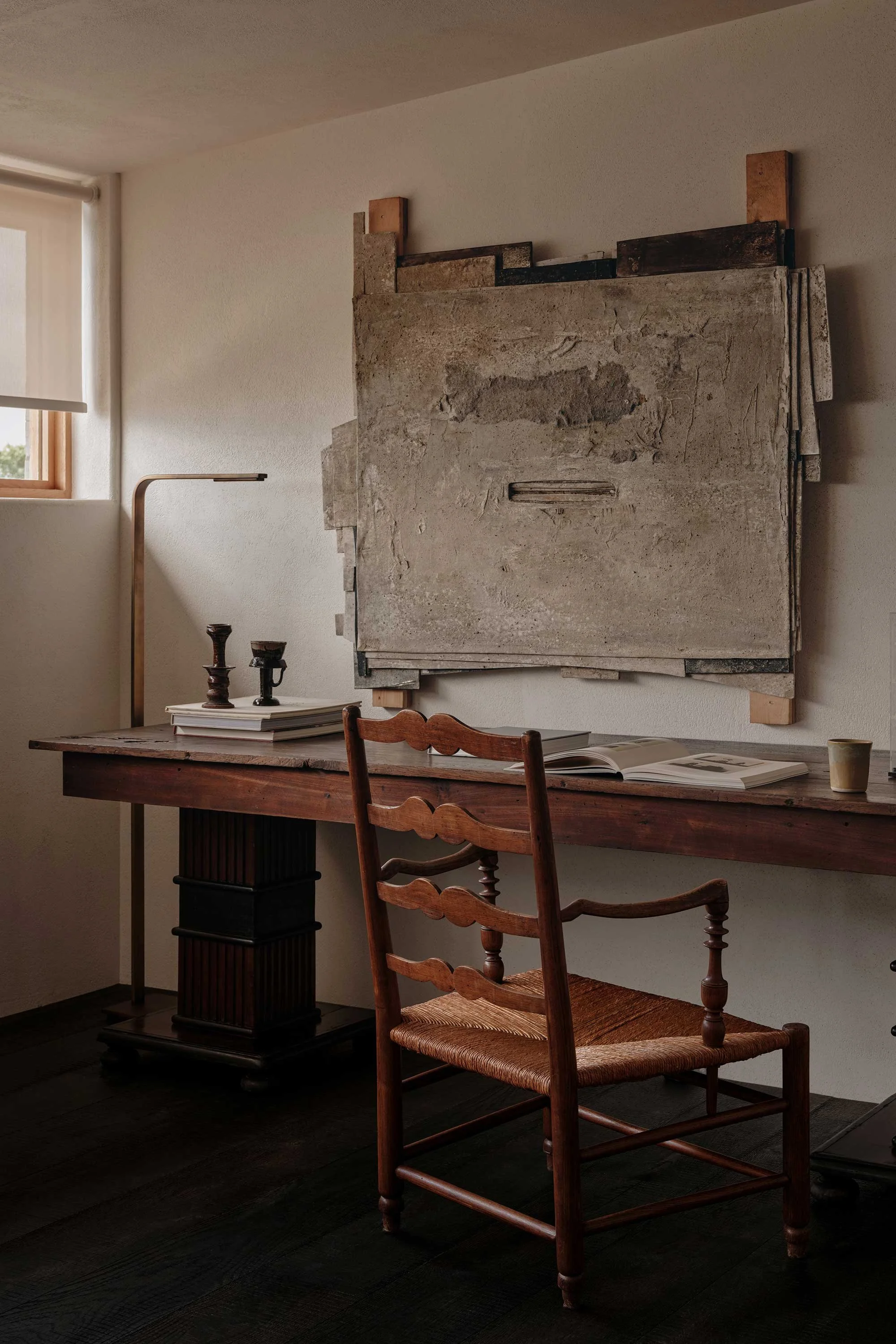
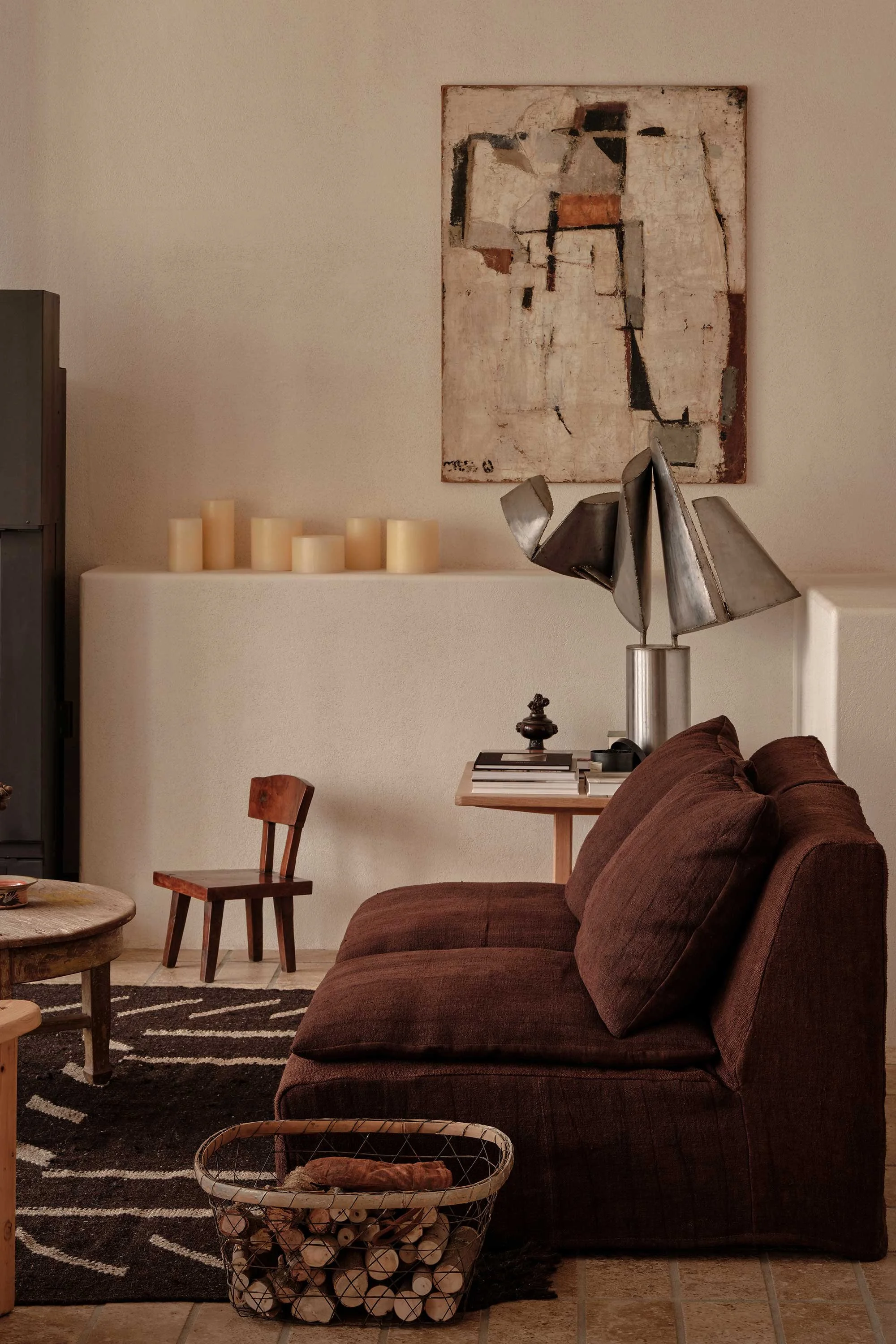
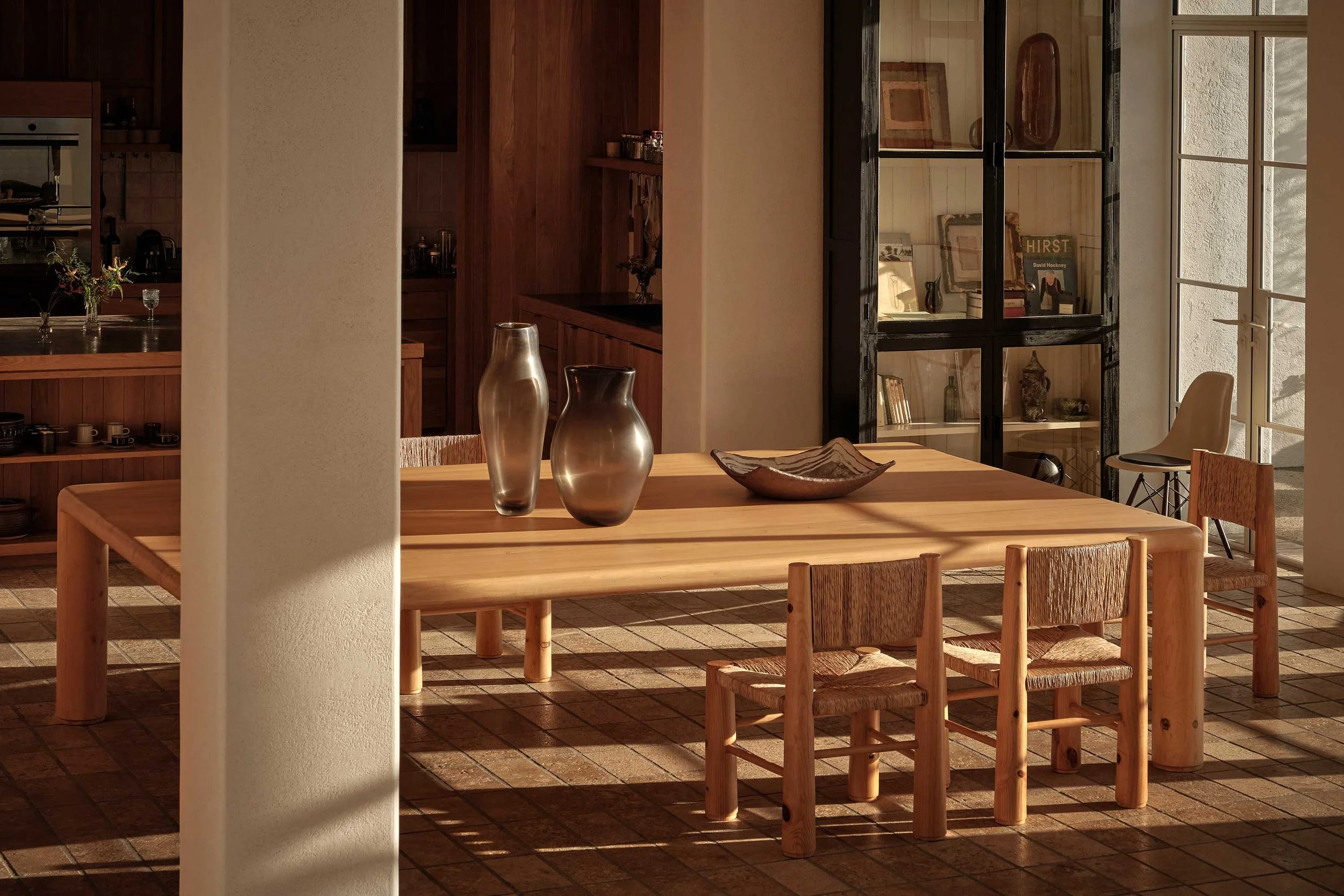
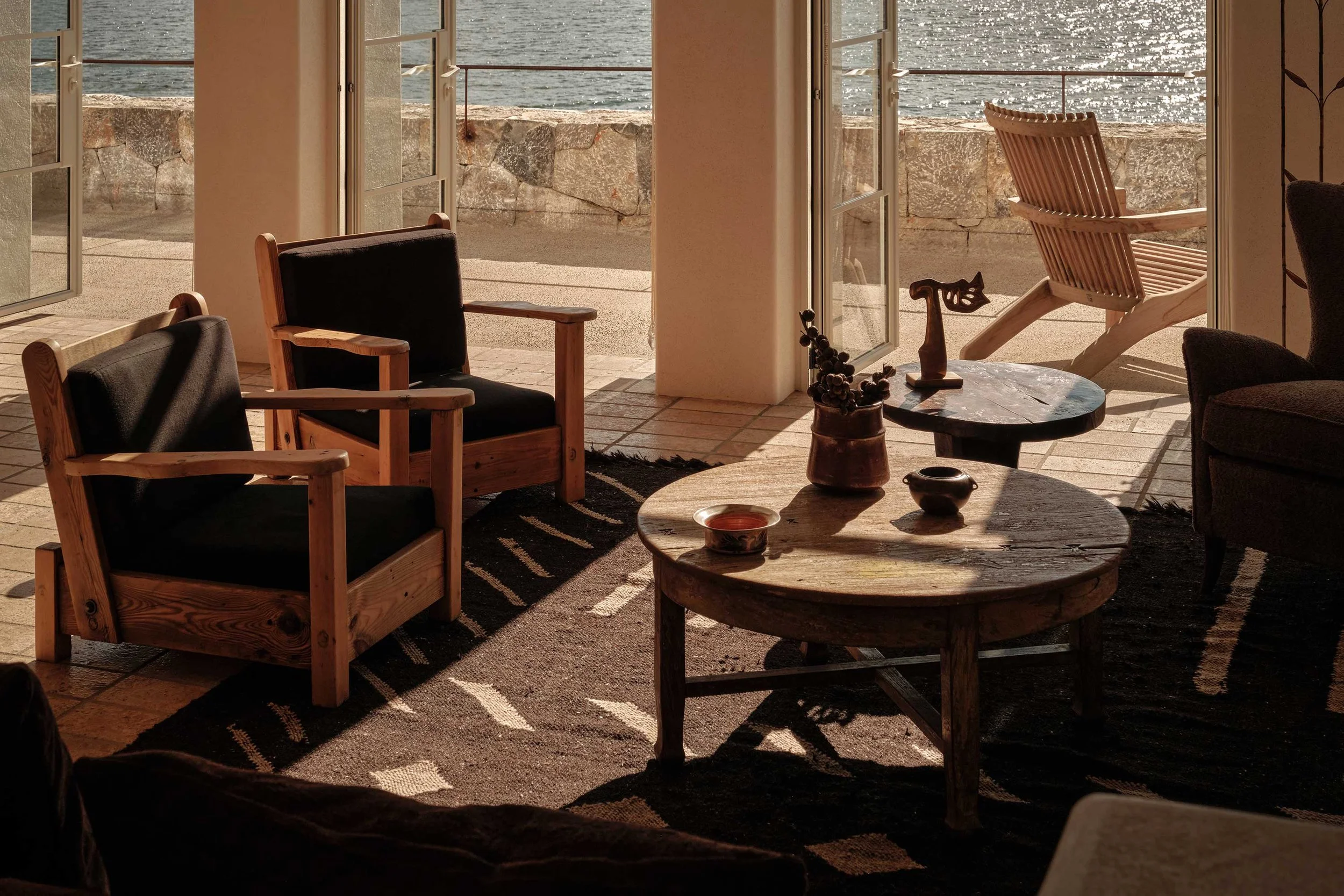
Rooted in a lived-in sensibility, the interior balances clean lines with a mix of antiques — nearly every piece drawn from Xie’s collection. Standouts include an Annie Hiéronimus black velvet sofa, an Eames DSW chair by the kitchen and a pair of urn-like table lamps by Claudio Salocchi that frame a large window in a lounge with gentle symmetry. A stainless steel sculpture by Philolaos Tloupas introduces a cool counterpoint to the otherwise earthy palette in another lounge, while a vibrant red mixed-media work by Anne-Roland Aknin brings just the right touch of drama to the dining space.
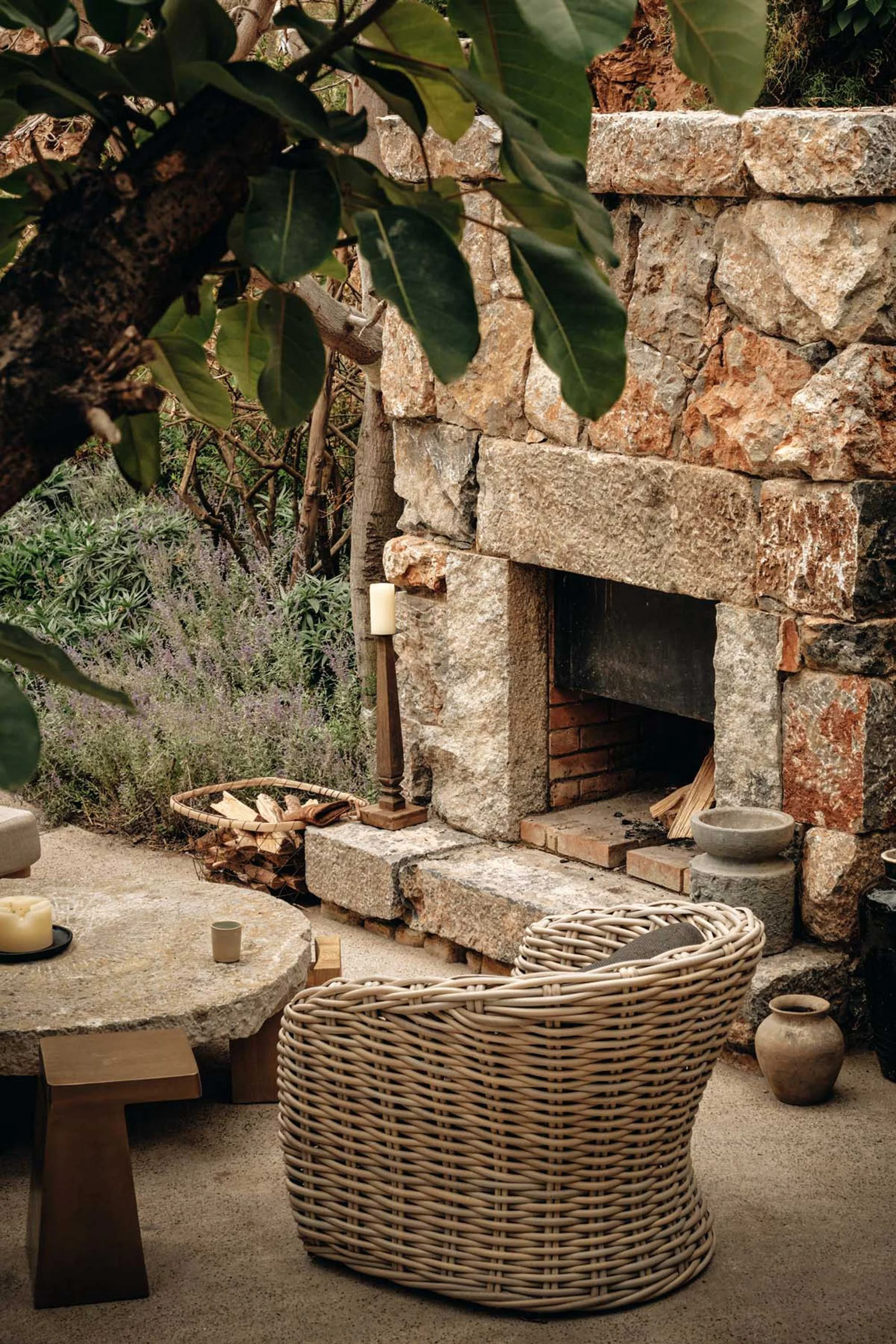
Indoor and outdoor fireplaces and firepits become natural gathering points, inviting guests to linger and converse well into the evening. The open kitchen allows for casual observation of local dishes being prepared — or an invitation to take part. A dining table shaded by climbing greenery offers yet another setting for relaxed conversation and shared meals.
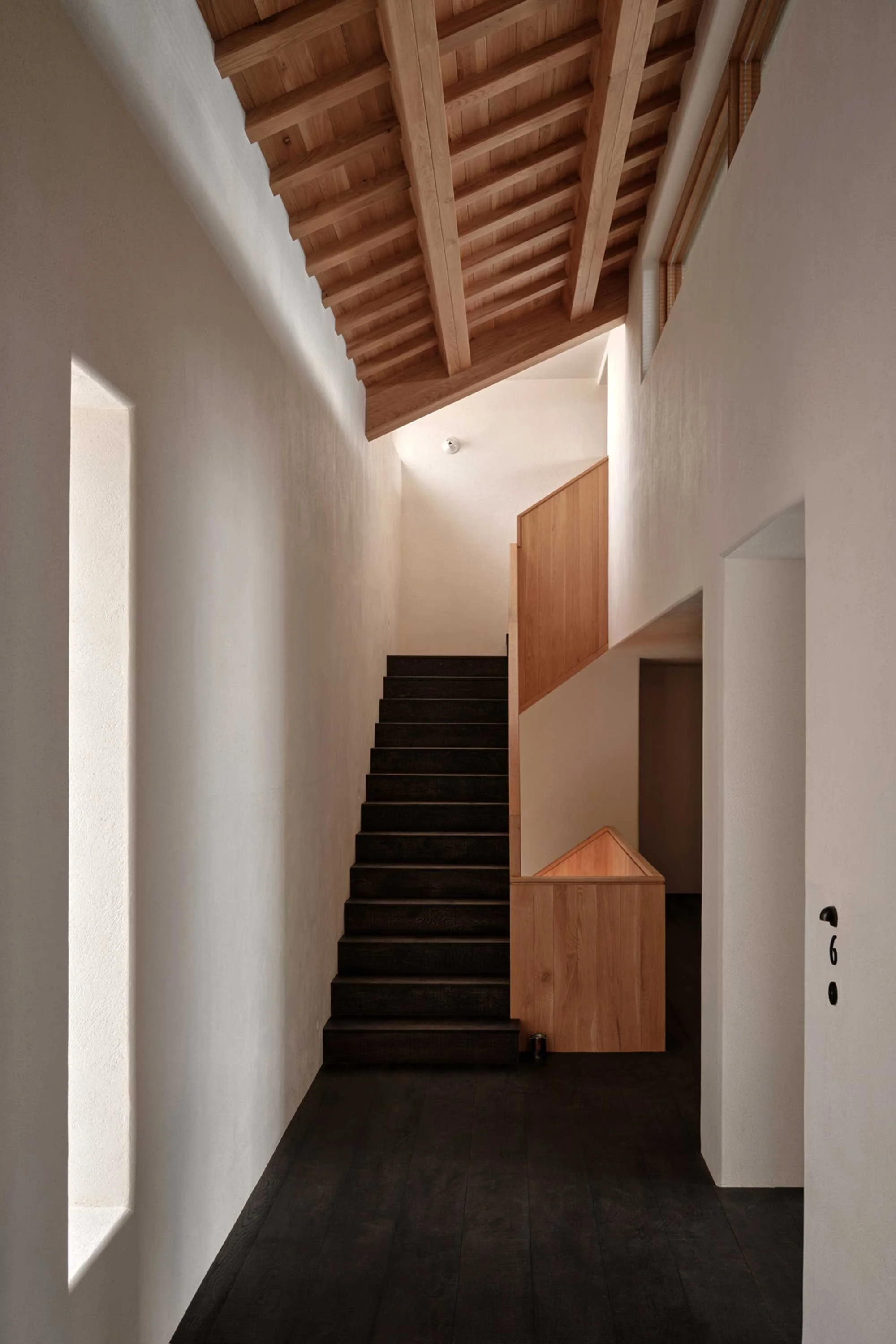
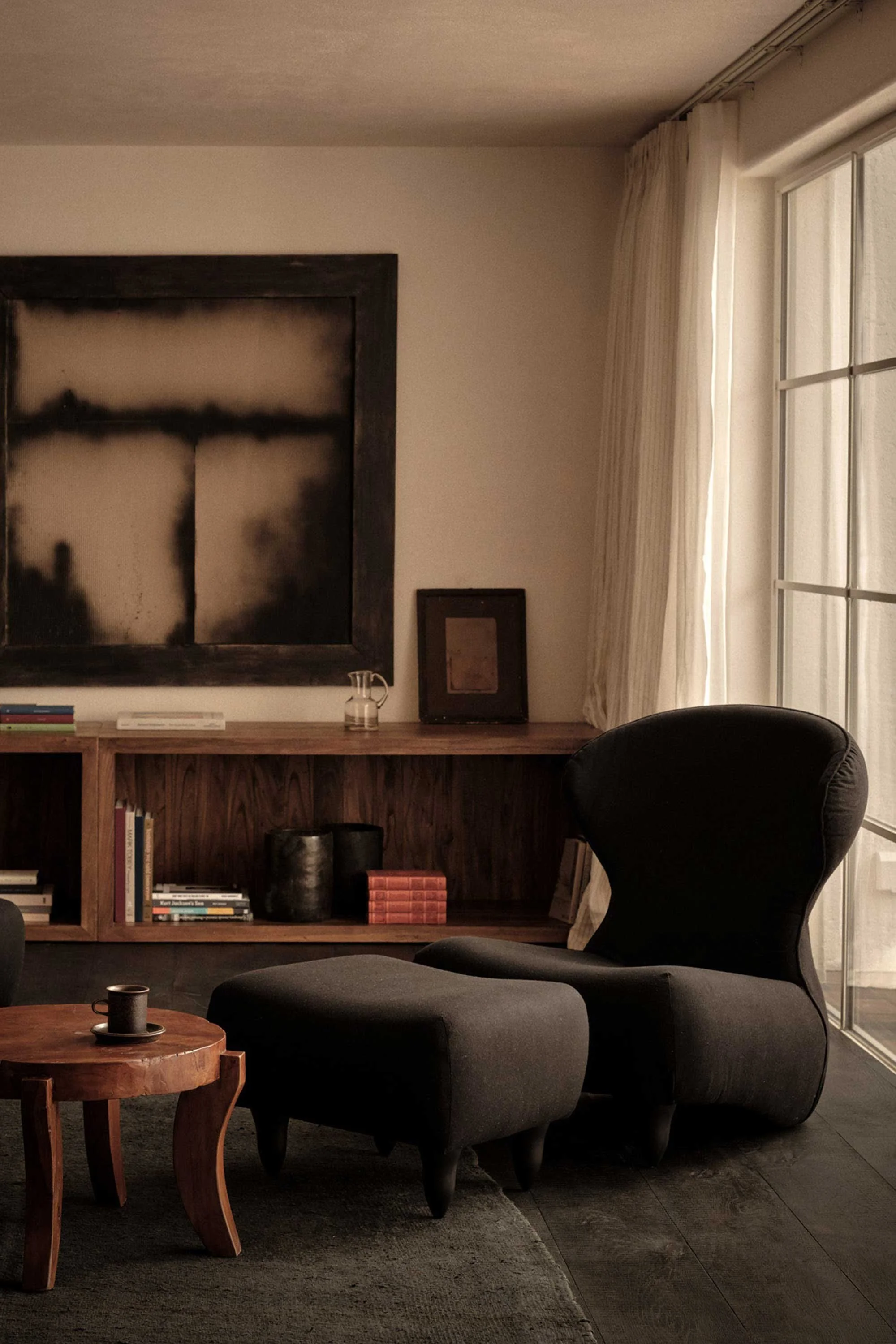
Local builders handcrafted every part of the construction, using materials from the land itself, including stones for the walls and terraces that were quarried from the surrounding mountains. ‘Exposed surfaces here and there reveal earth’s original skin, mirroring the texture of the village,’ says Xie.
A delightful touch is the iron railing added along the external path, crafted entirely on site. ‘The builders followed the organic flow of the stones and steps, creating a winding form that will be patinated by time and beautifully illustrates the harmony between craftsmanship and the natural environment,’ explains the designer. Thoughtful landscaping includes native flowering plants and fruit trees — such as pomegranate and bayberry — deepening the sense of place. For Xie, the design of Qing Shan 49 is not complete but continually unfolding. ‘Like a village home shaped over generations,’ he explains, ‘its character emerges through lived-in traces — human warmth and daily rituals — in the most natural way.’
Text by Tomás Pinheiro
Images by Jonathan Leijonhufvud