Tokyo’s Most Famous Hotel Just Reopened After 19 Months — But Did Anything Change?
Following an 18-month closure, Park Hyatt Tokyo reopens with a sensitive refresh by French studio Jouin Manku. The iconic hotel, which starred in Sofia Coppola’s 1997 film Lost in Translation, has been redesigned for the modern guest while preserving the original 1994 vision of Kenzō Tange and John Morford
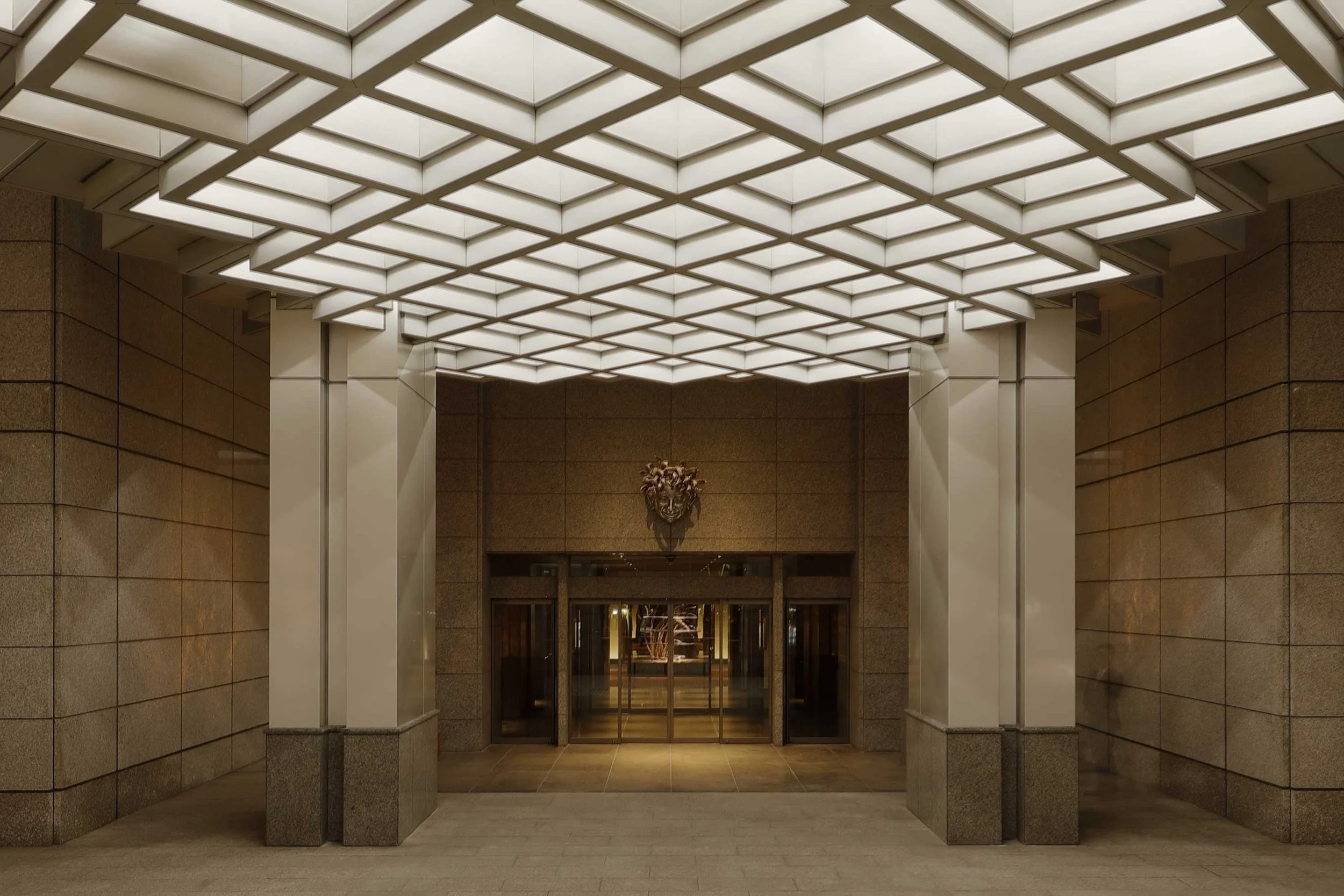
Today, the plastic cones will disappear and the steady stream of taxis will return to the Park Hyatt Tokyo’s austere driveway, perched just above Shinjuku’s sweeping central park. With it will come a collective exhale as the hotel unveils its head-to-toe refresh. For many, the moment will prompt a familiar question: can a hotel have a soul? Is it found in the architecture, the public spaces, the guestroom furniture — or in the people who keep the whole thing quietly humming?
Regulars — and there are plenty — will be relieved to find the Tokyo Gas-owned building mostly as they left it when construction hoardings went up in May 2024. Aside from a new bench opposite the bell desk, arriving guests could be forgiven for wondering whether any renovation had taken place at all.
But the surgical knife went deep. ‘We’ve redone everything, especially in the guestrooms. Ninety-nine per cent is brand new, but the DNA is the same,’ Patrick Jouin tells Design Anthology. Jouin and his partner Sanjit Manku’s firm was commissioned to oversee the renewal of the legendary hotel that opened in 1994. And following their work, part of the pleasure for the returning regular lies in the guessing game while moving through the building: what’s fresh and what’s original?
Before planning began in earnest, Jouin’s team lived in the hotel for a week. ‘We tested everything: the breakfast, all the restaurants, the jazz band. We saw the people coming and the kinds of guests,’ he explains. ‘We saw what was working, what was not working, what was out of fashion and what was run down.’ In Japan, it’s not unusual to replace almost everything — from flooring to wall coverings and even artworks — while maintaining a near-identical look and feel. At Park Hyatt Tokyo, the most noticeable shifts come through the furniture: new chairs, tables and occasional pieces introduced across both public and private spaces.
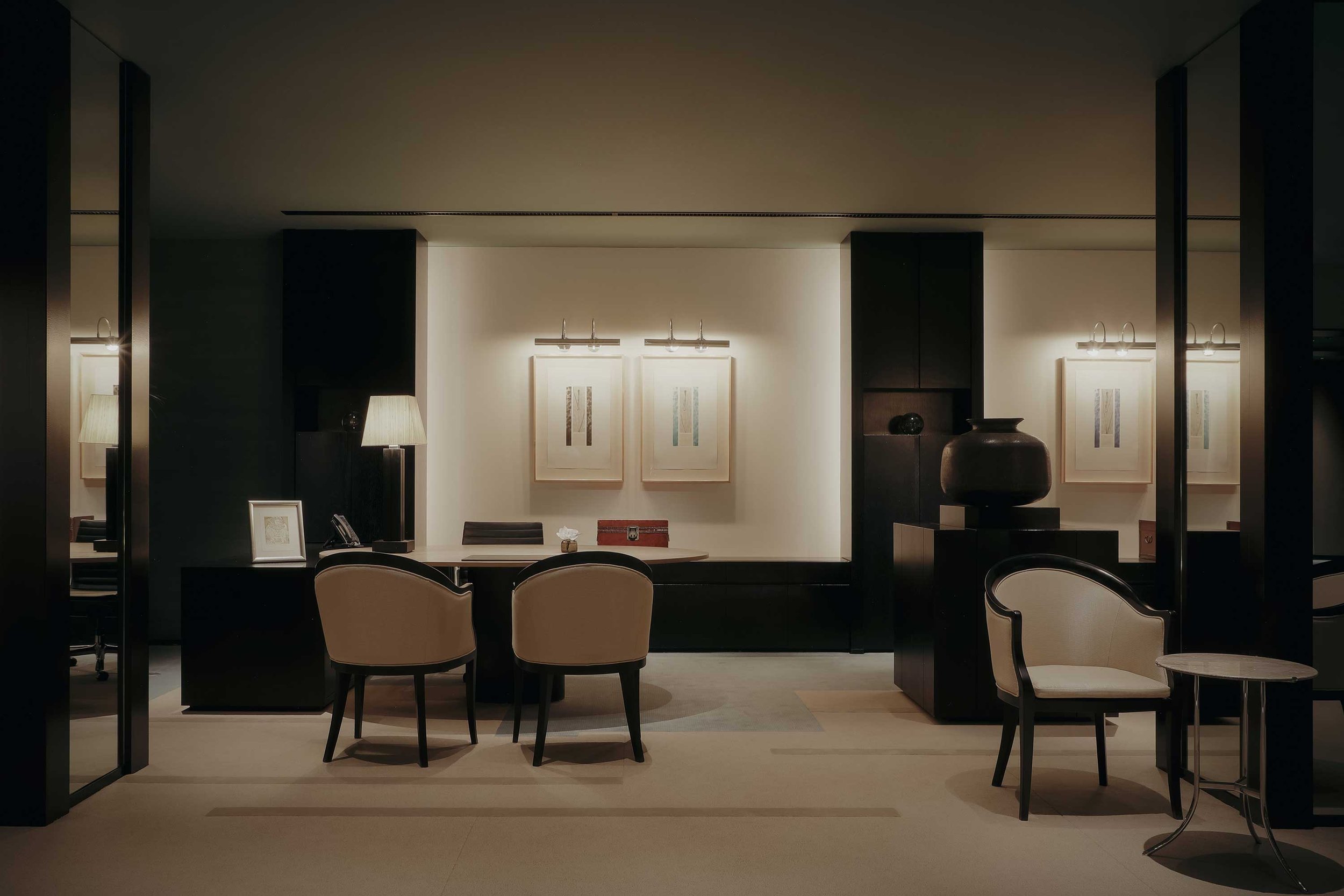
Eagled-eyed loyalists will spot features like the new beds and lamps in the guestrooms immediately, each bringing a soft curviness that the original interiors lacked. ‘We brought warmth and sensuality,’ Jouin says. ‘Kenzō Tange’s architecture is very strict and minimalist. And John Morford too. Everything is with a ruler — perfection, proportion. And us — we also do perfect proportion, but with curves. Something warmer.’ The technology that powers it all, of course, has been completely renewed to meet the demands of today’s traveller, while bathrooms have seen a wholesale replacement, but with a familiar material and colour palette. And, pleasingly, the return of the full Aesop amenity set-up.
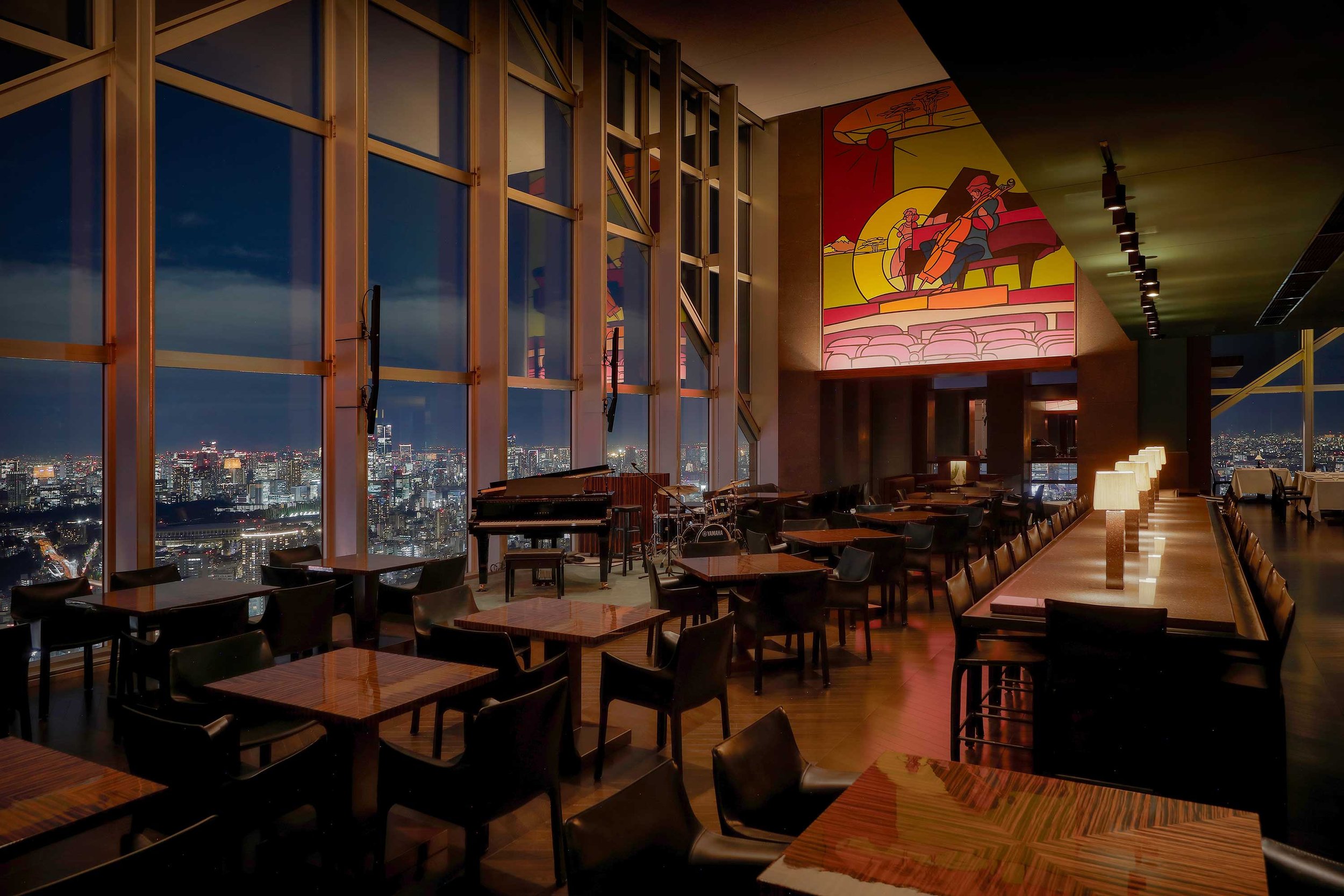
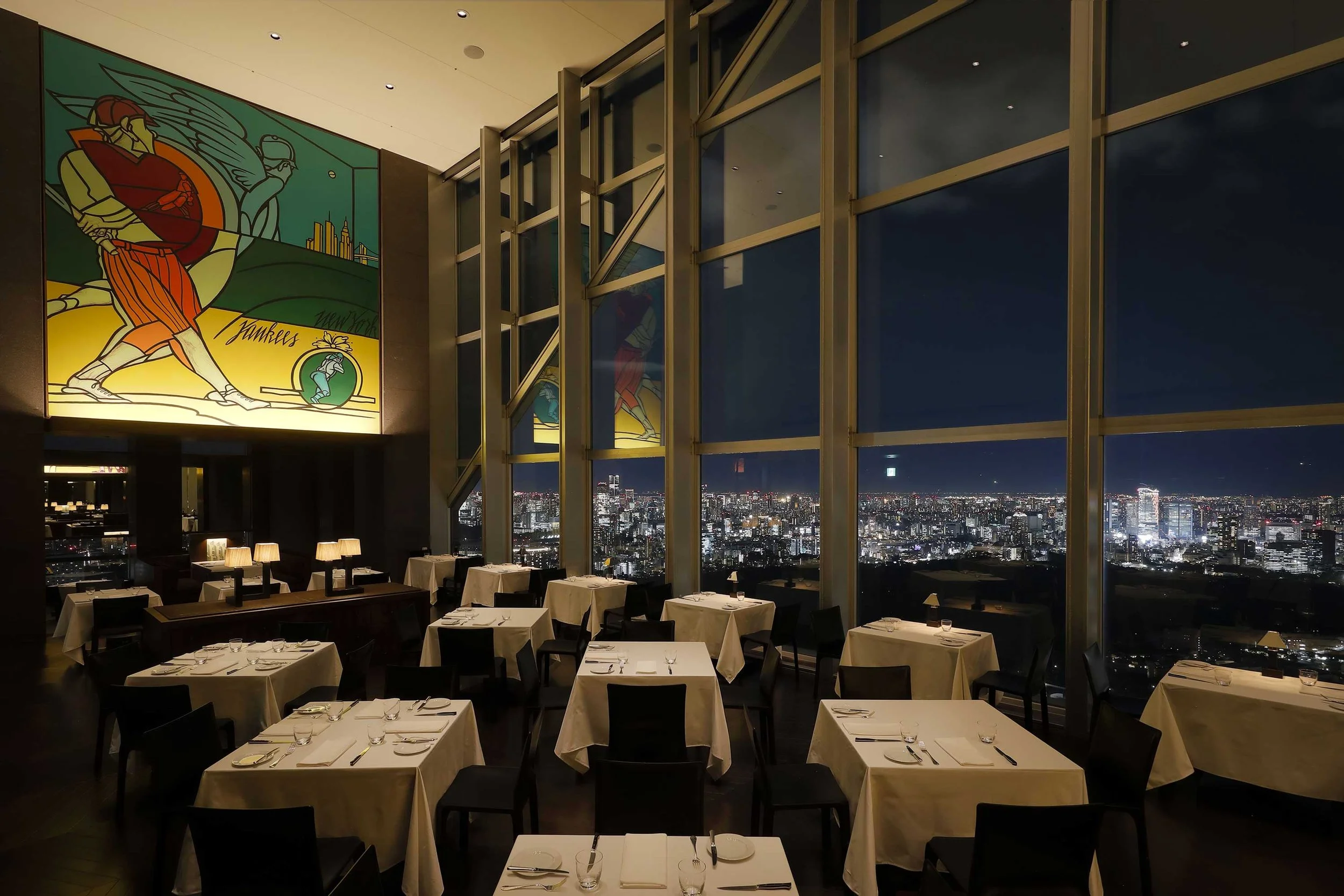
Public spaces, meanwhile, remain almost entirely faithful to Morford’s original vision. The check-in desks and the guest journey from public to private — and the lighting that guides it — are still discreet and elegant. The top-floor swimming pool, enclosed within Tange’s soaring atrium, and the spa’s sumptuous spaces remain almost entirely intact. ‘The whole idea was not to touch the DNA, but to reconnect the DNA with its time,’ Jouin adds. ‘In thirty years, someone else will redo it. And it will have the DNA of Kenzō Tange, John Morford, Jouin Manku. And they will add a new chapter.’
Read our in-depth feature on Park Hyatt Tokyo’s rebirth in Issue 42, available to pre-order now.
Text by Jeremy Smart
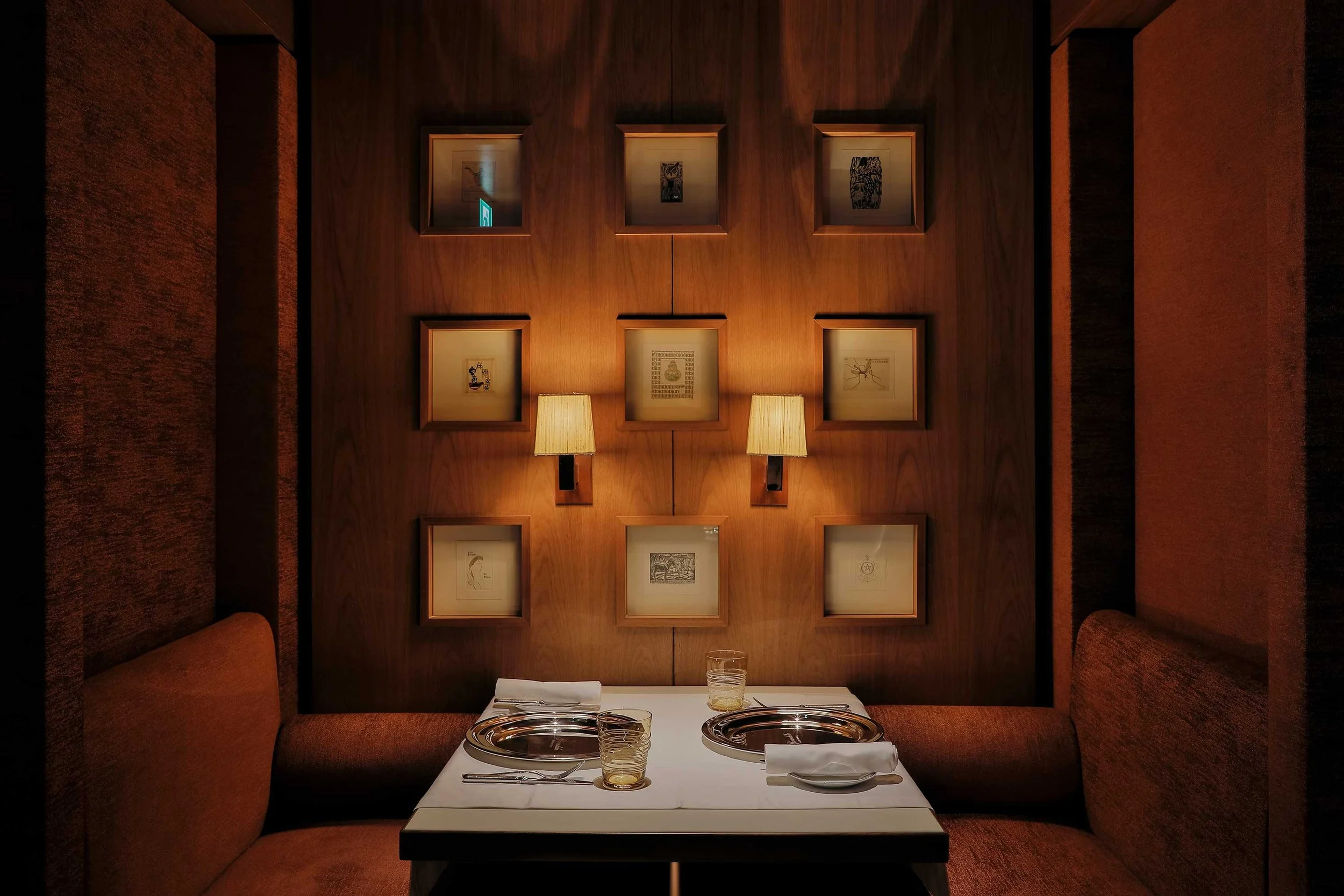
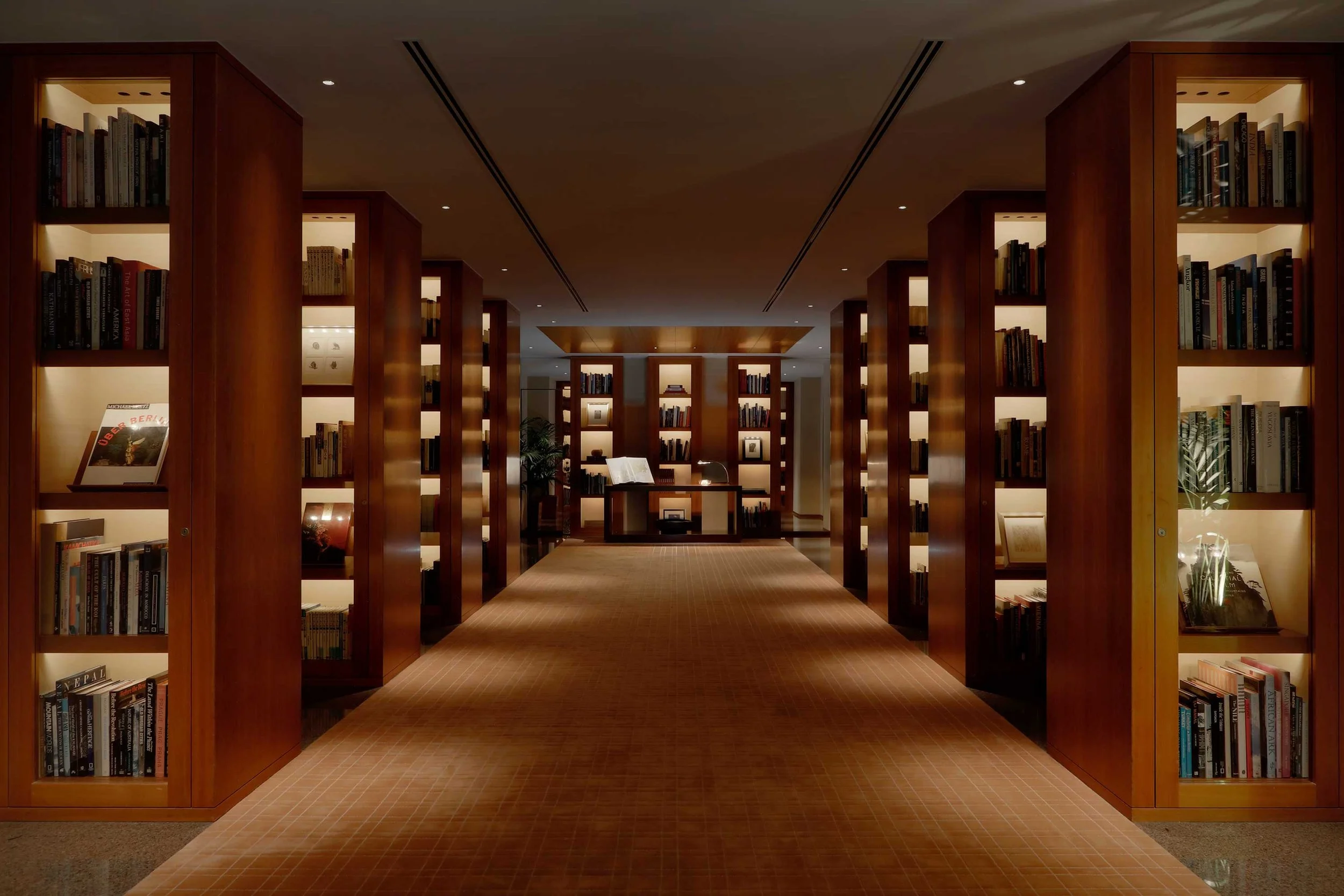
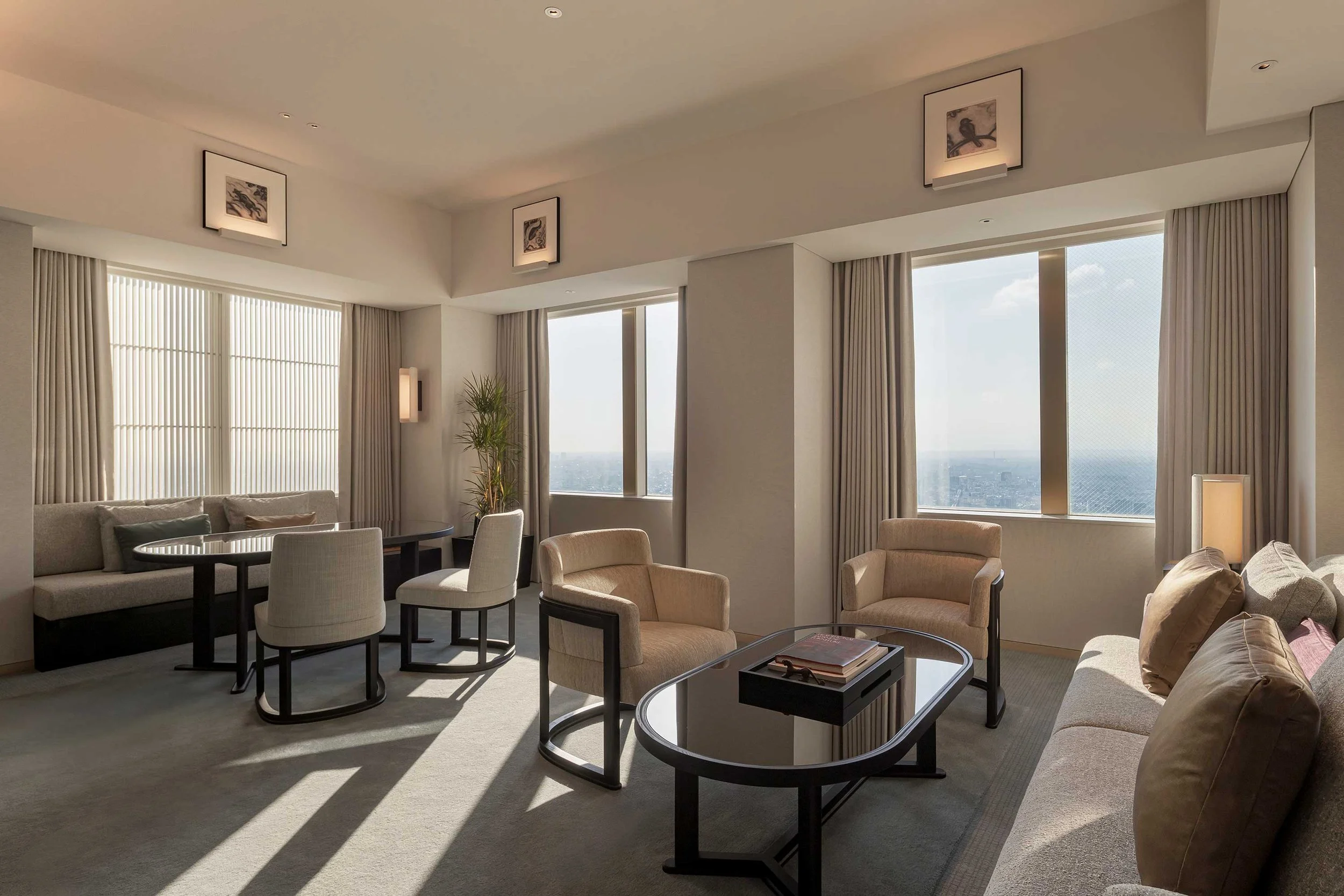
Image by Yongjoon Choi
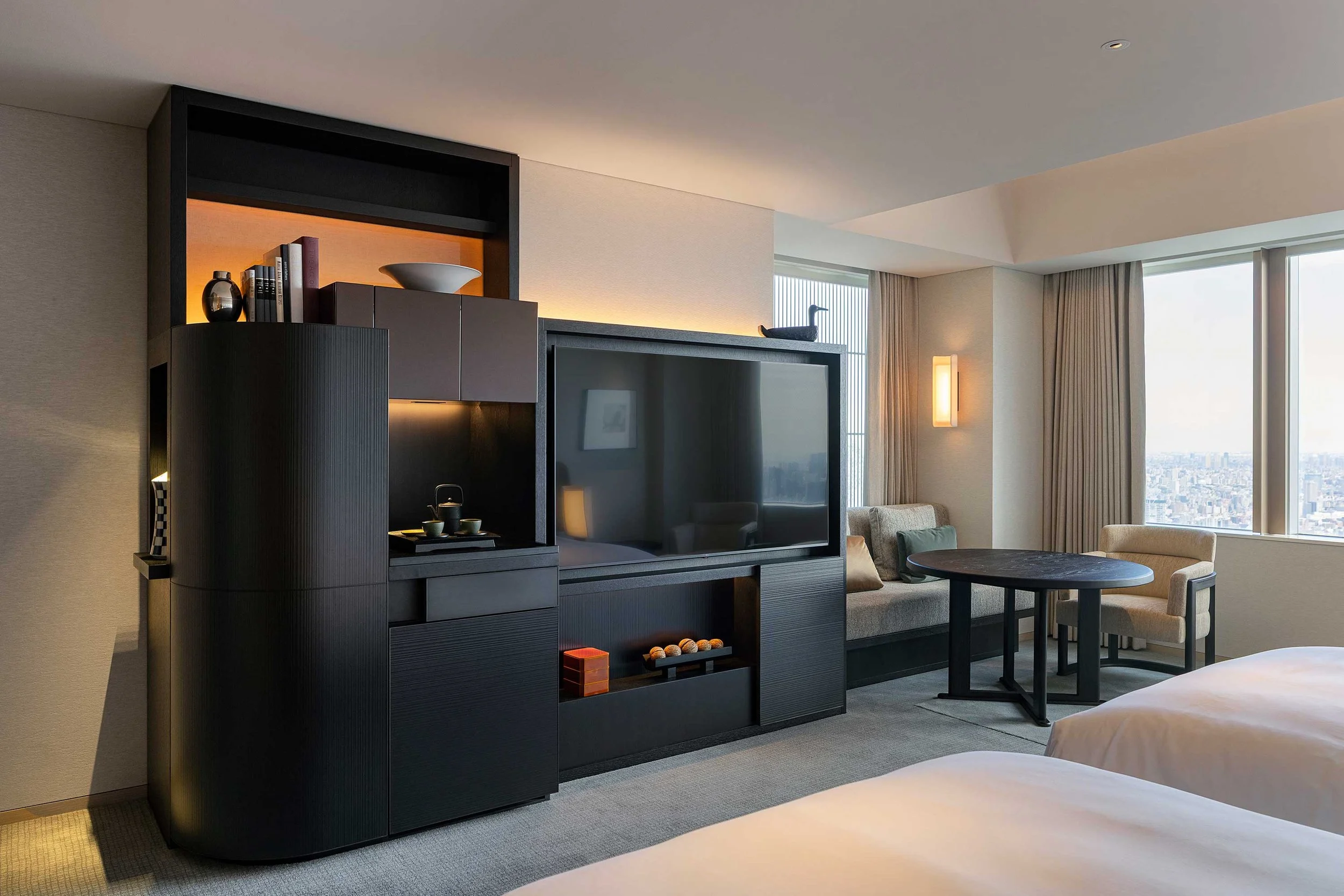
Image by Yongjoon Choi
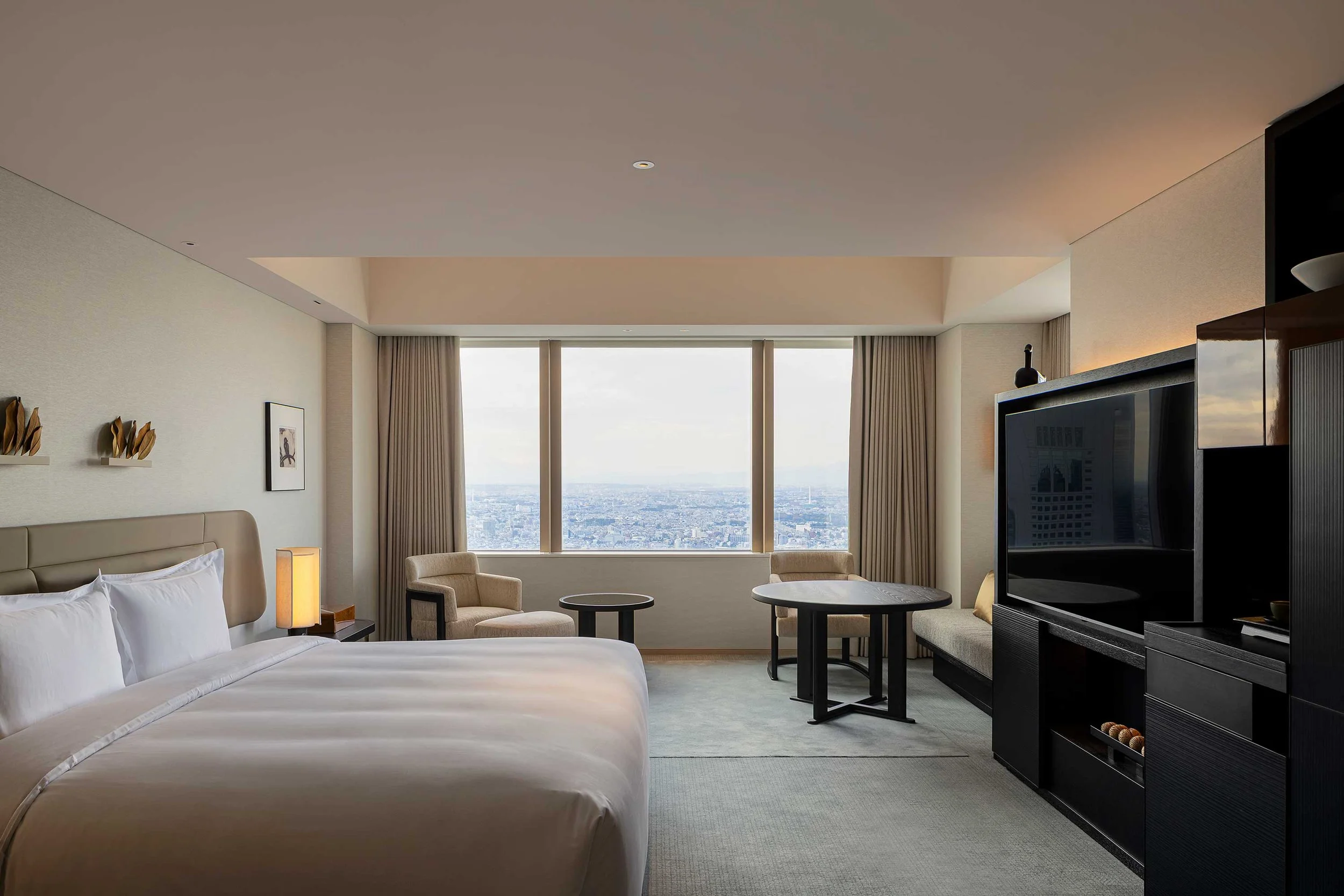
Image by Yongjoon Choi
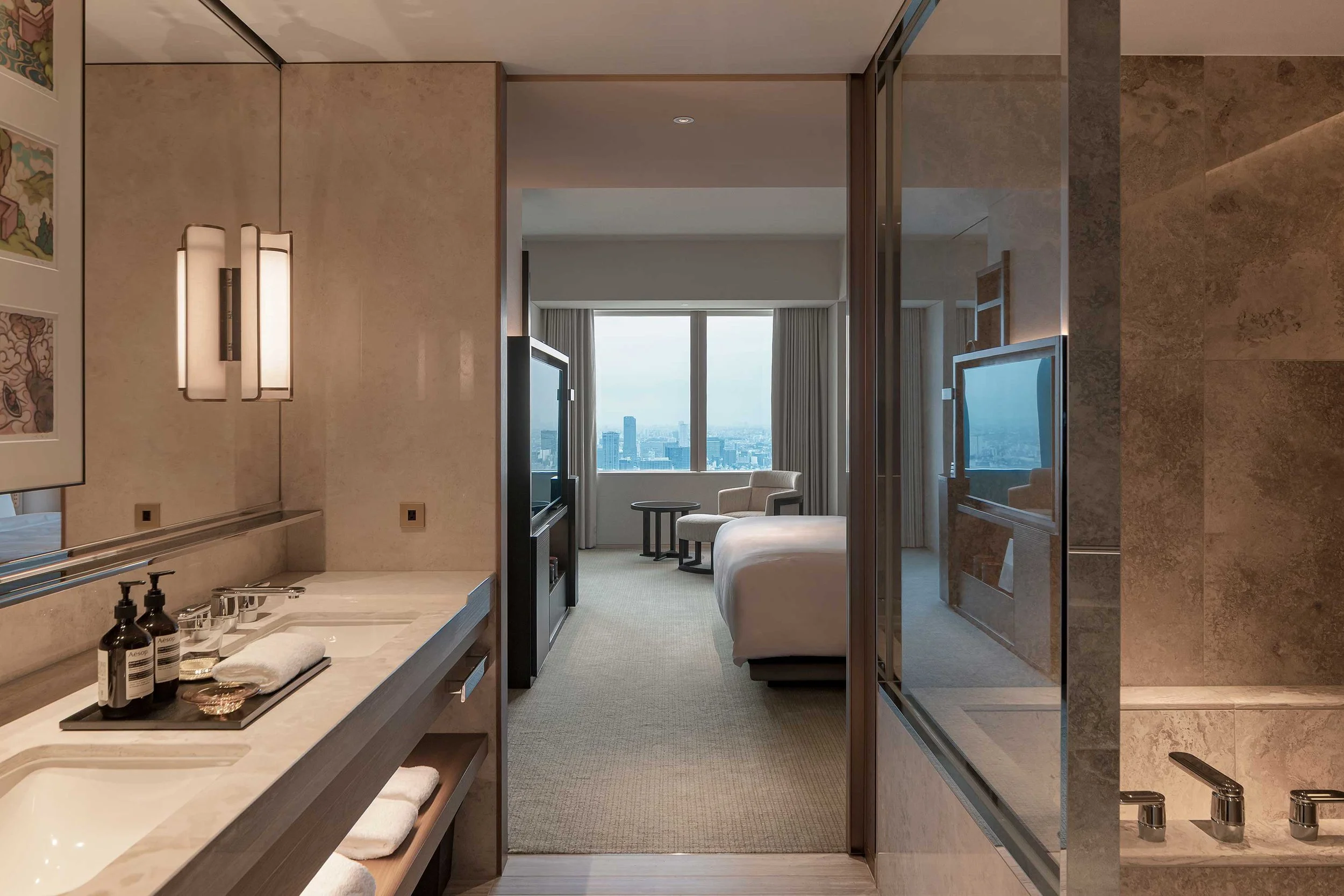
Image by Yongjoon Choi