Step Inside the Ningbo Home That Wraps Itself Around a Hidden Garden
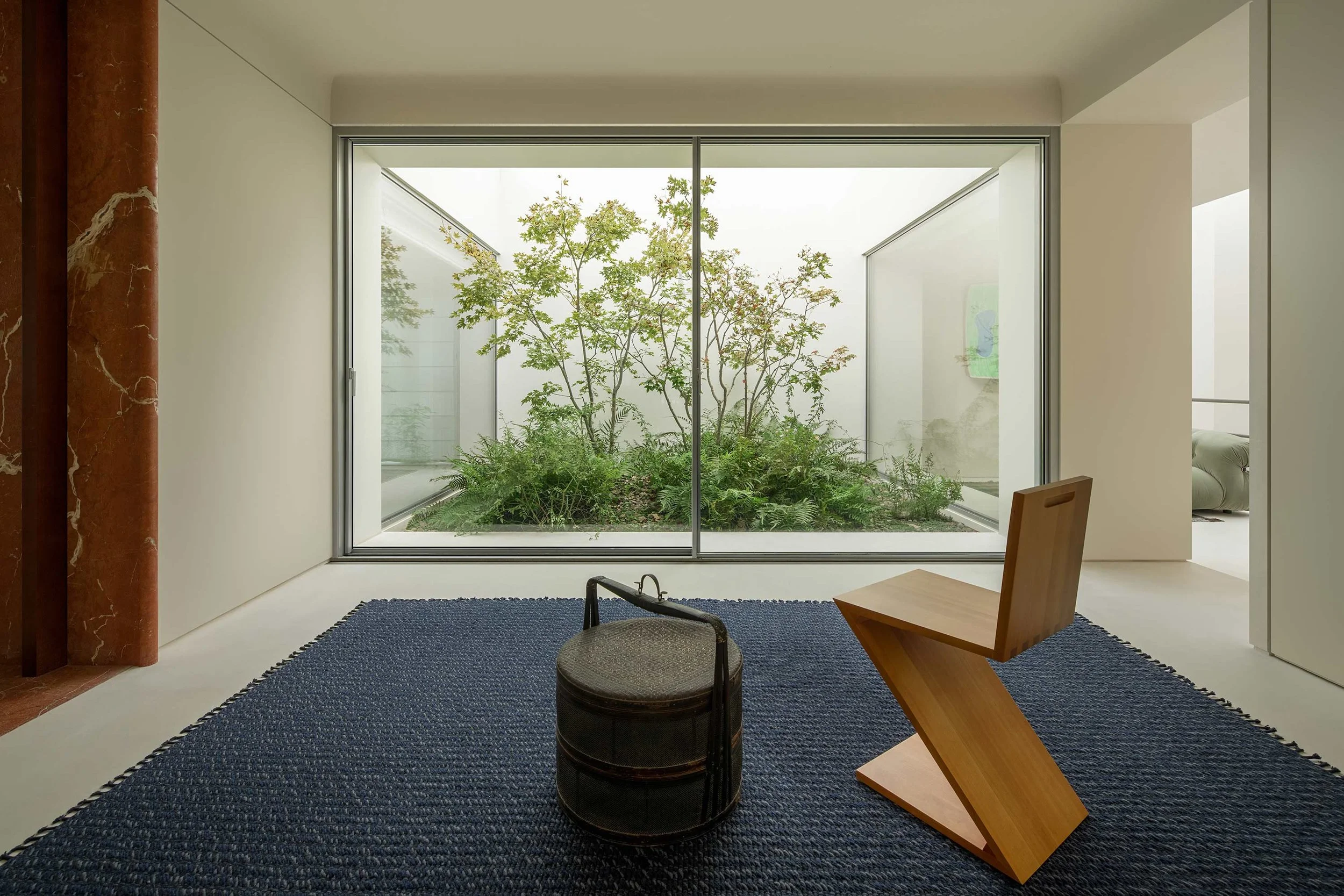
Amidst the urban density of Ningbo, OutIn Design crafted a 430-square-metre sanctuary that turns inward, blurring the lines between city living and the wild
In the Yinzhou district of Ningbo, a city historically defined by its role as a departure port for the Maritime Silk Road, the urban landscape is dense and energetic. Yet, adjacent to the river that cuts through the city — a green artery connecting Yinzhou Park to the wider landscape — sits a residence that deliberately turns its back on the noise. Known as The Inner Garden, this 430-square-metre home is more retreat than renovation. Designed by OutIn Design, the project creates the rare experience of coexisting with nature in the heart of the city.
The owners, designers themselves, approached the project with a desire to dismantle the very discipline they practice. They did not want a showroom; they wanted a vessel. As Elena Le of OutIn explains, ‘The core requirement of the project was to abandon all preconceived notions of “form”, “style” or “technique”, stripping away visible traces of design and responding to the soul of “home” in a purer, more essential way.’
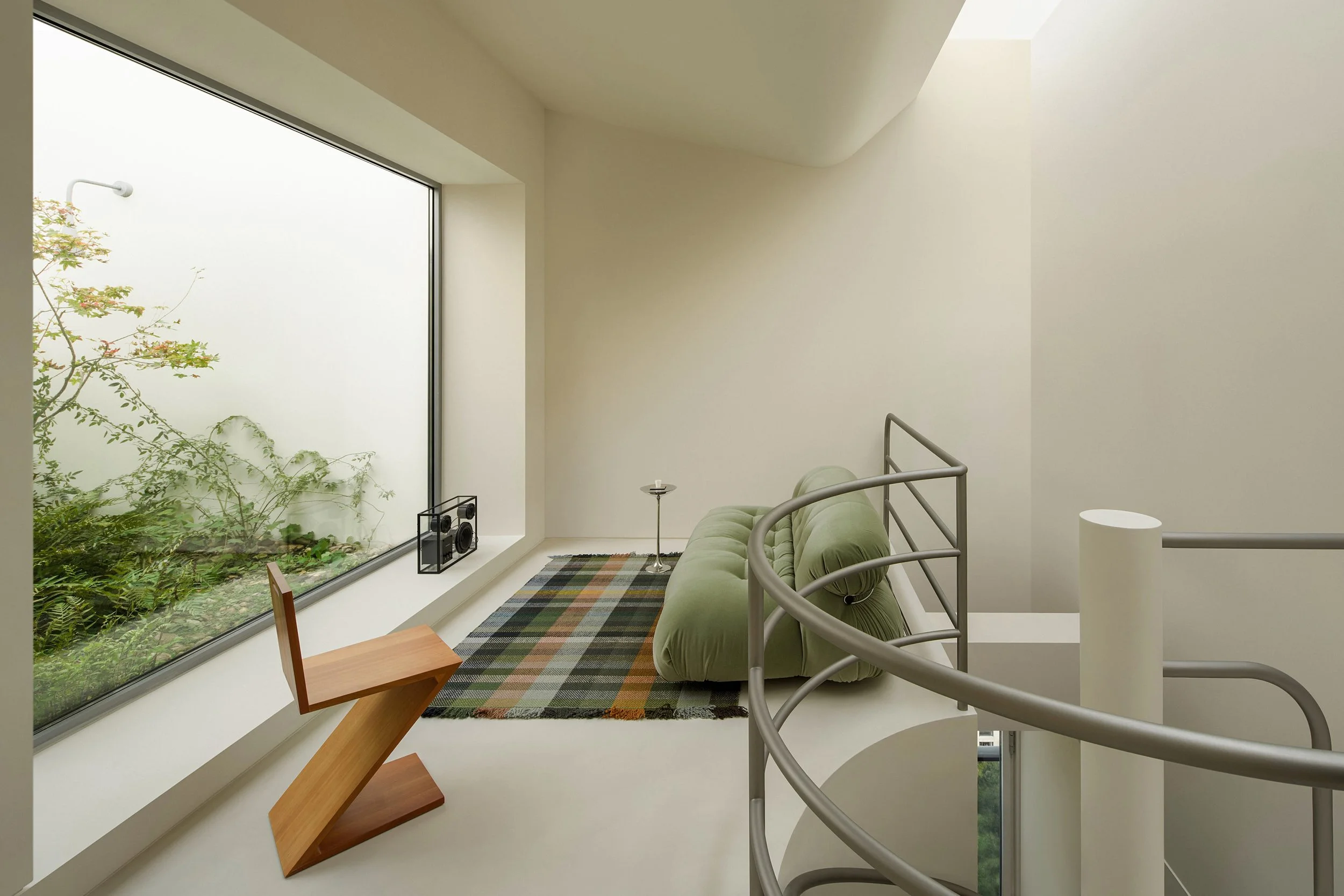
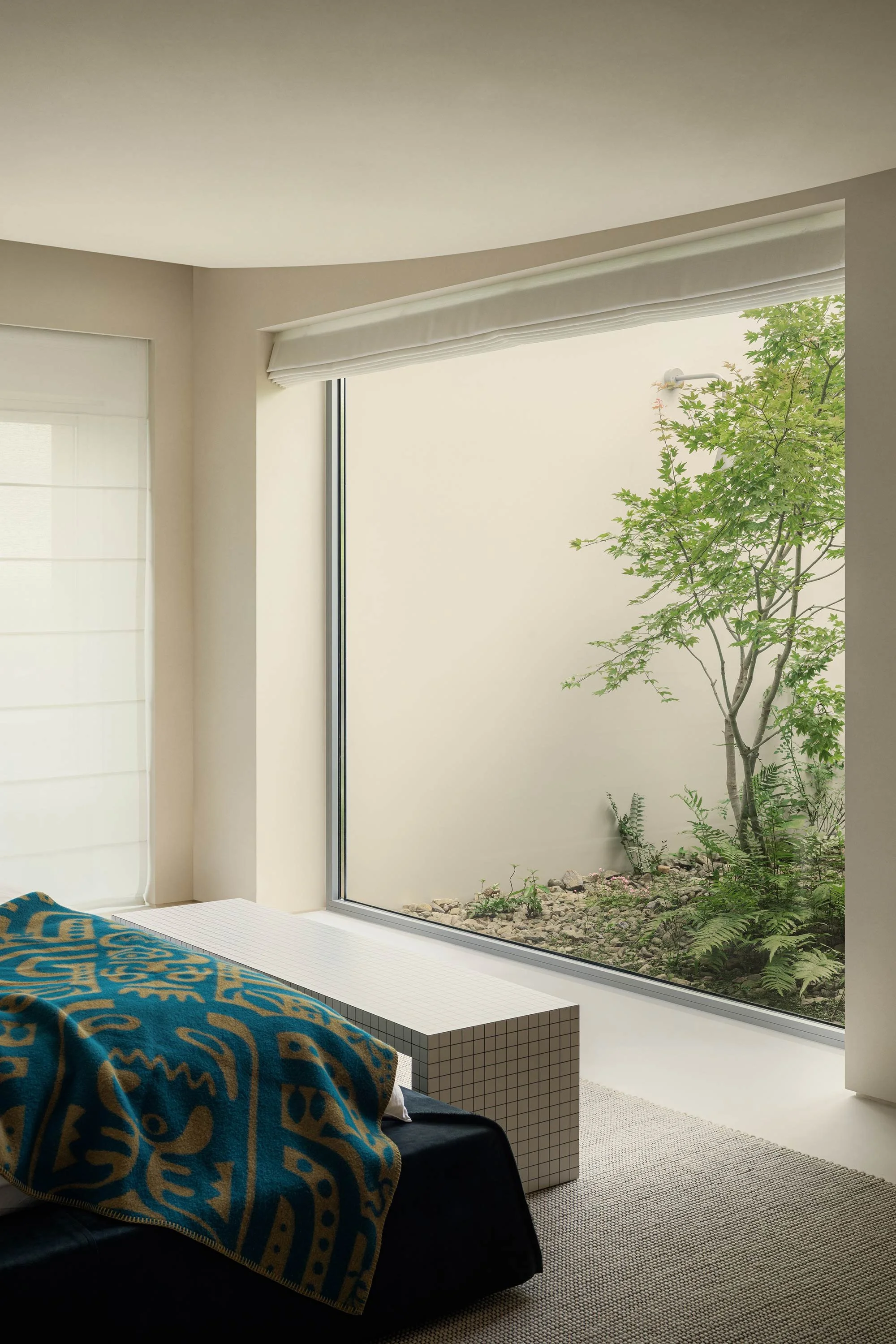
The conceptual anchor of the home emerged from the owners’ initial directive: ‘We want a garden, and we want life to wrap itself around it.’ In response, the design team reorganised the interior architecture, arranging the bedroom, meditation area and leisure zones to encircle this central green space. The garden serves as the home’s respiratory system, allowing the owners to find real pauses in their everyday life and giving the mind room to reset.
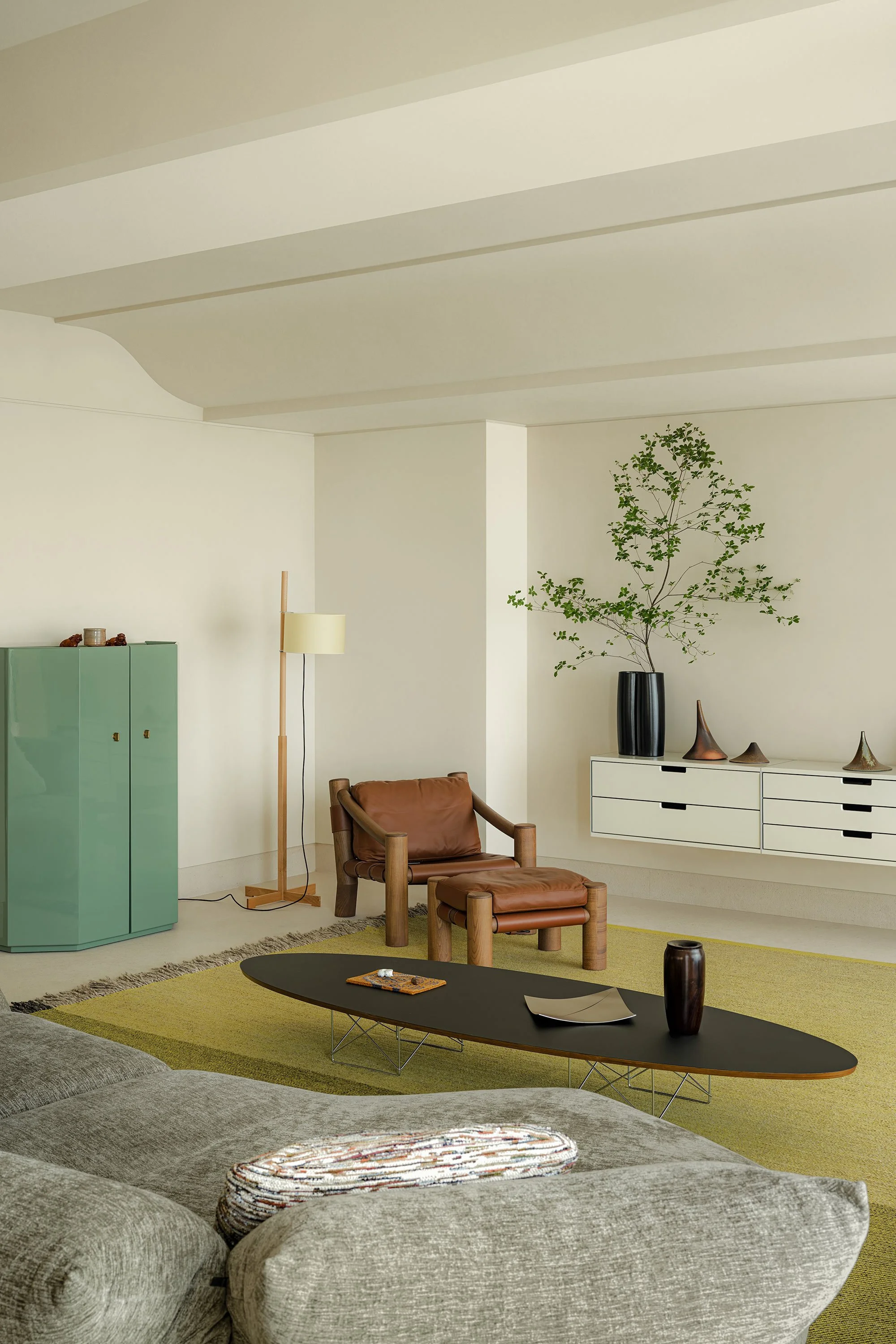
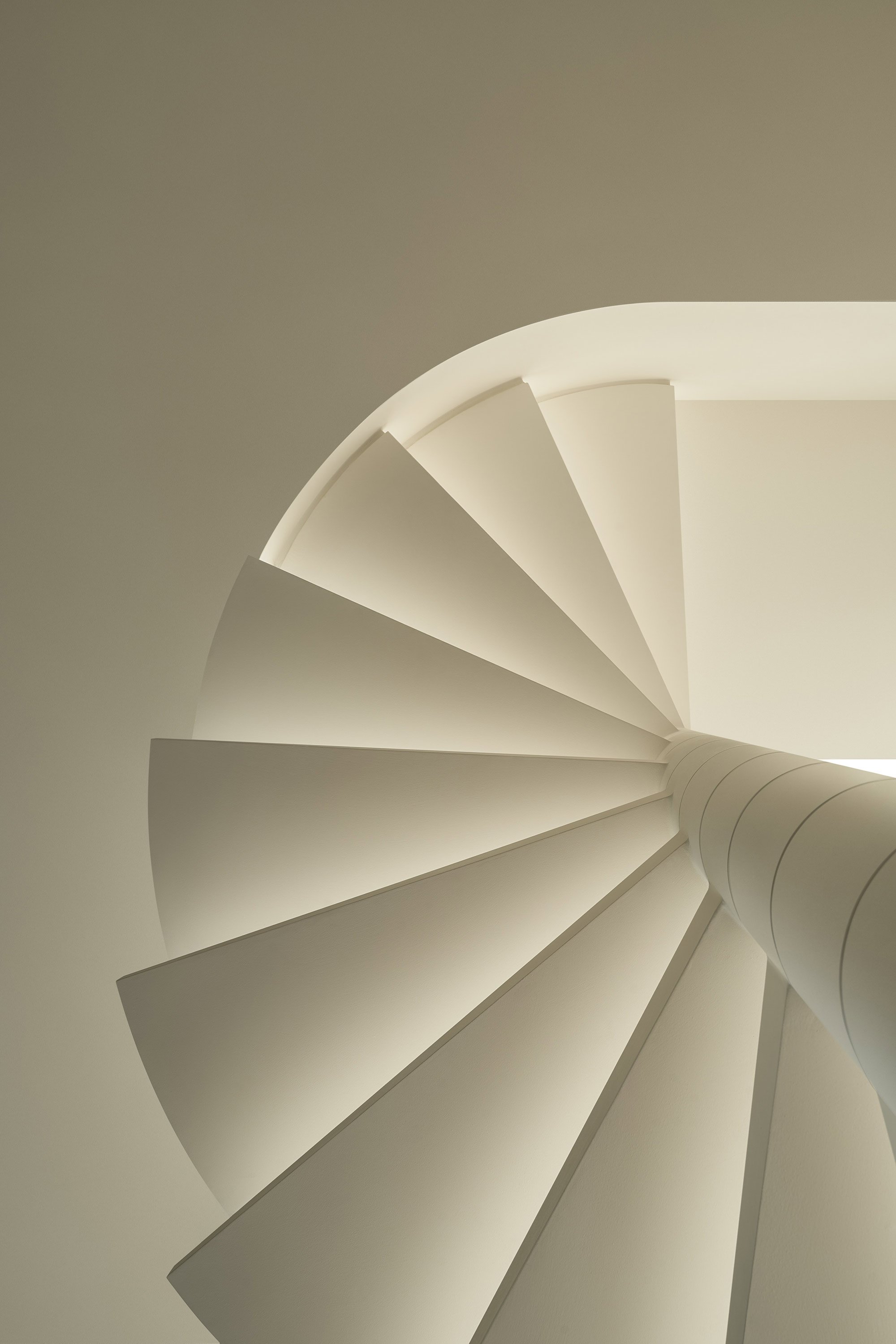
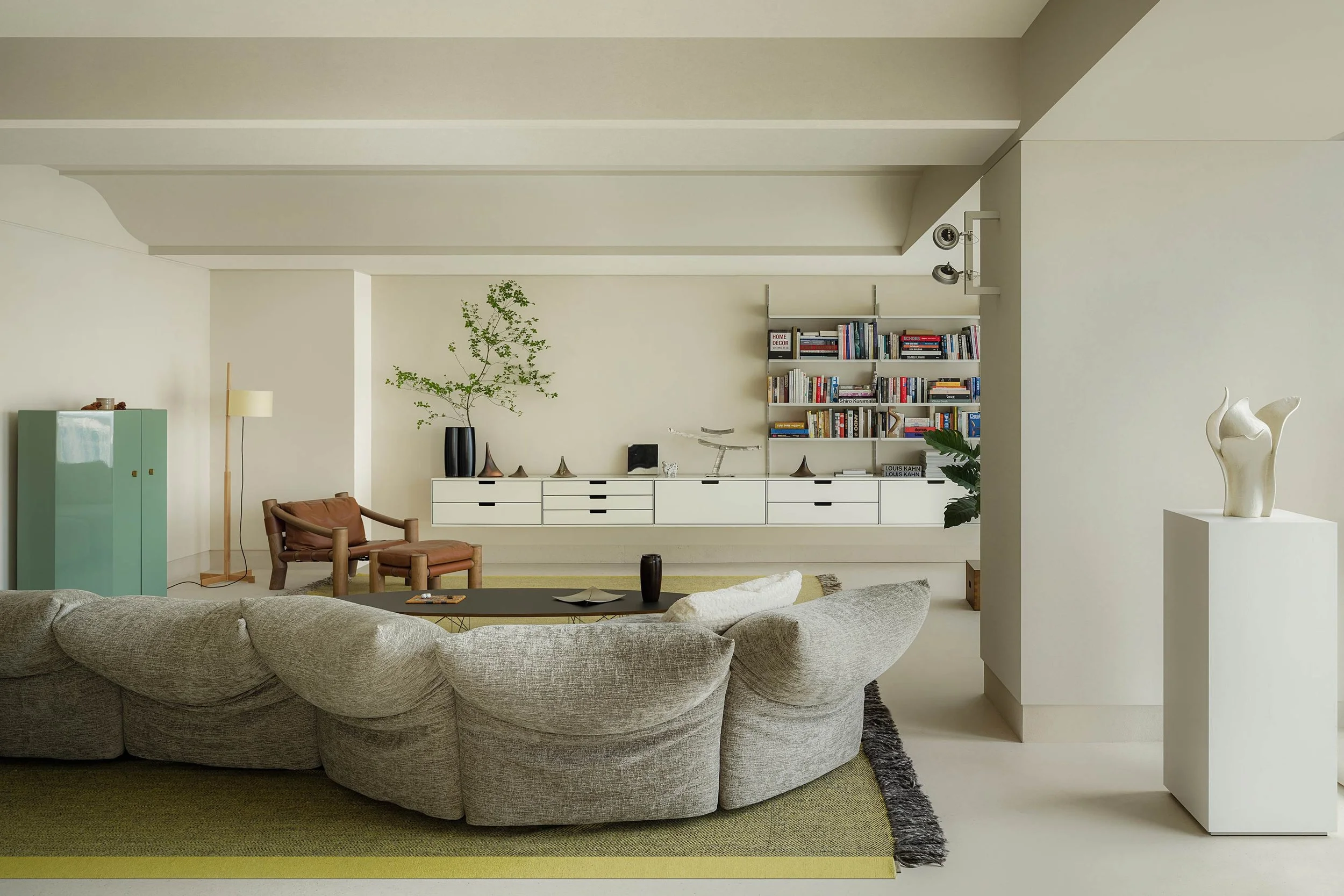
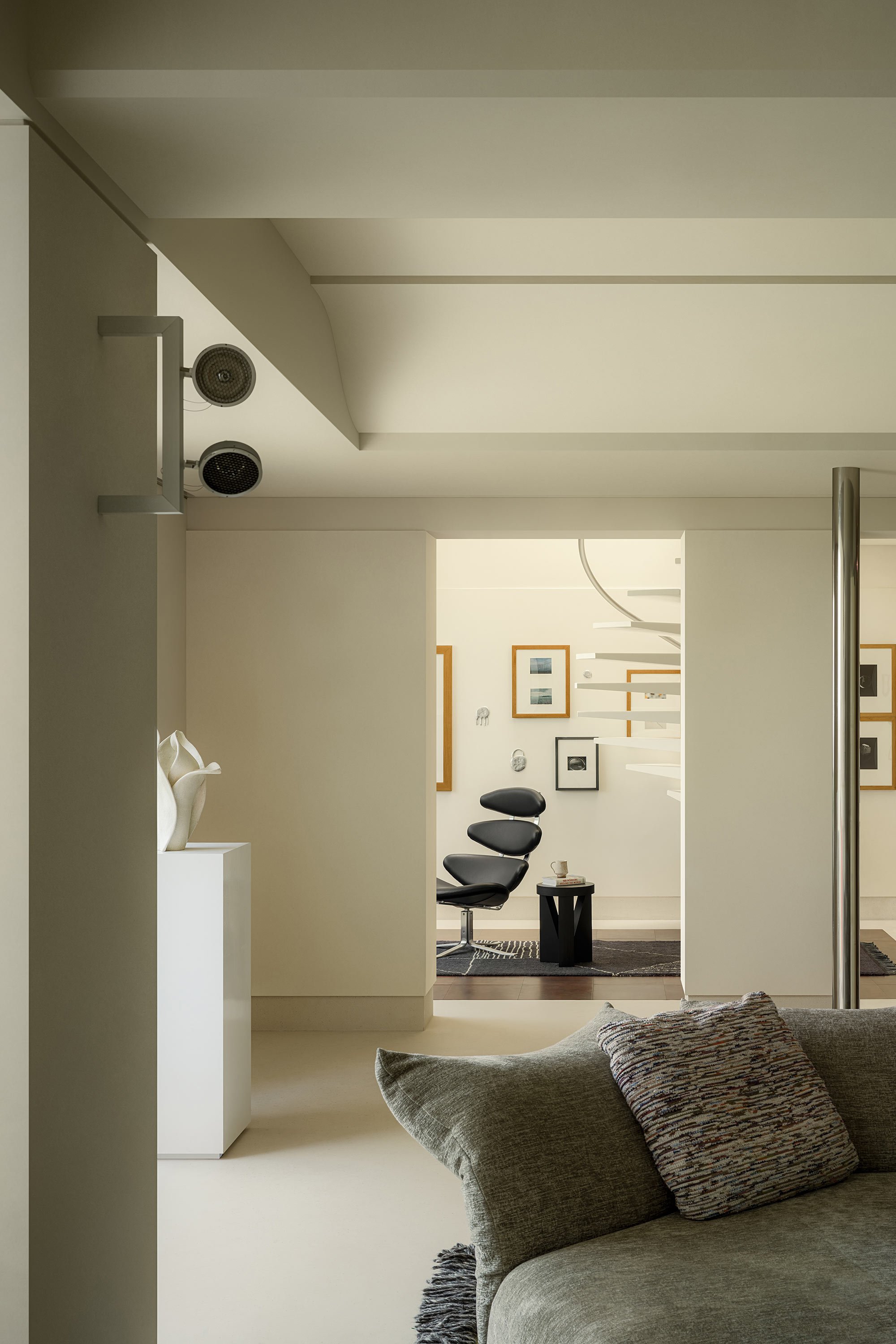
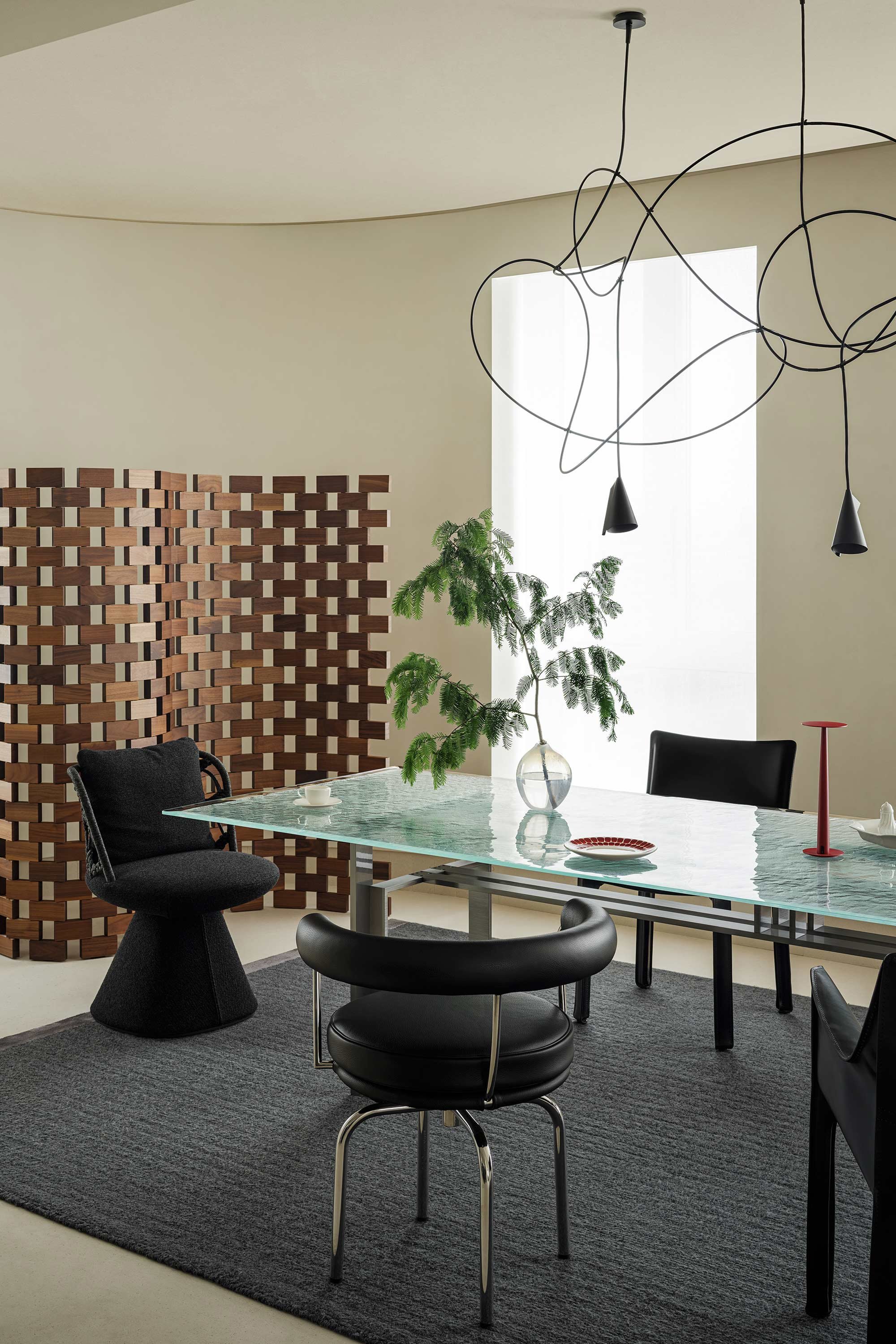
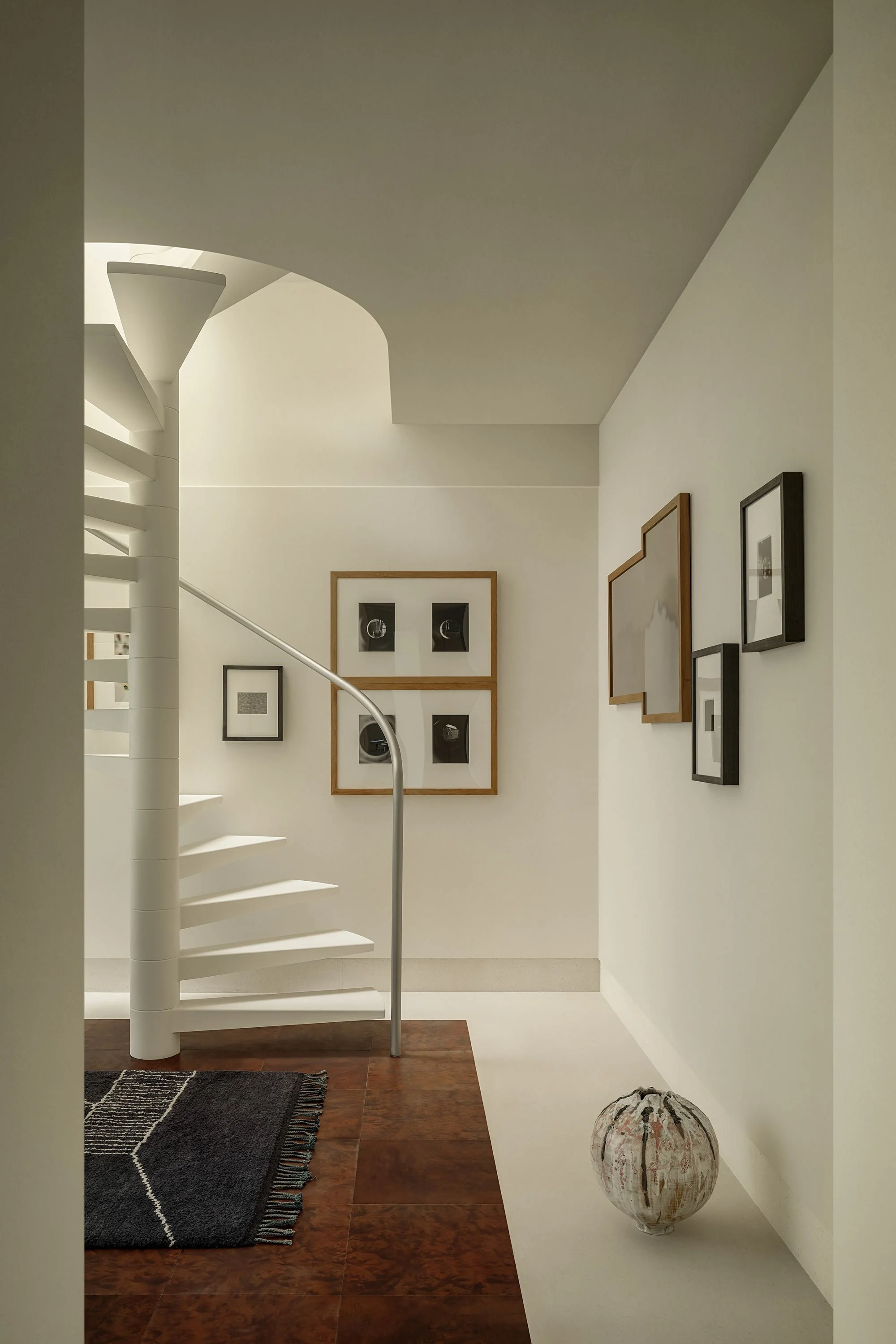
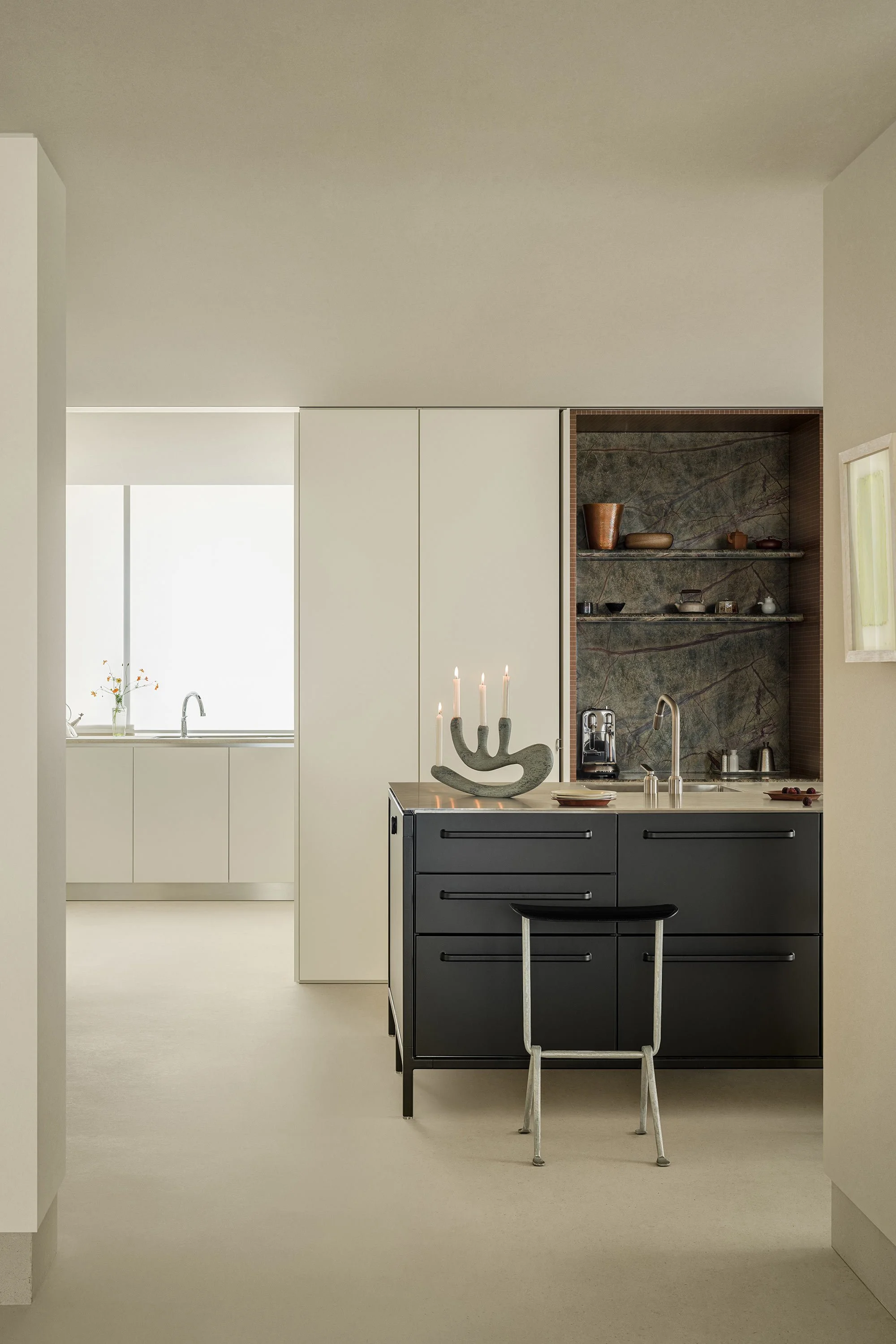
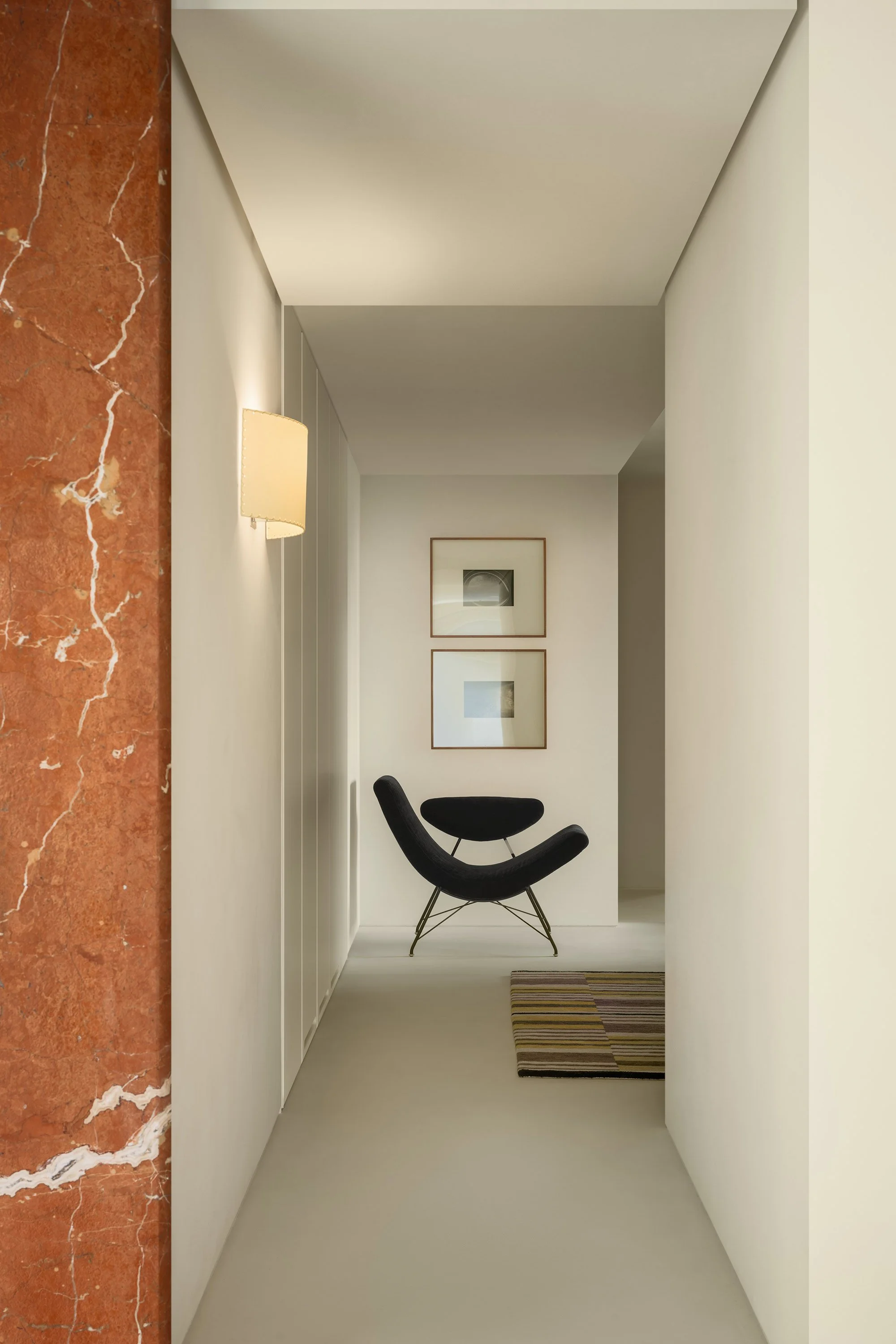
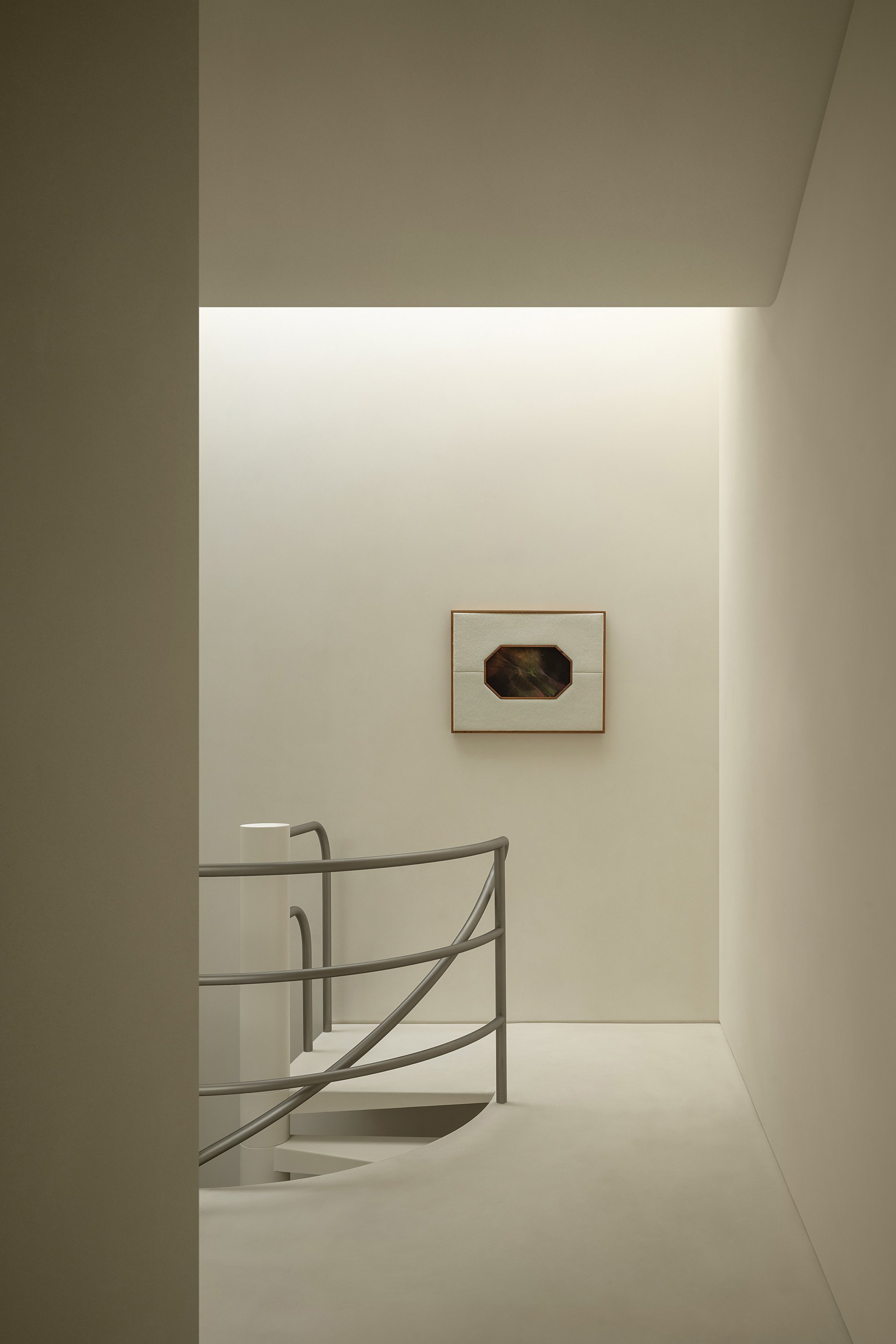
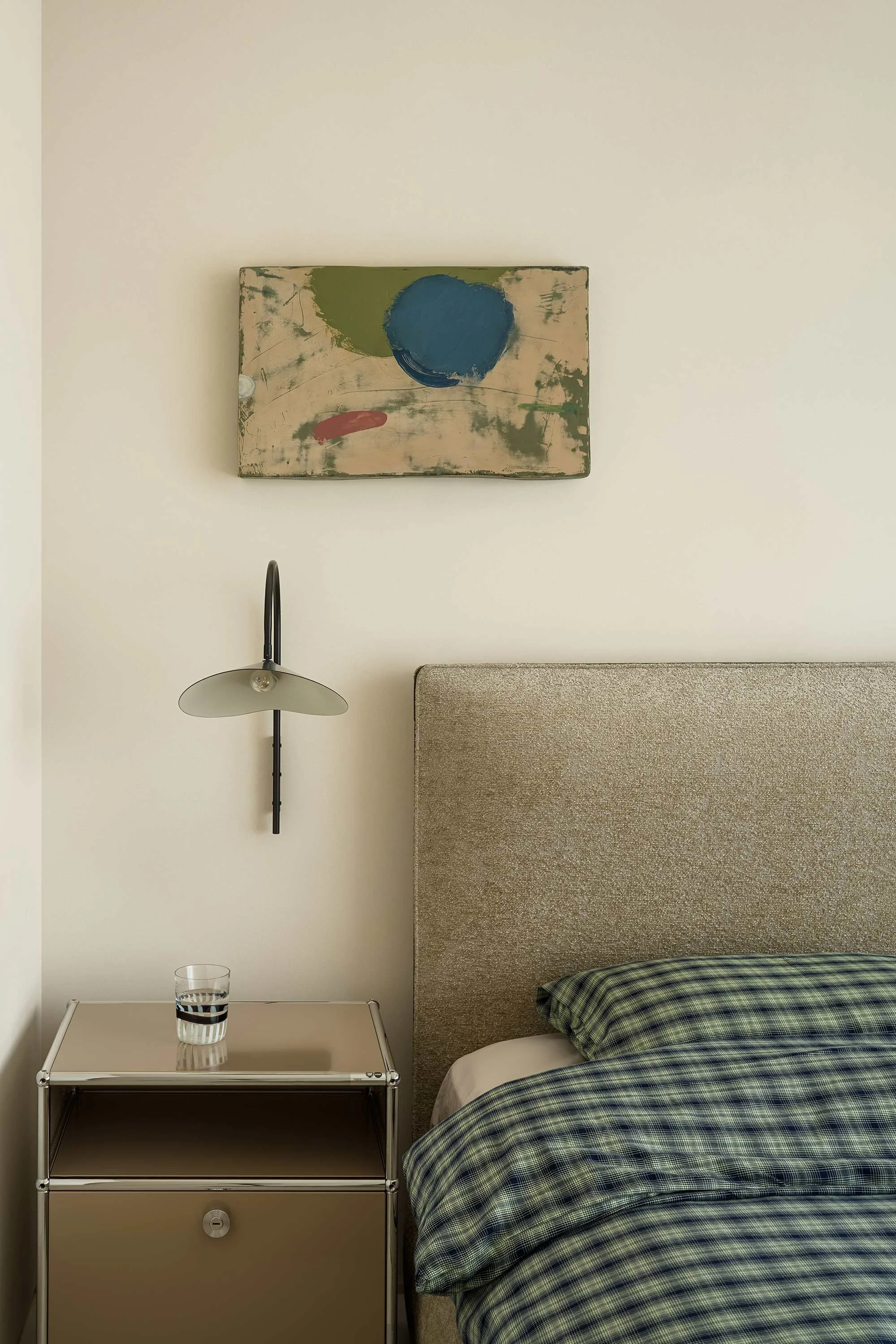
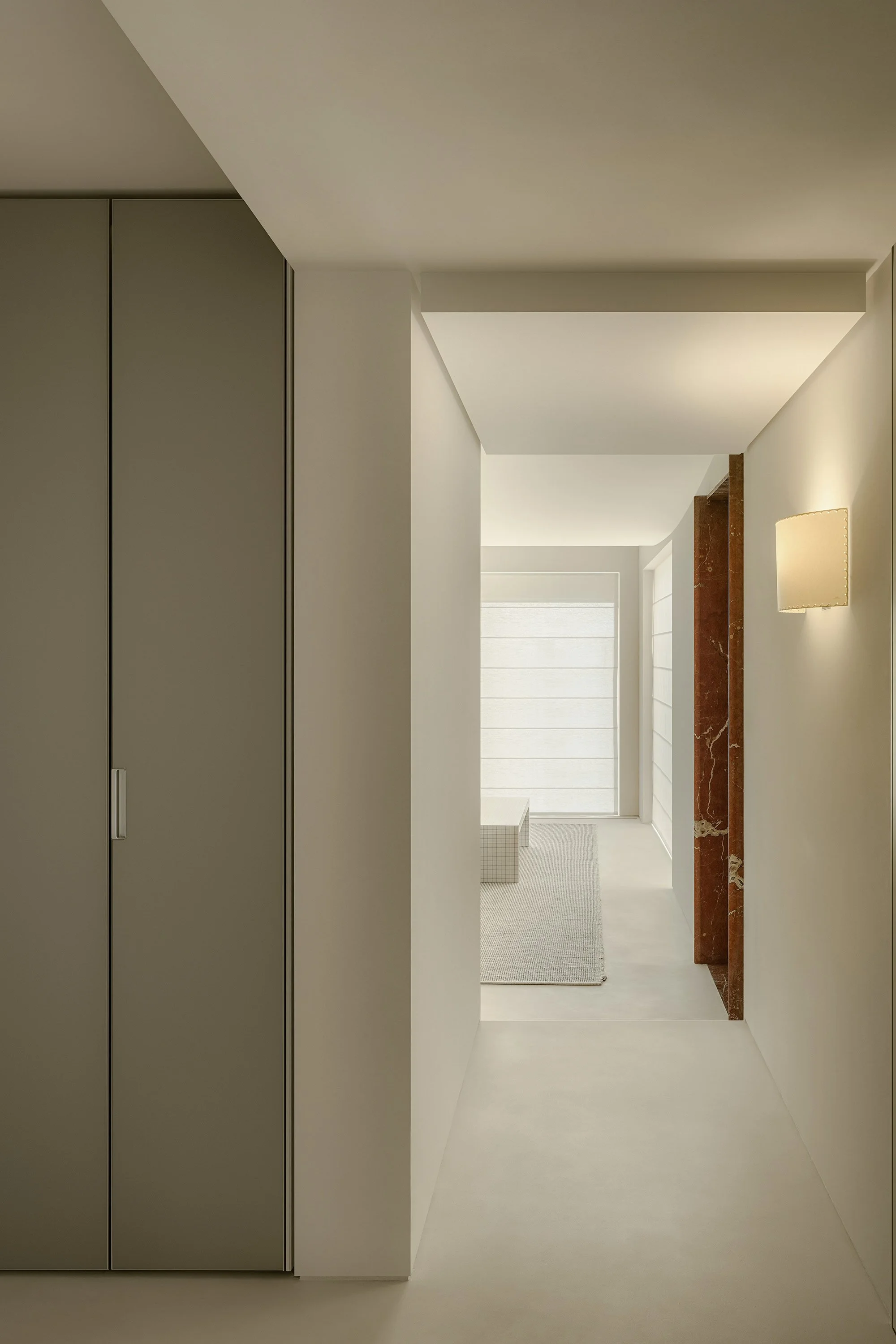
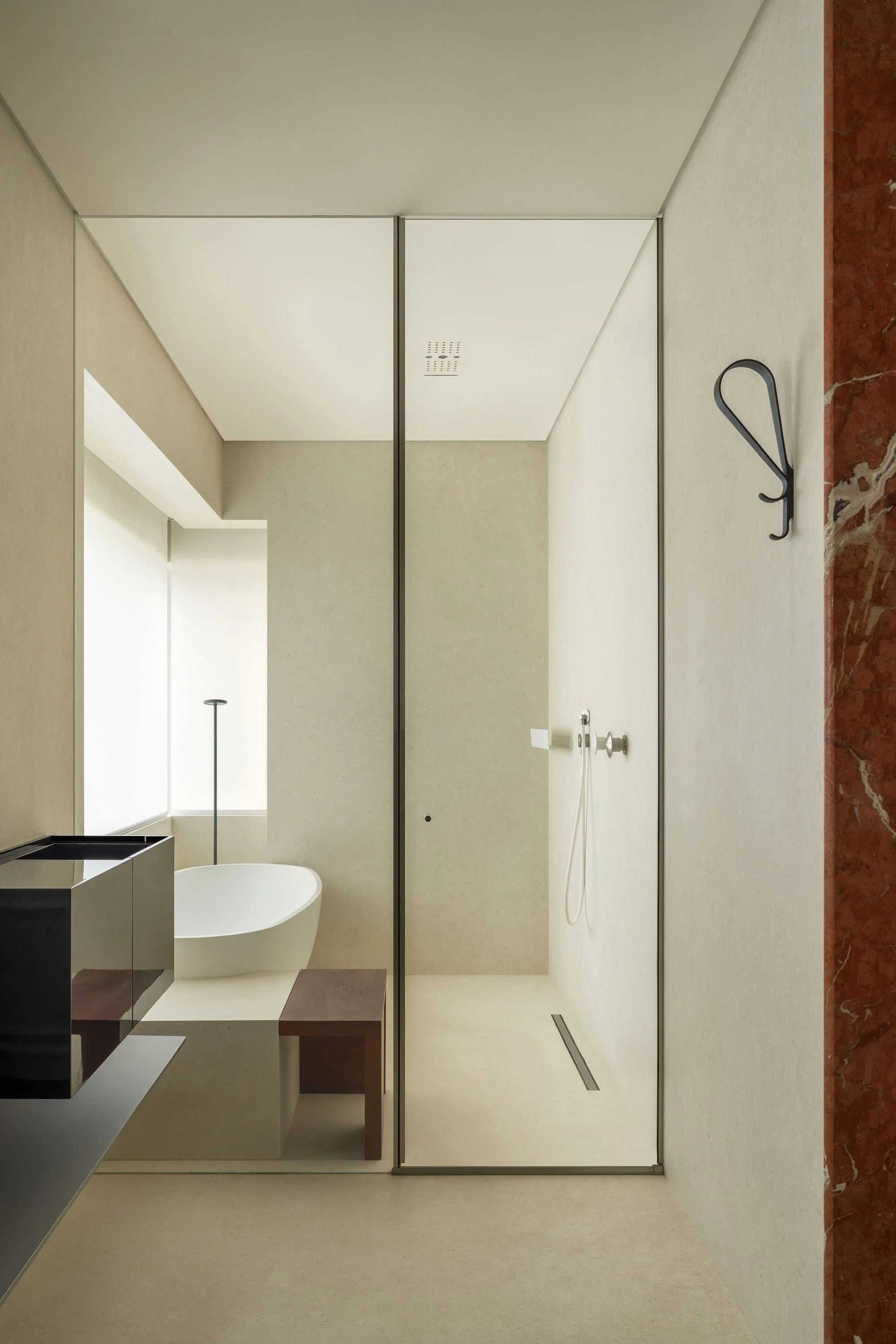
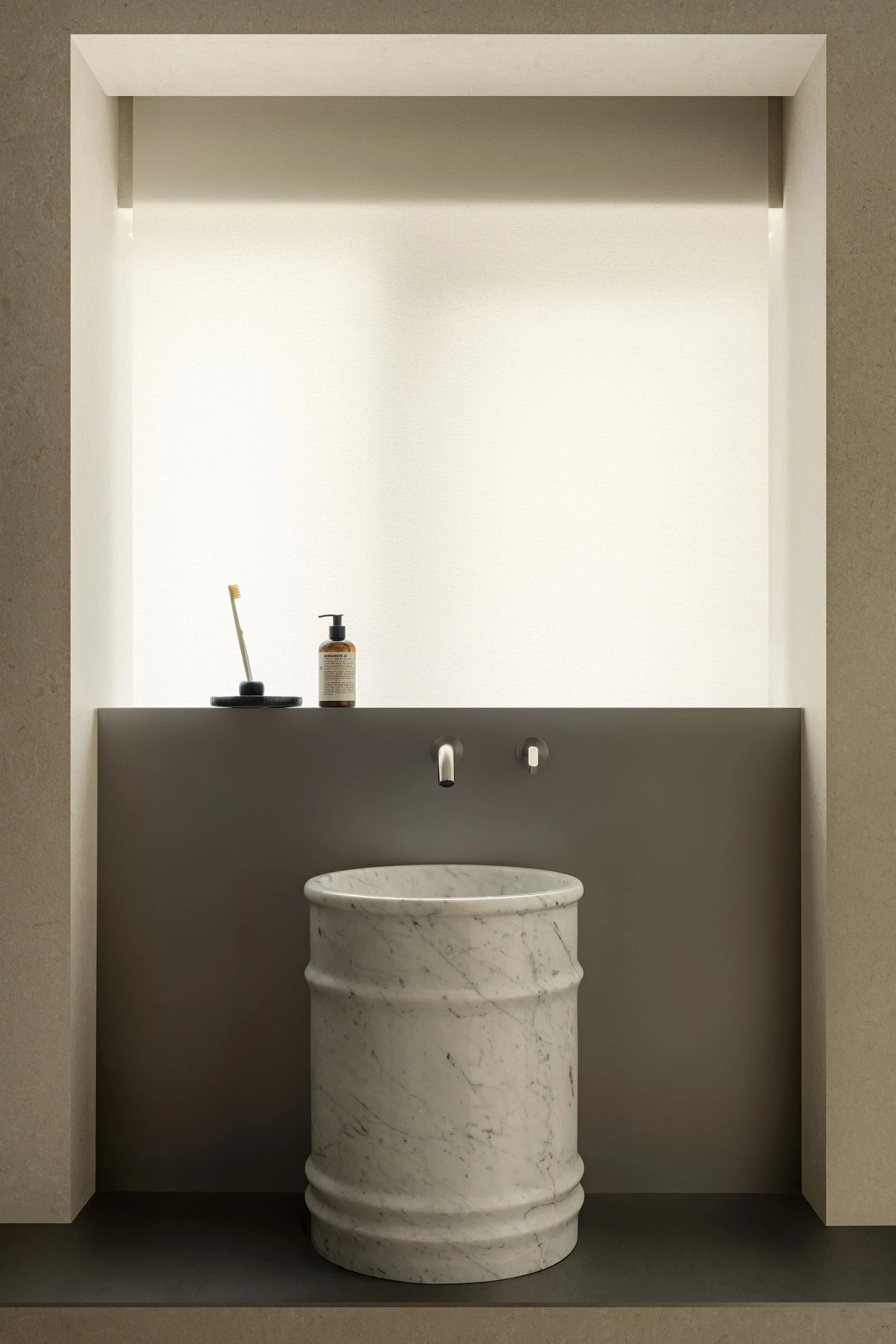
Stepping inside, one encounters a space defined by texture rather than decoration. A clean white palette provides a neutral backdrop, while microcement and natural stone add a raw, tactile quality to the floors and walls. To soften the architecture, the designers utilised generous amounts of linen and cotton, creating a gentle, breathable foundation. The lighting is equally restrained; artificial illumination is minimised to allow natural light to dictate the rhythm of the day.
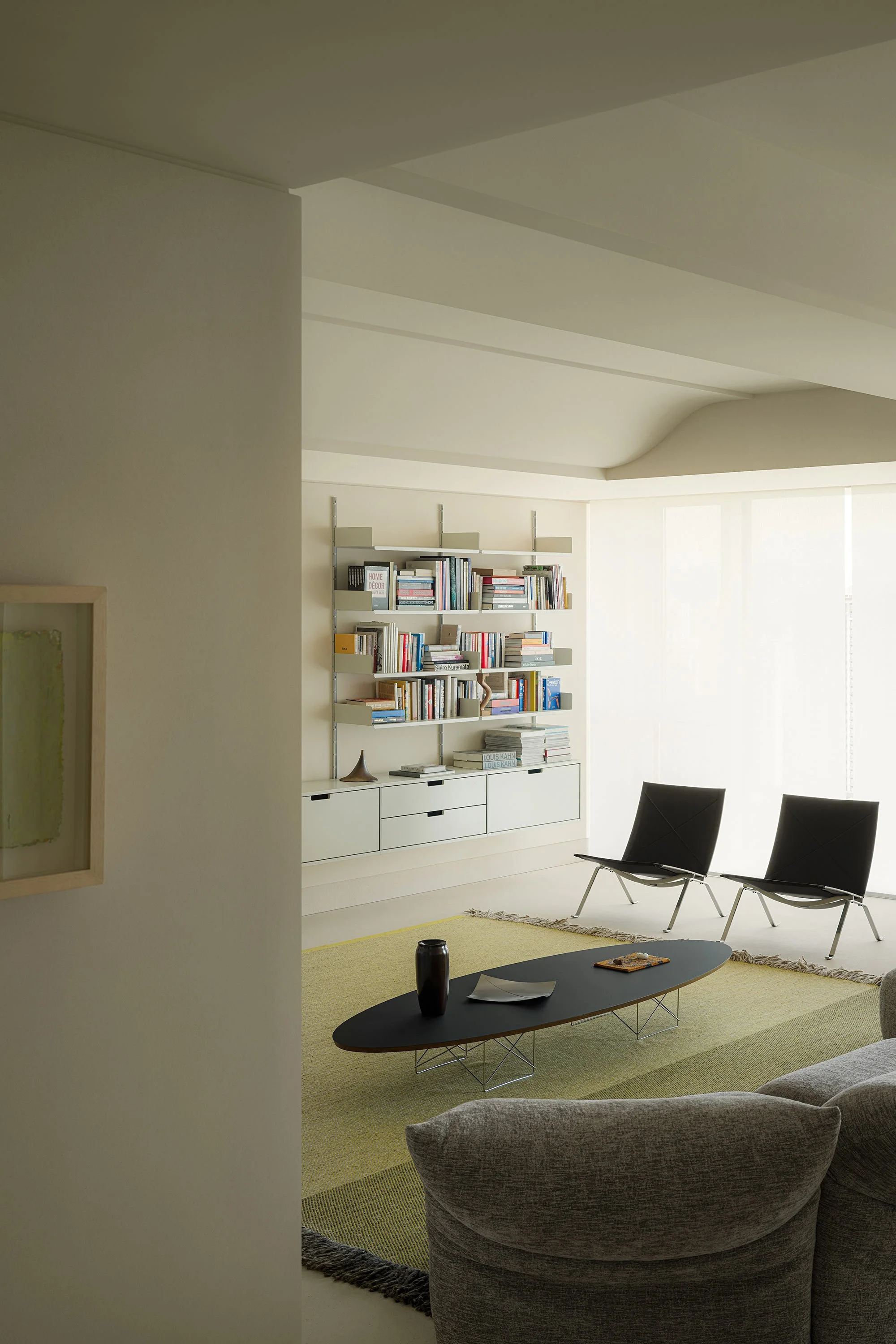
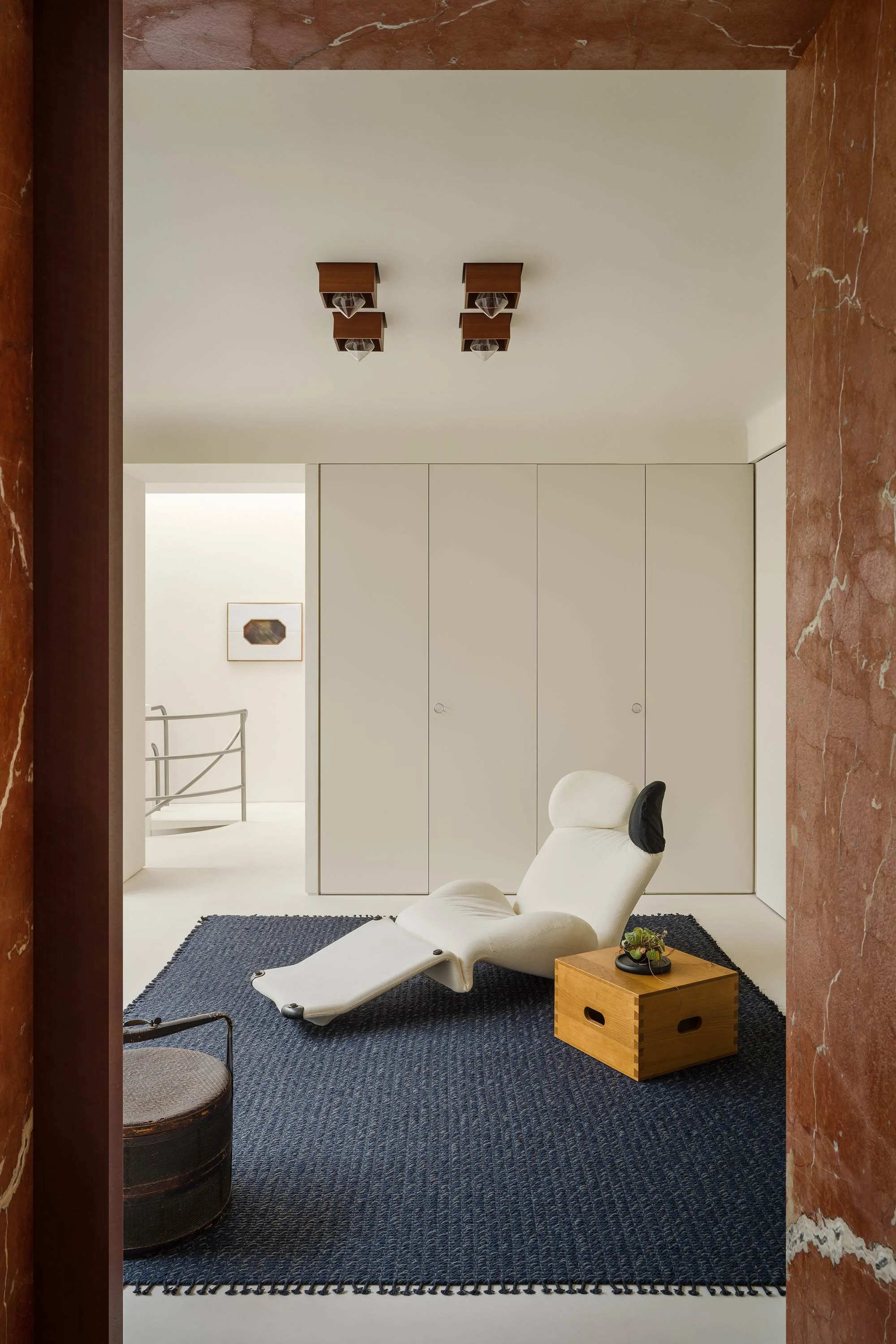
The interior narrative is driven by a dialogue between memory and modernity. Rather than imposing a rigid aesthetic, the home houses the owners' personal collection — a clay qilin sculpture from Quanzhou, a traditional Japanese tea bowl, and a bamboo basket passed down from family. These historical artifacts sit alongside contemporary pieces, such as a Vitsœ 606 Universal Shelving System and a black Vitra coffee table. ‘These items become “narrative elements” within the space,’ Le notes. ‘Each piece feels like an object with its own story, infusing the home with a refined, distinctive and deeply personal character.’
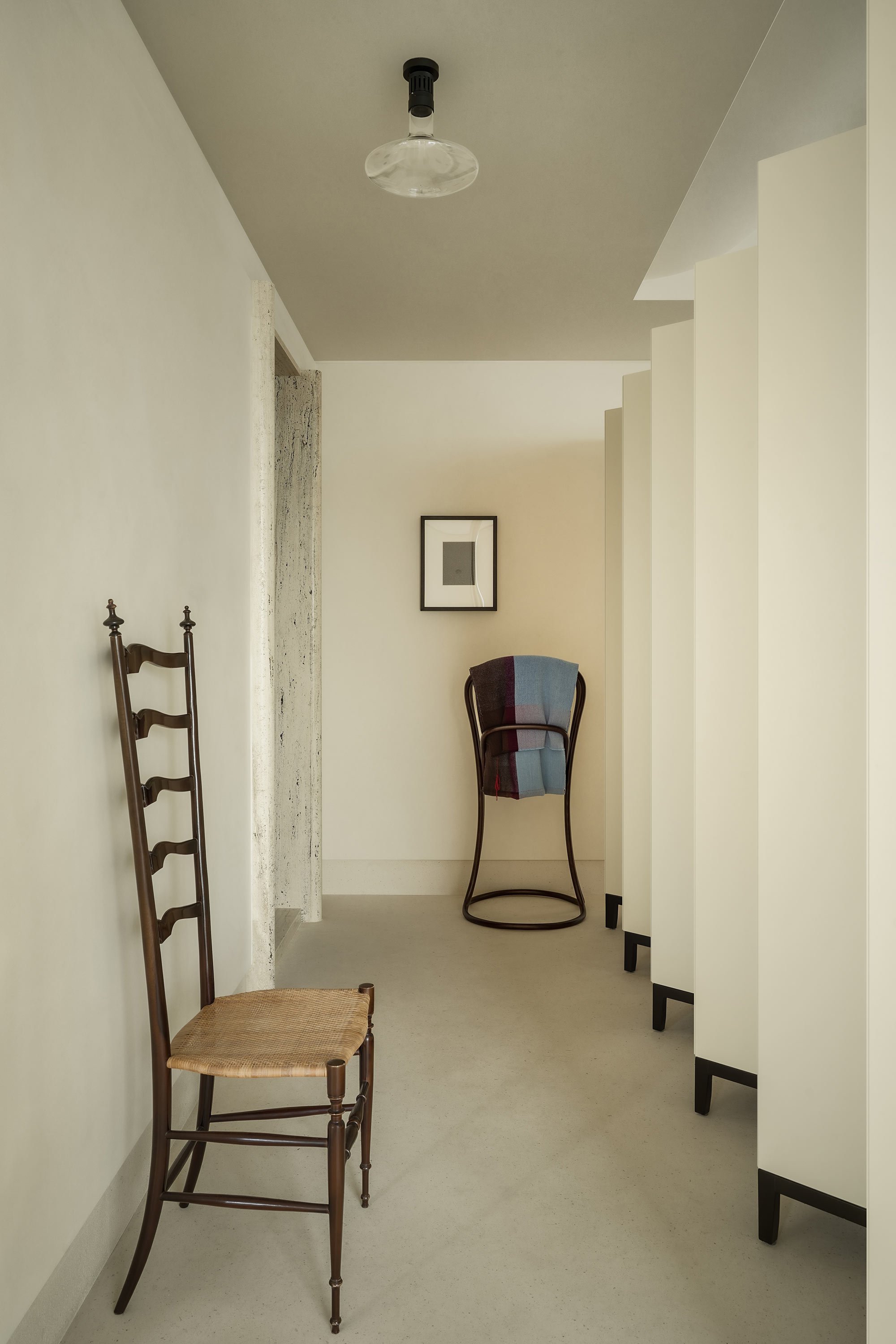
Even the threshold is designed to slow the pulse. The custom entry cabinetry functions as a screen, echoing the Japanese concept of ma — the meaningful space between things — to create a psychological buffer between the outside world and the interior. It is a home that prioritises the invisible over the visible, realising the owners’ ideal of being ‘born of the wild, yet at peace within the home’.
Text by Katherine Ring
Images by Zhu Di