Inside One of Geylang’s Last Art Deco Bungalows
Monocot nip-tucks a conserved structure for family life while the owners add their own personal touch with art, colour and timeless furniture
In the 1840s, Singapore’s colonial government created a secondary settlement in Geylang to disperse Malay villagers from the crowded Singapore River. By the 1930s, the lorongs (lanes) were lined with shophouses built by Chinese merchants and low-rise bungalows with Malay, European and Chinese influences.
This home for a couple and their young son occupies one of two such bungalows, which housed a luggage company in the mid-1980s before being segmented into four maisonettes during a redevelopment that added an eight-storey block at the front. The conversion, which won an Urban Redevelopment Authority Architectural Heritage Award, preserved the exterior’s Art Deco geometry, moulded capitals and stained-glass timber windows.
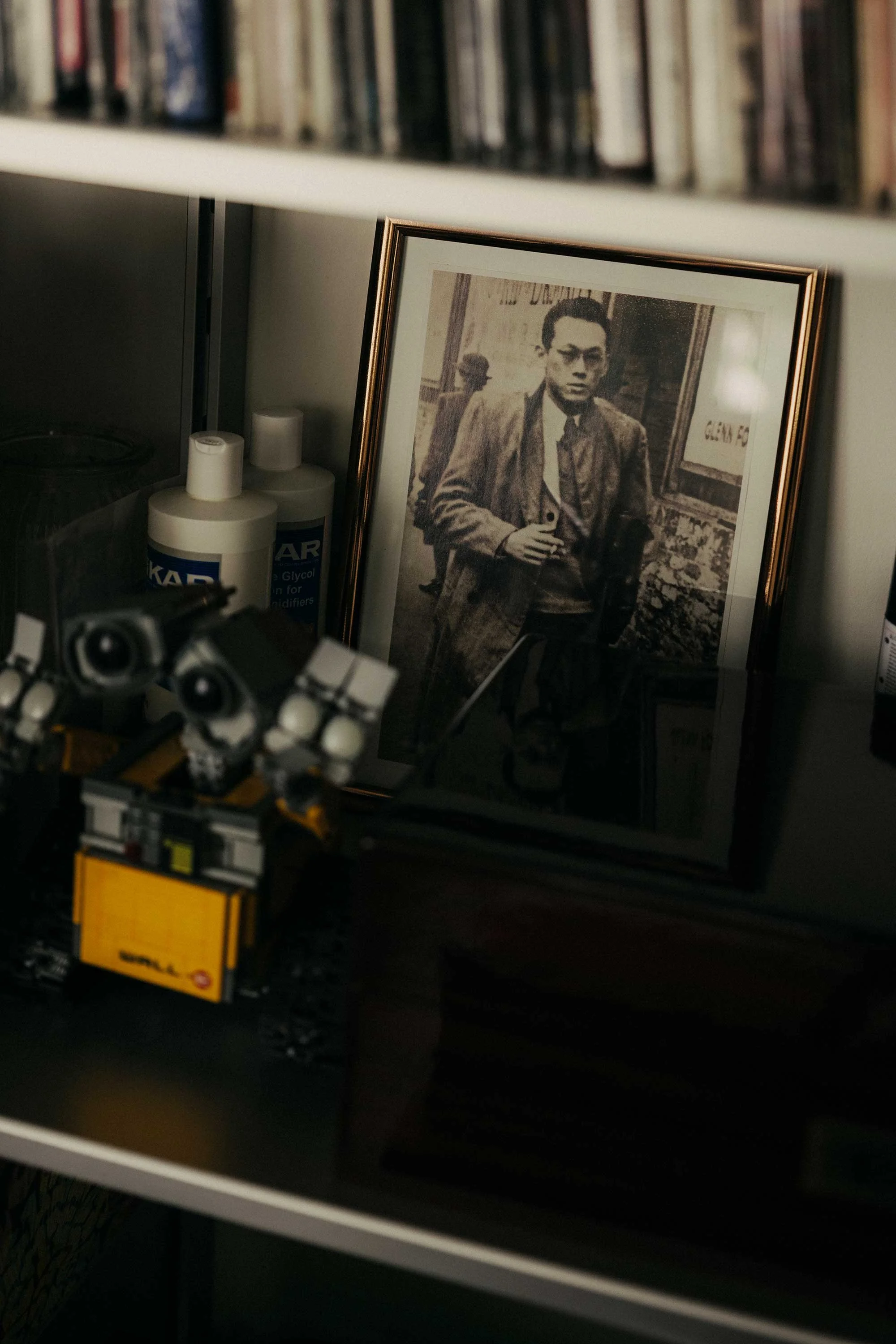
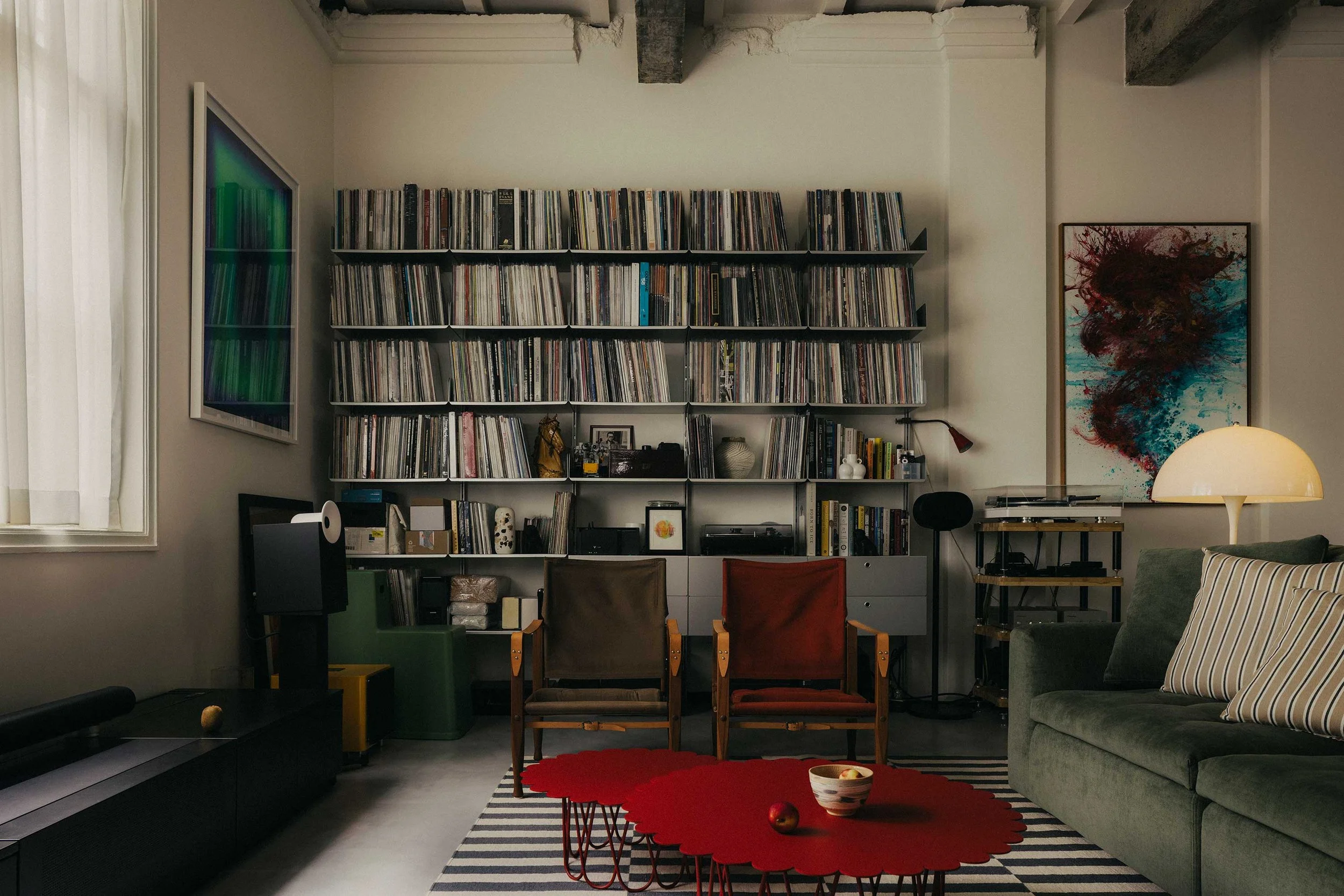
In the living room, canvases by Singapore-based artist Andy Yang hang alongside lacquered works by Australian artist Nick Thomm. ‘He's a friend who plays in a band with some of our other friends,’ the husband says of Yang. Safari chairs from Carl Hansen & Søn and a Kriptonite shelving system packed with vinyl further underscore the owners’ interests and aesthetic leanings.
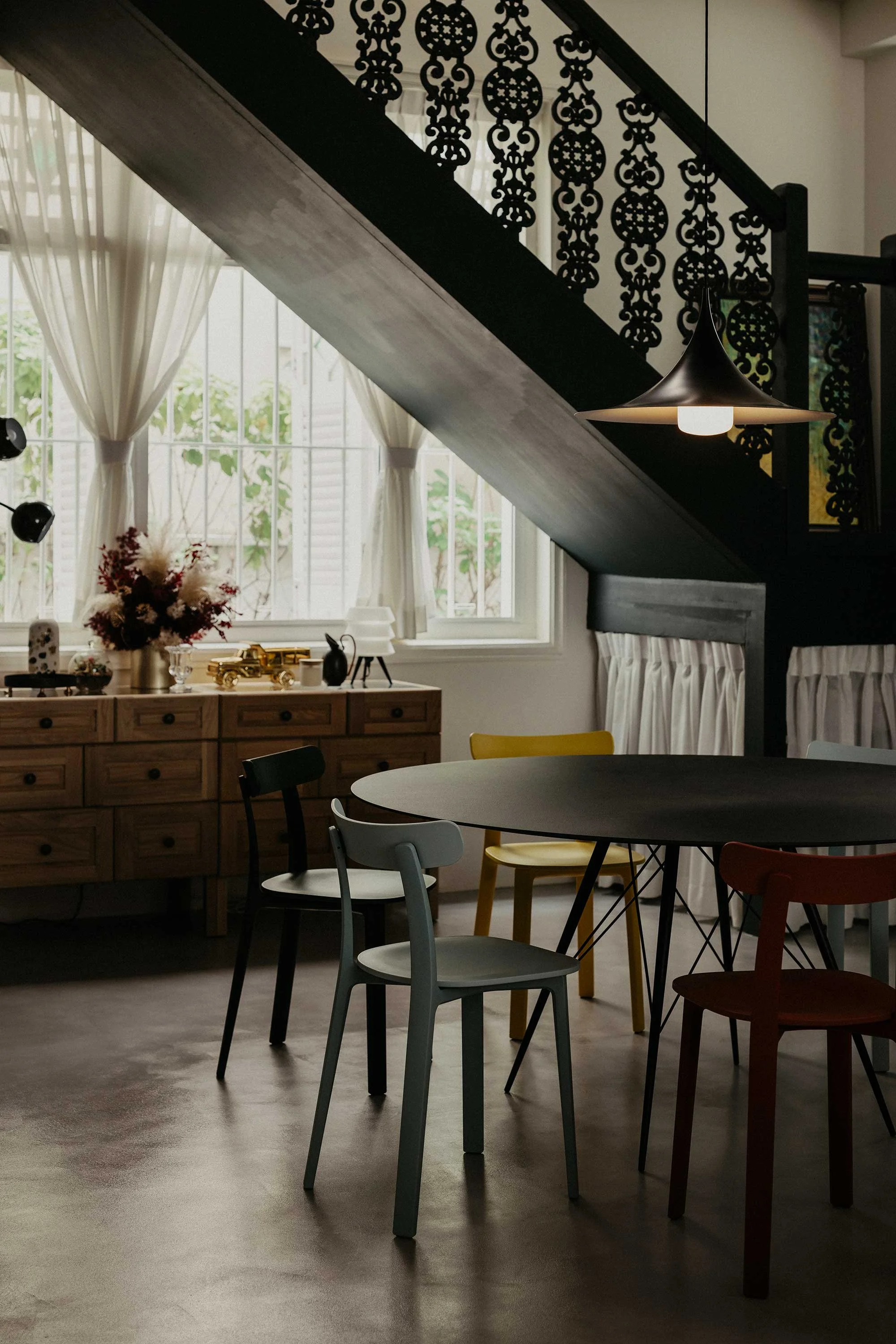
These personal touches make the house a home, and bring a modern spin to the colonial shell. Cabinets designed by Singaporean icon Nathan Yong — carried over from the owners’ previous home — mix with Vitra chairs and a Gubi Semi pendant in the dining area. ‘We’re not maximalists, but we’re also not minimalists,’ says the husband.
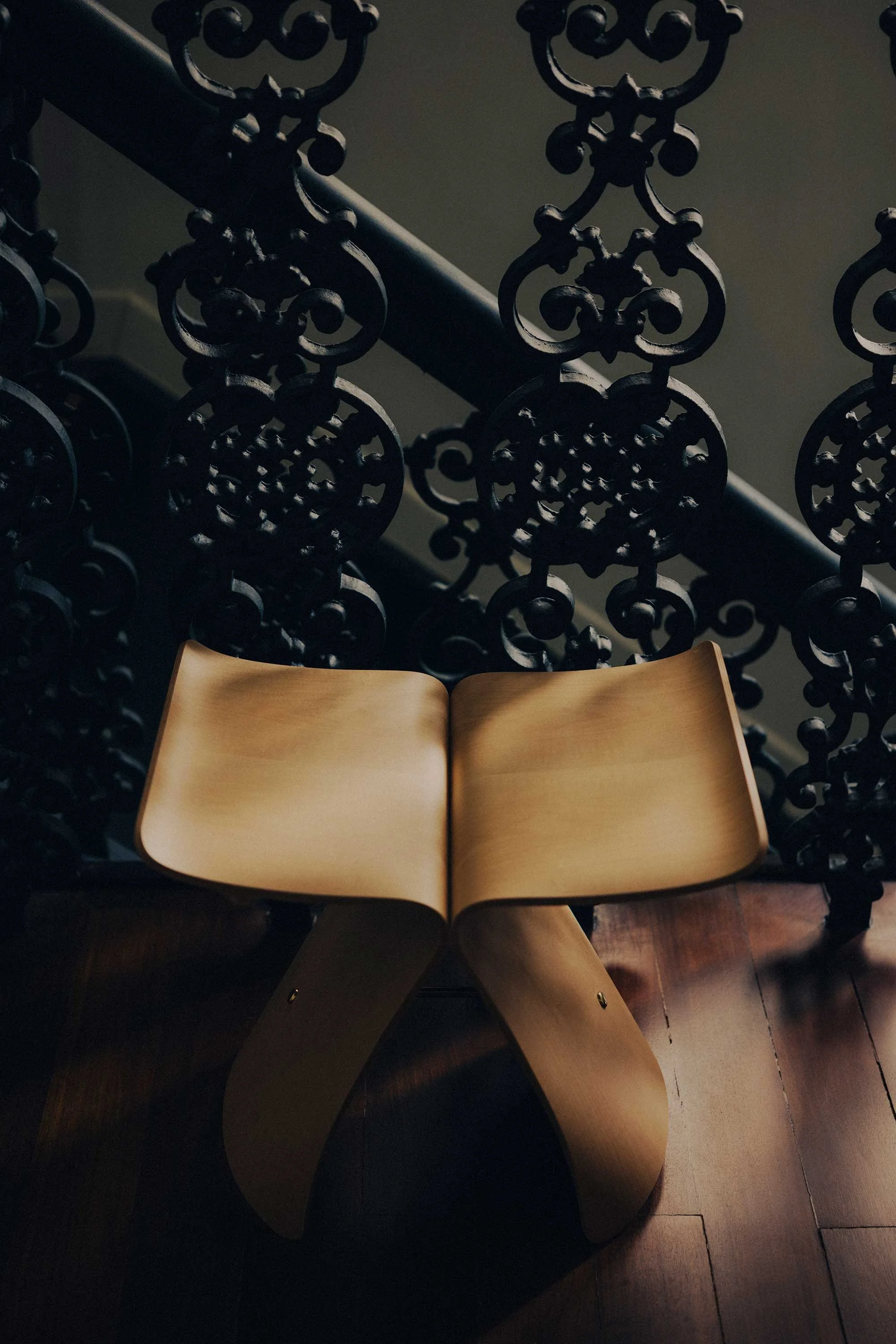
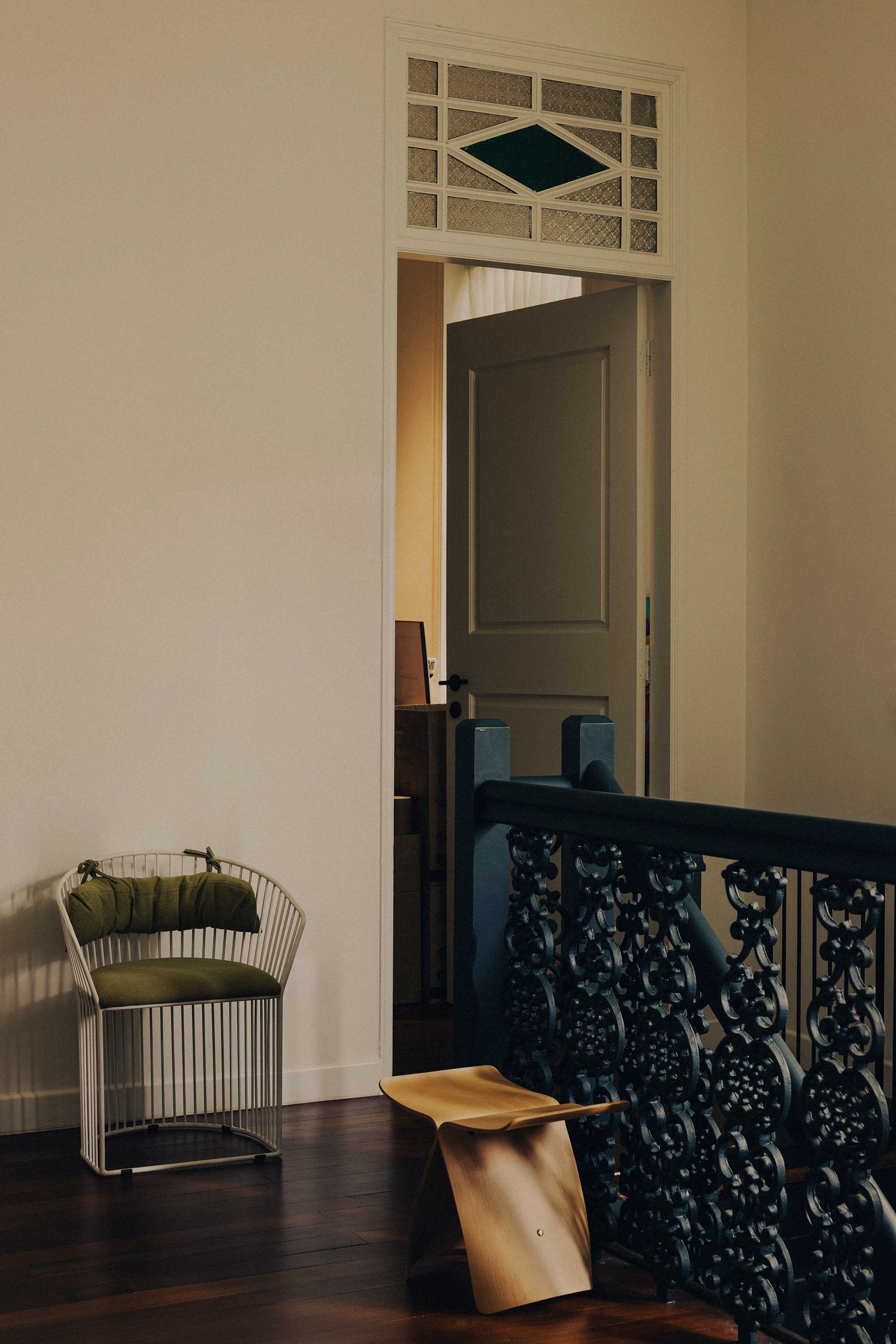
Working with old buildings sometimes necessitates hard decisions. Removing the former elderly residents’ chair lift, for instance, meant hacking into the existing decorative floor tiles. Notwithstanding this loss, the current cement flooring works well as a foil for the owner’s chromatic pieces, and painting the staircase’s ornate wrought iron balustrades dark green offers a similar temperance.
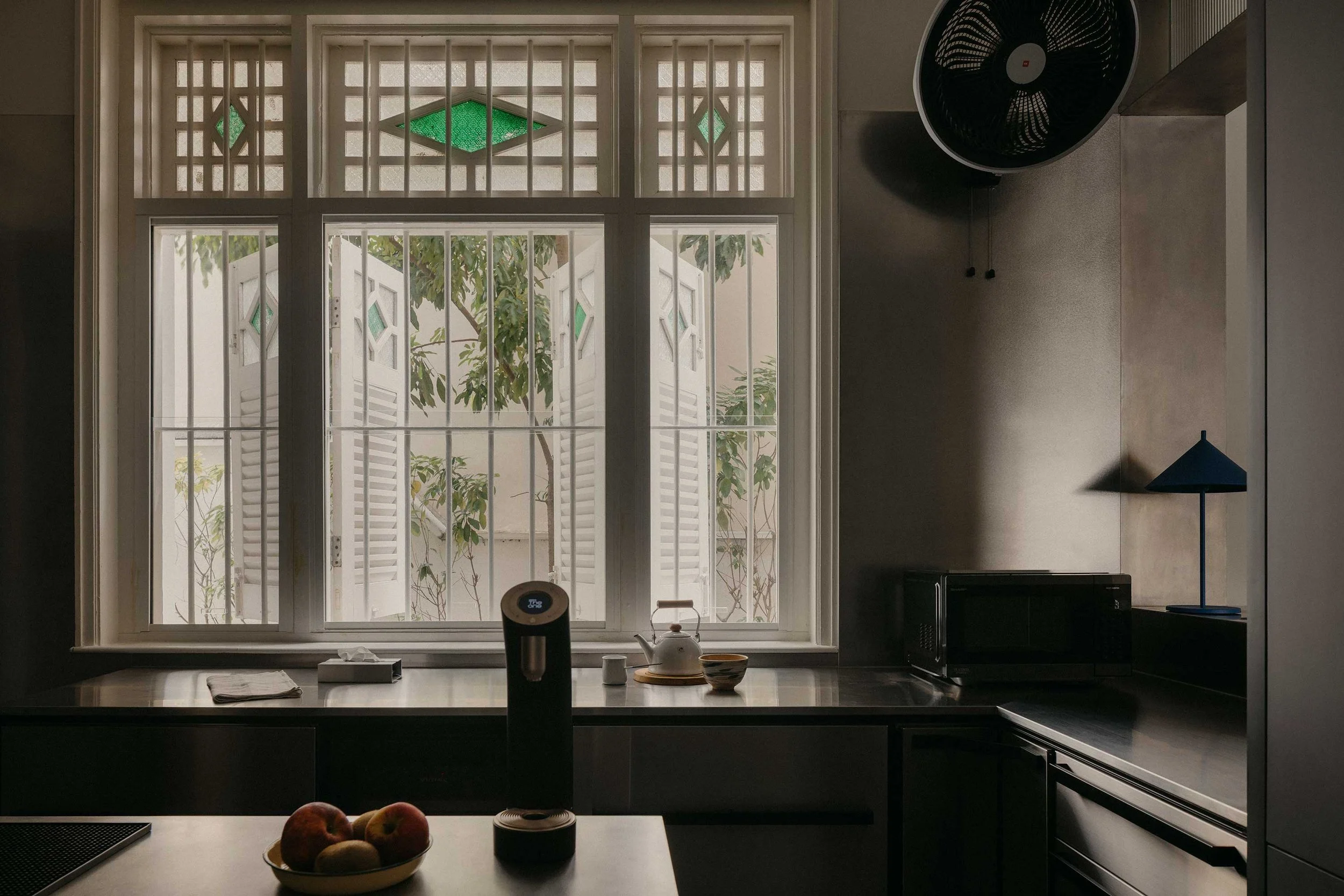
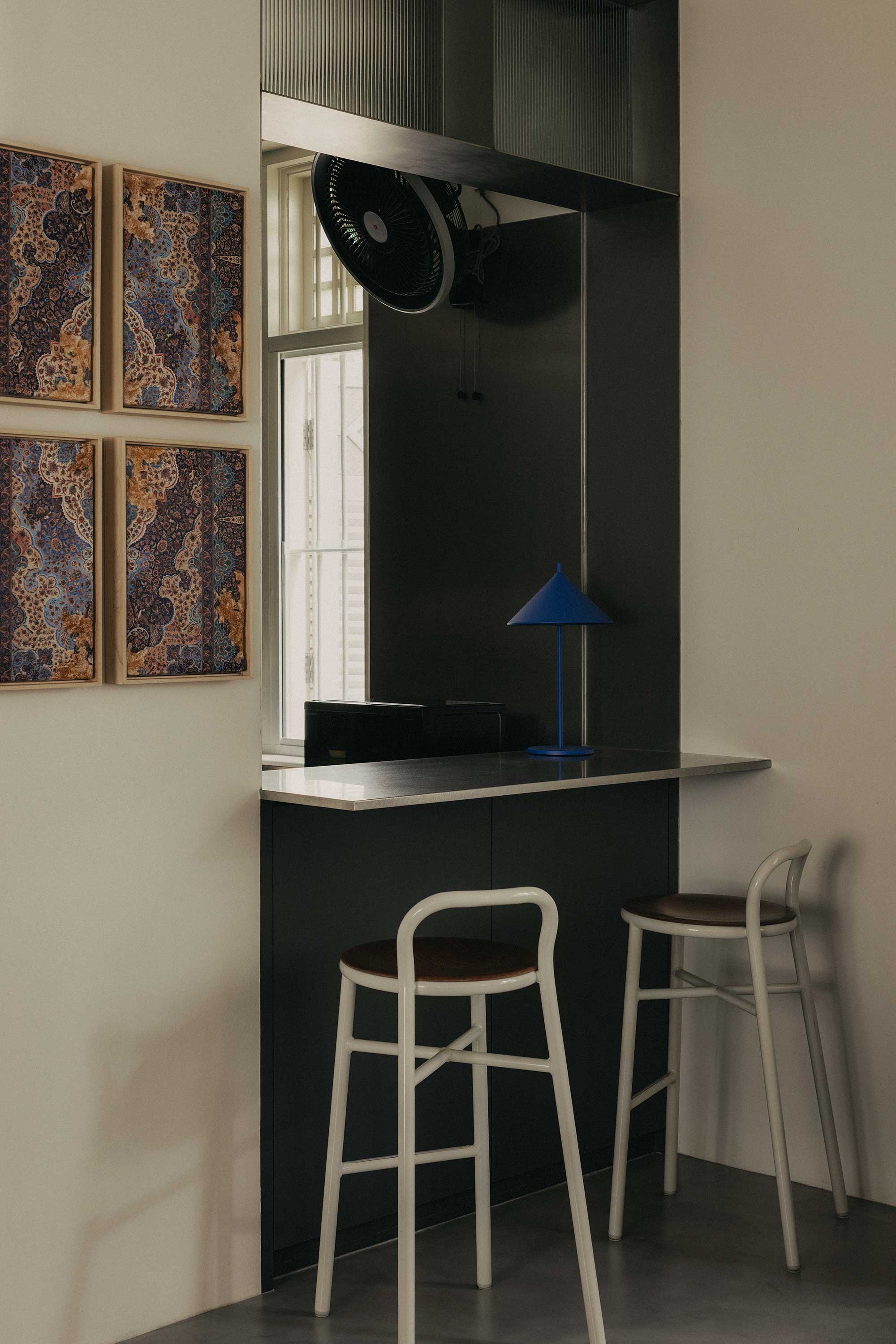
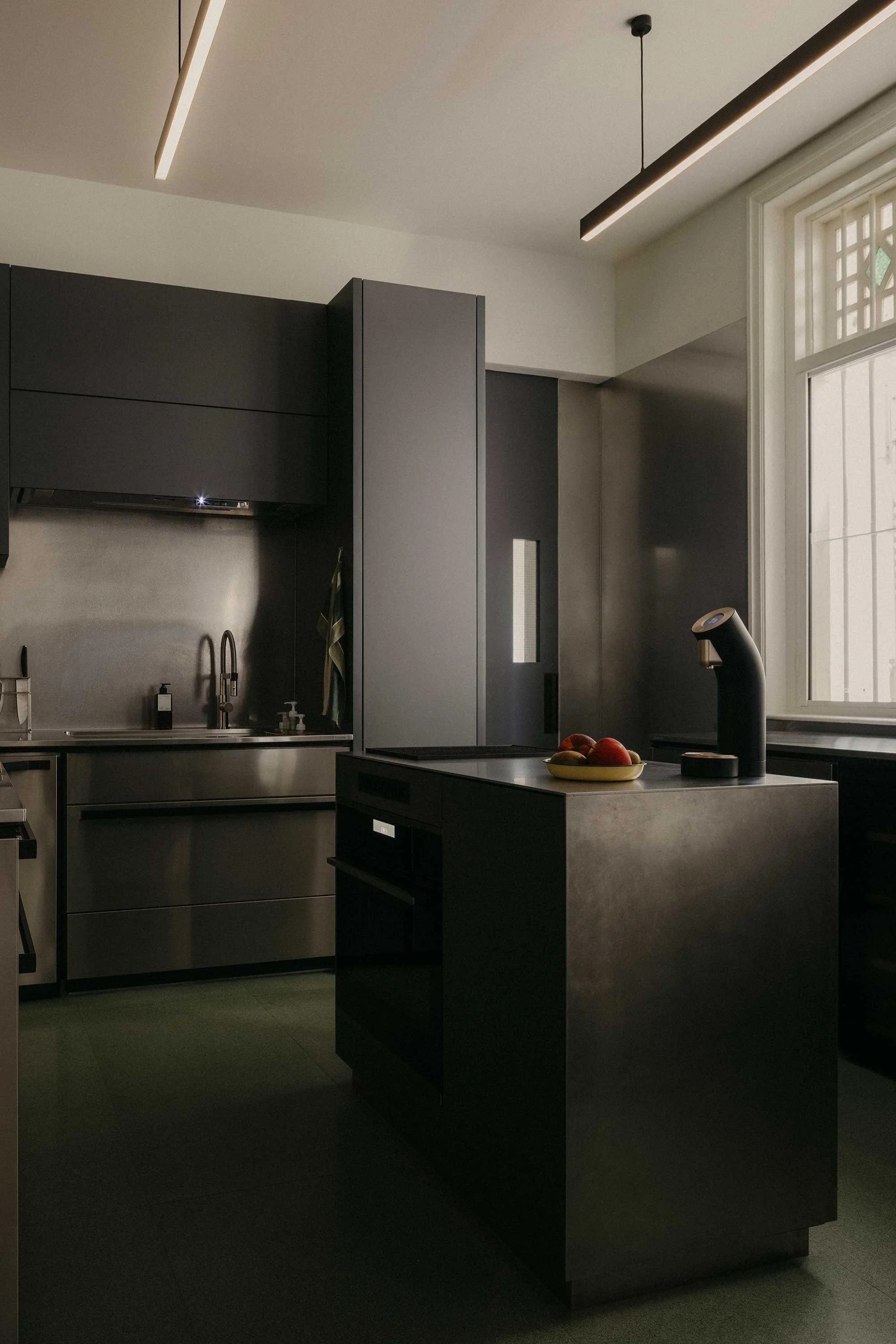
‘The owners wanted us to conserve and express the original structure as much as possible,’ says Mikael Teh of The Monocot Studio, who worked on the interiors. Removing the false ceilings both made space and revealed half-destroyed — yet charming — ceiling mouldings on the ground floor, and perfectly preserved ones upstairs. The kitchen’s footprint was enlarged and a portal opened to pass food to the dining room. Teh chose green terrazzo tiles to match the heritage windows’ tinted green glass and stainless steel kitchen.
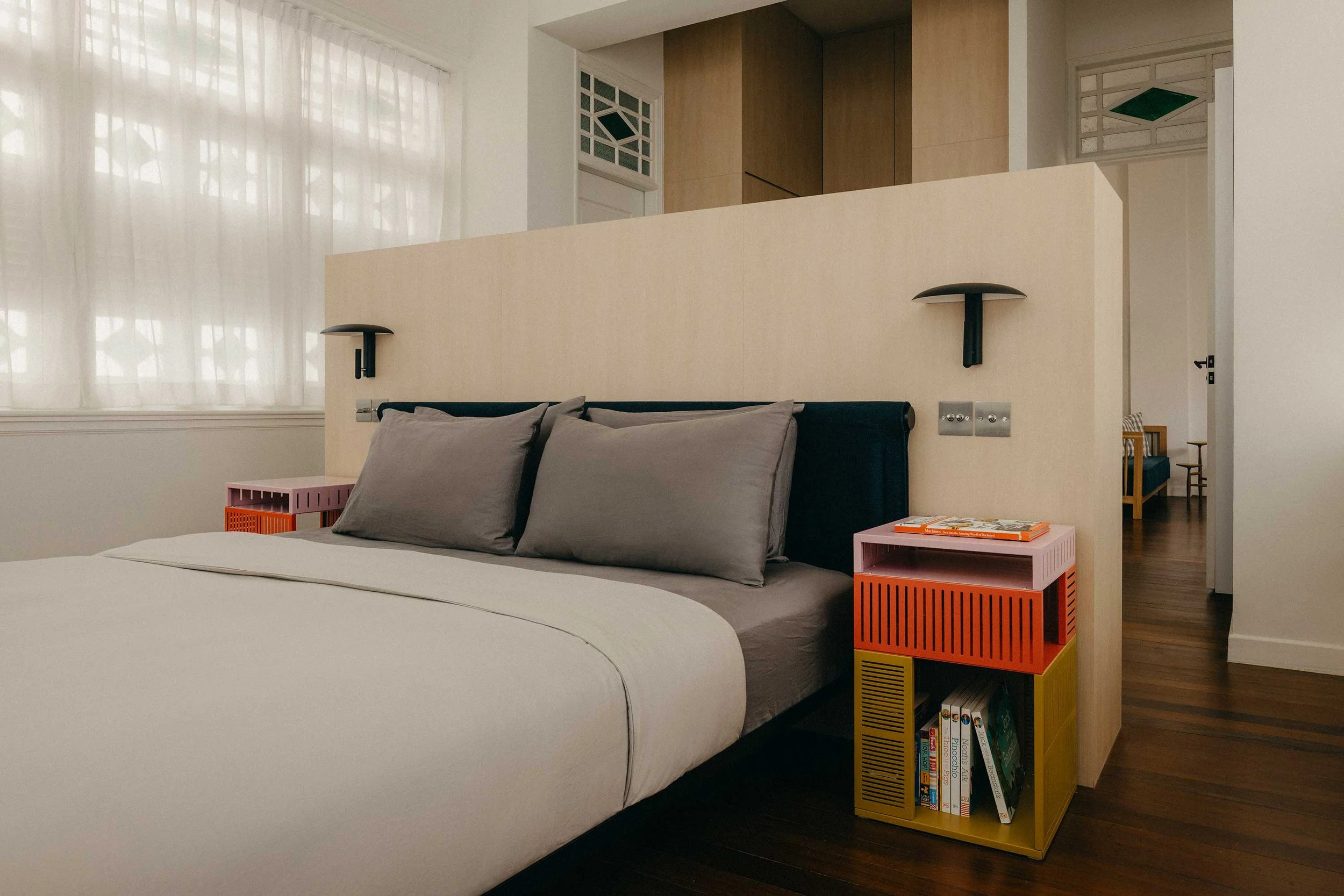
Shaving a little off the son’s bedroom created space for a larger wardrobe in the main bedroom. A standalone partition-cum-dresser gives the sleeping zone some segregation without divorcing it from three walls of stained-glass windows. Symmetry was preserved in this way alongside ‘backing for all their modern needs, such as charging points and lights,’ Teh explains.
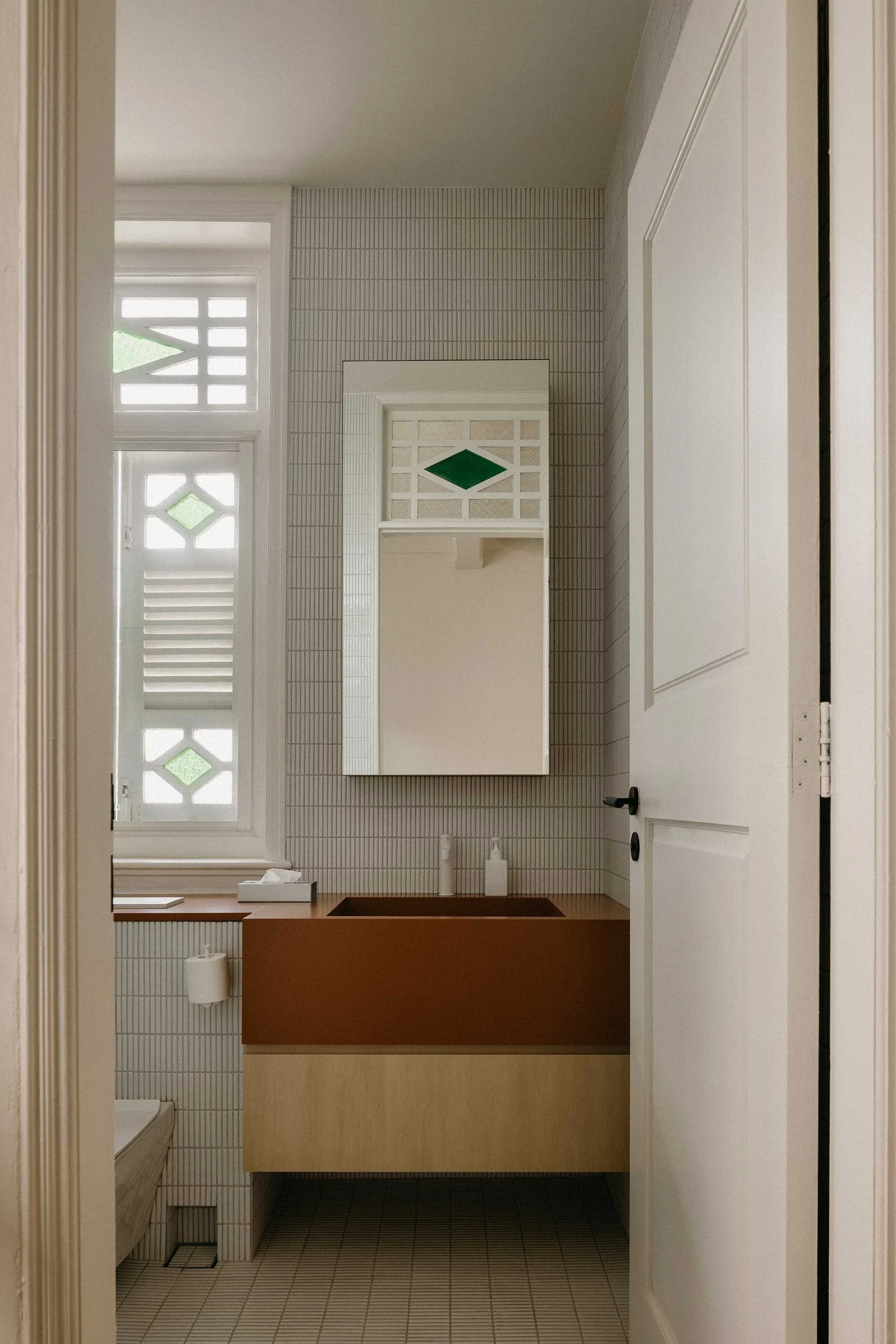
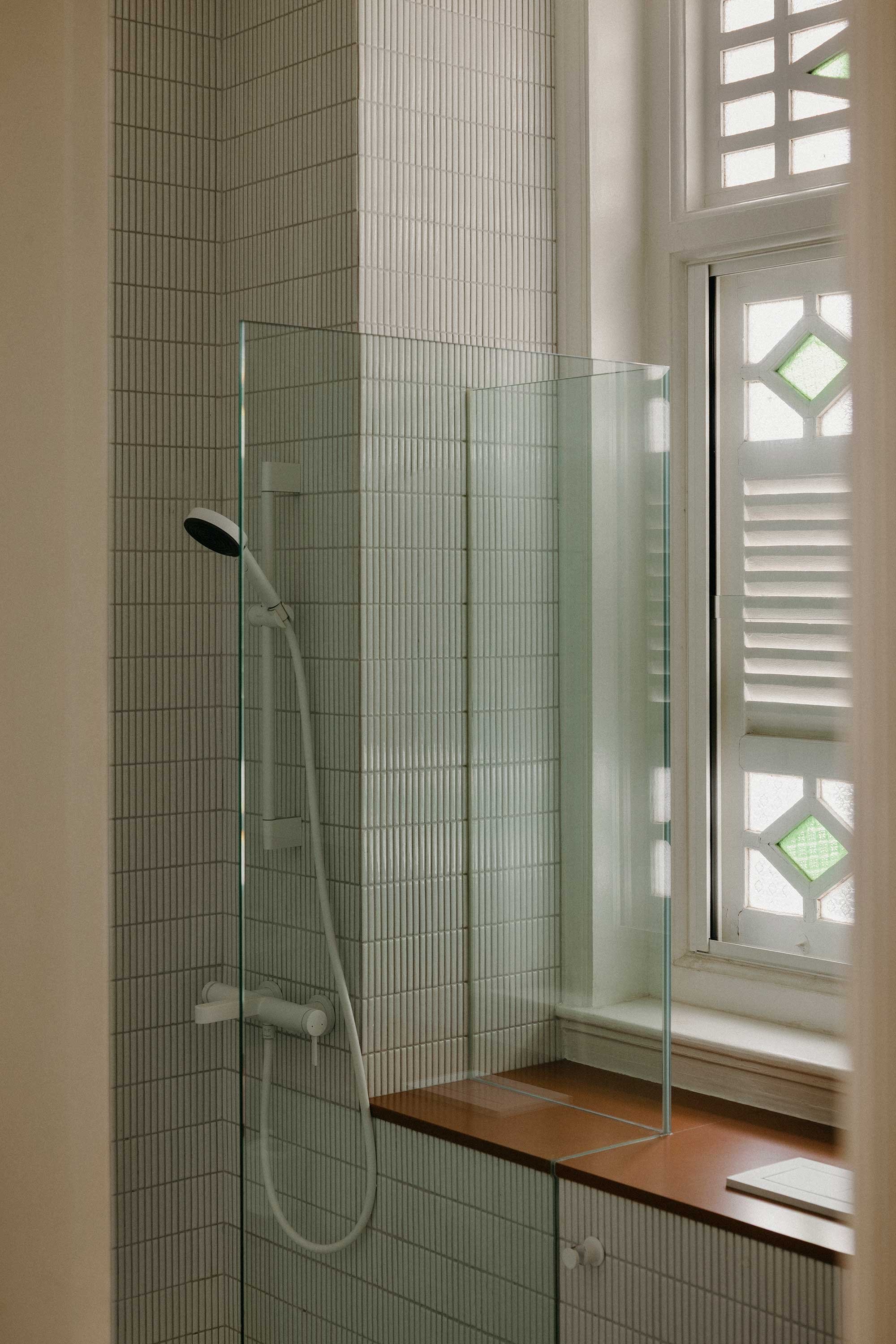
To ‘fulfil the husband’s request for pops of colour’, each bathroom uses a different shade of kit-kat tile. Teh had ideal collaborators in the owners, whose penchant for detail and design led them to source coloured fittings from assorted places — even bringing back from Japan the powder room’s Sanwa stainless steel sink in their luggage. The result is cohesion amid visceral delights, such as bountiful daylight through textured glass with floral patterns, time-patterned timber floors and the foliage of a curry tree filling the view from the dining table.
Text by Luo Jingmei
Images by Studio Periphery