A Melbourne Home that Rethinks the Suburban Living Experience

Prioritising robustness and refinement, Vasey Pavilions comes together as the result of an established relationship between architect and builder as an adaptable family sanctuary deeply attuned to its bushland setting
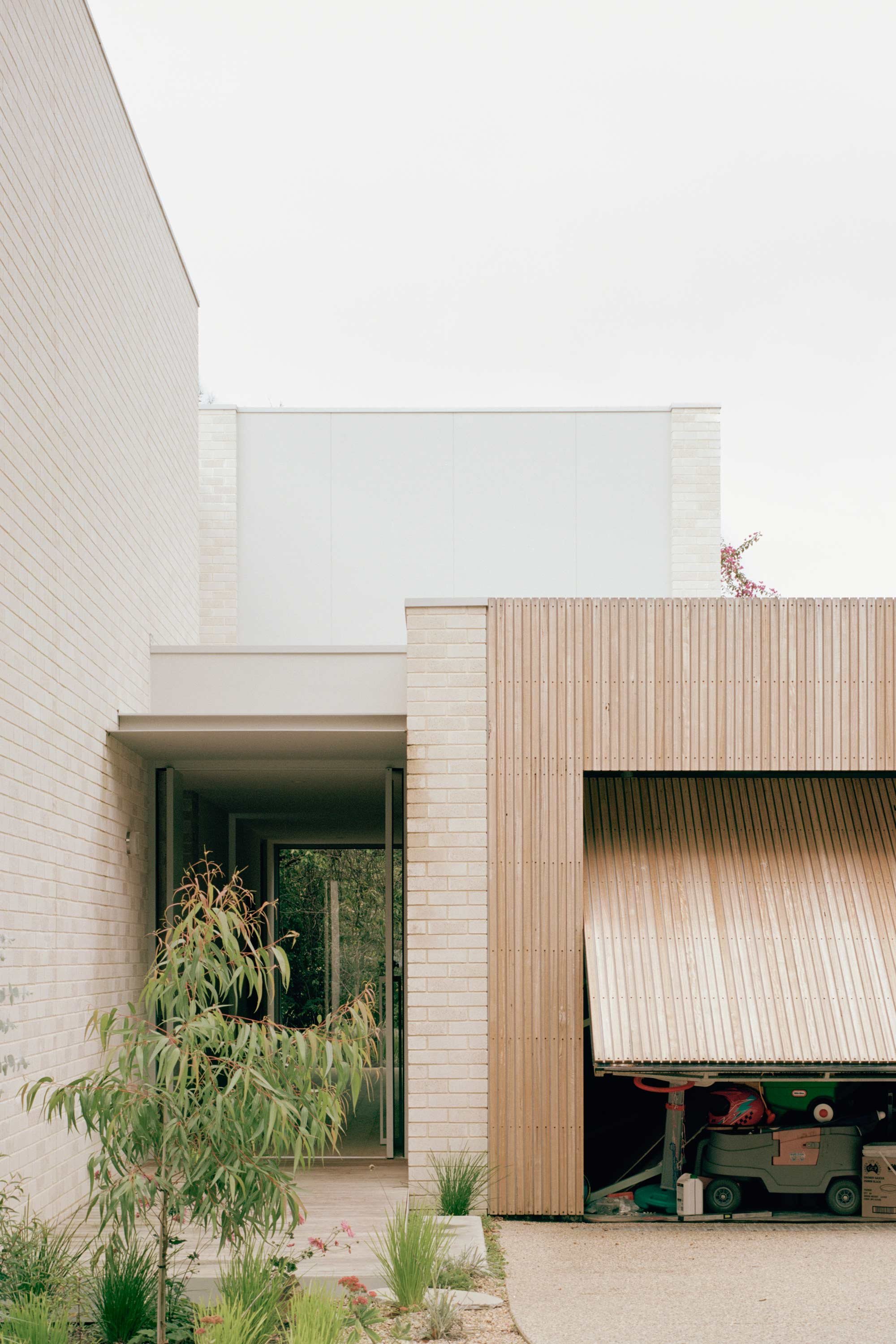
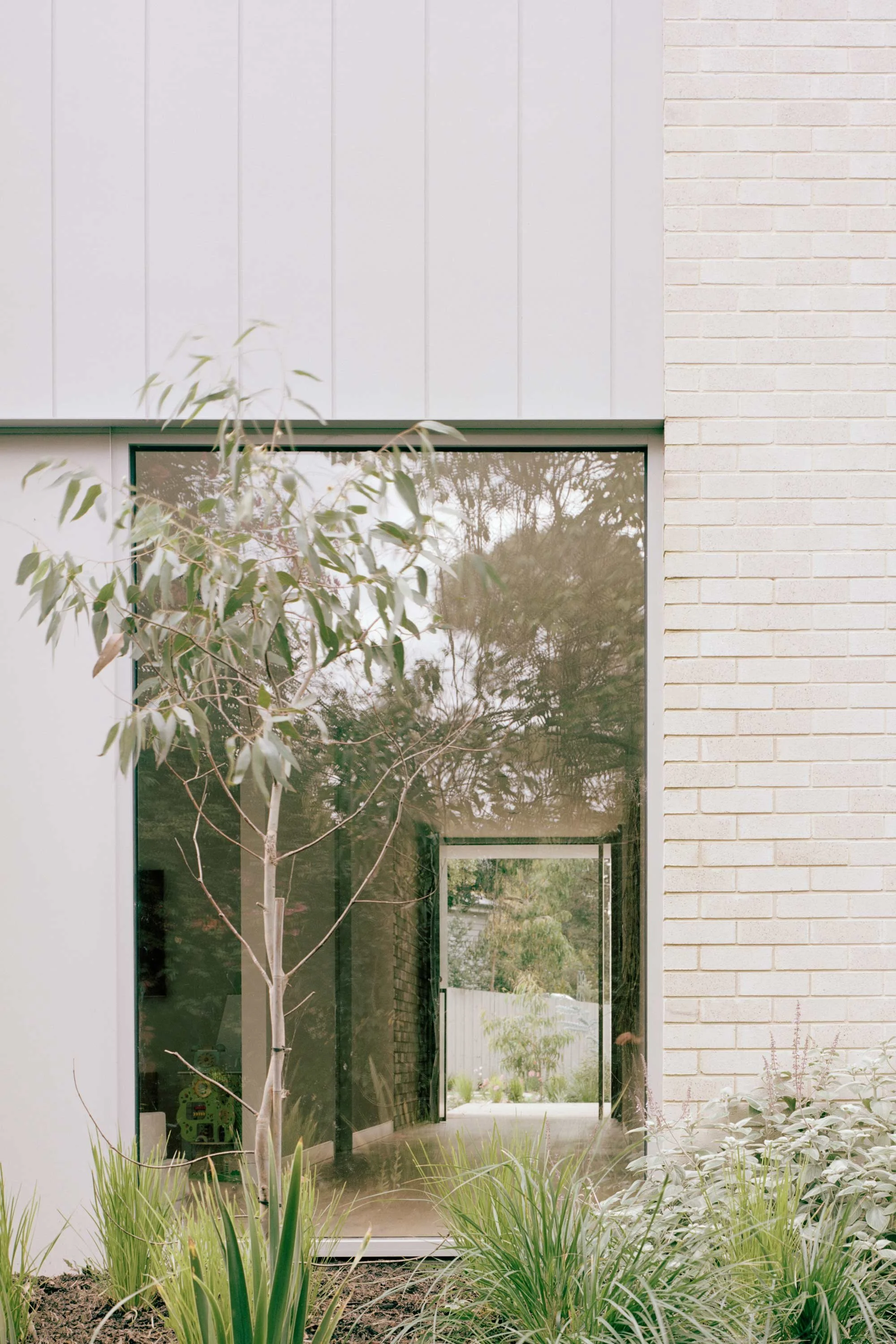
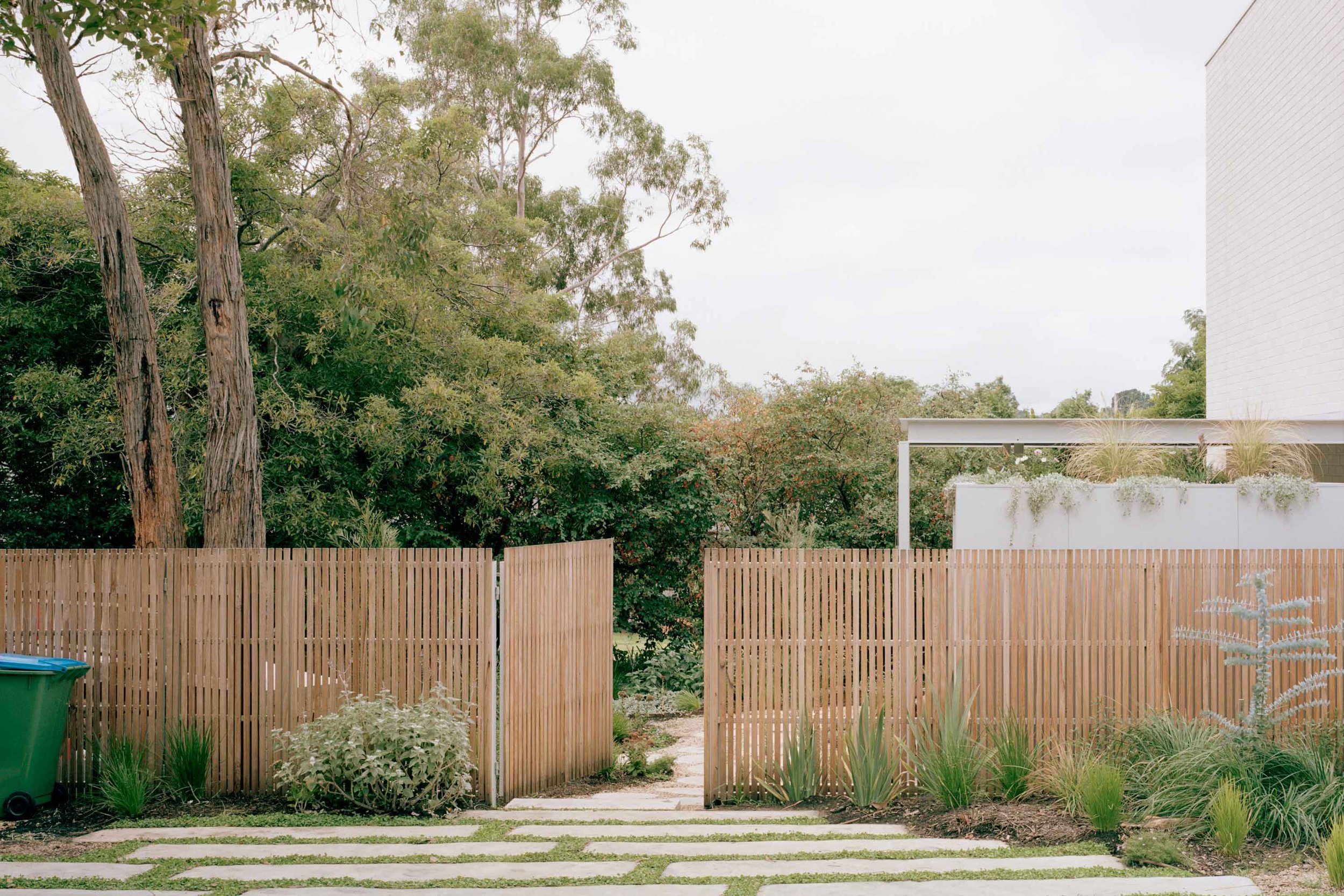
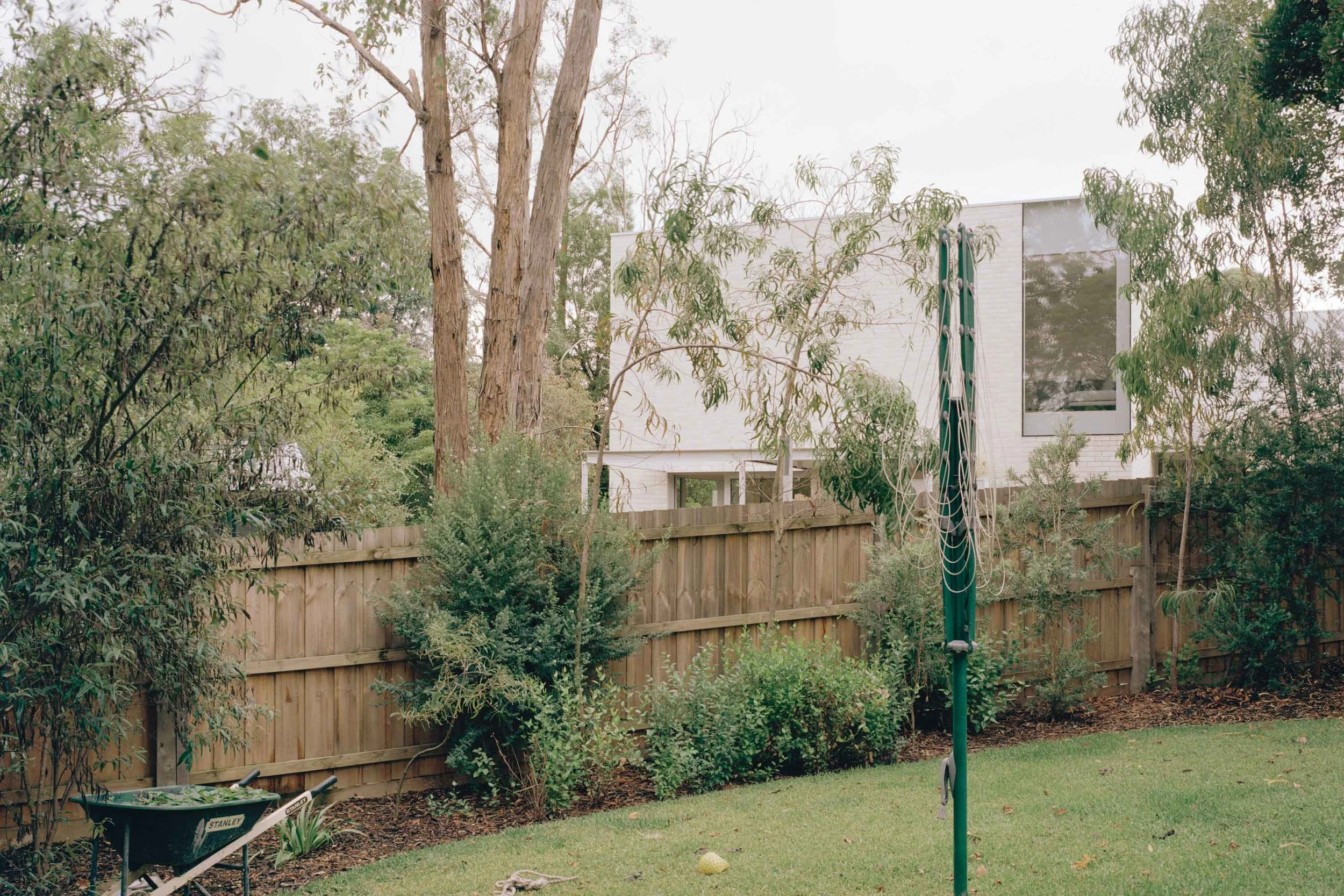
At the base of the Dandenong Ranges in Victoria, in the outer eastern suburbs of Melbourne, Vasey Pavilions offers a measured and considered alternative to the suburban vernacular that surrounds it. Designed by Ellul Architecture in close collaboration with Jada Homes — a frequent collaborator and, in this case, client — the residence was created to feel intentionally grounded in the landscape. The resulting home is composed of a series of contained pavilions connected through both internal and external passageways, and softening the built form is an abundant native garden that is intended, over time, to interact with and eventually envelop the building shell.
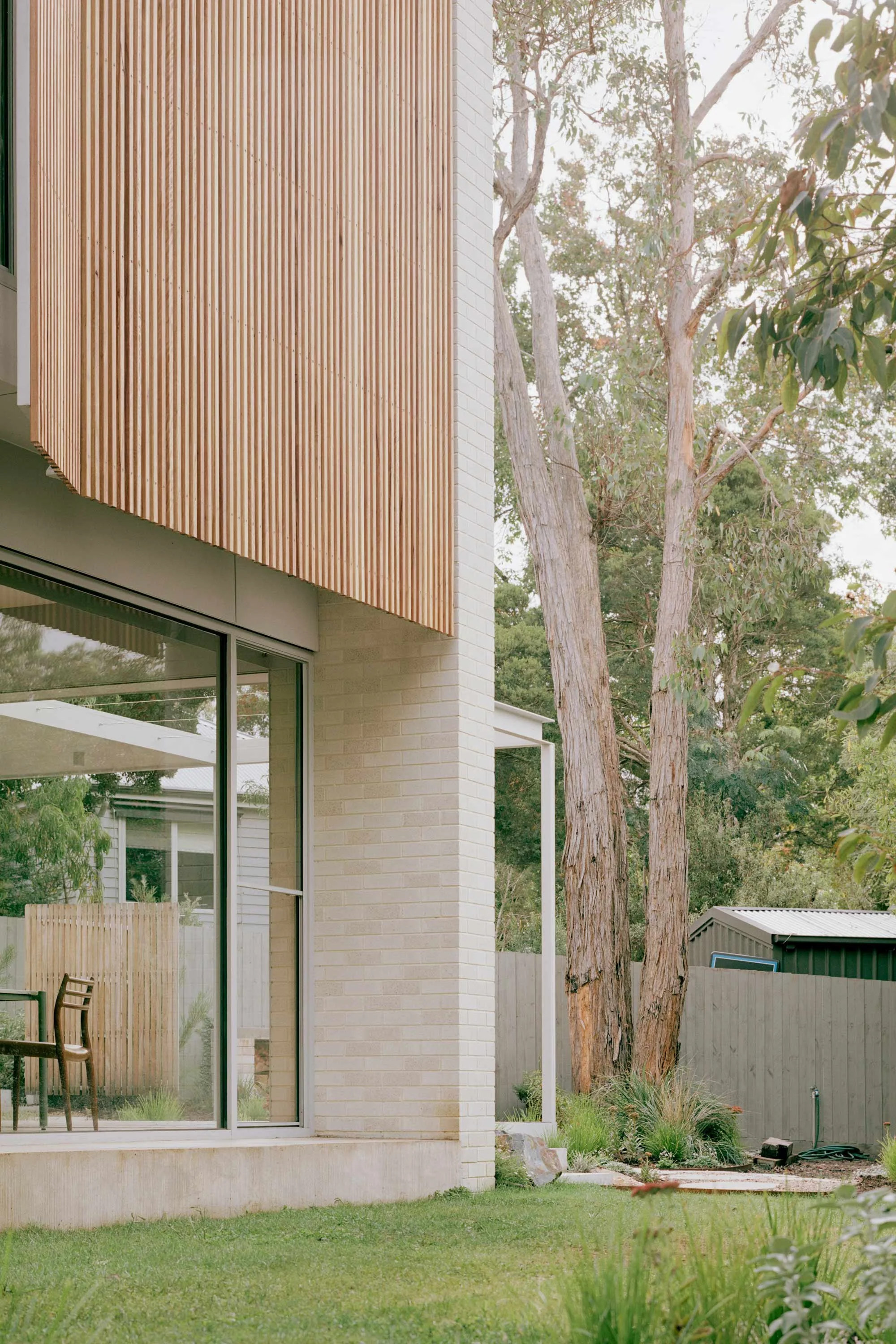
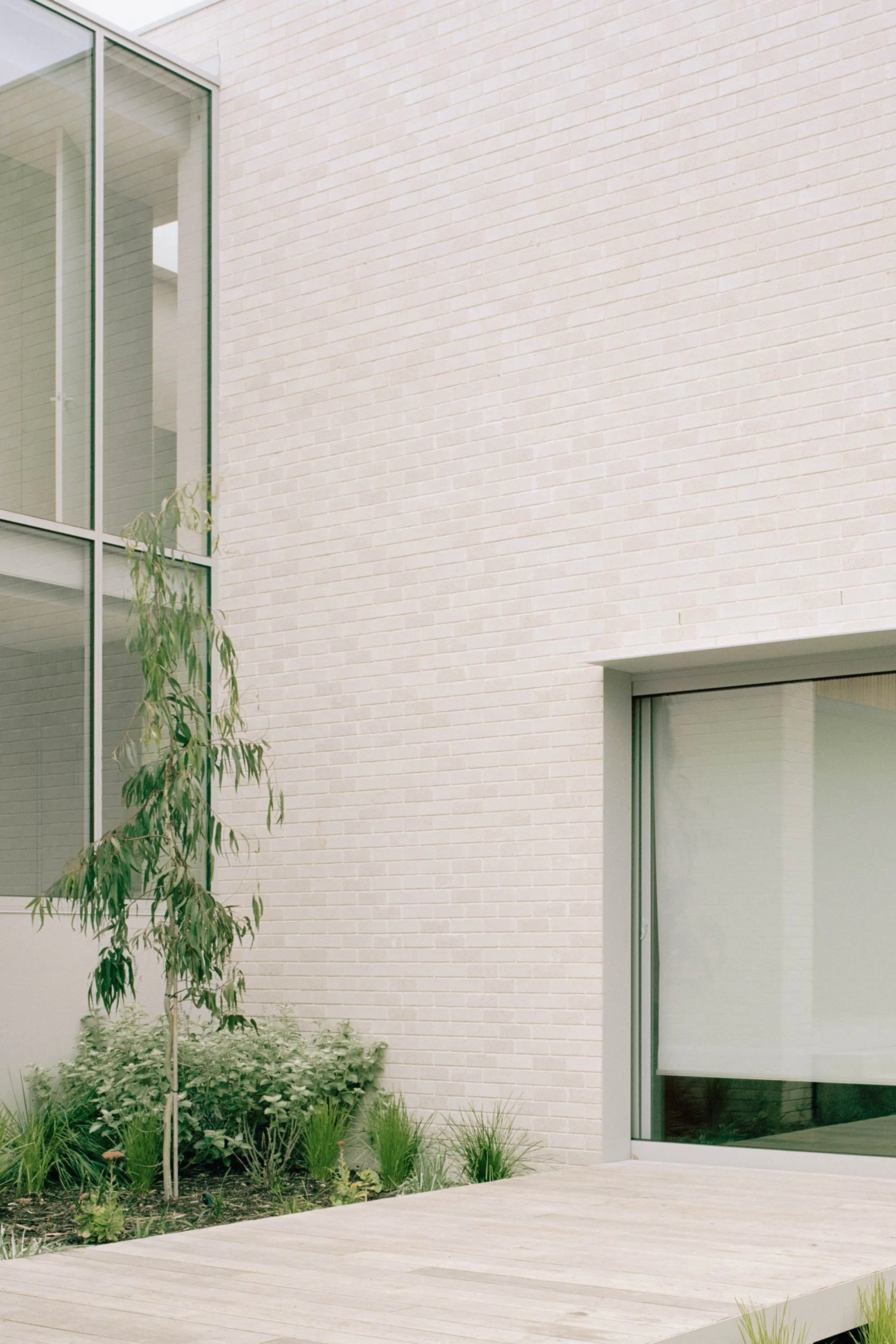
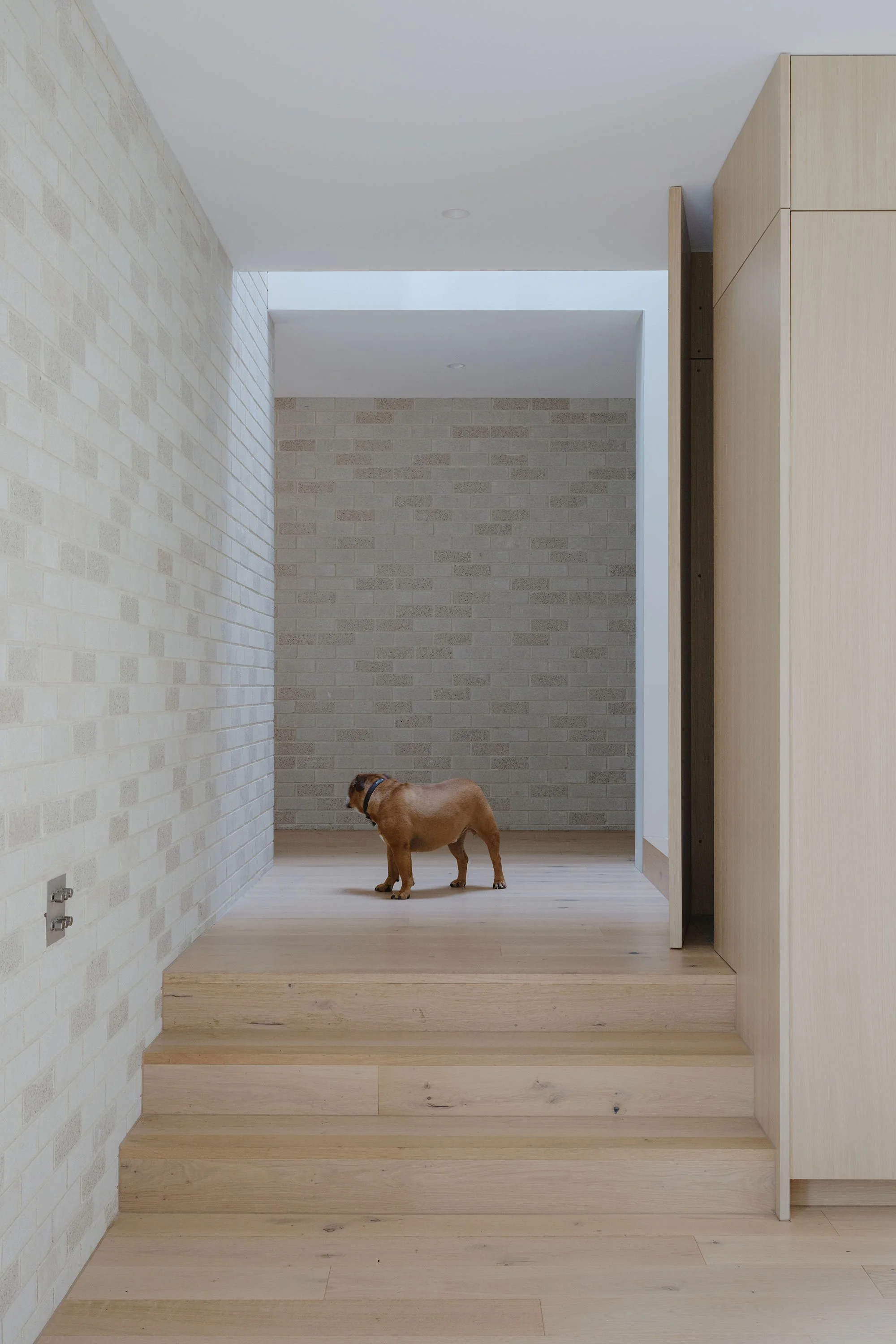
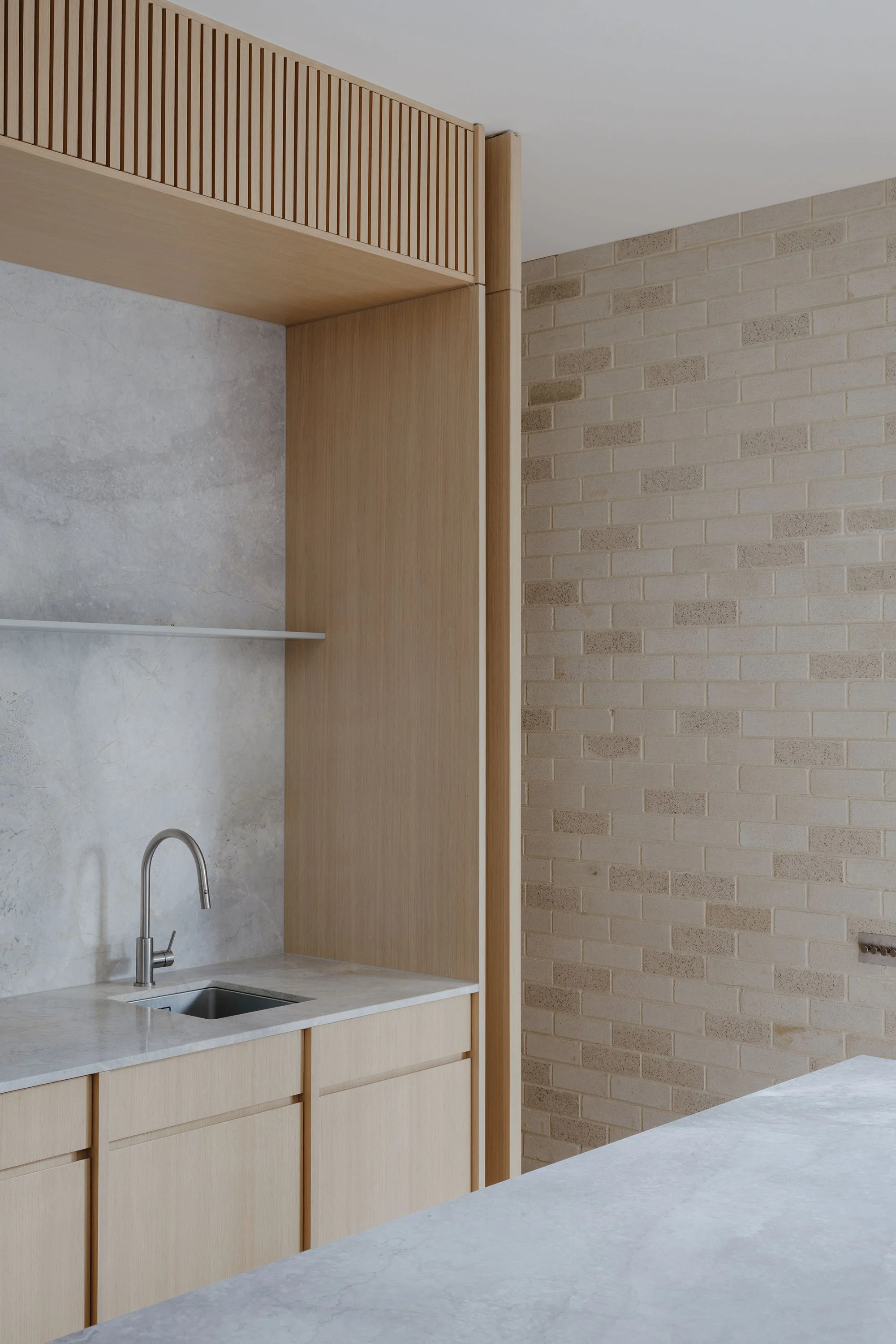
Responding to the surrounds was a formative part of the design brief, as was ensuring a low-maintenance approach that would suit a young family and also feel appropriately respectful of the existing neighbours. ‘We wanted to work from first principles,’ explains founder Ben Ellul. ‘The block was tucked in between gums and felt almost rural. It seemed natural to then strip back the forms and work with a reduced palette.’ Combining blackbutt, brick and concrete as the core materials used throughout, the team then honed one third of the concrete bricks, introducing subtle variation and texture across the various facades.
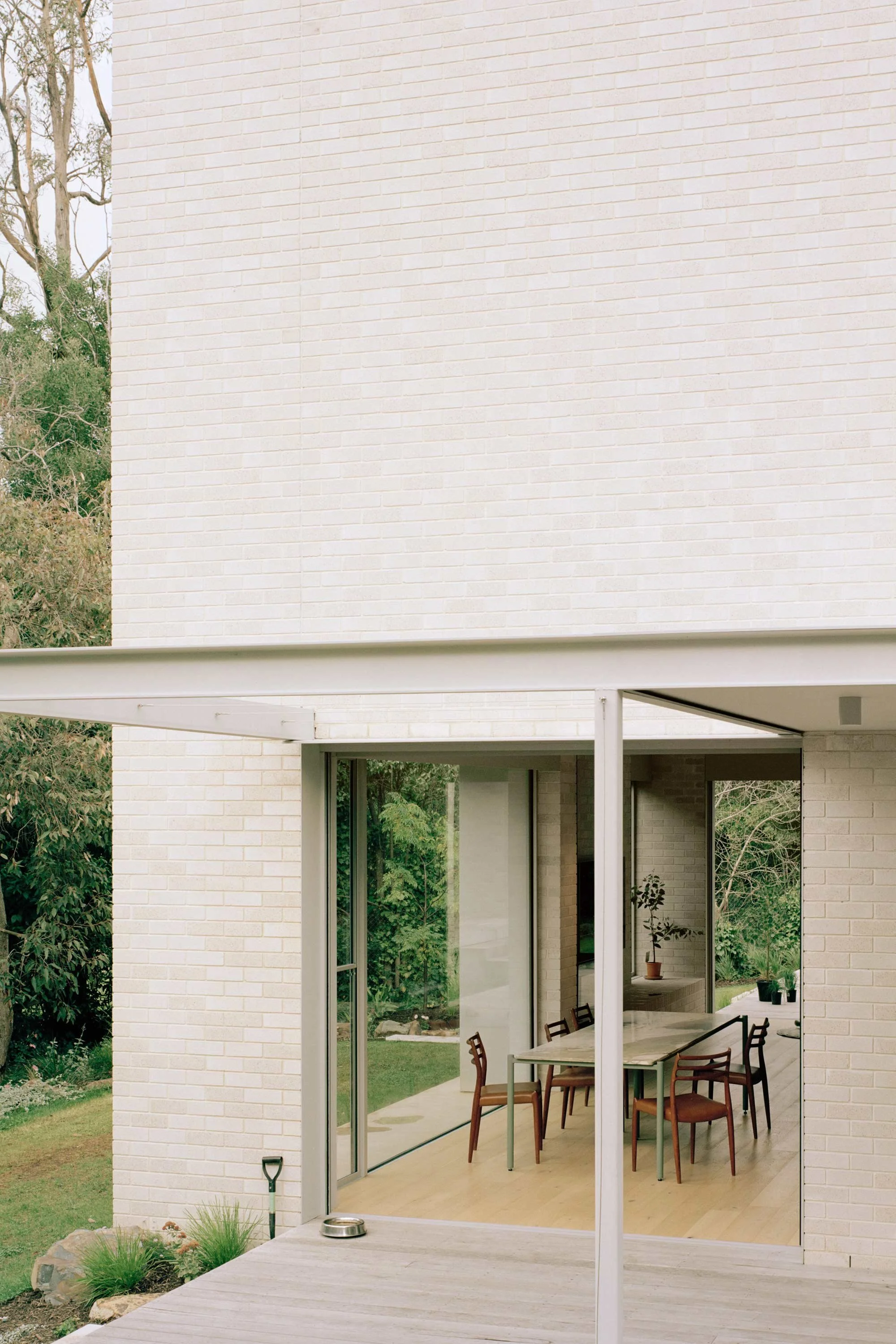
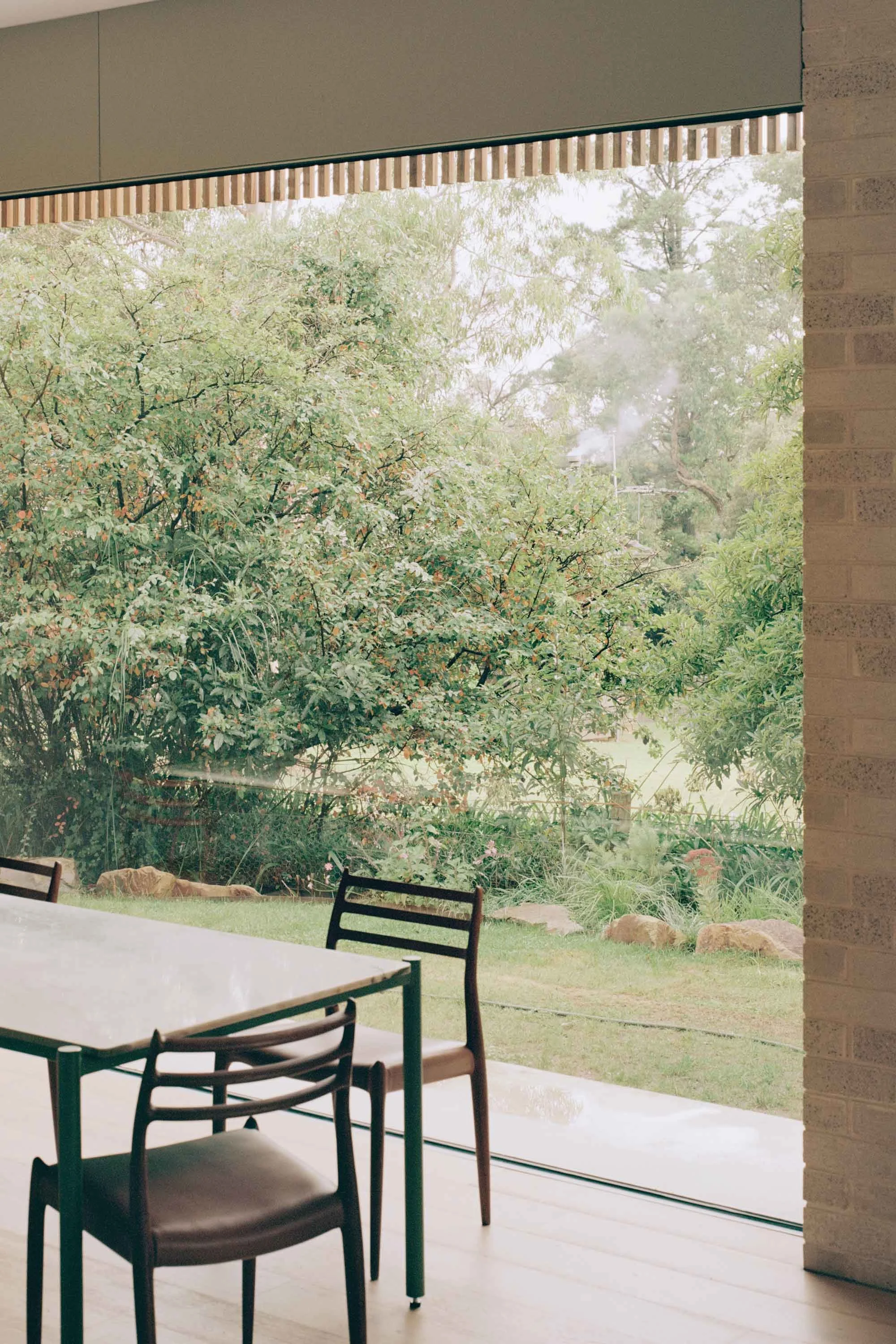
Each pavilion form is defined based on function — living, sleeping and garage. The movement between each celebrates the containment of these areas of the home, while also acting as a reminder of place. In describing the transitional spaces, Ellul says, ‘The steel shrouds with fixed-face glass allow a visual connection beyond the building edge to the landscape, with the depth of the reveals pulling your view through the thick masonry walls.’ Throughout, the solid elements emphasise a sense of longevity, while timber screens and operable louvres filter light, softening the experience.
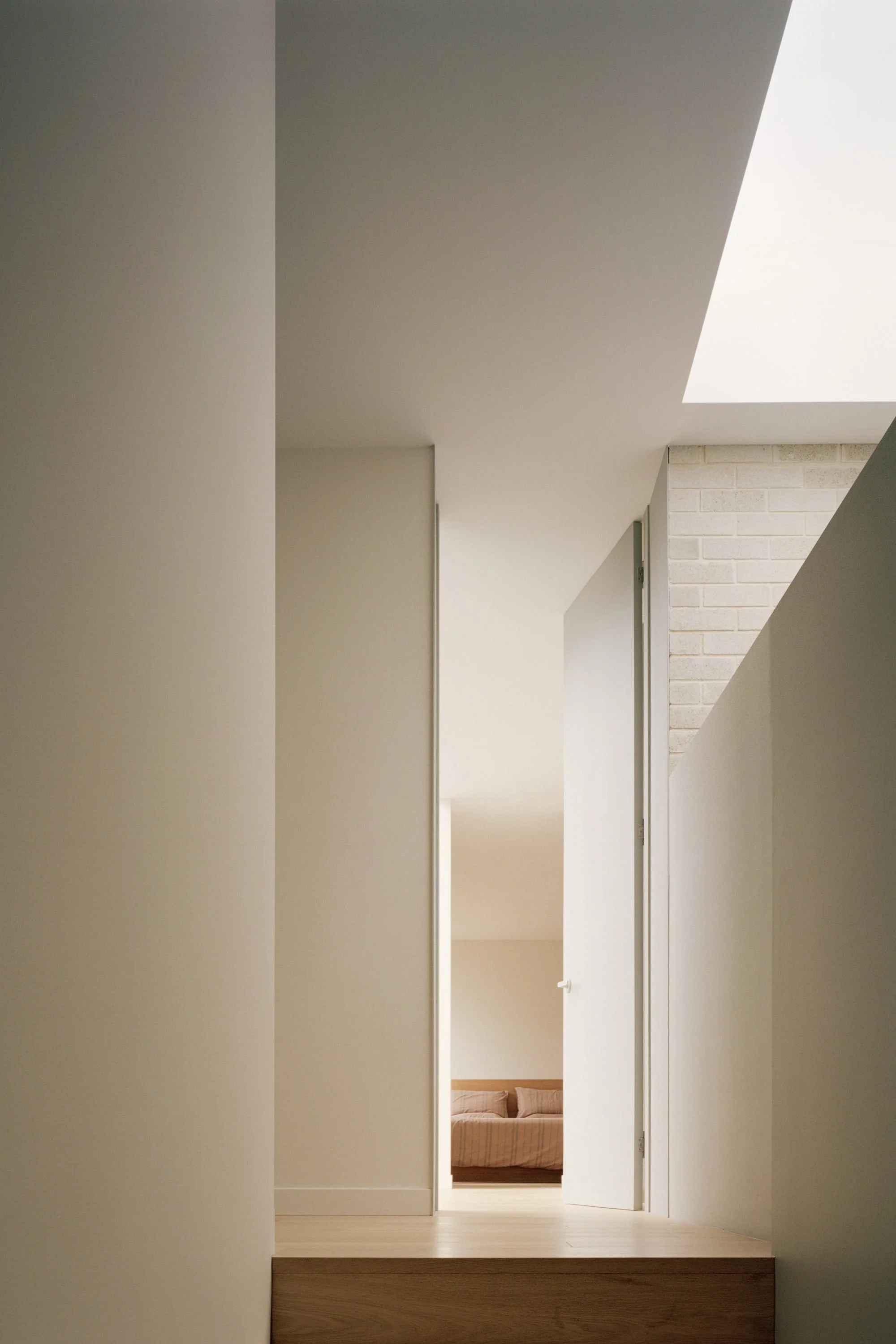
‘We wanted something that felt substantial and permanent,’ Ellul adds, ‘and while the buildings have sharp and hard edges, the measured integration of soft landscaping aligning with those edges is encouraged to also regenerate and engage with the architecture. The process is part of the design, and allows the home to settle into its place in its own time.’
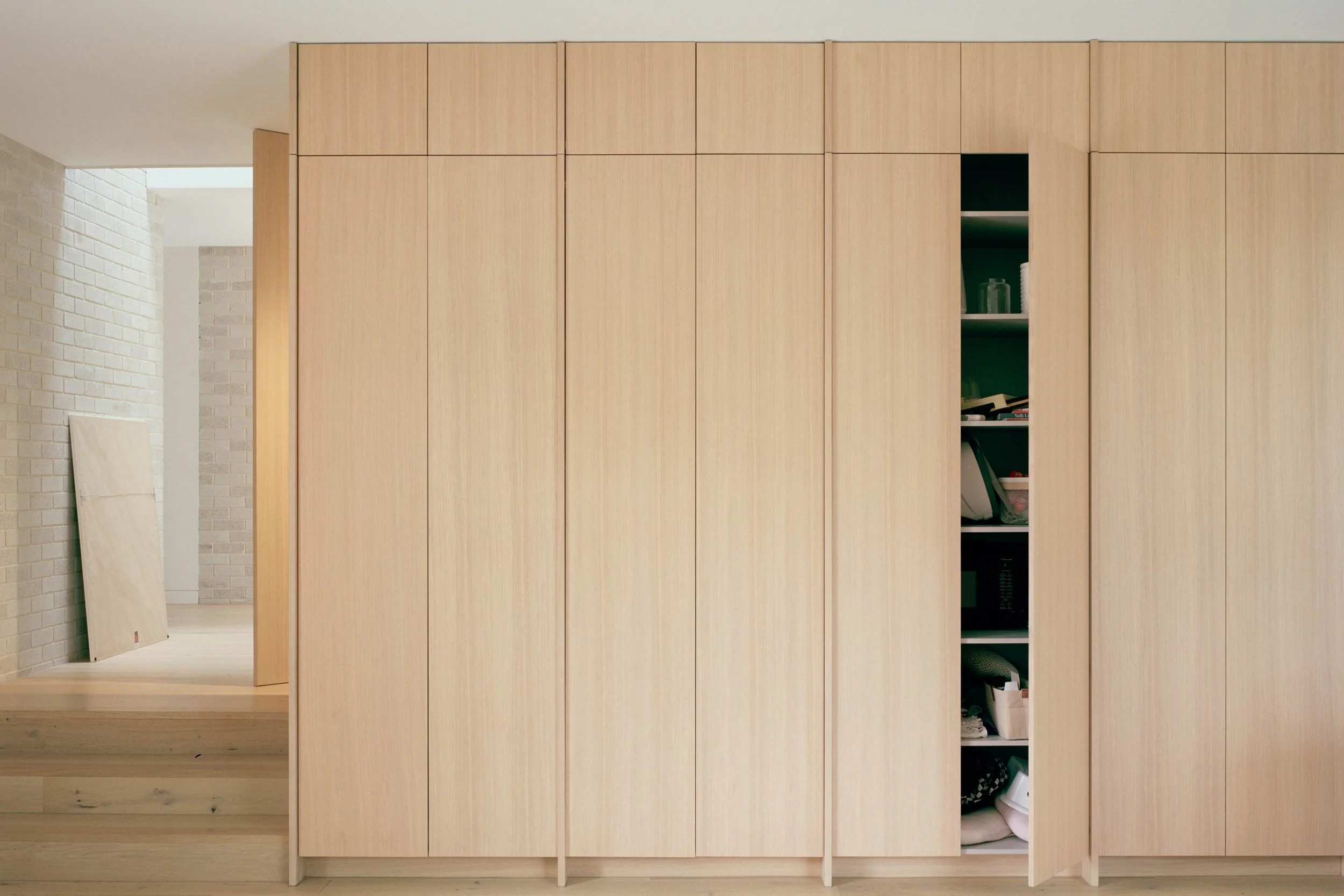
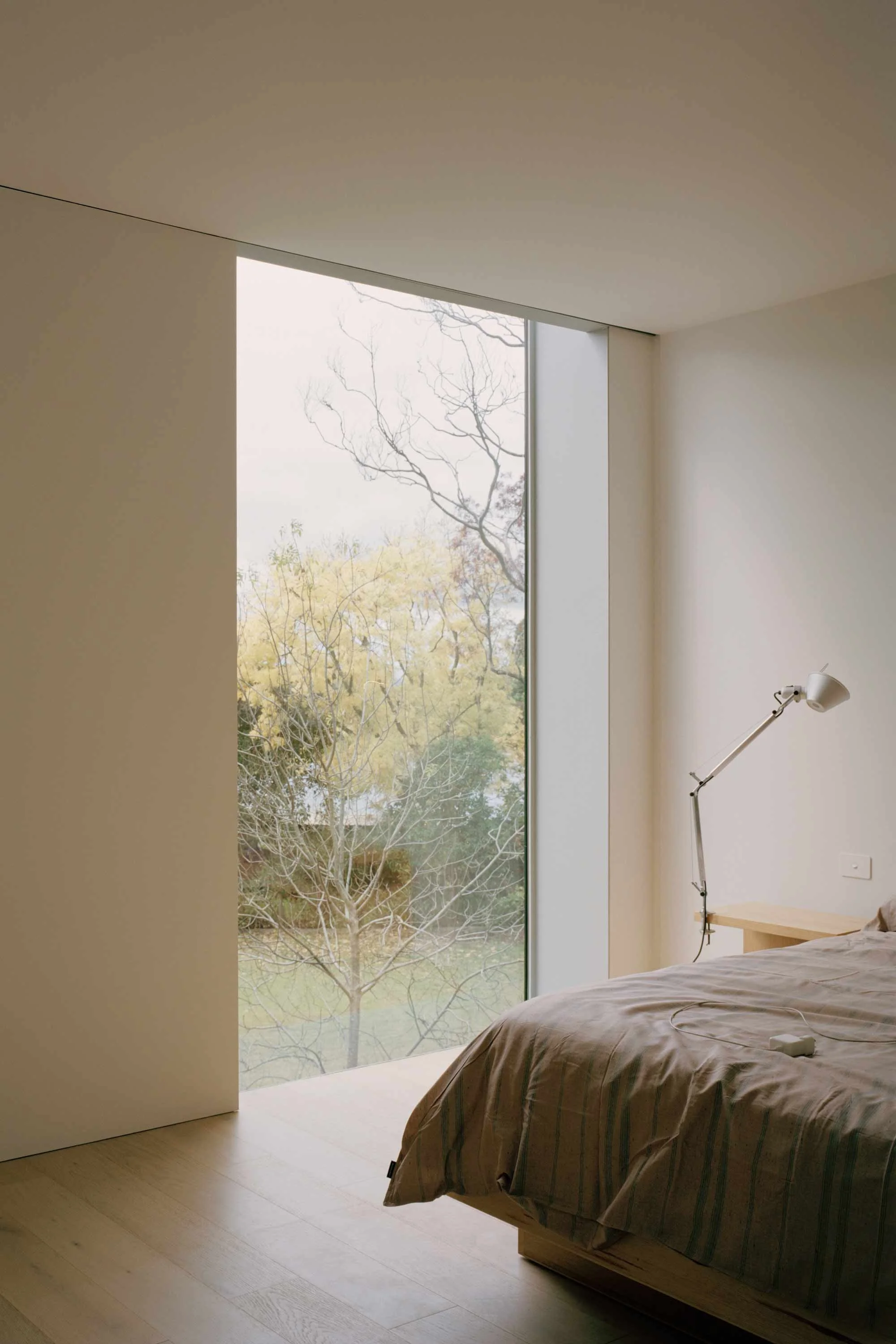
Oversized circulation spaces allow for the daily intensity of family life to unfold as well as accommodating and concealing storage, reinforcing an overall feeling of calm order. Orientations are carefully considered to frame views, capture northern light and establish natural privacy, all while tempering the comfort of the home. External terrace space acts as an extension from each pavilion, providing room to eat, gather and retreat across the course of the day. ‘In every direction you look, windows open to the surrounding vegetation,’ says Ellul. ‘The line between inside and out is intentionally blurred, and that was always a driver.’
Working closely on site from the beginning, Ellul Architecture’s approach embraced the pragmatism and challenges of building, allowing for refinement in real time and a responsiveness to material availability and cost. ‘It was never about a pristine design process,’ Ellul notes. ‘It was about collaboration and making something personal and robust.’ In avoiding ornamentation and trends, the home instead relies on proportion, material integrity and the presence of the landscape to shape the overall experience.
In its modesty, Vasey Pavilions articulates an argument for suburban architecture that is both pragmatic and poetic, designed to recede over time, embracing the seasons and natural processes. It is an enduring family home grounded in collaboration, craft and the quiet generosity of landscape.
Text by Bronwyn Marshall
Images by Hamish McIntosh and Rory Gardiner with Colby Vexler