This Intergenerational Home in Shanghai Was Designed For How a Family Actually Lives
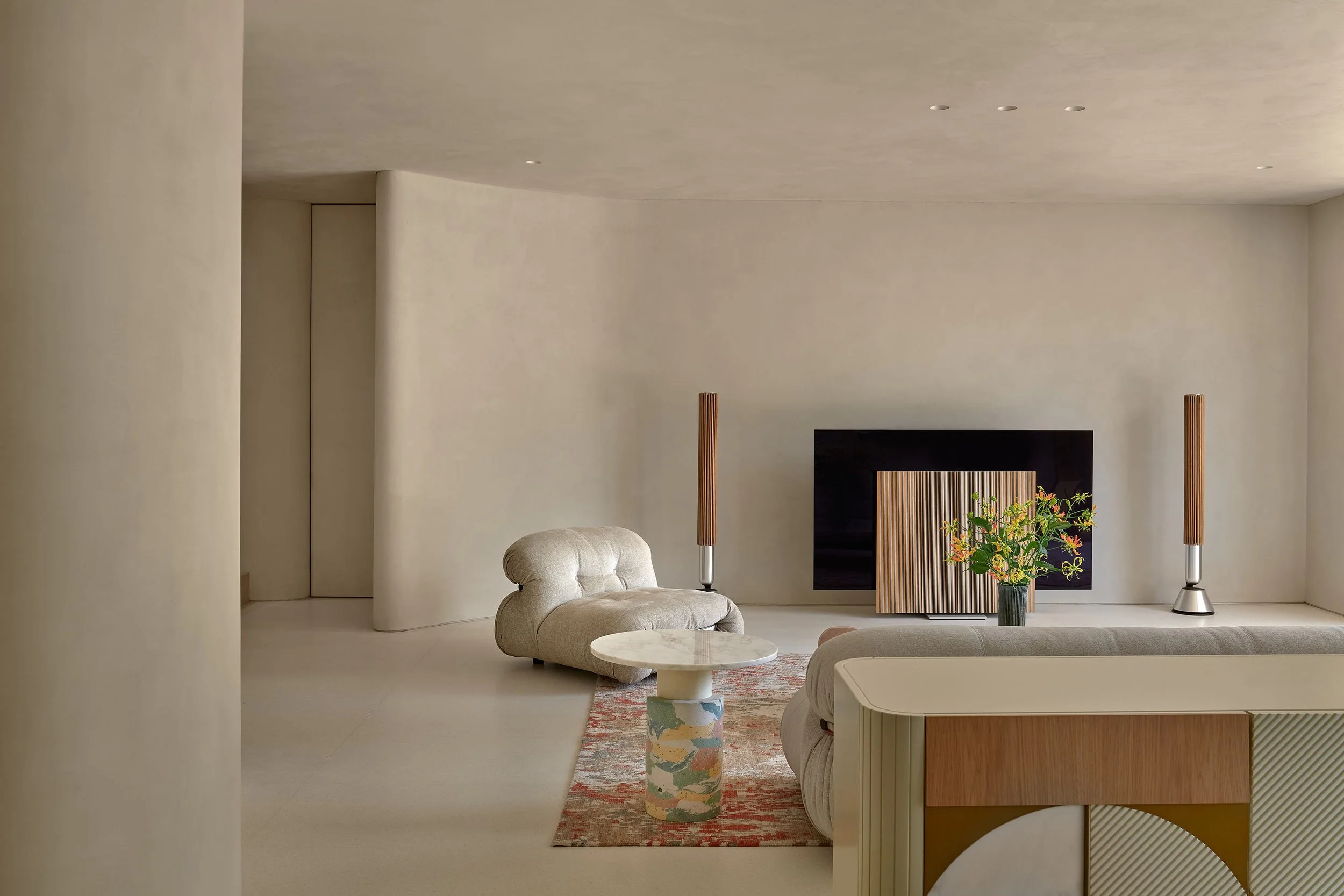
In Shanghai, FOG Architecture’s patient three-year renovation of the Xijiao Residence prioritises daily rituals over architectural spectacle. This intergenerational home was designed to breathe and evolve alongside the entire family
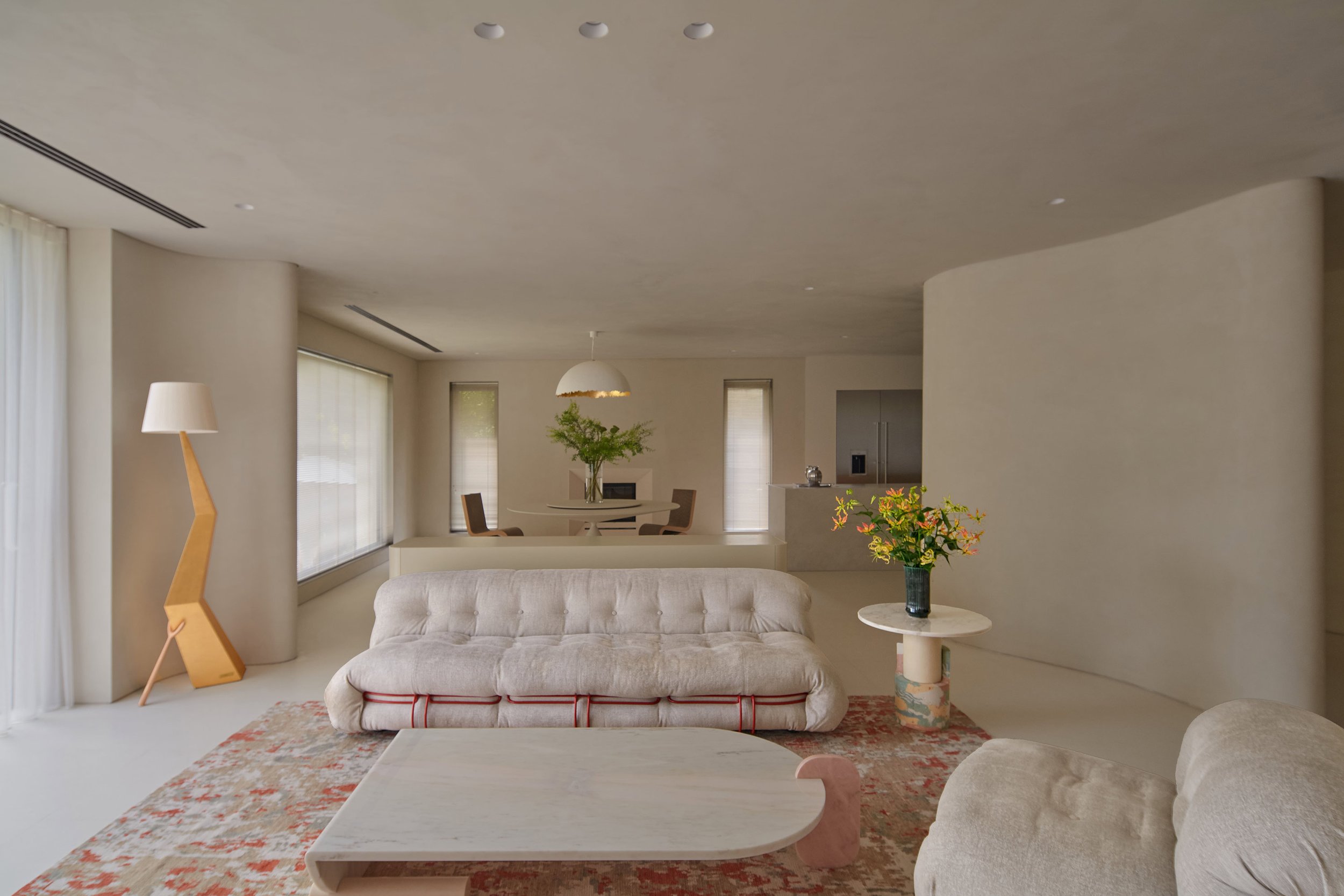
In the western suburbs of Shanghai, a three-storey villa known as the Xijiao Residence serves as a quiet rejection of the rigid, high-gloss finishes often found in luxury renovations. For FOG Architecture, the project was less about delivering a perfect finished product and more about creating a ‘reconfigurable container’ — a space designed to grow and breathe alongside the three people who inhabit it: a young couple and the wife’s mother.
The project’s most defining feature is the patience and care with which it was built. Spanning three years, the renovation became a deeply personal labour of love for both the designers and the clients. Zheng Yu, a designer on the project, reflects on this timeline not as a delay, but as a period of profound care: ‘When I look back now, I feel it was beautiful. It felt like a gift the couple gave to each other as they care for each other.’
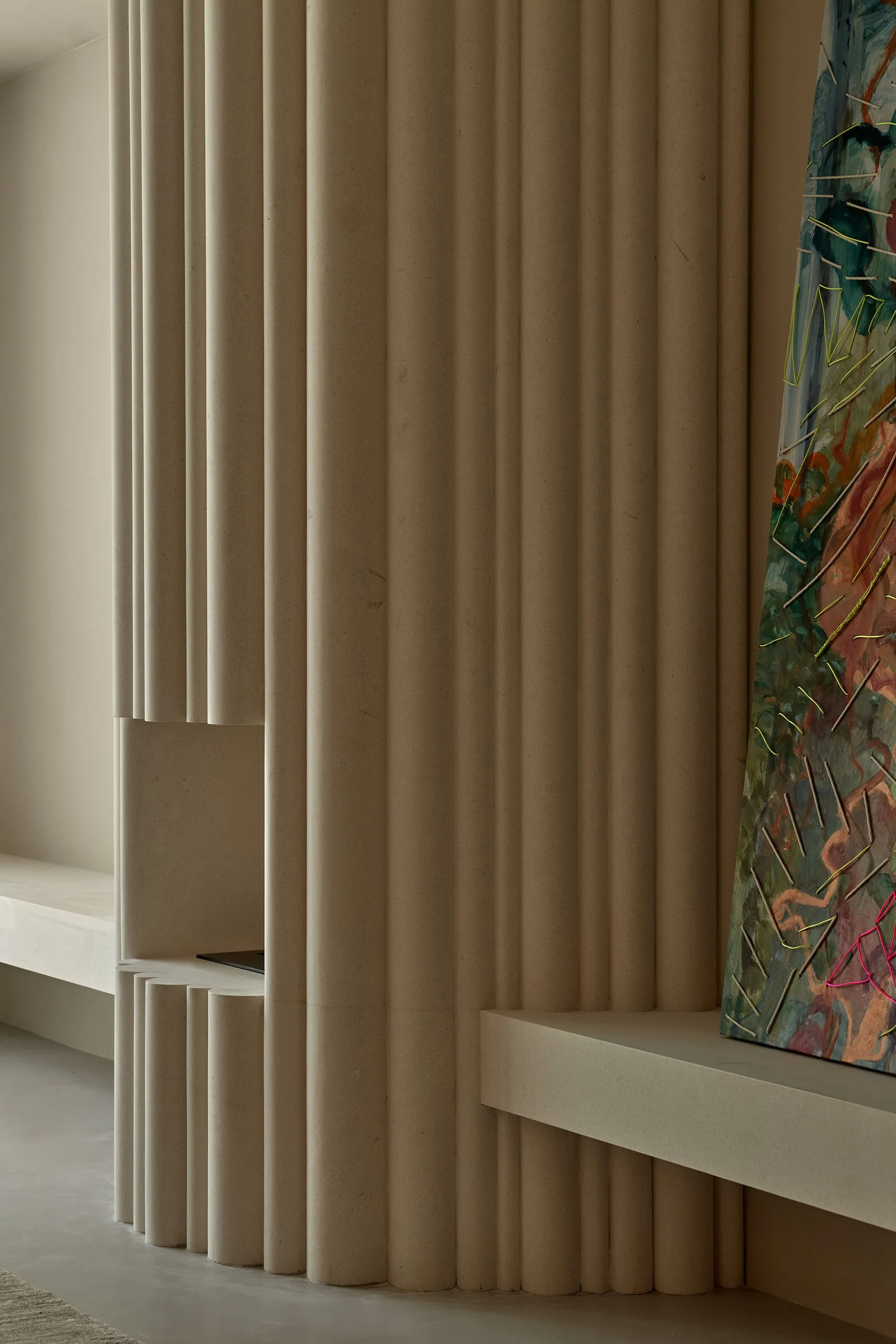
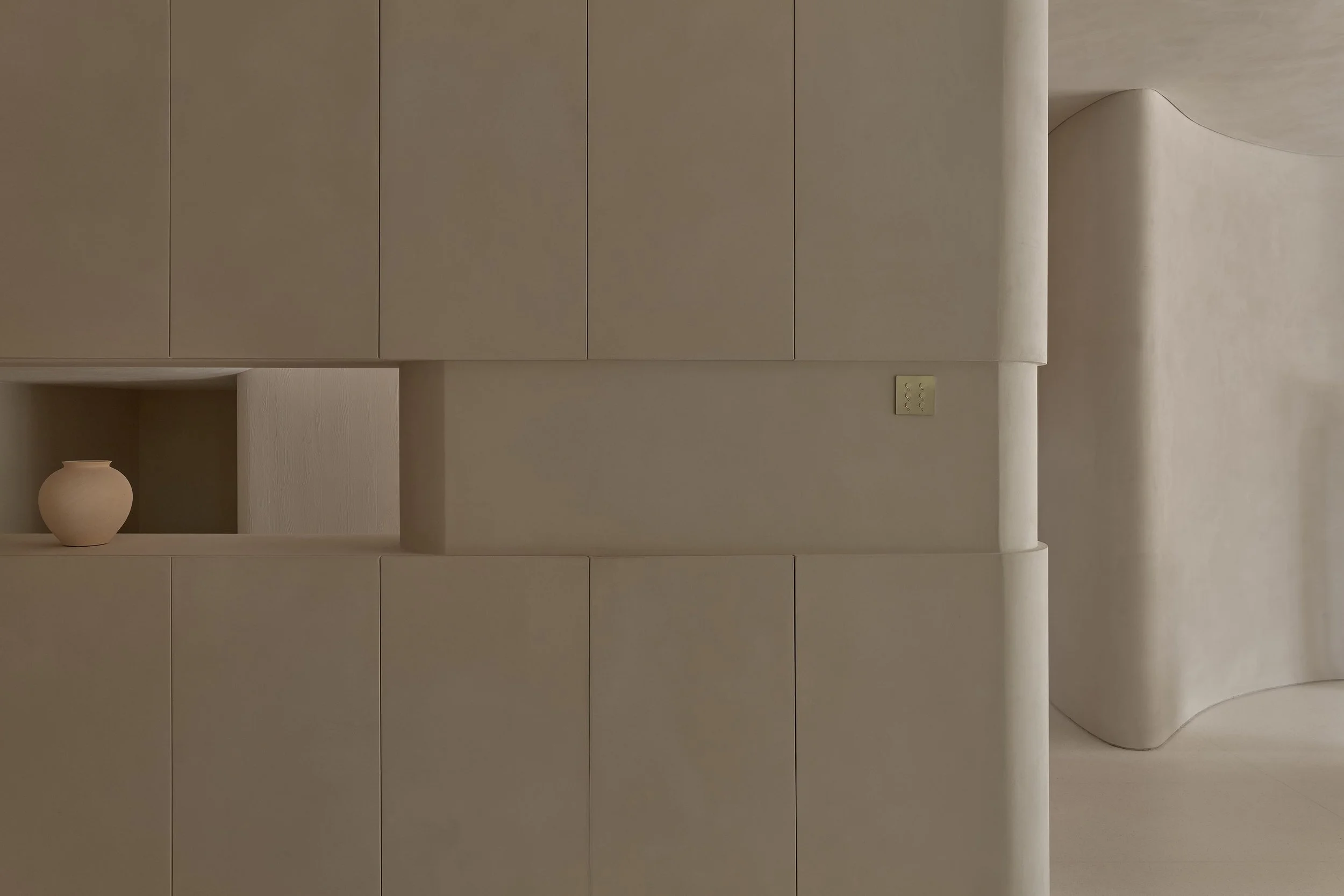
This collaborative spirit informed the physical layout, which balances the distinct needs of two generations. The first level and basement were designed specifically as the mother’s space, tailored for hosting friends and the slow rituals of tea gatherings. By introducing new openings, the architects pulled natural light into the basement, transforming it into a grounded, tactile sanctuary defined by textured walls and wooden cabinetry.
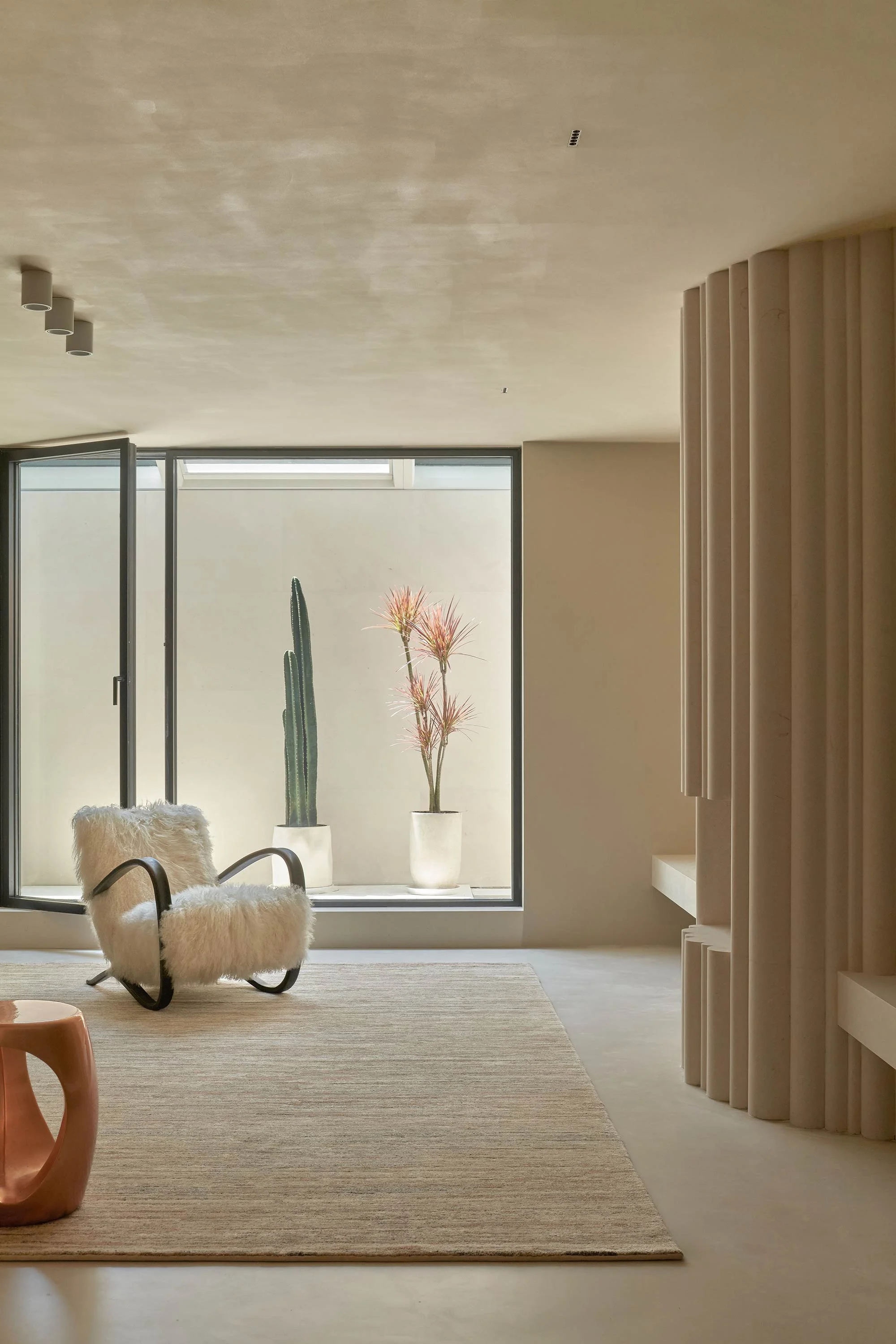
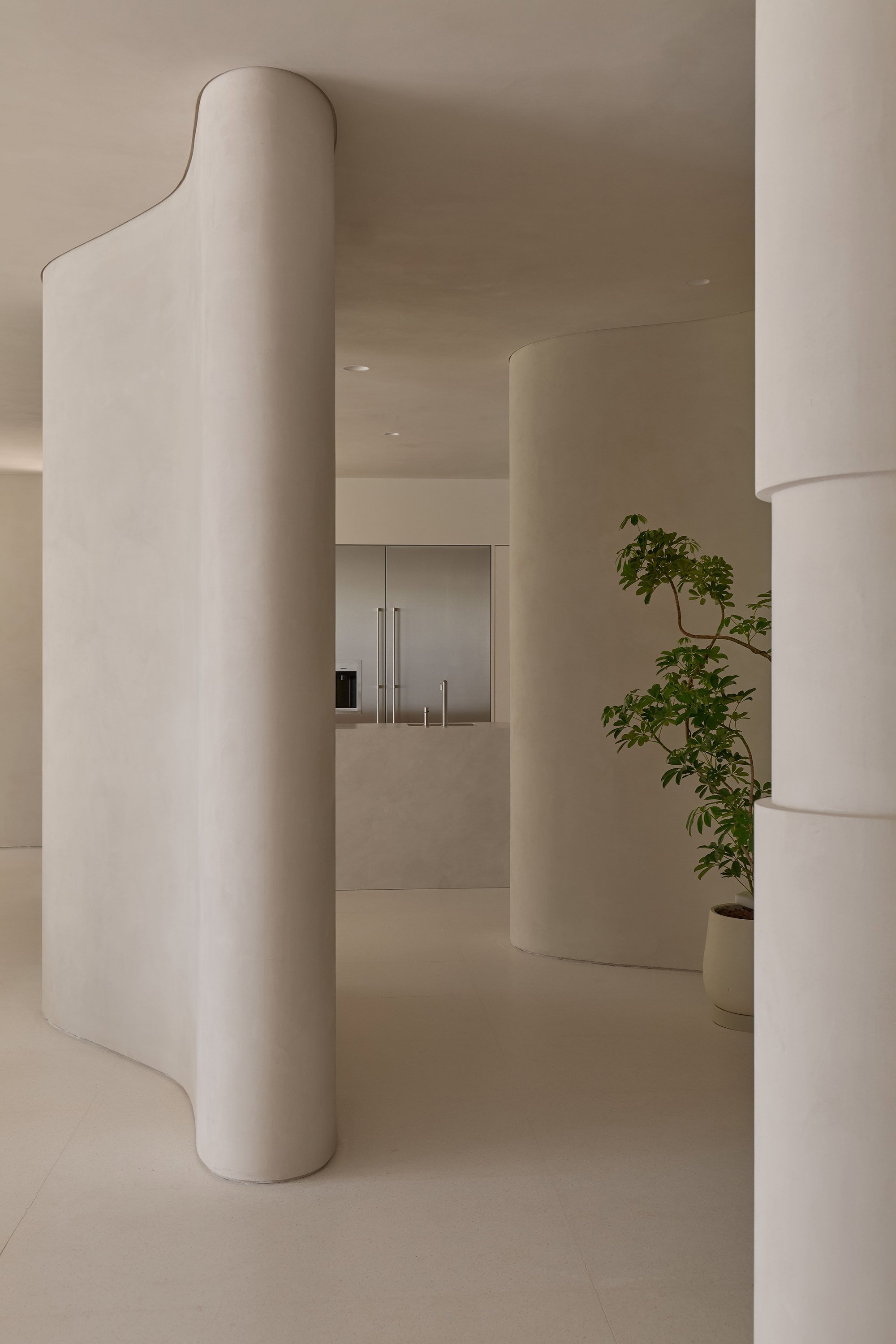
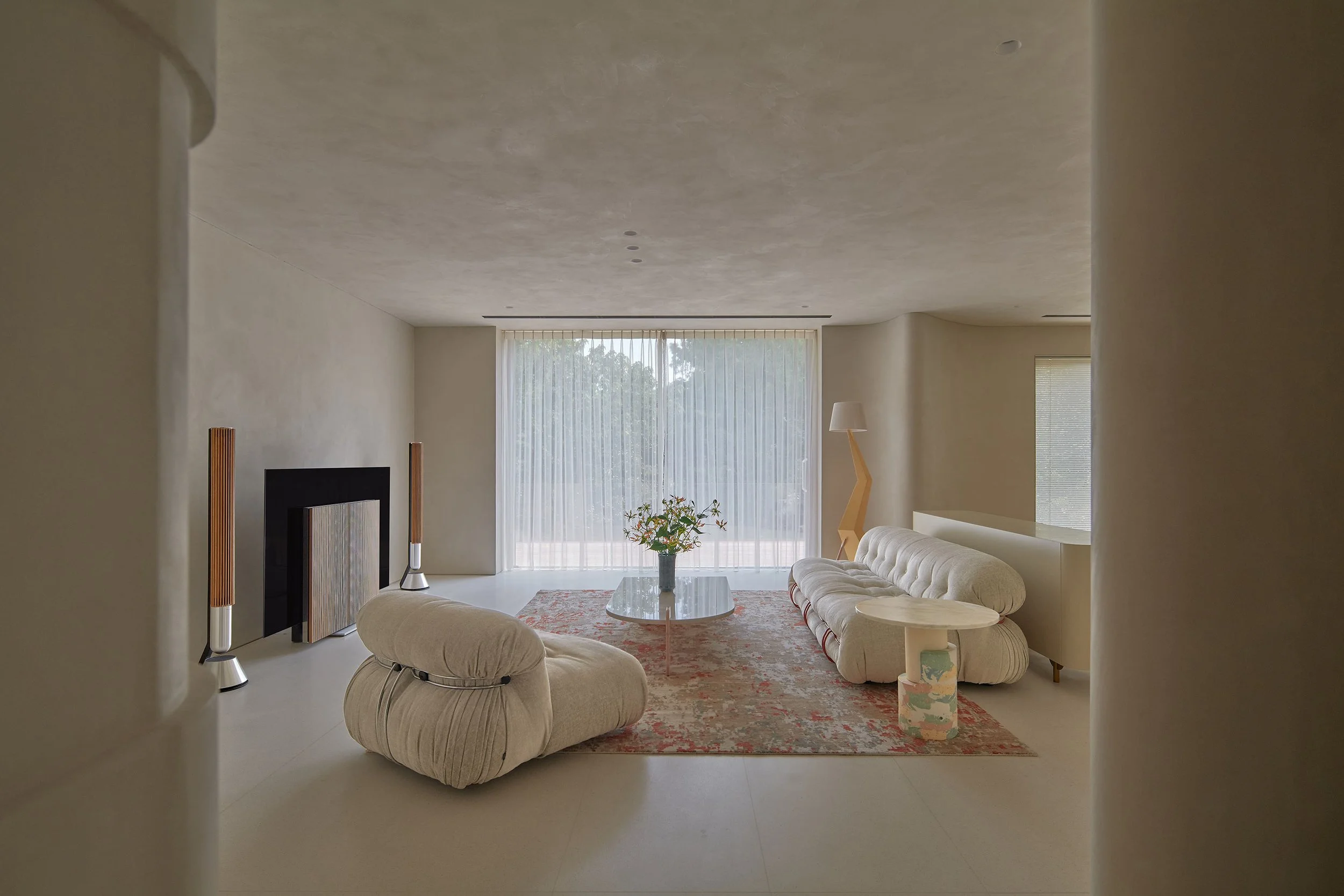
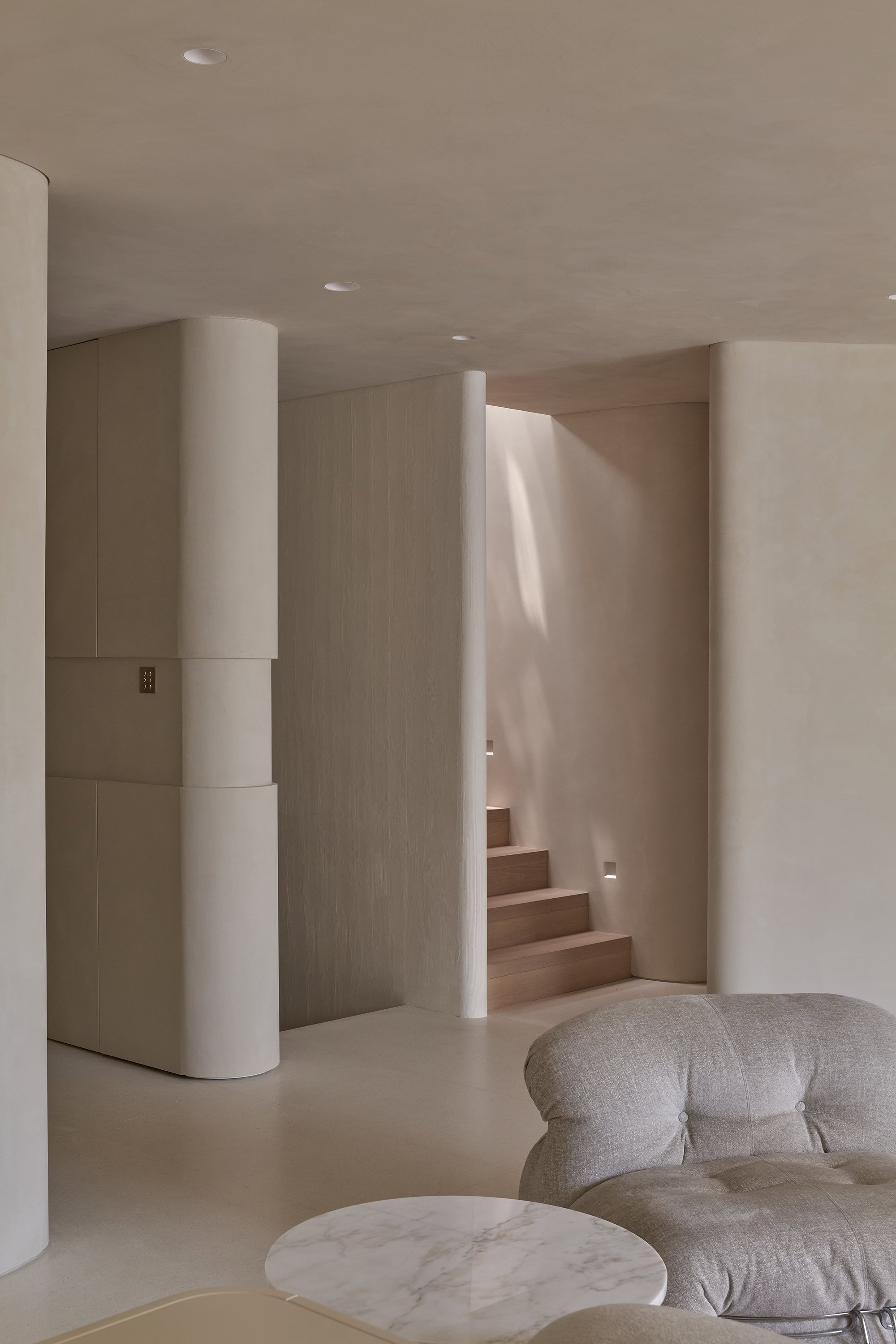
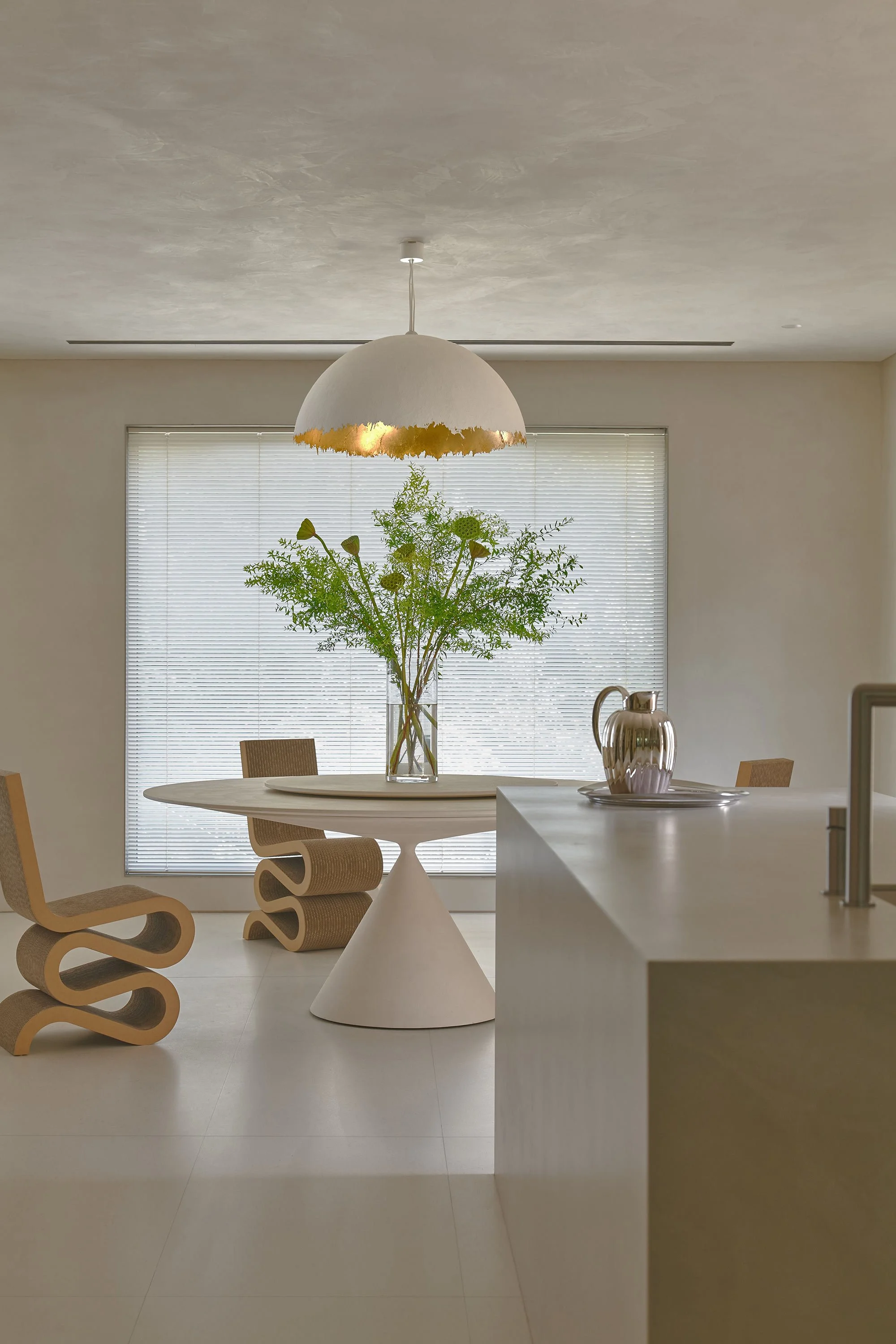
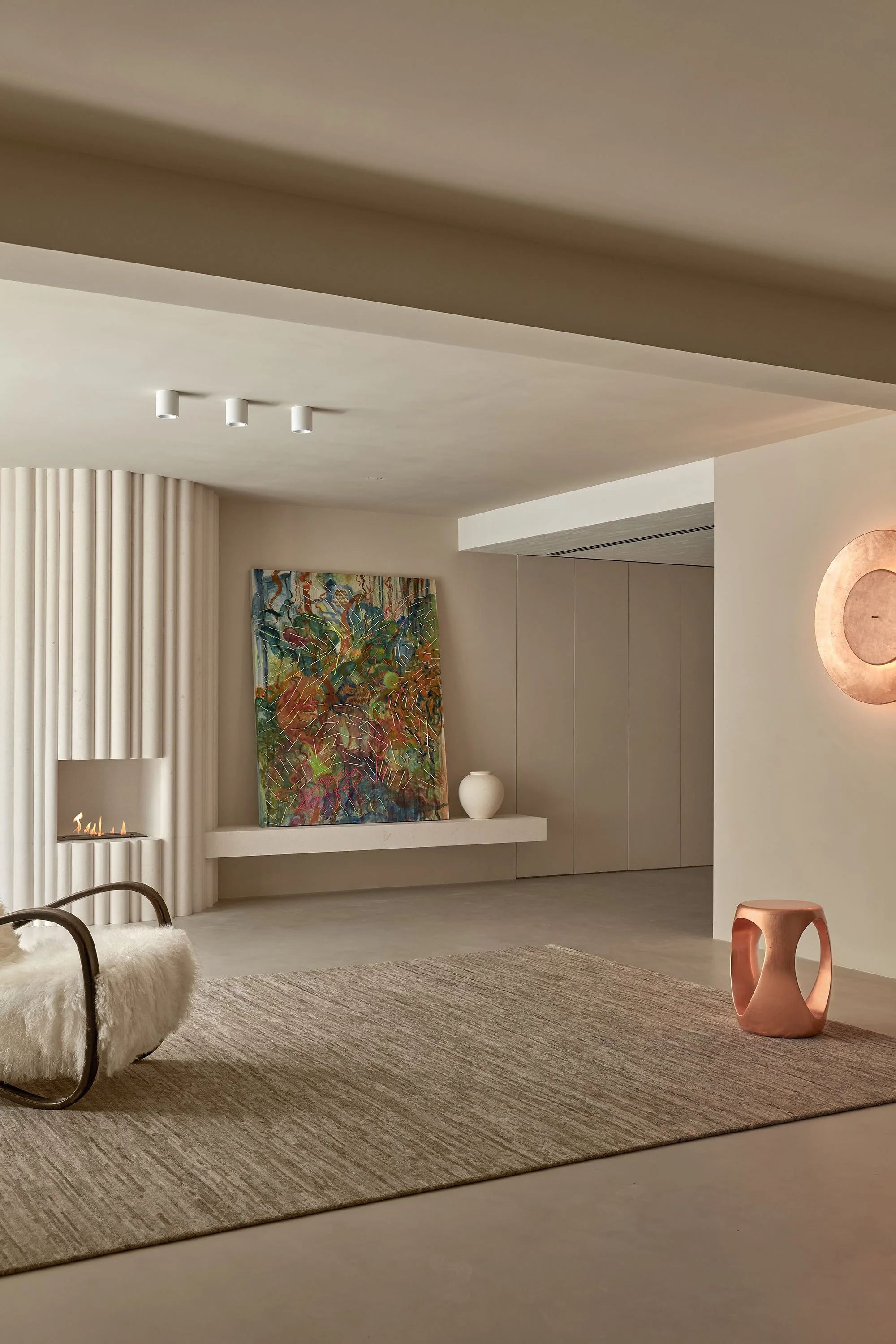
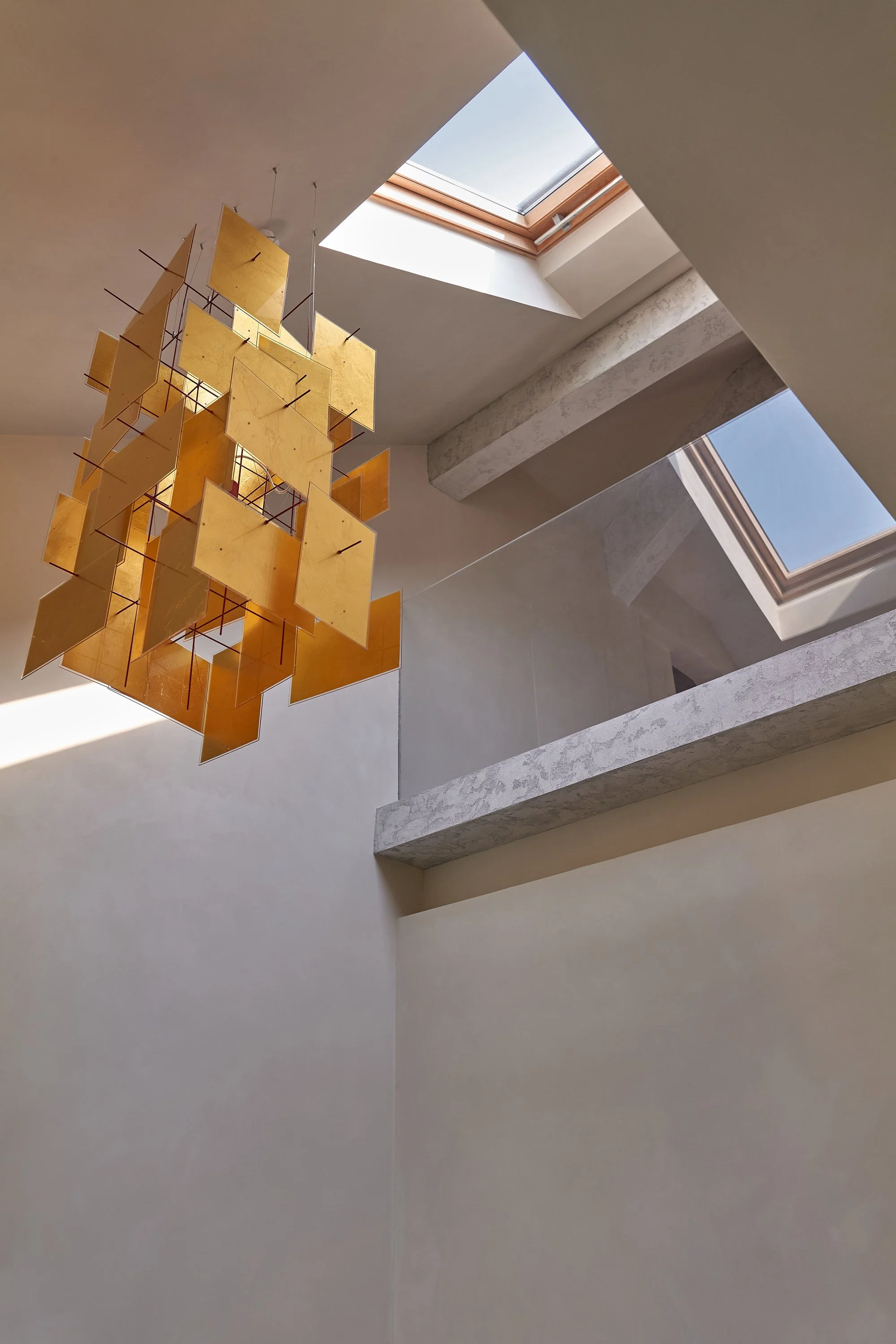
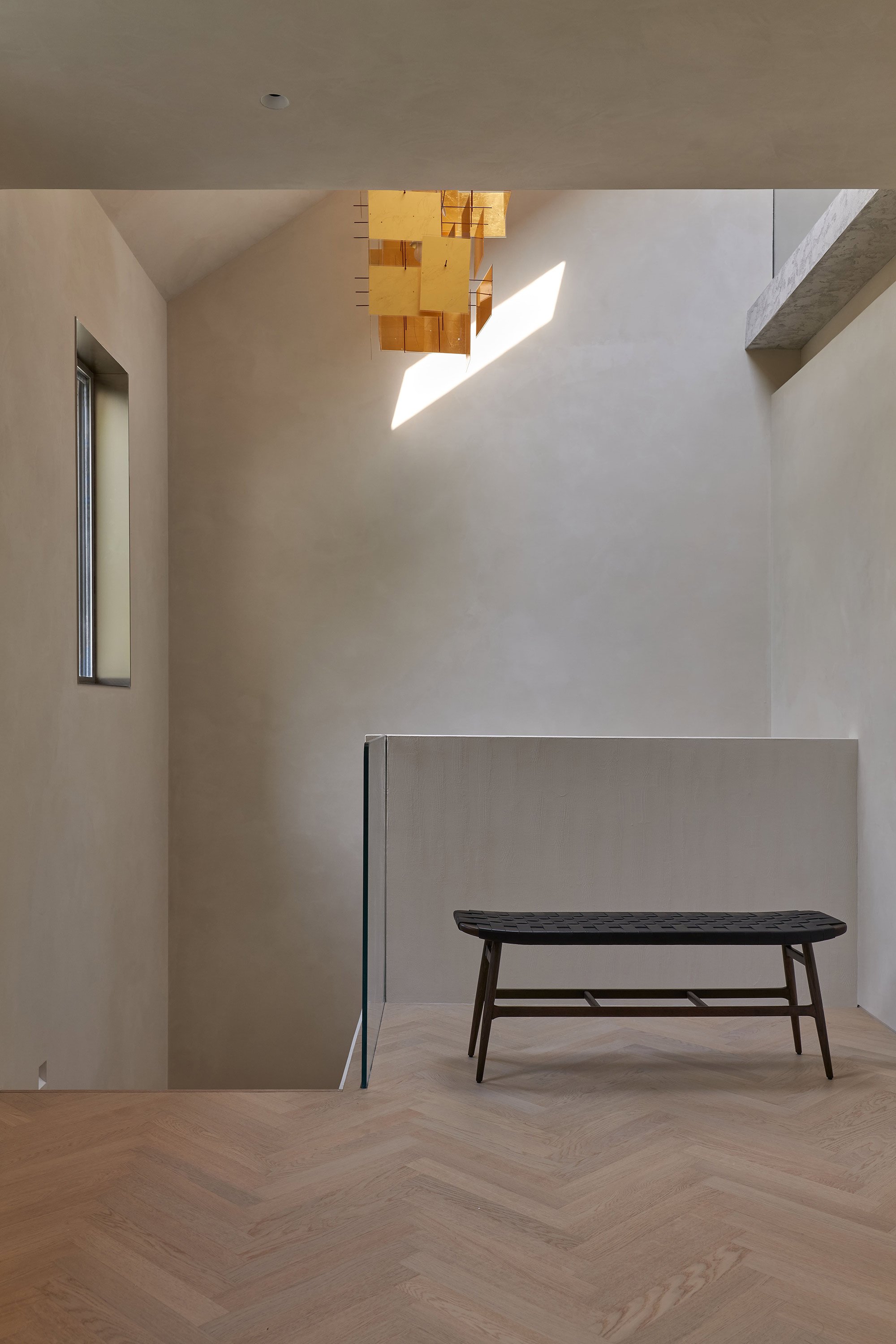
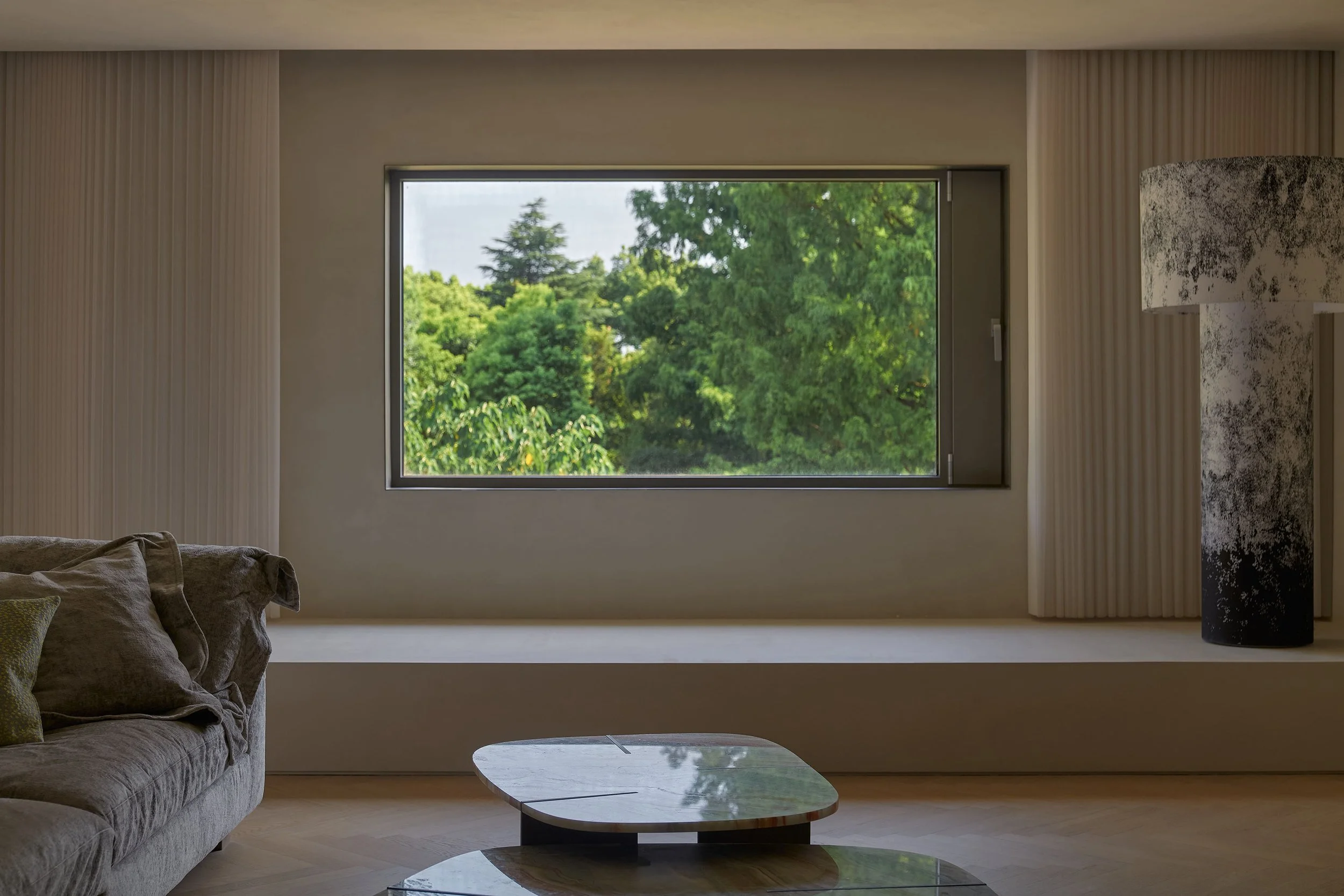
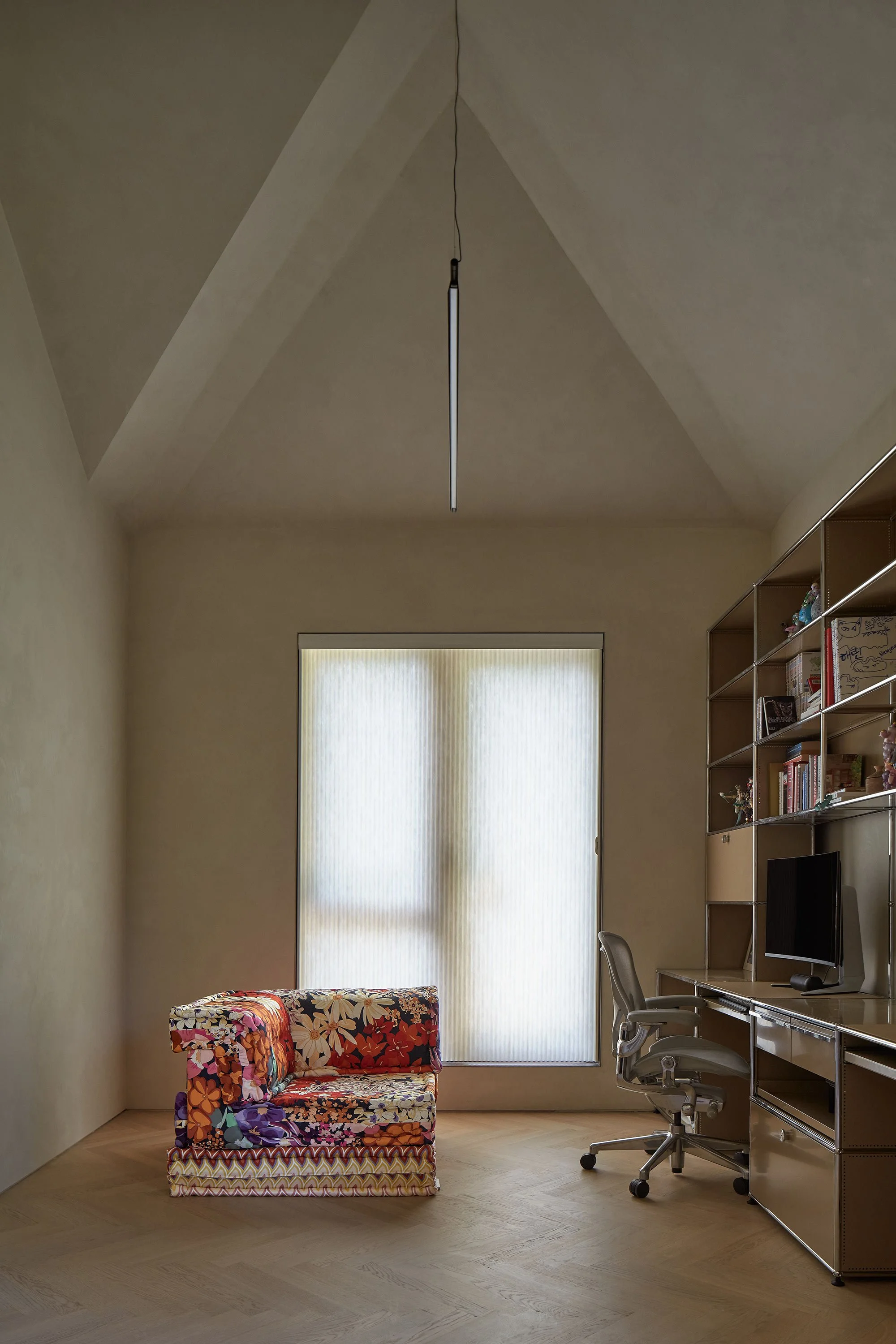
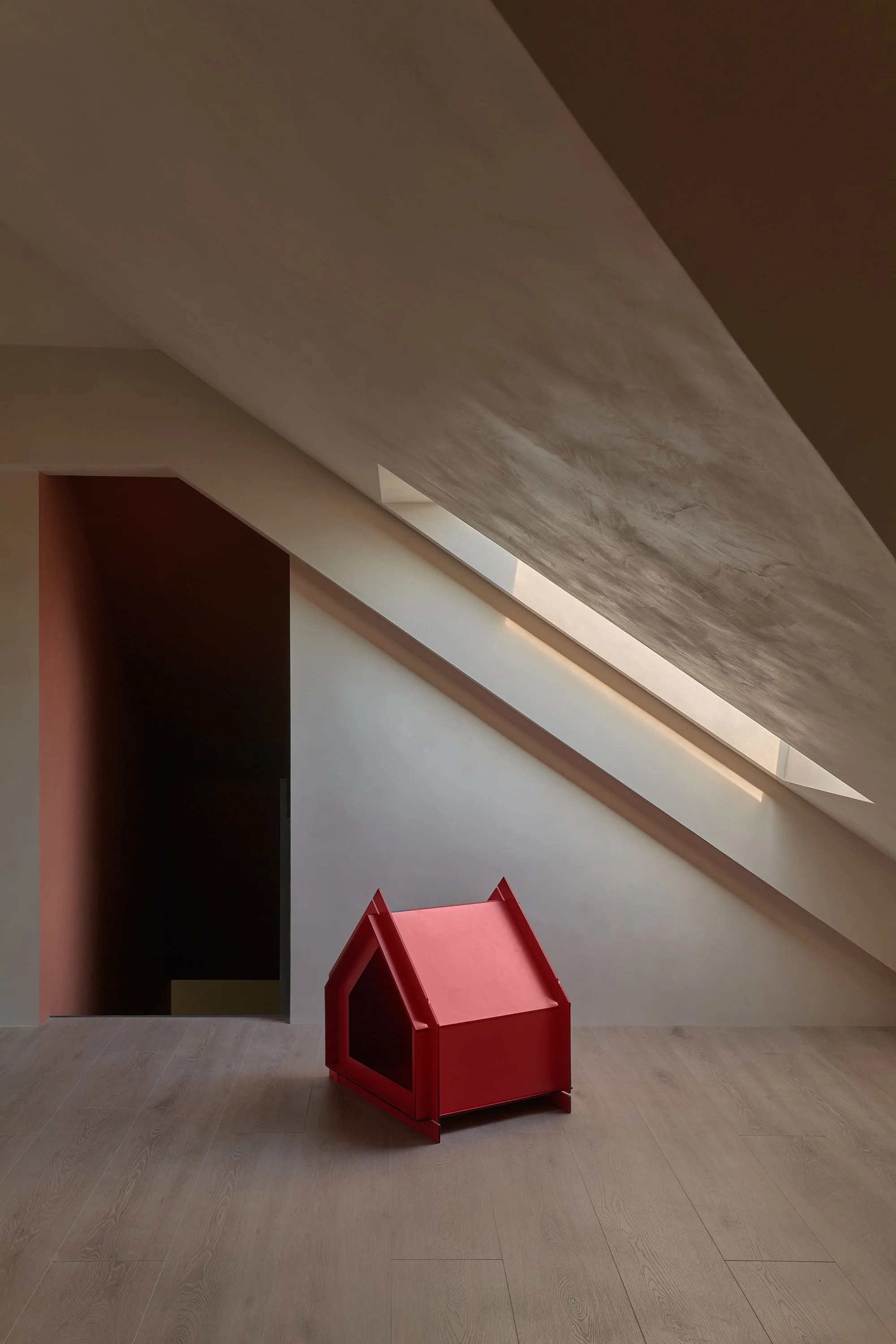
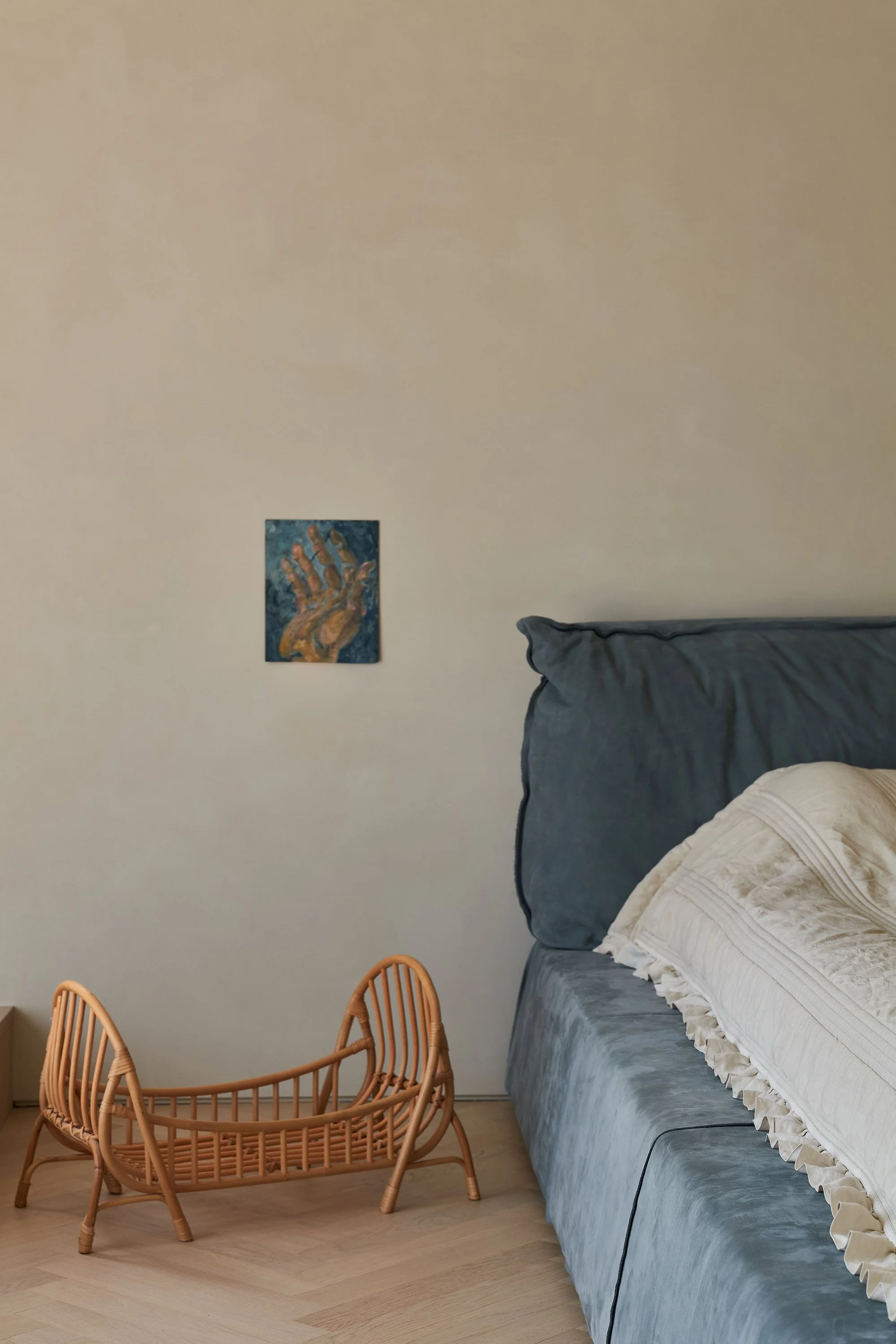
To connect the mother’s world with the upper floors, the architects redesigned the staircase to abandon sharp angles in favour of softened turns. The upper levels belong to the younger generation; here, the attic has been opened up with skylights to invite the shifting atmosphere of the sky into the private quarters. ‘The general tone is very calm,’ says lead designer Yuyu He. ‘But then you see this contrasted with popping moments of colour, such as a stool, a lamp or a painting.’
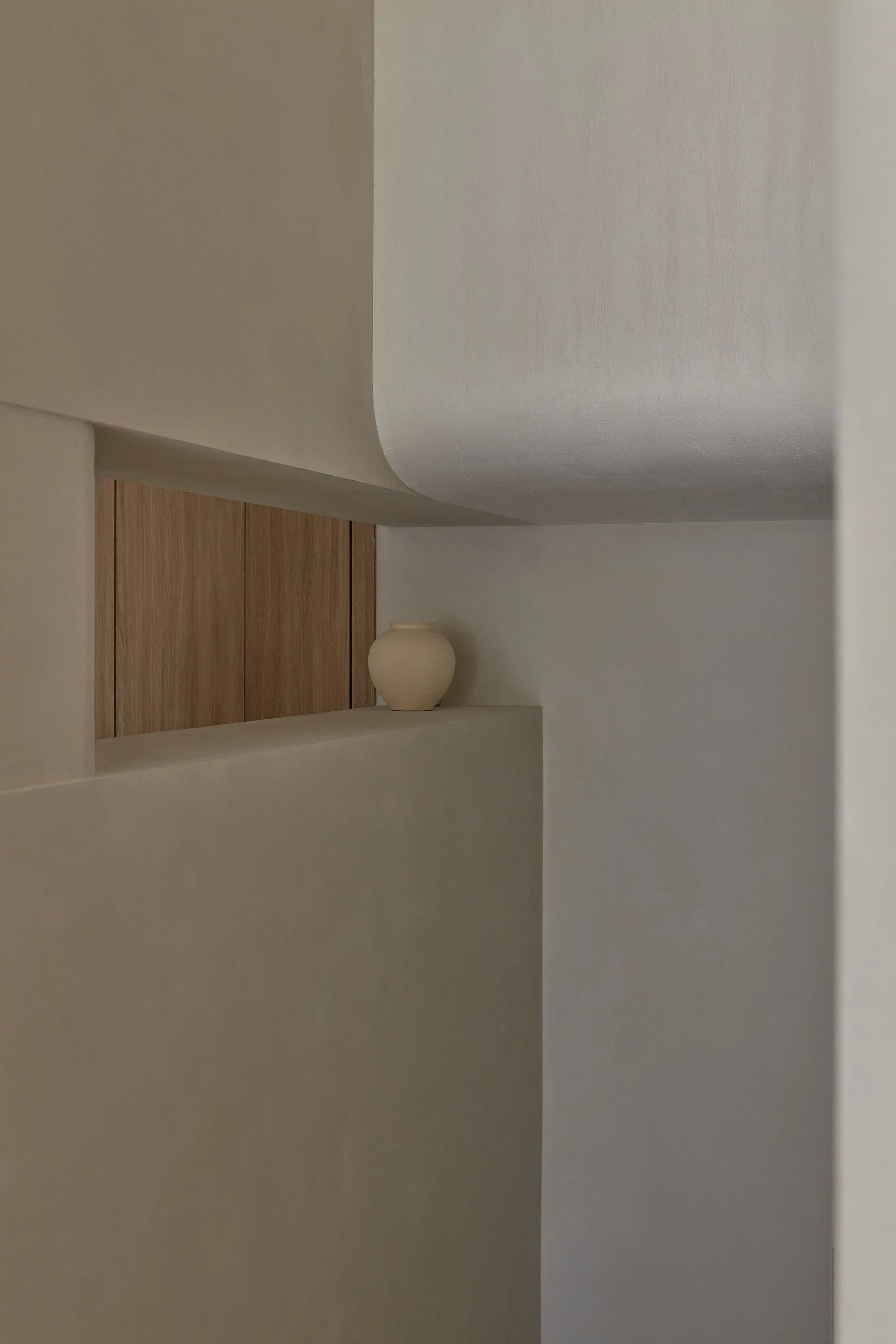
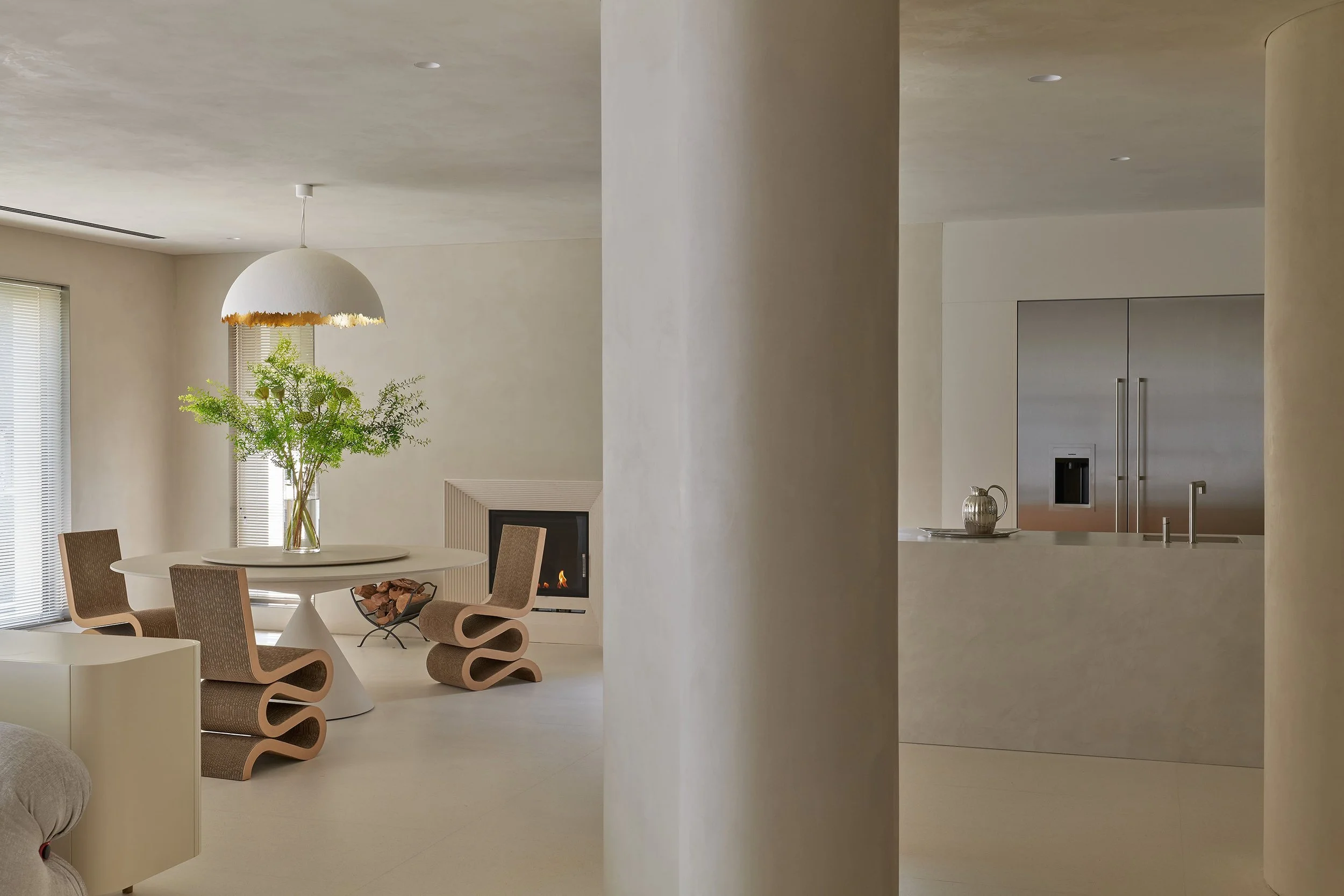
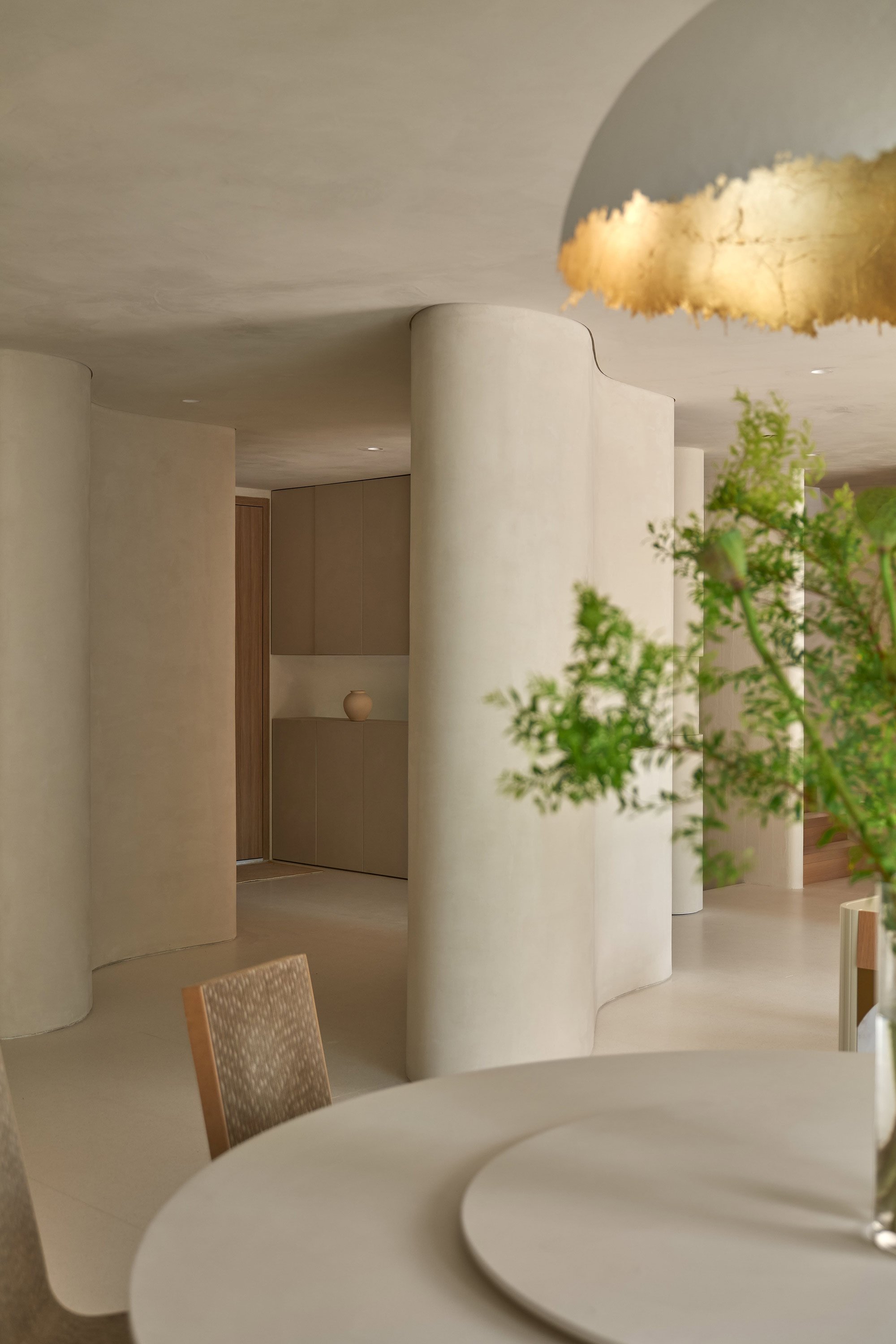
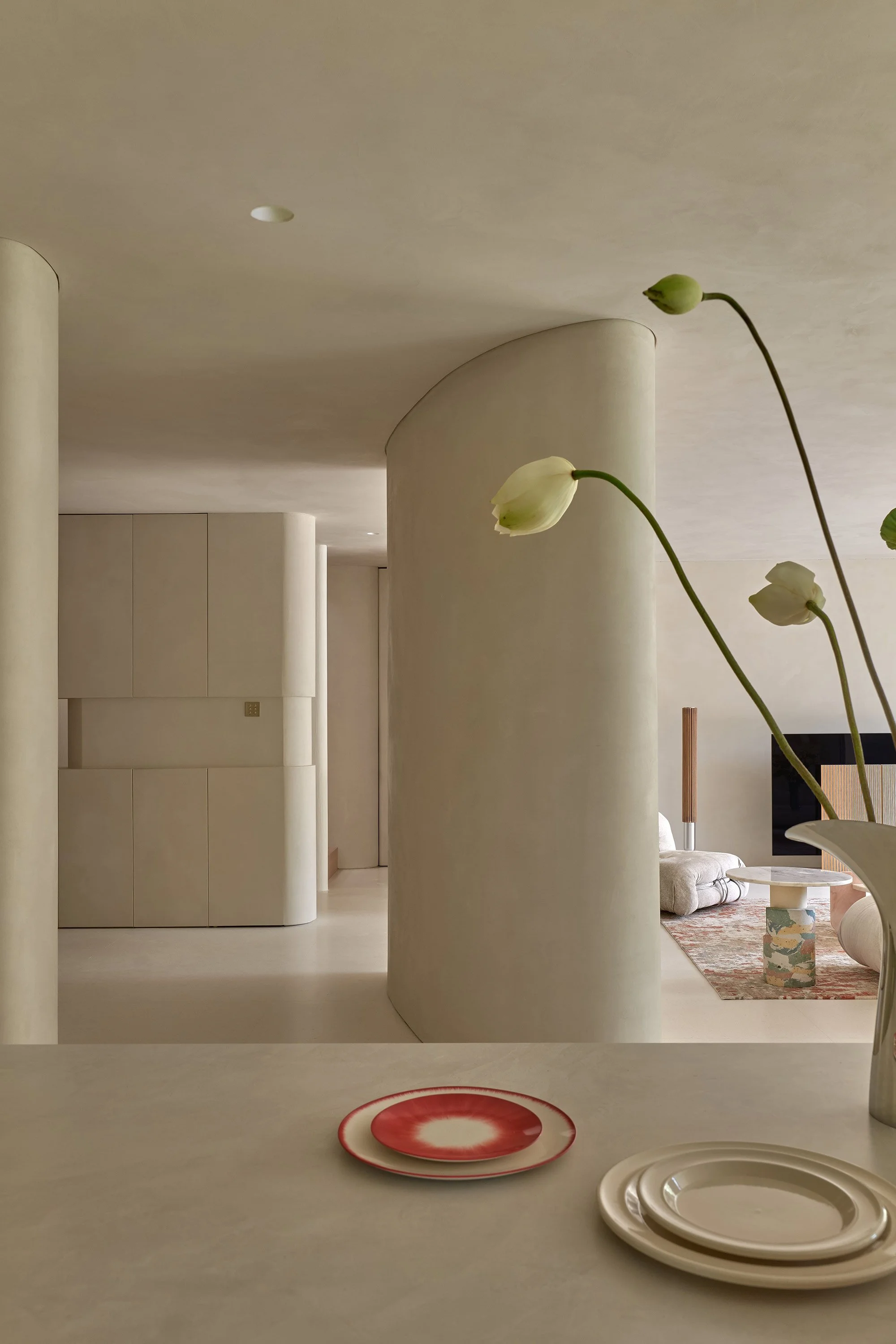
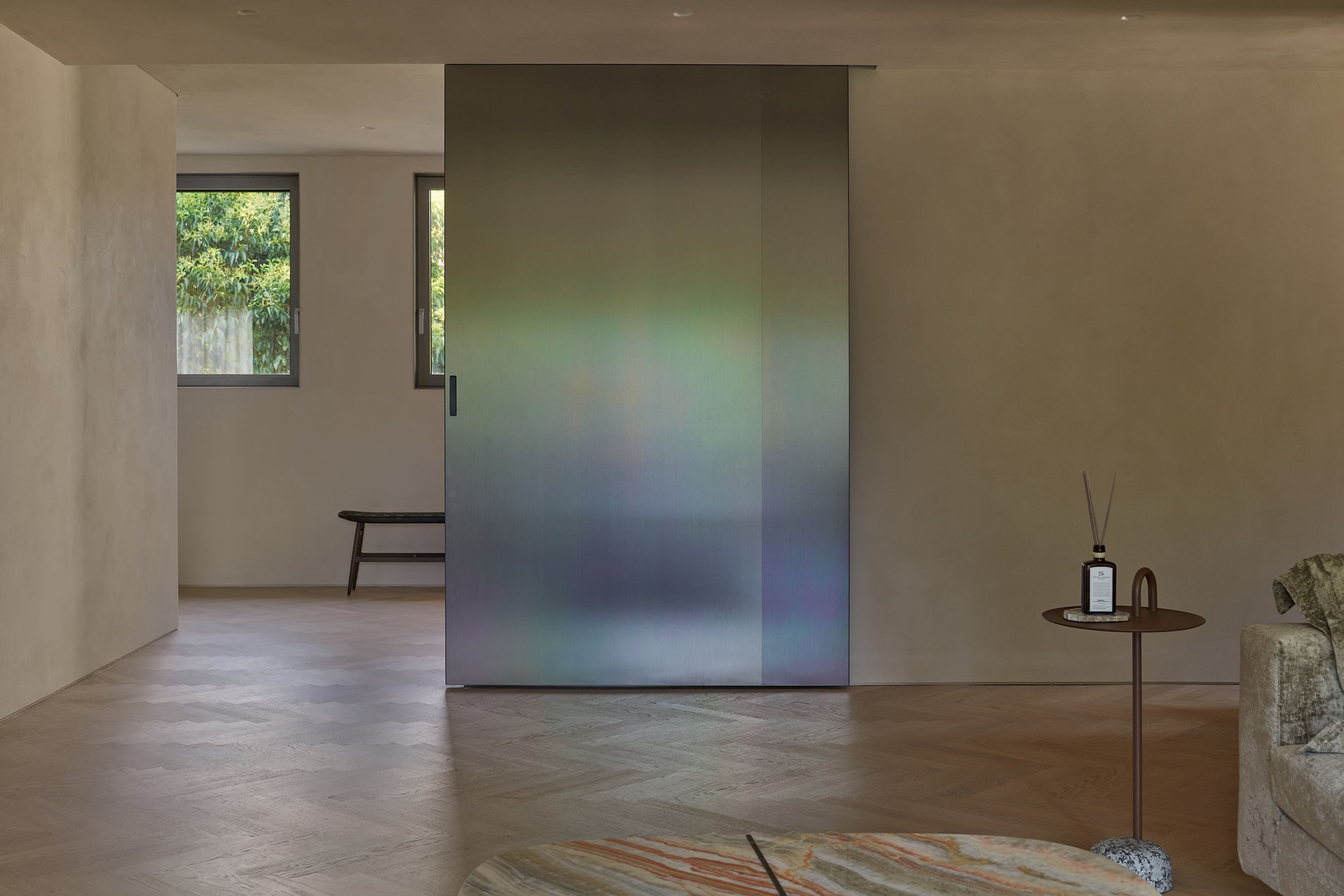
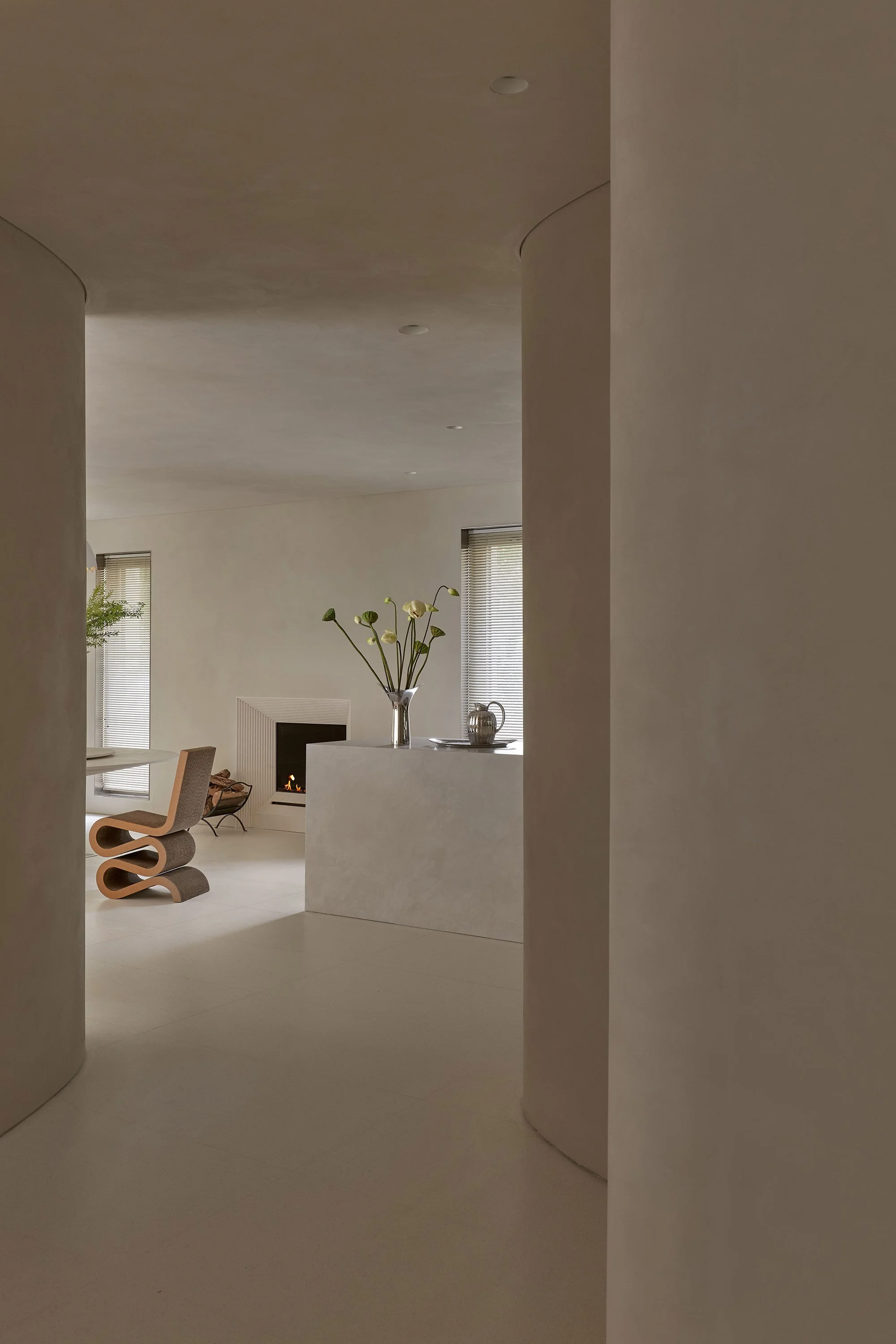
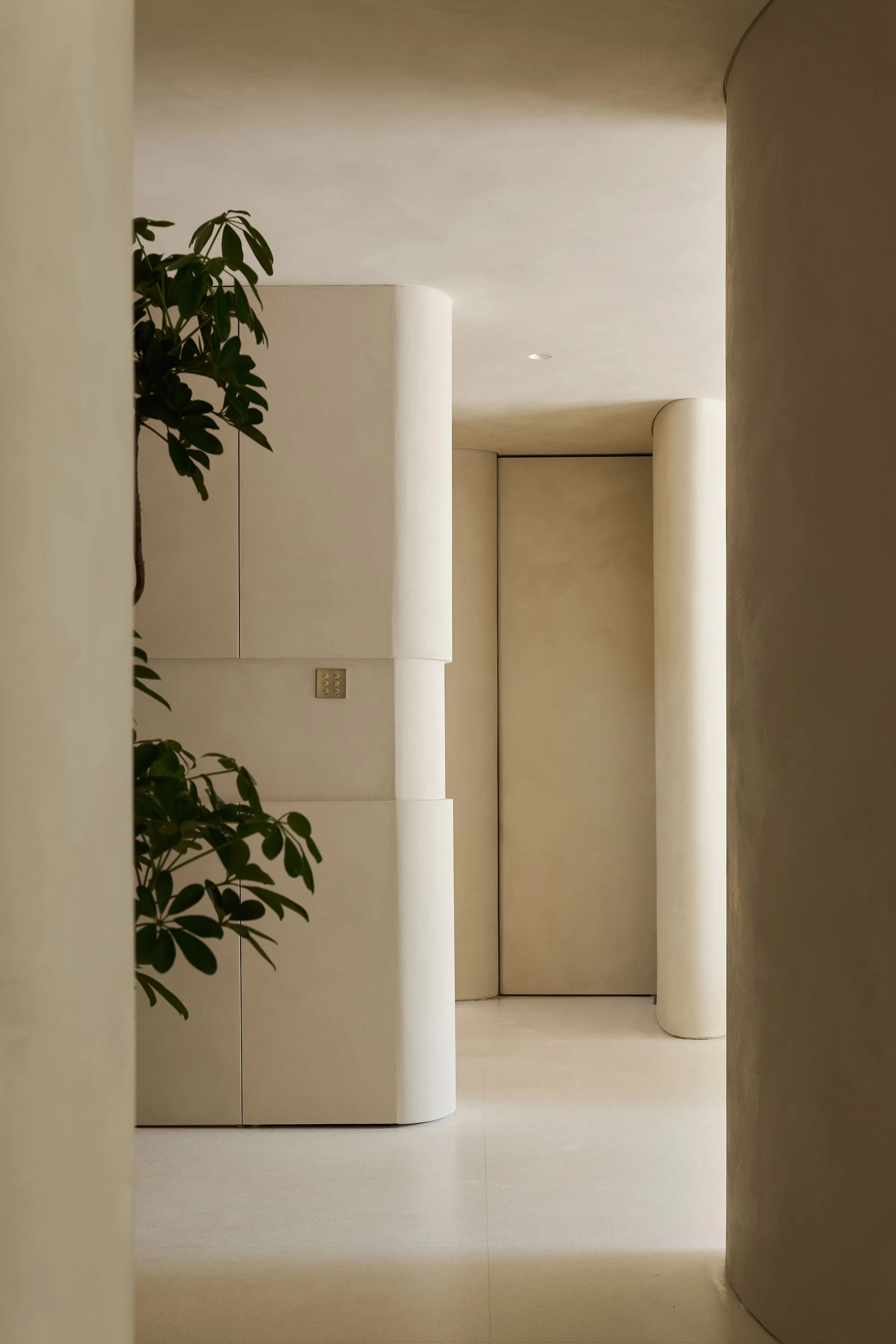
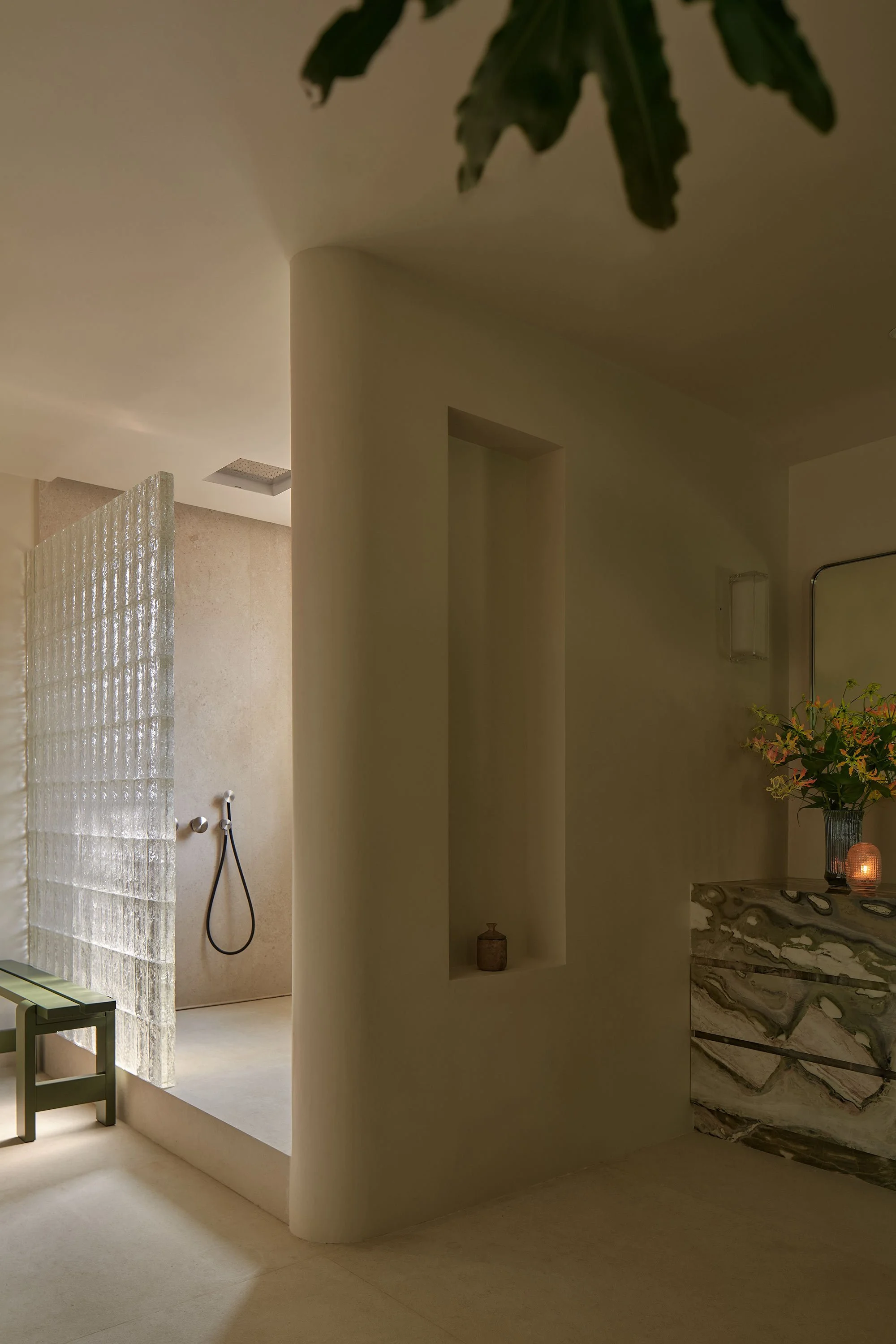
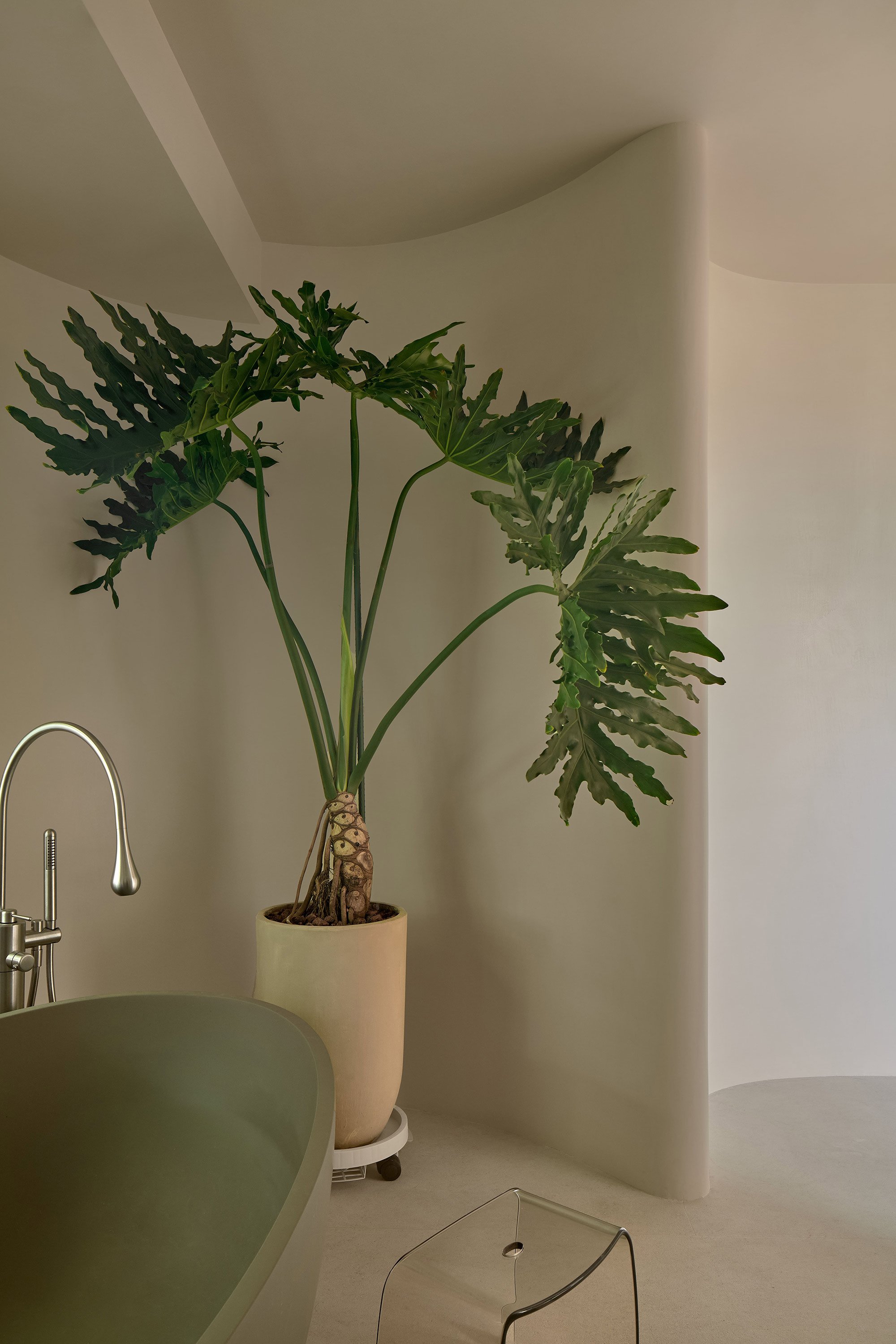
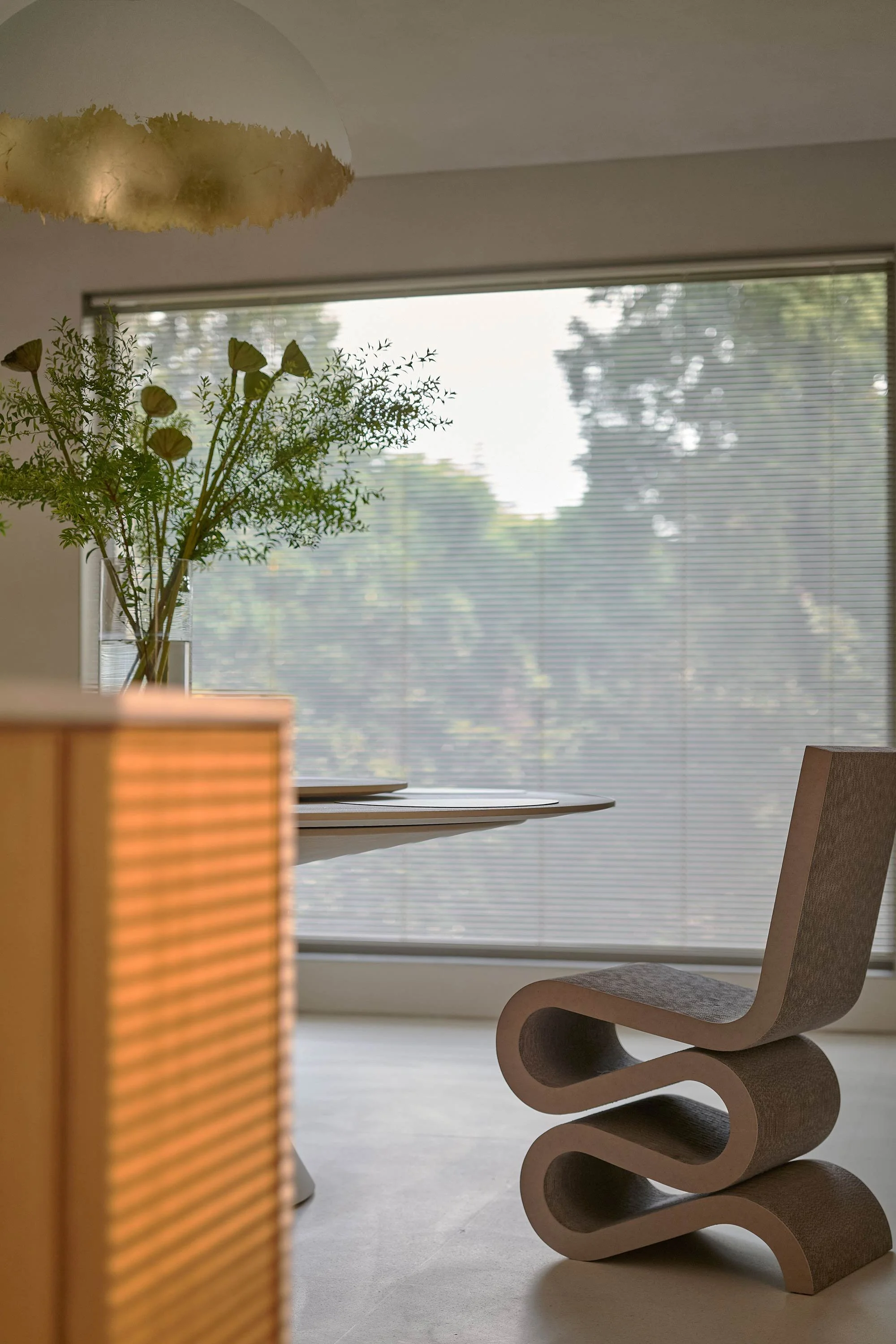
Renovation restrictions in Shanghai meant that some challenging features of the original build couldn’t be demolished. Instead, the edges of these architectural elements have been softened, with rounded corners and diffused lighting replacing the harsh lines typical of modern villas. ‘We used these soft forms to wrap around all these kinds of hard shapes, and they started to formalise certain kinds of zoning of the house without creating hard boundaries,’ says Zheng. Throughout the home, a unified sandy palette of terrazzo floors, wood-grain concrete and soft fabrics creates a quiet atmosphere.
Ultimately, the residence values resilience and softness over fragile perfection. Zheng and the team at FOG saw their role as to simply facilitate a process that belonged to the family: ‘A home should be built by the members of the family,’ says the designer. ‘We’re happy that we happened to be there to give them a hand.’
Text by Katherine Ring
Images by Zhu Hai