Editor’s Note
The design industry has become very good at creating things people want to photograph. Is it still as good at creating experiences people want to have?

Have you recently attended a meeting where you were left to stand in a lobby, idly waiting for your host, who then offered little more than a ‘hello’? No business card, offer of water or coffee, or any real sense of arrival? Or maybe you checked into a hotel that markets itself as design-led, only to find the next morning that housekeeping had been reduced to an every-other-day arrangement, never mind the art of a discreet turndown service. Or heaven forbid — and maybe it’s time to find a proper travel agent — you were surprised to find that, instead of a human welcome, you were greeted by a computer terminal that spouted nothing but errors, unable to handle even the slightest customer service edge case. And yet you can see, quite clearly, in many of these cases, the interiors were given the social media treatment, with little regard for the person who’d ultimately be subjected to the experience.
This not-so-hypothetical hospitality experience is symptomatic of a plague of value-engineered solutions to problems that never really existed — an erosion of thoughtfulness that my colleagues and I talk about a lot on our editorial calls, as we debate the merits of a new diner, hotel, home or the work of an emerging interior designer or architect. It’s resulted in work designed for one thing: eyeballs. Are these alert, aroused and curious eyeballs? And are they attached to the kind of person you actually want to meet, have waiting in your lobby, lounging by your pool, or living as a resident in the community you say you’re so focused on fostering? I think you know the answer.
I’m neither the first, nor likely the last, to opine on what can sometimes feel like a descent into mass cognitive malaise. Despite the acuteness of the current moment, it’s not new: the design industry has faced this for years, pursuing views, taps and clicks over the very humans who’ll use a space or product. One of our favourite practitioners, Ilse Crawford, speaks often about designing for both measurable and unmeasurable values such as dignity, generosity and respect.
So, for the next few hundred pages, it’s my pleasure to have you in our world, a place free of QR codes and unflattering lighting, where these values are treated as requisites. We’re confident that these pages offer much more than the sum of their physical parts. Our journalism should inspire you but also challenge you. This magazine, in all its tactile glory, should help you navigate the world around you — the real one — and understand what makes it move, where the fault lines lie, and where opportunities exist to mitigate them.
Ultimately, we hope this issue offers a little touch of magic and, dare we say it, romanticism for the world as it could be if we all put as much care in as we can. Let’s dive in.
Jeremy Smart
Editor-in-Chief
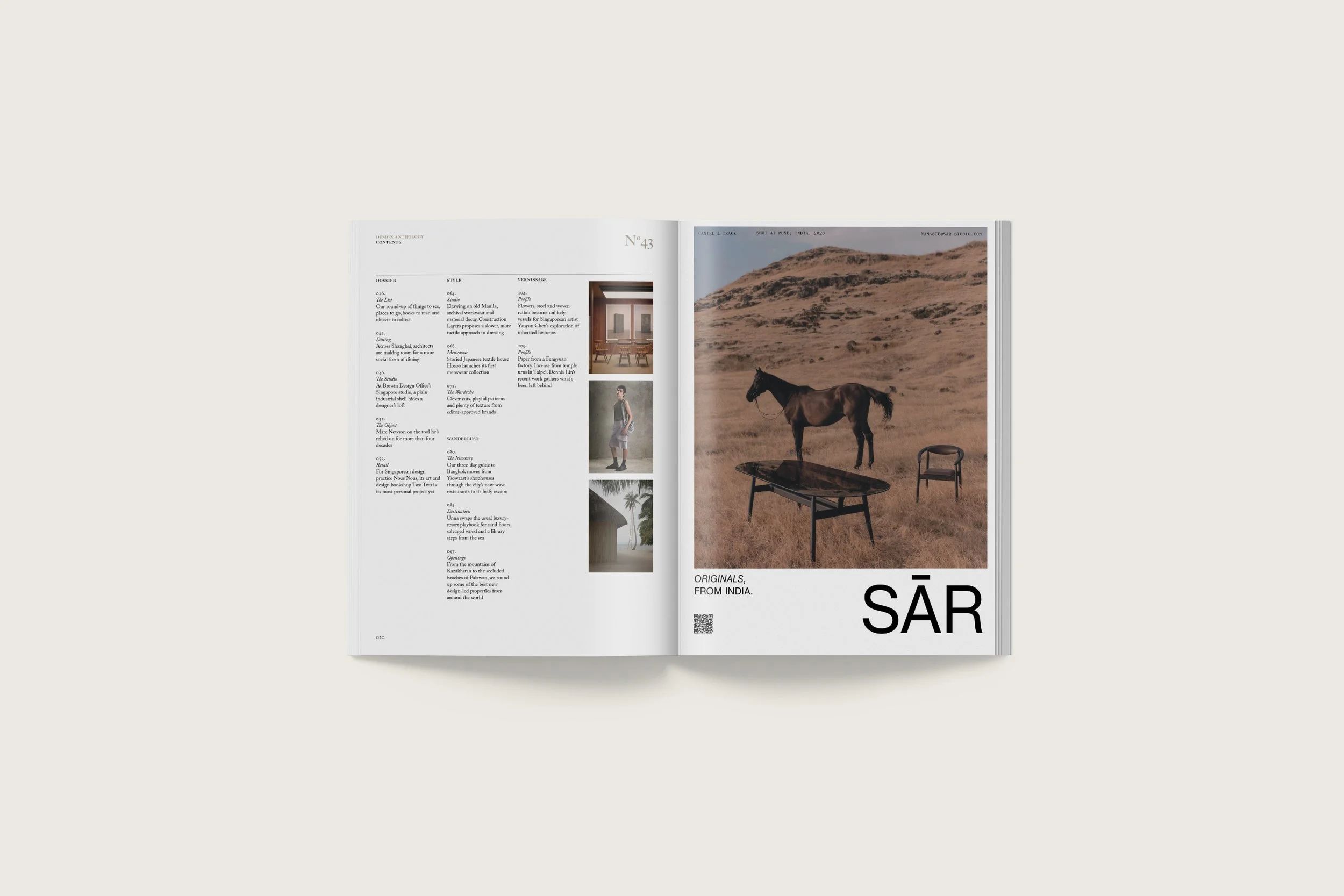
Contents
Dossier
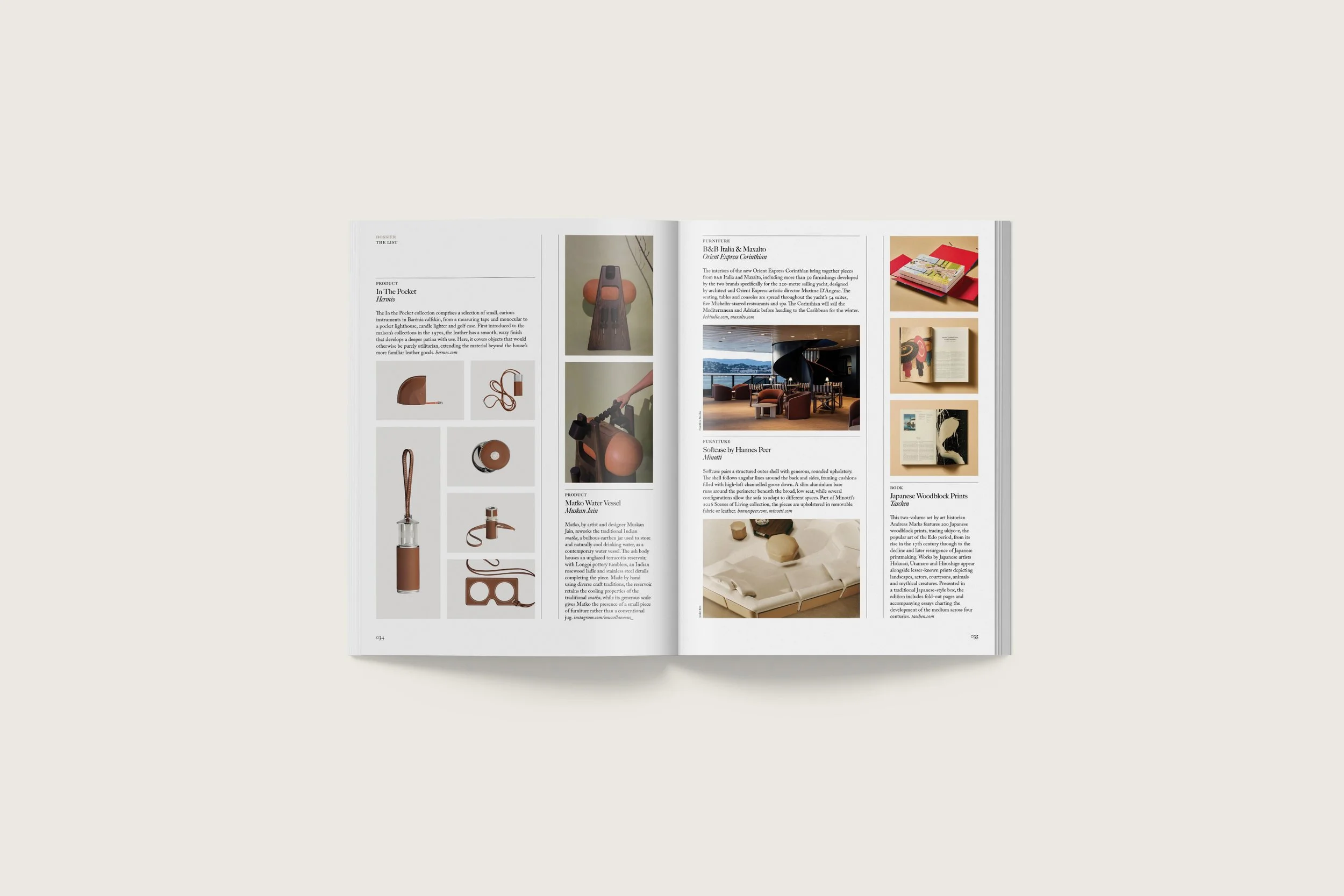
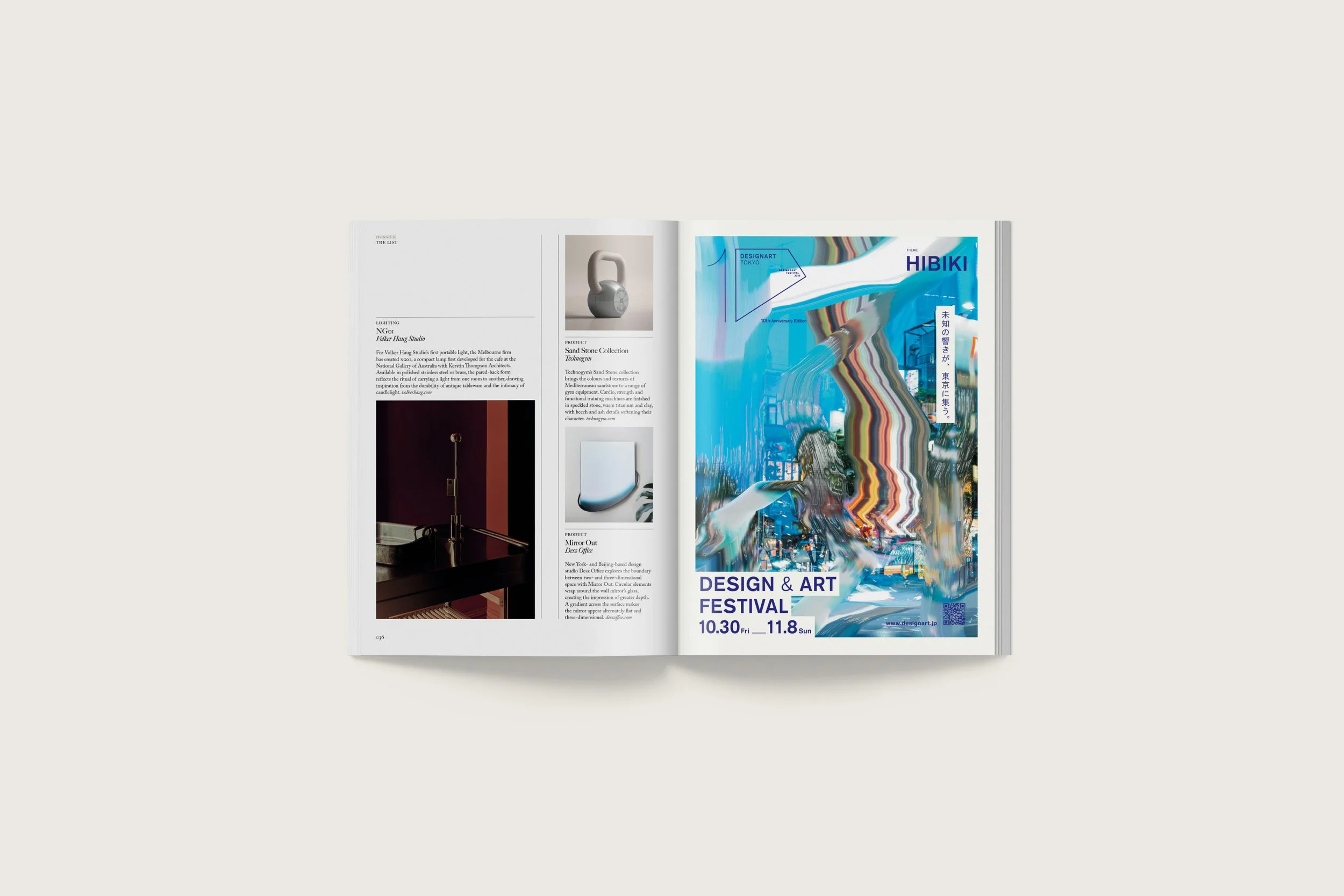
The List
Our round-up of things to see, places to go, books to read and objects to collect. Page 26
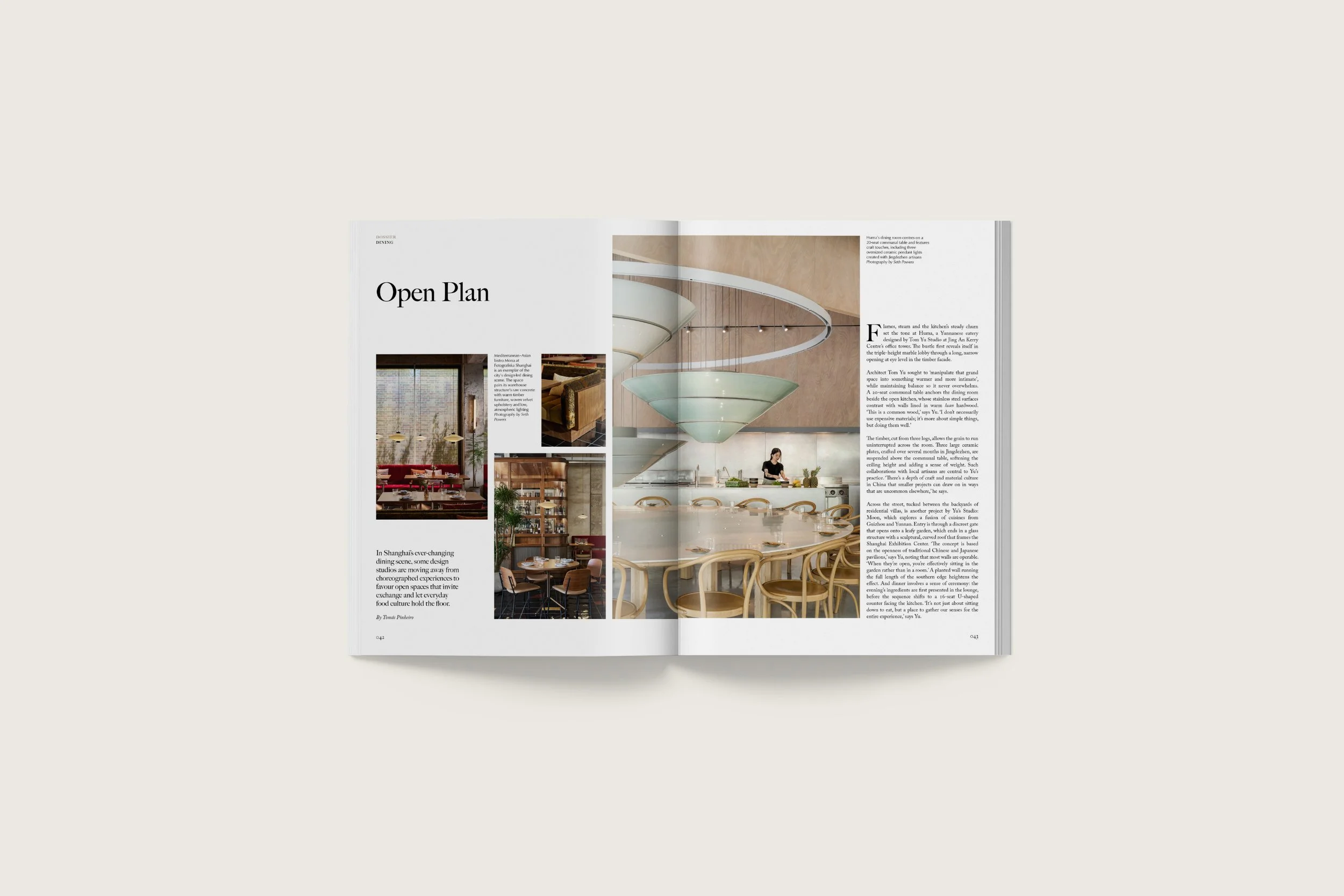
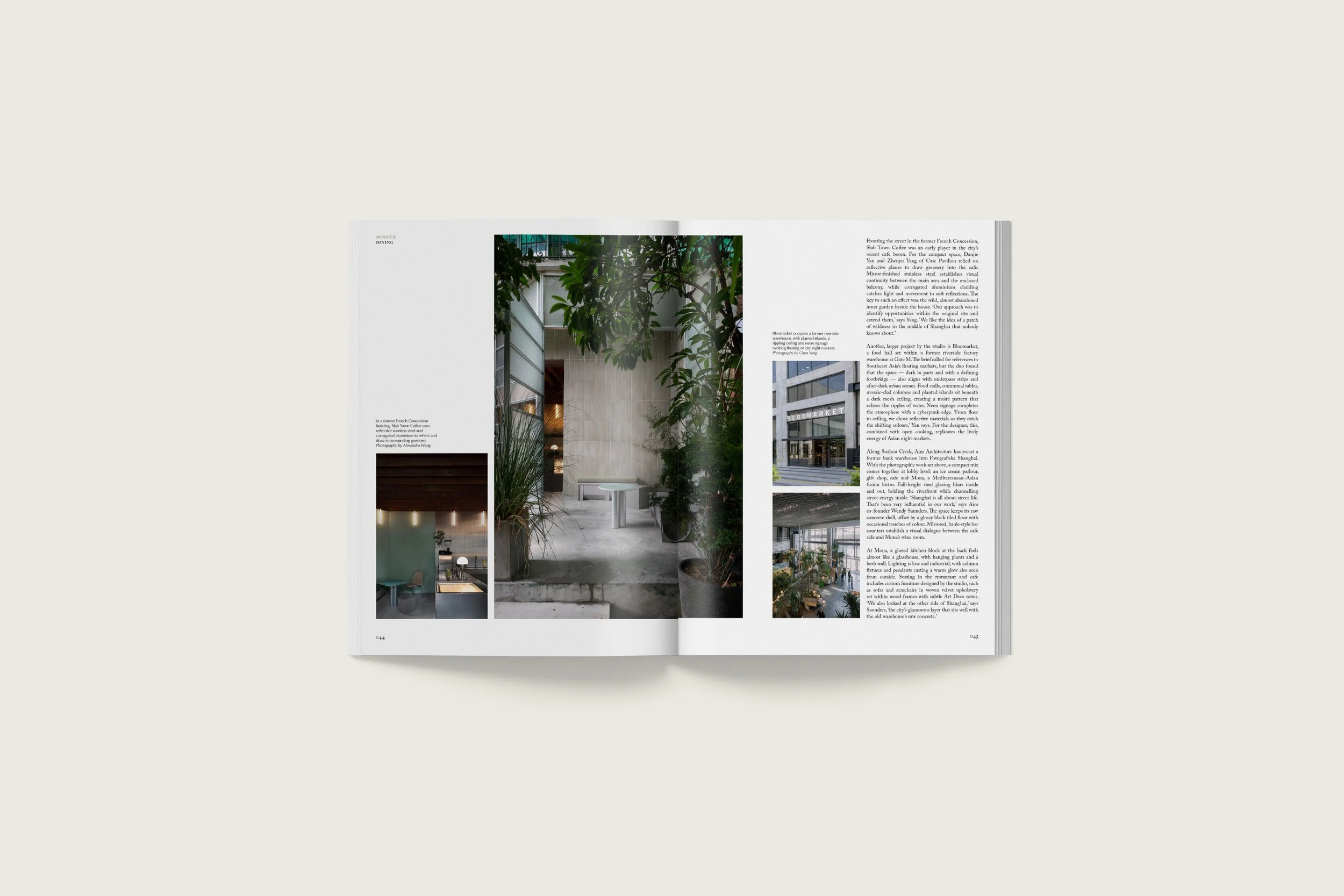
Dining
Across Shanghai, architects are making room for a more social form of dining. Page 42
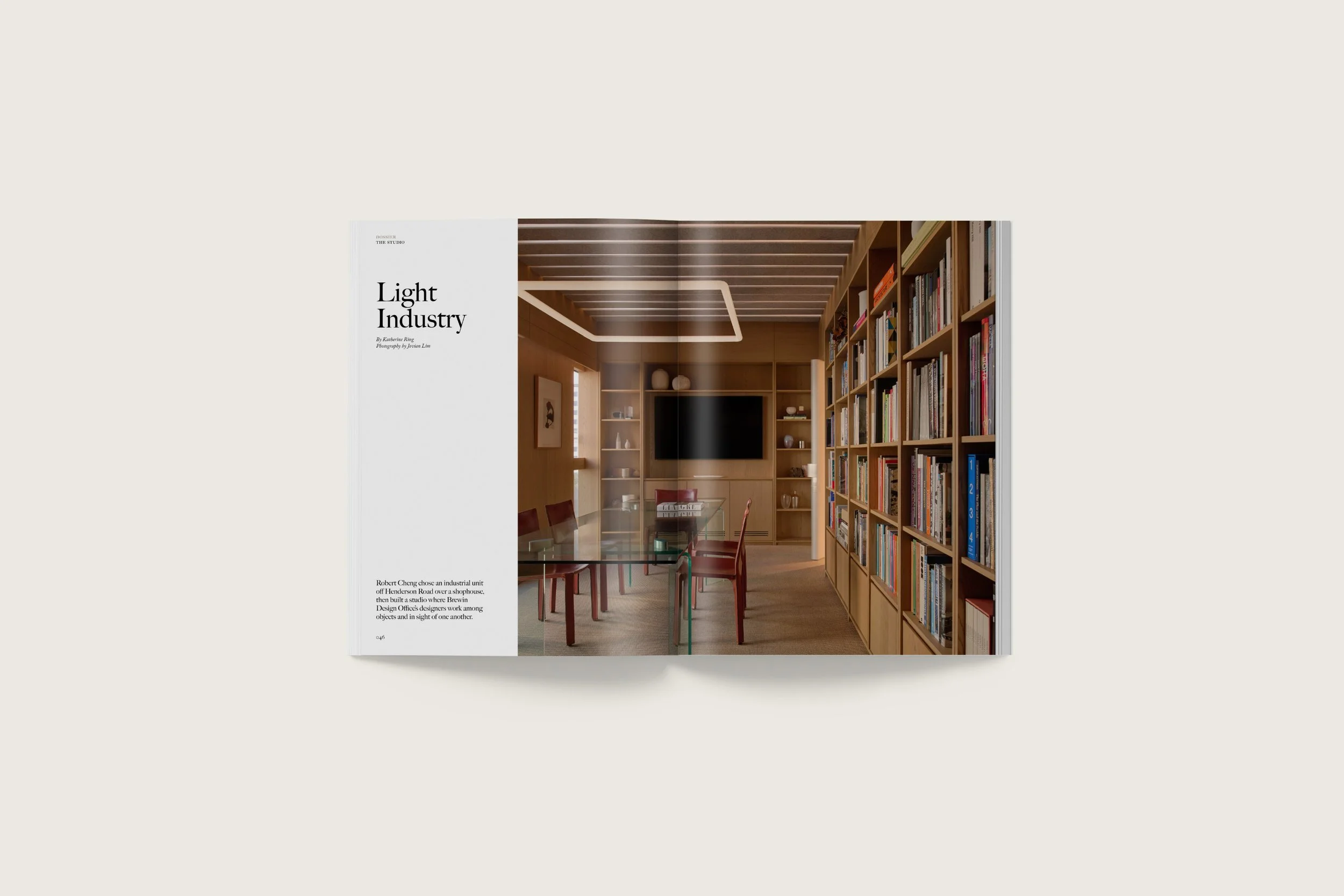
The Studio
At Brewin Design Office’s Singapore studio, a plain industrial shell hides a designer’s loft. Page 46
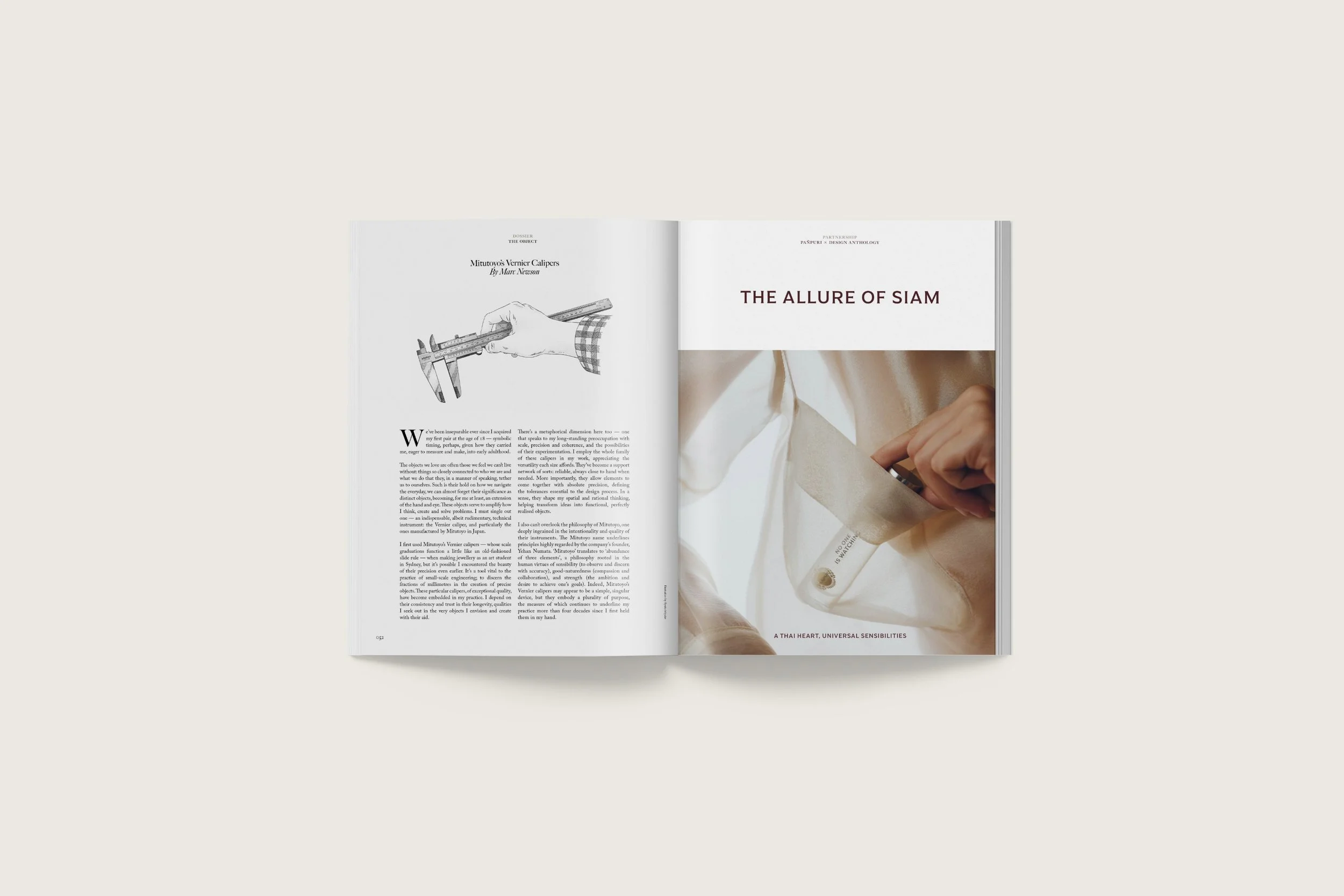
The Object
Marc Newson on the tool he’s relied on for more than four decades. Page 51
Retail
For Singaporean design practice Nous Nous, its art and design bookshop Two Two is its most personal project yet. Page 52
Style
Studio
Drawing on old Manila, archival workwear and material decay, Construction Layers proposes a slower, more tactile approach to dressing. Page 64
Menswear
Storied Japanese textile house Hosoo launches its first menswear collection. Page 68
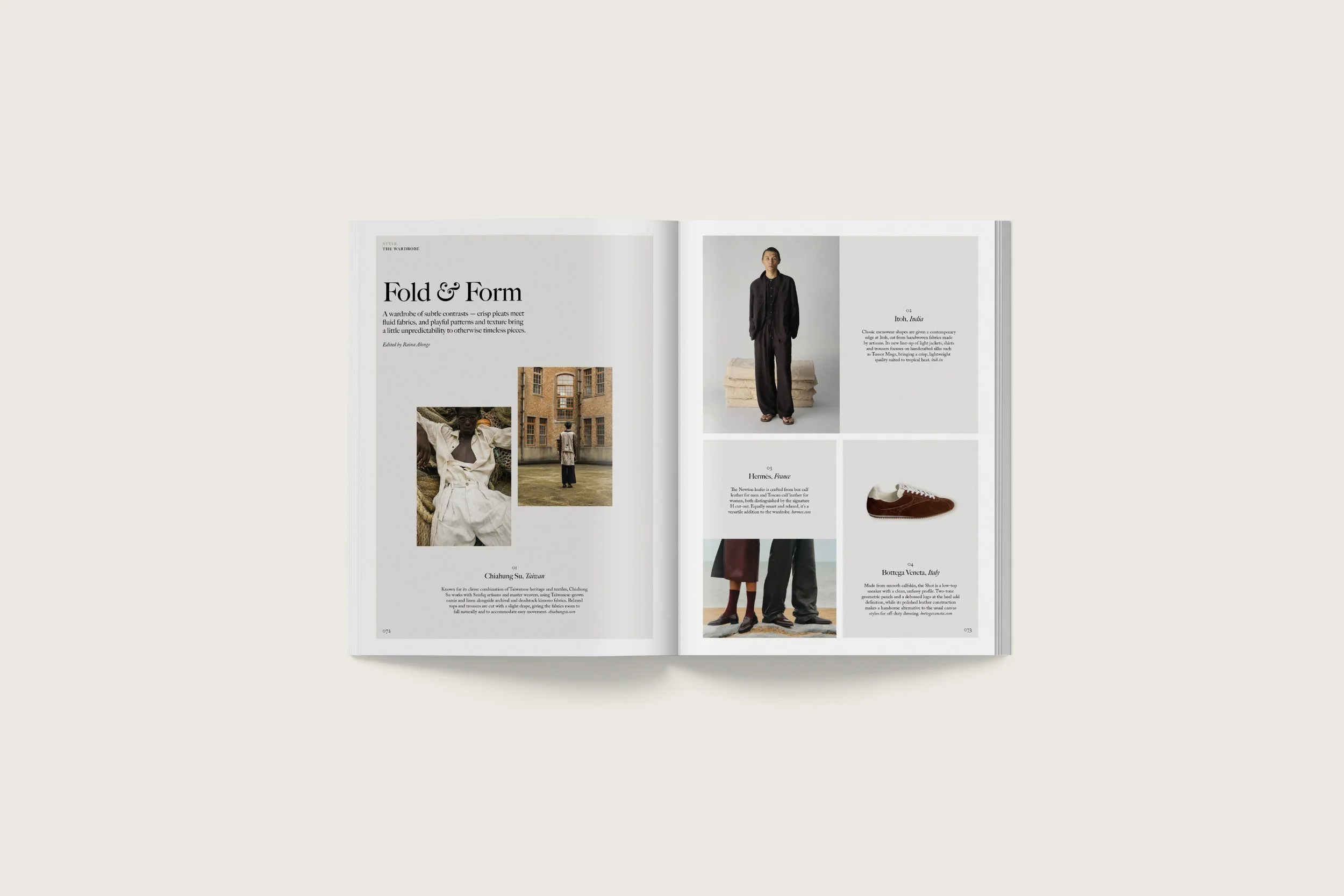
The Wardrobe
Clever cuts, playful patterns and plenty of texture from editor-approved brands. Page 72
Wanderlust
The Itinerary
.Our three-day guide to Bangkok moves from Yaowarat’s shophouses through the city’s new-wave restaurants to its leafy escape. Page 80
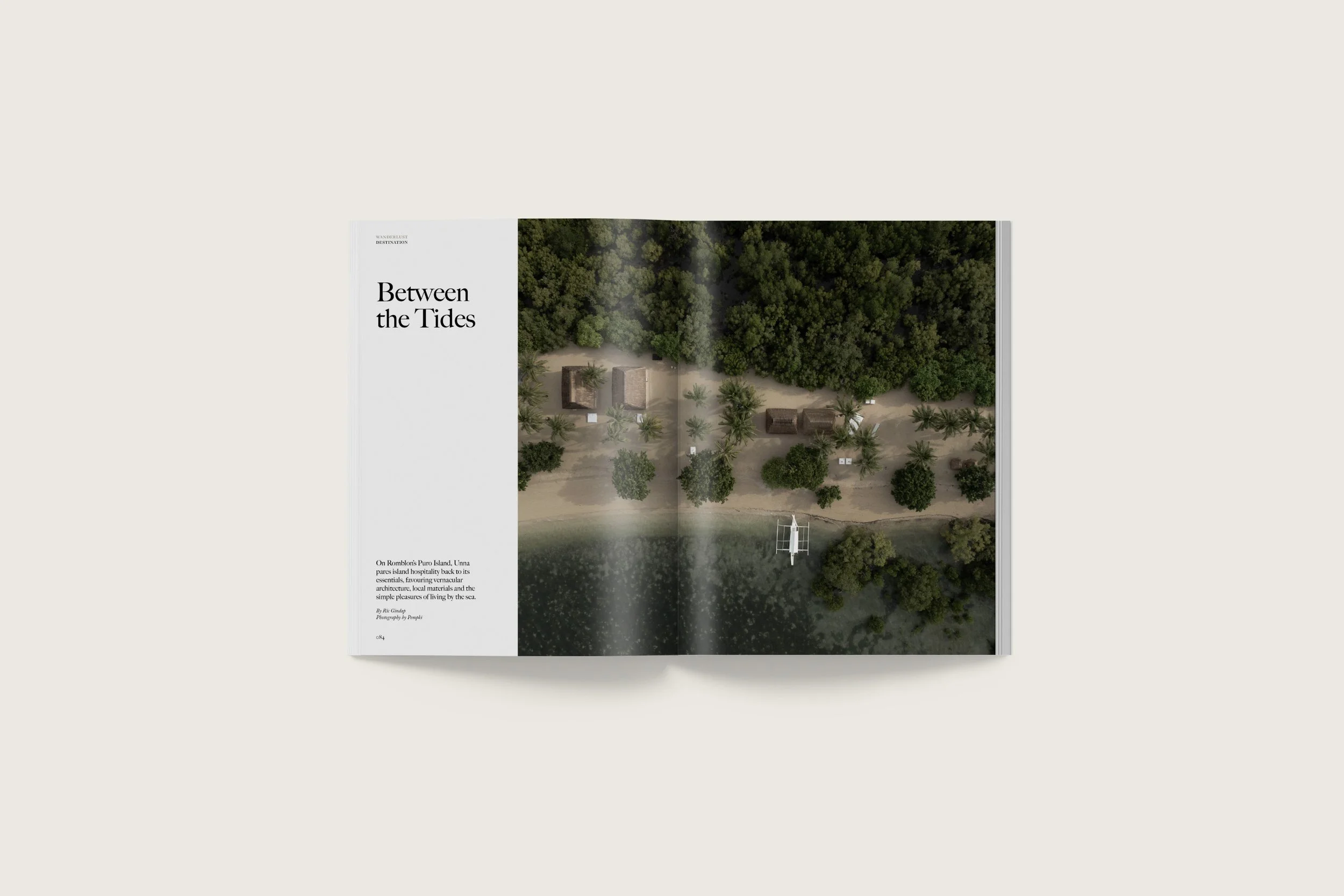
Destination
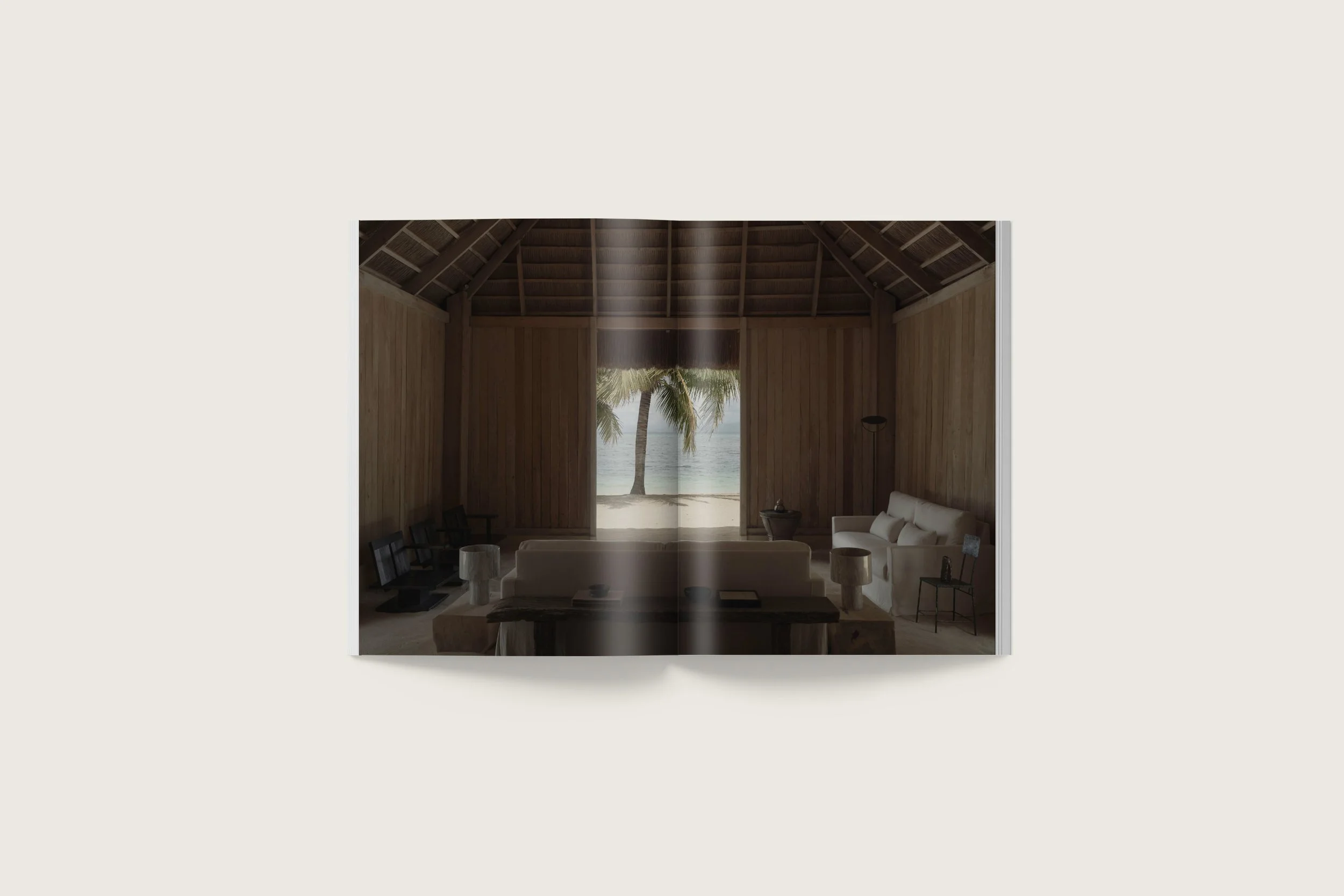
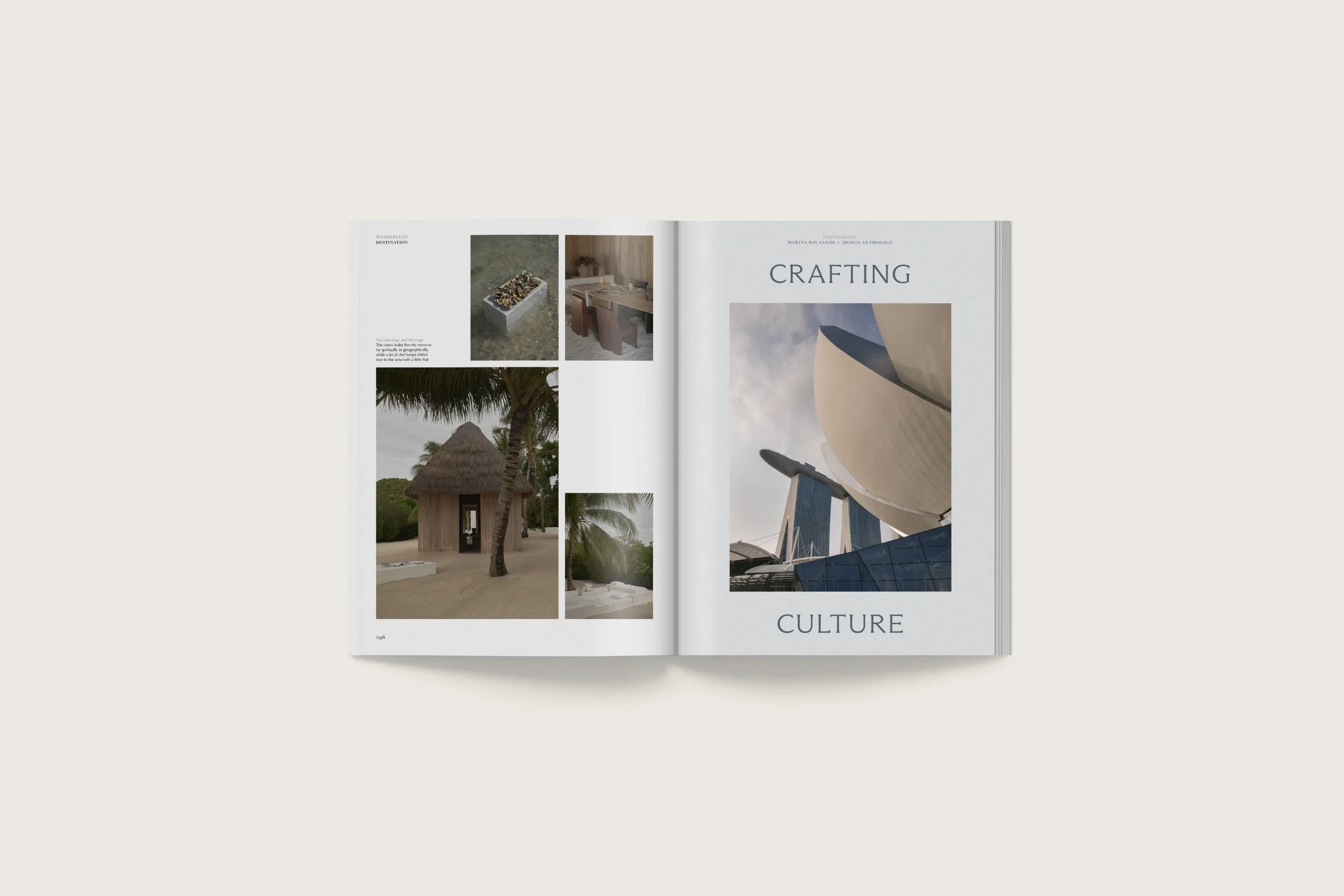
Unna swaps the usual luxury-resort playbook for sand floors, salvaged wood and a library steps from the sea. Page 84
Openings
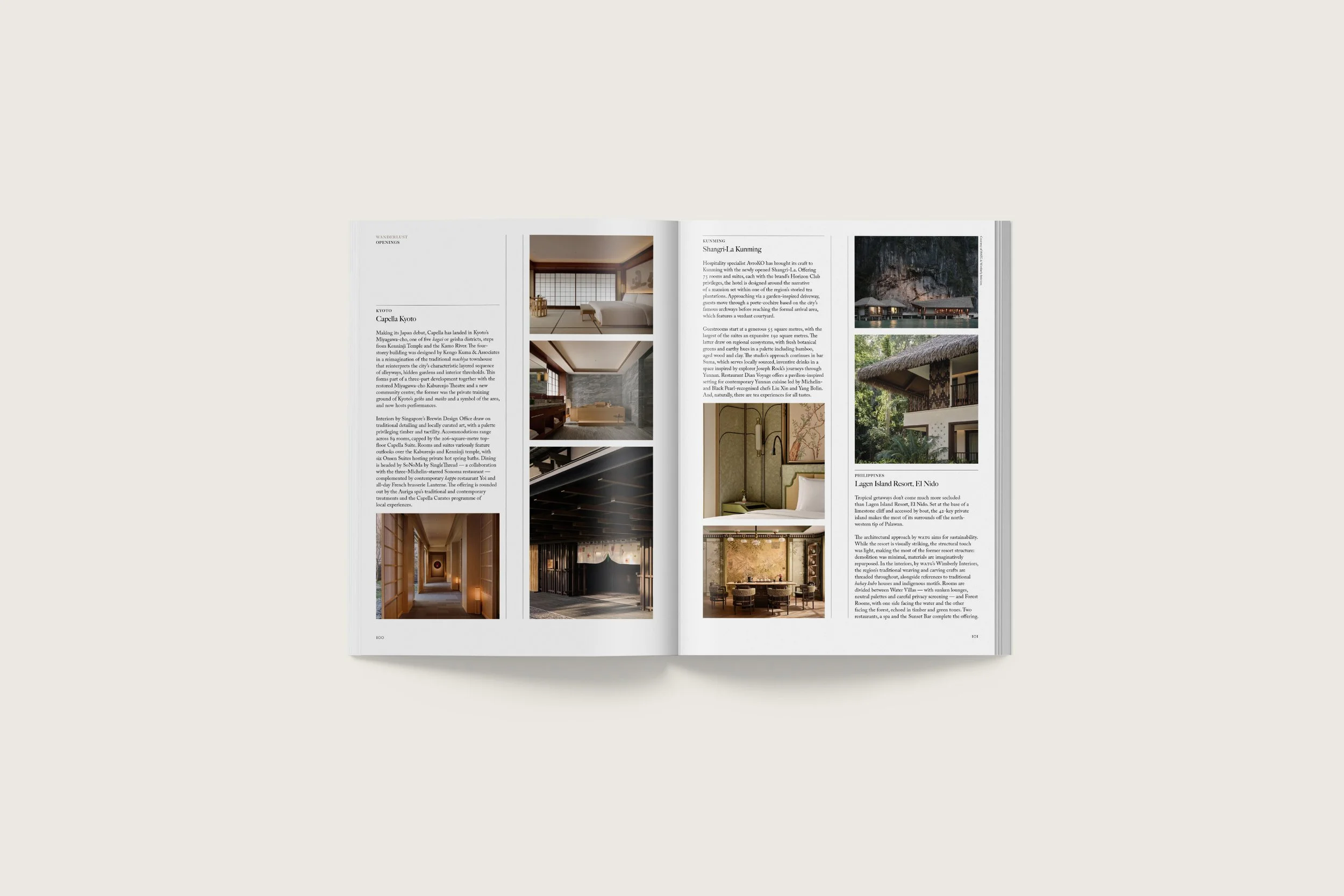
From the mountains of Kazakhstan to the secluded beaches of Palawan, we round up some of the best new design-led properties from around the world. Page 97
Vernissage
Profile
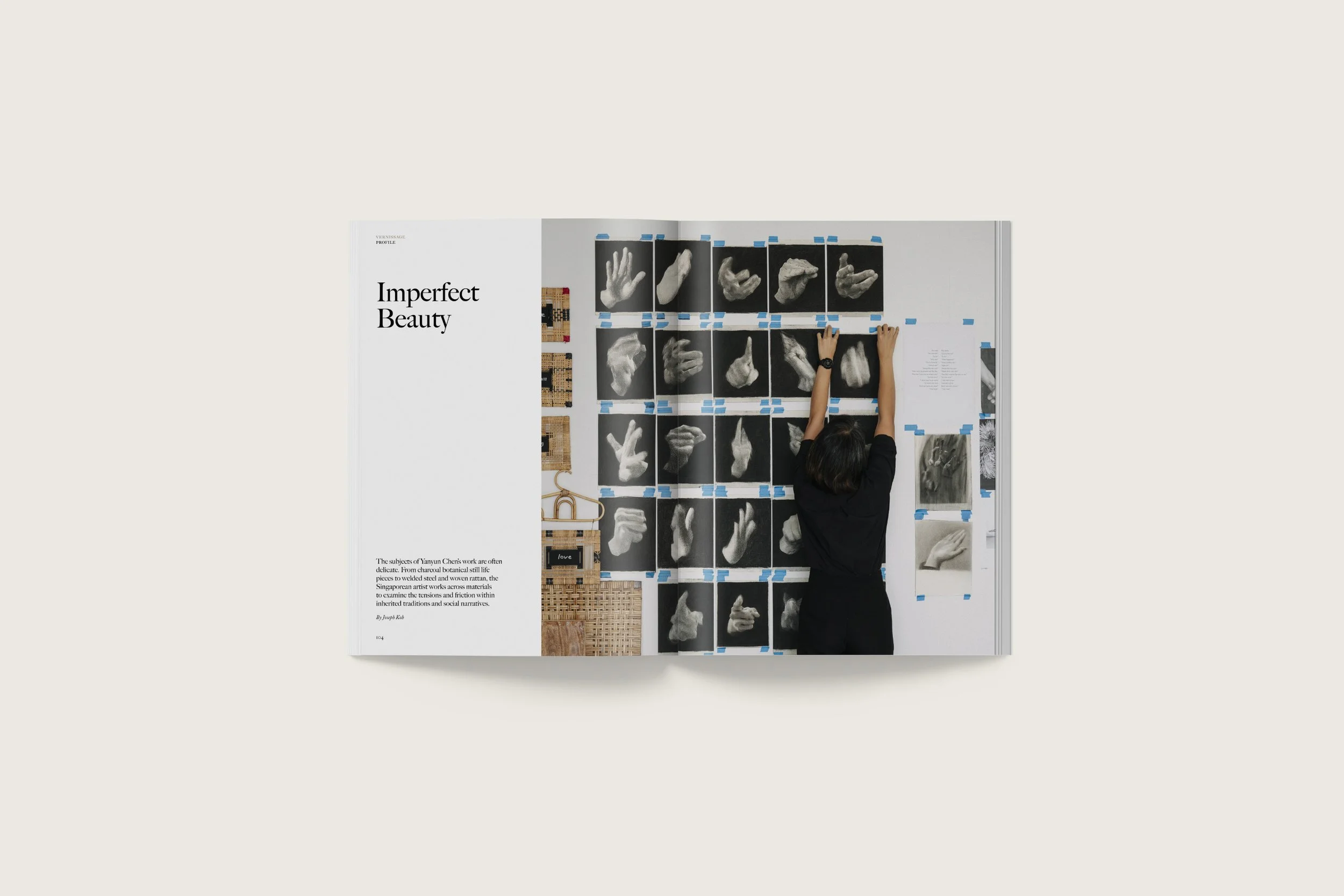
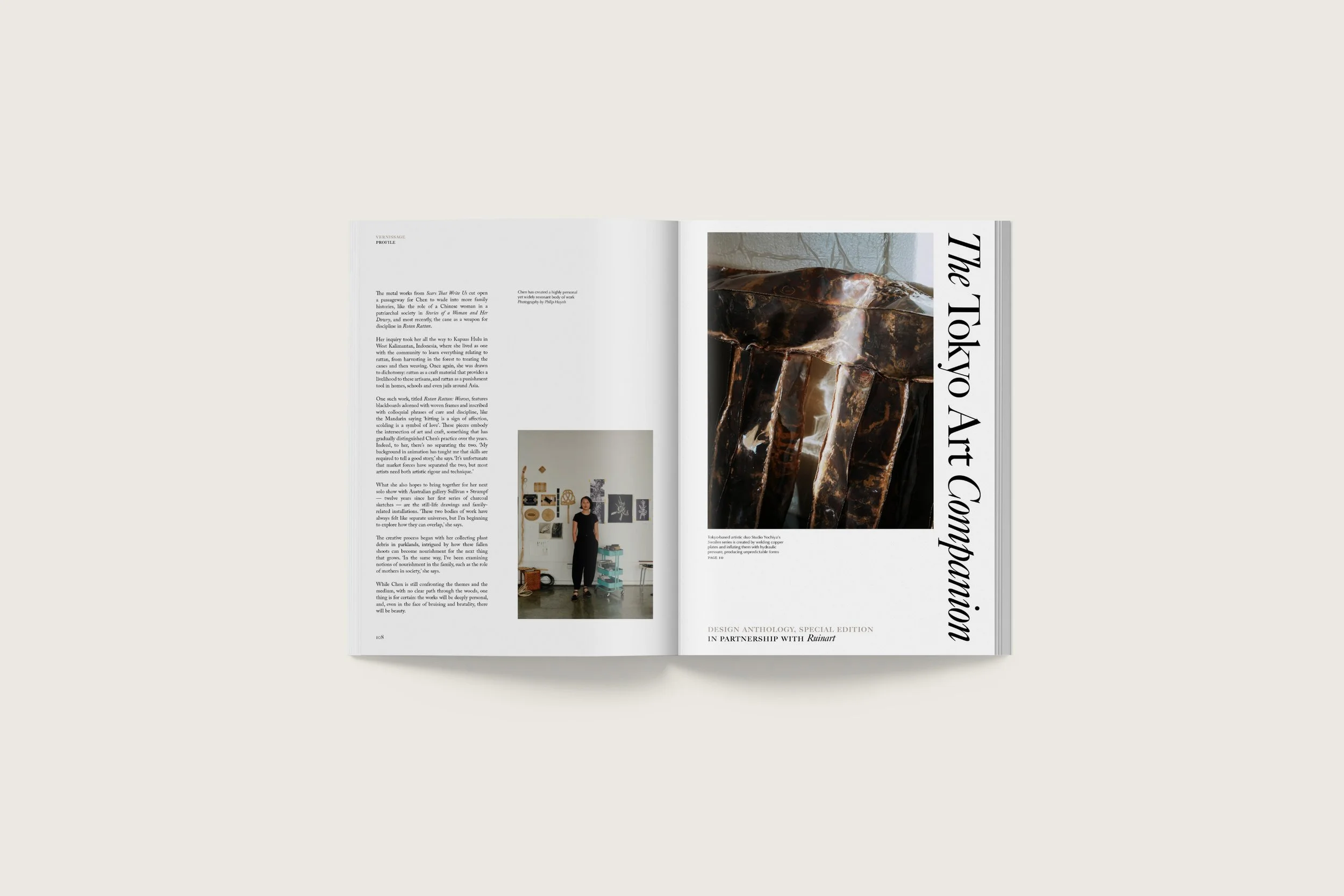
Flowers, steel and woven rattan become unlikely vessels for Singaporean artist Yanyun Chen’s exploration of inherited histories. Page 104
Profile
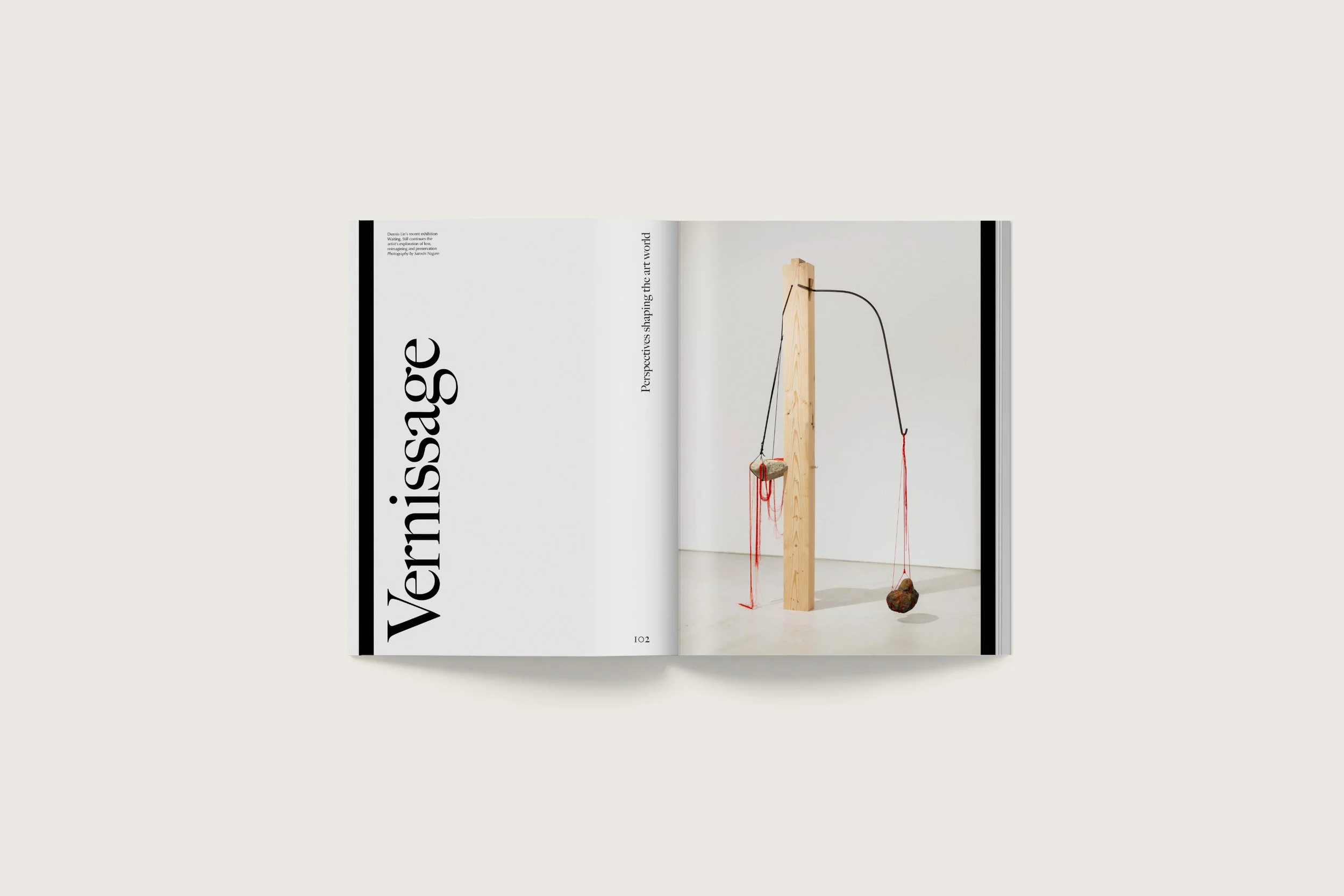
Paper from a Fengyuan factory. Incense from temple urns in Taipei. Dennis Lin’s recent work gathers what’s been left behind. Page 109
Special Edition
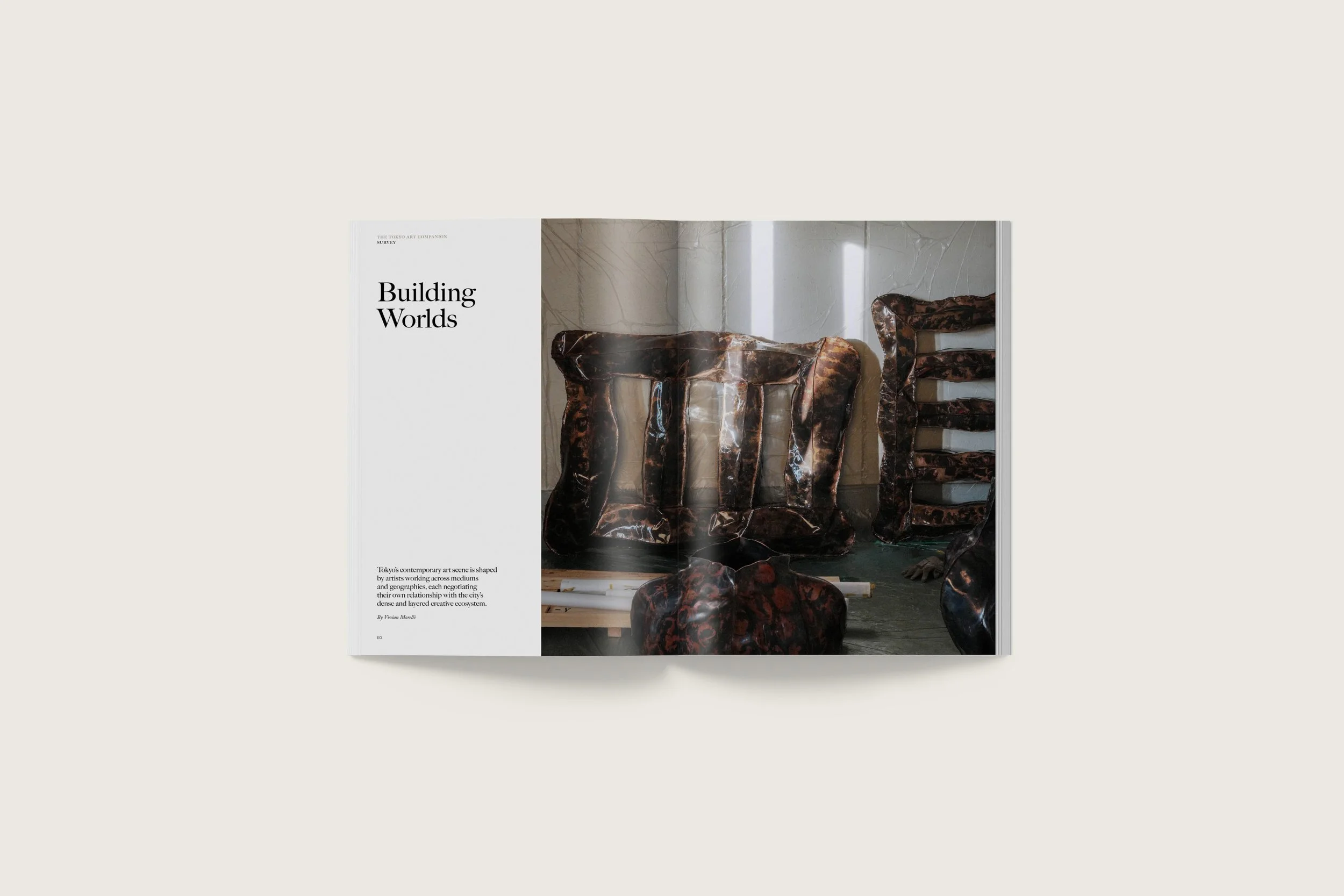
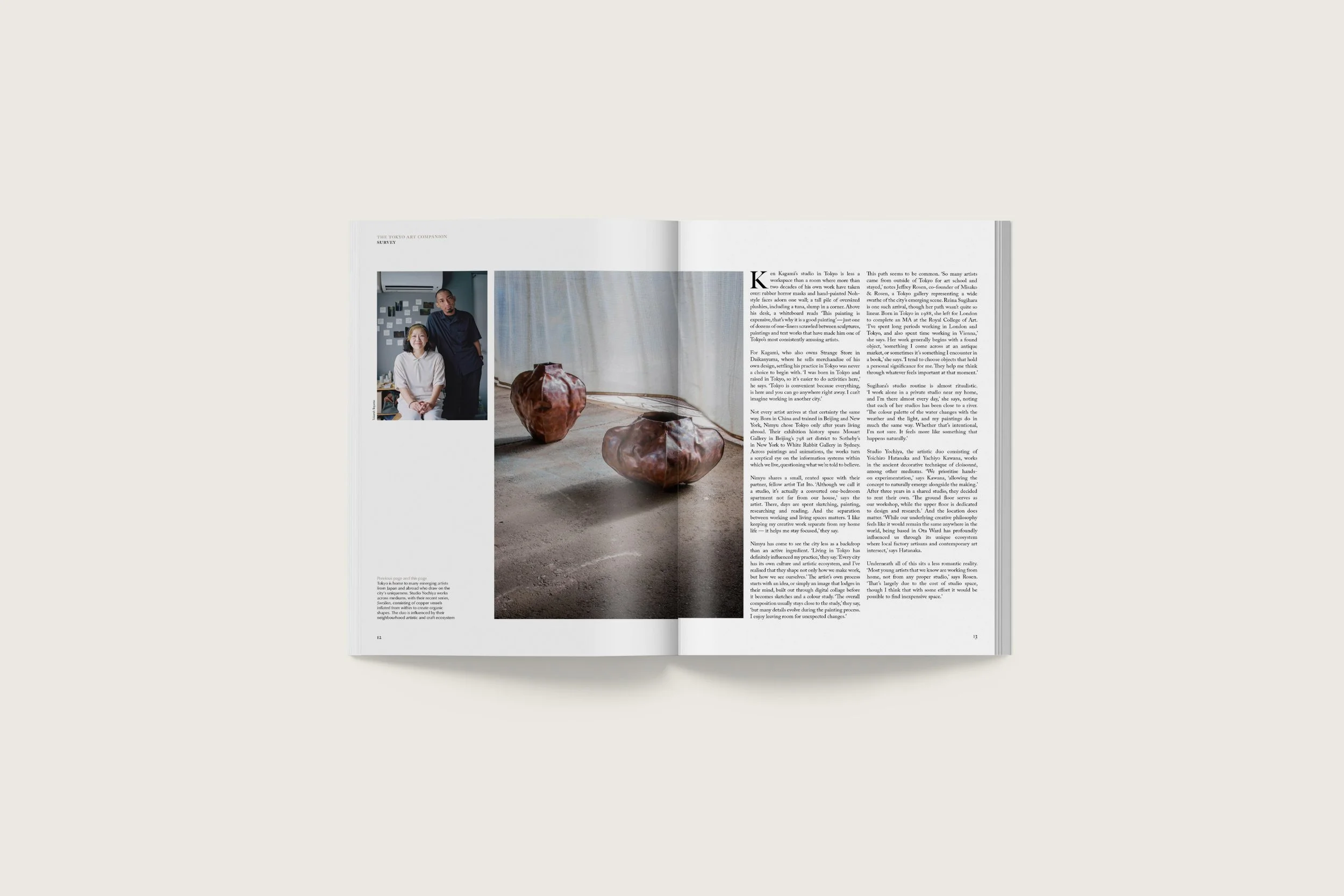
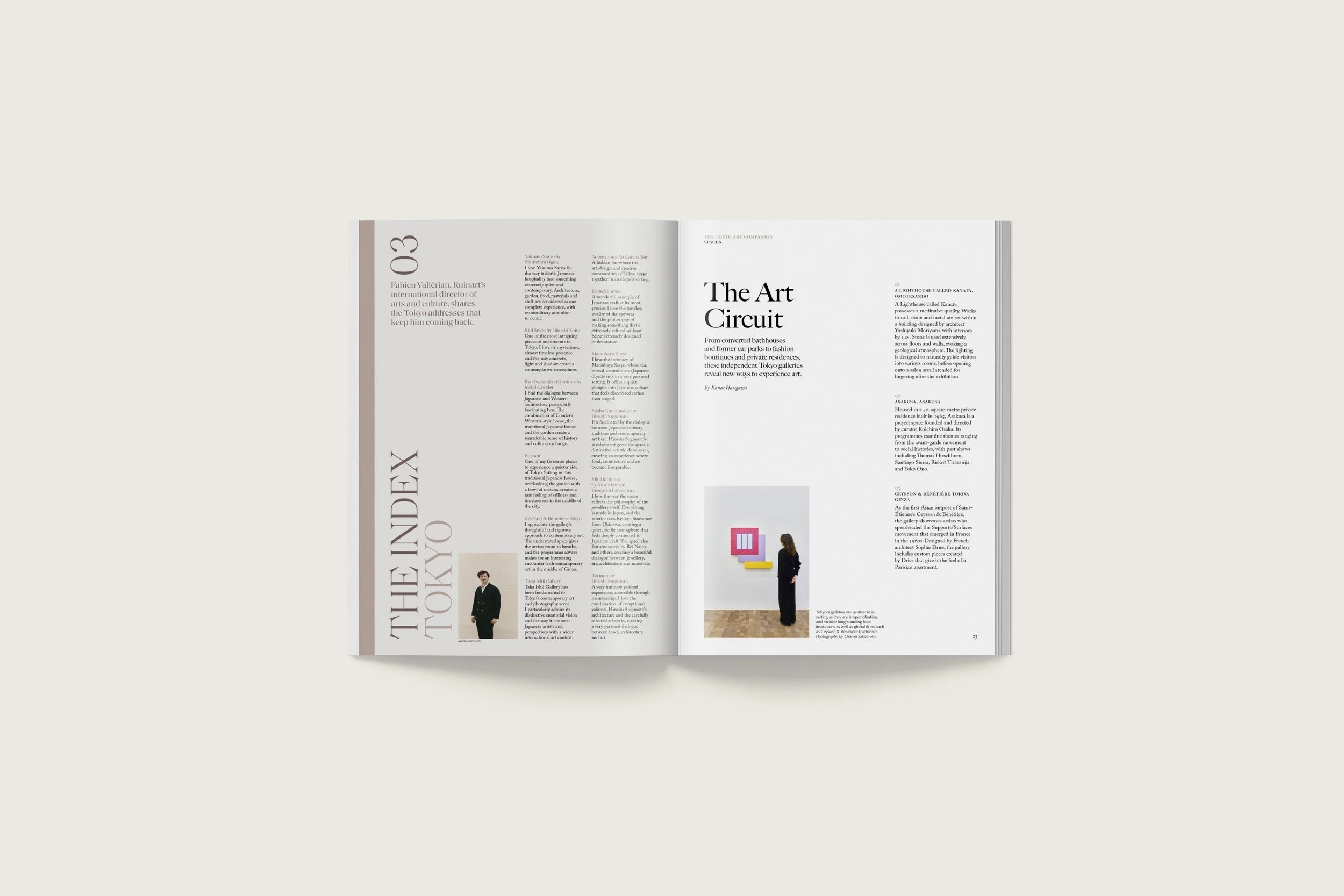
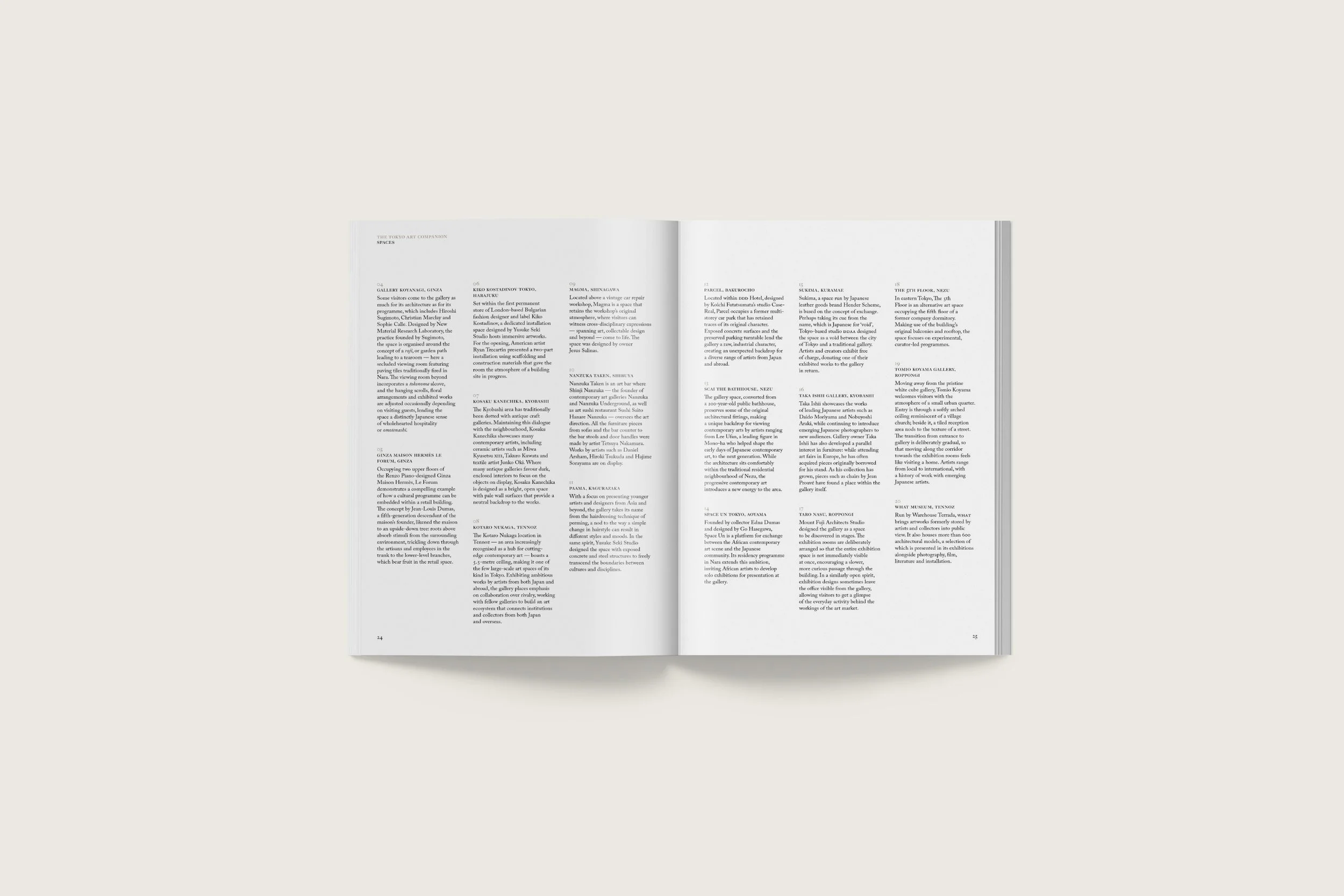
The Tokyo Art Companion
Our guide to the artists, collectors and independent galleries giving Tokyo’s art scene new energy
Home
Jakarta
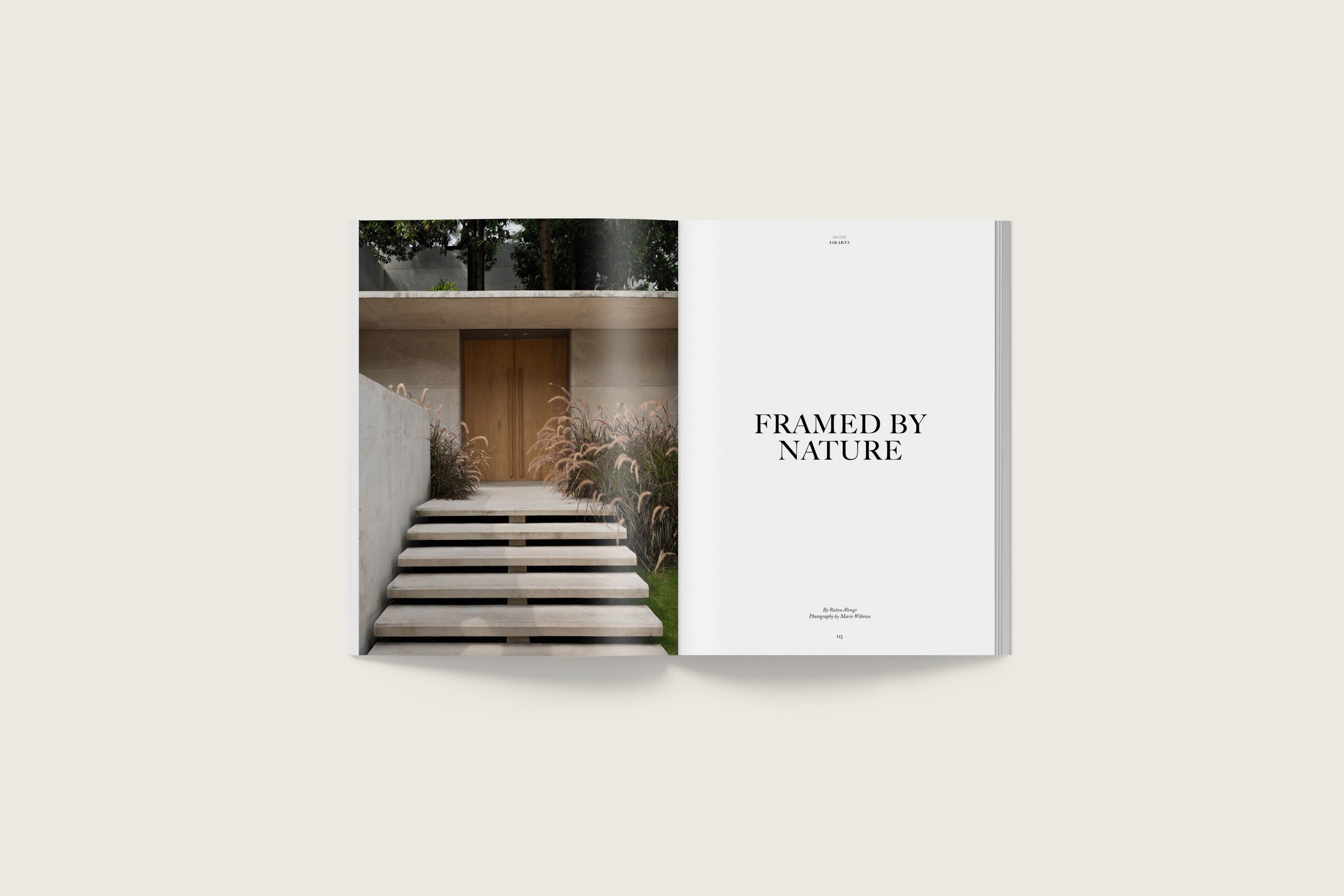
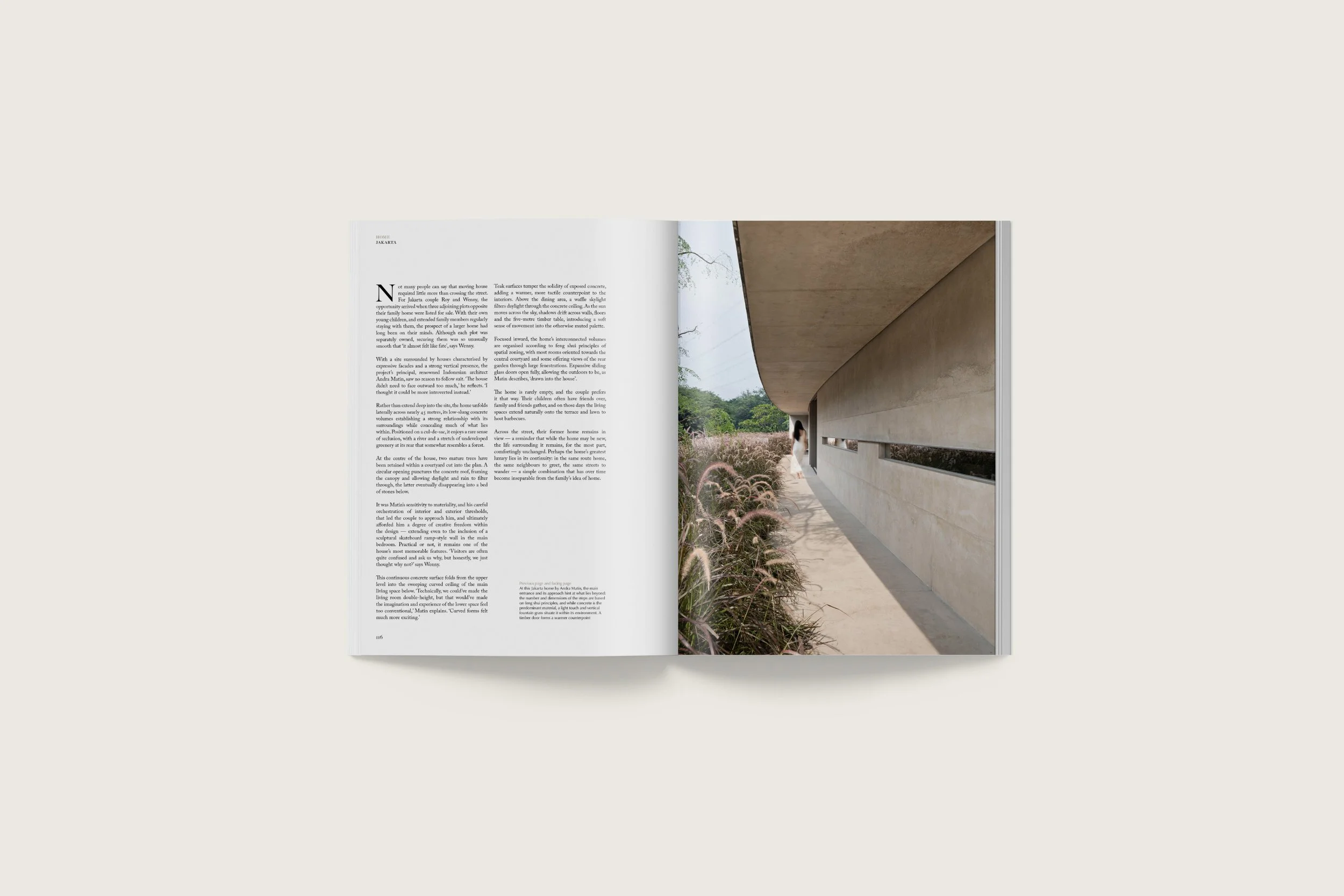
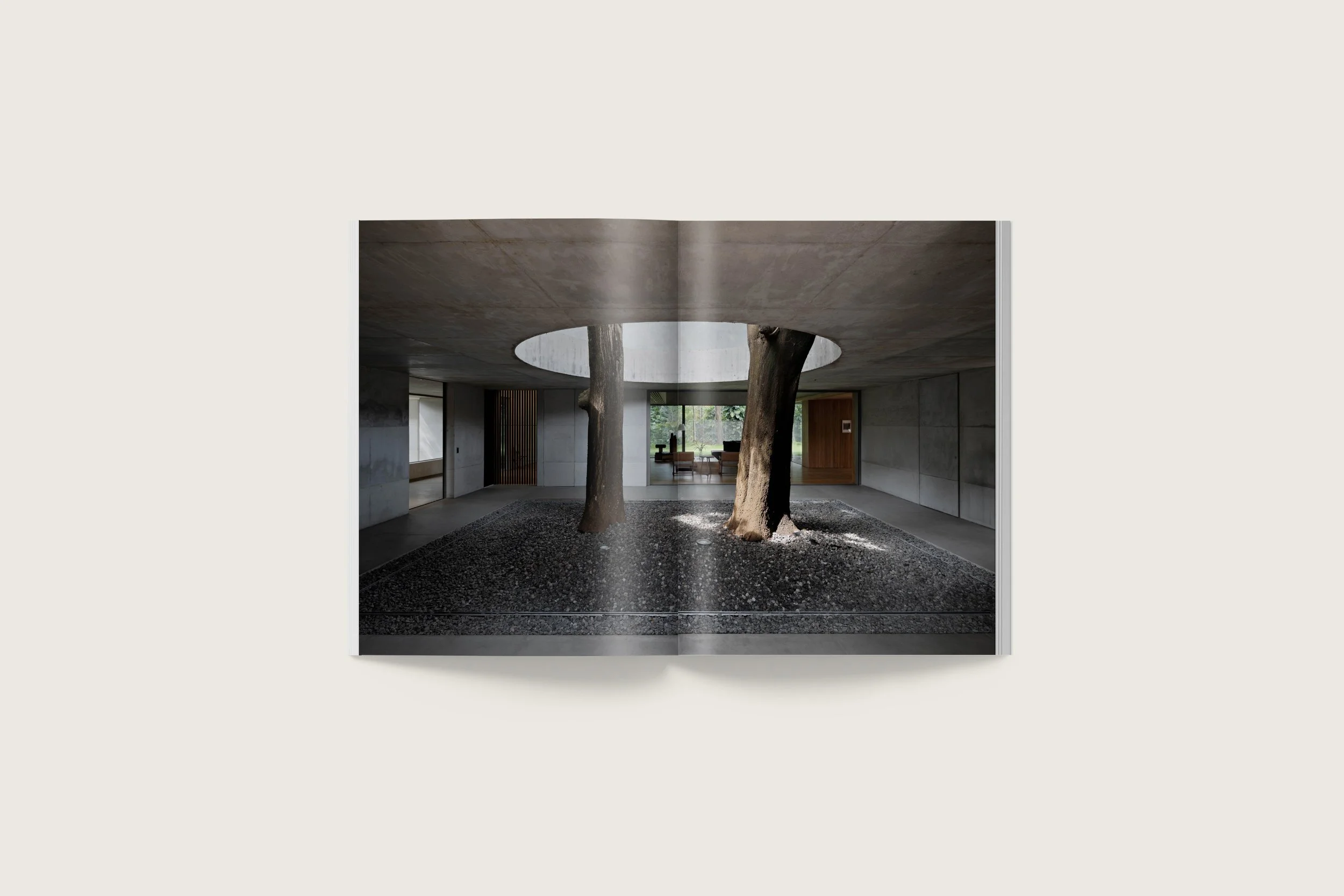
An Andra Matin-designed house that withdraws inwards to frame nature from within. Page 114
Sydney
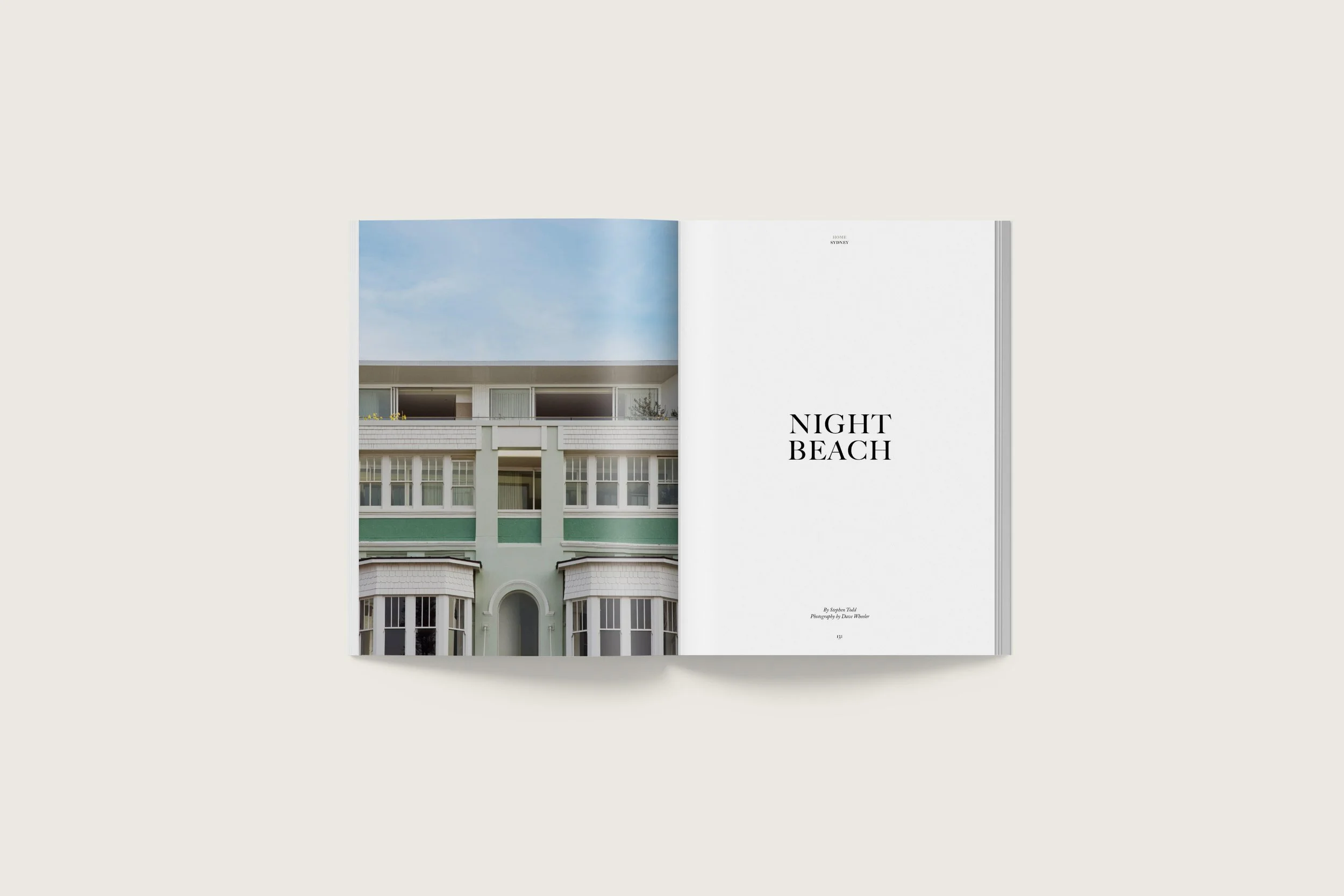
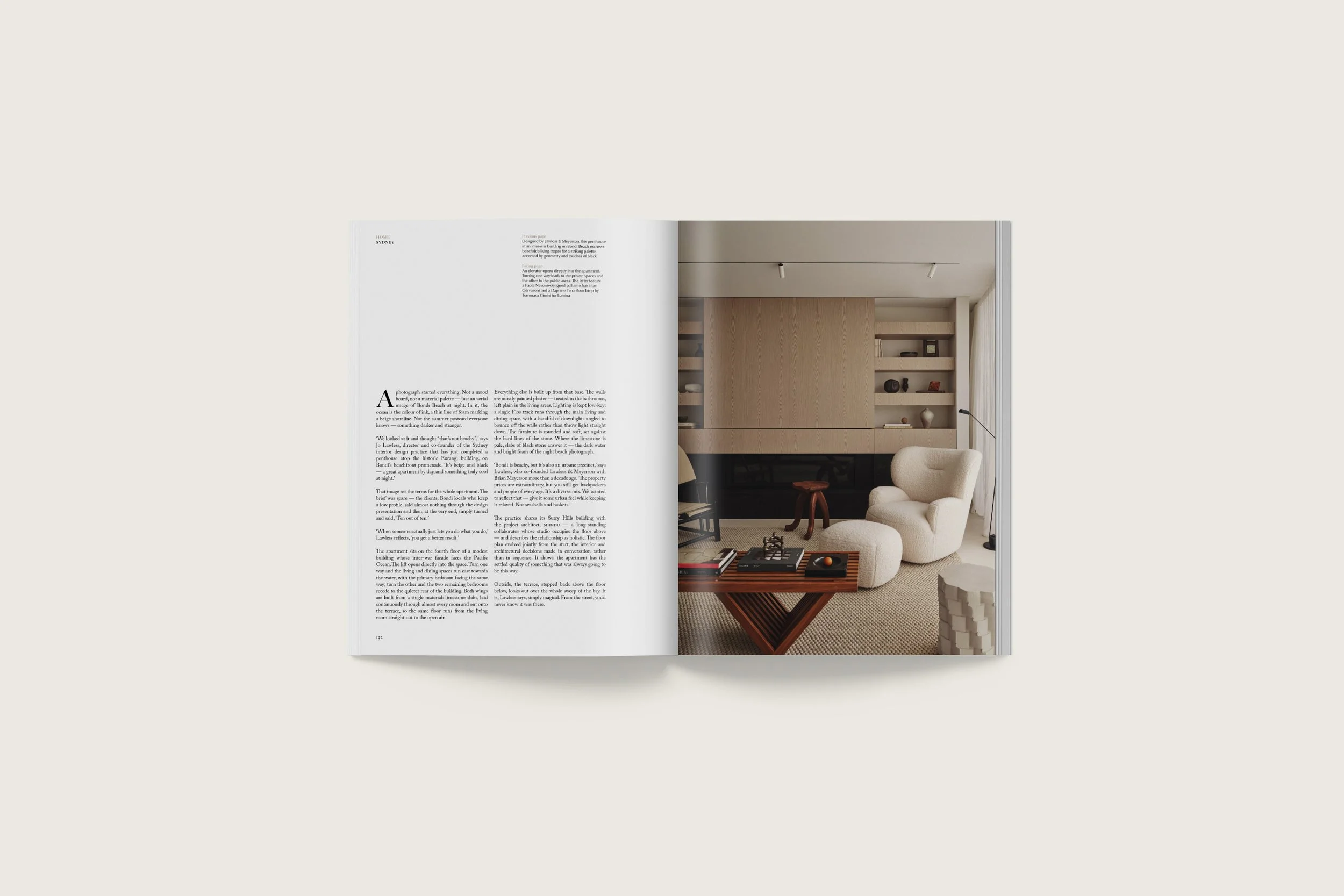
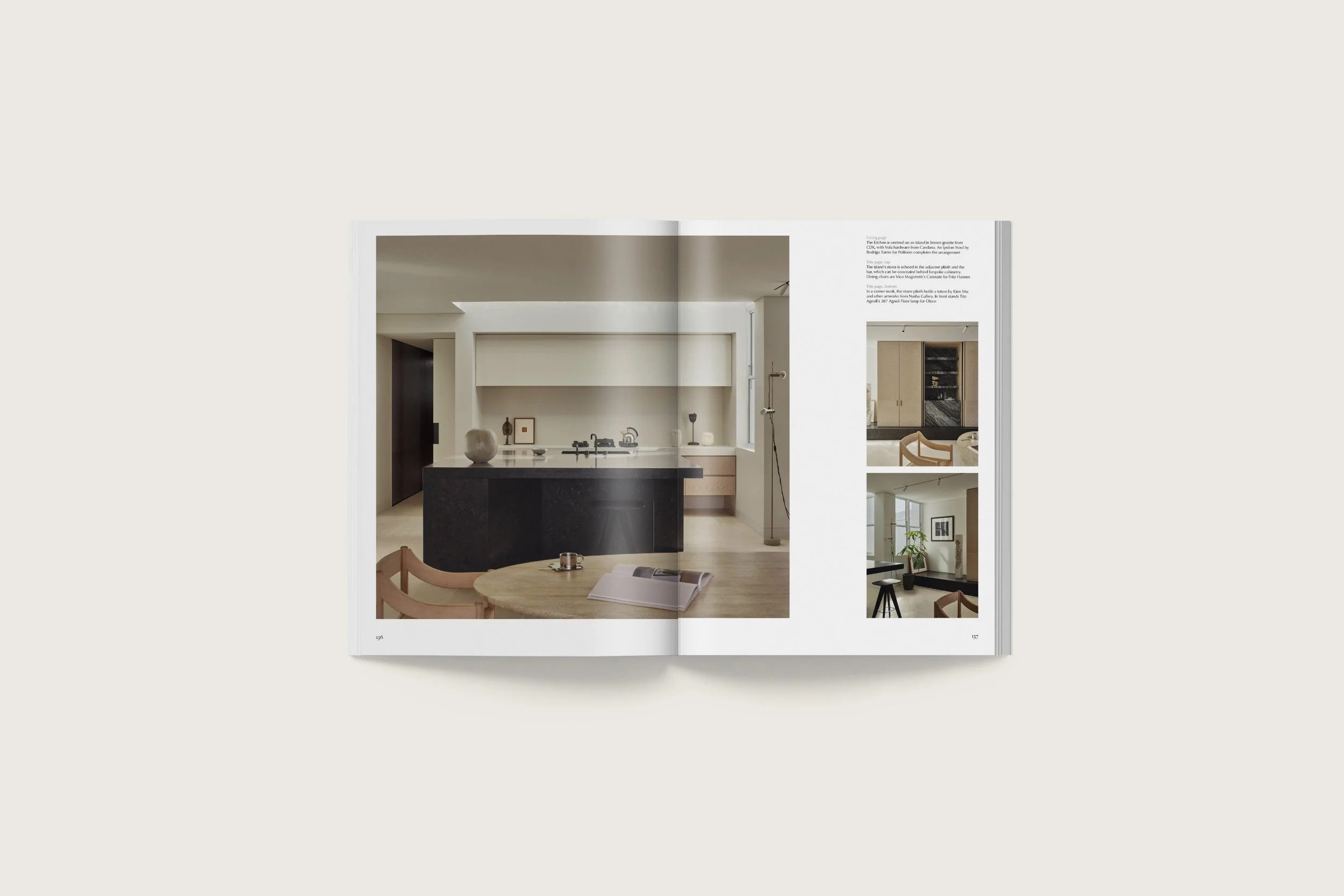
A Bondi penthouse that takes its black-and-beige palette from the beach after dark. Page 130
Hainan
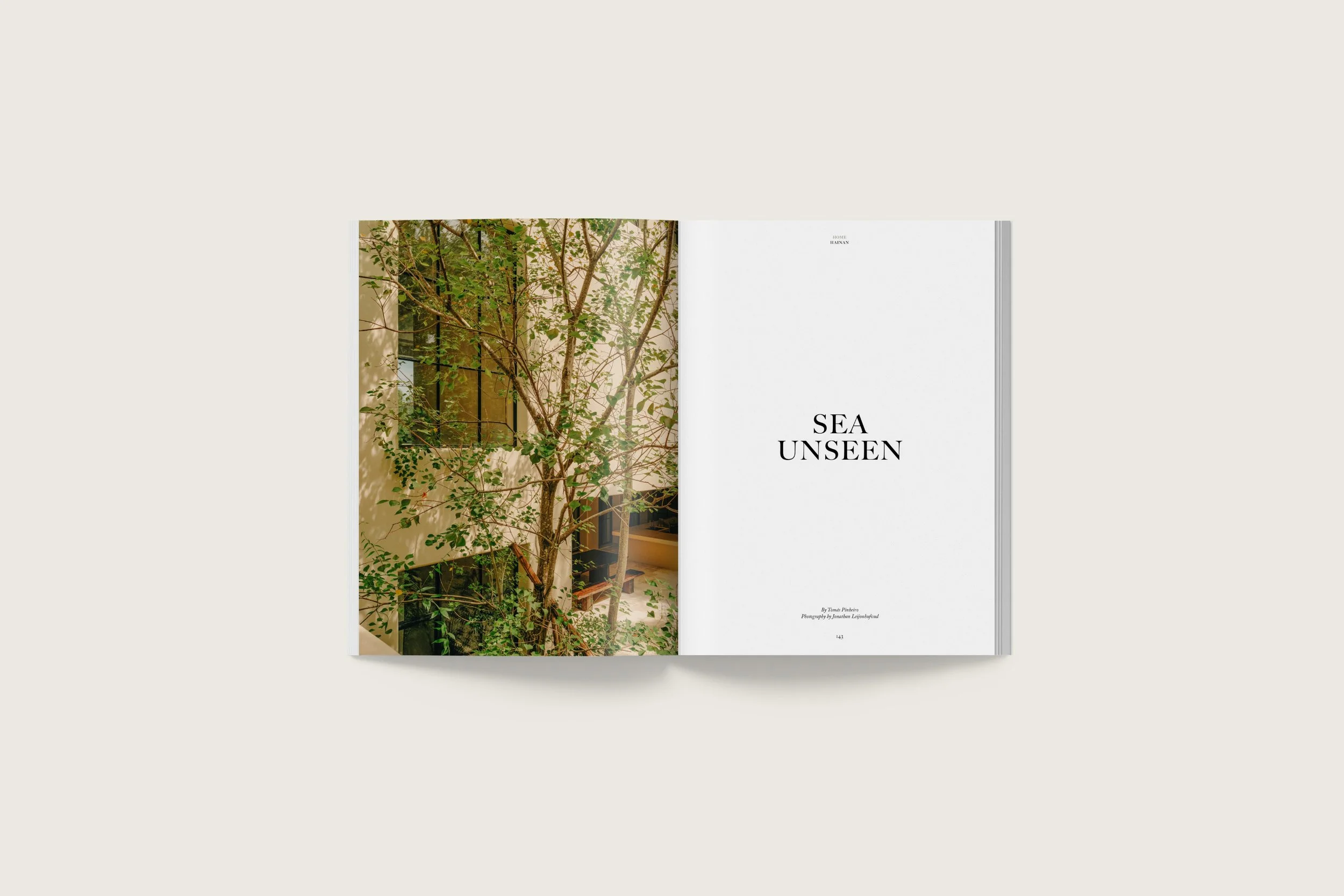
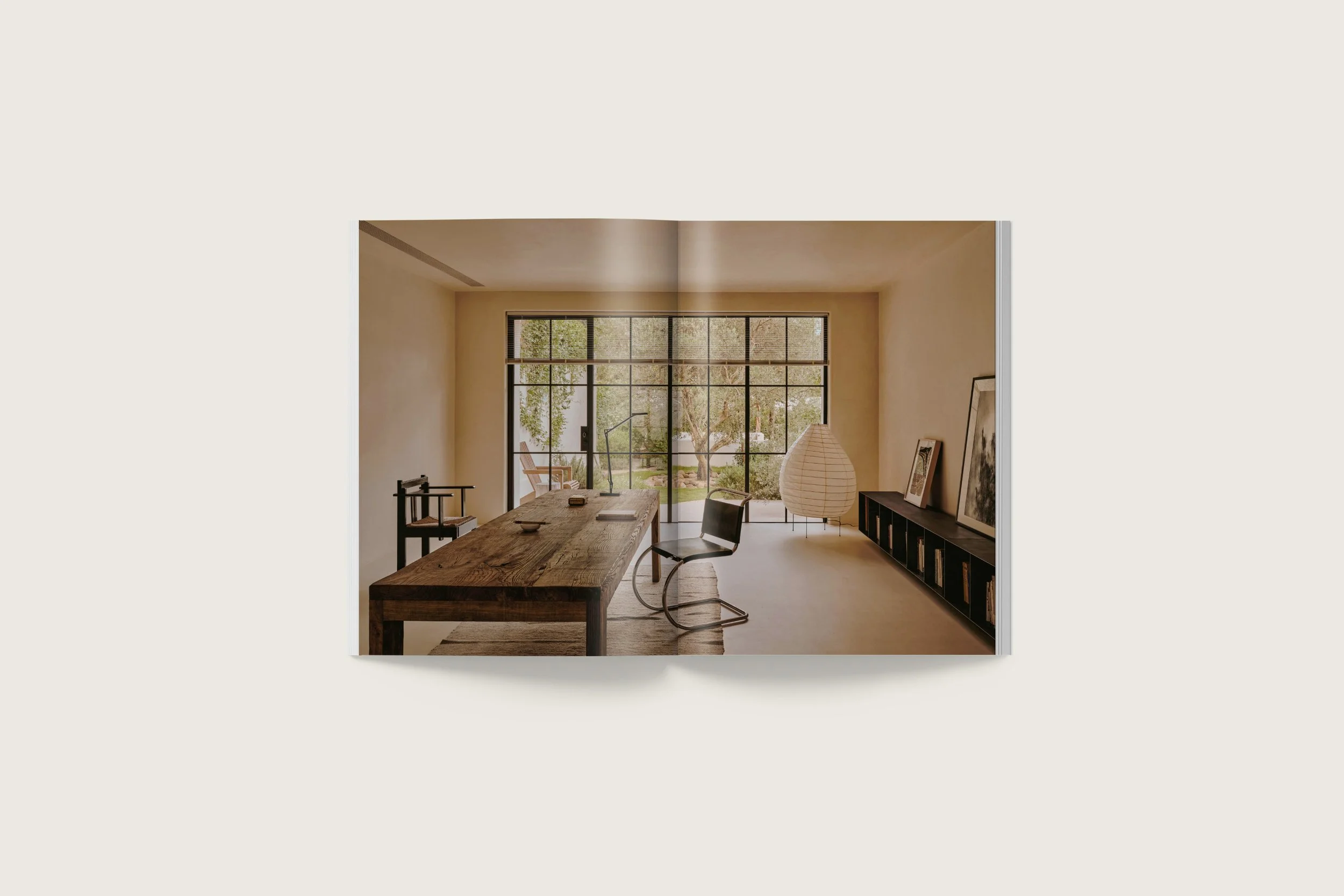
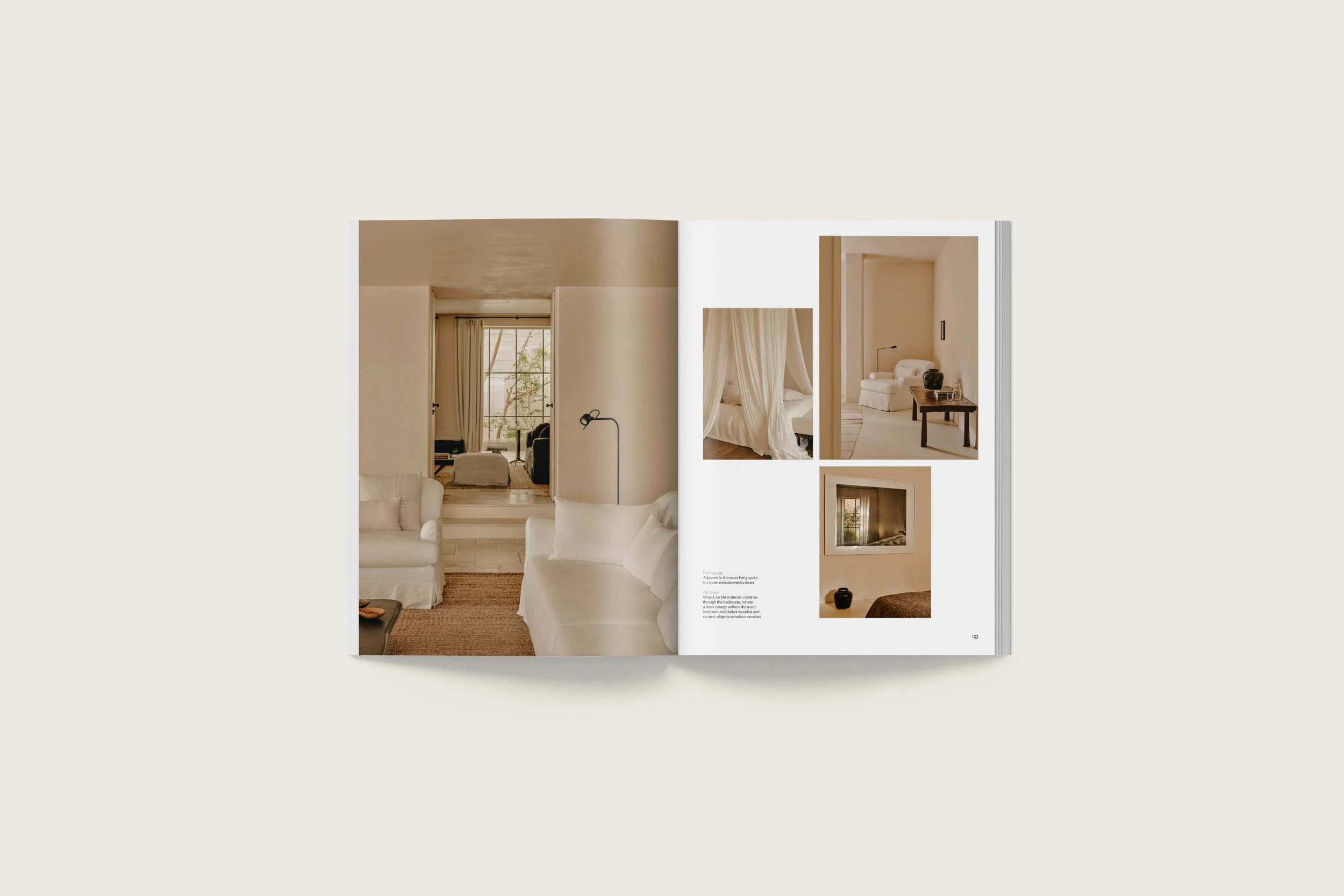
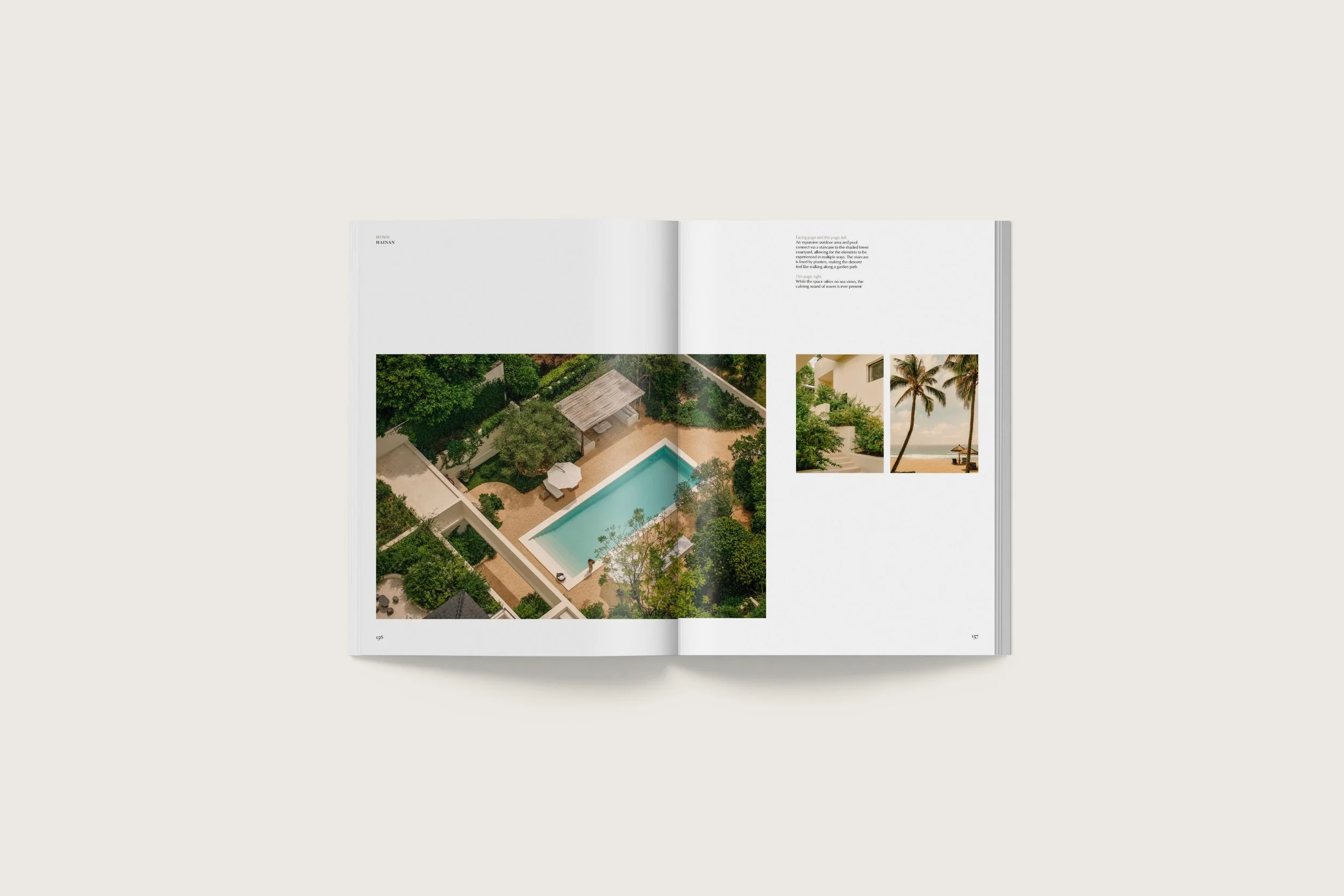
Signyan Design turns an unfinished coastal shell into a home organised around courtyards and the sound of the sea. Page 142
Singapore
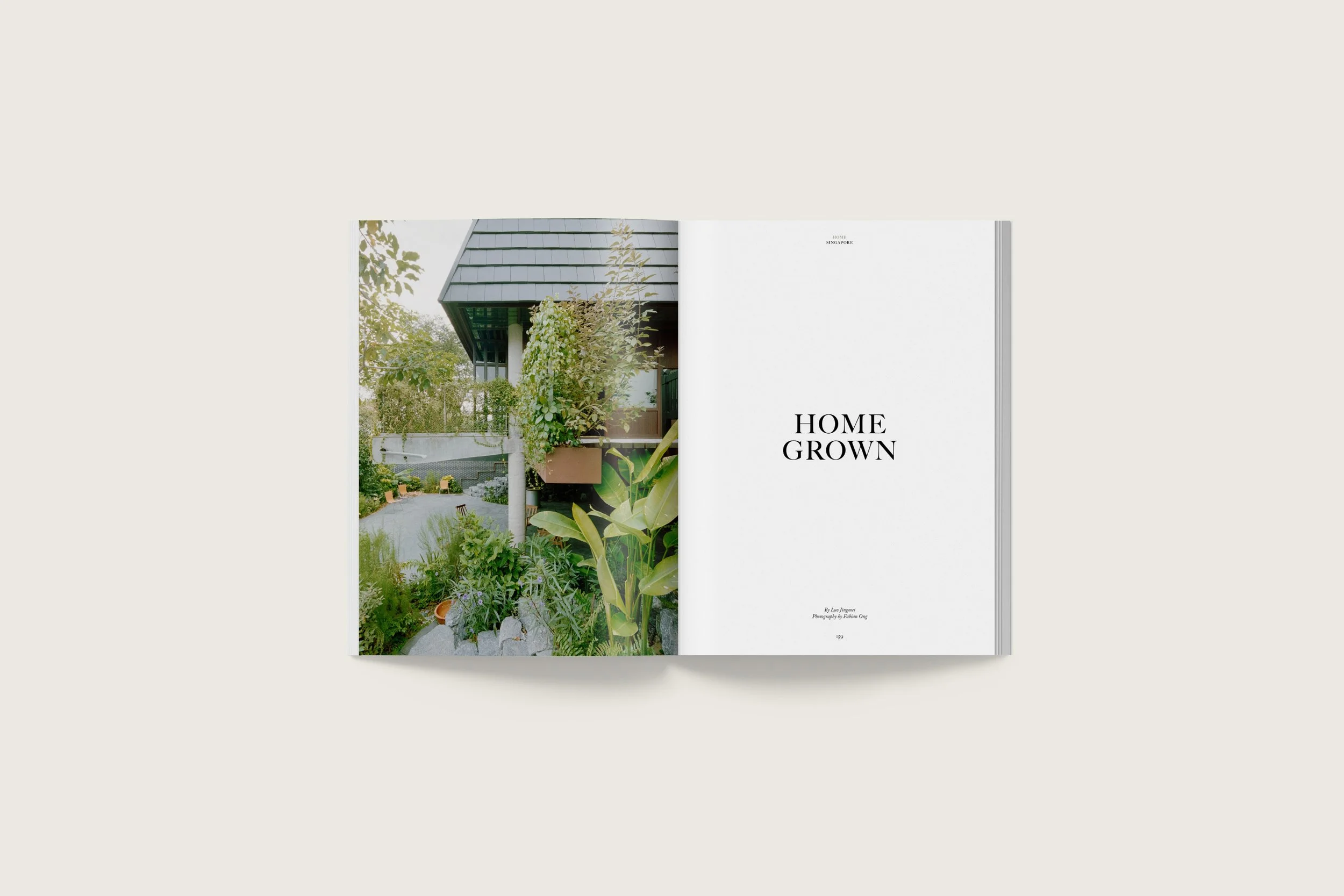
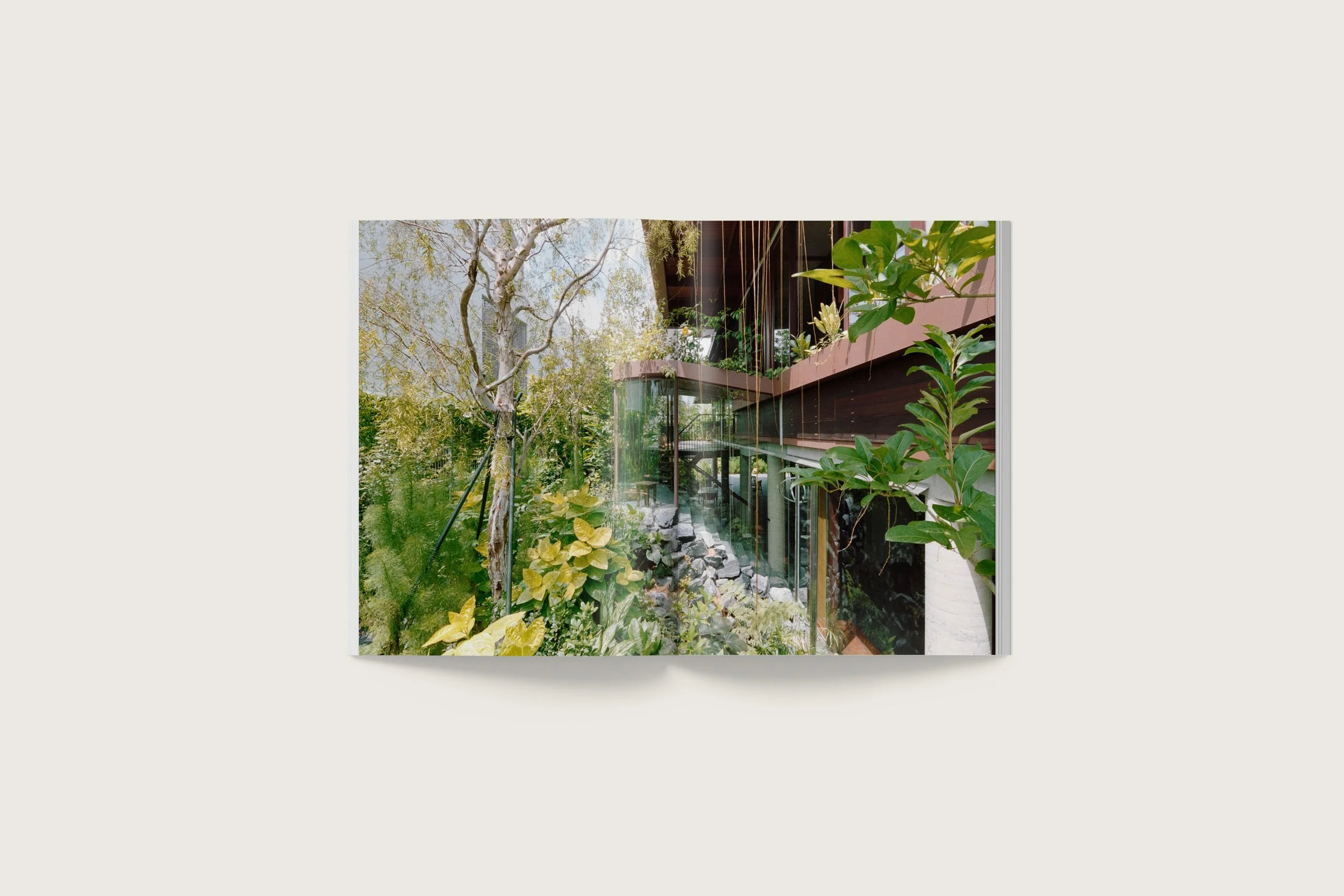
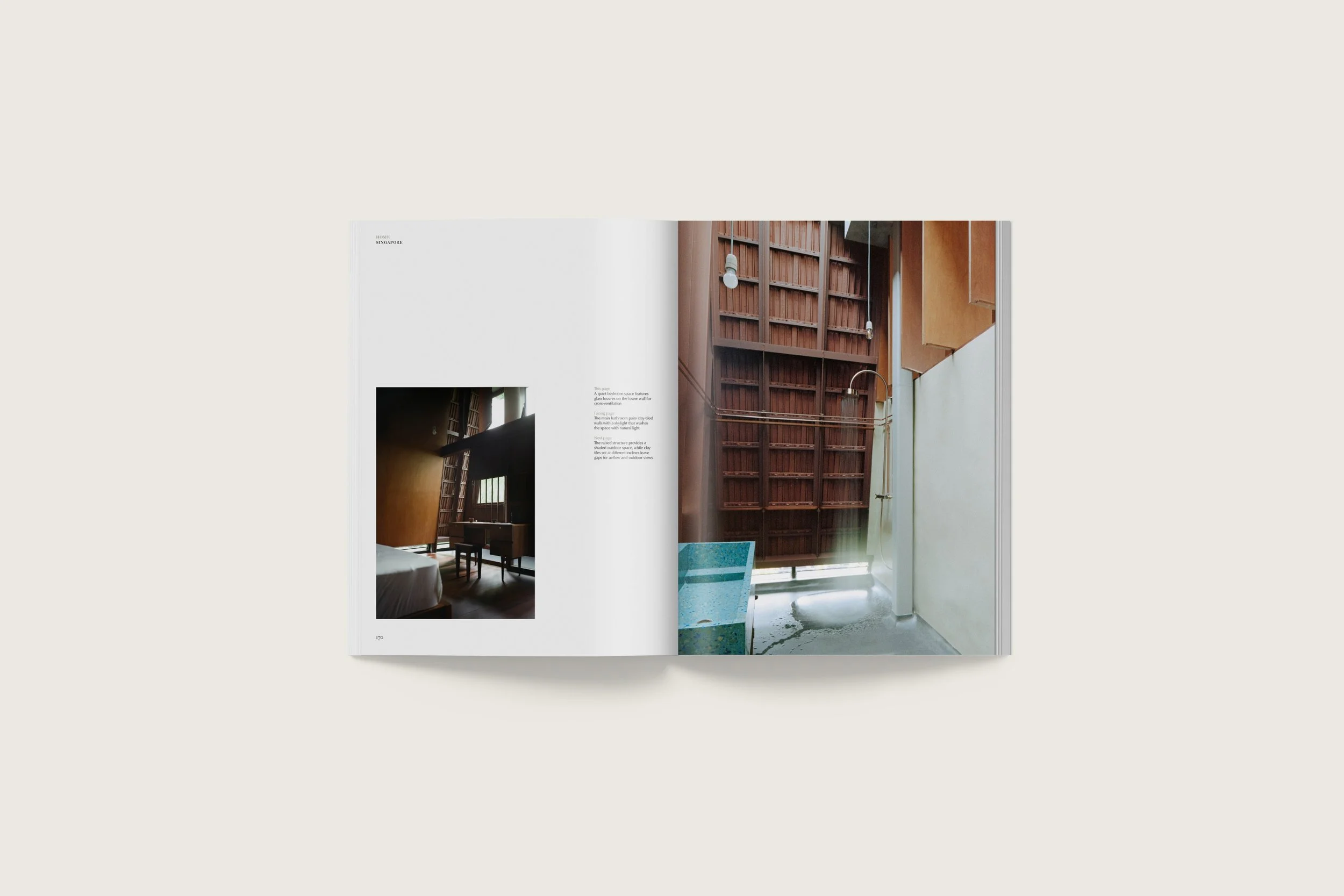
A biophilic house on Singapore’s east coast is home to three generations. Page 158
Uttarakhand
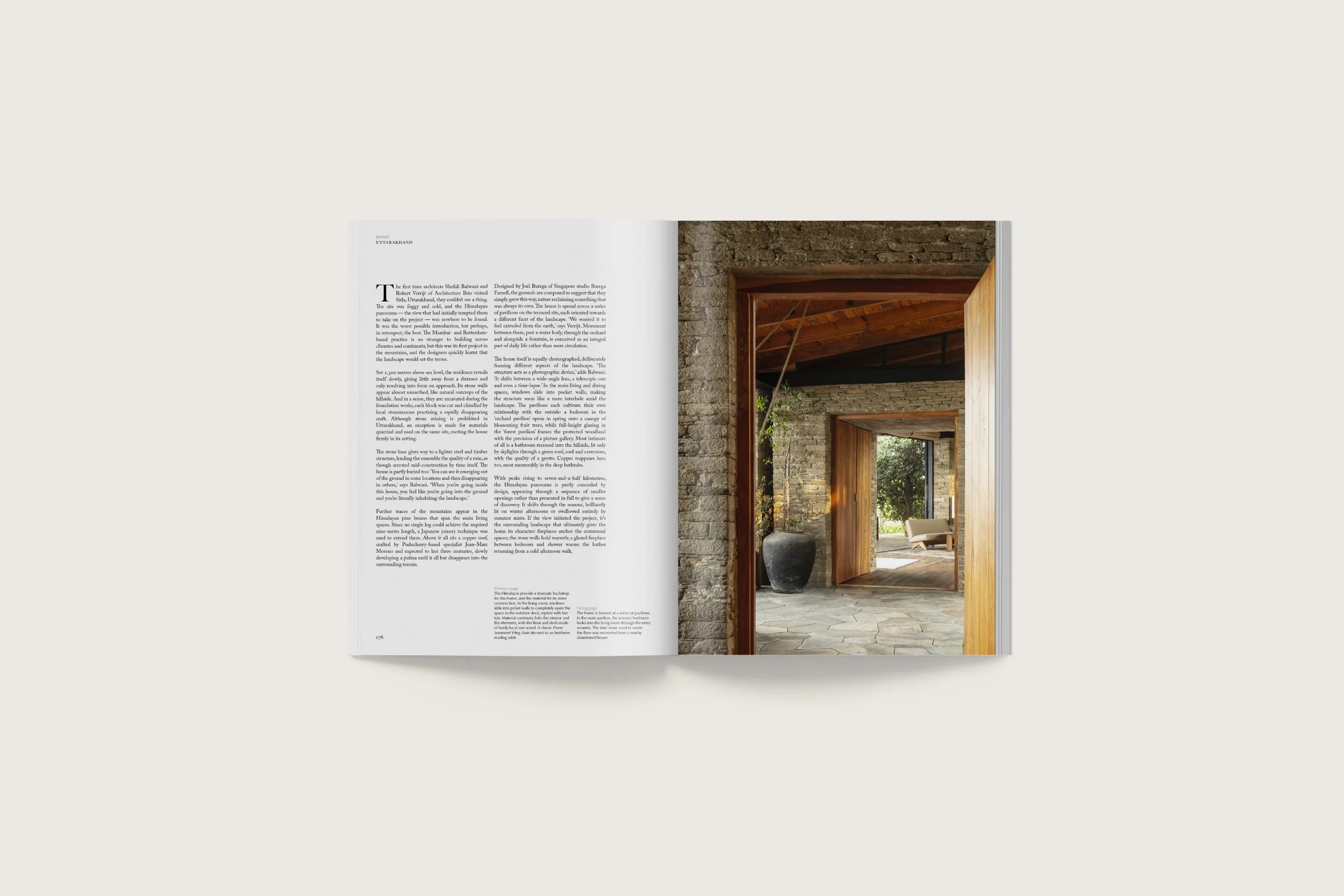
Built into the mountainside, this Himalayan retreat uses openings and orientation to gradually reveal and frame its surroundings. Page 174
Architectonics
Reuse
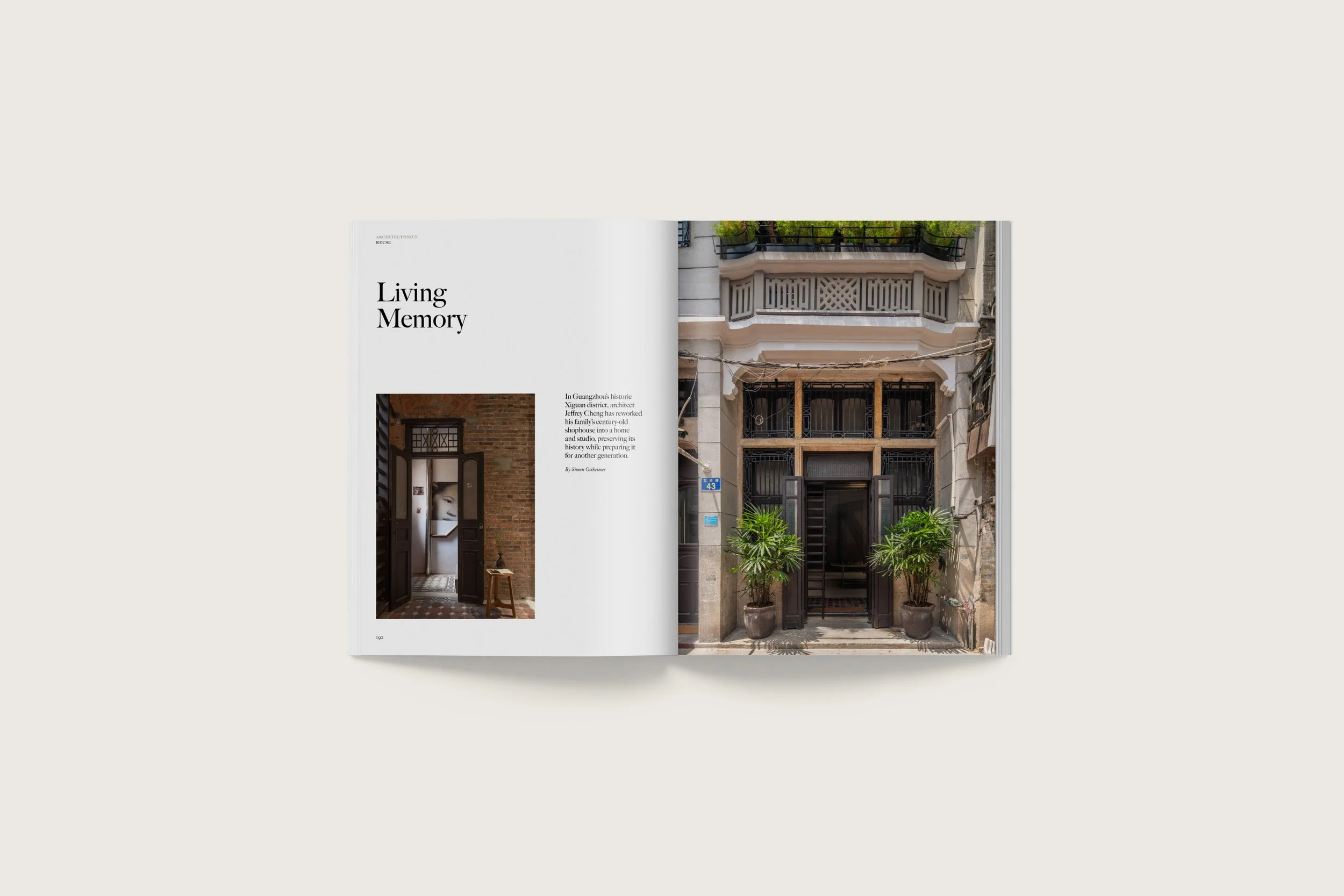
Architect Jeffrey Cheng has renovated his family’s century-old Guangzhou home without erasing its past. Page 192
Survey
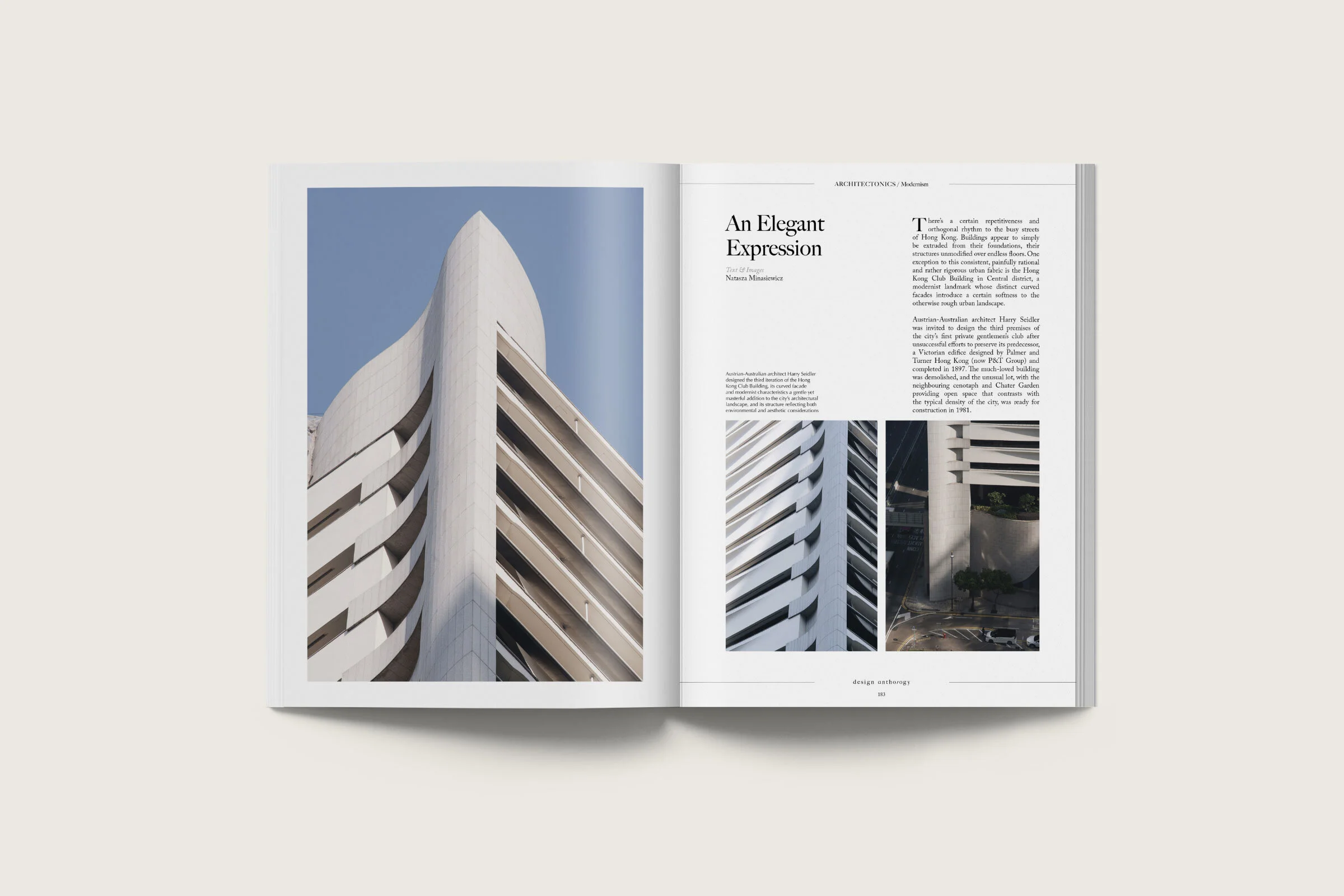
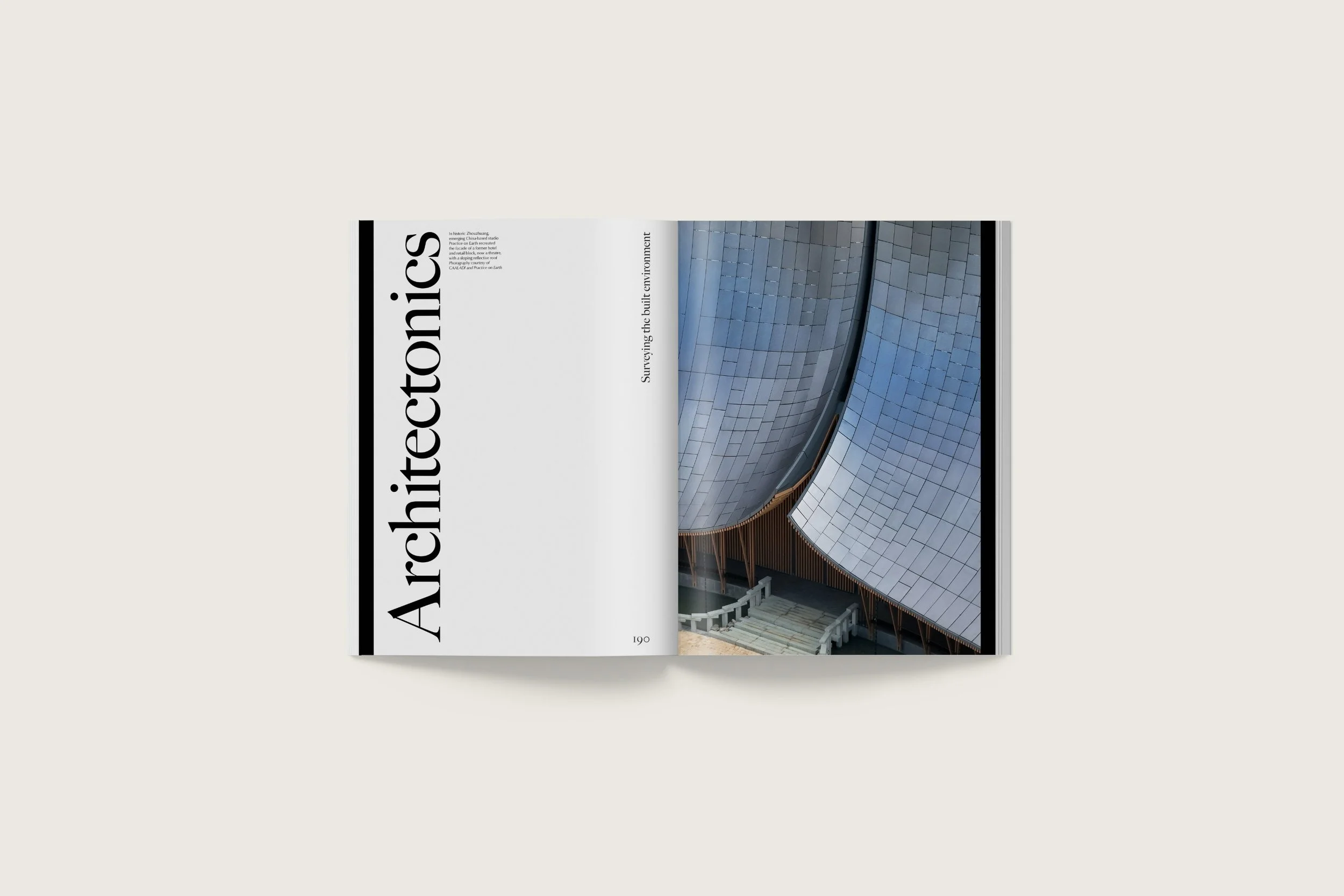
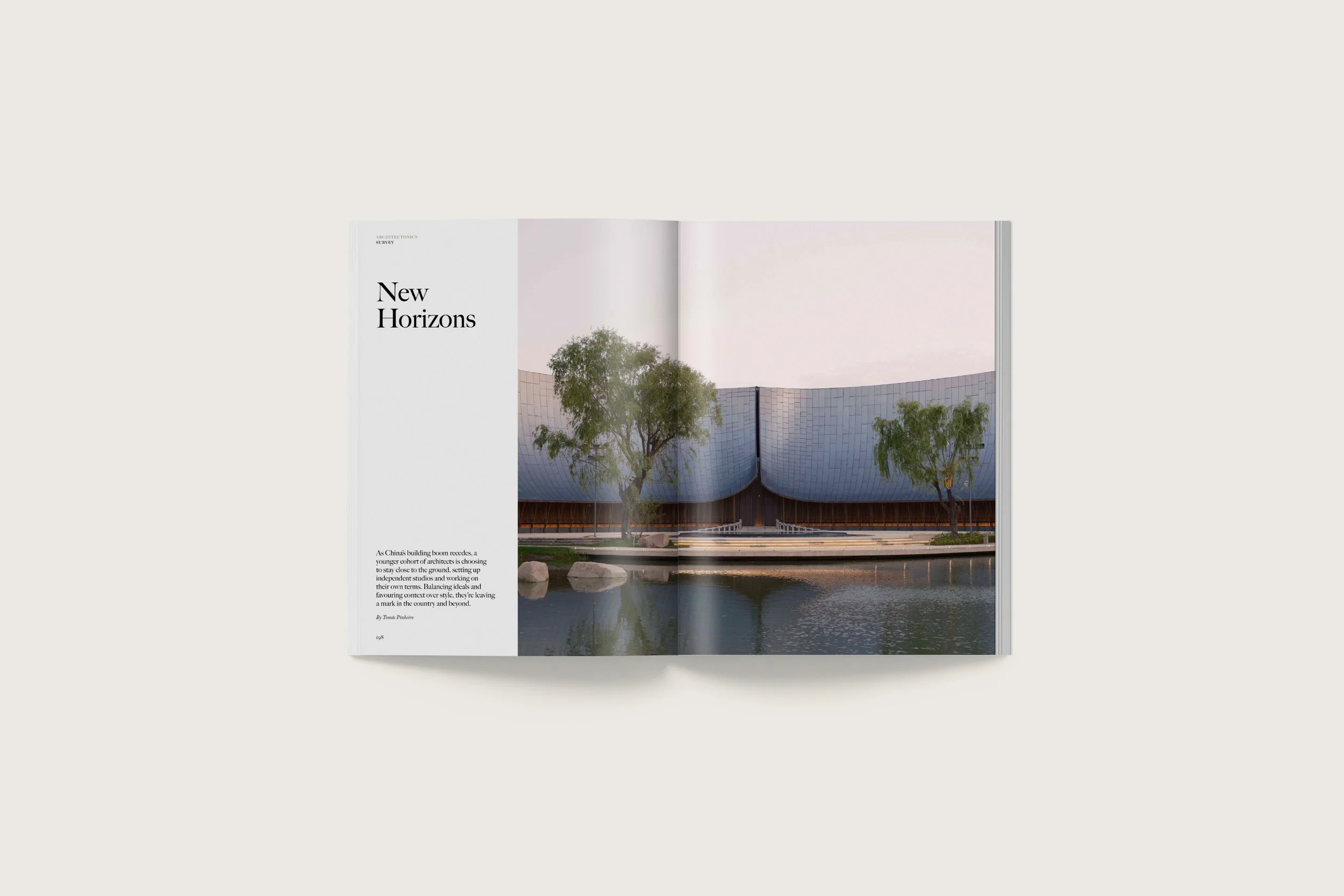
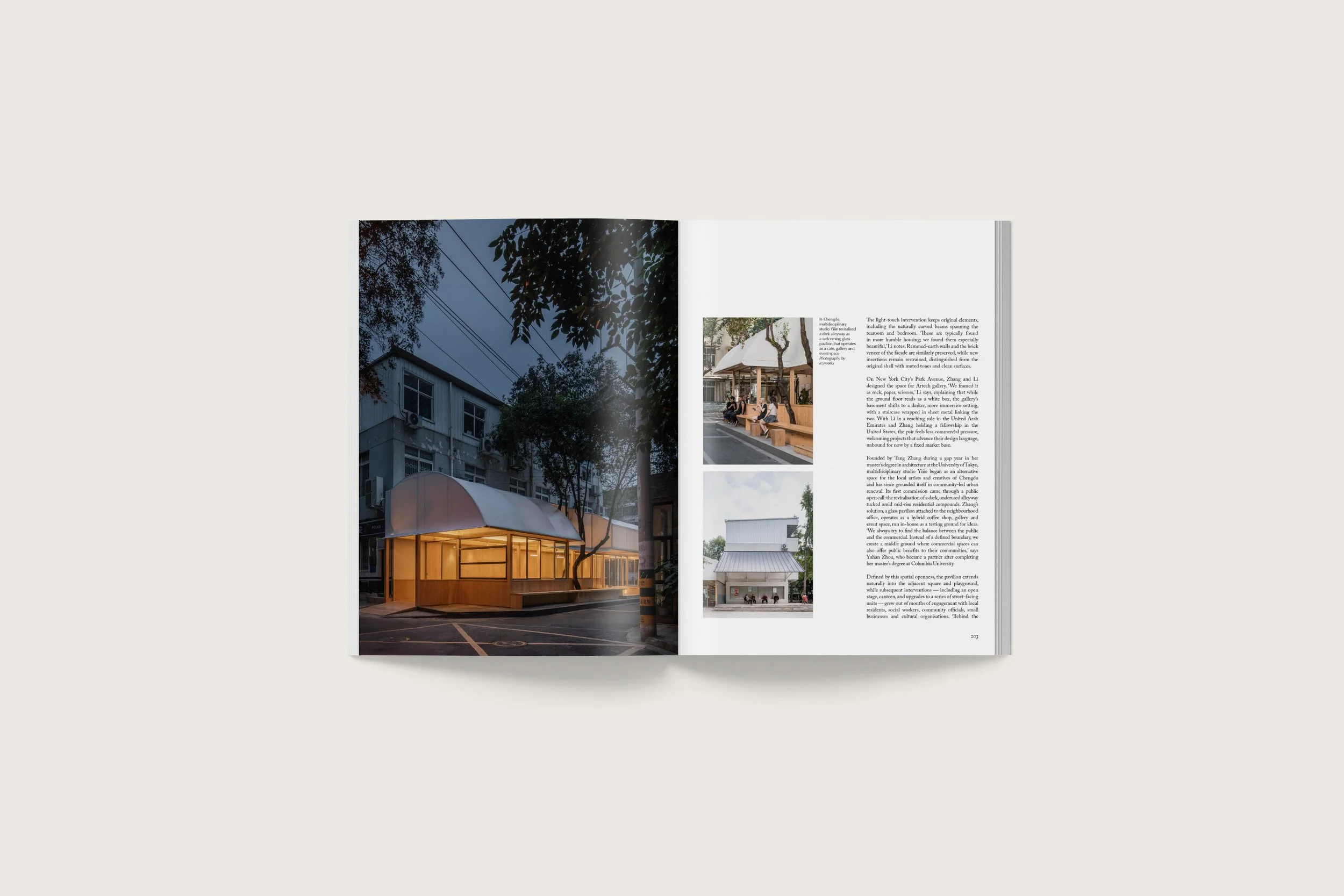
A new generation of Chinese architects is turning familiar places into testing grounds for new ideas. Page 198
The Building
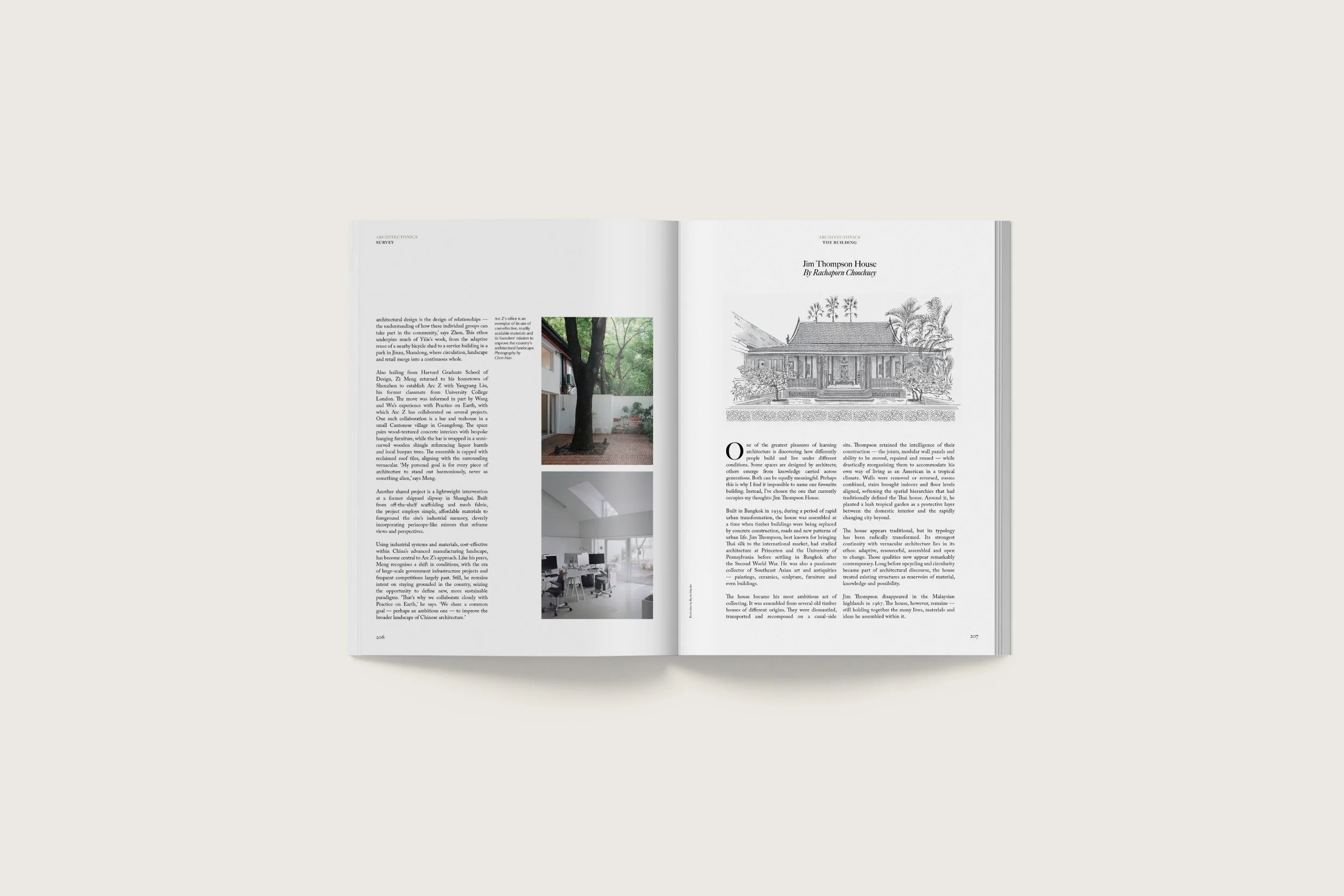
Rachaporn Choochuey reflects on the enduring lessons of Jim Thompson House, one of Bangkok’s most celebrated historic homes. Page 207
Signals
The Flâneur
A flâneur is an urban explorer, and in our rotating column, our writers share their musings, observations and critiques of the urban environment in cities around the world. In this issue, painter and writer Saadia Waqas walks through Lahore’s walled city, where layers of myth, empire and everyday life share the same narrow ground. Page 208