A Call to Preserve Kenzo Tange’s Modernist Ship Gymnasium
The longstanding symbol of Japan’s post-war creative resurgence is at risk of being demolished, but a campaign to save it is gathering pace
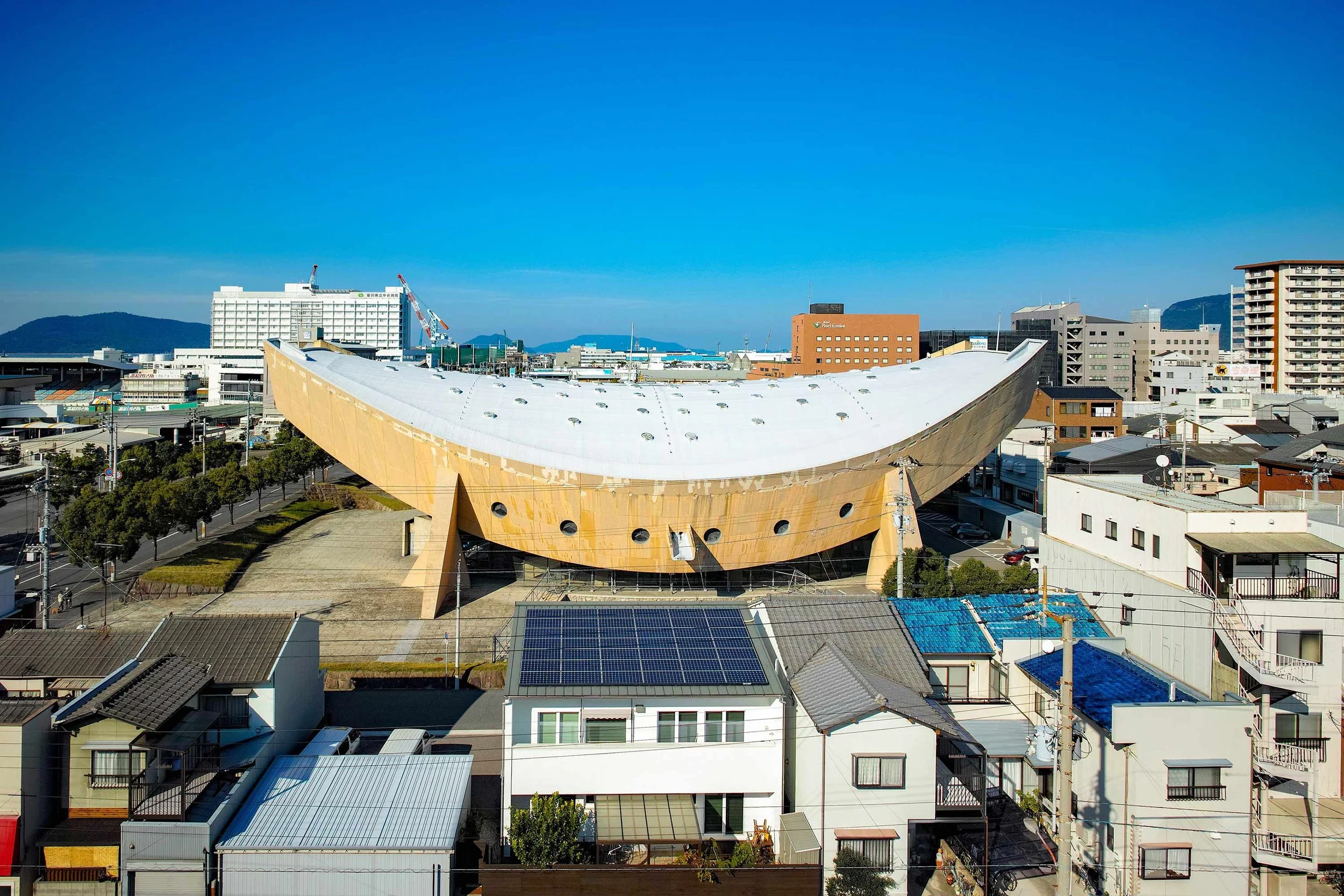
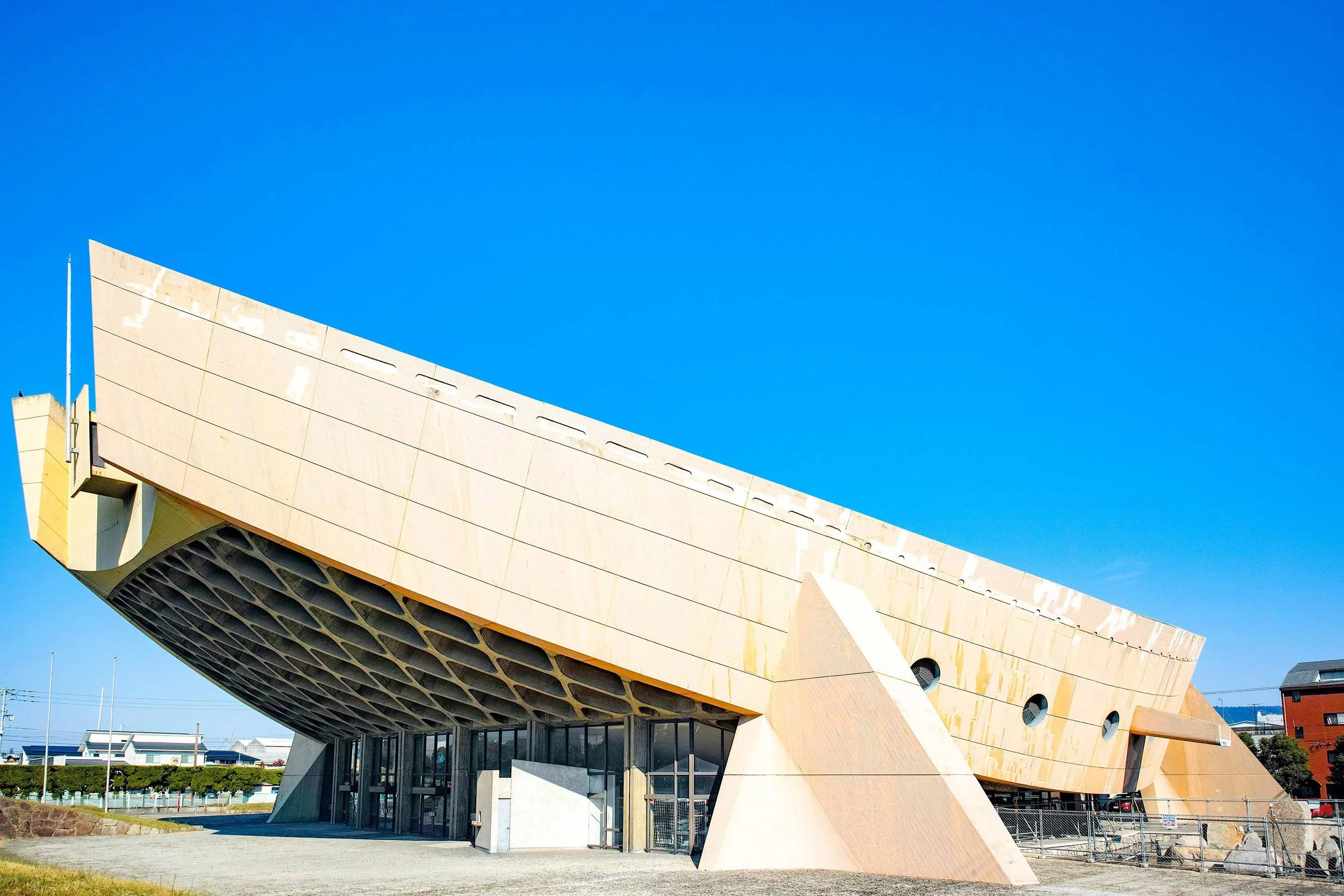
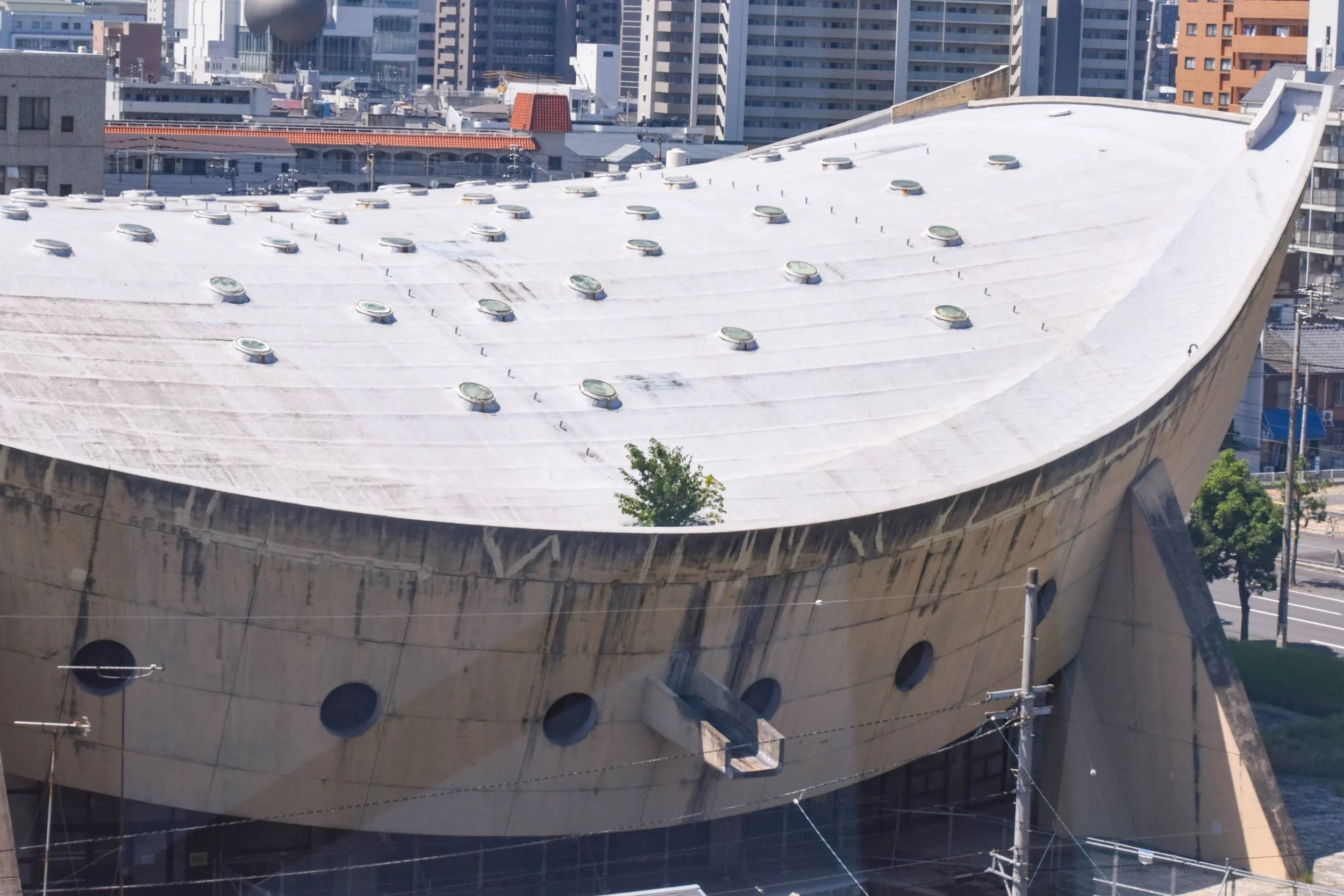
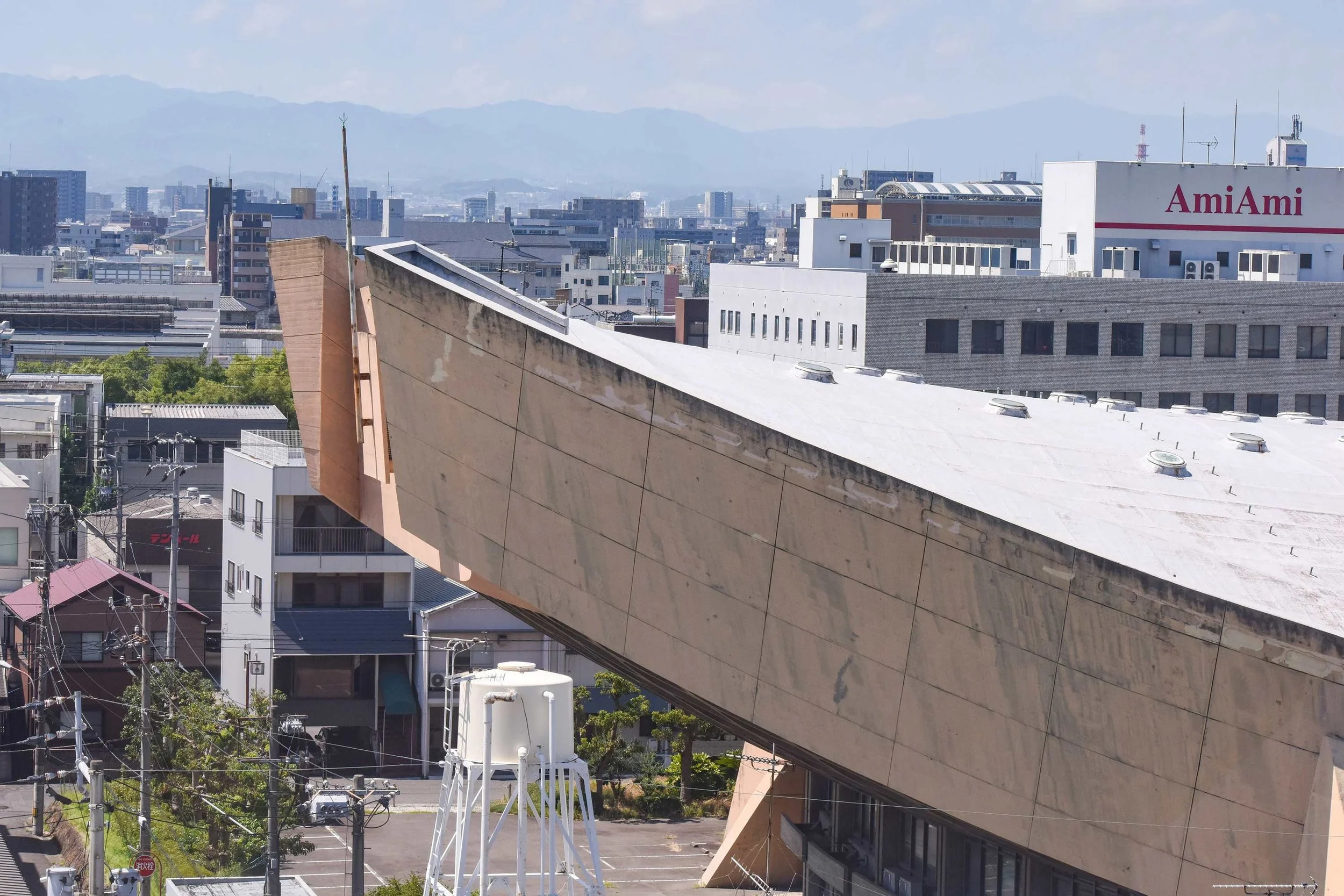
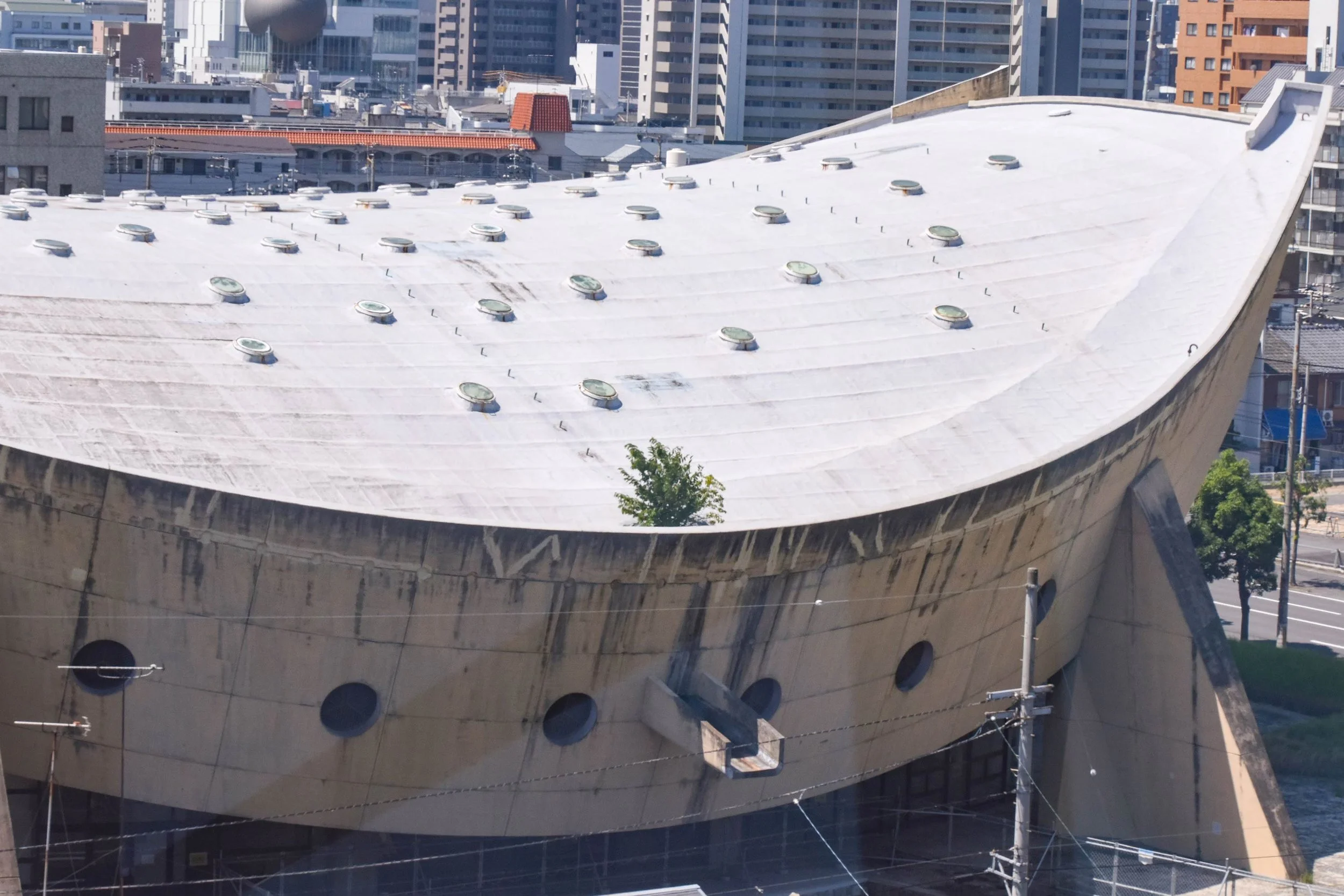
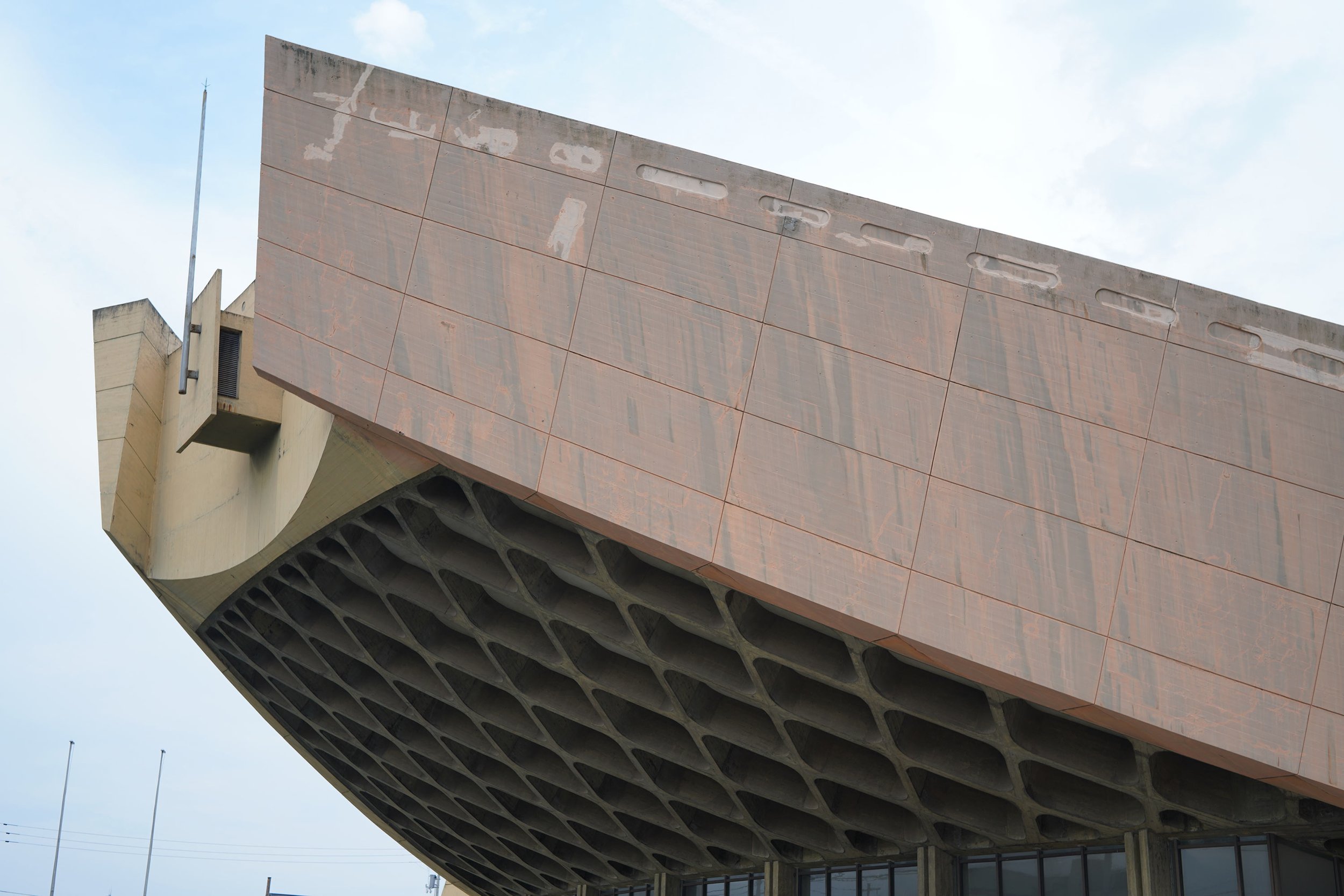
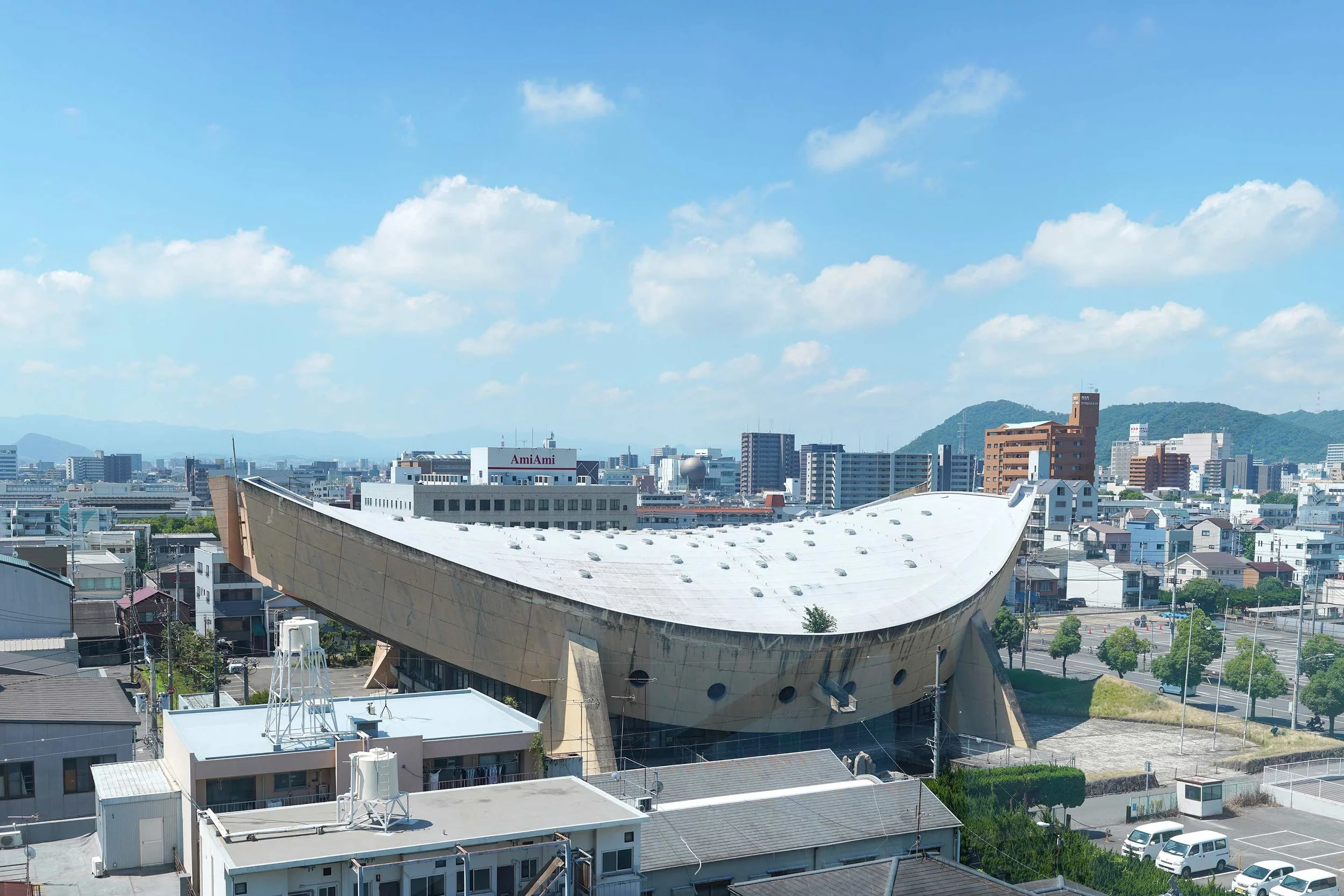
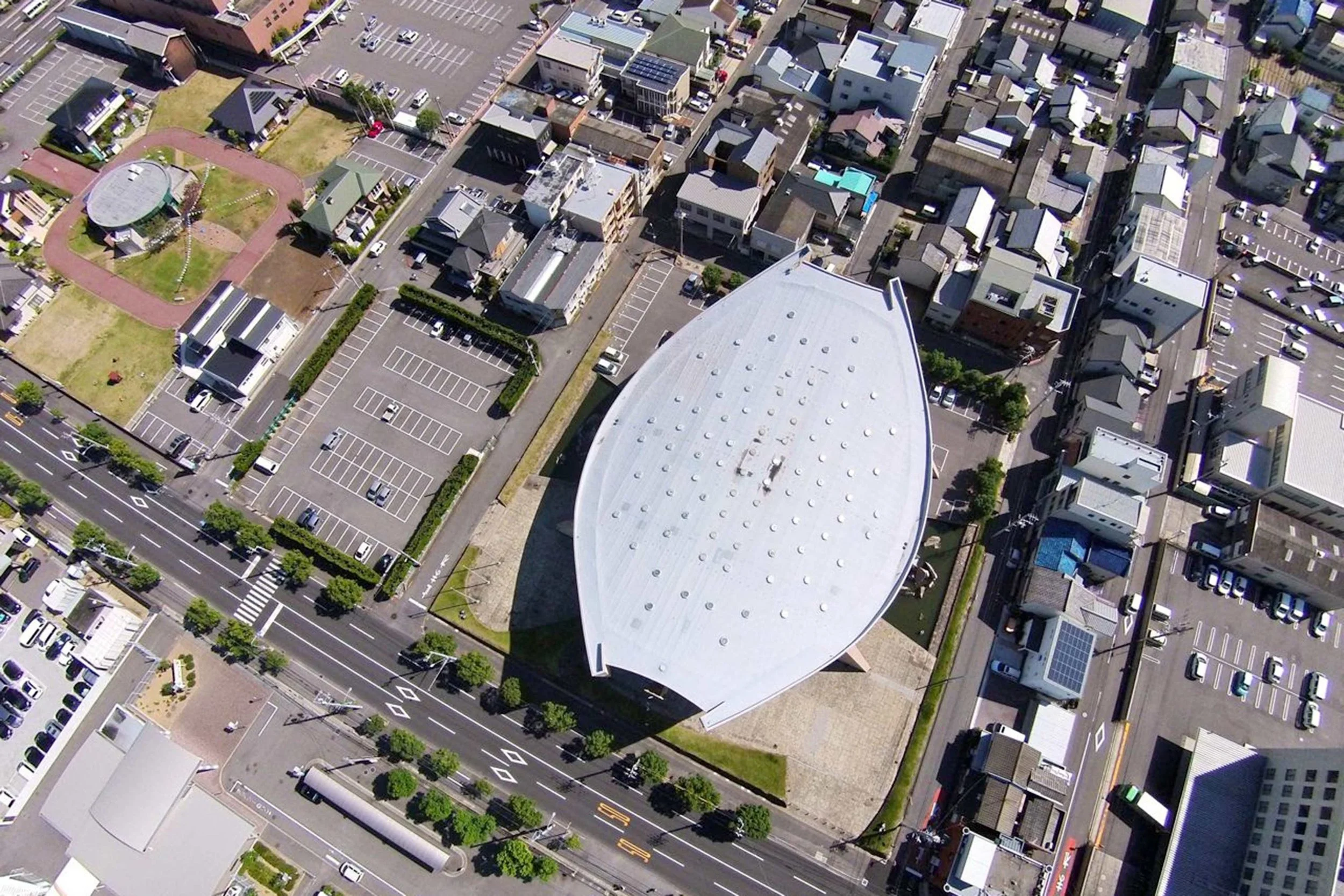
Sweeping curves of cantilevered concrete soar above the ground, edges rising boldly into the sky, small round windows dotting the sides, evoking the shape of a boat. There are few structural silhouettes more unique than Kagawa Prefectural Gymnasium, a 1964 modernist masterpiece by the late Japanese architect Kenzo Tange in the southwestern city of Takamatsu.
Now, the so-called Ship Gymnasium, a longstanding symbol of Japan’s post-war creative resurgence, is at risk of being demolished, with a campaign to save it gathering pace.
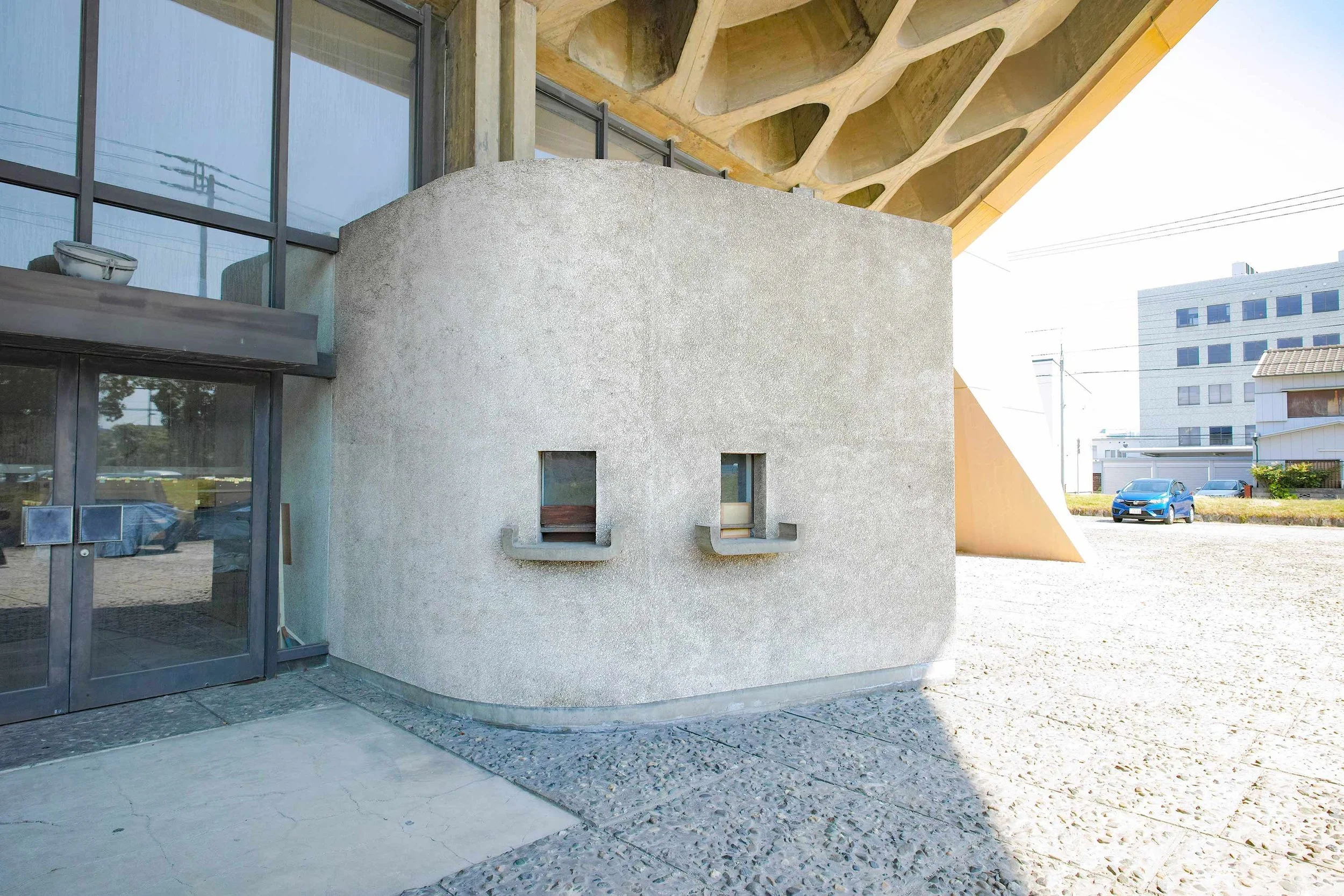
The gymnasium was brought to life by Tange using poured concrete, suspension cables and four pillars to support its progressive vessel-like form. The brutalist structure balances its monumental scale with a sense of space, harmonised by furniture by interior designer Isamu Kenmochi and a rock garden by Masatoshi Izumi, one of the closest collaborators of Isamu Noguchi (whose former home and studio, now a museum, is in the same region).
The gymnasium was created by Tange at the request of the local authorities, with sporting events taking place there for 50 years. However, the future of the much-loved modernist landmark has been uncertain since it was closed down in 2014 following a roof leak.
Two years ago, Kagawa Prefecture announced plans to demolish the structure, a decision fuelled by high preservation costs combined with aging and structural damage from earthquakes. Last month, plans accelerated when officials announced a public competitive bidding process to select a contractor for demolition.
Now, a campaign to save the architectural masterpiece is in full swing, with more than 42,000 supporters signing a petition, reportedly including experts from the Museum of Modern Art in New York and Harvard University’s Graduate School of Design.
The Former Kagawa Prefectural Gymnasium Regeneration Committee, led by architect Shigeru Aoki, recently outlined plans to request buying or leasing the building from the prefecture and repurposing it. The committee’s key proposals include the idea of transforming the former gymnasium into a lifestyle hotel, potentially as a mixed-use space with a book lounge.
Among those campaigning in Japan to save the landmark is designer Teruhiro Yanagihara, who was raised in the region and whose childhood memories involve experiences of the structure. ‘I grew up surrounded by the modernist architecture of Kagawa and the gymnasium was part of my daily life from a young age,’ he says. ‘Its ship-like silhouette has stayed with me ever since childhood, tied to some of my earliest memories of the city.’
Yanagihara highlights the region’s creative post-war history that underpinned the gymnasium’s genesis, as well as the building’s continued importance, both for local communities and the wider modern architectural landscape. ‘Governor Masanori Kaneko played a pivotal role in post-war Kagawa, inviting Kenzo Tange to design the prefectural office and bringing Isamu Noguchi here to establish his studio. Thanks to these efforts, architecture and art became central to the region’s revival. Kagawa is, in many ways, a place where the city’s identity has been shaped through architecture. Just as the prefectural office designed by Tange remains a cultural landmark, this gymnasium too represents an important cultural asset. Preserving it means not only protecting history but also using what already exists as a foundation to create a new culture for the future.’
Text by Danielle Demetriou