
Adaptive Reuse Meets Outdoor Living on Shanghai's Waterfront
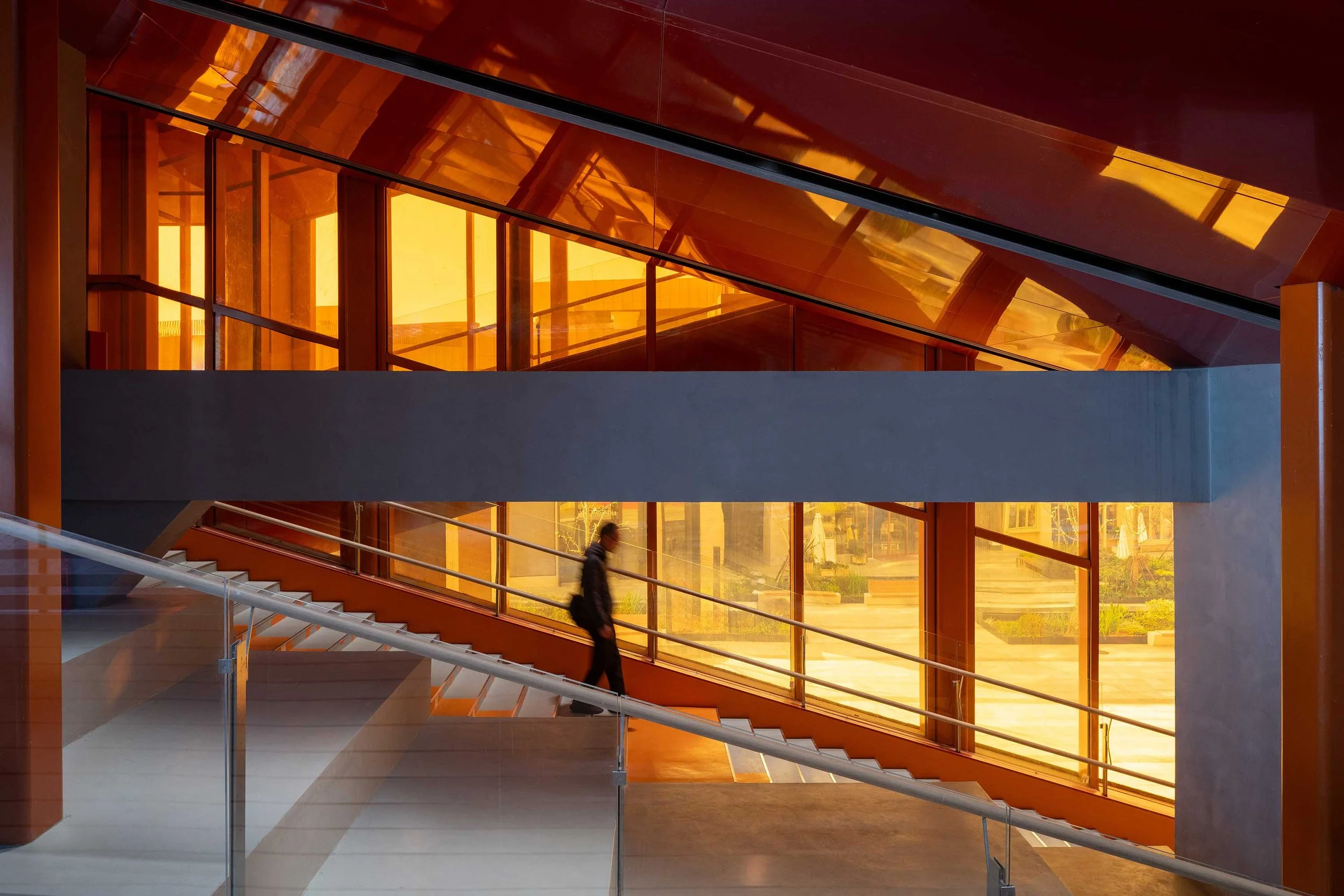
MVRDV, together with Schmidt Hammer Lassen, Atelier Deshaus and others, reimagine a former cement factory as an open-air retail and leisure complex along Shanghai’s West Bund
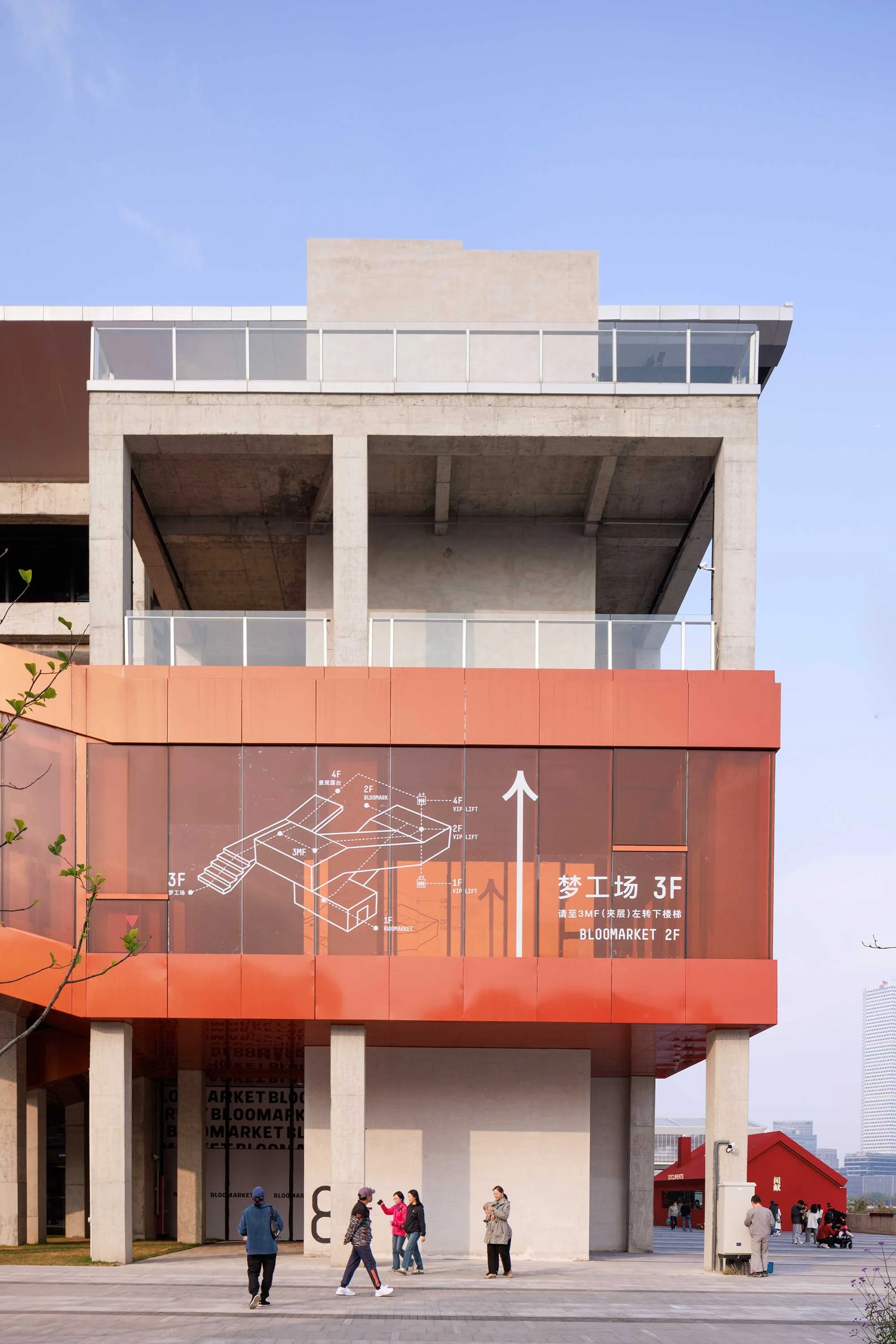
Once defined by industry, Shanghai's riverfronts are home to a series of interventions that reimagine former silos, docks and tanks as urban commons. The latest addition is Gate M West Bund Dream Center, an open-air retail and leisure complex on the Huangpu River. It brings together the work of architecture firms Schmidt Hammer Lassen, Atelier Deshaus, MVRDV, and landscape architects Field Operations. Set within what was once the largest cement factory in Asia, the complex connects to a newly developed business district via a broad pedestrian overpass and merges into the city's West Bund cultural corridor via a network of walkways and bike lanes.
'It was a strange but interesting project. We'd never been asked to transform something that wasn't even finished,' says Jacob van Rijs, founding partner of MVRDV, the studio behind the masterplan for the entire Dream Center site and the architectural design for the southern section. Along with preserved industrial buildings, the site also incorporates more recent, unfinished low-rise structures from a previous redevelopment attempt, which now serve as retail space and hotels. 'Initially, we were drawn to the centrepiece, this imposing old factory, but the low-rise section turned out to be equally interesting. It offered a new typology and unexpected design opportunities, as if the unfinished nature of it allowed for something more experimental than if we had started from scratch.' For van Rijs, the approach offers a template for repurposing similar incomplete developments found across the country.
Images by Guowei Liu
Images by Guowei Liu
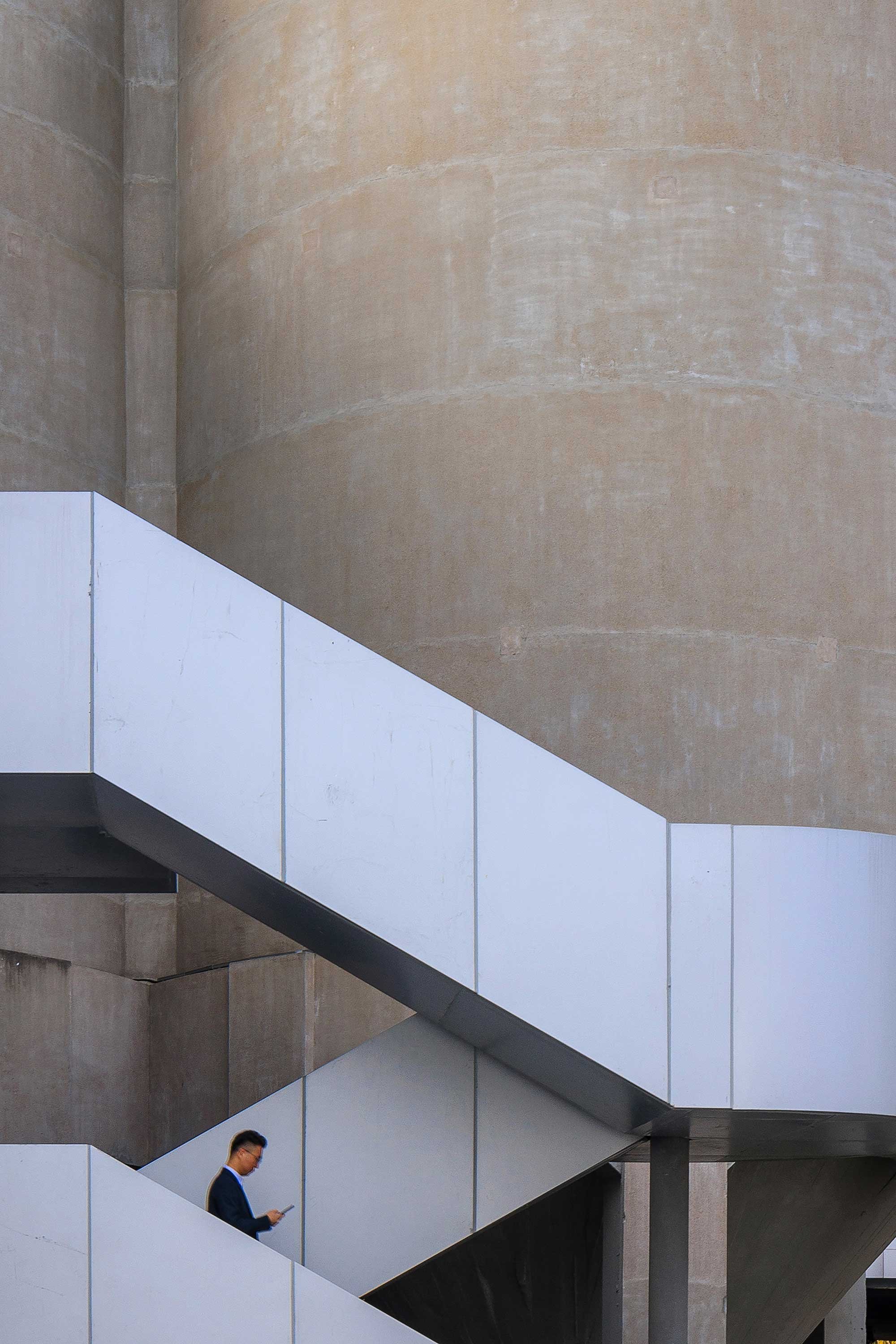
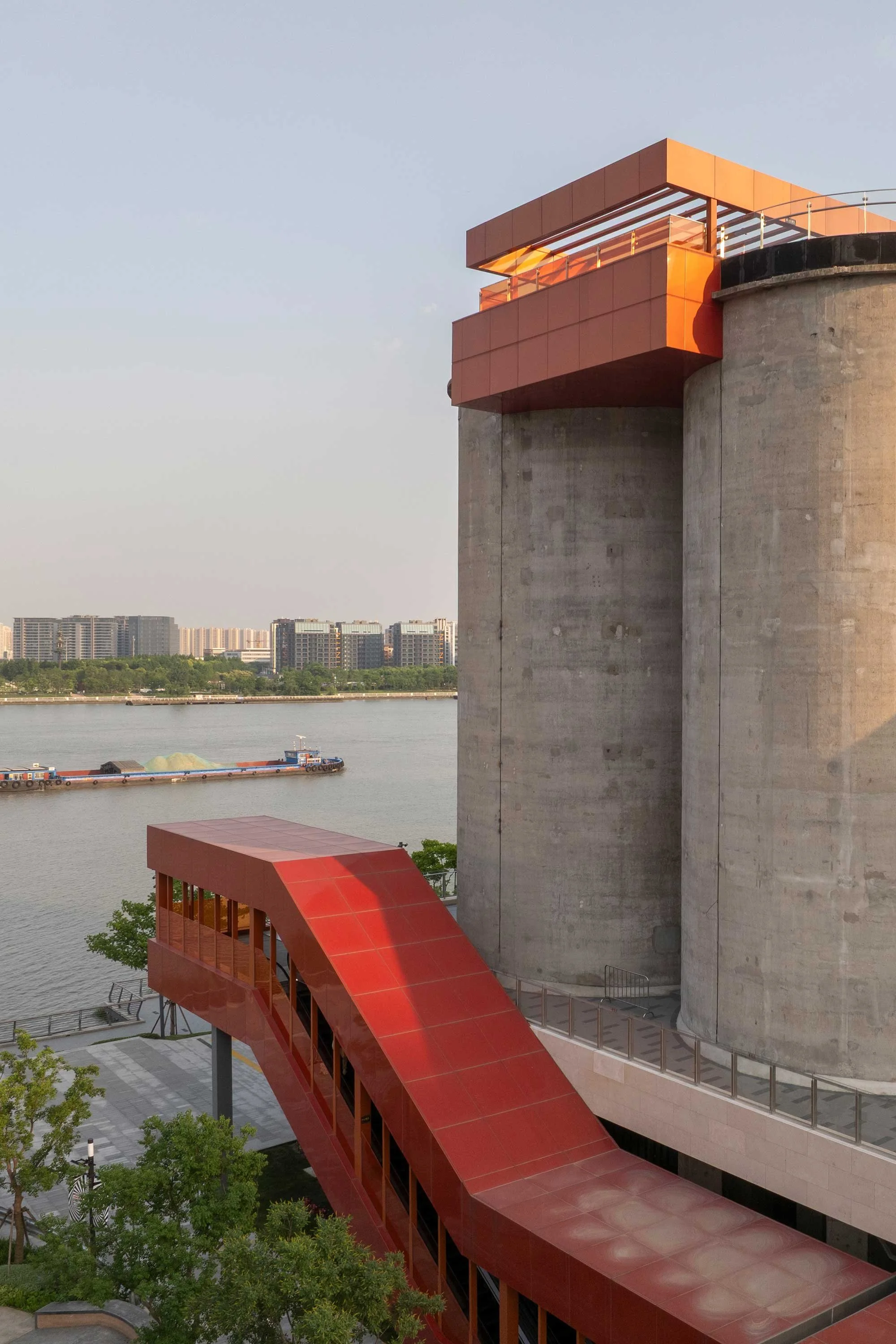
A pedestrian logic ties together the various sections, echoing the site's former life as a place of movement and utility. Now under China's expanding heritage regulations, the massive central factory preserves its raw concrete form. To convert it into an event and F&B space, MVRDV's interventions were almost surgical: increasing usable floor area with added levels and enveloping the structure in a minimalist glass facade. The design team reimagined the original material conveyor belt ramp as a bright orange staircase rising to the top of the building. 'Making it like an orange ribbon was a strategic intervention to give it a clearer identity, but with minimal impact,' van Rijs explains. The silo building nearby also exhibits a similar design, and its internal voids now house dramatic climbing walls that rise through the structure. Rather than catering to luxury brands, Gate M takes a sportier approach, with skating ramps and BMX tracks dotting the landscape. For van Rijs, the project reflects shifting attitudes in China: 'It's more than just the sustainable reuse of existing structures; it departs from enclosed, air-conditioning-intensive malls, favouring instead a more open-air kind of lifestyle.'
'It's an ensemble, a combination of things, like a small neighbourhood that brings together good architecture, urban planning and landscape design — and it attracts all kinds of people,' he adds.
Text by Tomás Pinheiro
Image by Zhi Xia

Images by Sanqian Visual Image Art
Images by Fangfang Tian
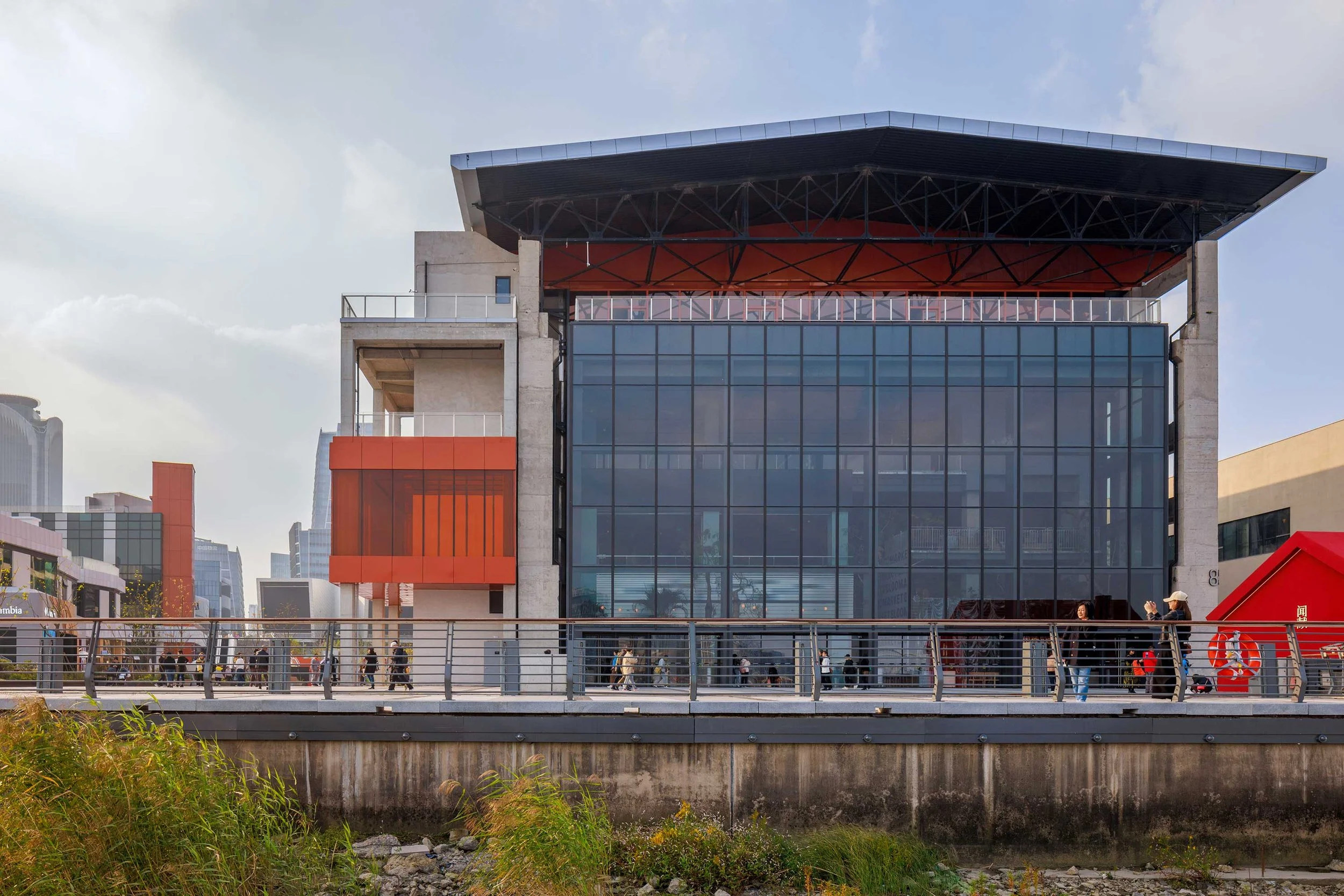
Image by Guowei Liu
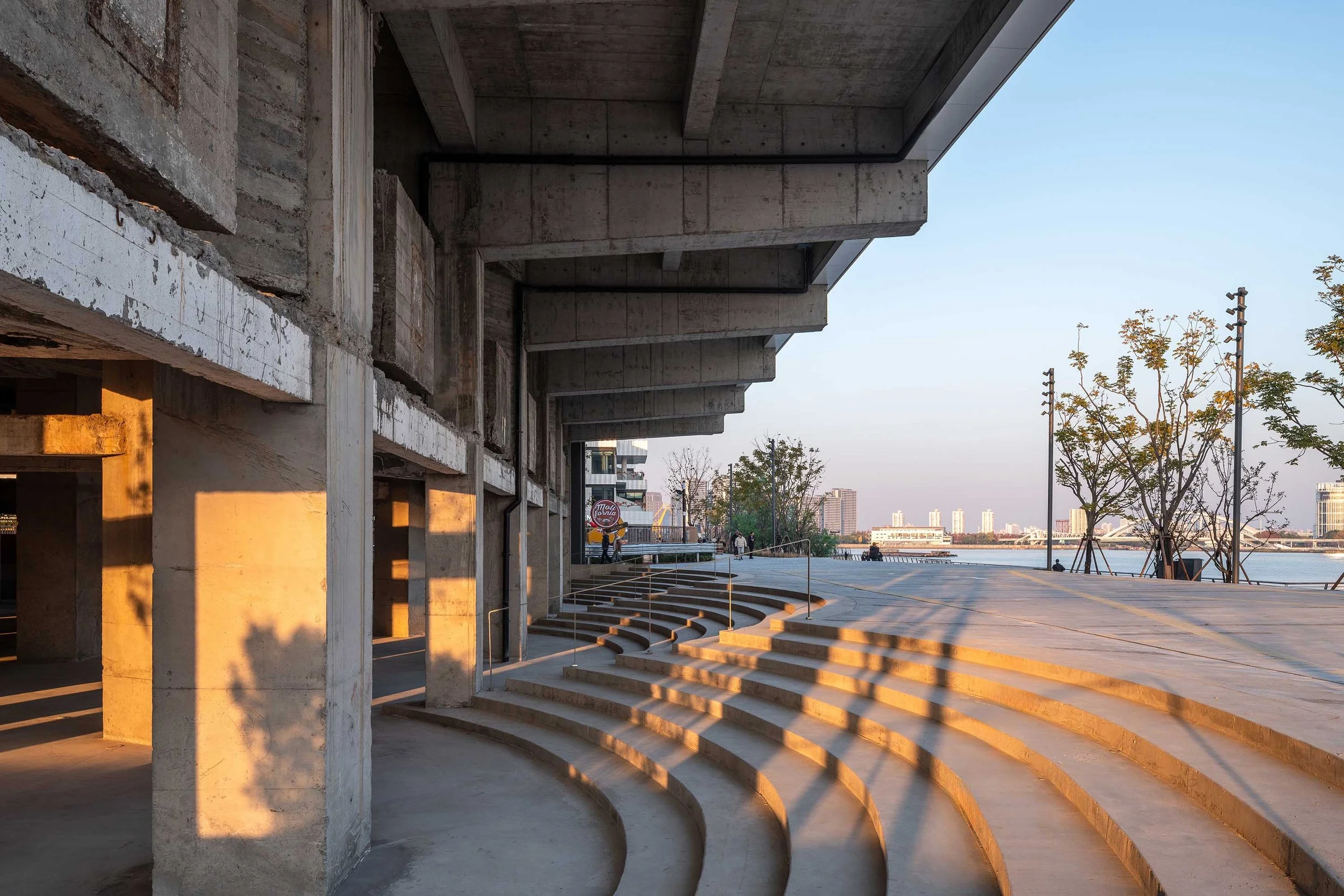
Image by Sanqian Visual Image Art
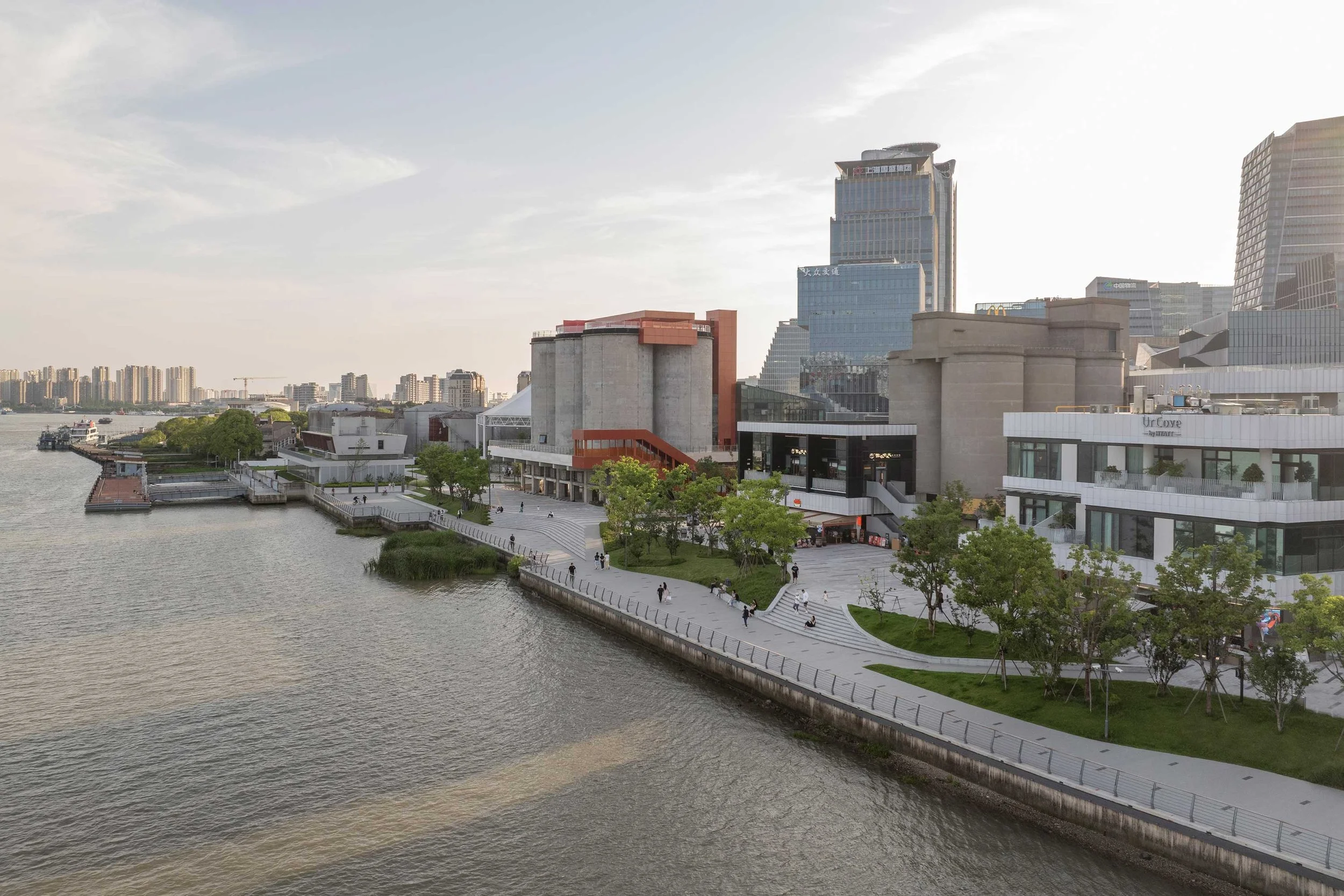
Image by Fangfang Tian