How Design Anthology and Aesop Designed a Different Way to Experience Tokyo
Design Anthology and Aesop came together in Tokyo for a sensory-led retreat, translating the ethos of both a media brand and a skincare leader into a lived experience shaped by design, craft and the city itself
How do you bring both a magazine and a skincare brand to life? How is it felt? What does it mean to touch, smell, hear and taste a set of ideas that usually live on the page, in stores and in amber glass bottles?
For Design Anthology, this thinking has guided the magazine since founding, our purpose being to share the work of creative individuals and communities. That sensibility extends beyond what we publish to how our own work is encountered. The physicality of the magazine matters: the texture of the paper, the scent of the ink and the heft of its binding connects it to place, to process, and to the human hands that brought it into being. The same attention shapes our films, our digital channels and our events. Each is considered as an experience, paced and composed to enrich and delight.
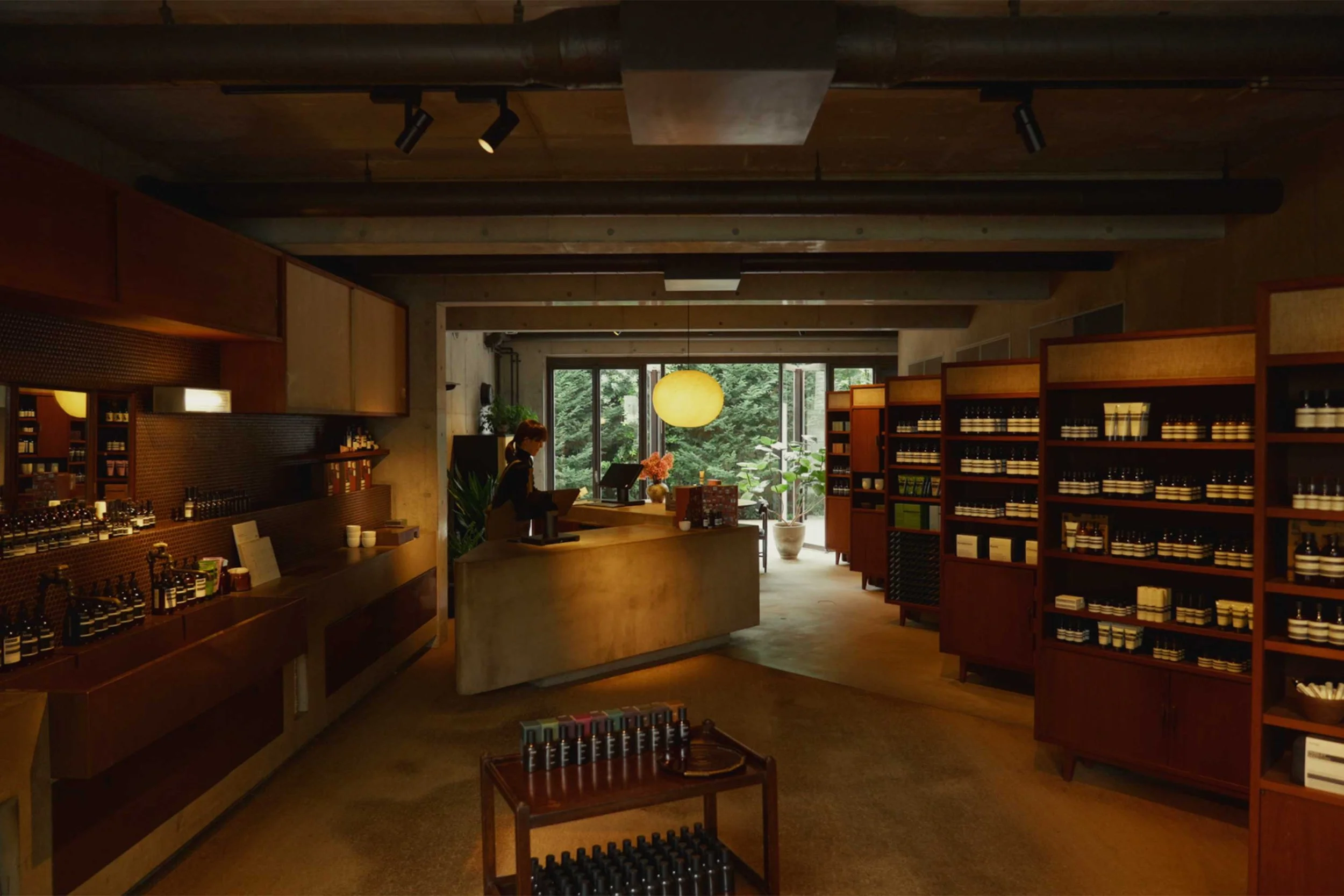
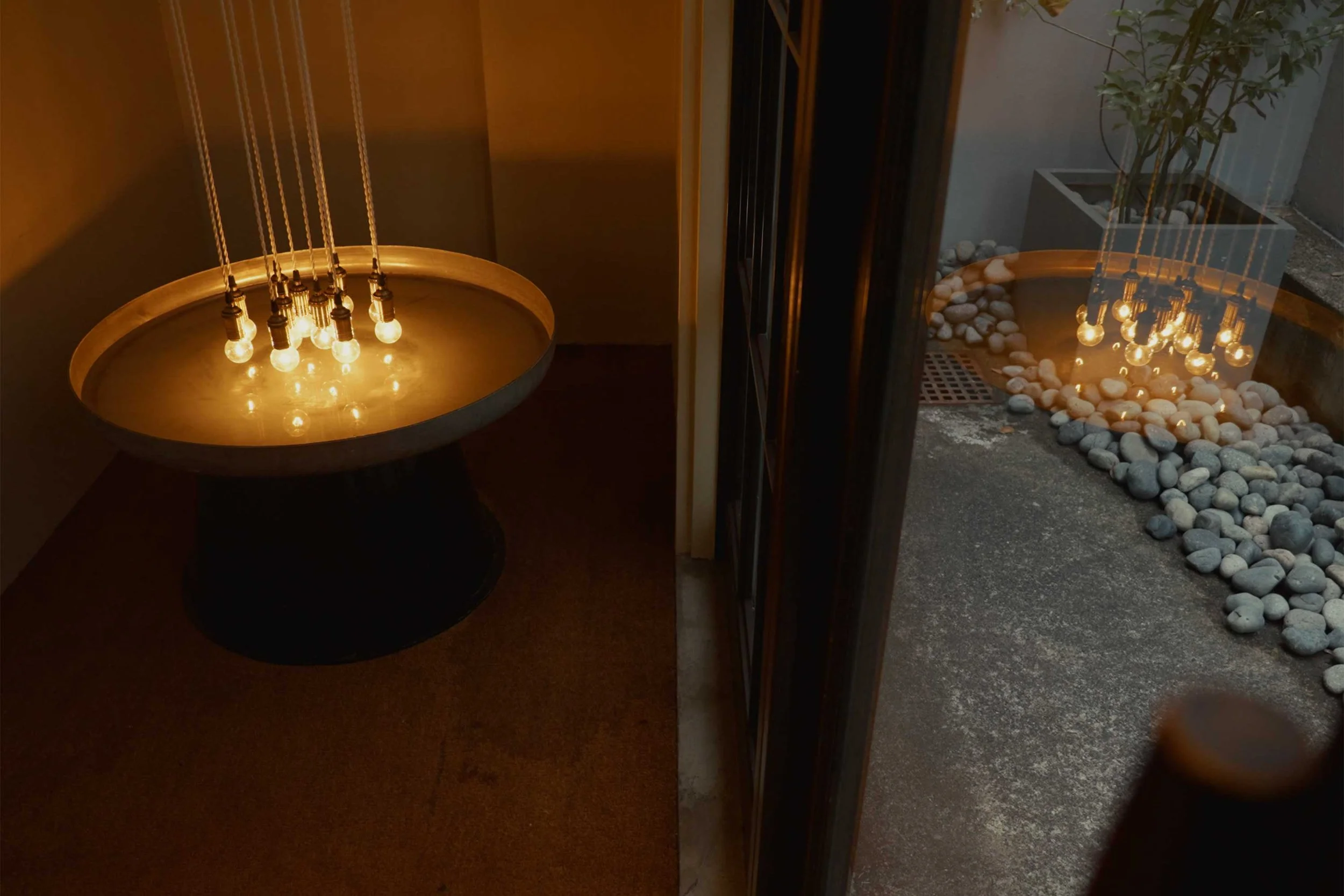
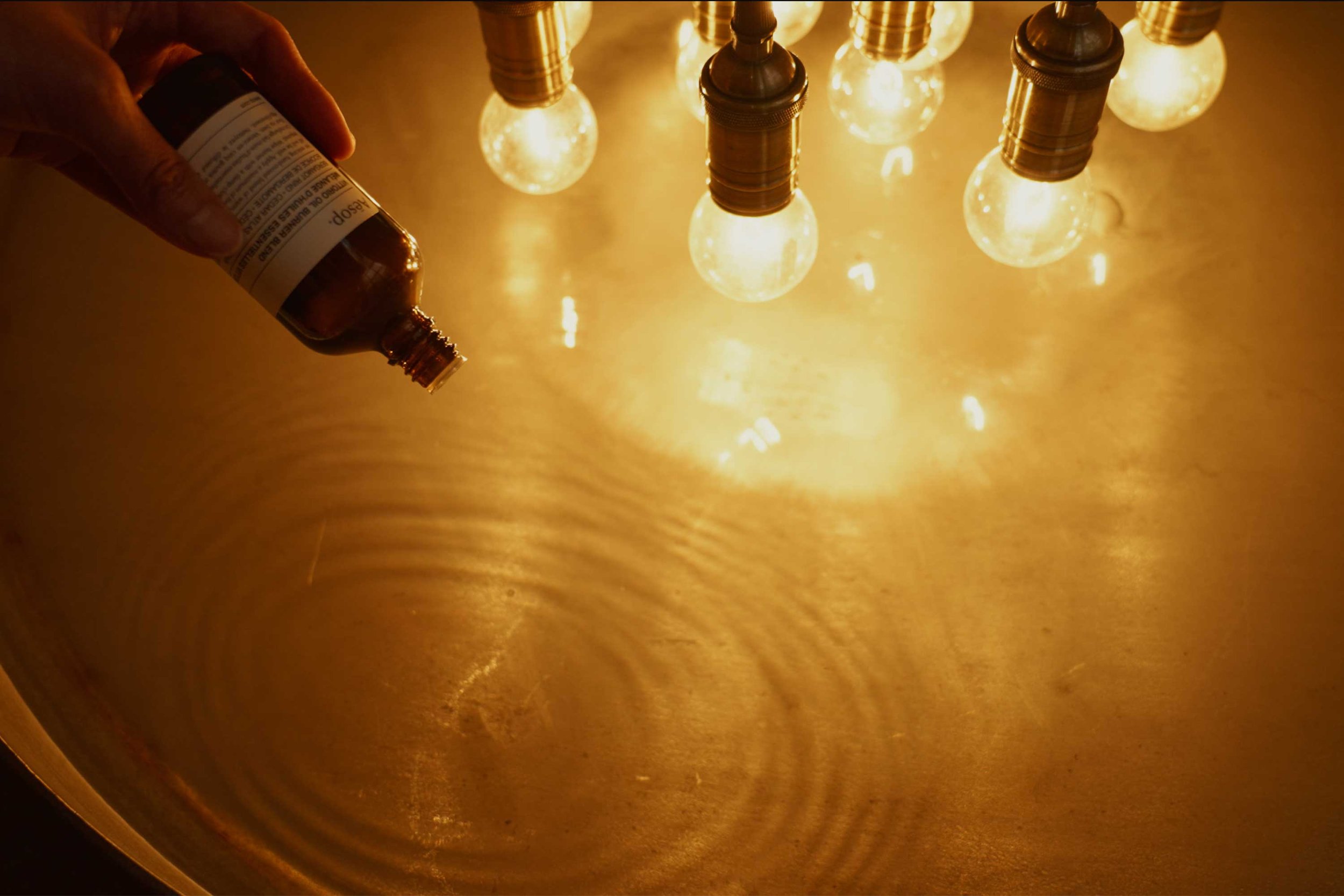
Aesop, a natural partner of many years, approaches each experience with a similar intent. Across its stores, products and collaborations, there is a sustained focus on hospitality, atmosphere, material intelligence and human-scale encounters. Architecture, craft and ritual are treated as essential to how customers and partners move through its world and it was this shared way of thinking that framed early conversations between Design Anthology and Aesop as we began designing the programme of what became a four-day retreat in Tokyo last November.
At the centre of this was a shared preoccupation with the senses, and with experience as something emotive and deeply human. For the first time, patrons of our two brands could inhabit a shared world over several days and evenings in one of the world’s great cities, one that is well traversed yet remains curiously guarded. Guests arrived from around the world to experience a Tokyo rarely encountered through conventional travel, thanks to the access and exchange offered by our two brands.
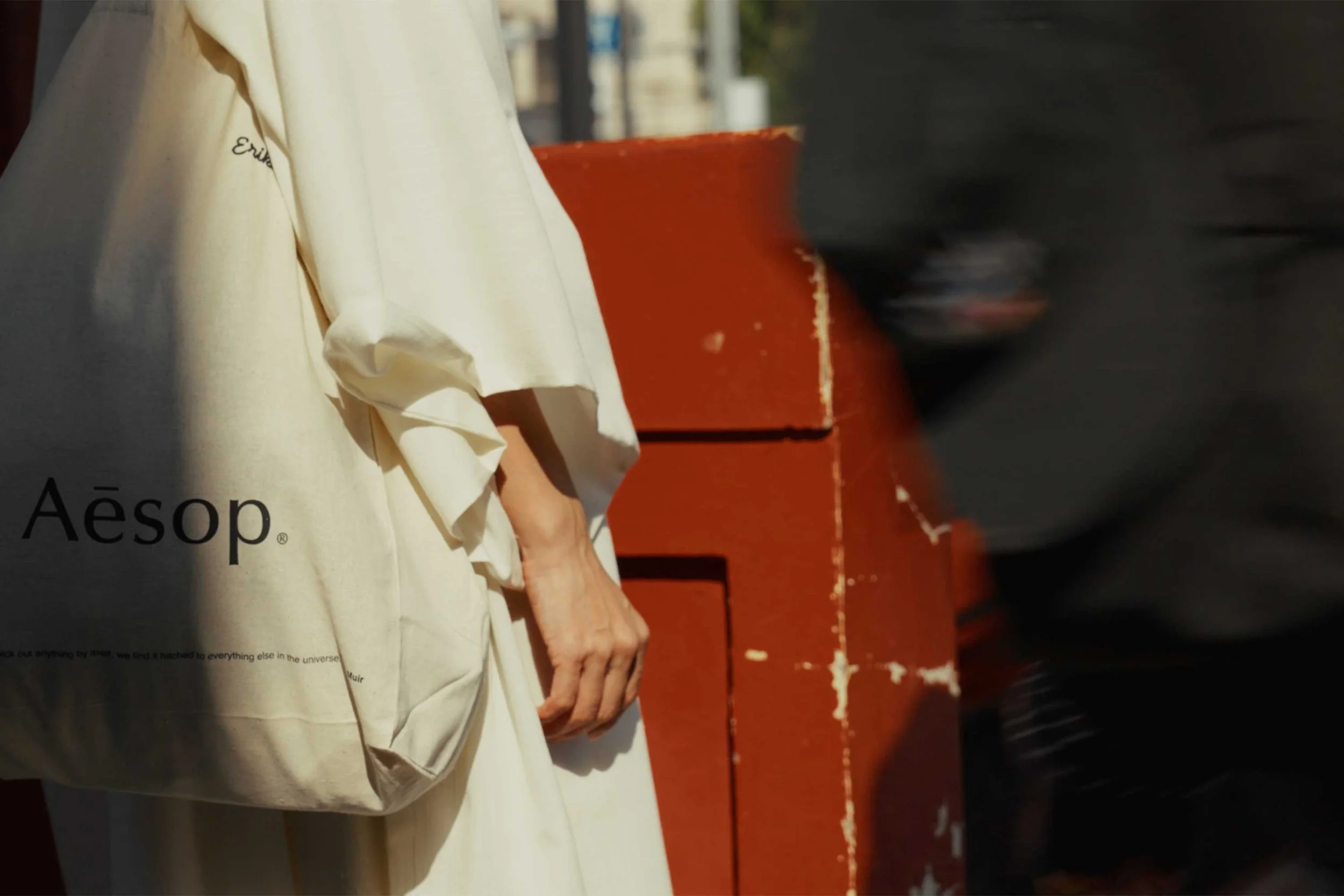
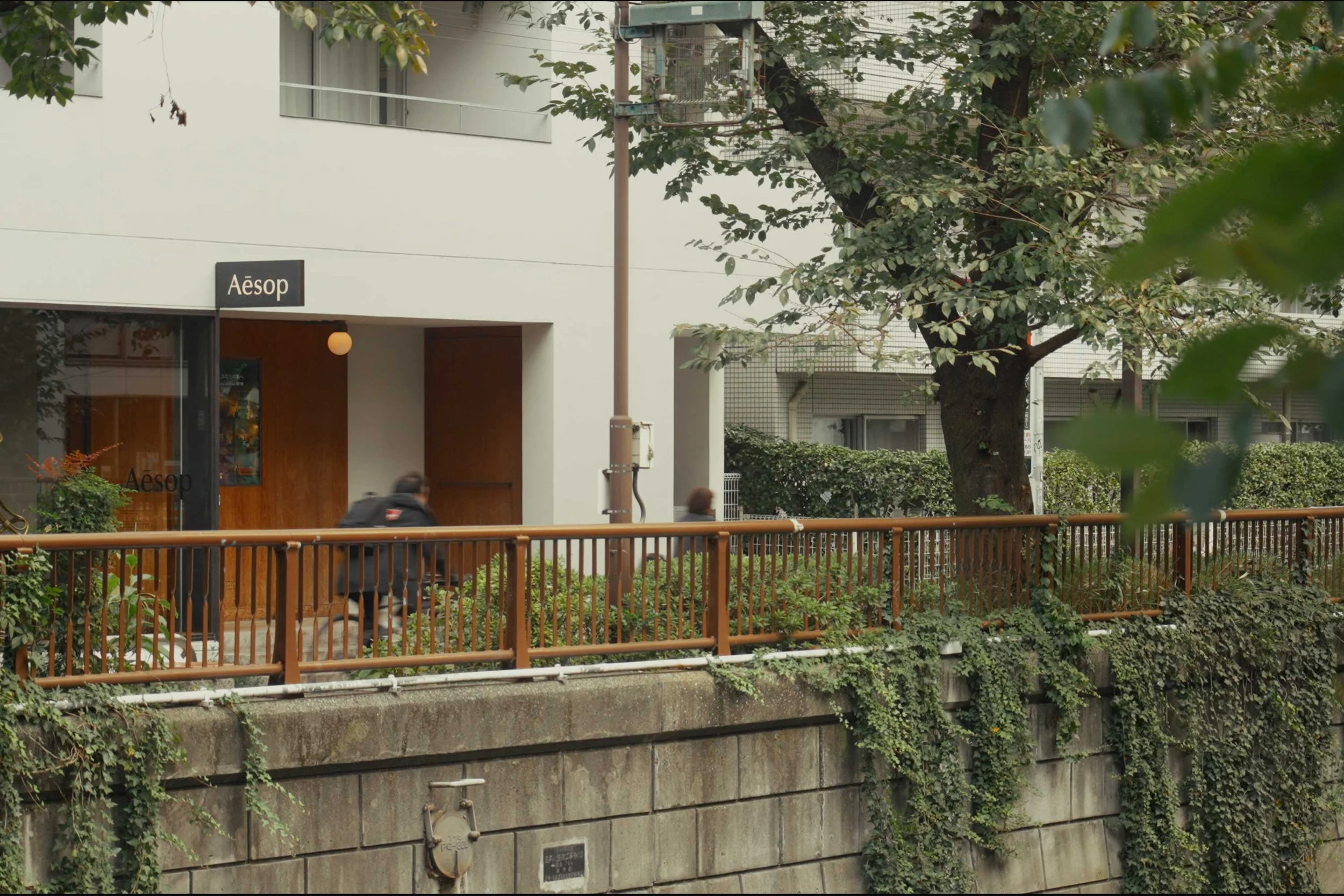
Hosted by Design Anthology’s Suzy Annetta and Jeremy Smart alongside Michelle Tan, Xinyao Qiu, Hizuru Tsuchiya and Mayuna Morita from Aesop, it was conceived as a journey through the city for a small group of travellers attentive to craft and culture. Guests arrived on a crisp November afternoon at the Mandarin Oriental, high above Nihonbashi. As evening settled, welcome drinks at the Mandarin Bar gave way to dinner nearby at Maruyama, a contemporary interpretation of the izakaya, set on the ground floor of the Claesson Koivisto Rune-designed hotel K5, where sake and seasonal produce set the tone for the days ahead.
Friday morning began in Nakameguro at Aesop Tokyo, the brand’s flagship store in Japan and one of the first to open in the country, guided by its designer Shinichiro Ogata. The visit unfolded as a conversation about place and material, with Ogata presenting elevations and photographs of the store to a studious audience, notebooks and cameras in hand. Guest Gerhard Heusch found this the most compelling aspect of the retreat. ‘You really facilitated for us to get an insight into Ogata’s unique creative process, which is rooted in his culture,’ he commented. ‘This was exactly what I was hoping to be able to experience in your retreat and what attracted me to it in the first place.’ Skin and fragrance consultations followed, allowing guests to engage directly through touch and scent. Lunch at Ogata’s first ever restaurant, Higashiyama, introduced the principles of shojin ryori, Buddhist temple cuisine based on seasonality and ceremony.
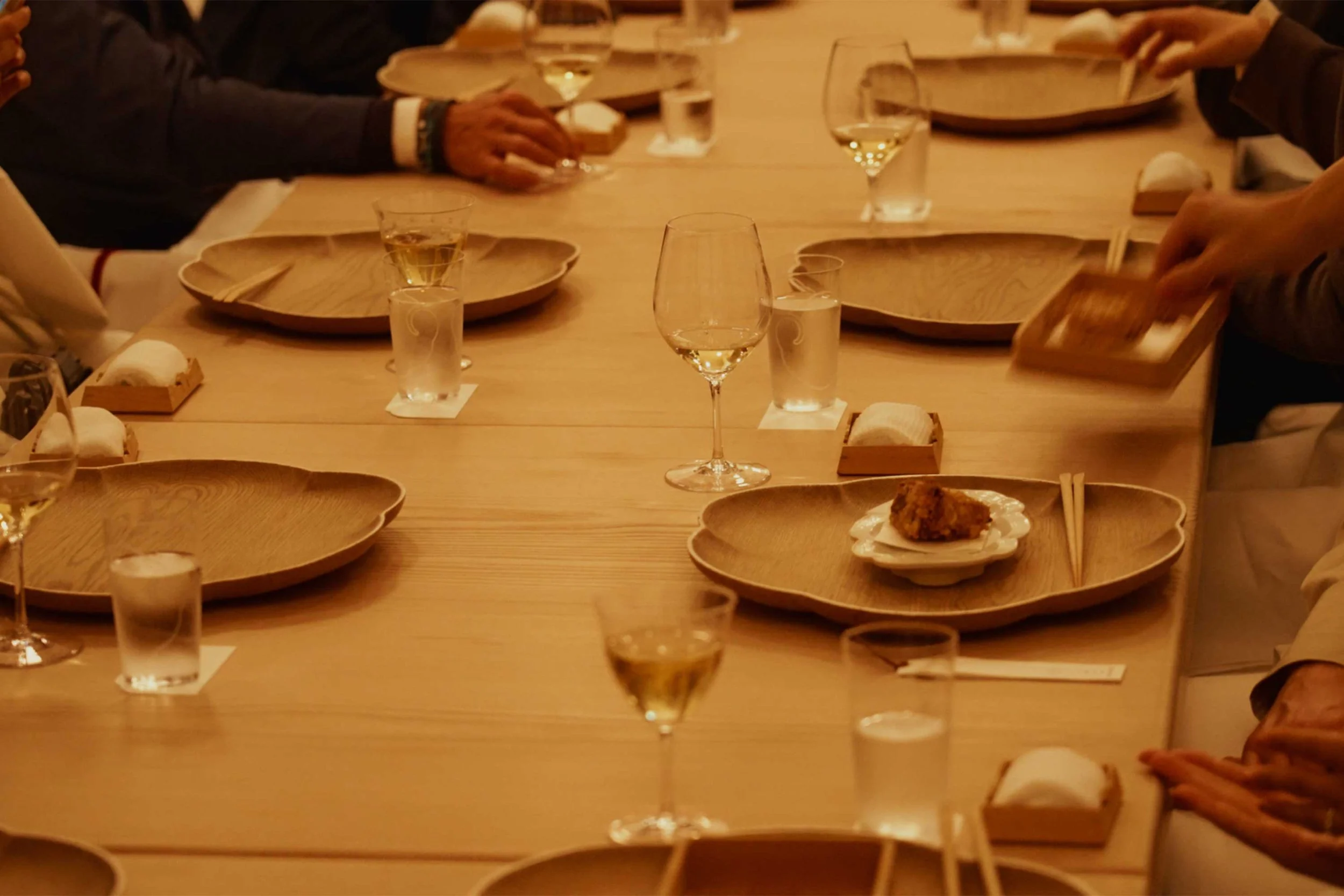
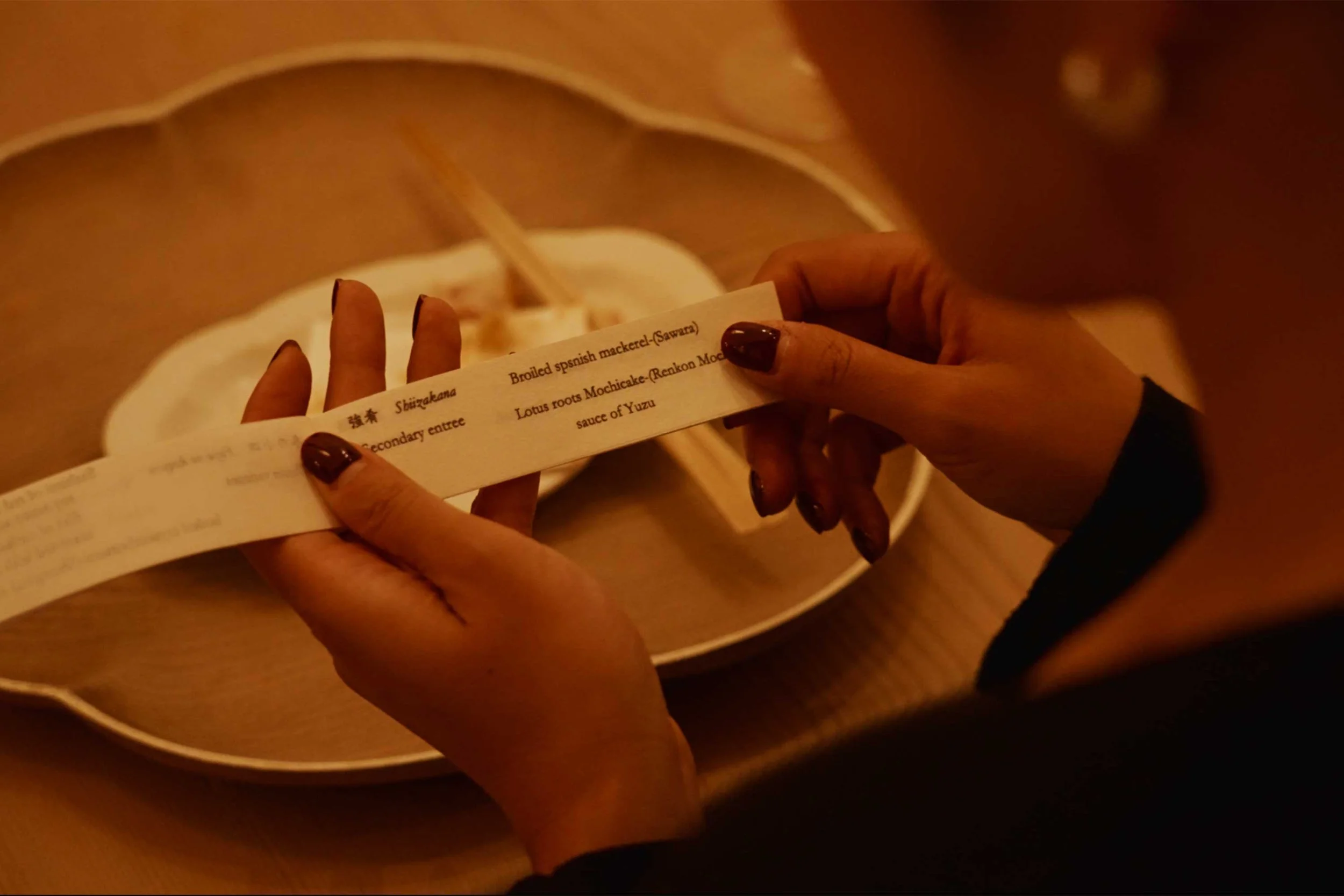
That evening, guests gathered at the Aesop Japan office in Shibuya, welcomed by the local team for an introduction to the brand’s work over several decades in the island nation. The Torafu Architects-designed space was introduced by founder Koichi Suzuno, who gave guests exclusive insight into thinking behind its creation. A private dinner on the building's verdant rooftop followed, catered by Aesop alumna Hiroko Shiratori and paired with Japanese wines from Domaine Tetta. Around the table, editors, architects, designers, curators and travellers shared expansive, joyous conversation.
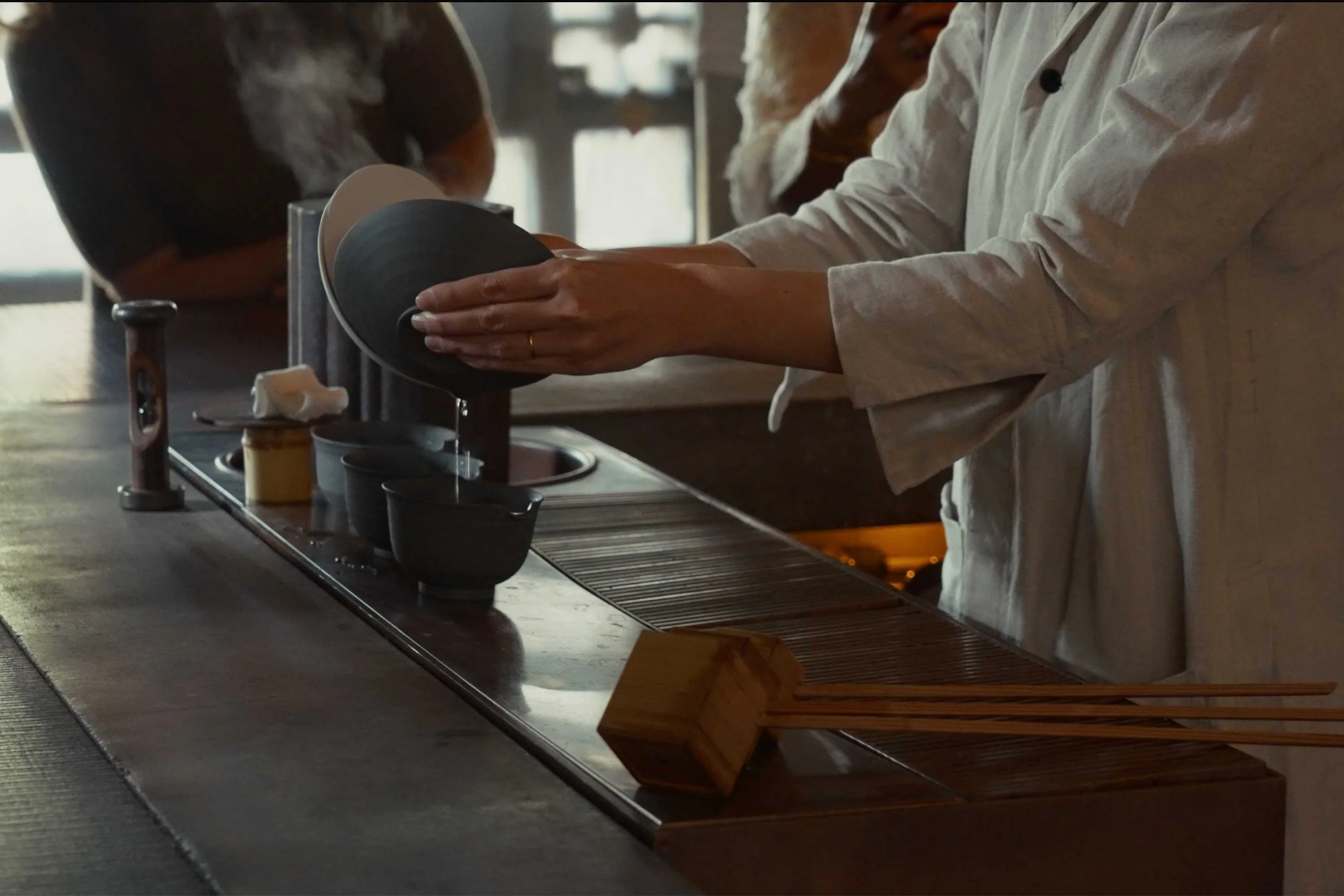
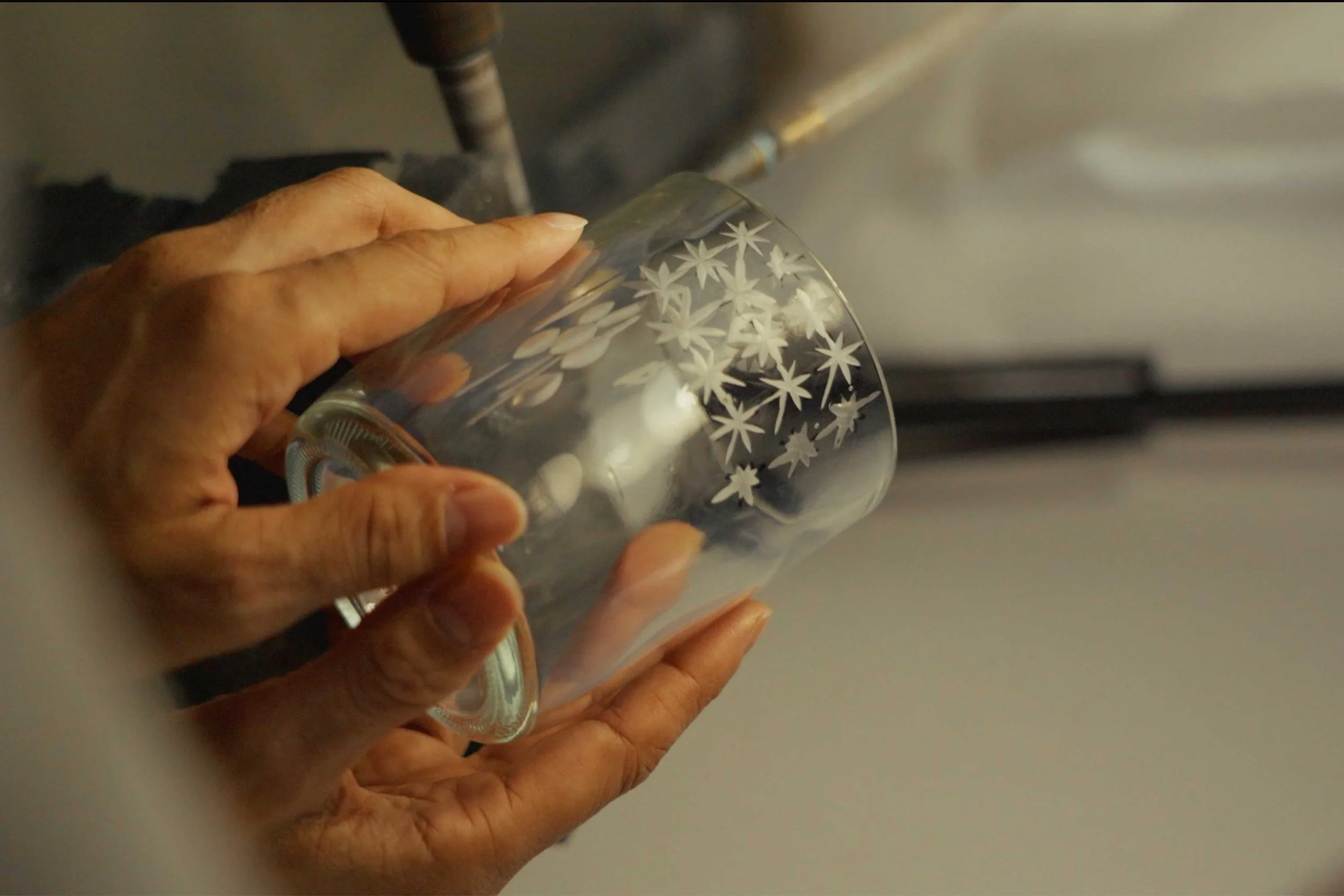
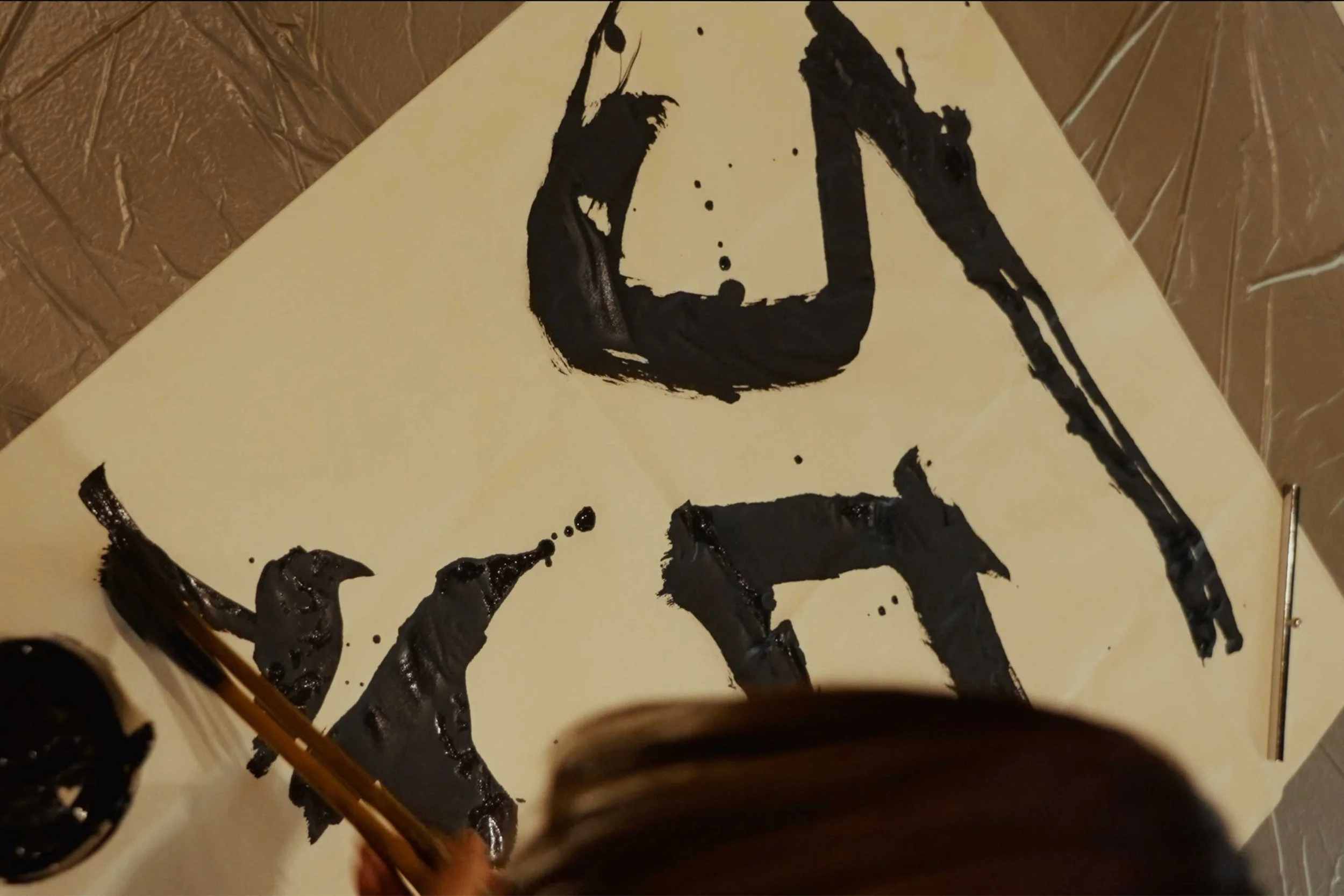
Saturday was devoted to making. At Sokichi in Asakusa, guests were introduced to the Edo-era craft of kiriko glass cutting, a delicate hand-cut technique unique to Tokyo, working directly with the material to shape their own sake cups. Lunch followed at Mukojima Shichifuku Suzume no Oyado, before an afternoon of shodo calligraphy, a traditional practice using a bamboo brush and black ink to paint Japanese characters. In a 360-year-old Buddhist temple, brush and paper became tools of concentration and reflection. ‘I never imagined that a calligraphy master would hold my hand to help me write my own name gracefully,’ said guest Masulin Lim. ‘It made me realise how to respect my identity meaningfully.’
The retreat concluded with a private dinner at the peerless Yakumo Saryo, hosted by its founder Shinichiro Ogata. The evening drew together many of the themes explored over the previous days: craft, authorship, restraint and the value of time, expressed through food and conversation.
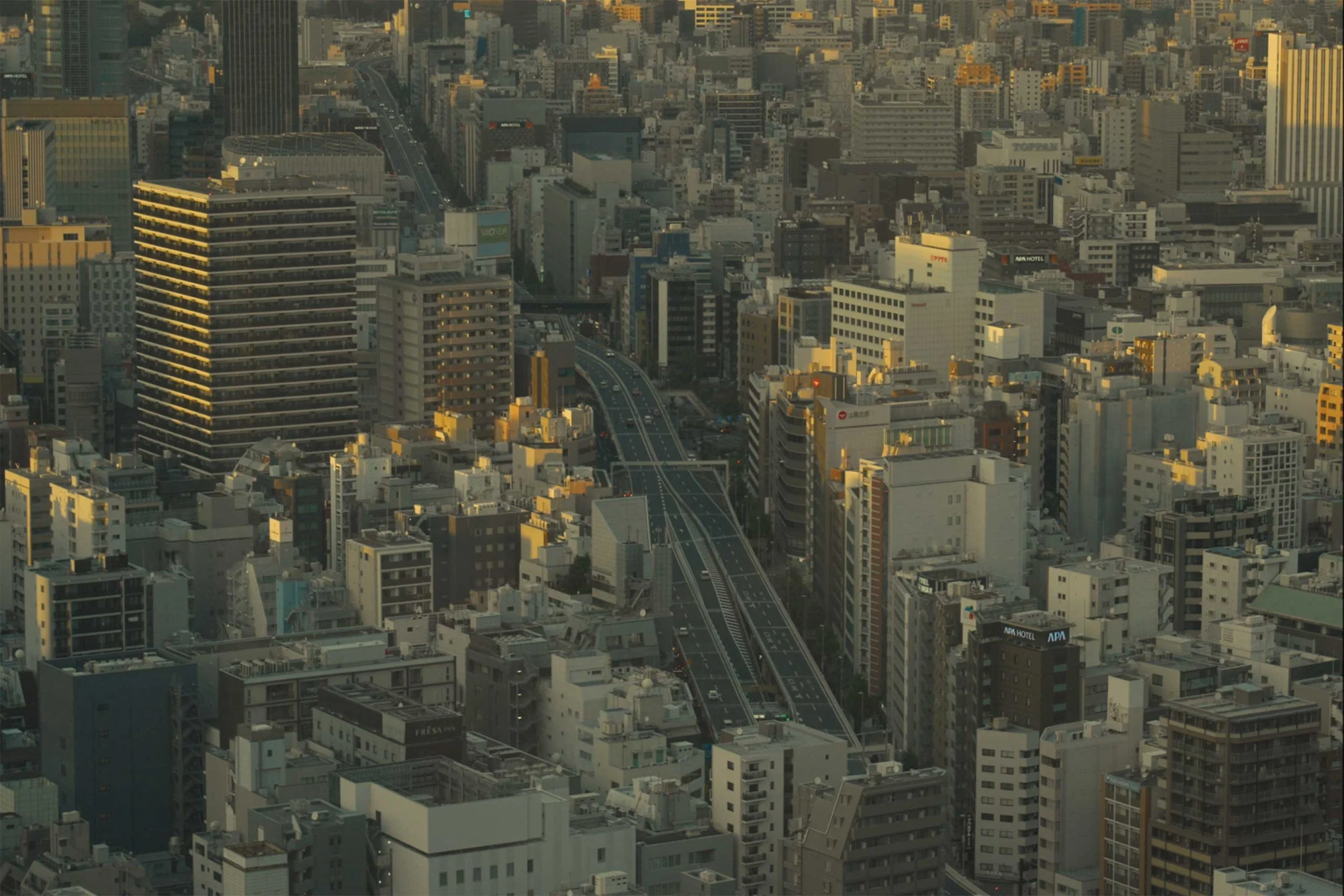
Across the four days, the city’s leading designers and makers offered rare insight into their practice, while the city emerged as a place of contemporary expression built atop tradition. ‘It was truly inspiring to be part of such a rare moment where creatives from different fields came together to appreciate the things that connect us,’ reflected guest Lance Tan. As guests gathered for a final breakfast above the waking skyline on Sunday morning, the experiences of the retreat lingered in conversation and, on departure, in a renewed attentiveness to how design is seen, smelled, heard, tasted and ultimately felt.
aesop.com
Images by Nobu Arakawa