This Is What Happens When Architects Try to Lower Your Pulse
Architecture collective FOG cleared the air to reimagine the new YuSpa in Beijing
When I meet Yu Zheng, he looks nothing like his picture. A partner at FOG Architecture, a practice split between London, Shanghai and Chongqing, his portfolio photo shows a black-shirted young man with a side-swept fringe and a serious expression. The man in front of me has longer hair, kept somewhat under control by a baseball cap, and is wearing a casual T-shirt. Behind him, industrial metal shelving is roughly stacked with folders and books, all set under a roof of distressed concrete. This is one of the two men behind Beijing’s most serene new wellness destination, YuSpa.
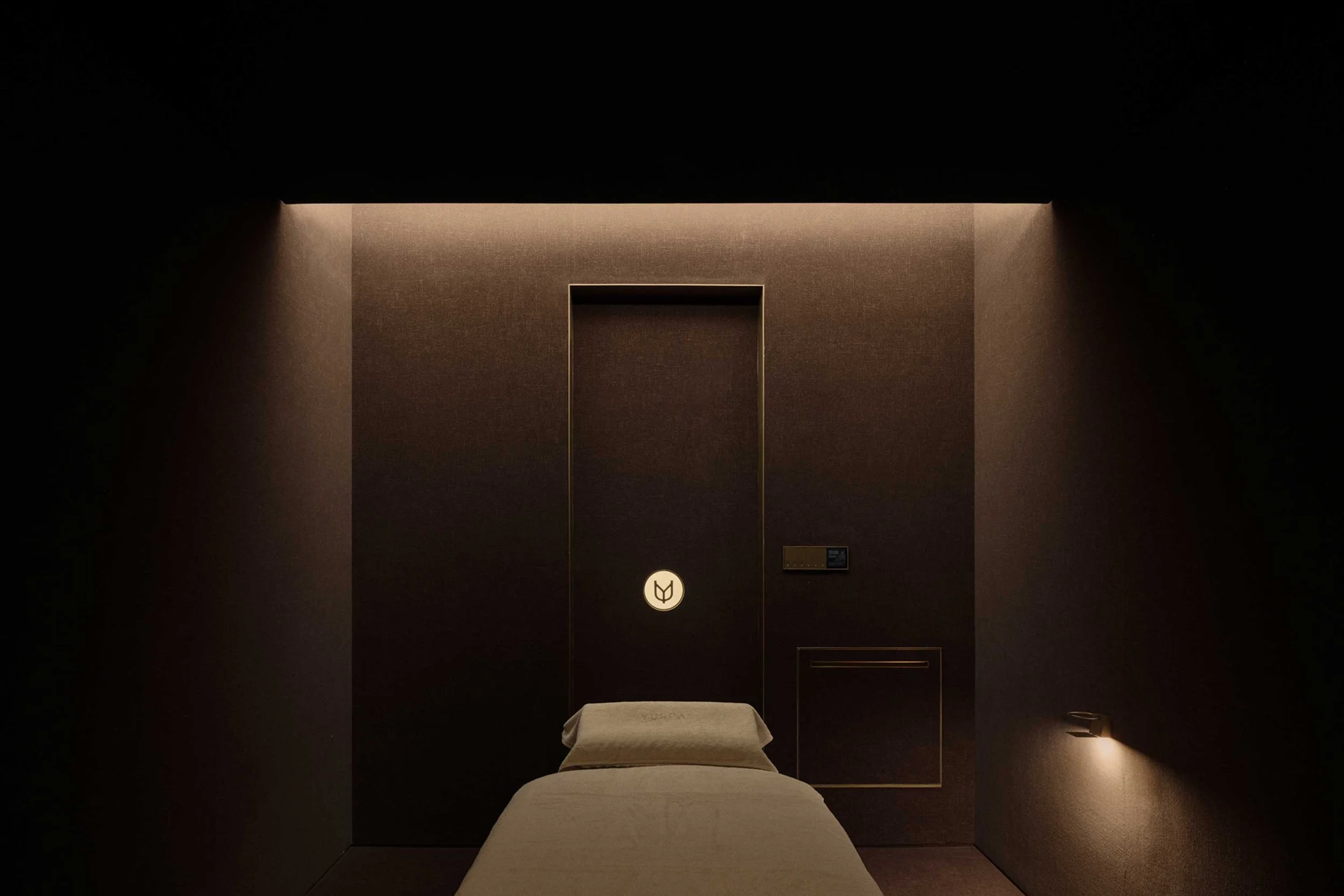
When YuSpa opened its flagship location in Beijing’s upmarket Taikoo Li Sanlitun precinct in 2025, the transformation marked not just the evolution of a beloved wellness brand, but the maturation of FOG Architecture’s sensorial, human-centred design ethos. Led by partner Di Zhan, with insights from Zheng, the studio approached YuSpa with a deep design question: how do you calm someone, spatially?
FOG, founded in 2019 — the name is a playful poke at the weather in London, where Zheng and Zhan both trained at the AA, and Zhan’s home Chongqing — is known for work that fuses materiality, emotion and perceptual experience into spatial form. Its projects, whether the immersive retail world of ToSummer’s flagship store in Beijing, the craft-driven Lemaire Chengdu boutique, or even the experimental Cycle Cycle Portable Bakehouse, all grapple with the same fundamental idea: architecture as a vessel for atmosphere. YuSpa extends that philosophy from retail into ritual.
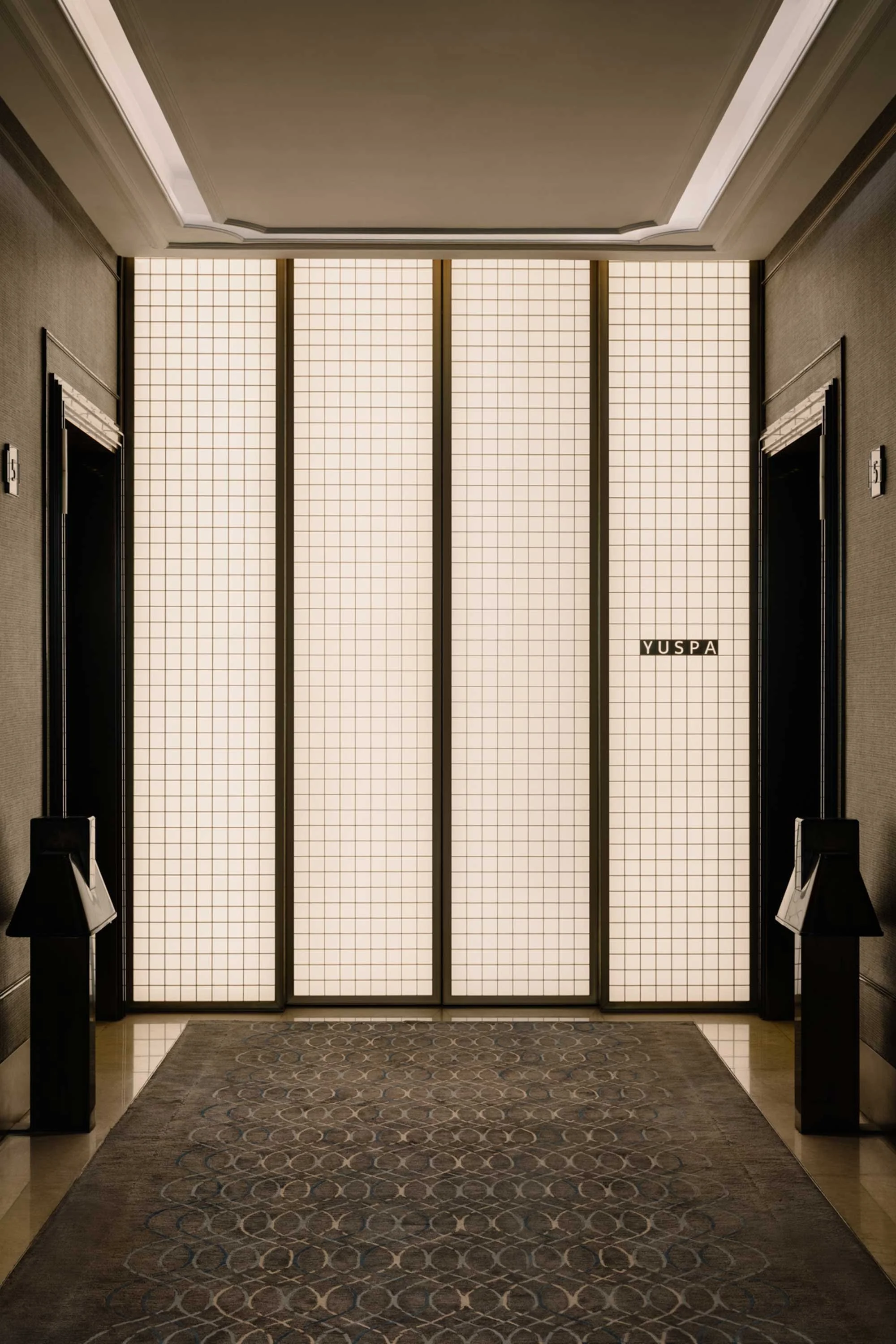
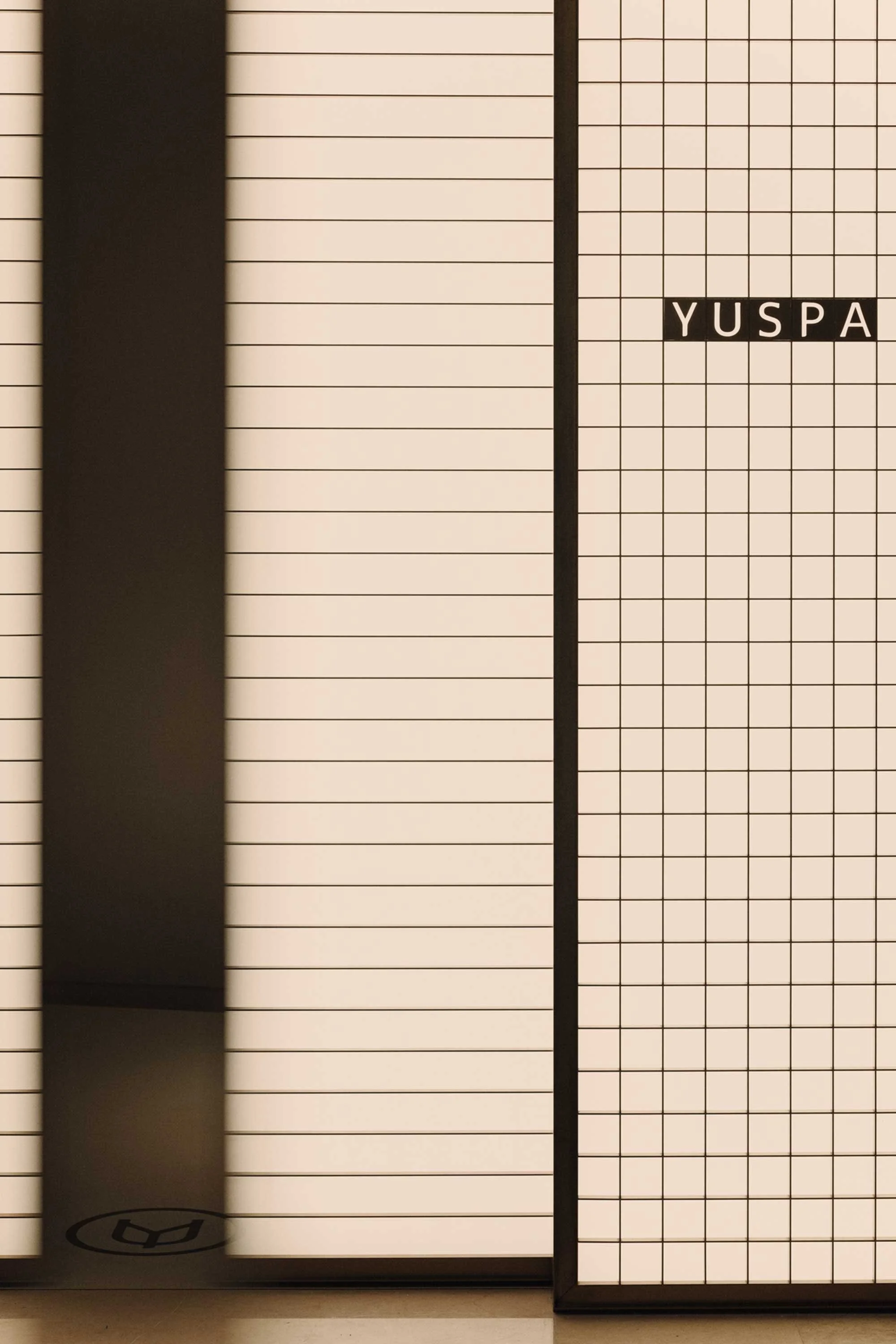
The client, already renowned among Beijingers for his meticulous approach to service, came to FOG with a simple brief: ‘I want something calm and peaceful.’ His first spa branch had been self-designed, rich in detail but lacking the spatial sequencing that could gently transition customers from street bustle to internal stillness. This is where FOG’s architectural sensibility, rooted in the choreography of movement, became transformative.
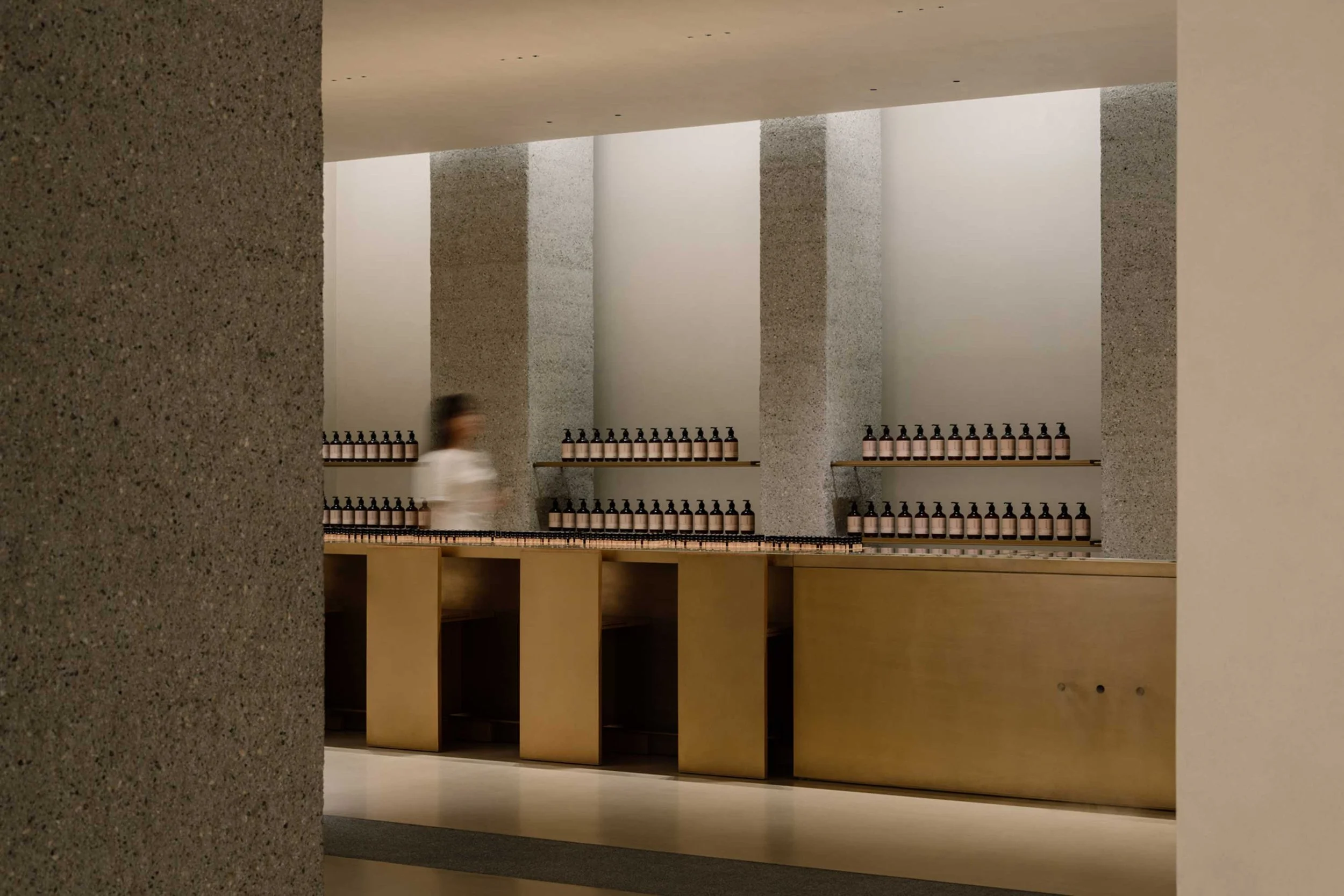
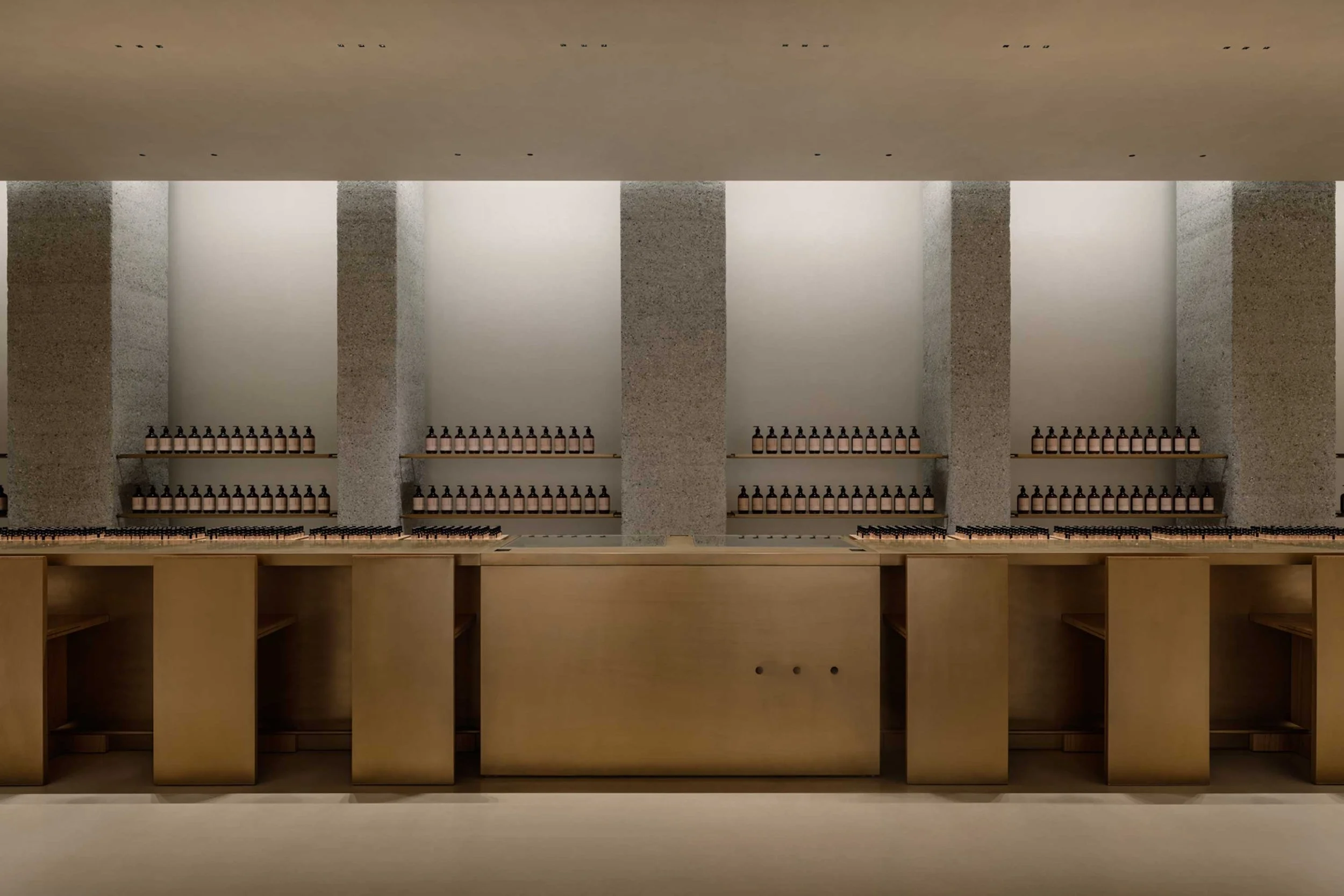
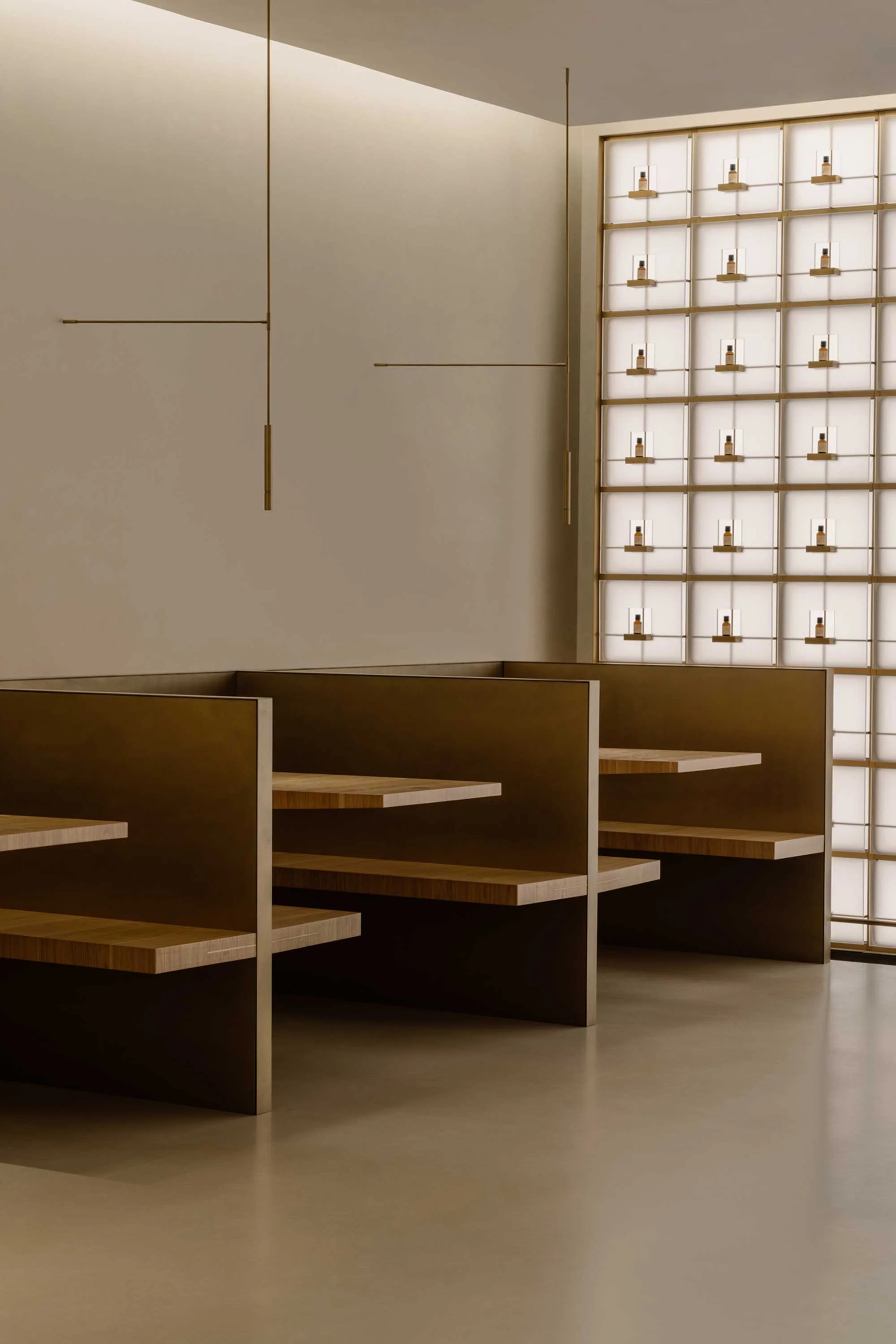
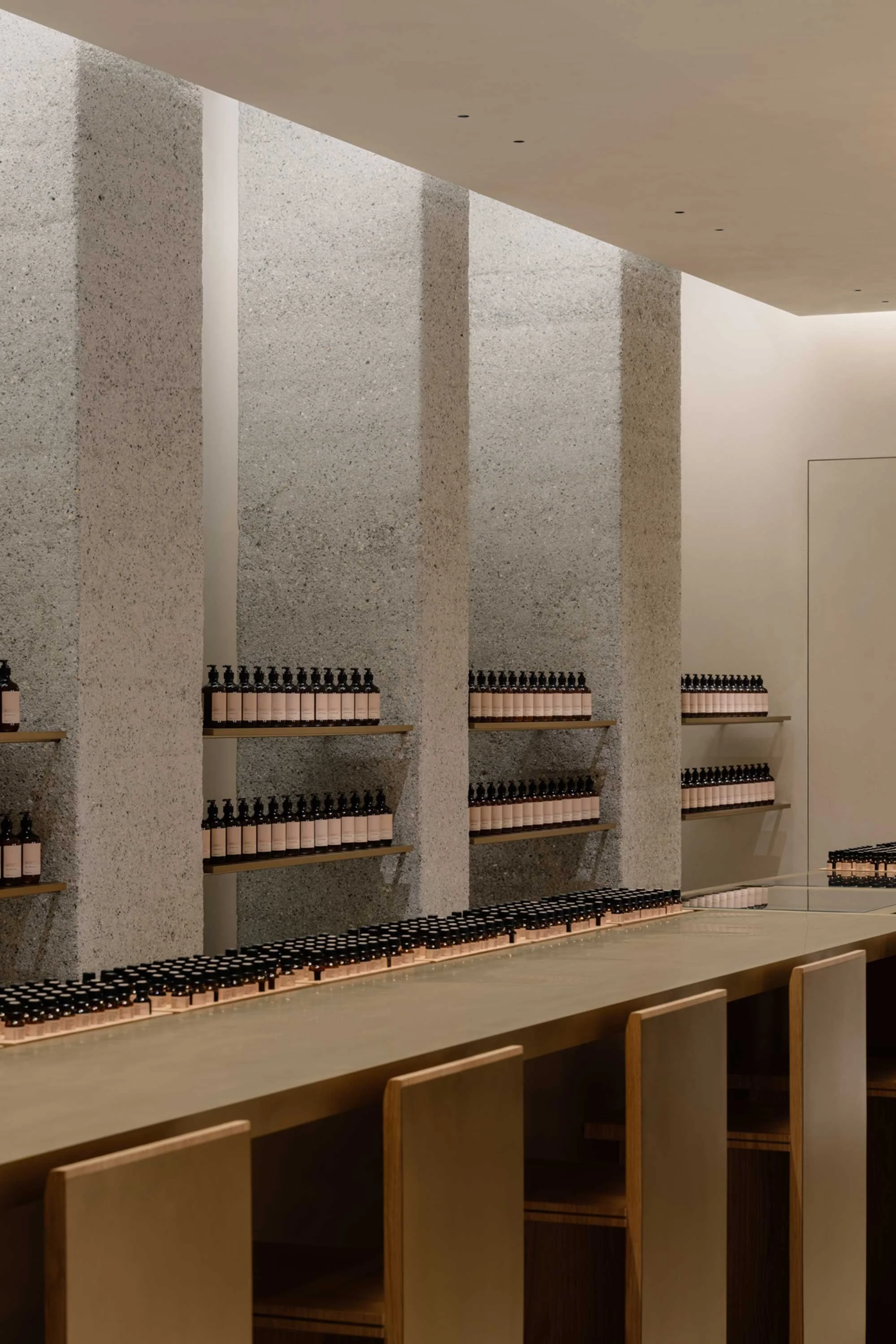
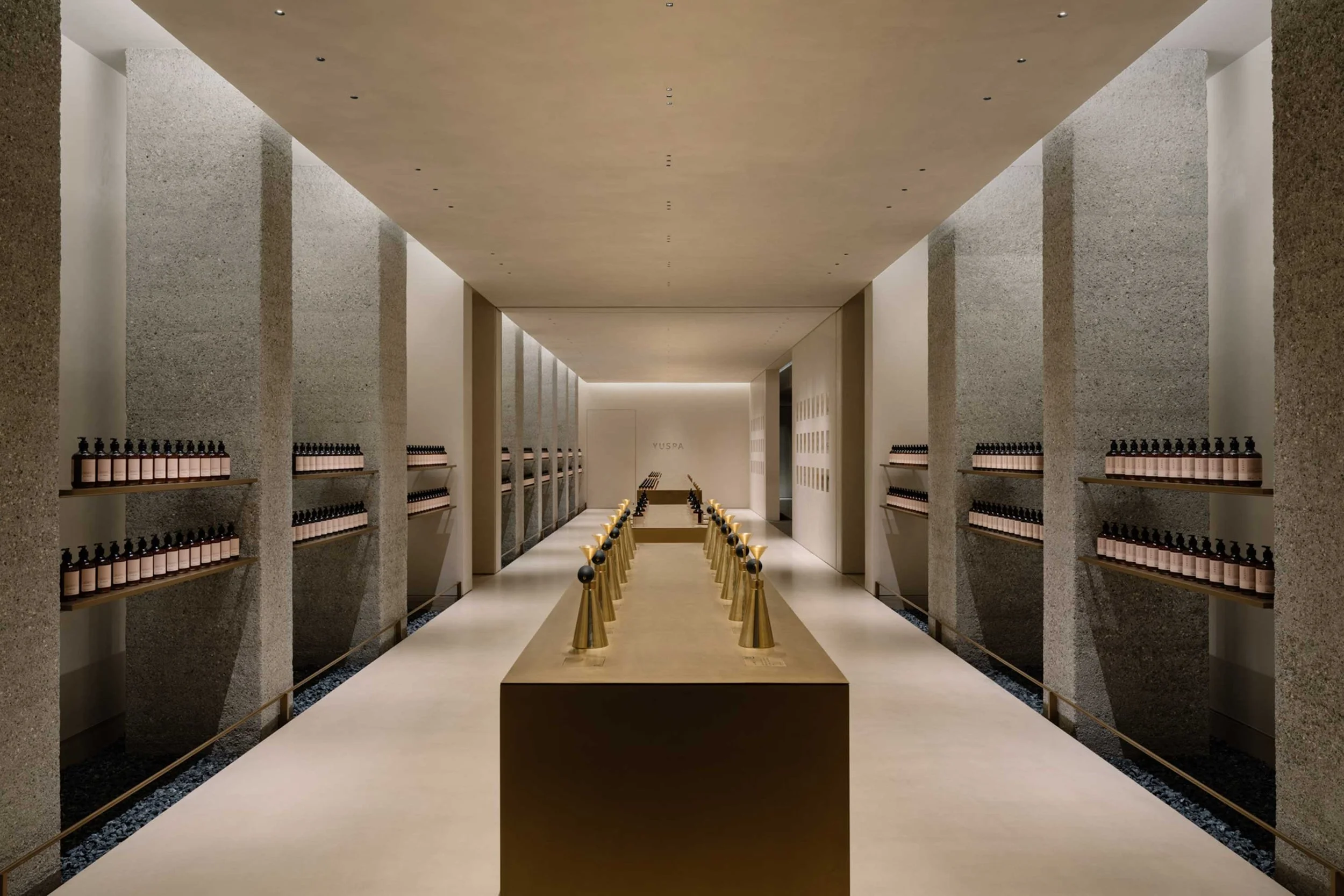
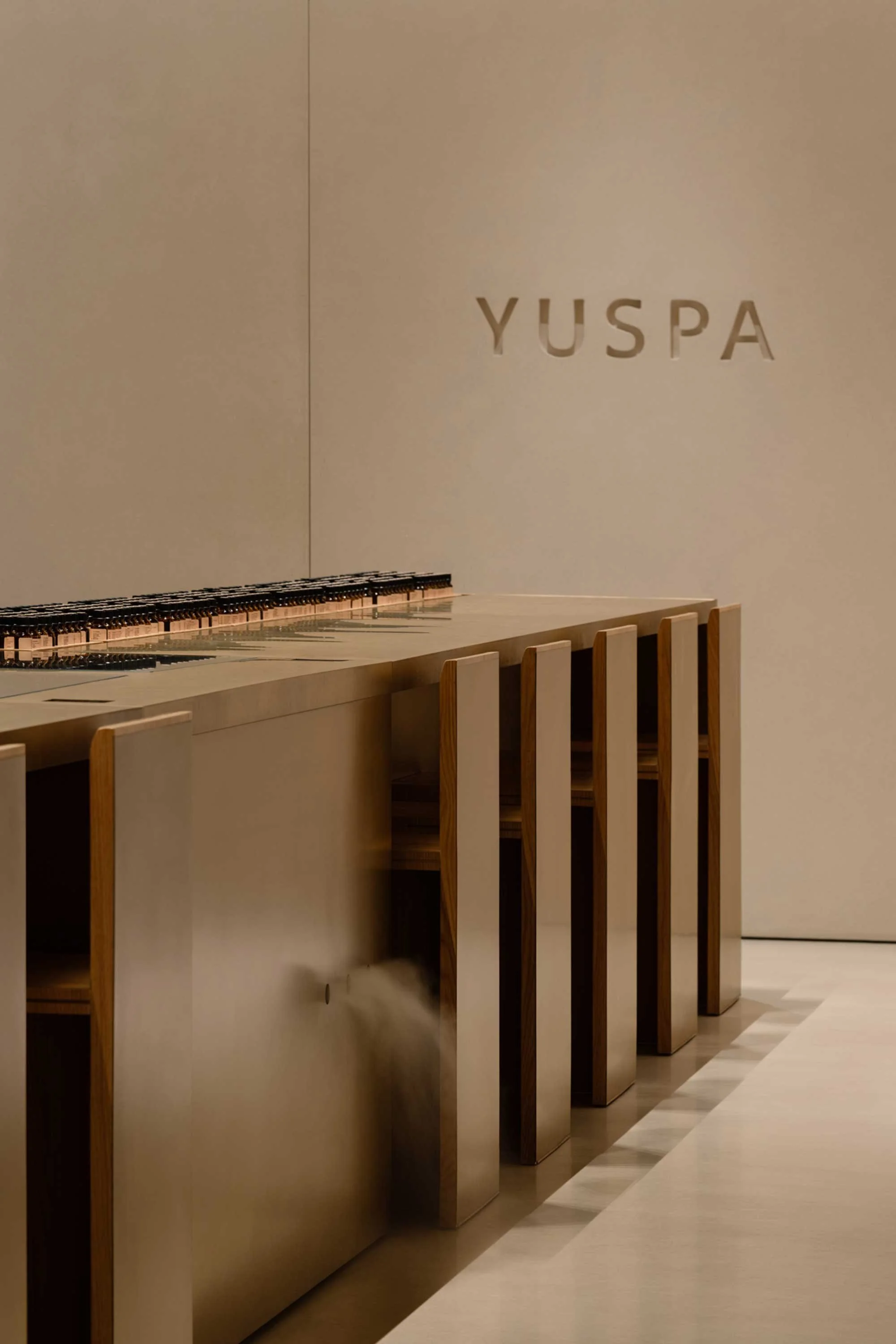
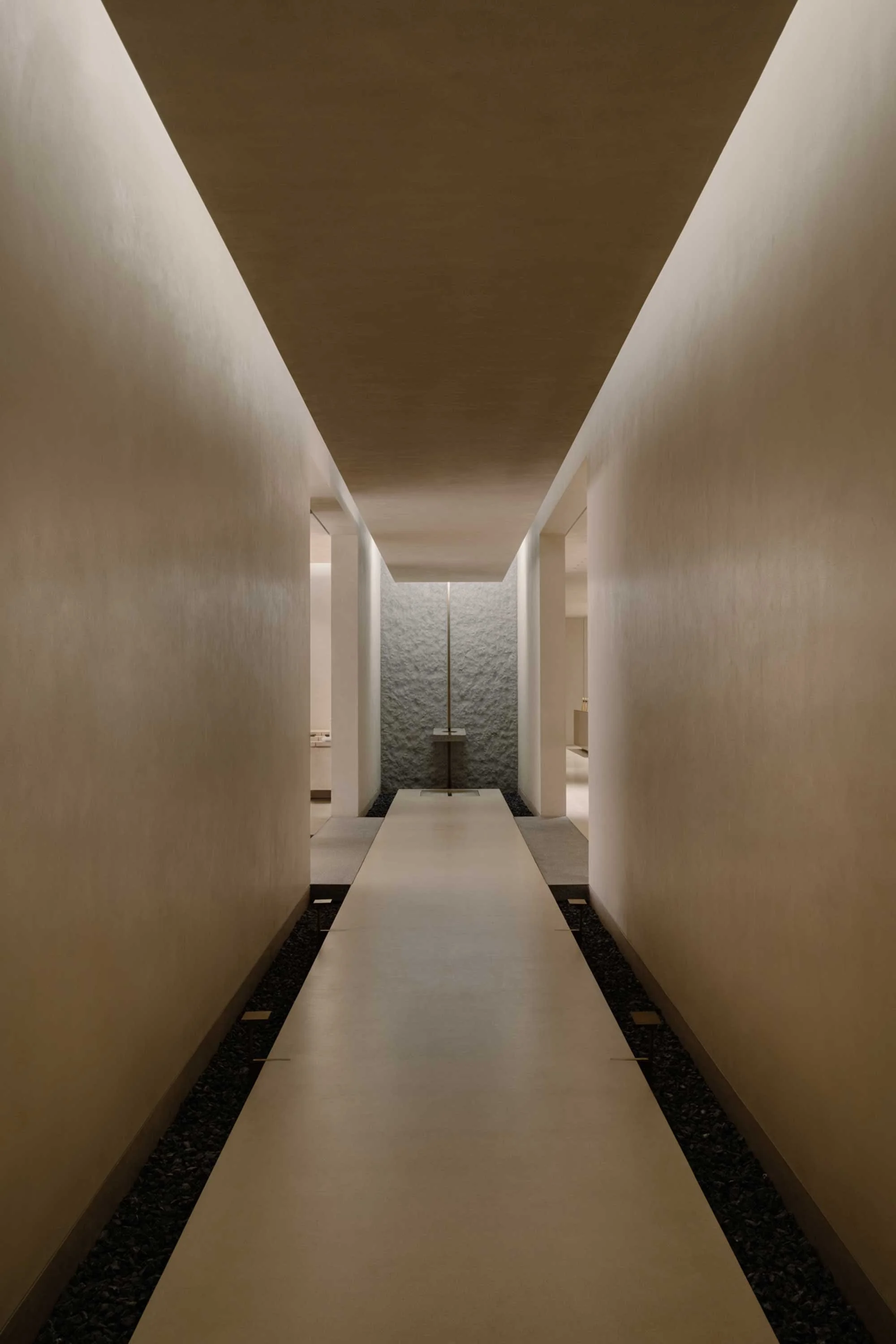
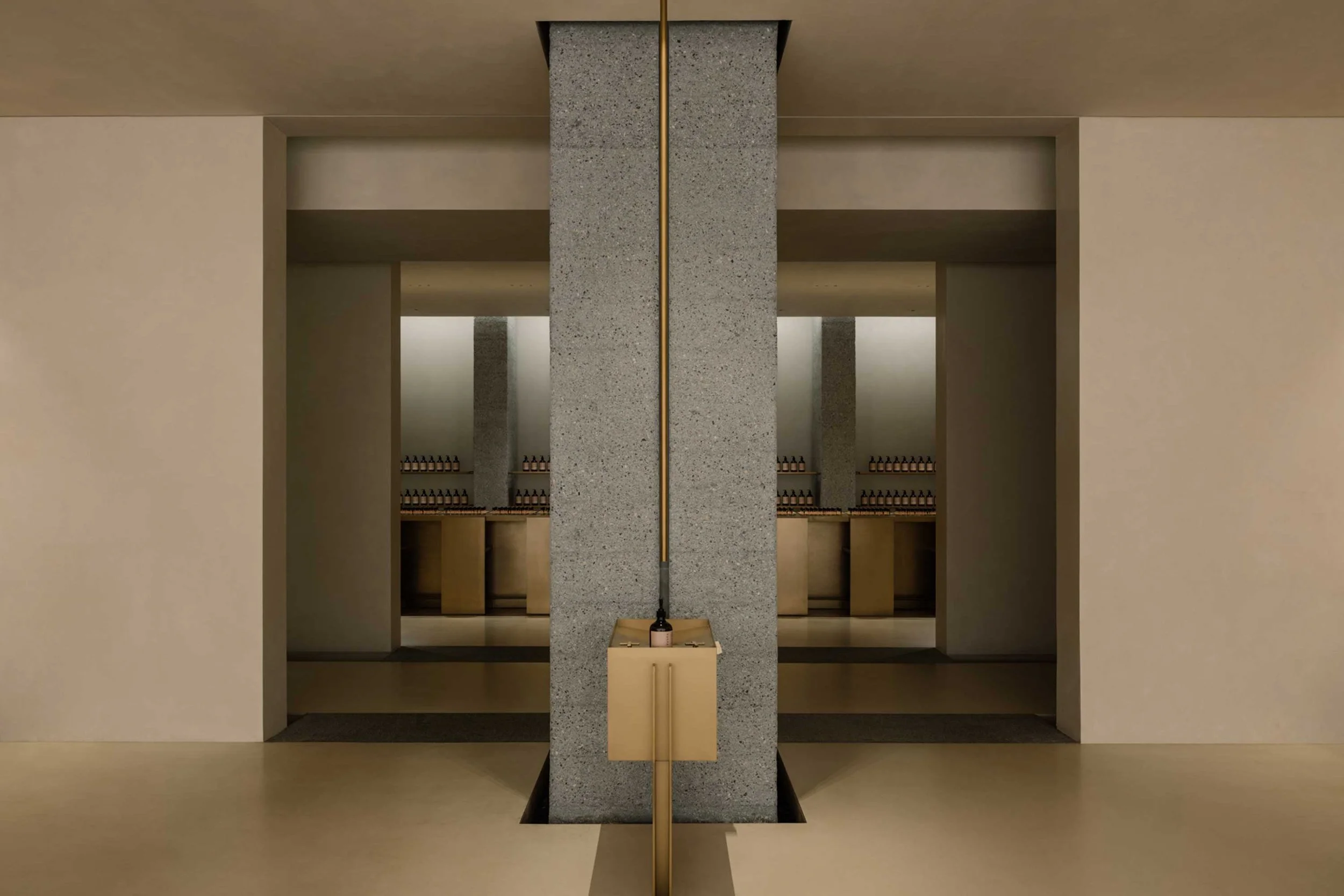
On arrival, guests step from Taikoo Li’s bright pedestrian corridors into a dimly lit, narrow passageway, the first act in a carefully composed journey of relaxation. ‘We wanted the arrival experience to prepare the mind,’ says Zheng. The corridor widens into a generous lobby where neutral-toned floors, walls and ceilings merge into a continuous envelope. This monochromatic quietness erases visual distraction, helping to still the mind and body.
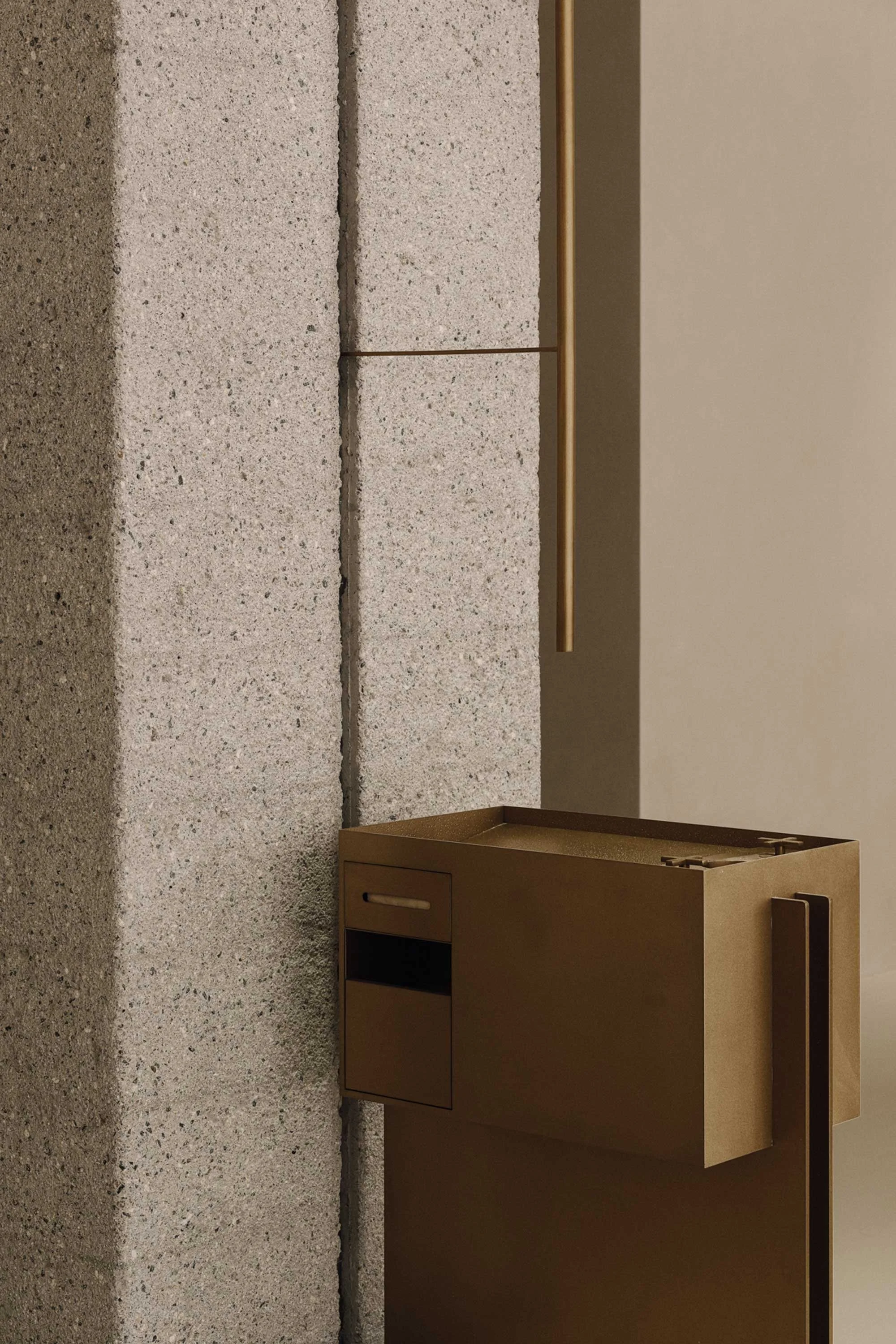
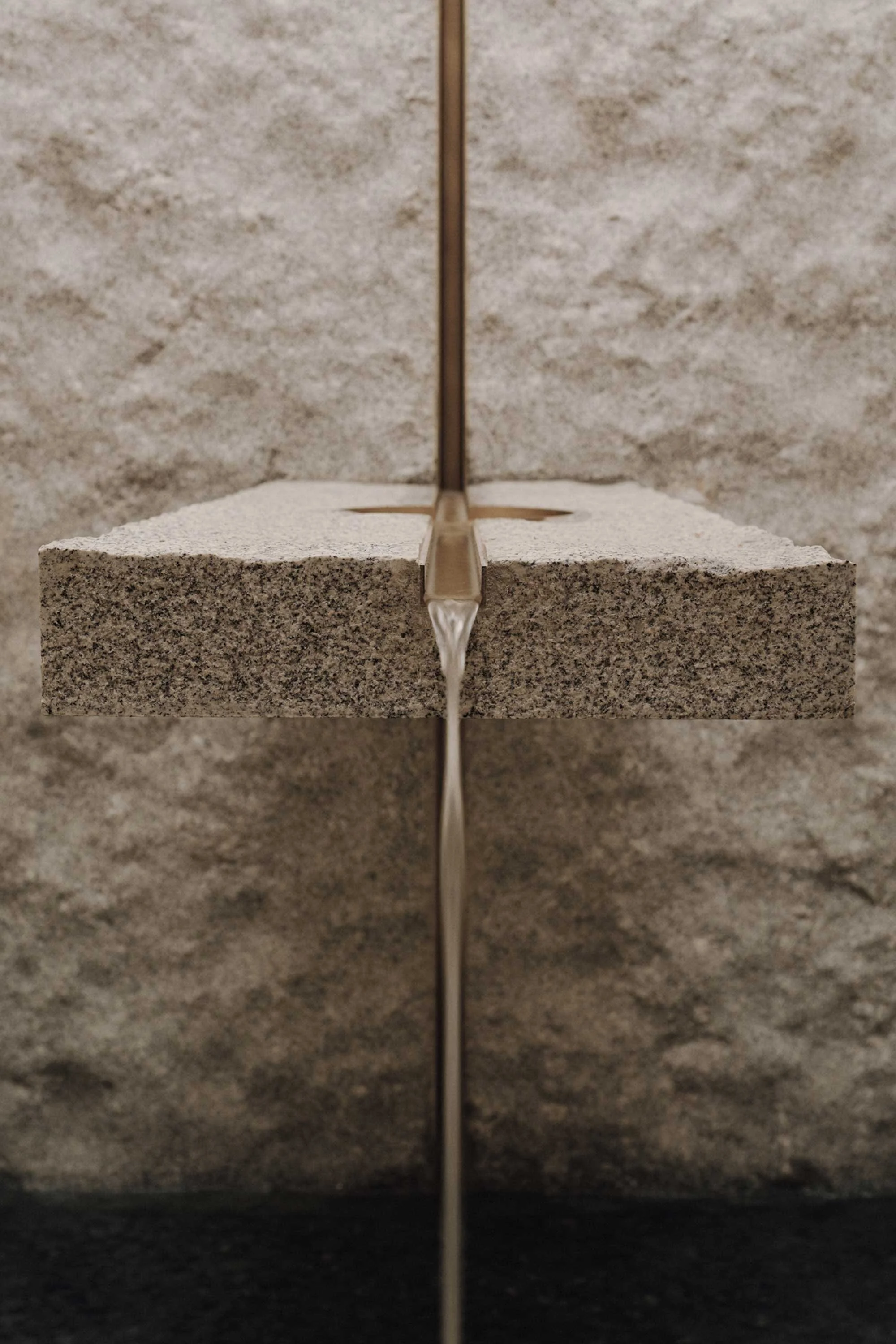
In FOG’s design approach, scent and sound become architectural materials. Soft aromatic sprays, from citrus to floral, are tuned to morning, afternoon and evening. Low voices drift from spa staff who have perfected the art of whispering, while soft hidden partitions dampen ambient noise. To avoid the eerie hush of total silence, FOG introduced water, with a central font anchoring the acoustic landscape in nature.
‘Architecture,’ says Zheng, ‘is about finding the potential of a space and releasing people’s uneasiness.’ At YuSpa, that release is palpable. In fact, it envelops the moment the front door closes behind you, when Beijing disappears — and serenity becomes a spatial act.
Text by Simon Ostheimer
Images by Wen Studio and InSpace