The Creative District in Singapore That Rewards the Curious and Unhurried
Few neighbourhoods in Singapore marry the city’s creative and historical identities as deeply as Bras Basah Bugis, where independent spaces, long-loved local businesses and heritage architecture continue to thrive amid urban change
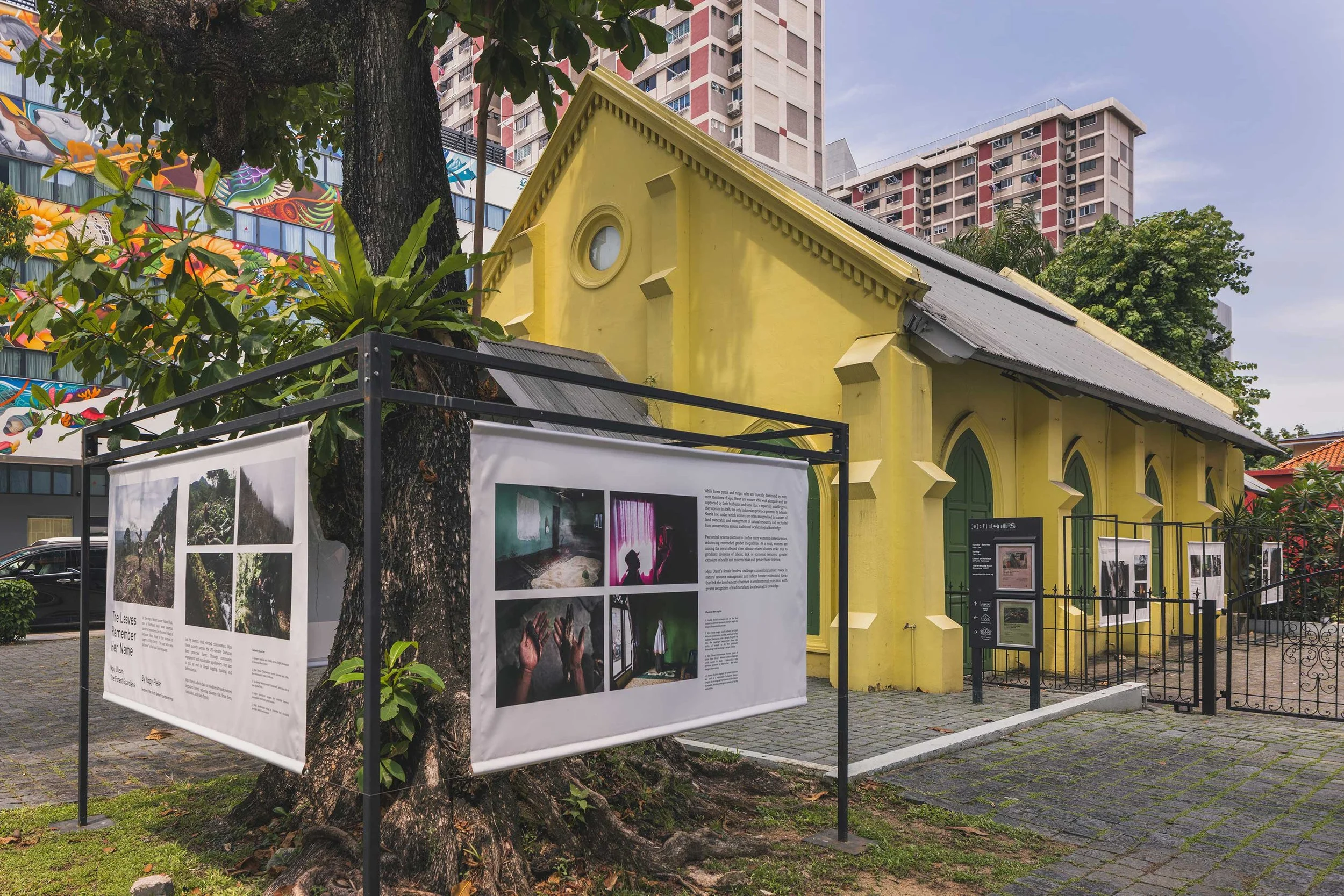
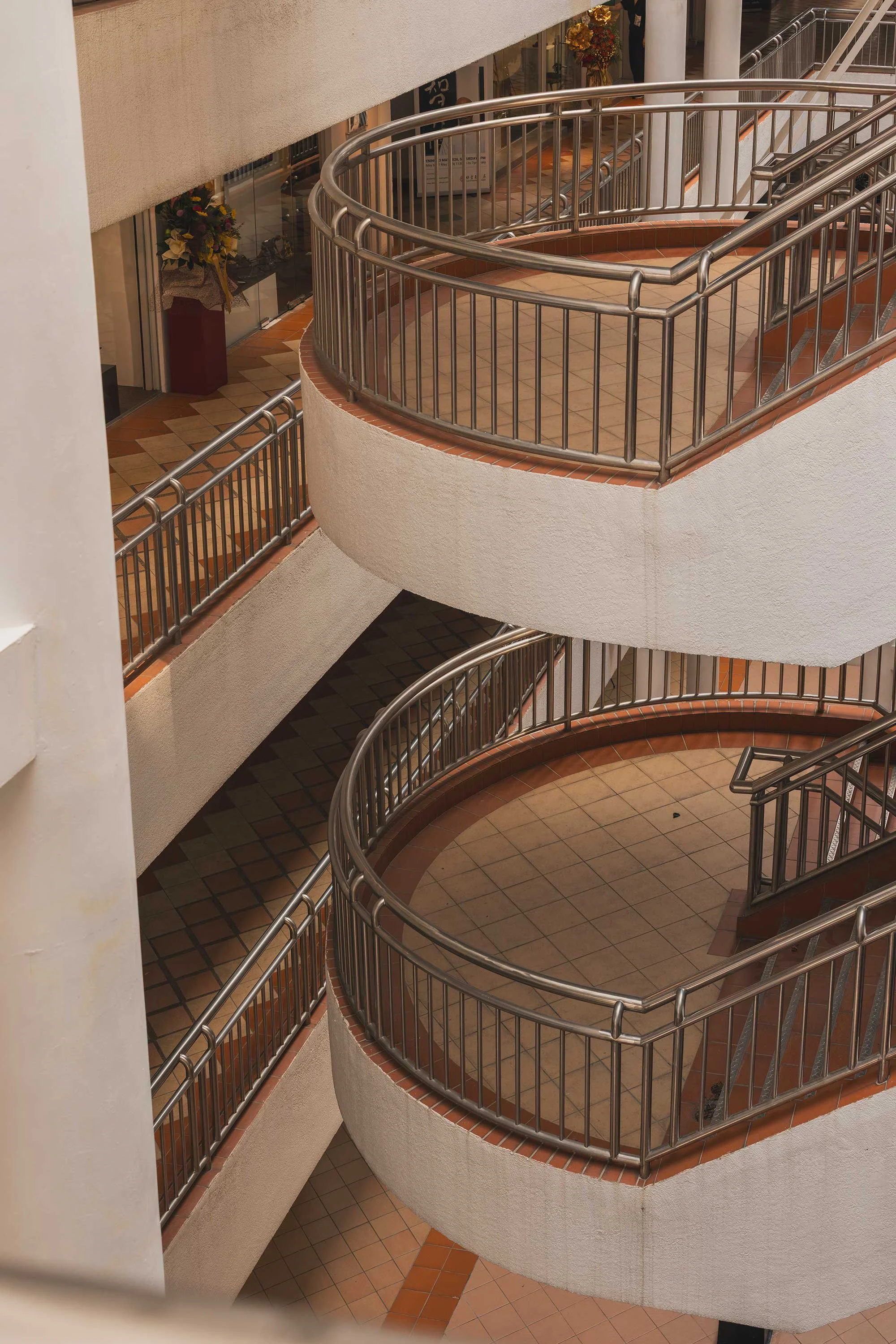
Bras Basah Bugis feels like an outlier in gleaming Singapore. Stretching across Bras Basah Road, Bugis and Prinsep Street, the city’s creative district unfolds as a charming collage of old and new. Colonial-era houses stand beside weathered shophouses, art organisations and schools; modernist blocks from the 60s and 70s; and long-standing retail malls filled with cafes, bookstores and loved local businesses, animated with wall murals as well as arts and cultural events year-round.
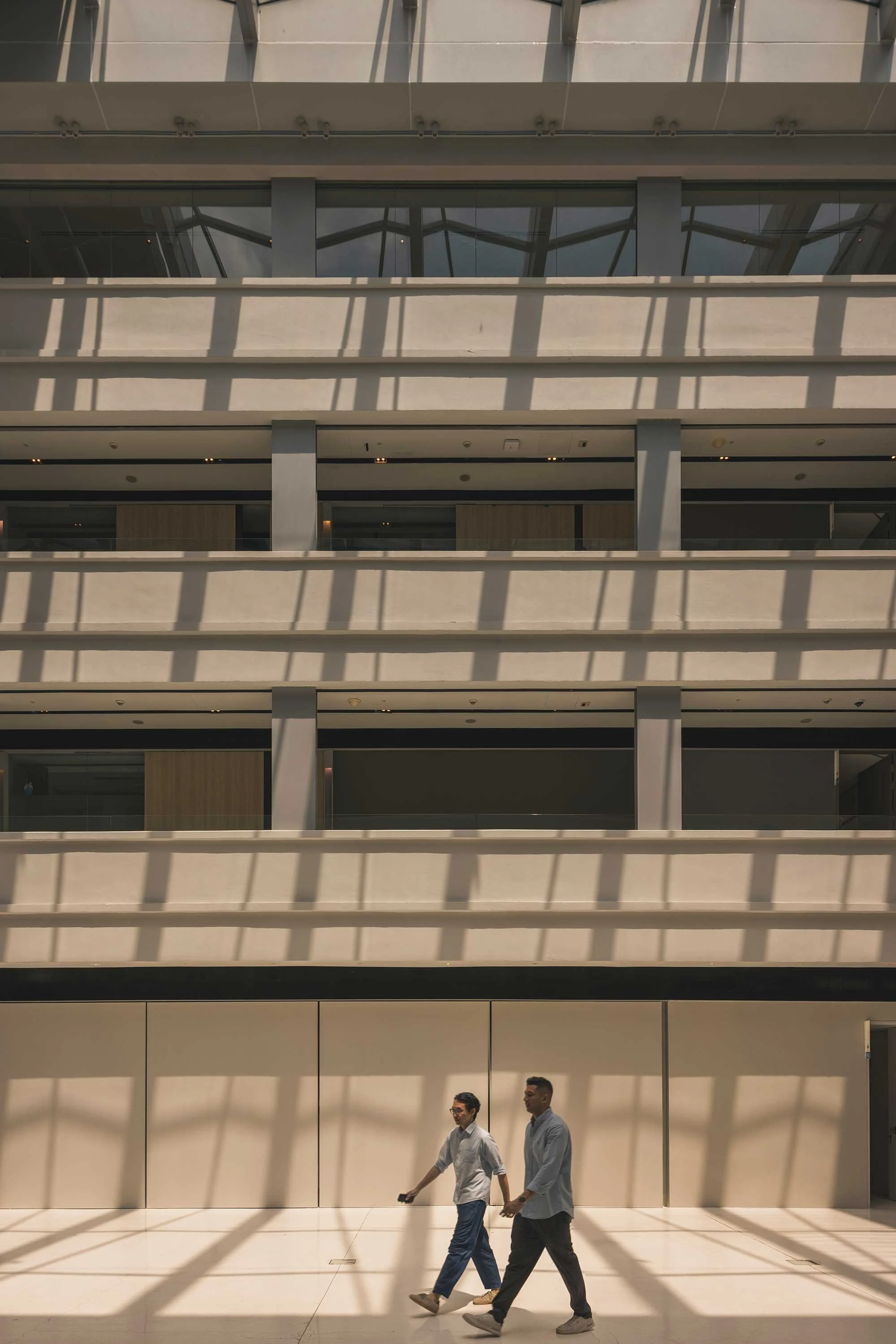
The district’s architectural contrasts define much of its appeal, forming an eclectic backdrop for some of Singapore’s most recognisable landmarks: CHIJMES, which was established in 1854 as a Catholic girls’ school, the Ken Yeang-designed National Library Building, the National Design Centre and the 139-year-old National Museum of Singapore. Around them, places of worship from multiple faiths and earlier eras remain woven into the urban fabric, edged by mature trees that have silently witnessed the passing of time.
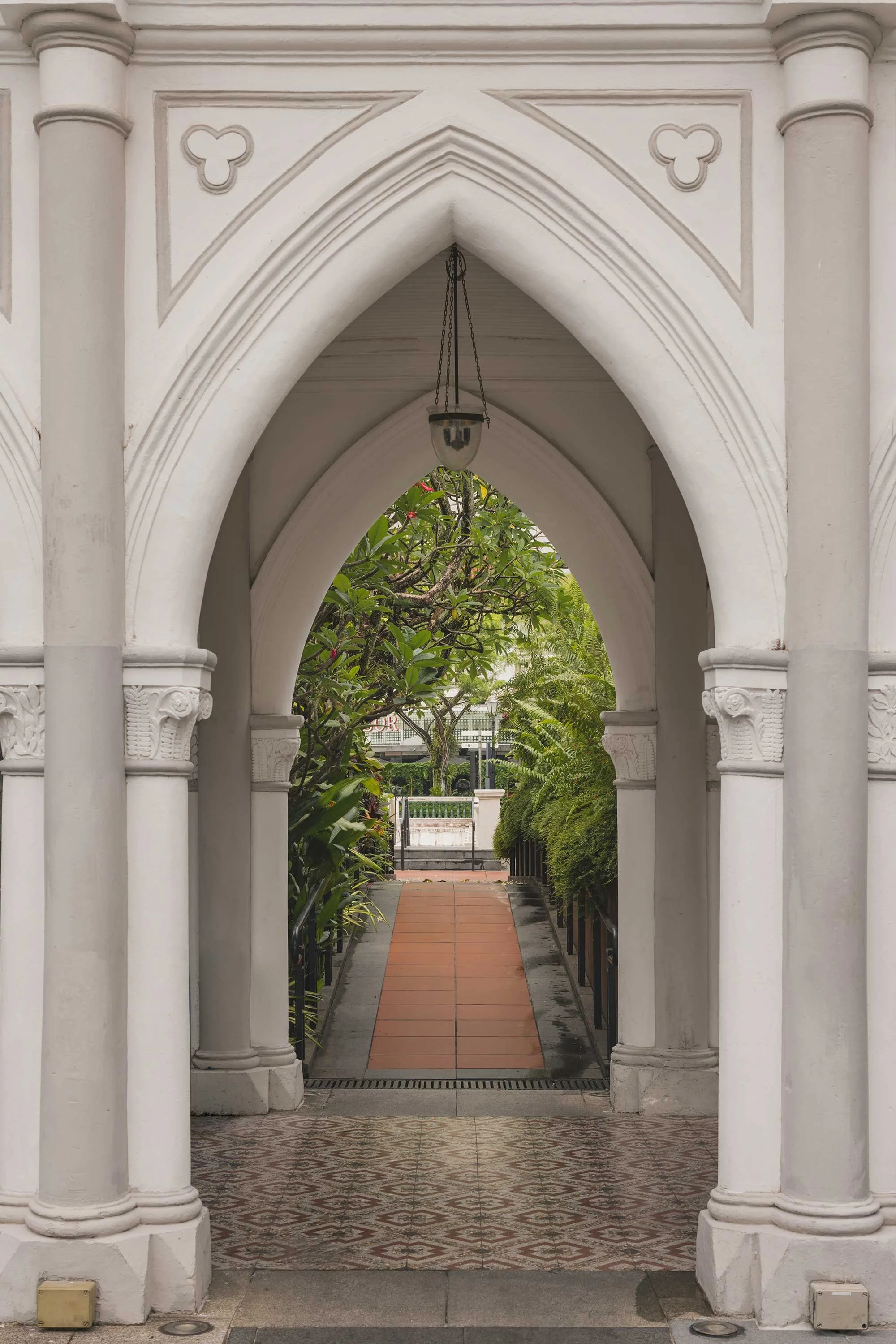
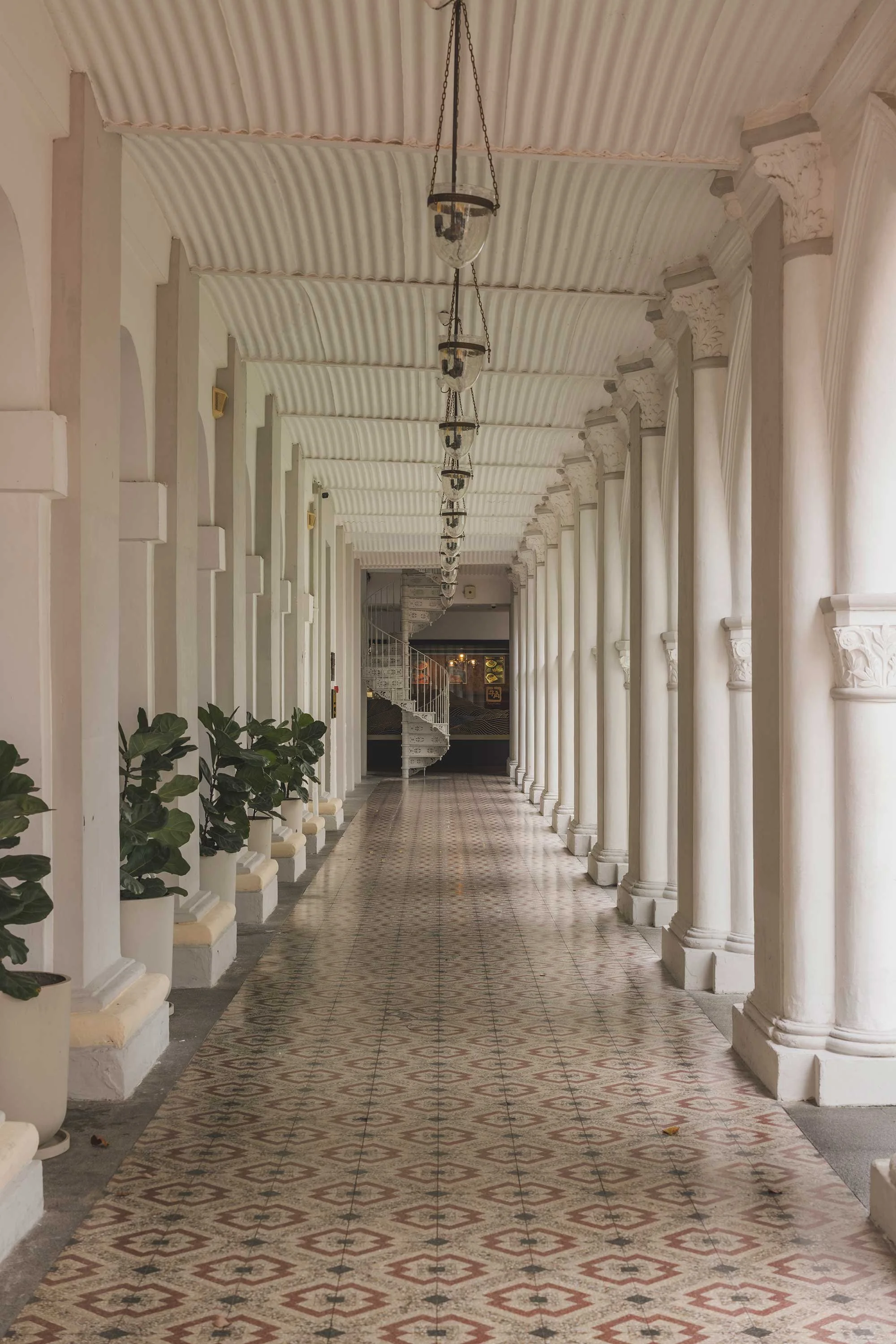
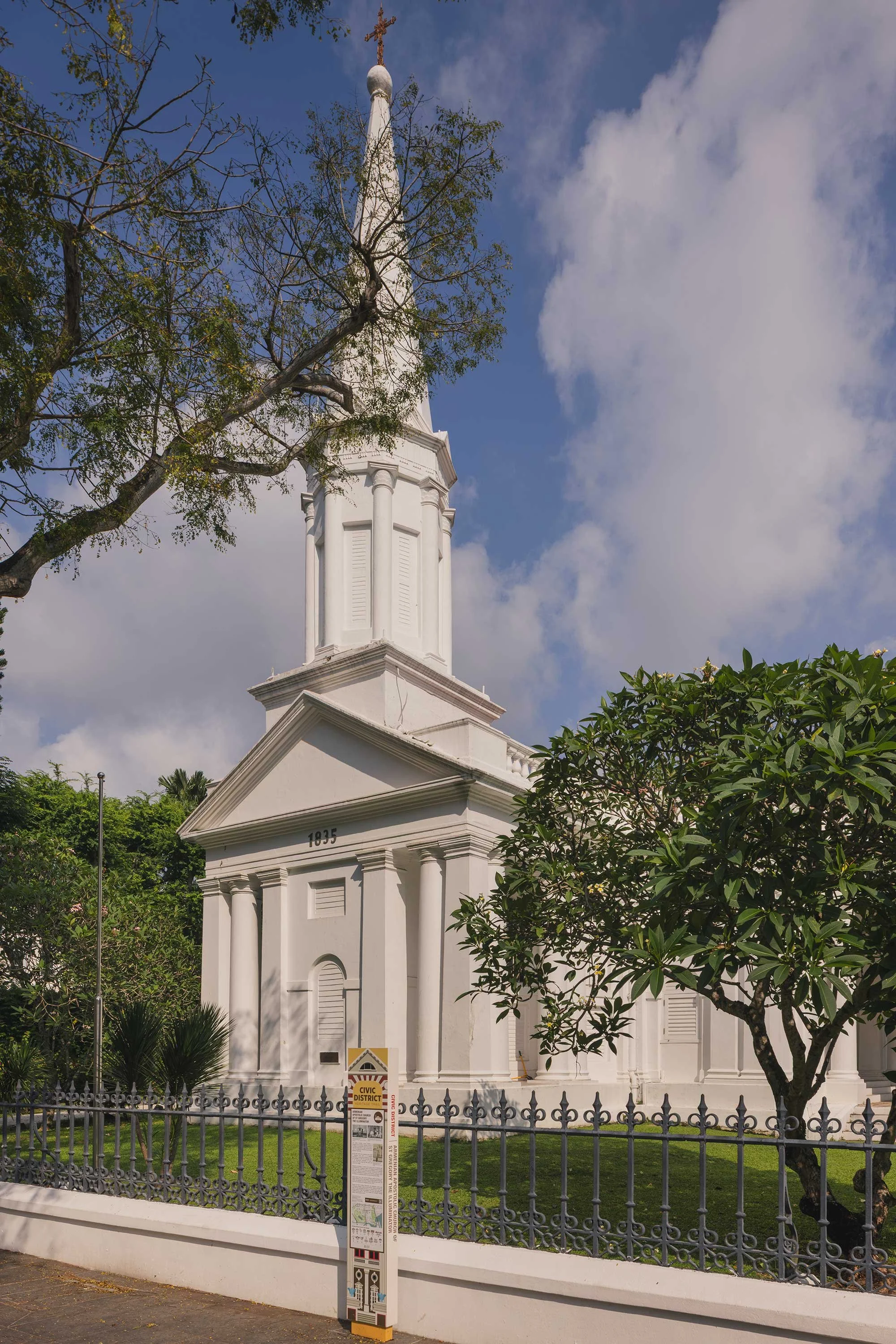
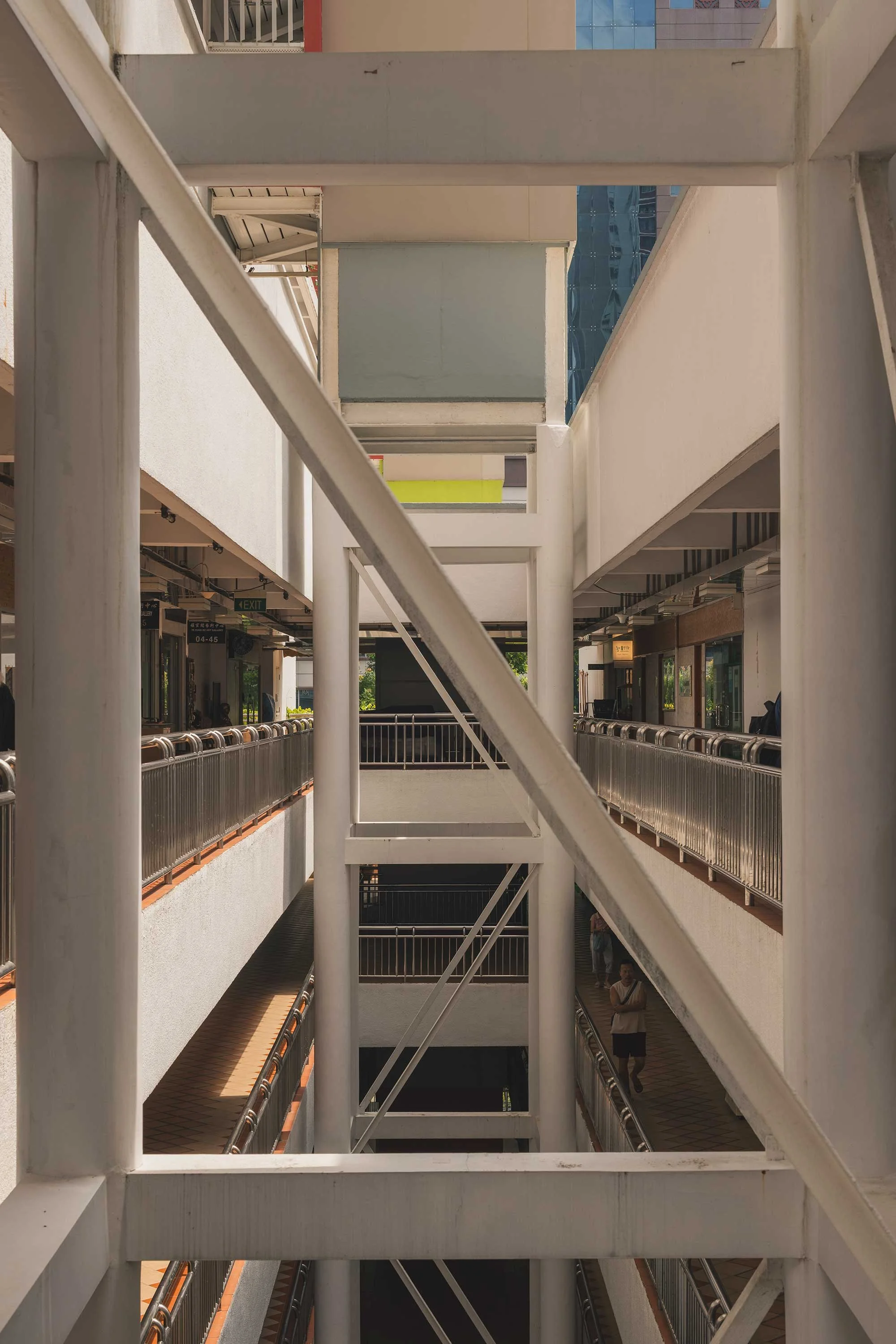
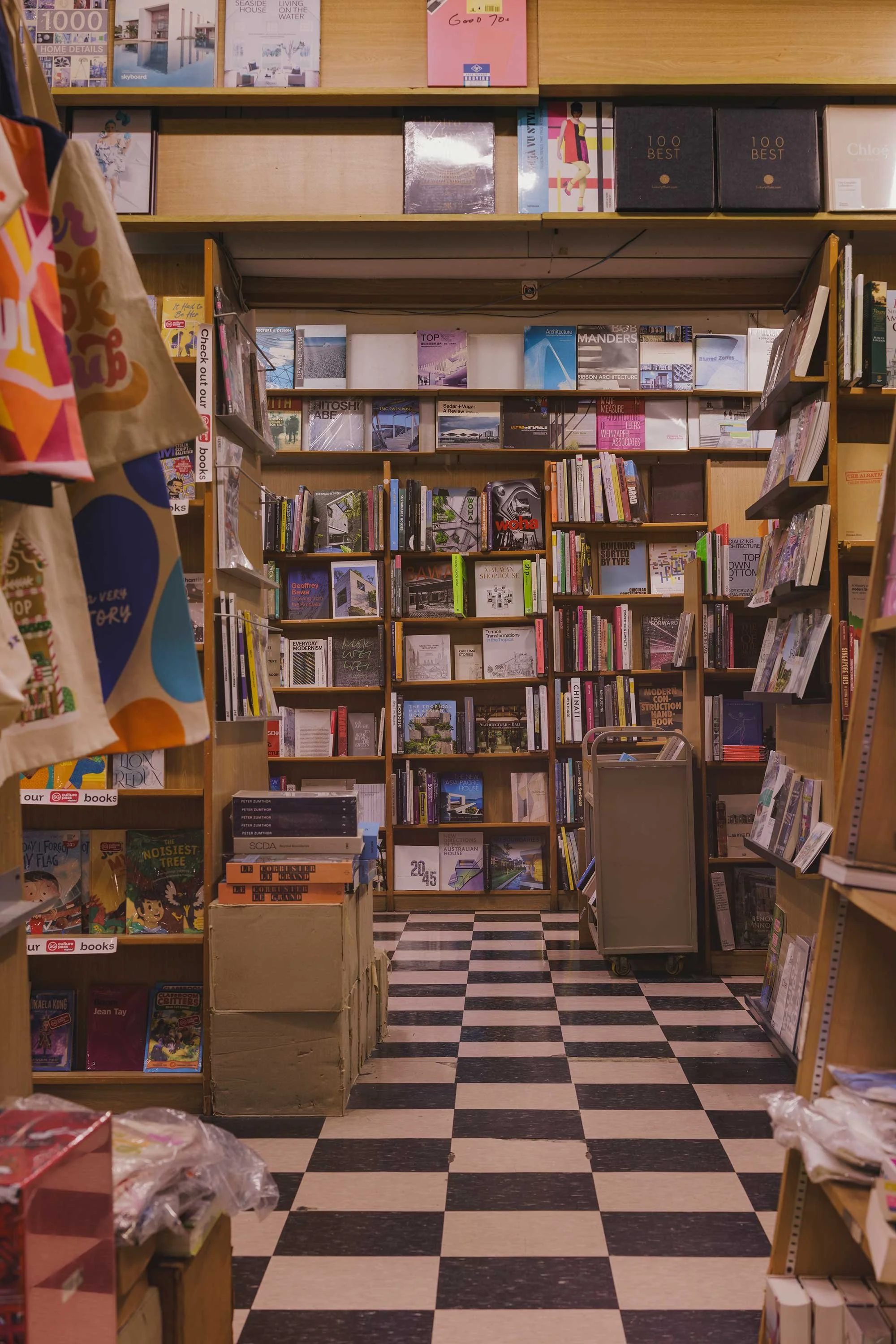
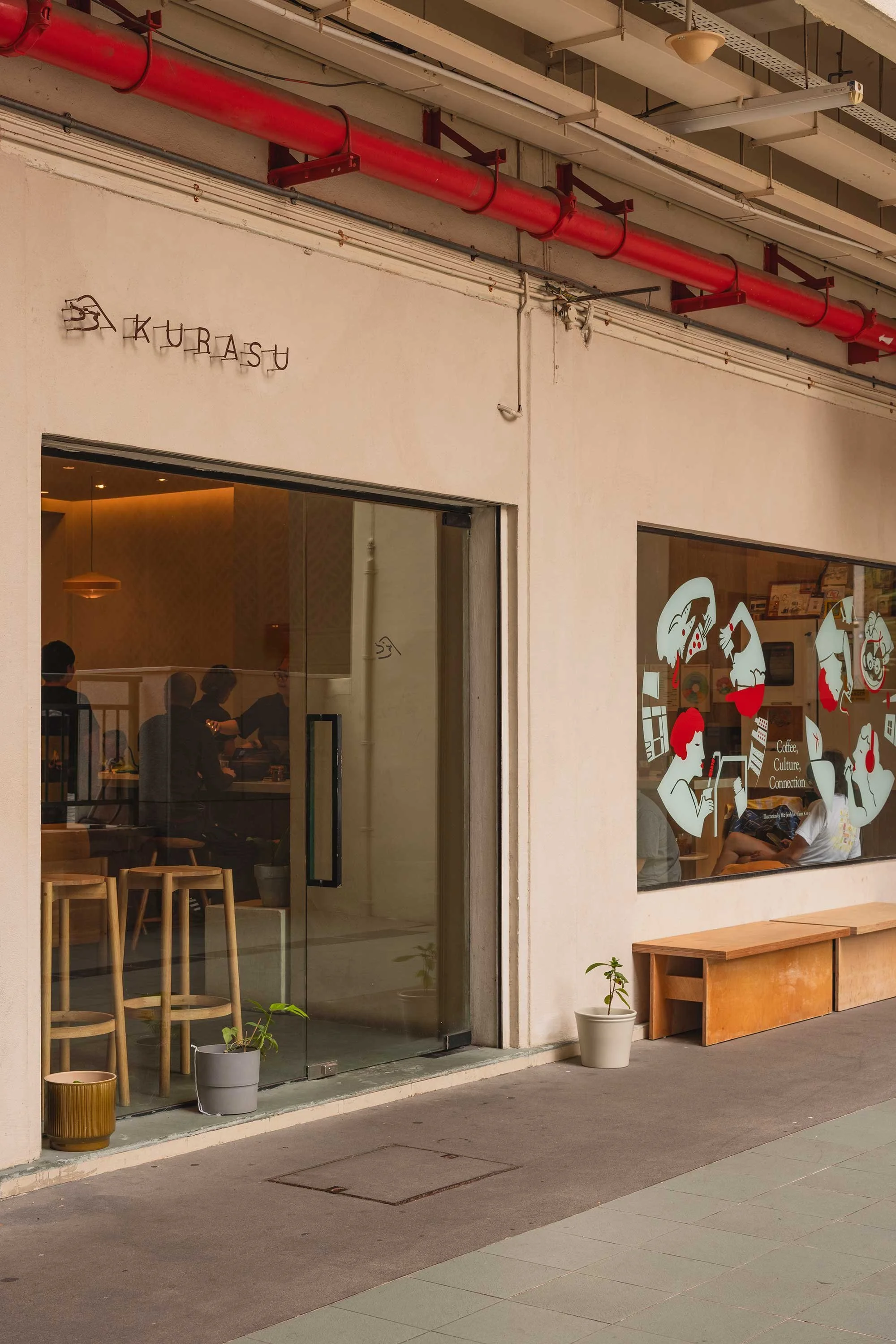
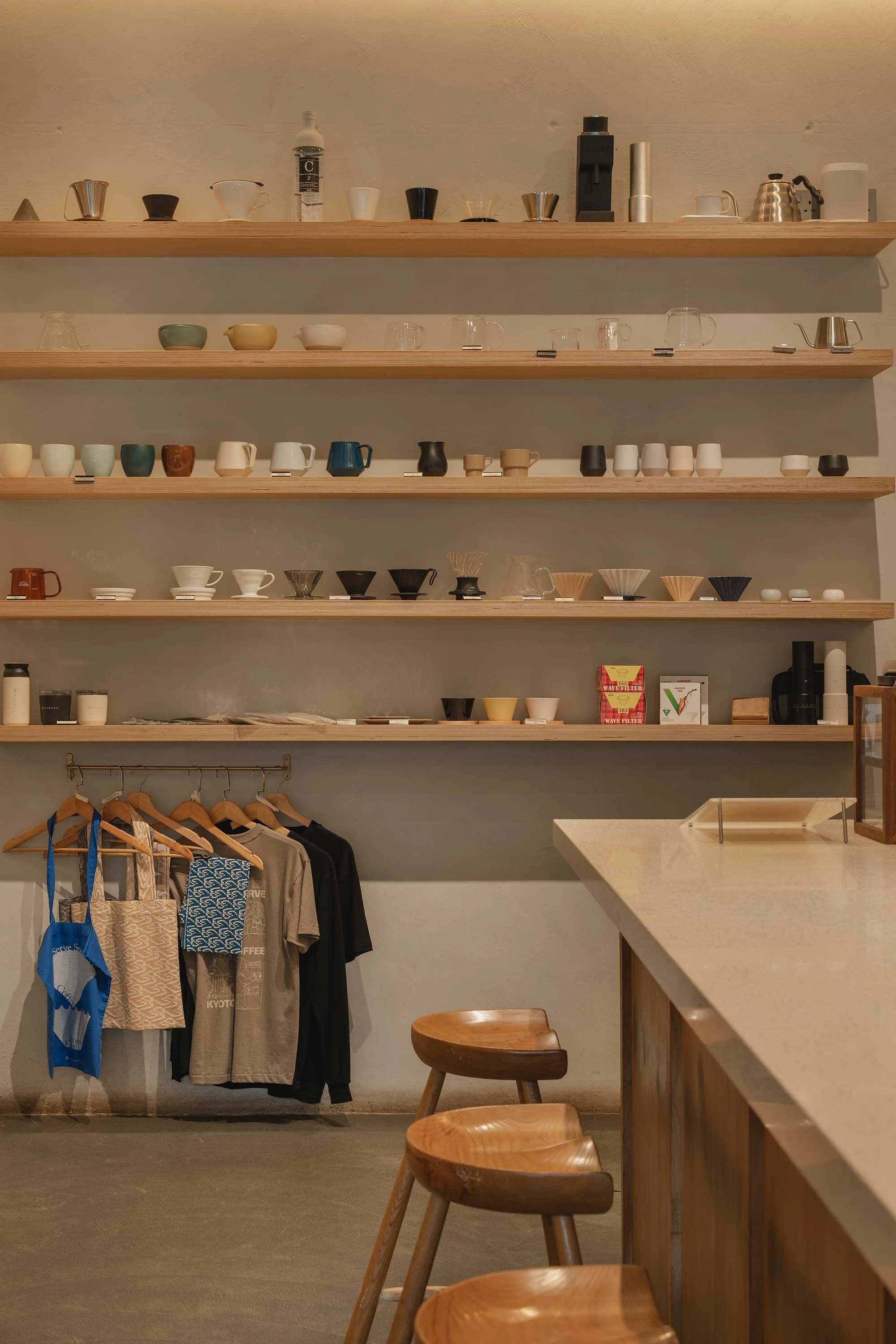
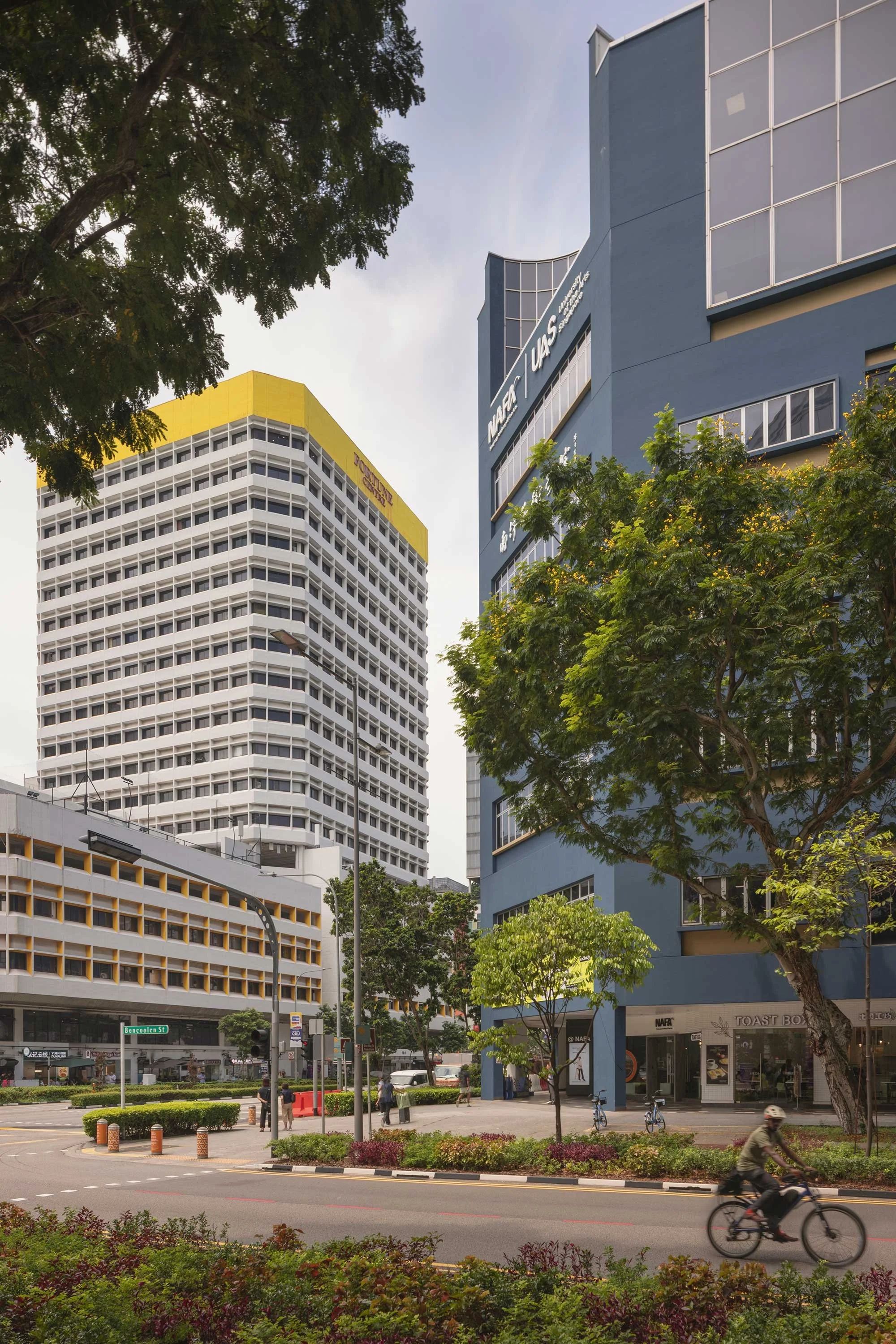
And a great deal has changed, but the best way to experience the neighbourhood remains the same — without a sense of urgency. An afternoon might be spent browsing art and design books at Basheer Graphic Books in Bras Basah Complex, pausing for matcha at Kurasu, a beloved cafe from Kyoto in Waterloo Centre, then ambling on for a serving of sticky yam paste or chendol at Yat Ka Yan Desserts in Fortune Centre, and wherever else your impulses lead.
Exploration also reveals that creativity here is not confined to the neighbourhood’s art institutions, though they play a vital role in sustaining it. In a way, Bras Basah Bugis functions as an incubator for young creatives, where ideas are developed and ultimately tested within and beyond the classroom.
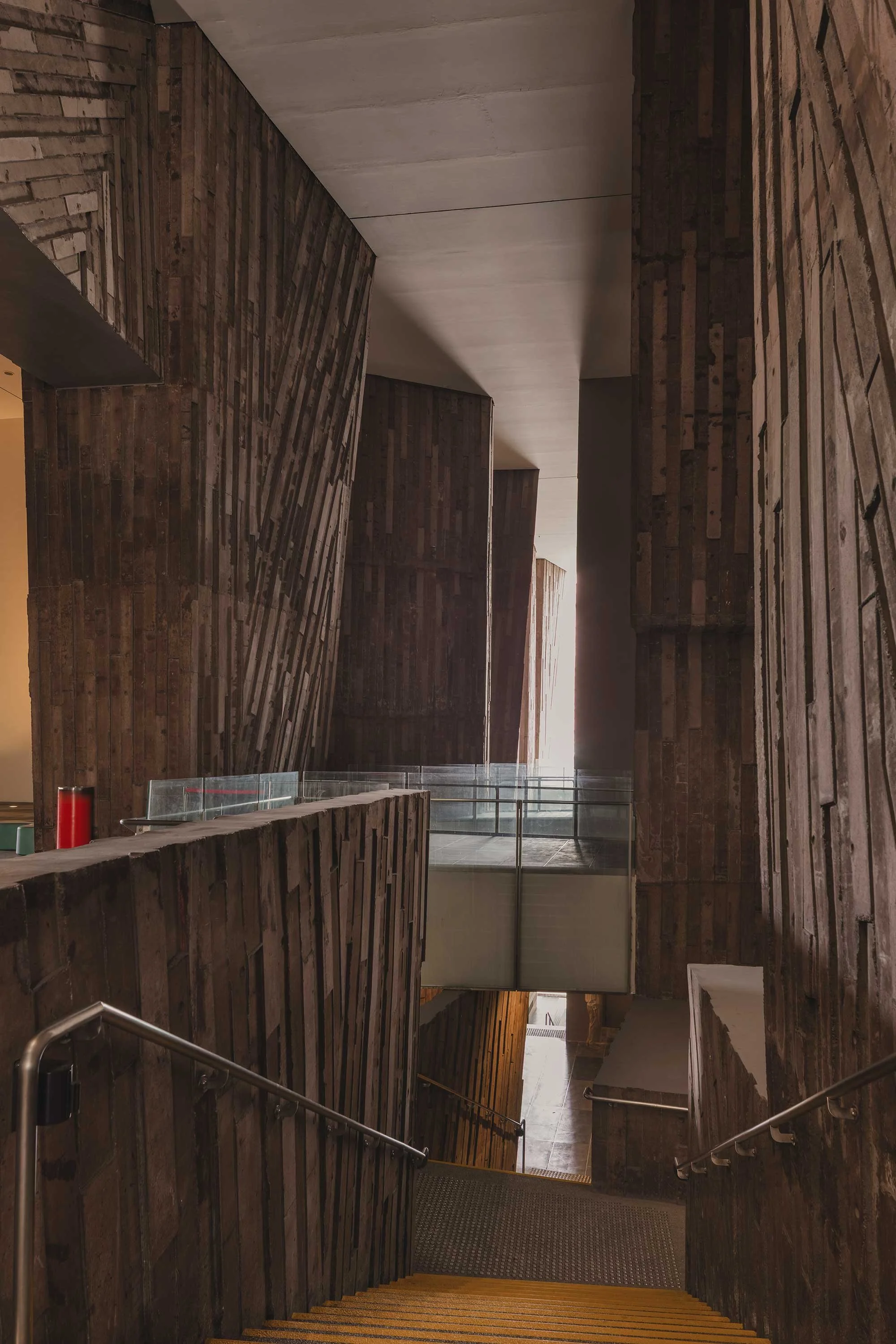
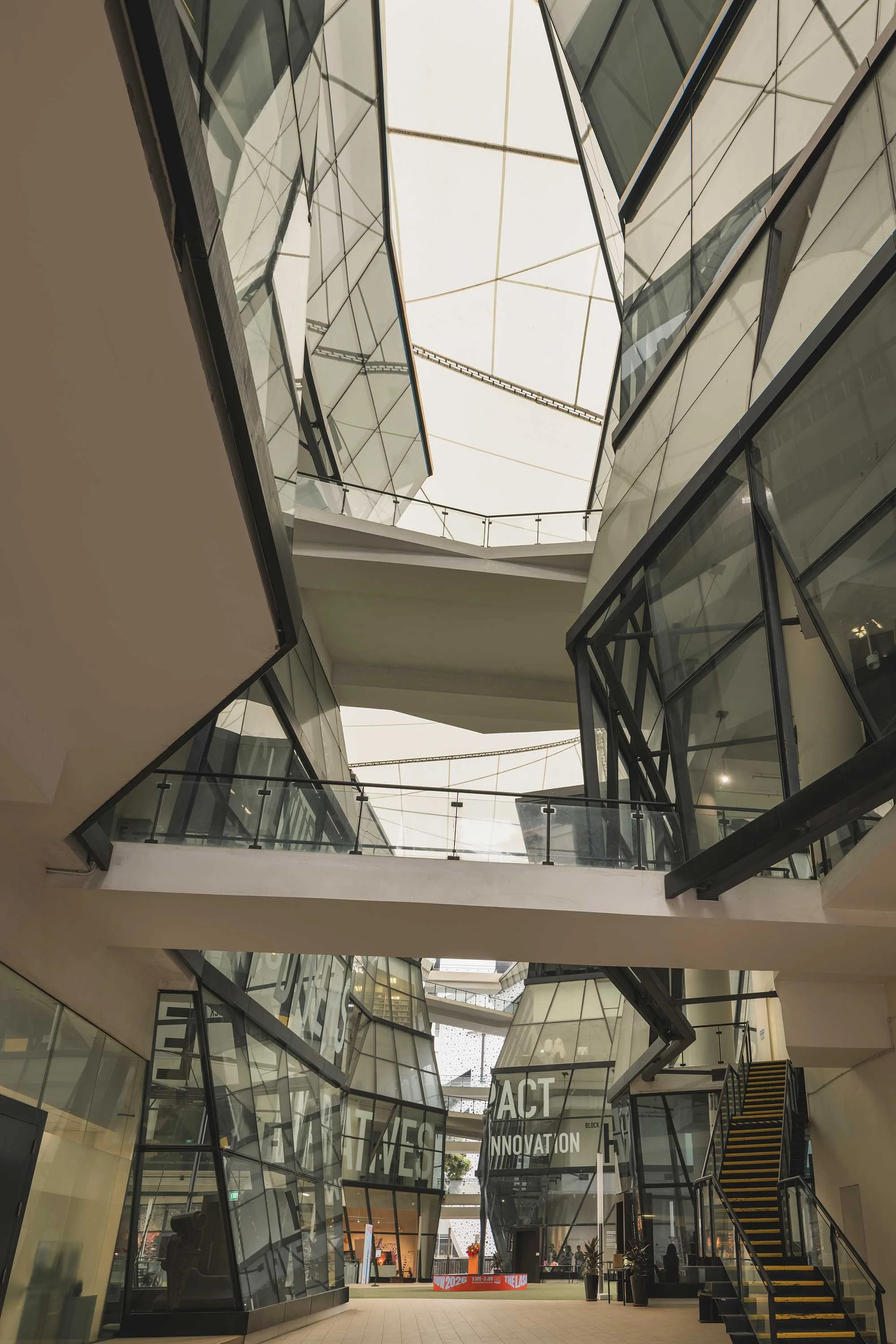
One pillar of this system is the RSP Architects-designed McNally Campus of Lasalle College of the Arts, which rises in the Rochor area like an abstract mountain, opening in the centre with a glass-edged atrium to welcome the neighbourhood. Nearby, the Nanyang Academy of Fine Arts (NAFA), with an older heritage dating back to 1938, began in a Geylang shophouse and has since expanded into four campuses along Bencoolen Street.
Between these institutions, students move fluidly through the precinct into surrounding streets where cafes and public spaces become informal extensions of the creative campuses, lending the area a unique sense of vibrancy.
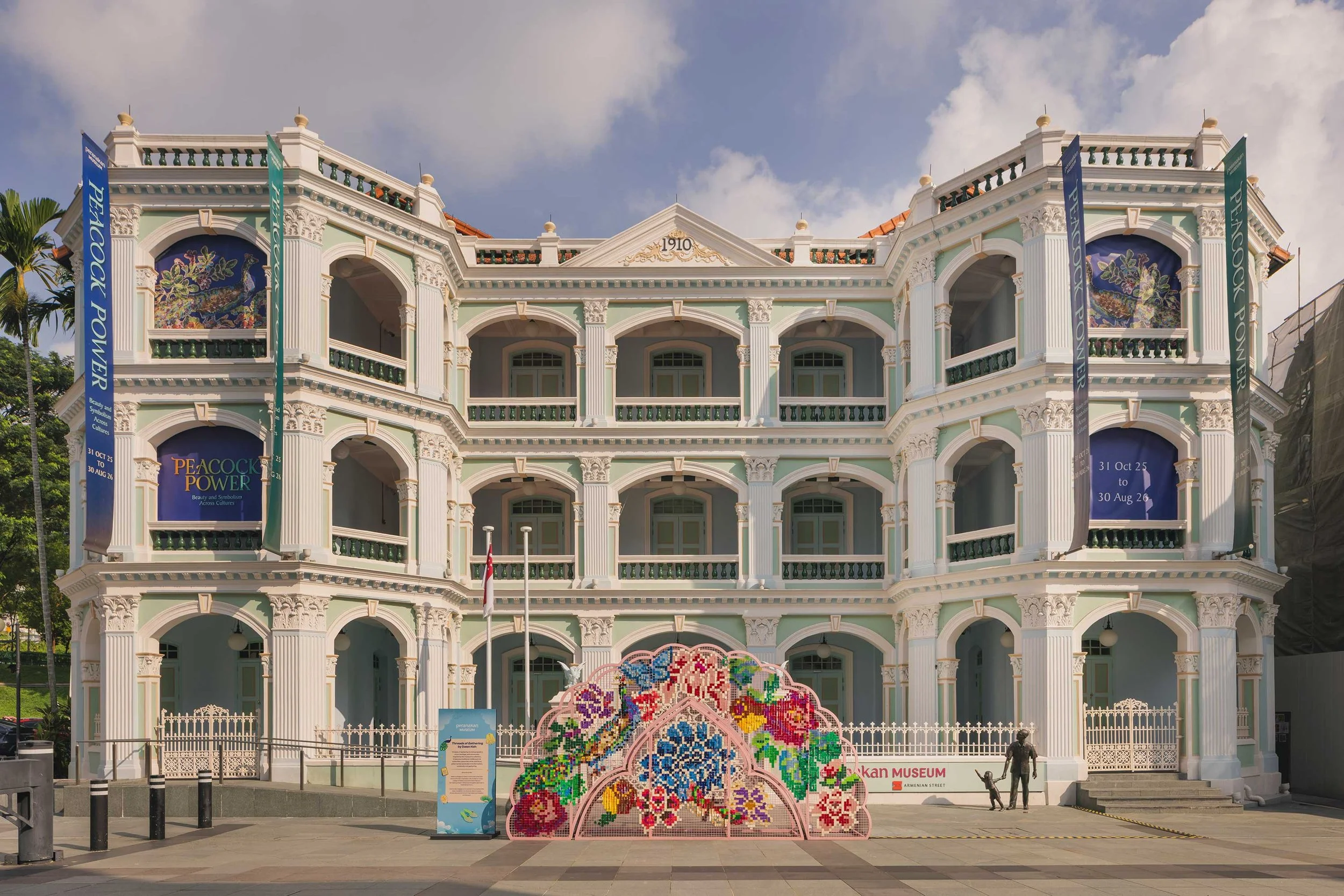
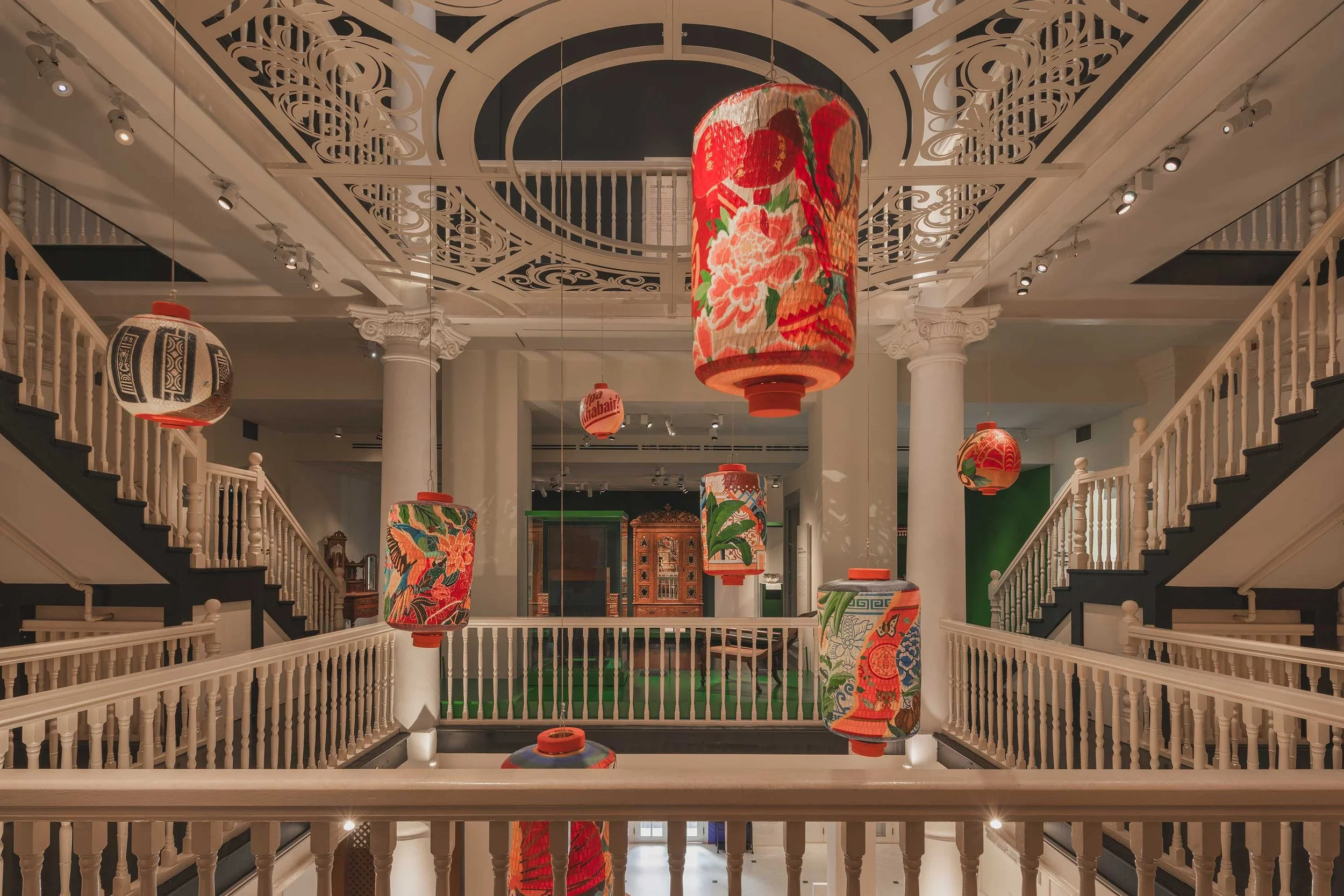
On Armenian Street, the former Tao Nan School is now home to the Peranakan Museum, which presents a rich cultural showcase of Peranakan artefacts and stories from communities across Southeast Asia within an intimate, eclectic classical-style building dating to 1912. Armenian Street, which links the Peranakan Museum, the National Museum of Singapore and the Children’s Museum Singapore — formerly part of the Anglo-Chinese School — is one of the neighbourhood’s cultural spines. Each year, its Armenian Street Party spills beyond the museum walls, turning the museum and street into a lively celebration of culture. And this is just a fraction of what Bras Basah Bugis has to offer.
Between August and September, the Singapore Night Festival transforms familiar landmarks into luminous, otherworldly canvases of light and imagery, writing art, architecture, design and history across the night sky. Organised by HeritageSG, it draws the area’s business and creative communities together through installations and performances staged across the precinct.
Perhaps that’s what makes Bras Basah Bugis so cherished today. It’s not a district that simply preserves the past, but one that continues to absorb new layers of use, ritual and creative life without losing sight of its cultural foundations. In the process, it has become an enclave where art, heritage craft, design and music are embedded in the space itself, forming Singapore’s Creative District. And in a city so often characterised by efficiency and renewal, this layered identity has become all the more vital.
Images by Studio Stacked