Korean Air’s New Premium Lounges Complete the Carrier’s Ground-Up Refresh
The designs by Singapore’s LTW Designworks take their cues from hospitality, offering an elevated experience that draws on Korean traditions without descending into pastiche
South Korea’s flag carrier Korean Air is undergoing its most dramatic makeover yet, in anticipation of the merger later this year with longtime national rival Asiana Airlines. In March 2025 it revealed an updated corporate identity it characterised modern and global, eschewing designs that were associated with the carrier for more than four decades: gone is its signature baby blue livery, making room for a darker metallic shade; the red-white-and-blue taegeuk yin-yang logo has been tweaked to become monochromatic in navy blue.
It should be no surprise, then, that the soon-to-be sole full-service carrier has also upgraded its lounges at its main hub Incheon International Airport, engaging Singapore-based LTW Designworks. Following a full renovation of existing facilities and additions in the past year, Korean Air now operates seven transit lounges at Incheon, including those dedicated to first class as well as Million Miler, the highest tier of its loyalty programme.
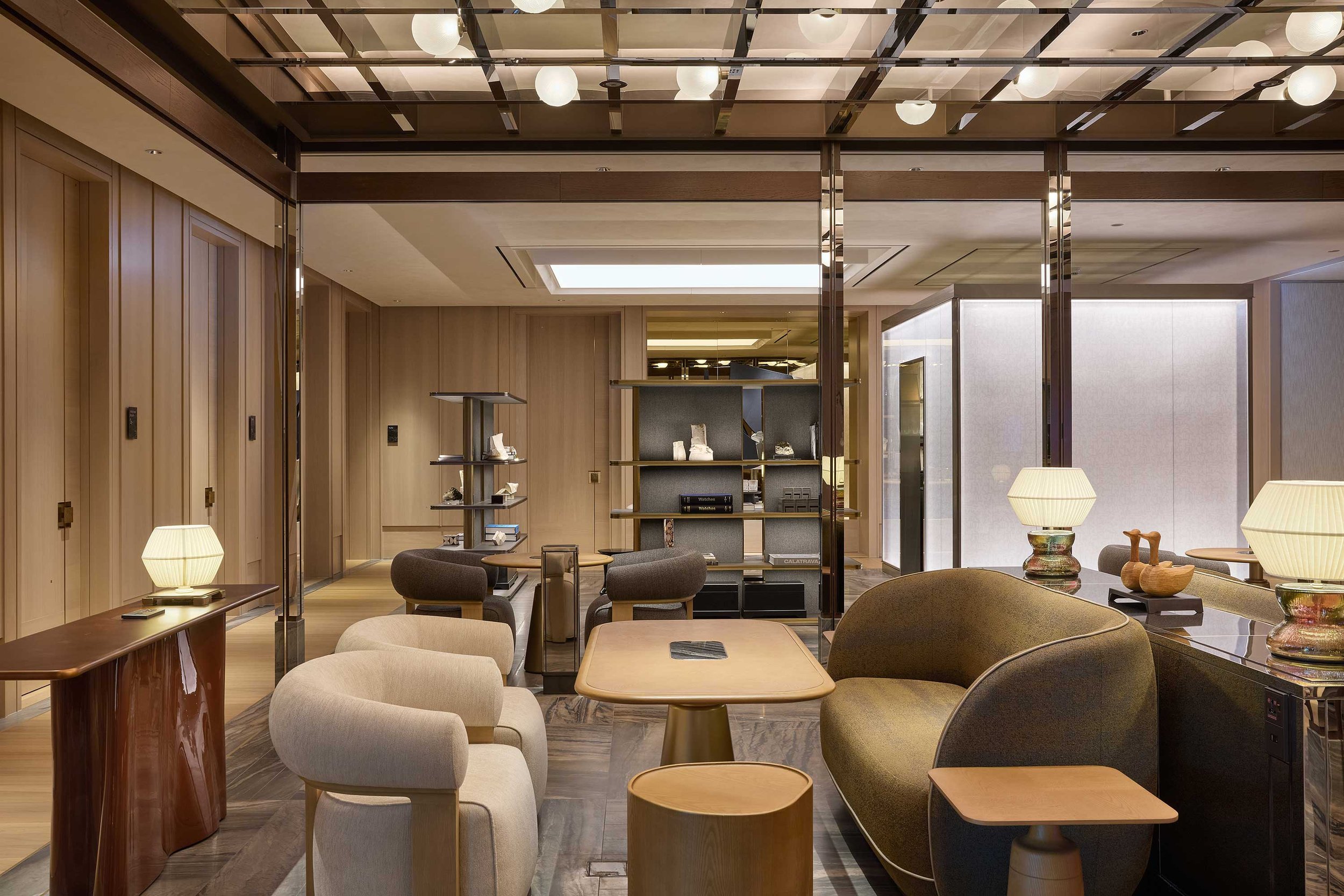
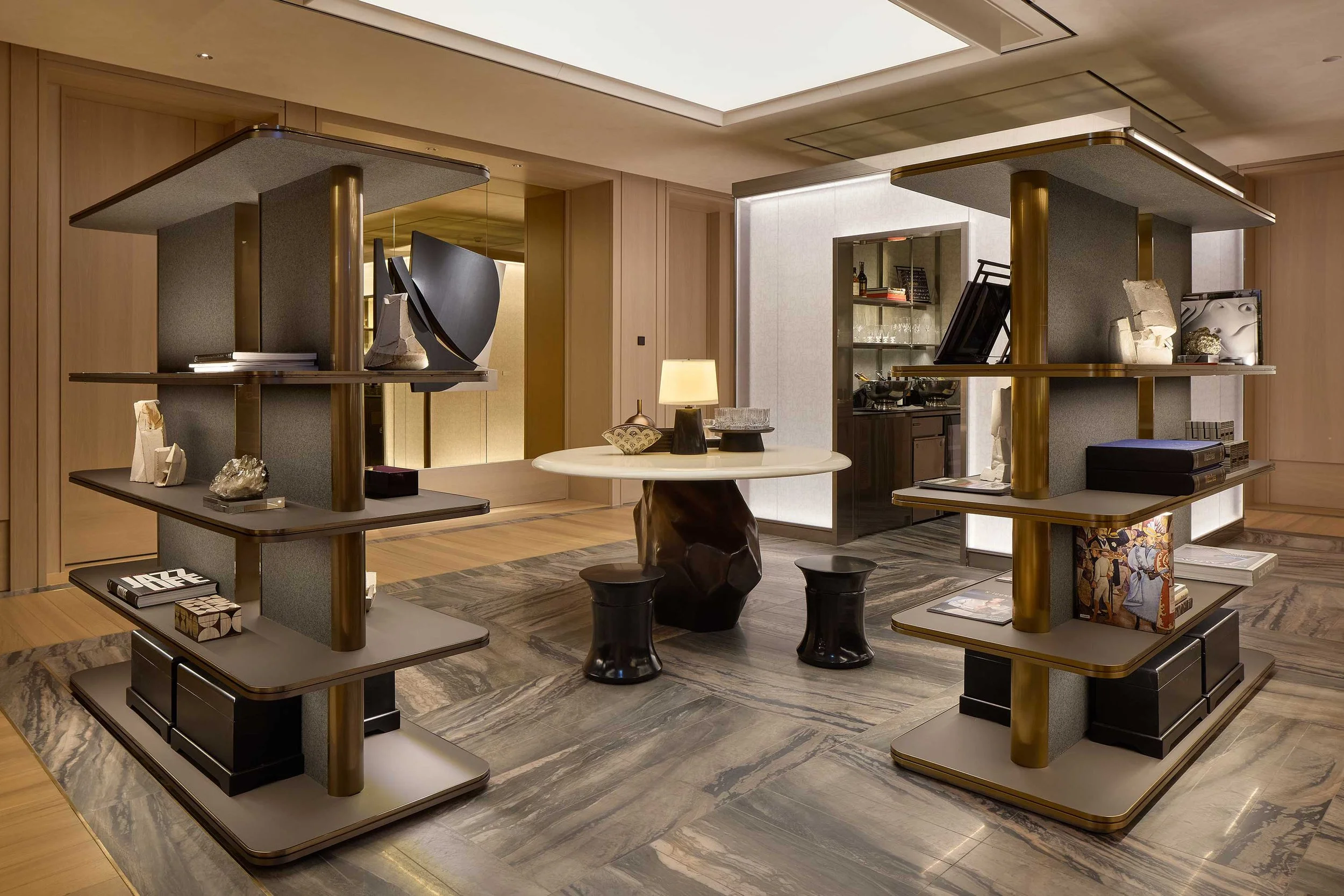
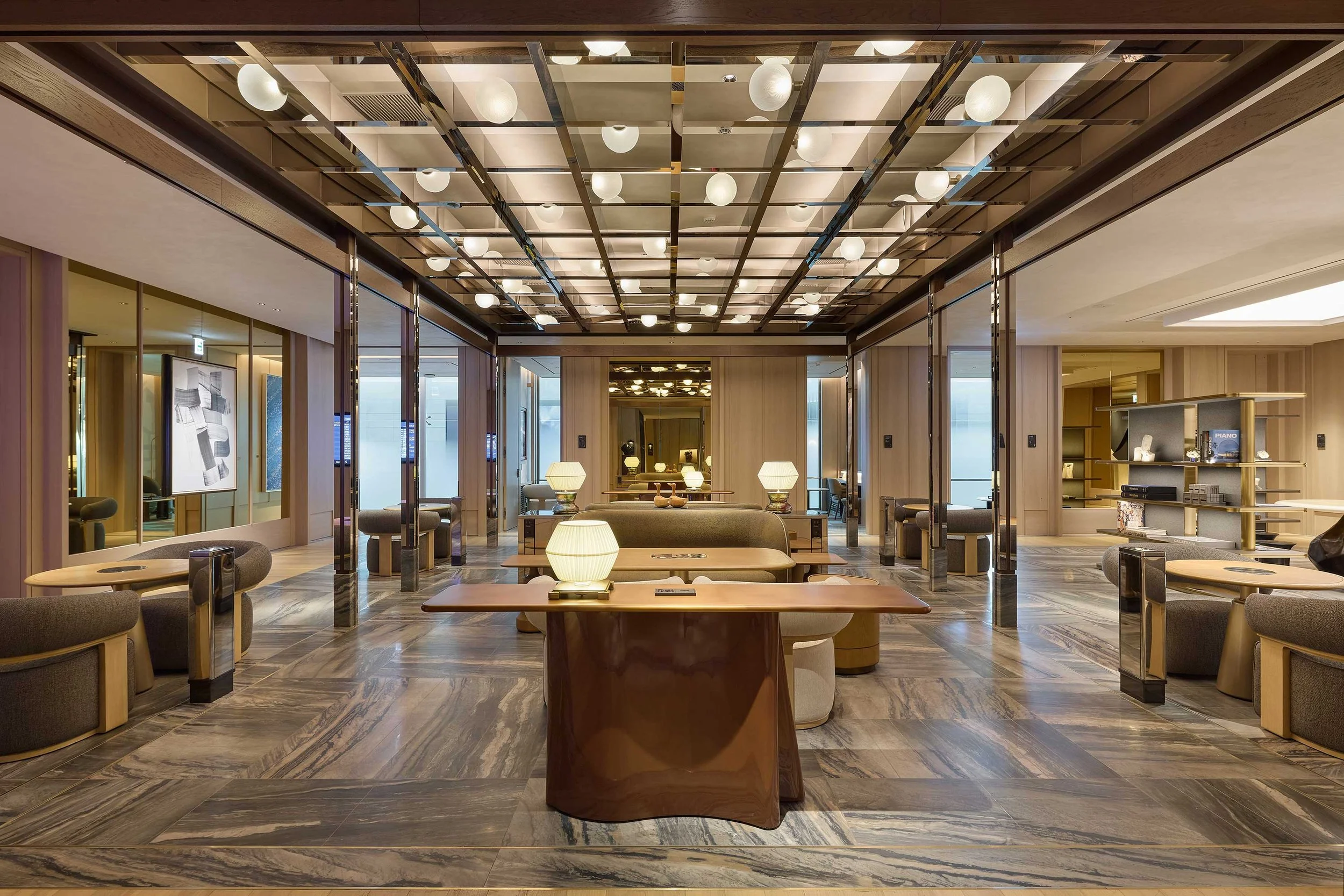
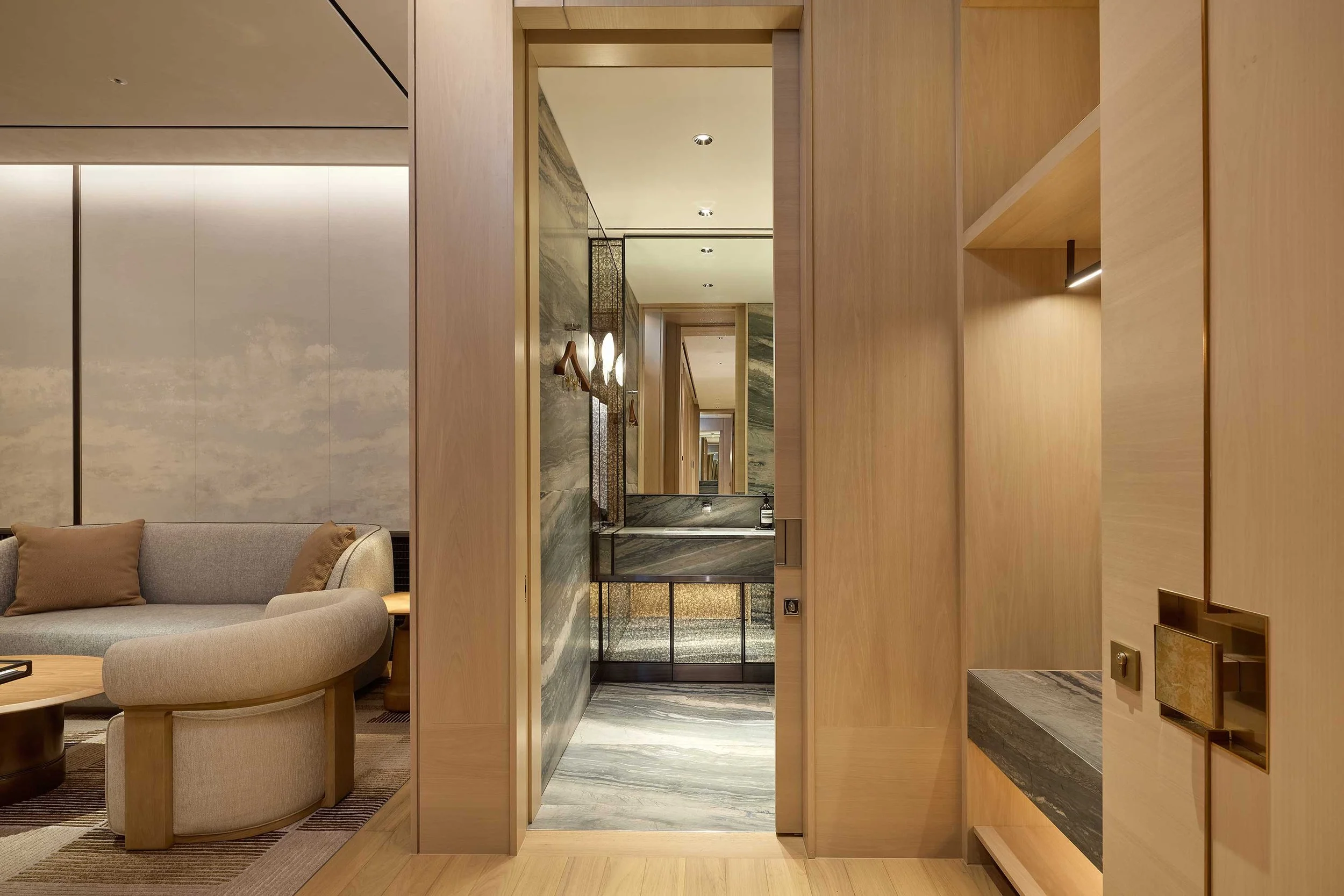
The change speaks to a striking departure from the past. The all-white interiors that resembled a spaceship with curved ceilings are now a muted clubhouse with darker tones like amber and grey dominating. The previously wide open spaces have been divided into several subsections, and are enclosed by wall-high glass screens to create more private corners. ‘We tried to craft a space that allows people to feel emotionally held within the space,’ says Su Seam Teo, partner at LTW.
Teo says she looked for design cues from hanok, the traditional Korean house architecture, where the central courtyard plays an important role as meeting place. The homes’ papered sliding doors let light in while allowing for privacy, providing inspiration for the lounge’s translucent screens. The contemporary Korean ceramics placed around the lounges were selected to reflect the traditional philosophy of quiet beauty, including a coal-hued vase by Lee Songam, a cloud-shaped stoneware jar by Sam Chung and a white lidded-box by Kim Yikyung. ‘We wanted travellers to feel a sense of belonging rather than a spectacle,’ says Teo.
Korean Air’s goal was more straightforward: David Pacey, executive vice president in charge of in-flight services and lounges, told Design Anthology that the company wanted the lounges to be a destination on their own, placed in ‘the top echelon’ and offering an experience rather than a service.
Creating a seamless luxury experience at a lounge is no small challenge today, as the number of passengers with once-exclusive access grows. The spaces struggle from overcrowding and overexposure, after aviation enthusiasts’ content made them an important piece in the flying experience. Airlines are making heavy investments to transform what used to be as a small corner room with a minibar into an expansive operation that serves, for instance at Korean Air, around a thousand gimbap rice rolls a day just at Incheon.
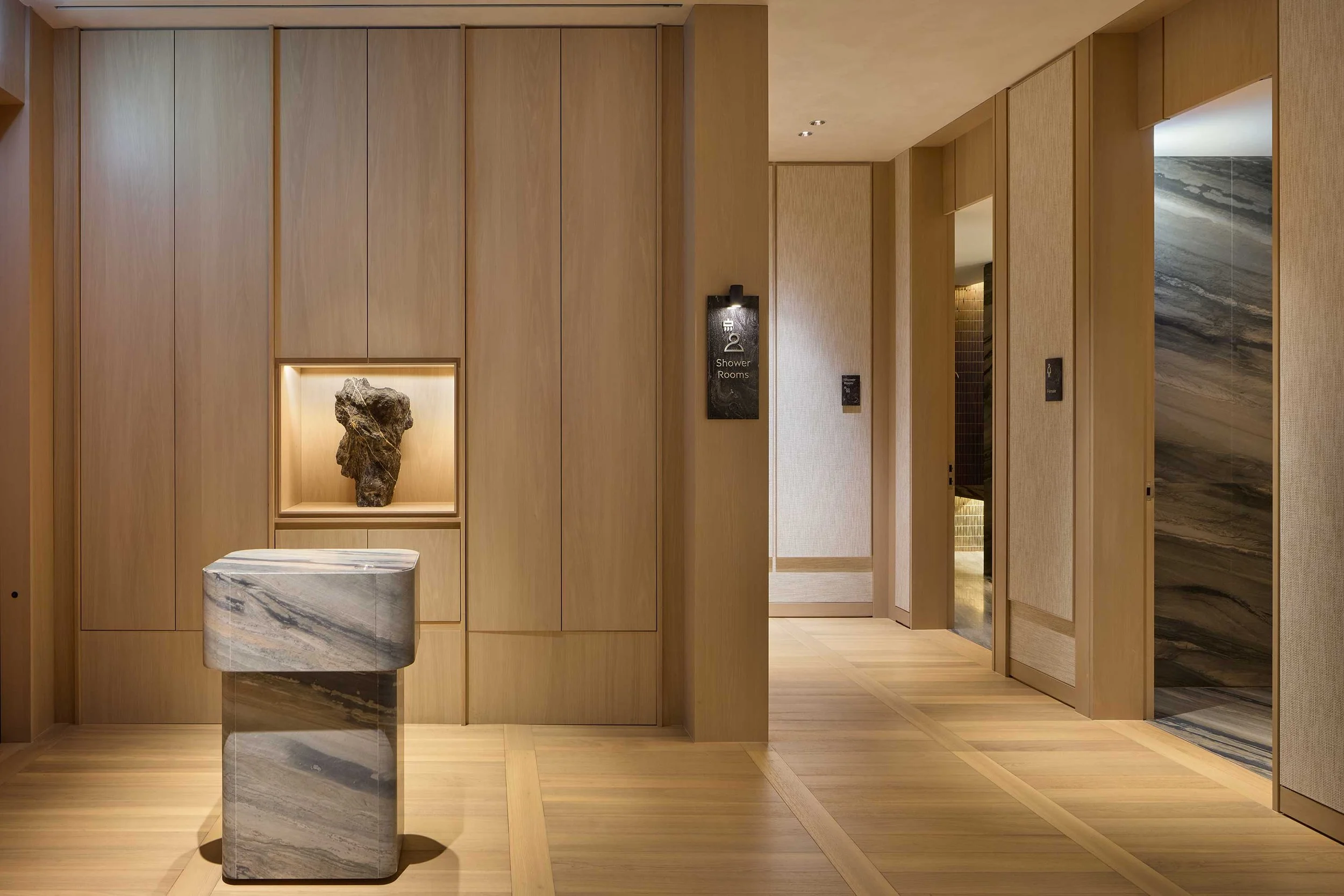
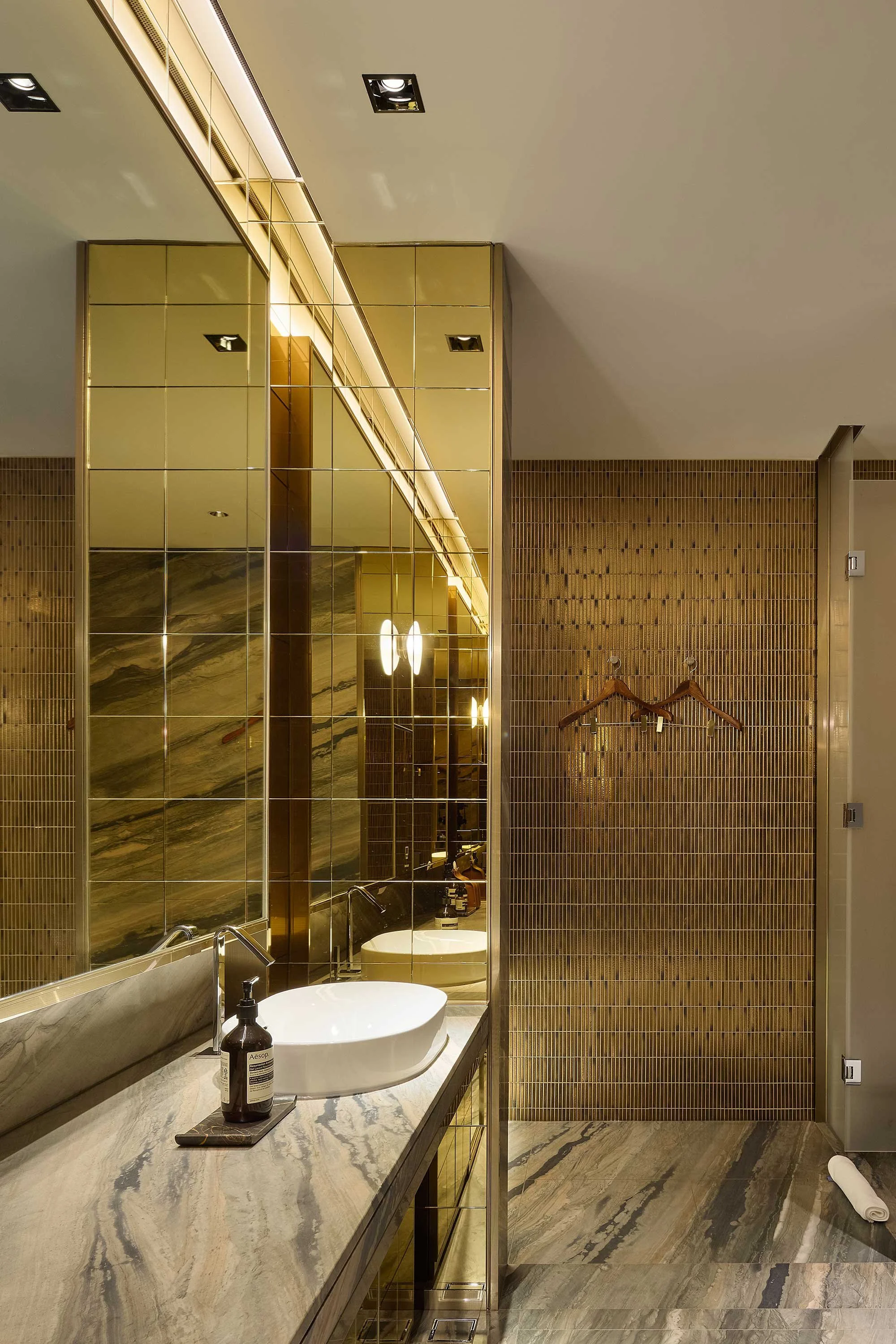
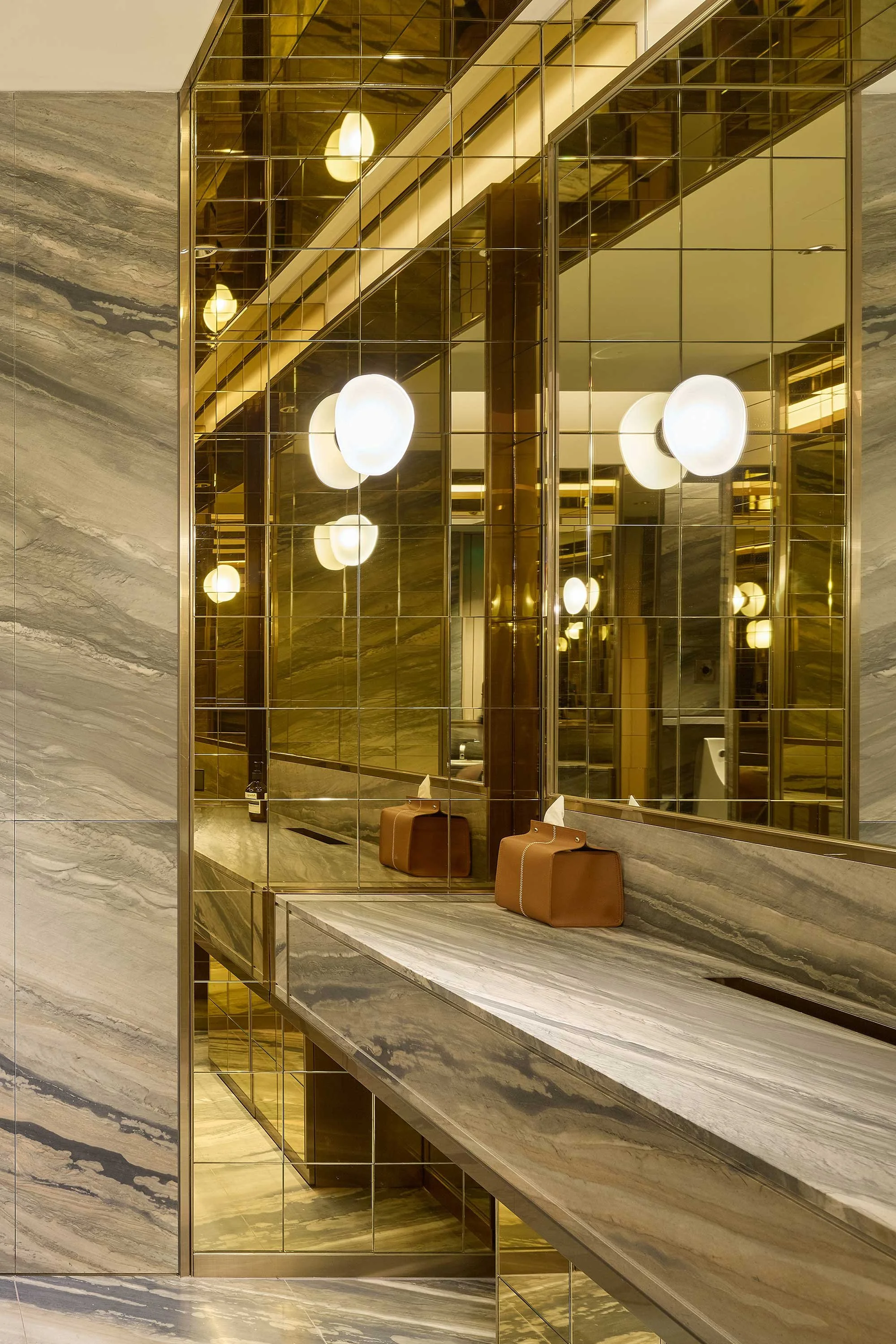
The airliner has pulled out all stops: Pacey also points to the Prestige East Lounge, a family-oriented space equipped with an arcade, a photo booth and even a chocolatier workshop named L’Atelier, responding to the feedback that business customers and children should be kept separate. The sense of fun continues in the food, in the form of a noodle ‘library’ that stacks a wide array of ramyeon noodles and toppings like books, which are selected and cooked by a one-touch machine.
Teo says branding today goes beyond just visual identity. She believes the time spent inside the lounges serve as ‘emotional memory’, or how a space makes someone feel long after they leave.
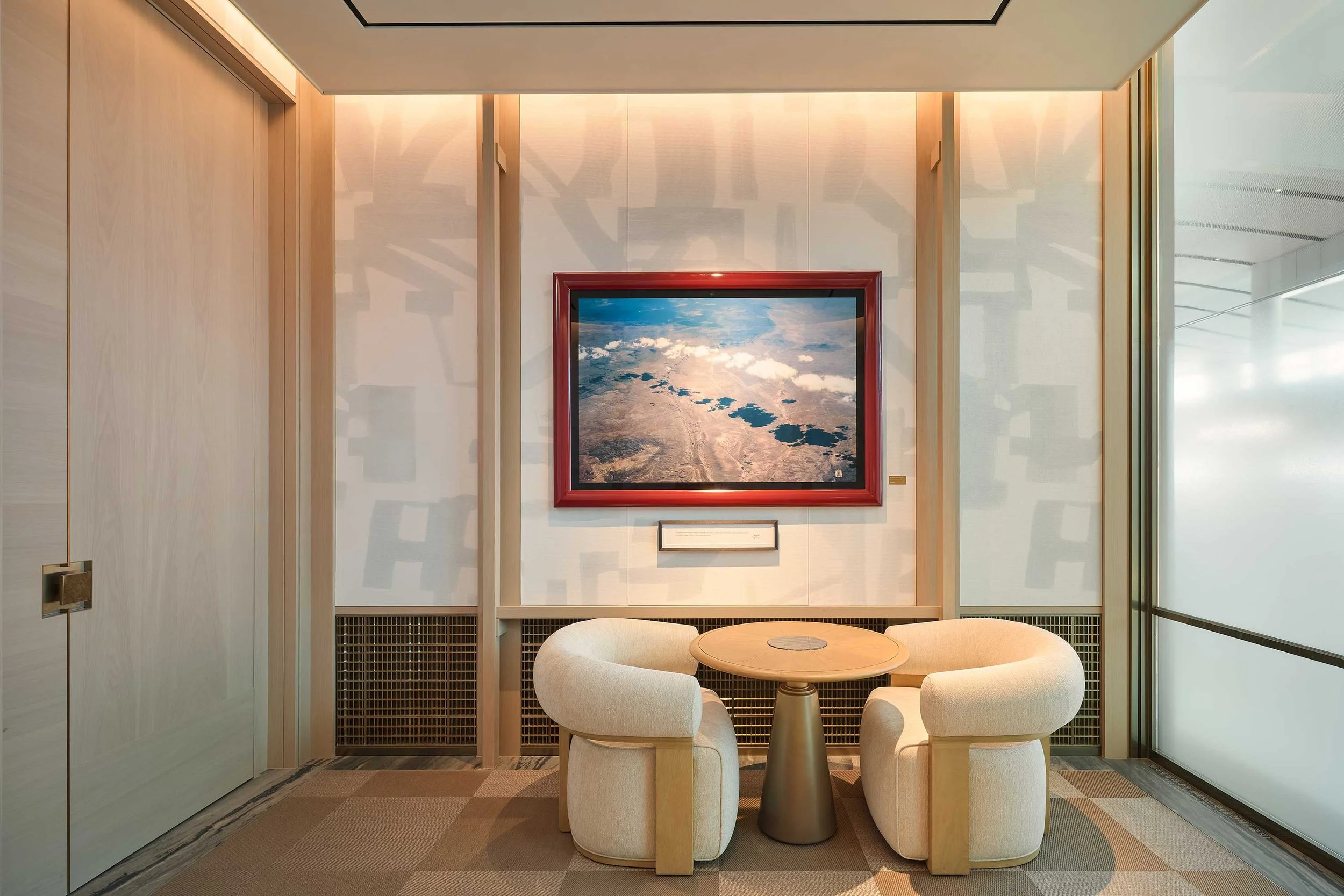
‘With Korean Air what we wanted to do was create an experience felt unmistakably Korean without being theatrical or nostalgic,’ says Teo, where visitors may ‘feel the values of Korean culture, the warm refinement and quiet discipline, and respect for craft through atmosphere rather than explanation.’
Text by Jeyup S Kwaak
Images by Kyung Roh