
New Shapes for the Art Biennial in Uzbekistan
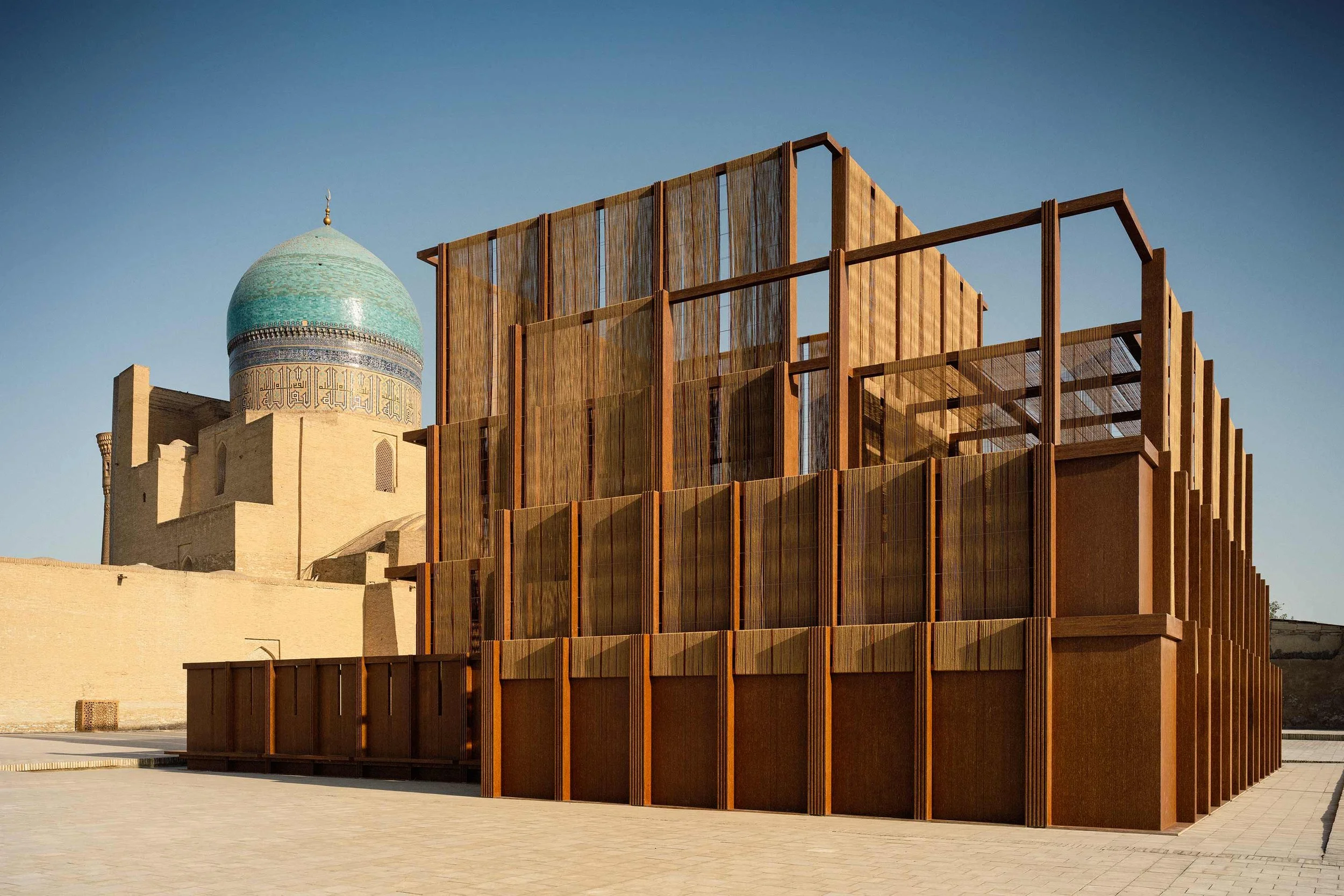
Image by Felix Odell.
Drawing more than half a million visitors in its first month — mostly locals and first-time art show visitors — the inaugural Bukhara Biennial, entitled Recipes for Broken Hearts, proposes a more measured, sustainable approach to exhibition-making — and unmaking.
Commissioned by Gayane Umerova, chairperson of Uzbekistan’s Art and Culture Development Foundation, and led by artistic director Diana Campbell, the Bukhara Biennial is on view until 20 November, eschewing the logistical excesses of global art spectacles. It’s a model Campbell honed while steering the Dhaka Art Summit in Bangladesh and now carries forward in Bukhara at its conceptual peak: each work is site specific, crafted from materials close at hand, and born of collaboration between artists and Uzbek artisans. The team shipped only essential materials for specific works — such as Palestinian clay or microorganisms for fermentation workshops — and ruled out from the outset any construction of white cubes or recreation of museum conditions. Instead, Campbell encouraged a dialogue between art and the constellation of UNESCO-listed caravanserais and madrasas that serve as its hosts.
‘This is a series of Silk Road-era structures whose rooms, with few exceptions, were not meant to hold more than two or three people at a time, so most of the works are outdoors or semi-outdoors,’ says Campbell. Extreme weather often slowed progress, and each site, with its own demands, had a way of revealing surprises. ‘It’s exciting to uncover a sixteenth-century floor no one knew existed, but it also means the sites must be re-curated several times — another reason I believe in an adaptive approach, involving the artists.’ To keep the dialogue seamless, Campbell turned to long-time friend and collaborator Ariel André, founder of Paris-based design studio Golem, to devise a series of concealed interventions that would guide, support and safeguard both artworks and visitors. ‘It’s architecture you cannot see. And that’s what makes it beautiful,’ says Campbell.
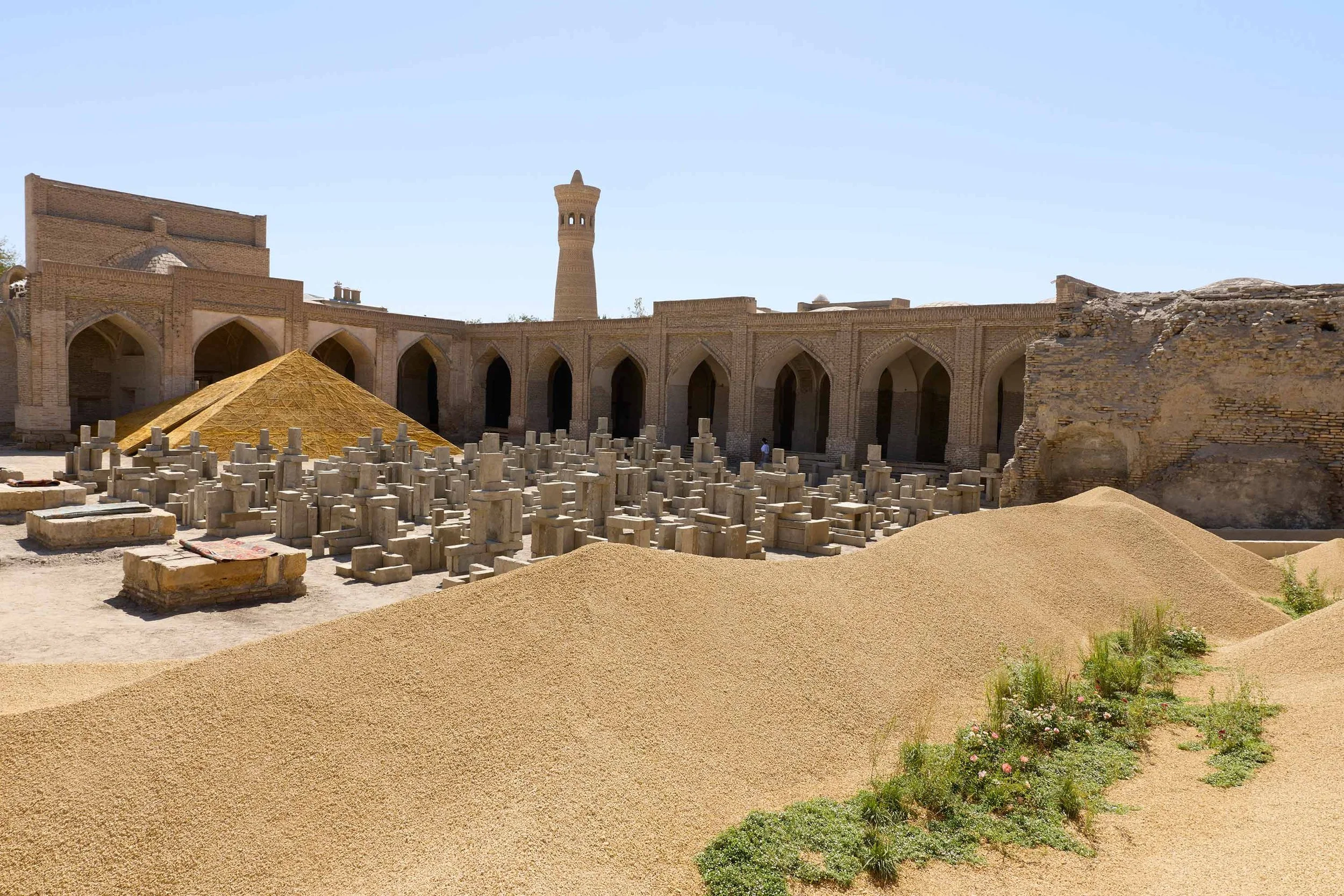
Golem also designed the Biennial’s entrance, visible this time yet replacing the usual clutter of banners and signs with a working marketplace run by merchants from a nearby bazaar. André brushed conical kiosks with clove, paprika, turmeric and other spices, evoking the colourful mounds found across Asia and filling the air with warmth and scent. Lightweight and easily transported, the structures will later serve as roofing for local communities. In a similar spirit, the materials used in Close, by British artist Antony Gormley and local restorer Temur Jumaev, will take on a second life after the Biennial, when they’ll be used to build a school. The 104 body figures in this labyrinthine installation are made from mud bricks formed with earth repurposed from the very site during its levelling. Elsewhere on the grounds, Brazilian painter Marina Perez Simão collaborated with local artisan and restoration architect Bakhtiyar Babamuradov to translate one of her paintings into a monumental mosaic in the central courtyard of the Fathullojon Caravanserai — the first work of its kind for both.
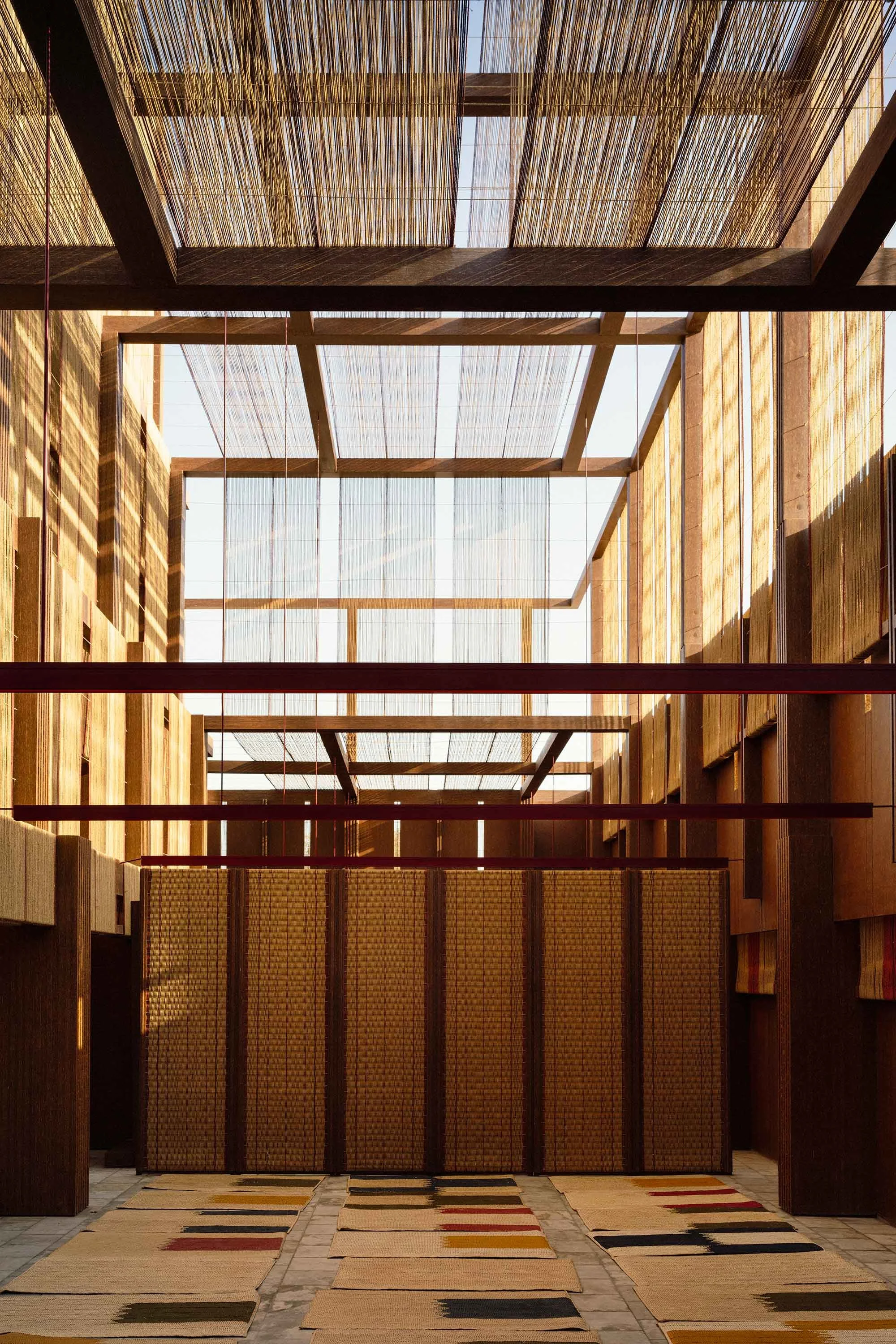
The AlMusalla at the Bukhara Biennial. Image by Felix Odell.

A Thousand Prayers by Jazgul Madazimova with the women of Bukhara. Image by Felix Odell.
‘It was wonderful that Gayane and the Art and Culture Development Foundation had already been working with local artisans for some time. That was actually the reason I said yes to this project,’ Campbell says, noting that she saw an opportunity to break hierarchies ingrained in the art world, which often sees artisans as mere executors of an artist’s vision rather than partners in shared authorship. Both artists and artisans are credited in the works created for the Bukhara Biennial wherever those artworks may find their way after the event. Artisans also receive fair compensation based on the market value of their craft, while all artists receive their fees at an equal rate, regardless of reputation or nationality. ‘So much of this Biennial is about people,’ Campbell adds. ‘As I said in my speech, a biennial cannot heal the heartbreaks of the world, but maybe we can heal things within our own system.’
In a nation where most are under 30, the Bukhara Biennial beckons a new generation toward craft and creative careers. It also signals Uzbekistan’s renewed connection with the global arts scene, supported by similar initiatives such as the Tashkent Centre for Contemporary Arts and the forthcoming Tadao Ando–designed National Museum, both led by Umerova in Tashkent.
Text by Tomás Pinheiro
Images courtesy of the Uzbekistan Art and Culture Development Foundation
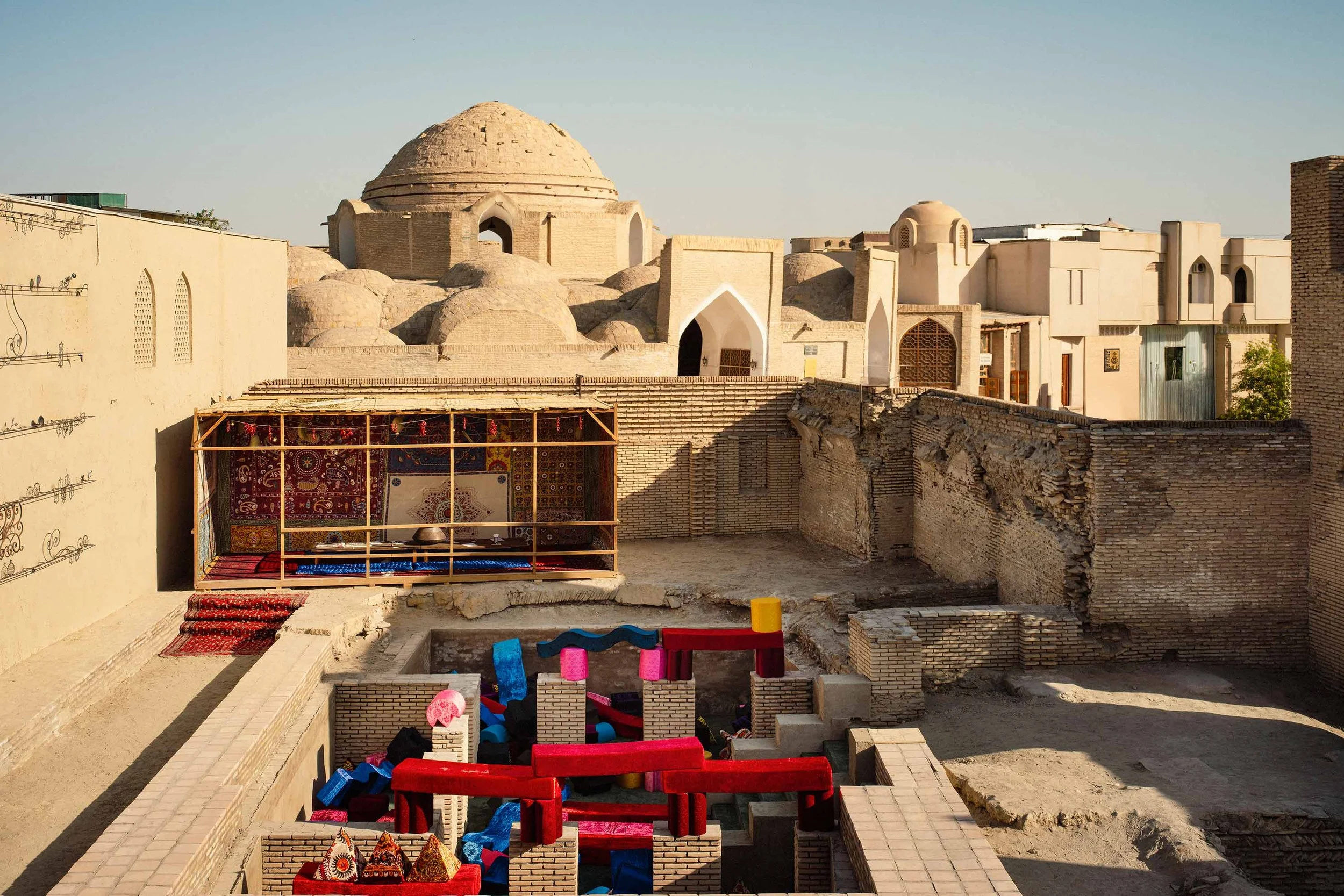
A Corner for Everyone by Kakhramonova with Lilian Cordell (bottom), Bukhara Peace Agency by Anna Lublina with Feruza Asatova, Gulrukh Norkulova, Mekhriniso Samieva and Roziya Sharipov (left). Image by Felix Odell.
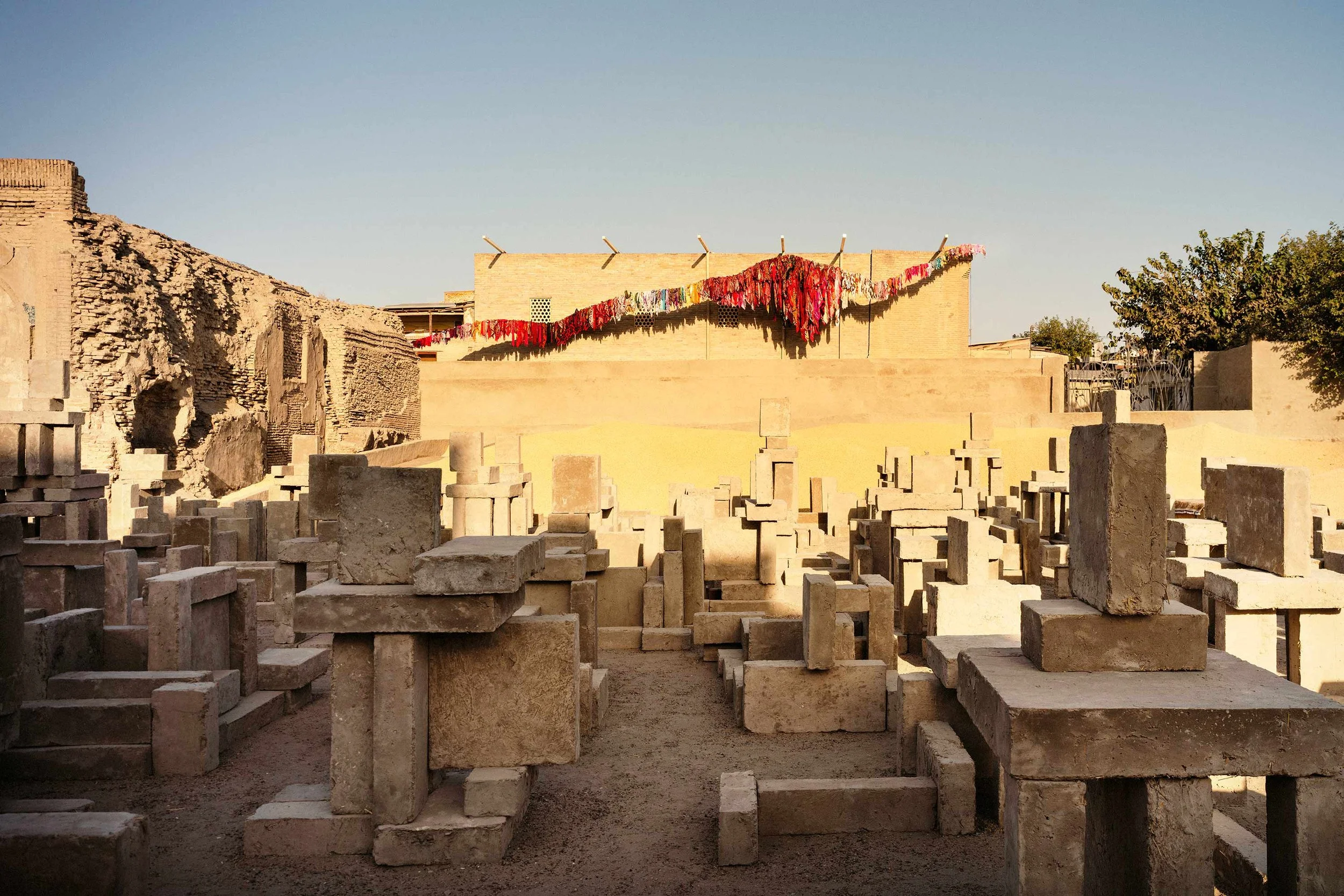
Close by Antony Gormley with Temur Jumaev (front), A Thousand Prayers by Jazgul Madazimova with the women of Bukhara (back). Image by Felix Odell.
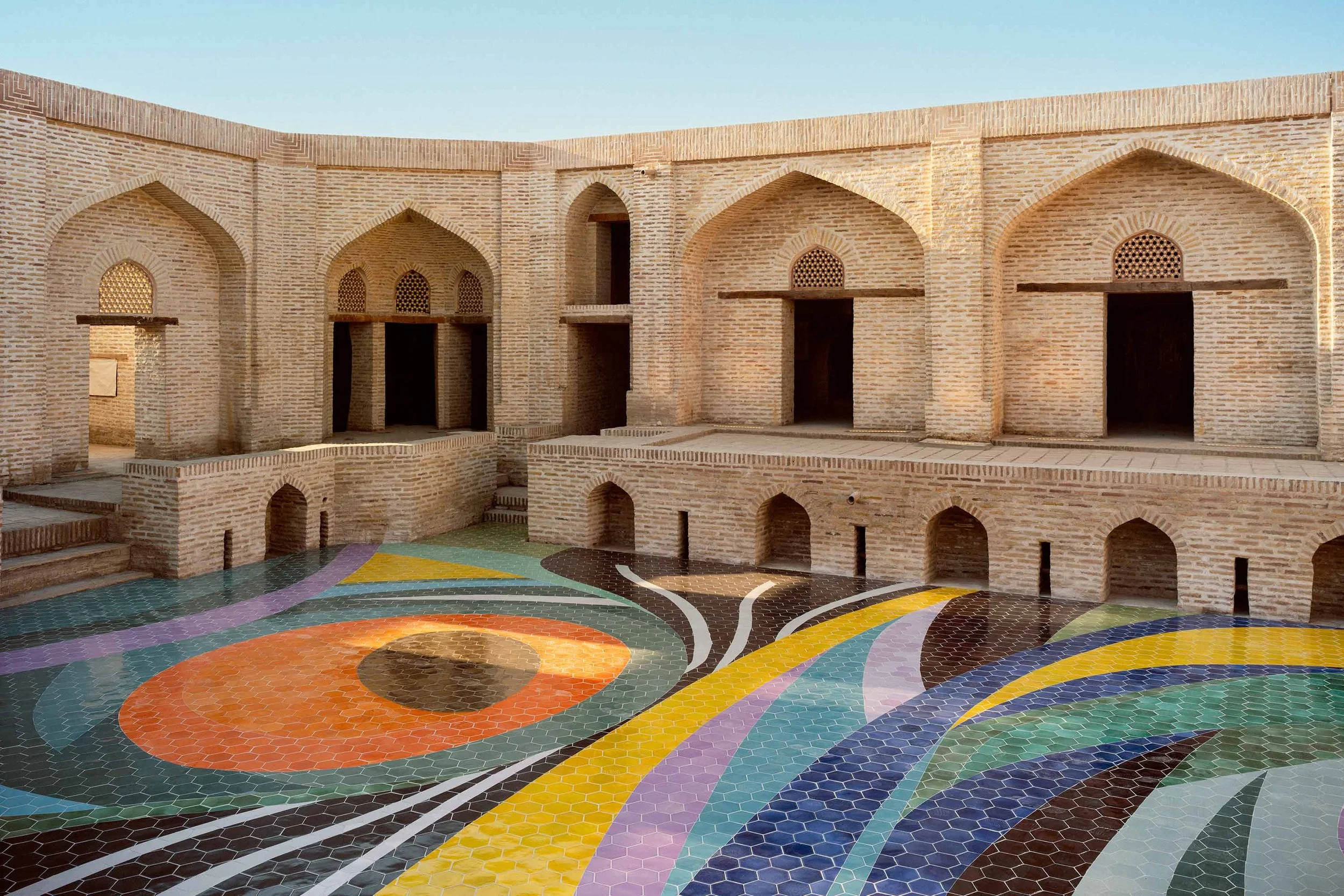
Untitled by Marina Perez Simão with Bakhtiyar Babamuradov. Image by Felix Odell.
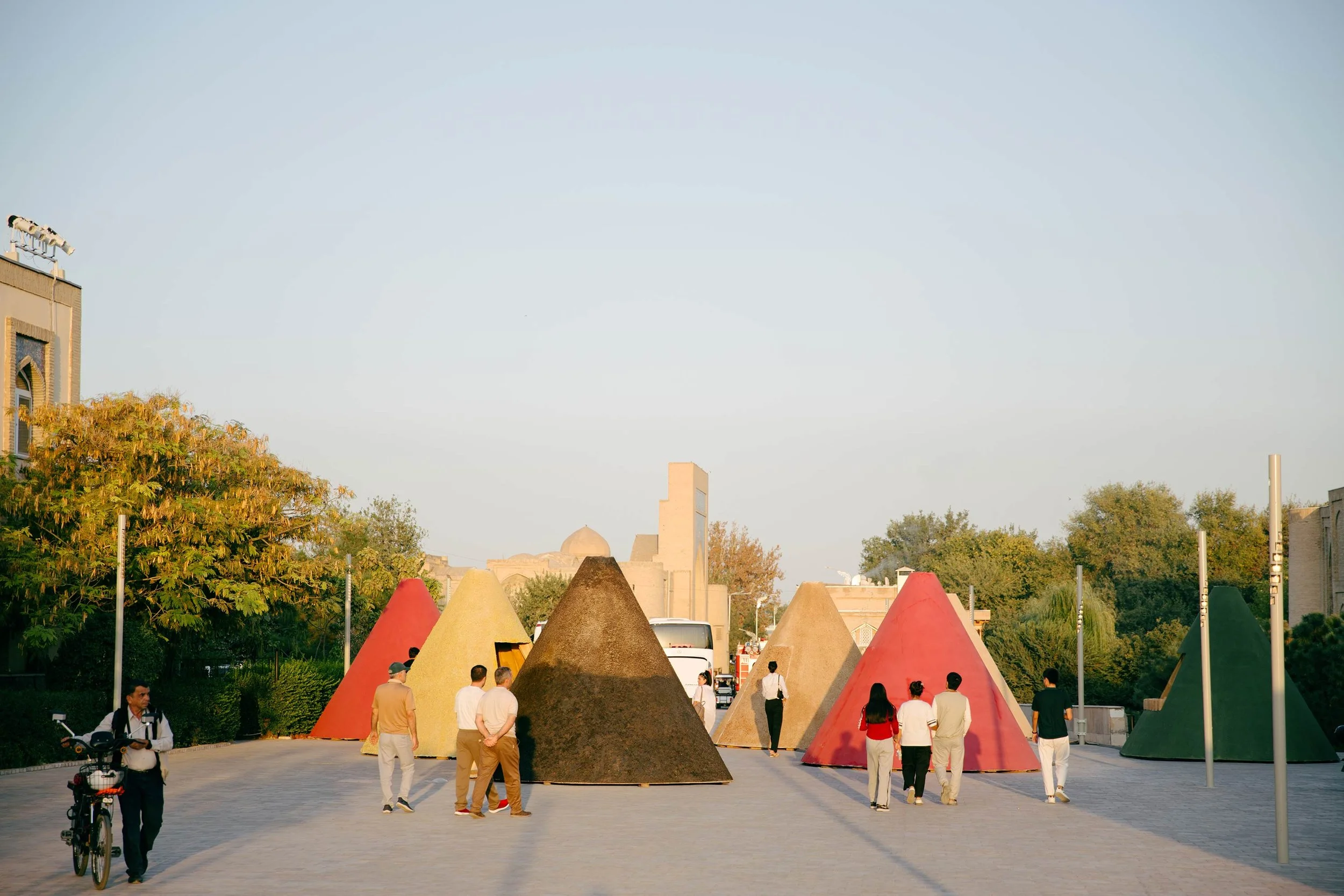
Broken Hearts Bazaar by Ariel André of Golem. Image by Kamila Rustambekova.
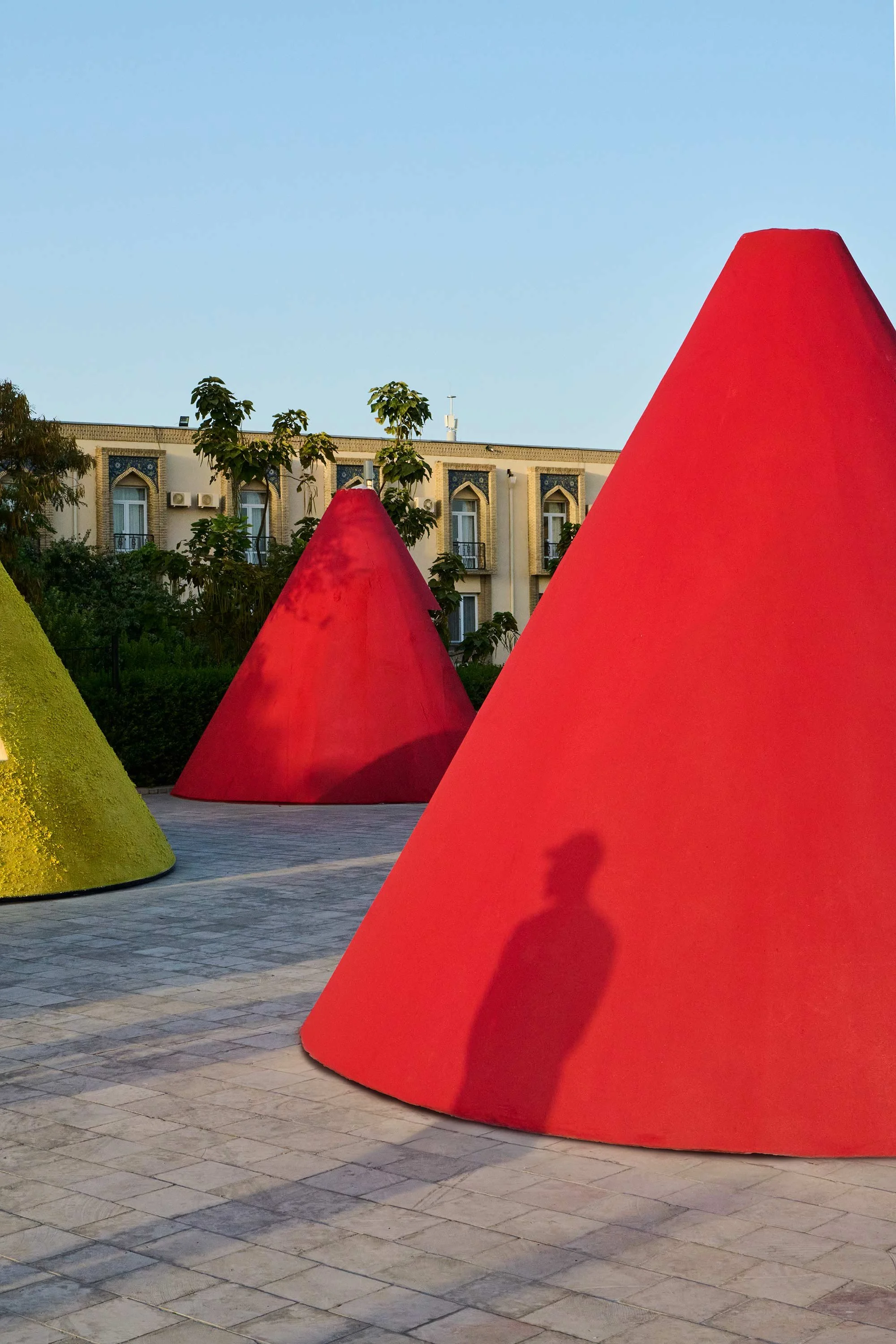
Broken Hearts Bazaar by Ariel André of Golem. Image by Adrien Diran.
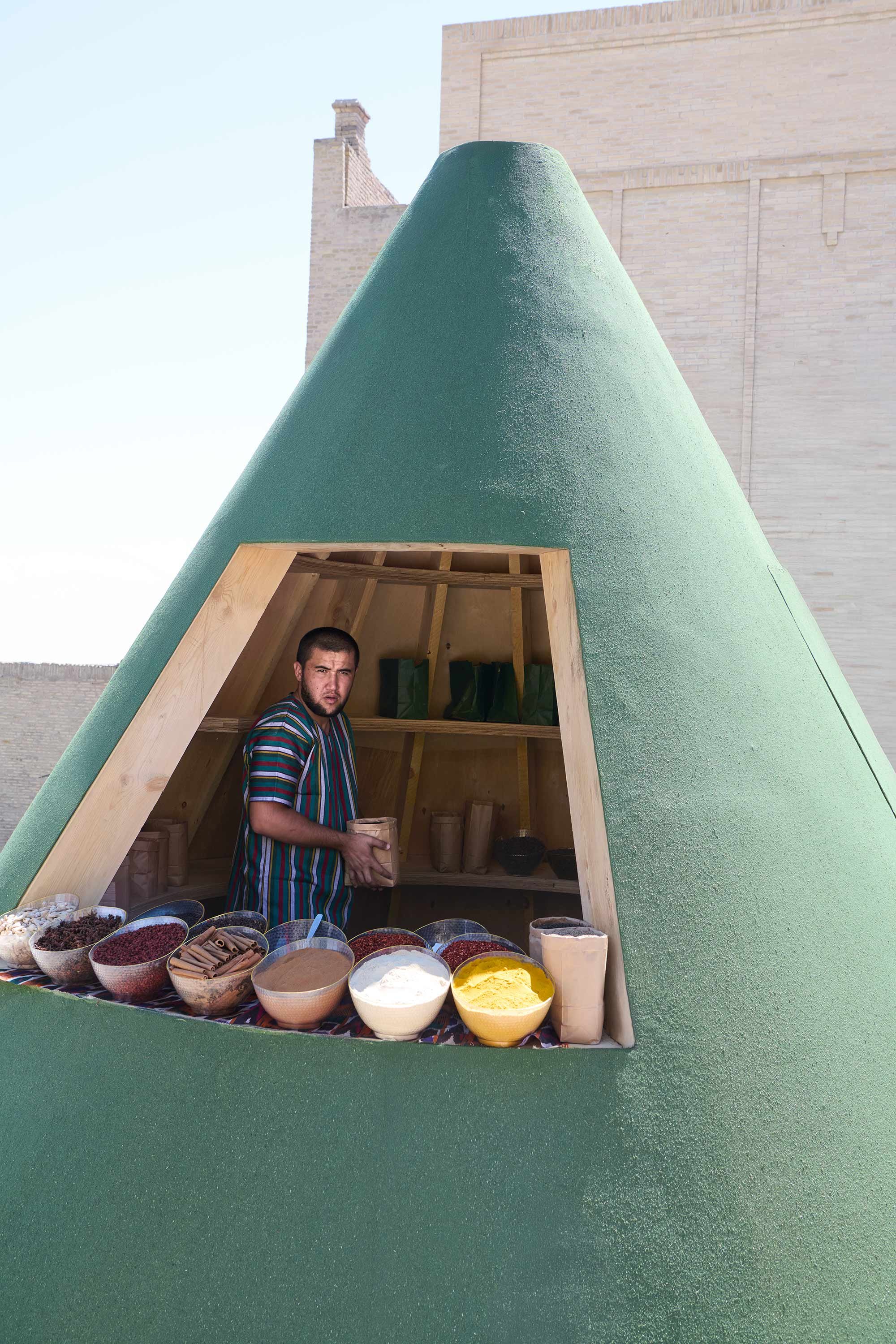
Broken Hearts Bazaar by Ariel André of Golem. Image by Adrien Diran.
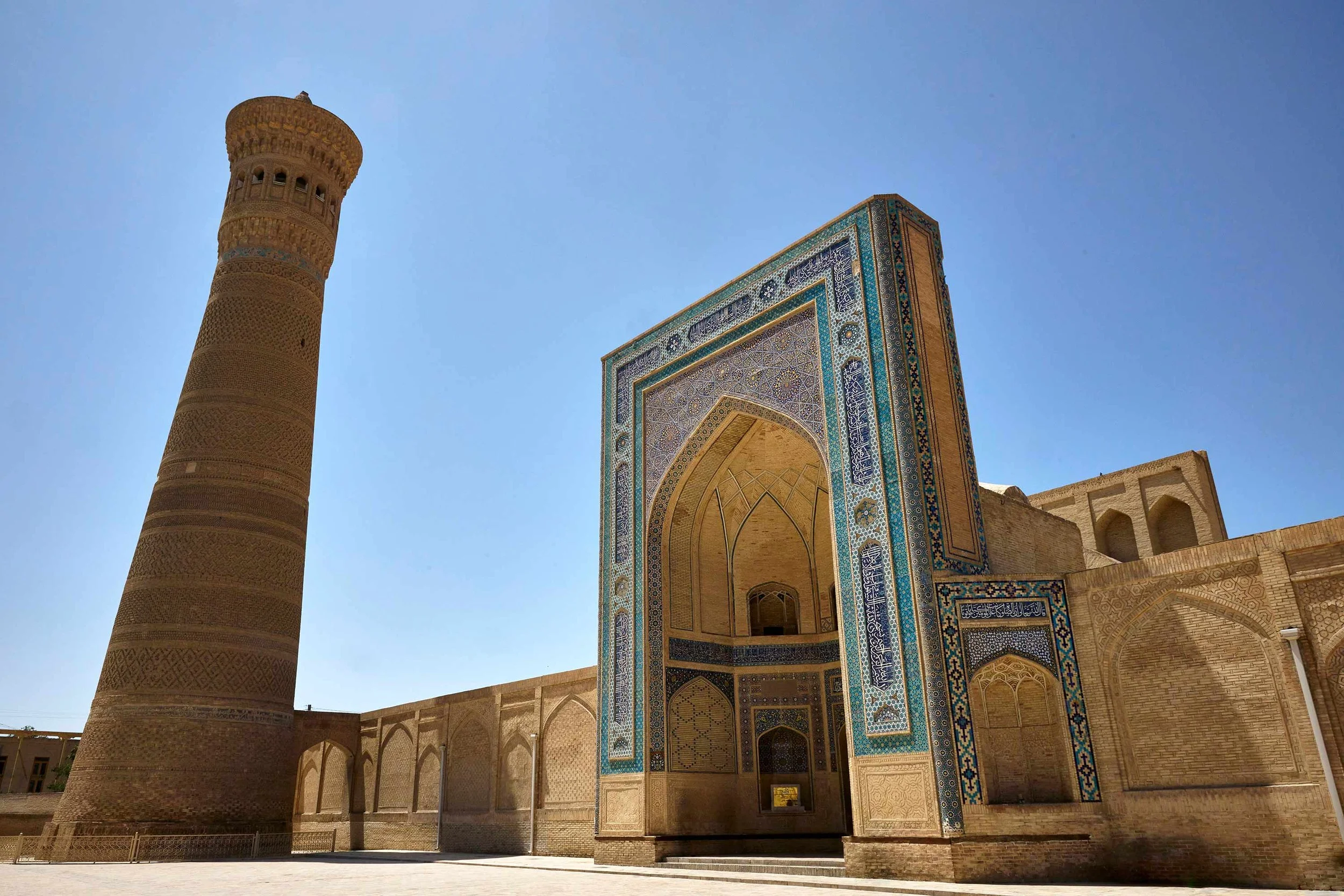
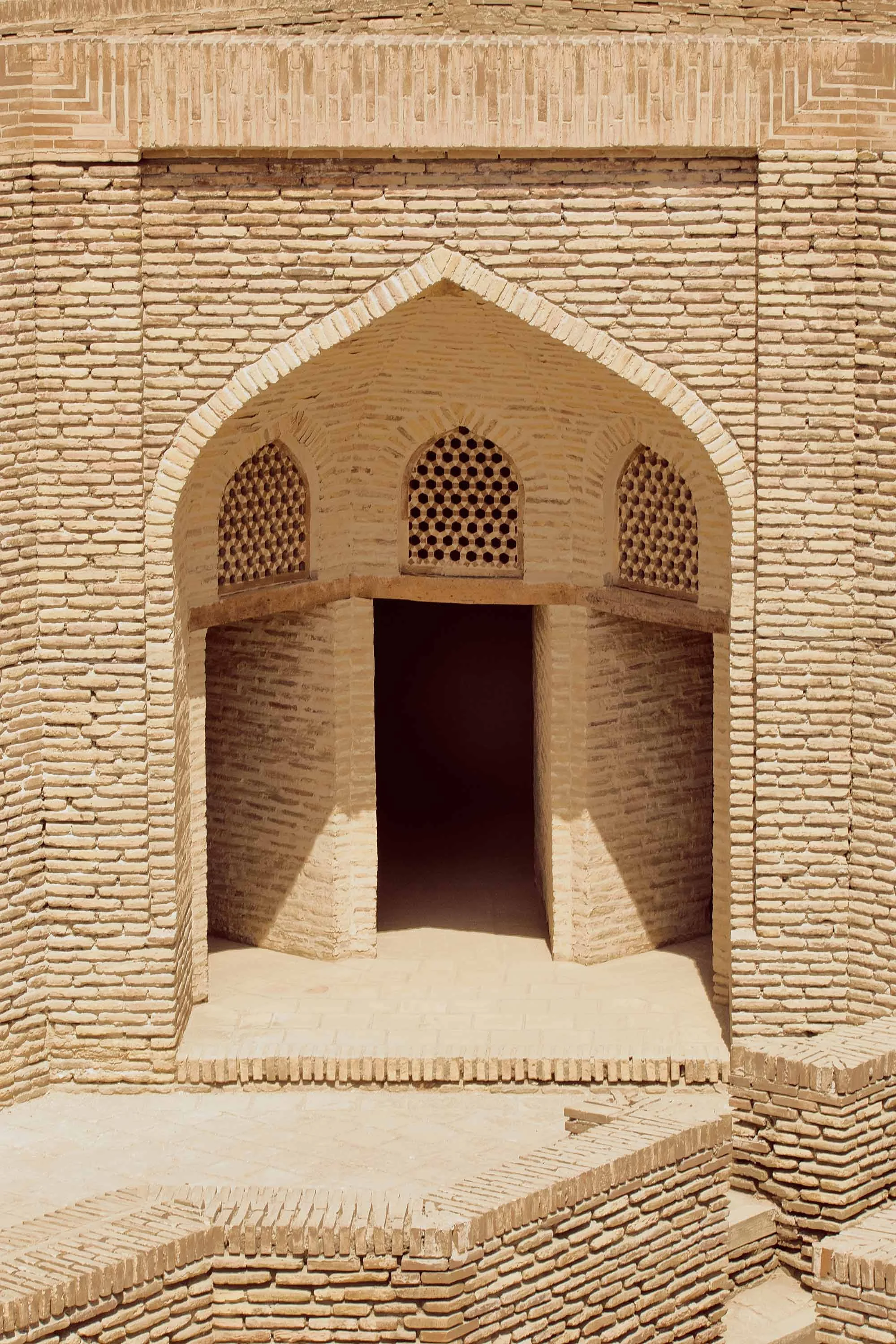
Image by Andrey Arakelyan.
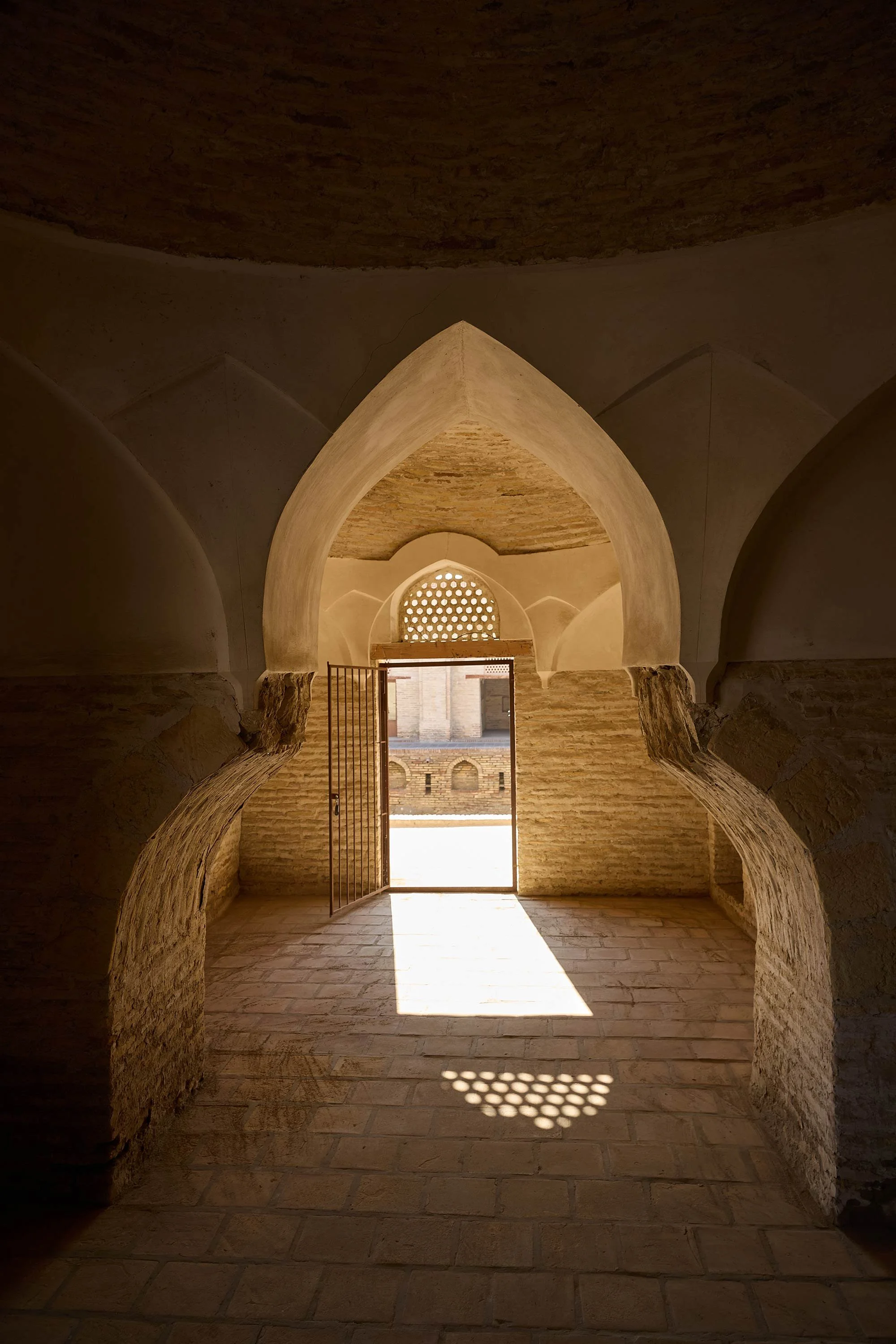
The Observer’s Illusion by Ruben Saakyan with Konstantin Lazarev. Image by Felix Odell.
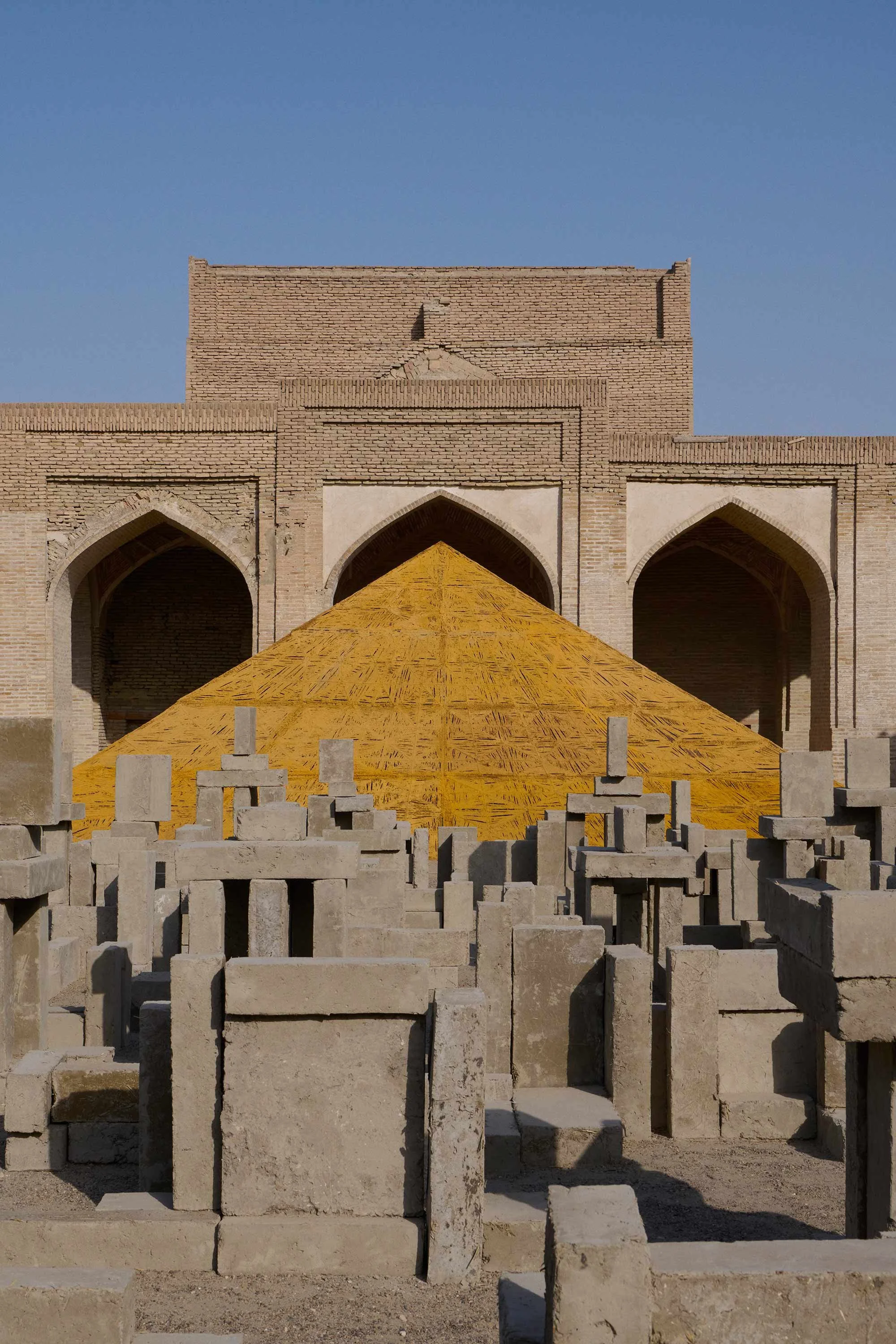
Close by Antony Gormley with Temur Jumaev. Image by Adrien Dirand.
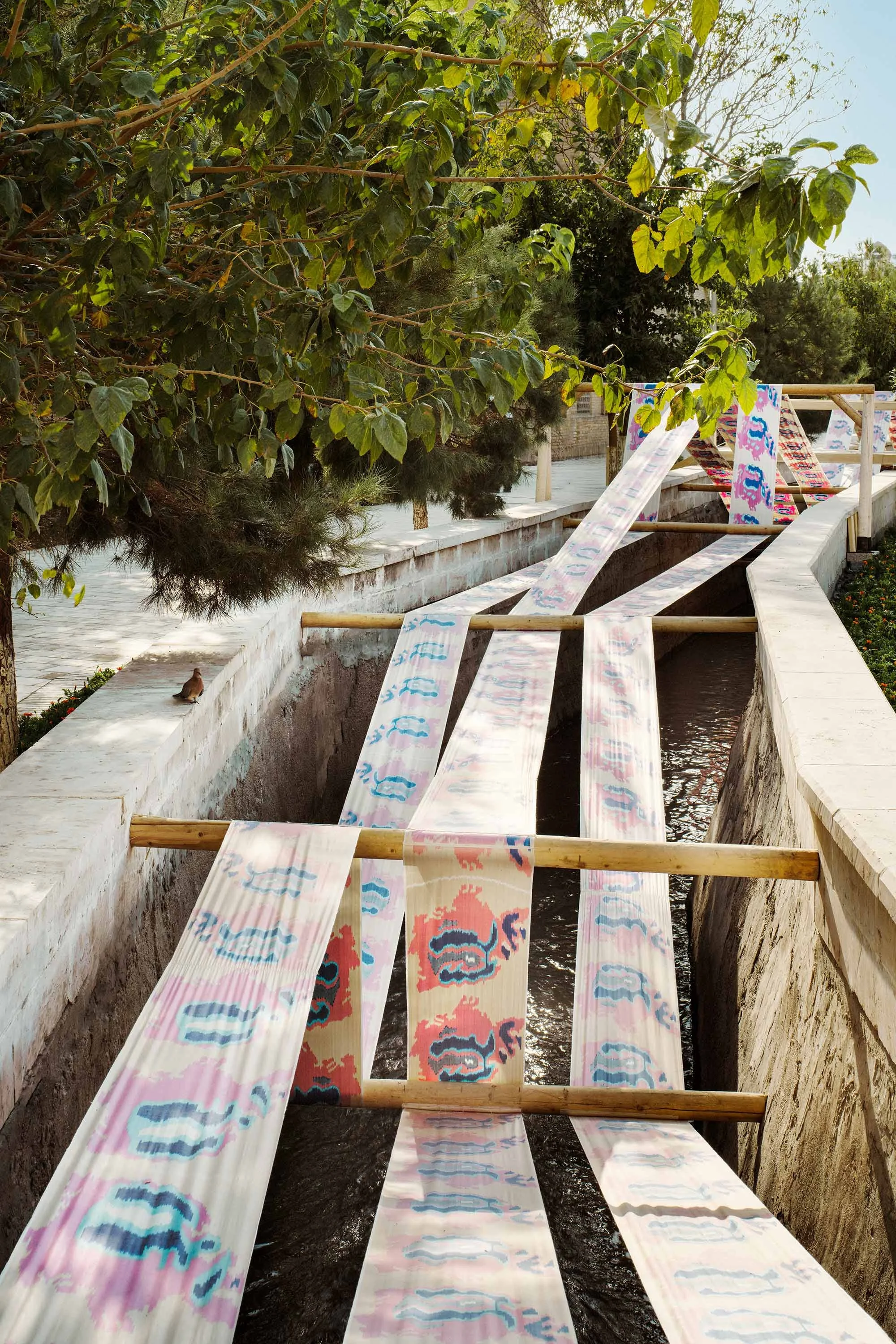
Longing by Hylozoic/Desires (Himali Singh Soin and David Soin Tappeser) with Rasuljon Mirzaahmedov (Margilan Crafts Development Centre). Image by Felix Odell.

Image by Felix Odell.