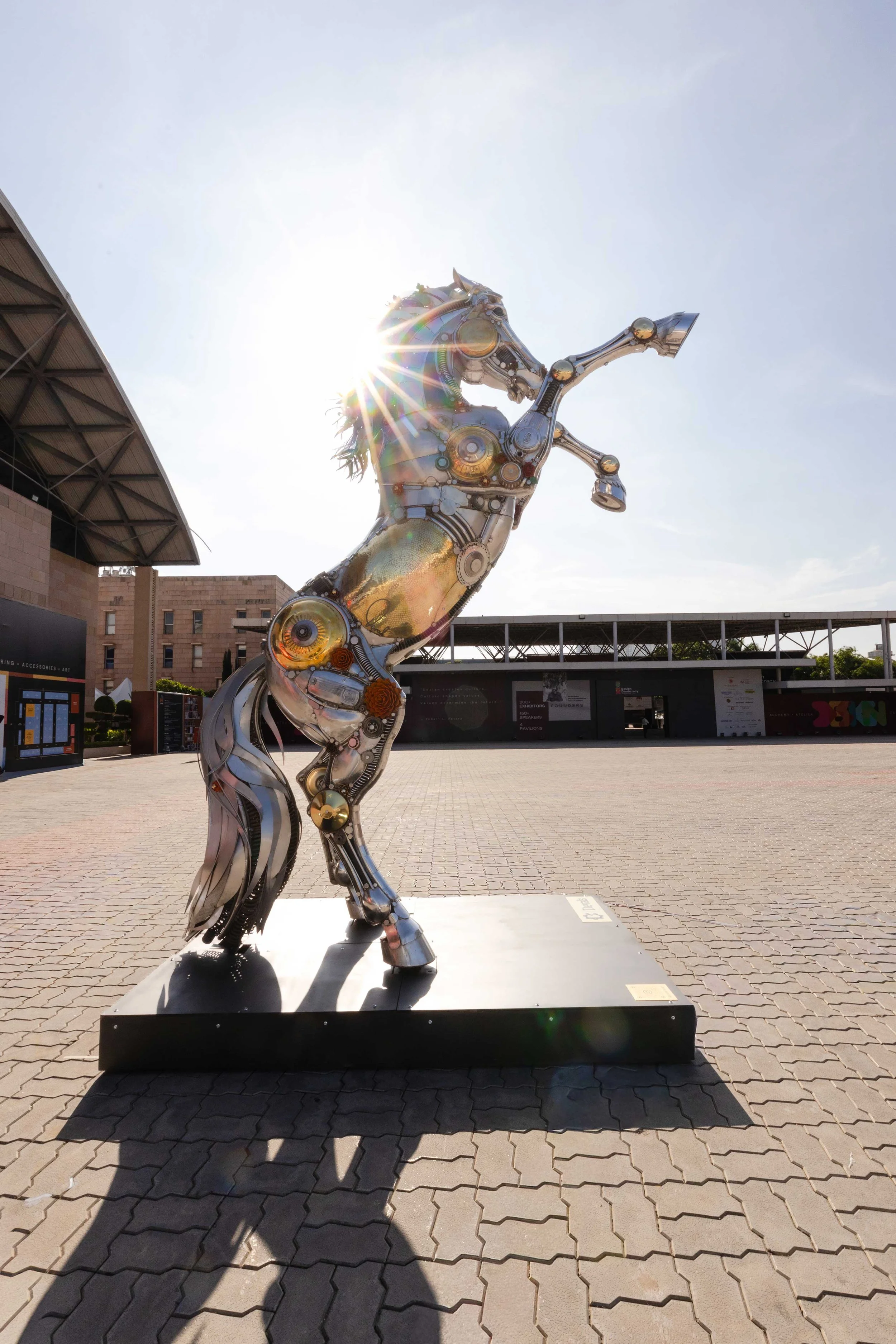
The fourth edition of Hyderabad’s Design Democracy brought more than 200 brands together to consider how India's design traditions might inform contemporary practice, from the use of regional materials to new approaches to lighting, furniture and art
India’s design industry has never been short of craft traditions. At the fourth edition of Design Democracy, held at Hyderabad's HITEX Exhibition Center from 18 to 20 September 2026, the question was how these traditions might find new expression. From reinterpretations of vernacular materials to experiments in furniture, lighting, accessories and contemporary art, the event brought together more than 200 brands, offering a varied picture of the ideas and influences shaping the region's design landscape.
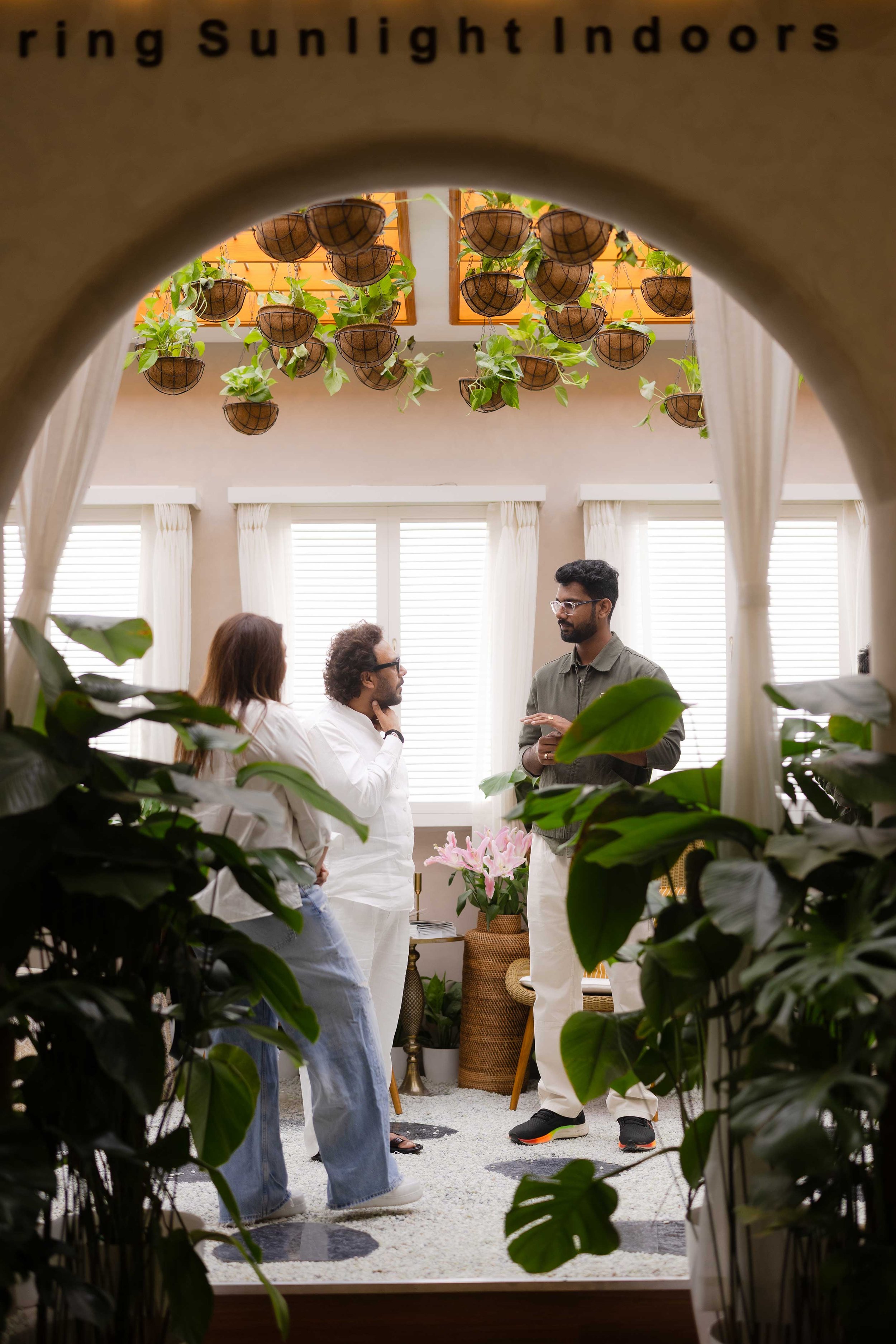
Set amid captivating sculptural installations, this year’s edition was centred on four special exhibitions. Curated by designer and gallerist Supraja Rao, the Museum of Telangana invited ten designers to reconsider timber through objects informed by the region’s vernacular heritage. Among the highlights was Studio Hyderabad’s Zameen Chair, an interactive design whose two pieces function as a low rocking chair and table when used independently, or combine into a single seating piece. Do Studios’ Flower Totem took inspiration from the Bathukamma peeta, translating the traditional timber form into a sculptural lamp of stacked wooden elements held together by a central column. Meanwhile, for the Gallery of Sustainability, themed Root and Radiance, MuseLab’s Jasem Pirani and Huzefa Rangwala brought together 20 designers to explore sustainable approaches to lighting and decor.
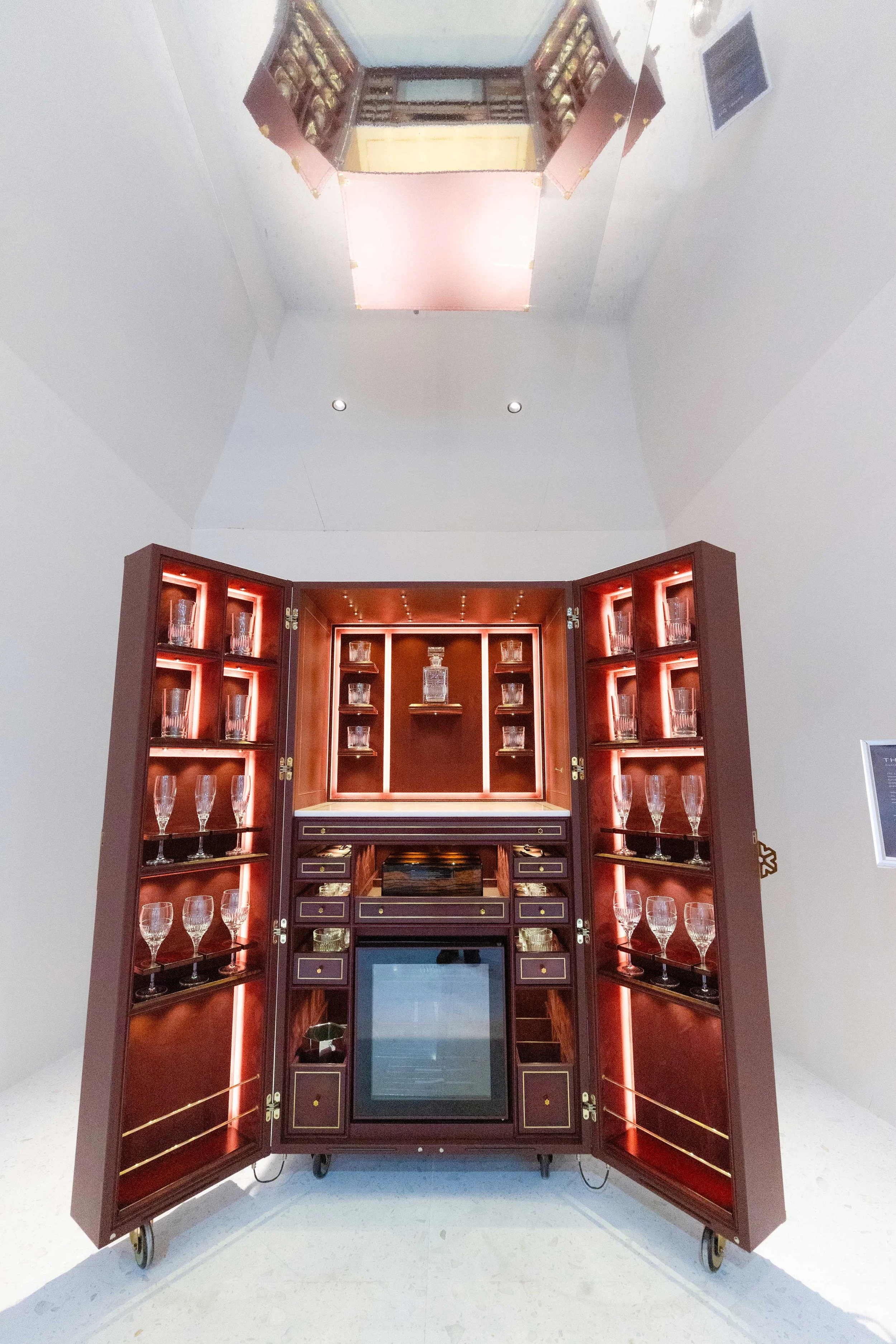
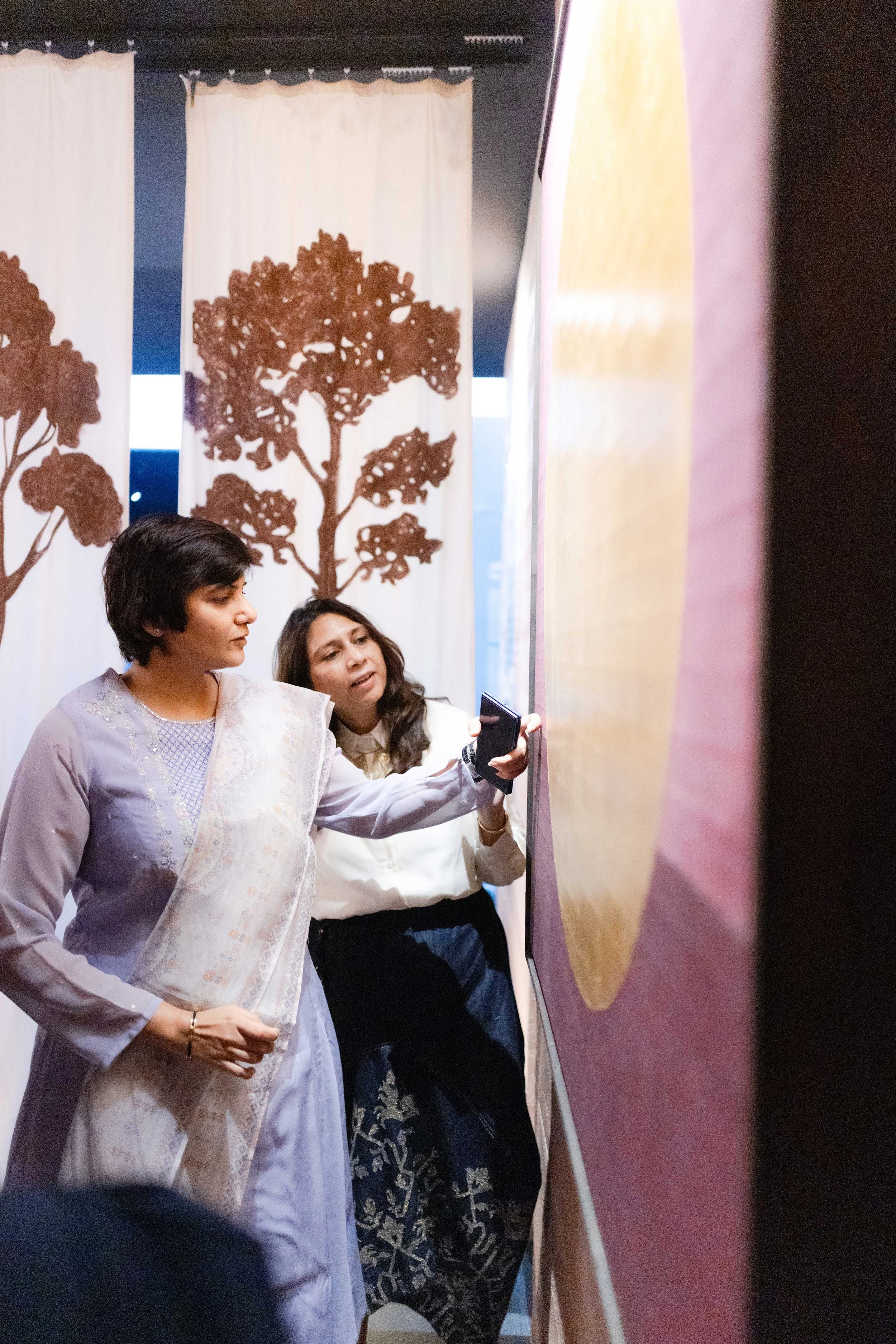
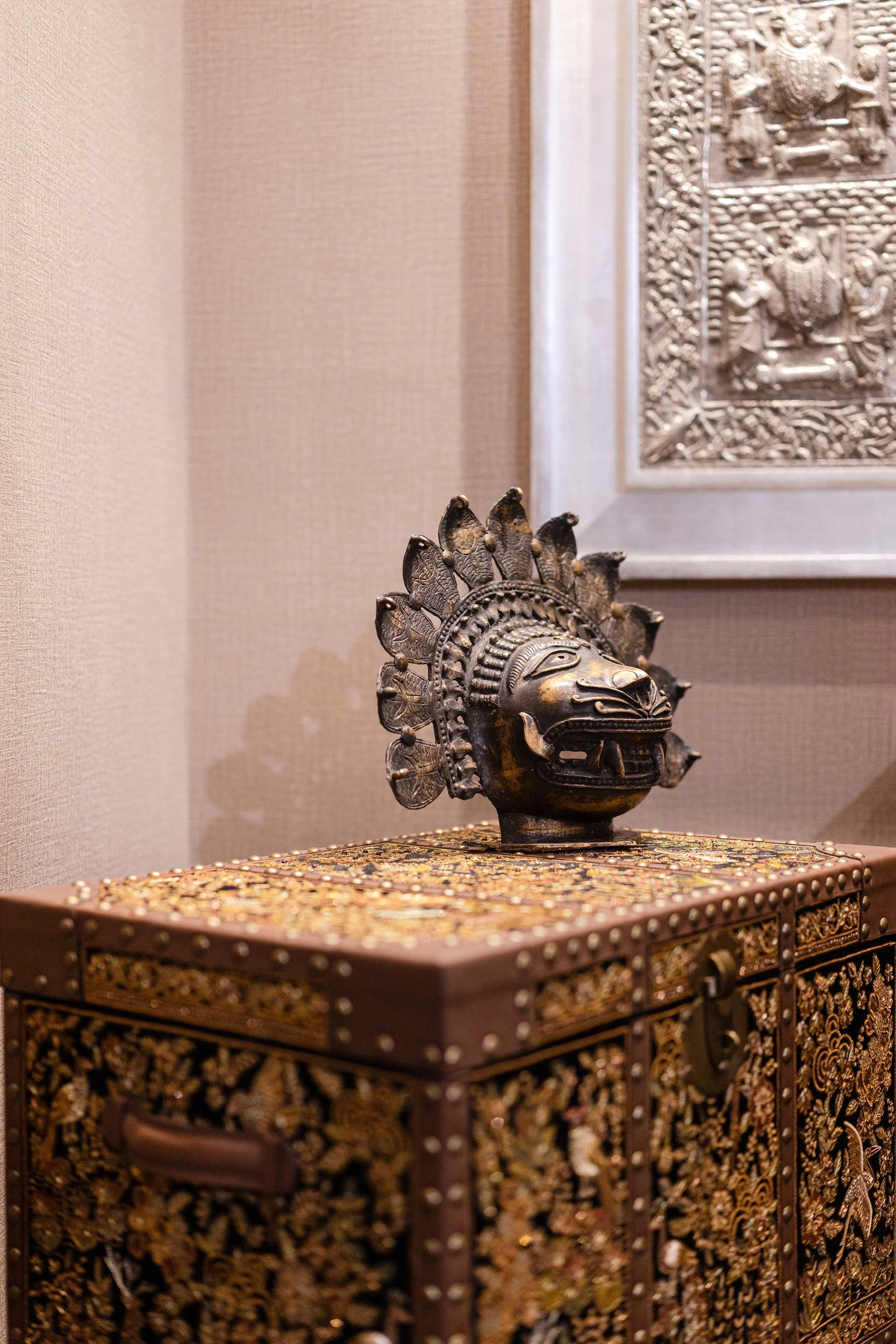
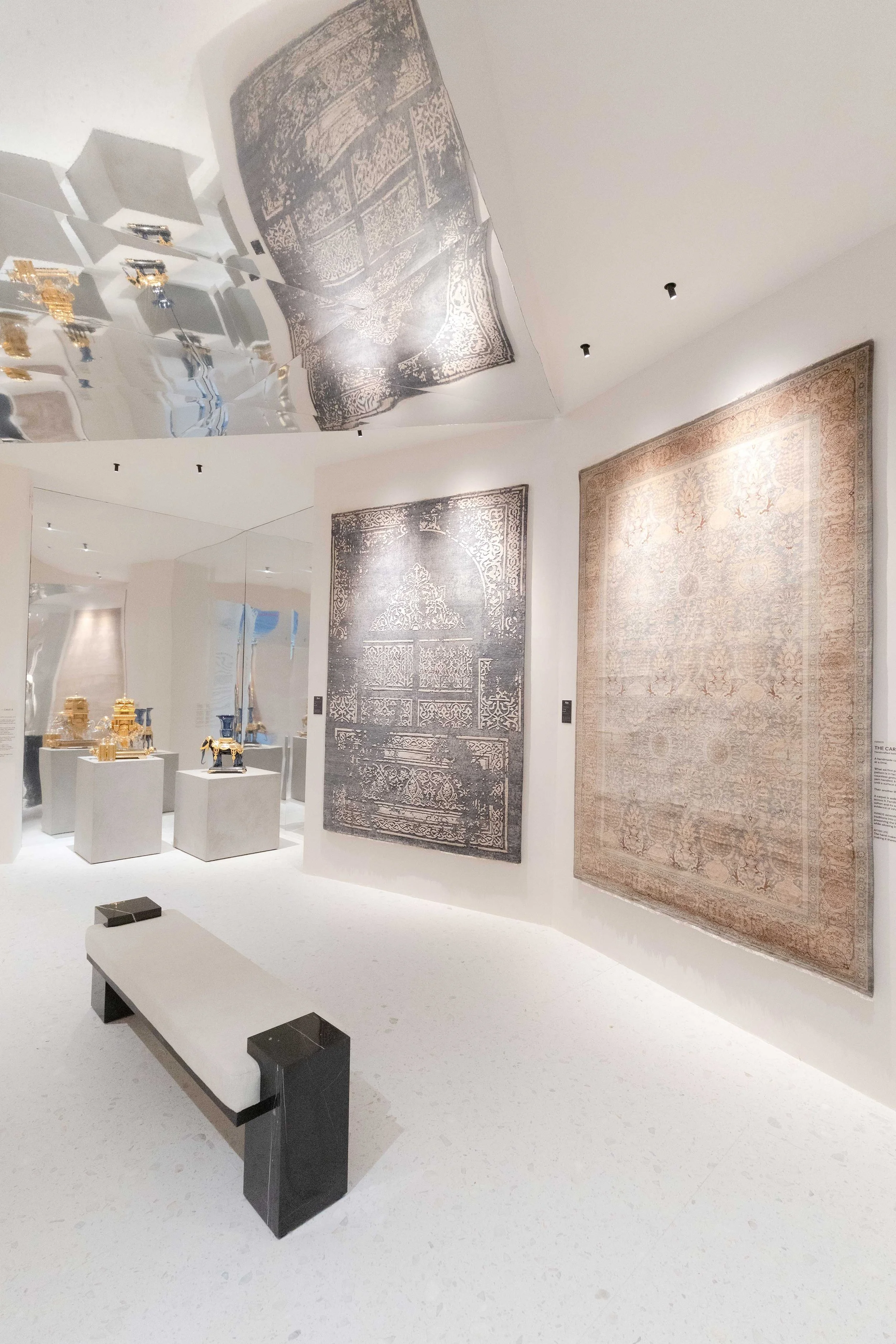
In After Life, Monika and Sarah Choudhary of Habitat Architects and ZHabitat Collective asked what happens to a well-made object once the appetite for buying it has passed. Through 12 objects, the exhibition reflected on the qualities and emotional ties that allow design to endure beyond fashion or commercial value. Finally, The Art Edit, curated by writer Anish Gawande in collaboration with Sakshi Art Gallery, explored the increasingly fluid boundaries between art and interior architecture.
The accompanying DD Talks programme brought together architects and industry figures including Alfaz Miller, Sandeep Khosla, Sonali Bhagwati and Iram Sultan. Discussions ranged from biophilic high-rises and increasingly personalised homes to the question of the longevity and sustainability of the built space. And designers and brands together for deeper, more intimate conversations on bespoke projects via the DD Focus platform.
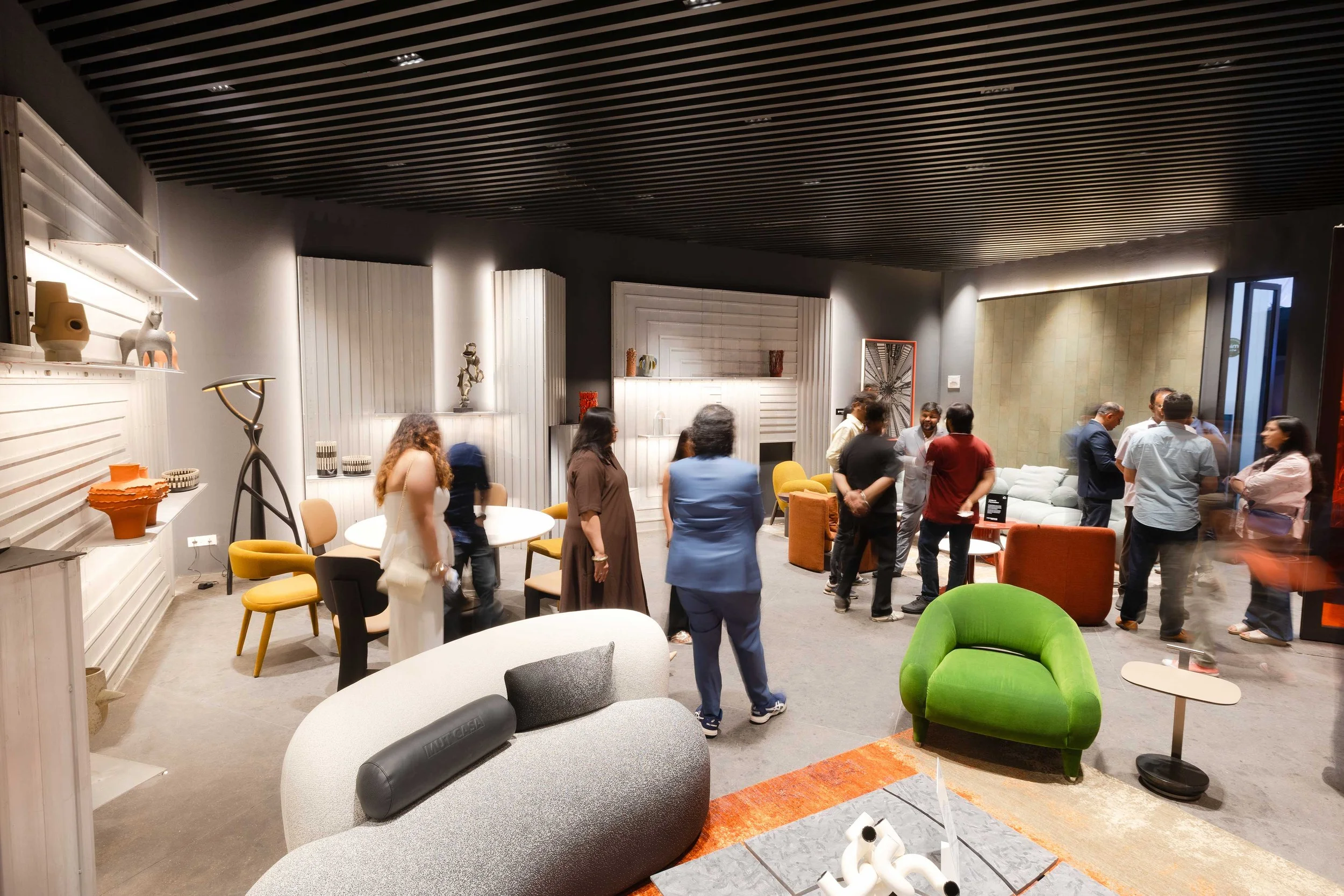
Four editions in, Design Democracy offers a useful snapshot of an industry constructively negotiating its relationship with tradition and change. The work on show suggests that India’s craft heritage is not just something to preserve, but a body of knowledge that designers continue to question, adapt and transform into new ideas.