Distinct Voices, Shared Language
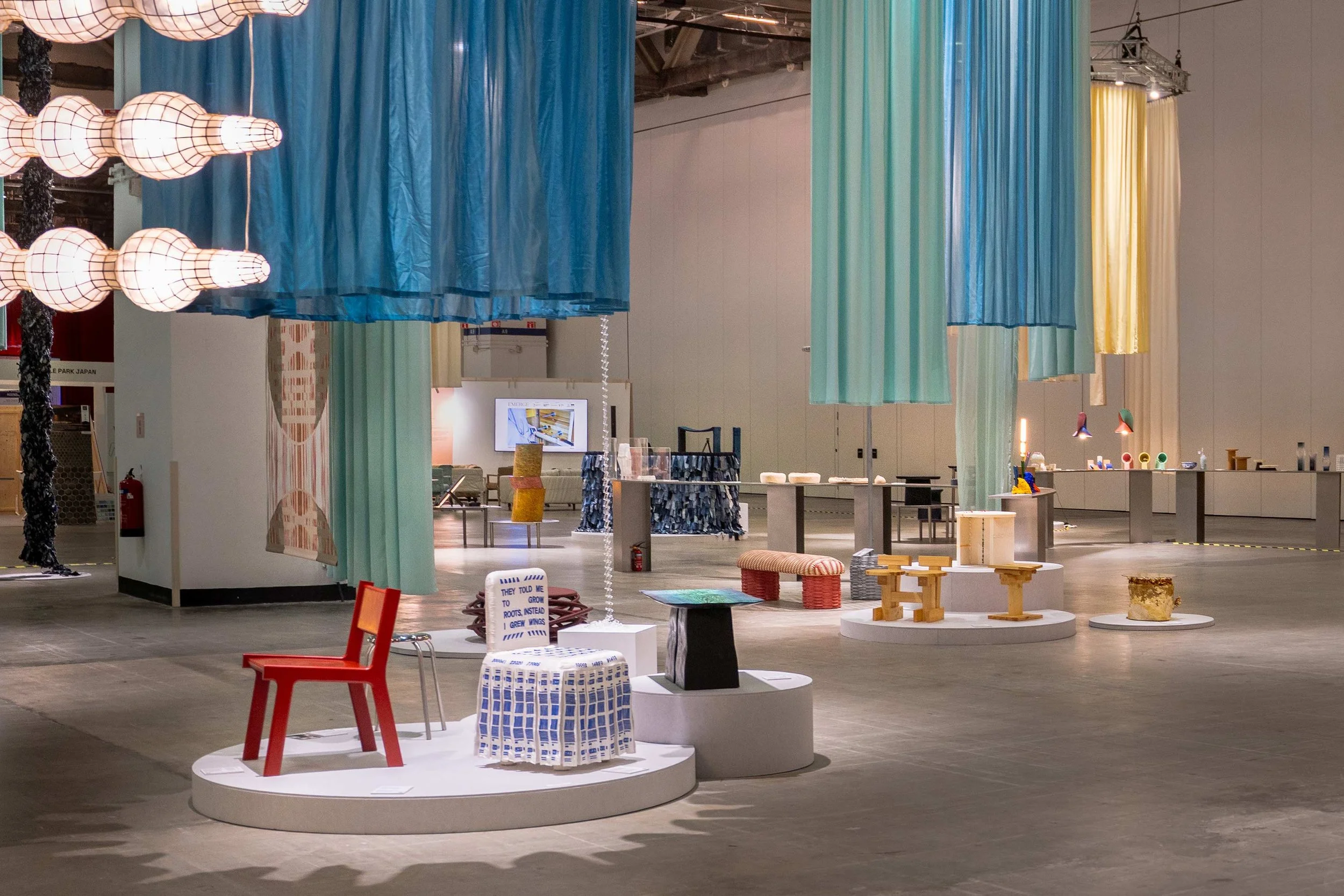
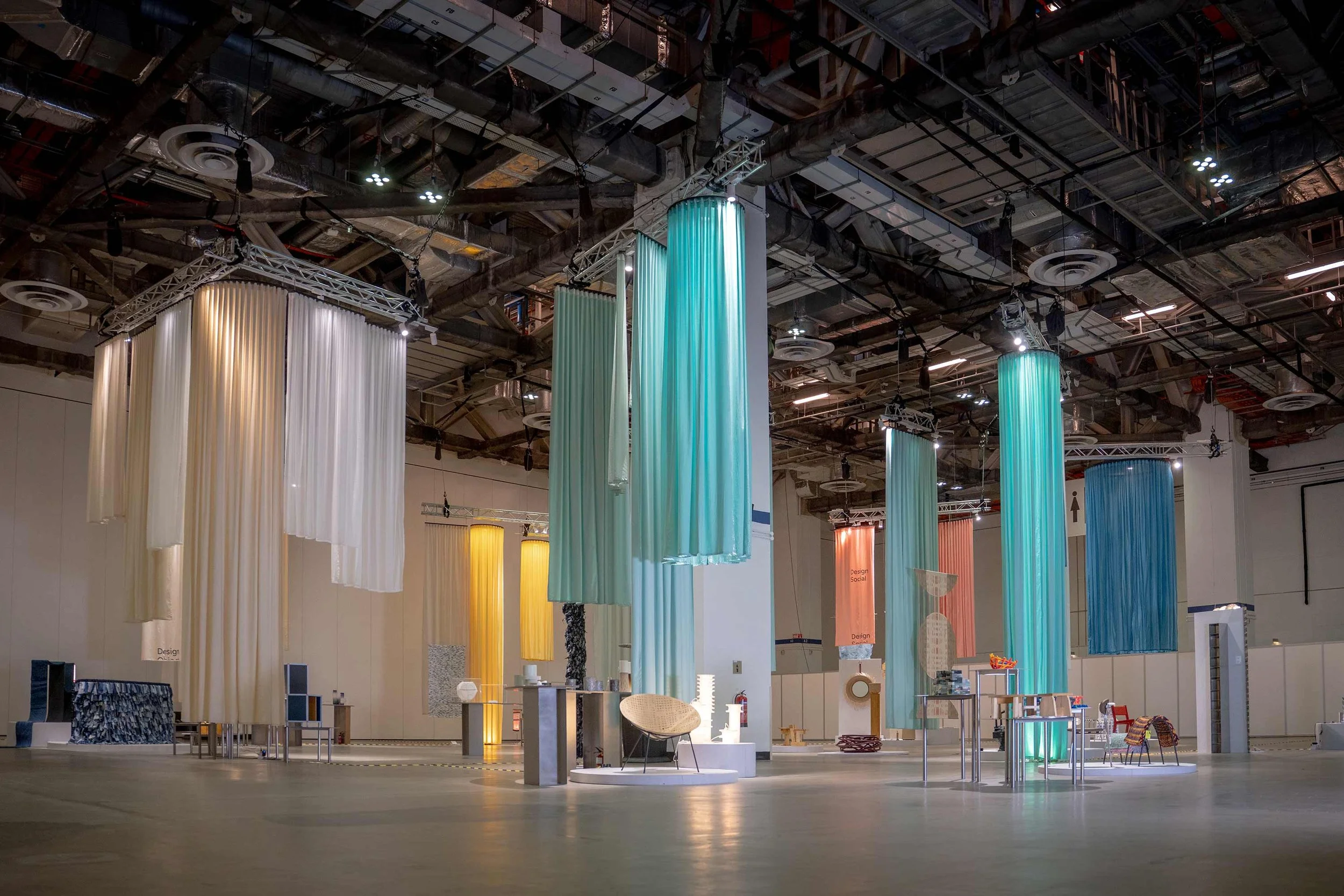
The fourth edition of Emerge @ Find, a design showcase held as part of Singapore Design Week and curated by Supermama’s Edwin Low and Design Anthology’s own Suzy Annetta, brought together 76 emerging designers from across Asia Pacific
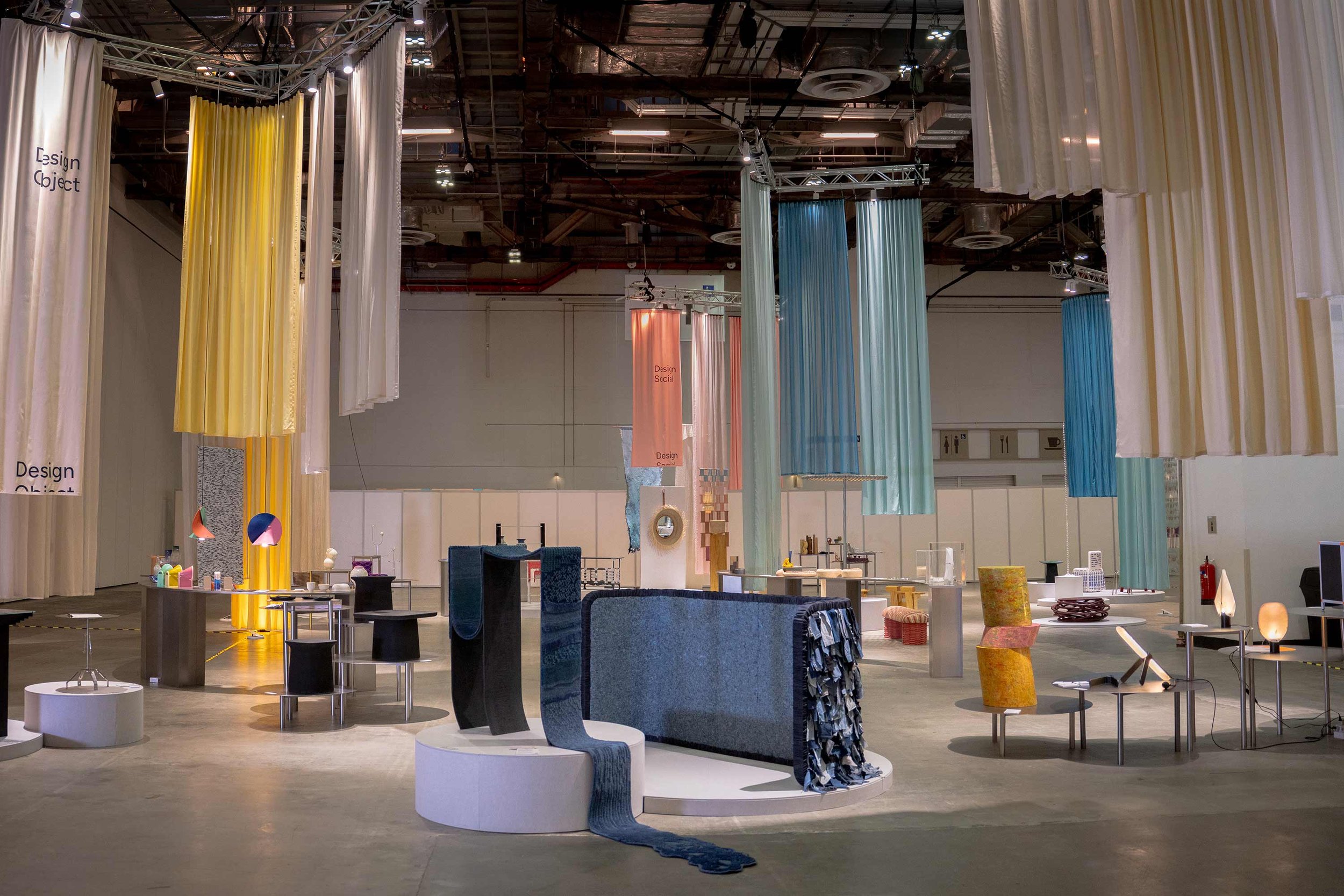
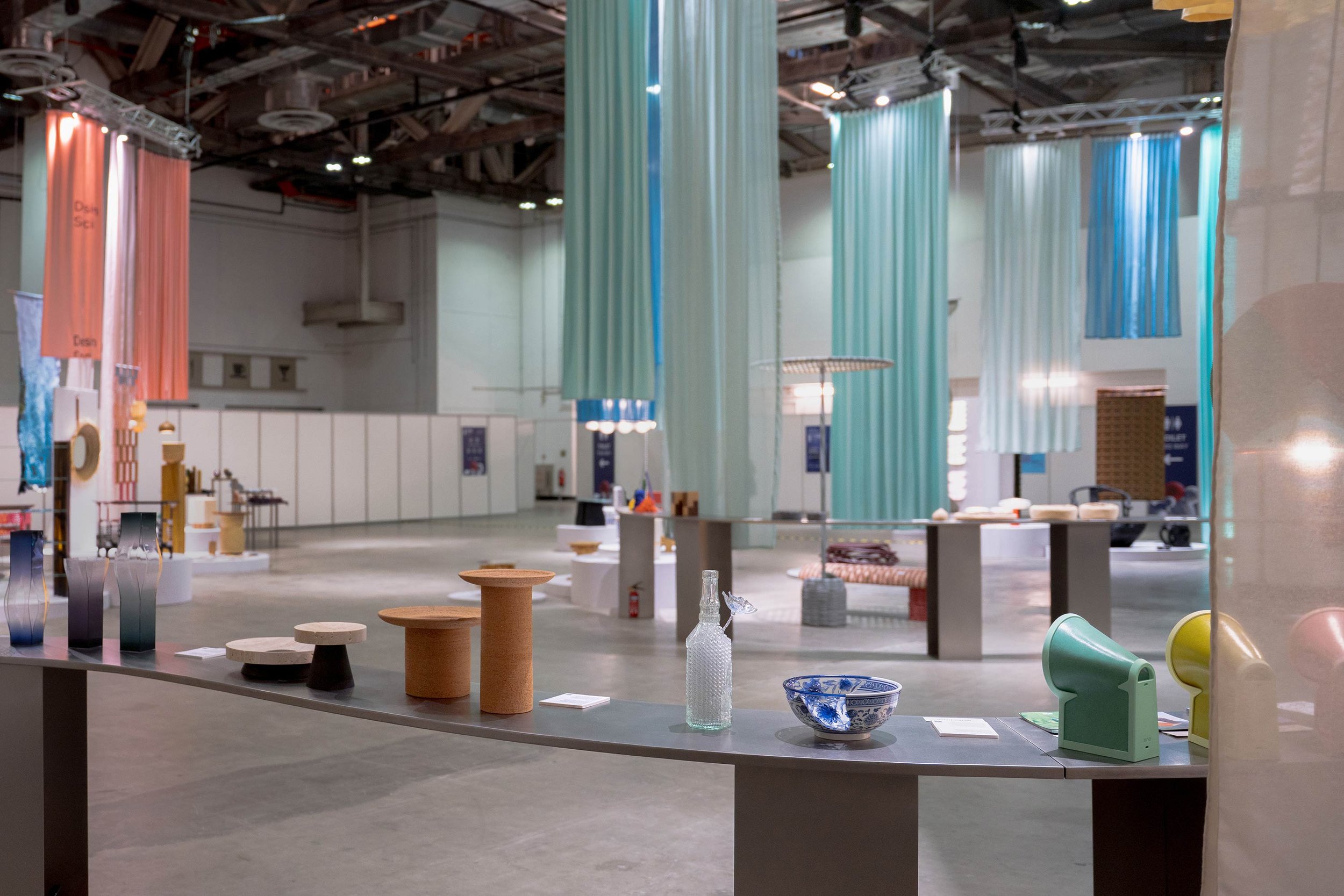
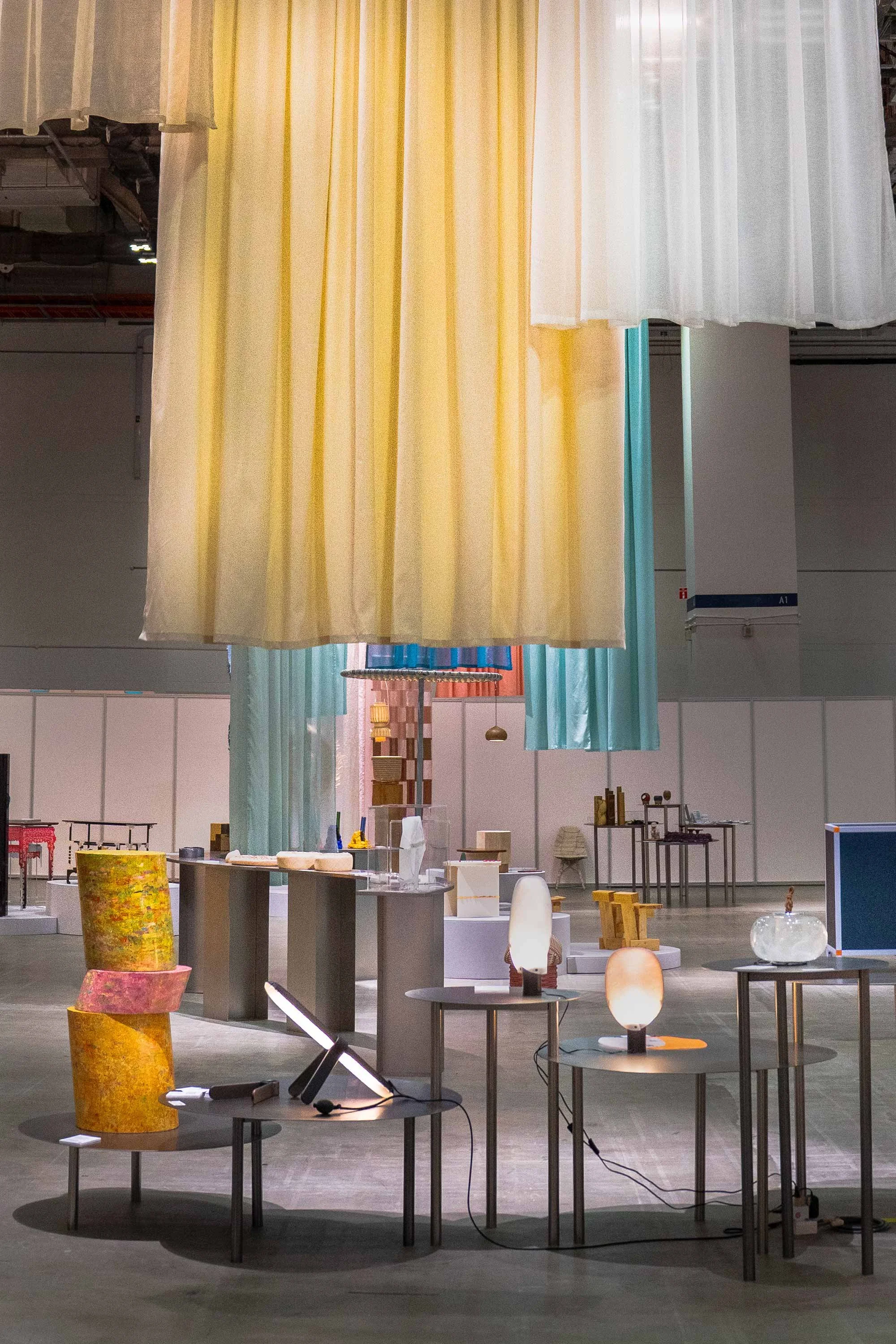
East Asian designers joined their Southeast Asian counterparts for the first time at design showcase Emerge @ Find during Singapore Design Week in September. The fourth edition exhibited 166 design objects by 76 designers from 12 Asian countries, including China, Hong Kong, Japan, South Korea and Taiwan. Held in the same year as Singapore’s 60th anniversary, the show handed the curatorial reins to homegrown designer and founder of design label Supermama Edwin Low, with the support of Design Anthology founder Suzy Annetta.
The show’s theme was Dialogue Through Design, which explored design’s role in culture beyond function. For Low, the curatorial exercise was an inquiry into uncovering the layered meanings that design objects can hold; he likened them to having a voice with their own unique timbre. And when all the pieces were put into place for the first time on 10 September, Low instantly felt a visceral sense of joy. ‘I caught a glimpse of a contemporary Asian design language,’ he says, ‘so diverse in expression, yet bound by a shared respect for craft and meaning.’
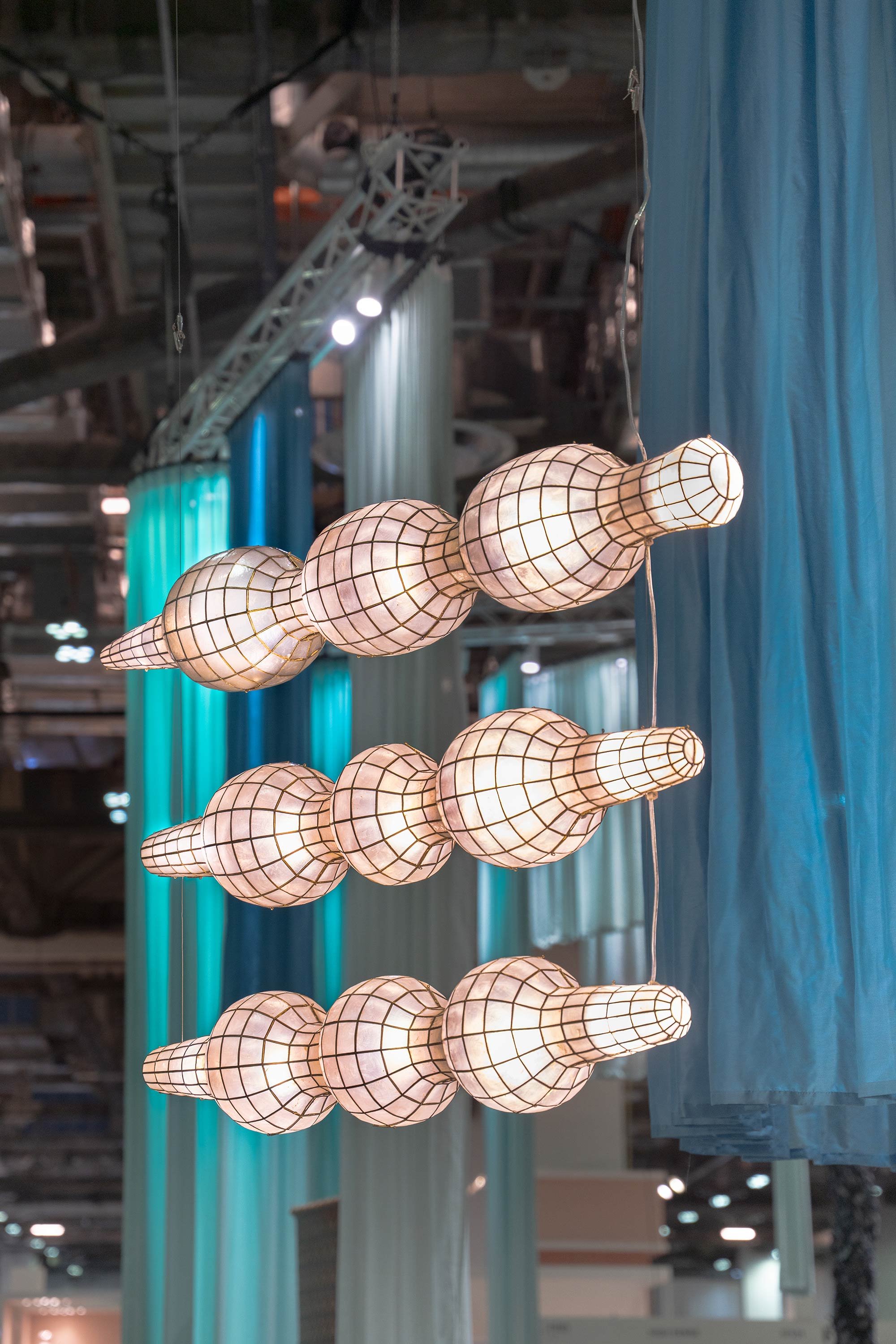
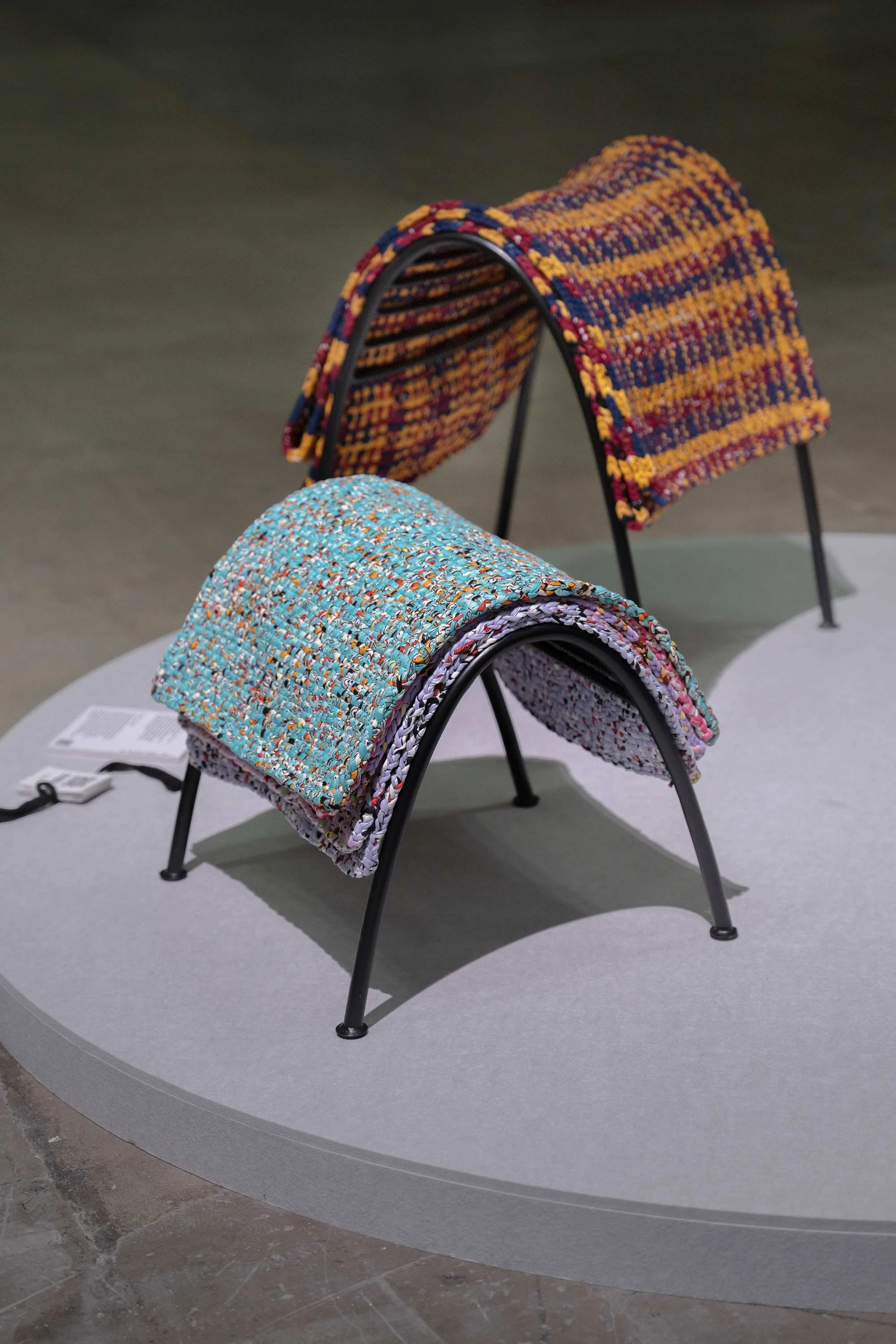
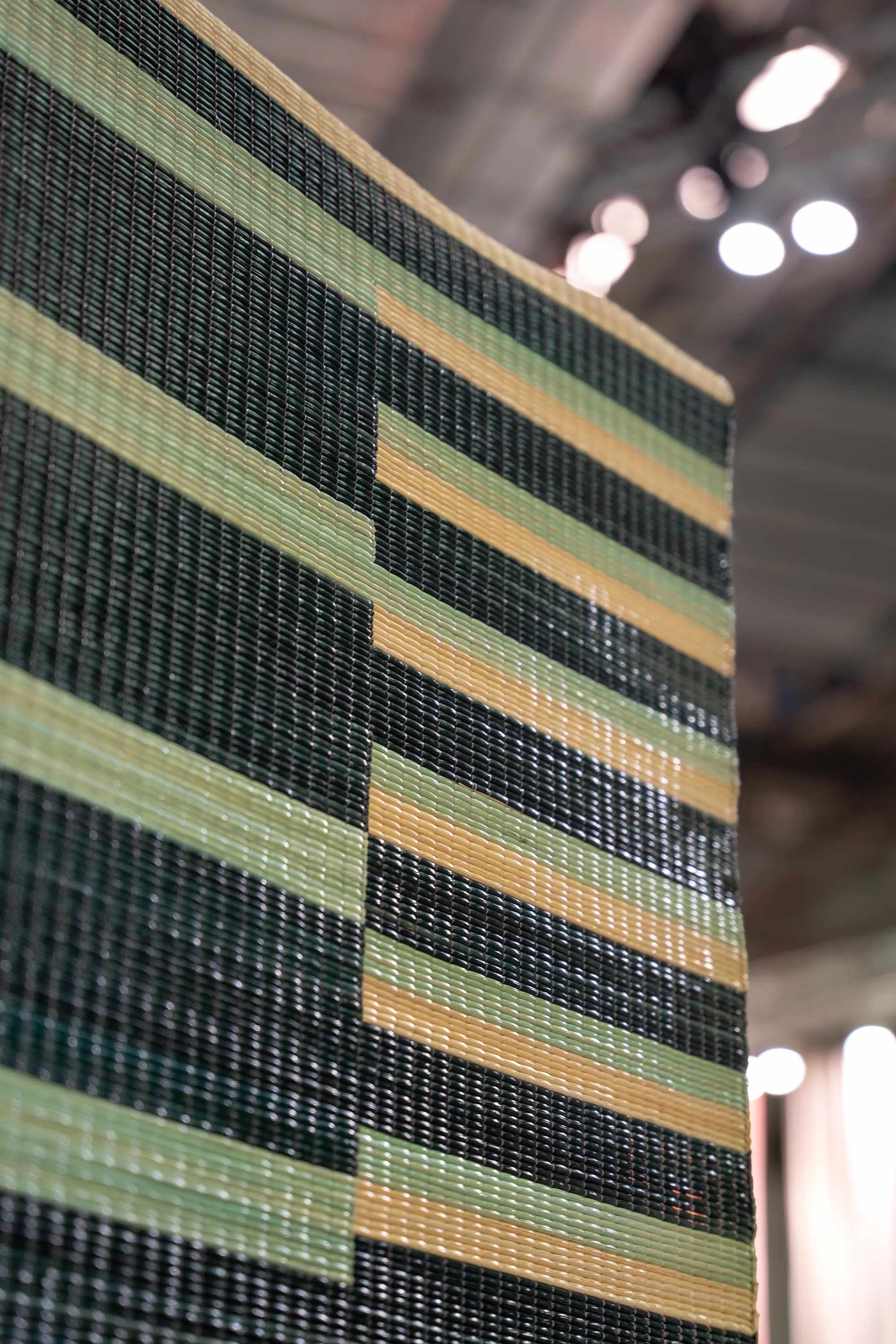
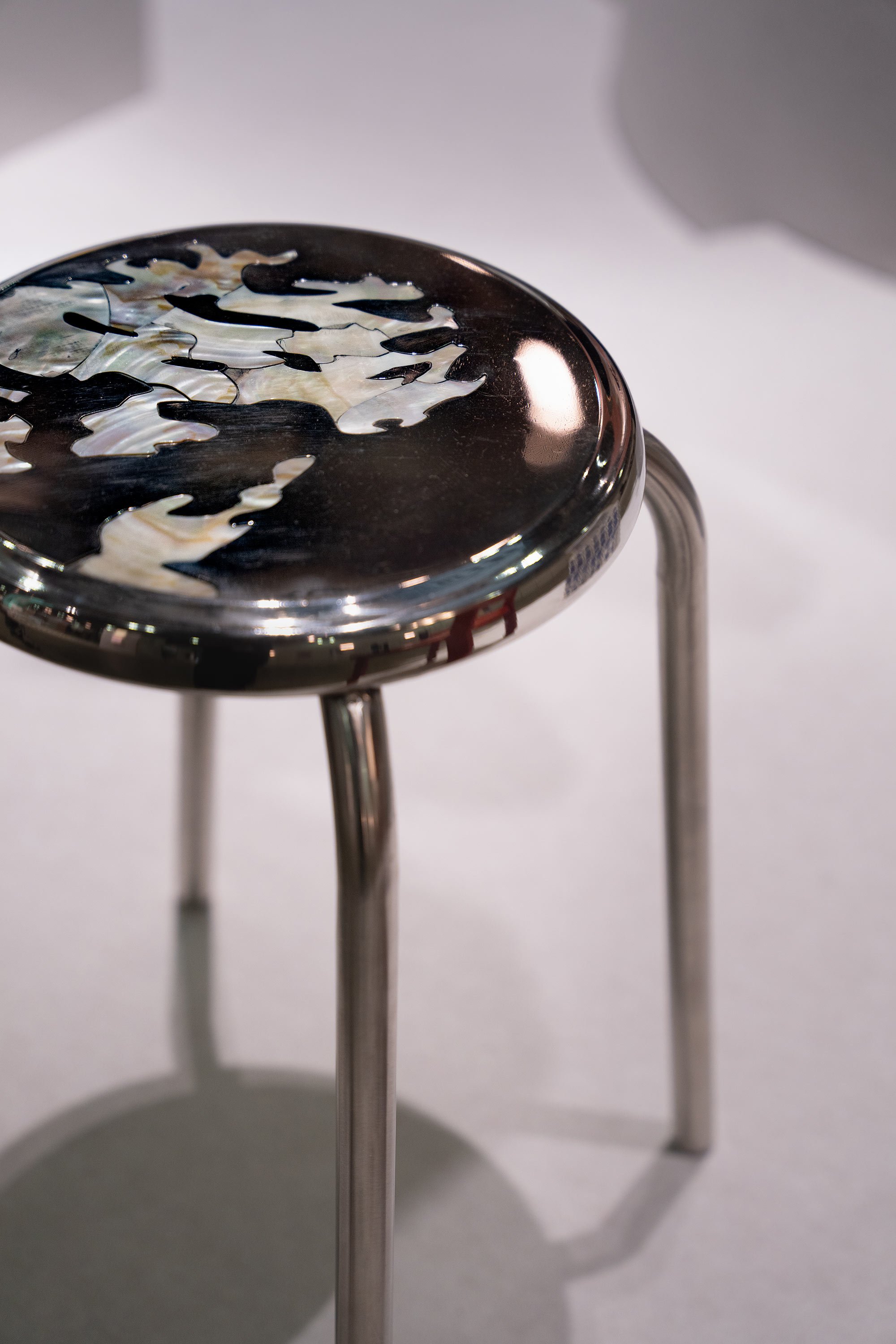
The region’s rich material culture shone through many works, giving visitors a glimpse of what Asia has to offer to the world. This was evident from designs using local materials, such as Filipino designer Meyte Szita Chan’s sculptural pendant lamps made from locally harvested capiz shells, and Korean multidisciplinary design practice Studio Word’s contemporary take on the hwamunseok (traditional flower-patterned mat) using sedge. Vernacular designs, often overlooked and under-examined, also held their own in the show, albeit with a deft twist. Numerous designers took inspiration from everyday objects and transformed them into thoughtful pieces brimming with beauty and meaning. Design practice Amalgame Studio added mother-of-pearl marquetry into an ubiquitous Vietnamese stool design, while Clark Mendoza reinvented the basahan (doormat) into a bangko, a simple bench found in many homes across the Philippines. Imbued with novel perspectives, these reimagined ordinary pieces exuded fresh relevance.
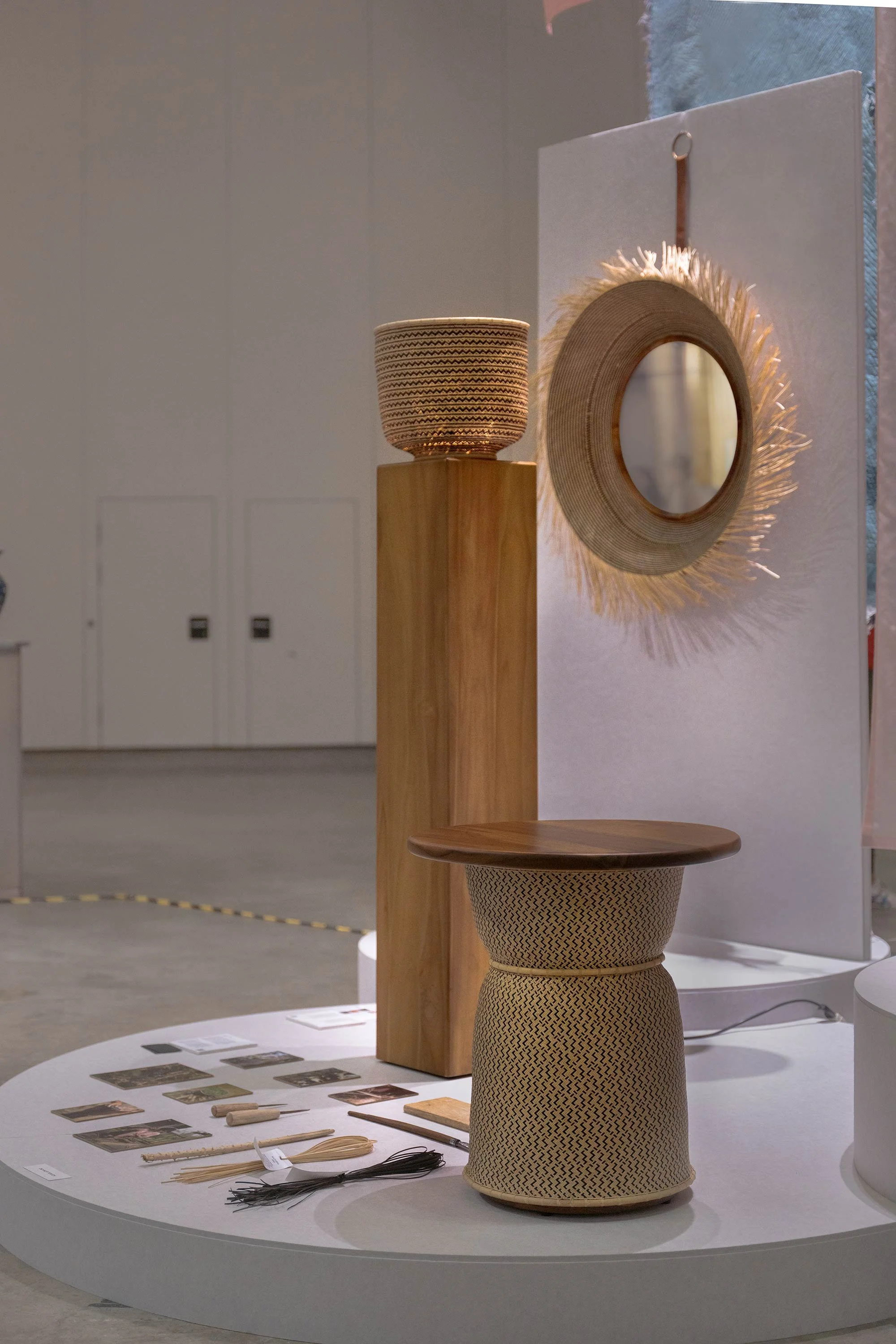
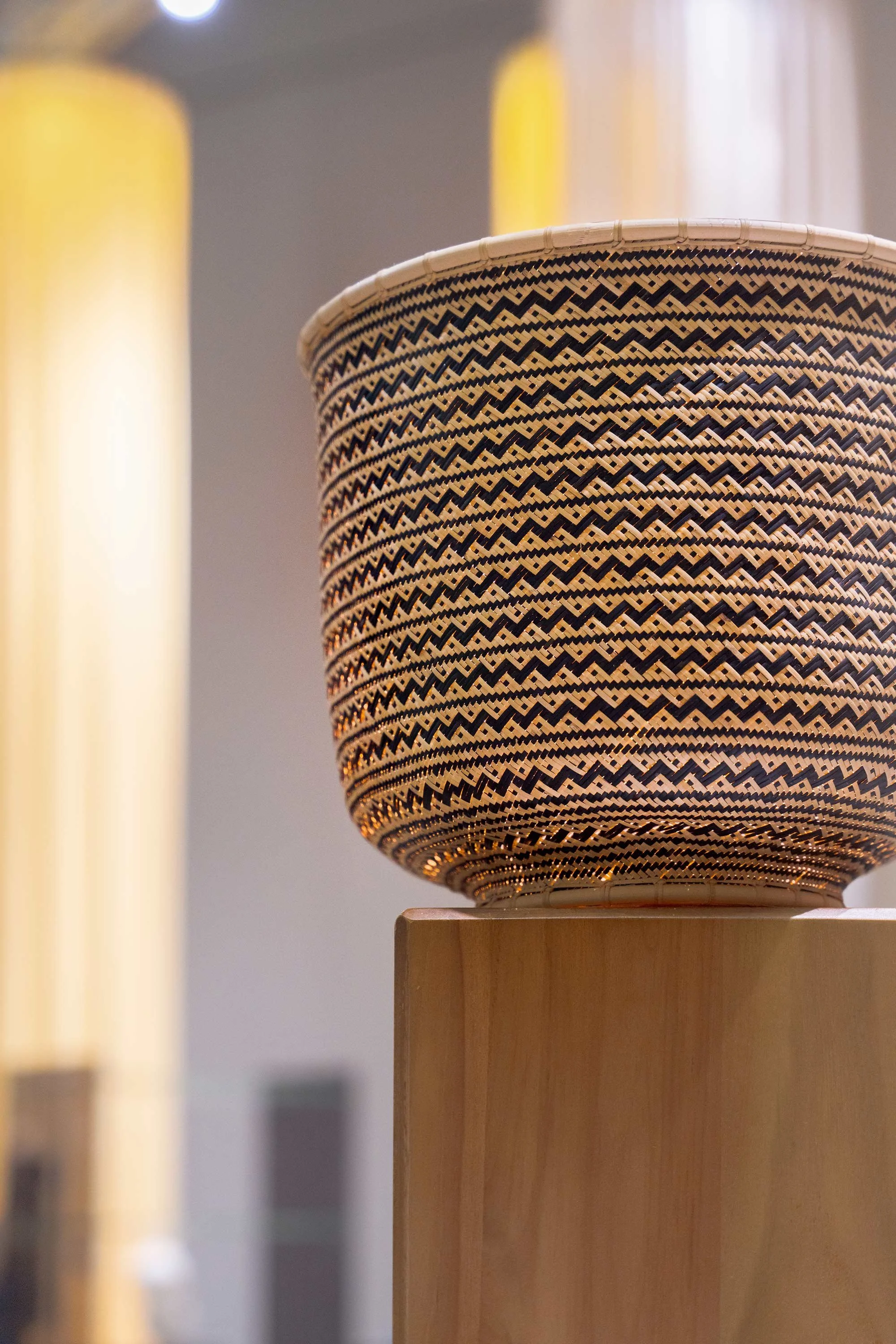
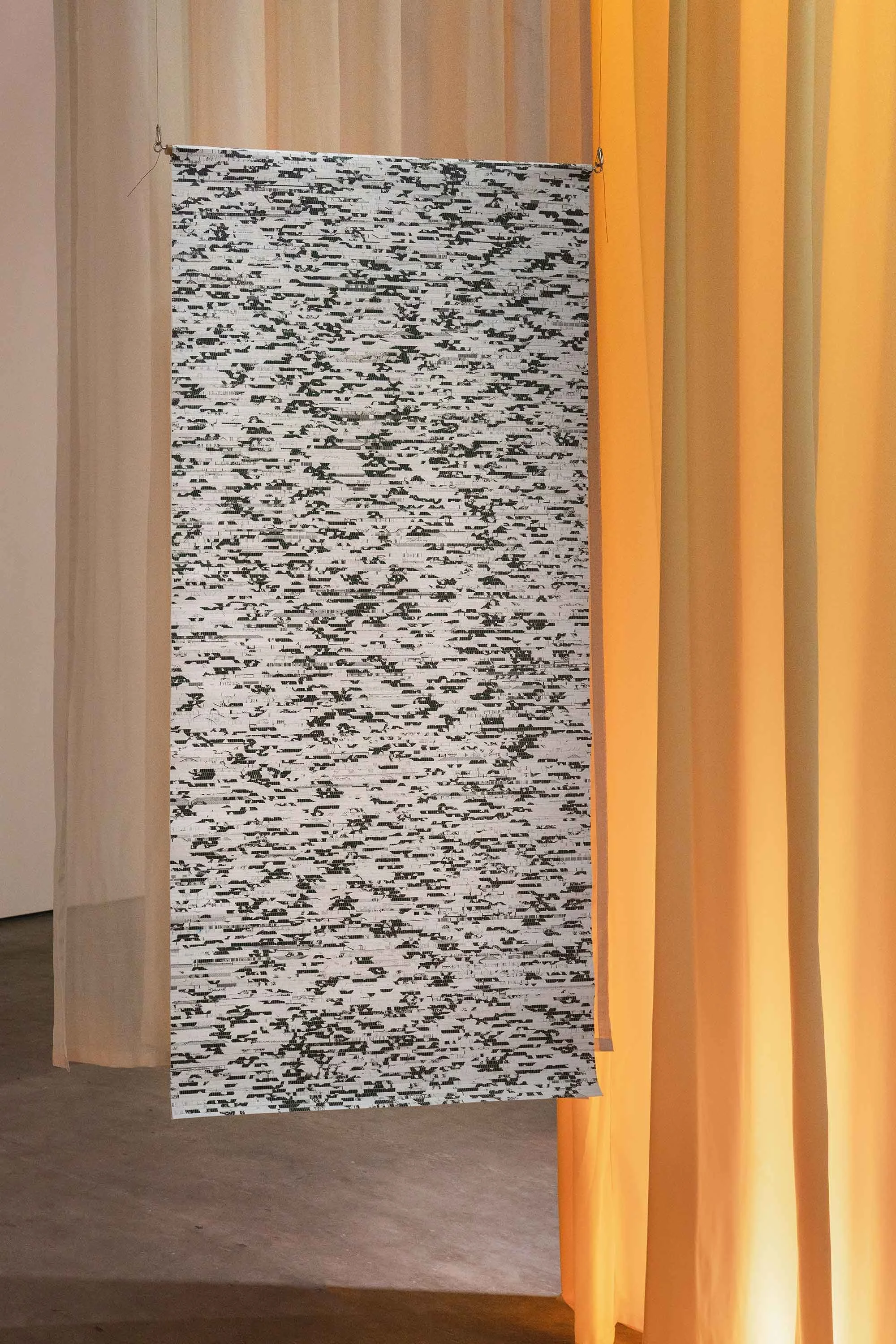
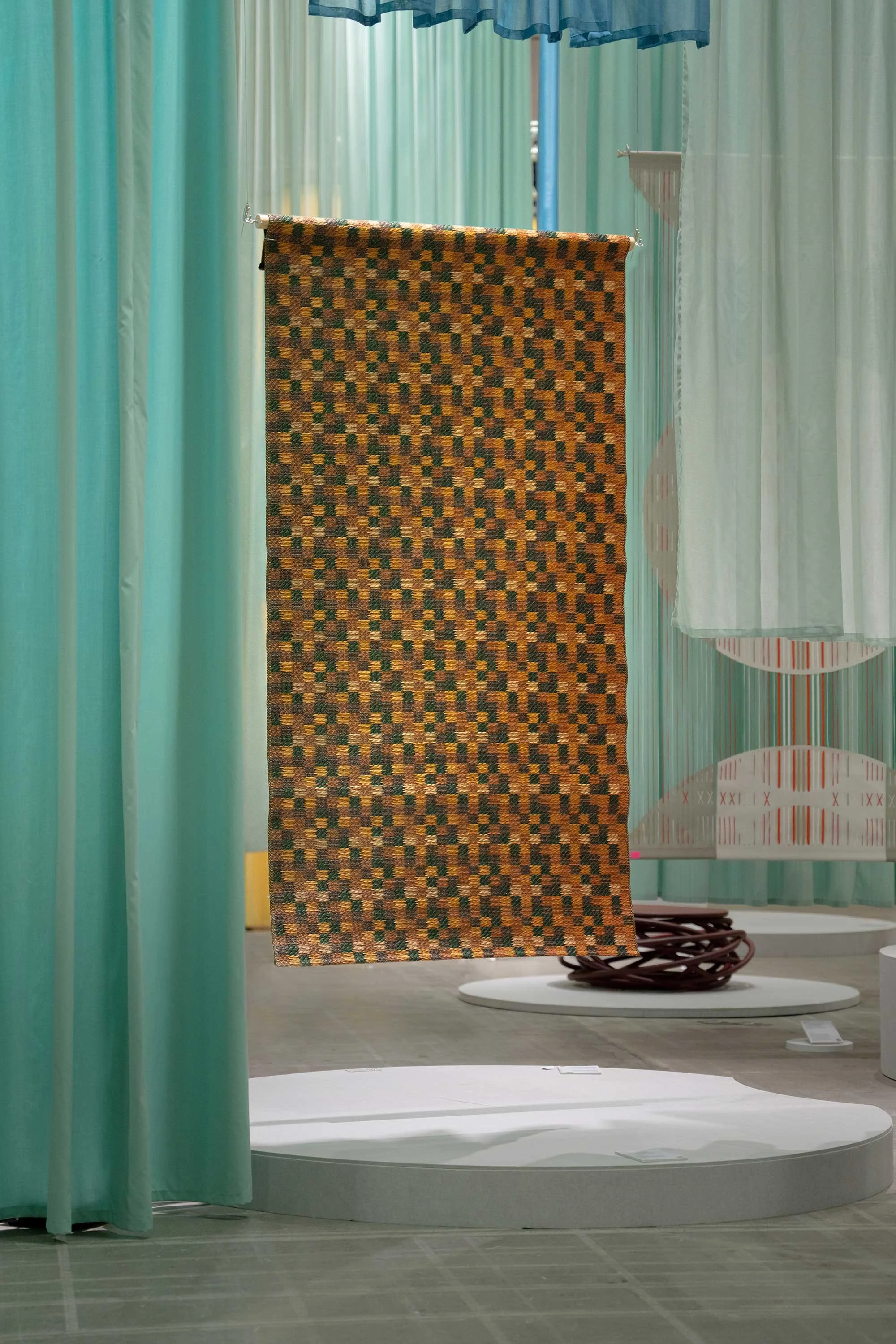
Emerge’s designers also displayed groundbreaking expressions while continuing to work with traditional makers. Consider weaving for example: Indonesian design studio Roa Atelier partnered with craftspeople in Magelang, Central Java, to craft handwoven wallpaper patterns using discarded architectural drawings and plans, while Tokyo-based textile designer Hana Mitsui created a new igusa textile by merging pixel patterns with kakegawa-ori weaving approaches. By venturing into uncharted territory, both designers showed how weaving can evolve with the times.
Still within the world of warp and weft, Indonesian designer Alvin Tjitrowirjo’s homewares explored how design can integrate a social slant. Ndare is a rattan furniture collection made in collaboration with Handep, a social enterprise that works with indigenous Dayak communities in Central Kalimantan, whose craft cultures have come under threat for decades. ‘I’ve gone past trying to make beautiful objects,’ he says. ‘I now see how materials and craft can play a more important role in creating connections and meaning. It’s time for us to use design as a way of rebuilding the missing connections in the objects we use.’
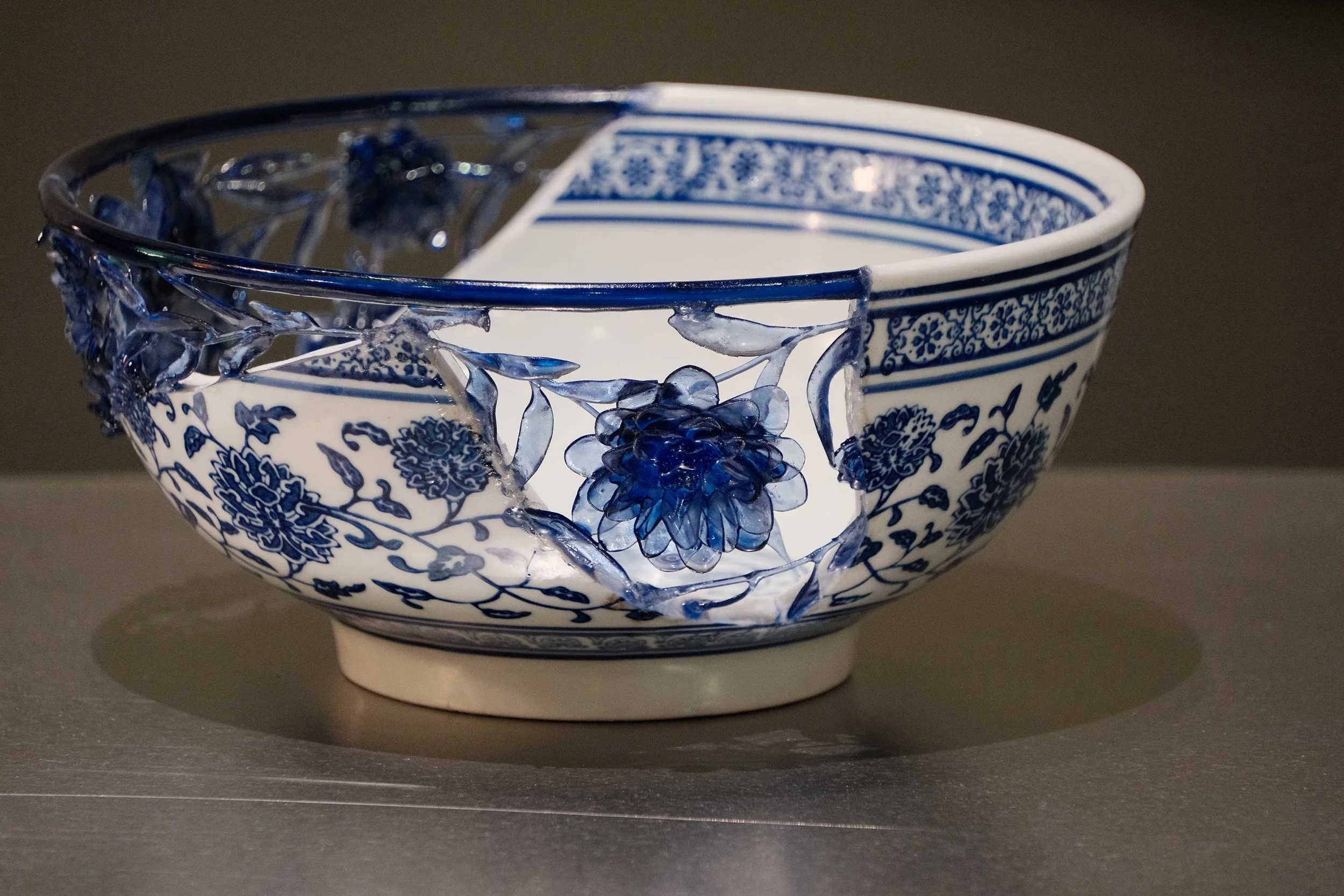
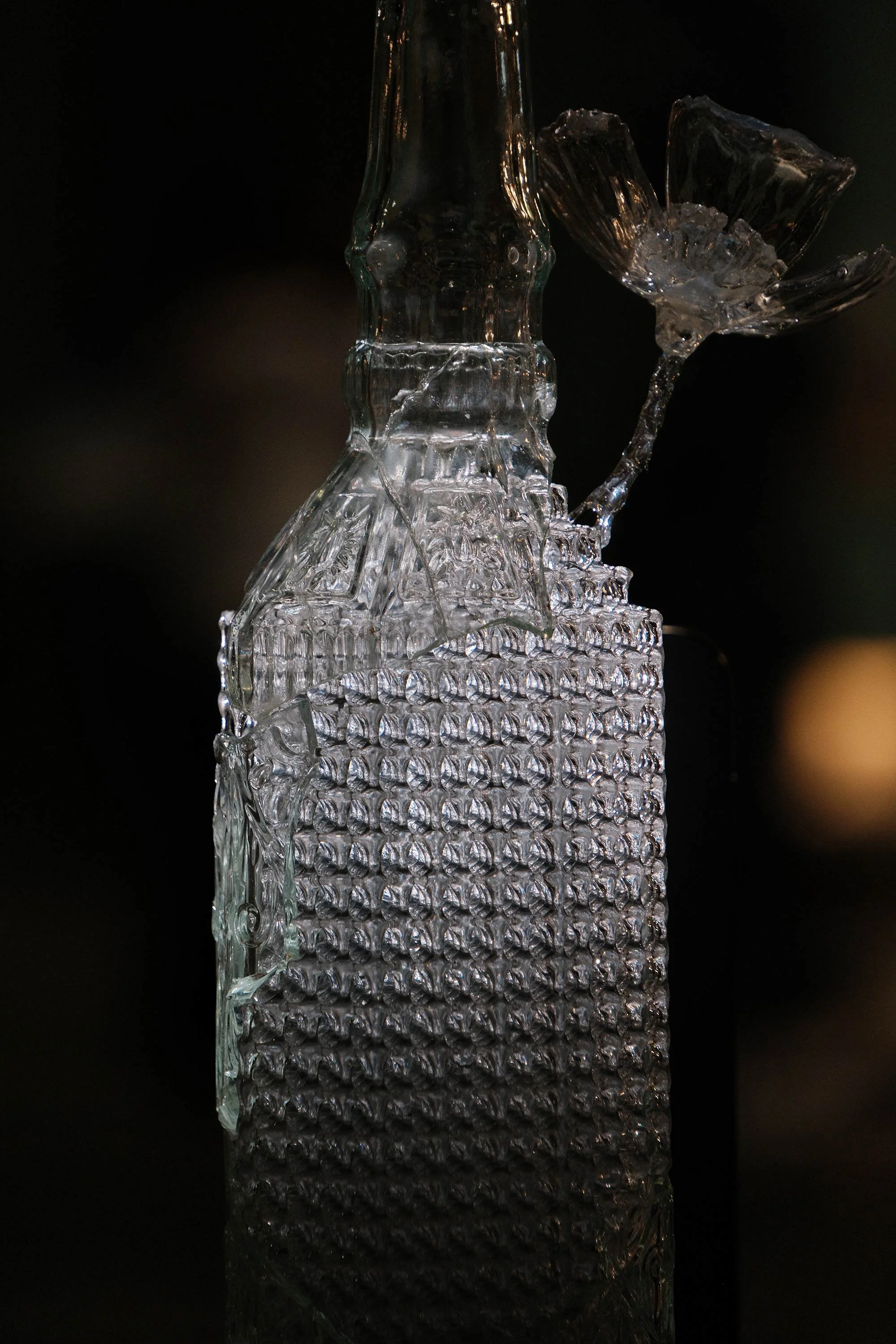
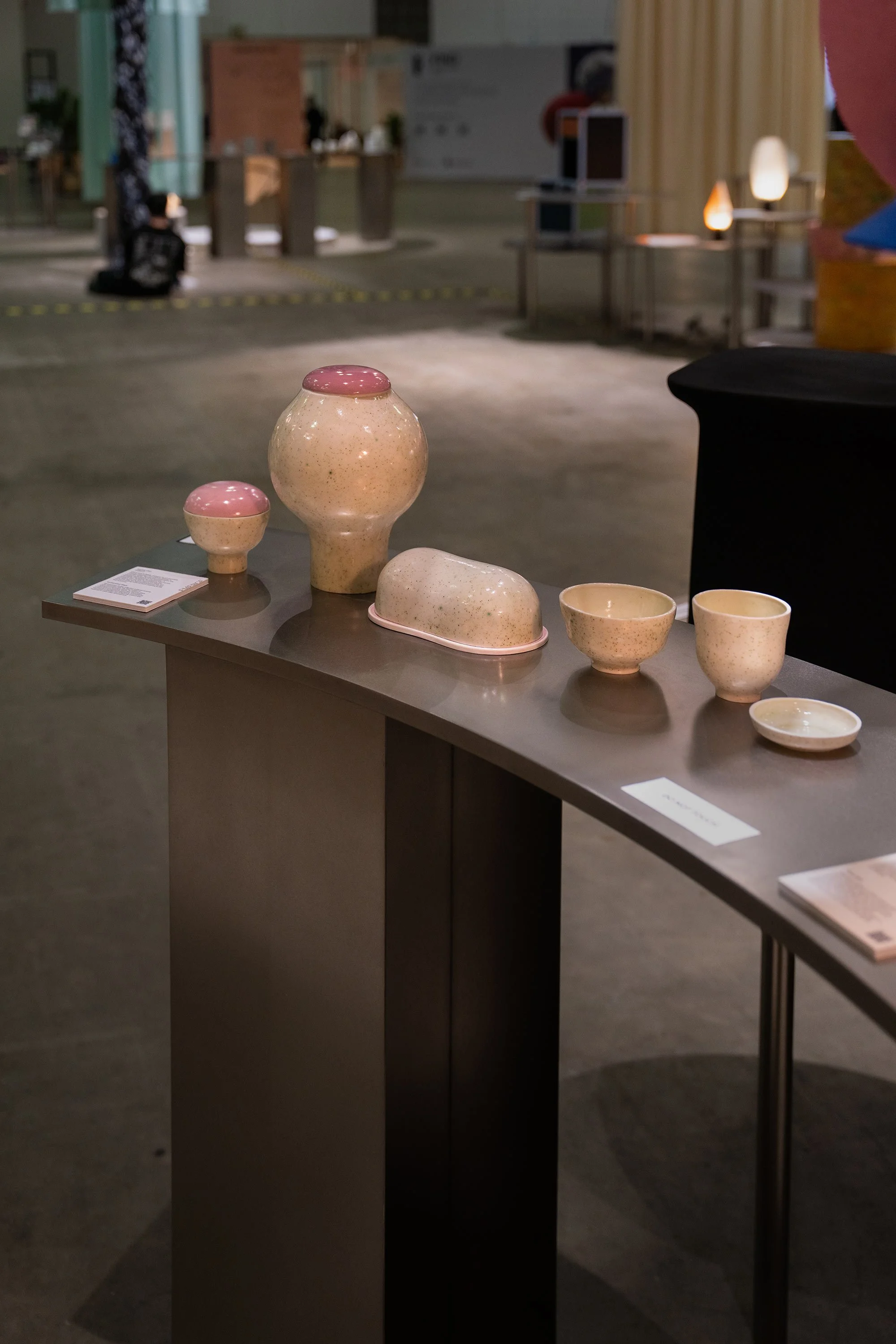
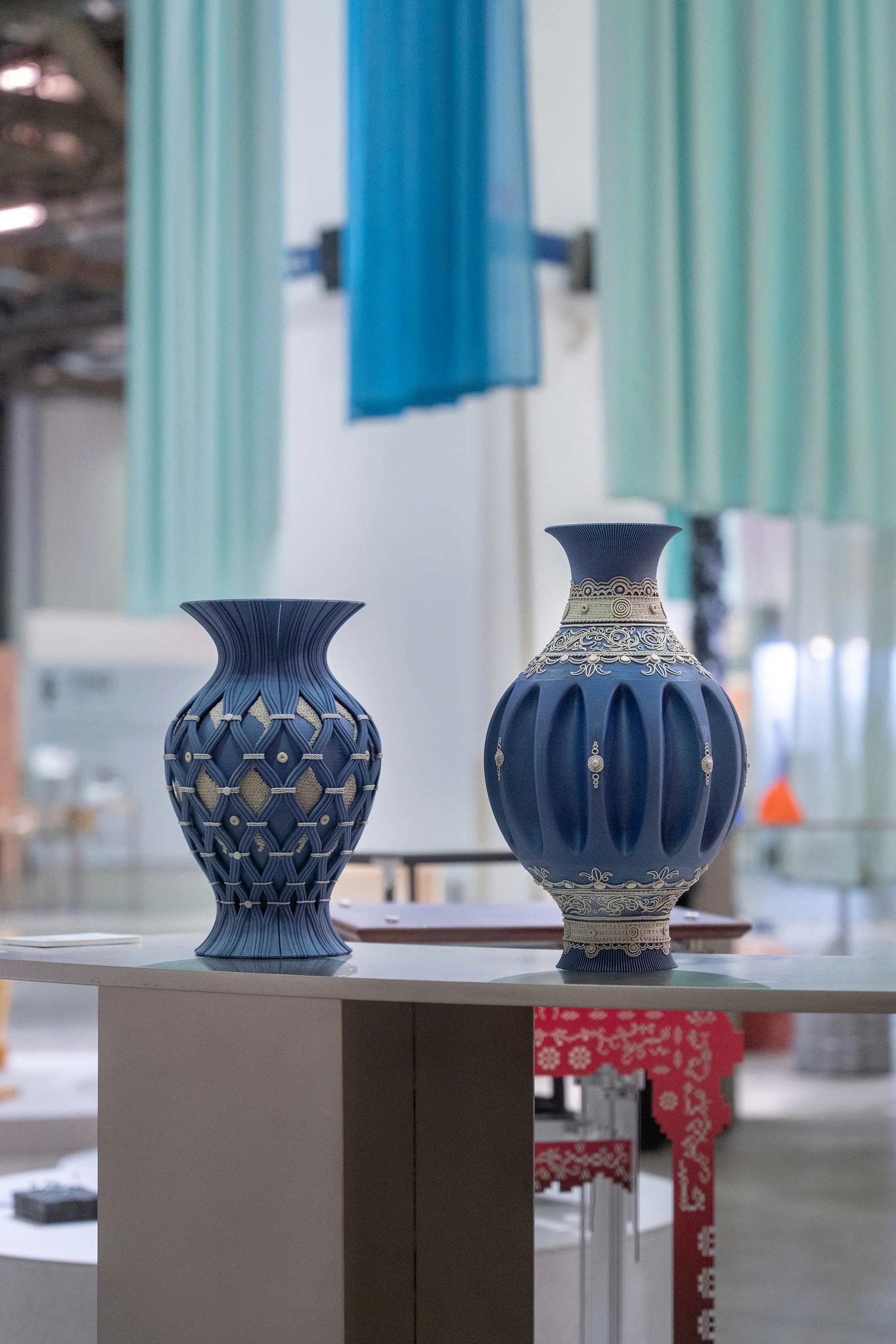
Even though Singapore’s craft legacy doesn’t stretch as far back as some of its neighbours, the country’s designers, too, were influenced by making practices but with technology-forward takes representative of the city-state. John Tay from Supermama used digitally-generated textures and resin 3D printing to restore broken ceramics in what he called Kintsugi 2.0, while Shervon and Melvin Ong created a series of ‘hybrid artefacts’, 3D-printed vases adorned with hand-threaded lacquer. New craft materials were also created, such as incinerator ash (a product of the country’s municipal waste), which recent design graduate Sophia Chin transformed into elegant porcelain wares.
Despite their varied and unexpected forms — reflecting the region’s multiplicity — the works as a whole exuded the quiet power of Asian craft and vernacular material culture. Provenance was often paired with precision and progressiveness, demonstrating that the future of Asian design burns bright as ever. Low shares the same sentiment: ‘The region’s voices will only grow stronger in the years ahead, shaping how the world understands what Asian design is and can be.’
Text by Joseph Koh
Images by Supermama