Elevating the Vernacular: The Park Hyatt Kuala Lumpur Discovers a Sense of Place in the Sky

The new Park Hyatt Kuala Lumpur, set inside the supertall Merdeka 118 building, is a sophisticated study in contrast, marrying traditional Malay design in a strikingly modern steel and glass shell
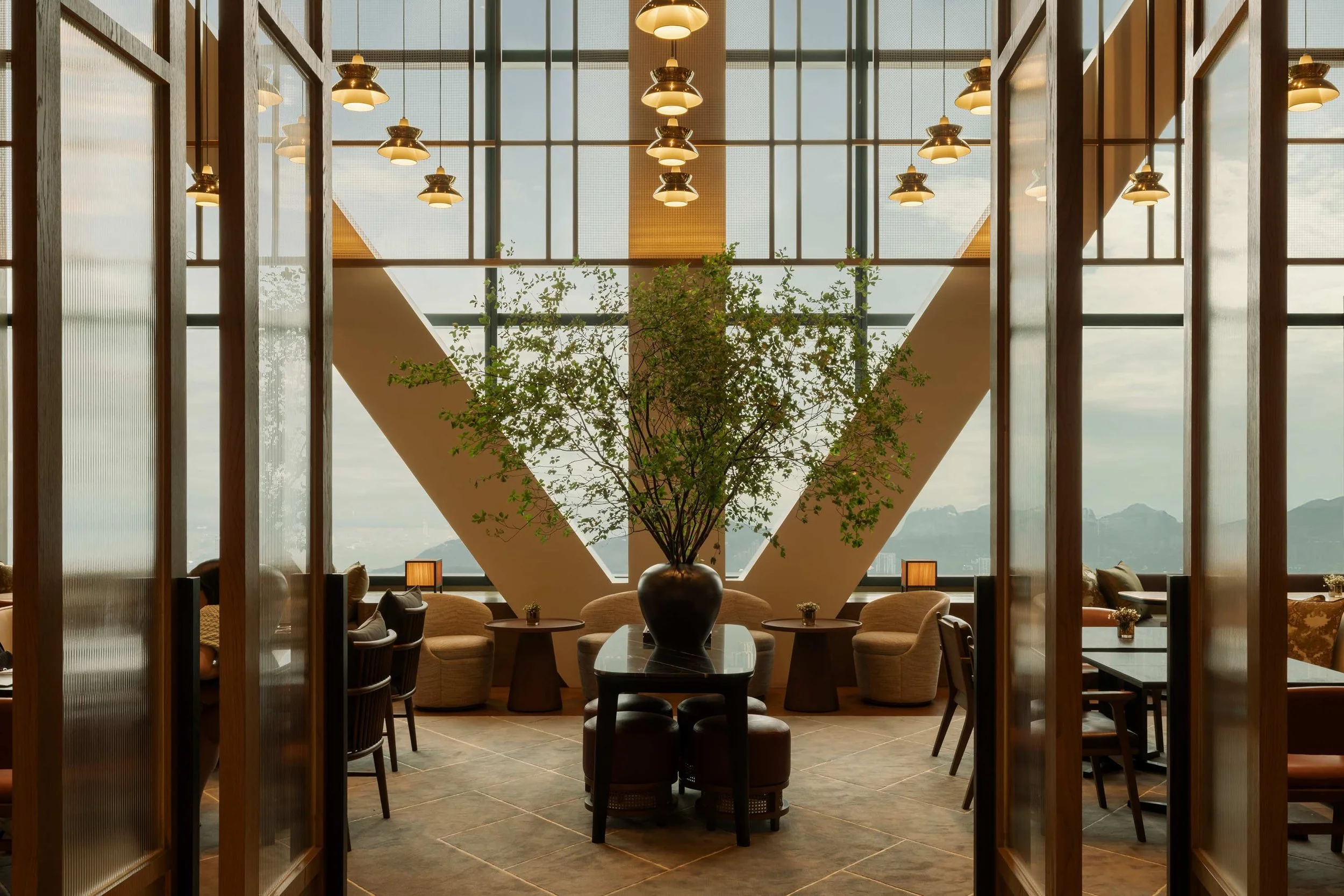
To inhabit the upper echelons of one of the tallest buildings in the world presents a design conundrum: how does one root a sense of place in a space defined by its defiance of gravity? The debut of the Park Hyatt Kuala Lumpur, nestled between levels 75 and 114 of the new Merdeka 118 — the second-tallest building in the world and the tallest in Southeast Asia — answers this question with a study in contradiction.
The design of the hotel was conceived by Terence McGinnity, Corinna Galdies and Pippa Ayres at GA Group. Galdies names the placemaking challenge as part of the design remit from the beginning. ‘The brief was about creating a landmark that would be both globally iconic and intimately connected to its surroundings,’ she says — a rather difficult task in a building that feels completely out of proportion with the city, closer in scale to the mountains surrounding it.
Merdeka 118, designed by Australian firm Fender Katsalidis, holds a strong sense of nationalist symbolism. It’s situated next to the Merdeka Stadium where, in 1957, Malaysia’s independence was declared, and its design — a narrow tower with a 160-metre spire — is meant to evoke the image of Tunku Abdul Rahman, Malaysia’s first prime minister, raising his right arm and shouting merdeka (‘independence’), marking the end of British rule.
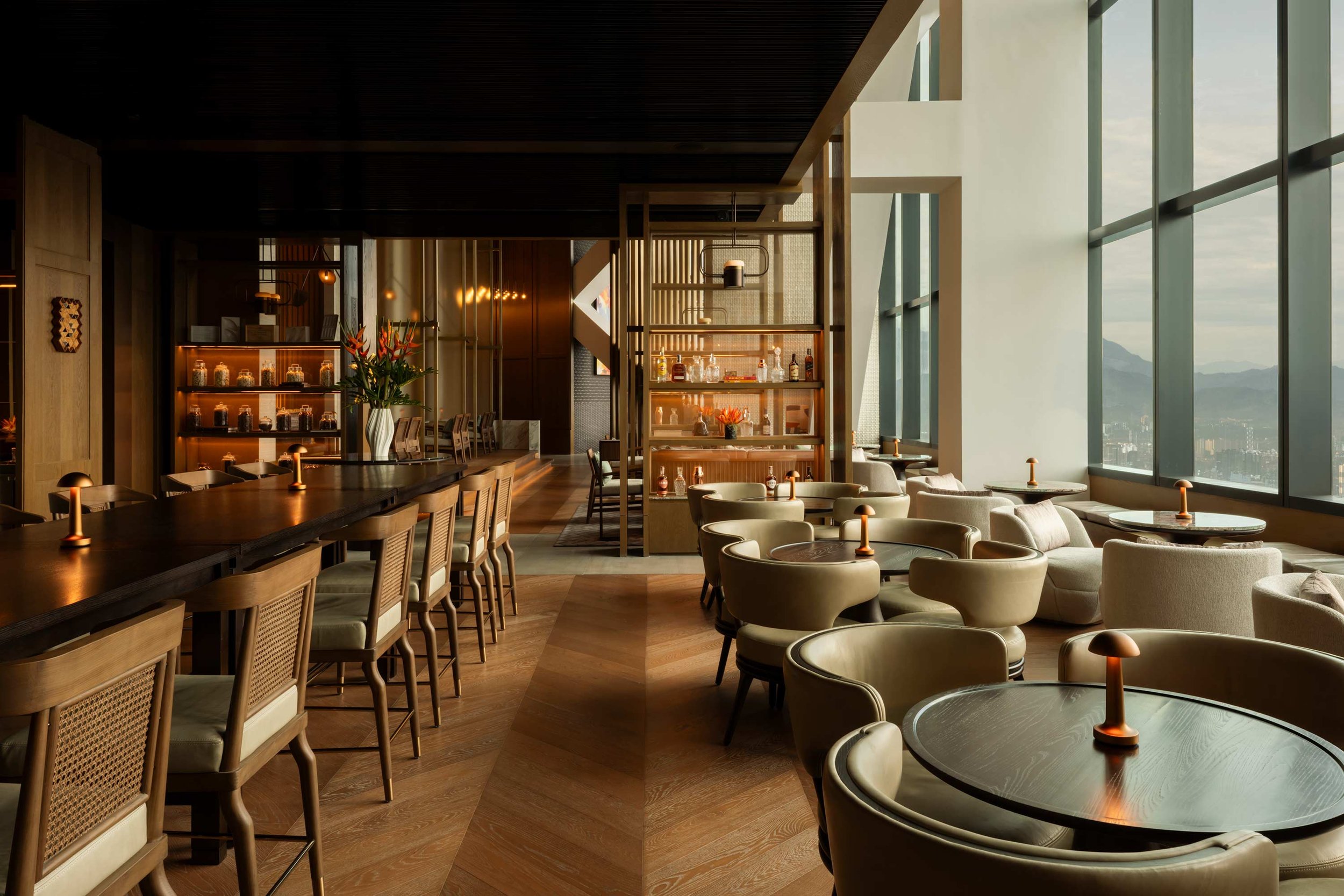
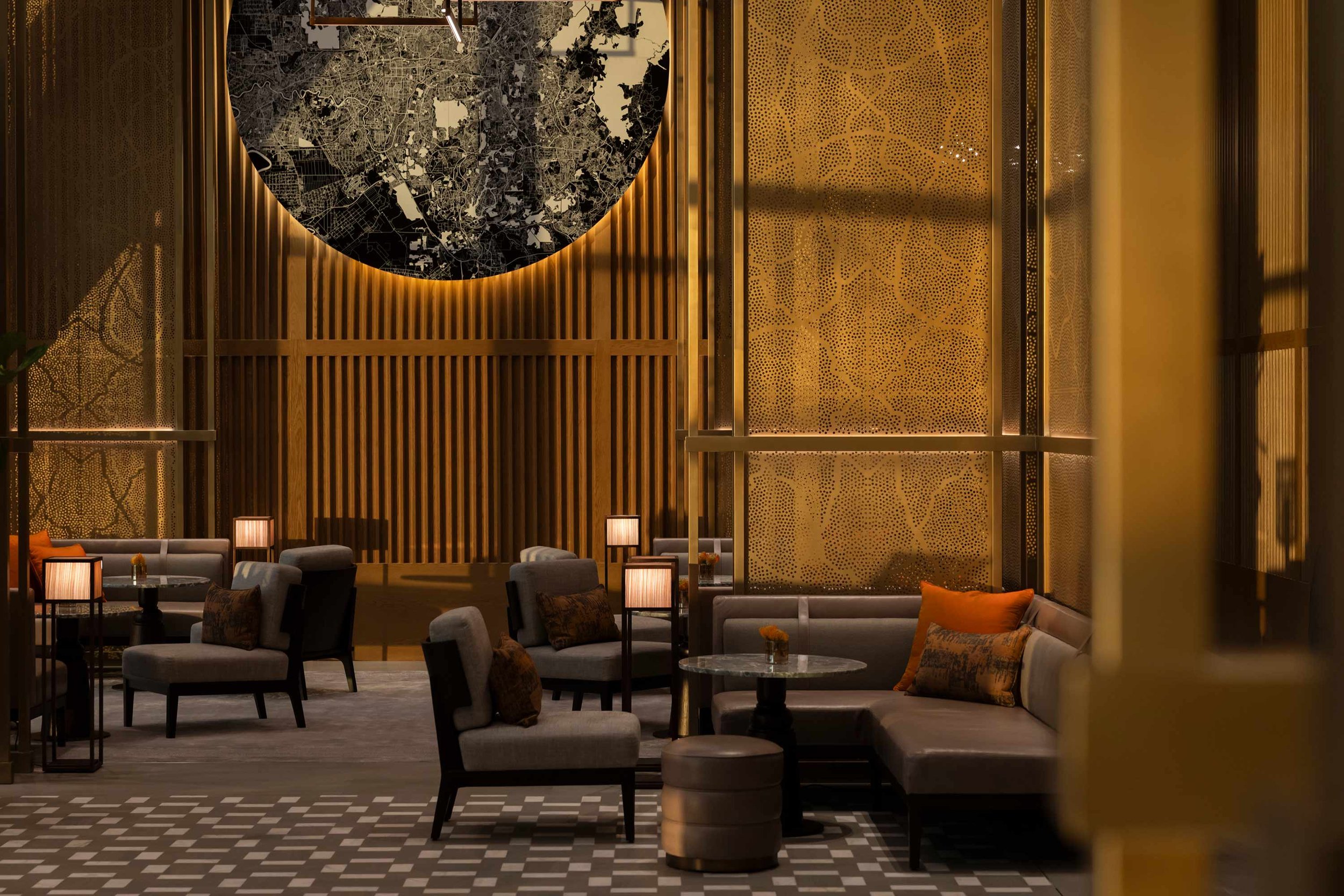
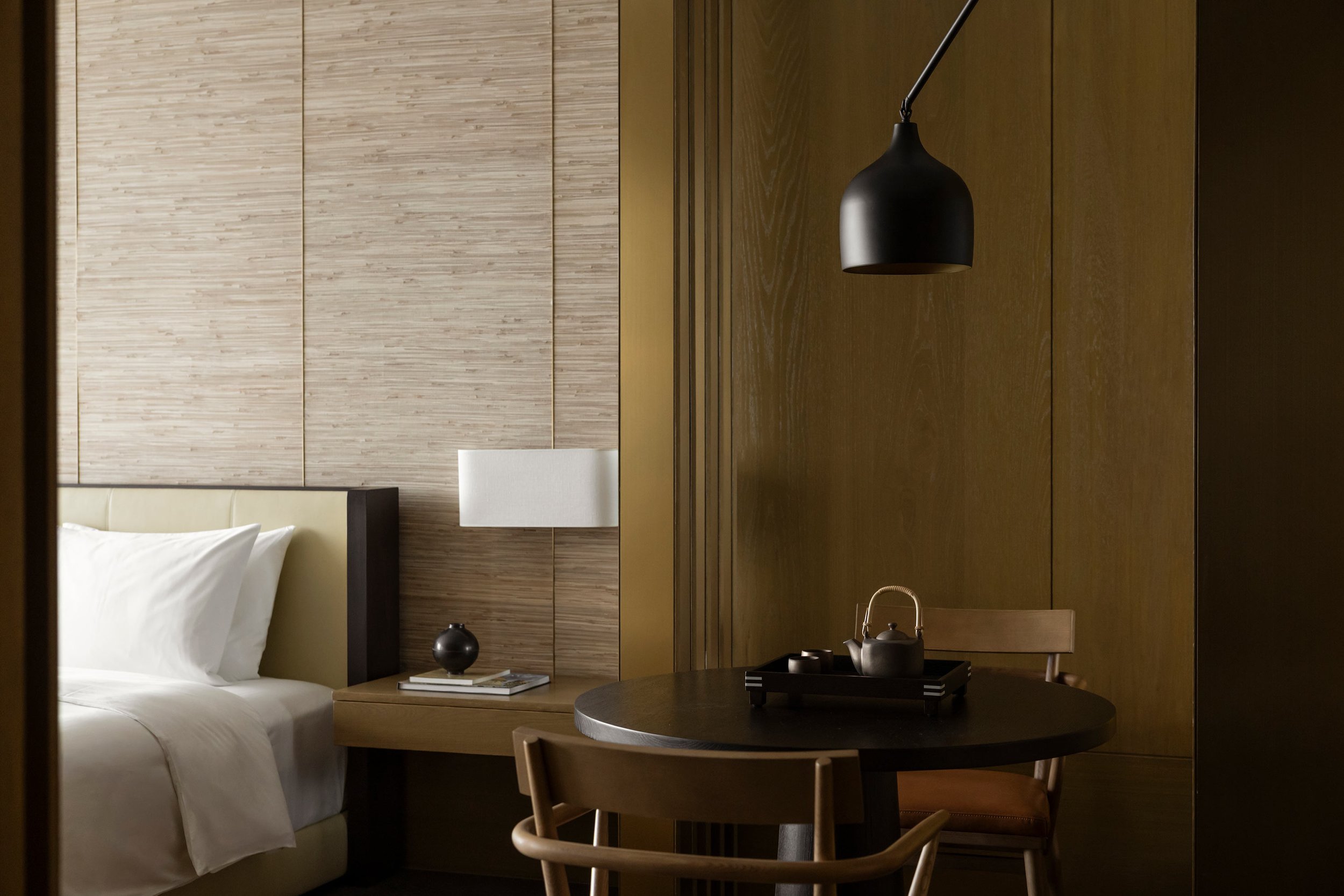
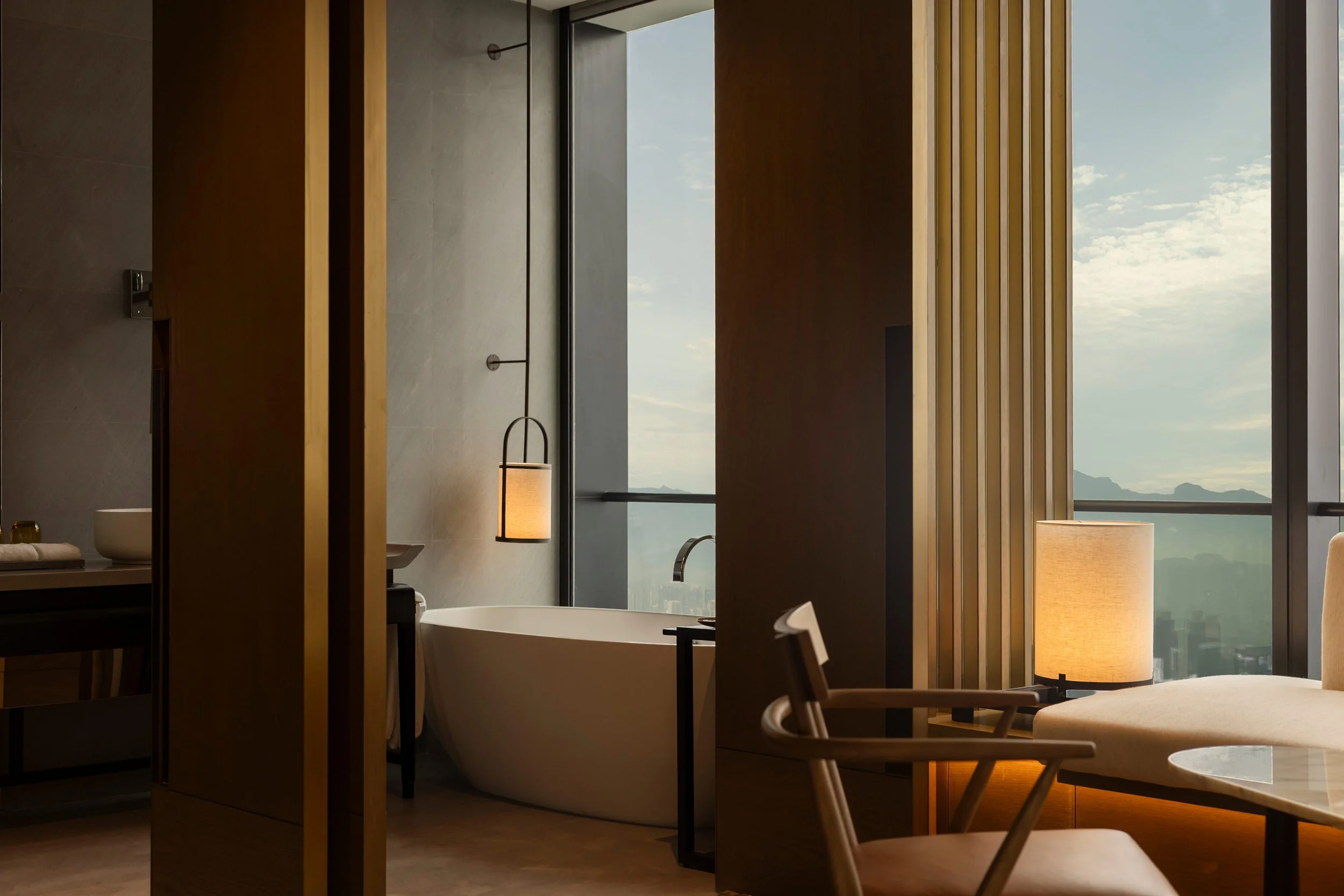
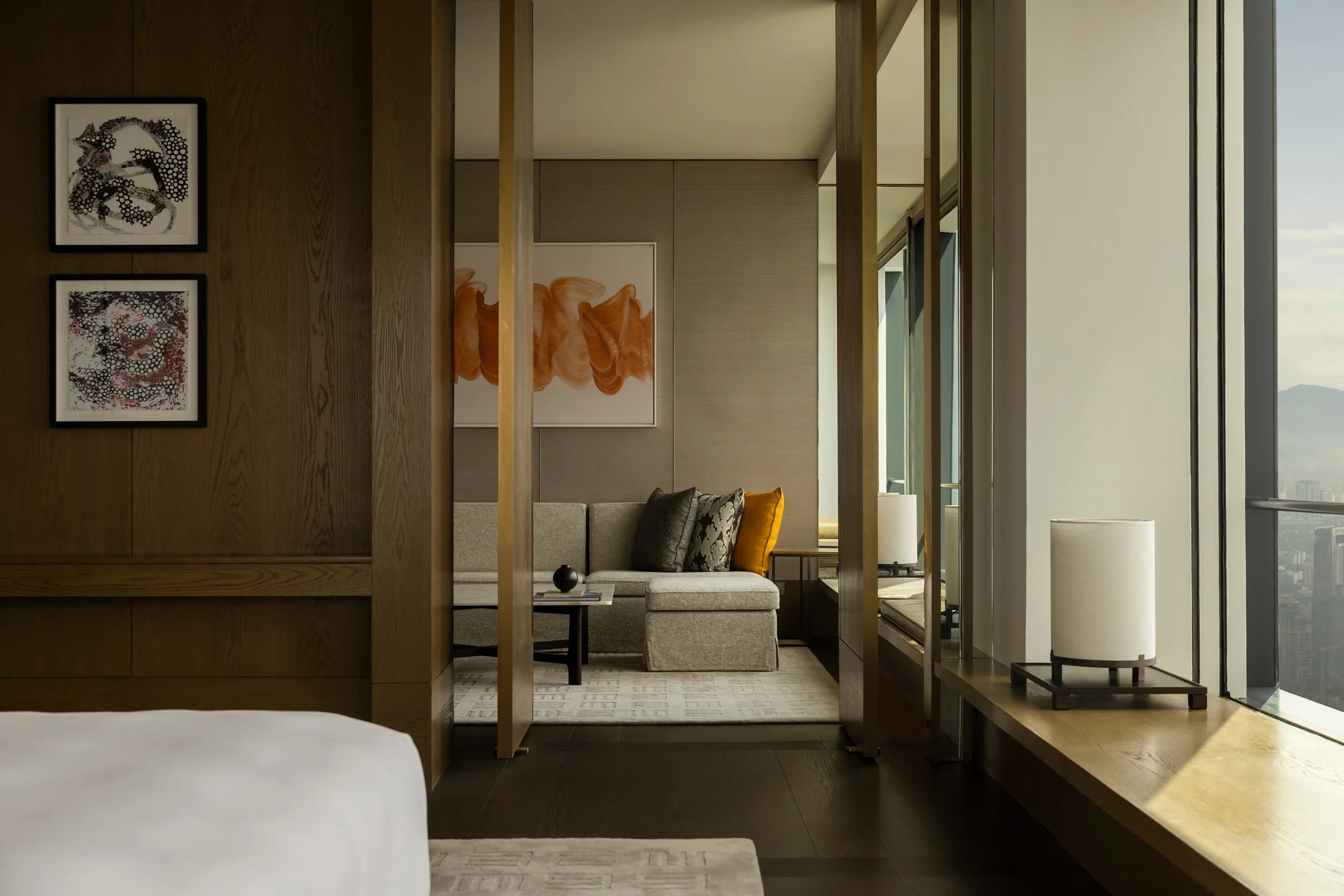
Accordingly, the core inspiration for the hotel lies in a reinterpretation of the traditional Malay kampong house. Here, the flexible, naturally ventilated vernacular structure — custom-built for the tropical climate — has been translated into refined architectural details. Throughout the interiors, the use of natural materials lends an organic warmth that counters the building's contemporary shell. Timber accents and intricately woven textures inspired by traditional basketry, Peranakan patterns and local songket fabrics with their rich metallic threads humanise the expansive spaces.
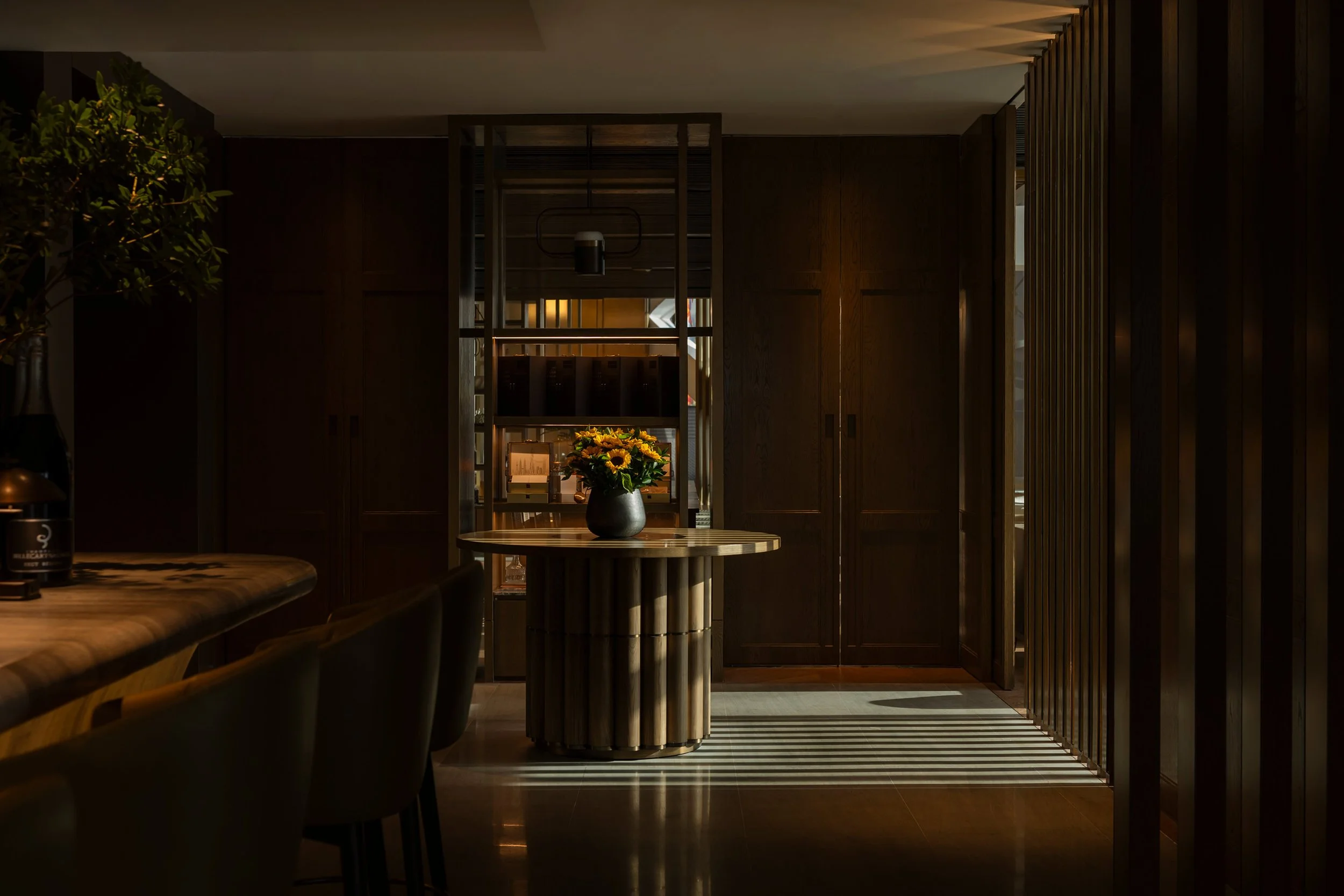
One distinctive recurring element is the perforated brass screen. These elegant dividers, intricately etched with delicate batik motifs, serve as sophisticated veils. They filter daylight, mimicking the soft, dappled quality of light and shadow found beneath a kampong house’s deep eaves, while also defining space without resorting to solid barriers. This motif of controlled intimacy ensures that even high in the clouds, the design is constantly engaged in a dialogue with its cultural landscape.
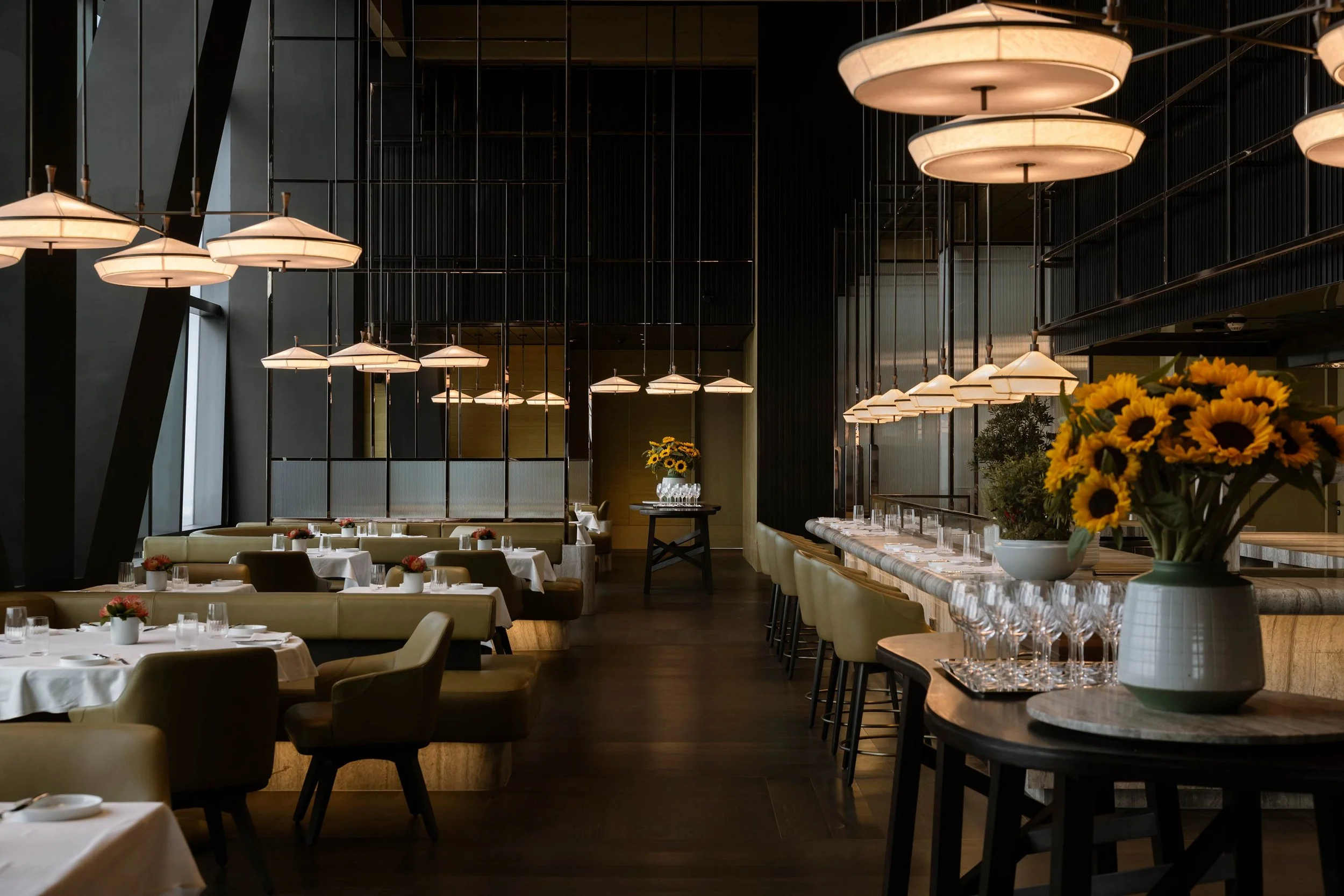
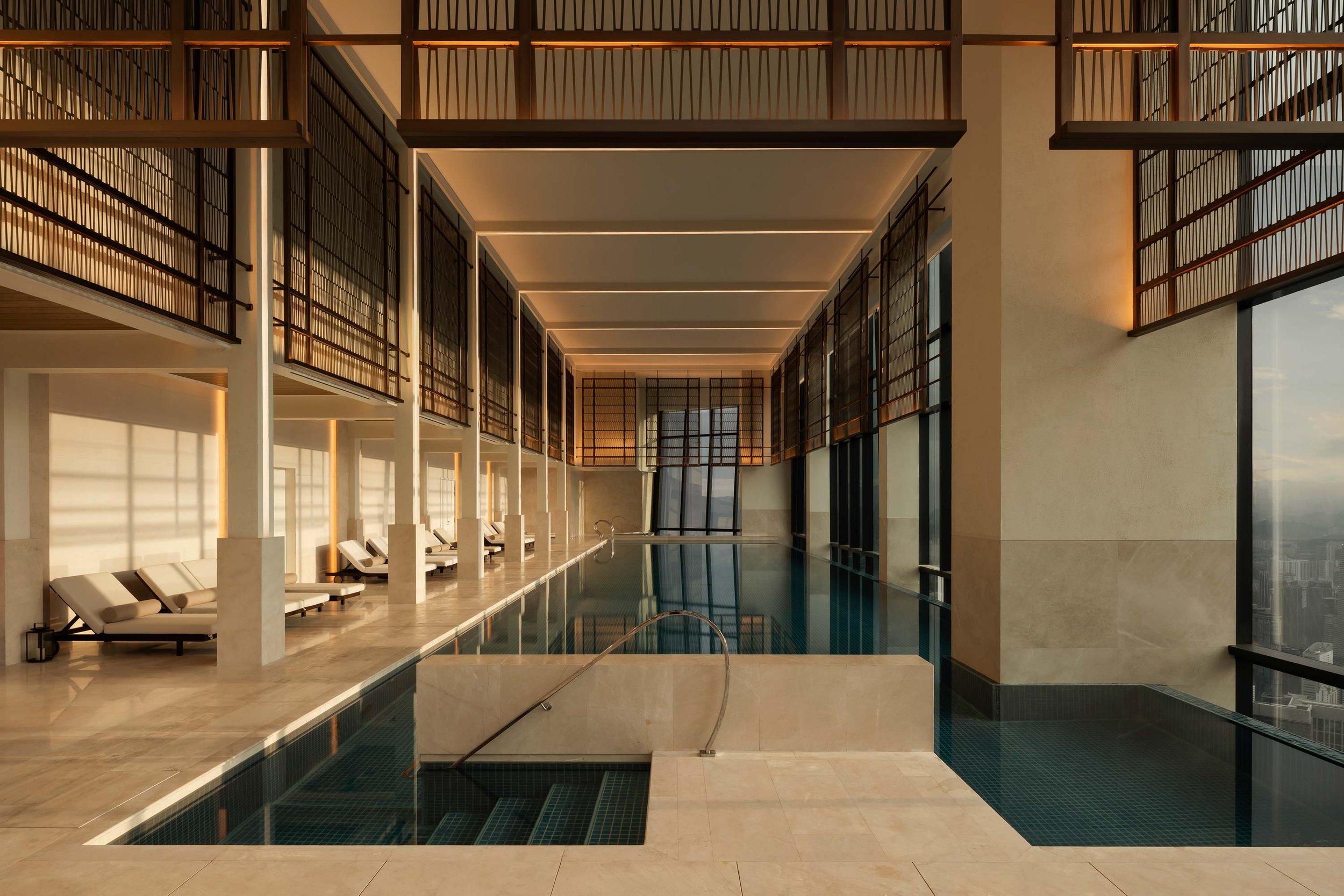
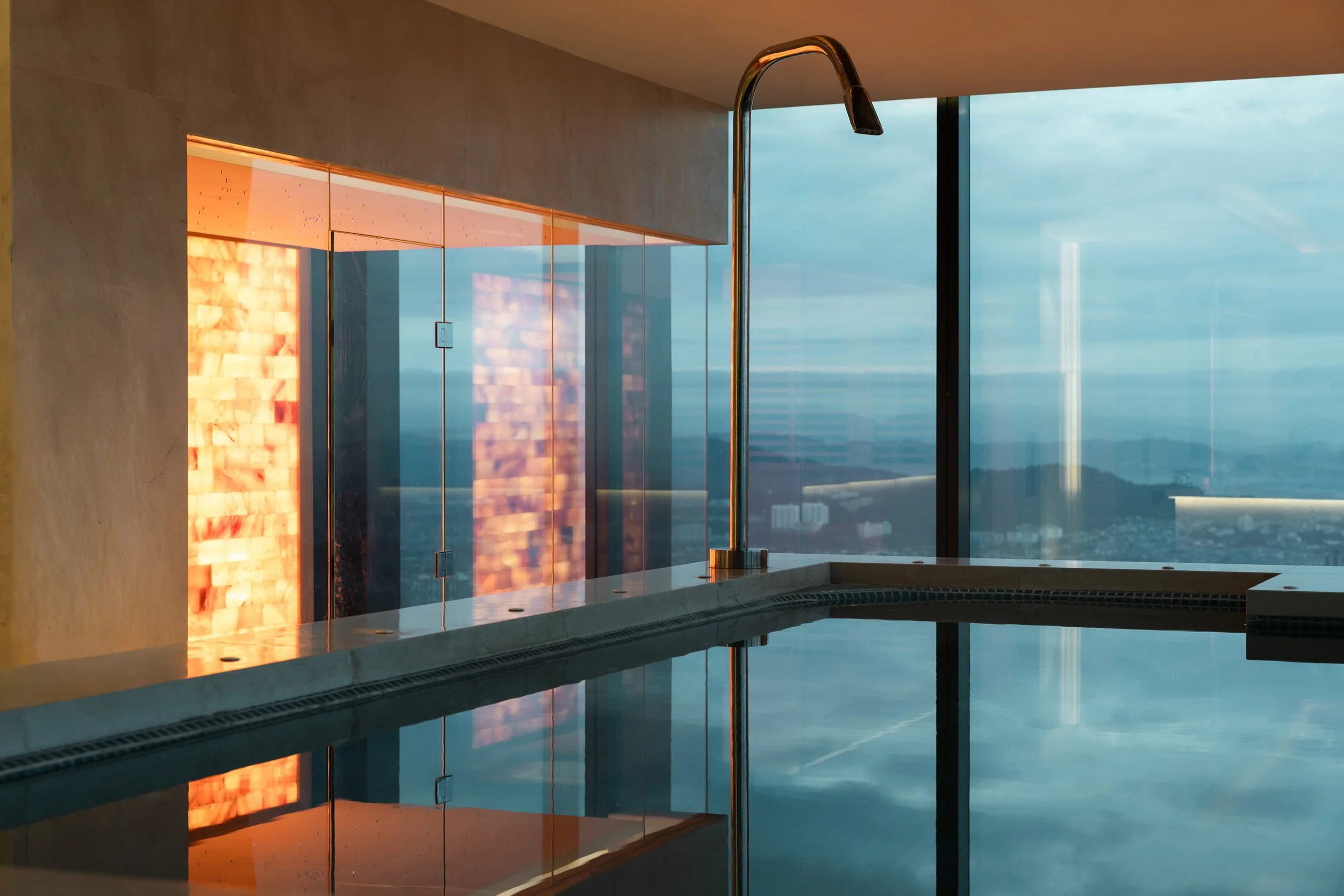
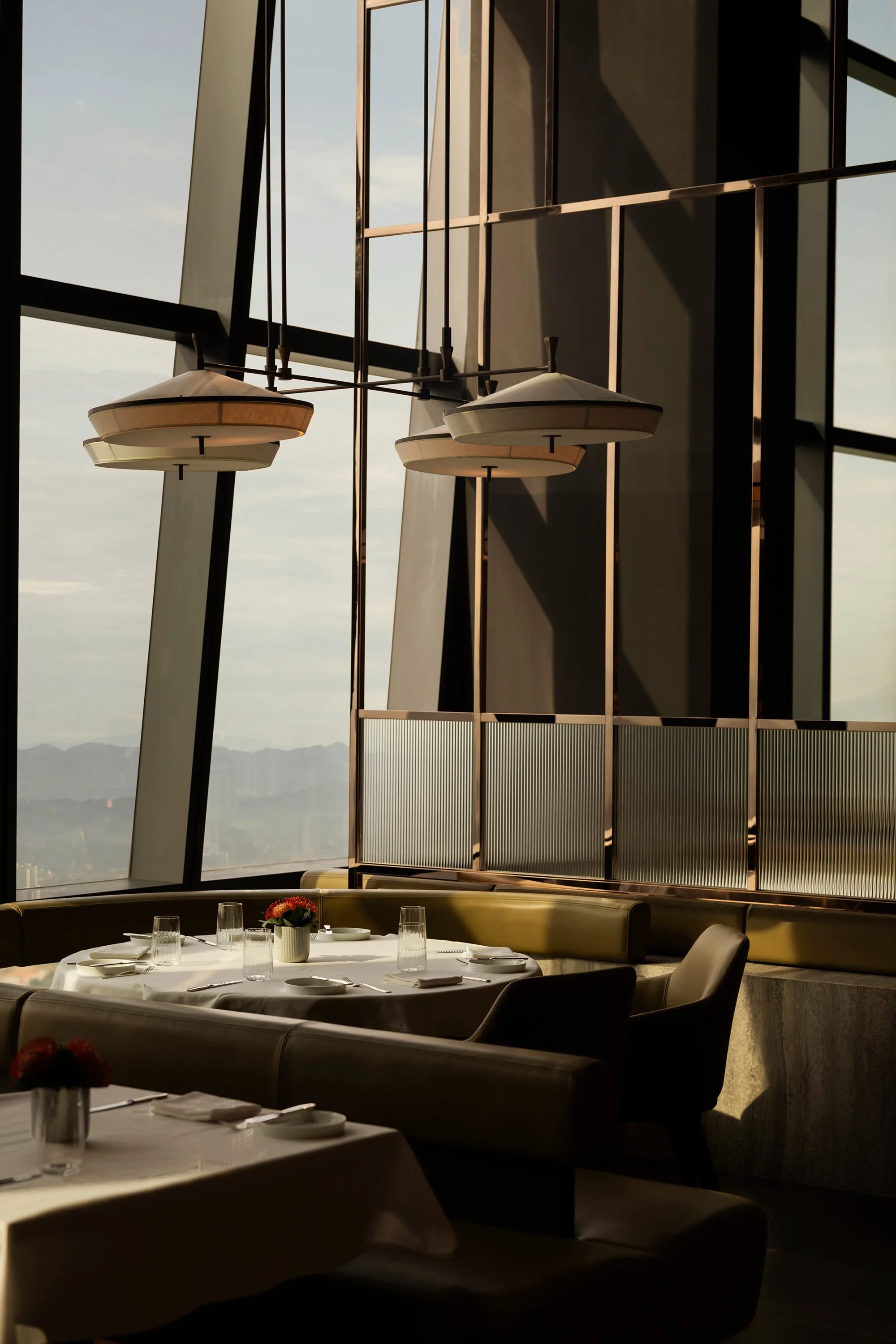
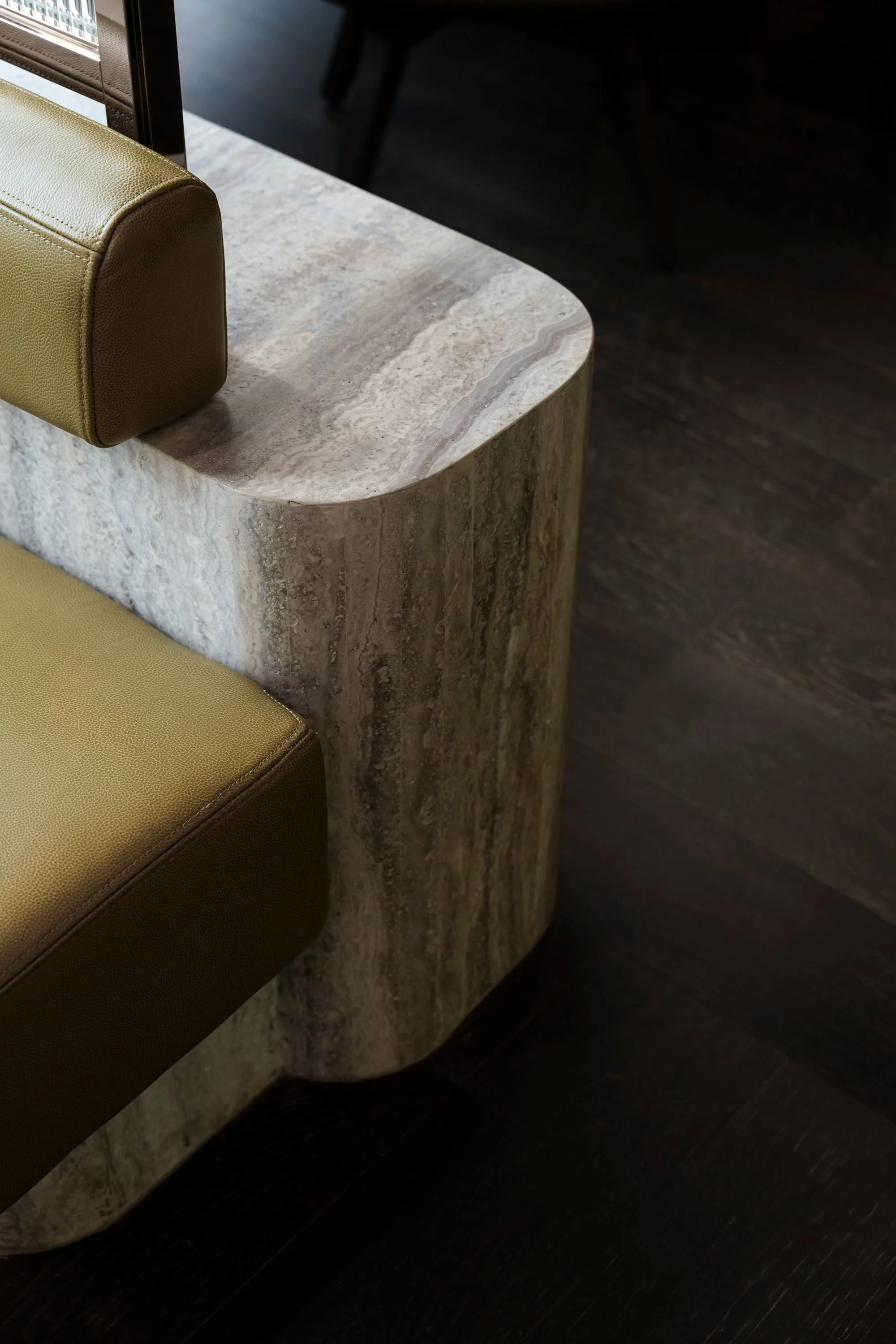
Outside of the residential spaces, the Merdeka Grill restaurant is a highlight. It adopts a dramatic style that leans into the theatre of its open kitchen, employing dark ribbed walls and striking slabs of silver travertine. The Spa also features corridors and archways that subtly reinterpret the ‘five-foot way’, a covered pedestrian arcade characteristic of historic Malaysian shophouses.
This constant interplay of cultural heritage and luxurious modernity is at the heart of the project. 'We wanted guests to feel the warmth and essence of a Malay home, but in a clean and contemporary way,’ says Galdies. ‘The goal was to create a destination that feels rooted in place, all while seamlessly belonging within the tower’s contemporary glass facade.’
Text by Katherine Ring
Images by What The Fox