Designing for a World That is Neither Purely Digital Nor Wistfully Analogue
Set against Hong Kong’s layered urban landscape, in December Kohler Design Forum convened architects and designers to consider how memory, technology and cultural identity continue to shape contemporary practice
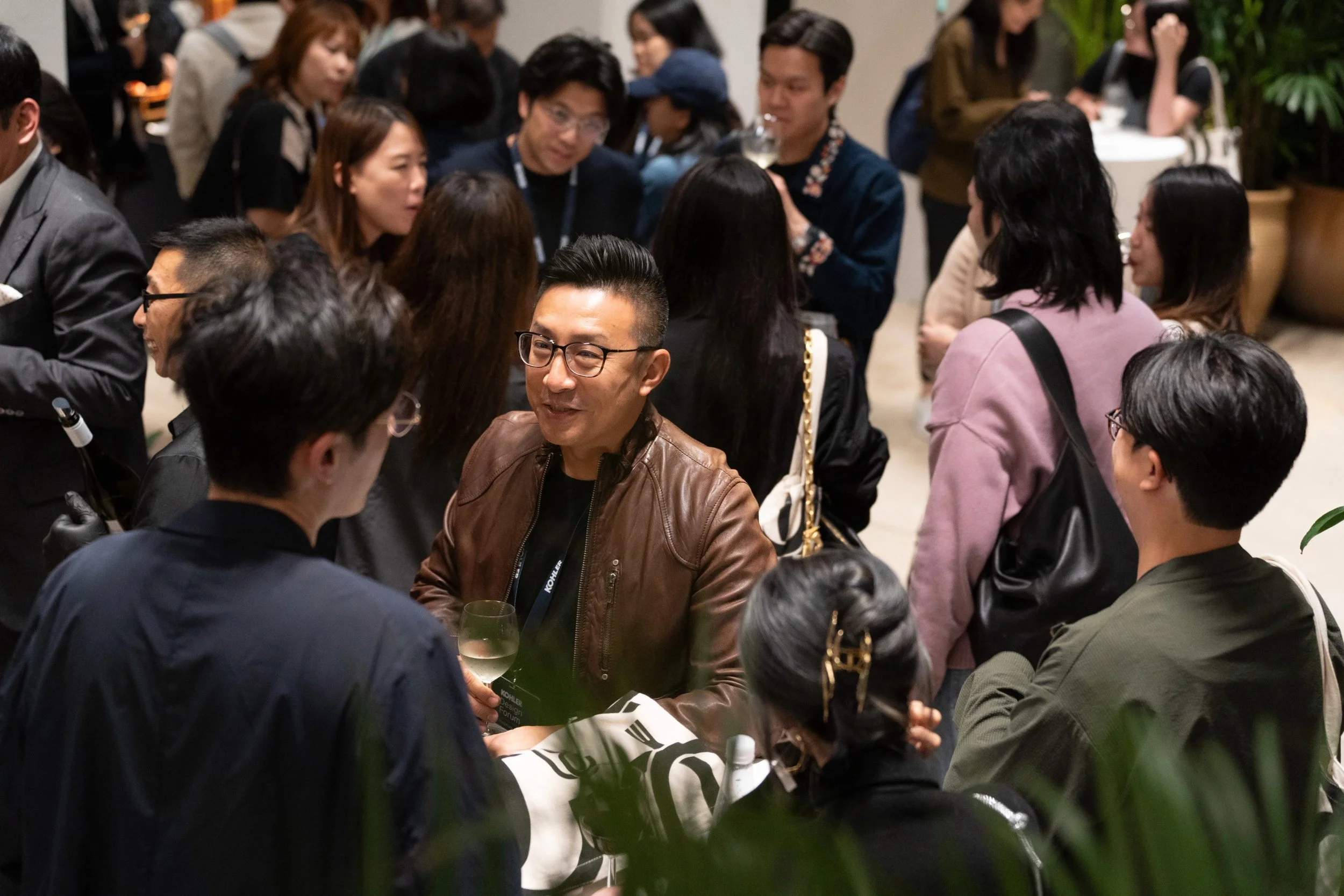
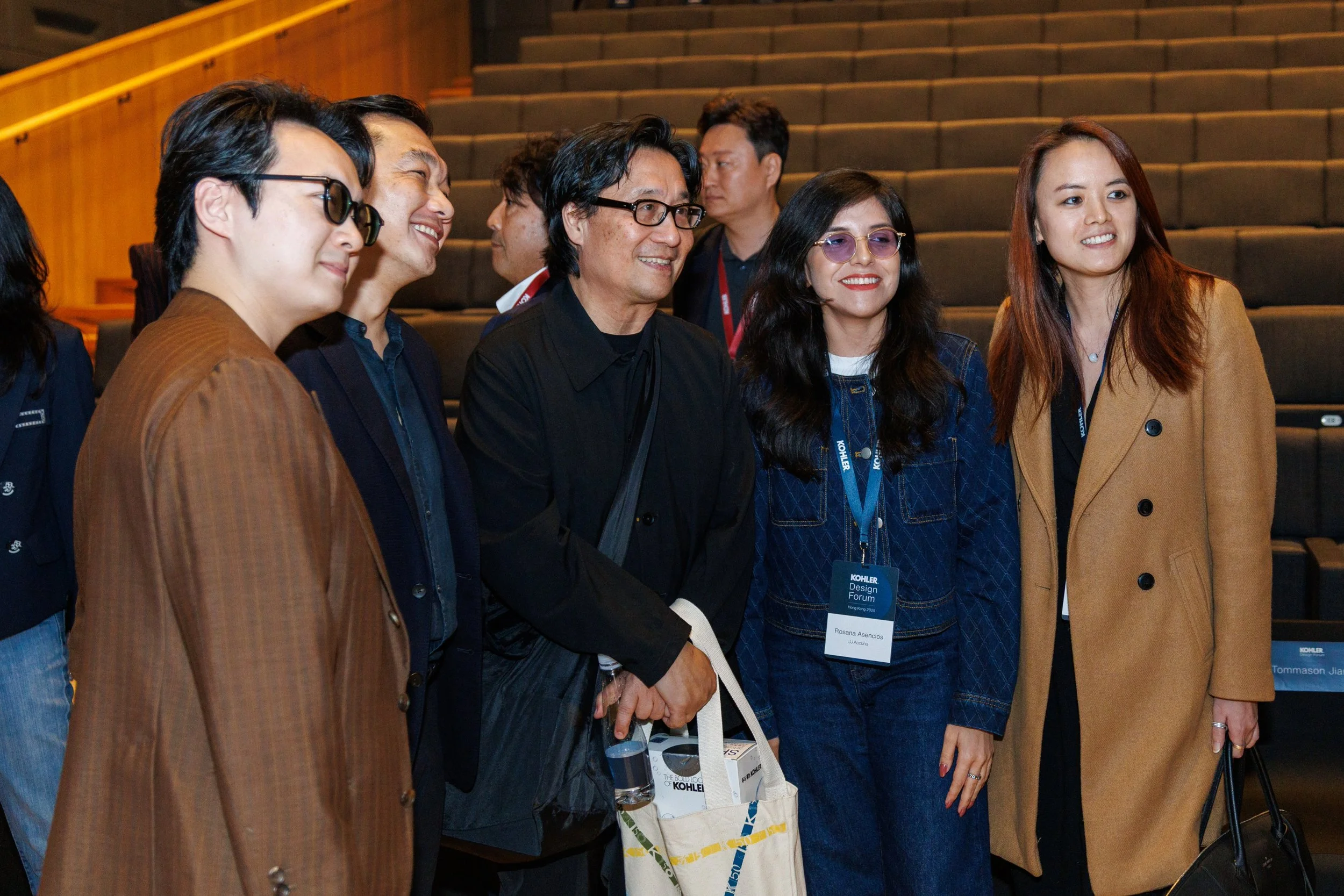
Hong Kong is a city of contrasts. Towering glass and steel rise alongside colonial facades, while narrow historic lanes thread through high-rise clusters; density, speed and scale collide with history and craft. Tradition and technology are in constant negotiation, shaping the city’s ever-evolving character. These tensions came into sharp focus last December at the Kohler Design Forum, which brought together renowned architects, designers and innovators to explore how memory, technology and cultural identity continue to shape and inform contemporary design practices.
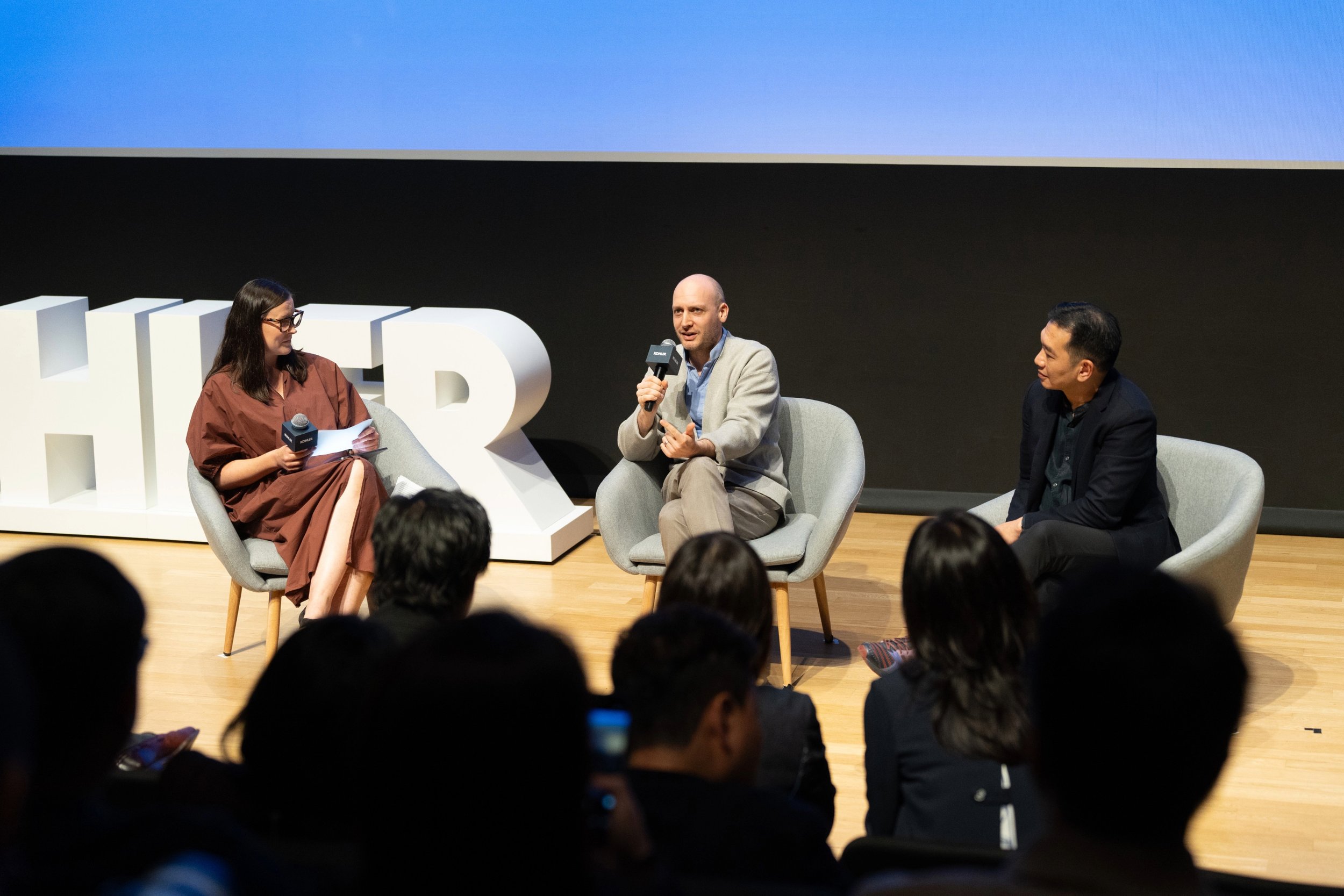
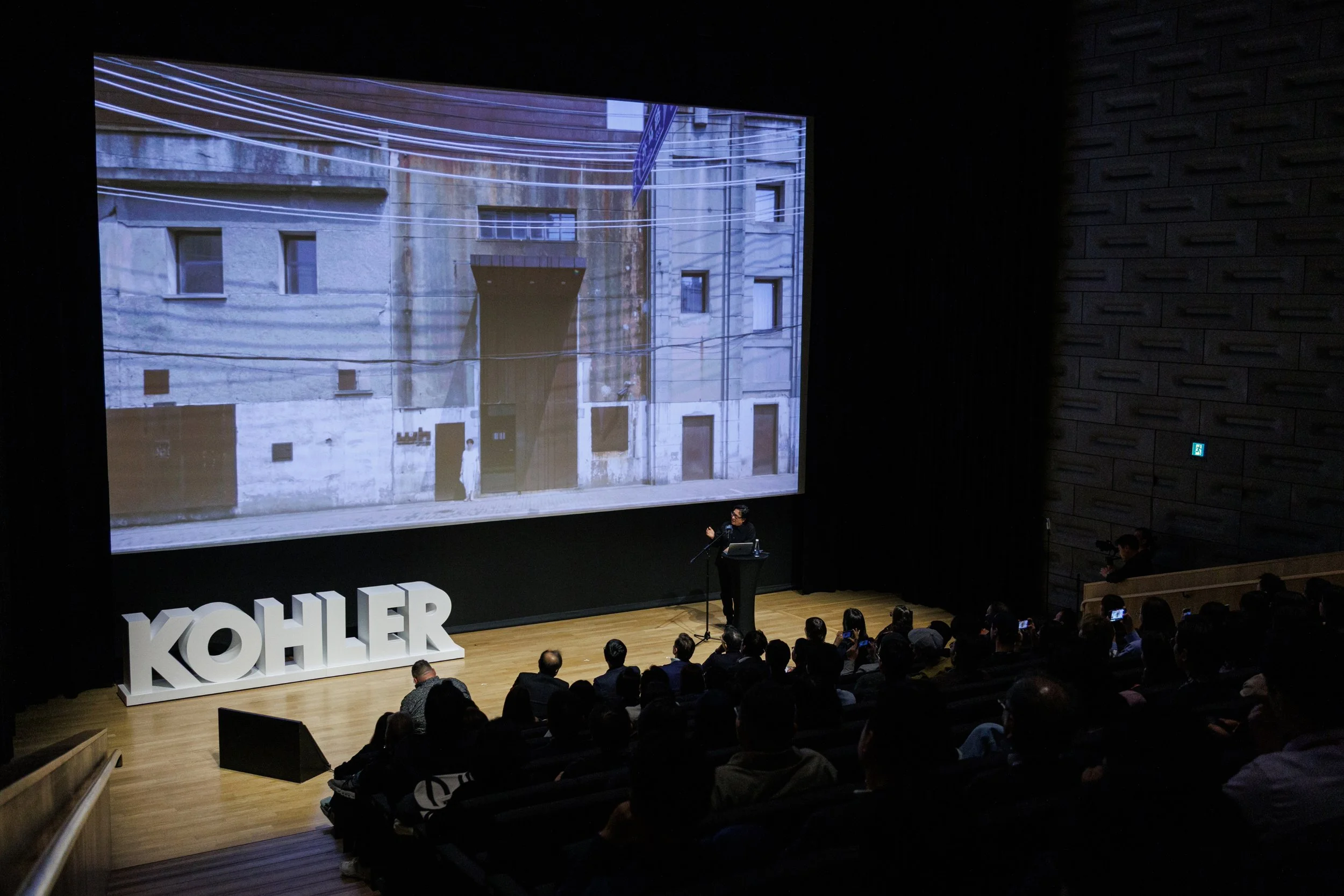
Moderated by Design Anthology founder Suzy Annetta, the afternoon was structured around two parallel lines of inquiry: one focused on emerging technologies, the other on the enduring role of narrative and place. On the technological front, Simon Yu of Zaha Hadid Architects and Craig Miller of Heatherwick Studio examined how computational tools and artificial intelligence are reshaping architectural thinking.
When applied with intention, technology is framed as a collaborator, one that accelerates design processes while remaining anchored in human-centred principles. Through spatial experimentation, master planning and structural and 3D modelling, both studios demonstrated how digital tools can expand architectural possibilities without losing sight of human judgement or authorship. This approach is visible in the Xi’an CCBD in one of China’s ancient capitals, the Unicorn Island master plan in Chengdu, and the ongoing Zhejiang Shaoxing Shangyu District Cao’e River Culture and Art Centre. Across these projects, the question is no longer whether technology should be used, but how it can be used well, in ways that enhance both its design and purpose.
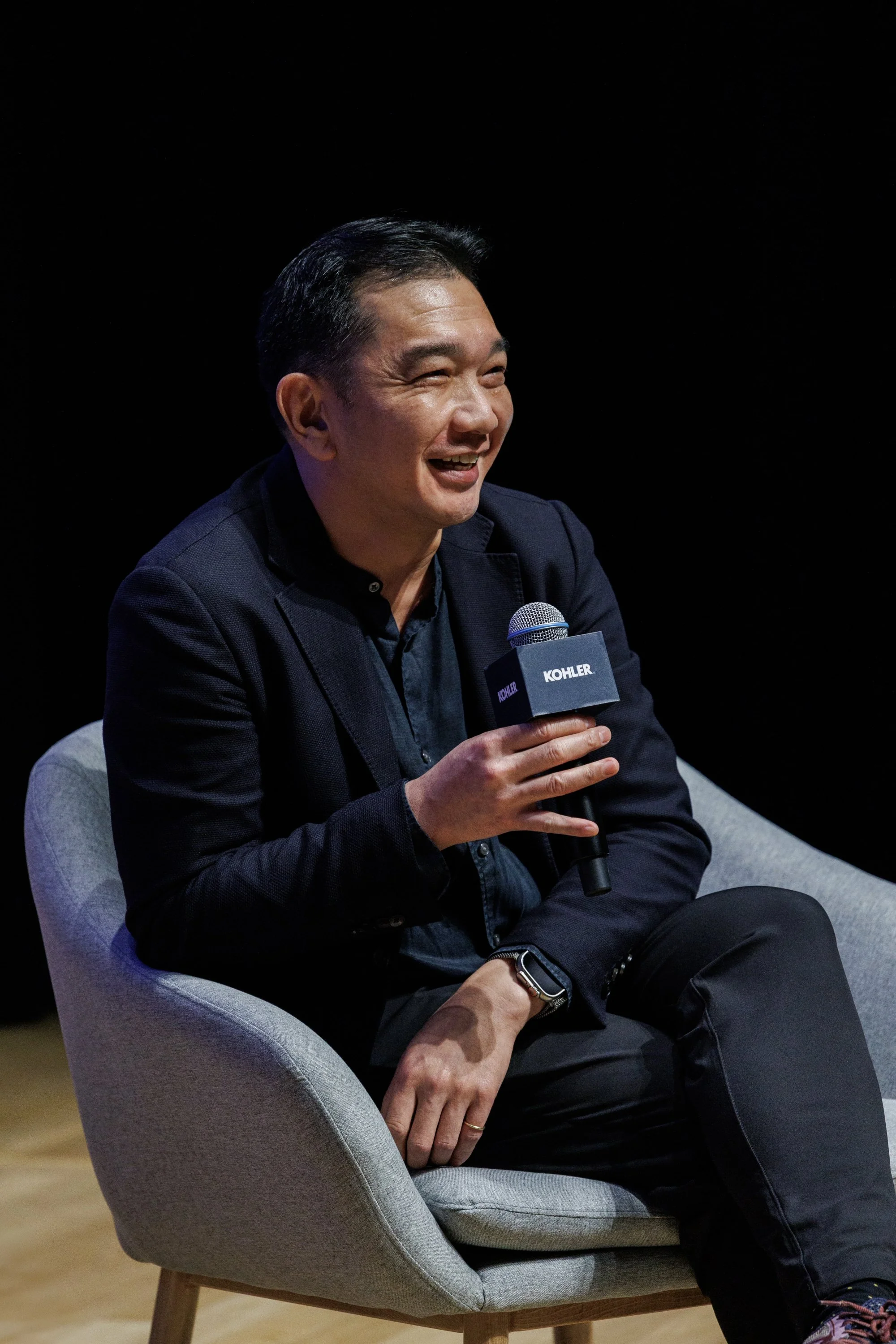
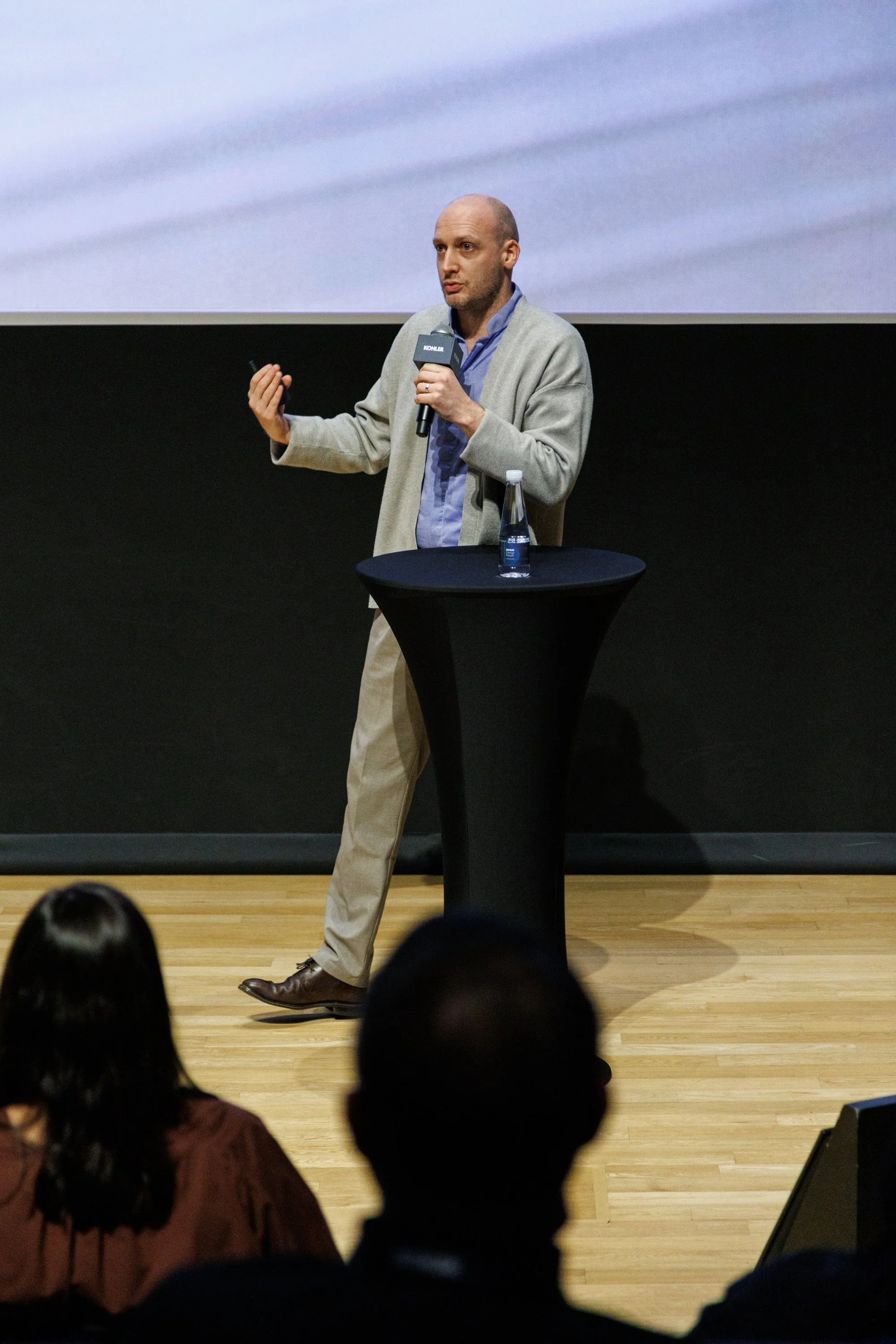
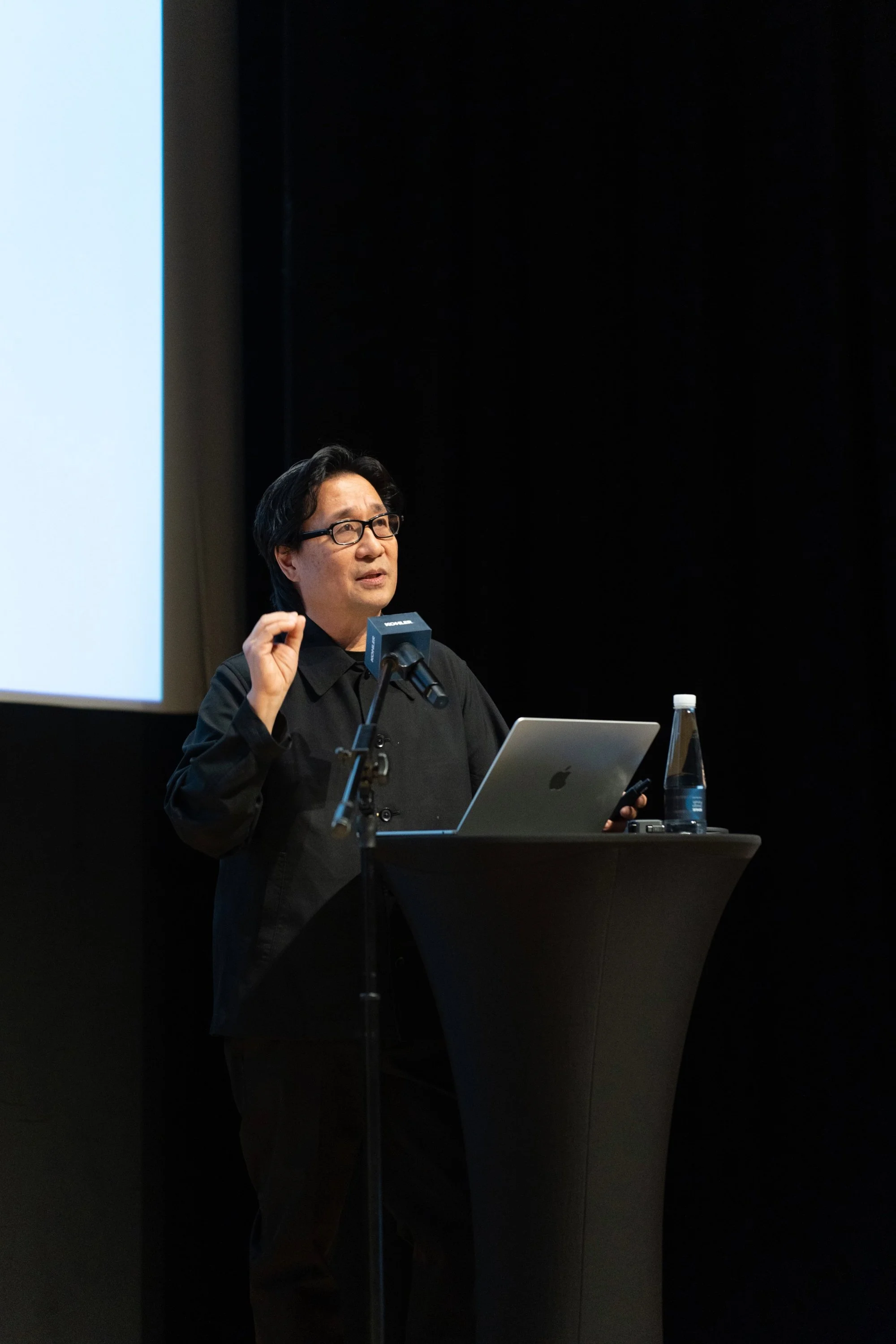
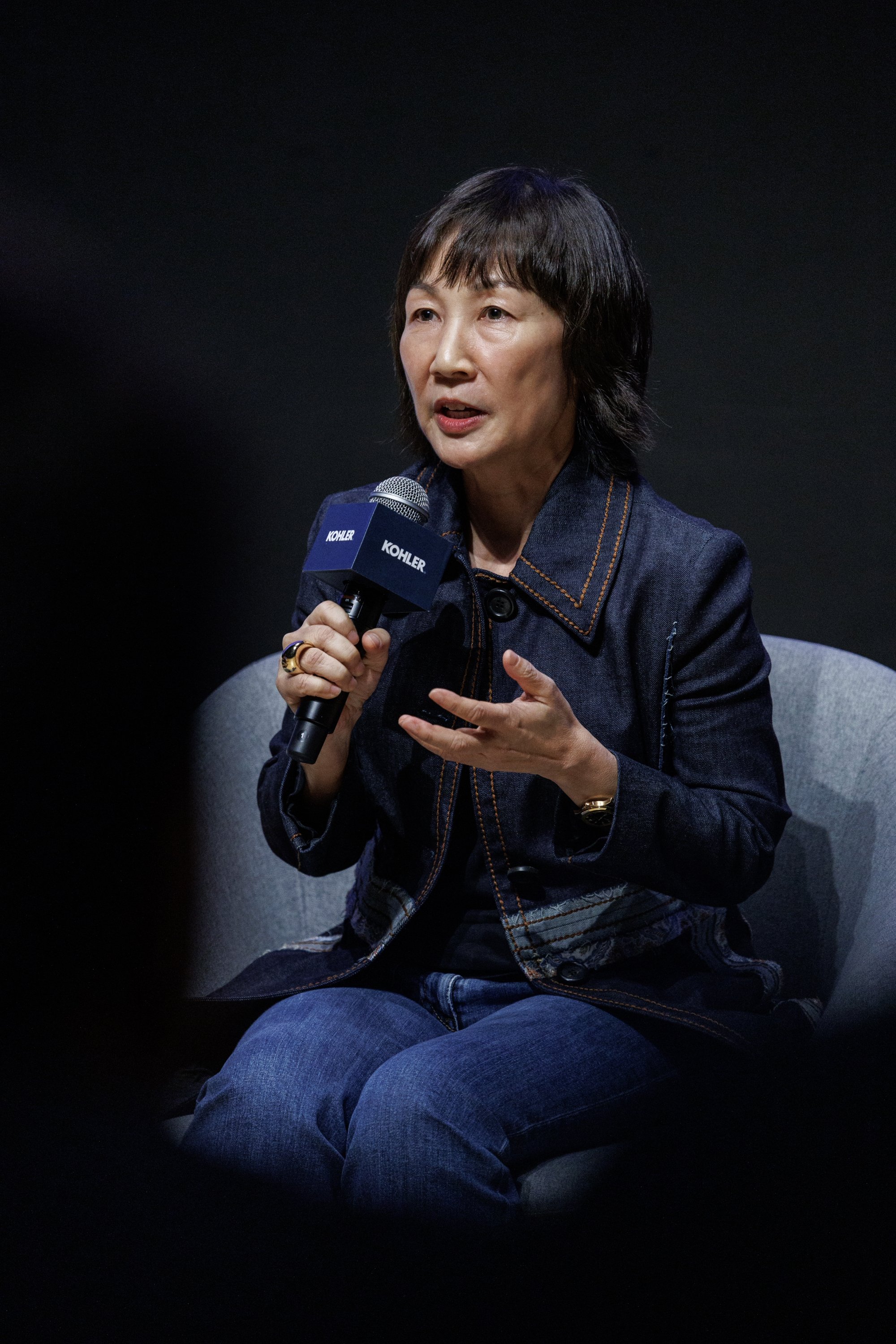
Adding to the discussion, Lyndon Neri of Neri&Hu and Su Seam Teo of LTW Designworks spoke of design as a carrier of memory, and how buildings, interiors and objects can absorb cultural residue and re-emerge in contemporary form. Teo highlighted the new Korean Air Lounges, where layouts take cues from the traditional Korean hanok, evoking the calm order of a courtyard. Heritage is expressed through proportion, materiality and detailing, as well as the reinterpretation of cultural symbols, including the Joseon era moon jar and specially commissioned artworks, demonstrating how history can quietly inform modern interiors without feeling too literal.
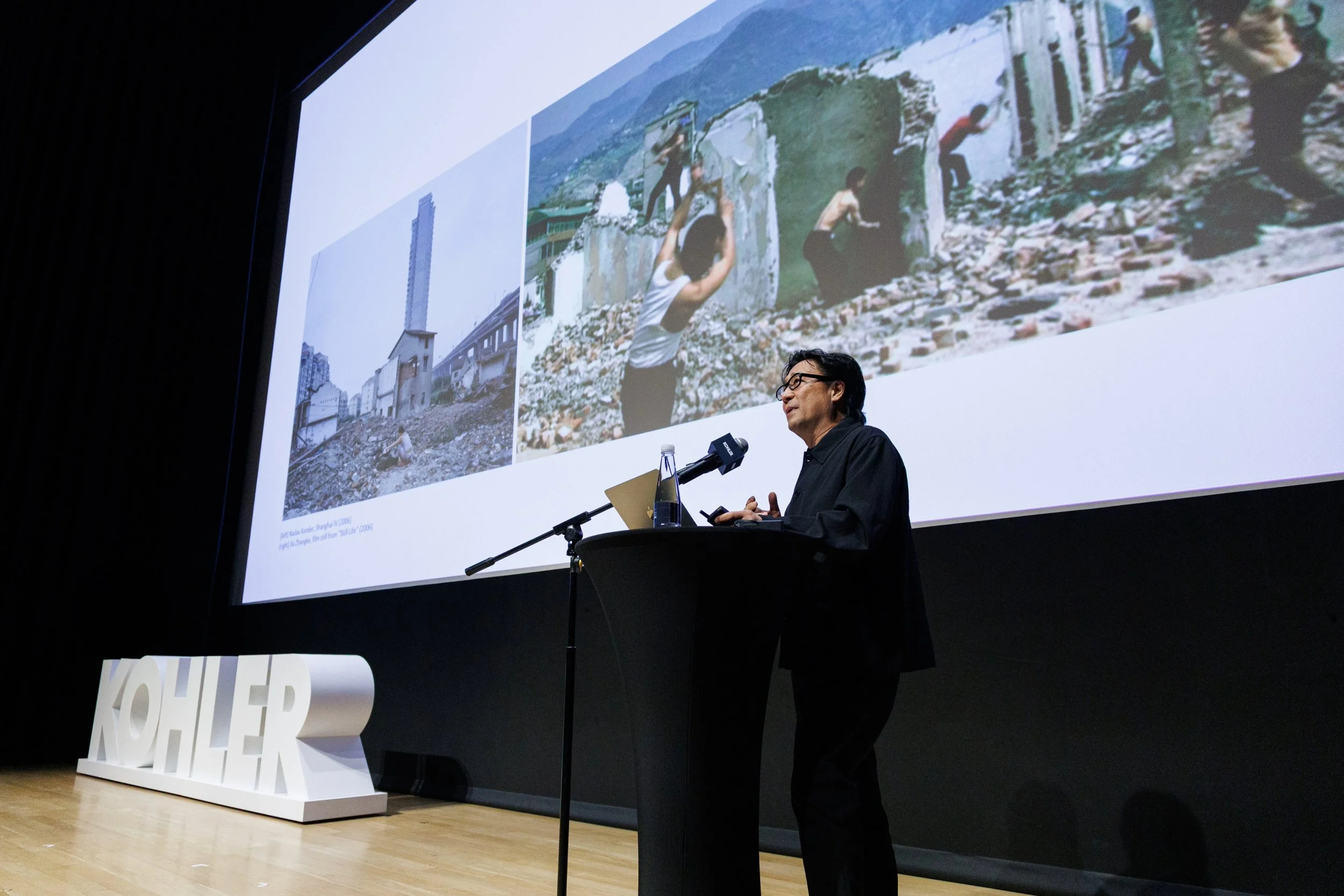
Lyndon Neri emphasised the reuse of materials and layering of history. One of their early projects, The Waterhouse at South Bund, Shanghai, exemplifies this approach, where a 19-room boutique hotel was built on an existing Japanese Army headquarters from the 1930s. Retaining much of the original structure, Neri translated the intimate, exploratory qualities of traditional Shanghai nong-tang — narrow lane houses where the public and private intertwine — into the hotel’s layout. Similarly, at Tsingpu Yangzhou Retreat, he drew on vernacular courtyard houses, repurposing bricks from nearby villages to create new spatial experiences that are both rooted in local context and connected to the past.
Bringing these conversations together, Kohler further highlighted its interest in thoughtful, human-centred interiors and the evolving design landscape across the Asia-Pacific region. Taken as a whole, the talks revealed a vision of design that is neither purely digital nor wistfully analogue, but a careful negotiation between the two. They anchor the idea that the value of design lies not in tools or history alone, but in the care and discernment with which they are applied, shaping not just what we build, but the stories these spaces carry forward for generations to come.