Checking in at The Emory, Maybourne’s newest London property
A global roster of top-tier designers unite in a Richard Rogers building to create The Emory, Maybourne’s newest London property, offering a hospitality experience that feels less like a hotel and more like home
A multi-week world tour culminating in a check-in at London’s The Emory offers one of those exceedingly rare amenities in contemporary hotels: the modern incarnation of a butler. On-call via the messaging app of choice and available for the usual concierge tasks like reservations and recommendations, Emory Guest Liaison is more usefully on hand to unpack and repack luggage. For the weary frequent flyer, this alone elevates a stay beyond another anonymous hotel room and into something closer to home.
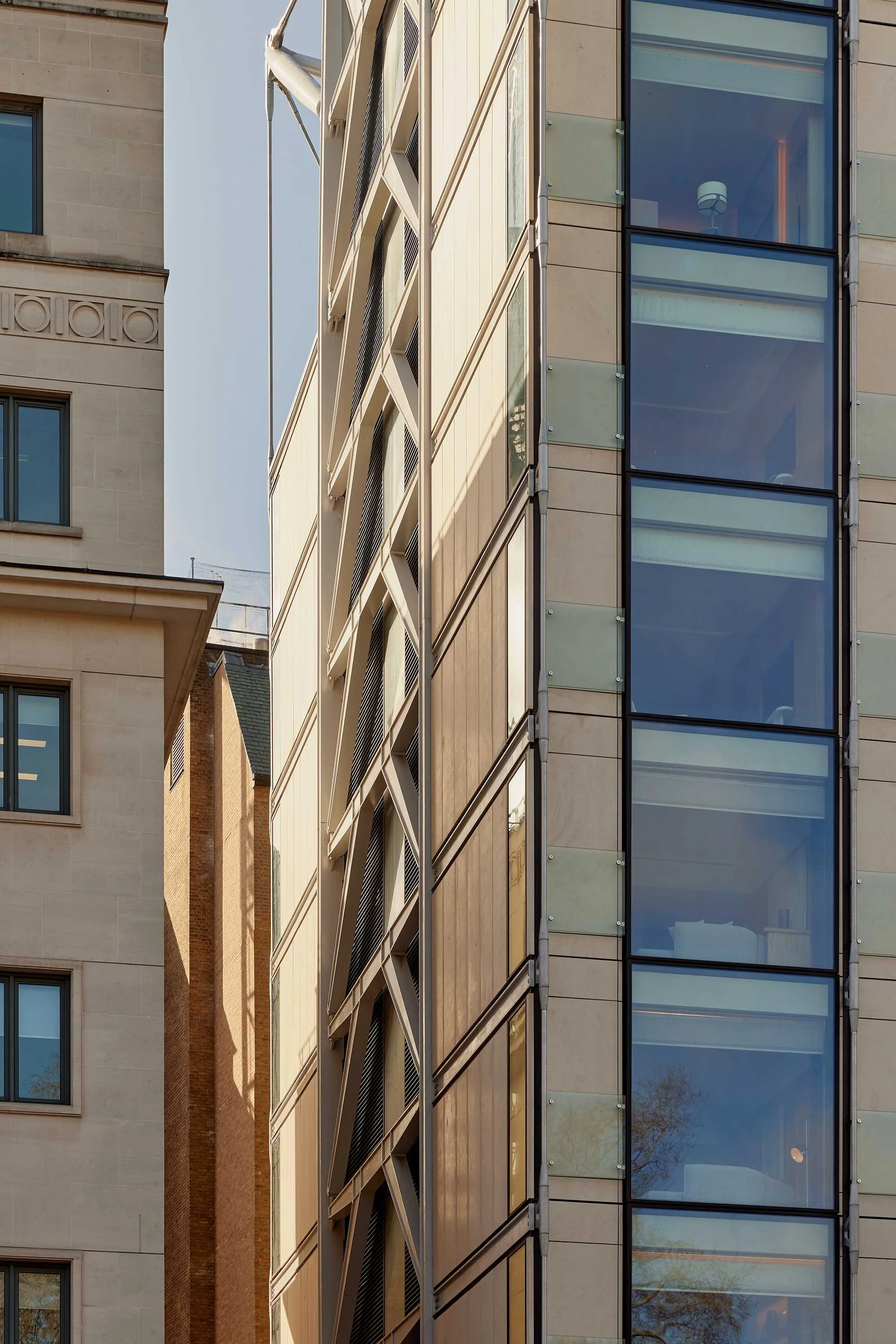
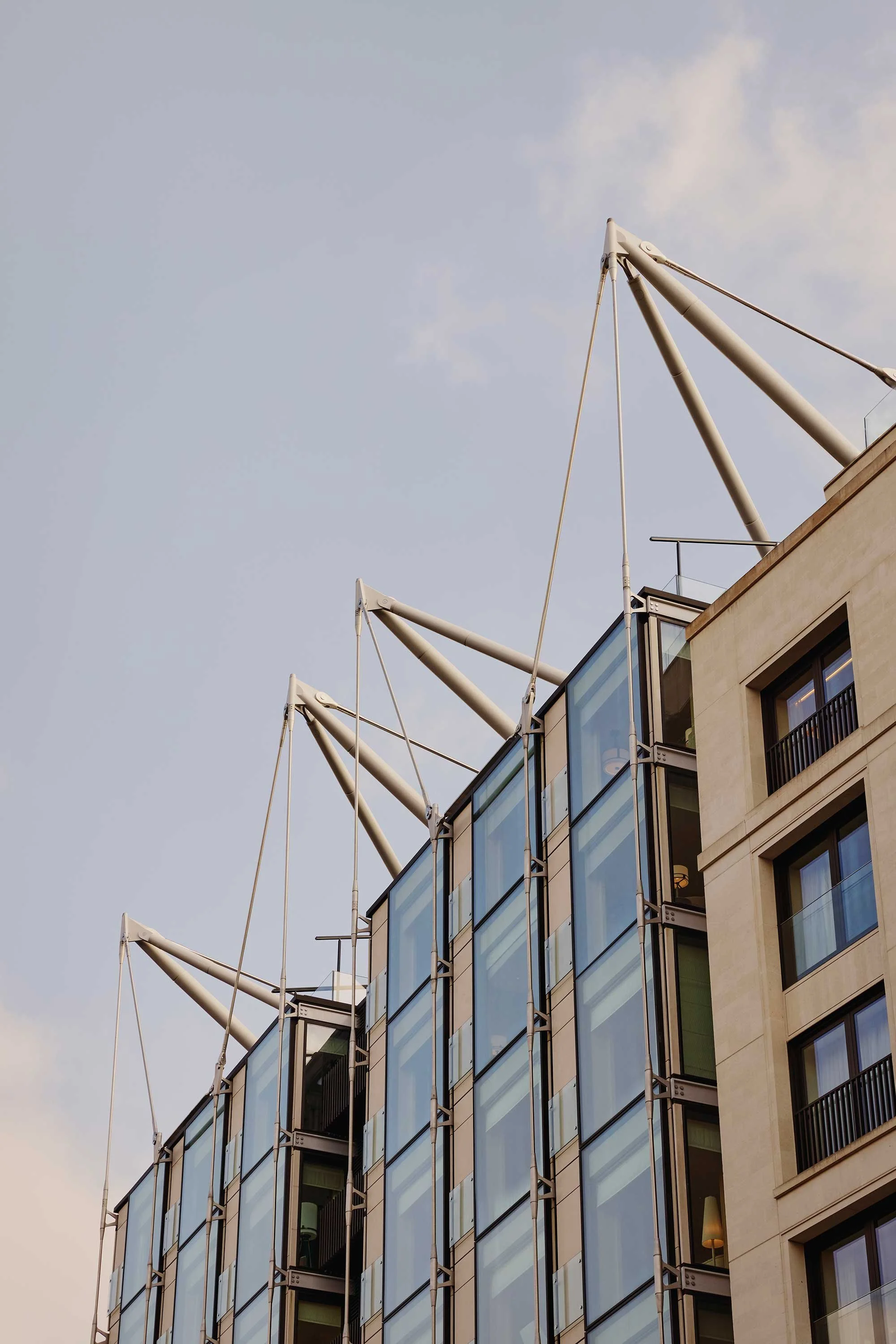
If sibling property The Berkeley is hospitality through the lens of historic London — a polished, familiar version of Britishness — then The Emory is a look ahead. Designed by RSHP, it’s the final project of the late Richard Rogers, who anchored the building with a silhouette of angled sails suspended from the rooftop, giving it both a presence in the skyline and a certain lightness, despite the heft of its steel and glass. Inside, the mood is discreet and exacting. The entrance is tucked away down a winding Belgravia back street, where a low-key but capable team greets guests with little pomp or delay. From the outset, there’s a deliberate lack of spectacle: no dramatic lobby or decorative overstatements (save for pops of Richard Rogers colour), just a quiet sense of welcome, and the choreography of a hotel that knows what it’s doing.
Guests are shown directly to their rooms, bypassing check-in formalities, setting the tone for a sense of generosity that feels increasingly rare: the minibar is complimentary, the house cars are at your disposal, and airport or train station transfers are included in the stay. The brand’s car fleet serves all four of hospitality group Maybourne’s London properties (the others being Claridge’s, The Connaught and The Berkeley).
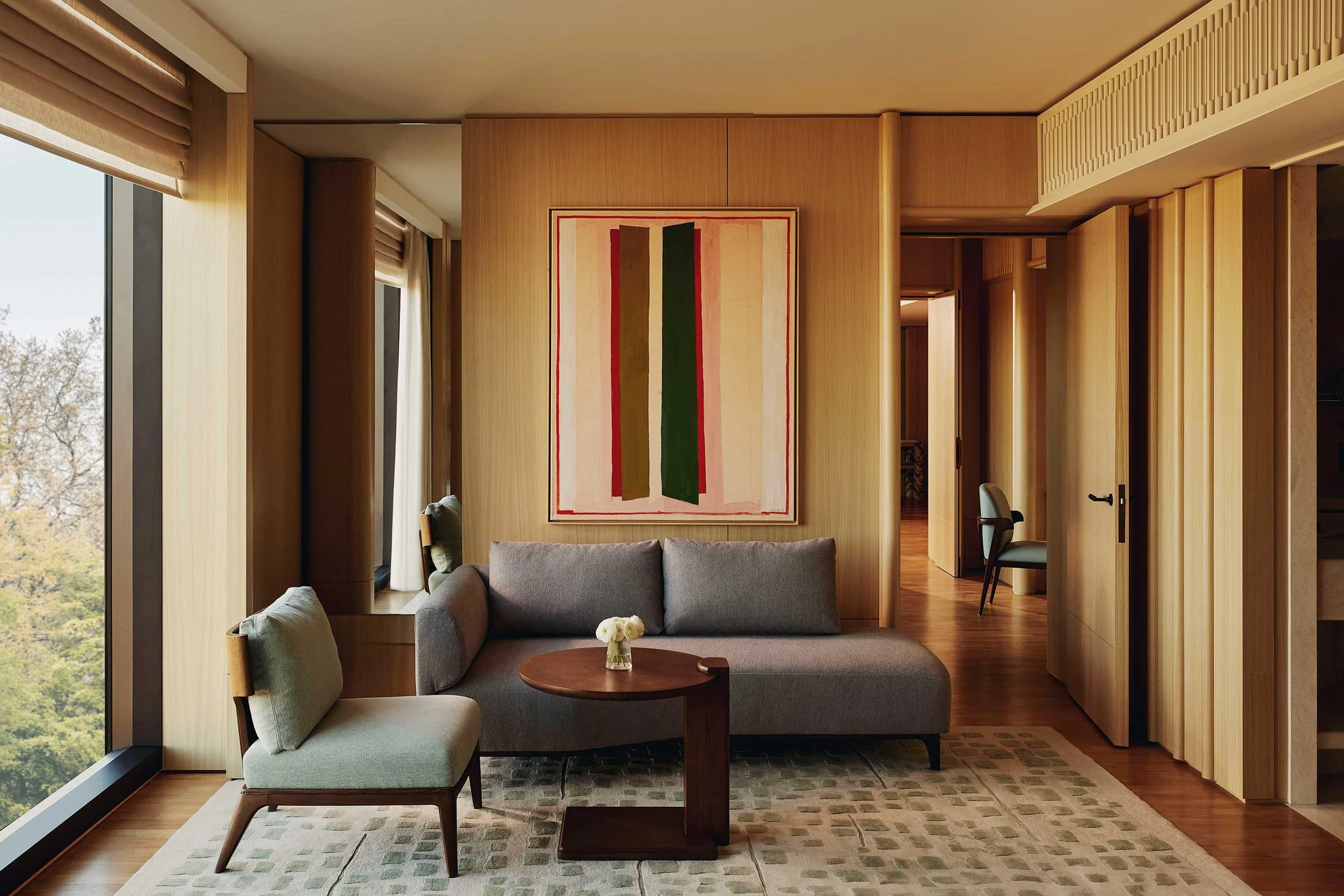
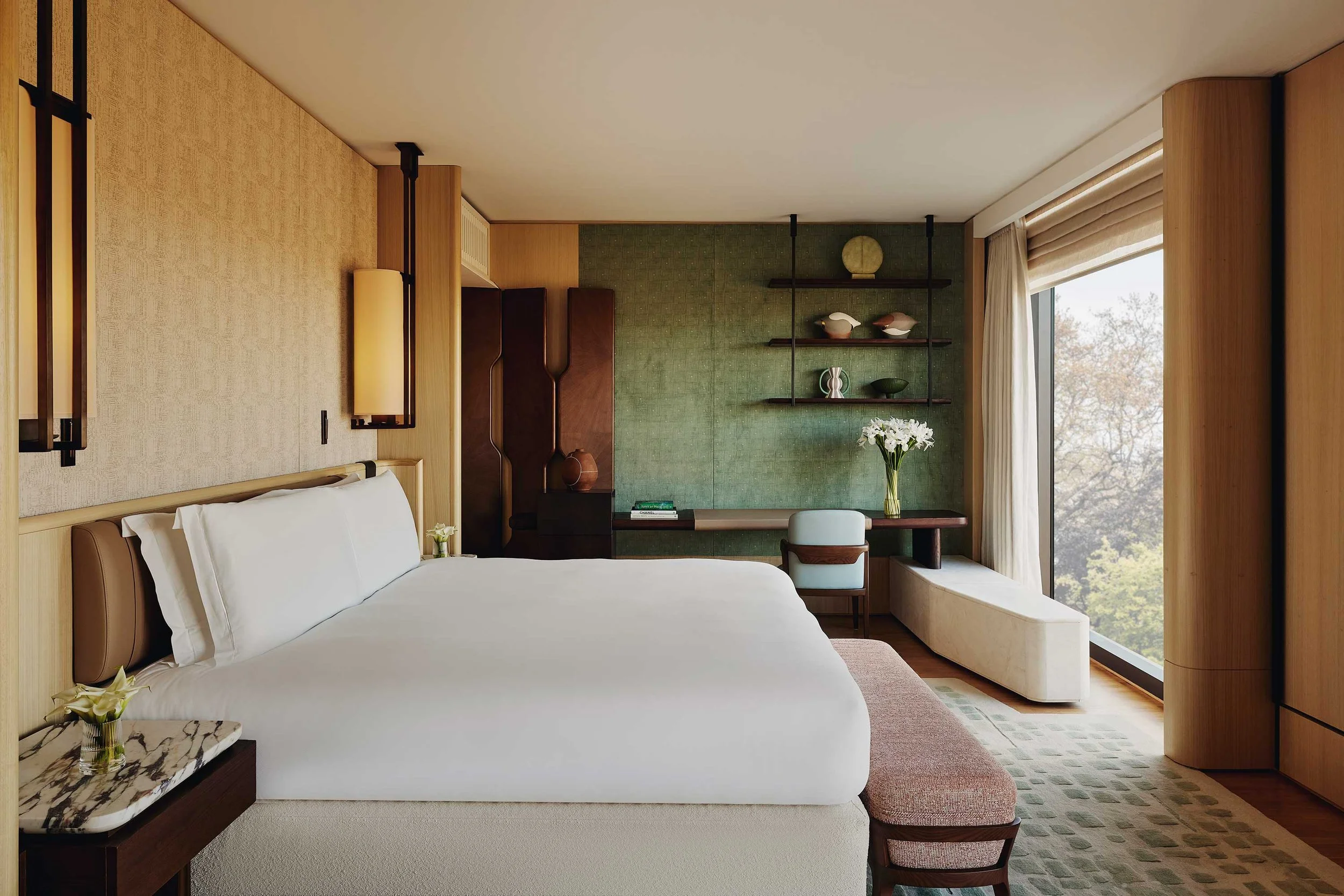
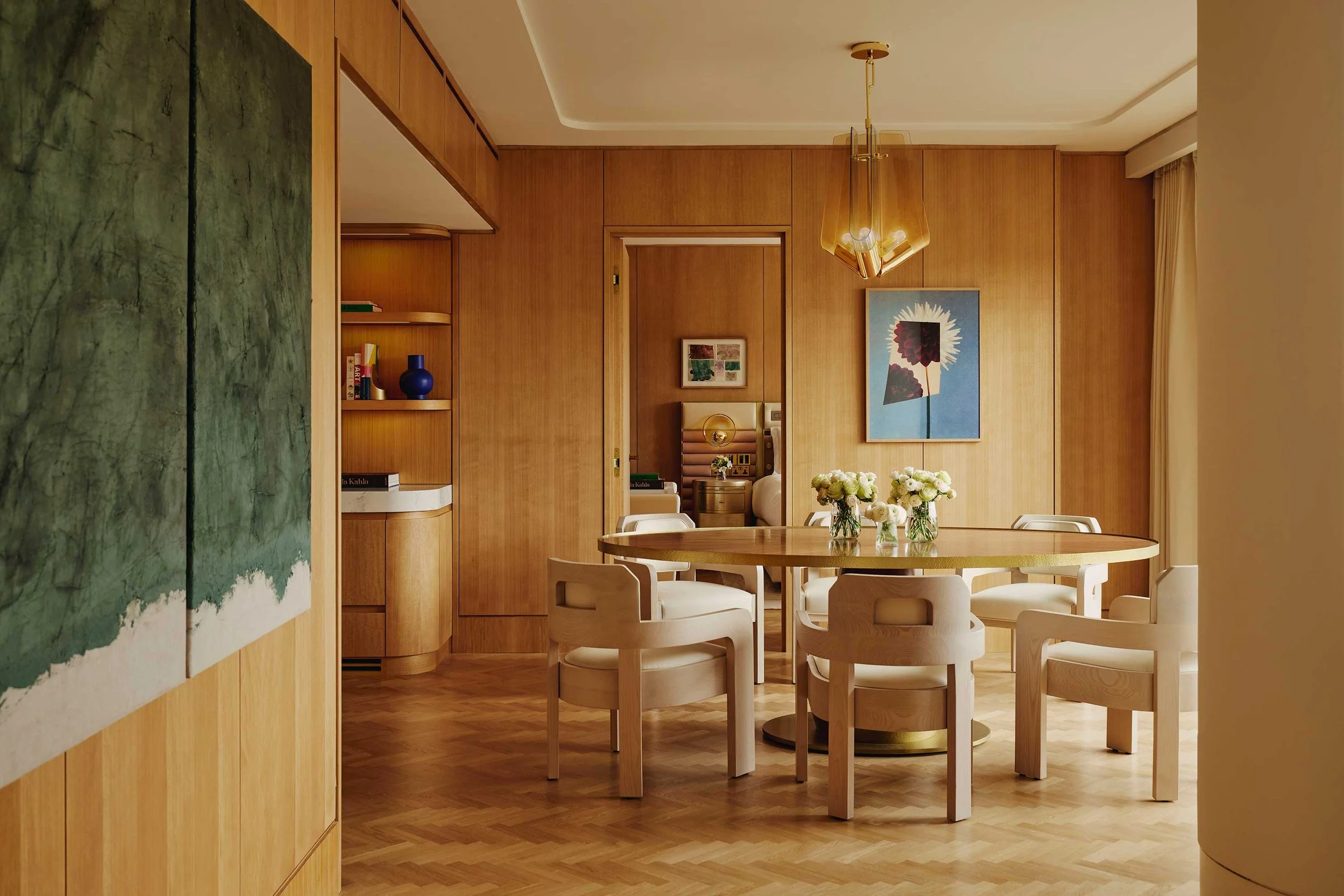
It’s a brave move to commission not just one or two designers for a hotel, but five: New York-based Alexandra Champalimaud, Hong Kong’s André Fu, Milan’s Patricia Urquiola, London’s Rigby & Rigby and Paris-based Pierre-Yves Rochon and Rémi Tessier were each tasked with different parts of the building. Guest floors are split evenly between the first four design studios, while Rigby & Rigby created the penthouse and Tessier took on the restaurant, rooftop bar and cigar lounge, spa and public spaces.
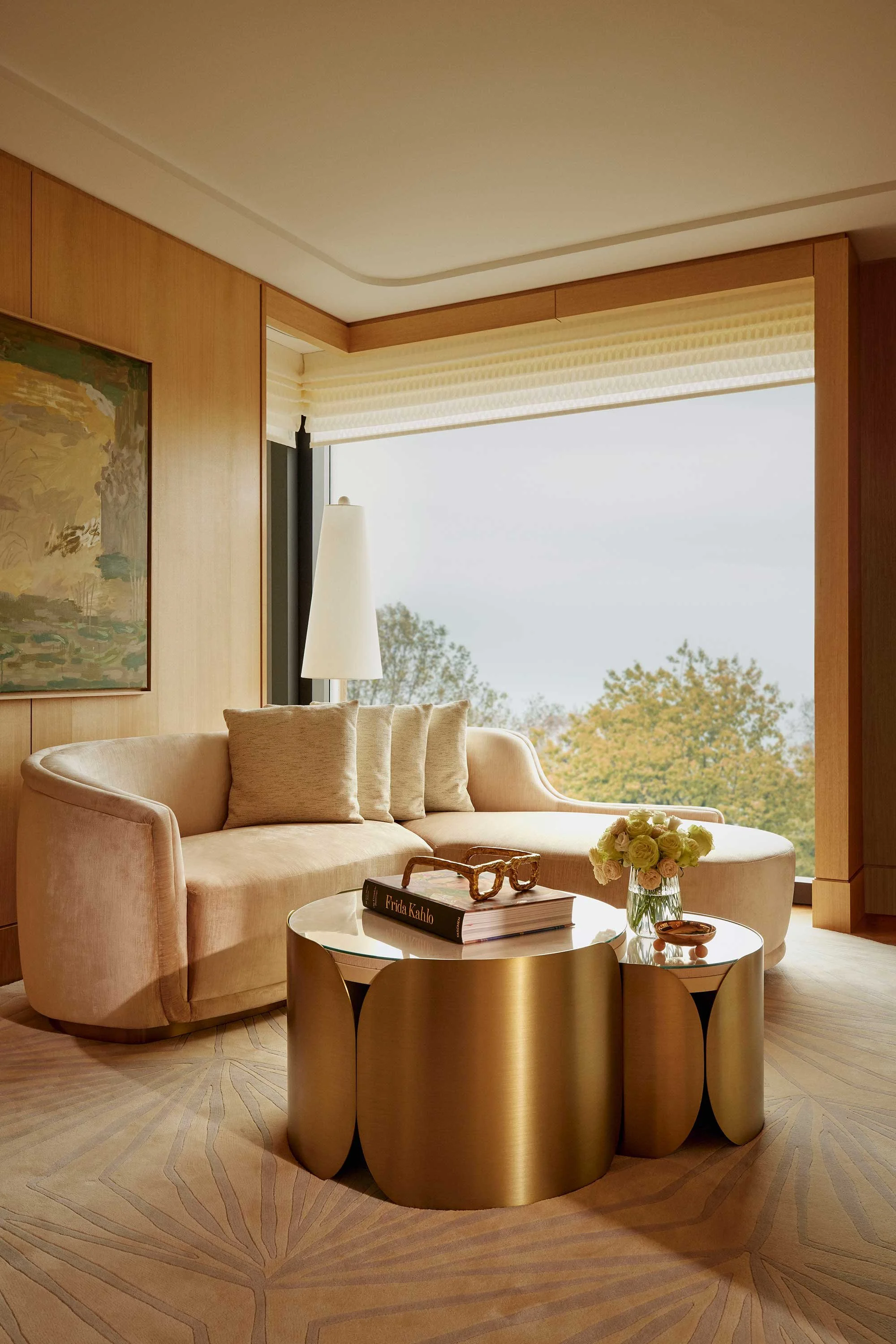
Despite differing approaches and varying results, the designers all speak a similar language. Each floor has its own interpretation of the brief, yet there’s a consistent mood based on a material palette that’s tactile and warm. All rooms feel residential, calm and genuinely comfortable. They’re expansive, well planned and, importantly, usable, seemingly designed to be lived in rather than passed through.
Downstairs, ABC Kitchens, Jean-Georges Vongerichten’s London outpost, is finding its place as a local fixture. The room is relaxed, understated and generous, with the Latin-inspired menu well executed. It also doubles as the hotel’s breakfast room, where regulars take up tables alongside hotel guests (Norman Foster is sighted taking in a leisurely breakfast at a neighbouring table).
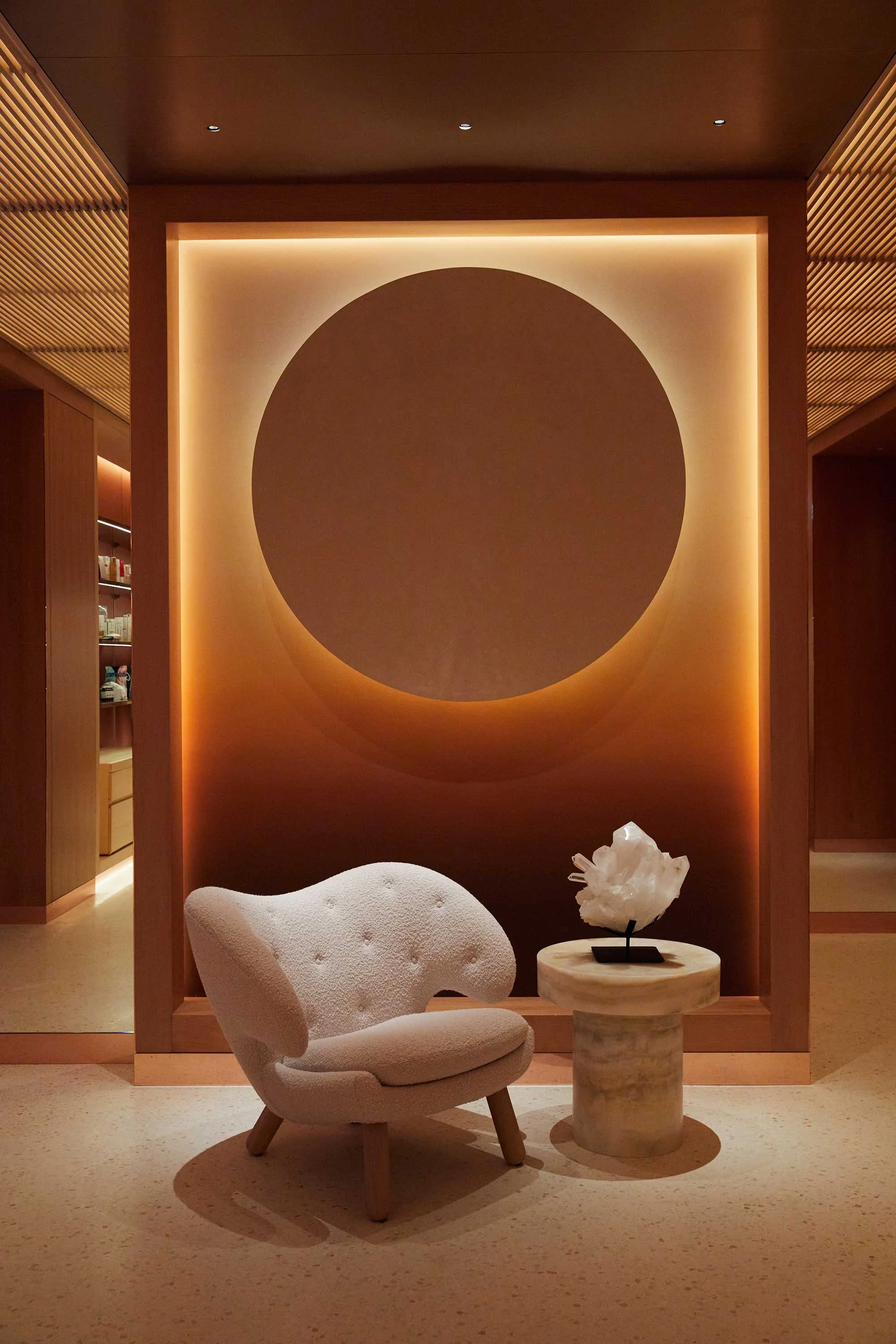
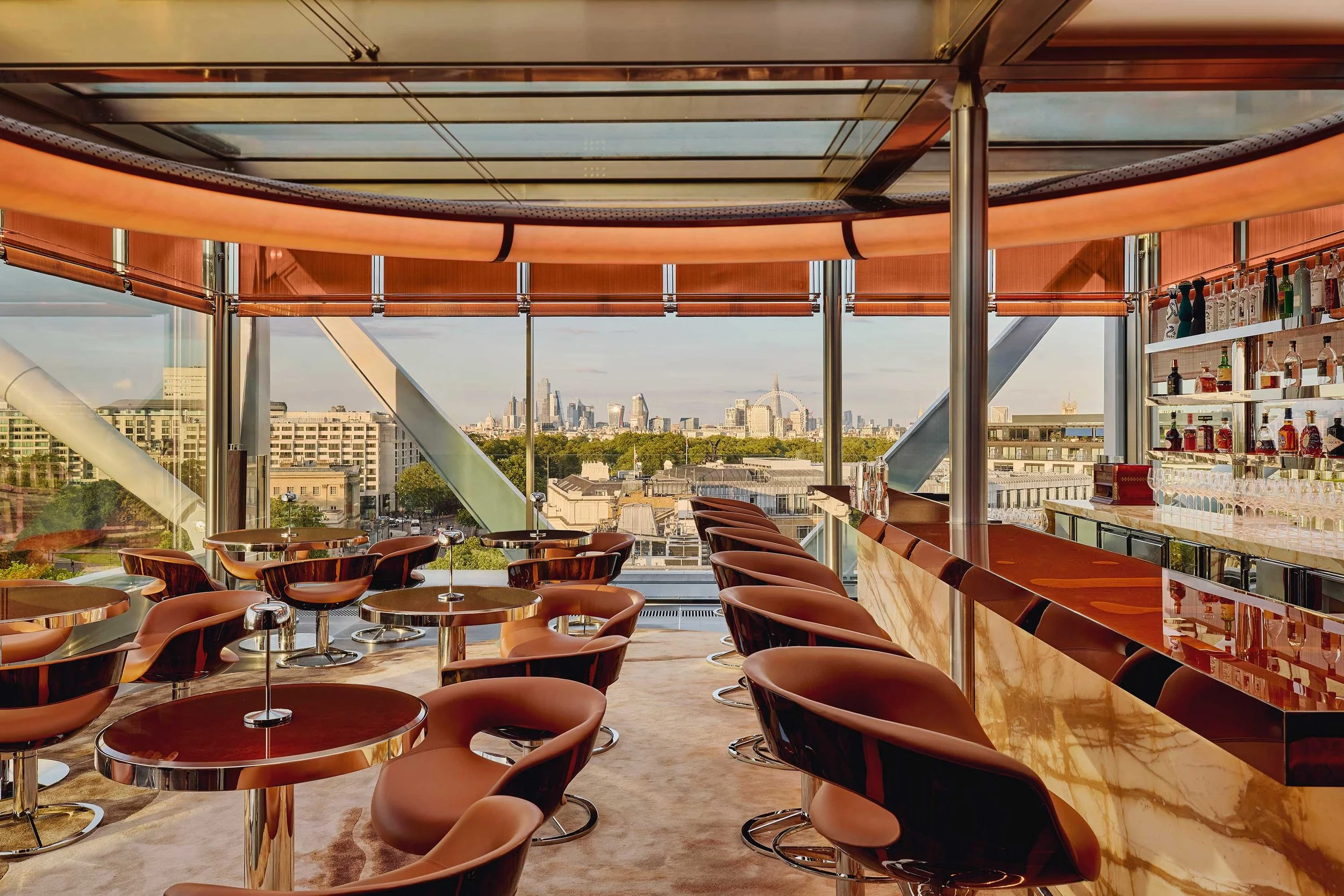
Surrenne, Maybourne’s spa brand, delivers a 2,000-square-metre facility spread over four below-ground floors, offering everything from peaceful treatment rooms to a gym and 22-metre pool illuminated by a narrow skylight — a treat in this subterranean enclave. The rooftop bar and cigar lounge are grown-up, with a slightly clubby feeling and a brassy and tobacco-hued palette, overlooking what is really the star of the show: Hyde Park, which sits directly adjacent and is a like a city unto itself.
While The Emory does a lot and its design pedigree is remarkable, it also doesn’t try to dazzle with gimmickry nor is it trying to be everything to everyone. And perhaps most importantly, it delivers on the surprisingly rare principles of hospitality: anticipating needs, knowledge of guest’s preferences and a focus on quietly and consistently getting the details right.
Text by Jeremy Smart
Images courtesy of The Emory