Can Hospitality Help Revive a Shrinking City? Portside Inn Hakodate Puts the Idea to the Test
As Hakodate’s population declines despite record visitor numbers, Japanese hospitality company Staple is expanding its Portside Inn project with an eight-room hotel and a small restaurant, as part of a longer-term effort to revive the historic port city
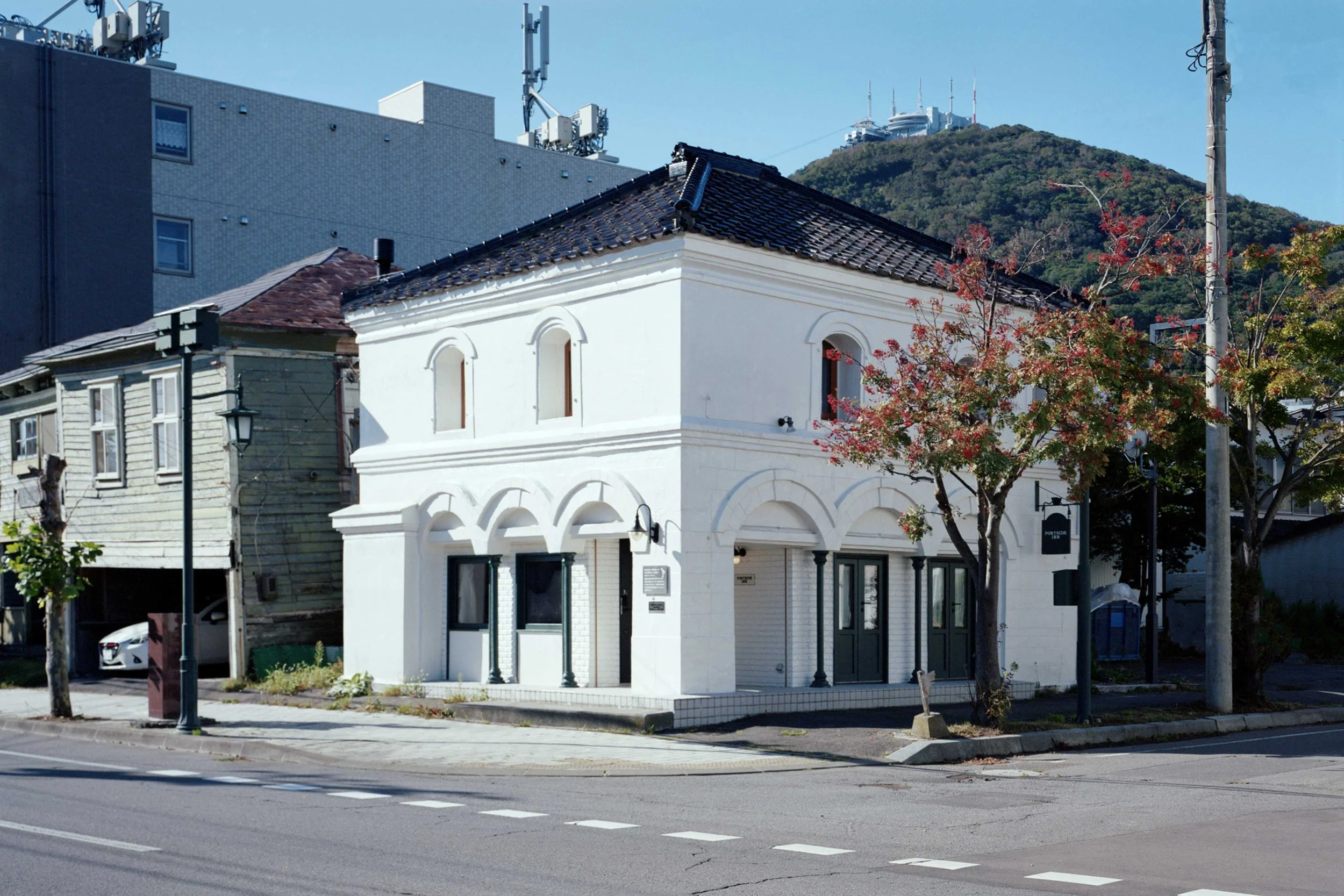
Portside Inn Hakodate is set in a handsome, two-storey building in Omachi, a historic waterfront district where the green-tipped Mount Hakodate rises behind the rooftops, and masts of boats punctuate the view towards Midorinoshima Yacht Harbour. Built in 1885 as a ferryman’s storehouse and shipping agency, the building stood empty for several years before Japanese hospitality company Staple restored it as a single-key guesthouse in 2024.
Staple is also behind projects like K5 Hotel in Tokyo and Soil destinations in Tokyo and Ikuchijima. The company focuses on revitalising regional areas facing population decline, often starting with a hotel or restaurant before expanding to what the company calls ‘soft infrastructure’ — housing, workplaces, education, welfare, mobility and energy — to support local life and encourage visitors to become ‘new locals’.
Hakodate is the ideal candidate. Like many Japanese port cities, it has experienced decades of population decline since its shipping and fishing industries receded. Figures from Jinkou, an online population decline simulator drawing on census and National Institute of Population and Social Security Research data, show that Hakodate’s population dropped from 345,165 in 1980 to 230,309 in 2025.
Yet visitor numbers are moving in the opposite direction. According to an annual tourism survey published by the Hokkaido Tourism Bureau, Hakodate welcomed more than six million visitors in 2025, a record high.
‘Hakodate is one of the first port towns that opened to Western influence in Japan about 170 years ago,’ Staple founder Yuta Oka tells Design Anthology. Situated on Hokkaido’s southern tip, the city is famously associated with Commodore Matthew Perry, who sailed his American ships into the harbour in 1854 to end approximately 220 years of Japan’s isolationist policy and open it to international trade.
That history remains visible in Hakodate’s surviving architecture, from European-style churches to wayo-setchu buildings that combine Japanese and Western design. Yet many of the city’s older buildings were demolished as residents moved to the suburbs during the 1970s. ‘The town became a bit of a hodge-podge,’ says Oka, recalling how he found the original hotel building in ruins amid many newer, soulless concrete structures.
Fortunately, authorities are supportive in retaining Hakodate’s architectural heritage. In February 2025, Hakodate’s municipal government announced plans for a subsidy scheme to help private owners renovate designated historic buildings and convert them into visitor-facing businesses.
‘By making use of the value inherent in historic buildings, we want to support efforts to use them as attractive visitor destinations, such as restaurants, accommodation and retail so that more people can make use of them. Our aim is to improve the appeal of the entire area and revitalise it,’ says Hakodate mayor Jun Ōizumi, who estimates that only around 100 conservation heritage buildings remain.
The building that occupies Portside Inn Hakodate is one such gem. Recognised by the city for its contribution to the townscape, the property qualifies for conservation funding. Its location in Omachi also draws visitors to a quieter corner of the city, away from busier attractions such as the Mt. Hakodate Ropeway. The city has taken steps to manage congestion at popular sites, too: an AI-powered camera system introduced in January 2025 provides real-time crowd information, with new features including forecasts up to a week ahead added in January 2026.
Staple’s efforts in Hakodate extend beyond restoring the Meiji-era building. The company has also revived the Bon Odori festival that had been dormant for more than 40 years, bringing it back as Looop, a cultural event that drew around 3,200 visitors for its second edition this year. It has also taken over a well-loved local cafe, reopening it as Homm Cafe. The most recent addition is a new extension of Portside Inn Hakodate, a three-storey building across the road from the original, scheduled to open in November.
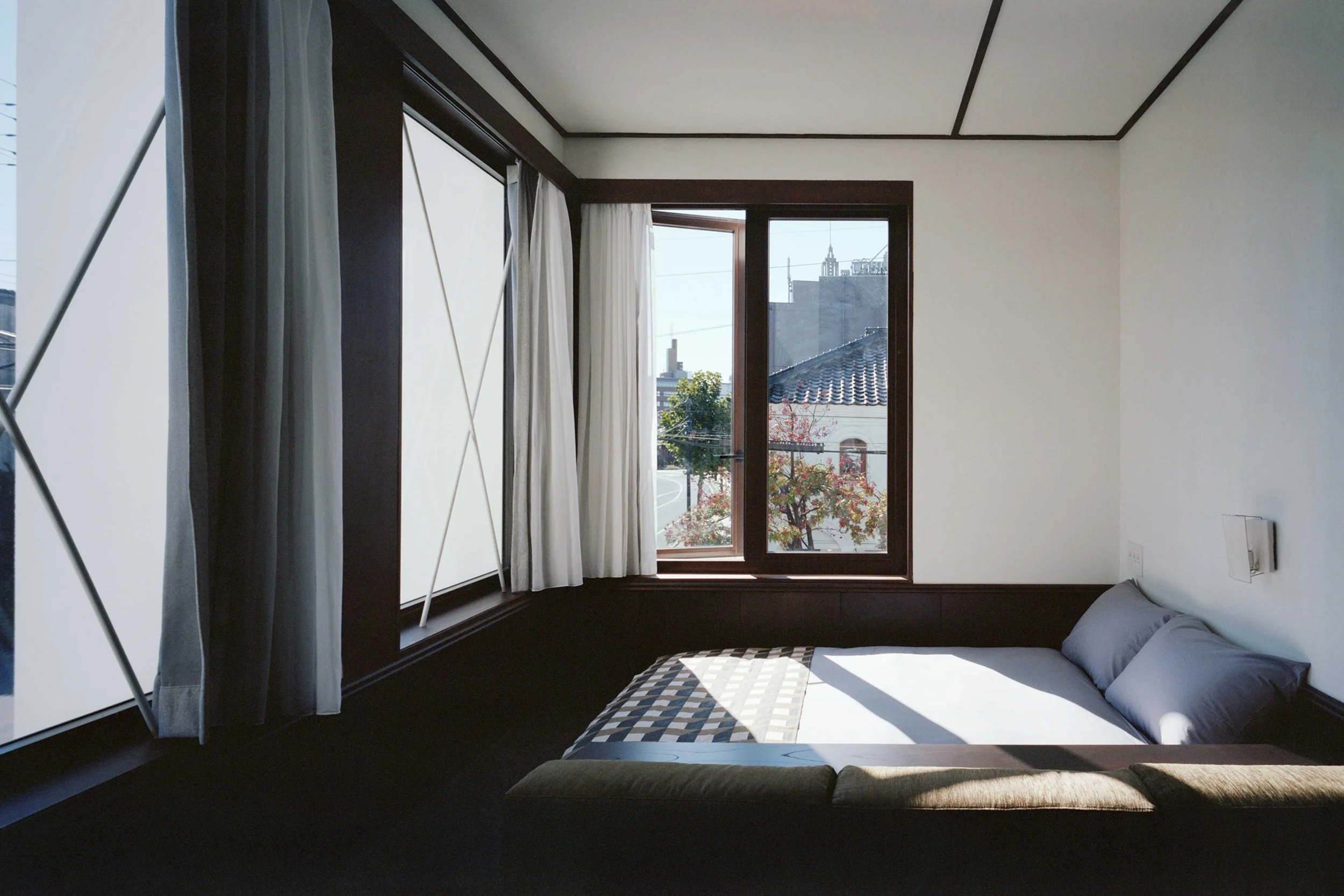
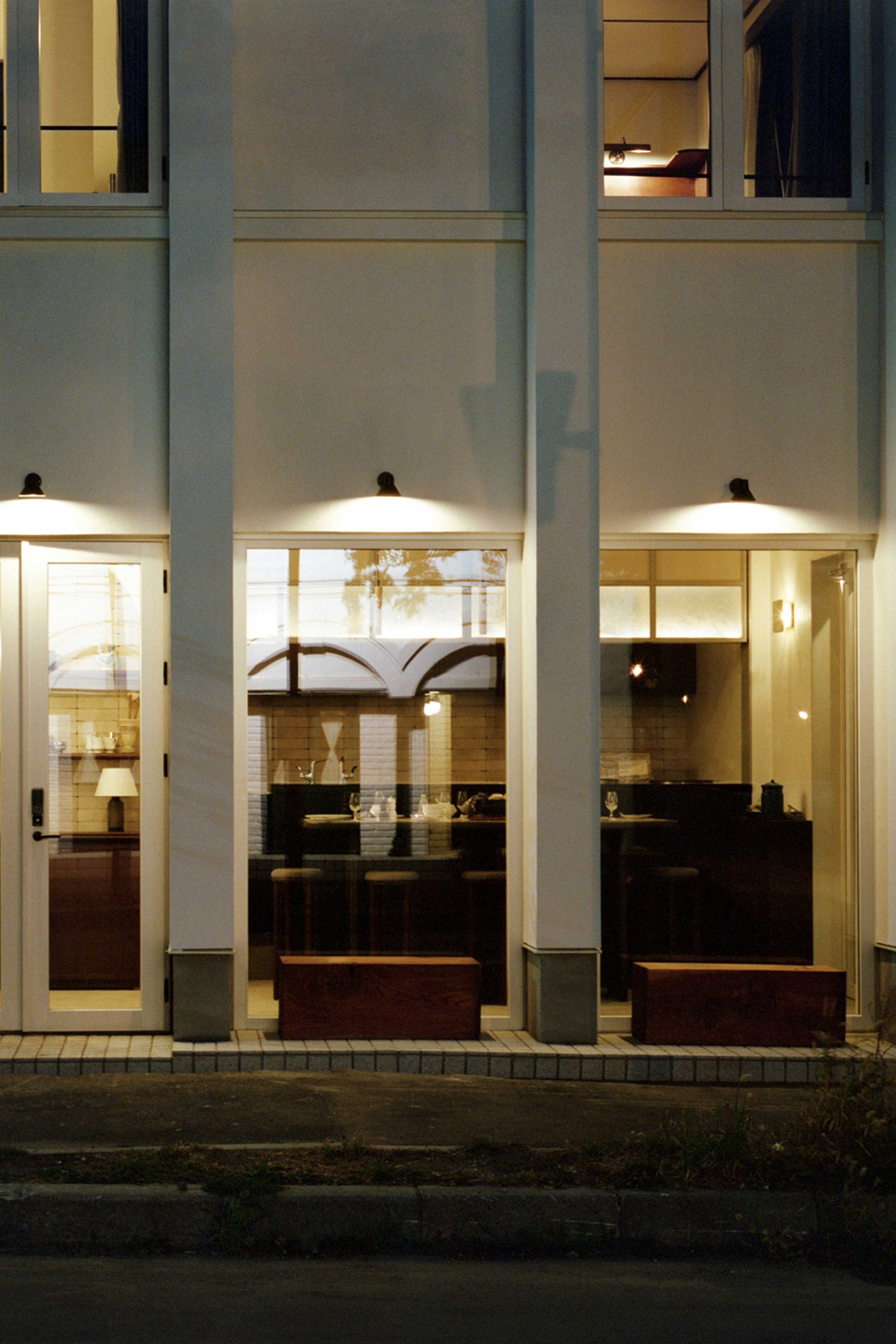
Designed by Staple creative director Takayuki Kawaguchi, the new building takes cues from its older sibling’s rhythmic arches, pilasters and shikkui traditional lime plaster surfaces. Likewise, a Galvalume steel roof mirrors the pitch of the precedent structure’s kawara clay-tiled roof.
‘In reality, the building does rise up quite prominently as a result of its compact footprint, but the sloping roof design was specifically intended to mitigate any sense of oppressive bulk,’ Kawaguchi tells Design Anthology. The overall height was intentionally kept lower than the maximum 13-metre limit, he says, ‘to consider the impact on the local townscape’.
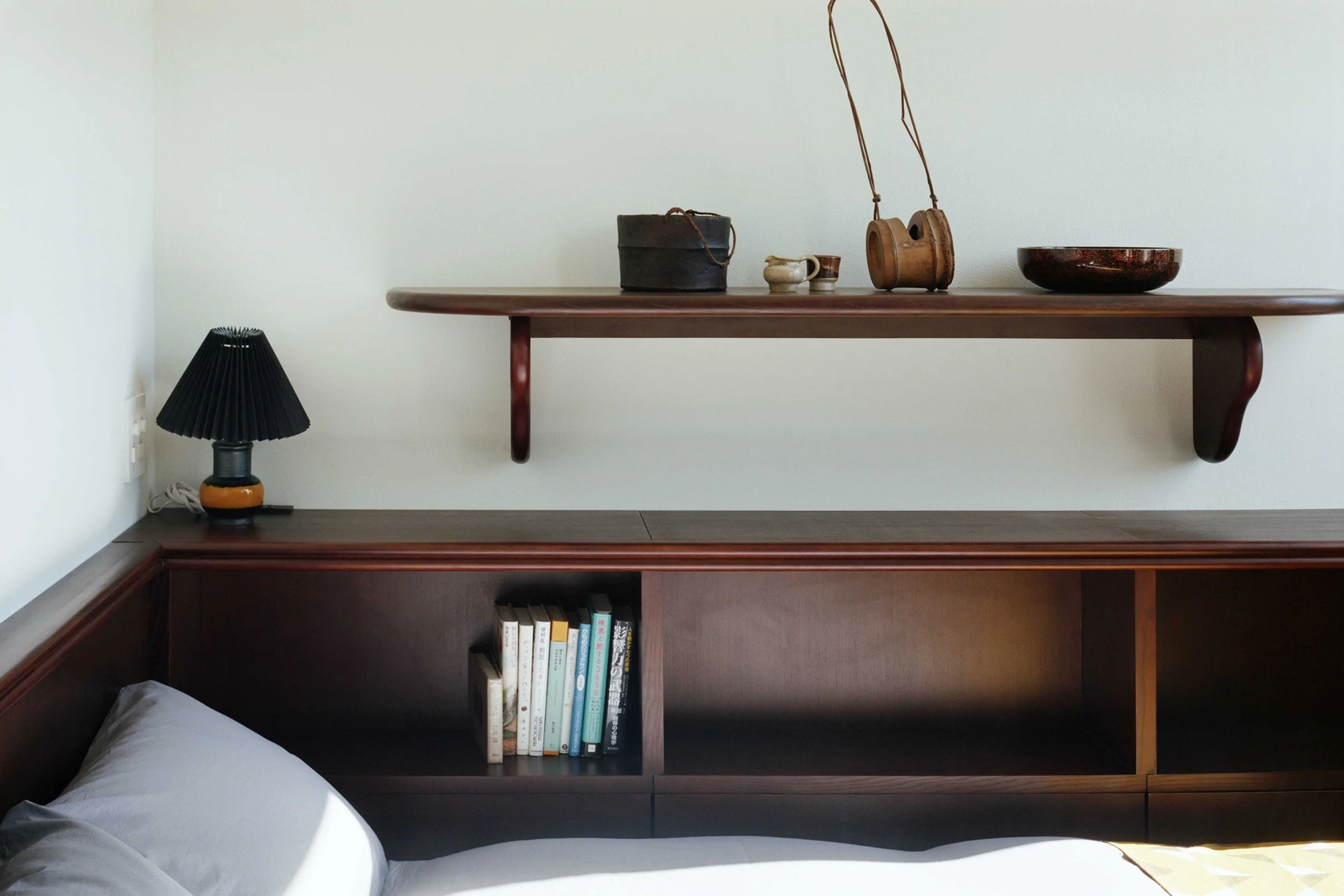
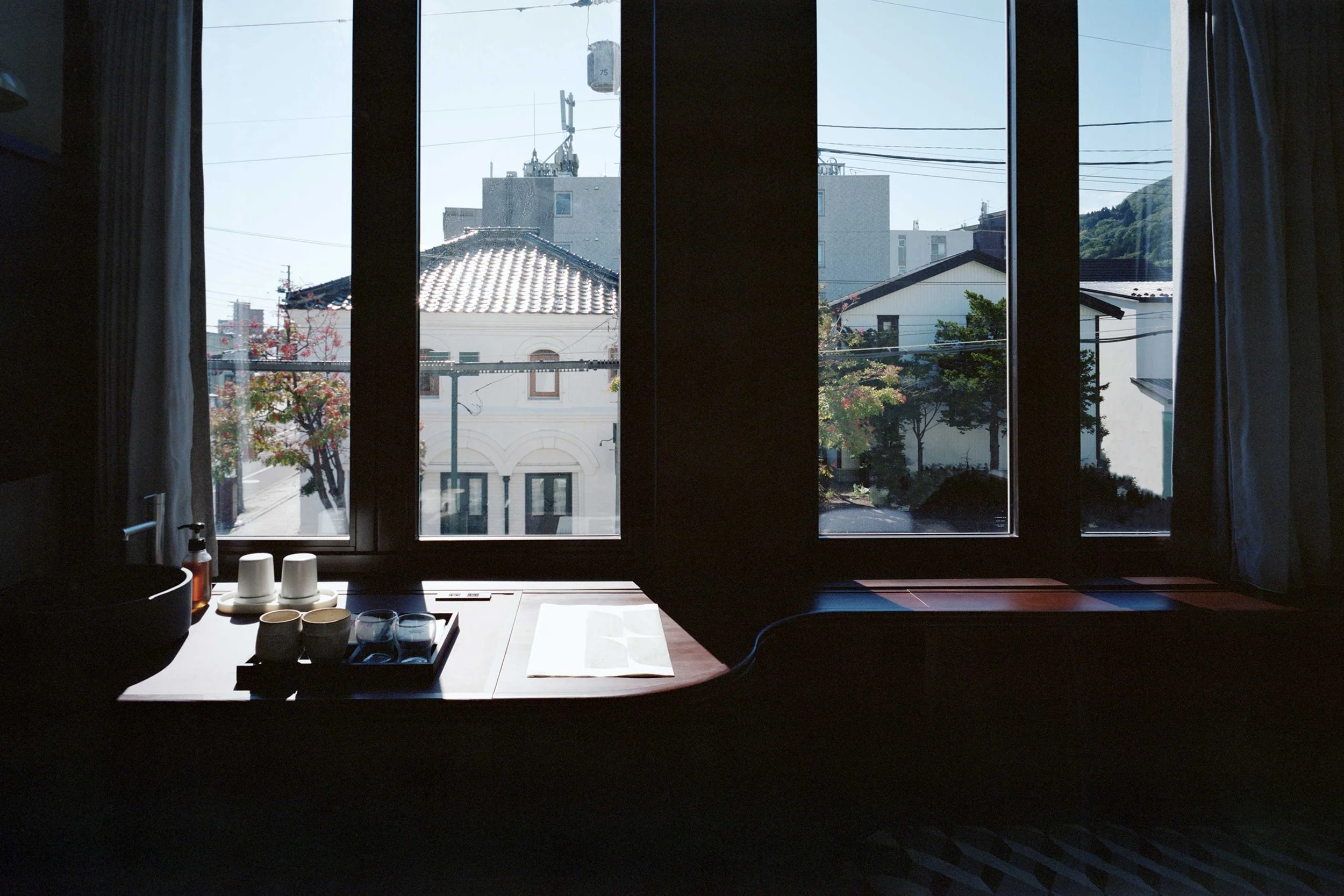
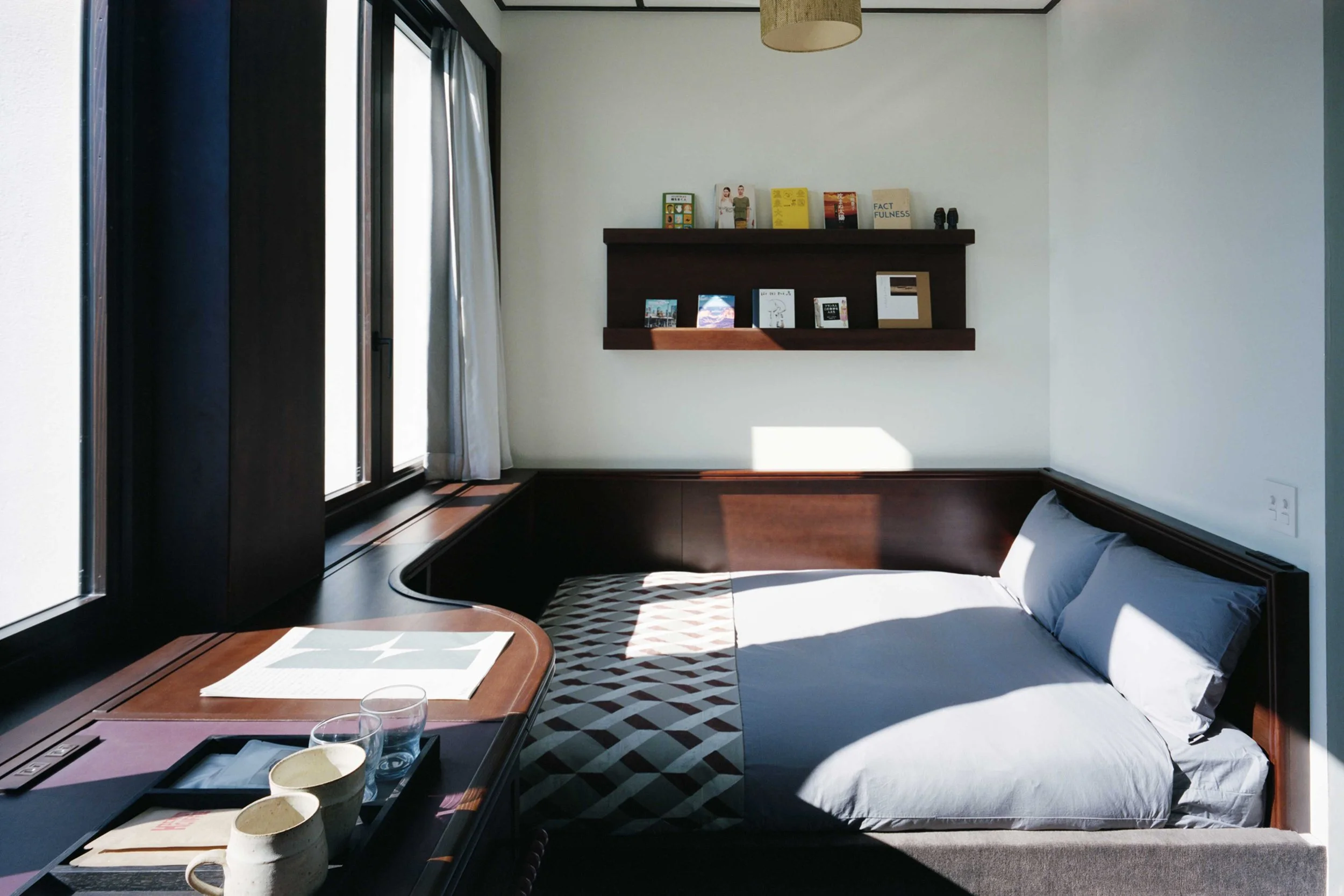
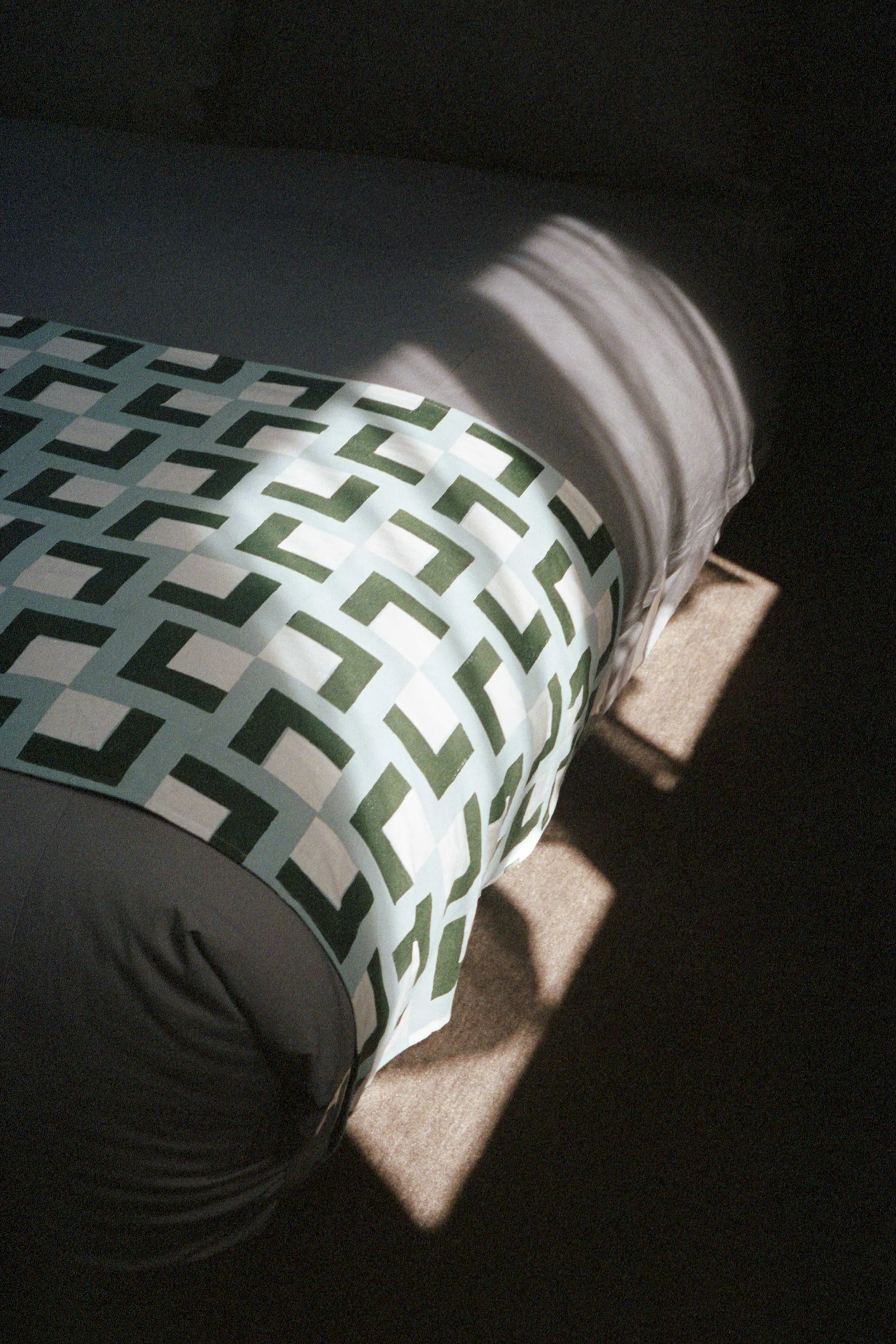
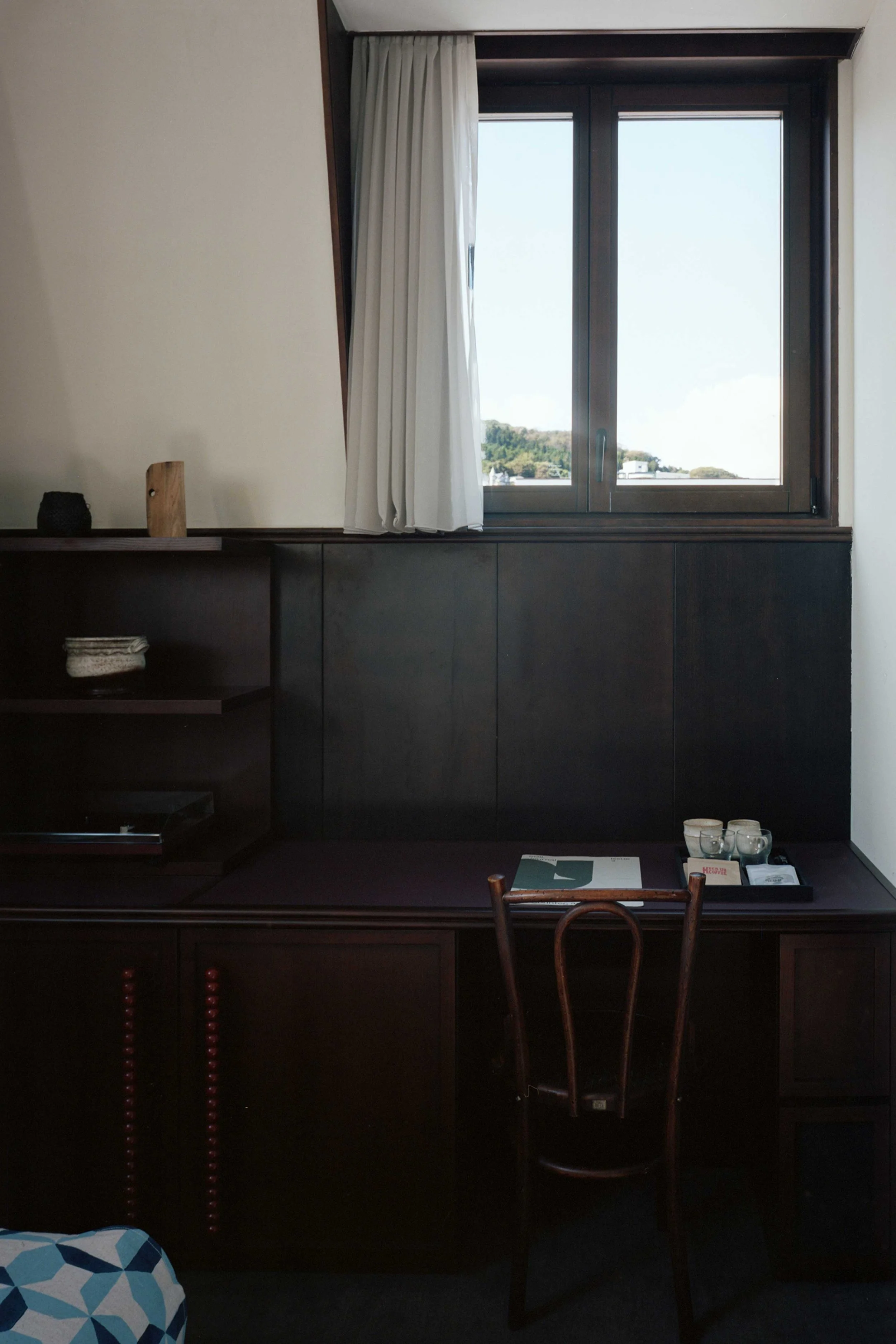
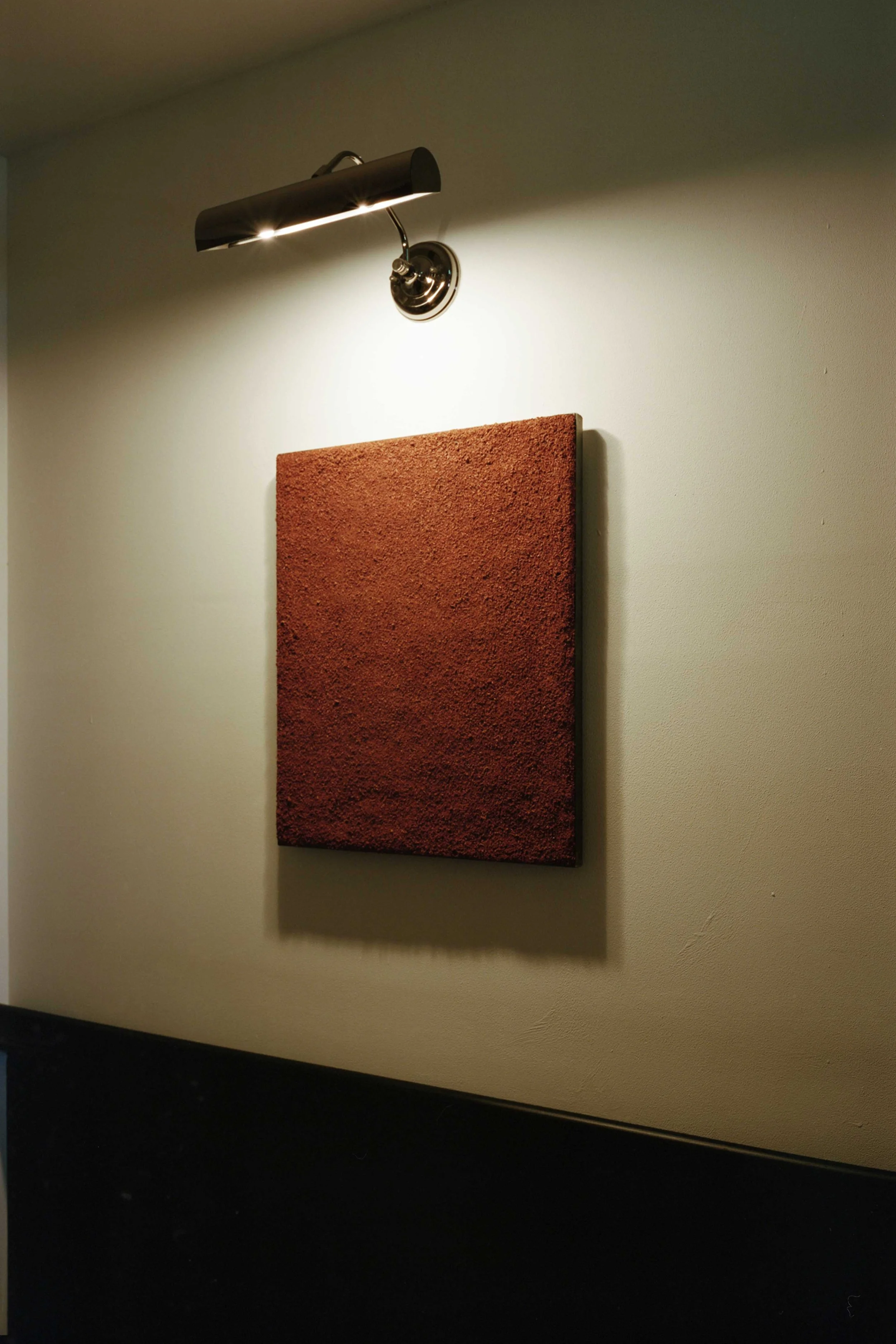
Decorative objects in the guestrooms draw on Hakodate’s port identity to bring about a confluence of cultures. They differ in each room to reflect an assortment of imagined personalities that sojourned here. ‘Essentially, what I’d like guests to experience is the feeling of visiting someone’s home,’ says Kawaguchi. Given the unique character of Hakodate — a place where elements from various countries have naturally come tighter — I’ve avoided imposing a specific “national theme”.’
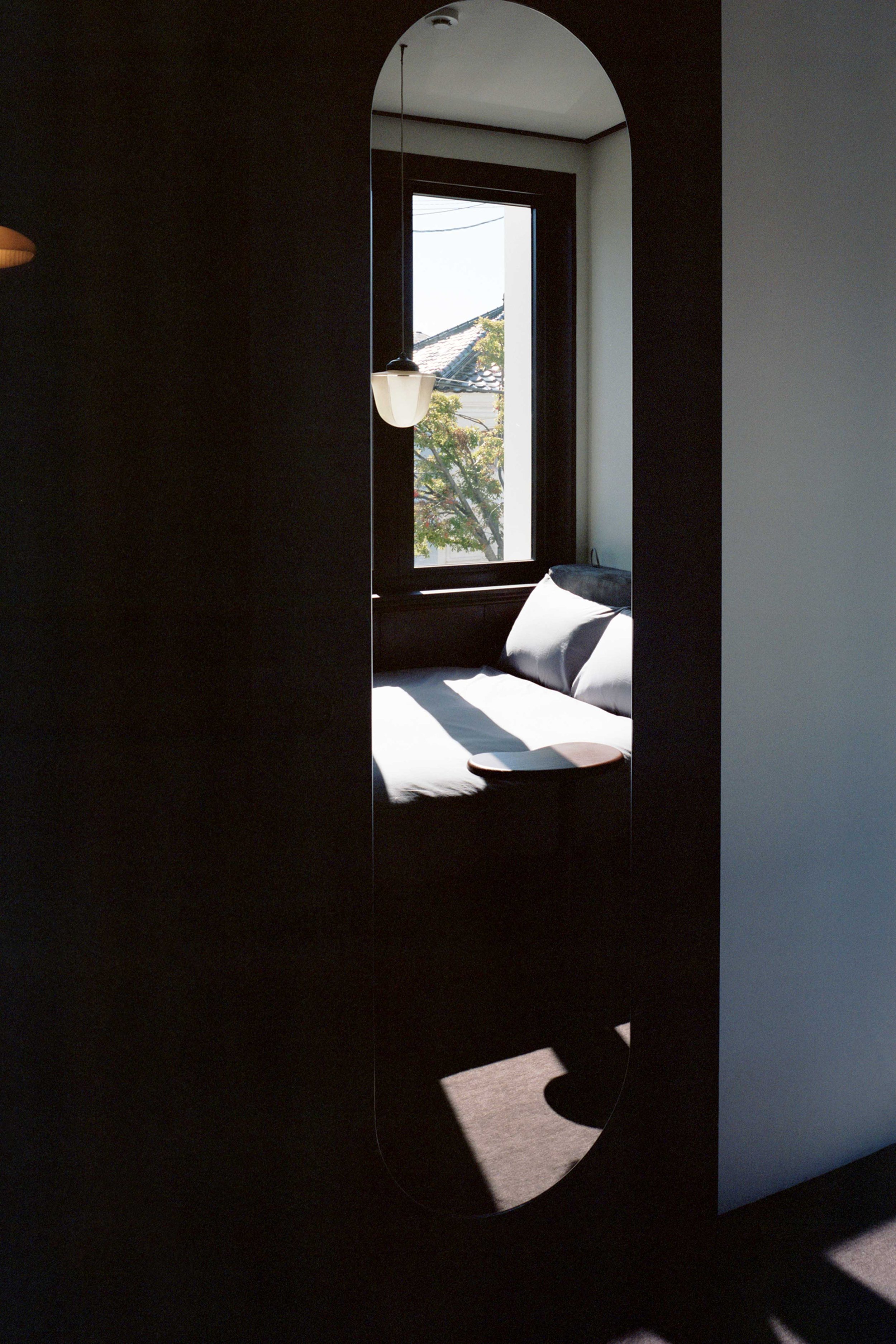
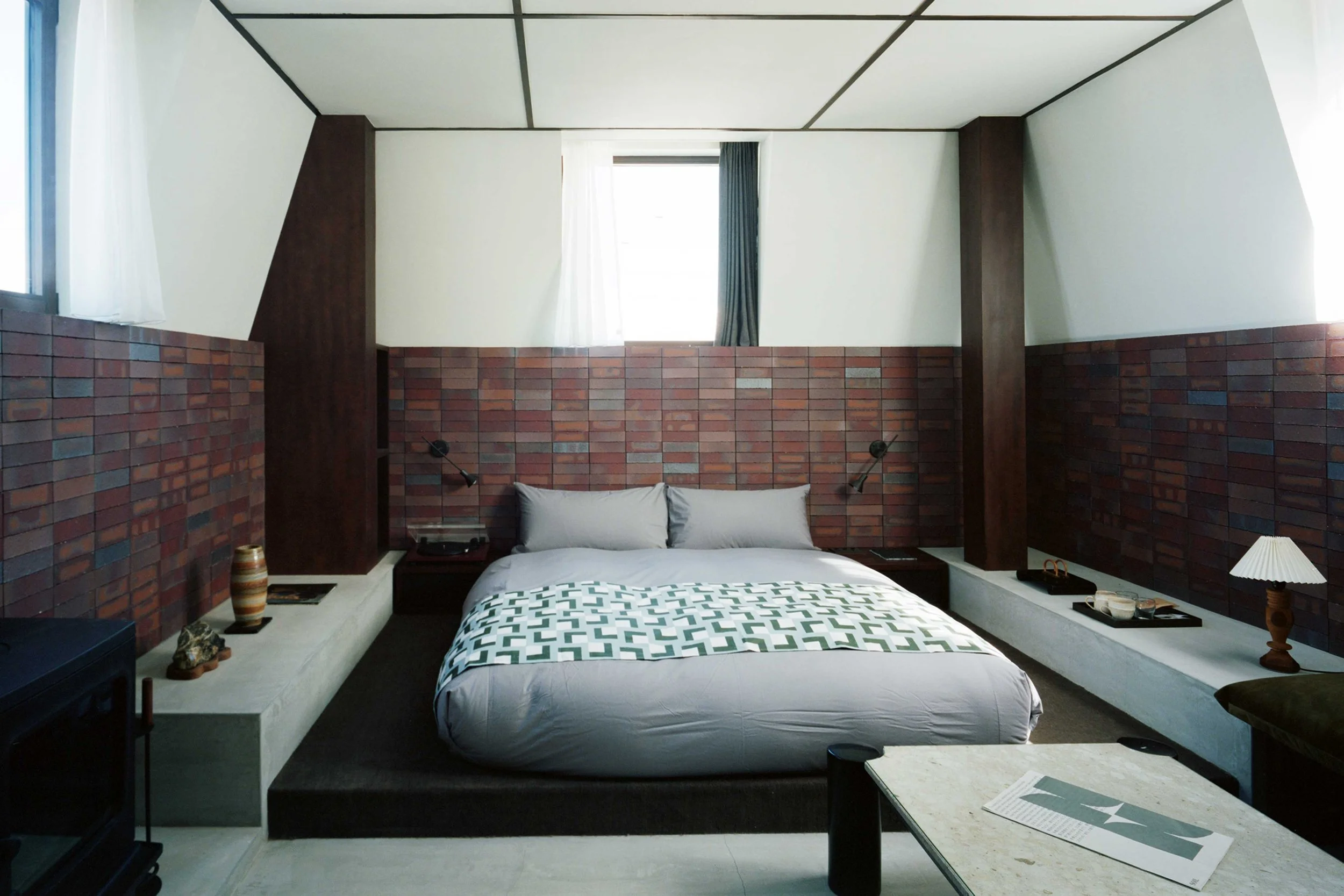
Rounded joinery brings comfort and the human touch to smaller guestrooms, while brick in the suites creates a material link between the two buildings. Timber was sourced from Hakodate-based wood processing and construction company Sato Mokuzai Kogyo, and the exterior is painted with shikkui incorporating crushed scallop shells, a byproduct of Hokkaido’s seafood industry.
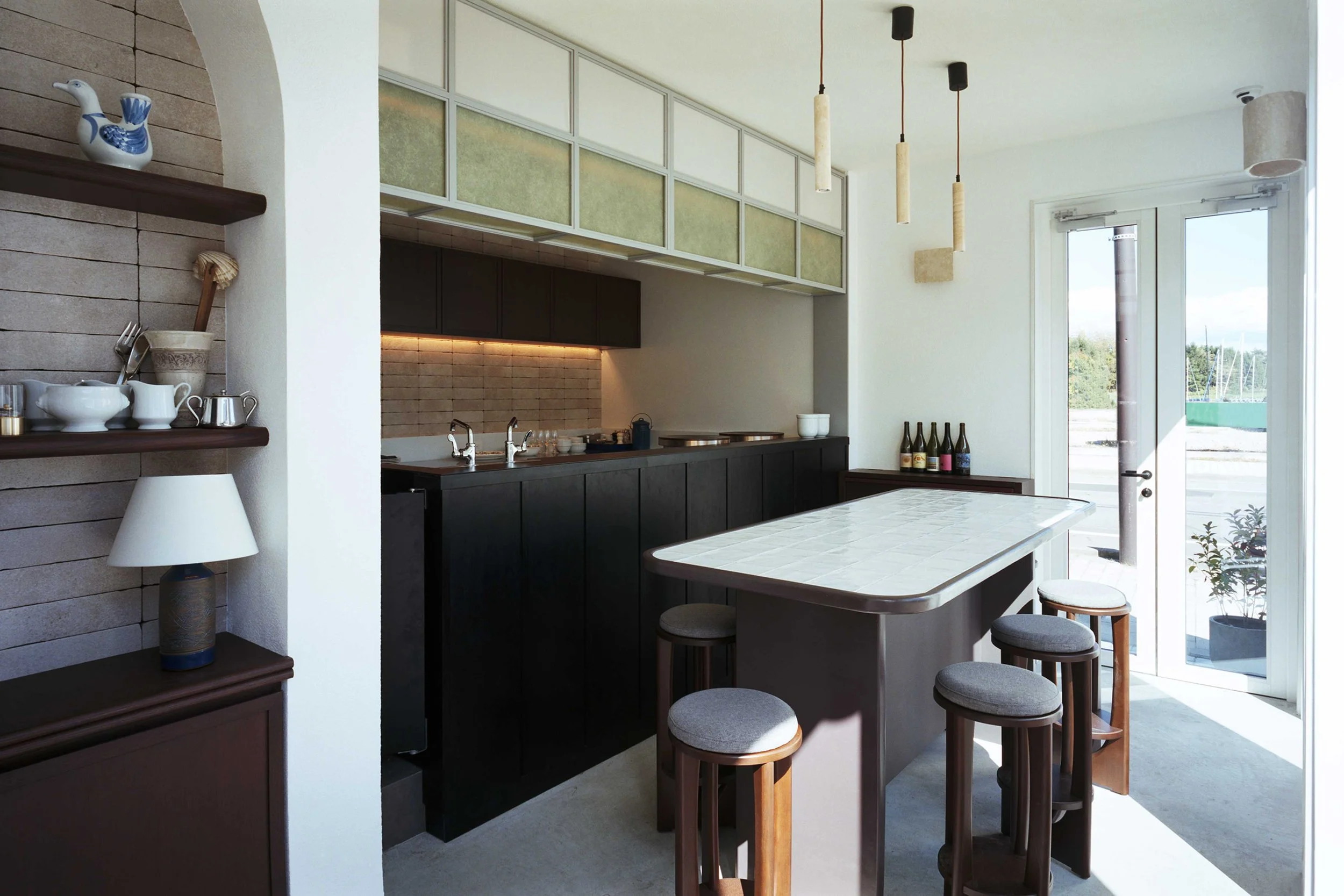
Staple has further plans for the waterfront, including a mixed-use development intended to expand its ‘soft developer’ revitalisation intentions. For now, the ground floor of the new building houses PSI Table, an intimate, communal dining space that seats eight. The restaurant serves breakfast to guests, and welcomes external visitors for lunchtime galettes and small plates with wine in the evenings.
The hope is that PSI Table will bring renewed activity to this part of Hakodate, but sustaining a hospitality business in a shrinking city presents localised challenges too. ‘Opening an attractive restaurant is one thing; keeping it running on a quiet Tuesday in February with talented staff, wonderful ingredients and enough customers to make the business sustainable is something entirely different,’ Oka tells Design Anthology later by text message.
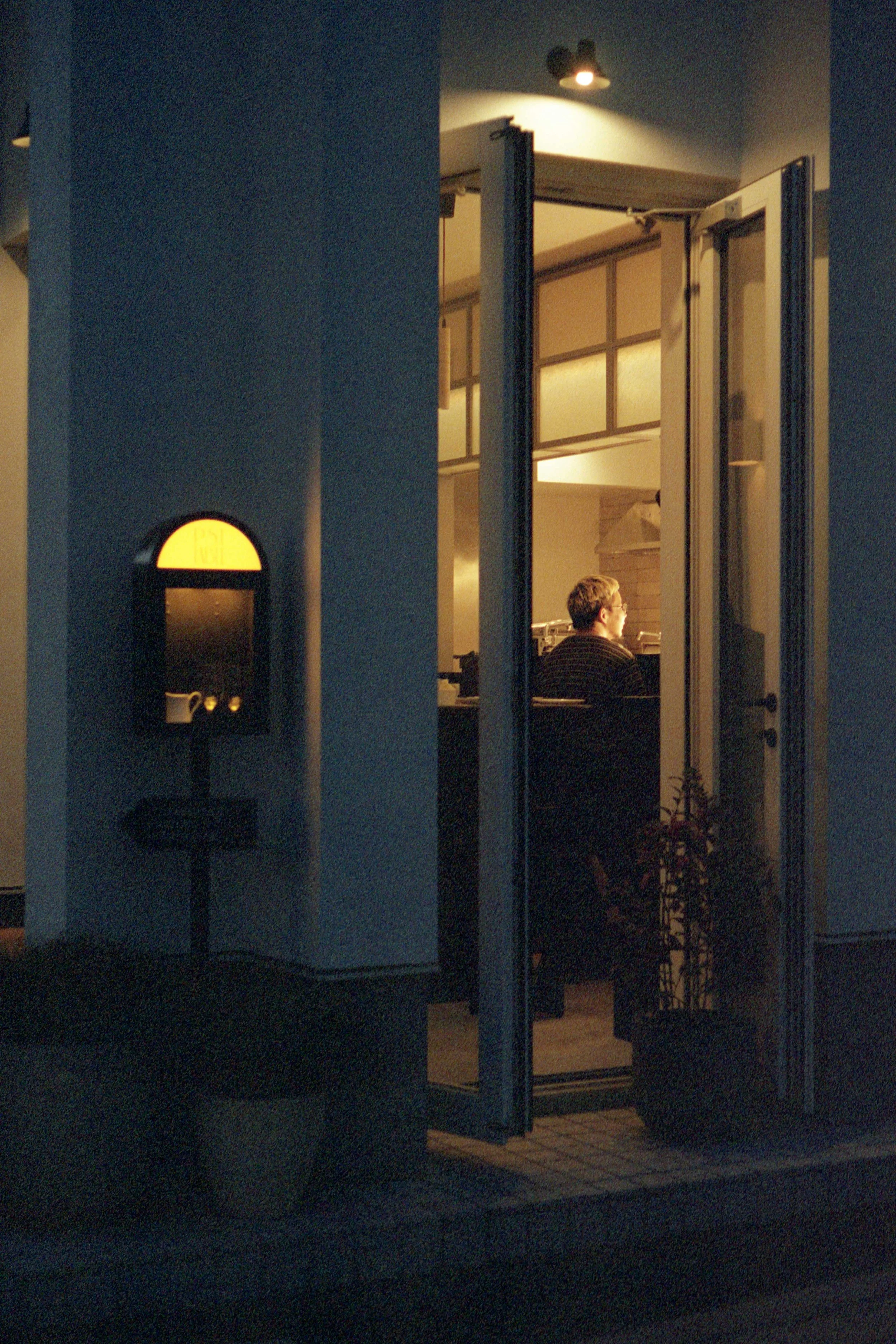
Skilled chefs and hospitality professionals can be harder to recruit and retain here than in Japan’s larger cities, and seasonal fluctuations in visitor numbers make it risky to rely on tourism alone. ‘This is precisely why we place so much importance on creating restaurants and cafes that local people genuinely want to visit,’ Oka says. PSI Table, he stresses, is not another hotel restaurant. Its success will depend on whether residents of the surrounding neighbourhood come to regard the establishment as their own.
Above the dining area, Kawaguchi designed a fibreglass-reinforced plastic ceiling that emits a soft glow and softens music from concealed speakers above. He relates it to a lighthouse. On evenings when the city noise dims to a whisper and skies darken, Oka hopes the restaurant will become ‘a lighting feature for the entire town’.
By Luo Jingmei
Photography by Yurika Kono