A Curator’s Reflections on Southeast Asian Design
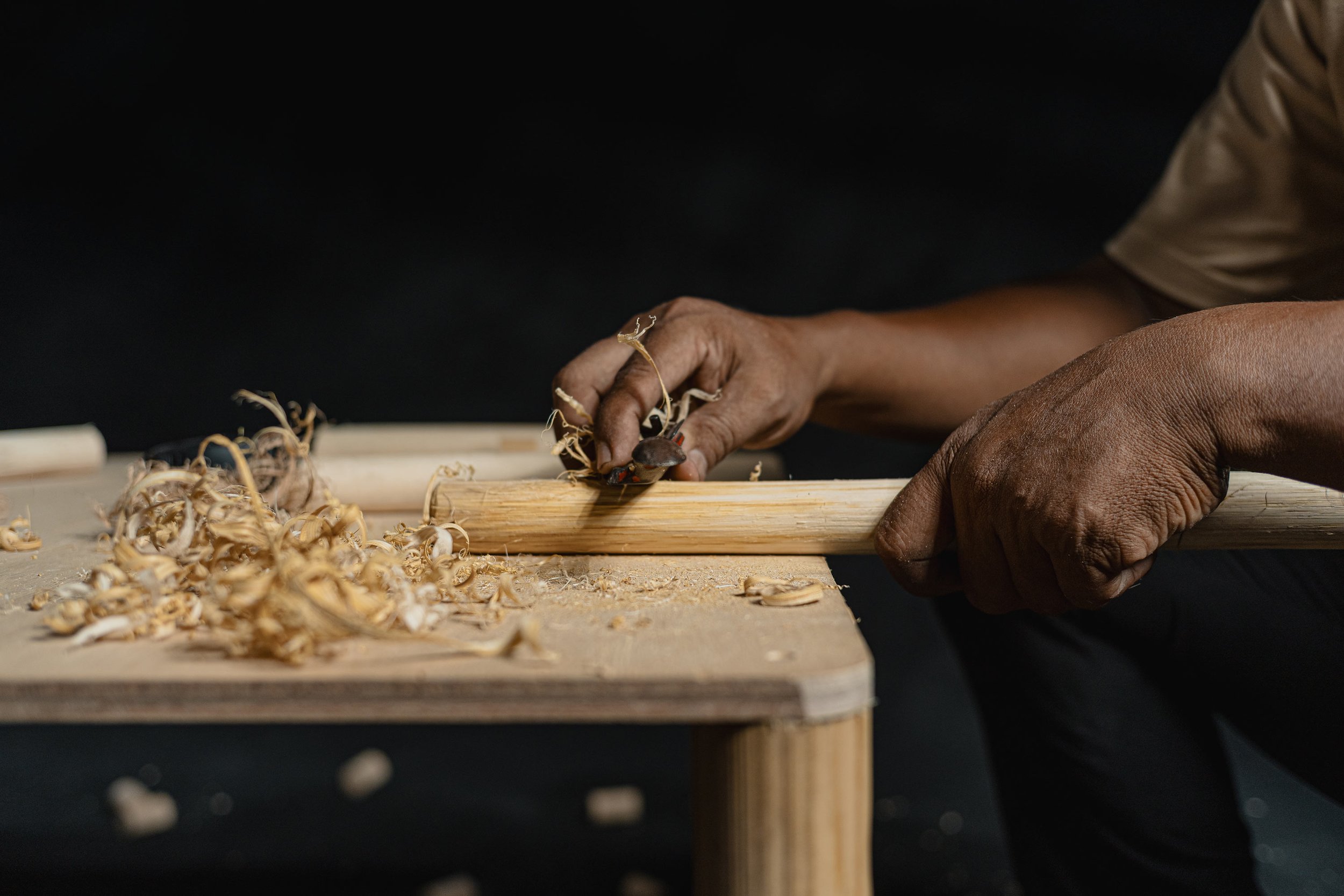
Alvin Tjitrowirjo. Image credit to Christopher Octaviano
In the lead up to the fourth edition of this expansive Southeast Asian design showcase, founding curator Suzy Annetta shares her perspective on three years of Emerge
Over the past decade, Southeast Asia's design industry has undergone a quiet but profound transformation. While many of the region’s manufacturers have historically focused on producing furniture for export under OEM (original equipment manufacturer) models, a shift is underway, one that prioritises originality, design authorship, local materials and cultural specificity. This evolution is being driven not only by economic necessity, but also by a new generation of designers, makers and entrepreneurs eager to define a contemporary identity that is distinctly Southeast Asian.
As the founding editor-in-chief of Design Anthology and the founding curator of Emerge, I’ve had the privilege of observing these changes unfold in real time. From the outside, the region may appear somewhat homogenous, but anyone who’s worked closely with Southeast Asian designers knows the nuance, diversity and richness of practices across places like Indonesia, Malaysia, the Philippines, Singapore, Thailand and Vietnam. Each country has its own histories and cultural complexities, its own material traditions, and its own pace of industrial development. Yet what binds them together today is a collective momentum, an energy that is pushing regional design toward innovation, collaboration and a deeper engagement with local identity.
Emerge was conceived in 2022 as a response to this moment. Part trade fair, part exhibition and part cultural platform during Singapore Design Week, Emerge set out to create a space where emerging designers could be seen and supported, not only commercially, but intellectually and creatively. While each country in the region already had its own design fairs or festivals, what was lacking was a space for regional dialogue and visibility, particularly for the new voices coming up through the ranks.
From the beginning, the curatorial approach was deliberately open-ended. Rather than imposing a rigid theme or aesthetic, the aim was to let the designers’ work speak for itself. I believed it was more important to observe than to direct, and to identify common threads without forcing cohesion. In many ways, this approach mirrored the region itself: fragmented but interconnected, distinct yet increasingly in conversation.
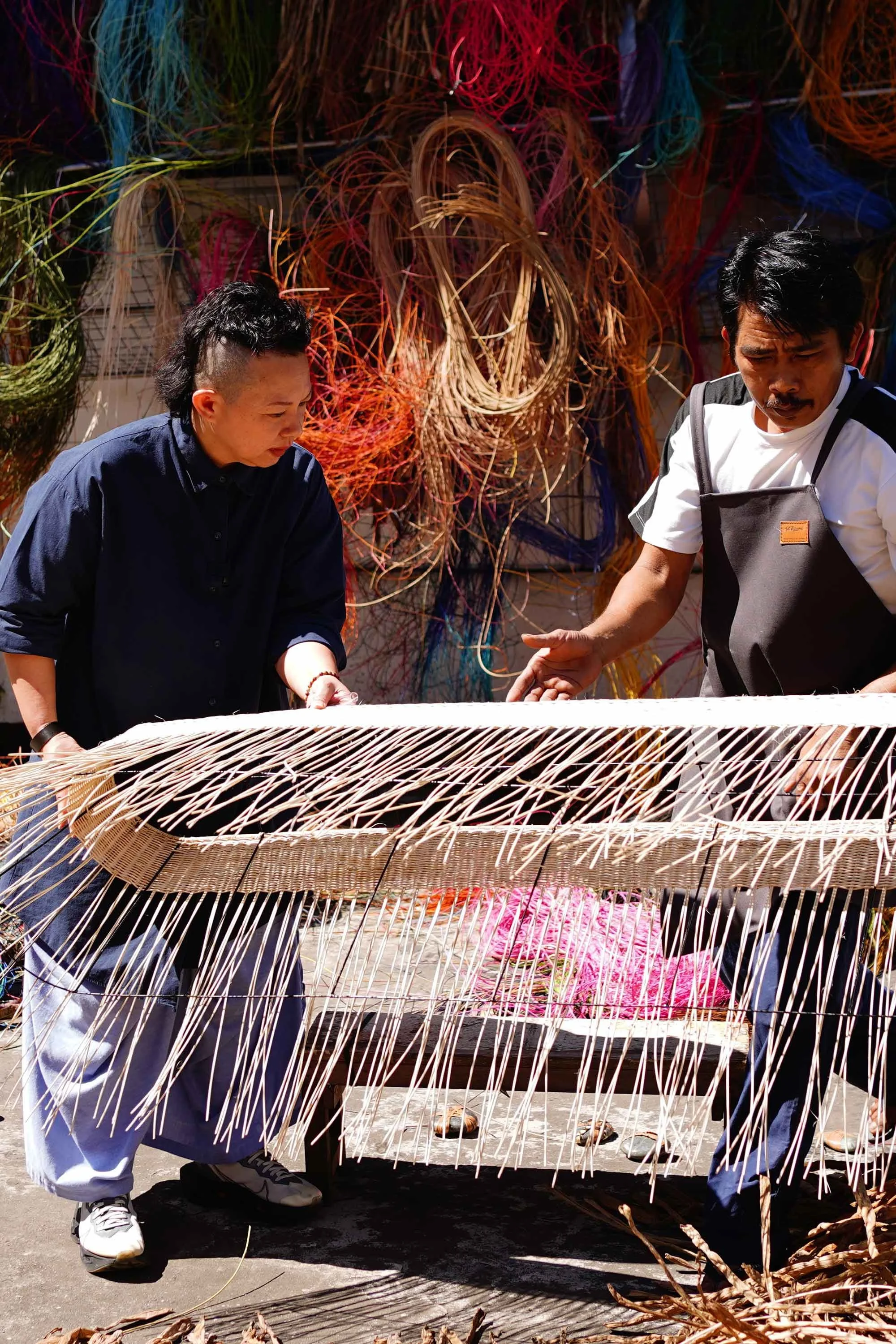
Rita Nazareno. Image credit to Lexus
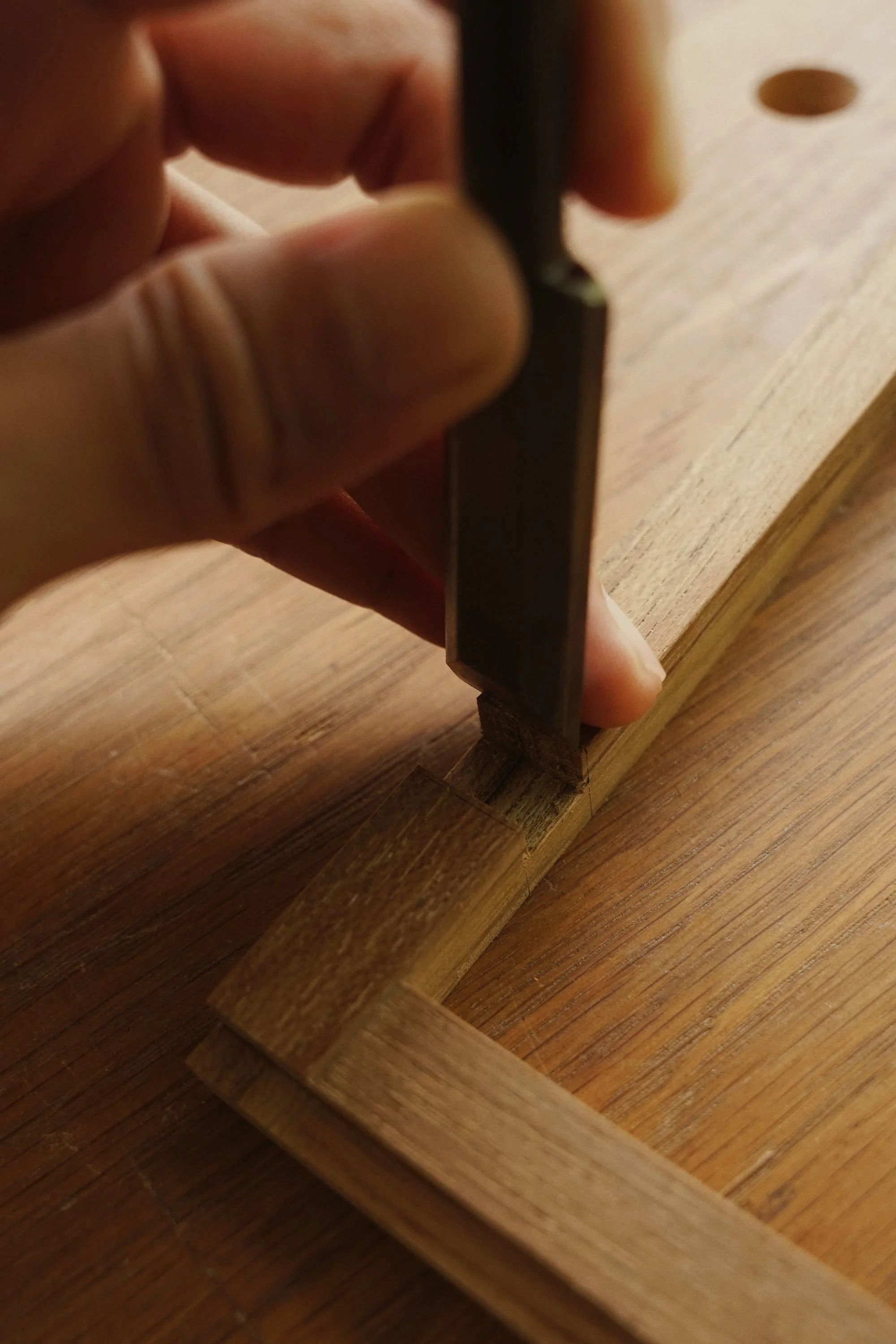
Charnon Nakornsang
Of course, this was not without its challenges. One of the most challenging aspects of curating Emerge was finding a narrative that could respectfully hold such a broad range of practices, ideologies and expressions. How could we present a unified exhibition when one designer is working with indigenous craft communities in Kalimantan, while another is exploring modular manufacturing systems in Bangkok? How could we make room for conceptual explorations alongside commercially viable furniture pieces? The tension between artistic experimentation and market readiness was constant but productive. It revealed the multiple roles design plays in Southeast Asia today: as an economic engine, a vessel for cultural memory, a site of critique and a tool for sustainable futures.
Throughout the past three editions of the exhibition, certain patterns have emerged. A deep respect for materials — particularly those that are locally or sustainably sourced — was nearly universal. So too was a commitment to community, whether through collaborative production models or a desire to design with social impact in mind. Increasingly, I saw designers who were not content to simply produce beautiful objects, but who were questioning systems, proposing new ways of making and living, and asserting their own identities within the global design conversation.
One of the most rewarding outcomes of Emerge has been the sense of community it fosters, not only between designers and buyers, but among the designers themselves. The platform has become a space for exchange of ideas, experiences and resources. This kind of cross-pollination is invaluable in a region where national boundaries often dictate funding and visibility, yet the shared challenges — sustainability, production capacity and recognition — are deeply intertwined.
Looking back now, I see Emerge not just as a showcase, but as a marker in time. It has captured a region in flux, where young creatives are negotiating inherited traditions, global expectations and local realities. It has demonstrated that design in Southeast Asia is not a monolith but a dynamic, evolving dialogue. And most importantly, it has shown that when given the opportunity and platform, the region’s emerging talent has something powerful to say — about where they come from, where they are going and what design can be in this part of the world.
As Emerge enters its next phase, I hope its legacy will continue to be one of openness, generosity and curiosity. The work is far from done, but I believe the seeds planted in these early years will continue to grow — rooted in place, but always reaching outward.
Text by Suzy Annetta
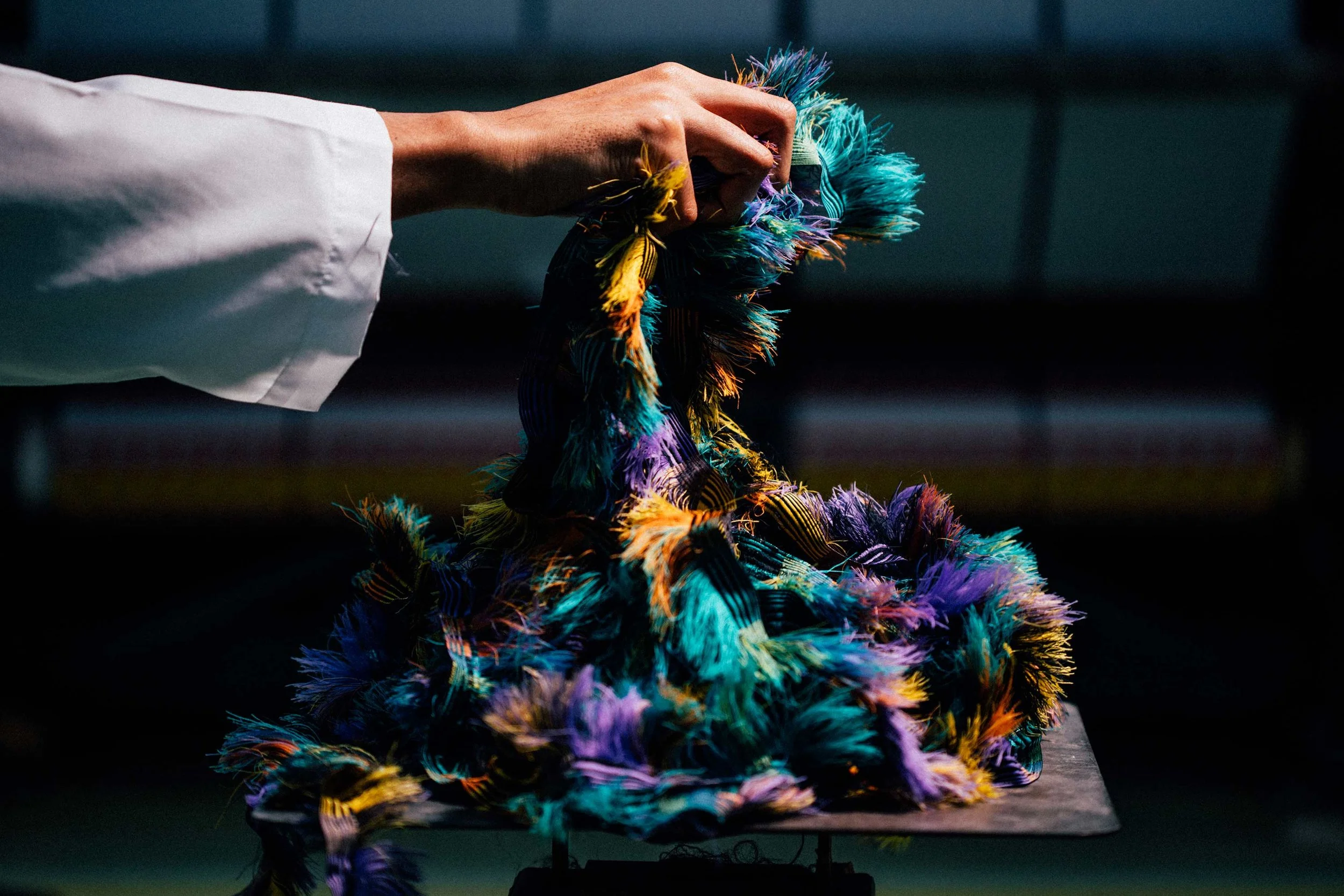
Saran Yen Panya
Studio Karyn Lim. Image credit to Ricky Safarullah

Jamie Kok

THINKK

Zulyo Kumara