On the Singapore River, a Hidden Workshop Powering Singapore’s Printmaking Scene
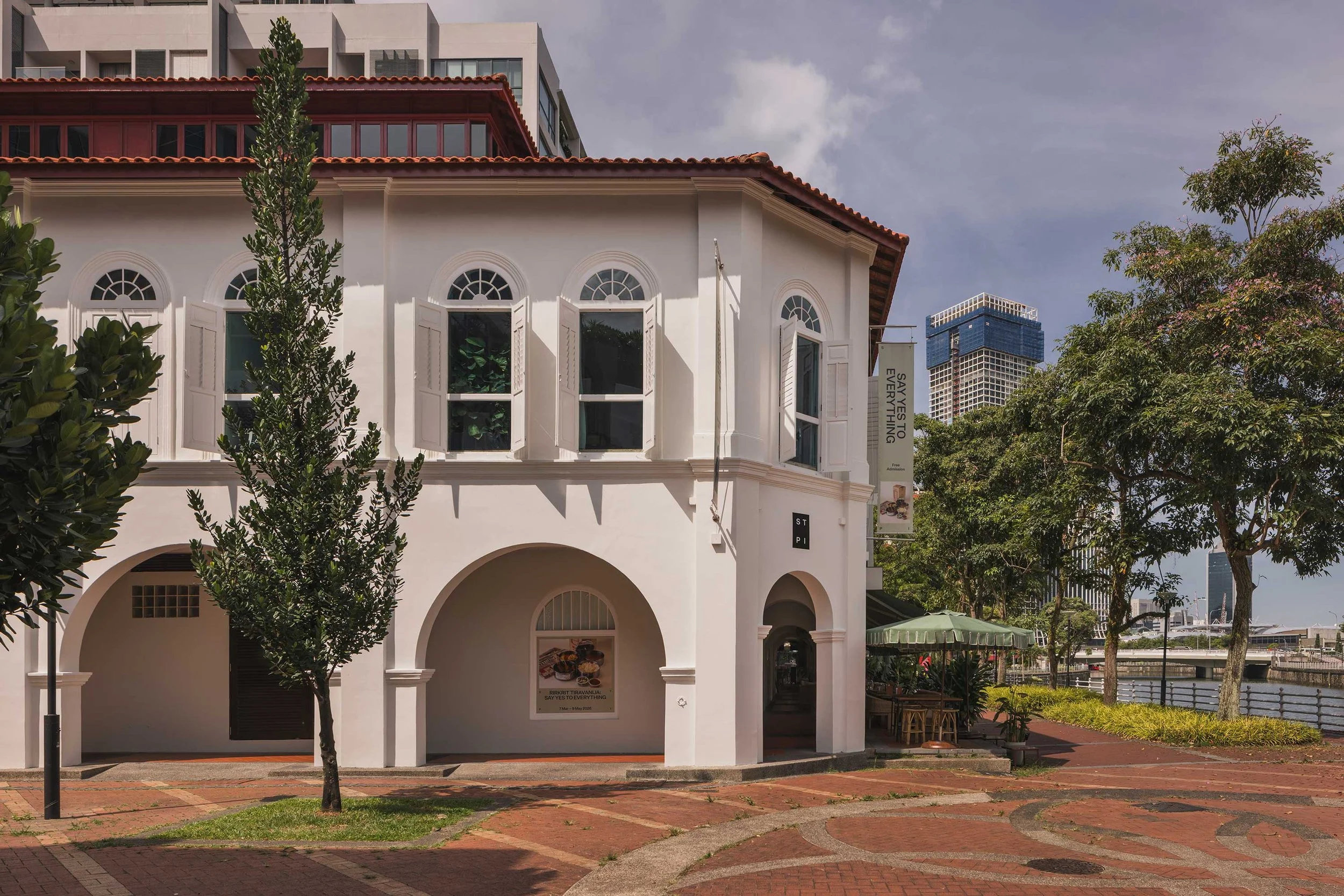
Inside a converted warehouse on the Singapore River, STPI combines a gallery and printmaking workshop, where artists from Seoul to Yogyakarta have made some of their most unexpected work
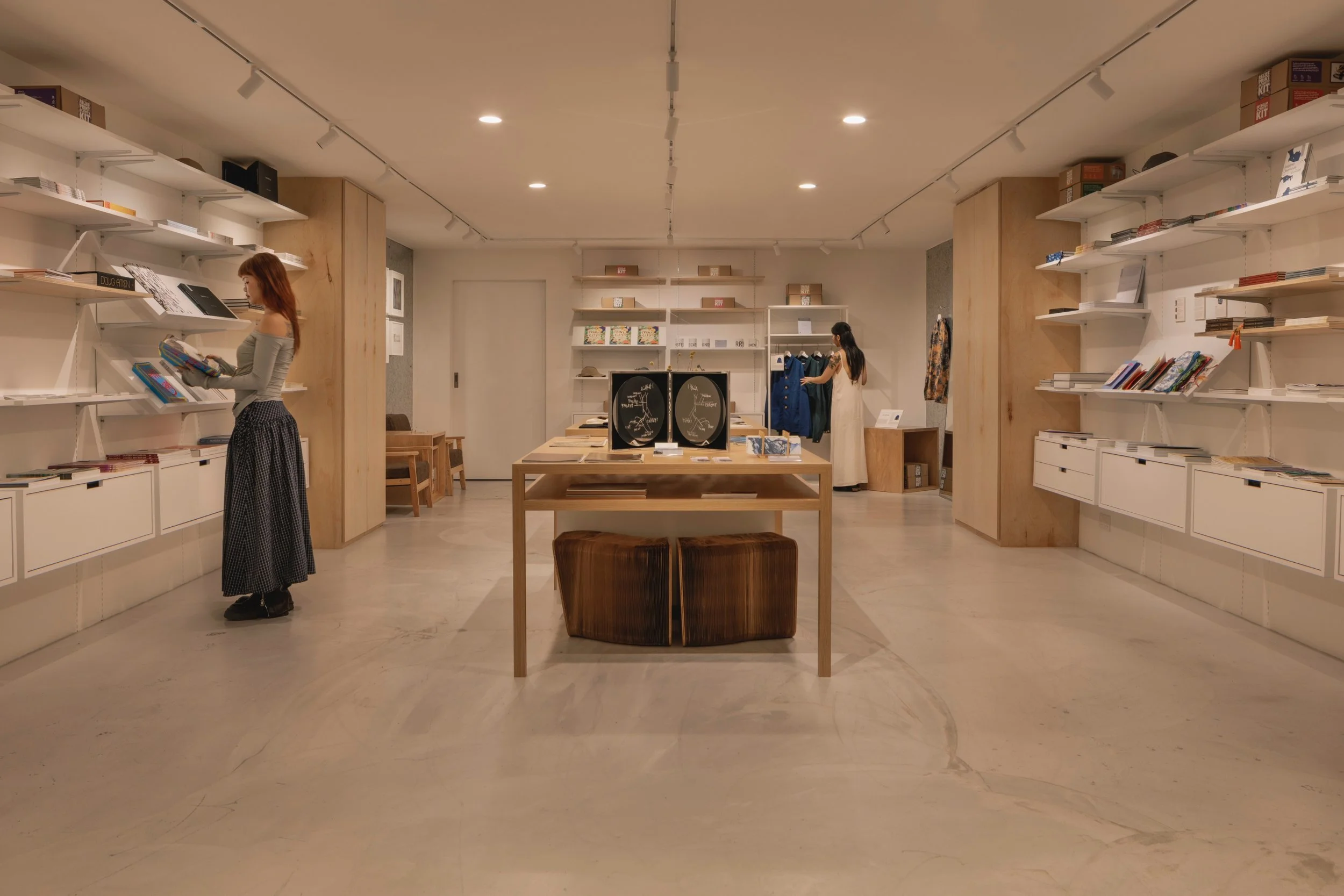
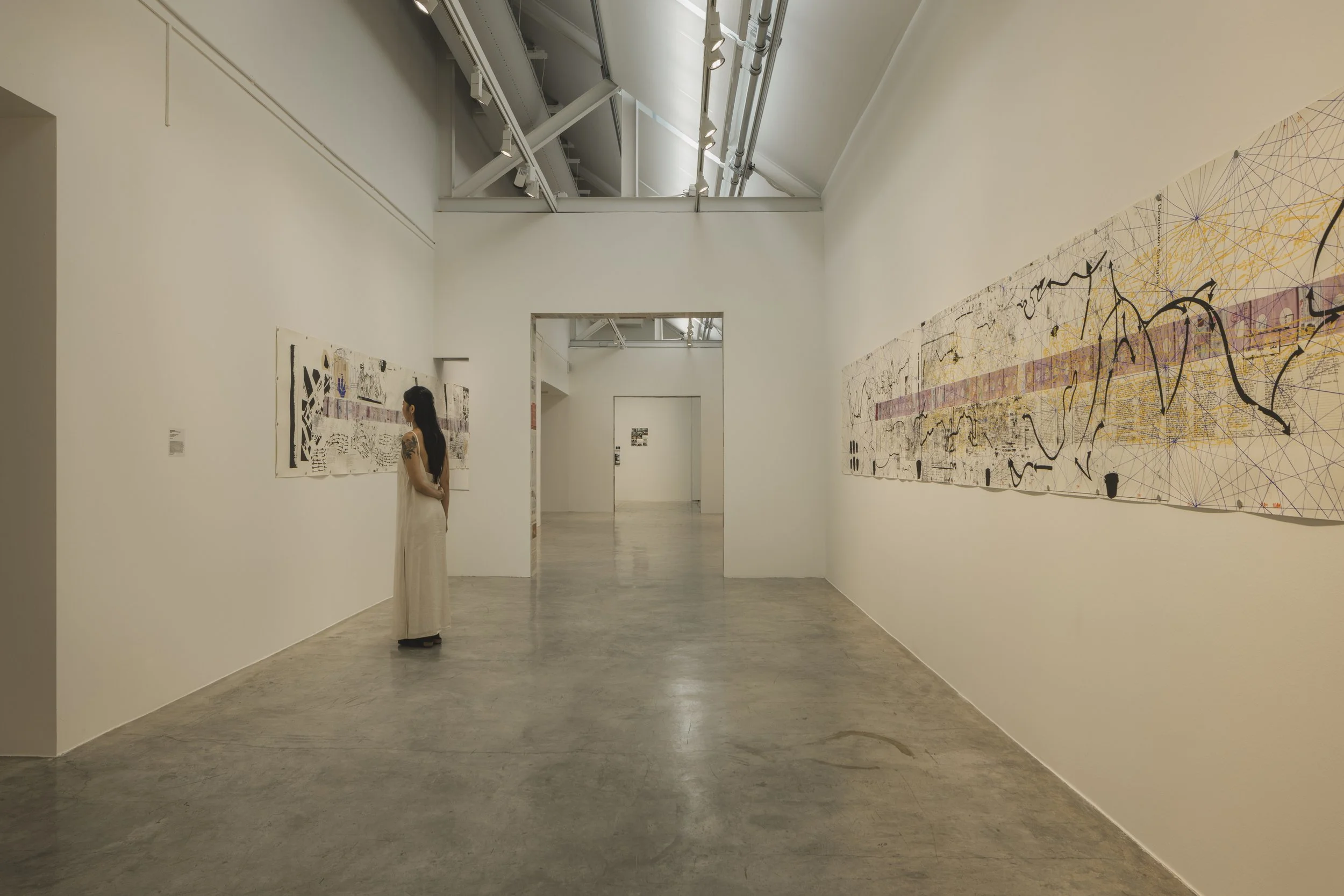
Perched beside the Singapore River in a sleek converted warehouse is STPI, the city’s leading gallery dedicated to contemporary printmaking and papermaking. Over the years, it has hosted exhibitions by leading contemporary artists, from Argentine-born Thai artist Rirkrit Tiravanija to South Korea’s Do Ho Suh. Yet many don’t realise that it also houses an industrial-scale workshop where artists create many of the exhibited works.
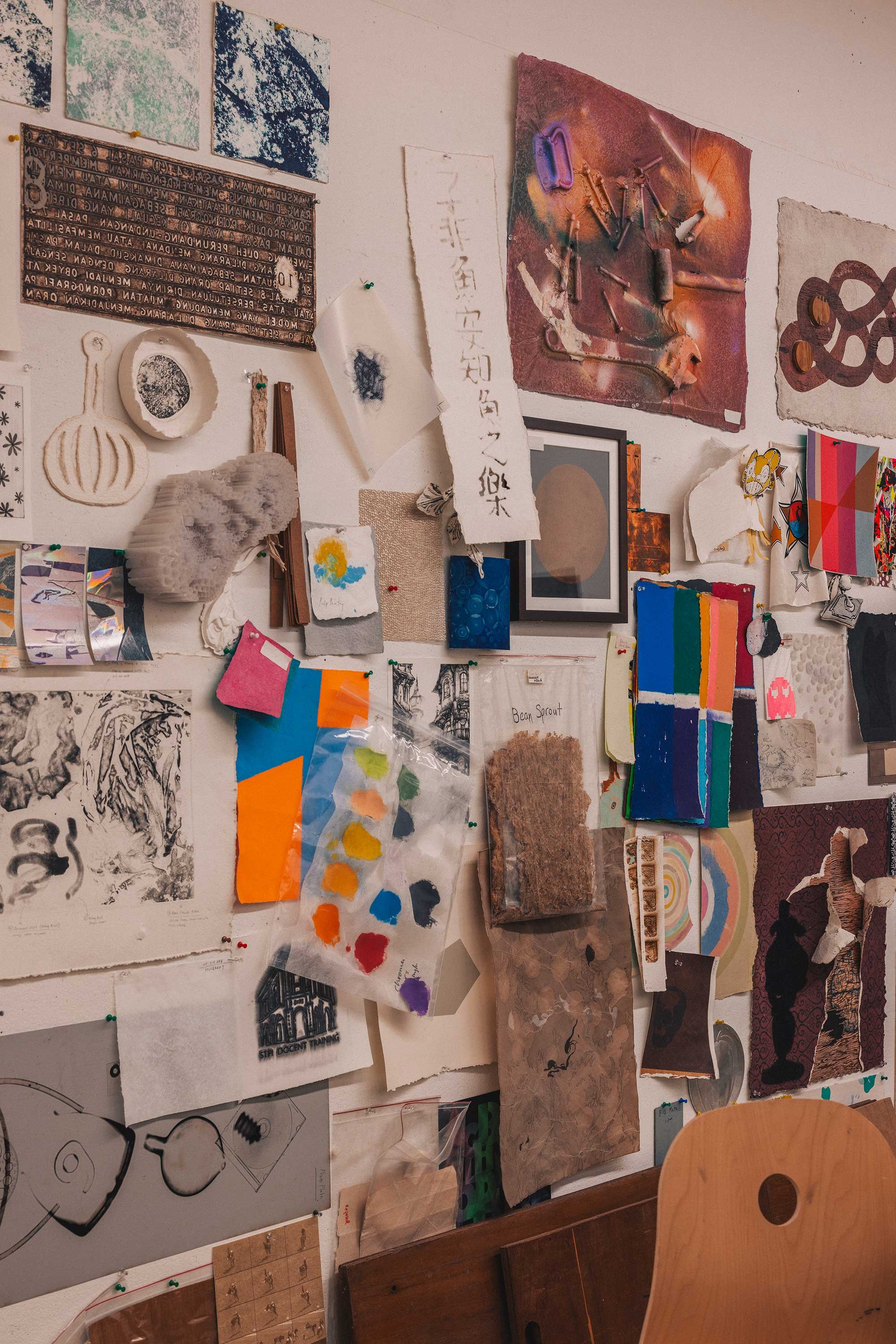
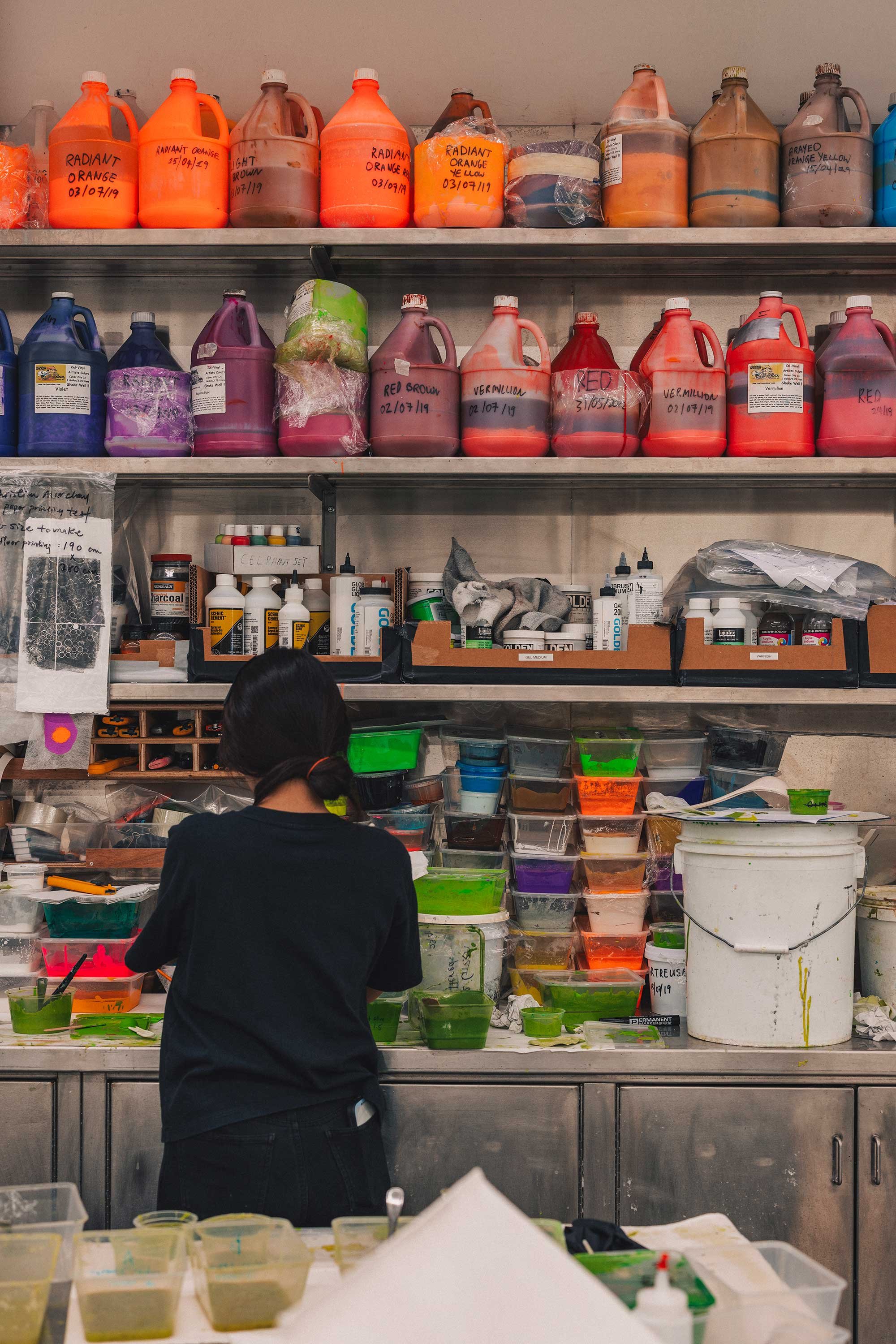
‘From the outside, it doesn’t look like much, but once you’re inside, it’s this huge space filled with large-scale printmaking machines rarely seen in Singapore or even in the region,’ says senior printer Chong Li Sze, who explains that the workshop also has its own paper mill. ‘It’s quite a special place for artists to experiment and try things they wouldn’t be able to elsewhere.’
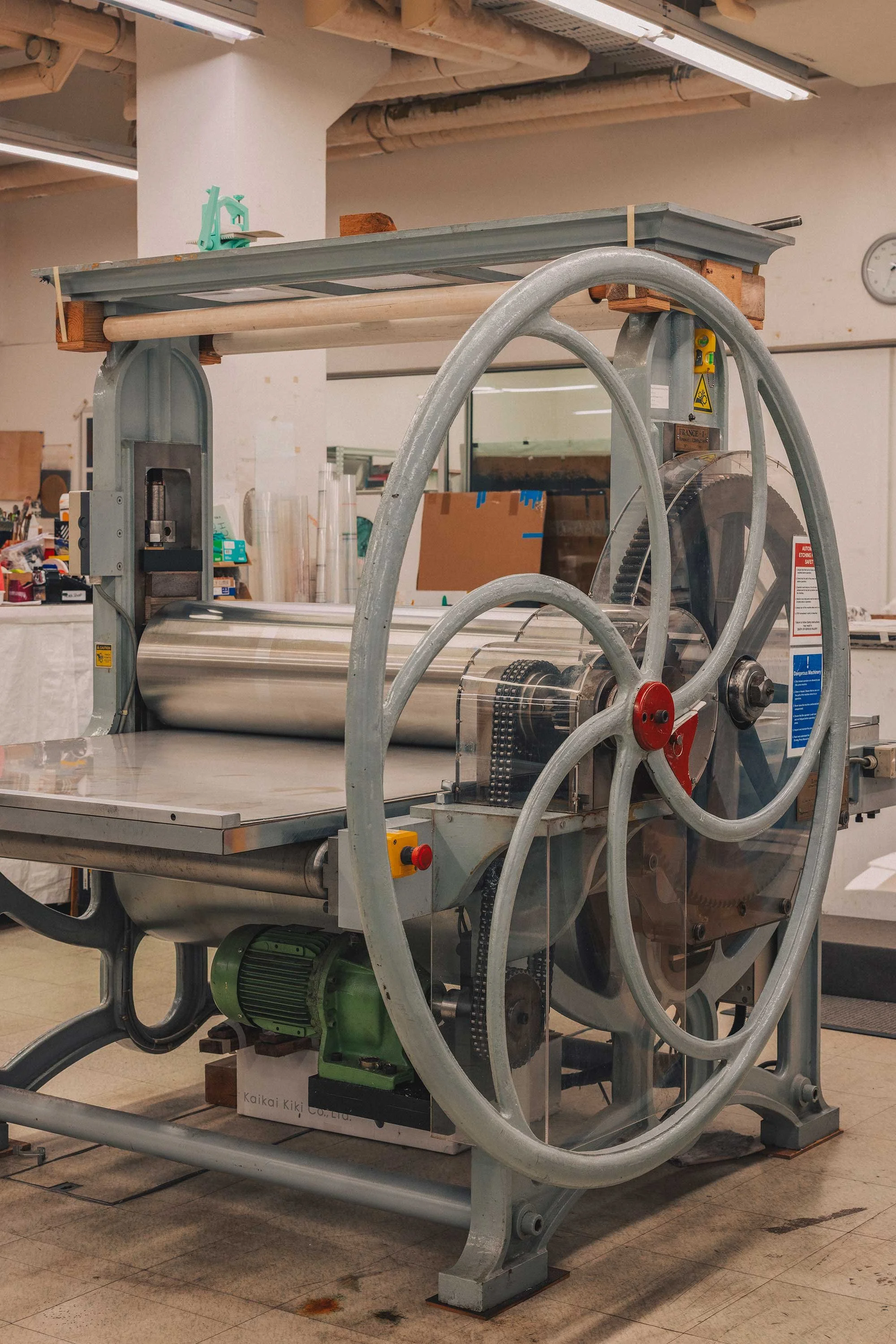
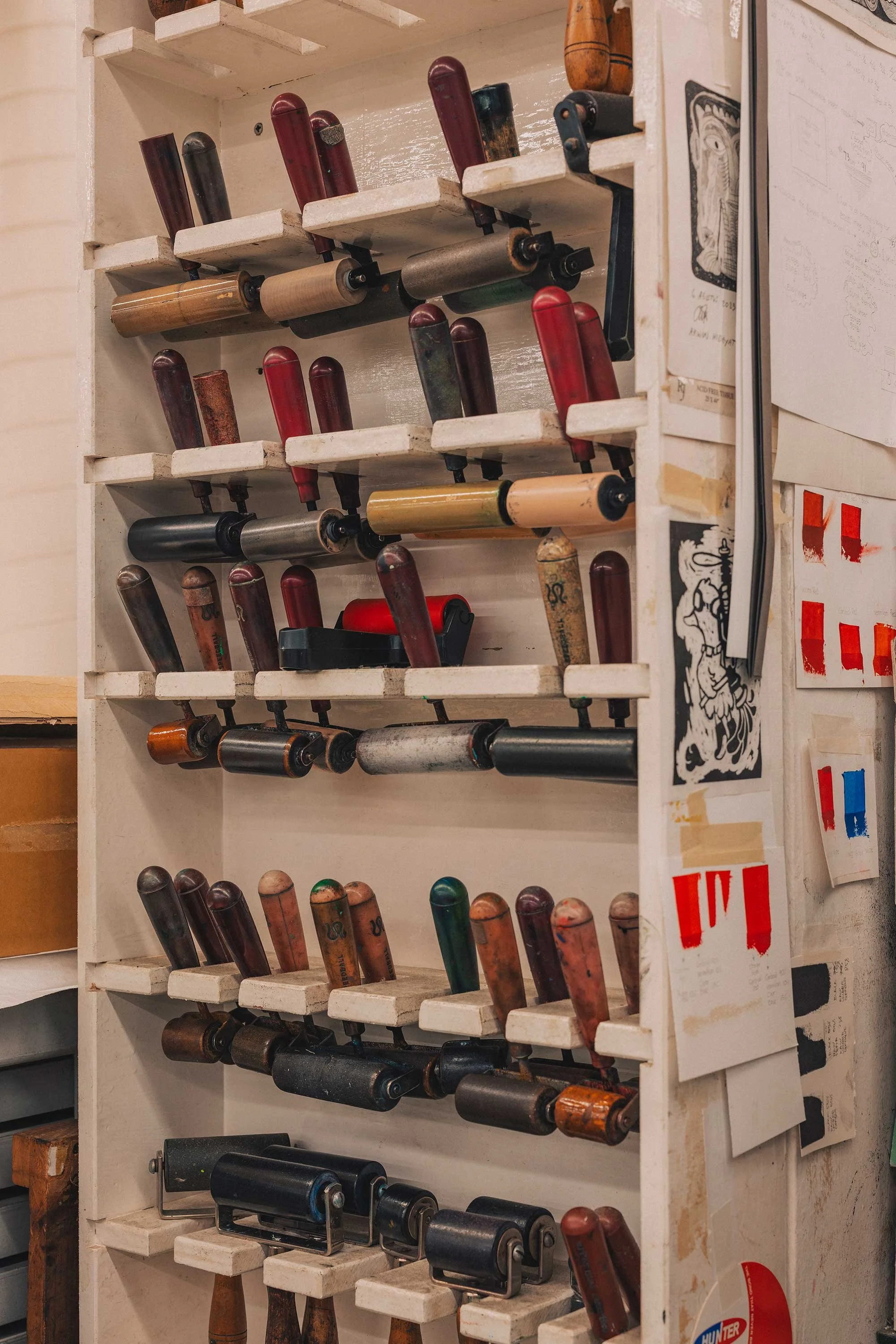
Most exhibitions at STPI begin with its artist residency programme, through which more than 100 artists from various disciplines have been given free rein to experiment alongside STPI’s local team of specialist print and paper makers. ‘We’re kind of like an open kitchen. We have a standard menu, and there are fixed things that we serve,’ says Director of Workshop, Oh Thiam Guan, referring to traditional techniques such as woodblock printing. However, more often than not, visiting artists create something off the menu. ‘It’s a very open collaboration, a process,’ Oh explains. ‘It’s about stretching our parameters. It’s more fun this way.’
That spirit of experimentation echoes the approach of STPI’s namesake, American master printmaker Kenneth E Tyler, who began collaborating with leading modern and contemporary artists — including David Hockney and Robert Rauschenberg — as early as the 1960s. When STPI, originally the Singapore Tyler Print Institute, opened in 2002, the presses and equipment were shipped from his New York studio to set up the workshop.
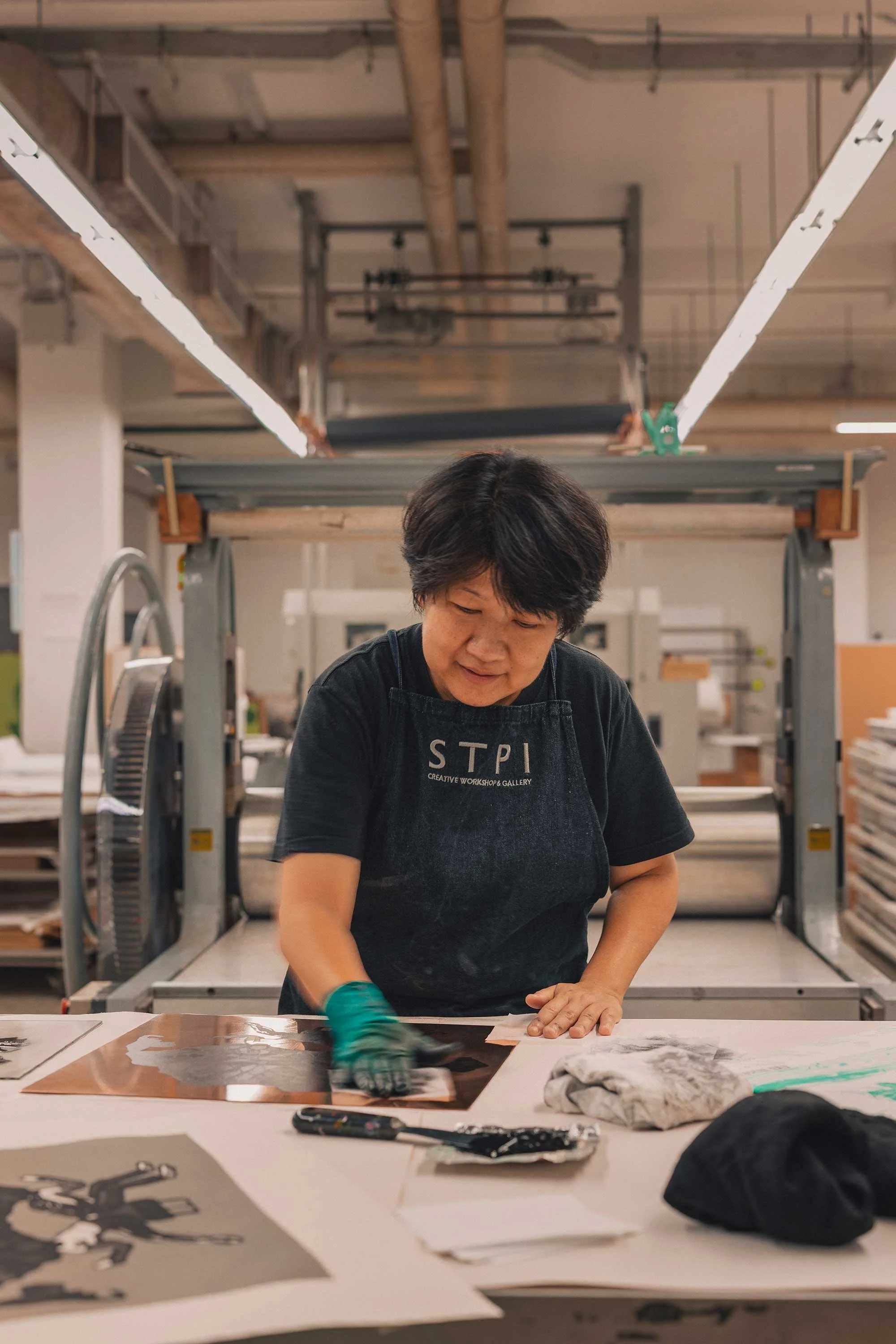
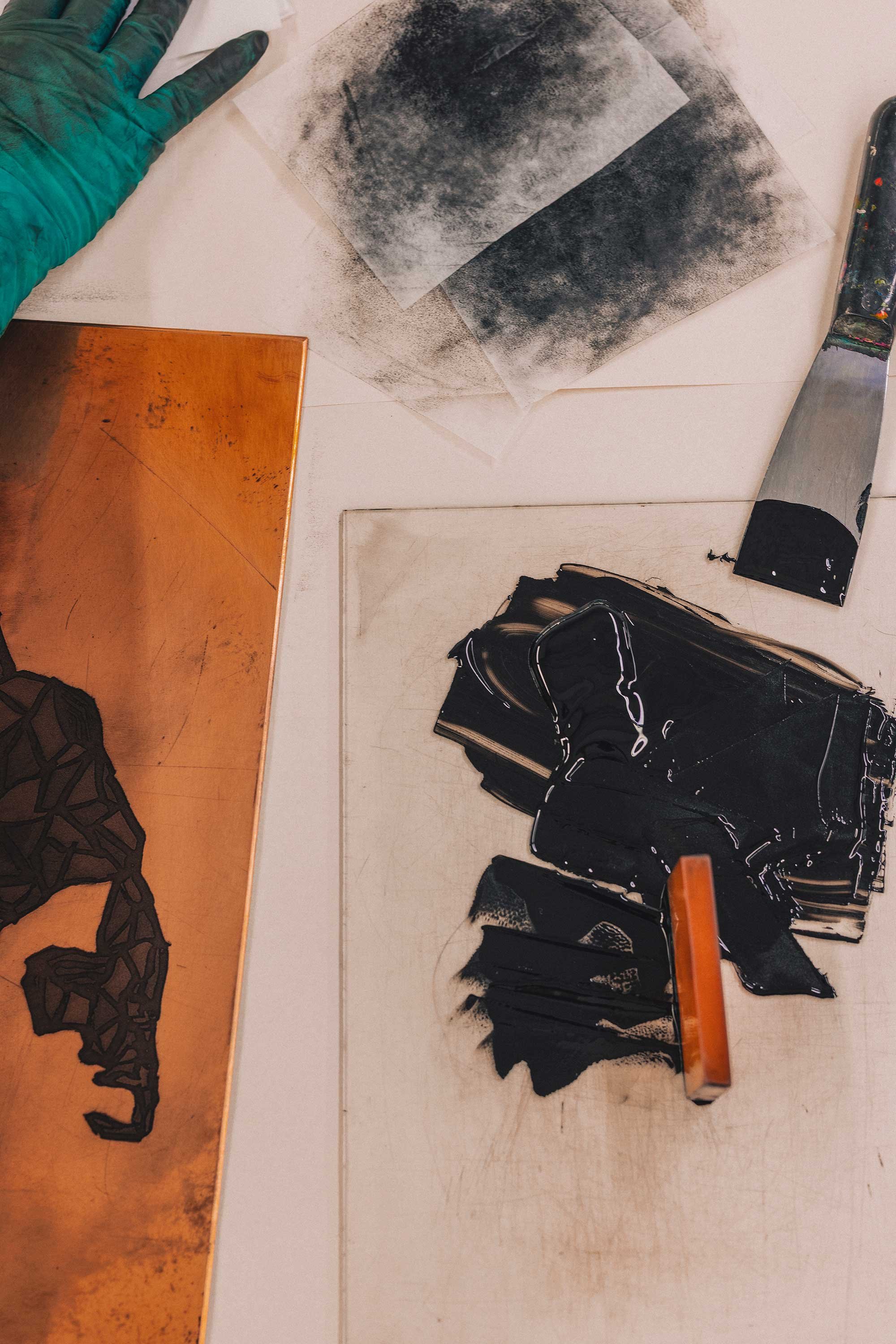
Now, as STPI looks towards its 25th anniversary, the facilities have continued to evolve with new technologies, and visiting artists often find new breakthroughs and innovative approaches through collaborations with the team.
Korean artist Haegue Yang, for instance, who is known for monumental installations, adapted screen printing methods to encrust layers of spices such as turmeric and cardamom onto large discs of sandpaper, resulting in Spice Moons (2013), a fragrant multisensory series. Others have used the residency to explore entirely new mediums: Indonesian Melati Suryodarmo created evocative abstract works using coloured linen and lokta pulp, a handmade Nepali paper derived from the bark of the Indian paper plant.
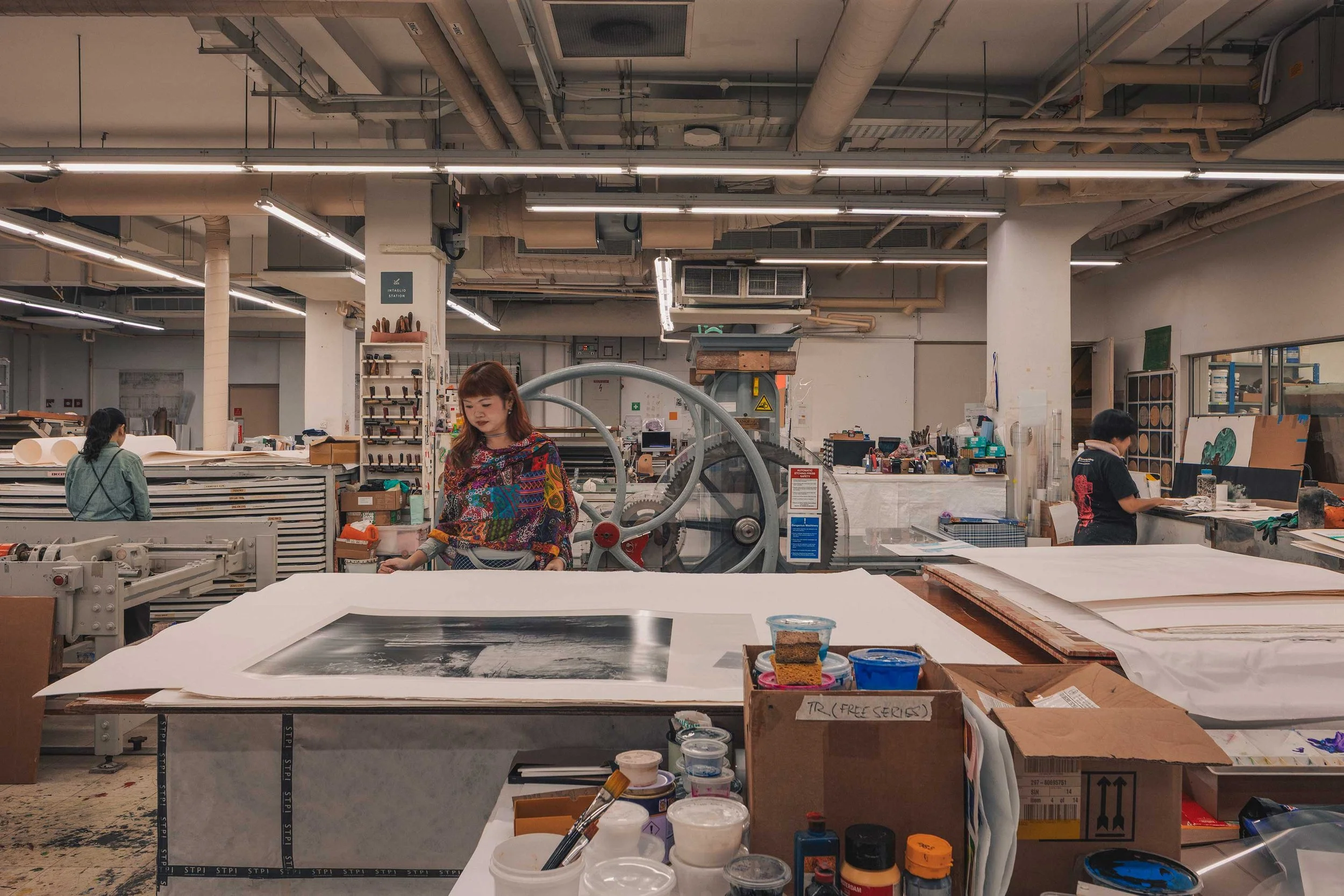
Several artists return for multiple residencies, among them Yogyakarta-based artist Eko Nugroho, who will exhibit works from his second residency this August. During his first back in 2012, Nugroho used paper pulp from STPI’s mill to create neon-hued sculptures, as well as covering the walls in graffiti-like paintings echoing his iconic embroidery works rooted in street art, comics and traditional Indonesian art forms such as shadow puppetry.
This time, Nugroho has created a collection that is playful and critical, in which his accessible style draws viewers in to interrogate performative identity and mutual surveillance with a particular focus on his time spent in Singapore. The works include his use of the mokulito, or wood lithography, technique. ‘It’s been very fulfilling to see how his work continues to evolve while remaining deeply engaged with people and society,’ says Chong.
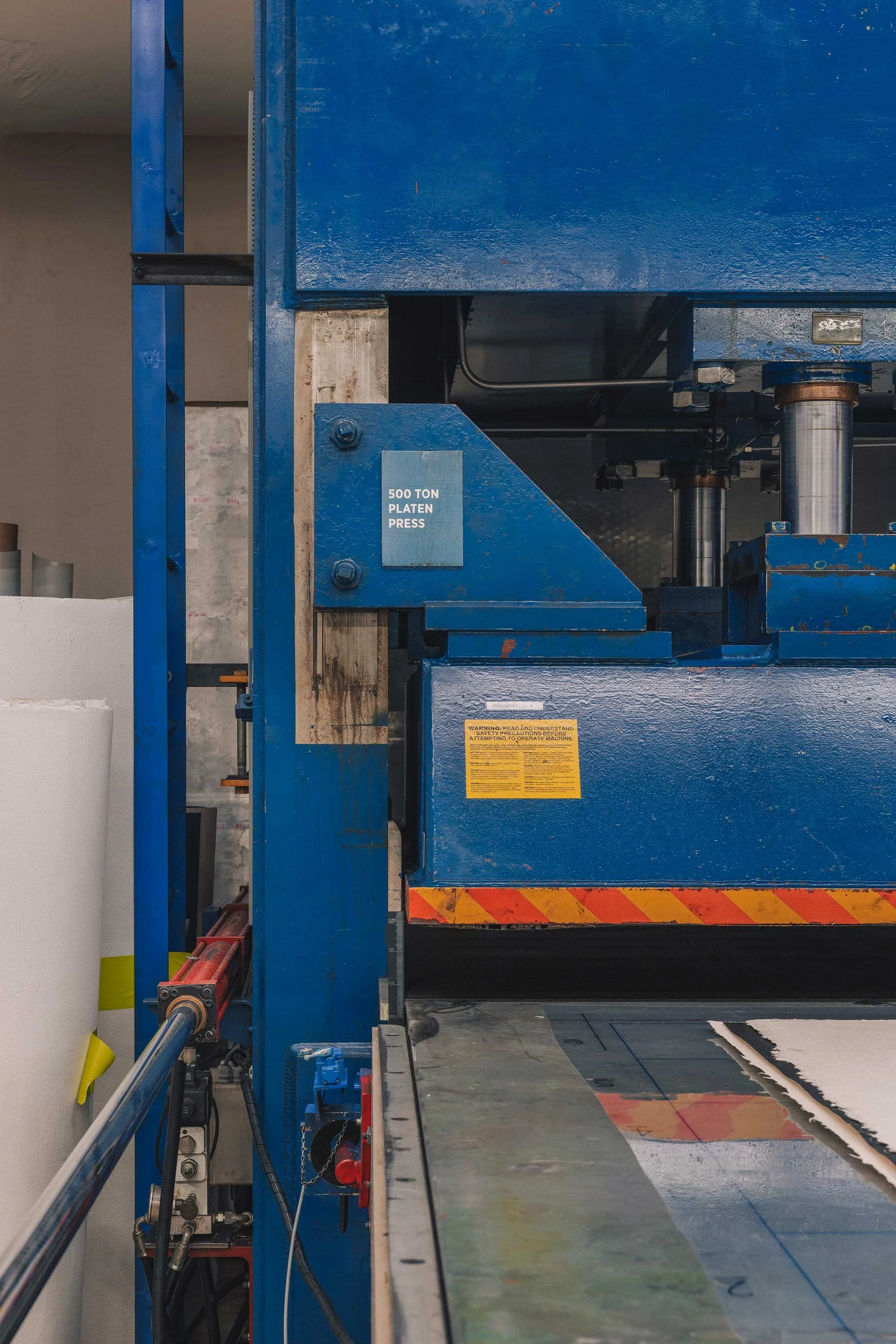
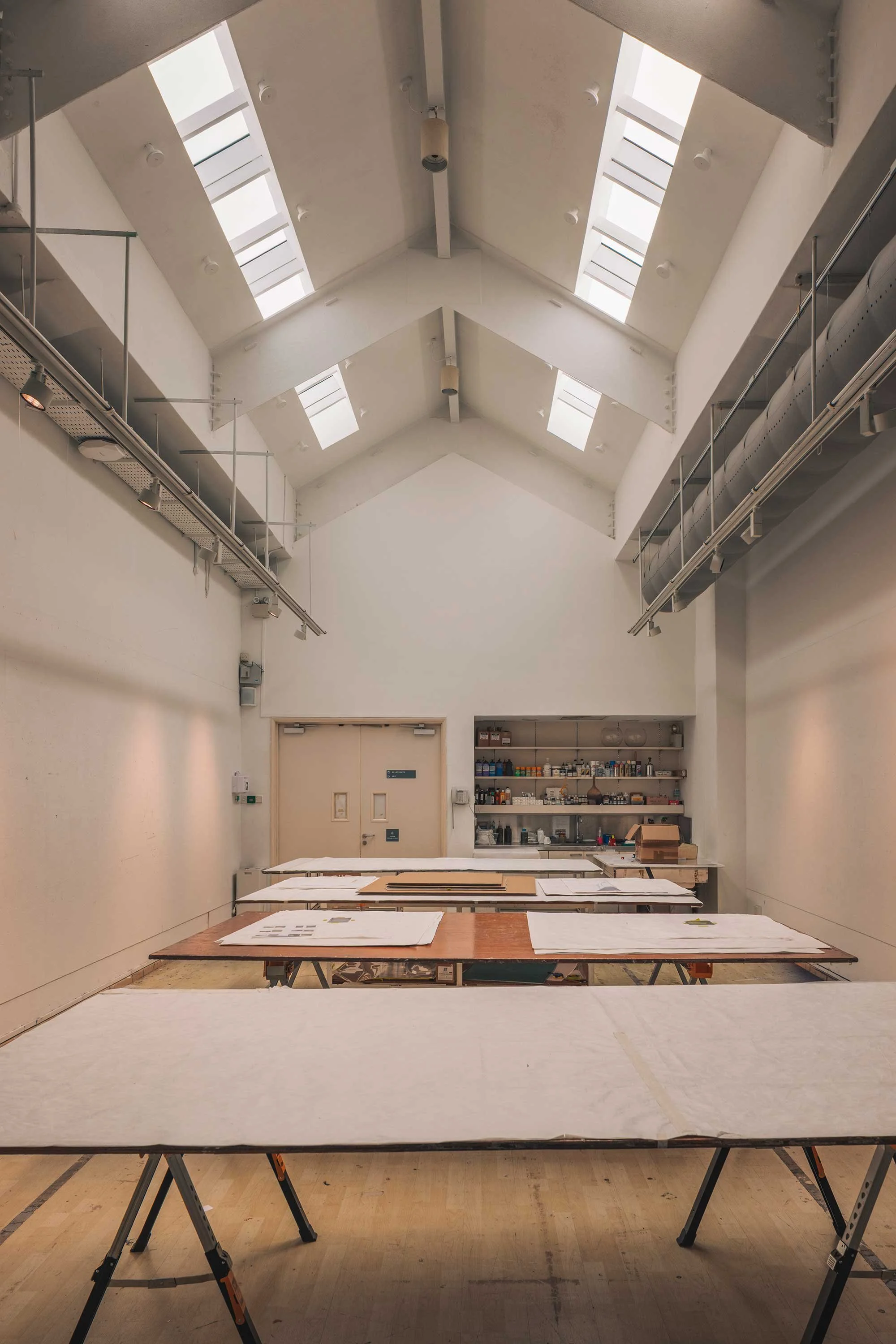
Today, STPI has become one of the key destinations for contemporary printmaking in Asia. Alongside regularly showing in international art fairs, STPI launched The Print Show & Symposium Singapore earlier this year, bringing leading curators, artists and gallerists into dialogue. It was a highlight for art aficionados and collectors attending the city’s annual art week. Beyond its exhibitions and programmes, STPI also runs print_screen, an online editorial platform celebrating the people, stories and ideas shaping contemporary art today.
As Chong explains, STPI is ultimately about connections and collaborations between people. ‘It’s not just about making artworks — it’s about the relationships, the conversations, the trust that builds over time. It’s a very human place — and in many ways, quite a magical one.’