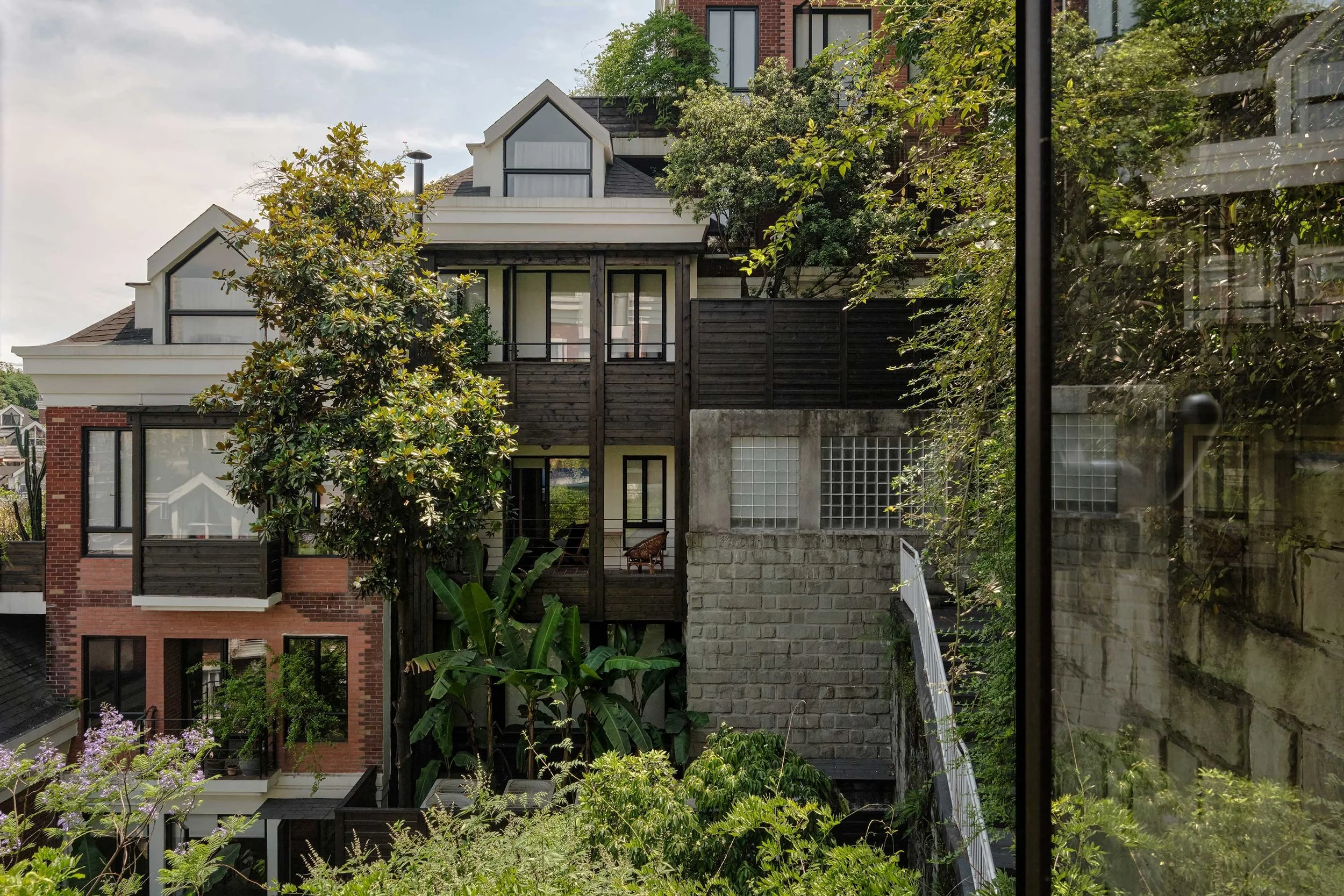
Signyan Design’s Sense of Luxury is Based on Connection
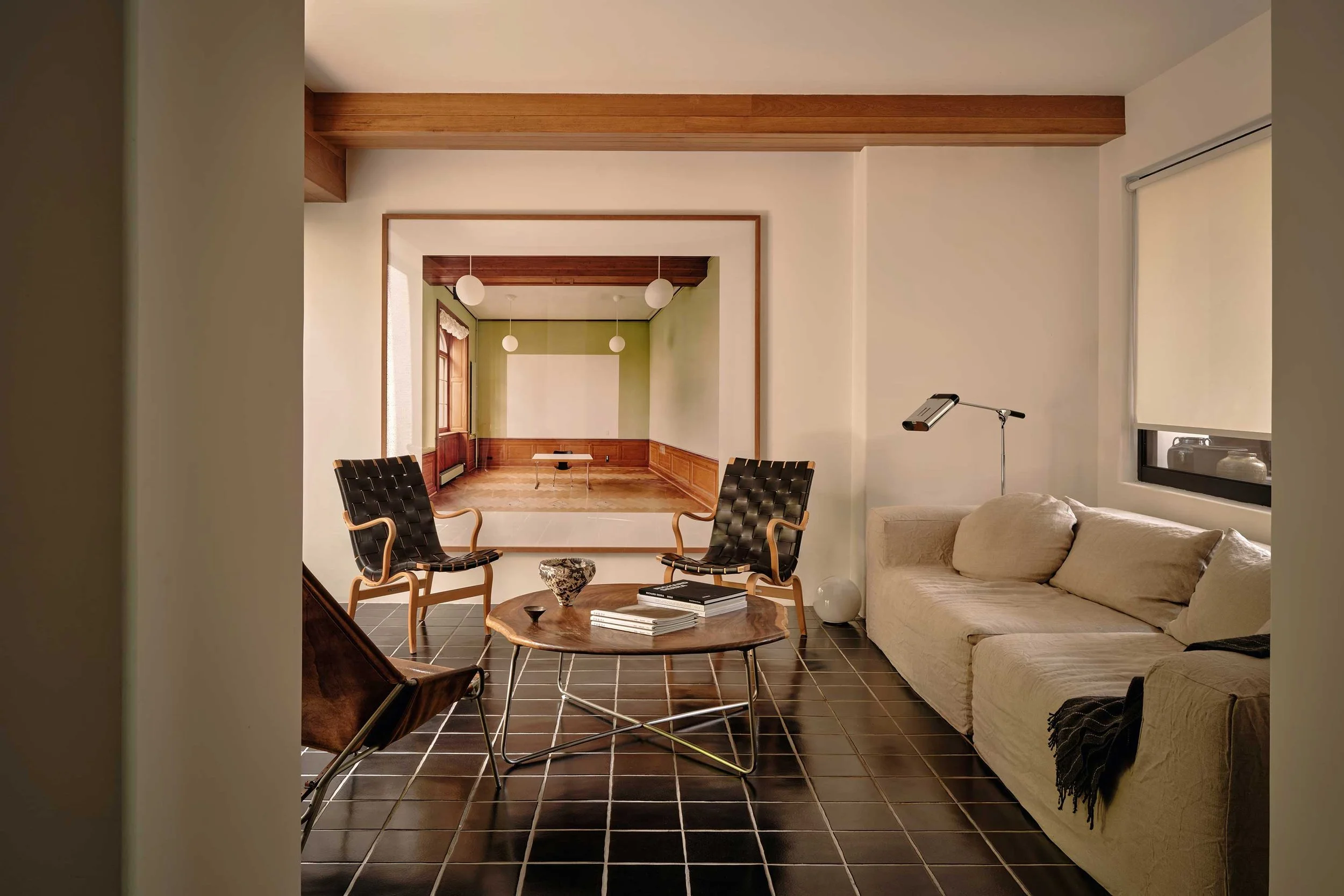
In an age of excess, Signyan Design recasts luxury through calm environments with a heightened sense of care and connection. While its reach extends across China and abroad, the practice remains firmly rooted in its native Chongqing
To call Signyan Design’s workspace an office would undersell it. Set across two buildings in a residential enclave of Chongqing, the space feels more like a home. It unfolds as a series of studios with lounges, kitchens and coffee bars, many opening onto leafy views or balconies, and furnished with inviting upholstered seating and mid-century designs. A network of Escher-like stairways connects the different departments, though they might just as well lead to the yoga room, the materials lab or the sun-drenched cafeteria filled with the aromas of Sichuan home cooking.
‘We want our team to experience the beauty of daily life so they can carry it into the work,’ says co-founder Ke Xie as we tour the space. He founded Signyan Design with Hongxin Zhi in 2008 as a small studio. Since then, the company has grown to span architecture, interiors and landscaping, with forays into art, antiques, furniture and, fittingly, in-house hospitality projects ranging from restaurants to small-scale hotels. The combined team numbers around 250, nearly half based in the main office. Yet the space feels intimate, even sparse at times, with little of the usual corporate buzz. Instead, it reflects Signyan’s preference for simplicity and everyday life over excess — the thread that binds its varied pursuits.
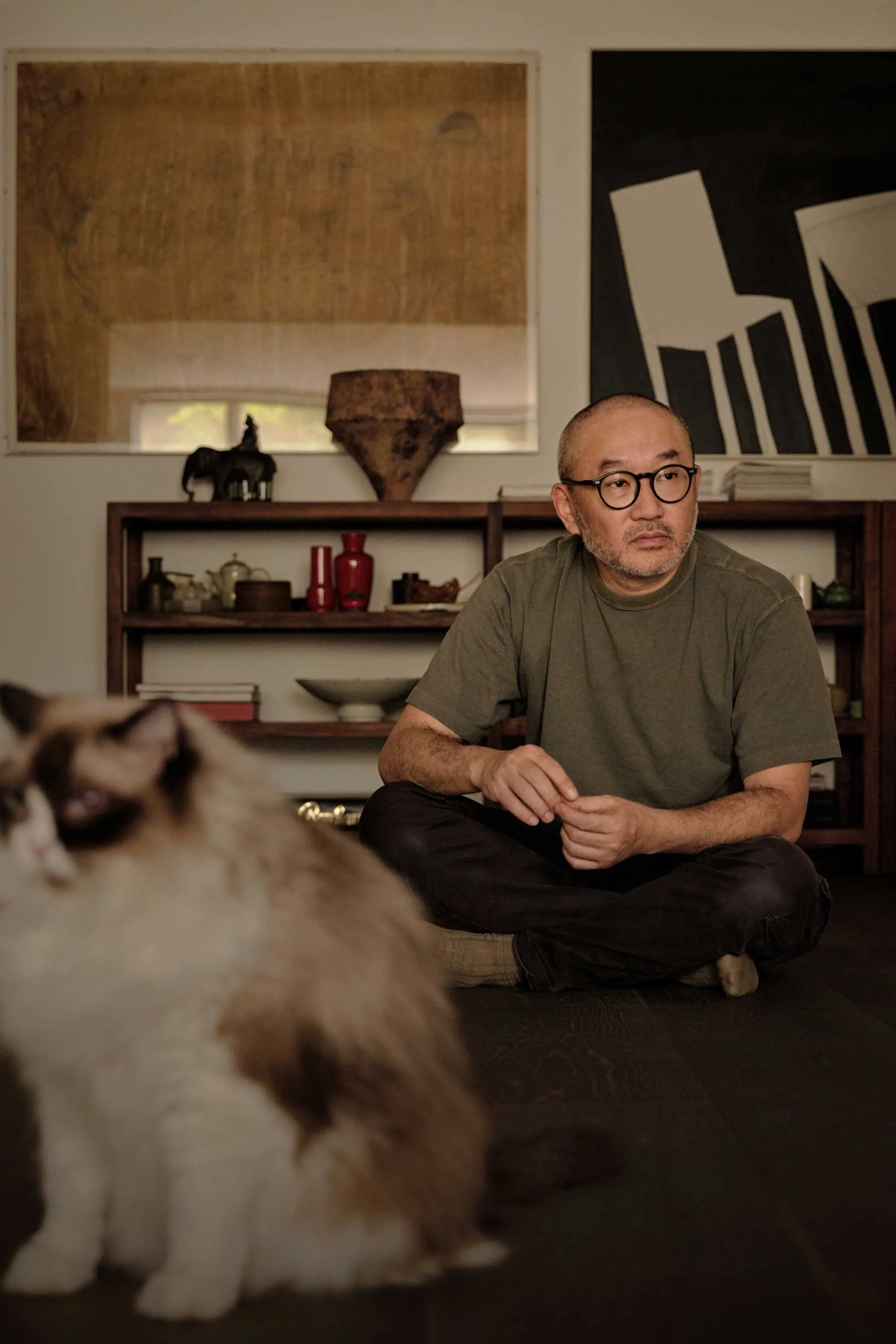
Image by Jonathan Leijonhufvud
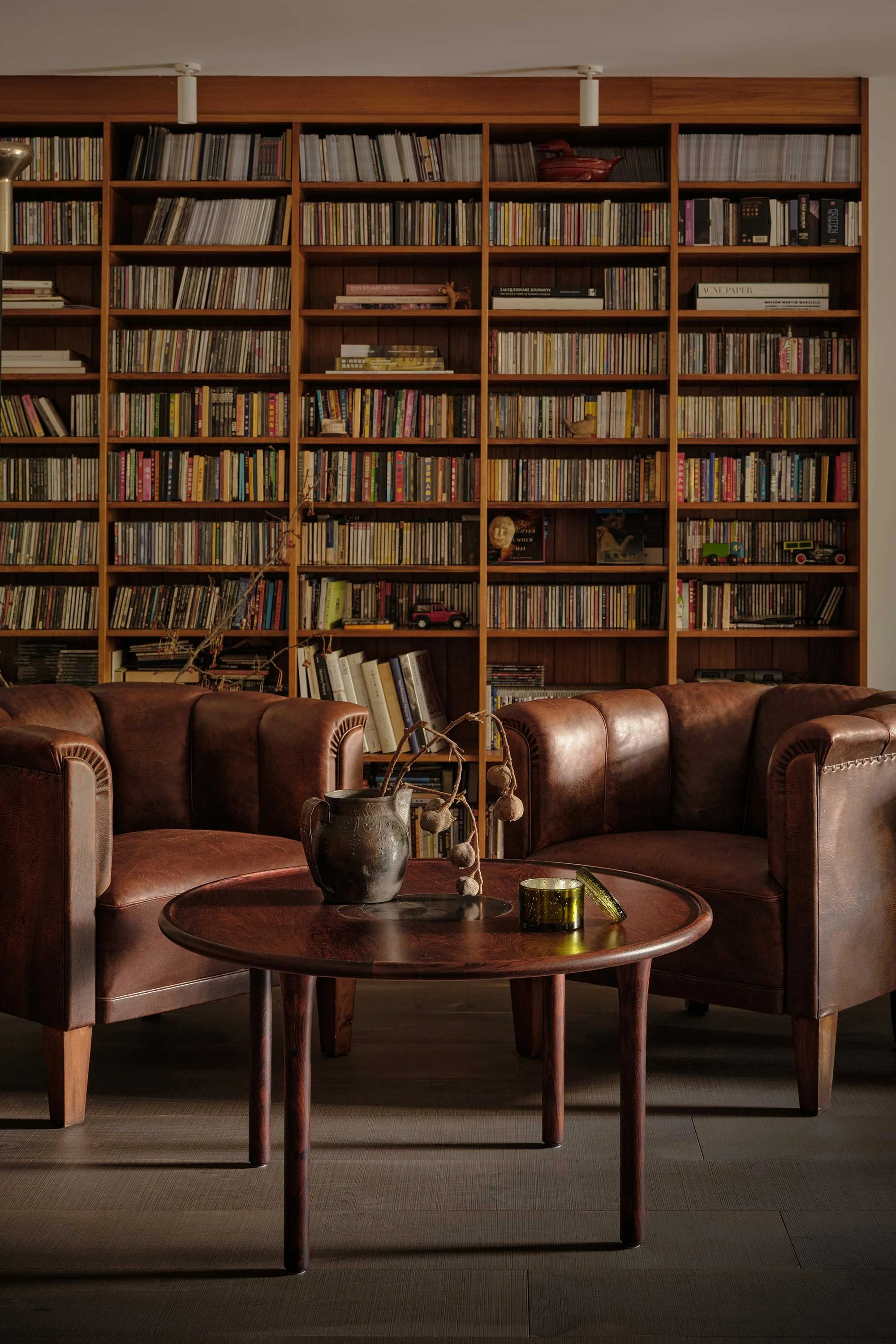
Image by Jonathan Leijonhufvud
The space Xie shares with Zhi carries the same poise. An easel scattered with hand sketches sits beside photographs from the team’s study trips: Niemeyer’s spiral stairwell in Brasília; Bawa’s estate in Bentota. The latter, in particular, remains a lasting reference point, alongside Alvar Aalto, both for their domestic sense of scale and attunement to routine. Still, over tea and fresh Yunnan blueberries on a set of vintage Vatne Møbler seating pieces, Xie is quick to point out that his most enduring influences are less canonical than practical. Having studied oil painting, rather than architecture, he sees the village craftspeople he has collaborated with for decades as his actual teachers.
Signyan creates homes and retreats for a jet set across China, with work abroad in Kyoto and Los Angeles. Yet its approach to luxury remains subdued and rooted in the Chinese tradition of jiangjiu. ‘Our spaces and objects don’t appear overtly luxurious in the conventional sense, but calm and restrained, sometimes in very ordinary ways. What people today call luxury, people in the past would’ve called being particular or thoughtful. It all comes from care, and reveals itself through the way you live and behave,’ Xie says.
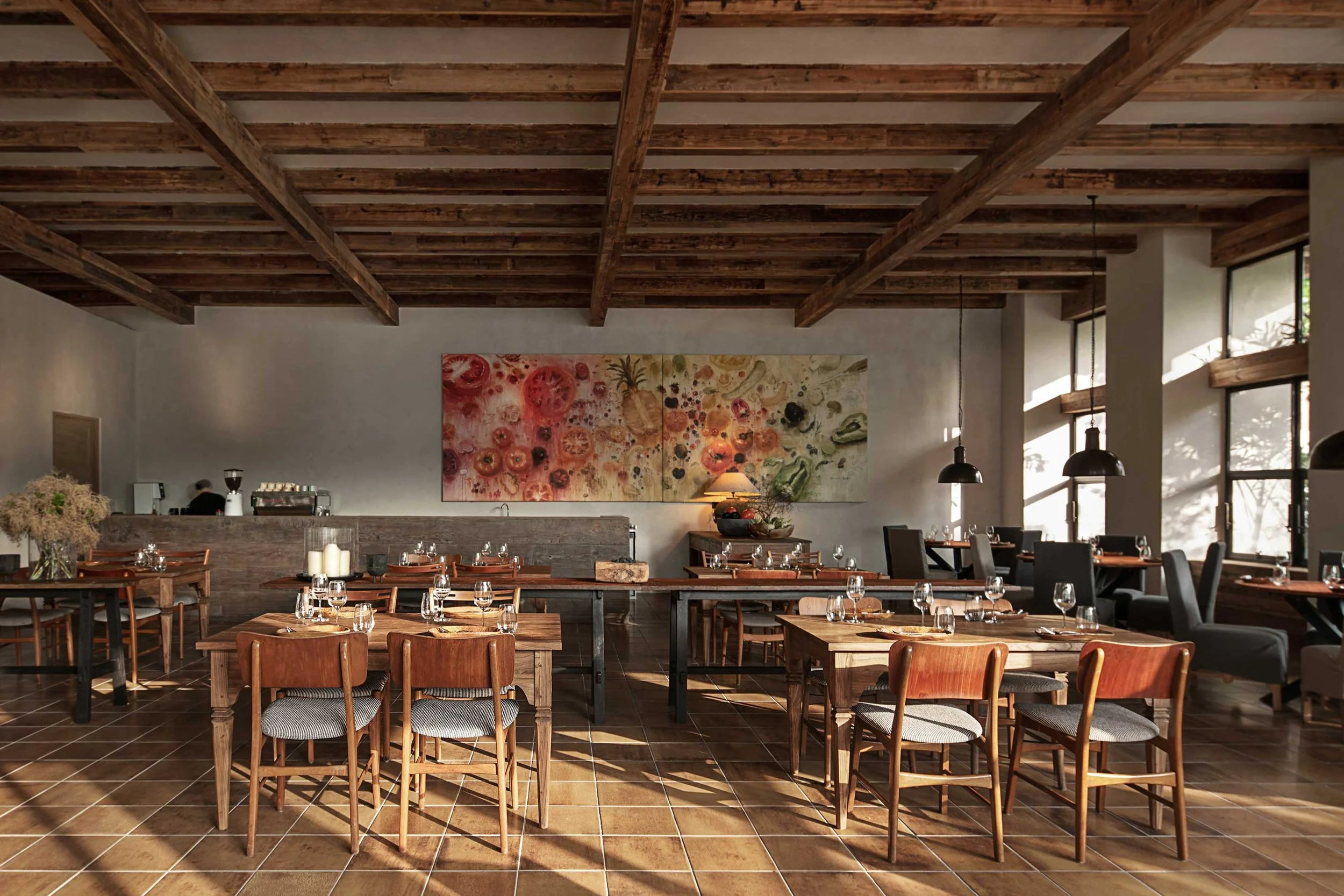
Image by pianfang
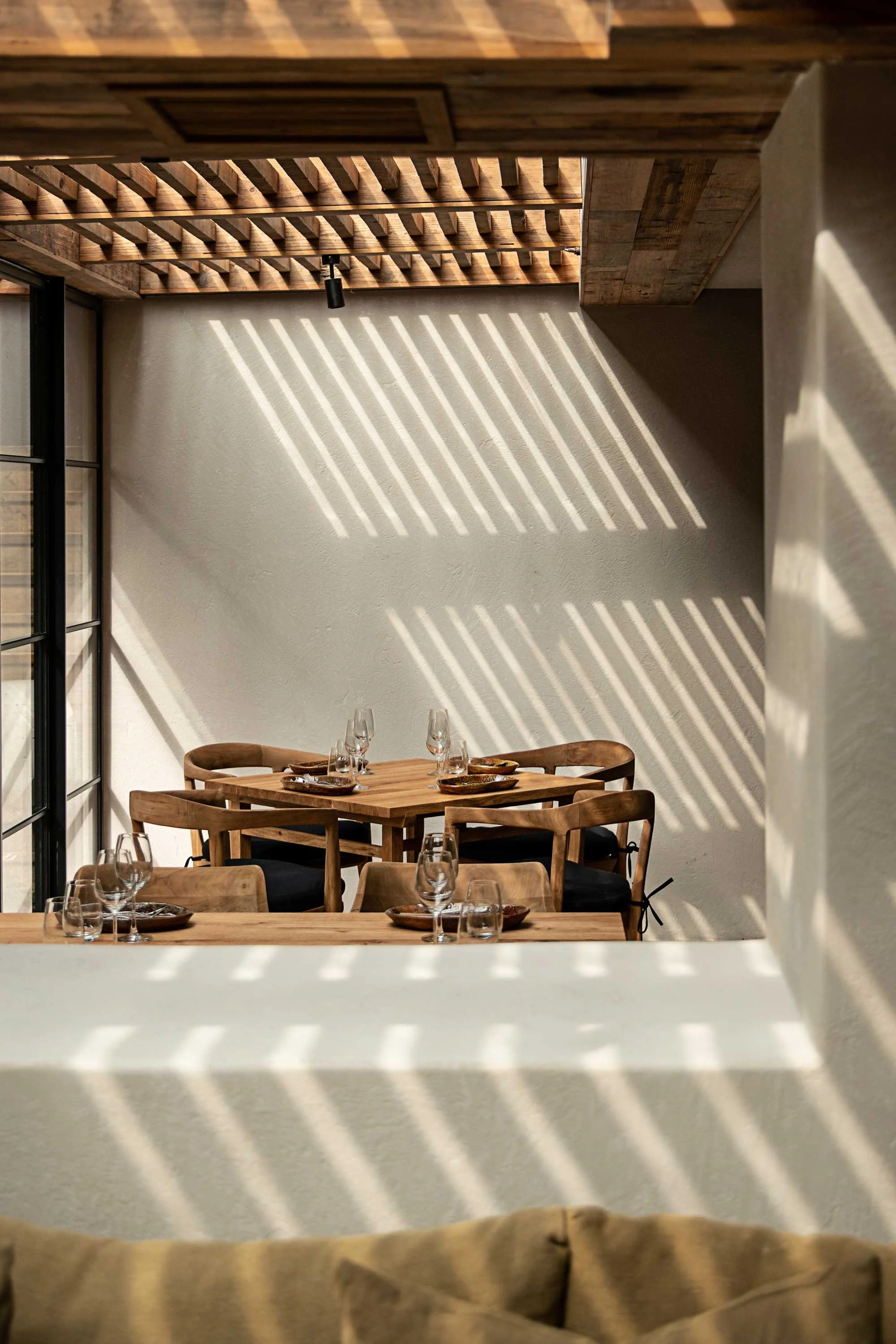
Image by pianfang
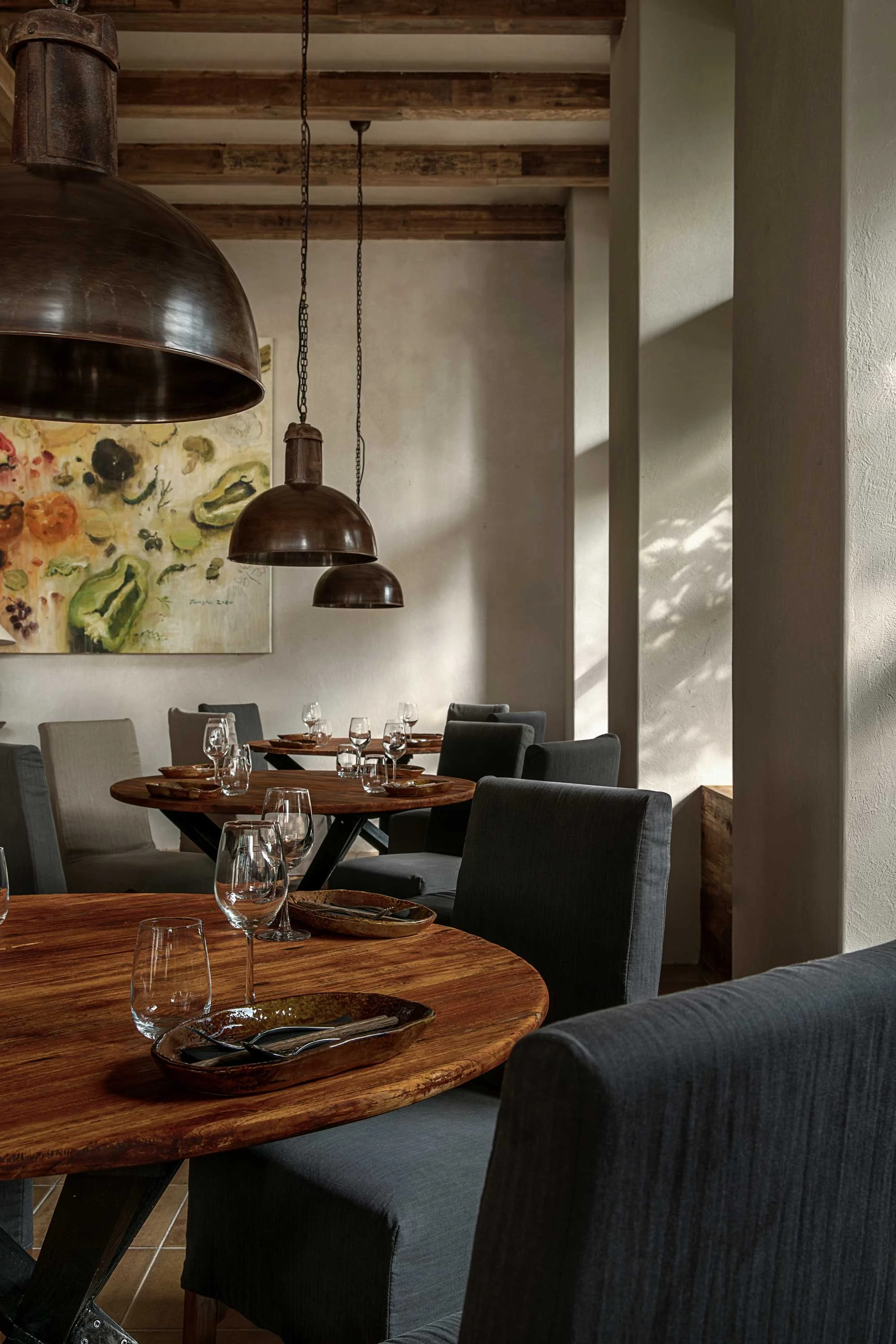
Image by pianfang
An immediate manifestation of this philosophy is Yiji, the practice’s platform for antiques, artworks and contemporary design, curating established and emerging names from both the Chinese and international scenes. While an online catalogue exists, its showrooms across China prioritise in-person exchange and tactile engagement. Yiji relies on a busy team of buyers sourcing from leading international fairs and lesser-known antique markets, though Xie and Zhi also source objects themselves, often taking a more rustic route. During hikes in Indonesia, they became fascinated by objects made by community members, often assembled from found materials. ‘They may not appear polished at first, but they contain an incredible amount of creativity, spontaneity and playfulness,’ Xie says. ‘These makers aren’t trying to force a perfect form, but they allow objects to naturally develop relationships and change over time. There’s something deeply human and emotionally resonant in that.’
A similar sensibility extends across the material palette used throughout their projects, defined by textured surfaces that patinate. Next to Yiji Chongqing’s 1,800-square-metre showroom, a dedicated gallery hosts rotating exhibitions; a few steps away, Gaagaa, an in-house restaurant with the atmosphere of a rural guesthouse, blends Southwestern Chinese flavours with influences from Xie’s and Zhi’s travels across Thailand, Indonesia and beyond. Decor is kept to a minimum, complete with organic installations and large, food-inspired paintings by Ke Tang, a friend of Xie from art school.
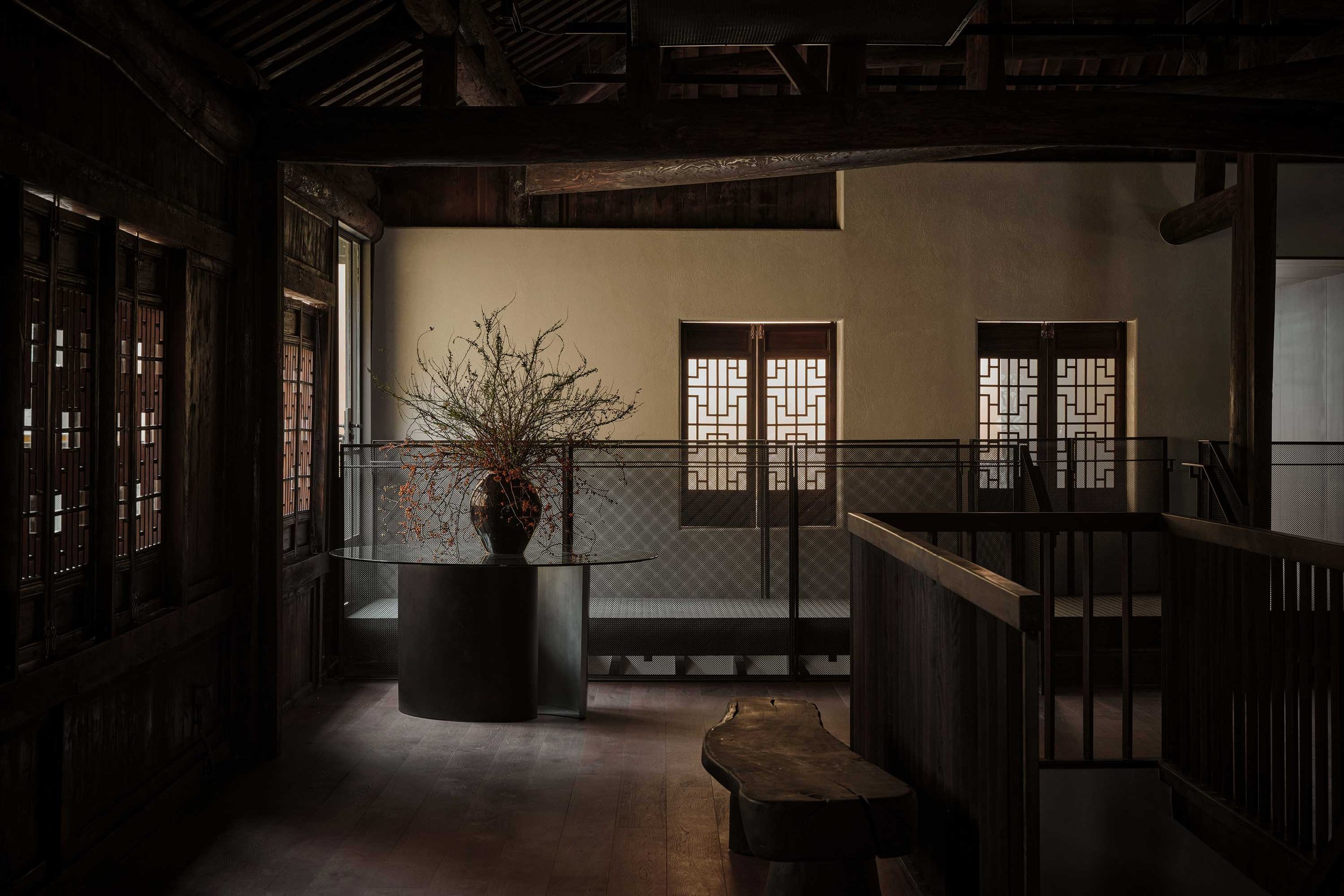
Image by Jonathan Leijonhufvud
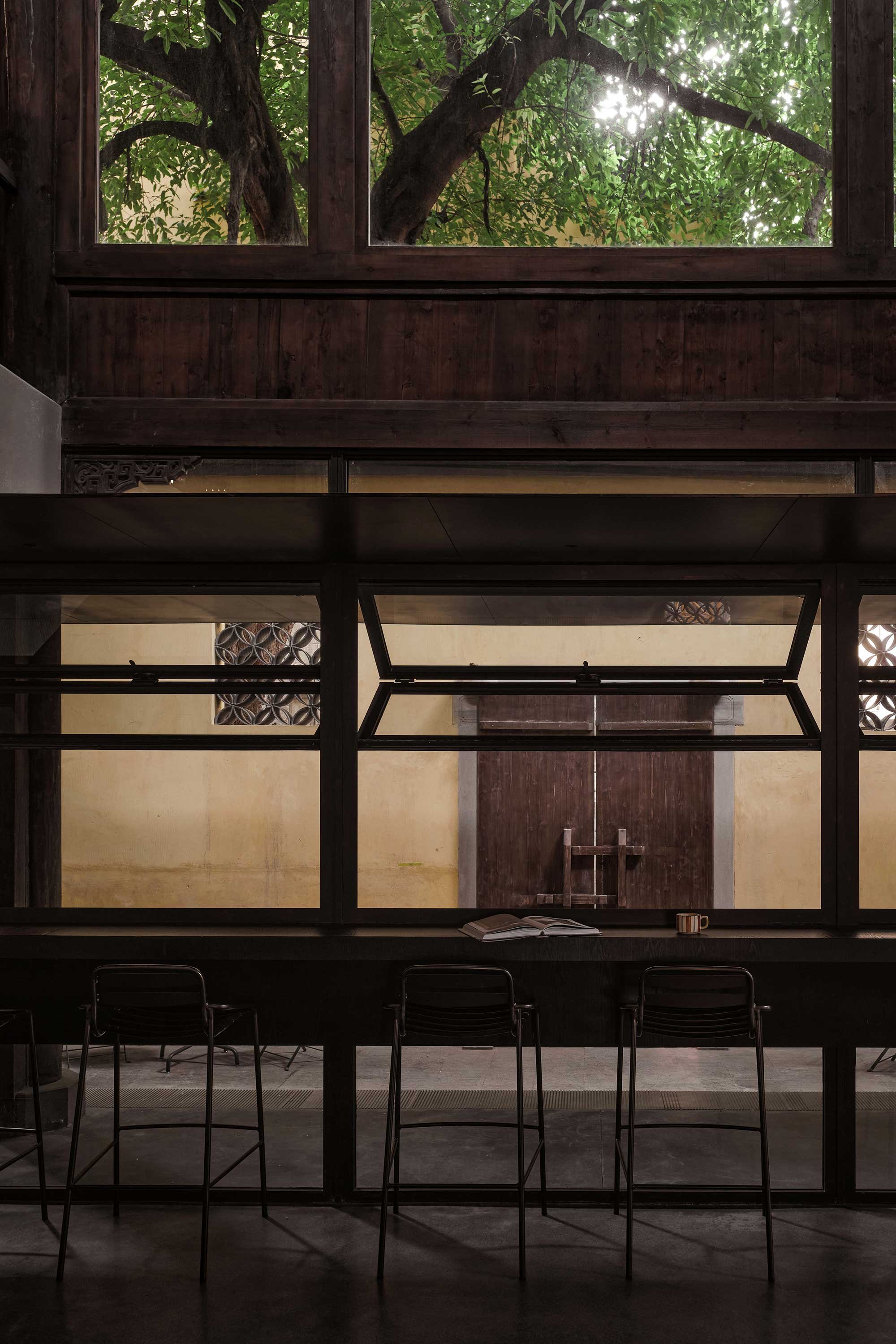
Image by Jonathan Leijonhufvud
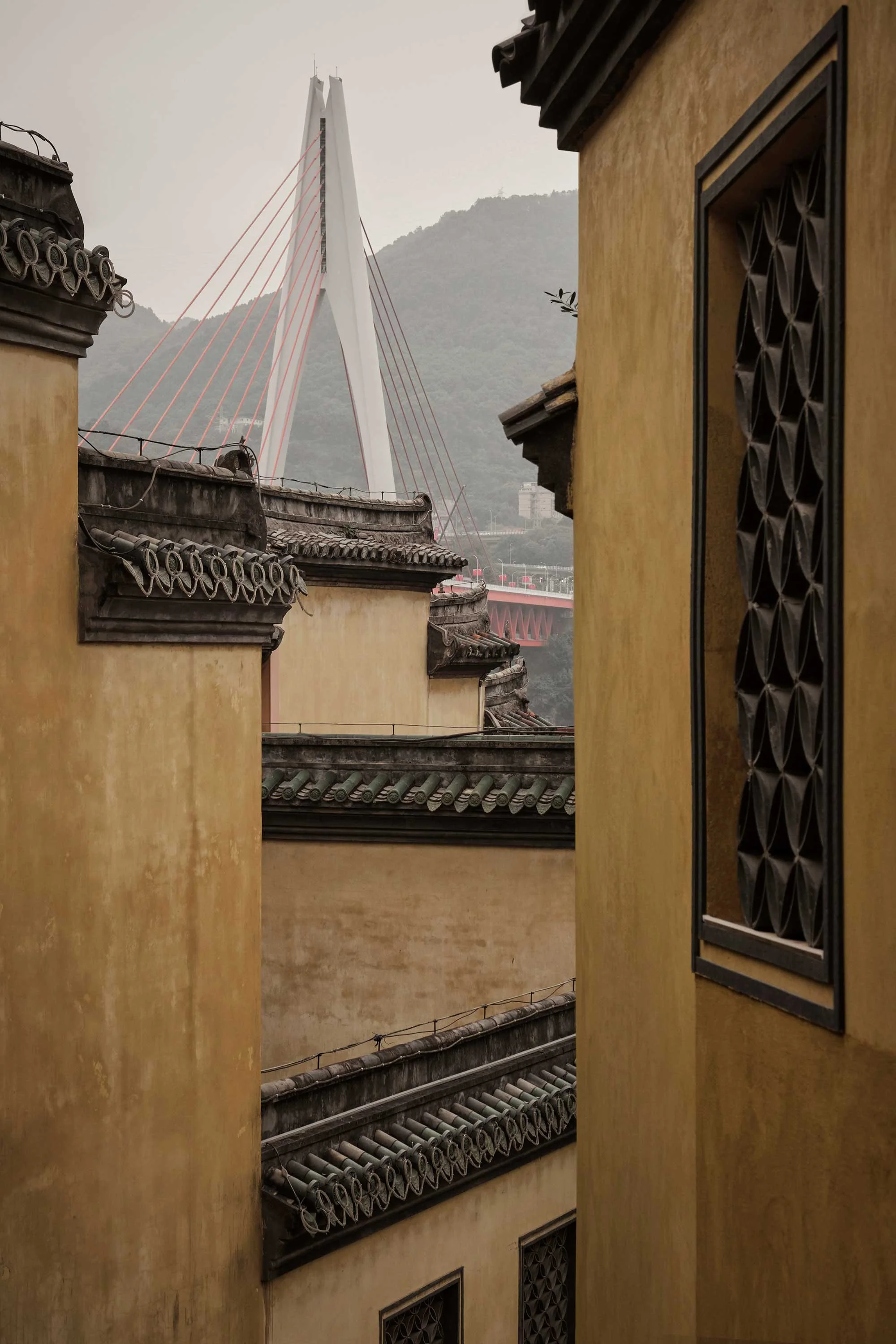
Image by Jonathan Leijonhufvud
In pursuit of older rhythms, the studio frequently works through the adaptive reuse of vernacular and colonial typologies. At Chongqing’s Canopée Café, the exterior keeps sun-washed ochre hues and grey roof tiles that align with the historical, 18th-century Huguang Guild Hall beside it. Inside, discreet contemporary interventions such as steel glazing and metal ramps reframe views of the original post-and-beam structure, typical of Bayu hillside architecture. Across the Yangtze, the 16-room Sunyata Resort Hotel marks an early urban retreat project. Repurposed from Republican-period buildings, including part of the former American Embassy compound, the hotel keeps original timber, stone and brickwork. The city’s skyline is framed through tall windows, but low-slung linen seating, worn timber tables, and Chinese and European antiques create a far calmer counterpoint.
Near to the hotel sits Signyan Design's latest project in town, Shan Shan House, a restaurant set within a renovated Bayu-style courtyard house. It was here that Xie, Zhi, members from across the practice and I gathered for dinner, ending the day over an elegant spread of Sichuan cuisine paired with Chinese wines selected by the studio’s hospitality curator. Organised both visually and spatially by exposed beams, the dining room layers warmth and tactility through handmade furniture that emphasises permanence and craft. Through narrow windows, views open onto the courtyard, where squat bamboo lounge chairs sit on the stone paving, evoking a distinctly rural intimacy. ‘When we were children, every house in the neighbourhood had a small yard out front,’ says Xie. ‘Kids would gather under the trees and play. People in Chongqing are warm, outgoing and generous in spirit.’
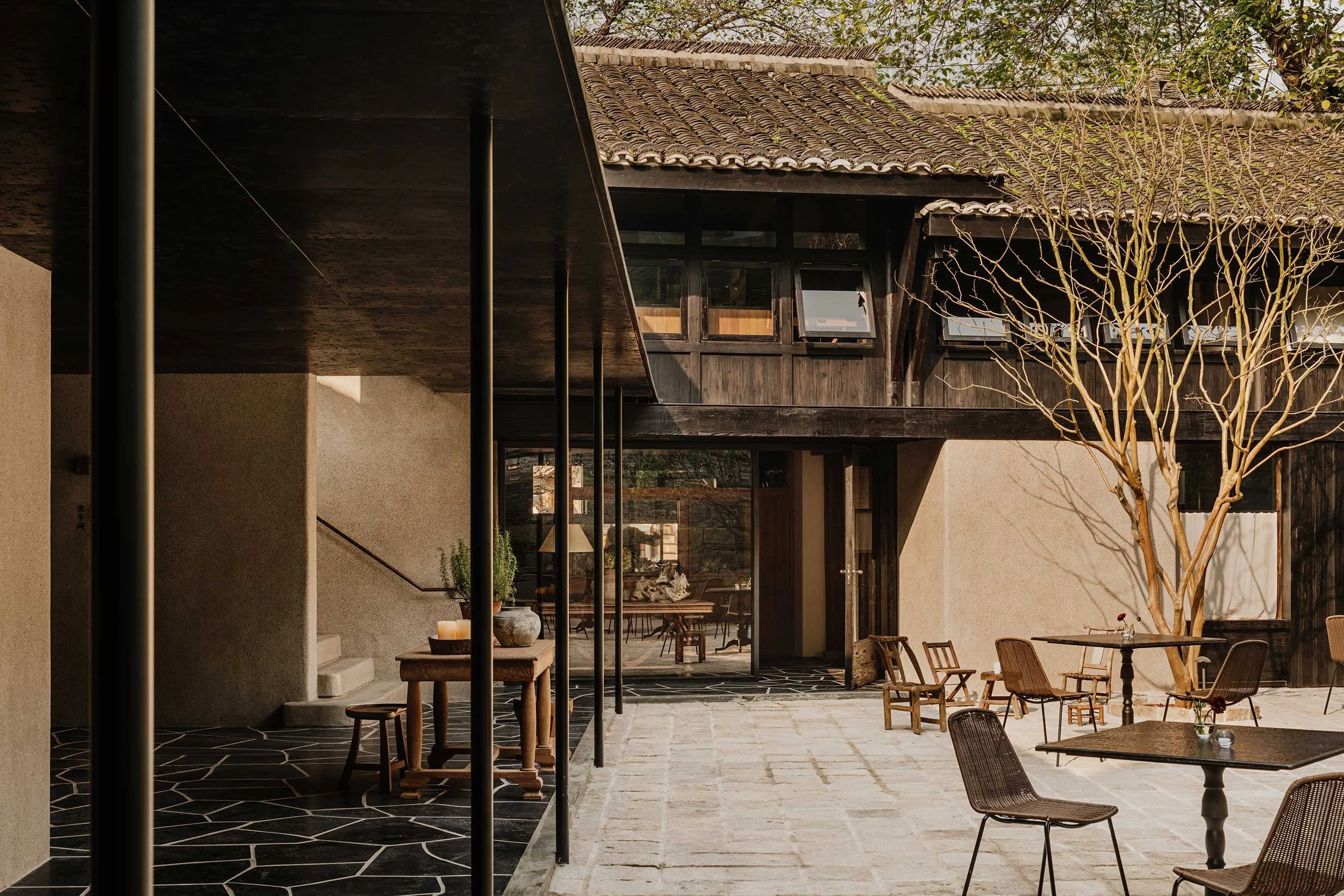
Image by pianfang
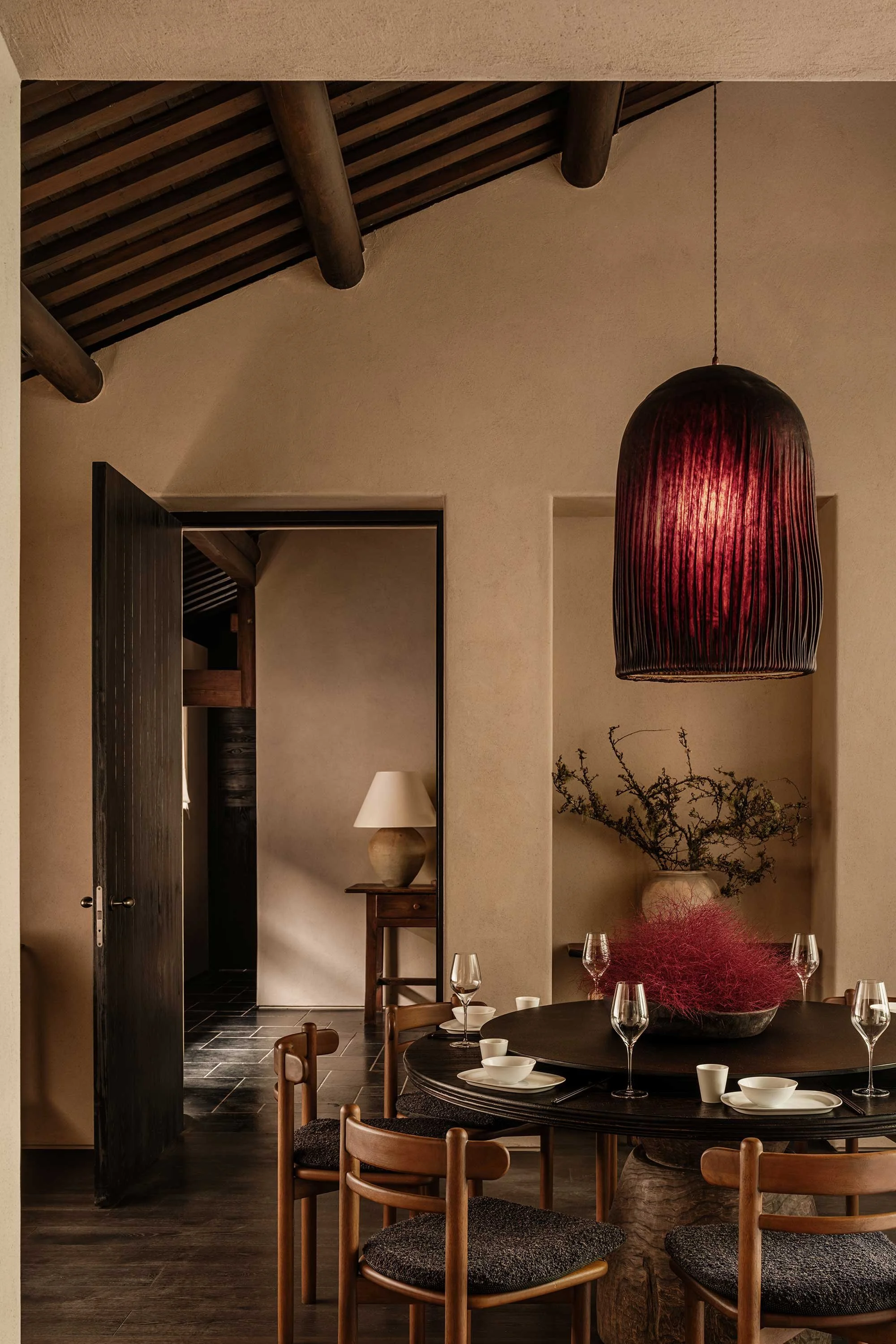
Image by pianfang
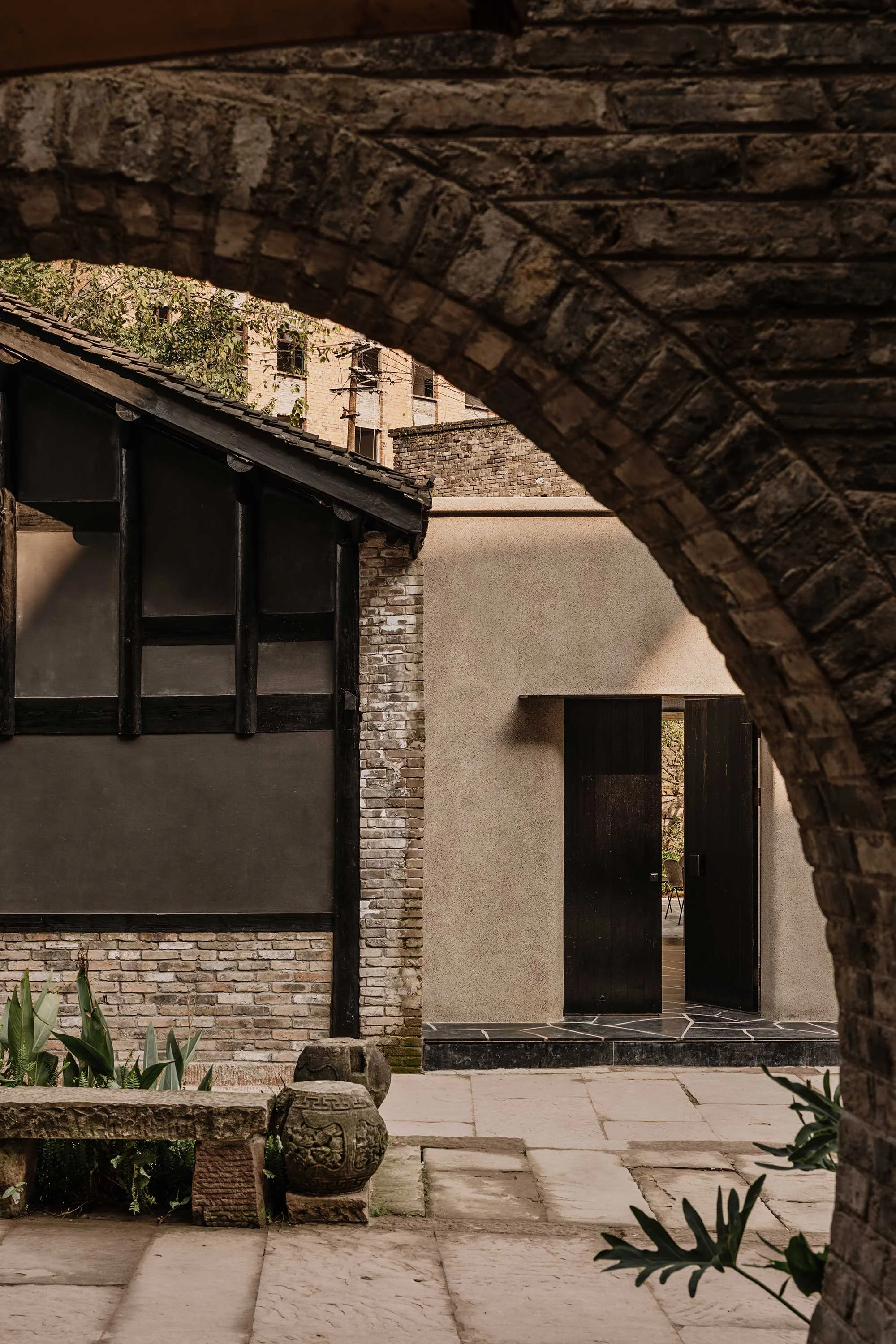
Image by pianfang
By day’s end, it becomes clear that Chongqing is integral to Signyan’s design language, and not only because much of the team is locally born and raised. To Xie, staying put, with a healthy distance from more prominent centres such as Shanghai and Beijing, is a creative advantage that allows everyone to slow down and focus. There’s also its proximity to the broader Southwestern region of China, including Sichuan, Yunnan and Guizhou, where minority traditions remain embedded in daily life, and even to inland Southeast Asia, where another in-house hotel project in Chiang Mai is already in the works. But above all, there’s a relaxed, amiable spirit that the city exudes, despite its neon-lit facade, that leaves the Signyan Design team feeling at ease and at home.
Text by Tomás Pinheiro
Image by Jonathan Leijonhufvud & pianfang
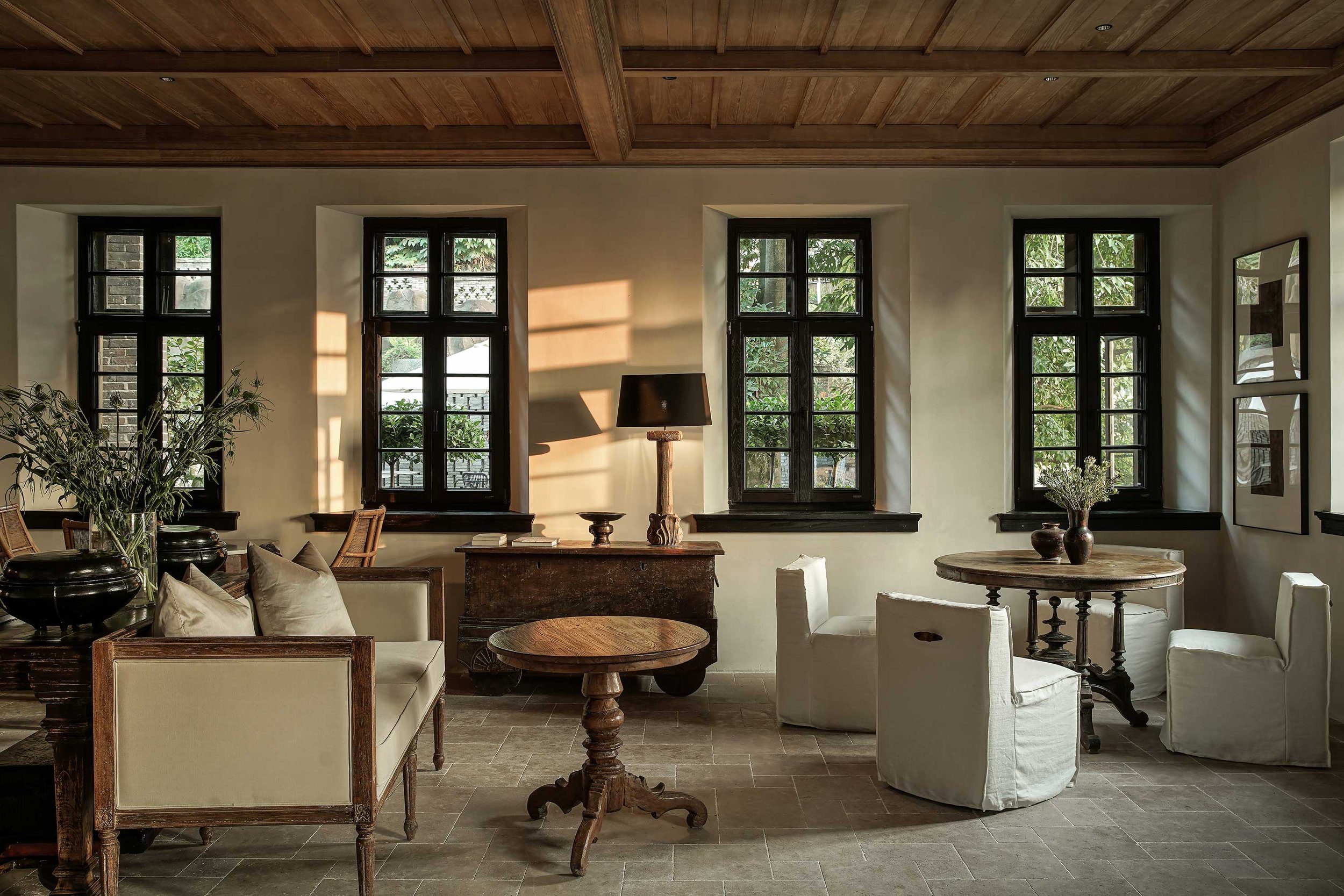
Image by pianfang
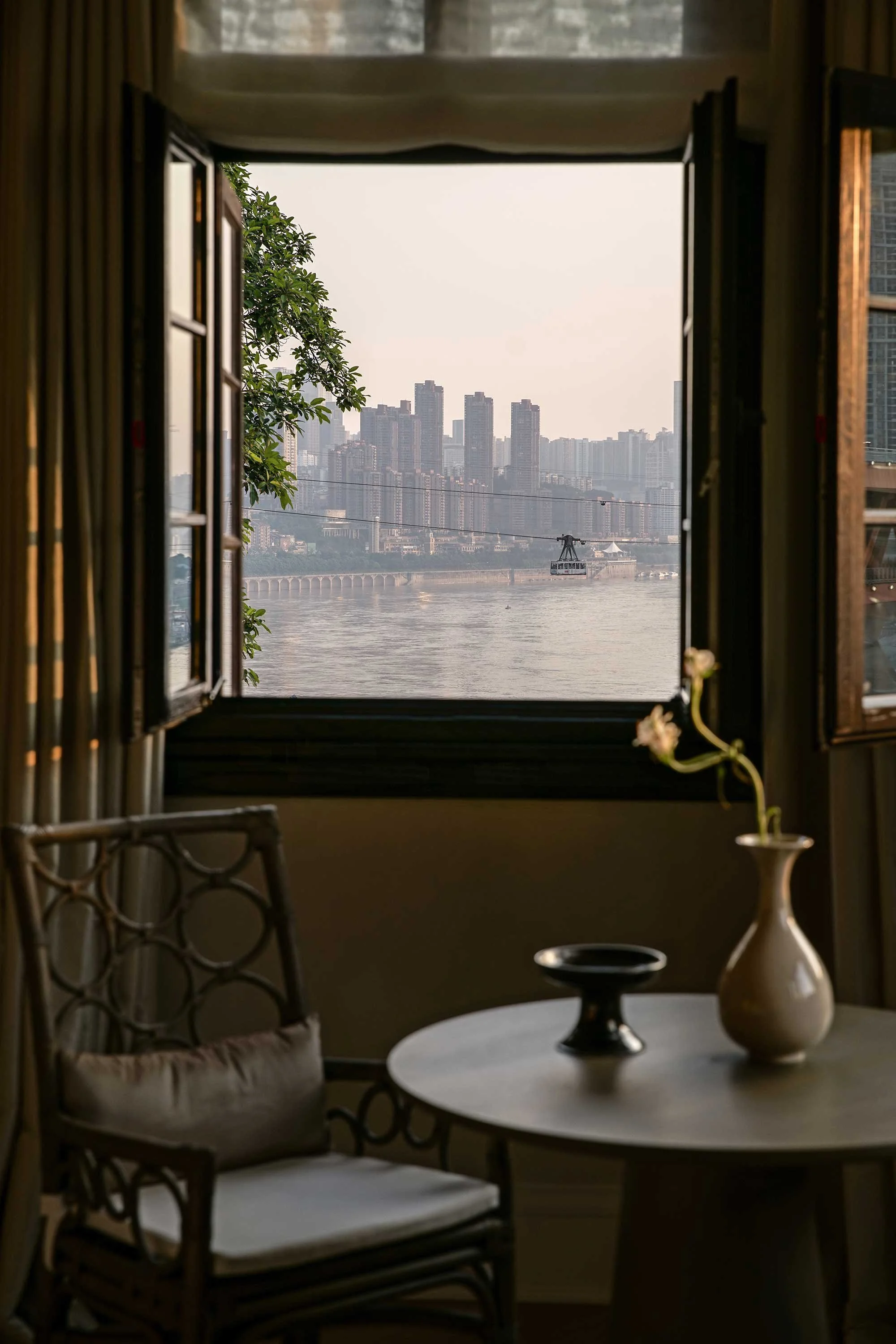
Image by pianfang
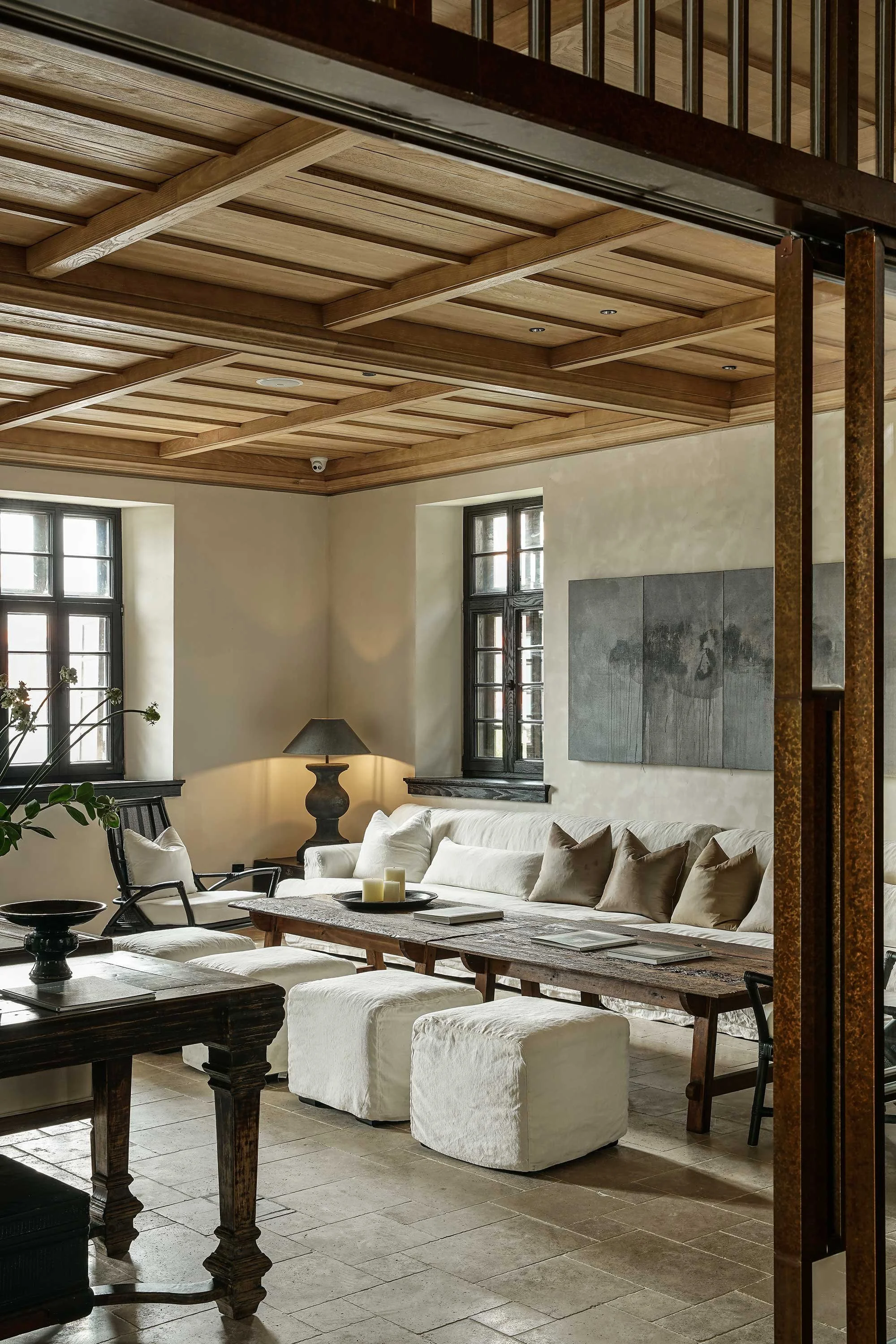
Image by pianfang
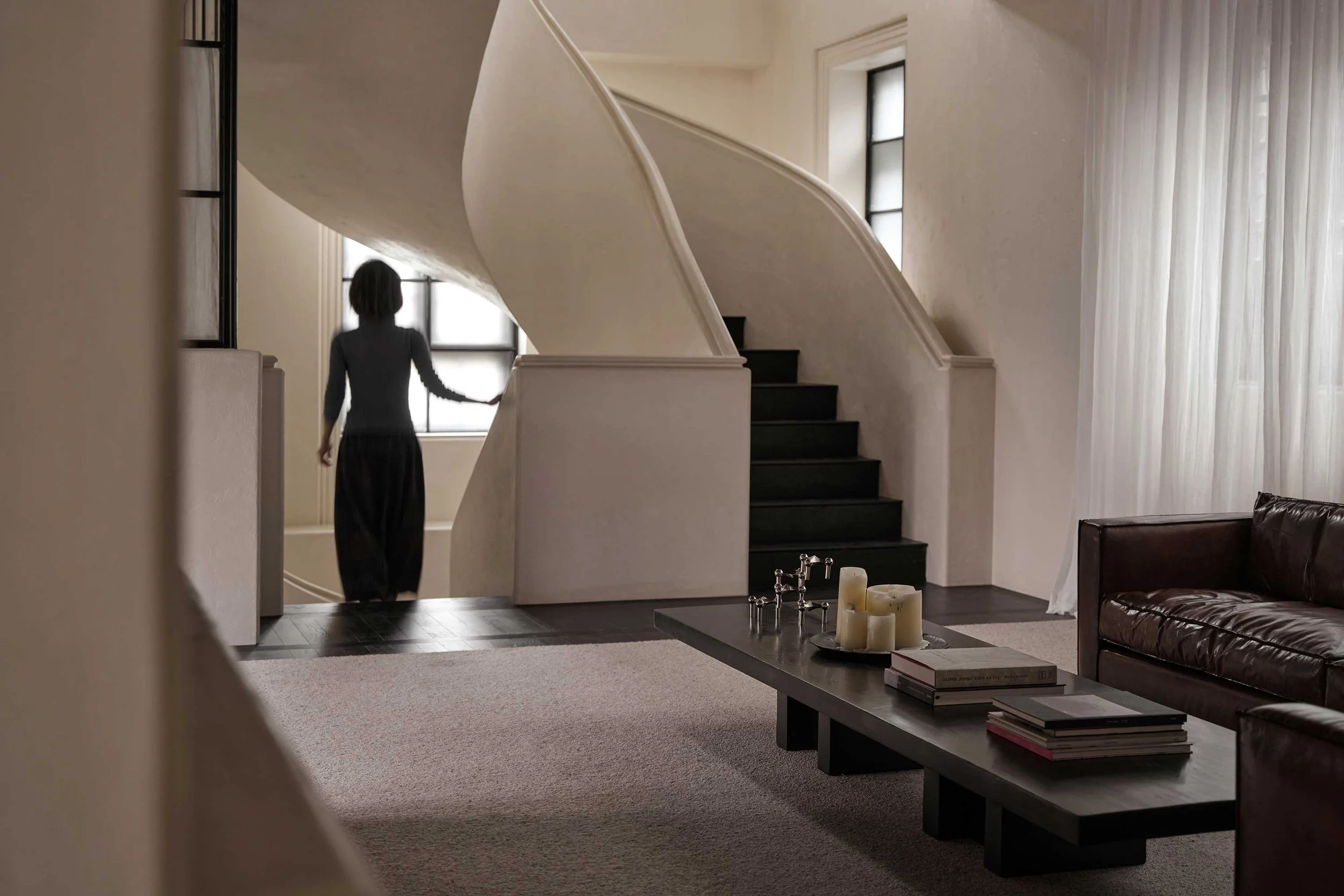
Image by Jonathan Leijonhufvud
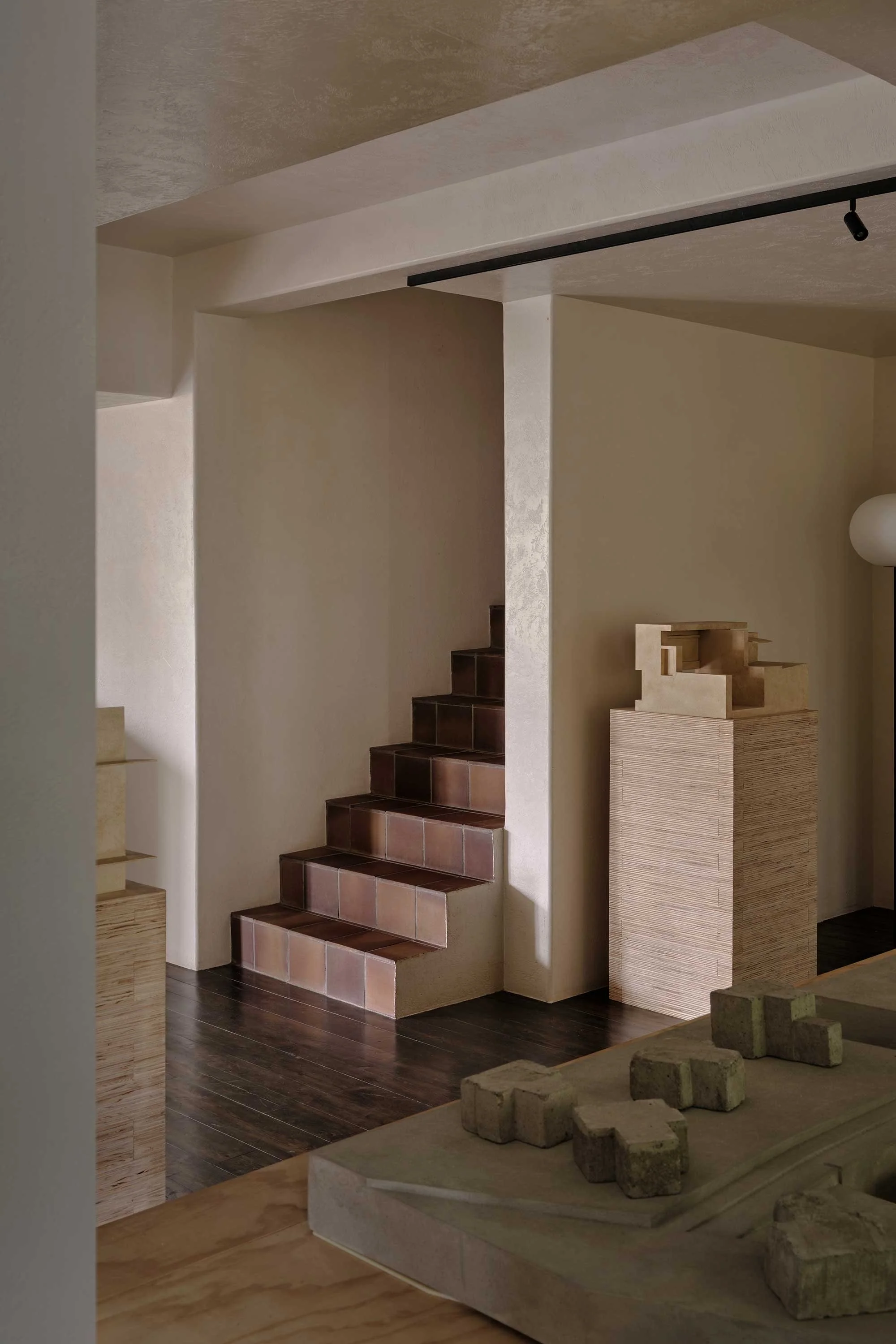
Image by Jonathan Leijonhufvud
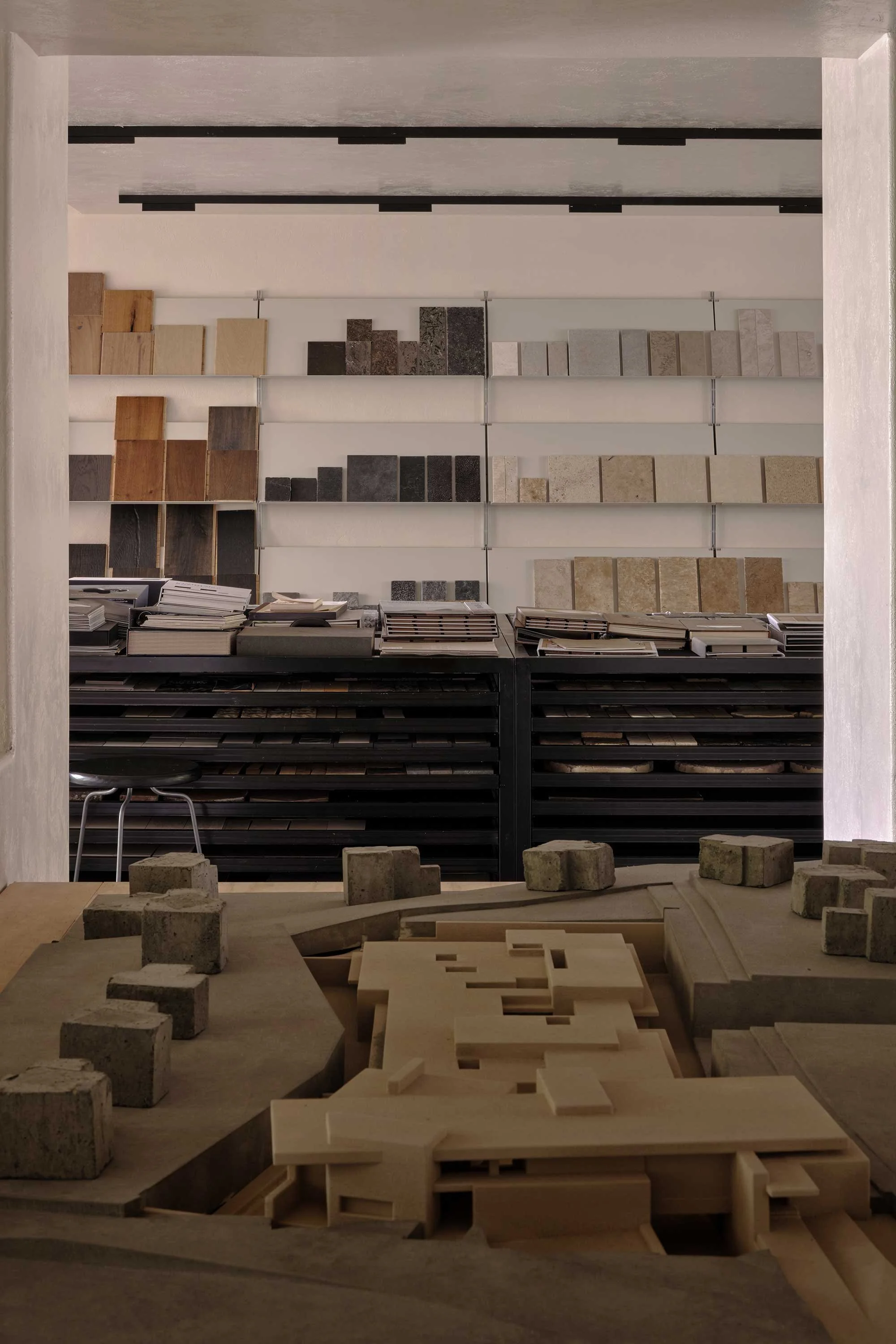
Image by Jonathan Leijonhufvud
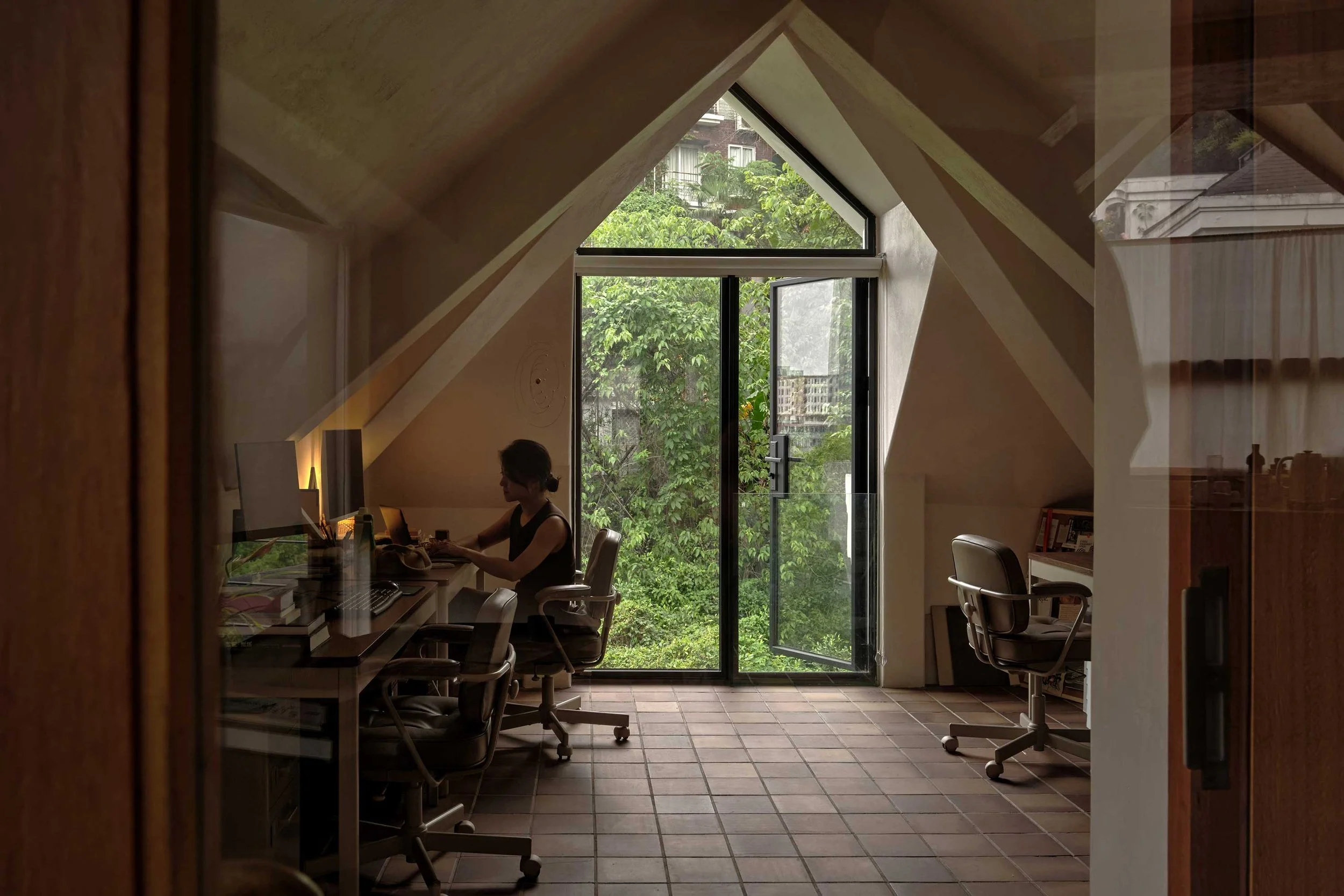
Image by Jonathan Leijonhufvud
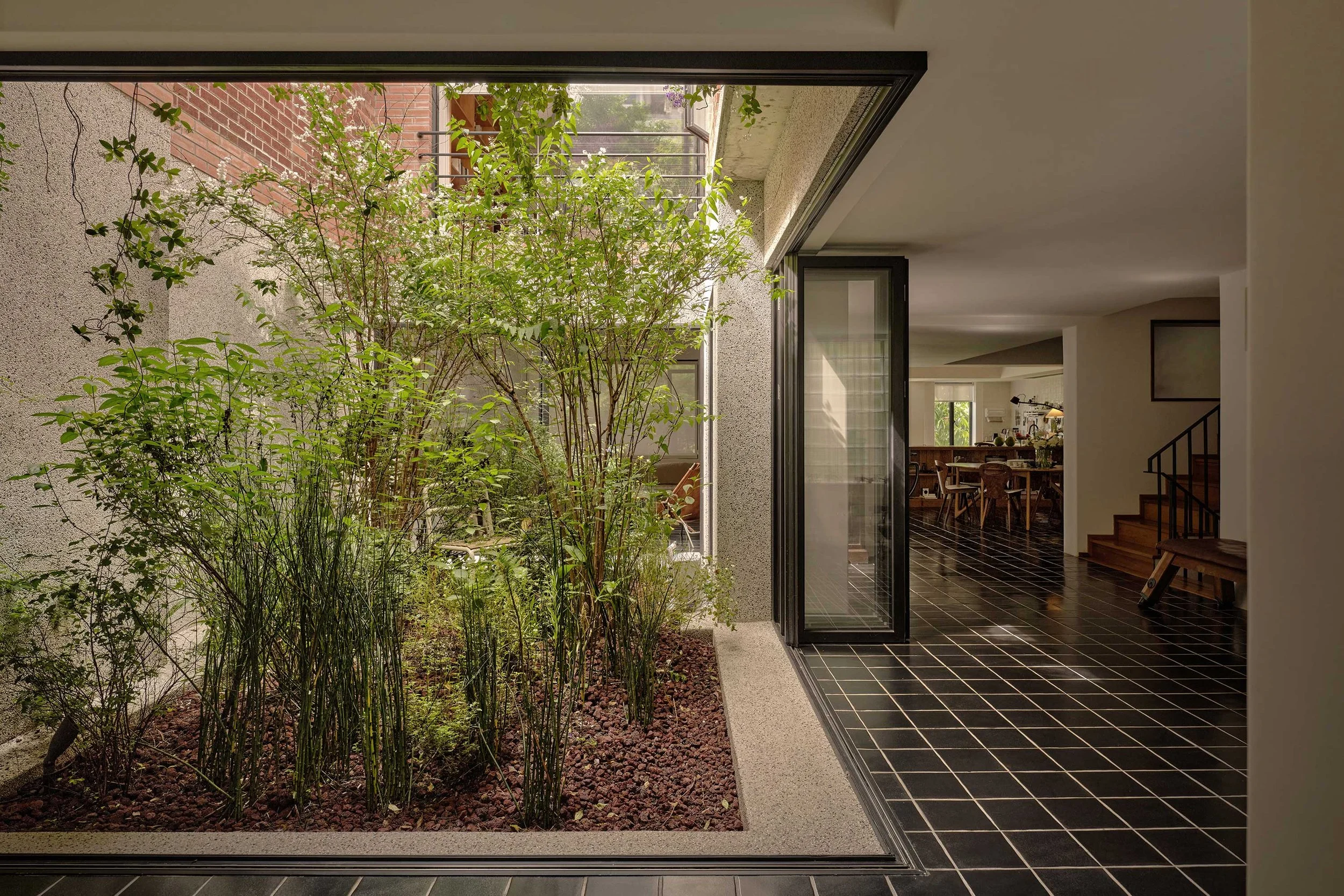
Image by Jonathan Leijonhufvud