
The List: Our Editors’ Guide to Design-Focused Destinations and Products in May and Beyond
The monthly briefing from Design Anthology’s editors on the most interesting things to see, places to go and products to know
Soap, Perfumer H × Studio Nicholson
London
Fragrance
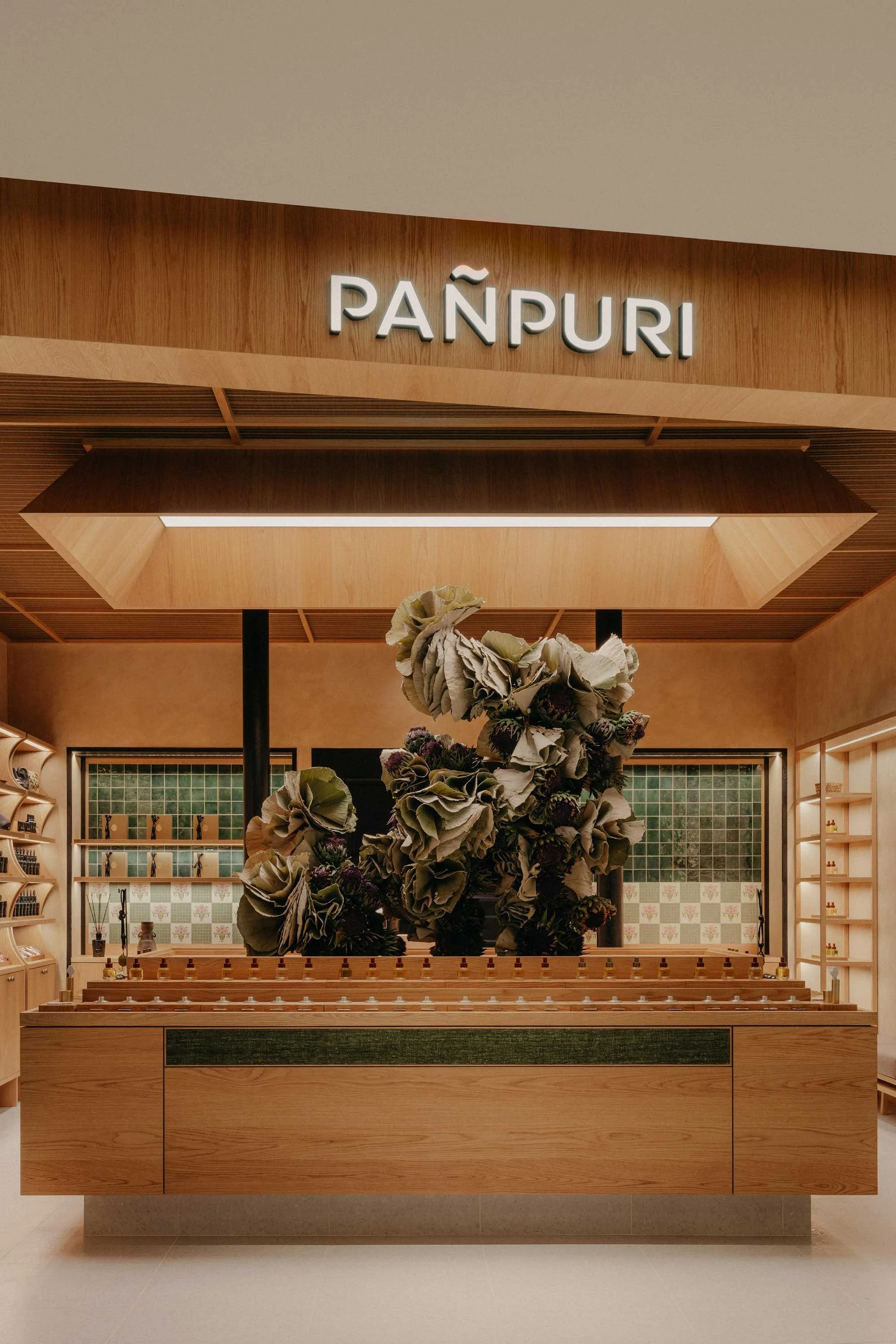
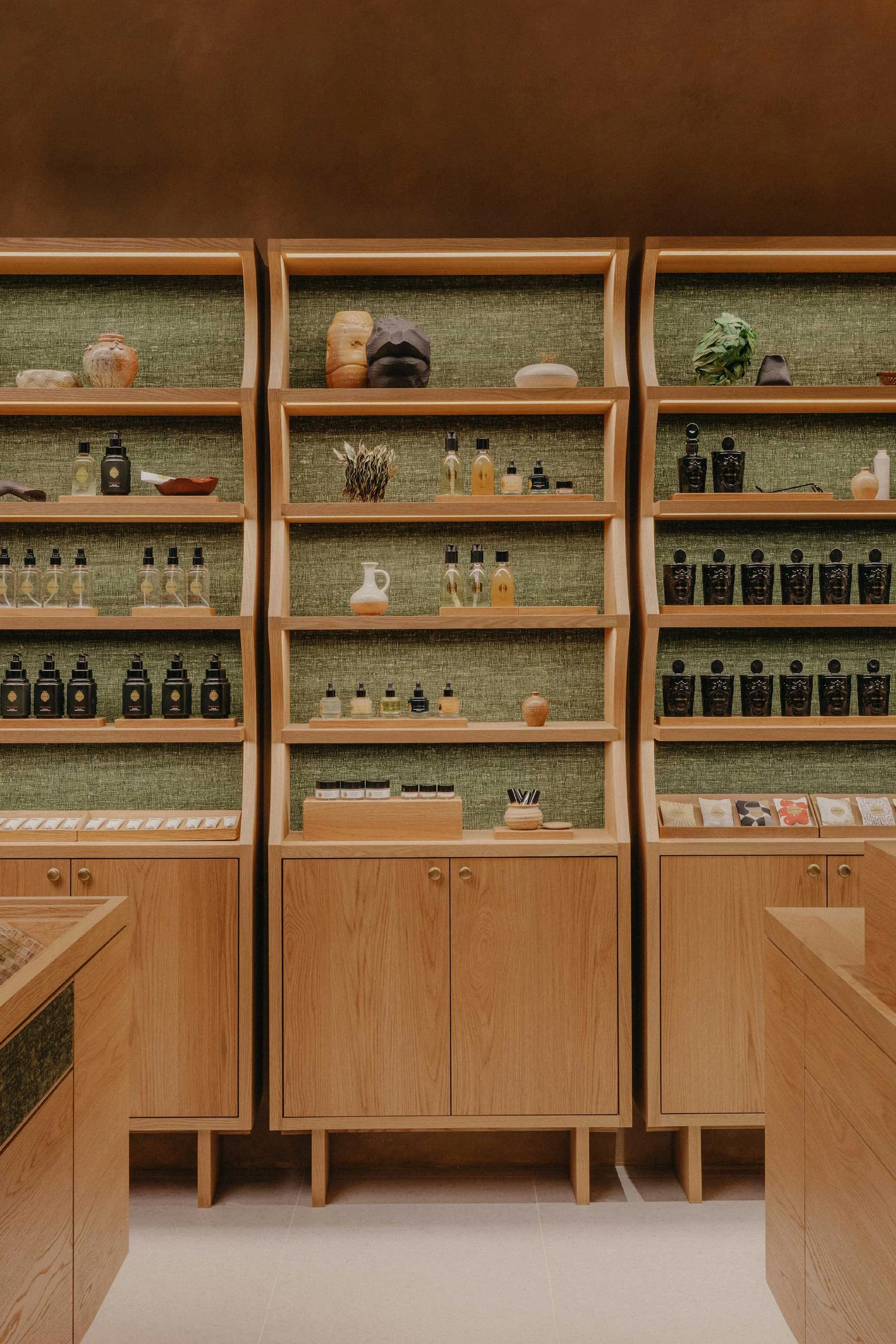
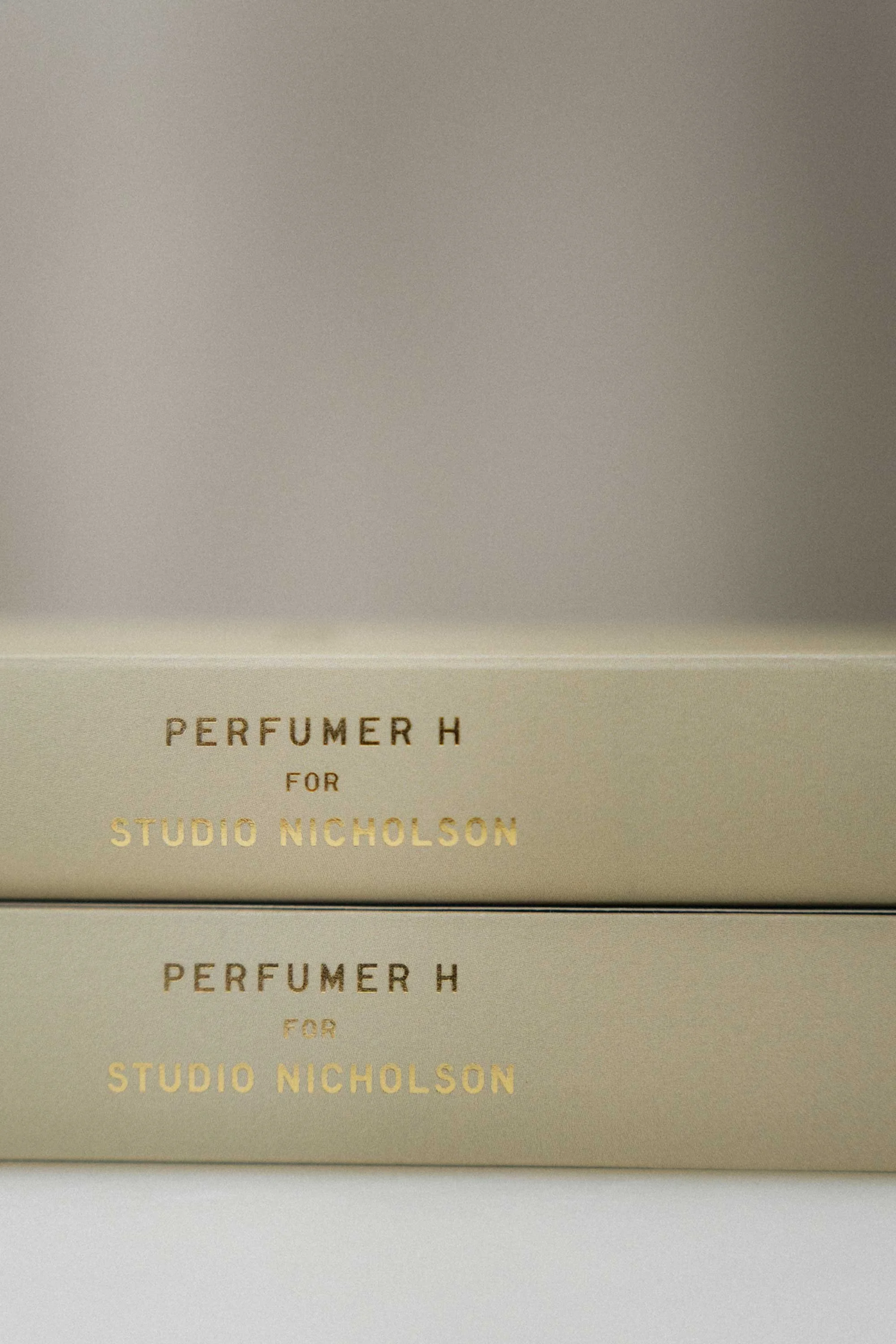
Nick Wakeman and Lyn Harris have known each other since the nineties. Studio Nicholson launched in 2010 and Perfumer H candles have had a home in its stores almost since. A collaboration was really just a matter of when. The fragrance they've made together, Soap, started with a conversation about fabric — cotton, wool, flax — and other elements from Italian barbershops to Harris’s grandmother’s soap, arriving at a perfume that functions something like a second skin. Cardamom and white pepper open against a wash of soft aldehydes and orange flower, settling into white musks, ambrox and tonka. The incense, made in Japan by heritage temple suppliers, carries the same brief. The brass holder, sold separately by Perfumer H, was created by Sydney’s Studio Henry Wilson and makes for a perfect trio.
Eventide
Chennai
Cafe
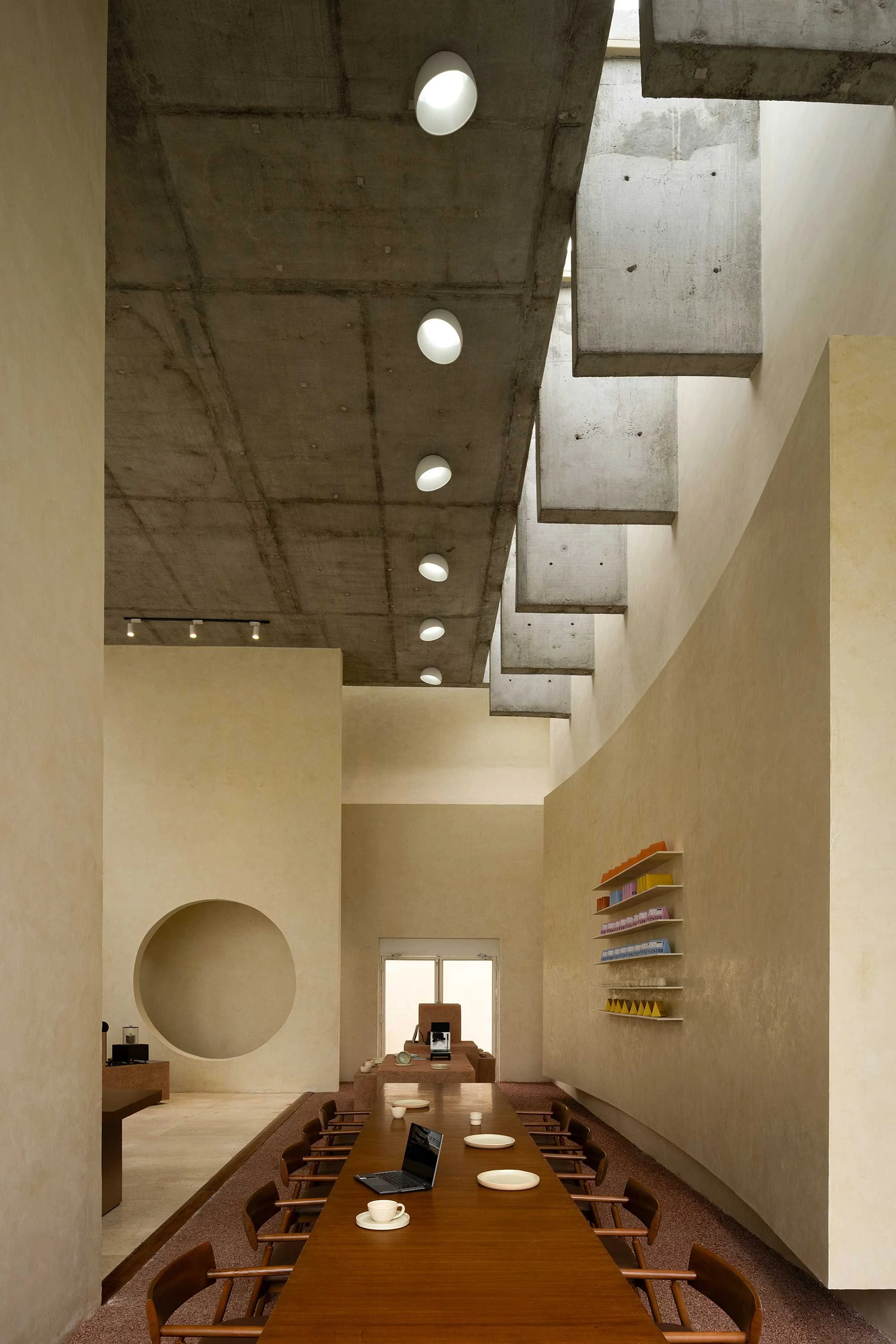
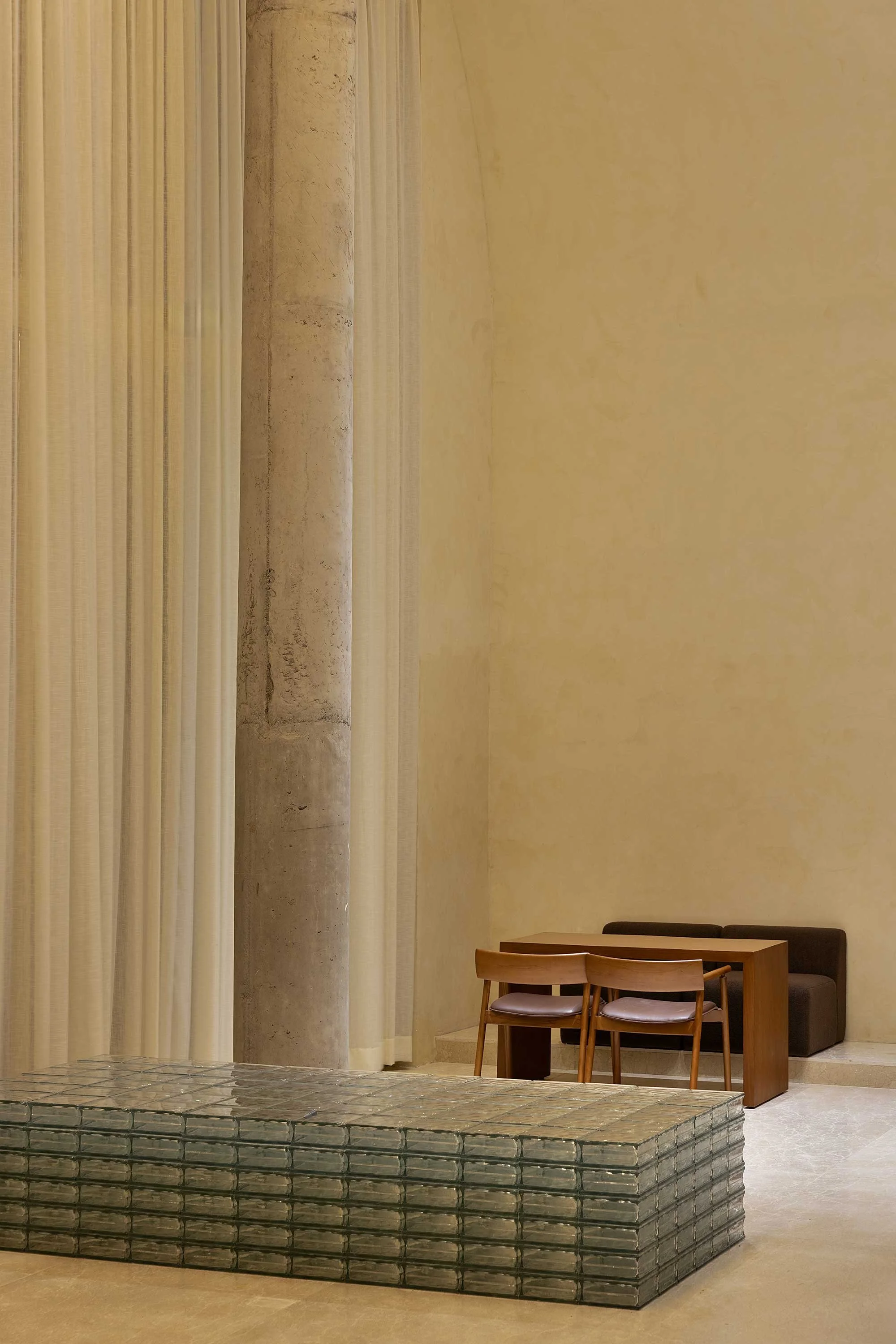
On a Chennai site bordered by the sea, Eventide Coffee opens as a passion project responding to coastal light and the palettes of the Madras beach. Designed by Billboards, the cafe works in weathered earthy tones that move into lighter, washed-out shades — a reference to the brand's name and to the evening sun. An off-elliptical counter expands outwards beneath a skylight, anchoring the room and drawing the eye towards an arched wall behind. A pourover station sits at one end; a 16-seat communal table runs alongside, intended also for workshops and co-working. The seven-metre volume is modulated by rising and dipping ceiling planes that draw visitors into smaller nooks.
Tropa Store Greenbelt
Manila
Retail
Philippine multi-brand store Tropa has begun its residency on the second floor of Greenbelt 5 in Makati, joining its existing location in Surigao del Norte. The store describes itself as a collective of distinctly local brands with a contemporary flair, gathering womenswear, menswear, accessories and homewares from designers including Carl Jan Cruz, Áraw, Ched Studio, Pinag Tagpi, Bahay Kubo, Mold and Rare Earth, alongside the in-house Tropa line. International labels including Hunza G, Plasticana, OAS and Suku Home round out the selection, sitting beside swim, sun and weekend pieces drawn from across the archipelago.
Viya Flagship Trafford House
Mumbai
Retail
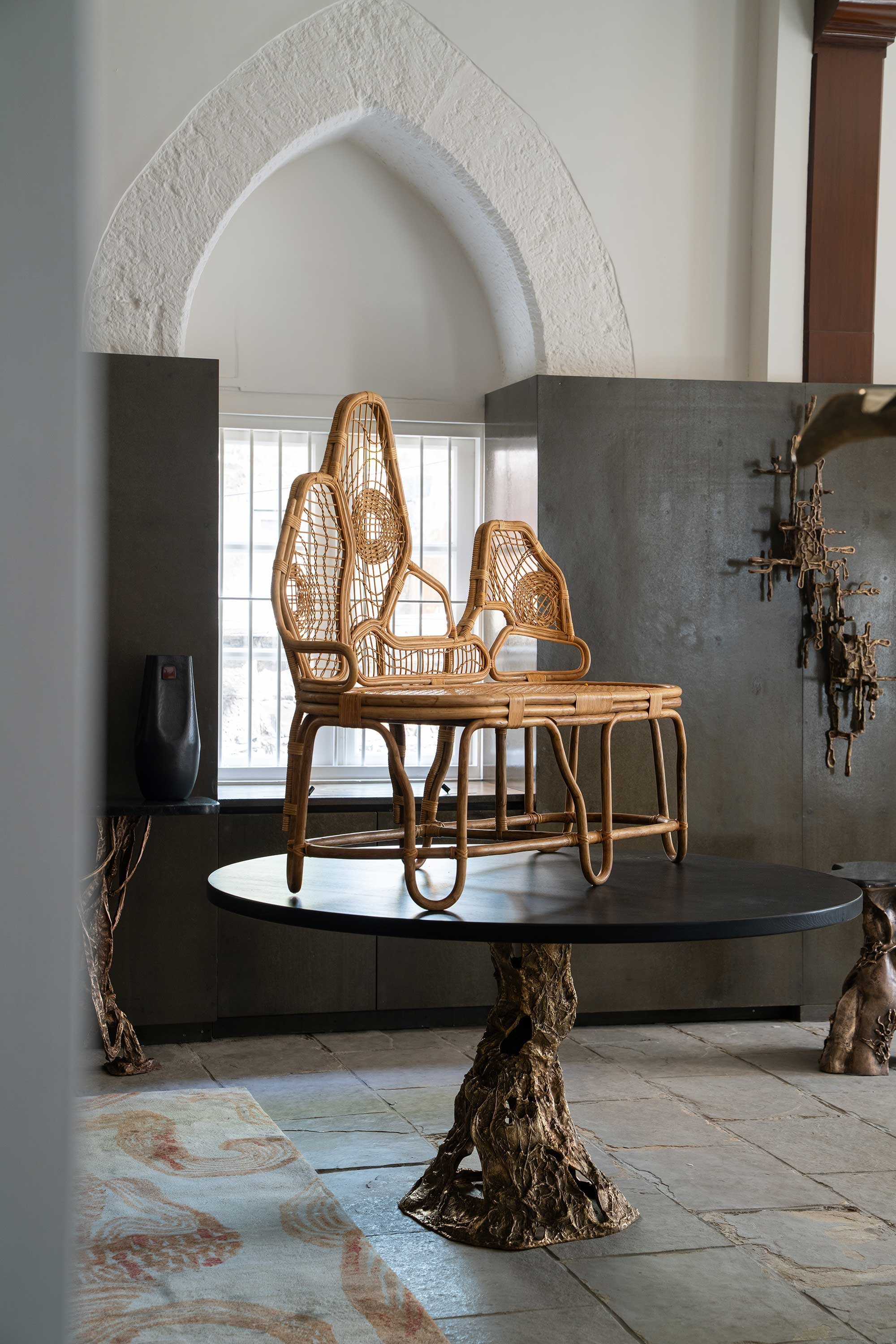
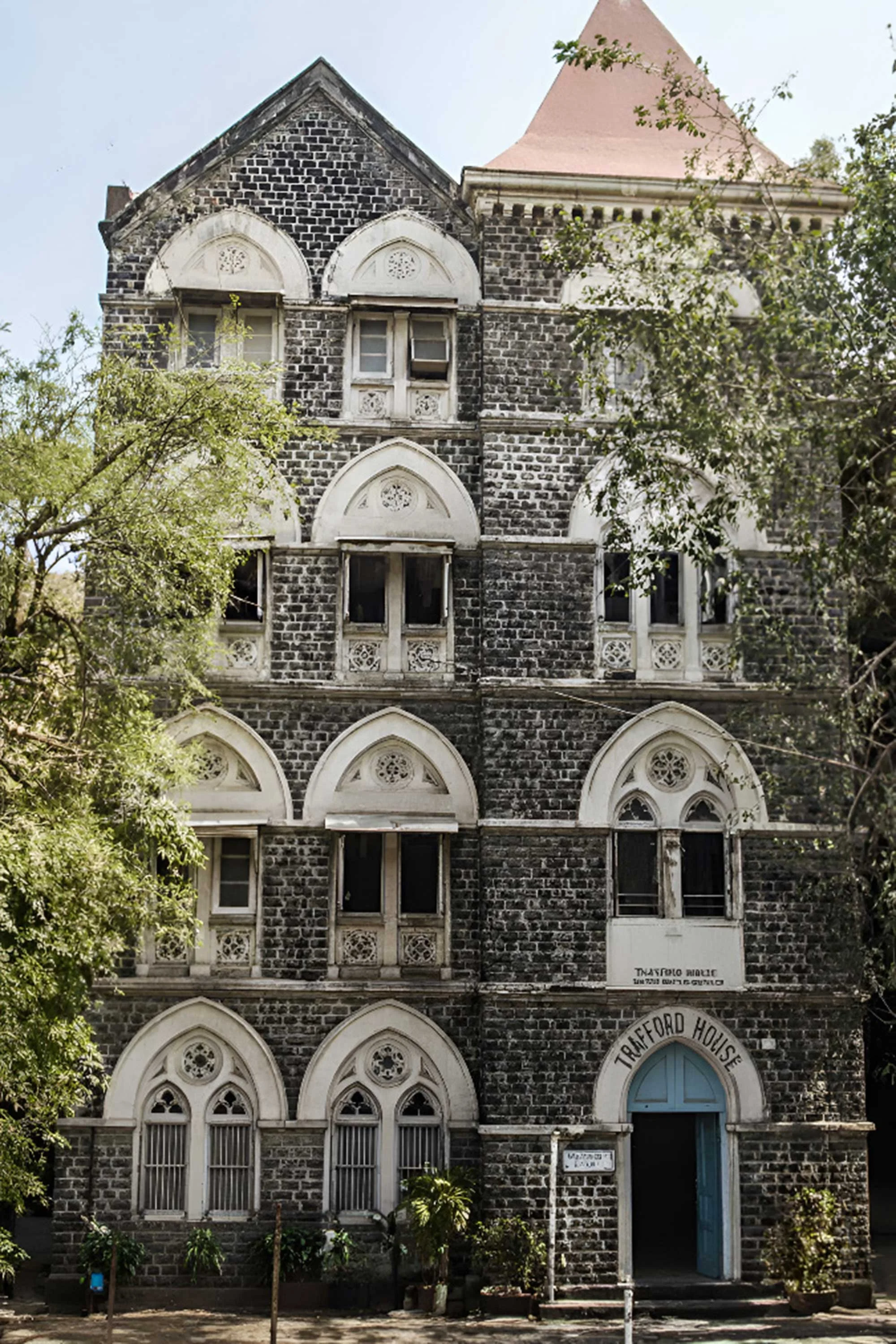
Twelve years after leaving Mumbai, Vikram Goyal’s design house Viya has returned with a 400-square-metre flagship in Trafford House, a heritage building with a furniture making history of its own. Original architectural elements have been stripped back and rendered through a restrained, monochromatic lens, providing a subtle backdrop for Viya’s full lifestyle range — tables, chairs, lighting, vases, trays and soft furnishings, alongside the launch of a Viya apparel line and an expanded collection of cane objects. A dedicated consultation room offers clients access to the wider Vikram Goyal Studio practice, which Goyal continues to direct from New Delhi.
Moa Moa Pasta Club
Ho Chi Minh City
Restaurant
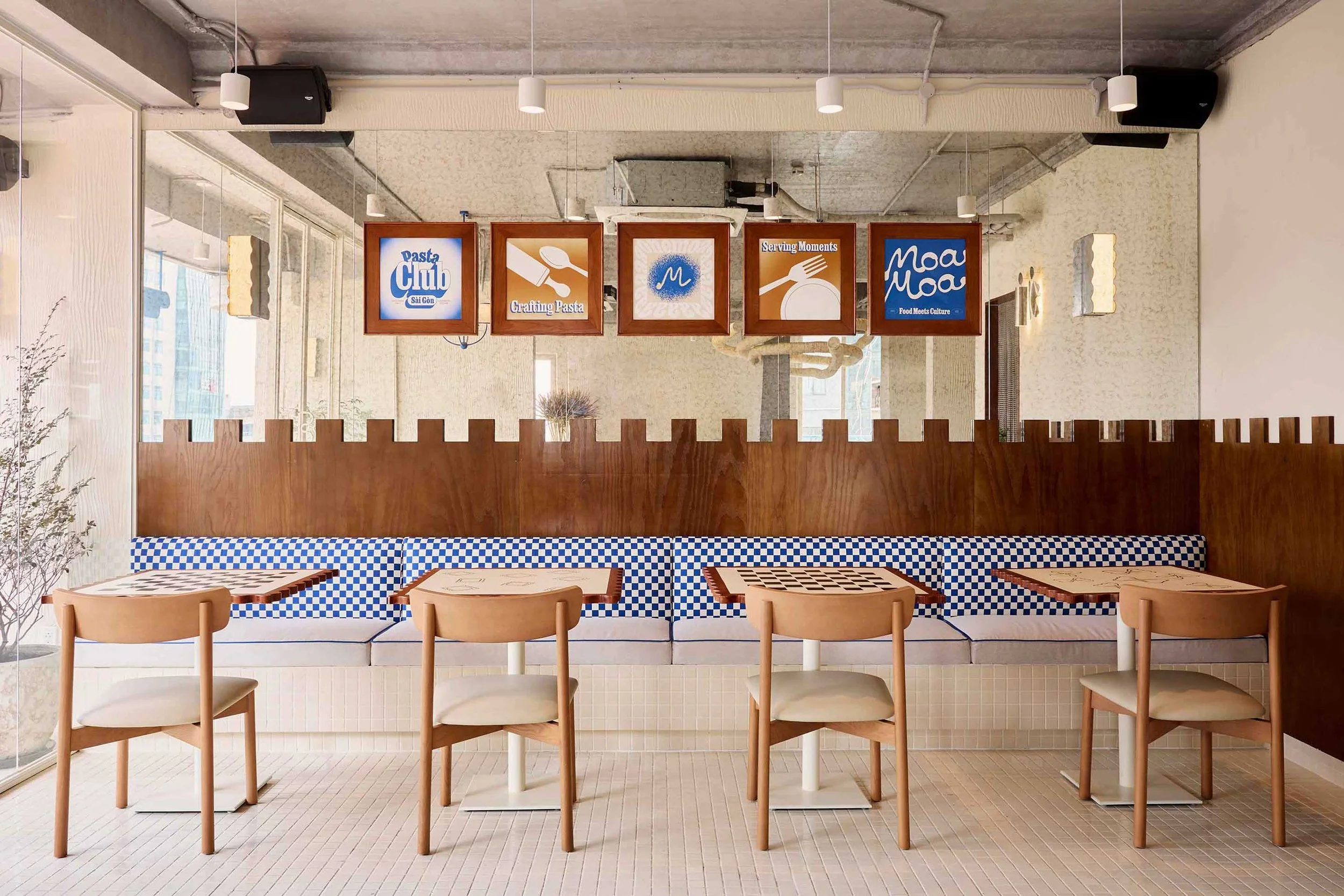
Tucked into the sixth floor of a historic apartment block on Ngo Duc Ke, Moa Moa Pasta Club takes its name from a chef’s kiss and the phrase ‘more, more’. The Lab Saigon developed both the spatial design and the visual identity — a logo drawn in tomato sauce, graphics borrowed from flour-dusted kitchen surfaces, a palette pushed firmly away from restaurant-warm tones and towards the crisp blues of the mediterranean coast. An open pasta lab greets diners at the entrance; inside, curved furniture softens the building’s rigid lines, and wooden tabletops carry inlays shaped like ravioli and farfalle. An open balcony carries the scent of freshly cooked pasta onto the street below.
Tom Wood Flagship
Tokyo
Retail
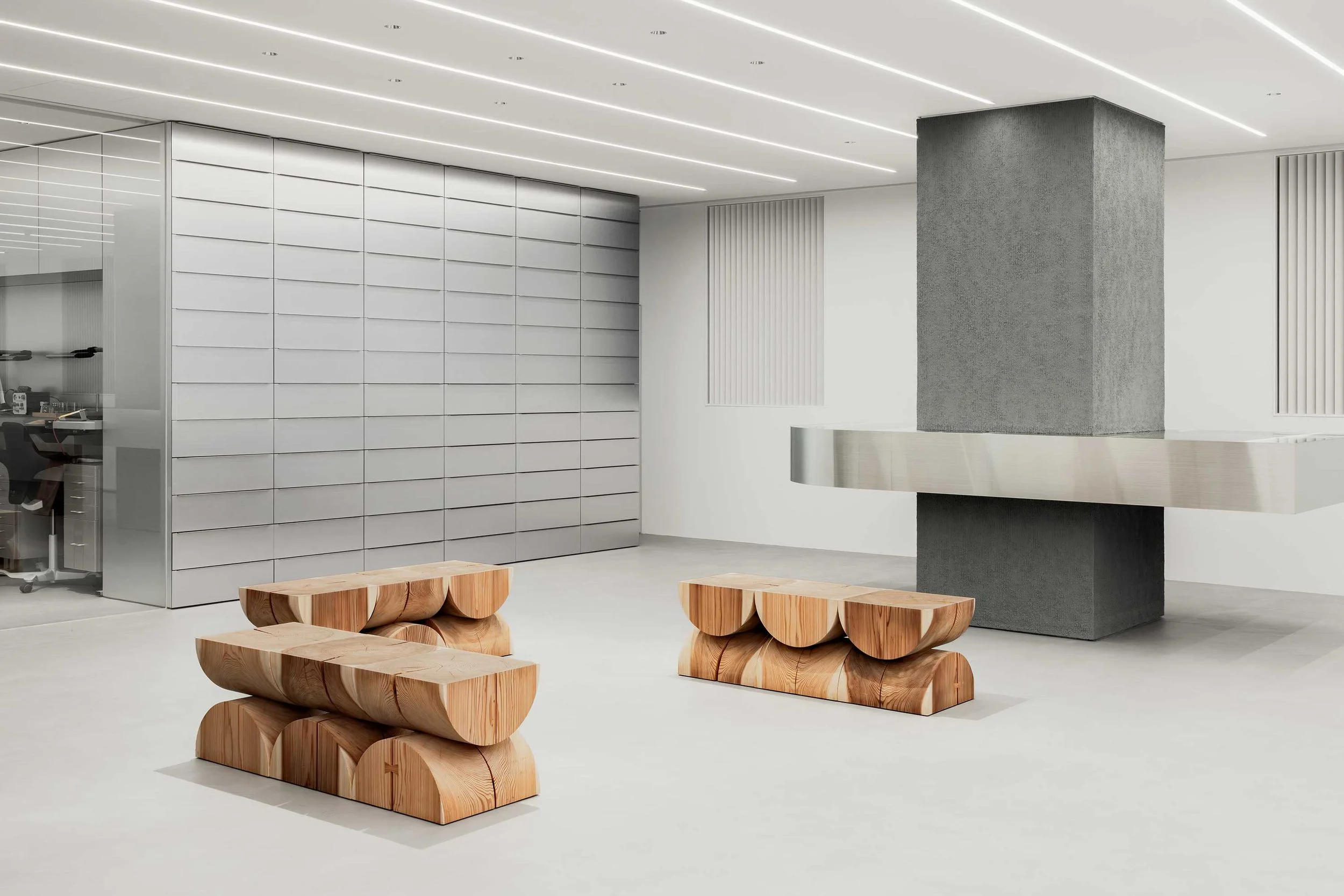
Norwegian jewellery house Tom Wood opened its second Japanese flagship earlier this year, a 300-square-metre store designed in close collaboration with Torafu Architects, nearby from the famed Shibuya Crossing. Every element is made in Japan — concrete-blasted surfaces, brushed and mirror-polished stainless steel, pine and oak seating designed by Kojiro Kitada and inspired by fallen logs in Norwegian forests. A seven-metre floating counter anchors the room. The store also introduces Tom Wood Lab, three rooms dedicated to engraving, polishing and plating, where ring resizing, gemstone exchanges and repairs are carried out on the brand’s own pieces.
Luigi Bar
Bandung
Bar
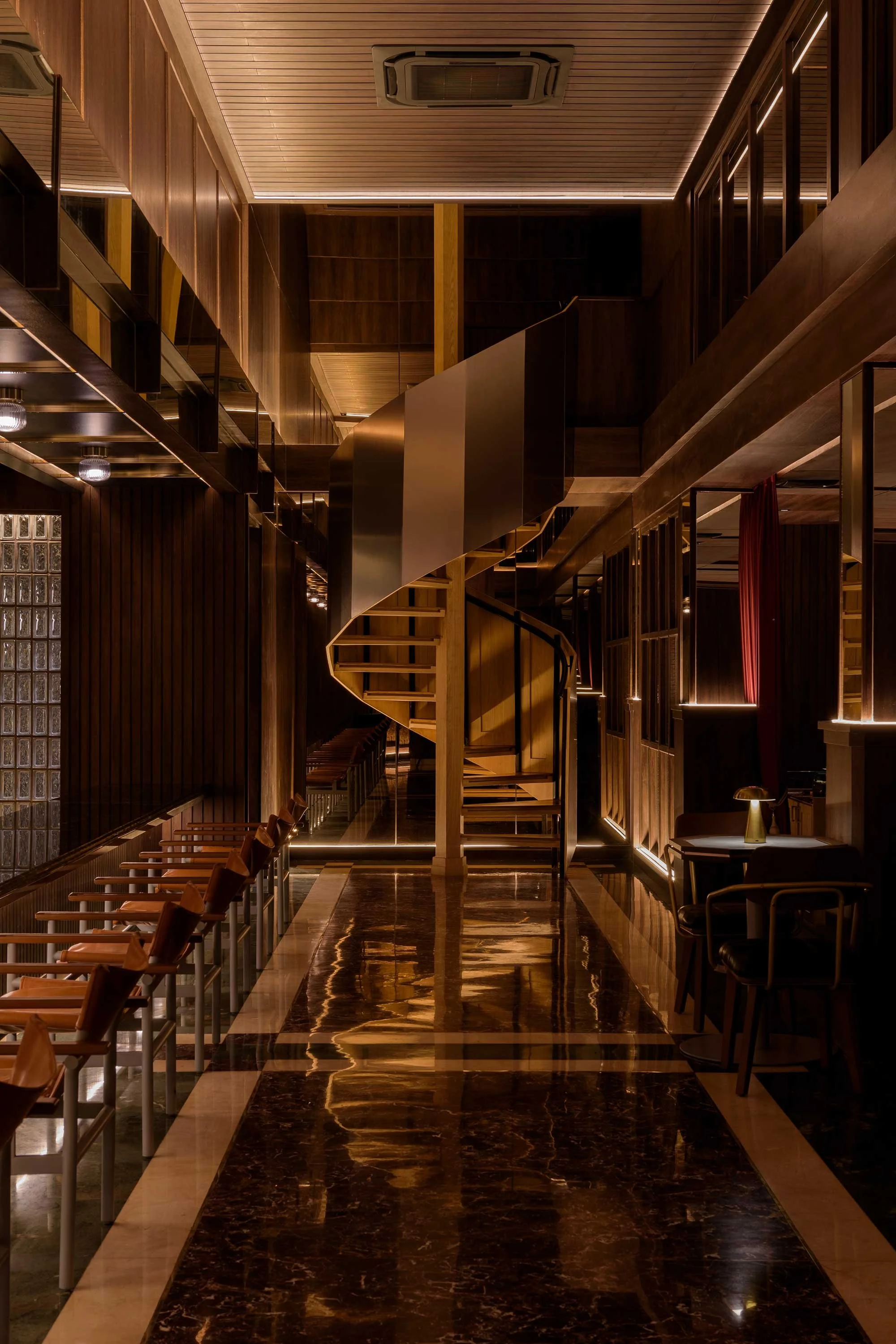
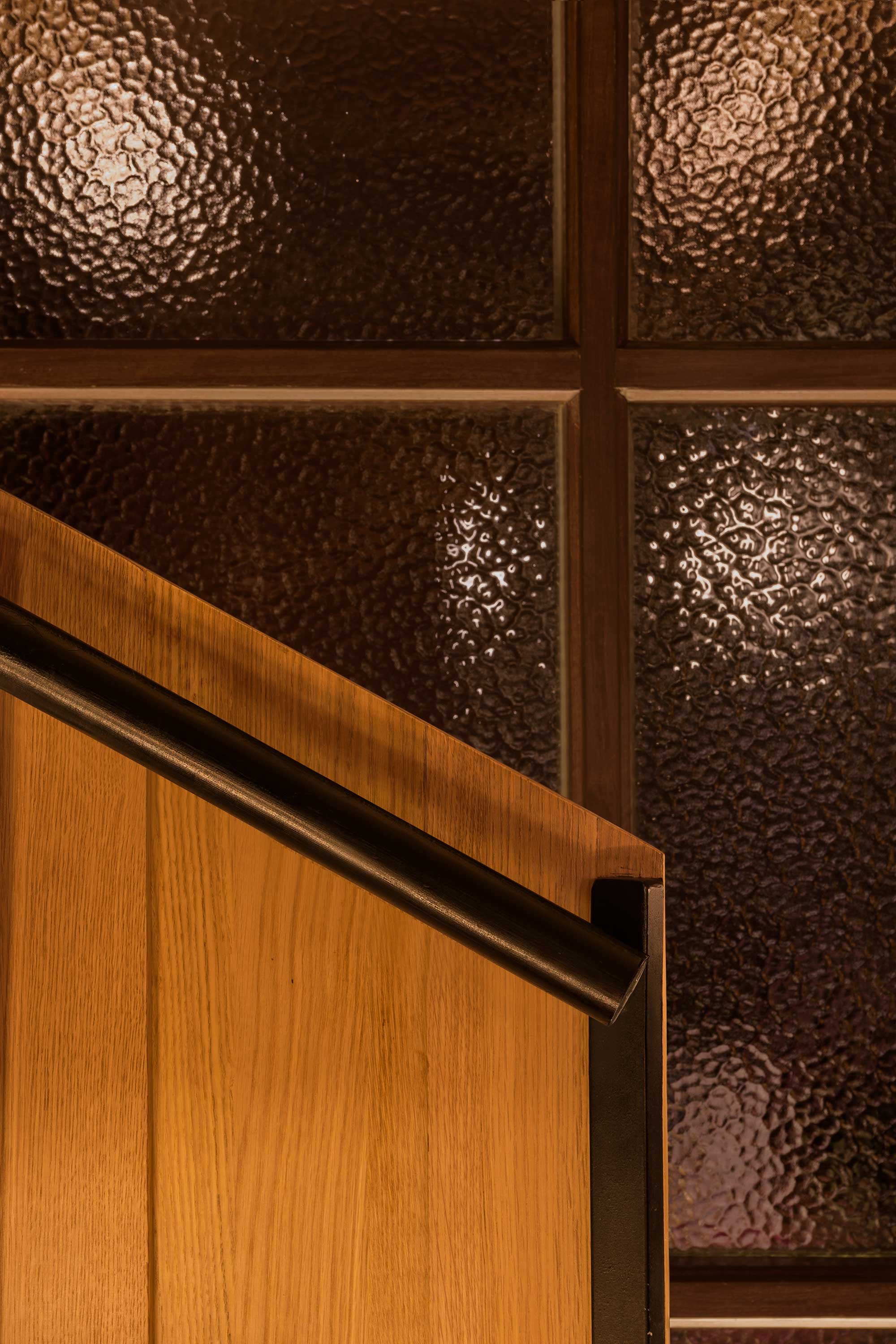
Bar Luigi, the new Bandung project from Indonesian studio Matter of Something, treats hospitality as choreography. A concealed entrance gives way to a stair sequence that pulls guests off the street and slows arrival. Inside, a central bar anchors the room and seating fans outwards in degrees of engagement — banquettes face live DJ sets, while upper-floor VIP rooms watch the action below through one-way mirrored glass. The materials are considered: dark timber gives the room a feeling of intimacy; illuminated stone behind the bar carries texture through light; silver mosaic tiles line bathroom ceilings.
Papaya Pickleball Club
Bangkok
Sport
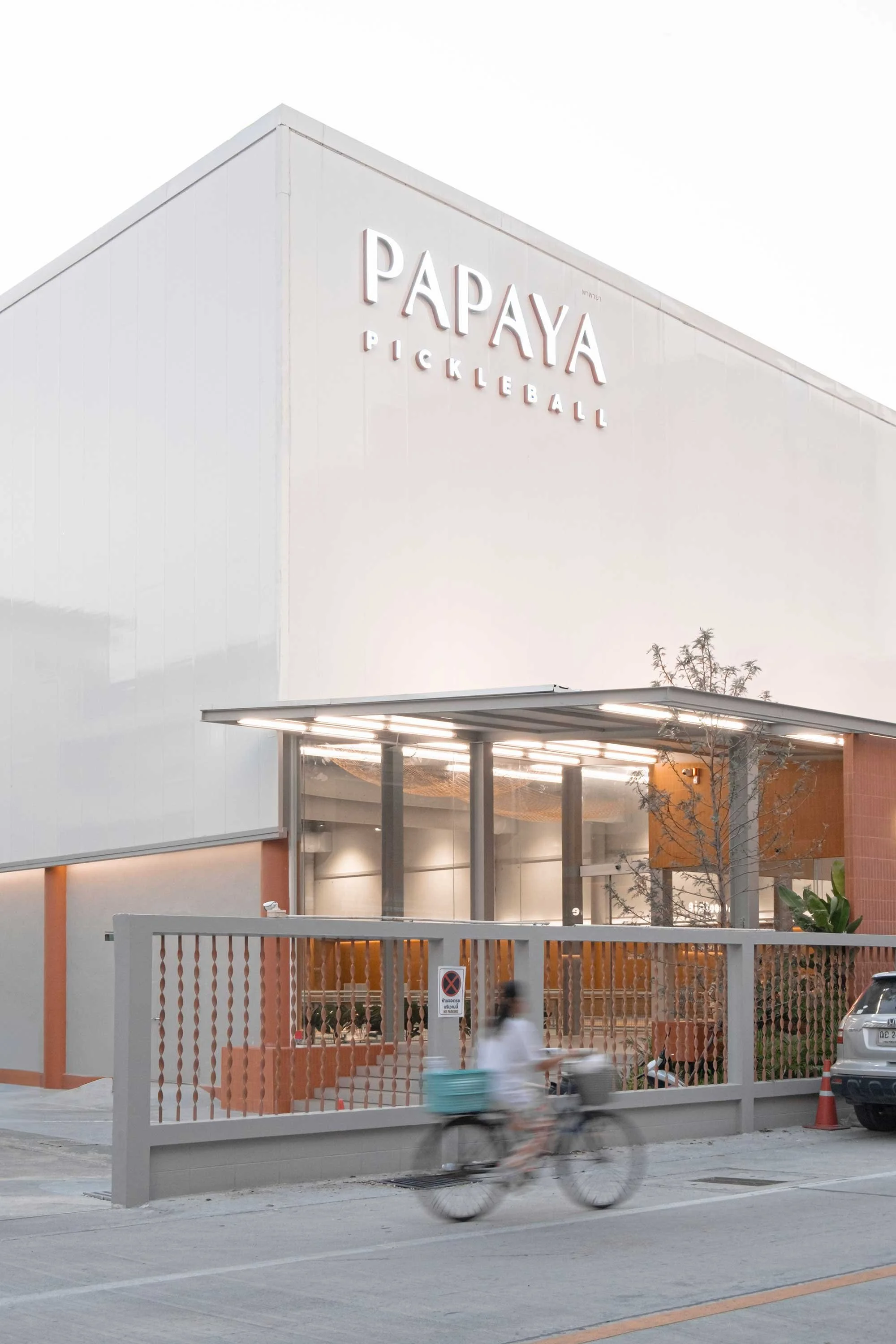
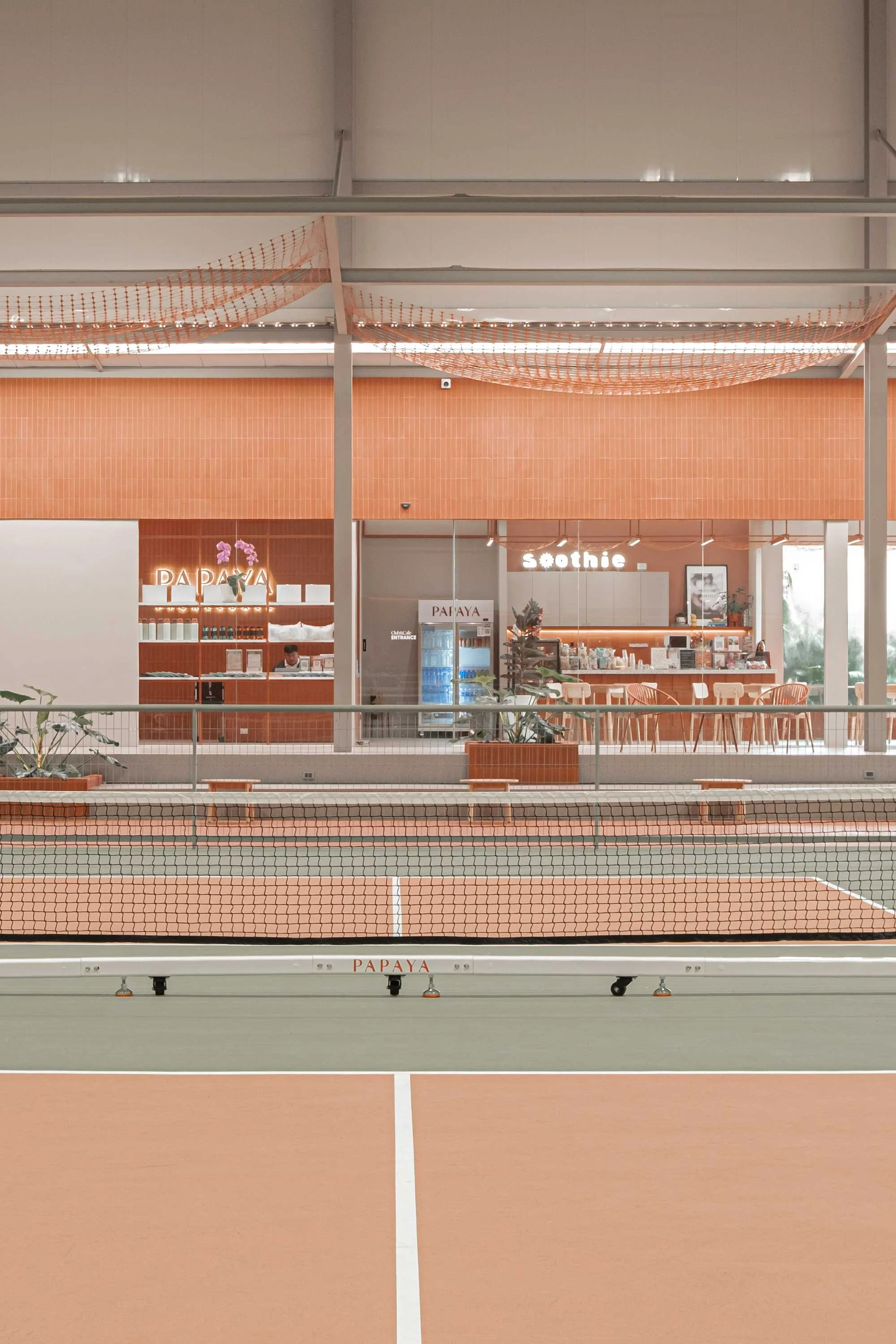
Kanit Architects has converted a football field in Bangkok into Papaya Pickleball Club, six air-conditioned courts that hold onto the spirit of an outdoor sport. Bangkok’s heat dictated the brief: masonry bases and insulated steel walls anchor to the existing concrete columns, while a new sloping steel structure overhead admits daylight. Terracotta bricks maintain continuity from neighbouring buildings into the interior, glass blocks bring light into the ice bath and restrooms while maintaining privacy, and a tiered seating zone between the courts and the club building doubles as spectator stand and stretching area.
Amakakeru, Time & Style
Japan
Lighting
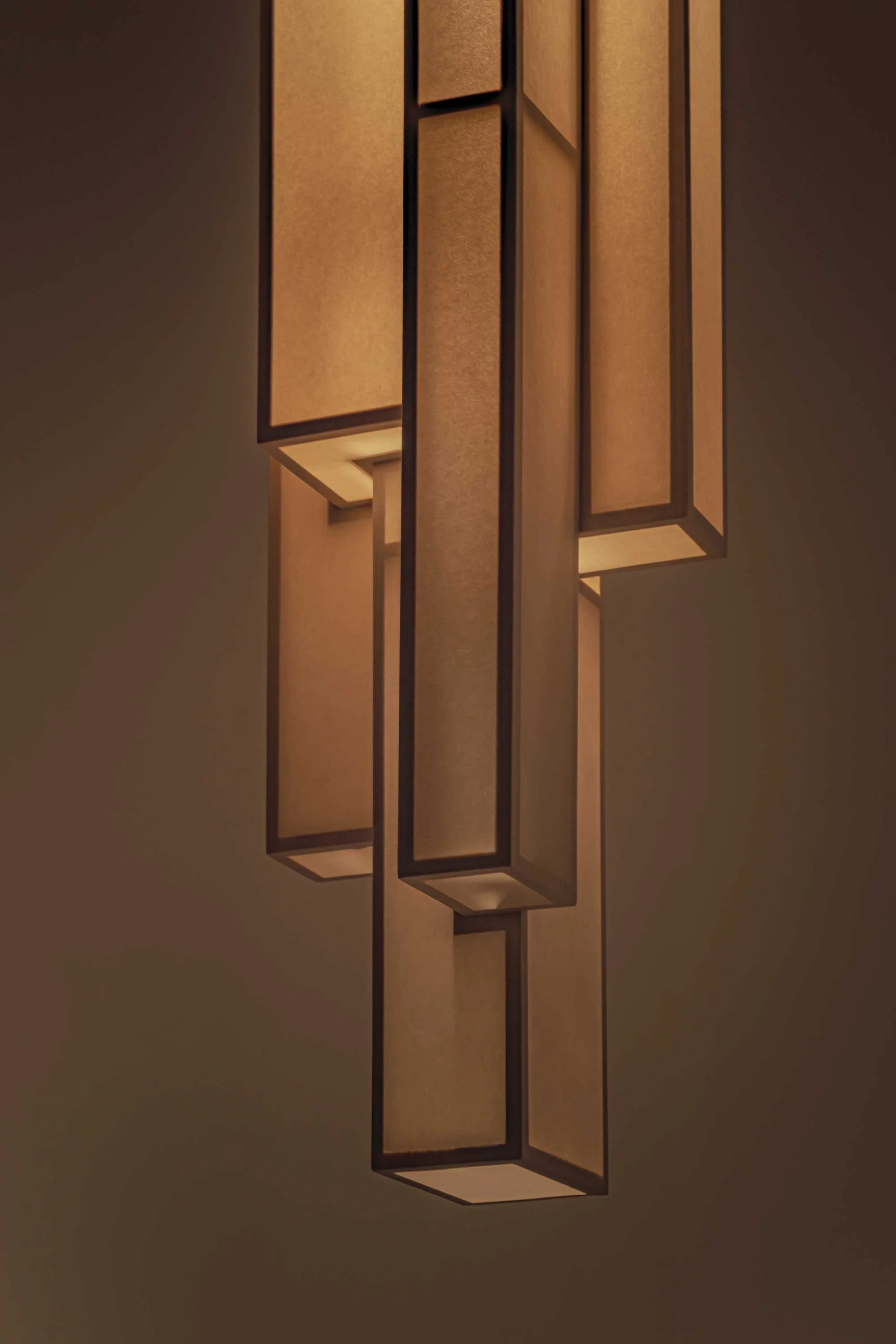
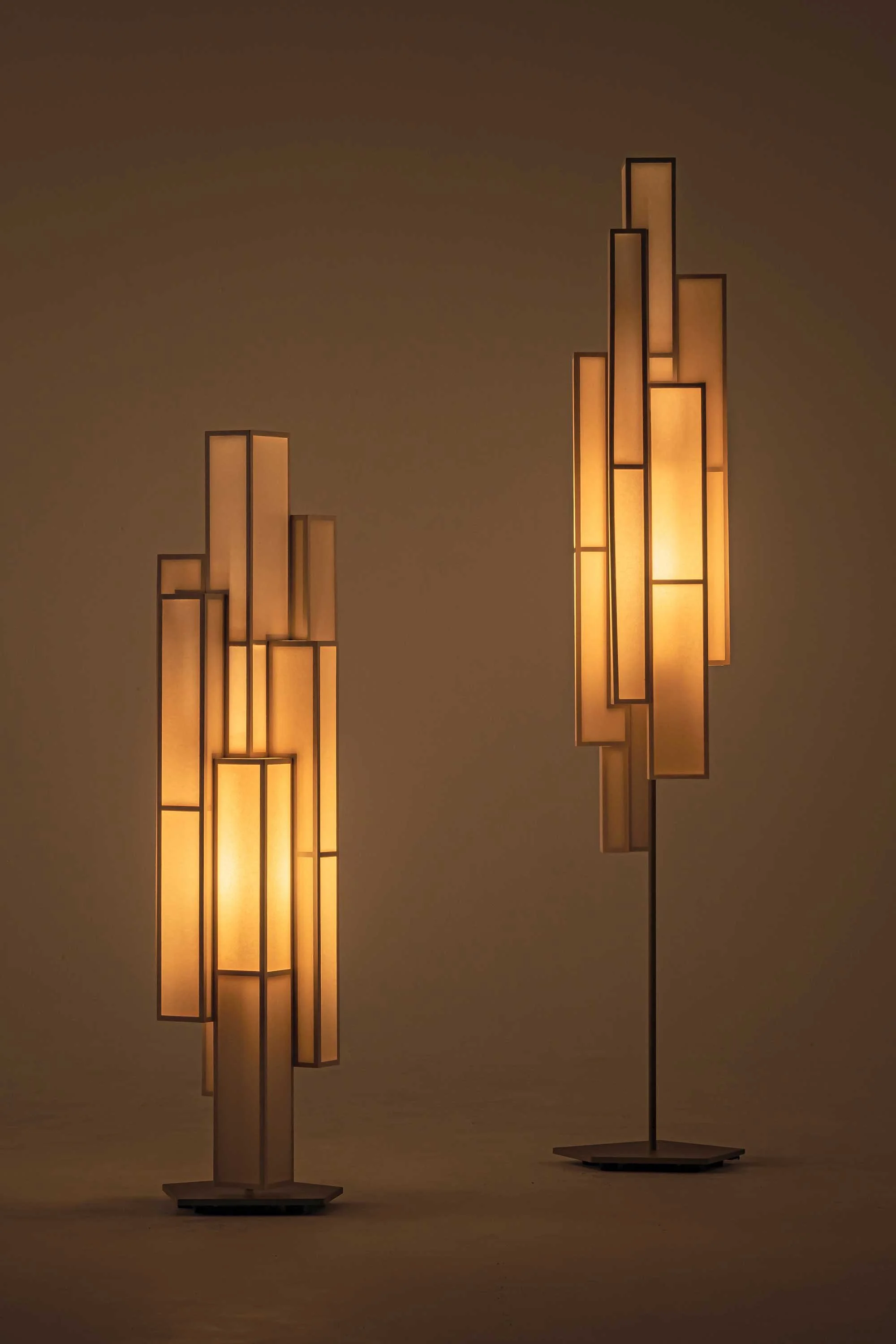
Time & Style’s Amakakeru collection takes its name and form from clouds — slender, drifting, unevenly weighted. Available as floor, pendant and wall lamps, each rectangular frame is wrapped in Mino washi and assembled by hand, with traditional Japanese joinery creating the armature. The intentionally asymmetrical proportions read differently from every angle, recalling the irregular beauty of natural form. Lit, the pieces diffuse a layered glow reminiscent of shoji screens; unlit, they sit as sculptural volumes. The floor version stands on a steel base evoking the stone paths of Japanese gardens and teahouses, grounding the lamp within its setting.
Dragon-i
Hong Kong
Bar
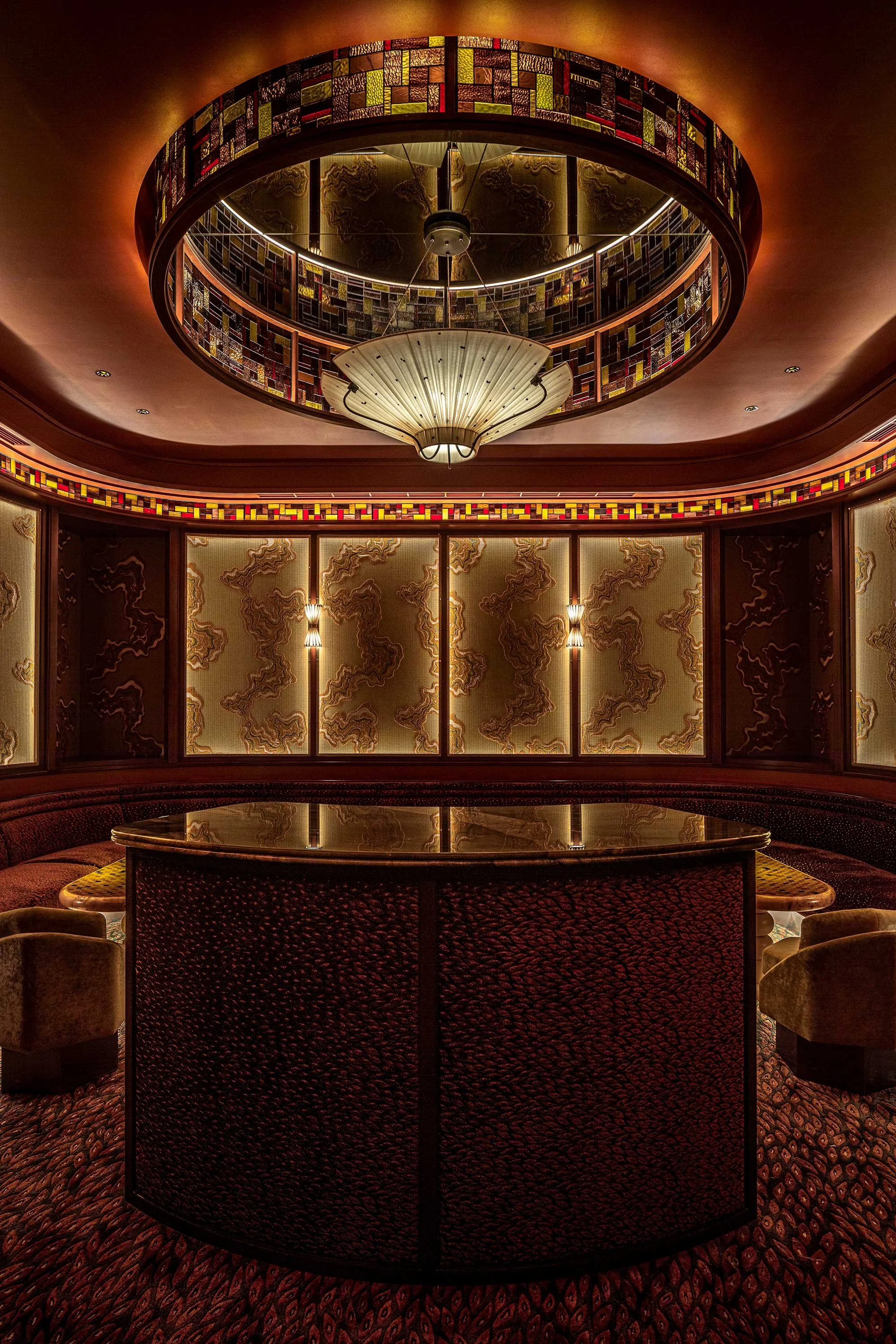
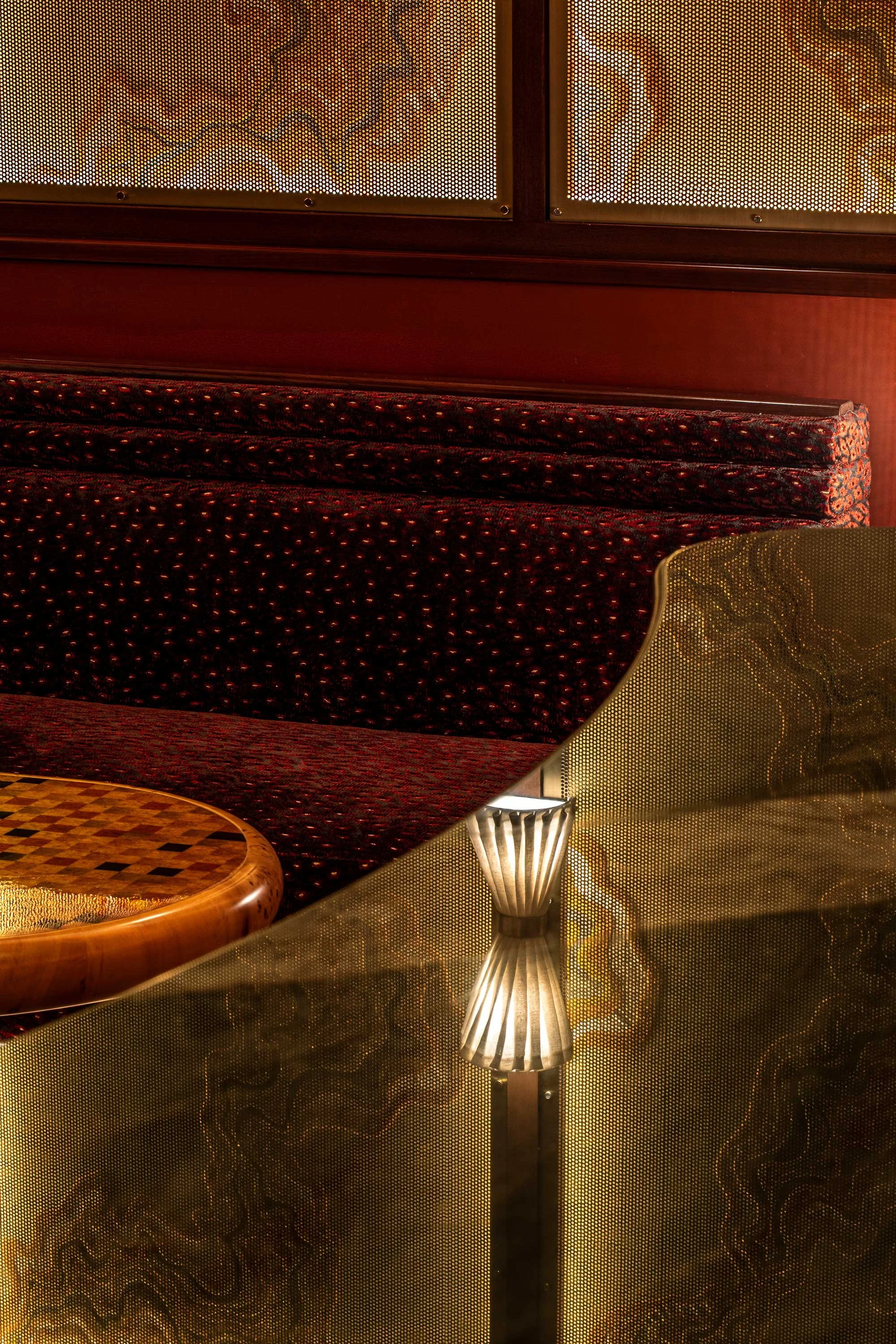
London studio Pirajean Lees has reopened Dragon-i, the Hong Kong nightclub founded by Gilbert Yeung in 2002 and long a fixture of the city’s after-dark scene. The project pairs a reworked nightclub with a new adjacent members’ club, drawing on the city’s vintage cinema and its nightclubs of the 1980s and 1990s. In the nightclub, silver-leather banquettes snake around a central DJ console beneath AV-driven ceiling installations and mirrored panels. The members’ club hosts a listening bar built around Yeung’s vinyl collection and sits within turquoise velvet, stained glass and a playful spread of pinks, blues and greens.
Solais Replenishing Hand Serum, Aesop
Melbourne
Hand Care
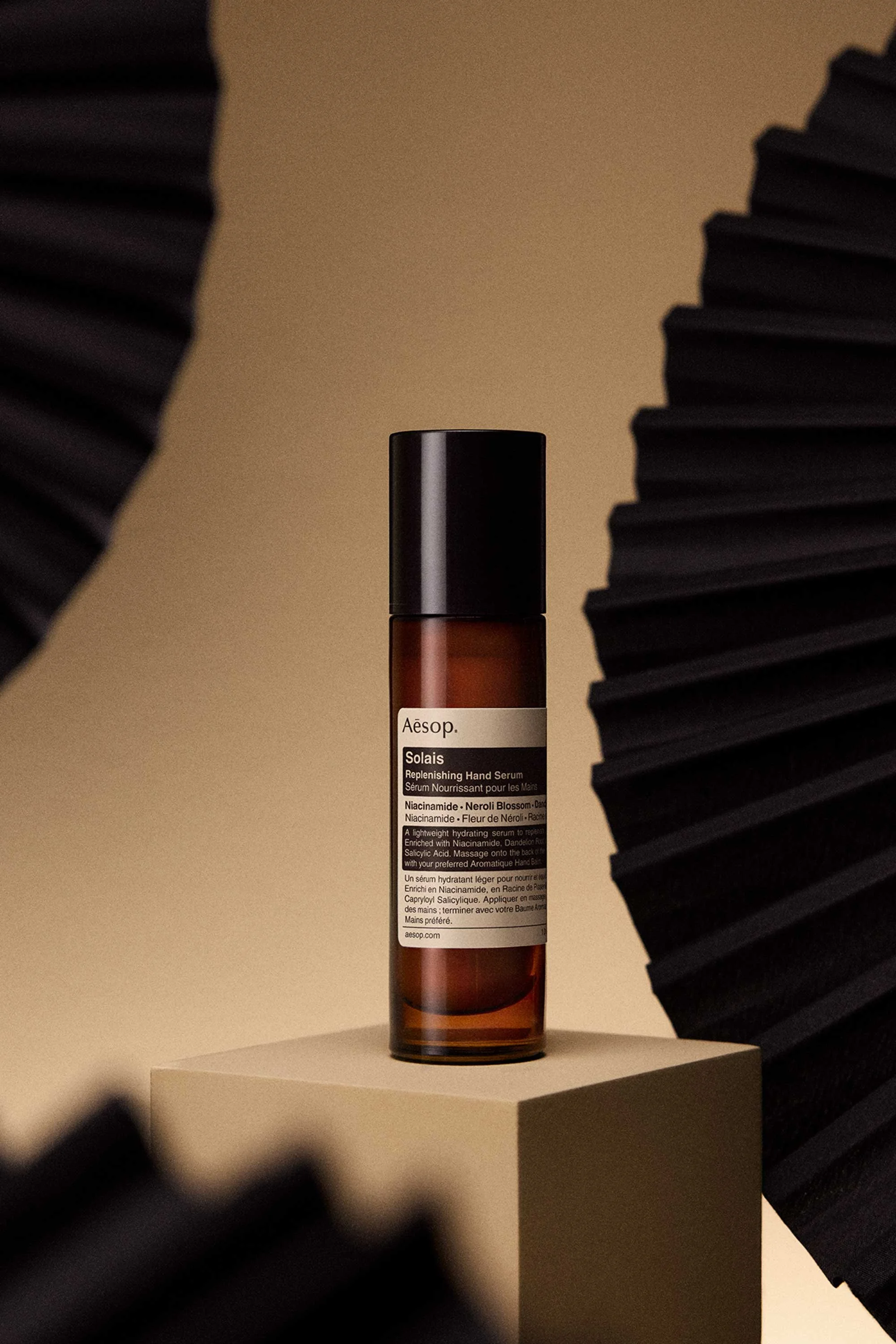
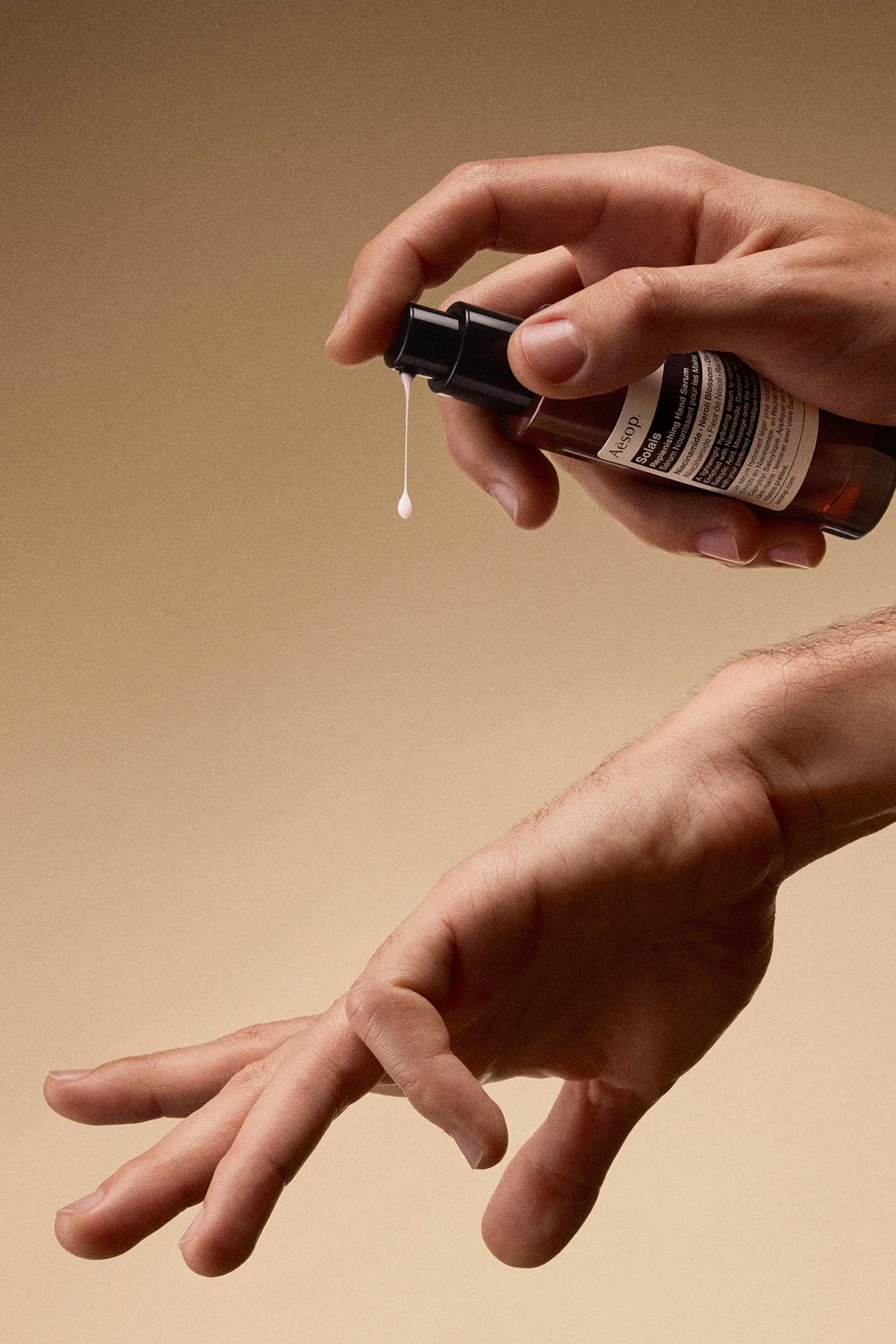
Aesop’s new Solais hand serum is the brand's first attempt to apply the logic of facial skincare to the hands. Where its existing hand range has worked in balms and washes, Solais sits between the two as a treatment step — niacinamide, dandelion root and LHA targeting hyperpigmentation, brightness and uneven skin tone, with coconut, macadamia and sweet almond oils handling the softer work of hydration. The name, pronounced ‘Sol-ish’, is Irish for ‘of light’. Aesop suggests using it as part of a four-step routine — cleanse, treat, hydrate, protect — borrowed wholesale from facial care; an argument that hands have been undertreated all along.