The New Dame in the ‘Grand Dame’
Hui Designs has created a bistro within the National Museum of Singapore that expresses cultural, material and spatial nuance
The 138-year-old National Museum of Singapore, posing grandly at a junction along Stamford Road, is a palimpsest of space and time: restoration and refurbishment works carried out over the years bridge old and new elements while updating it for the times. In 2006, Singaporean architect Mok Wei Wei completed a major renovation. Elyssa Goh and Elizabeth Kon took a space in the building for their cafe Food for Thought. When the lease was up, they couldn’t resist the charm of the ‘Grand Dame’, as the museum is lovingly called, re-bid and won the same space.
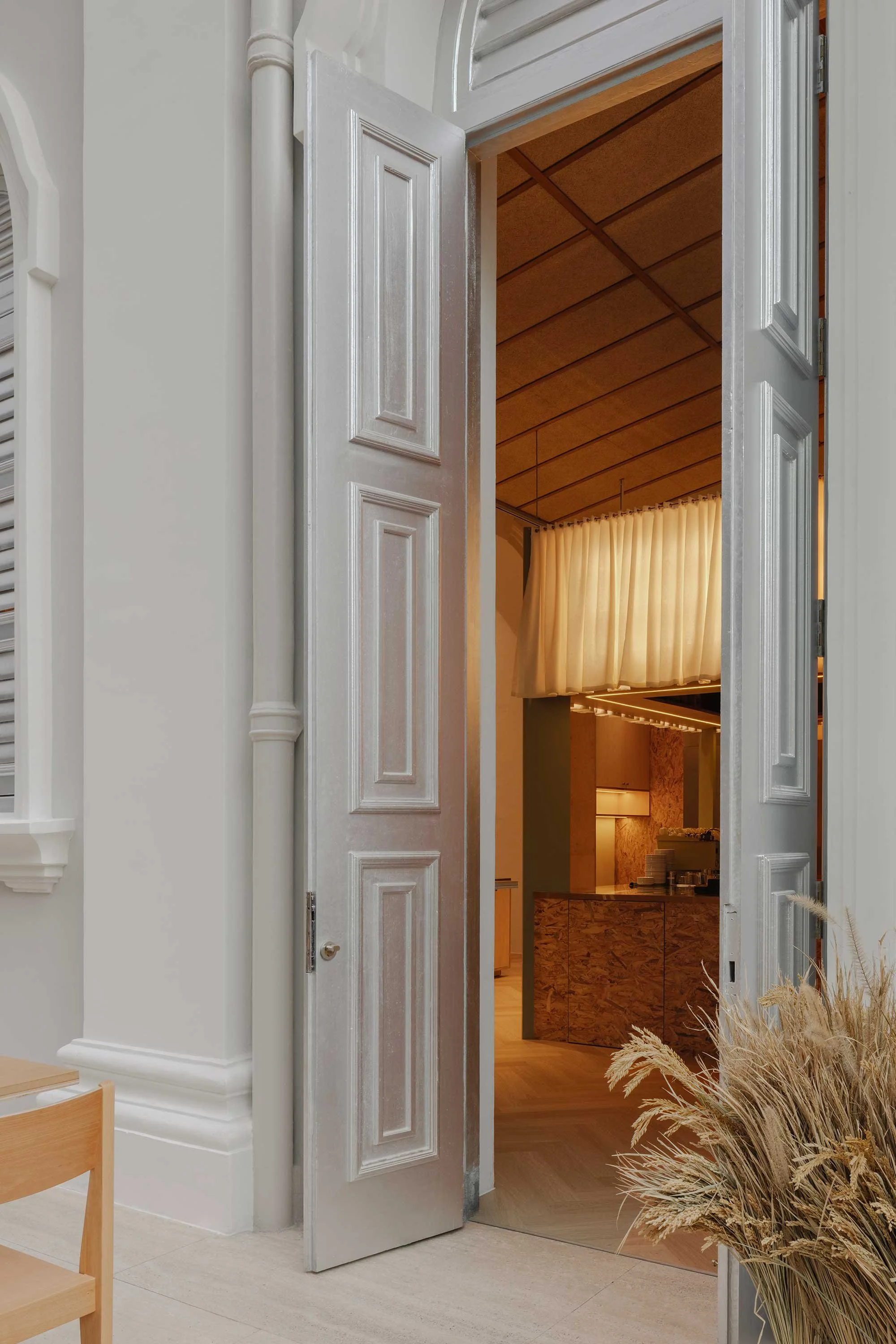
The owners have reintroduced a concept along with a new name, Dame, which reflect more vividly the museum as Singapore’s embodiment of multicultural identity. Goh and Kon engaged Hui Lim of Hui Designs to design the new bistro. ‘I wanted to create a design that was not intrusive, where the modern elements are in juxtaposition with the historical shell,’ says Lim, who created a scheme to reflect a new menu that adds mod-Southeast Asian dishes.
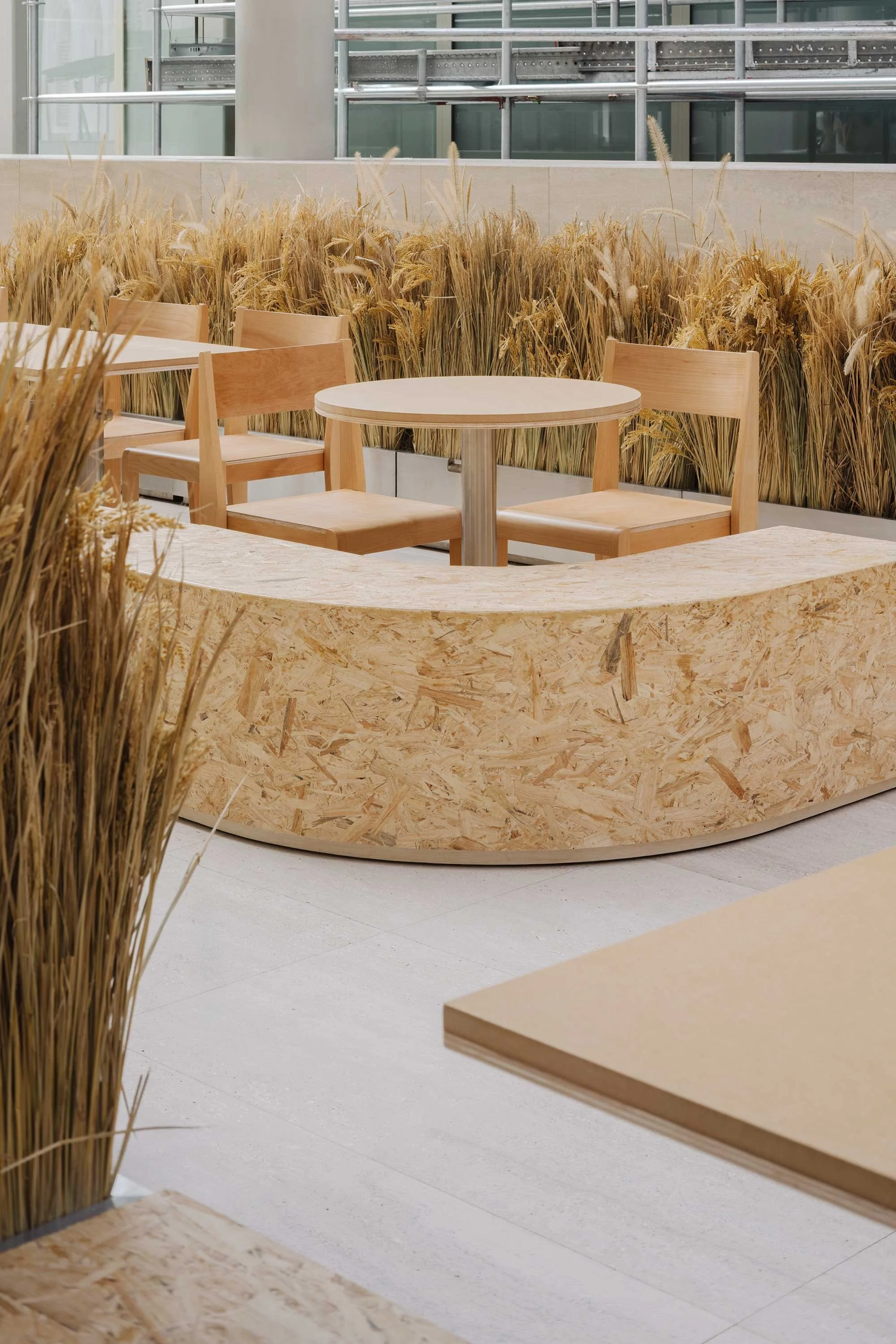
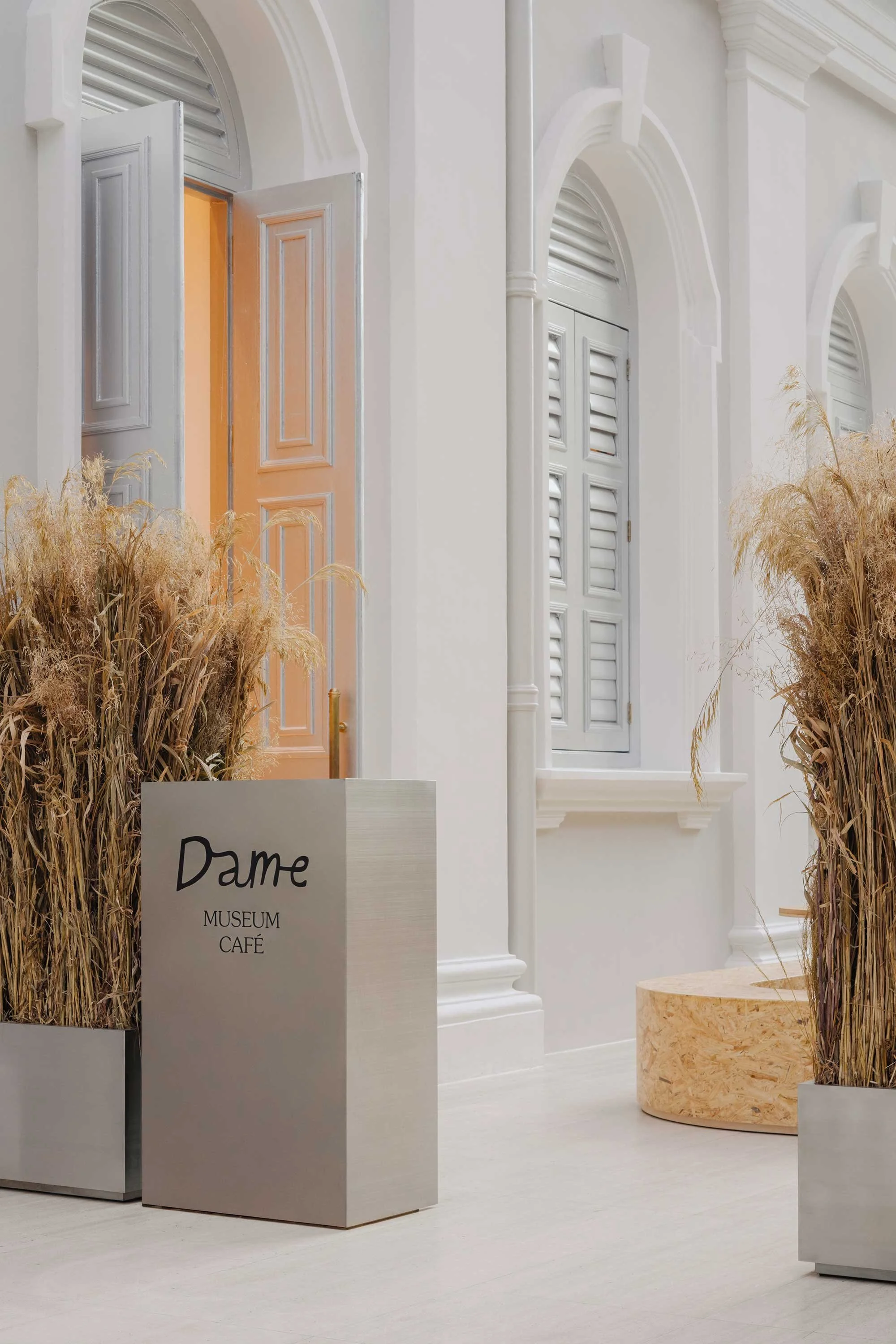
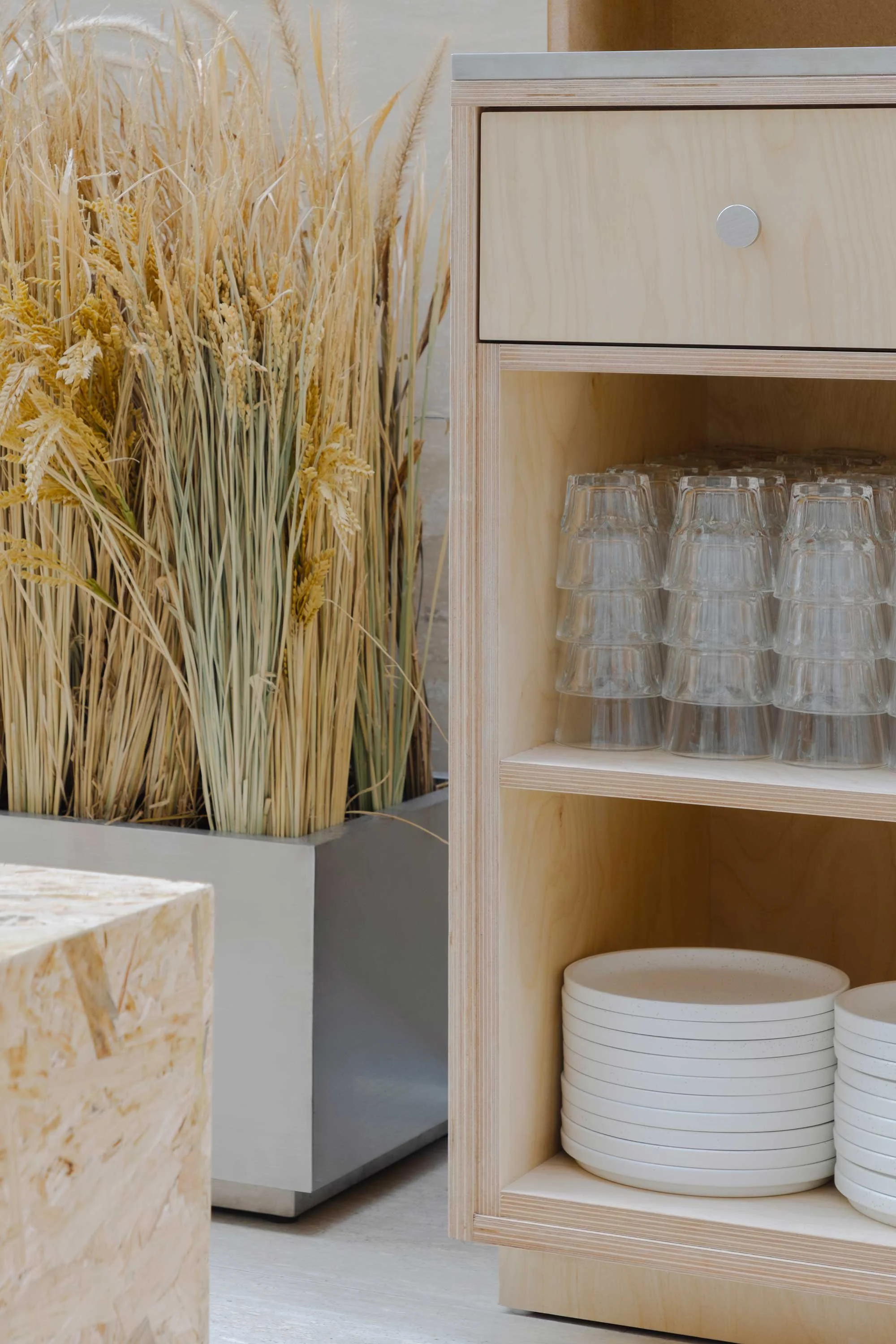
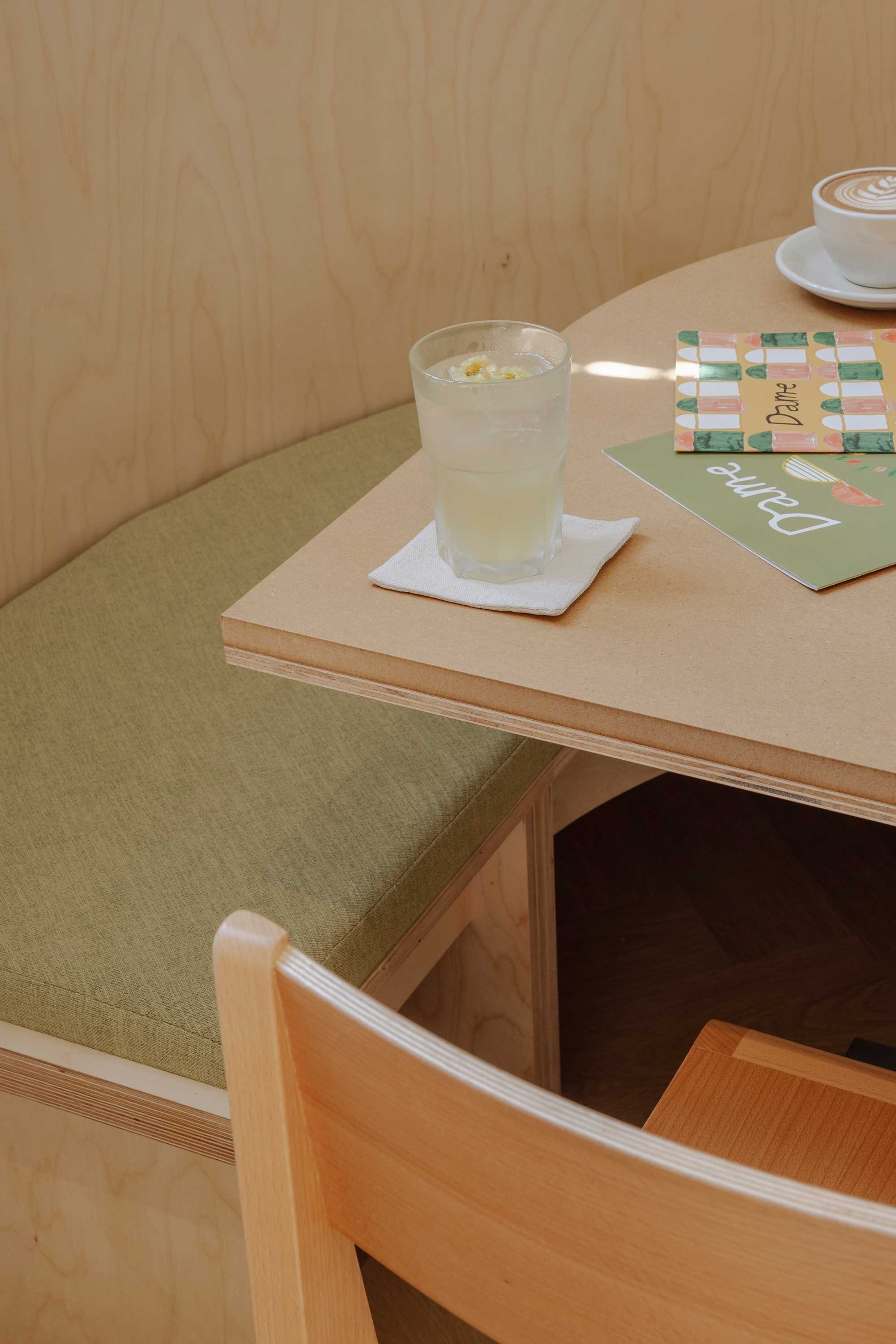
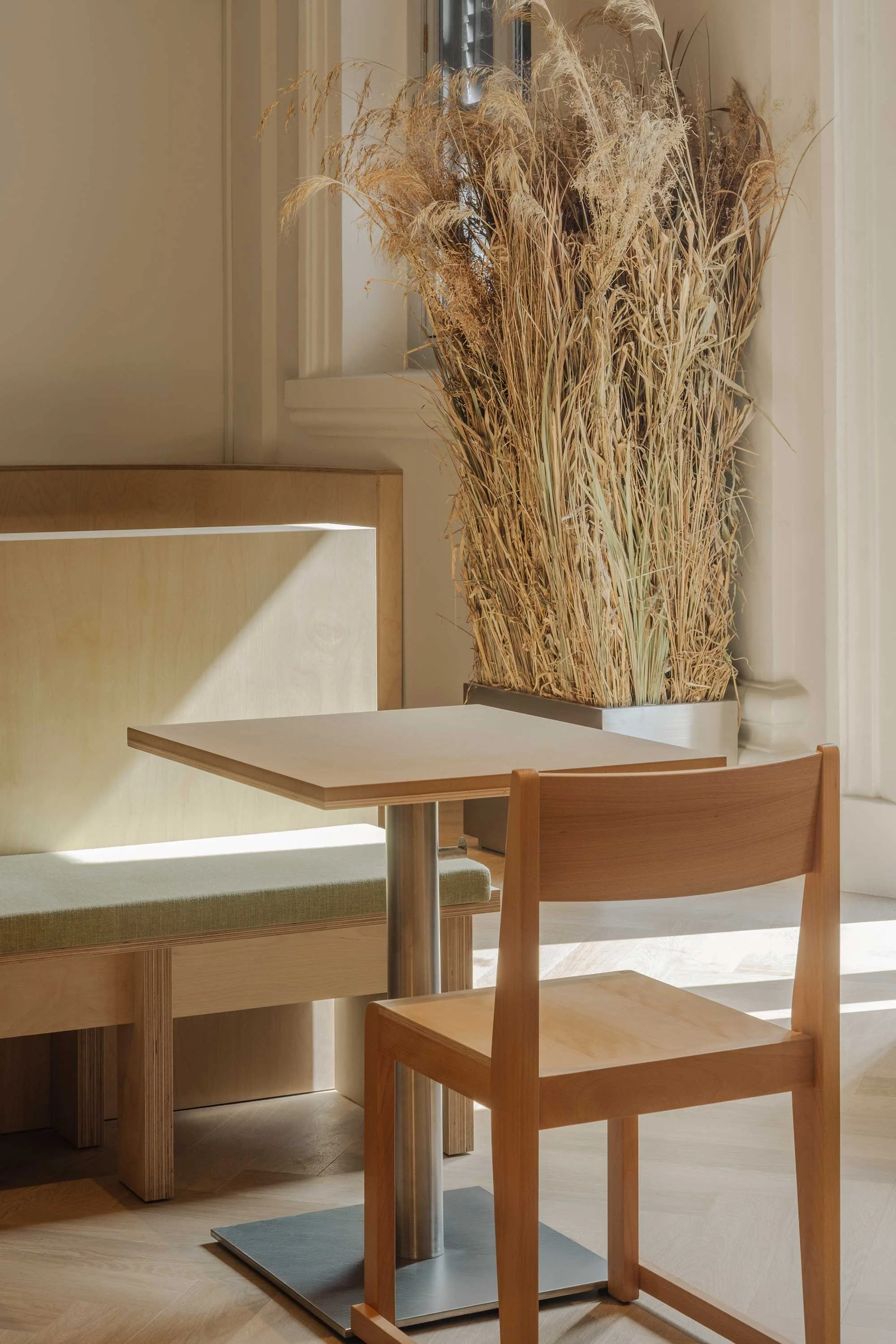
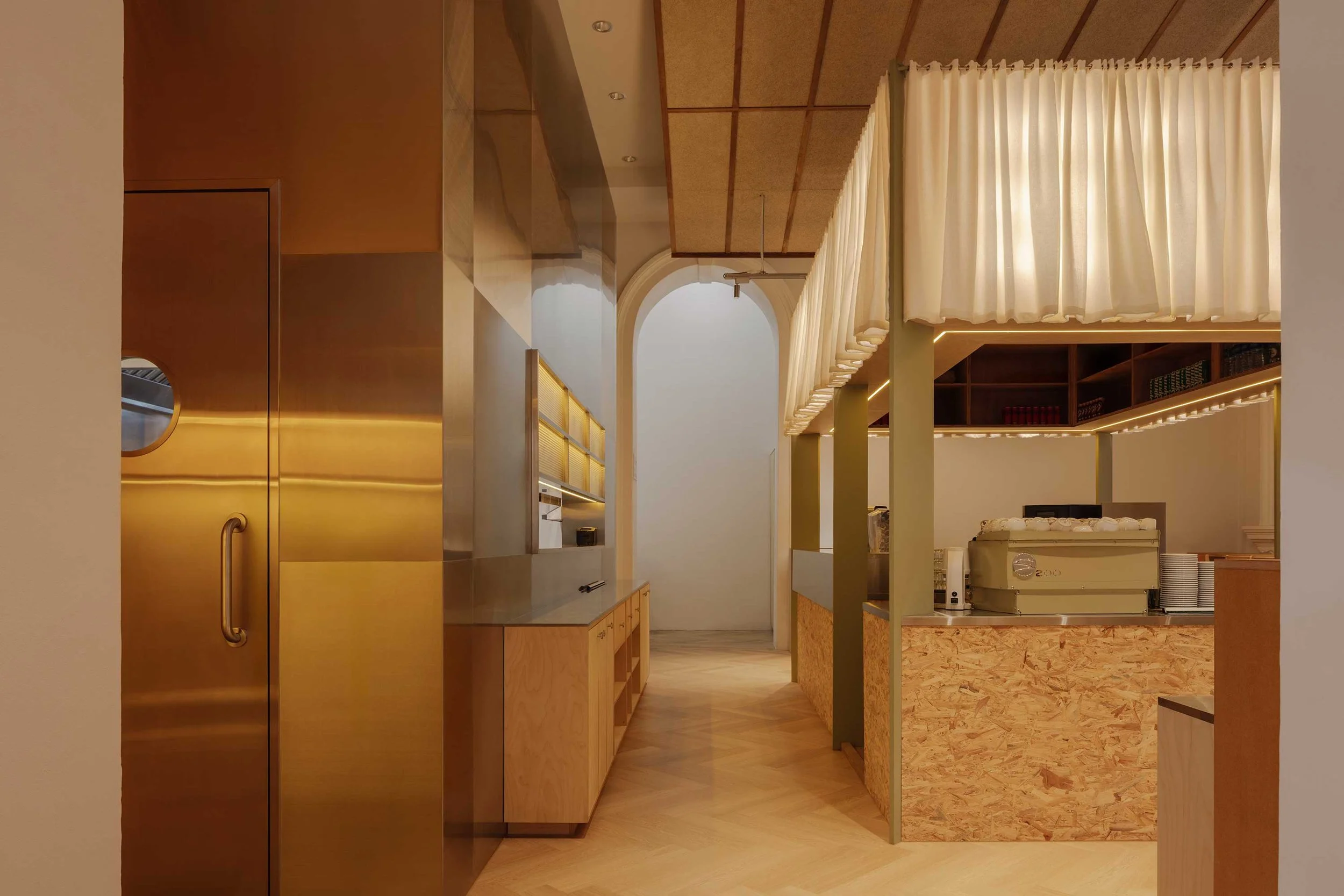
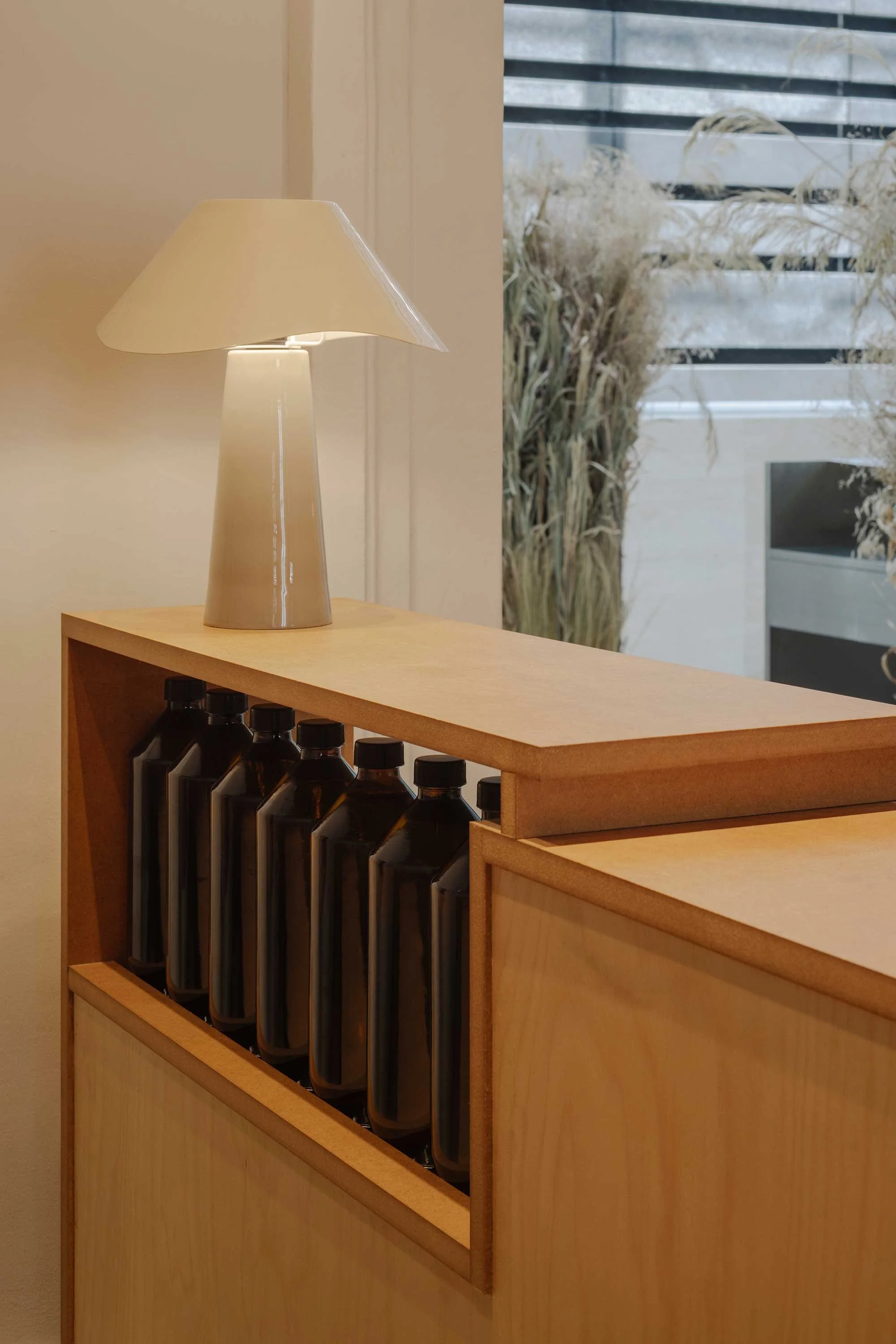
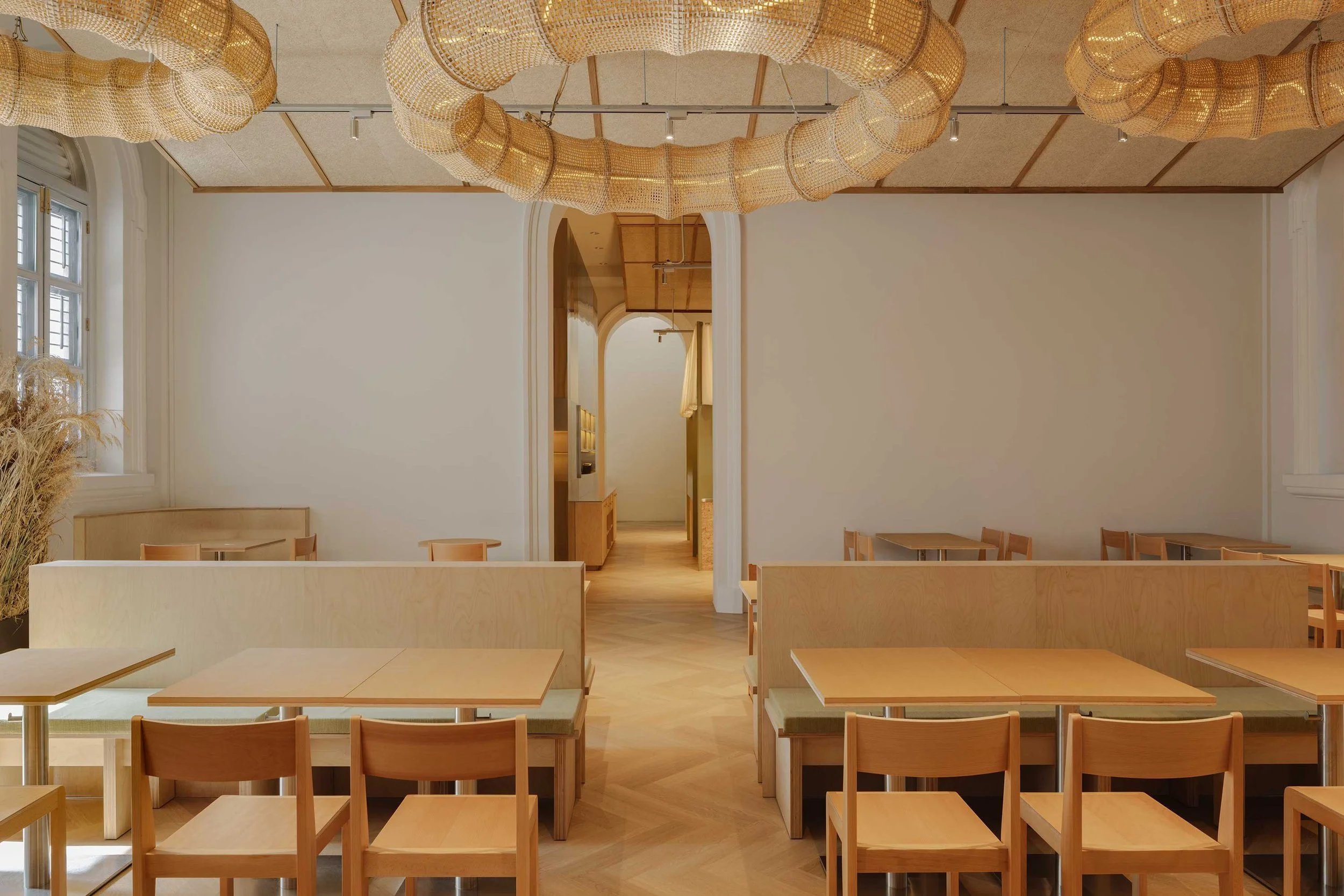
The shop spills out to a part of the atrium space in the centre of the museum. Lim created curved benches in this sunlit area to bring an intimate feeling to what was formerly a transitional space. A floating pitched ceiling pays tribute to the architecture of the traditional attap houses. The materiality of solid wood and wood wool acoustic panels also draw from regional culture, used alongside plywood, chipboard and MDF boards chosen for their raw quality and utilitarian associations. The coffee bar is a modern construct — a monolithic volume rising tall to evoke a ‘strong presence, resembling a kiosk and at the same time, emanating the aura of a “dame” or lady of the house’, says Lim
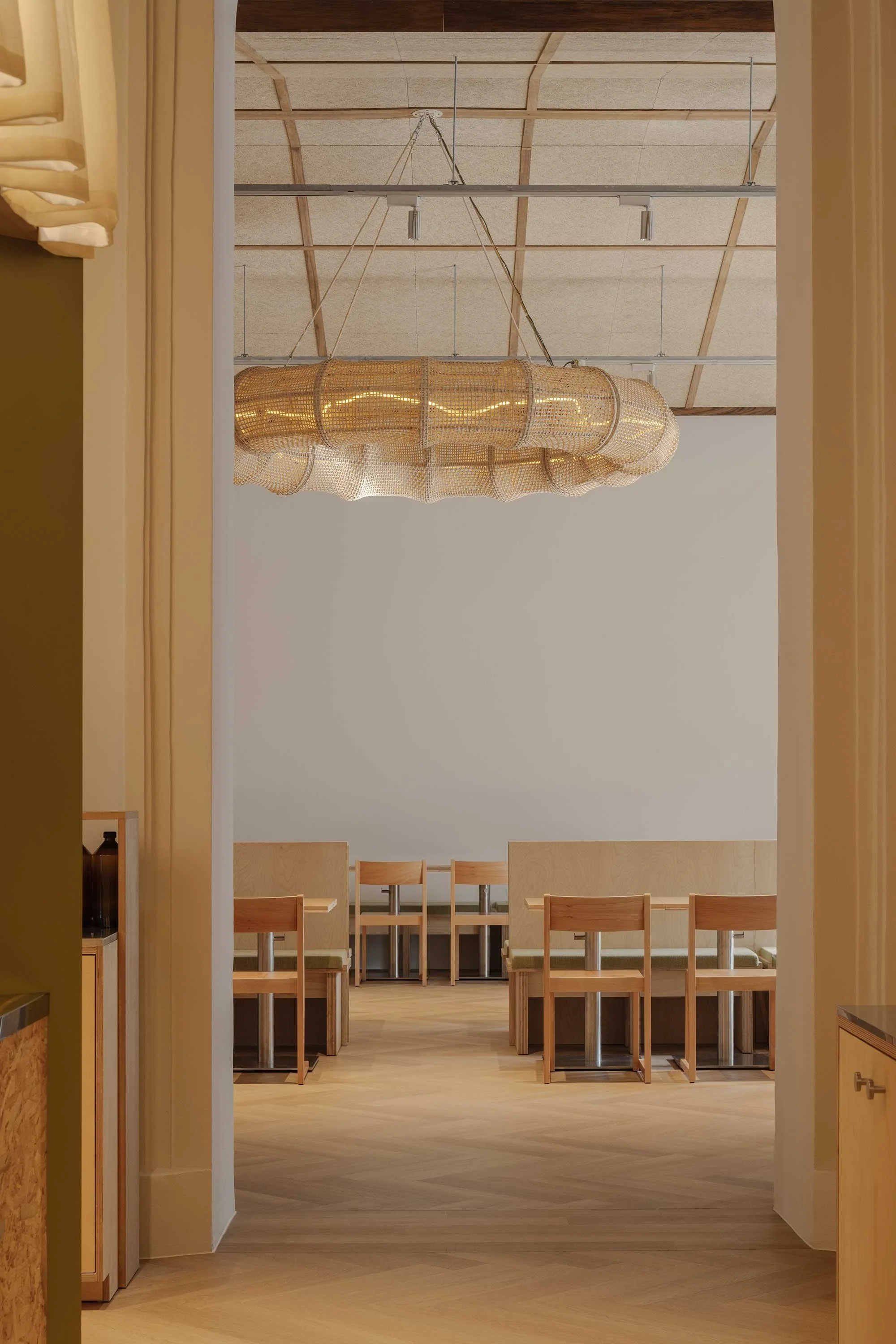
To counter the high ceilings, Lim designed a woven rattan lighting feature that snakes around the ceiling void like the body of a dragon during traditional dragon dances. The craft of the piece reflects the region’s weaving traditions, conveying a sense of place. It was, appropriately, created by Jakarta-based maker BYO Living, of whom Lim says, ‘Their love for good craftsmanship and design integrity resonates with mine.’
The overall impression of the space is striking: by turns airy and moody, craft-focused and invitingly natural, it creates quite an ambience. Appropriately so for Lim, who wished to recreate the ambience of the museum hotels she has visited around the world.
Text by Luo Jingmei
Photography by Form Practice