This Converted Annex in Osaka is a Beautiful Blend of Tradition and Playfulness
The small annex of a house in Osaka has become a garden-facing haven with whimsical touches under the skilful and sensitive approach of design firm Nue
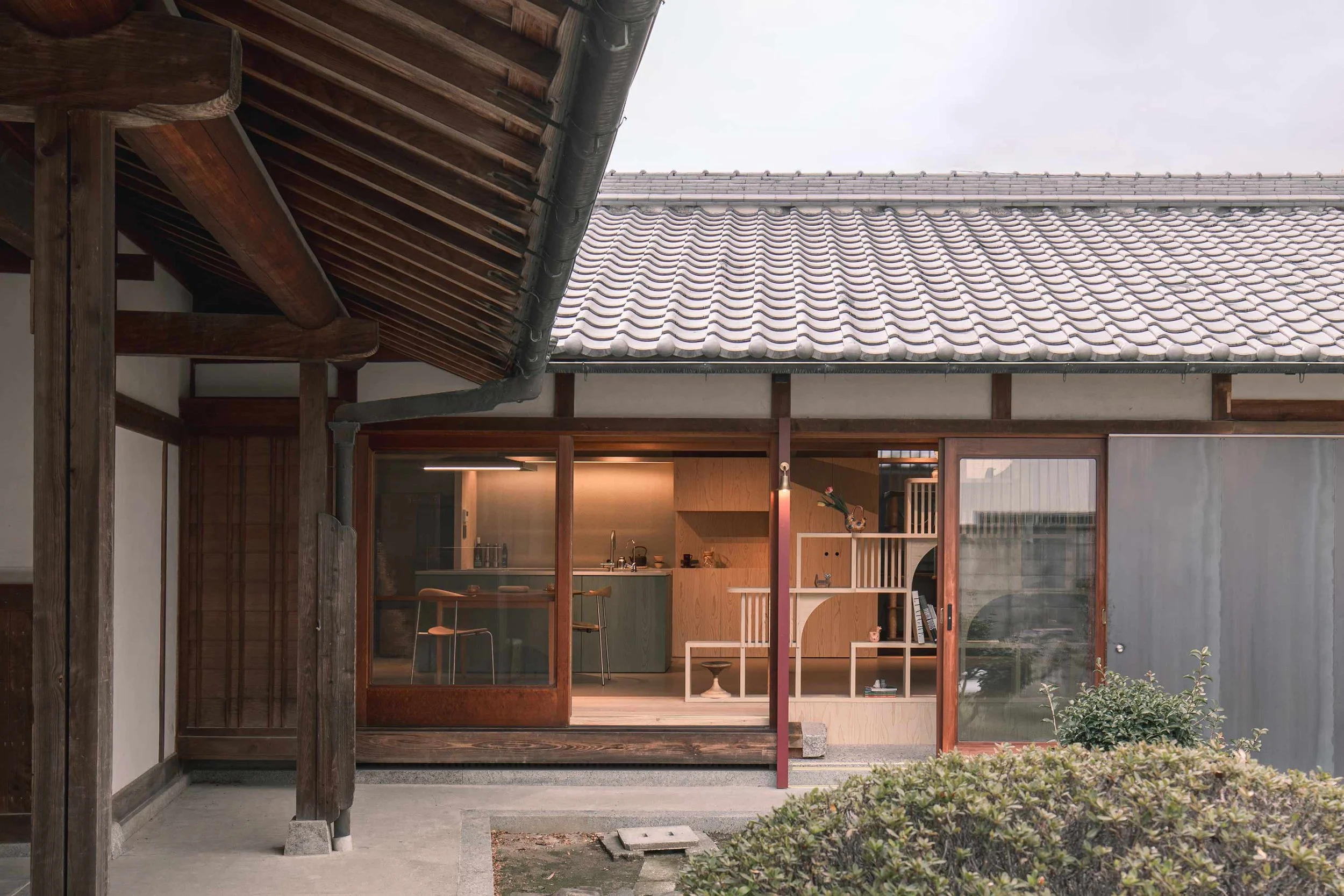
When a couple decided to move from the city to a rural area outside Osaka to be closer to aging parents, they turned to local design firm Nue to create their new space. And in fact, they couldn’t be much closer — the new home is located within the annex of the parents’ home.
The 100-square-metre space is uniquely located, explains Nue founder Leo Kitawaki, who established the studio just last year. ‘The site faces a pathway leading to a nearby shrine and features a traditional wooden house,’ he says. ‘And within the grounds, the main house and the annex surround a central courtyard.’
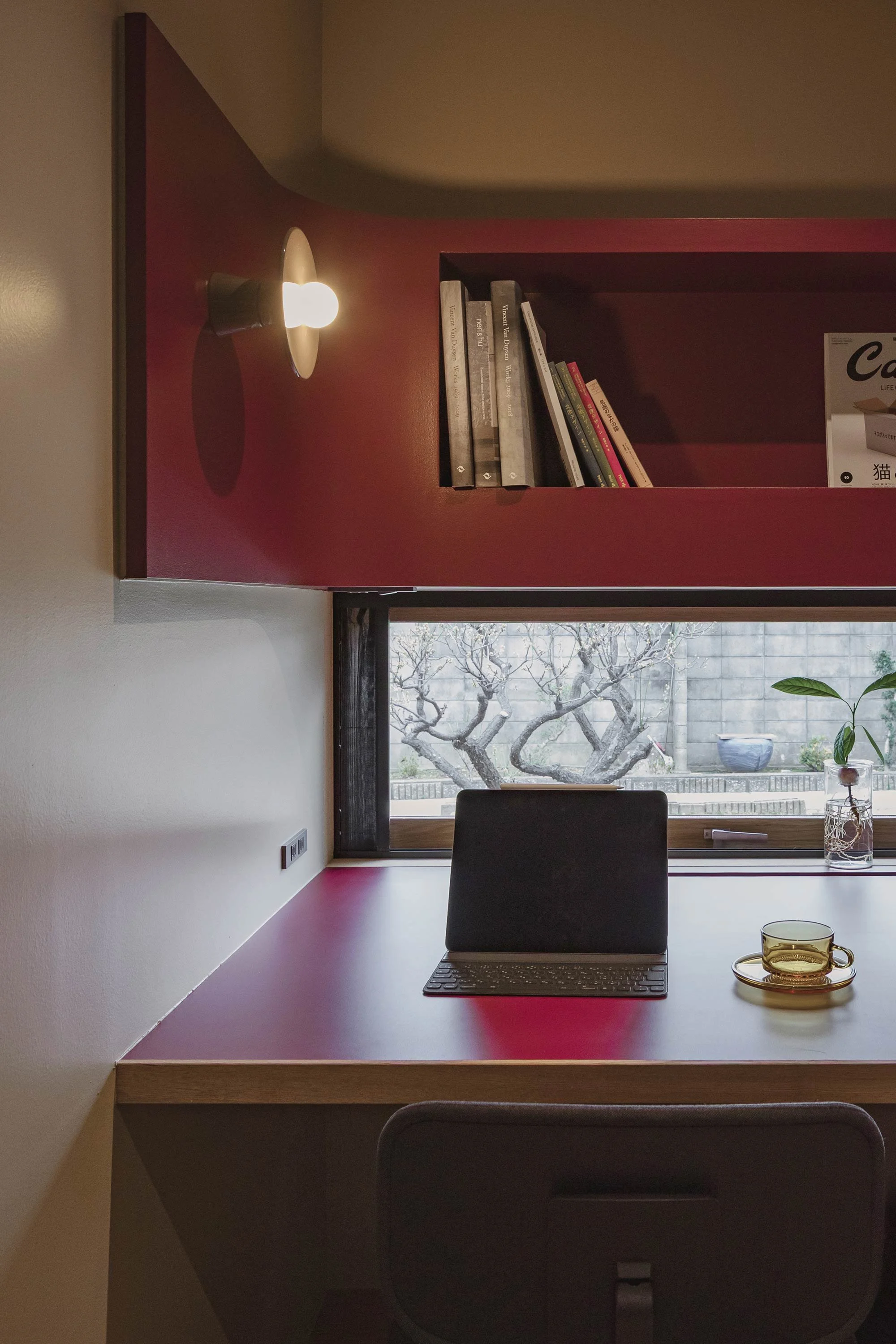
The space also needed to function as an office, since the couple work from home. ‘Comfort and liveability became essential for a space in which they’d spend most of their time,’ says Kitawaki. ‘We actually work with one of the clients in the couple, she collaborates with us as a rendering artist. She has a cheerful and sociable personality, so a key focus was how to make life in the countryside enjoyable and fulfilling.’
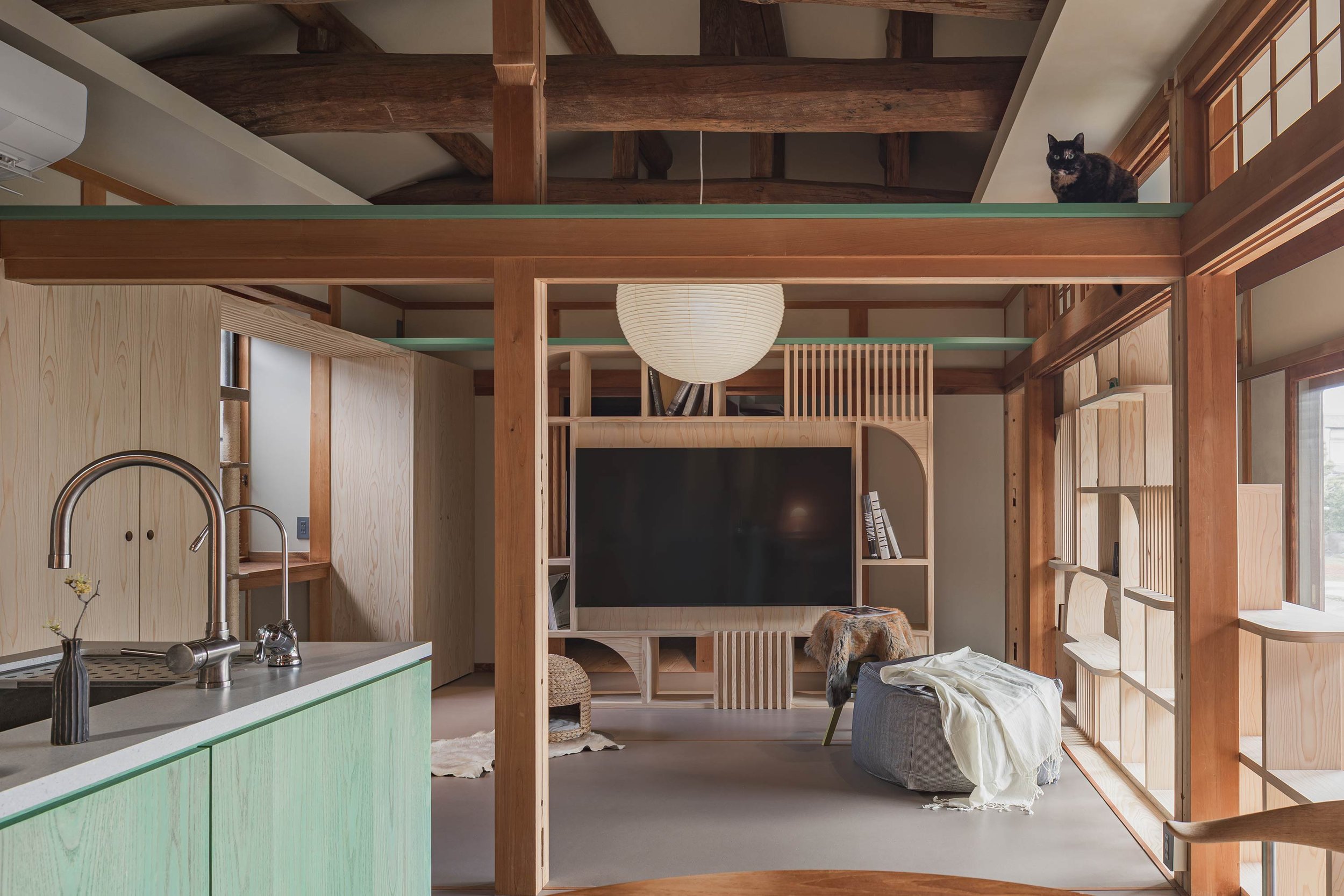
One of the studio’s core design principles is preserving existing context, and this played a vital role here. The wooden structure is more than 50 years old and features stunning log beams in the attic that Kitawaki says are close to impossible to replicate today. ‘It is also a place rich with family memories, as the client’s grandparents once lived there. Reorganising this accumulated time with care became a central mission,’ he says.

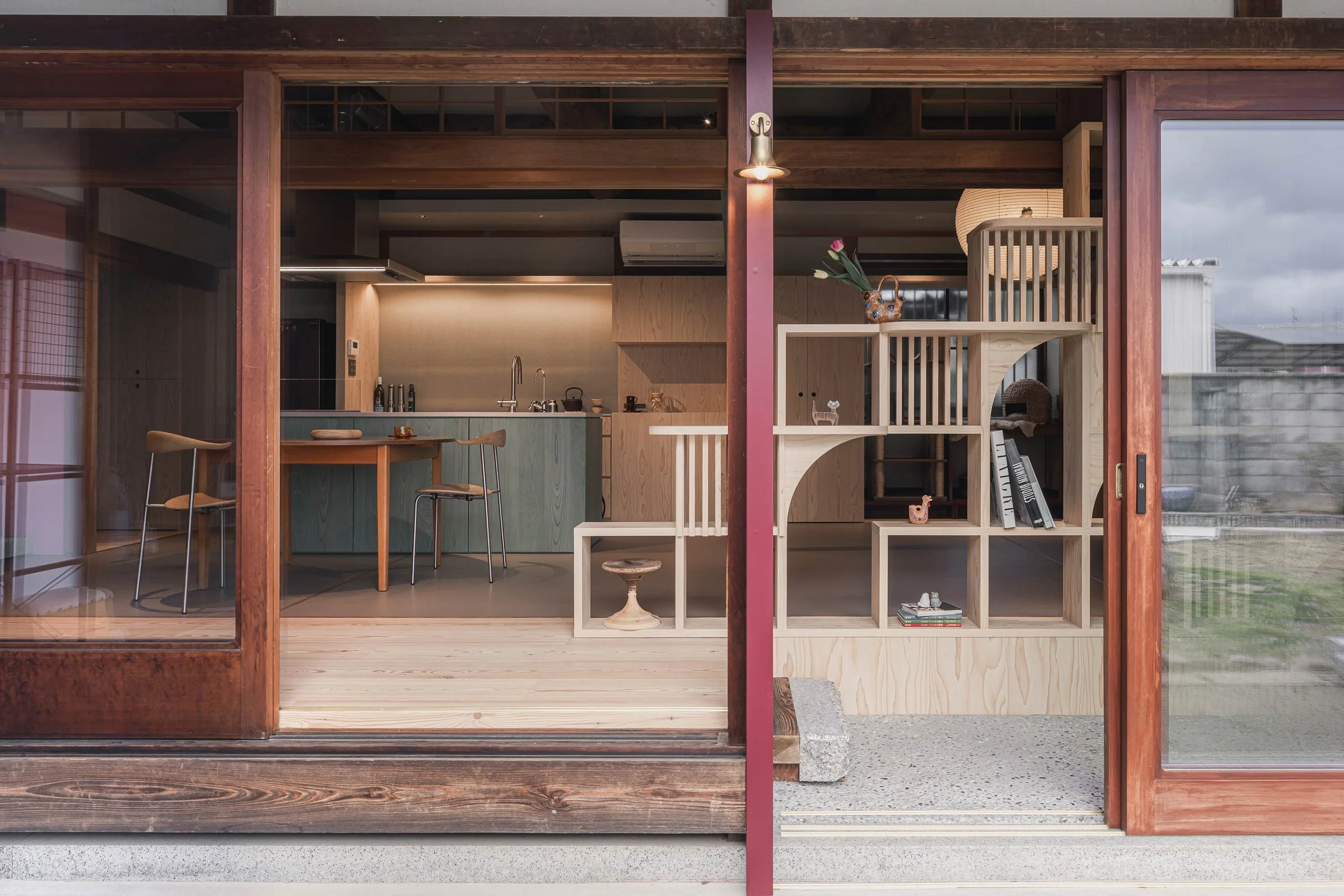
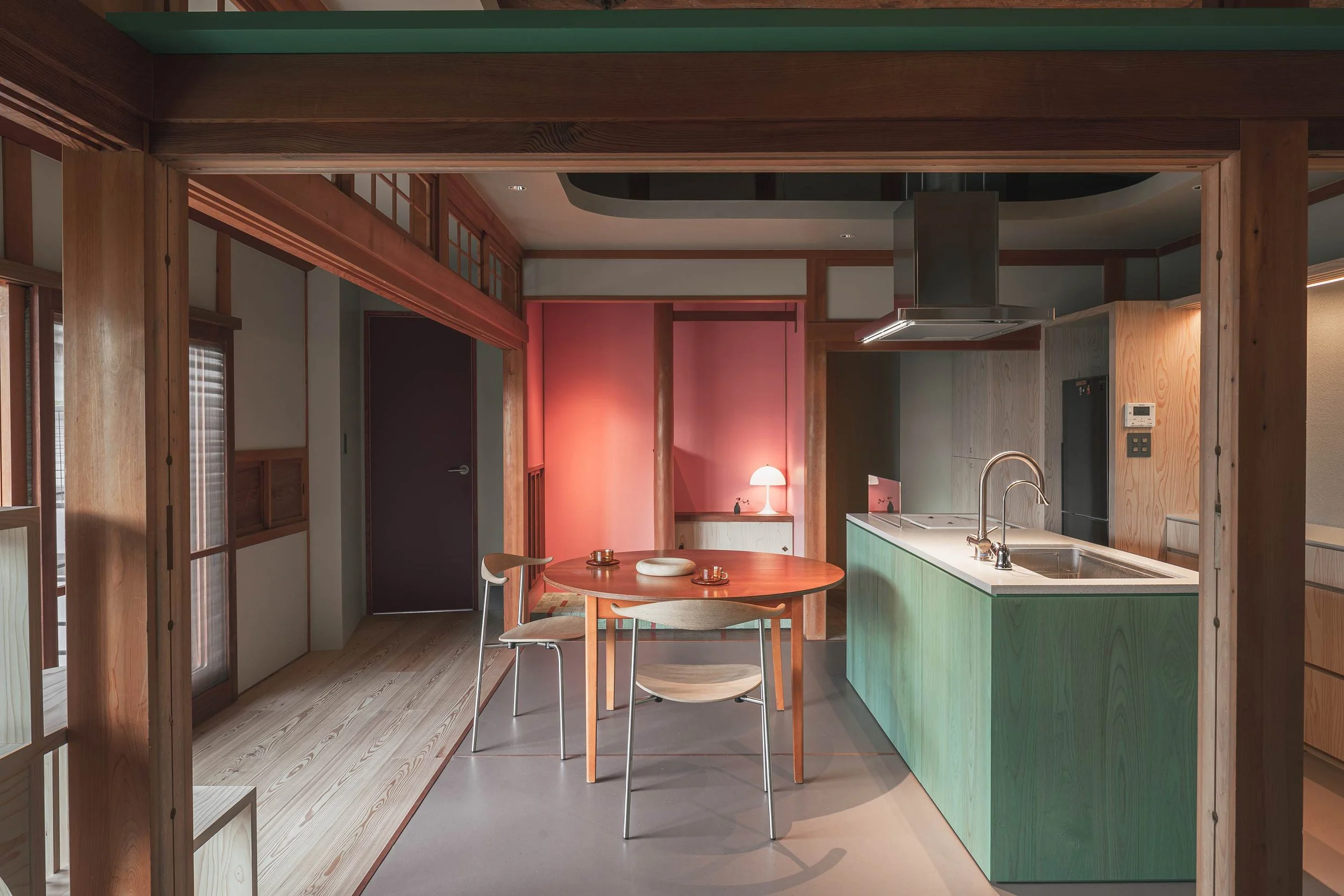
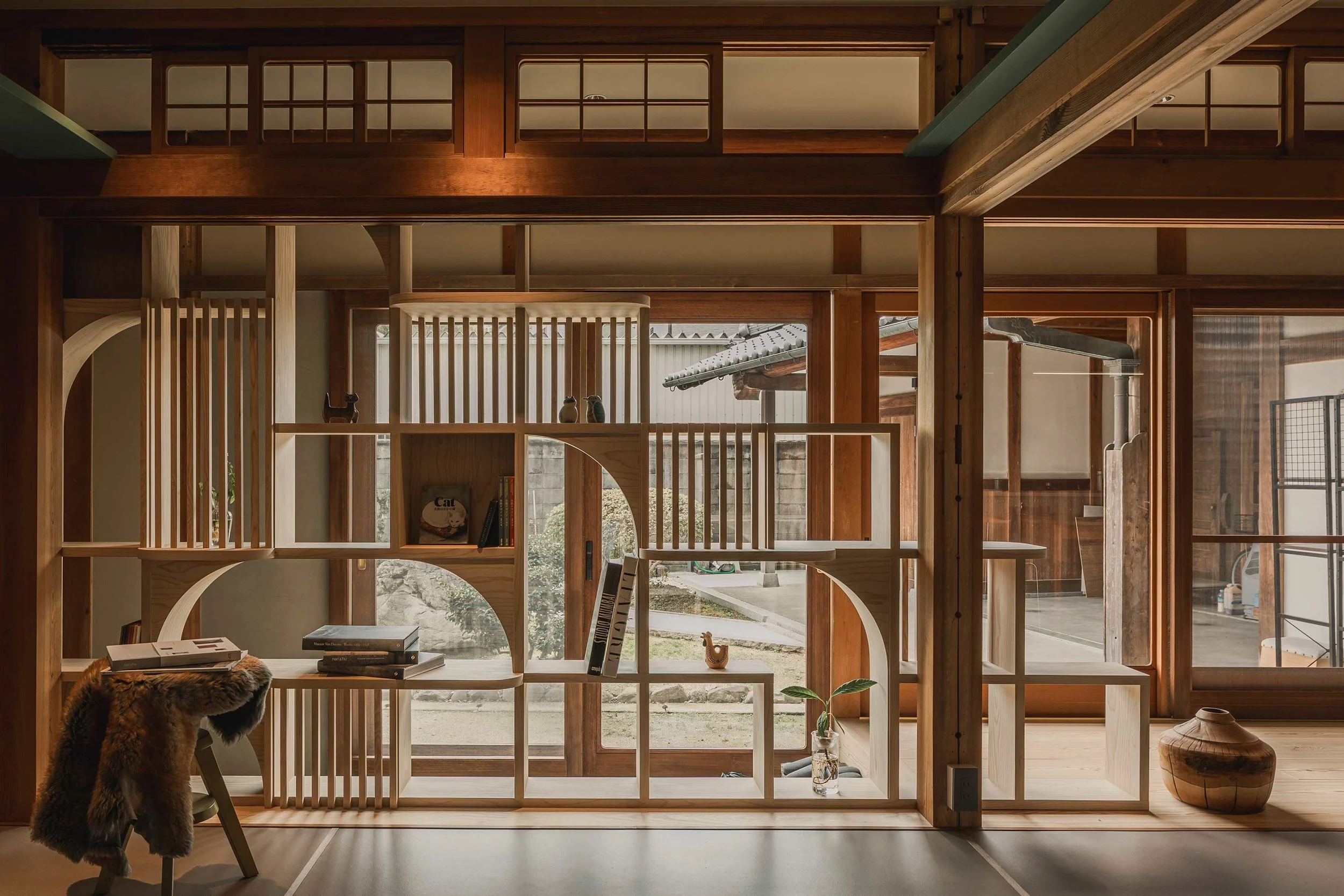
To maximise the rare charm of the hidden courtyard on the southwestern side of the building, the designers reoriented the main entrance towards a newly created engawa veranda, creating a natural flow of traffic and views towards the garden. The former entrance was closed off and the house was restructured around the garden as the focal point of daily life.
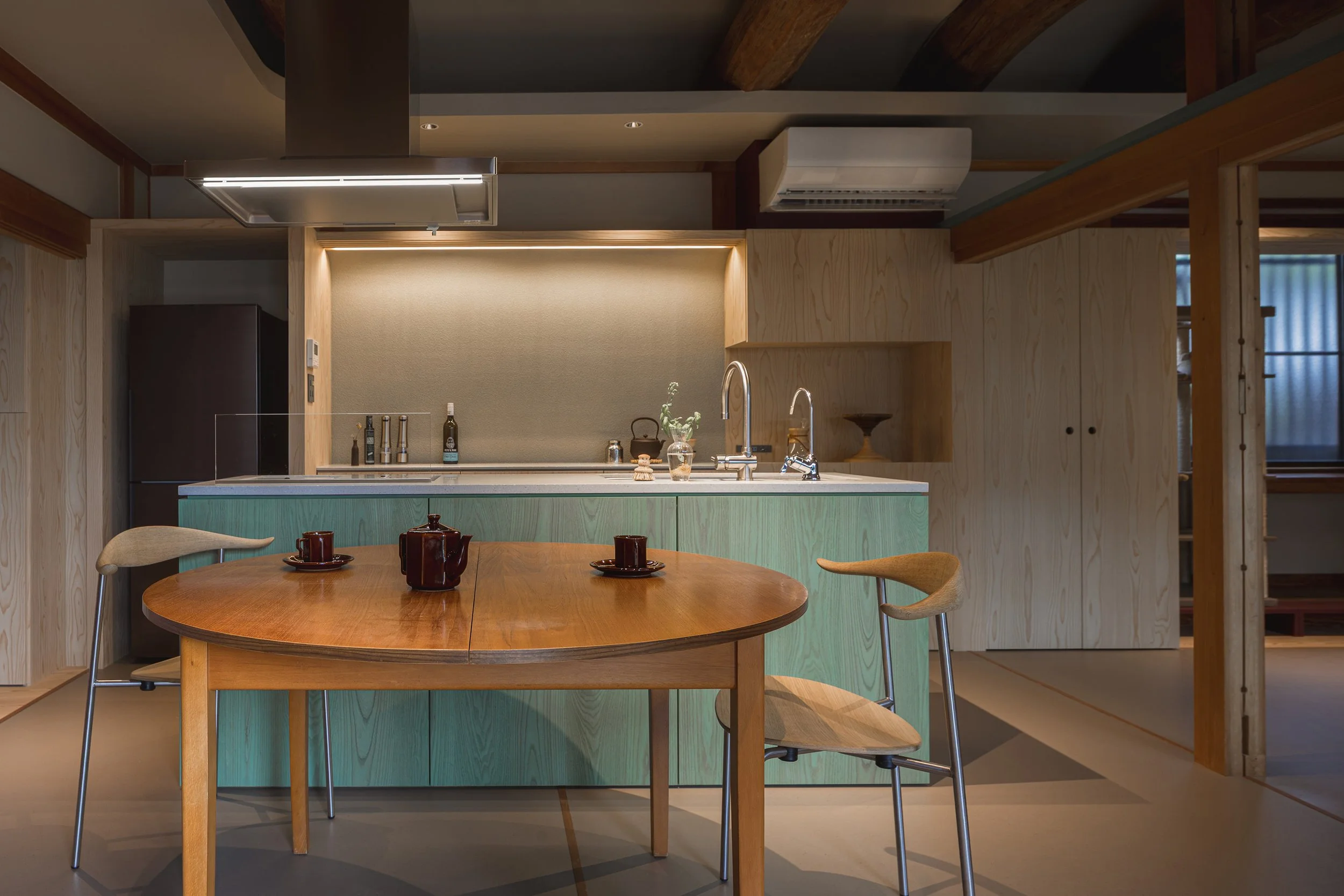
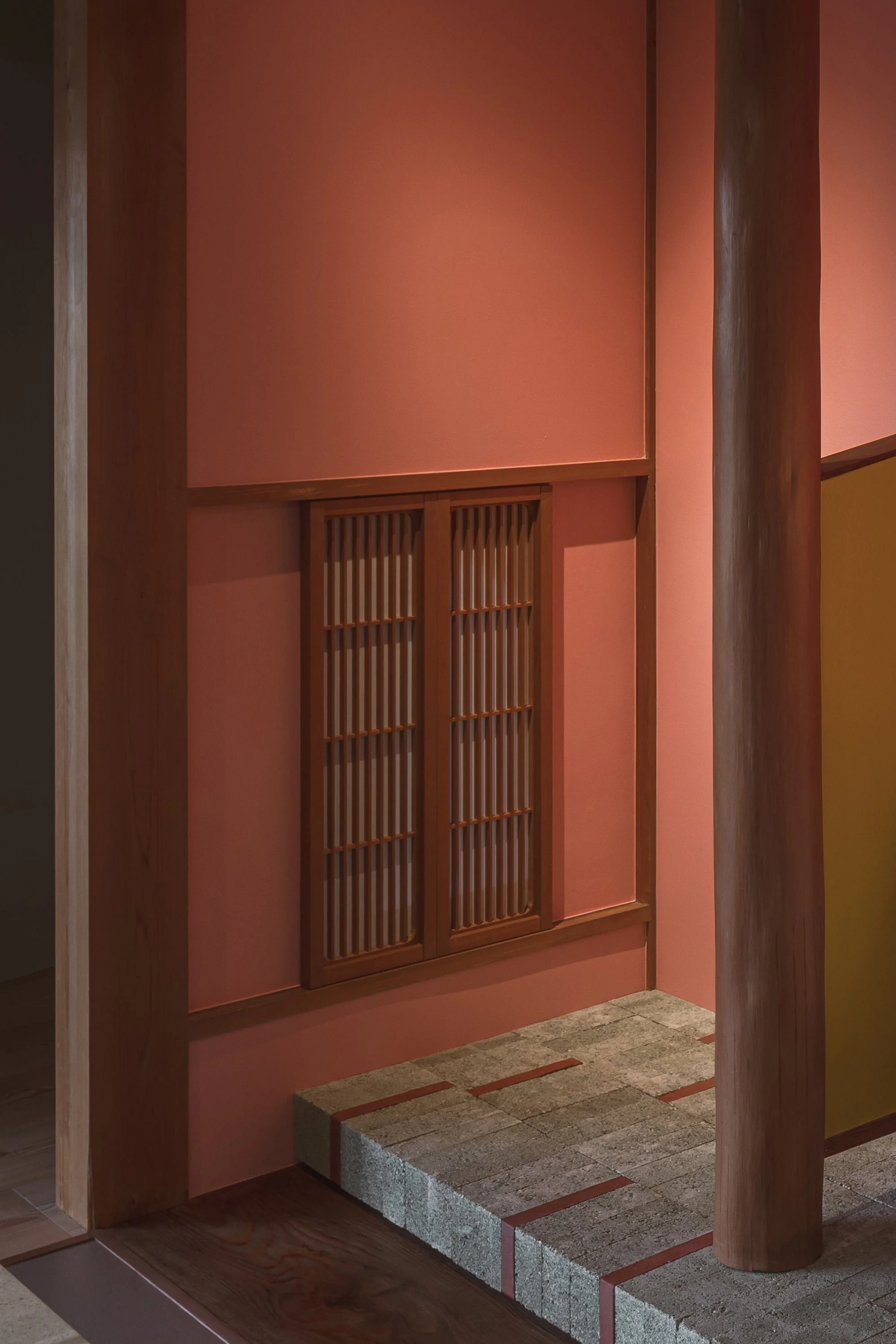
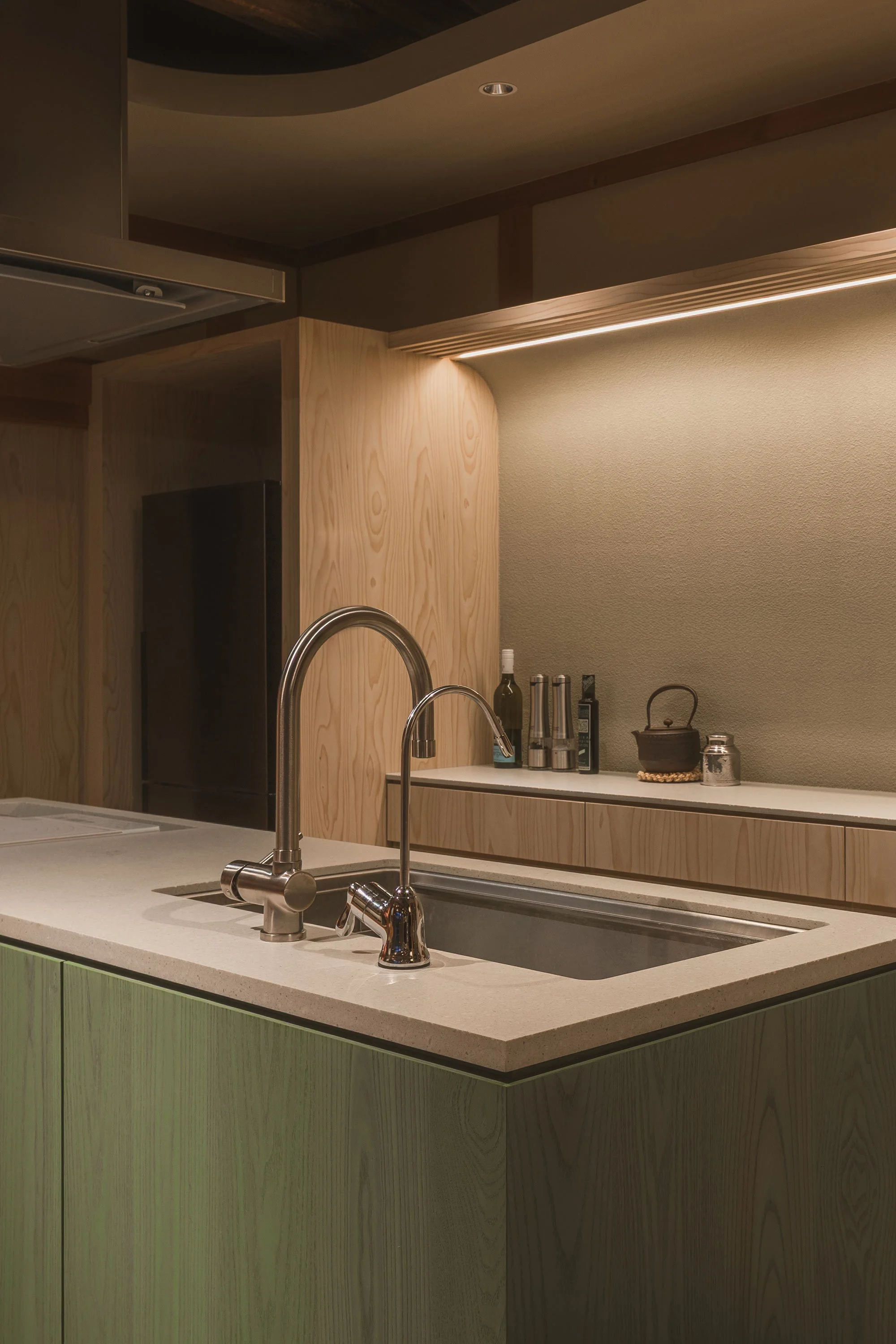
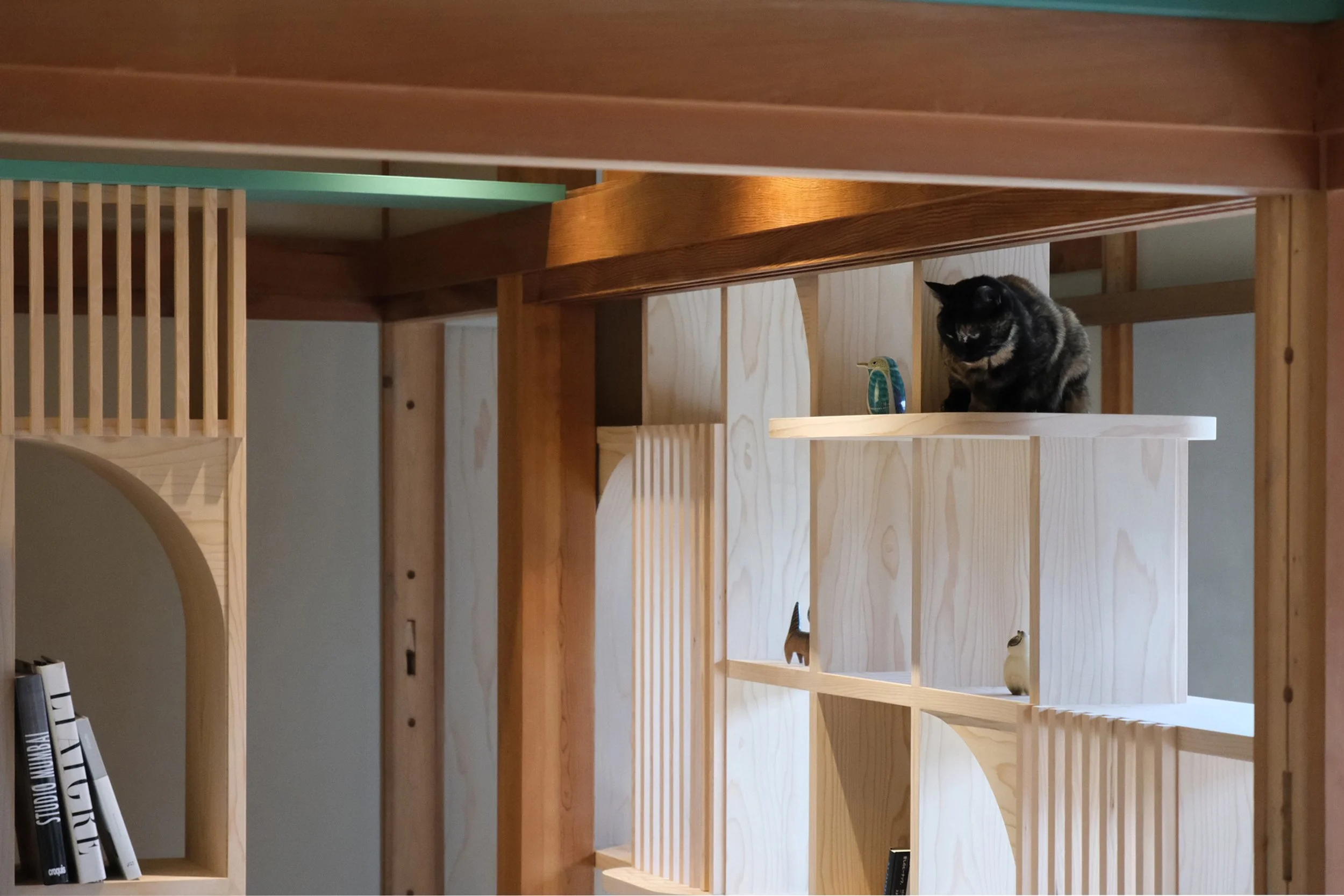
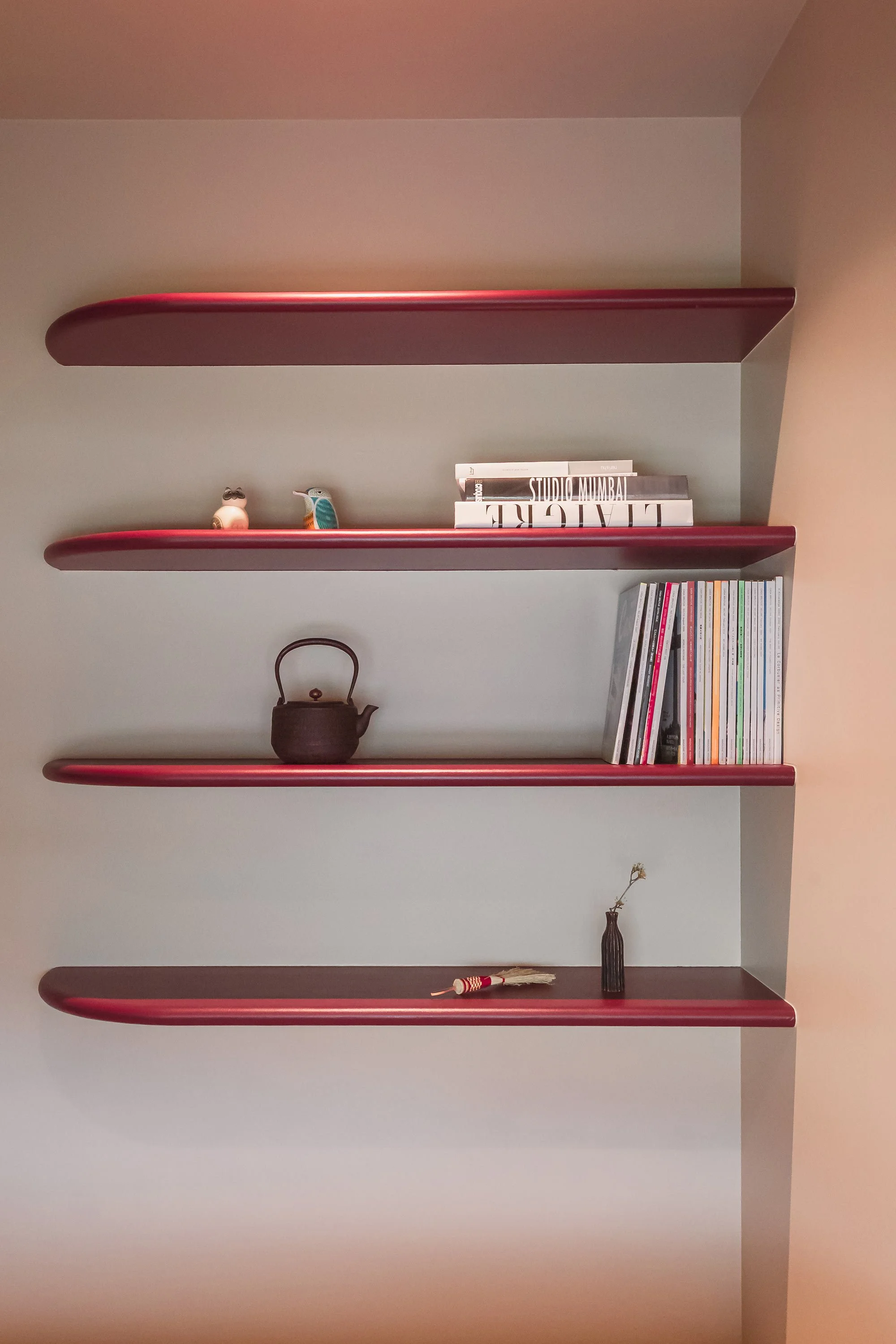
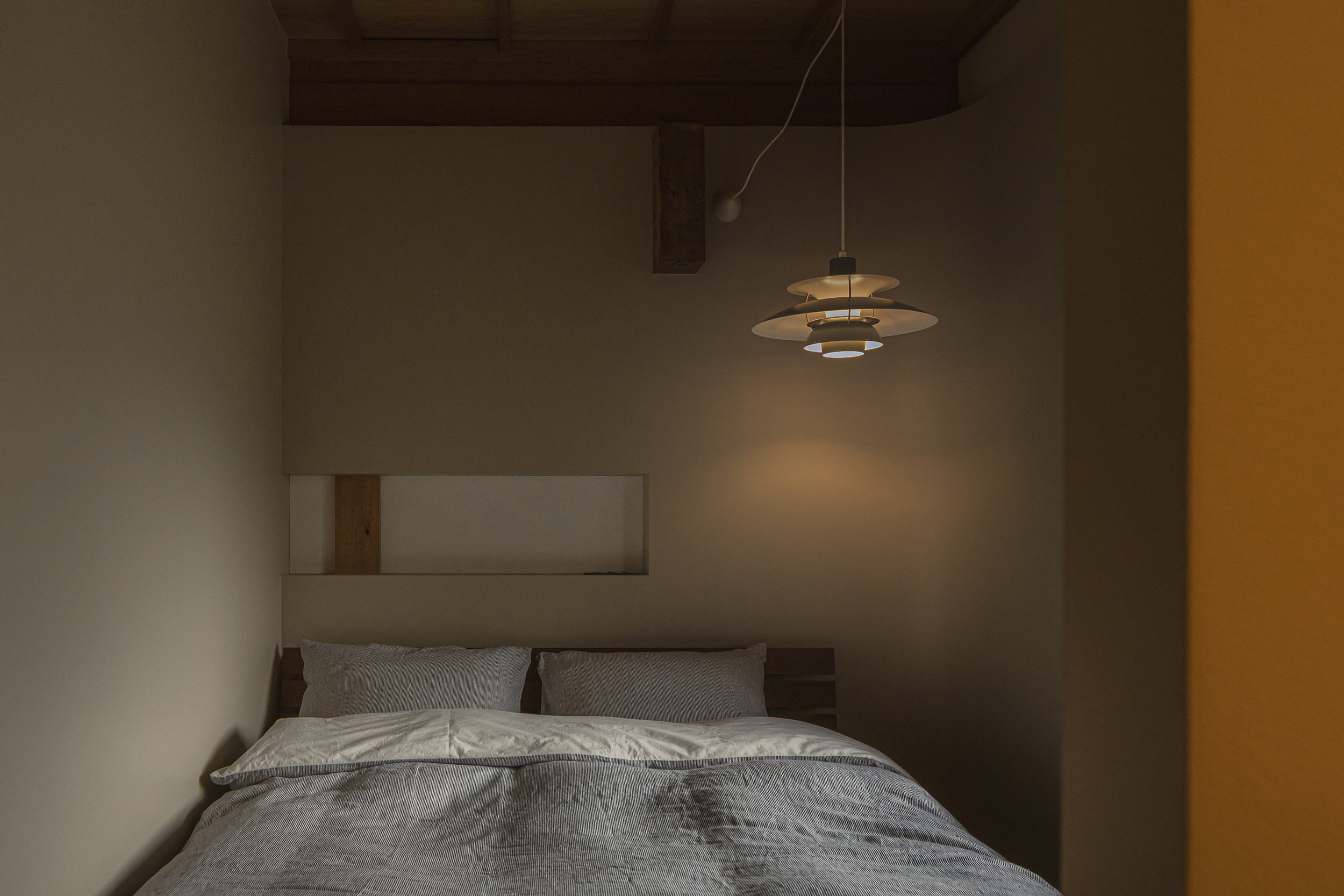
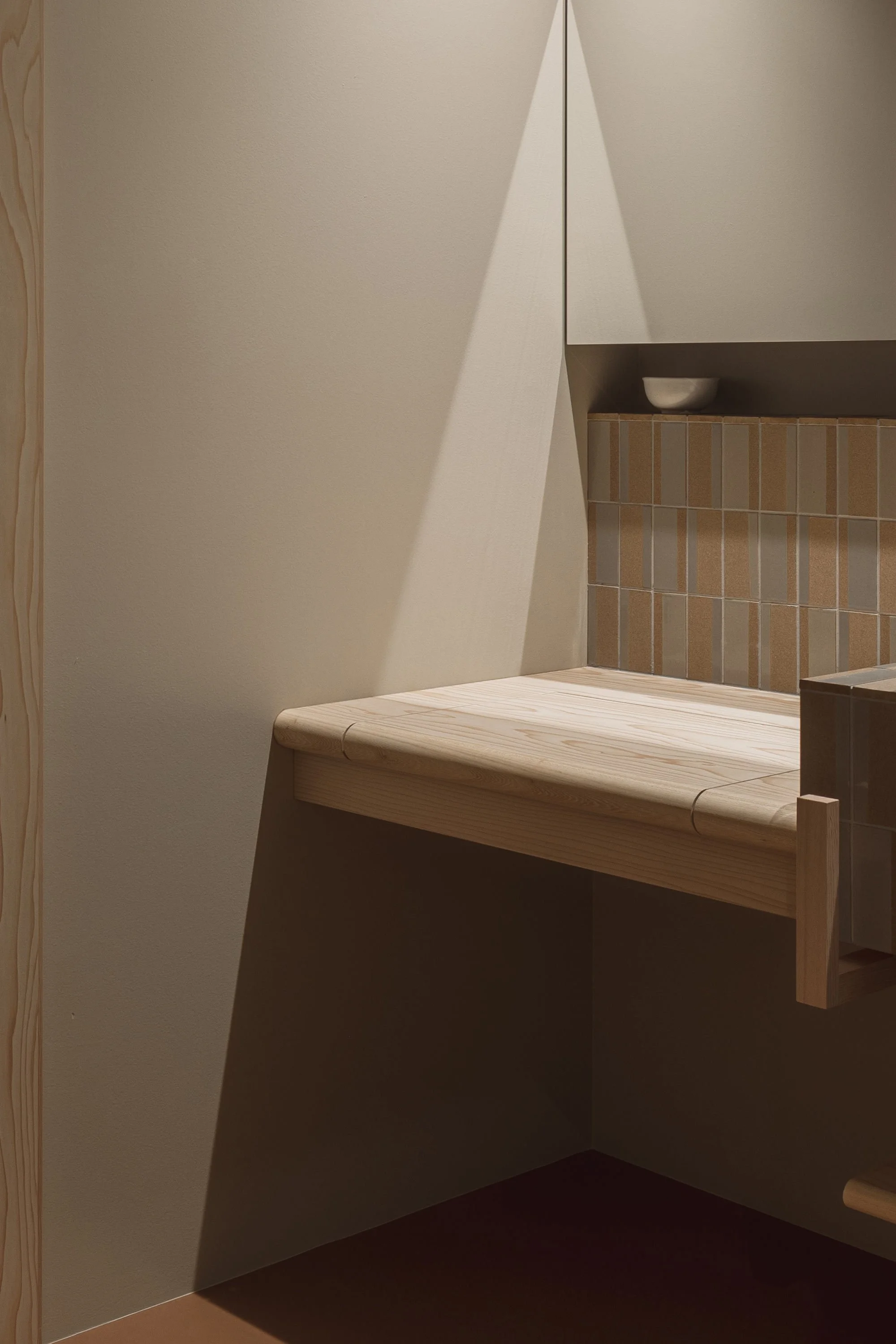
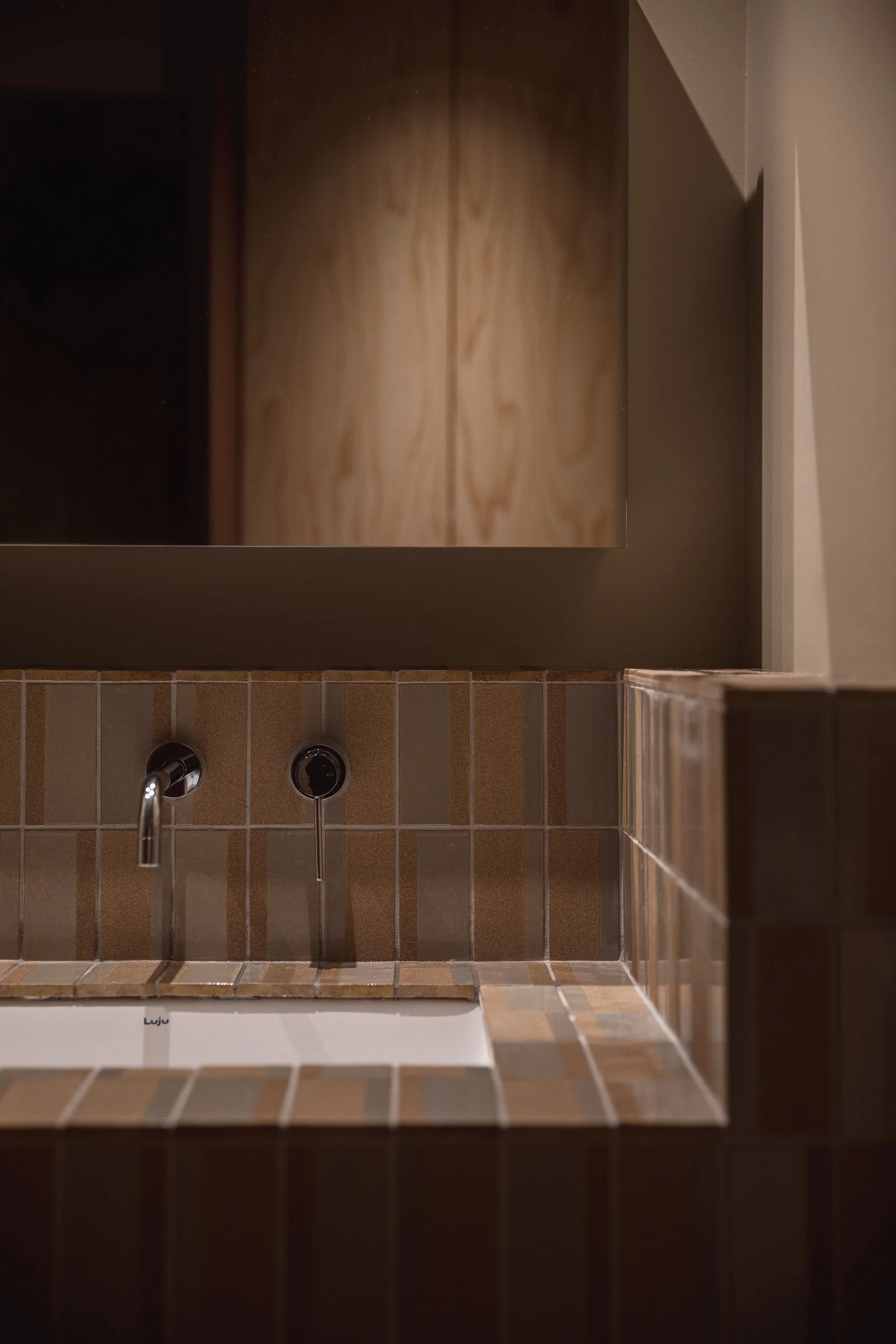
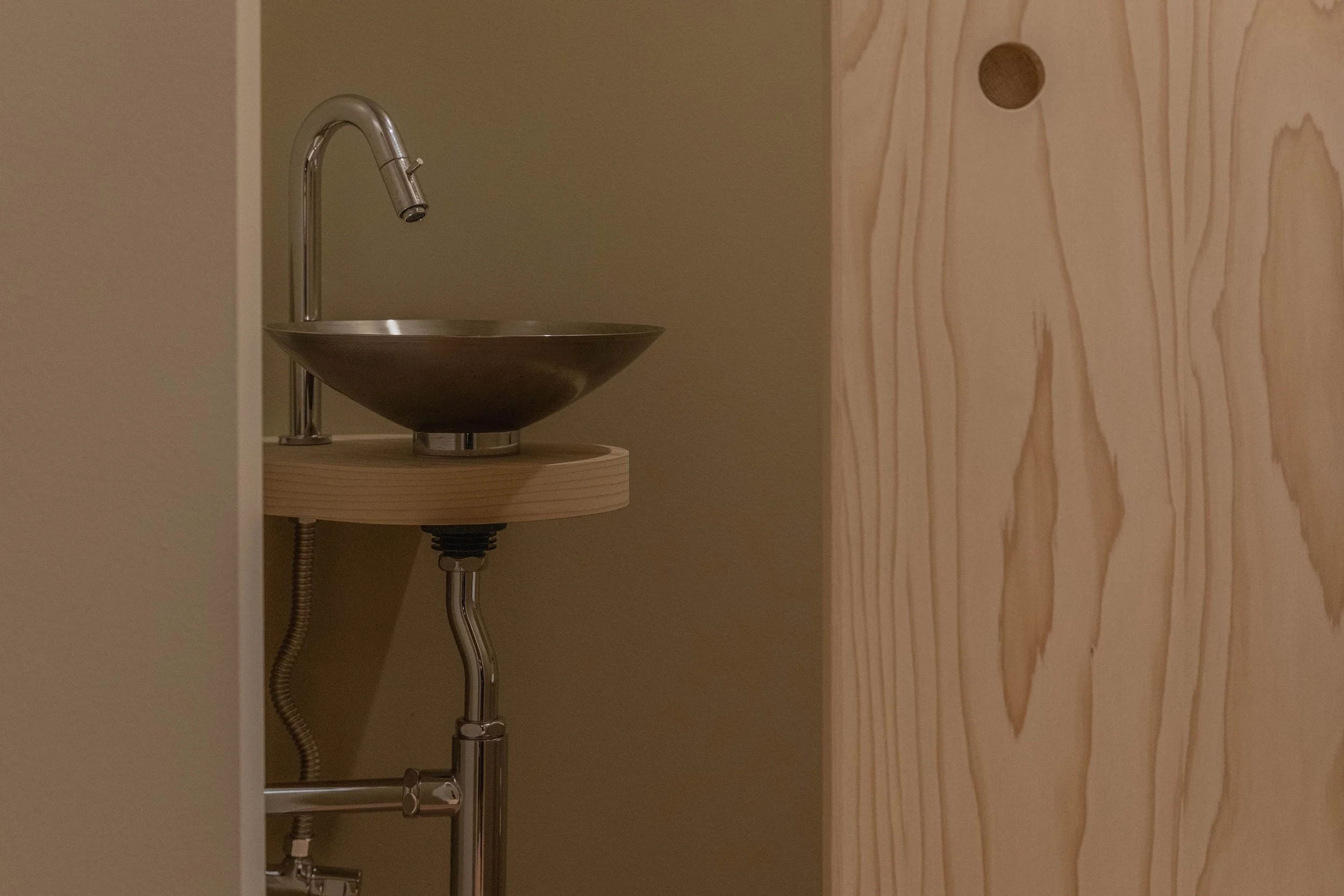
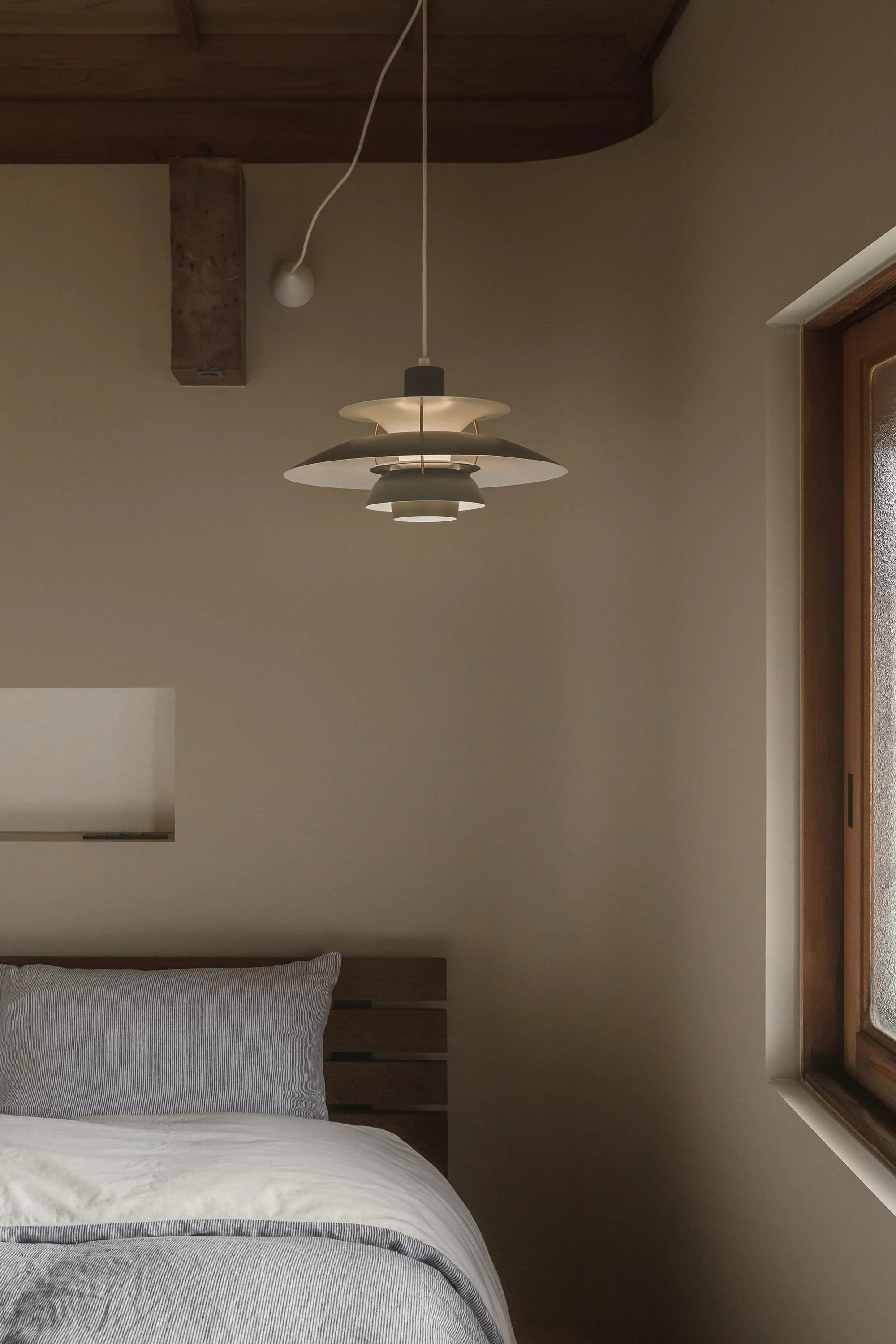
In line with its ethos, the main structural columns were preserved and parts of the ceiling removed to better expose them and highlight the home’s original framework. For the interior scheme, the team focused on a material composition that harmonises with the existing structure, with base materials in subdued, natural tones: wood textures, beige-toned paint and earthen-hued linoleum all feature. In contrast, green wooden panels, brick elements and reddish-brown paint are used as accents. ‘In key areas such as the kitchen and tokonoma alcove, we used accent colours to add rhythm and playfulness to the otherwise tranquil interior.’
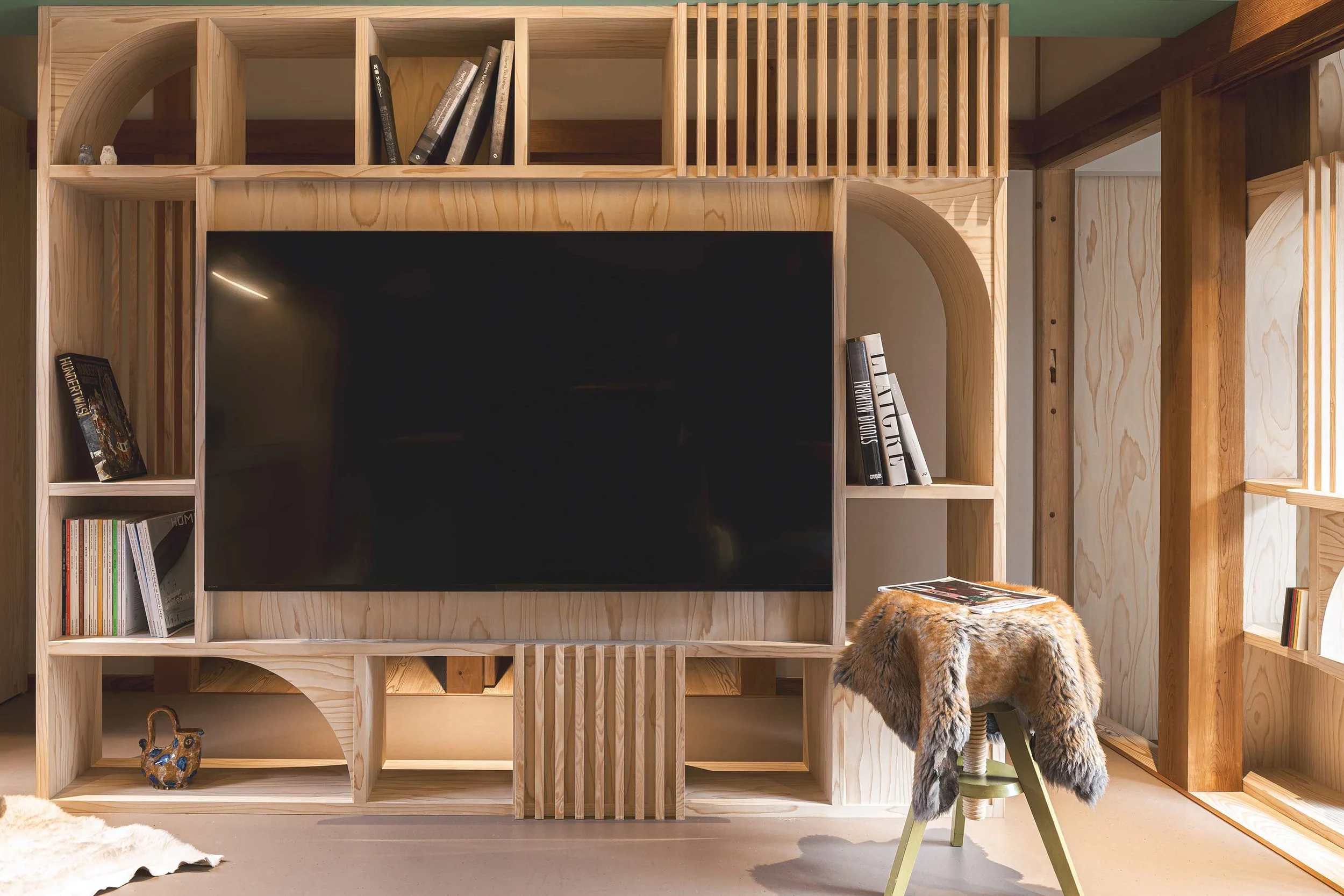
New elements were designed with a modern touch, bringing freshness and an intriguing juxtaposition. ‘The custom shelving incorporates rounded shapes inspired by the original rain gutters, connecting seamlessly with a walkway for the couple’s beloved cat,’ says Kitawaki. ‘Traditional Japanese houses may appear to be composed purely of straight lines, but when observed closely, soft curves are subtly integrated throughout,’ he points out. ‘I introduced gentle curves and smaller-scale elements to create a rhythm distinct from that of the existing architecture. By interpreting this characteristic in an expanded way, I was able to elevate it into a new design expression.’
Text by Philip Annetta
Images by Kosuke Ohsaki