
Asia in Venice: Mapping Asia’s Presence at the Venice Architecture Biennale 2025
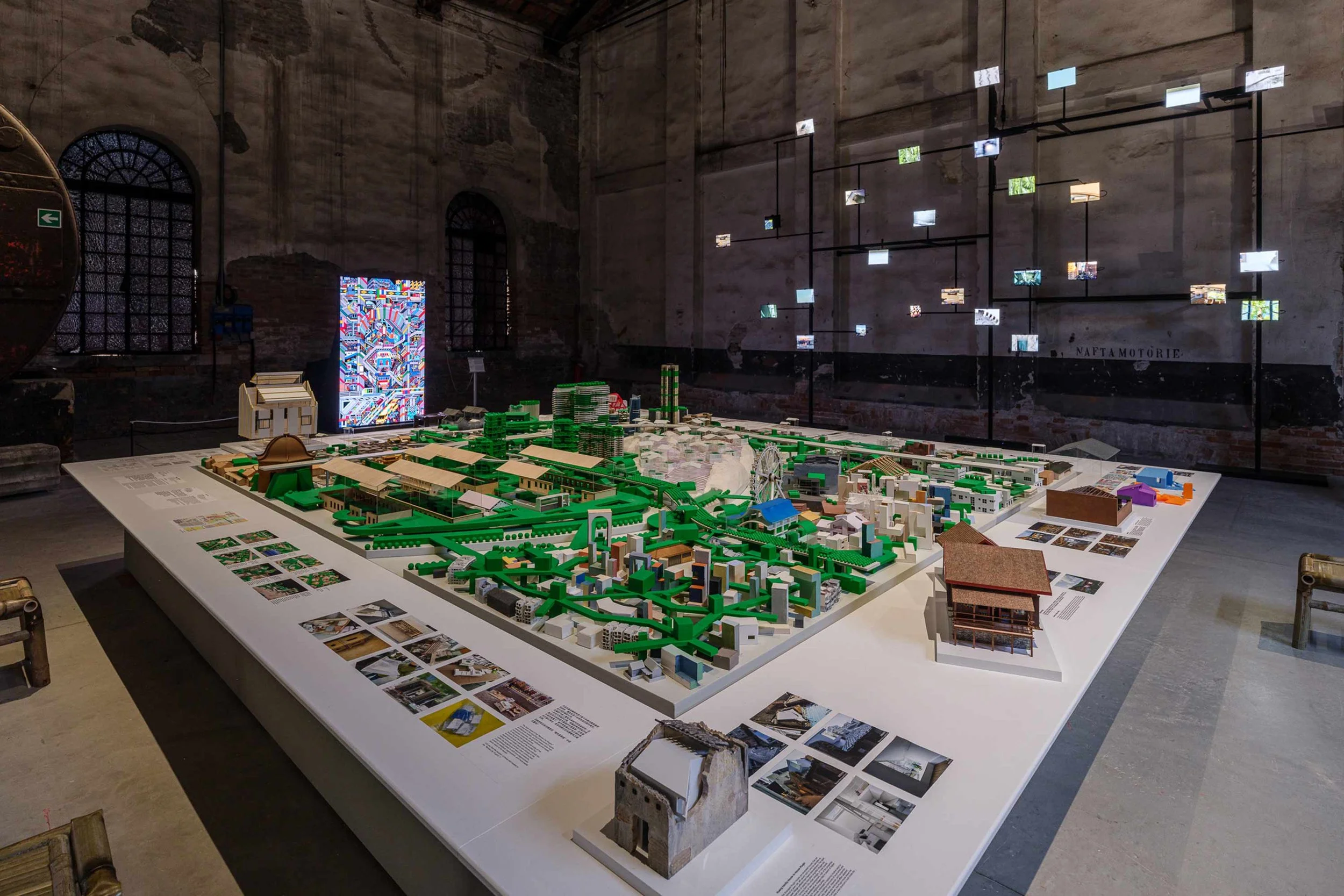
Ma Yansong’s China Pavilion, Co-Exist. Image by Andrea Avezzù
As the Venice Biennale contemplates design strategies for adapting to the intractable effects of climate crises, Asian architects look inward to the complexities and richness of their region that have informed decades of intelligent city-making practices
Italian scholar, architect and engineer Carlo Ratti believes there needs to be a shift in architectural thinking to find ways in which it can adapt to, and live with, the difficult realities of climate crises. As curator of the 19th Venice Architecture Biennale, Ratti has framed this approach under the theme Intelligens. Natural. Artificial. Collective., staging an ecosystem of responses that suggest how these forms can inform more sensitive design strategies.
Under this framework, contributions from Asia register with particular resonance, with much of the region’s city-making historically conditioned by adaptation — to environmental and political uncertainties and cultural shifts — and offers responses grounded in vernacular knowledge and innovative systems.
In the main exhibition, Thai architect and founder of Bangkok Project Studio Boonserm Premthada received a Special Mention for Elephant Chapel, elephant dung brick structures from rural Thailand, showcasing the architectural potential of bio-waste to restore balance between humans and the natural world. Robotics are also prominent throughout, though not in opposition to heritage. Nearby, Bjarke Ingels Group’s (BIG) Ancient Future: Bridging Bhutan’s Tradition and Innovation involved live woodcarving by Bhutanese artisans and a robotic arm simultaneously carving traditional motifs into wood.
This duality underpins Ma Yansong’s China Pavilion, Co-Exist, which parallels Ratti’s dazzling patchwork of human-machine-nature collaboration. The architects proposes a synthesis between China’s past and future, emphasising the role of nature and human emotion in shaping perceptive, modern cities. Heritage and community input are also central to this ideal, illustrated by one installation mapping a glistening constellation from an ancient cave, and another channelling opinions of citizens from social media into a speculative urban plan.
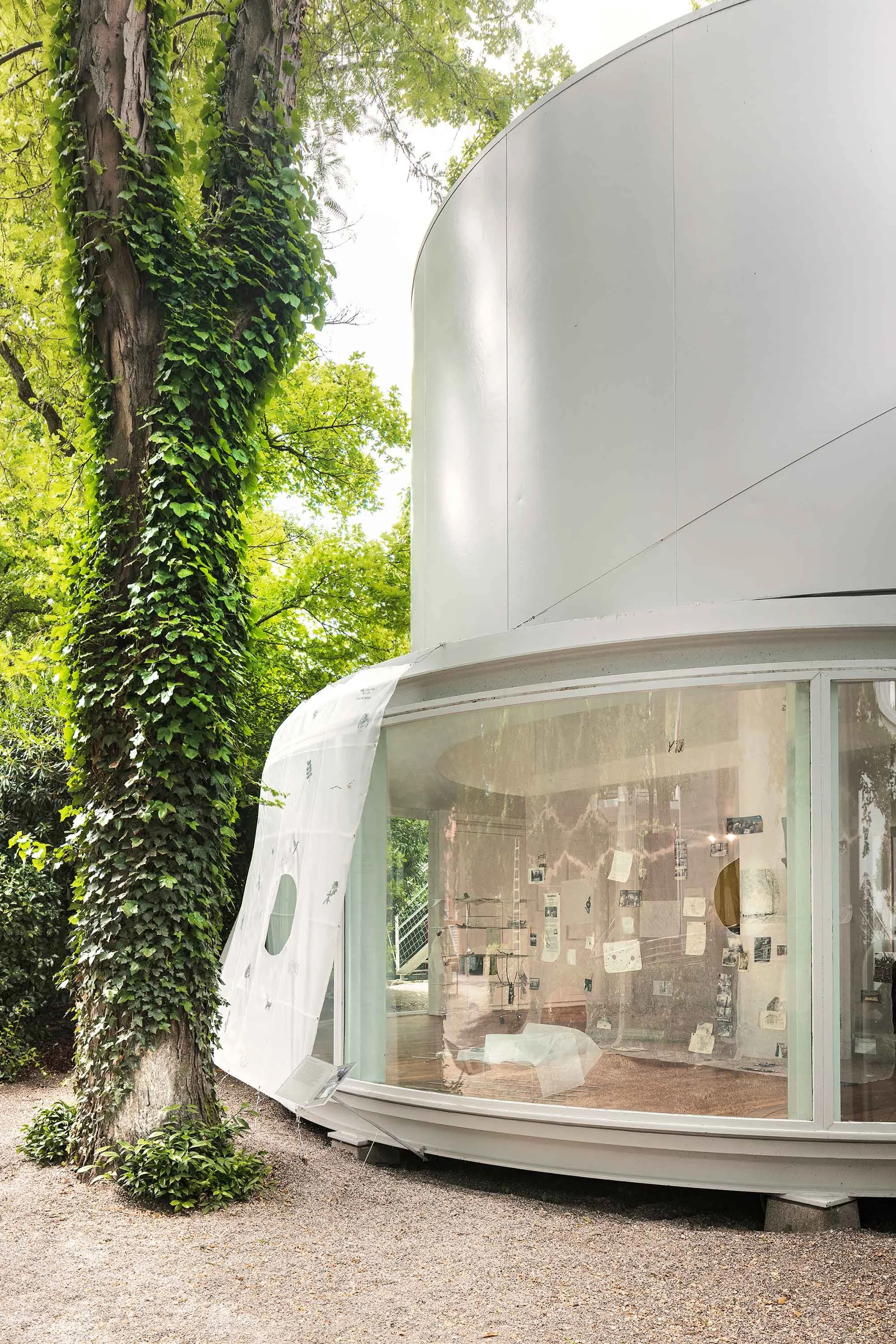
Lee Dammy’s Overwriting, Overriding (2025) at the Korean pavilion. Image by Yongjoon Choi
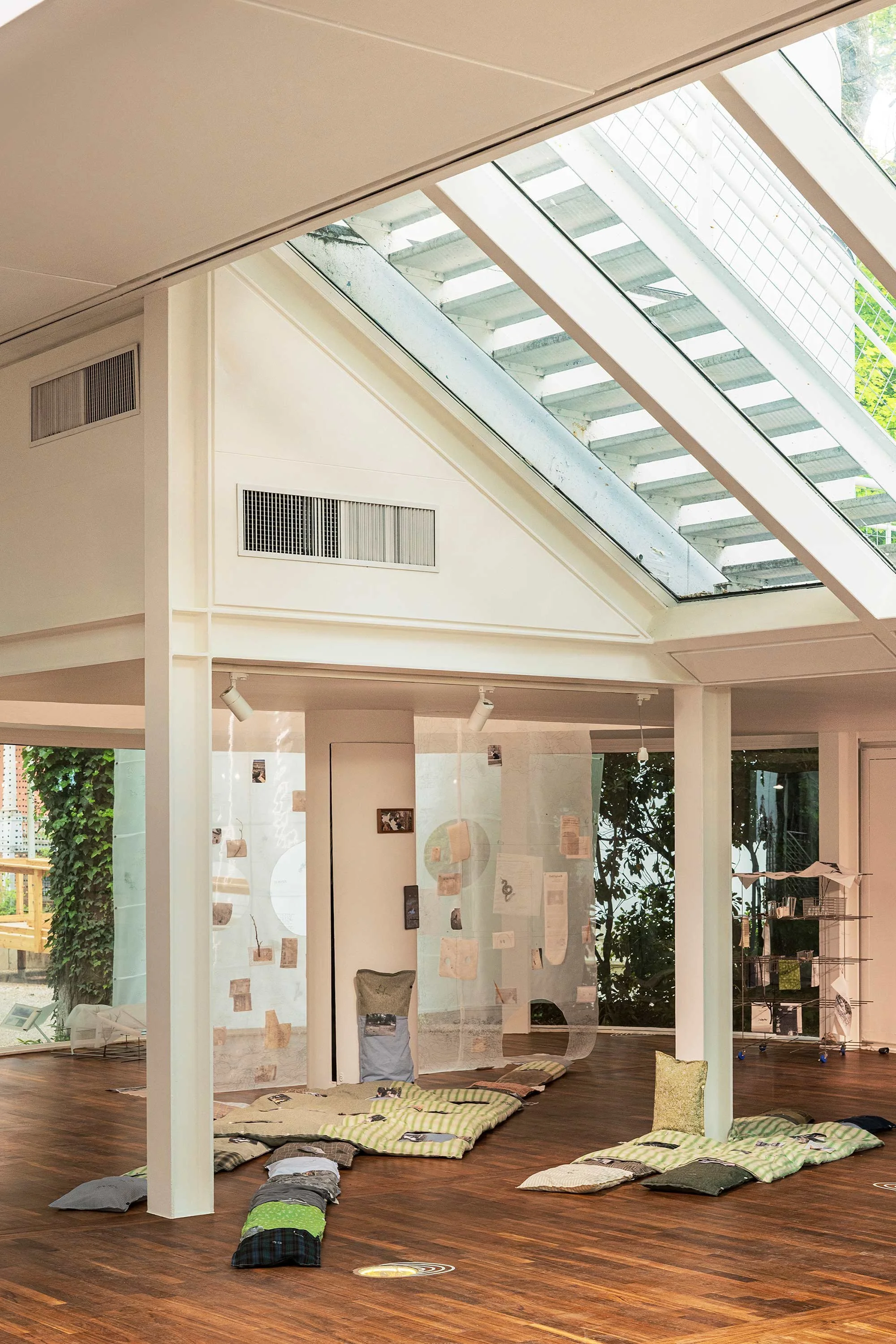
Image by Yongjoon Choi
Japan’s In-Between — A Future with Generative AI leans into the tension and excitement of the digital age, looking to the unpredictability between human subjectivity and machine logic as a source of creativity. Among the exhibitors are Toshikatsu Kiuchi and Taichi Sunayama of Sunaki, who capture this sense with an AI-generated smartphone dialogue synced with a looping film, producing shifting narratives with each iteration and highlighting willing acceptance of chance.
The Korean pavilion, by contrast, reflects on memory and regeneration, drawing from a children’s song about a toad caught between an old house and a new house. On its 30th anniversary, the pavilion looks inward, questioning its foundations through acts of unbuilding and rebuilding. On the rooftop, Hyunjong Kim’s New Voyage reclaims a dormant space as an open observatory, with ship-like sails stretched as a metaphor for moving toward future architectural trajectories, signalling a renewed purpose.
Another milestone at Rasa-Tabula-Singapura serves a feast of 60 years of city-making as Singapore commemorates its independence. A long communal table illustrates various scales of urban development and the super-diversity that activates them. This begins with presentations of large-scale projects like Pinnacle@Duxton, a public housing complex that redefines high-density living through interconnected sky gardens, complemented by ‘side dishes’ that reveal the city’s invisible frameworks. Hong Kong, too, foregrounds its low-tech, unsung infrastructure with, among other installations, Beau Architects and Architecture Land Initiative’s bamboo scaffolding amphitheatre — poignant, given that the city is phasing out its iconic bamboo construction in favour of metal.
As this year’s Asian footprint responds to the biennale’s theme by thoughtfully engaging with the complexities and richness of its diverse contexts, Taiwan positions its geopolitical and environmental precarities as a generative design force. Non-Belief: Taiwan Intelligens of Precarity centres on a luminous Tech-Island with e-paper projections of the island’s various landscapes. A surrounding archipelago of models reflects how localised practices in fragmented conditions can remain interconnected, highlighting a collective ecology of architectural intelligence.
Text by Ravail Khan

Bjarke Ingels Group’s (BIG) Ancient Future: Bridging Bhutan’s Tradition and Innovation. Image by Andrea Avezzù
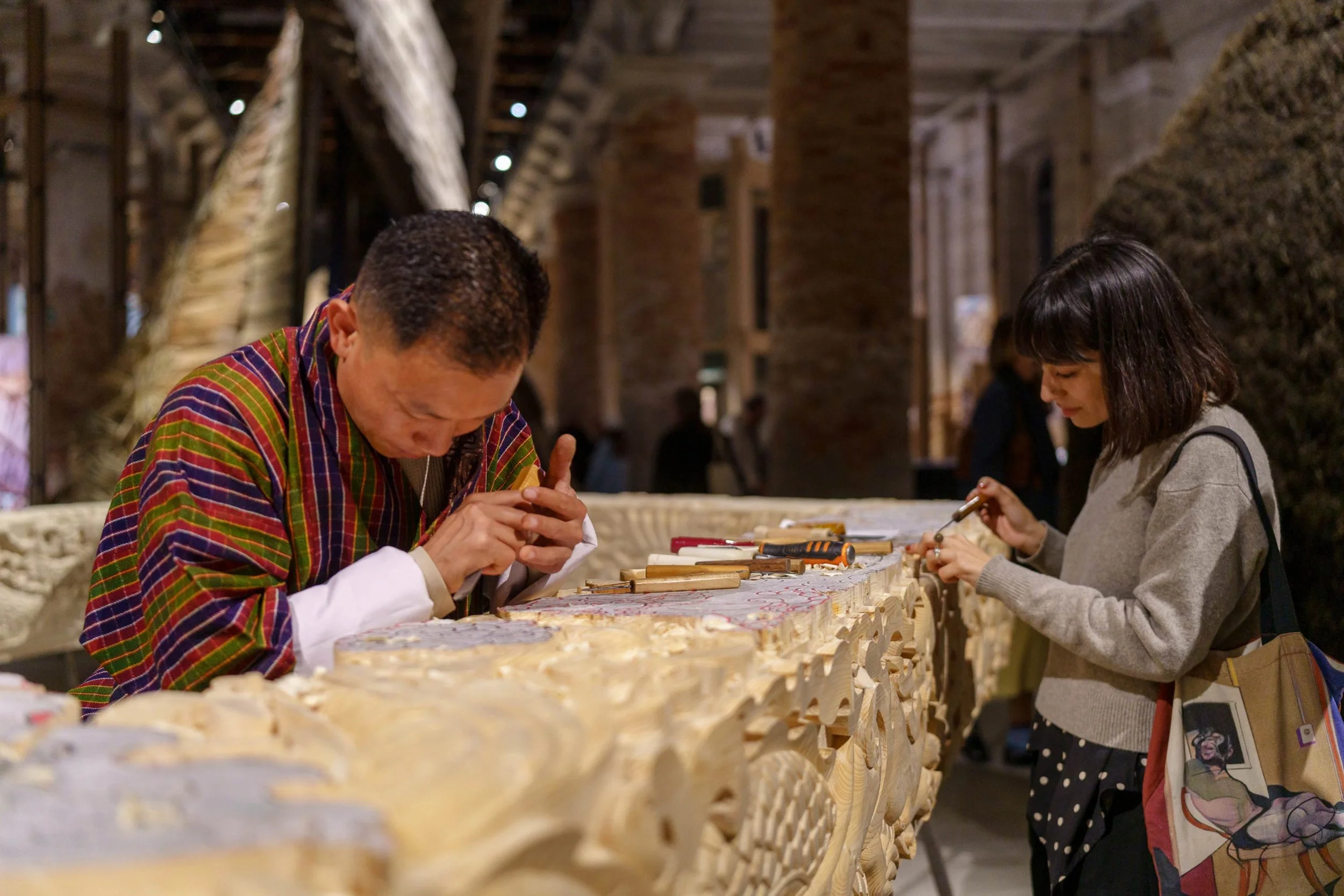
Bjarke Ingels Group’s (BIG) Ancient Future: Bridging Bhutan’s Tradition and Innovation. Image by Andrea Avezzù
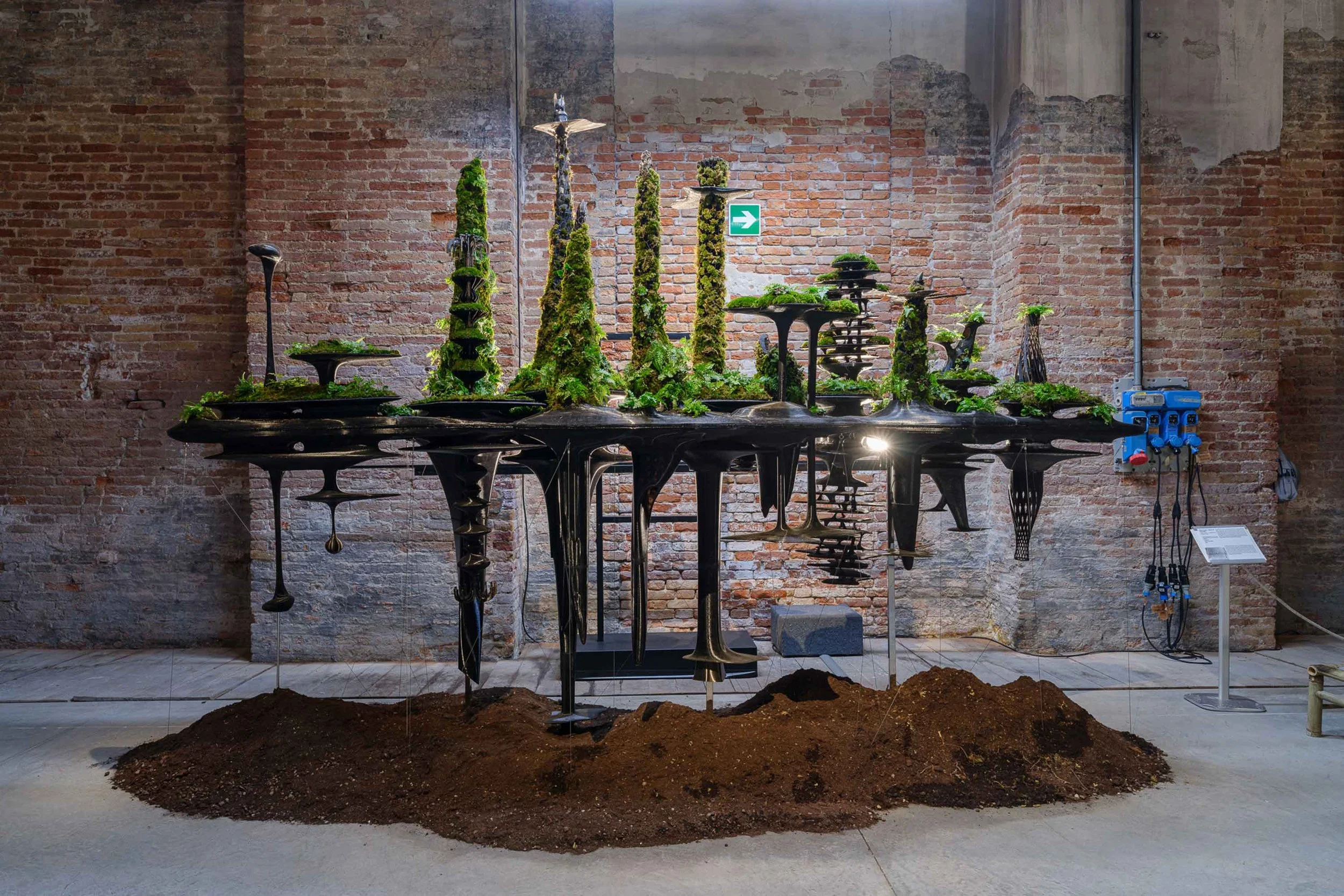
Ma Yansong’s China Pavilion, Co-Exist. Image by Andrea Avezzù
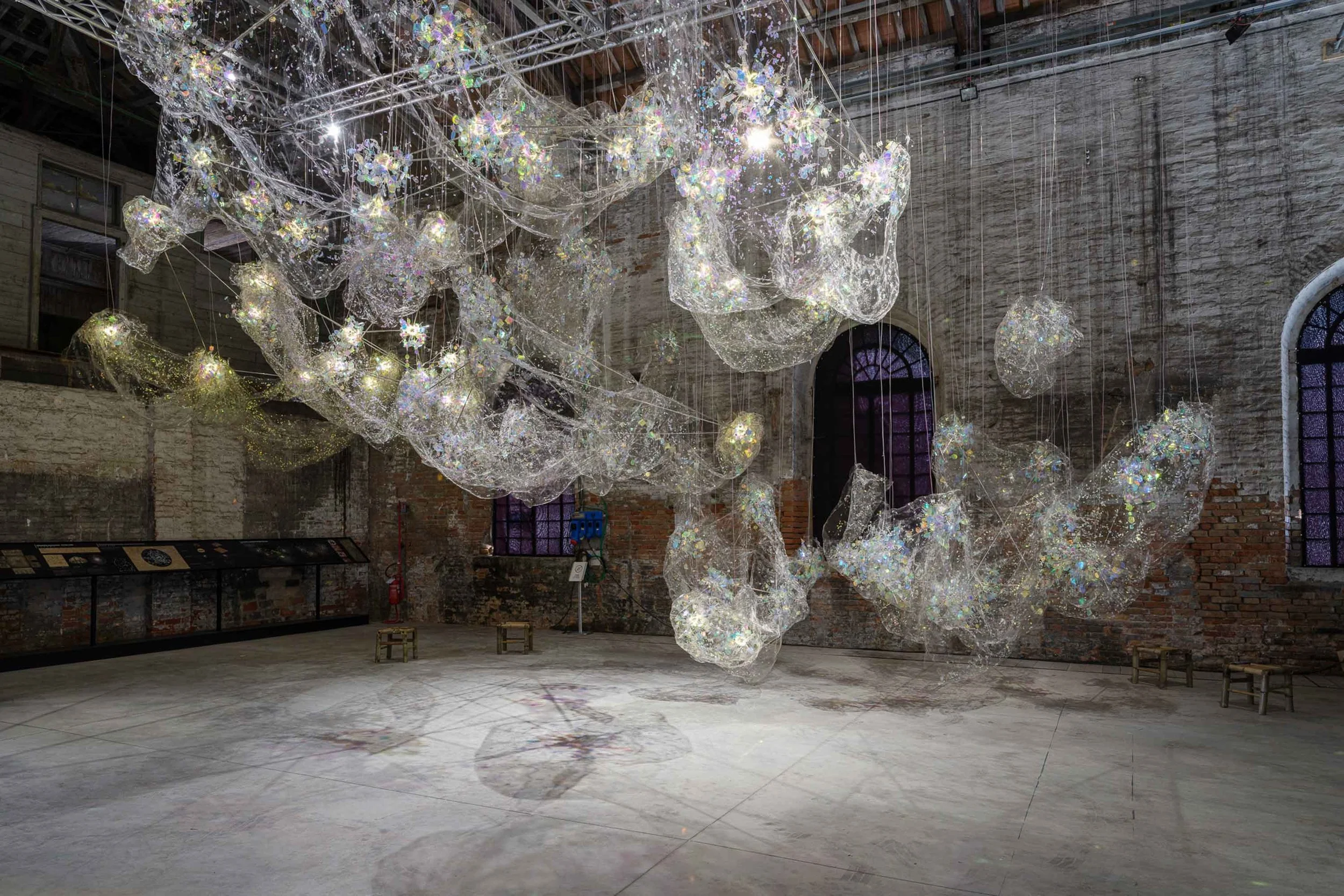
Co-Exist. Image by Andrea Avezzù
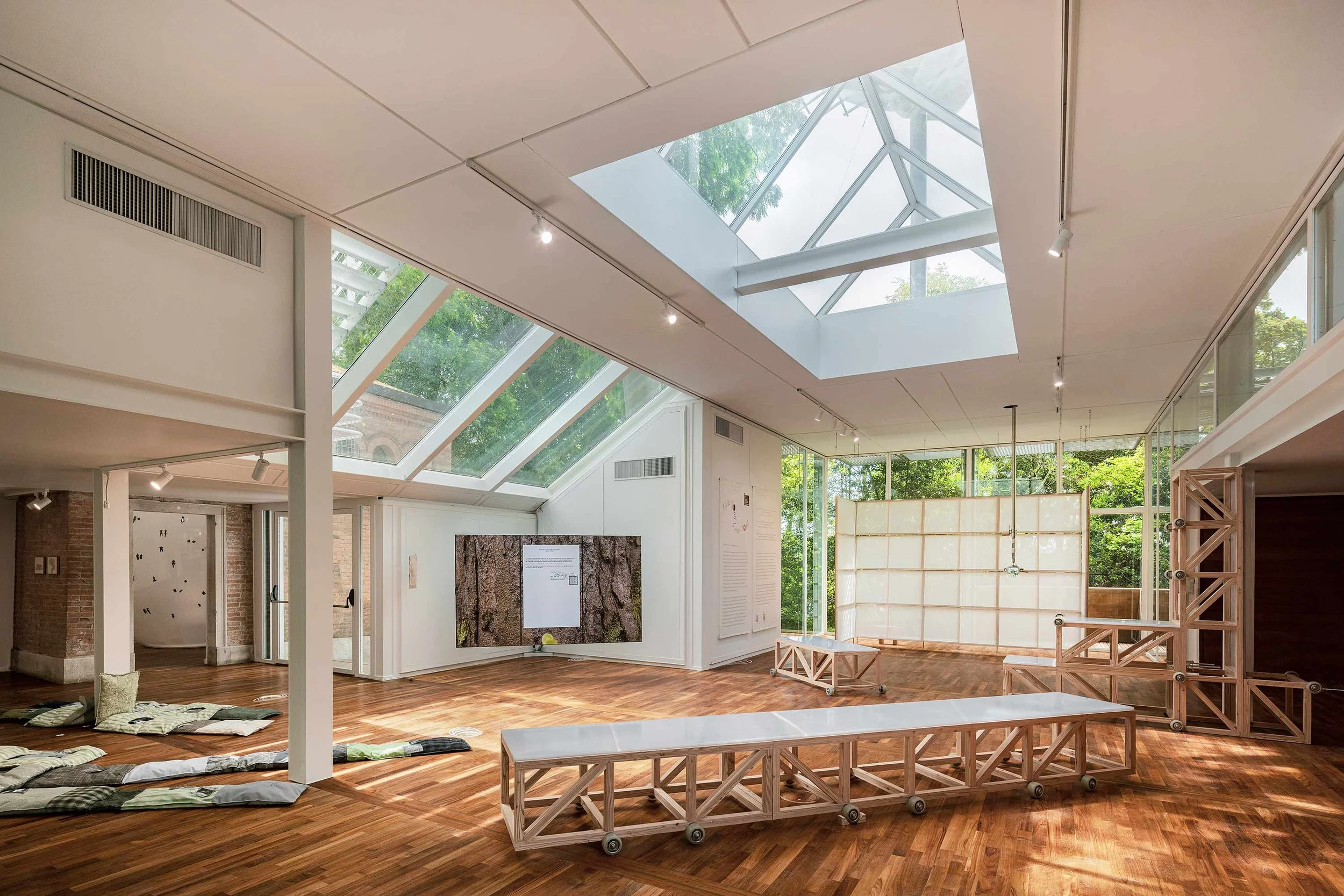
The Korean pavilion. Image by Yongjoon Choi
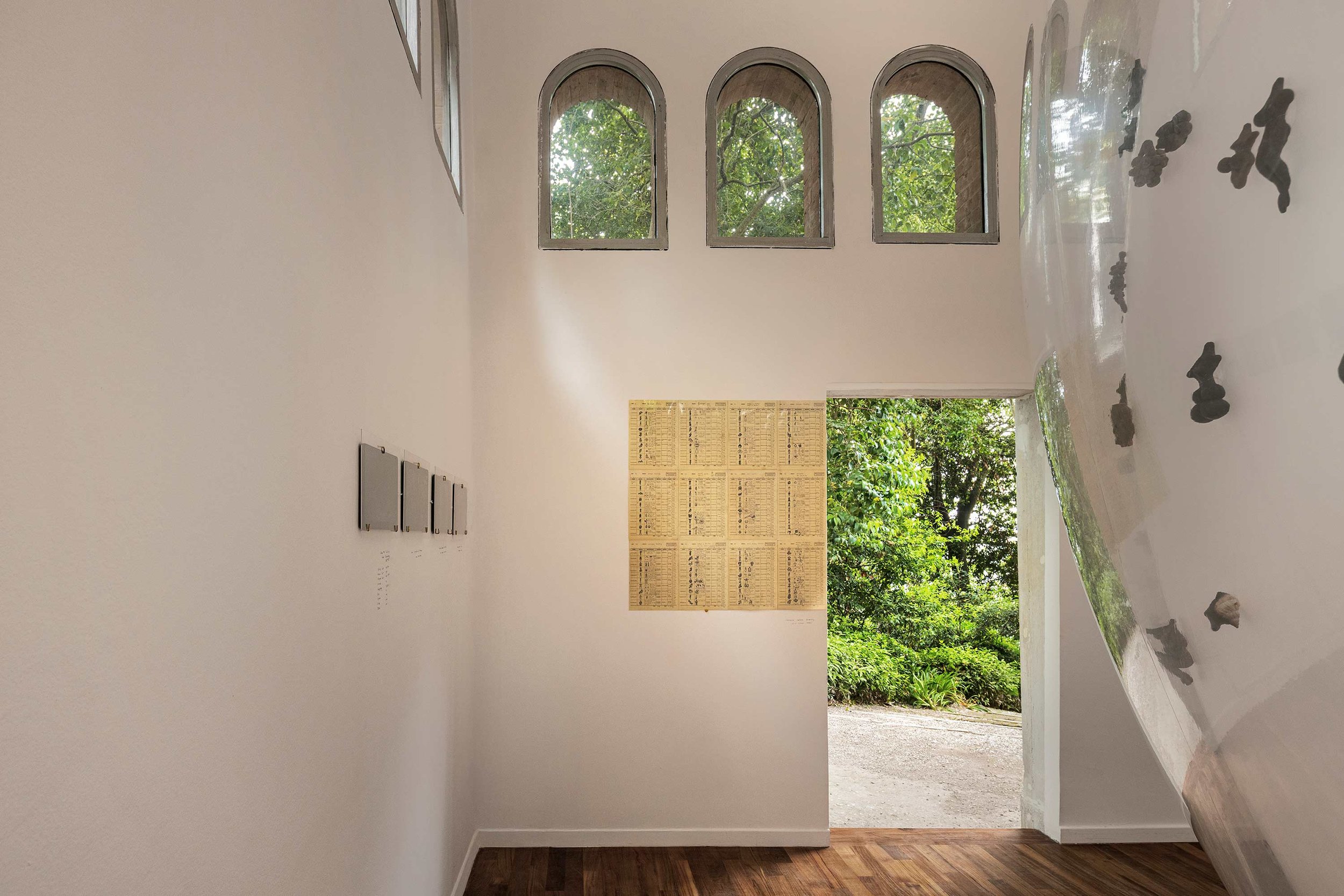
Young Yena’s 30 Million Years Under the Pavilion at the Korean pavilion. Image by Yongjoon Choi
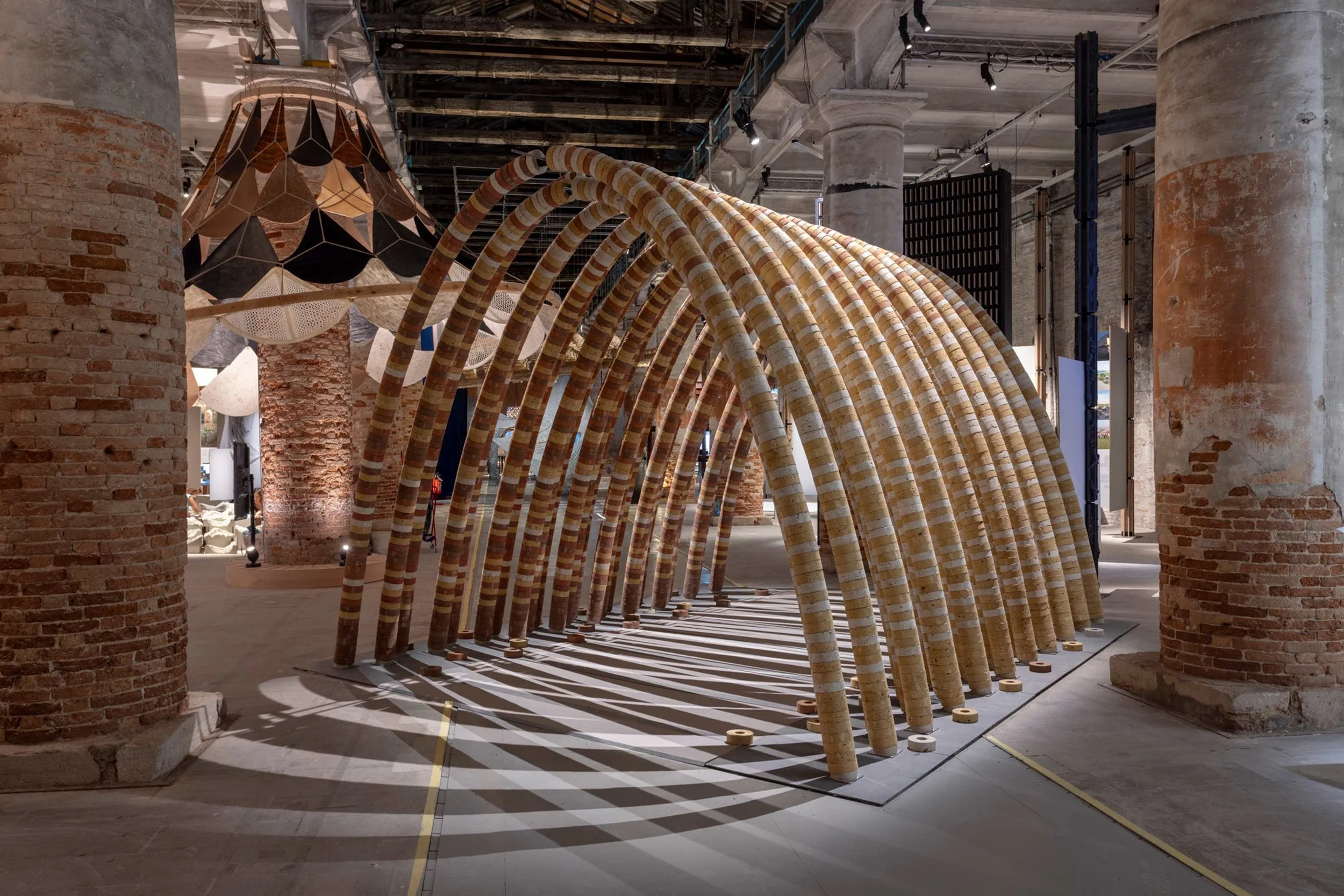
Boonserm Premthada’s Elephant Chapel. Image by Marco Zorzanello

Sunaki at the Japanese pavilion. Image courtesy of Sunaki Inc.
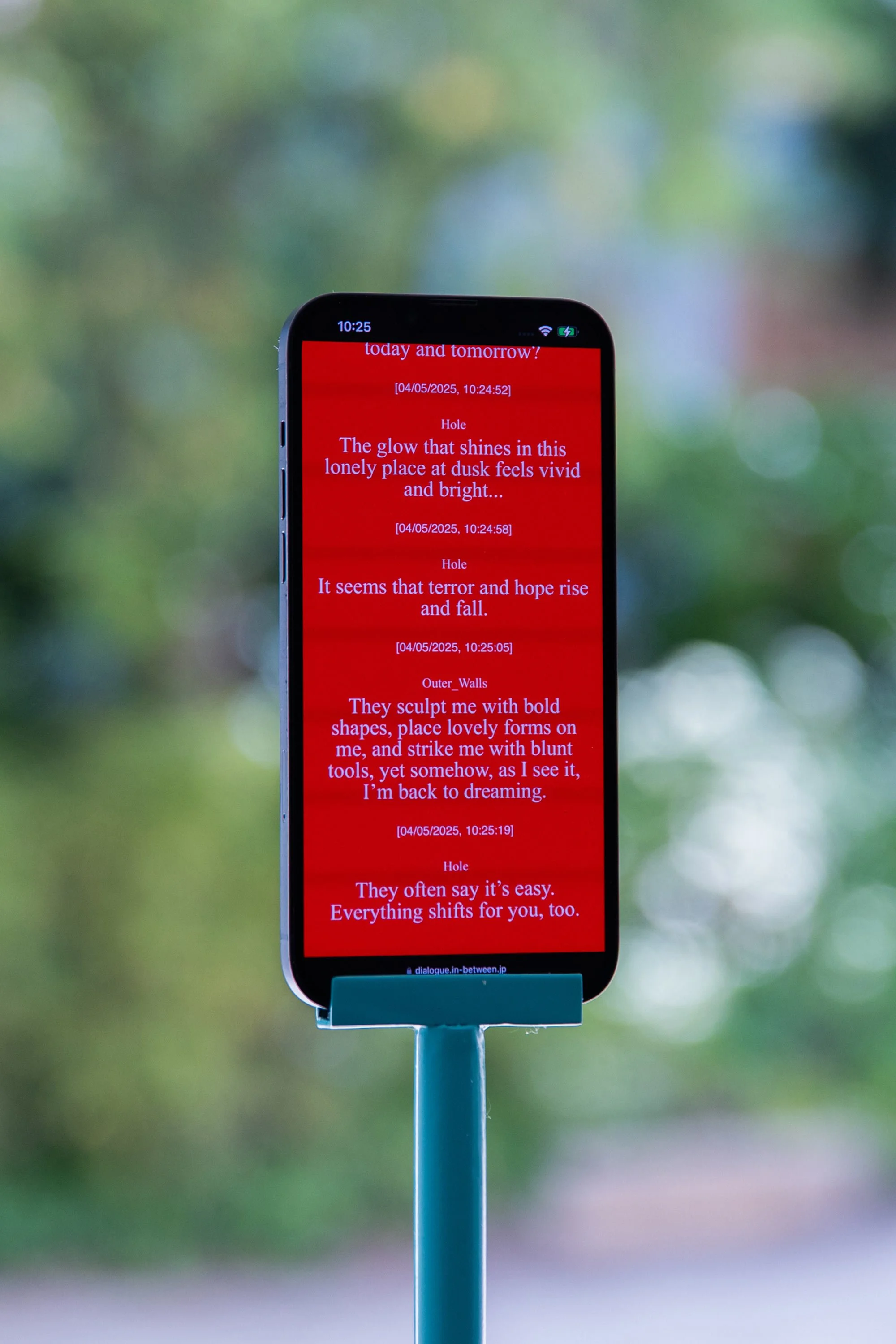
Sunaki at the Japanese pavilion. Image courtesy of Sunaki Inc.
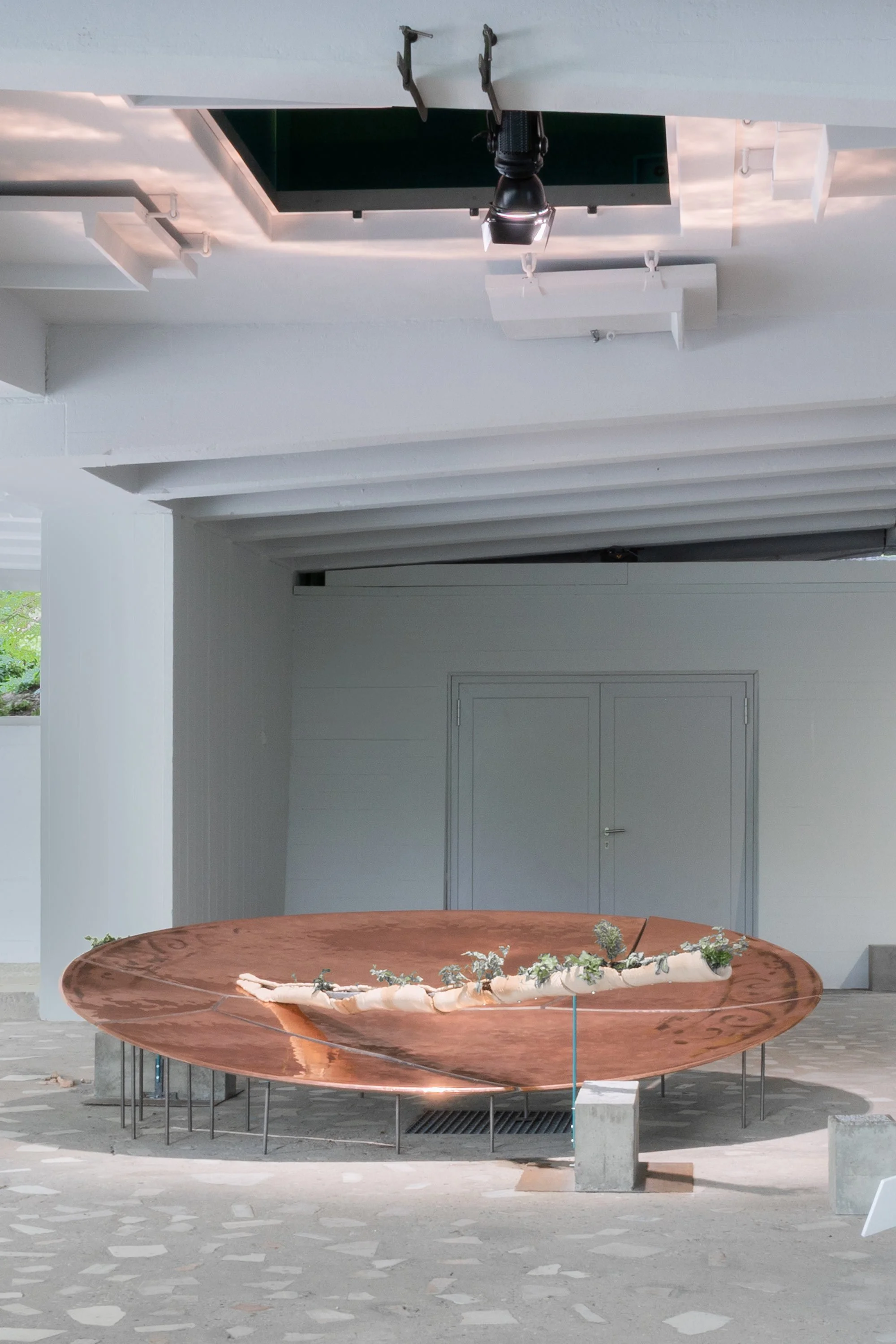
Sunaki at the Japanese pavilion. Image courtesy of Sunaki Inc.
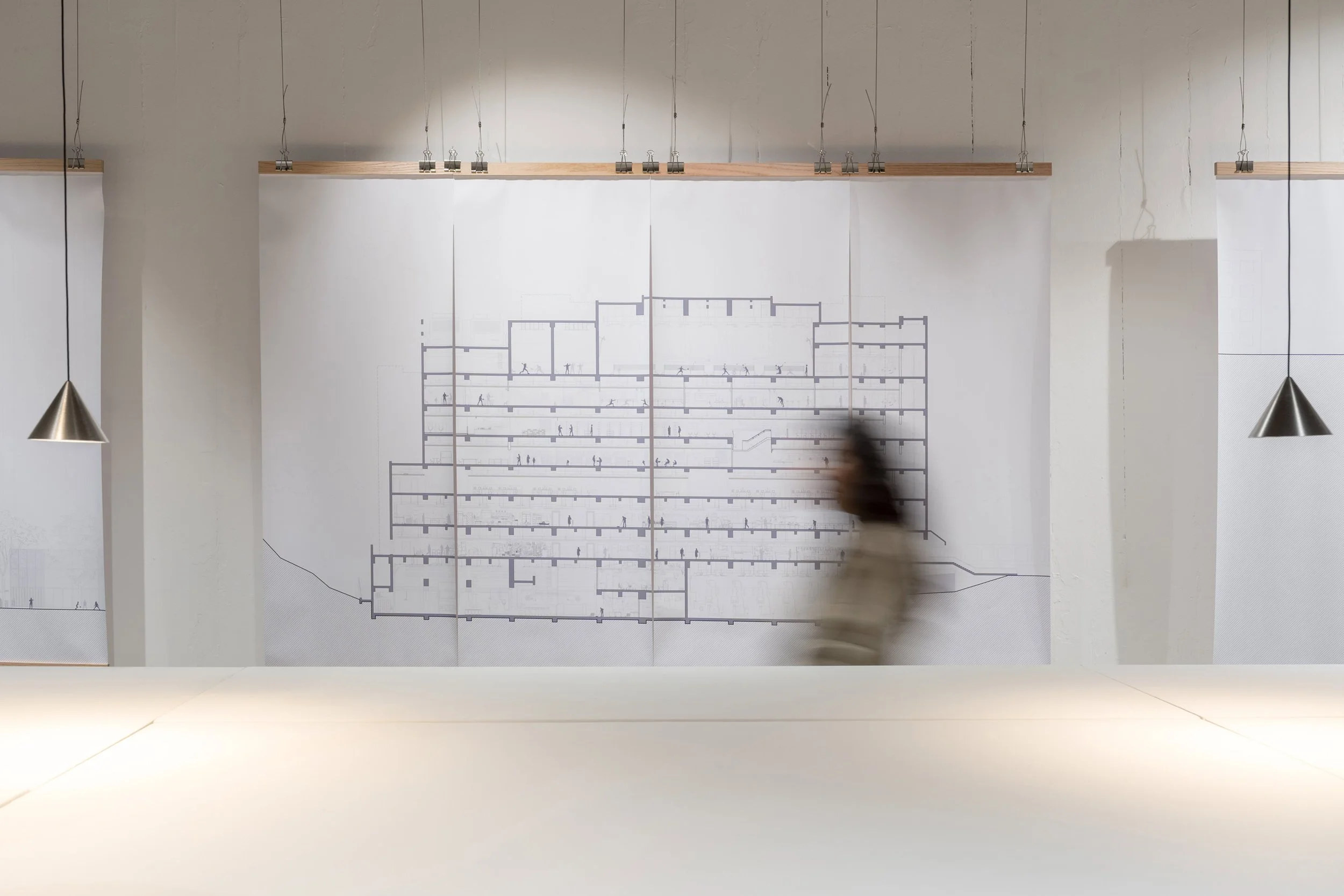
The Hong Kong pavilion. Image by Oliver Yin Law.
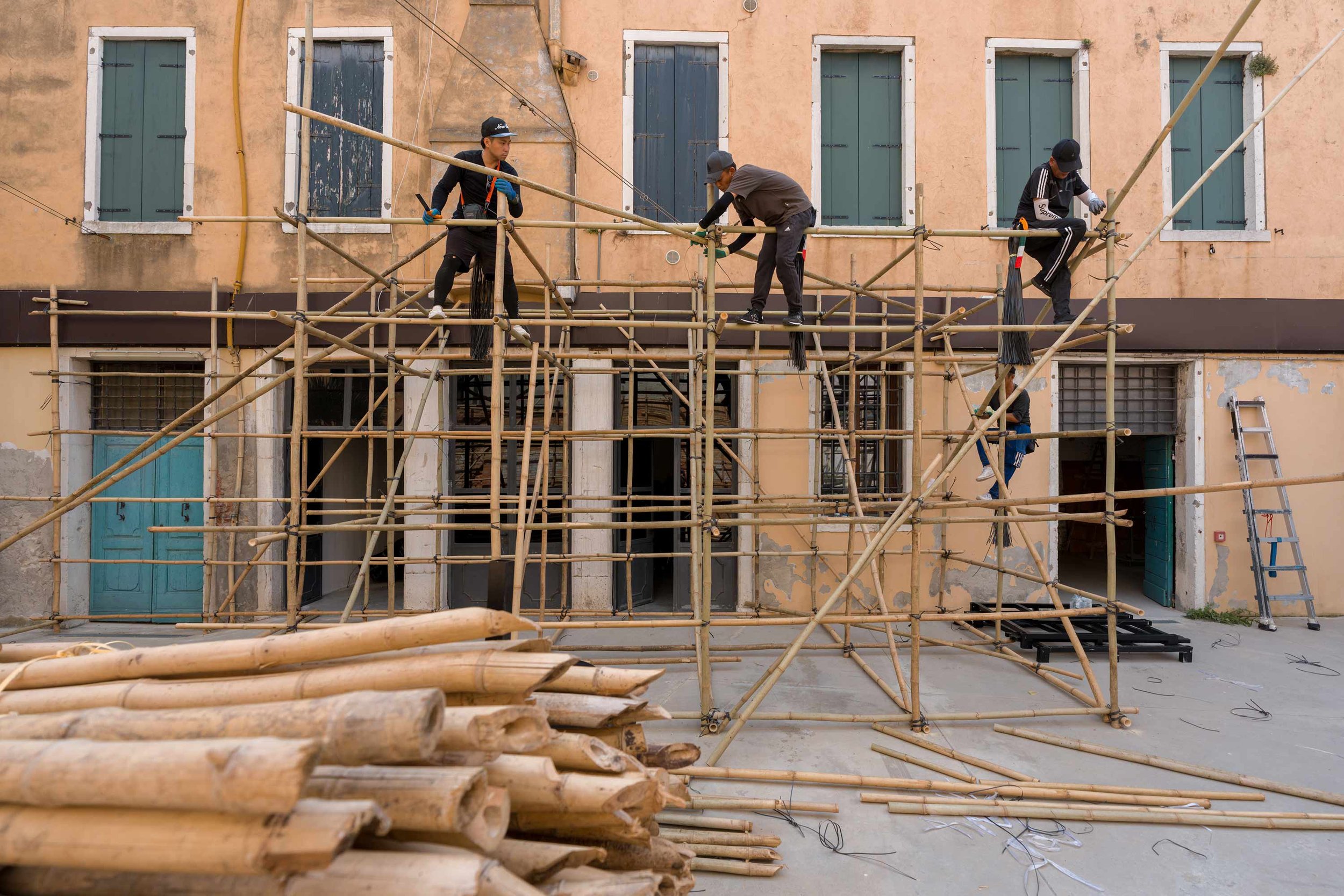
The Hong Kong pavilion. Image by Oliver Yin Law.
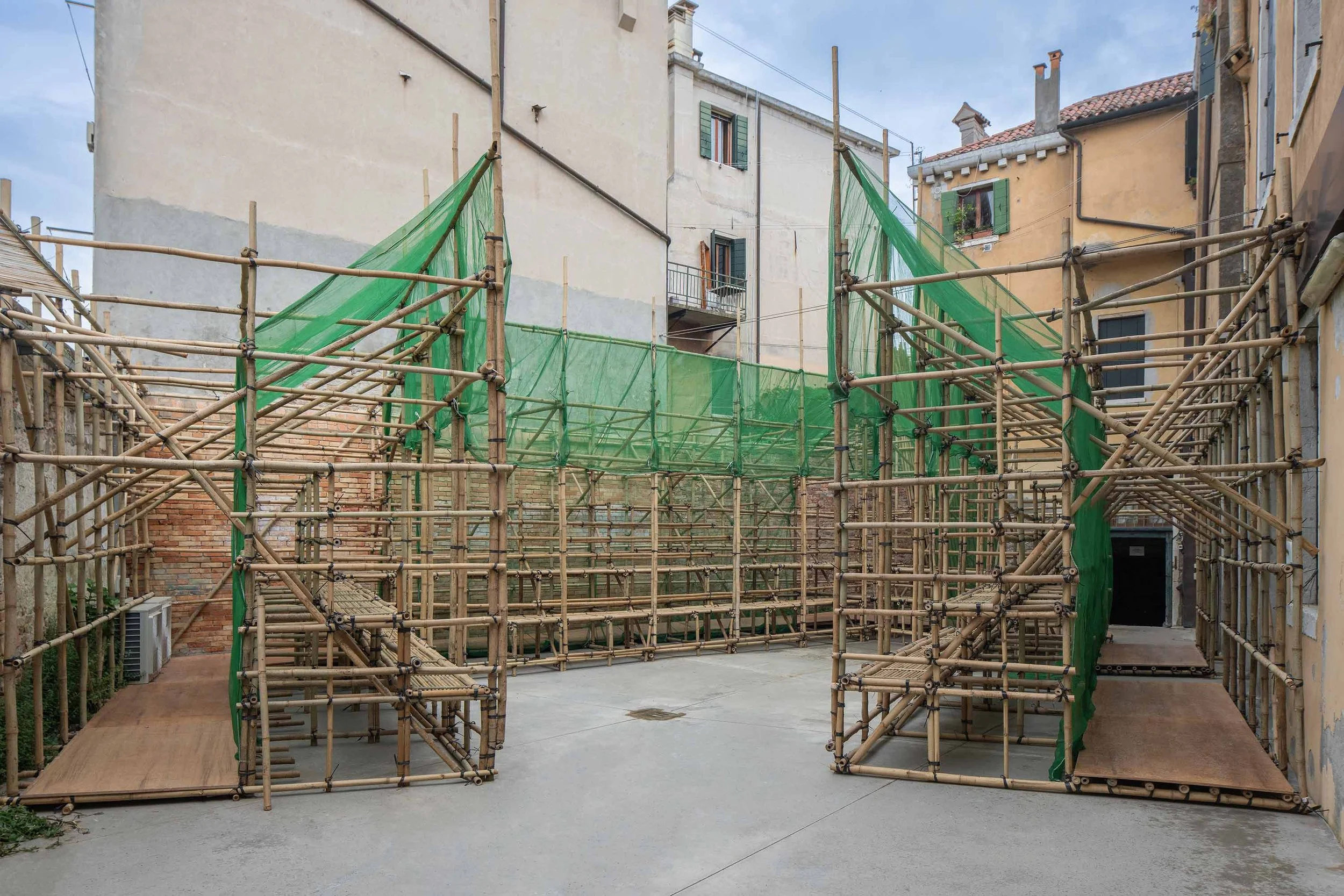
The Hong Kong pavilion. Image by Oliver Yin Law.