Between Memory and Landscape: A Reimagined Homestead
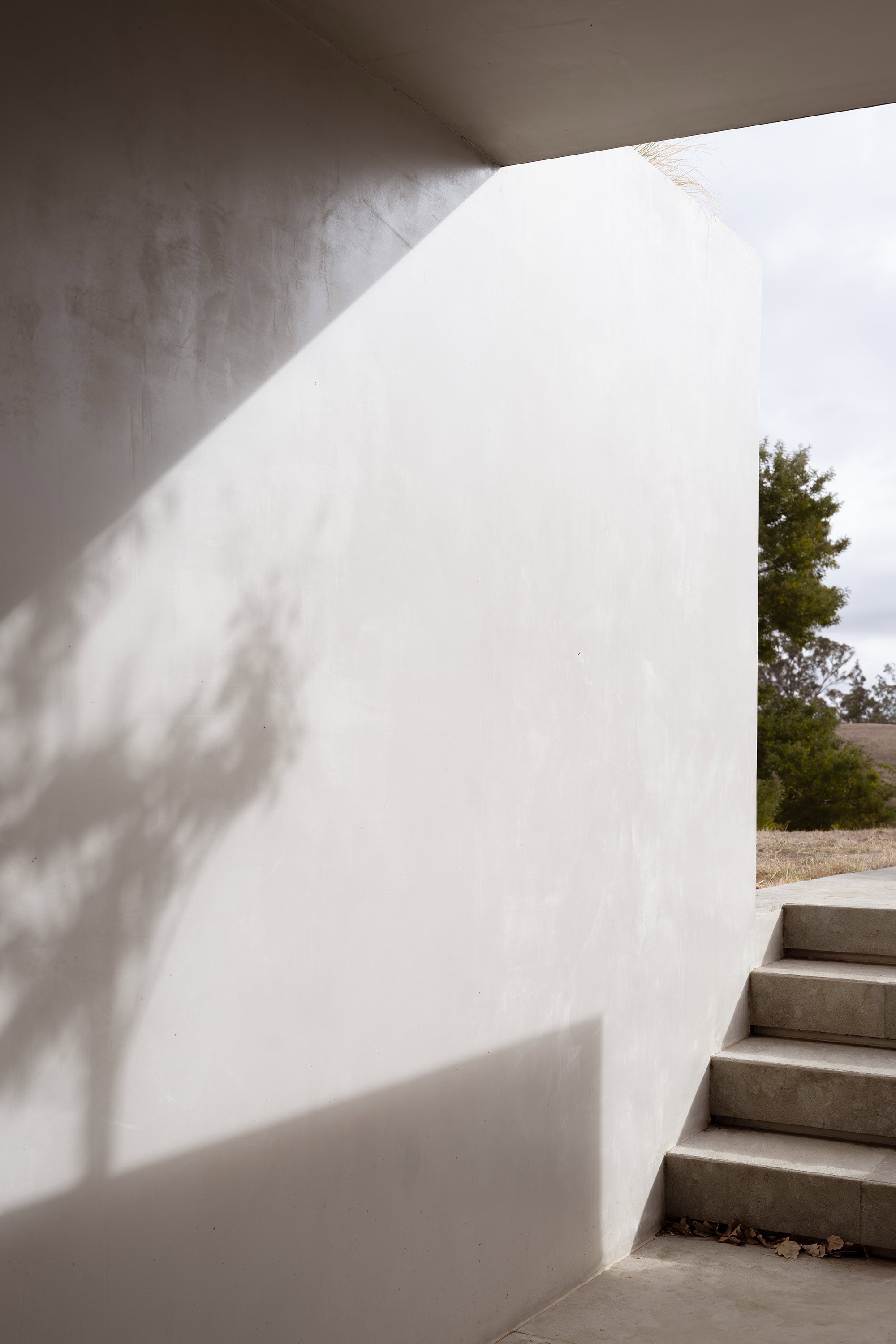
Deeply embedded within the agricultural and seasonal rhythms of the Barossa Valley, RM House is a reimagining of a home that honours the enduring nostalgia of the Australian landscape, a removed retreat that feels both grounded in place and outwardly expansive
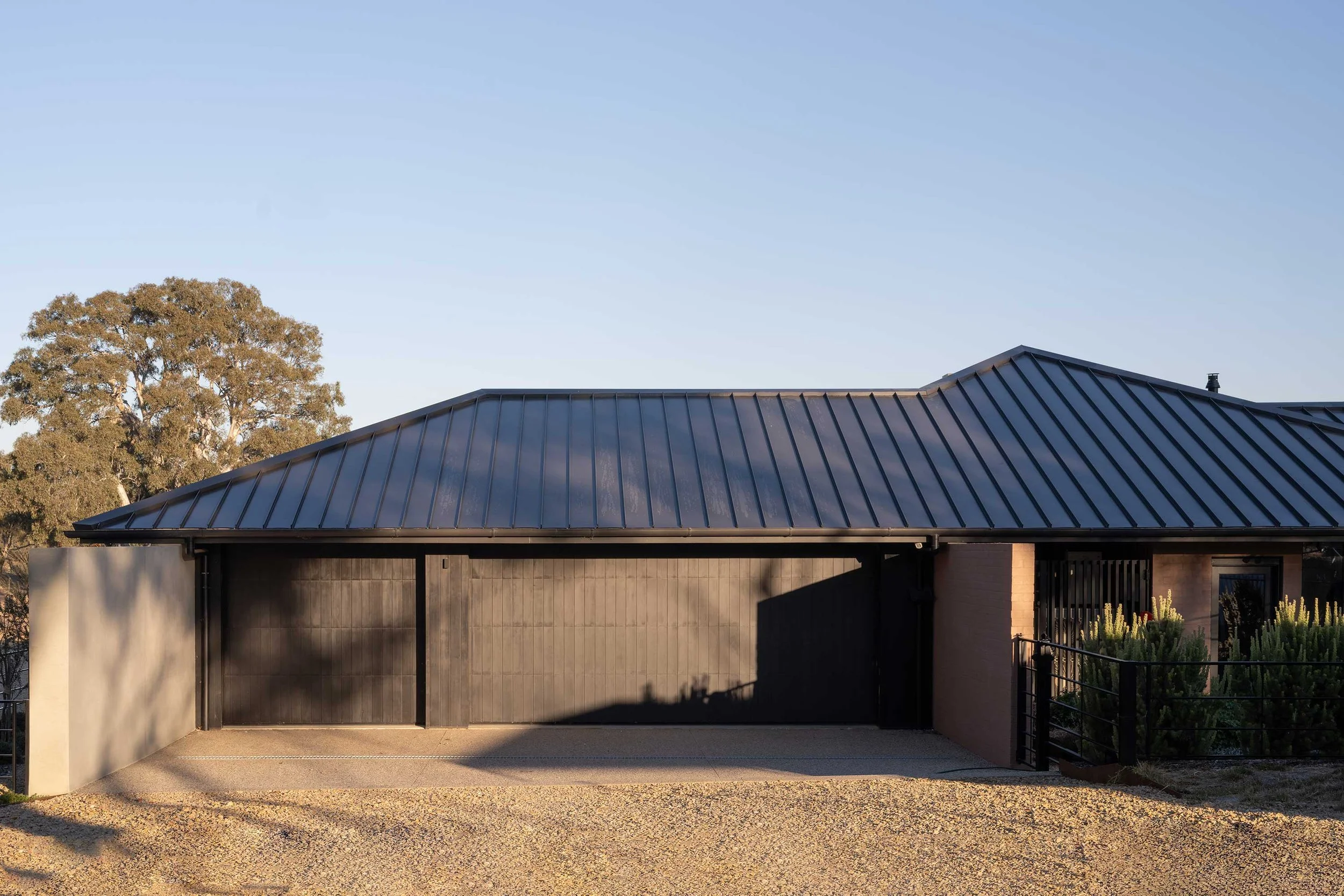
Originally built in the 1980s as a rural homestead, RM House occupies a privileged elevation overlooking horse paddocks and eucalyptus-dotted terrain in South Australia’s Barossa Valley. ‘It has a really beautiful setting, with views that stretch far to the north,’ says Sophia Leopardi, director of Williams Burton Leopardi. ‘While the existing home fundamentally worked for the family, it just needed to be expanded and adapted.’
In its reimagined form, RM House, named for owners Rob and Marnie, is a deeply personal expression of their lives and their relationship with the land. ‘It’s grounded in warmth, texture and openness,’ Leopardi reflects. ‘It’s a unique expression of its owners and their connection with farm life and the surrounding landscape.’
The transformation unfolded over several years, beginning with the renovation of a smaller cottage on the same estate, affectionately known as Mt Mac. Living there proved formative. ‘The construction period highlighted what the clients needed from the bigger house,’ says Leopardi. ‘Being in a compressed space didn’t necessarily prolong the process — it clarified the essentials. They emerged with a clear understanding of how they wanted to live.’ During this time, the children grew, and the family recognised a desire to live more closely — an intimacy that shaped the scale and flow of what followed.
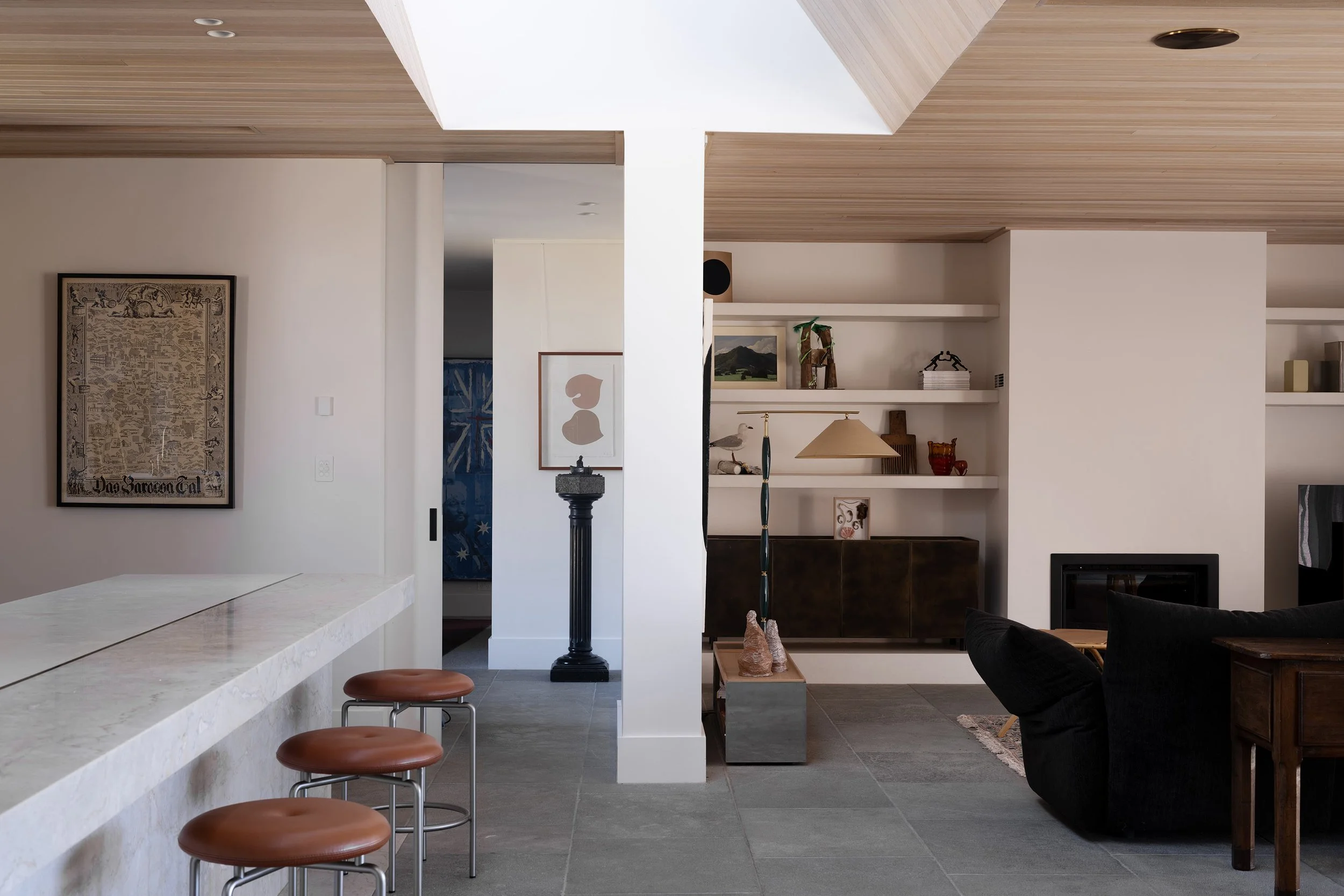
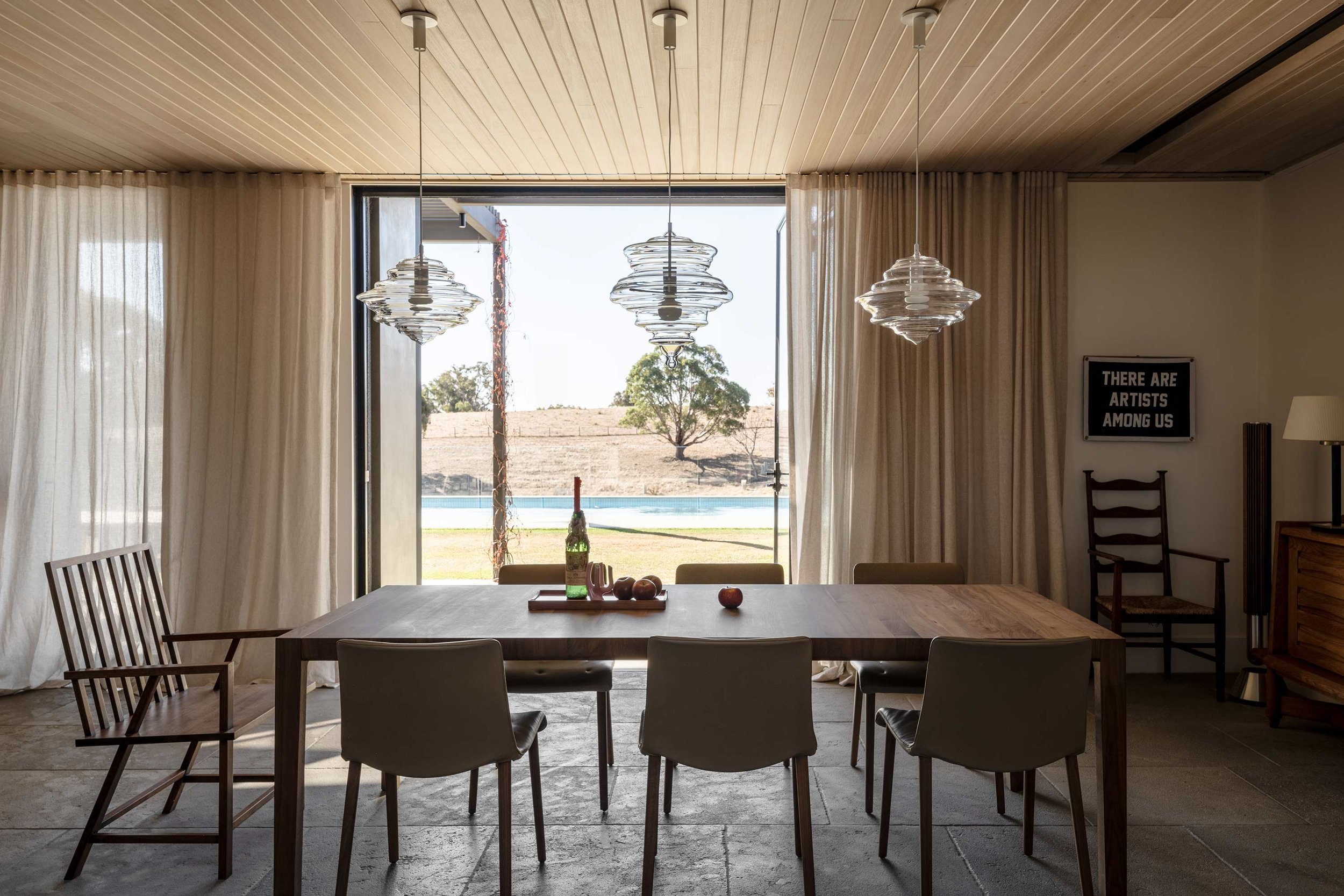
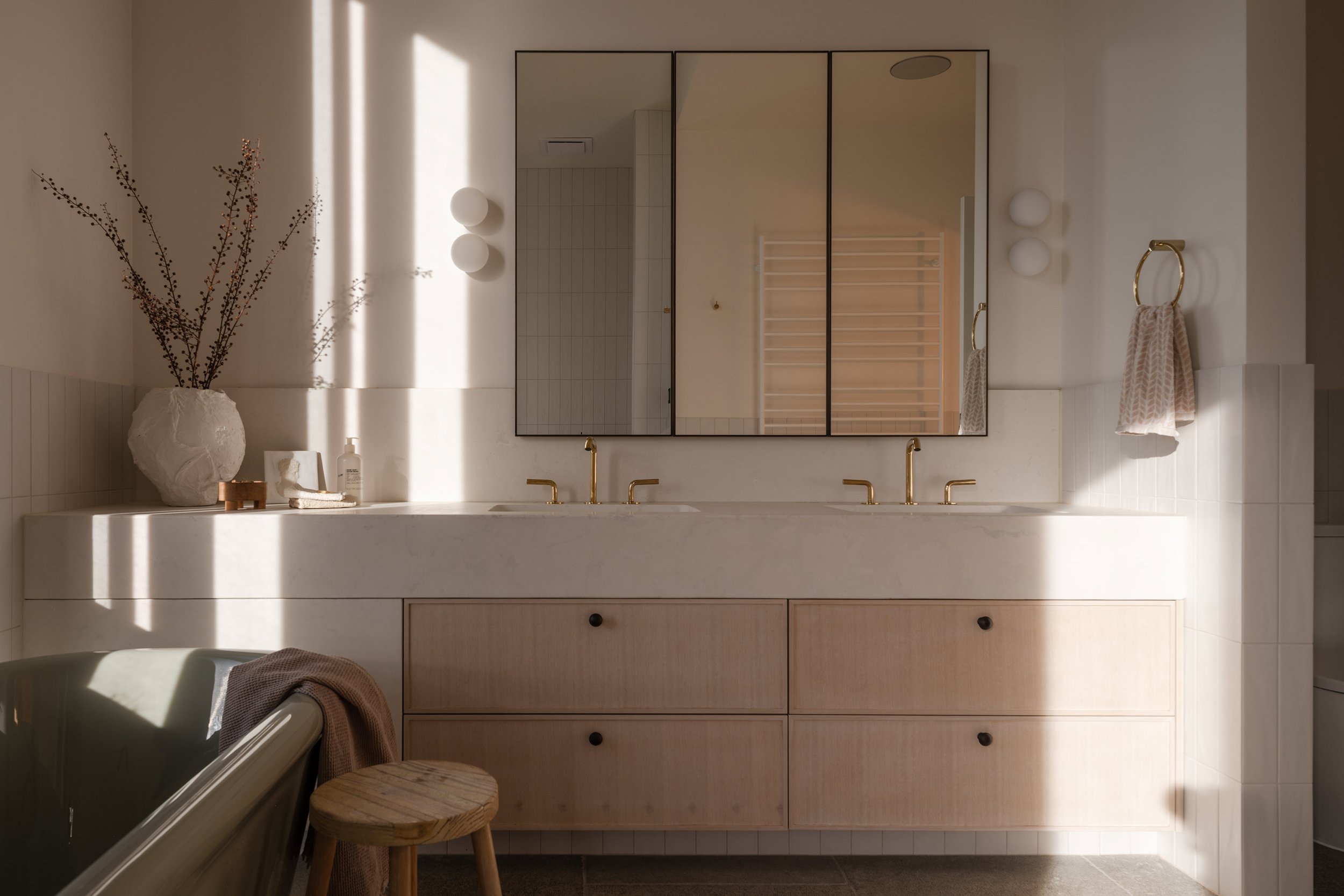
Conceived as a retreat that needed to be both inward-focused and warm, the house carries moments of generosity and scaled drama. ‘The home is big in its expression,’ notes Leopardi. ‘From the ceiling heights to the skylight — and the openness of the living and dining spaces — we wanted to weave in over-scaled elements that reflected the agricultural roots and Rob’s instinct for hospitality.’ These expansive gestures were then counterbalanced and made richer through artist Marnie’s more creative and layered approach, with a material palette that drew directly from the surrounding gums. ‘The pinks on their trunks, and the earthy tones of the soil — these needed to resonate throughout,’ adds Leopardi.
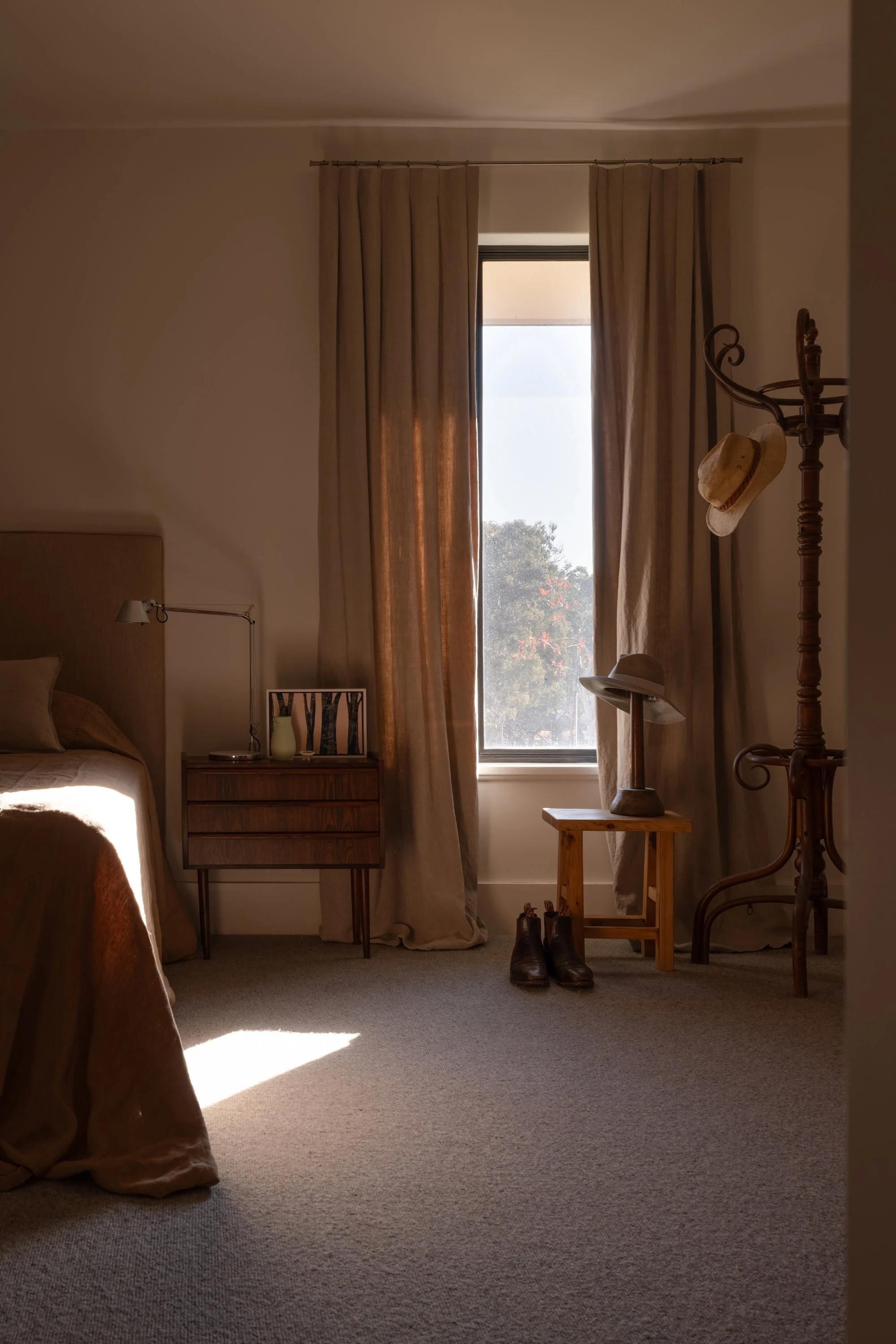
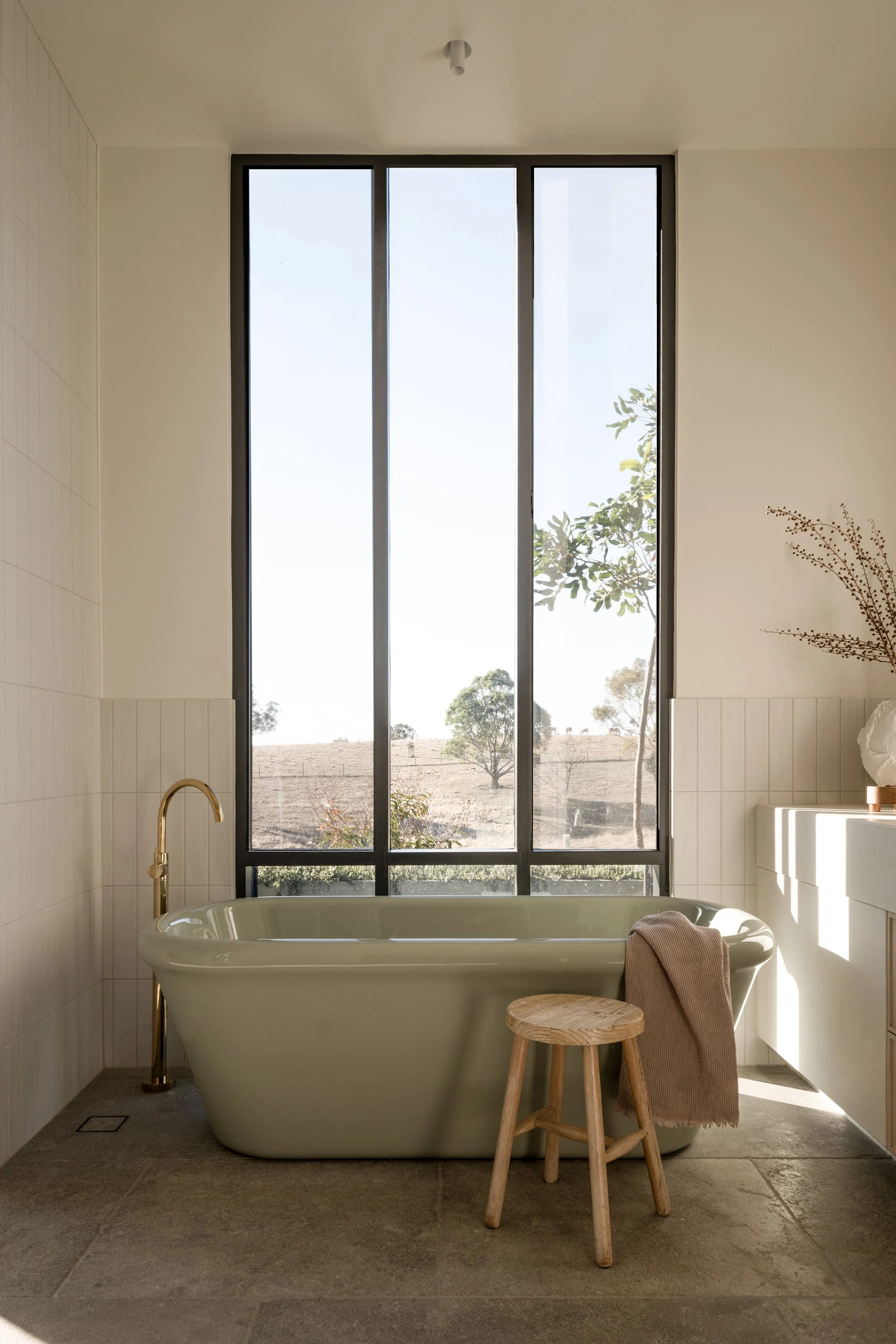
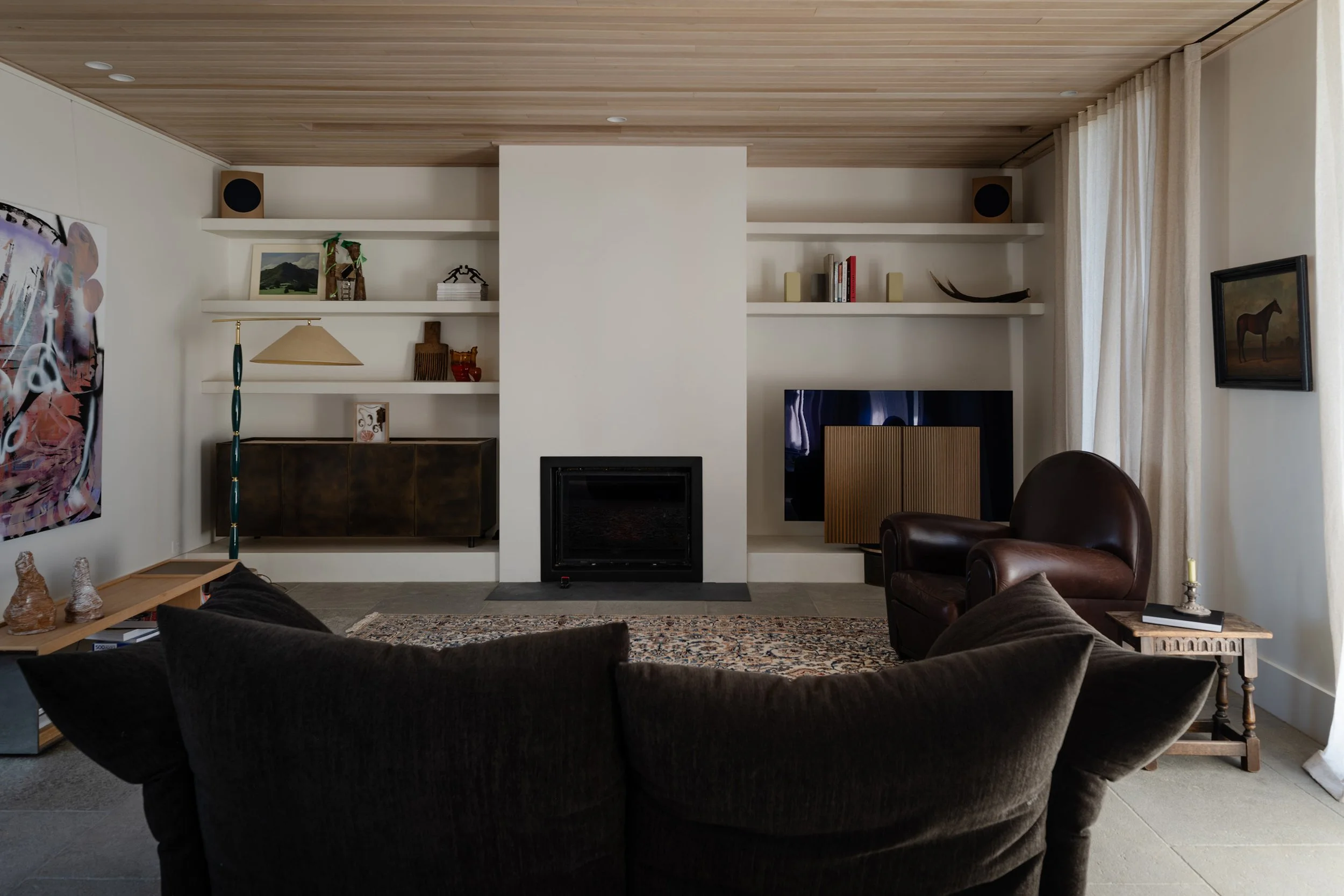
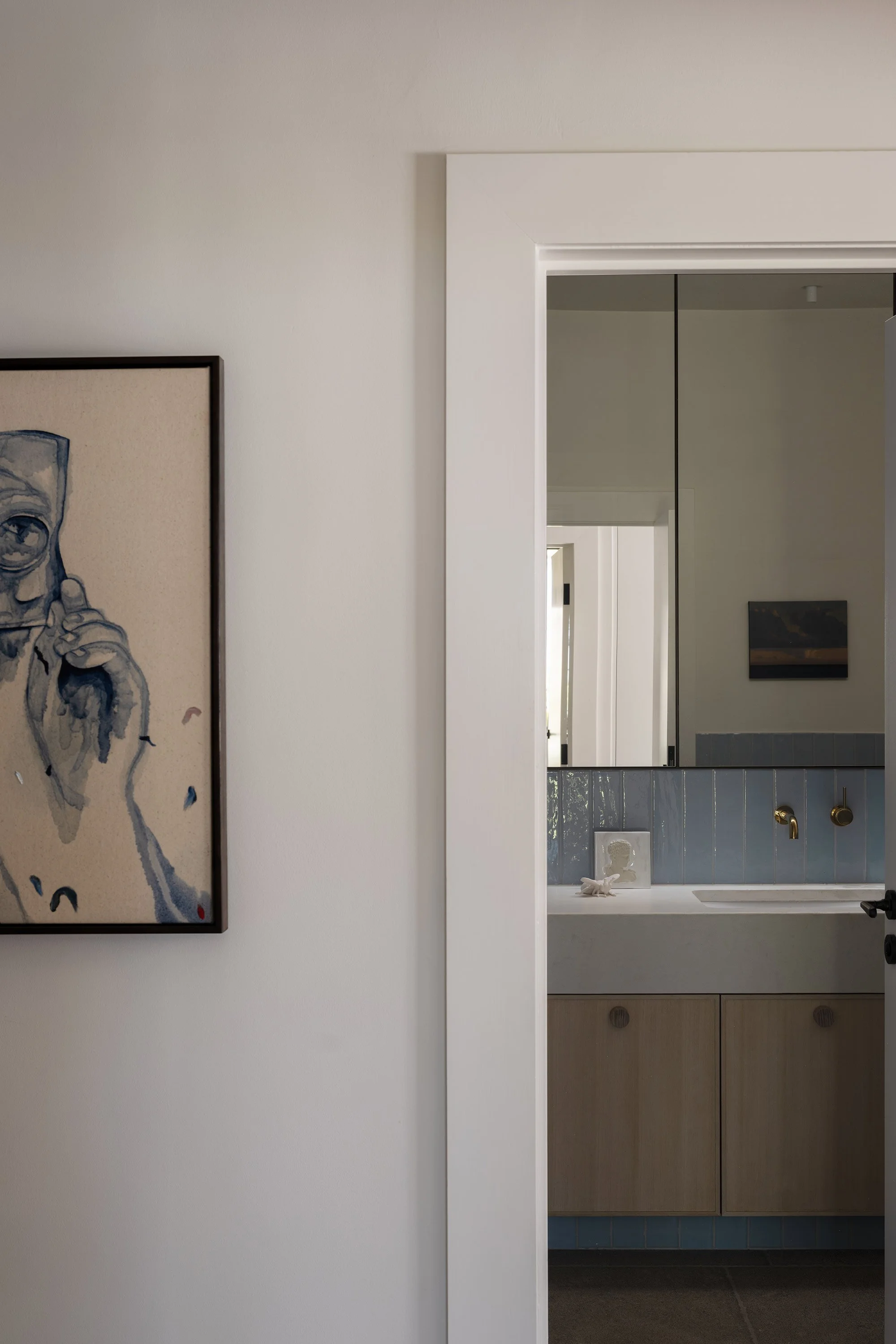
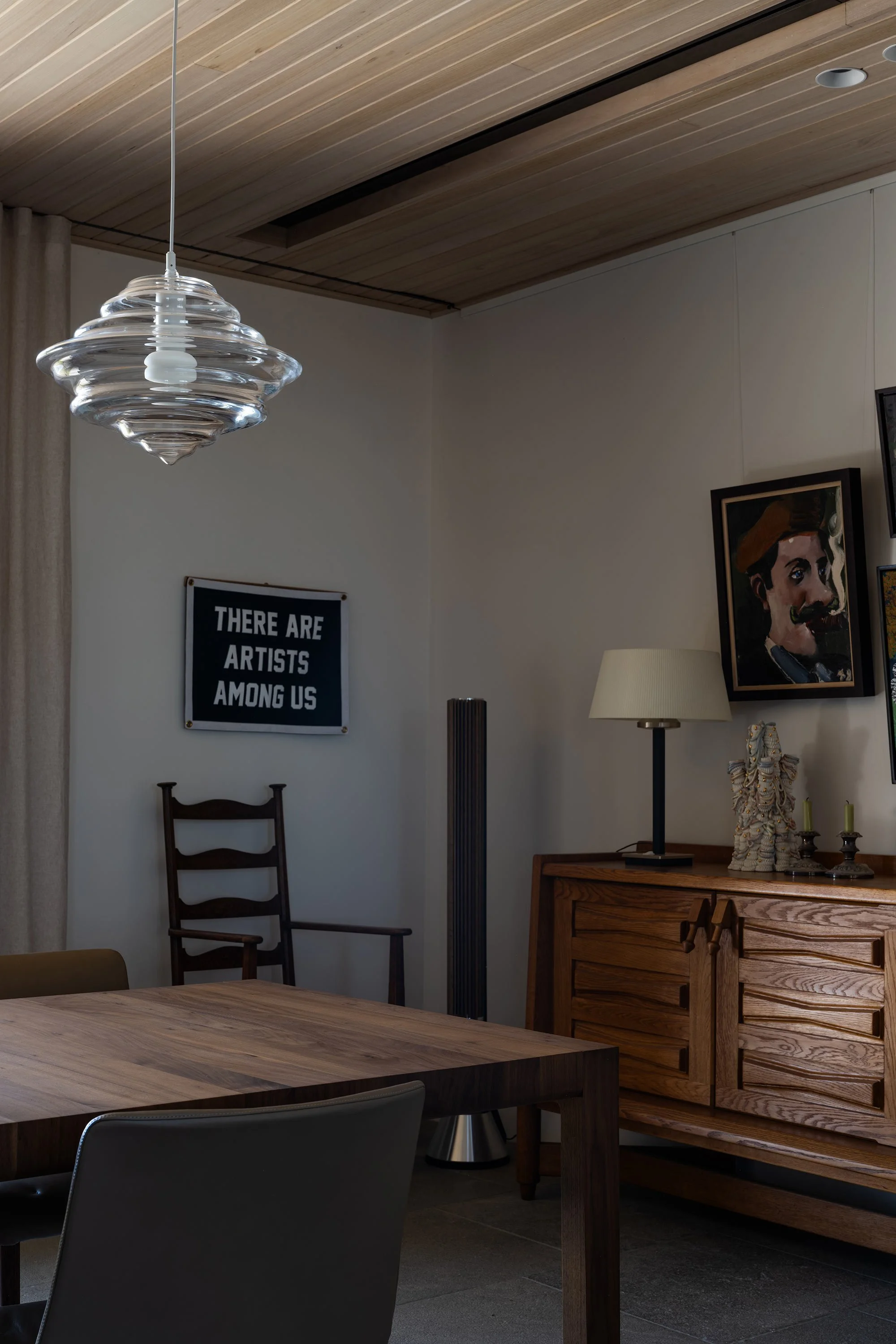
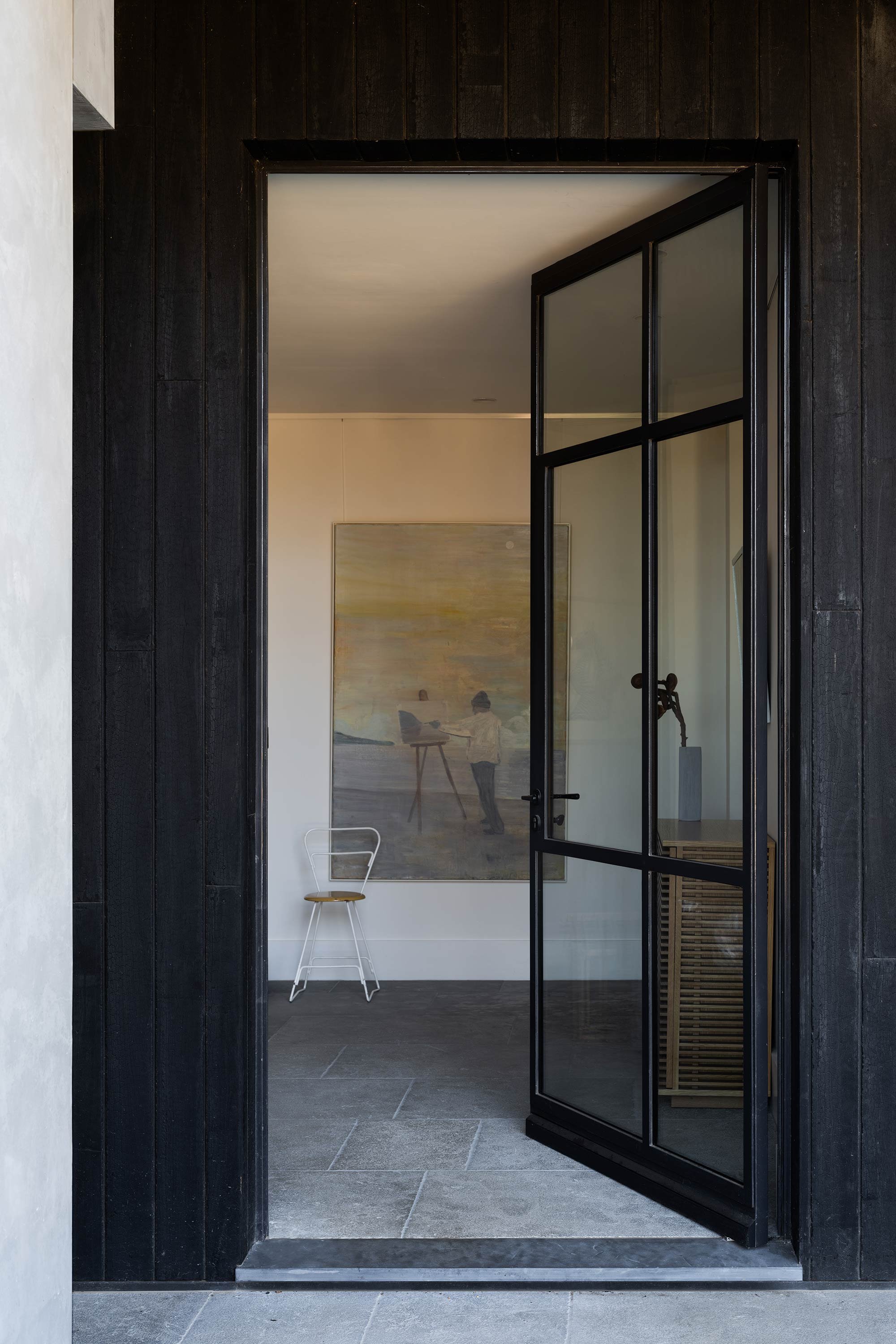
The house has become a backdrop for Marnie’s own creativity: the walls and spaces carry her evolving artistic practice, while the architecture itself frames and supports it. ‘Throughout the process, each of the clients would steer the process and identify their differing priorities at different times,’ says Leopardi. ‘Rob was focused on the micro, Marnie on the bigger picture. She was instrumental in ensuring the home didn’t become another “beige” house, but one alive and directly connected to its context.’
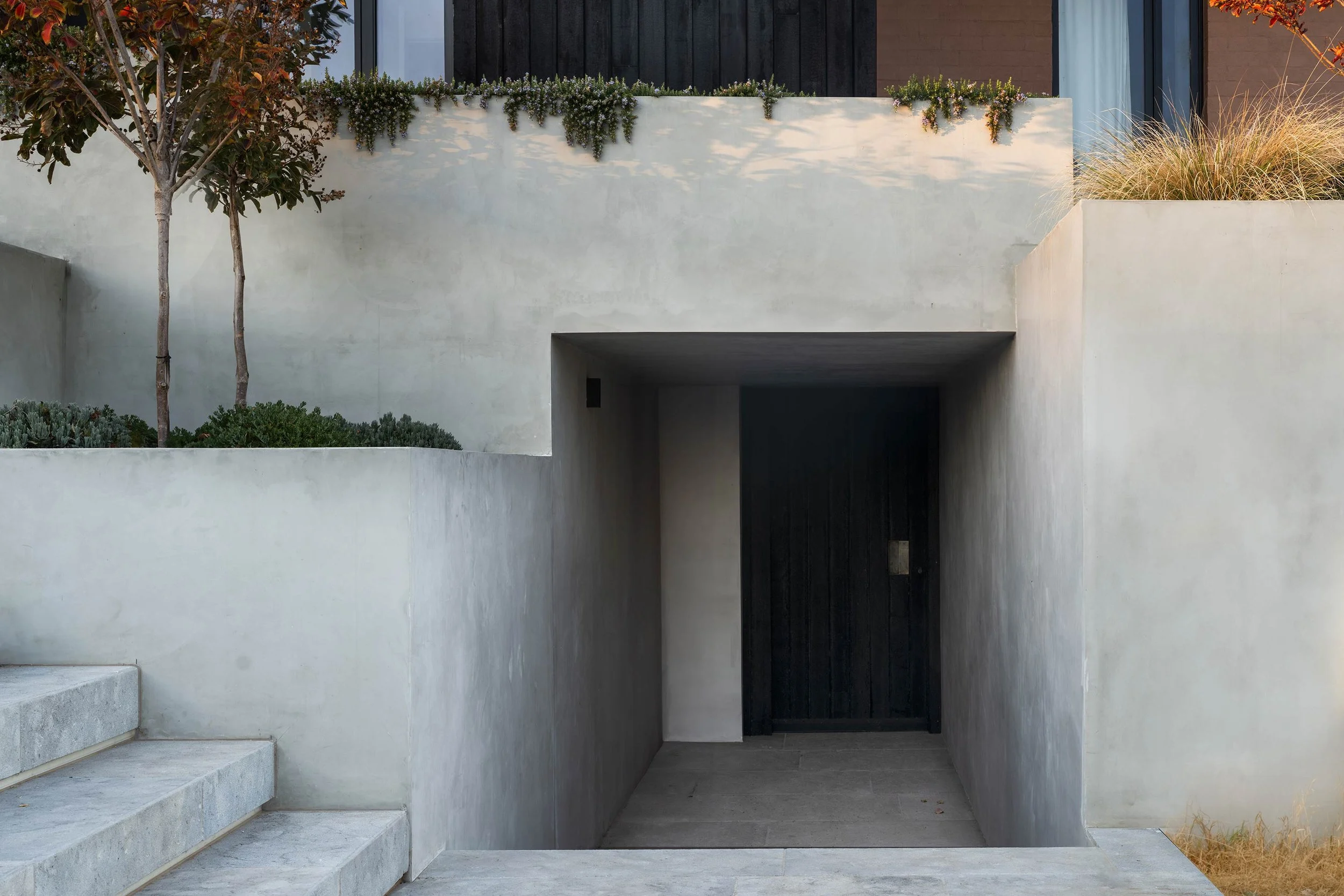
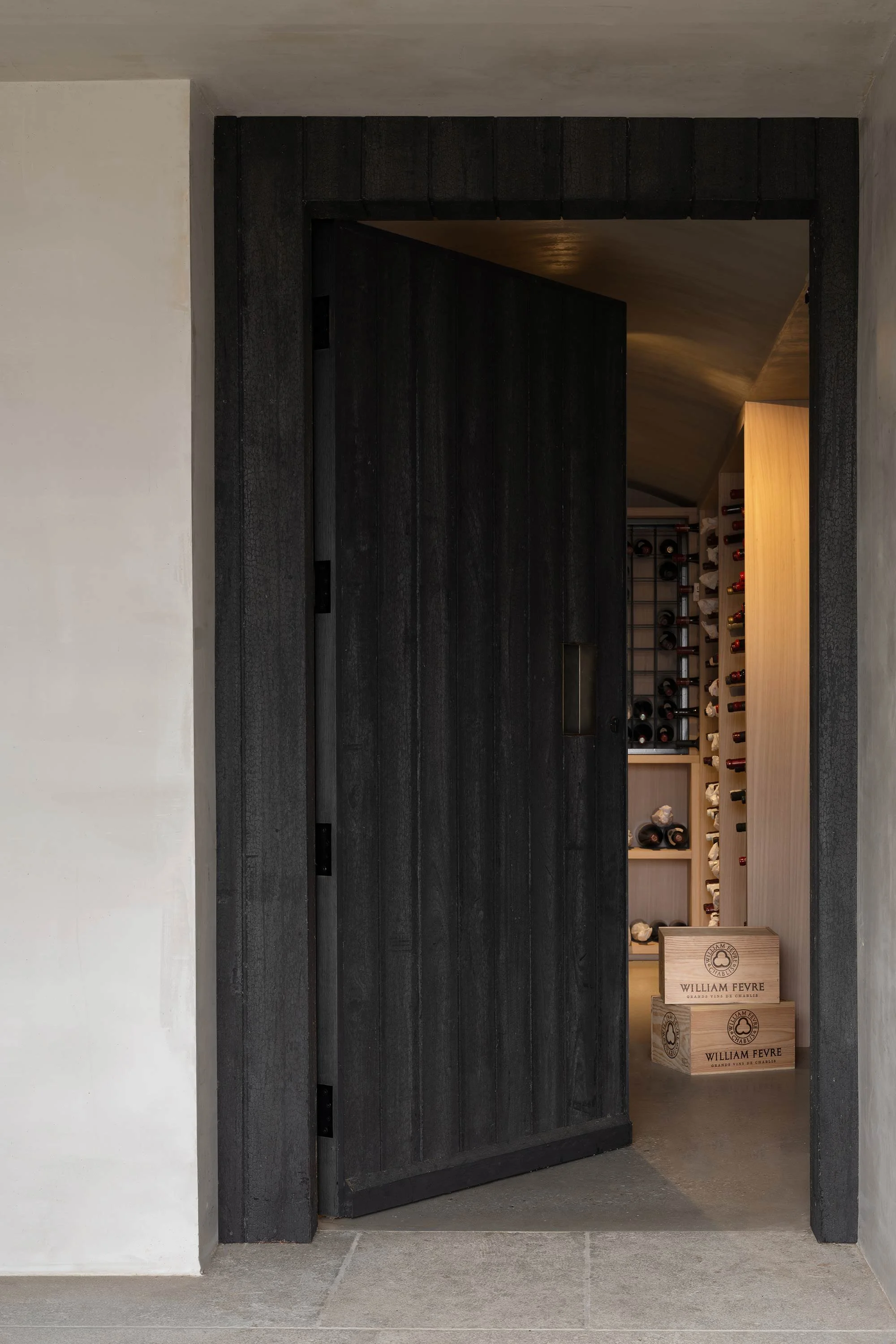
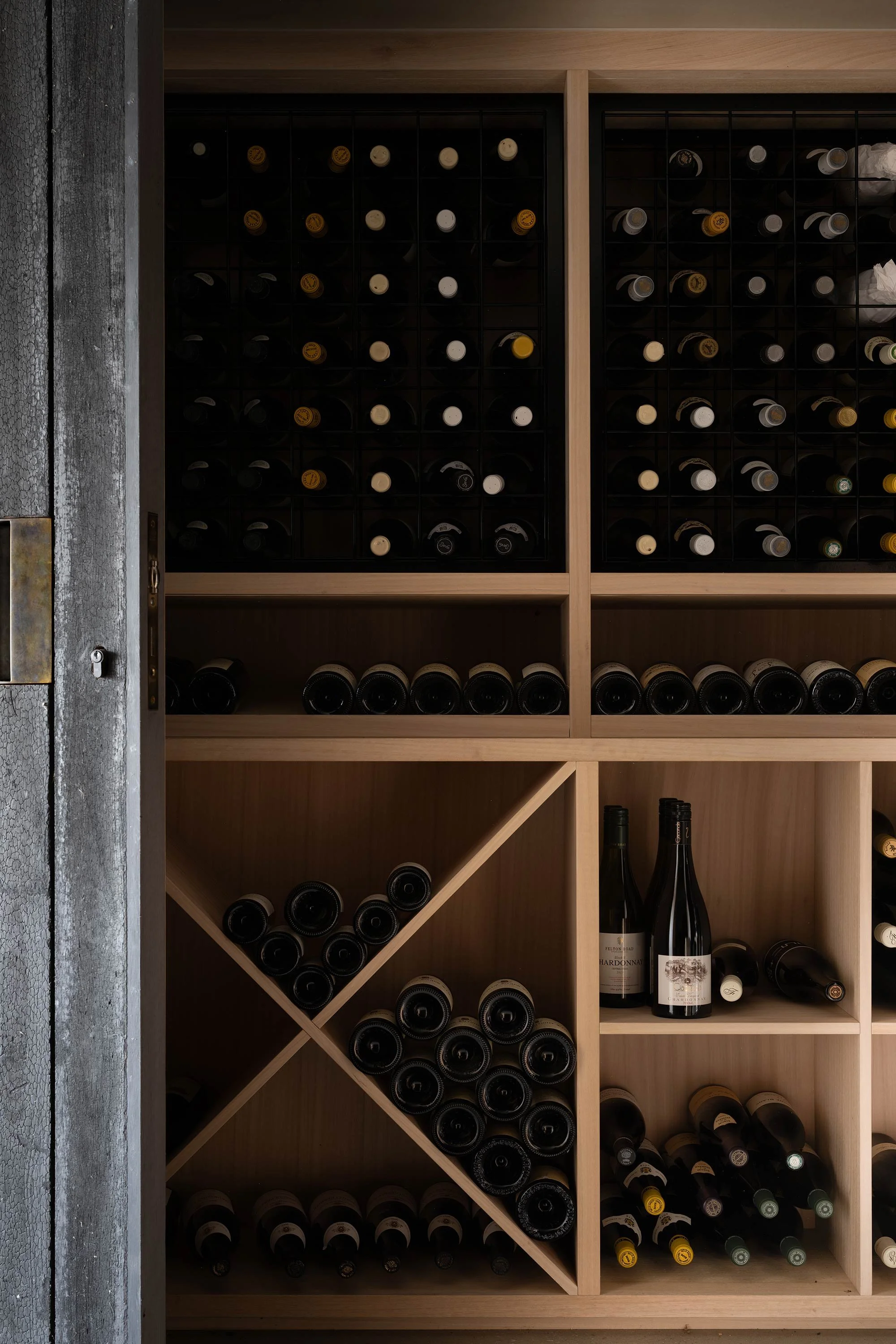
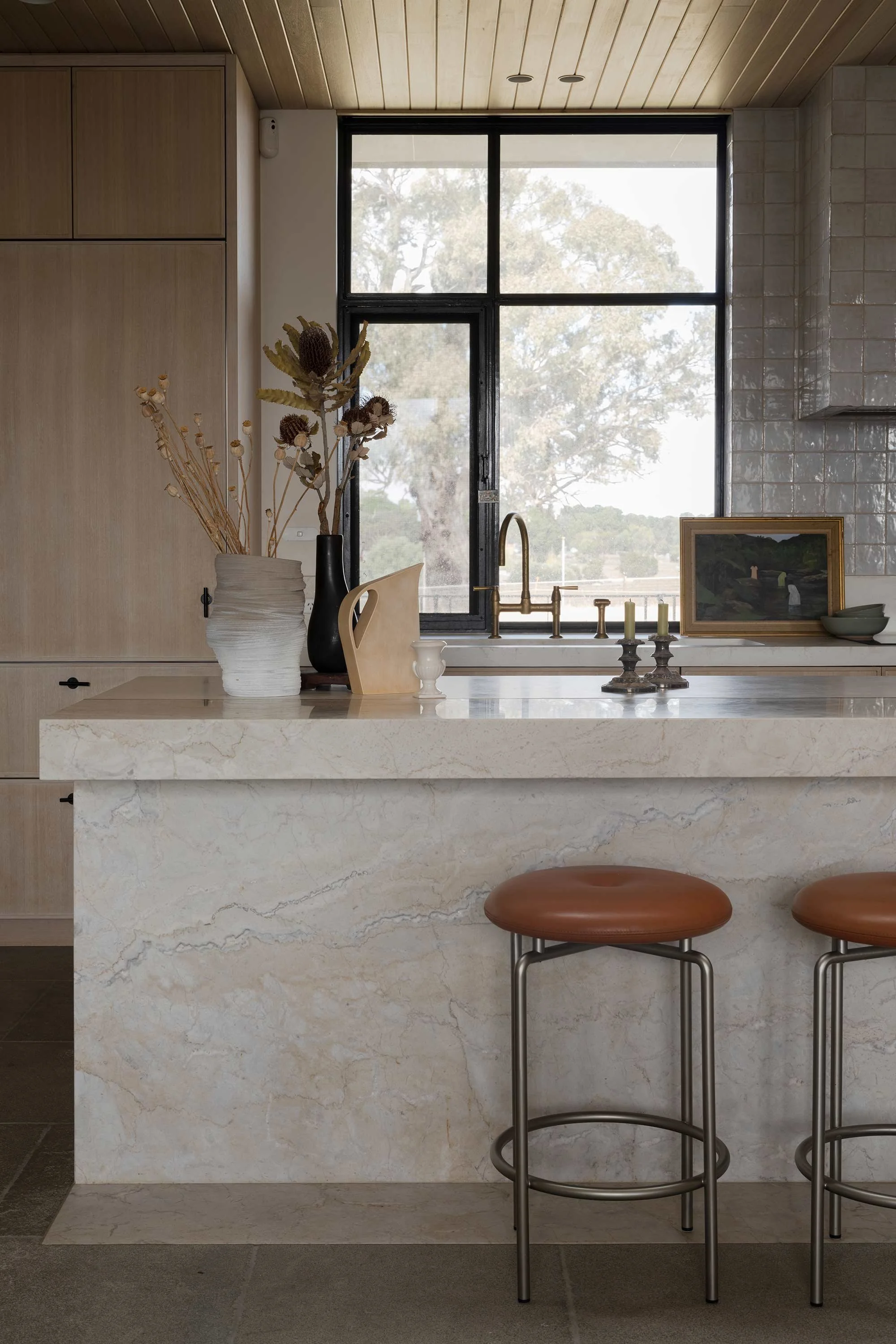
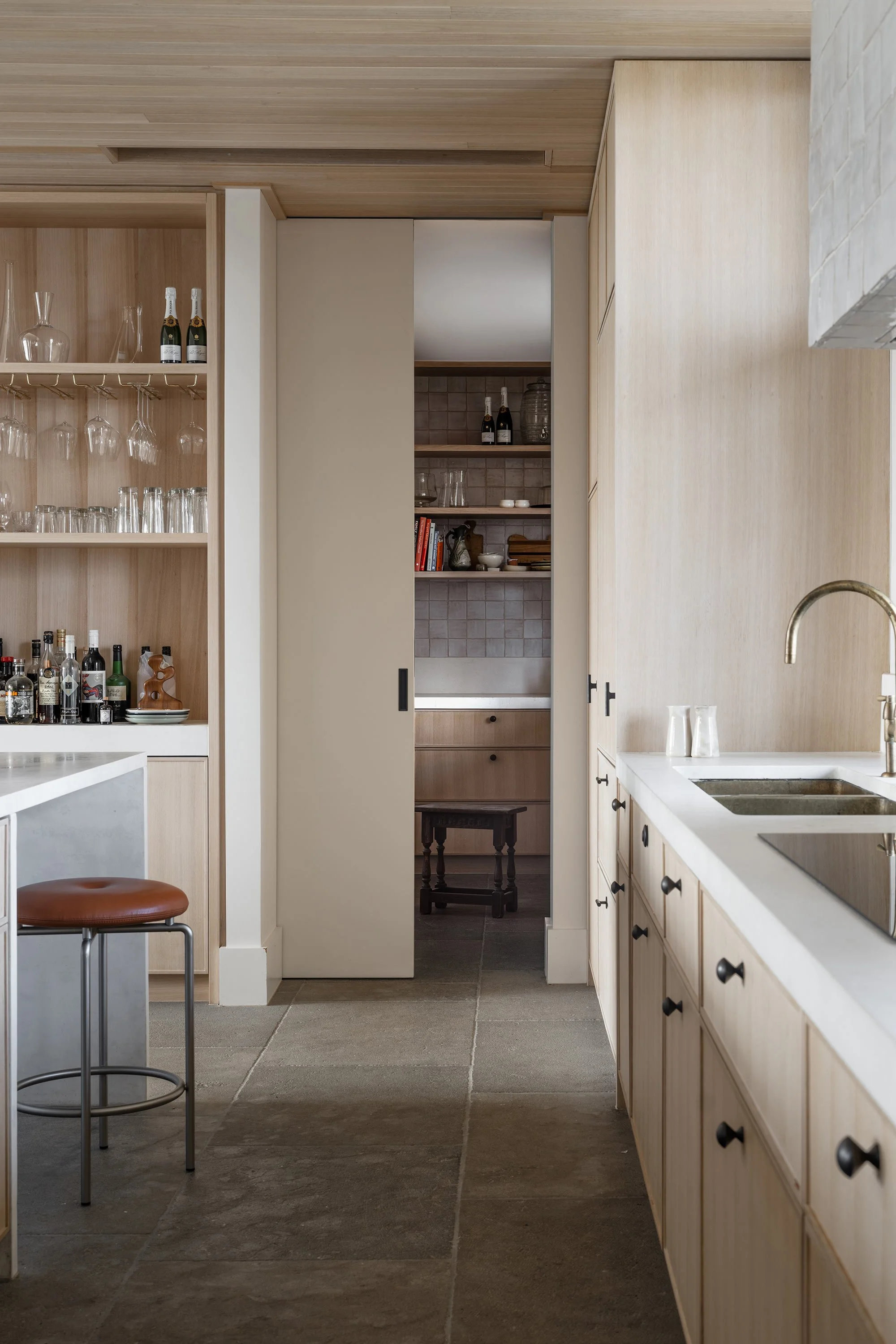
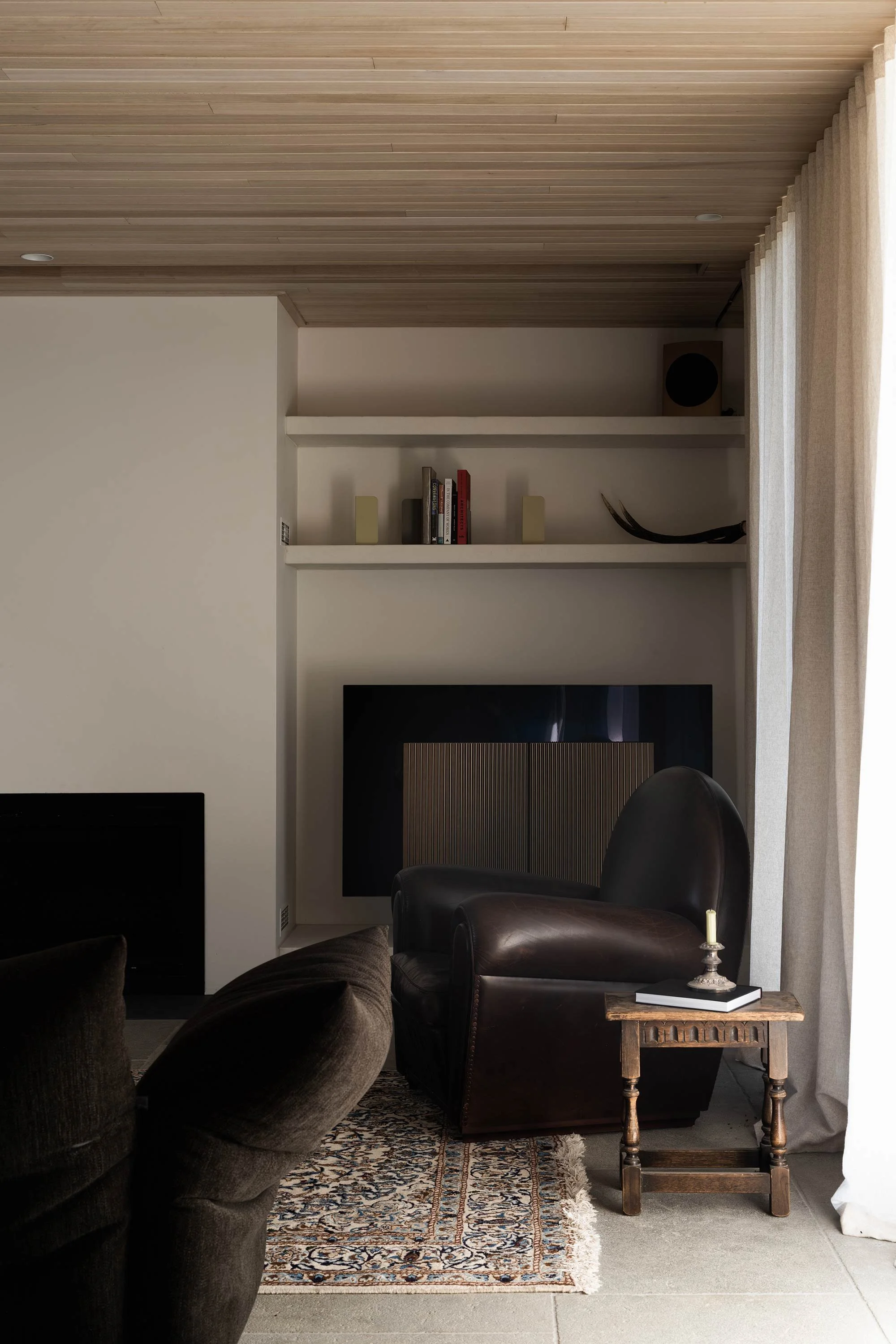
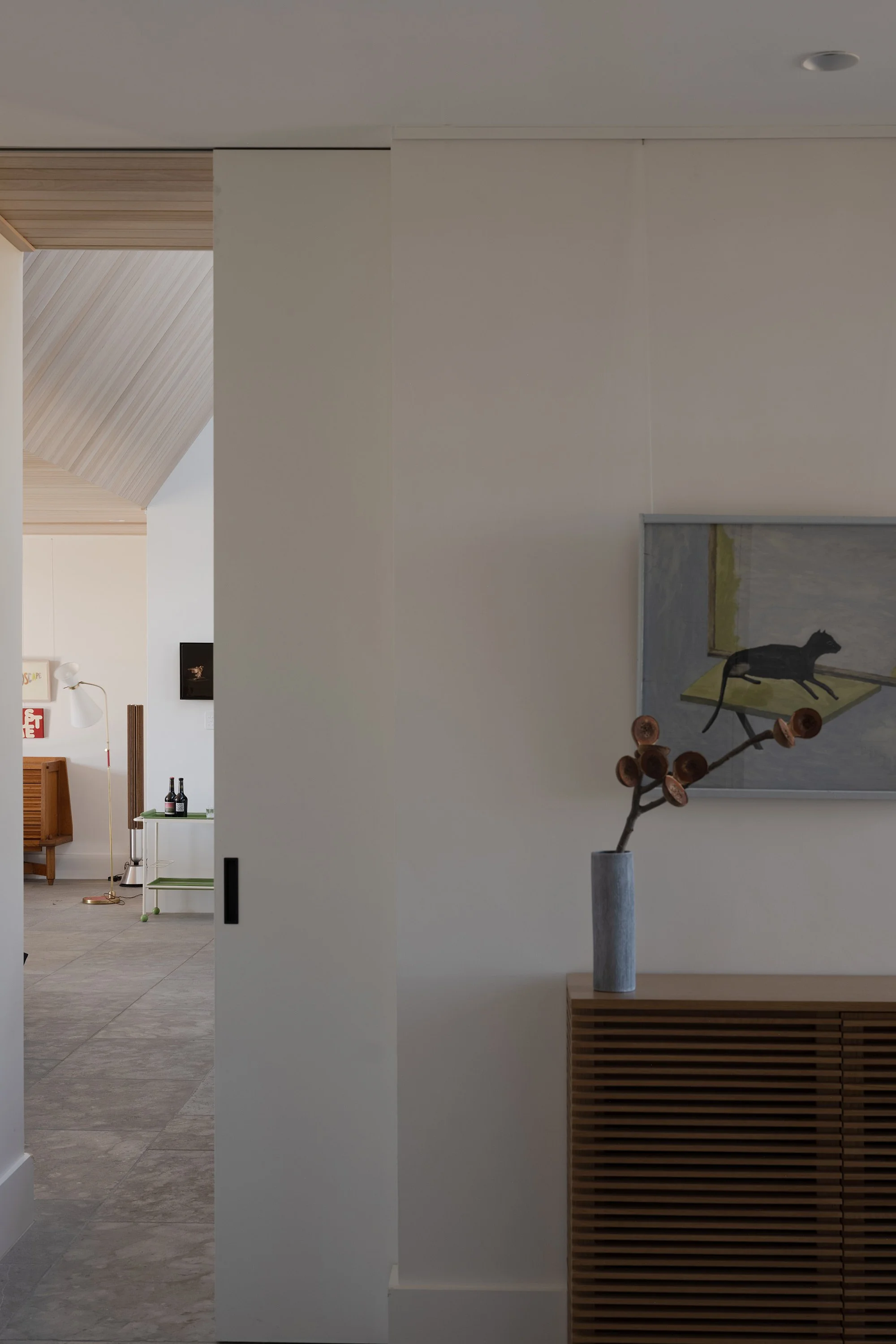
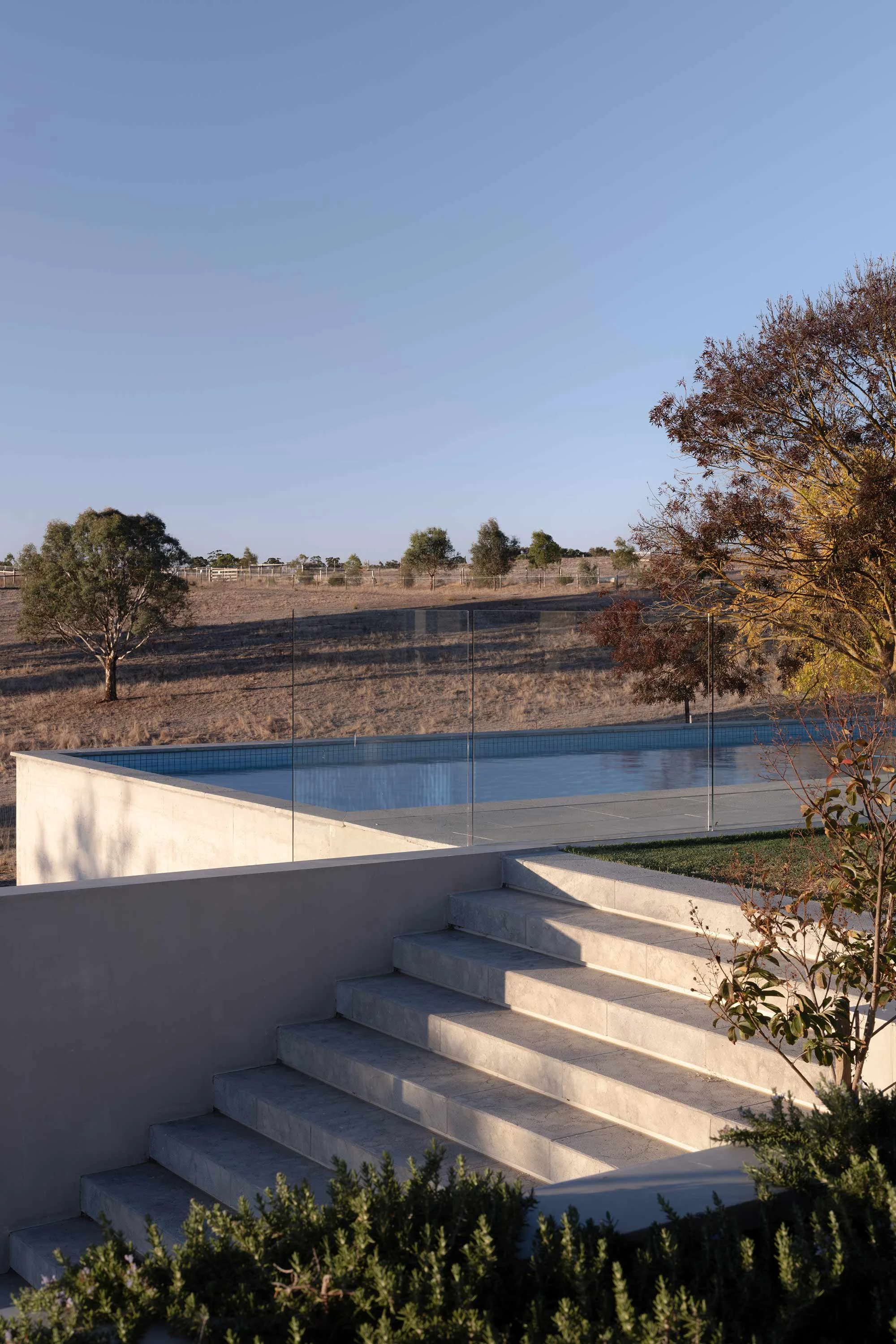
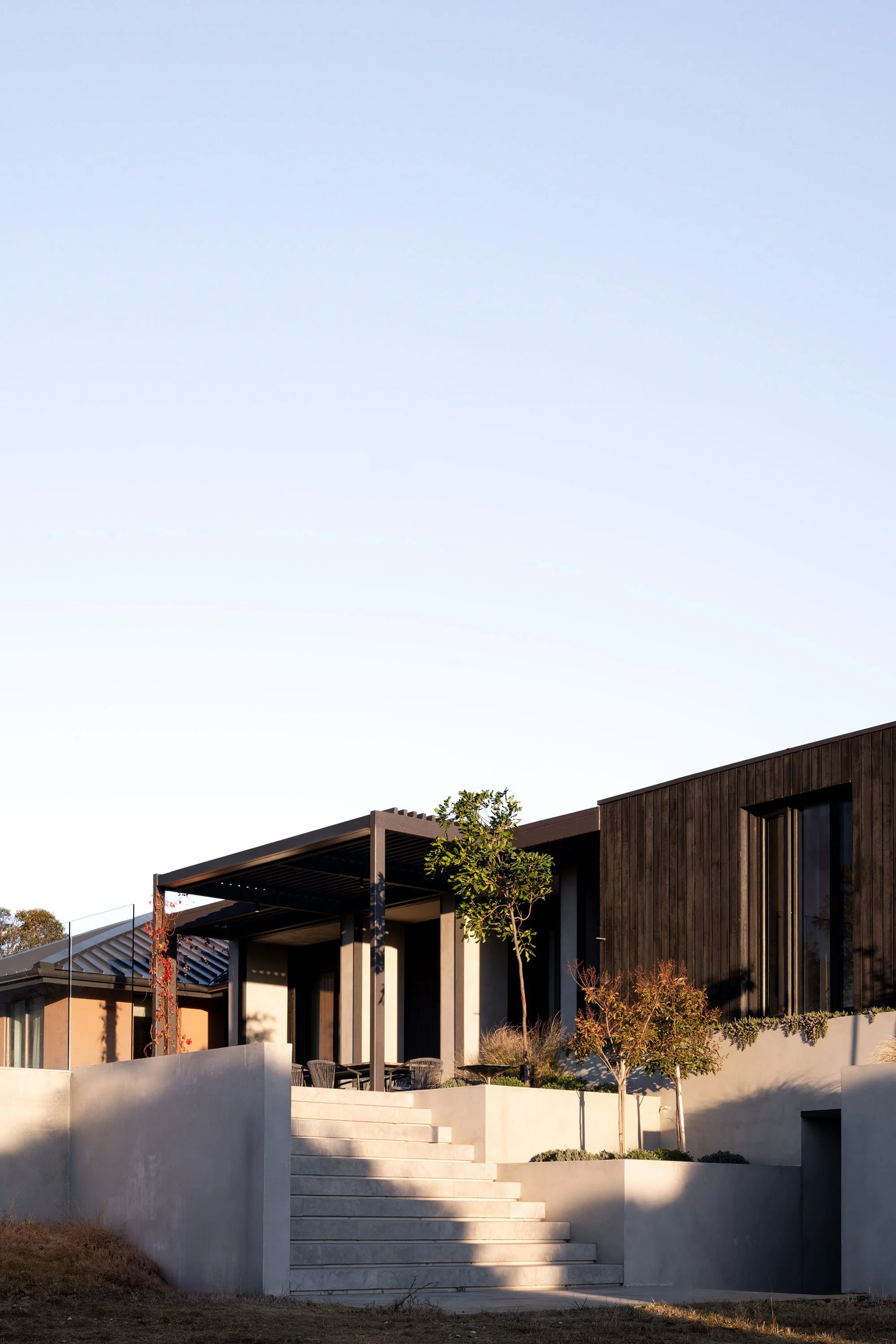
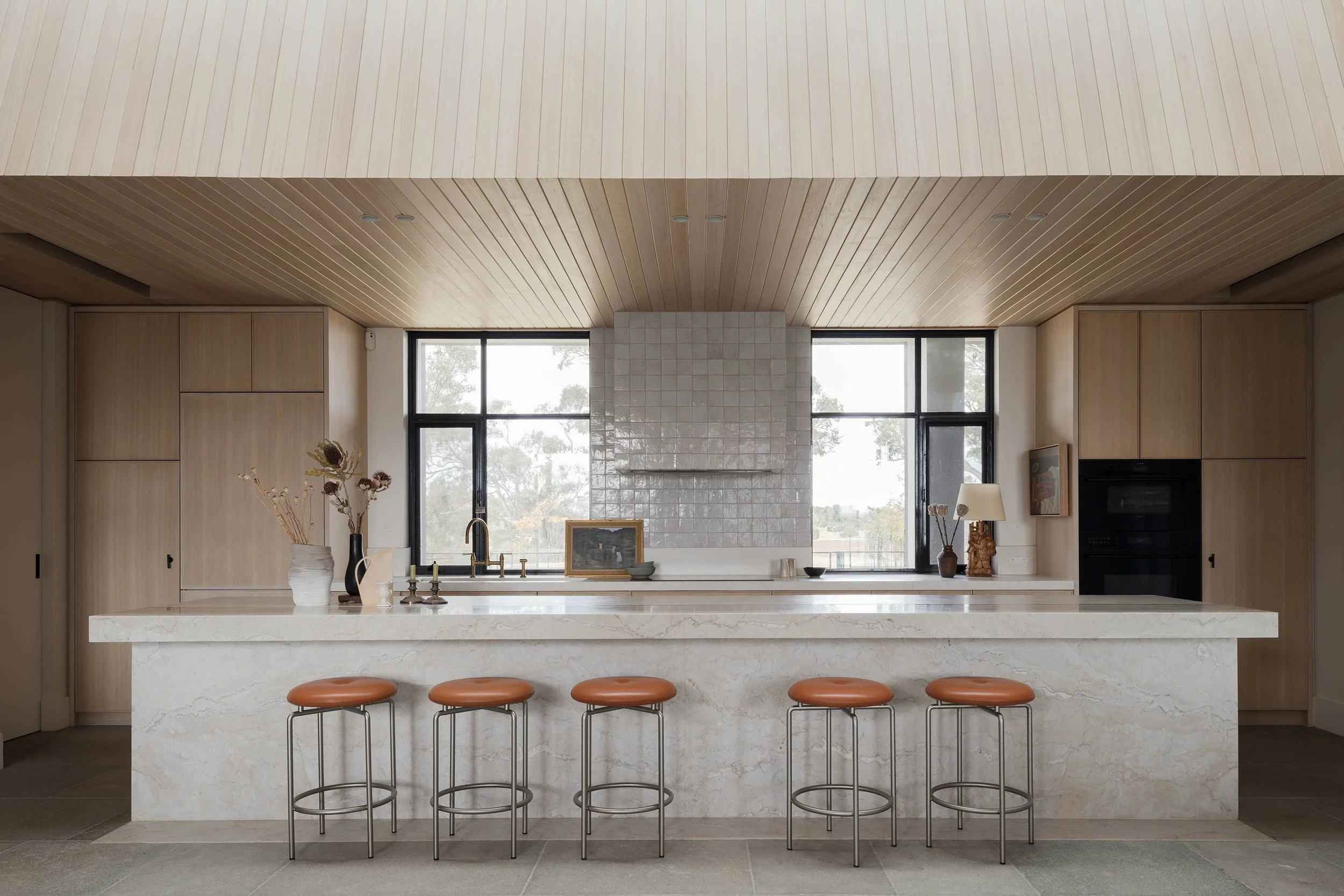
Internally, vaulted timber-lined ceilings ensure a warmth and tactility is felt throughout, with the natural textures echoing the surrounding bush. The kitchen, though extended, was kept in its original position, and acts as a symbolic anchor in a home that is centred on gathering and coming together. A new north-facing living and dining space was introduced, dissolving the threshold between indoors and out, becoming, in Leopardi’s words, ‘the heart of the home’. This central space opens directly onto gardens, a swimming pool and the entry sequence, reinforcing a seamless connection between family life and landscape. The pool, set into the slope, offers a place of reprieve and reflection, while the cellar — a nod to the property’s agricultural heritage — was retained but pared back.
Rather than erasing the home’s past, the project embraced it — expanding where necessary, reducing where possible, and always searching for what Leopardi describes as ‘something that felt like the owners’. RM House is a sanctuary where agricultural and domestic life are intentionally blurred, and where the landscape remains as present as the daily rituals within. It is an architecture of resilience and belonging, one that is also innately attuned to place and deeply personal in its expression.
Text by Bronwyn Marshall
Images by Caroline Cameron