
From dealing with early indifference to Thai wellness traditions to attracting private equity, the brand is an exemplar of how the region is telling its own stories
As holistic Thai wellness brand Pañpuri enters an expansion phase, its founder and CEO Vorravit Siripark muses on a duality that he traces from childhood through the trajectory of his career and his company.
That tension is rooted in the contrast between his parents: his mother, ‘an ambitious businesswoman — works really hard, kind of a workaholic, self-made… I get my drive from her’, and his father, ‘a policeman, so very by-the-book’ but who ‘taught me how to ground myself, and that’s part of a bigger philosophy of his: being happy, being content with what you have’.
After a scholarship took him from Thailand to a Canadian high school at 17, the two sides of Siripark were expressed through his International Baccalaureate majors: fine arts and economics. Following graduation from university in Canada, he returned to Bangkok to work for Deloitte, but in 2000 was dispatched to its New York office: ‘If you want to be the best in financial services, that’s where you need to be.’
It was perhaps during his three years of consulting, when he spent long days helping companies fire their employees, that Siripark felt most out of balance. ‘There were some elements that weren’t always pleasant,’ he recalls.
Natural consultant career progression meant an MBA and then back to the firm on the fast track. But Siripark had other ideas. ‘I secretly applied to a school in Italy. It was still an MBA, but it focused on luxury goods management; I felt there was a creative part to it,’ he explains.
Any lingering doubts around whether it was time for a new path were rudely dispelled on 11 September 2001, when he fled the World Trade Center, which he was visiting from Deloitte’s nearby office.
Winning another scholarship, Siripark took the MBA in luxury goods management at Milan’s SDA Bocconi. ‘A new world opened up; a world of creativity, a world of business, a world of entrepreneurship. I learnt a lot in Italy, and that later led me to establish Pañpuri,’ he recalls. ‘Life has a way of taking you on a different path, and then you find yourself back where you’re supposed to be.’
When Pañpuri launched in 2003, it faced initial resistance from Thai department stores reluctant to position its fragrances, oils and lotions alongside high-end global brands. More than a decade later, industry experts still doubted a Thai luxury wellness brand could be exported. ‘Back then, Western beauty ideals were the gold standard. In Asia we had Japan, but that was very much based on innovation and technology,’ Siripark recalls. ‘Holistic wellness, the term we use now, wasn’t prevalent in those days.’
But burgeoning Thai tourism led people from Asia and beyond to encounter Pañpuri products and experience its wellness spas. By 2015, the company was growing rapidly and beginning to attract the eyes of private equity firms.
While the pandemic hurt Pañpuri’s retail and spa operations, the brand bolstered its online sales channels, and benefited from a shift in thinking, according to Siripark: ‘Suddenly people understood the connection between your surroundings, your mental health, your physical well-being and your emotions. For me, scent had been a gateway to well-being since I was very young. But during Covid it really resonated with people. If you couldn’t smell, it was because you had Covid: you were sick. So, the sense of smell became almost a symbol of good health.’
Some of Pañpuri’s earliest overseas retail experiments were in Japan, which may have laid some groundwork for its next chapter. The brand caught the eye of Japanese cosmetics giant Kosé, which acquired Pañpuri’s operating company Puri Co at the tail end of 2024. The deal for around 80 per cent of Puri’s voting shares, worth approximately US$79–85 million according to Nikkei Asia, left Siripark as CEO and accelerated expansion.
Siripark says commonalities with Japanese thinking — ‘omotenashi, the hospitality, the craft, the appreciation for nature’ — and corporate culture made Kosé ‘an easy choice… an easy relationship’.
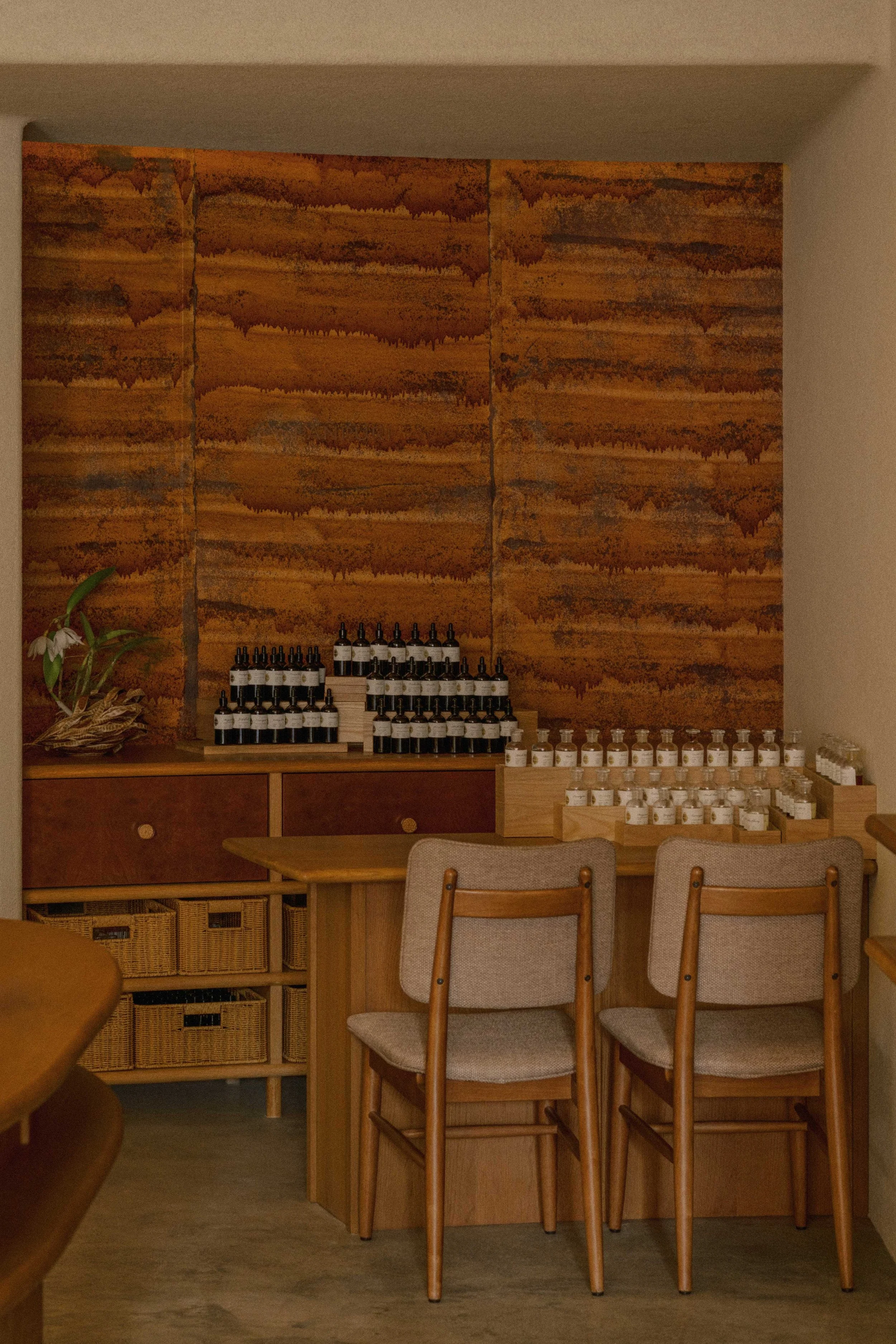
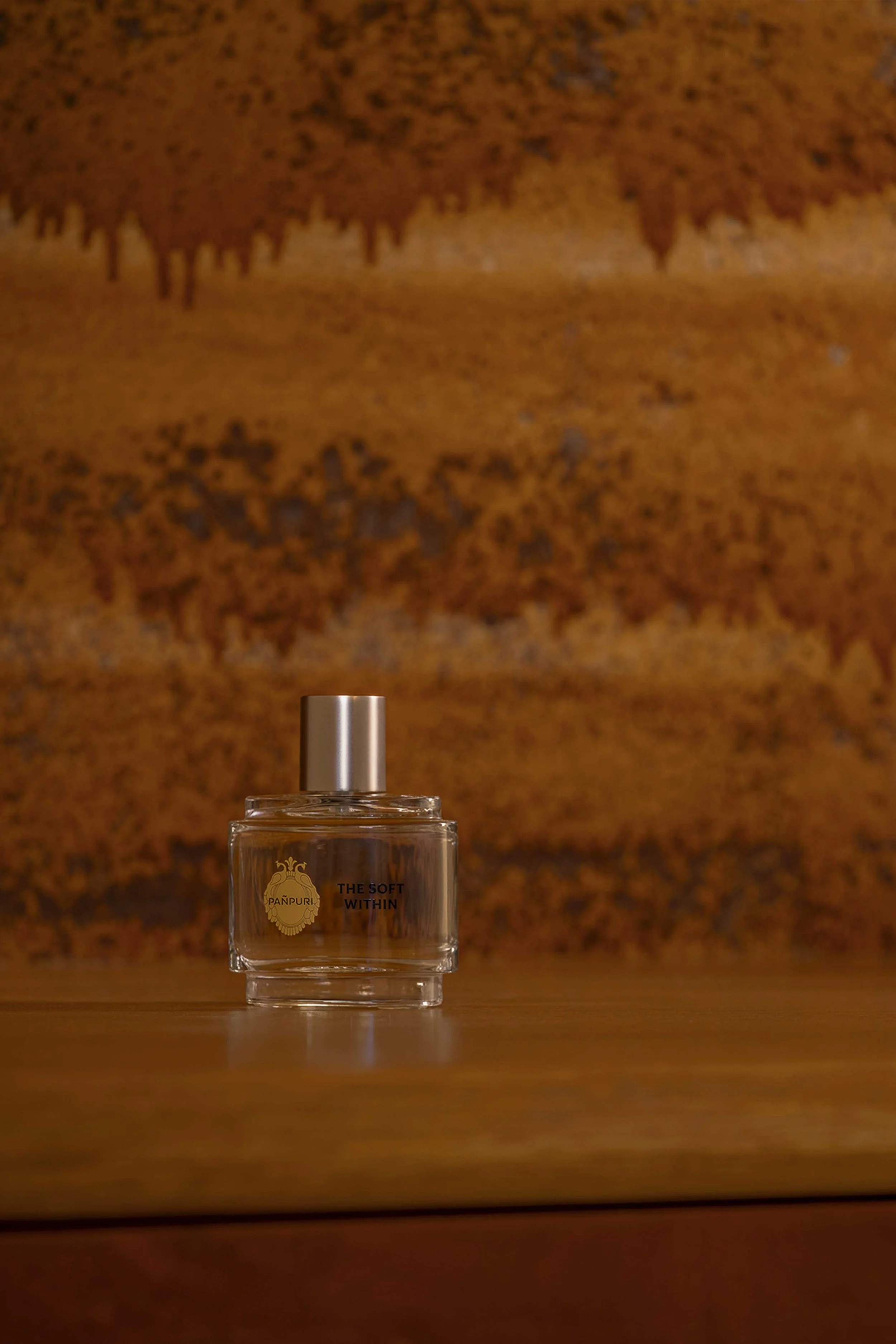
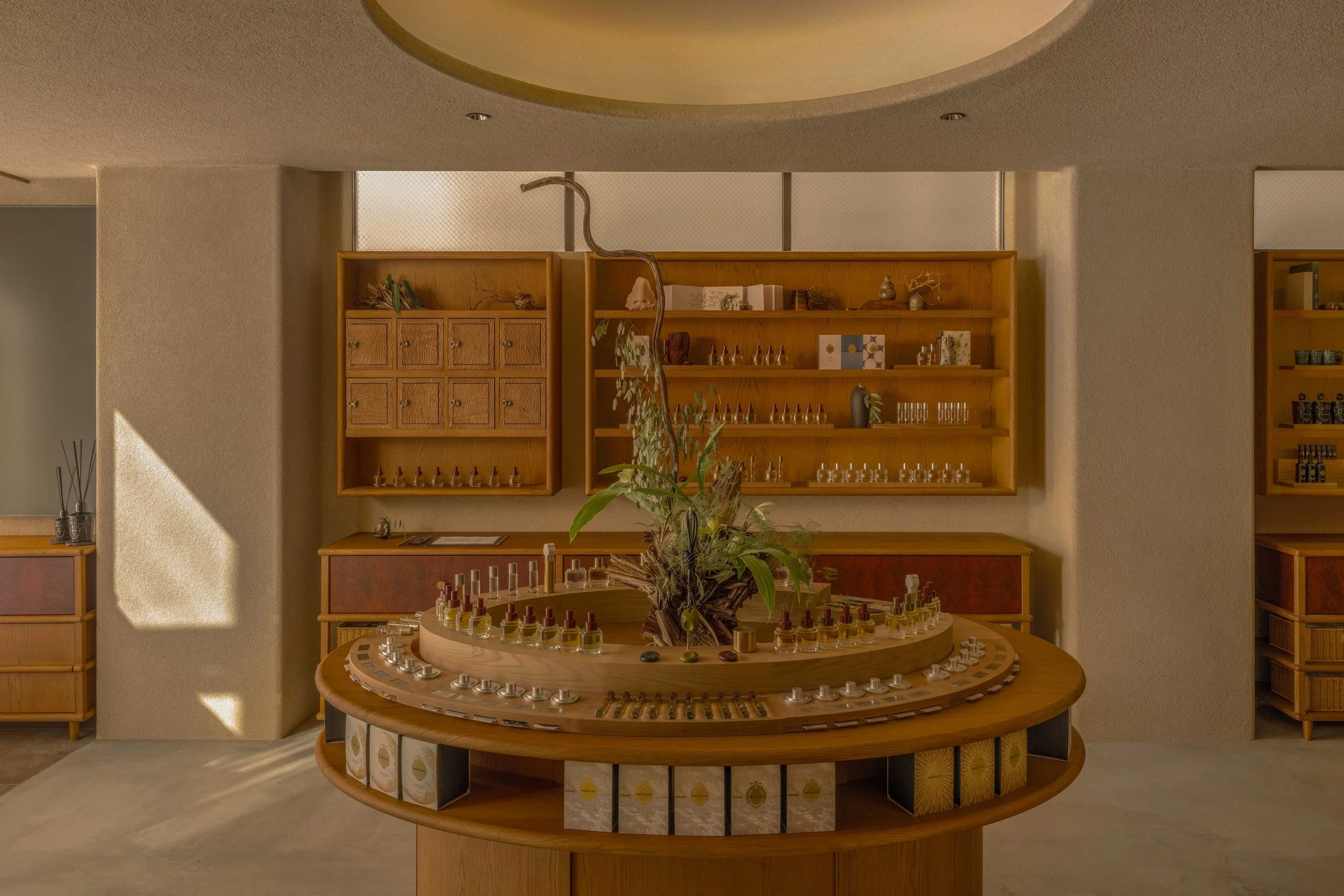
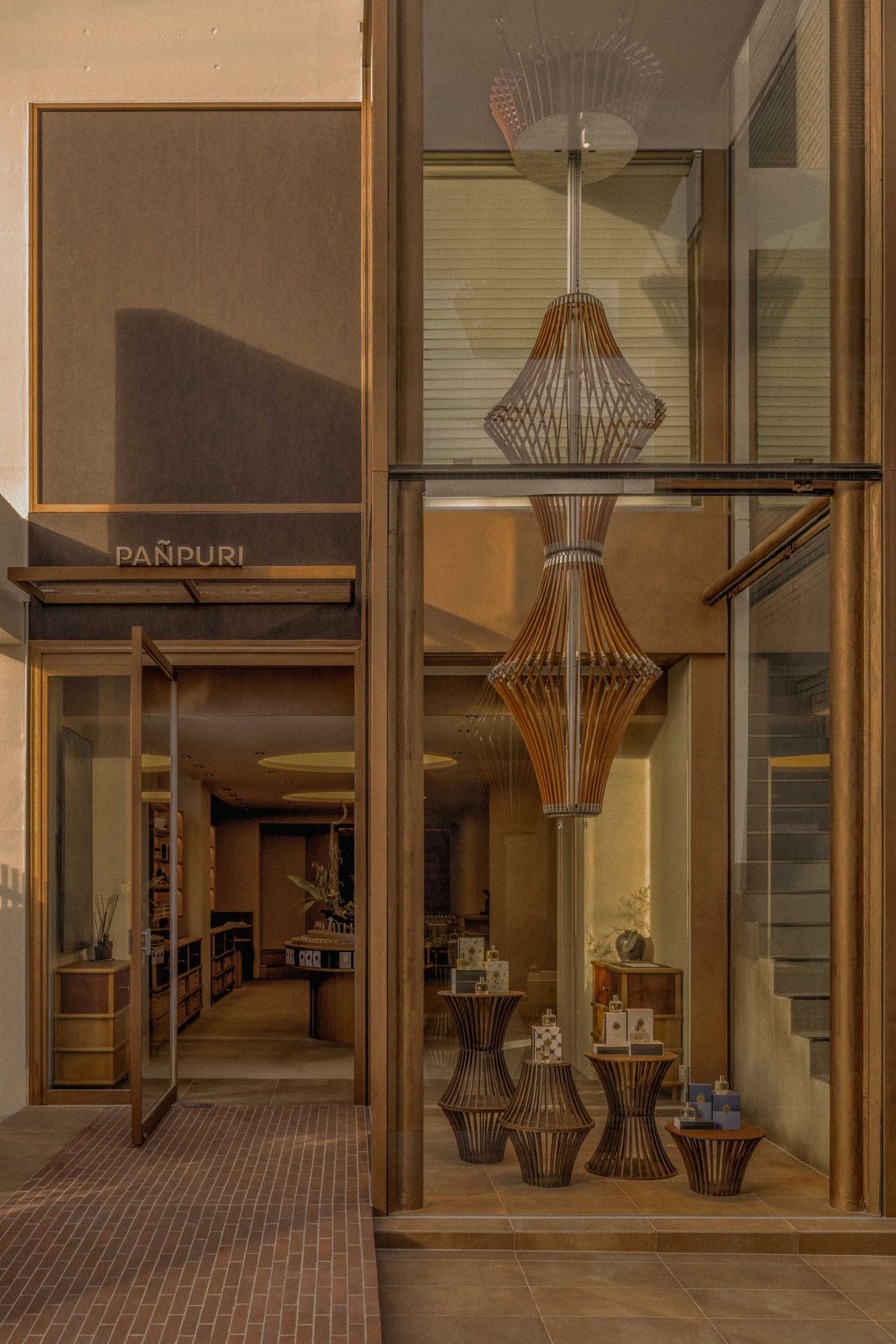
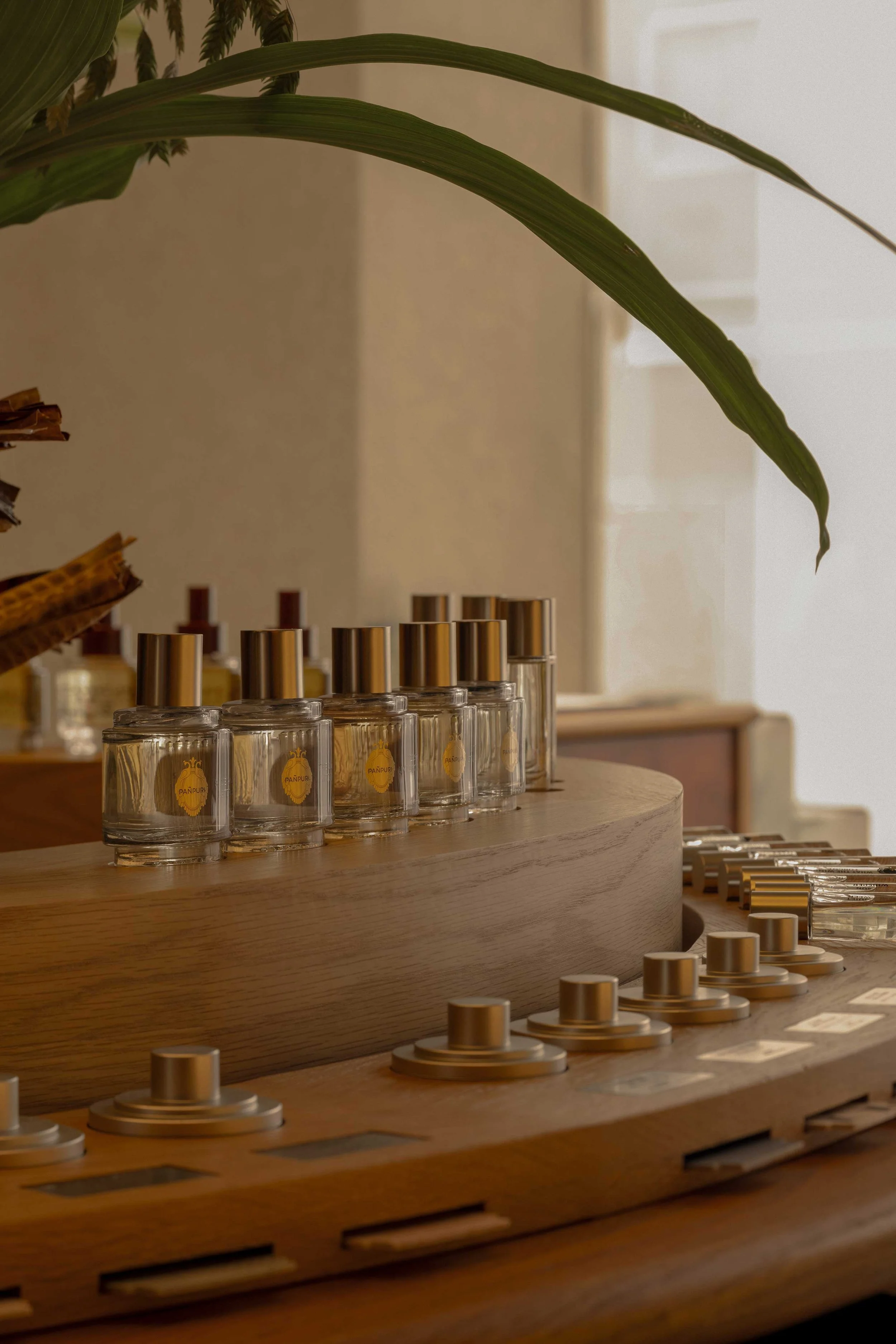
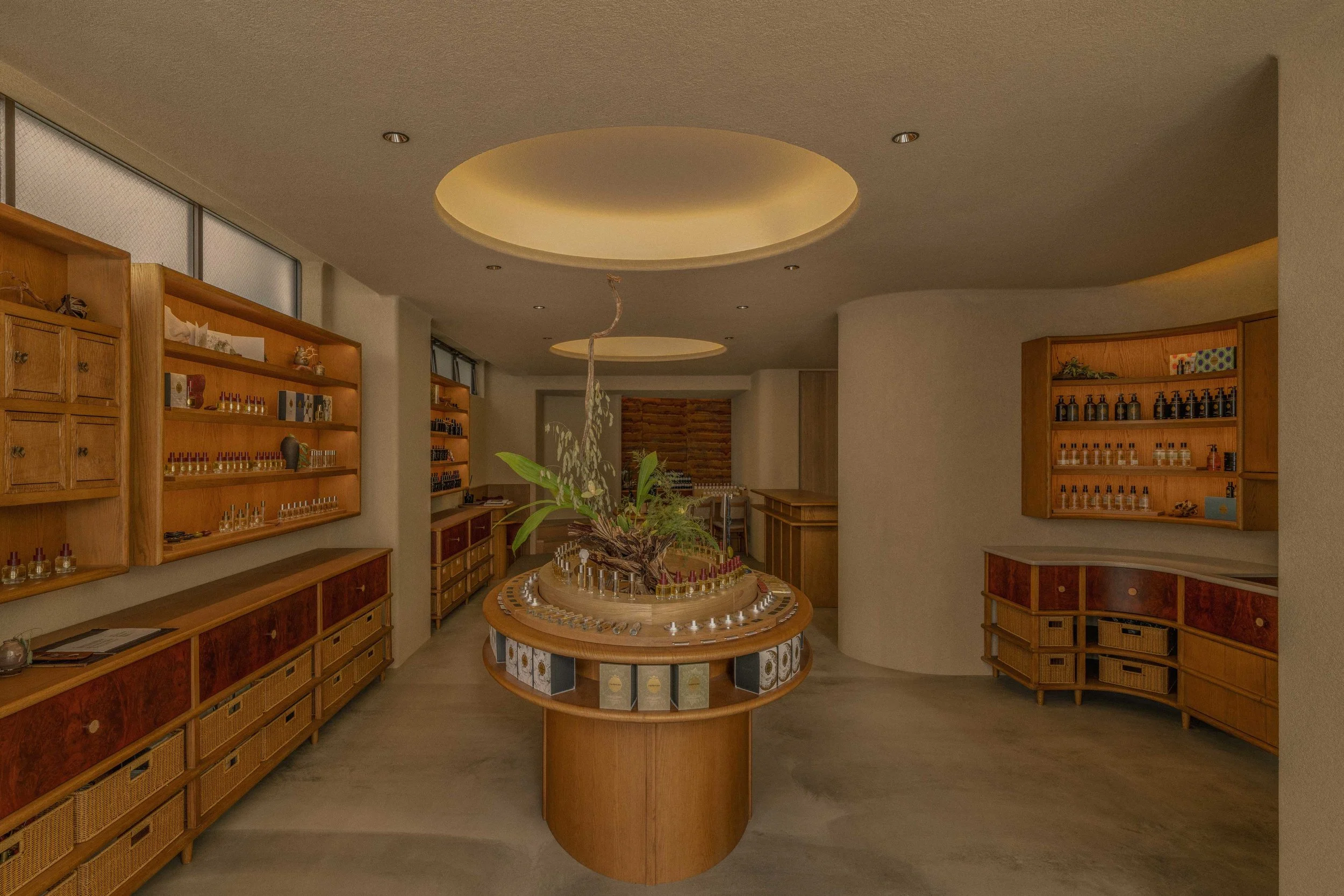
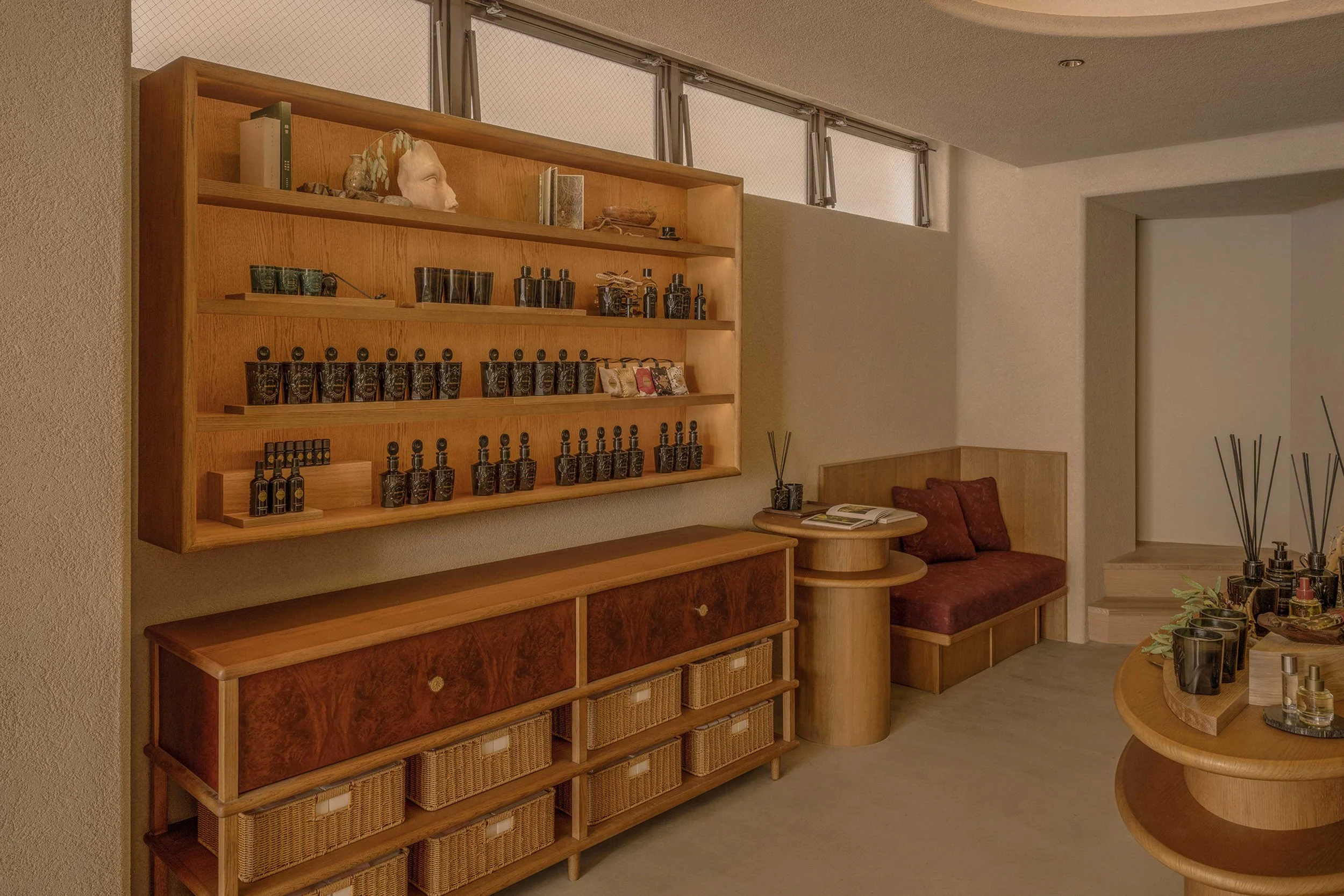
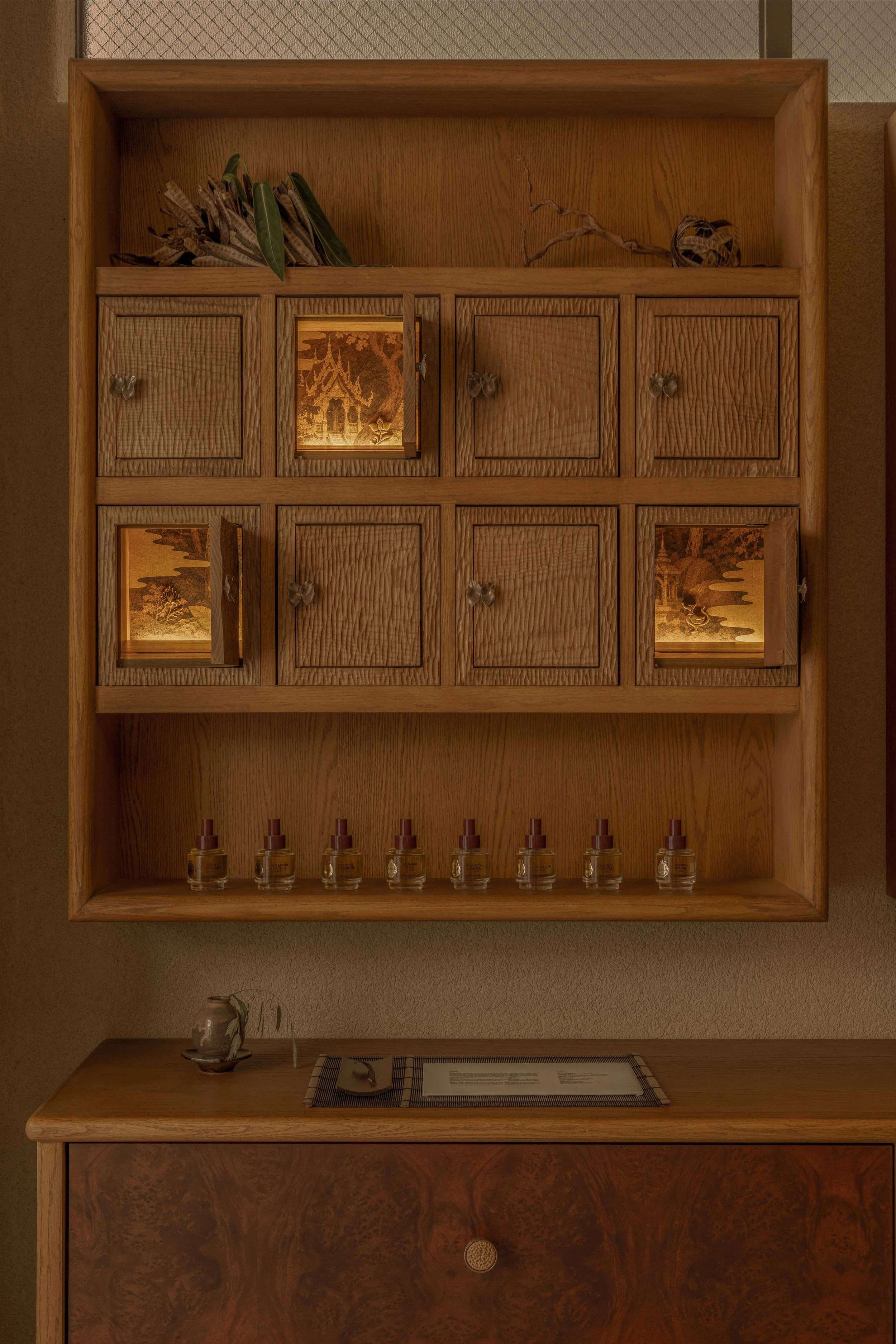
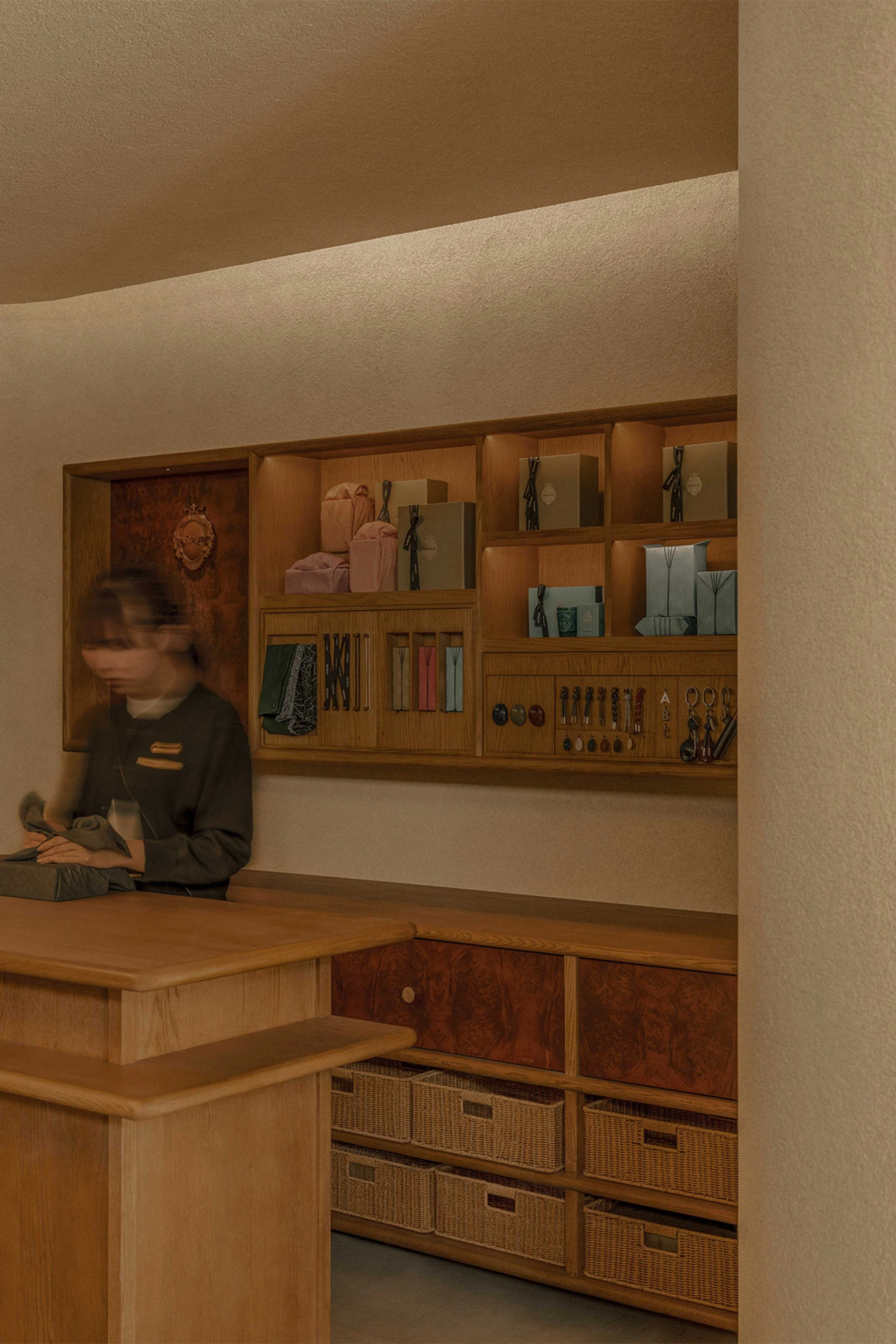
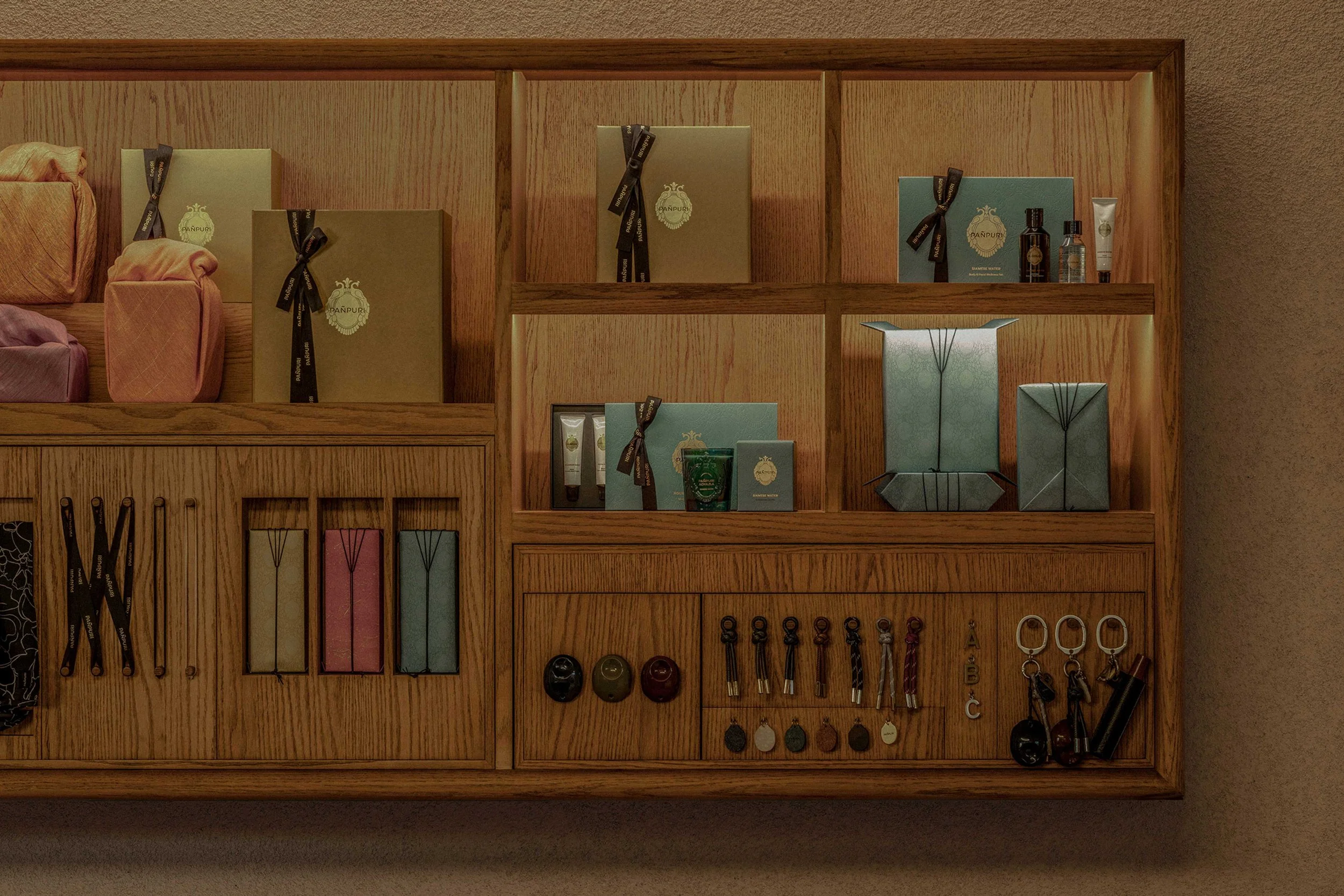
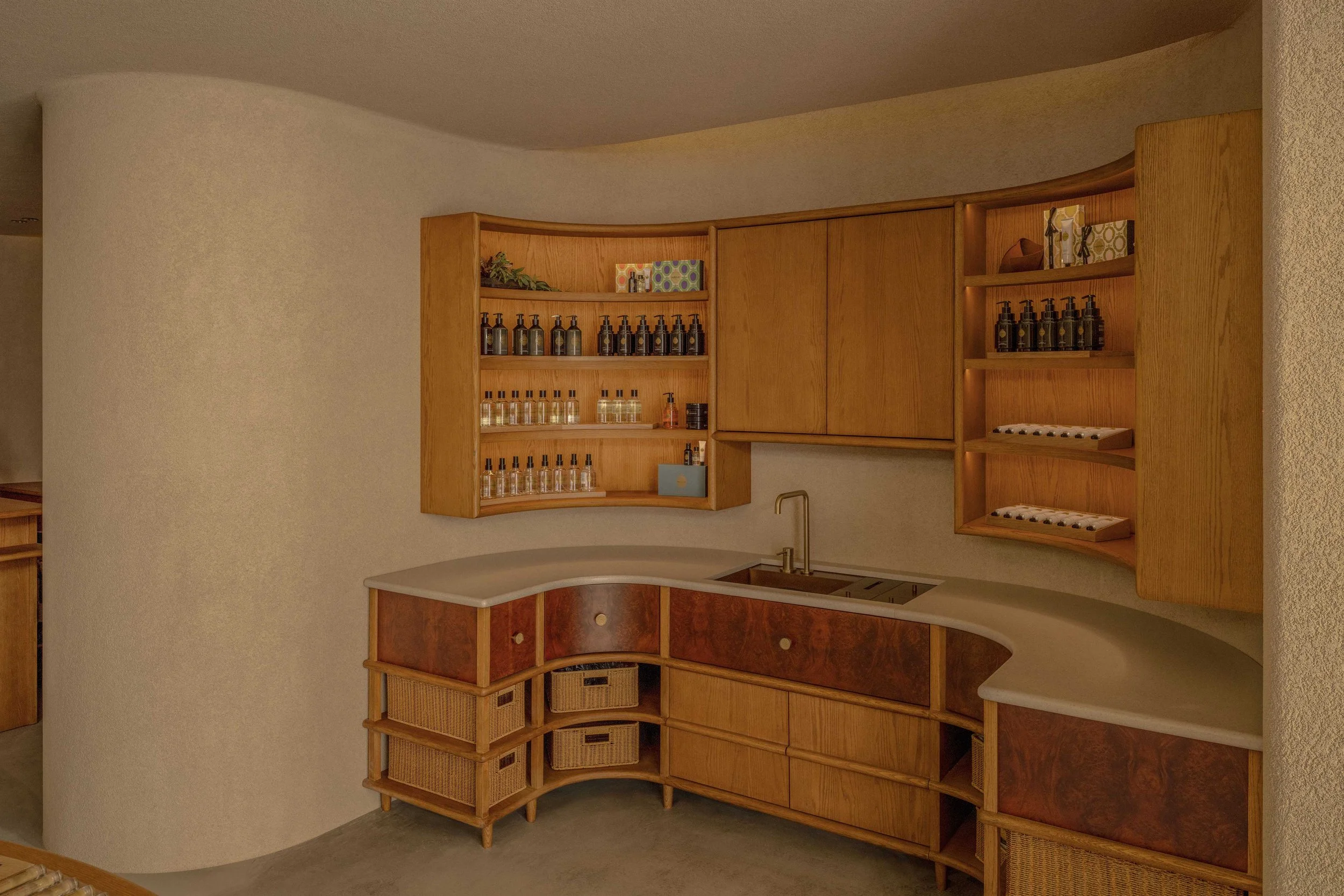
A dedicated boutique opened in Hong Kong in 2024, then Singapore in late 2025, followed by what the brand calls a ‘sensorial boutique’ inside The Venetian Macao this year, with more doors opening in Hong Kong and China since. Late August saw the unveiling of Pañpuri’s first standalone street-facing store, in Tokyo’s Aoyama, part of a wider Japan push. Kooo Architects, which worked on Pañpuri’s Isetan Shinjuku boutique, designed the new space, whose curved wall gives it the illusion of being significantly larger than it is.
Chief architect Xueying Tong, who led the project out of Kooo’s Shanghai office, describes to Design Anthology the thinking behind the design: ‘A house for a writer to write a story, and the spirit, the materials and the atmosphere inside this house. It’s the start of the story in Japan.’
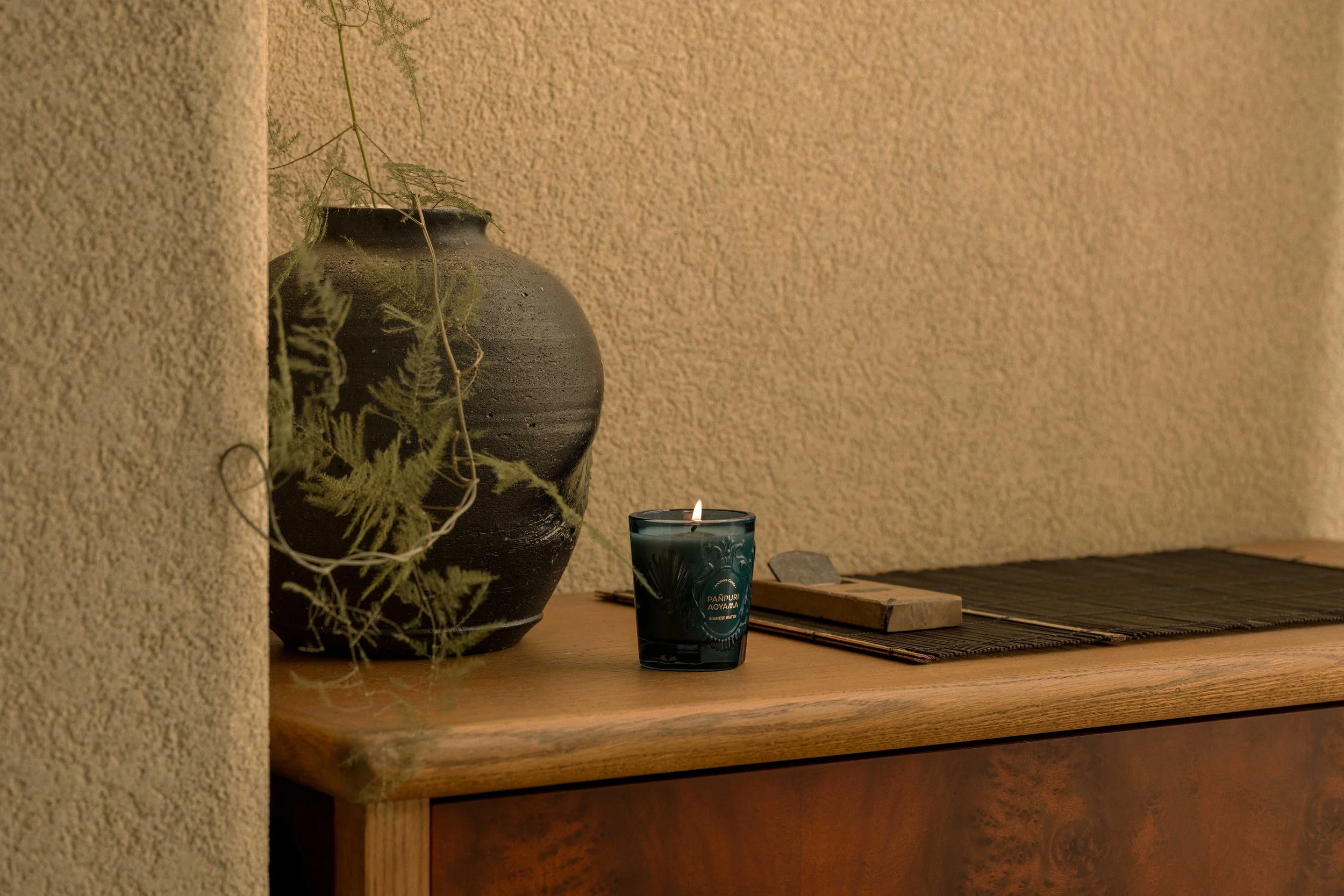
With the concept clear, the team moved to its material elements: ‘We considered materials that fit the culture in Japan, and also the colours of Thailand,’ says Tong. ‘We used very natural materials, like the earthy textured paint, and the wood itself gives more warmth and a tactile feeling for people. We also considered how the materials combine with the sunlight and the lighting inside the space.’
A spa is set to open above the retail space, says architect Hinano Kaga from Kooo’s Tokyo office. ‘There are two treatment rooms, and we use more red material for the spa rooms, red tiles and painted walls, to set them apart from the communal space,’ says Kaga. Including new outlets in Ginza and Yokohama, 16 Pañpuri locations are opening across the region in the second half of 2026.
Siripark acknowledges that the growth rate makes it impractical to be as hands-on with every new store as he has been. But he says this is part of learning to let go, a process that began when he took in private equity. ‘I had that test already of either holding on to your baby or letting your baby go to school and university. At a certain point, there’s only so much you can teach your baby,’ he says.
Although he sees Pañpuri as a fundamentally Asian brand, and plans to focus on the region until 2030, Siripark envisages global expansion beyond that for a company that he hopes will outlive him.
‘If you build a brand to last, it has to be beyond your lifetime or your tenure,’ he says. ‘If I’m always there to protect and to guard the brand, then I’m not building it.’
Text by Gavin Blair
Photography courtesy of Kooo Architects