Chinese Designer Chen Min Refuses to Choose Between Old and New — Instead, Both Become Timeless
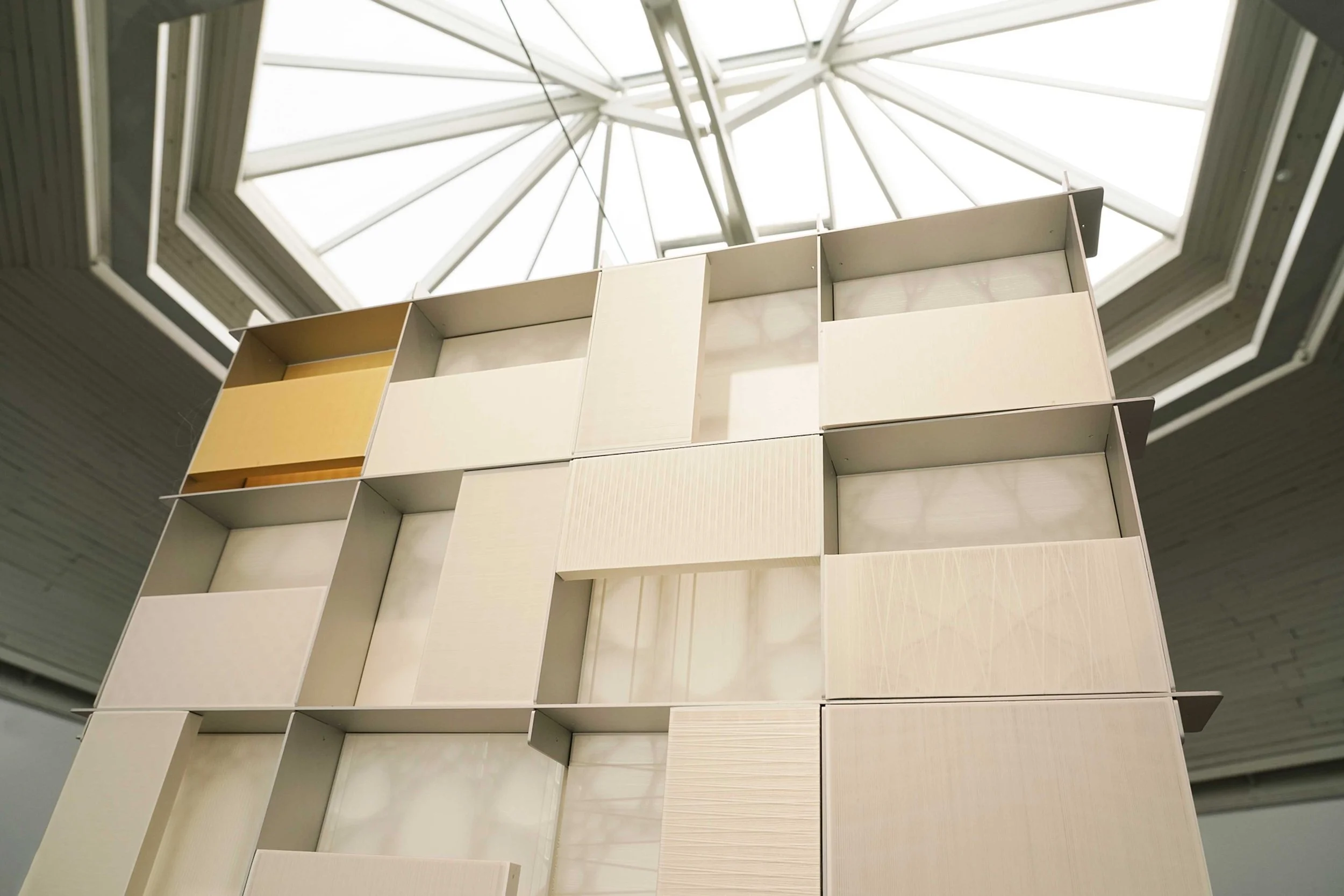
Through his platform Neo-o-old, Chen Min continues his years of work in connecting craftspeople with the contemporary design ecosystem
Chinese designer Chen Min often talks about the future, but rarely in the way you might expect. He isn’t particularly interested in technologies, trends or the race to create something entirely new. Instead, his attention is fixed on older things: a bamboo stool, a strand of silk, the worn surface of a brick salvaged from a demolished building. These objects, he believes, already contain the knowledge needed to imagine what comes next.
That philosophy sits at the heart of much of Chen’s work, notably Neo-o-old, the platform he founded to explore the increasingly fertile space between heritage and contemporary design. The name itself sounds like a contradiction, but for Chen, contradiction is often where the most productive ideas emerge. Throughout his work, old and new are not opposing forces but complementary ones, existing in constant dialogue. ‘In China, we’ve lost so much of our culture and tradition in the past decades,’ he says. ‘That’s why I came up with Neo-o-old: to help counter that and to bring them into the future.’
We’re talking at his studio in Hangzhou’s atmospheric Xiangshan Art Commune, a new development of low-rise structures that sits in the shadow of the nearby mountains, built with reference to the region’s traditional Jiangnan-style whitewashed walls and grey roof tiles, and a rather apt encapsulation of Chen’s old-meets-new ethos.
Chen’s concern is understandable. Over the last half-century, China’s development has been defined by extraordinary speed. Entire neighbourhoods have disappeared. New cities have risen. Traditional industries have been transformed. In the process, though, countless forms of ancient craft knowledge have become vulnerable.
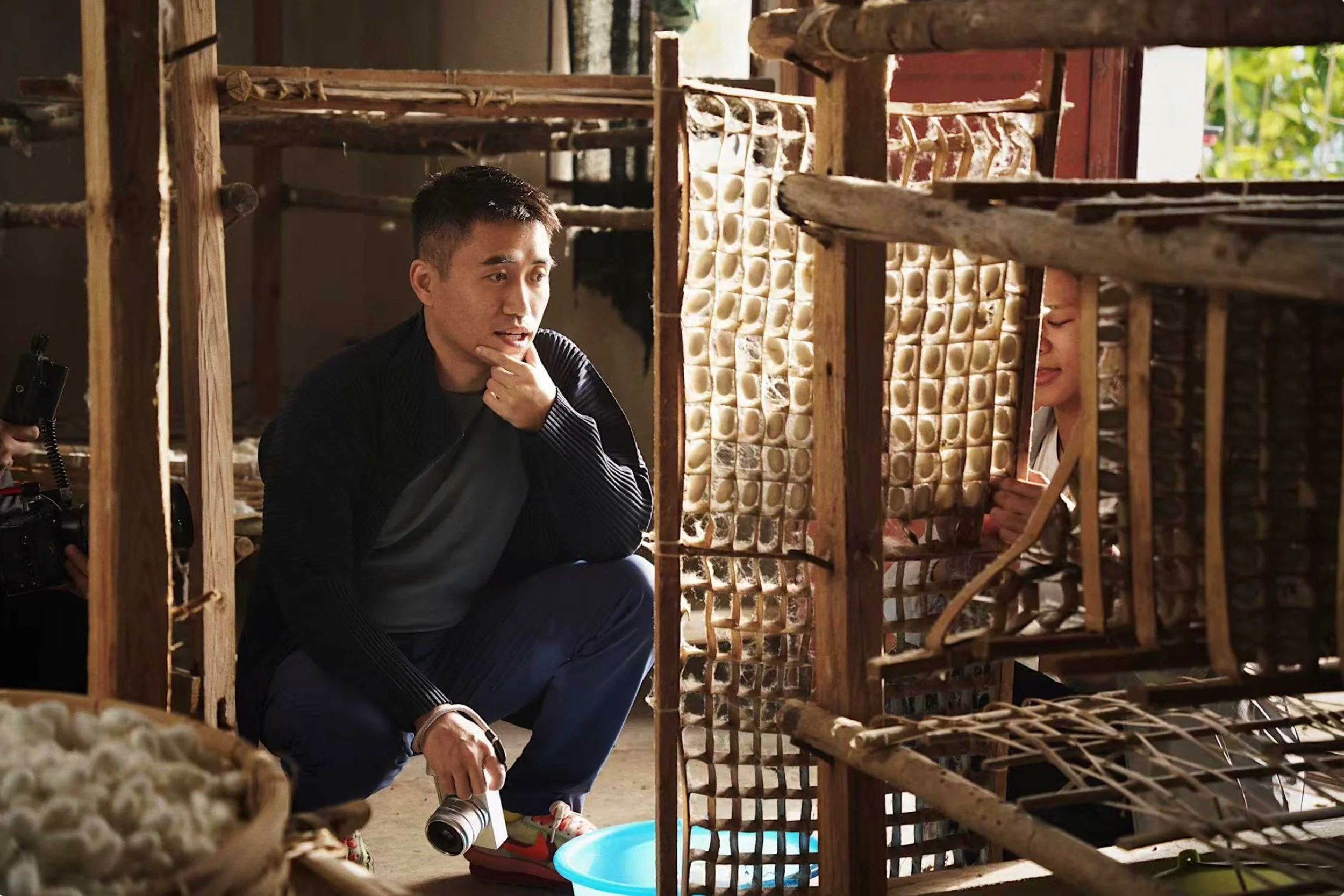
Chen’s response in forming Neo-o-old aims to connect contemporary global designers with traditional makers and allow centuries-old skills to find relevance in modern contexts. For him, meaningful innovation begins with understanding origins. ‘We need to get to the original image of how this craft came into place,’ he explains. ‘The people’s behaviour, the society, the economic situation. You need to really get back to that time and understand how it came to be. Then you come back to now and see how you can update it.’
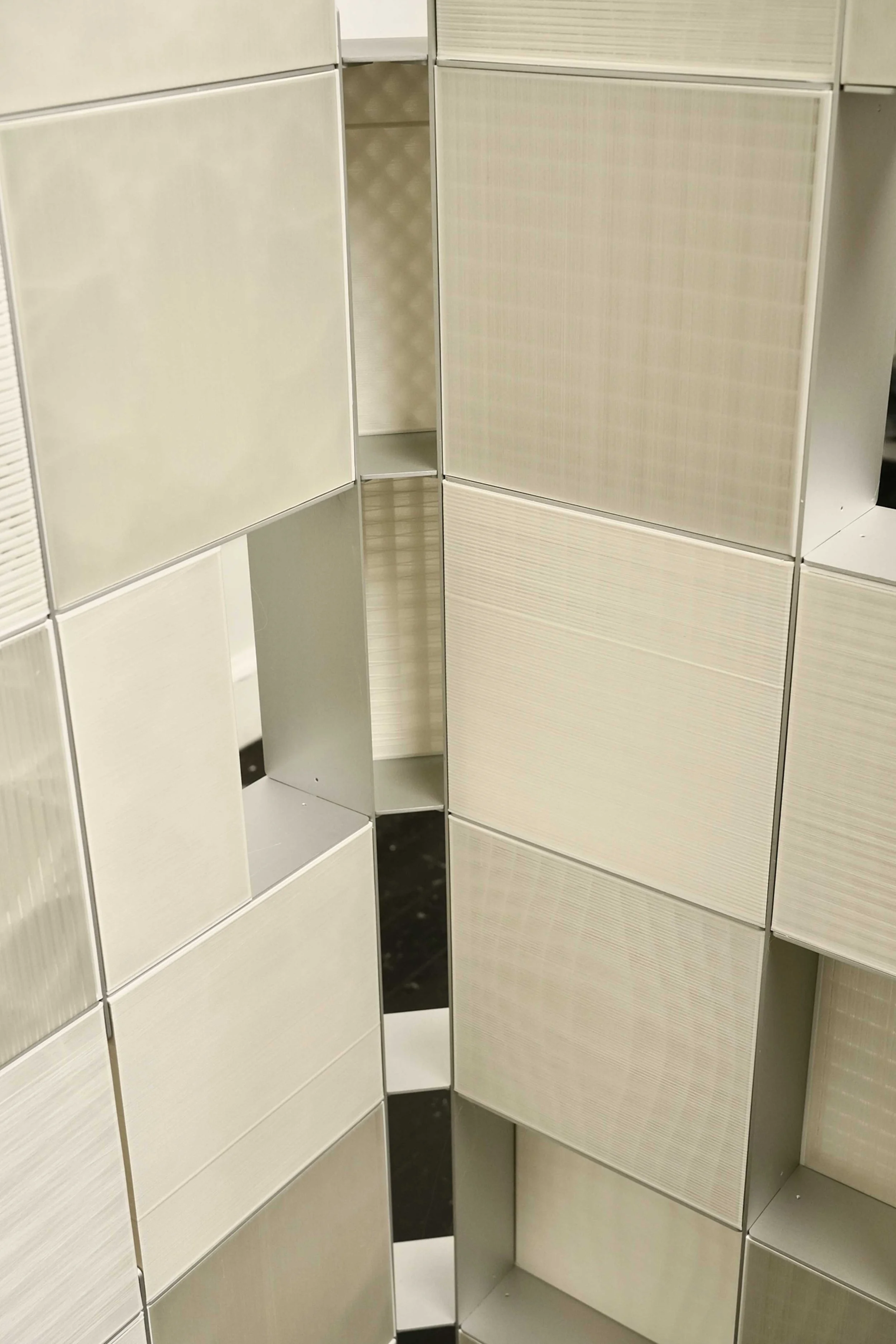
This approach has taken Chen across China. Through Neo-o-old and a series of independent research projects, he has spent years working with bamboo artisans, silk producers, embroiderers, gold-leaf makers and silver filigree specialists. Along the way, he has become less interested in finished objects than in the intelligence embedded within their making. Silk, in particular, occupies a central position in his thinking.
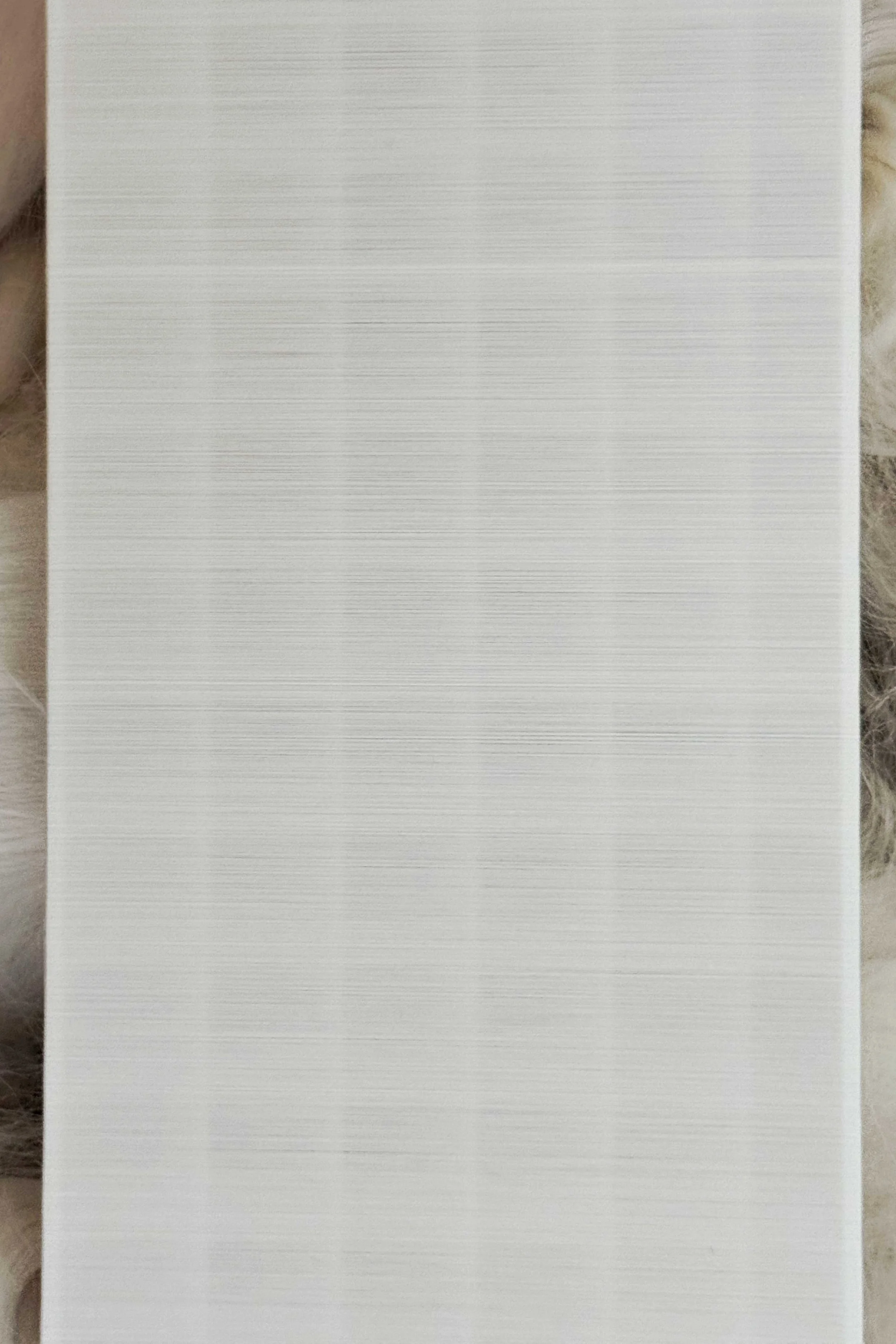
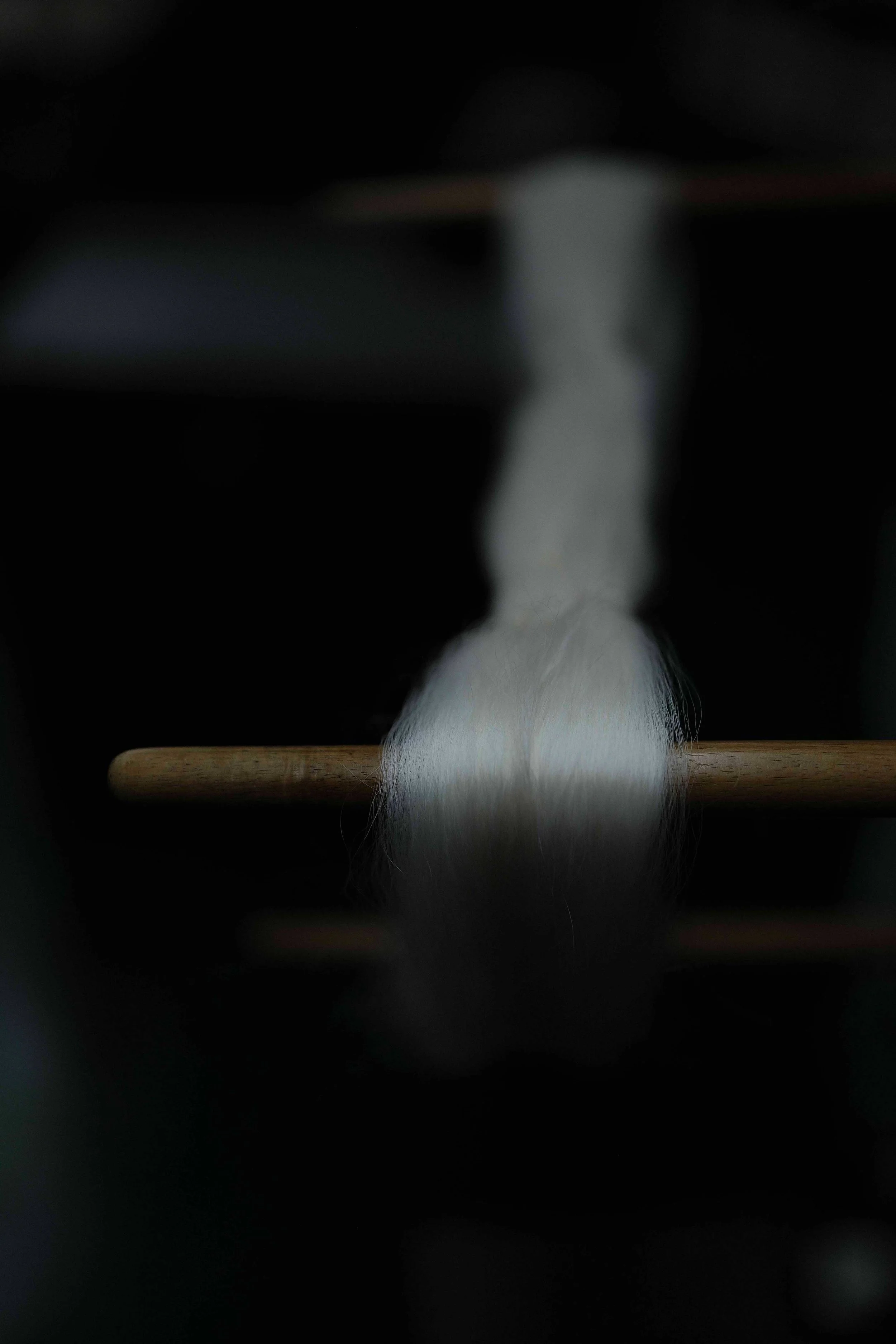
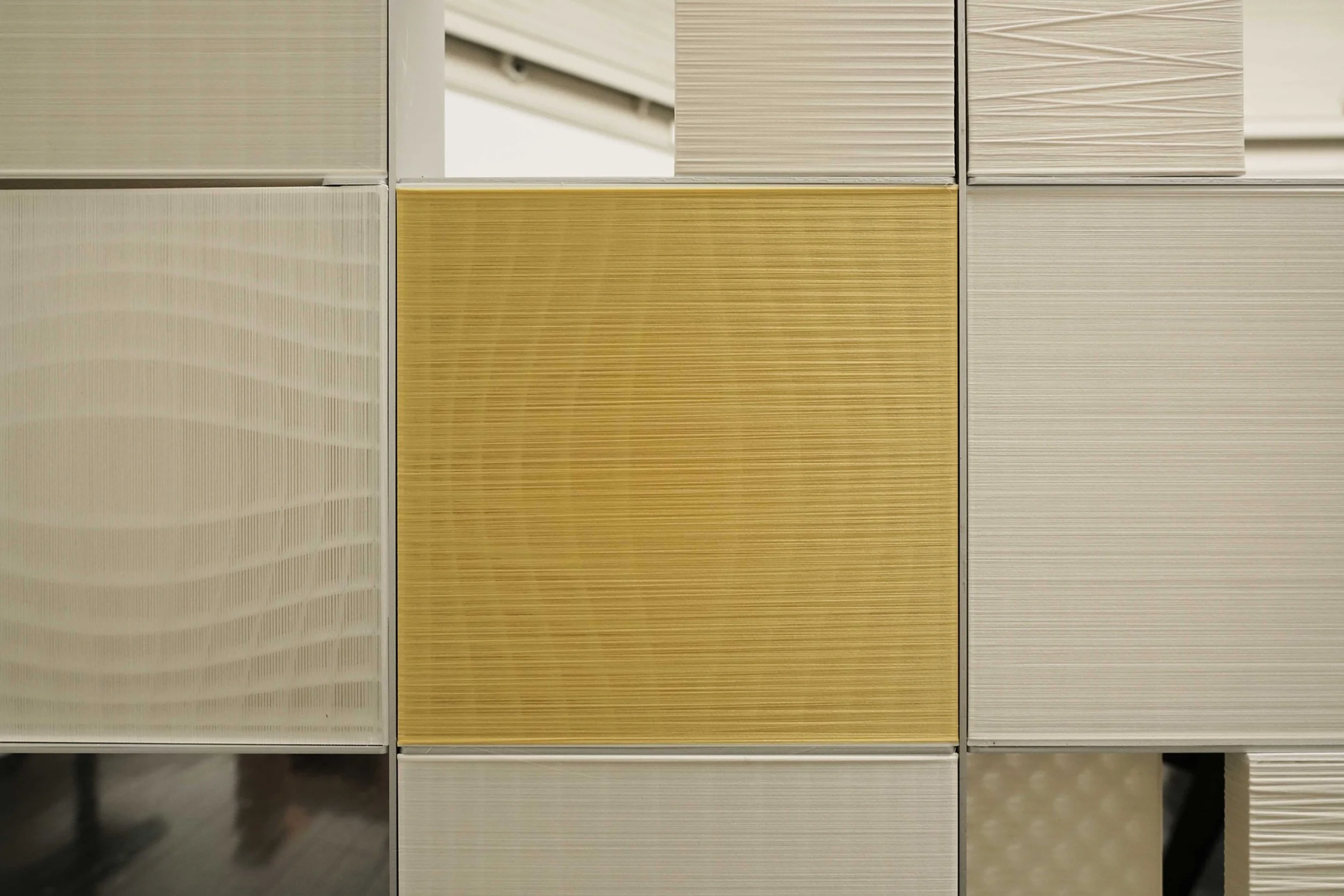
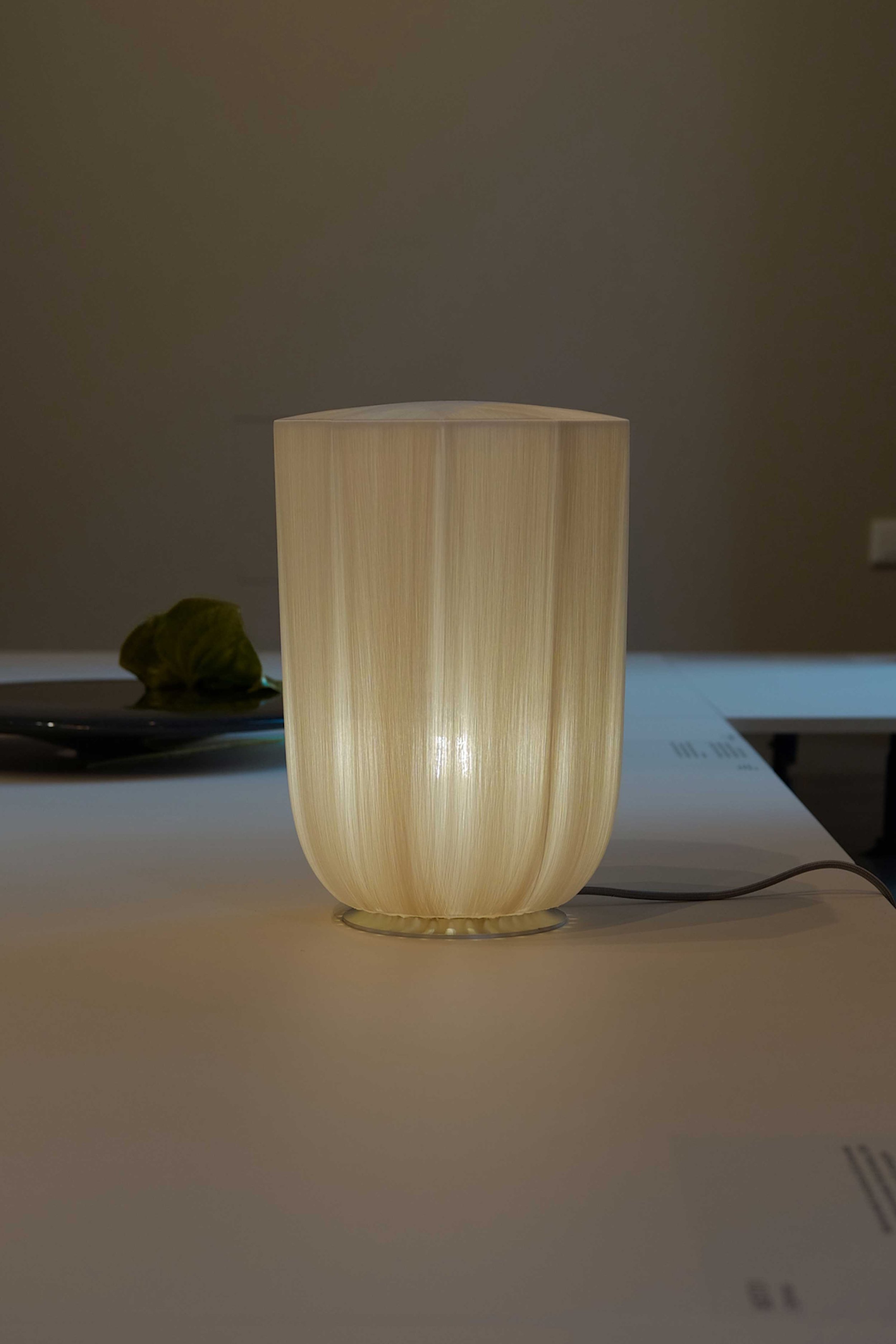
Through collaborations with fellow Hangzhou firm Cathaya, one of the world’s leading silk producers, Chen has explored silk not merely as a luxurious material but as an entire cultural ecosystem. His research examines the relationship between mulberry cultivation, silkworms, labour, trade and design. The material becomes a lens through which to understand broader questions of history and identity. ‘I wonder how our ancestors first thought of guiding a tiny insect to spin a thread so fine and fragile,’ he reflects.
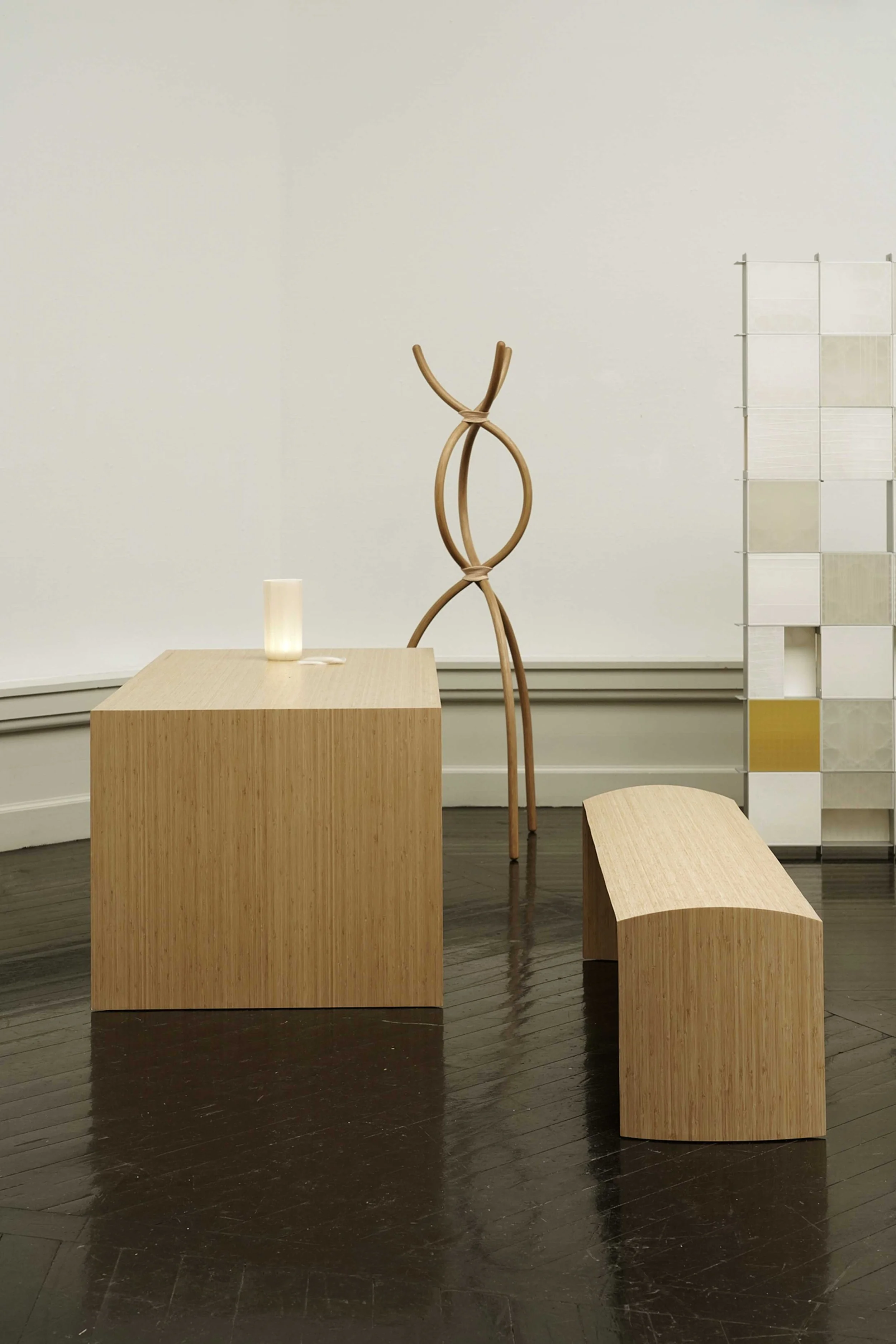
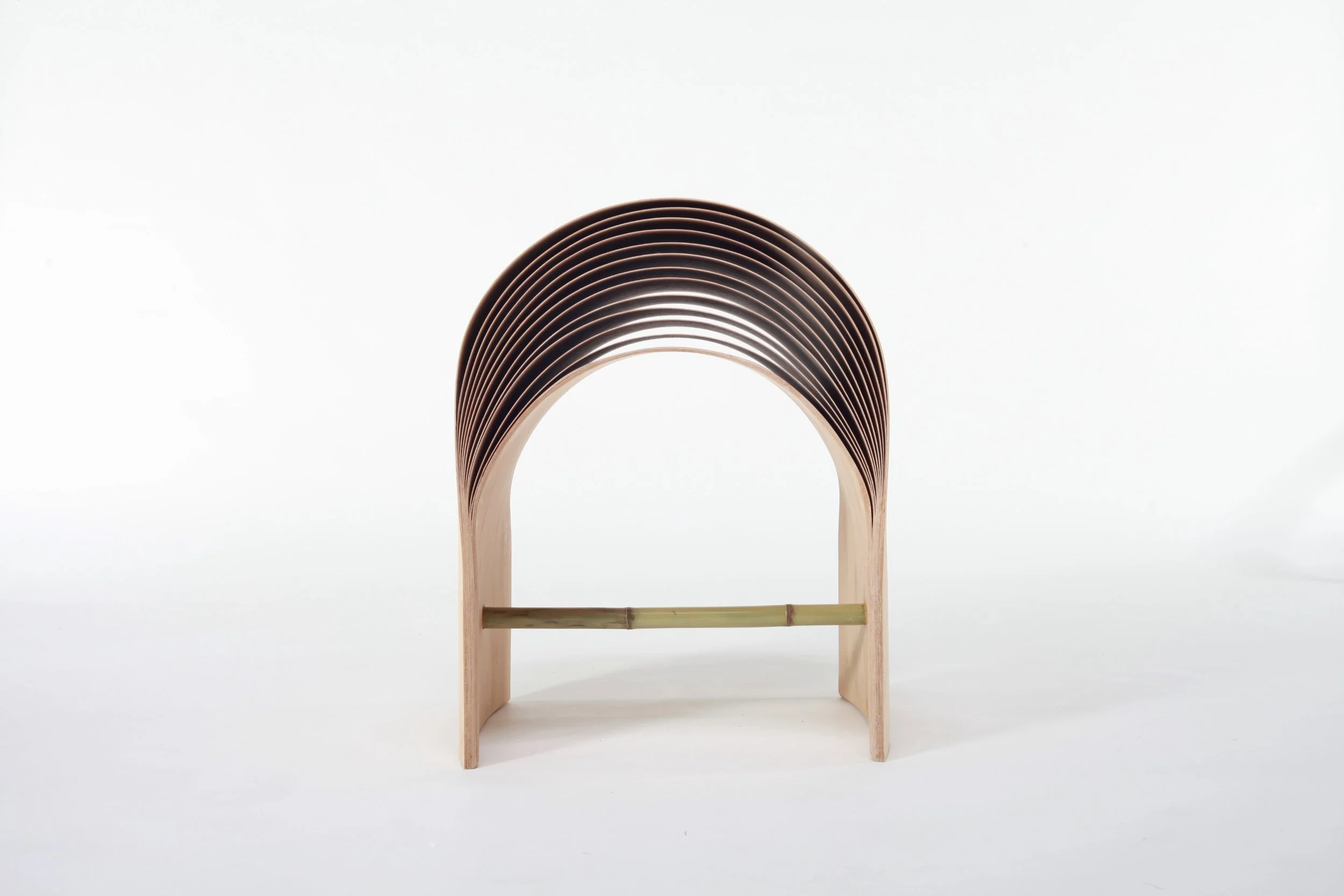
Chen’s other work, such as his award-winning Hangzhou stool, also embodies many of these ideas. Made from 16 layers of thin bamboo veneer, its simple, arched form draws on the material’s strength and flexibility, while the layers vary subtly in length to create variations in each angle’s layer. Under the weight of the sitter, the arc flexes gently, giving the otherwise rigid form a sense of elasticity. Chen describes it as both furniture and system, an object informed by Chinese philosophy and a belief in flexibility.
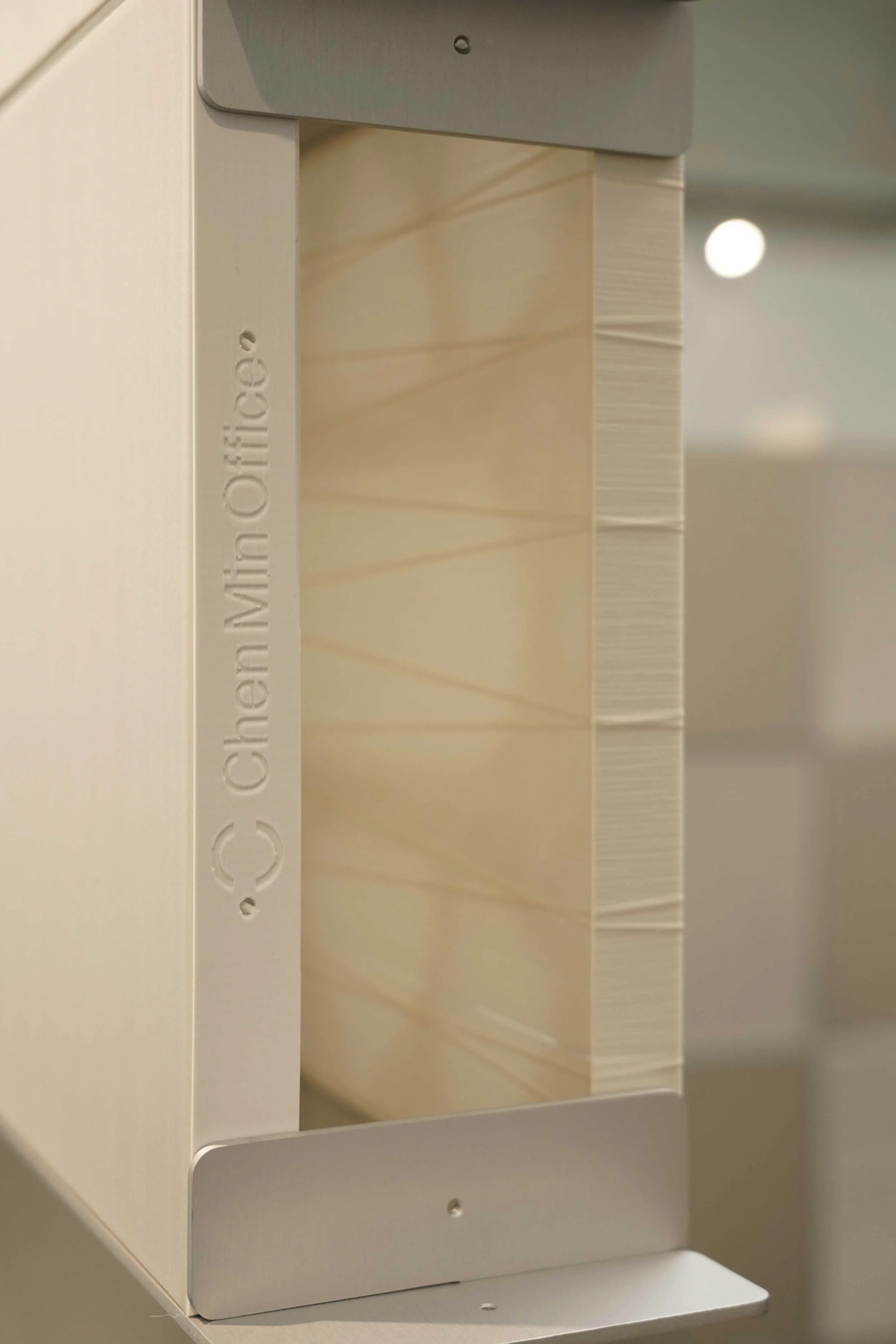
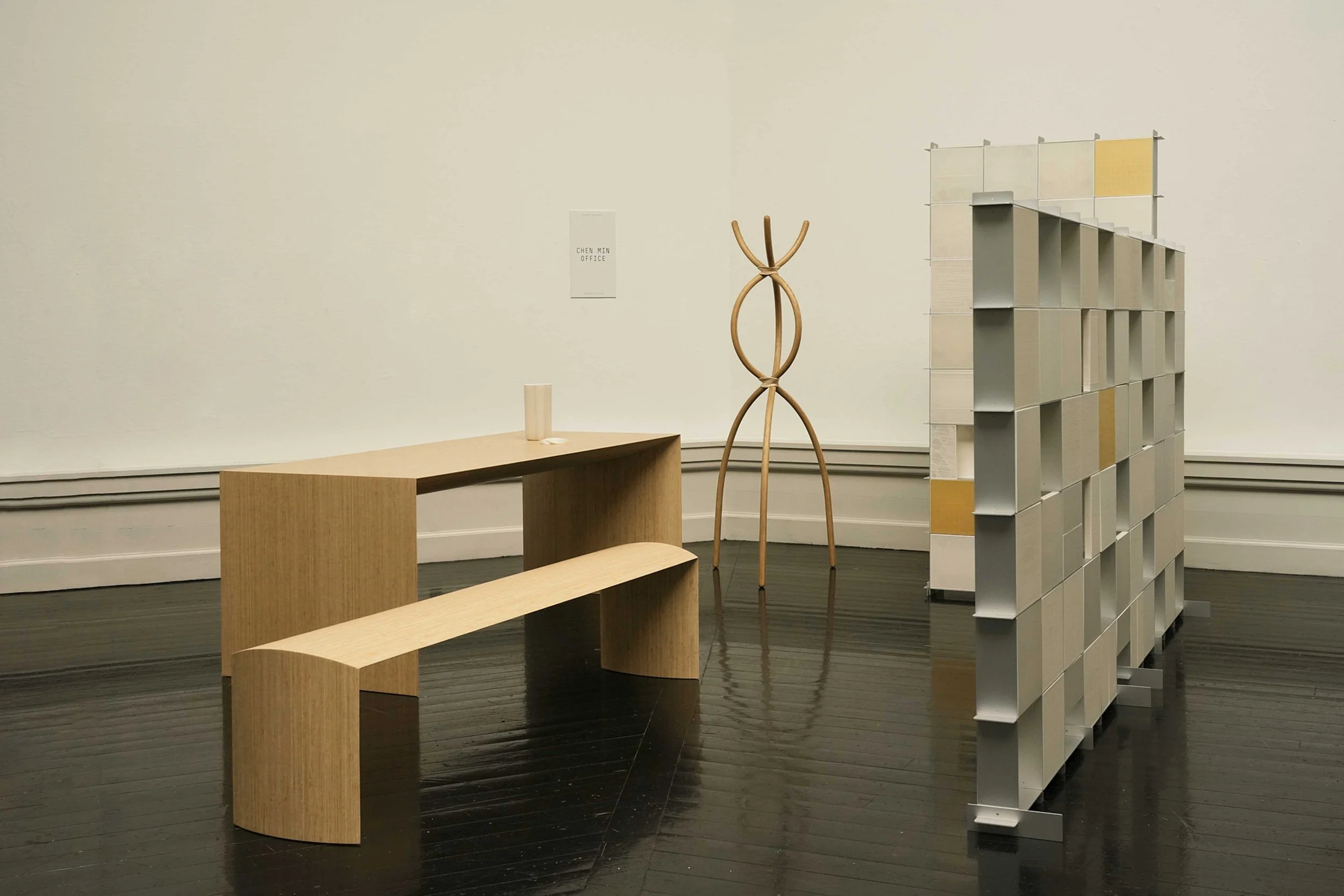
Elsewhere, Chen looks to Chinese calligraphy. Dong, from his series of three-dimensional calligraphy pieces, takes the titular seal-script character and realises it as a modular wooden structure.
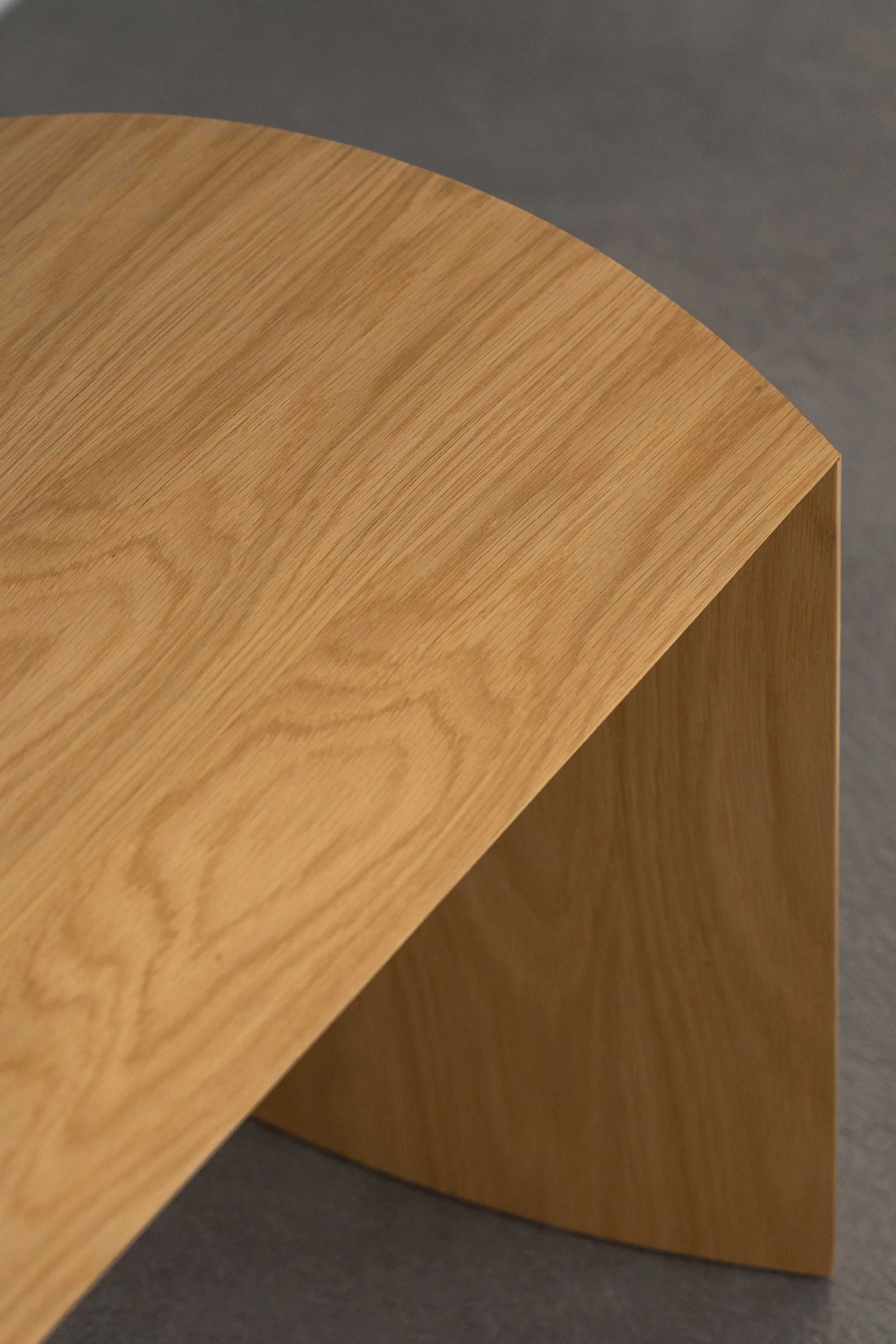
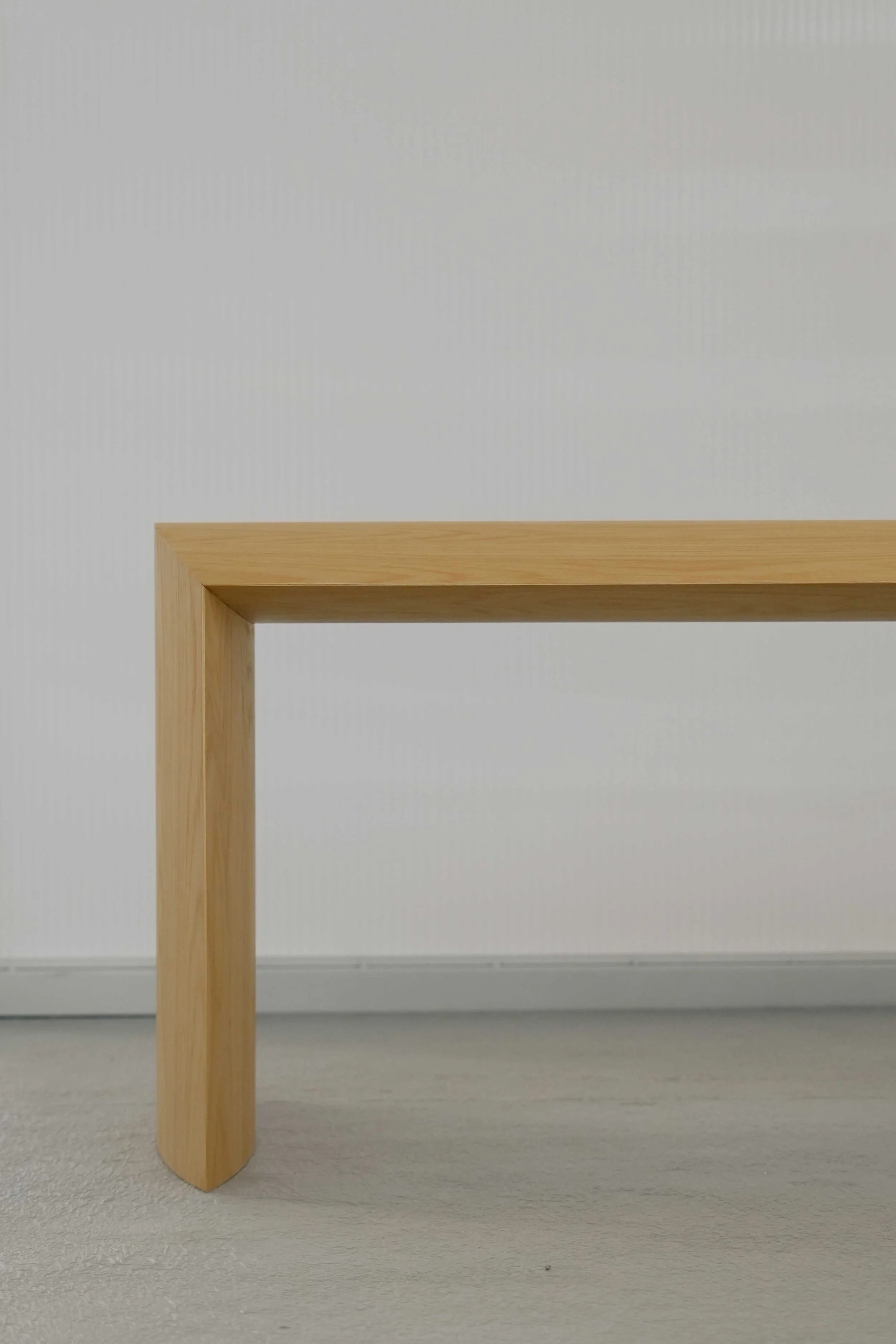
In its original form, the character resembles a bundle tied at both ends; here, its strokes are formed from bent solid wood and fastened with traditional mortise and tenon joints. The understated A Piece of Wood borrows from both aeroplane design and traditional Chinese kites to create a bench that embodies essentialism.
These works also point to another ambition behind Neo-o-old: to challenge the traditional separation between art, craft and design. In Chen’s view, contemporary creativity increasingly exists in the overlap between these categories. ‘In creative practice now, the boundaries have started to become blurry,’ he says. ‘Why should we restrict ourselves to these artificial borders?’
That belief was strengthened by his experience as a finalist in the 2018 Loewe Foundation Craft Prize, a platform he cites as a pivotal influence on his development. At the time, he found himself surrounded not by industrial designers but by artists and craftspeople. ‘I was the only designer inside that group,’ he recalls. ‘That changed my thinking a lot.’
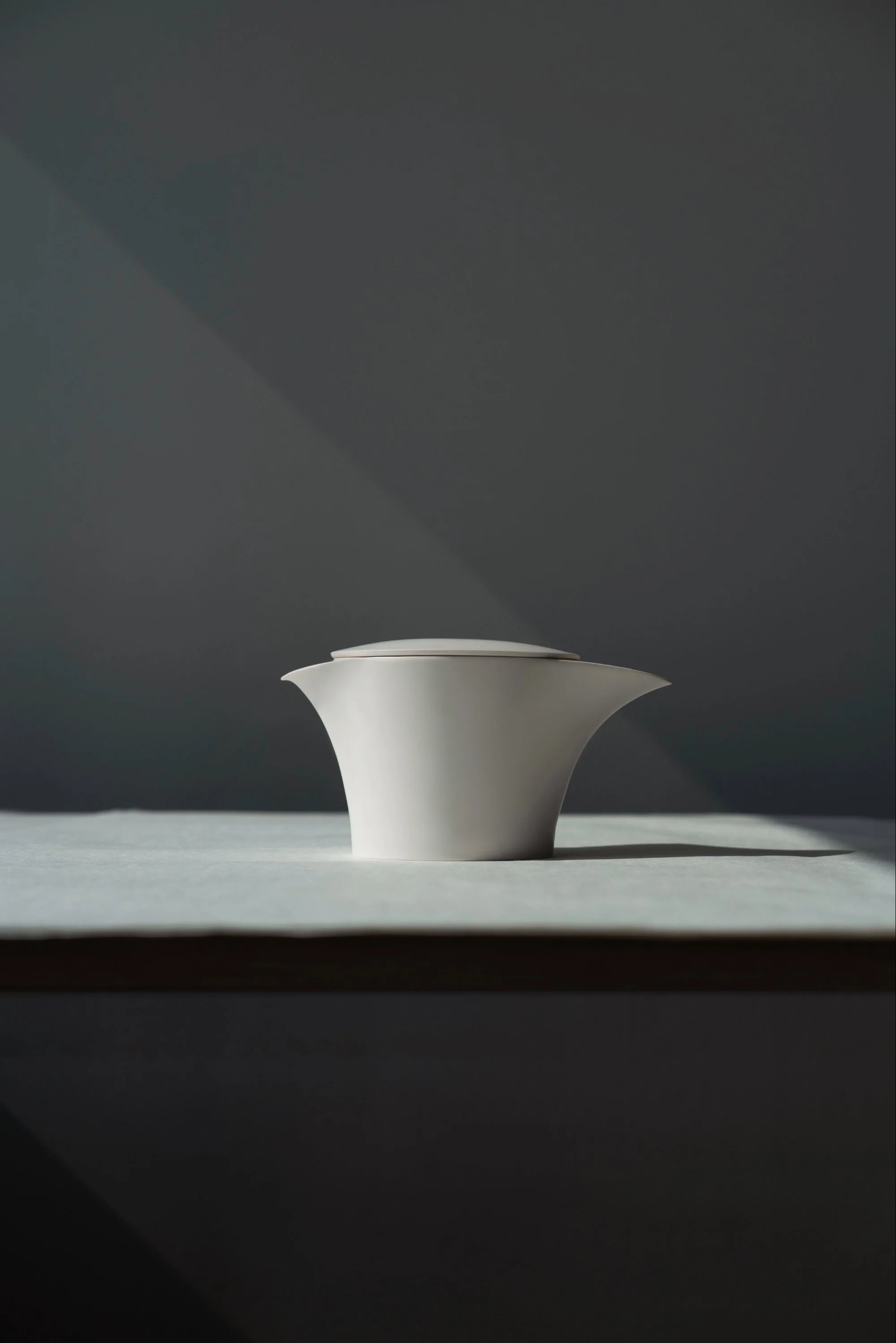
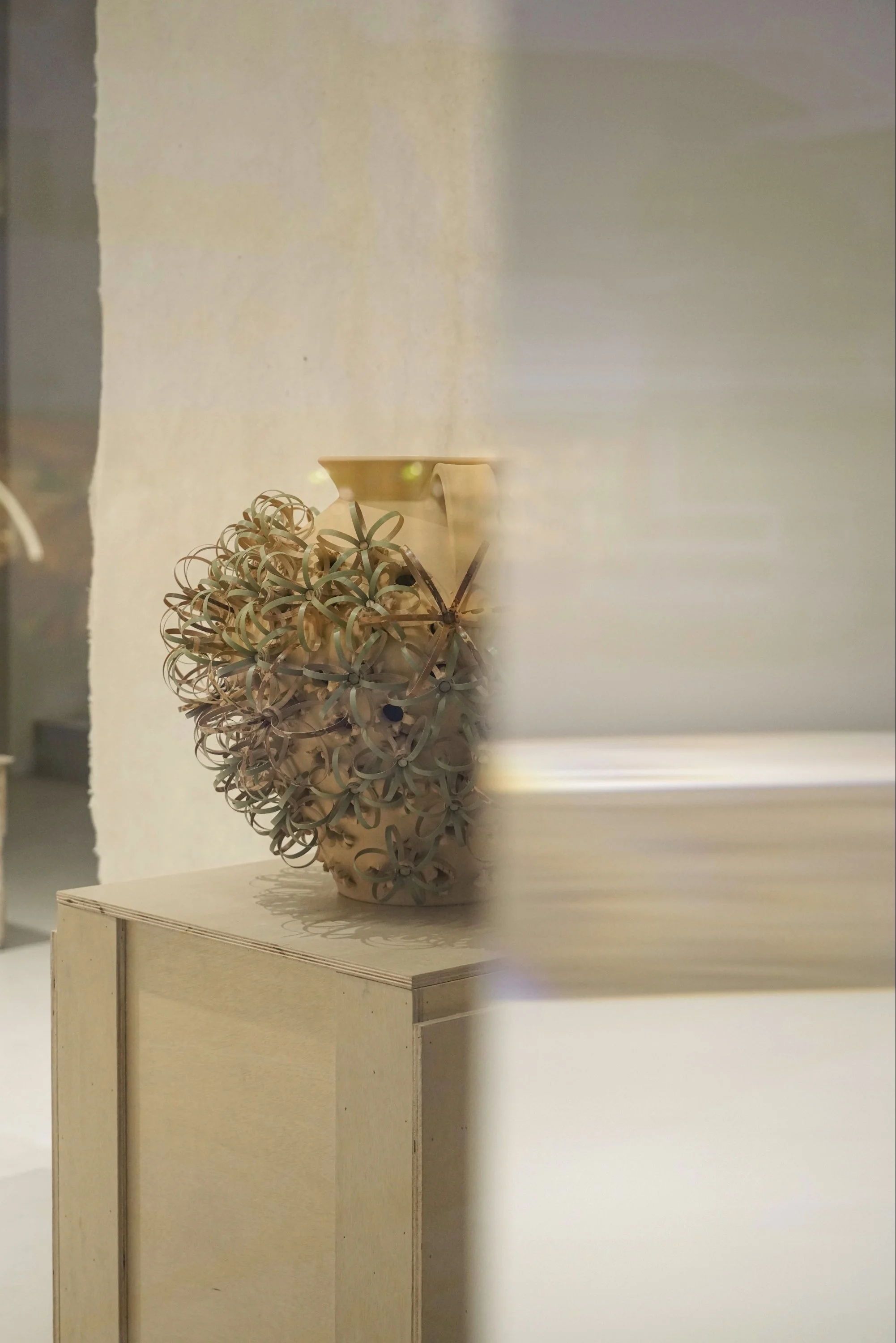
The designer sees the significance of the experience well beyond the prestige of the prize itself. The organisation’s long-running commitment to craft has helped demonstrate that traditional making techniques can sit at the centre of contemporary design discourse rather than at its margins. It offers a global example of how craft can function as a driver of innovation rather than merely a vehicle for nostalgia.
It’s a refreshing turn. For decades, discussions about China’s creative industries have often centred on manufacturing efficiency, scale and technological advancement. Chen acknowledges these achievements but argues that China’s greatest resource remains ephemeral: ‘For me, the most valuable thing in China is still culture.’
For Chen, the future of design will not be built solely through algorithms or production systems. It will emerge through renewed engagement with materials, stories and forms of knowledge that remain deeply human. In that future, the challenge is not choosing between old and new — it’s learning how to bring them together.
chen-min.com, neooold.com