A Singapore Bar’s Mod Twist on Korean Culture and Craft
Studio Antimatter’s contemporary spin on Korean culture and spatial customs reflects dining bar Bartenders of Pony’s experimental take on traditional comfort food and beverages
At Bartenders of Pony (BOP), Singapore’s first Korean cocktail and dining bar, boundaries dissolve to create a highly curated, immersive environment. While the Jigger & Pony Group venue is known for its experimental menu — featuring playful twists like a soju martini layered with seaweed and soy-sauced tinged olive jangajji and a nostalgic Binggrae-inspired banana milk tiramisu crafted by chef Jason Oh and bartender turned creative director Uno Jang — it’s the spatial design that truly anchors the concept.
Porto-based Singaporean designer Gabriel Tan of Studio Antimatter created interiors that reflect this innovative attitude. Having previously designed the private residence of Jigger & Pony Group’s owners, Indra Kantono and Guoyi Gan, he was a natural choice when conceptualising BOP. Tan’s approach was guided by the Korean values of kki (craft), jeong (human heart) and heung (youthful energy). ‘There was a shared understanding that the bar needed to feel deeply personal without becoming overly thematic or representational,’ says Tan. ‘So, we designed much of the furniture and lighting for user comfort and warmth, which are central to the concept.’
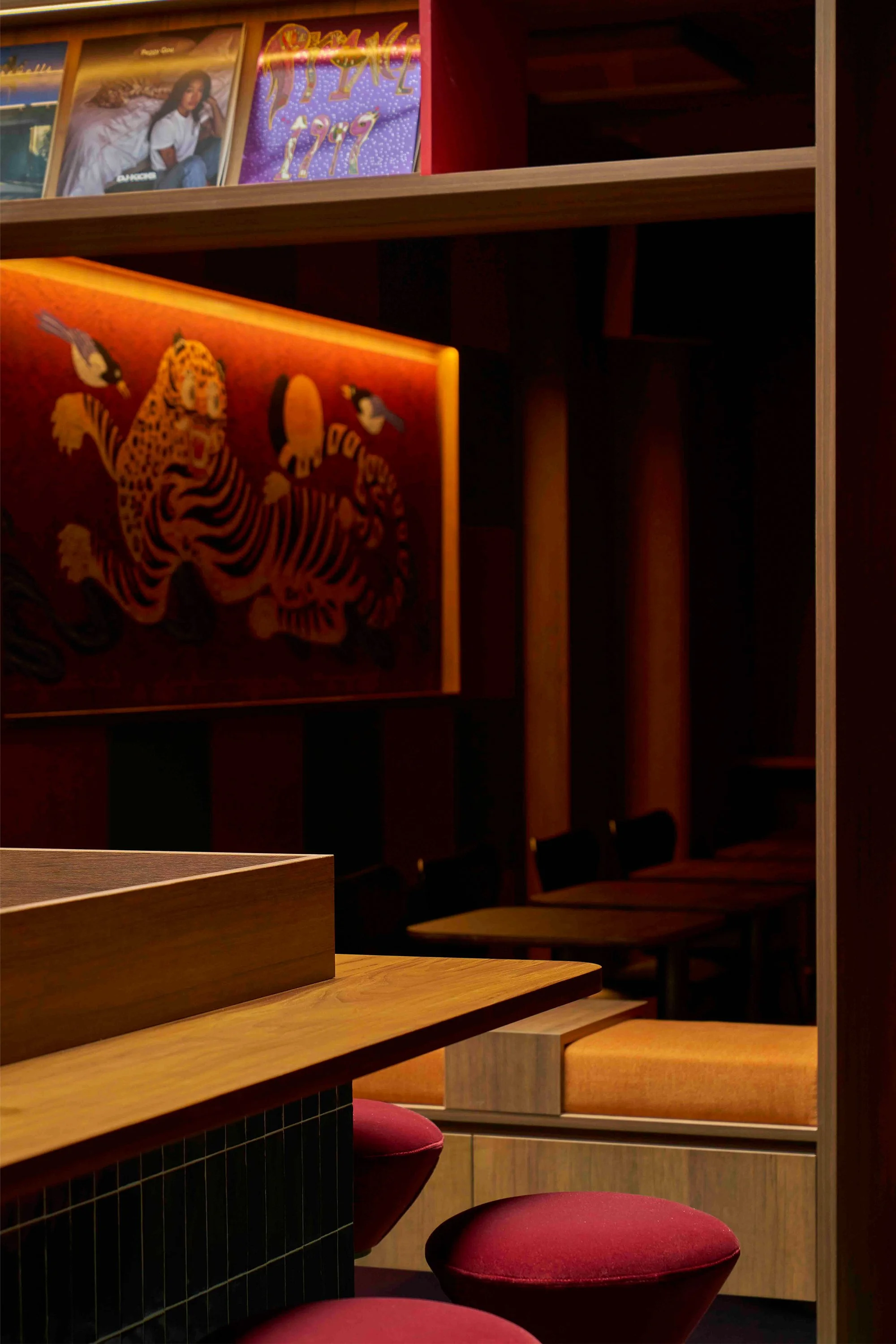
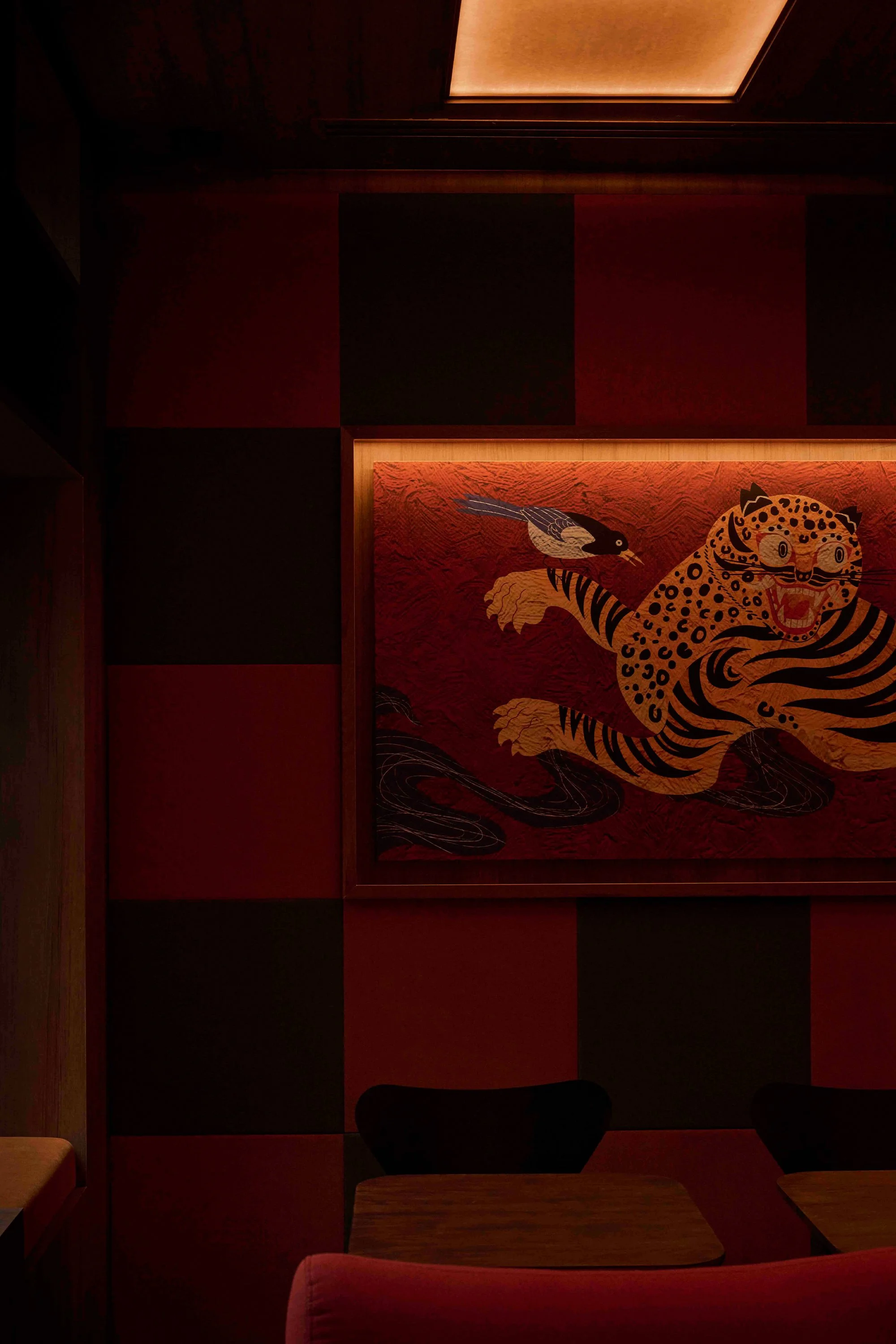
The Korean identity came through crafting logical spaces, tactile materials and emotional atmospheres. BOP’s layout traces the Tras Street shophouse’s elongated floor plan over four zones, from public to private and energetic to cosy. ‘Rather than reference specific hospitality precedents, we looked more closely at domestic environments — particularly the progression and zoning found in traditional Korean homes,’ Tan explains.
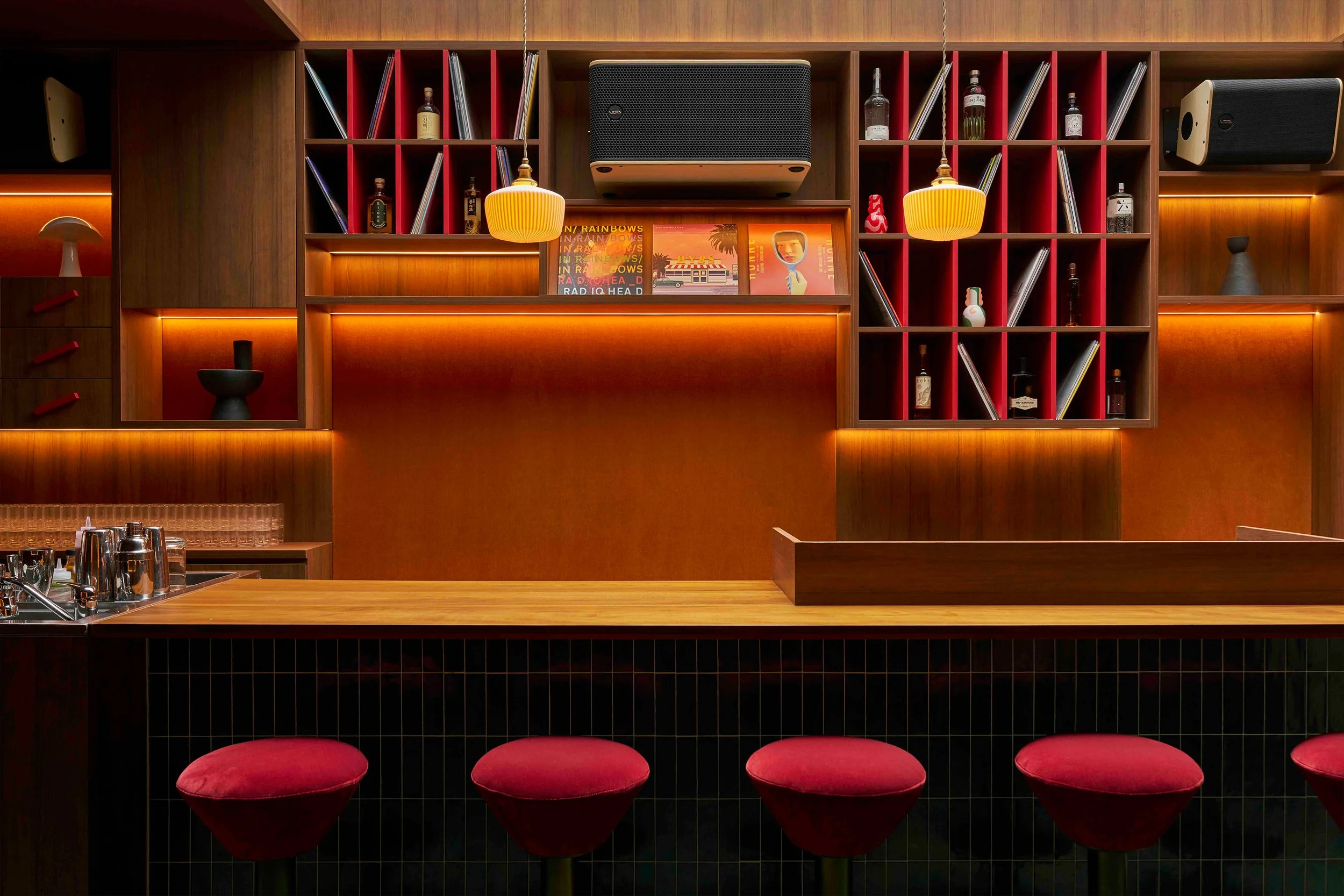
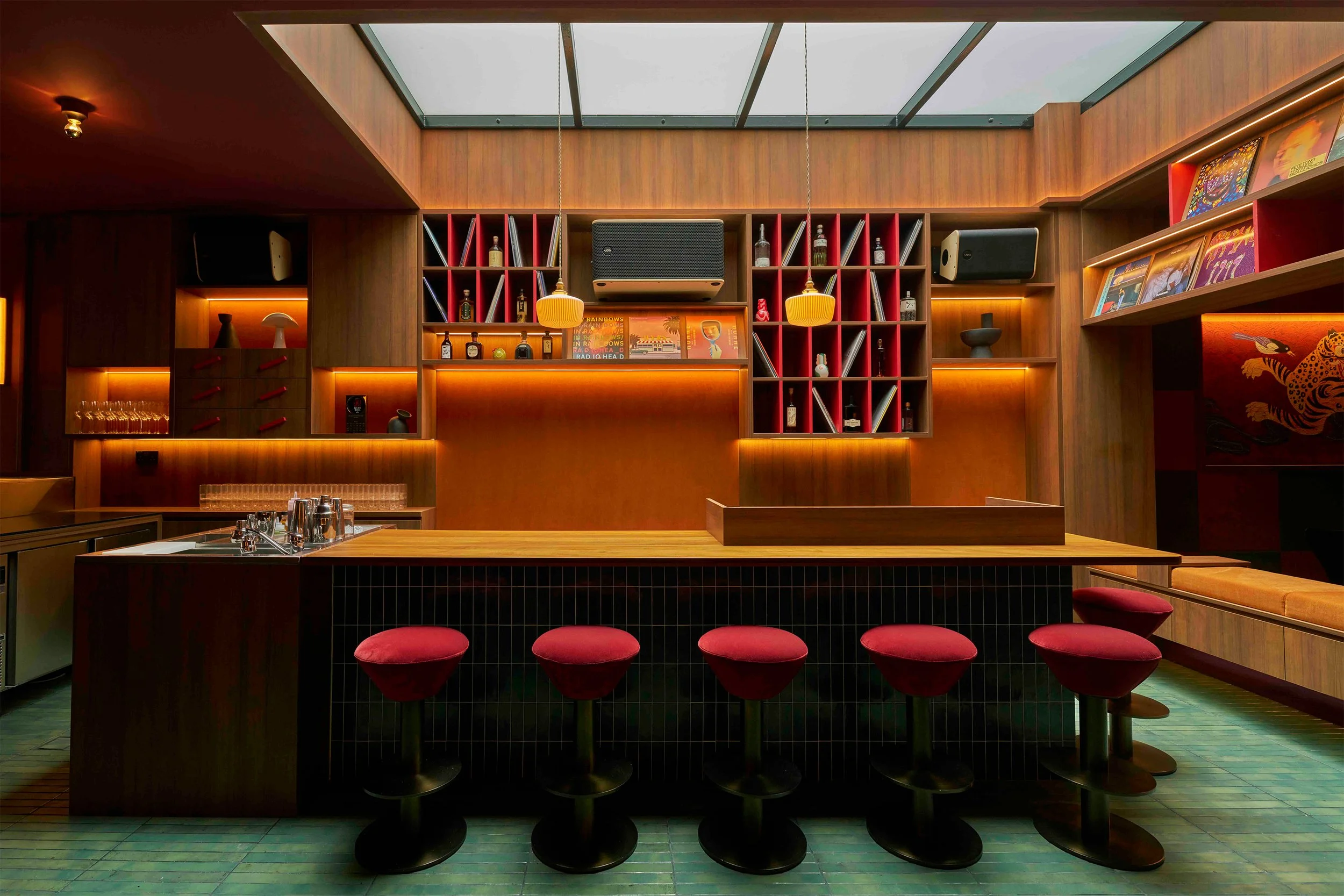
The open front, nearest to the five-foot way, is suited for casual encounters and drop-ins, and the centre Skylight Green bar offers a convivial space for patrons to gather around the DJ and bartender, akin to communing around a large kitchen island in a home. Next is a timber portal into the dimly lit Bojagi Room. ‘The spatial scale compresses to create a sense of privacy and discovery,’ Tan comments. The end of the bar is a snug space that sits just four, cocooned for quiet dialogue.
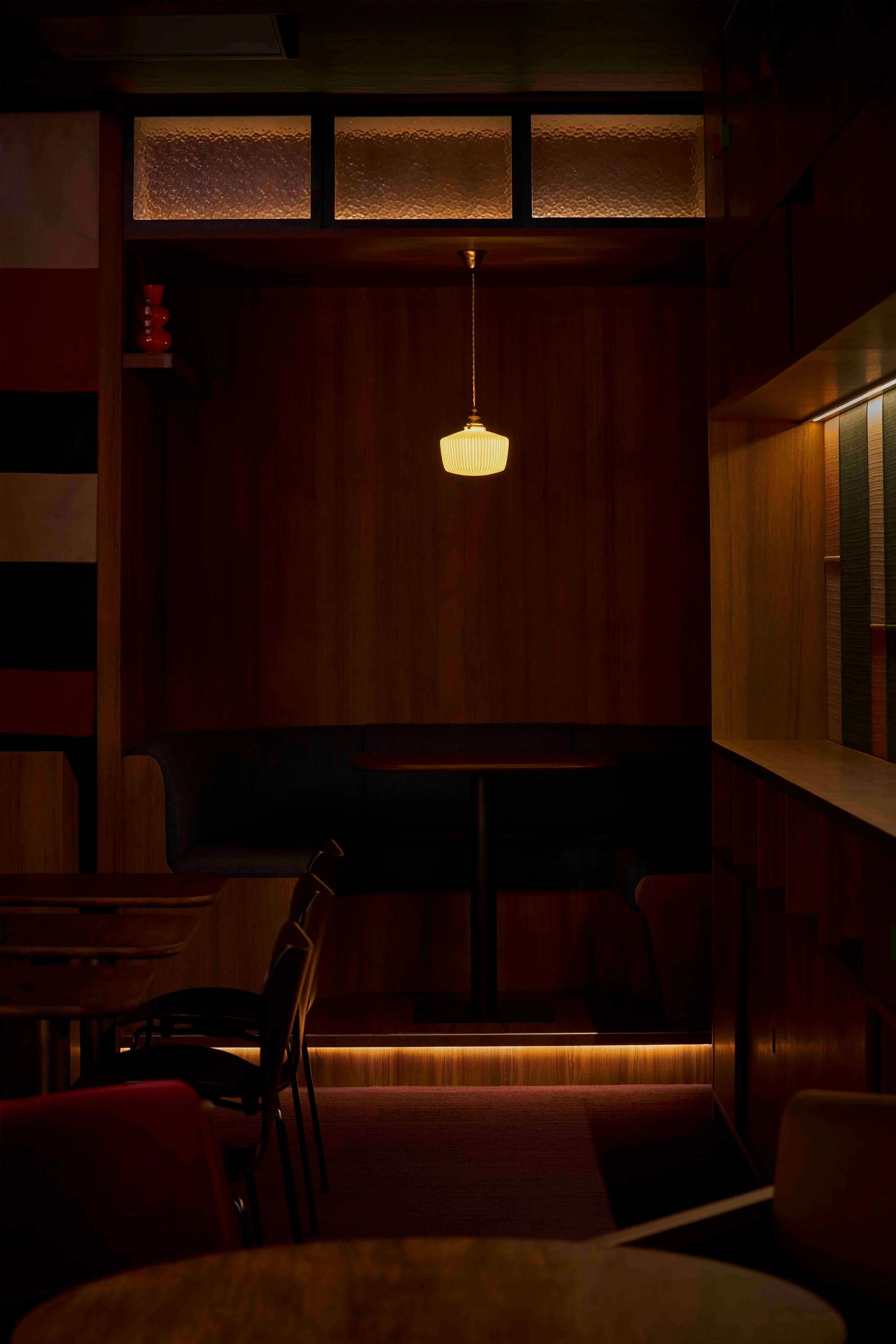
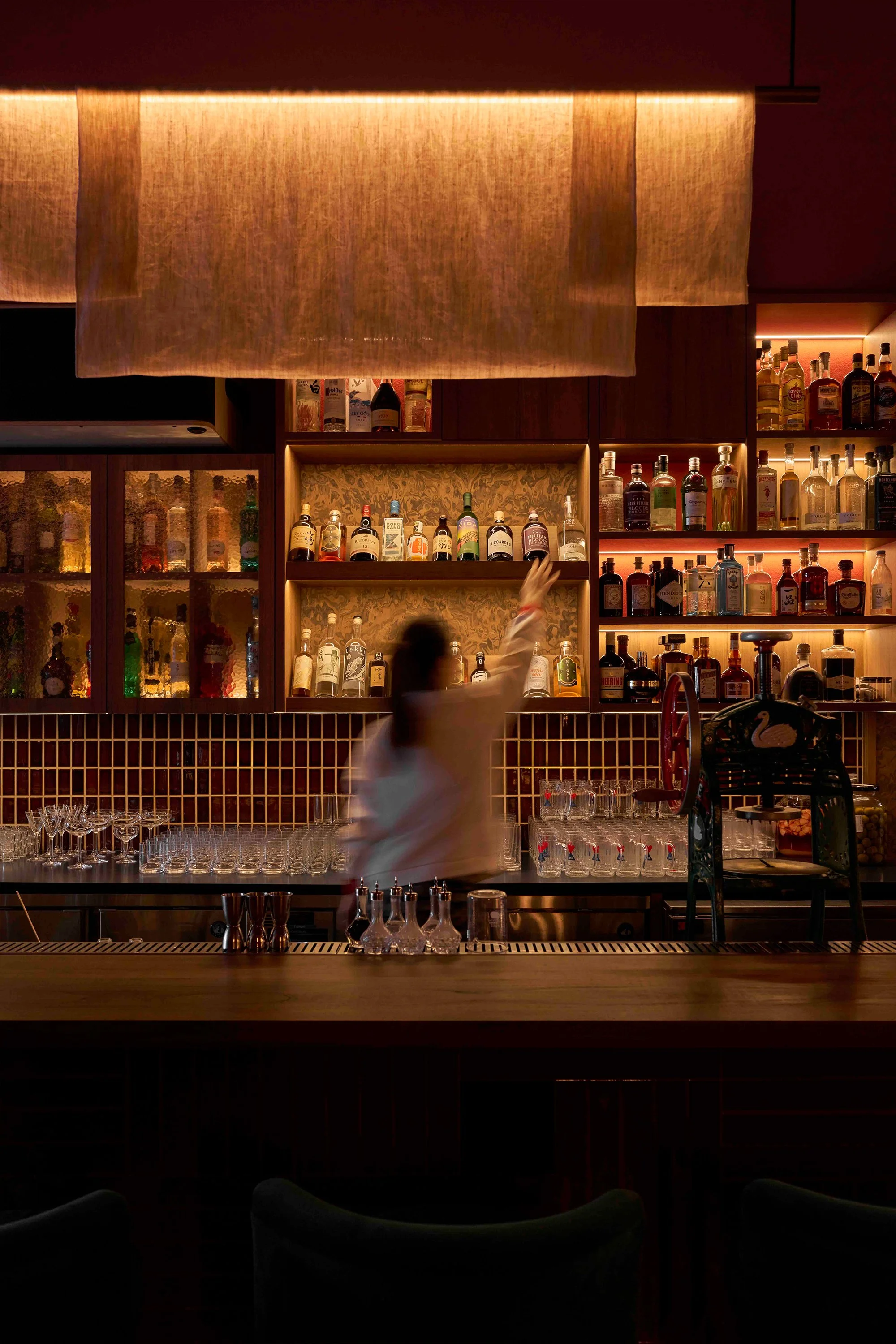
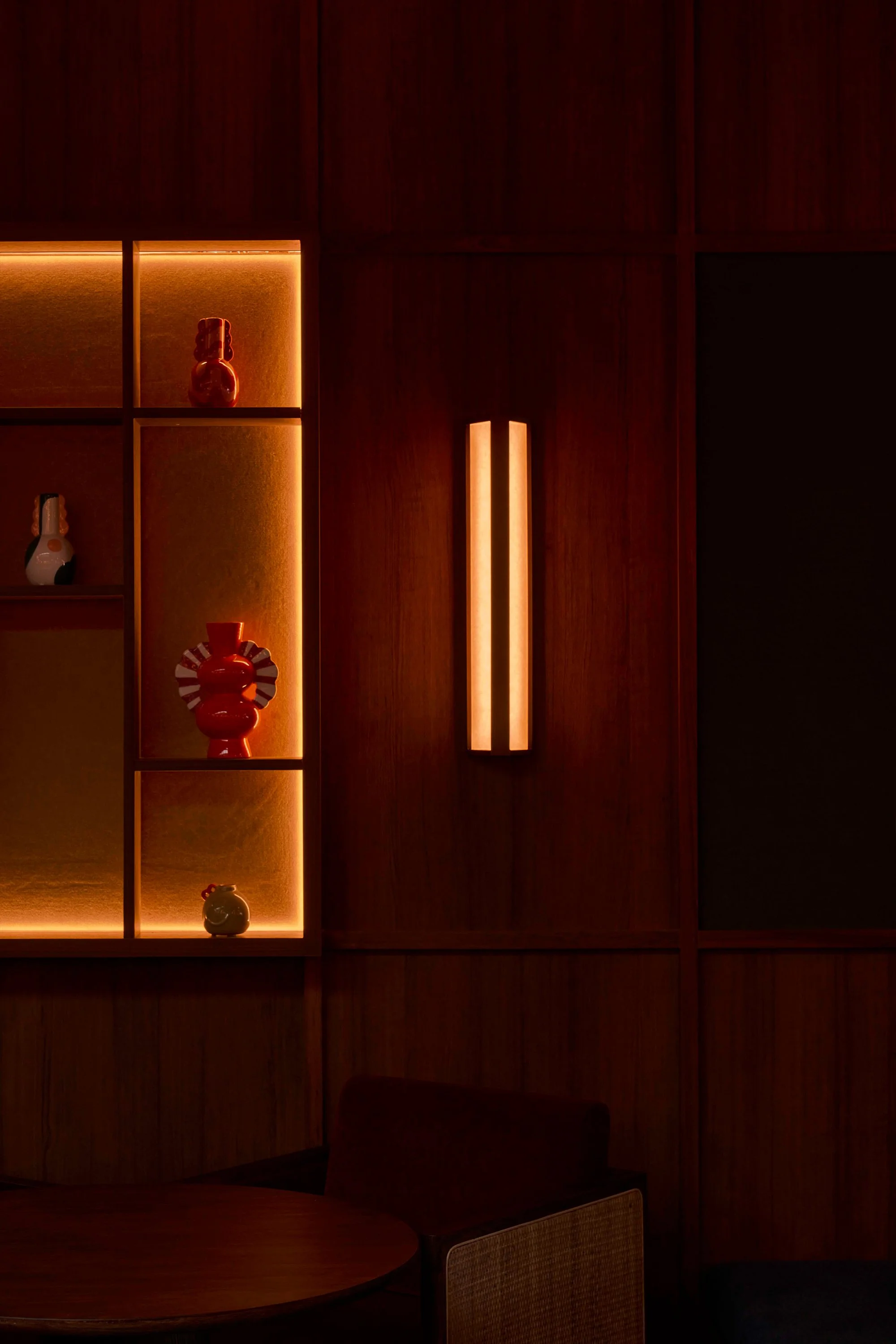
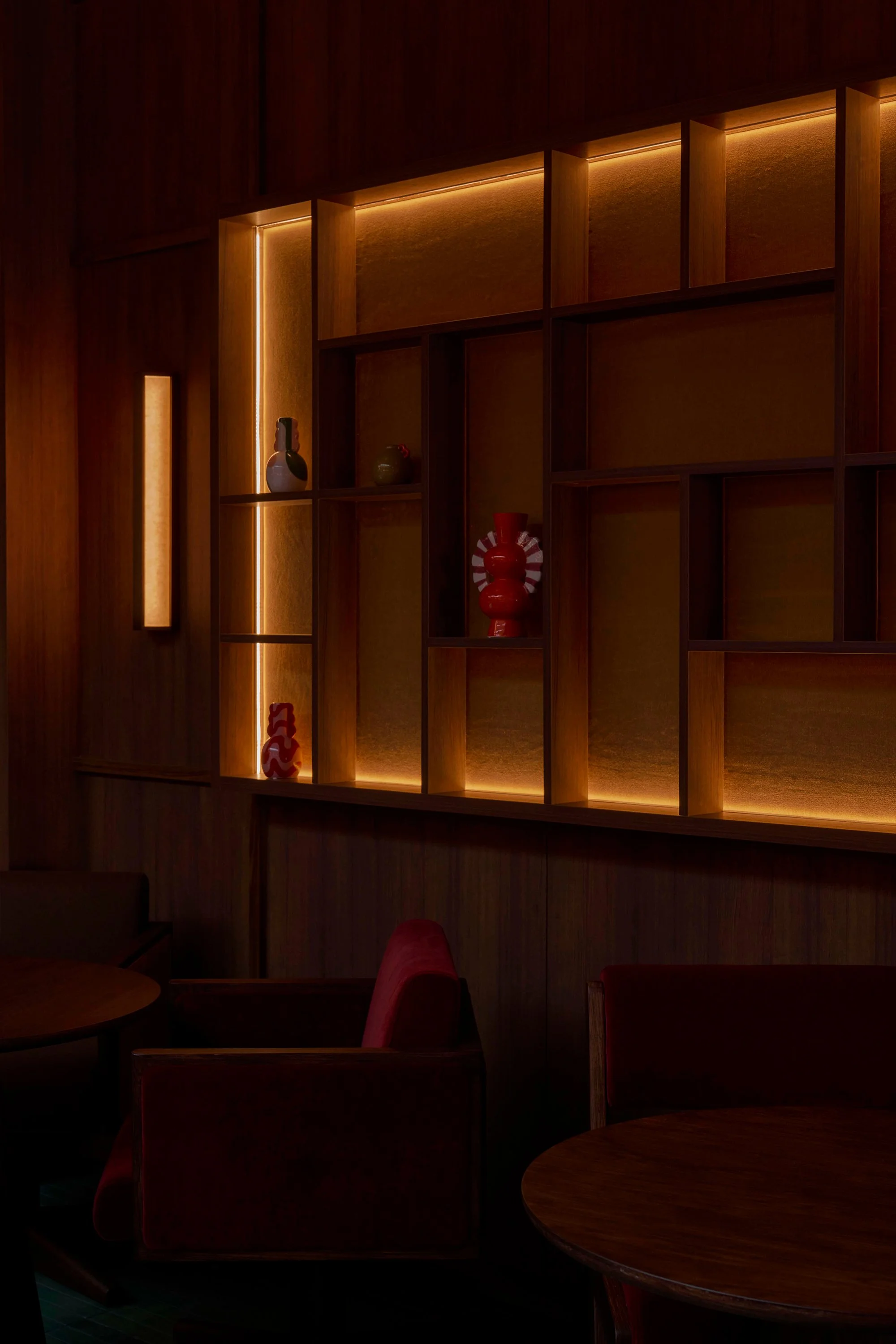
Tan’s introduction of latticework, textile layering and colour that plays an emotional role informed the design language. Korea’s traditional colour systems of obangsaek and dancheong inspired a rich palette of dark reds, muted greens, earthy terracotta, deep blues and honeyed timber tones. References to jogakbo — a traditional textile craft used to make patchwork bojagi cloths for storing, wrapping and carrying items — are found in the bar’s timber counter, the linen and mulberry paper lamps, and curtains, wall coverings and shelf patterns. ‘We interpreted these not as visual references, but as spatial references of layering, protection and care,’ Tan highlights. The Bojagi Room’s geometric wall is a clear example.
Beyond aesthetics, these textiles help with acoustics, bring cosiness to the spaces and provide soft surfaces to lean on. They’re also counterpoints to the carpentry framing the spaces and displaying Jang’s vinyls. ‘The result is an environment that feels grounded in tradition yet contemporary, reflecting our broader interest in cultural translation as a means of creating spaces that are both familiar and new,’ says Tan.
Text by Luo Jingmei
Images by Lauryn Ishak