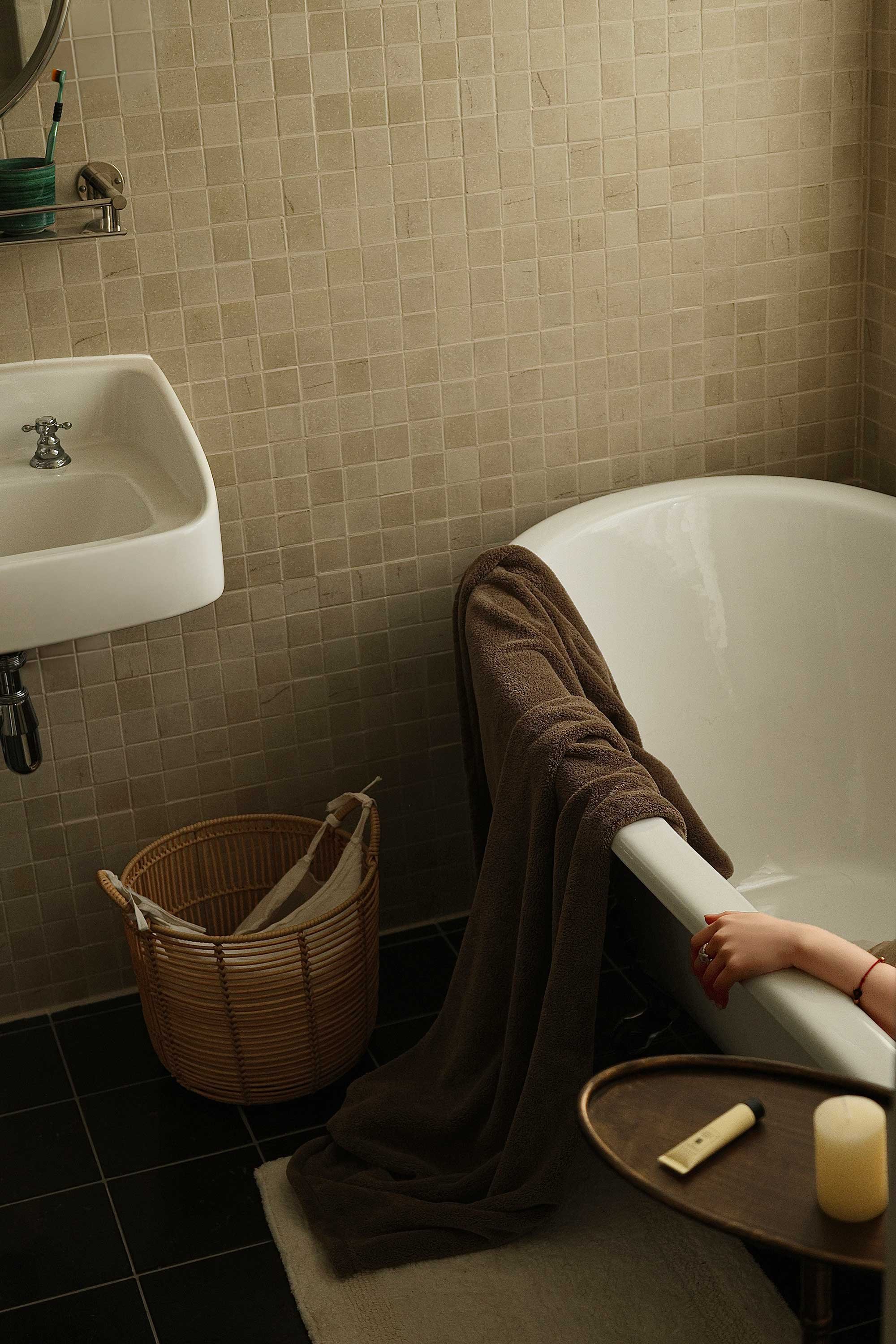
This Nanjing Apartment Brings Tranquillity to City Life
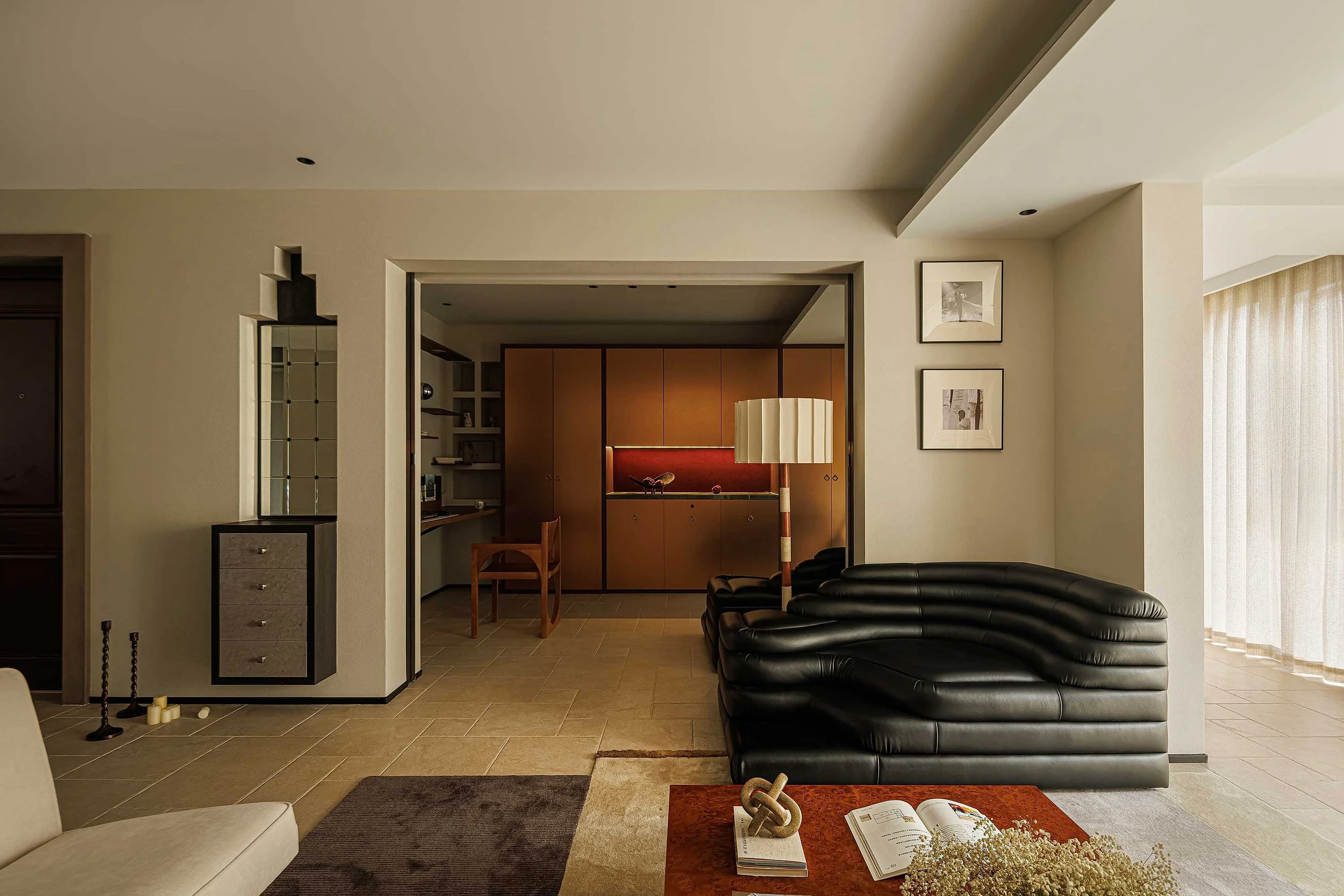
A reimagining by design firm Adda Di’An focuses on light, material expression and a soft, cloud-like ambience
‘When the clients approached me about the project, their main request was to create a forever home for their marriage,’ says Akon Tang, co-lead designer at Nanjing-based studio Adda Di’An Spatial Architecture Design. ‘The philosophy of “long-term living” immediately took root in my mind.’
Most of Tang’s clients live in their houses for a decade or more. ‘If a design flaw were to affect their daily lives, I’d carry that guilt with me,’ says Tang. ‘For every project, I aim to build a life-centred space — a home that grows with them.’
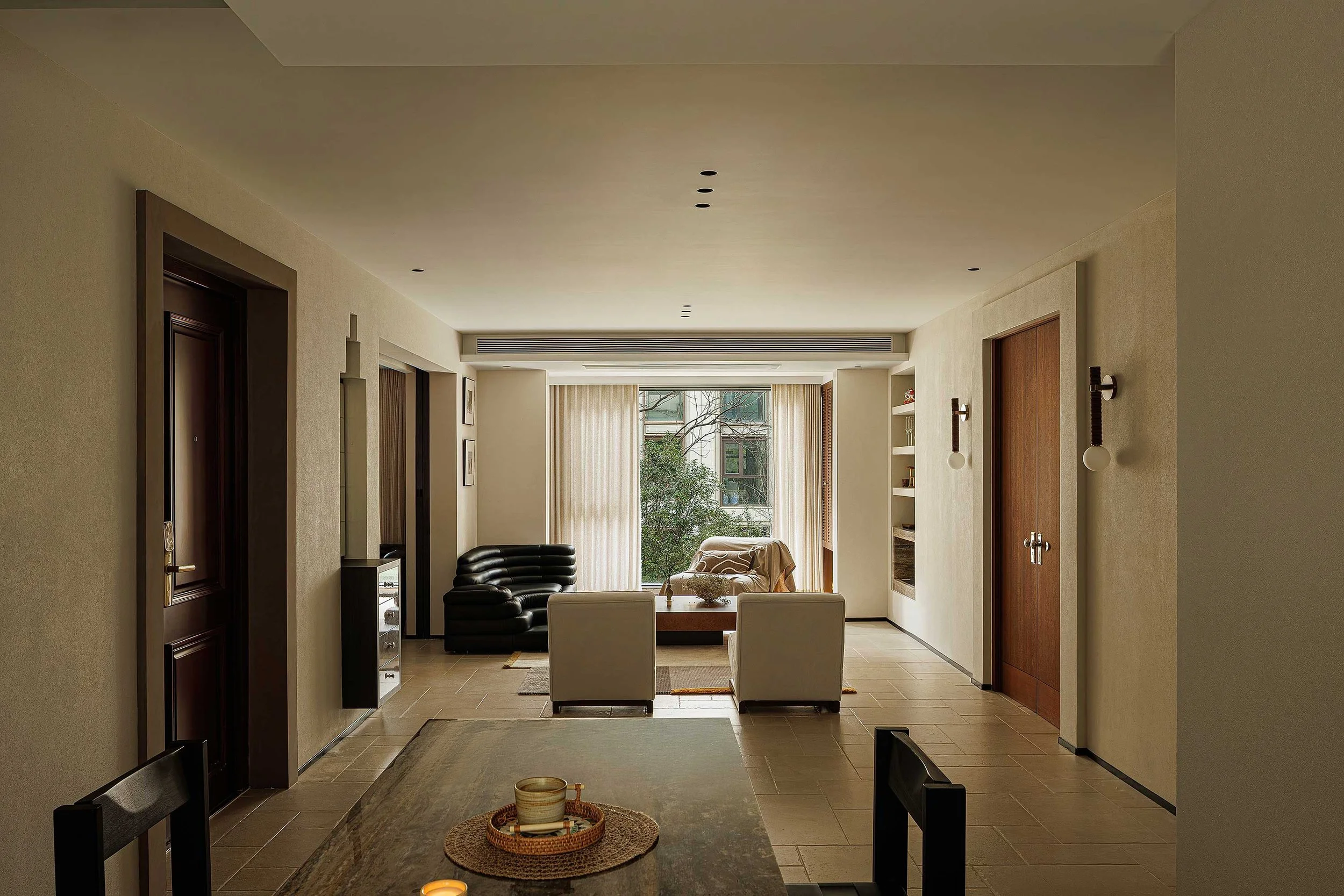
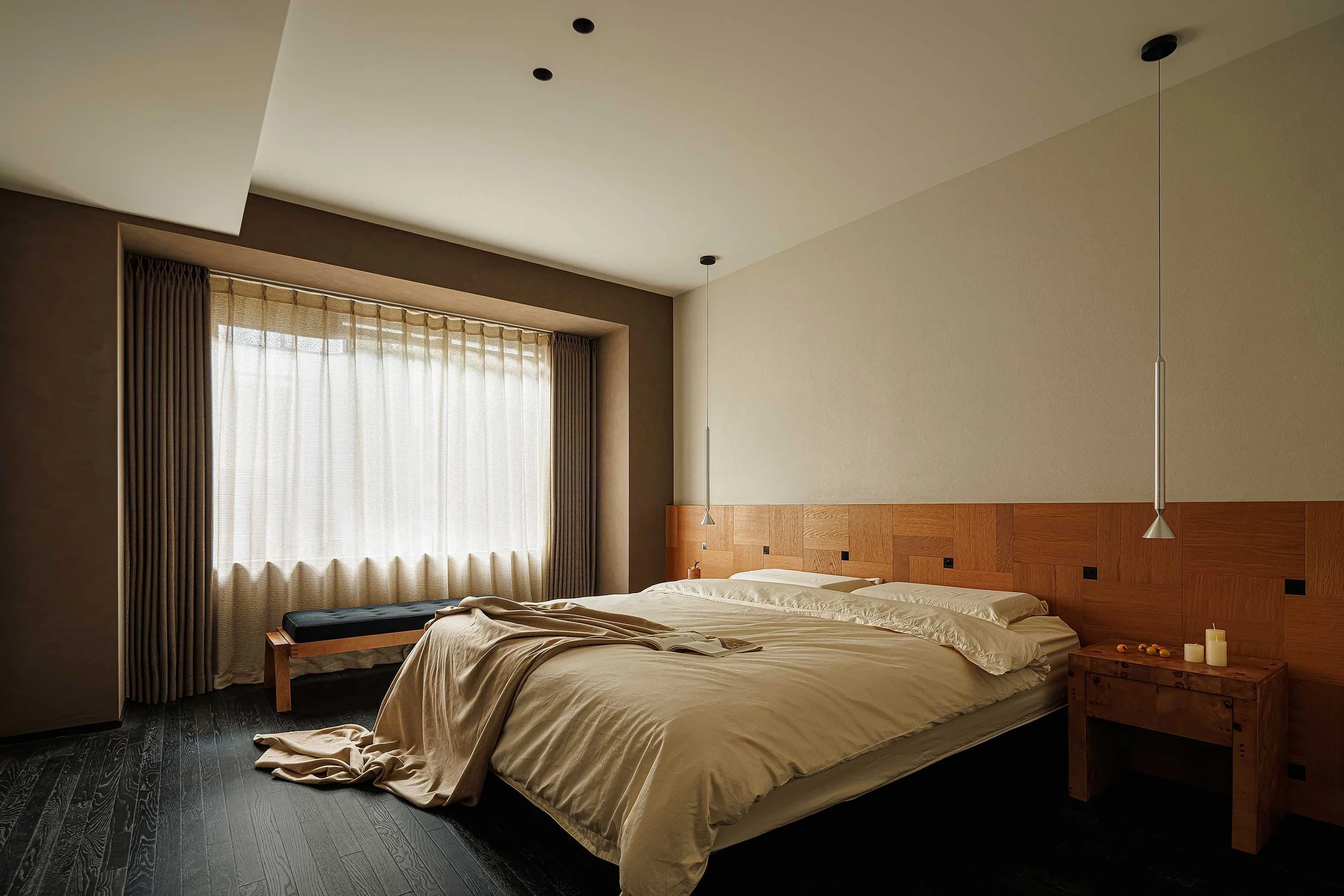
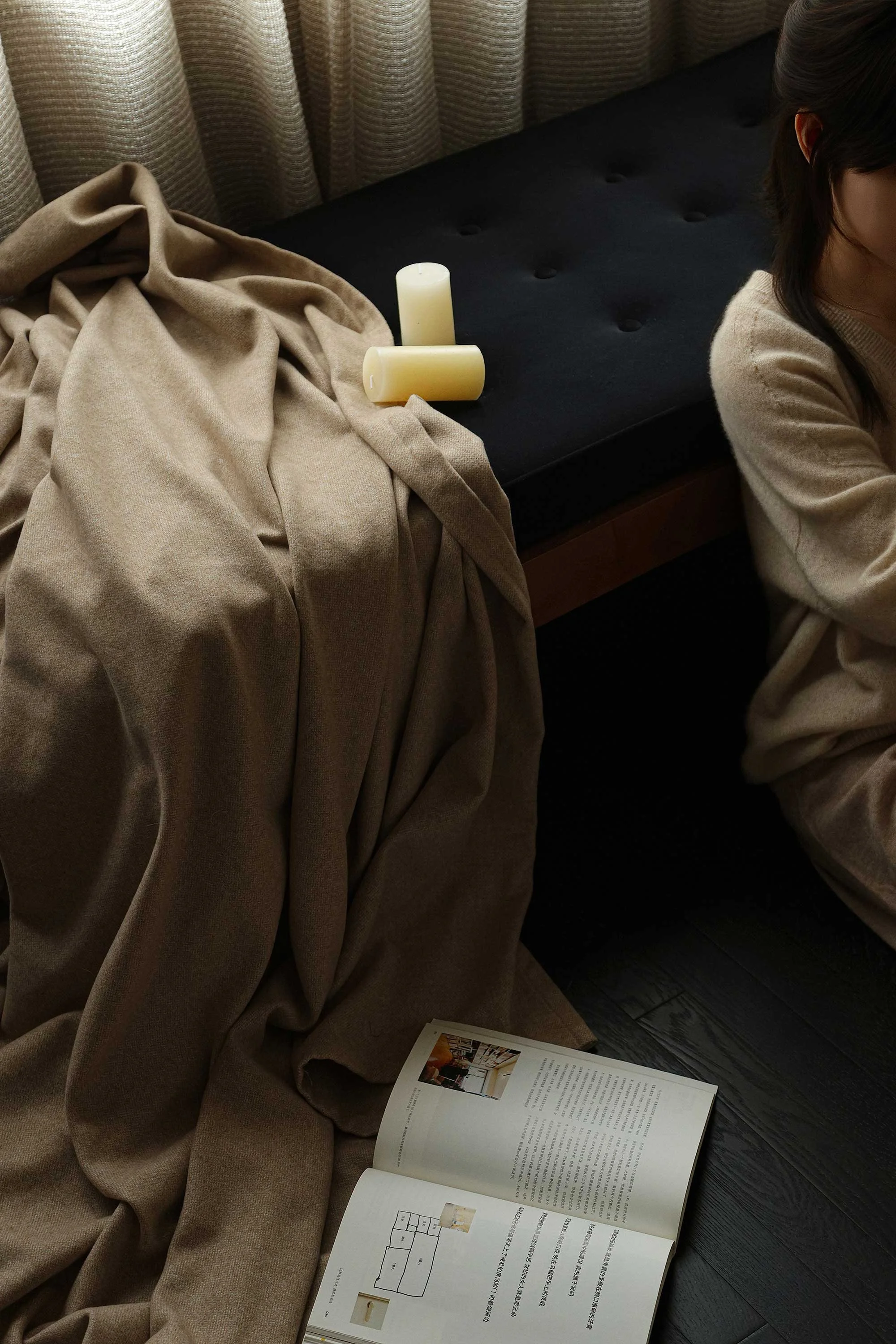
The apartment, dubbed Cloud Dwelling for its dreamlike ambience, is wrapped in soft cream and apricot tones, creating an almost cocoon-like atmosphere whose colours shape the way light and spaces are perceived. Tang says the main palette needed to evoke a sense of calm and inclusivity, with tactile, grainy textures giving the interior an organic, unforced quality. Whether in the morning or at night, the space invites guests to take a deep breath.
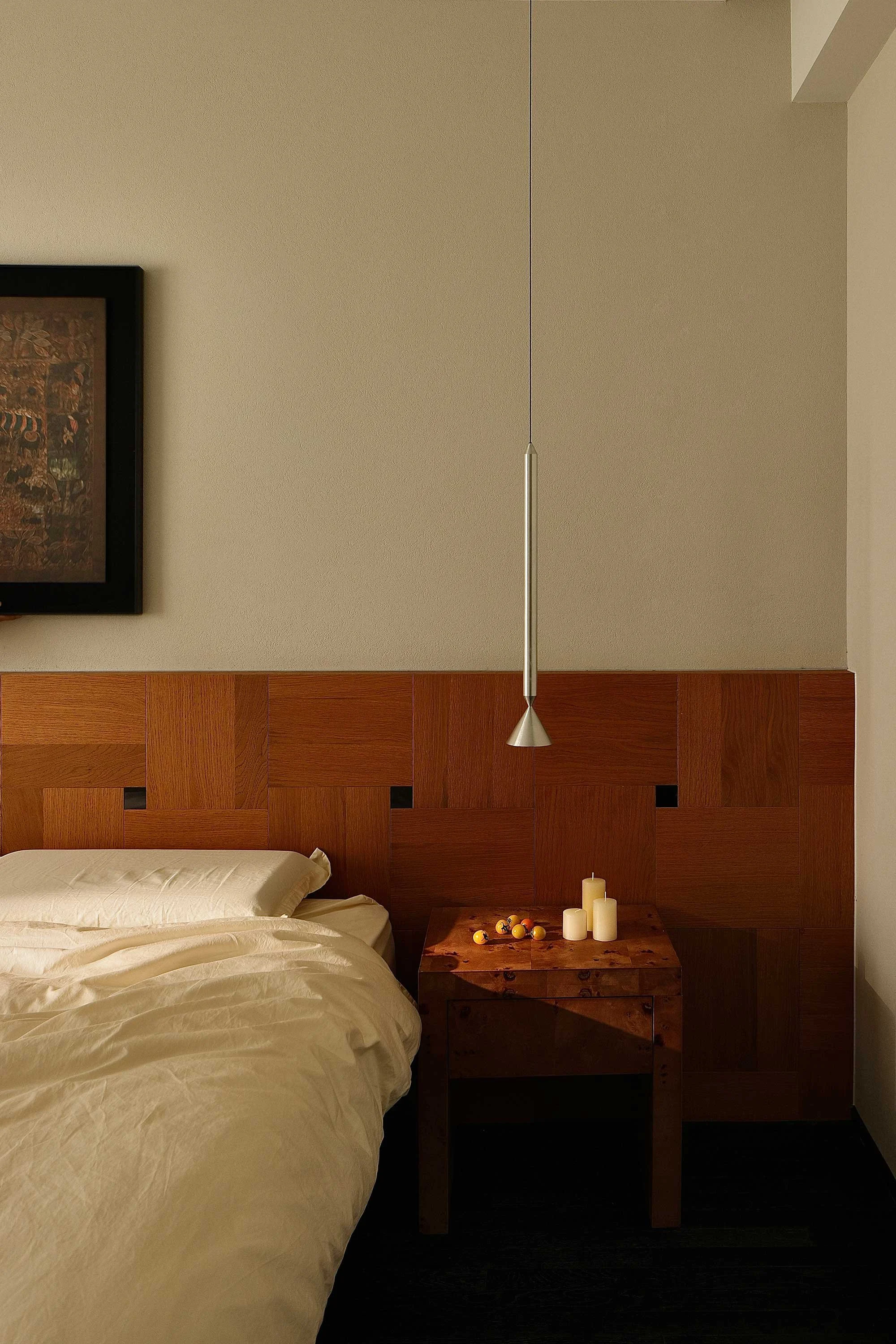
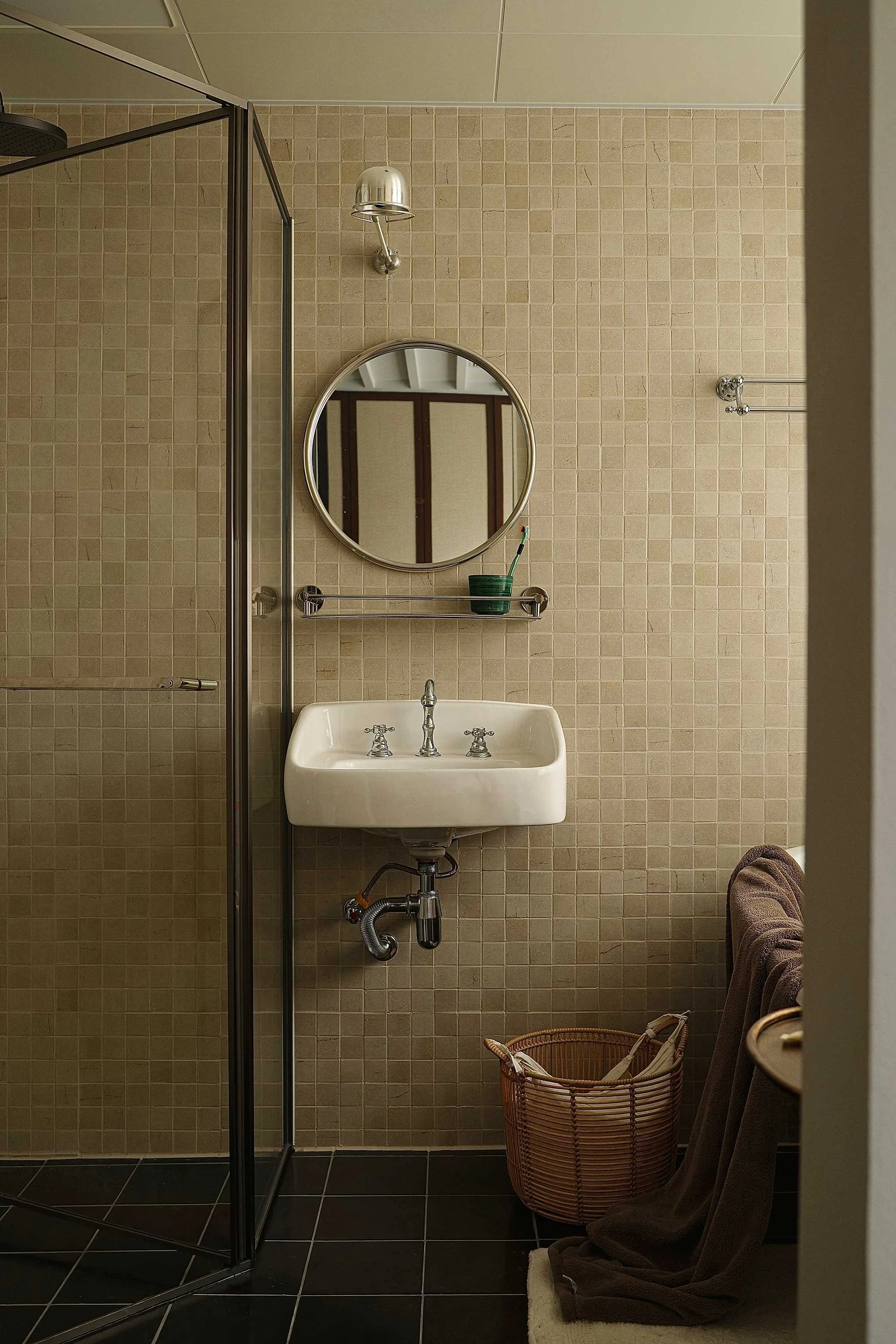
The choice of materials was key to the project, from burl wood and dark walnut to marble and micro-cement. Tang wanted to create ‘a sense of naturalness’, he says. ‘All of the materials feature distinct patterns, selected to foster a calm, serene atmosphere. By considering their functional purpose and placing them thoughtfully, we avoided disrupting the space’s tranquil mood.’
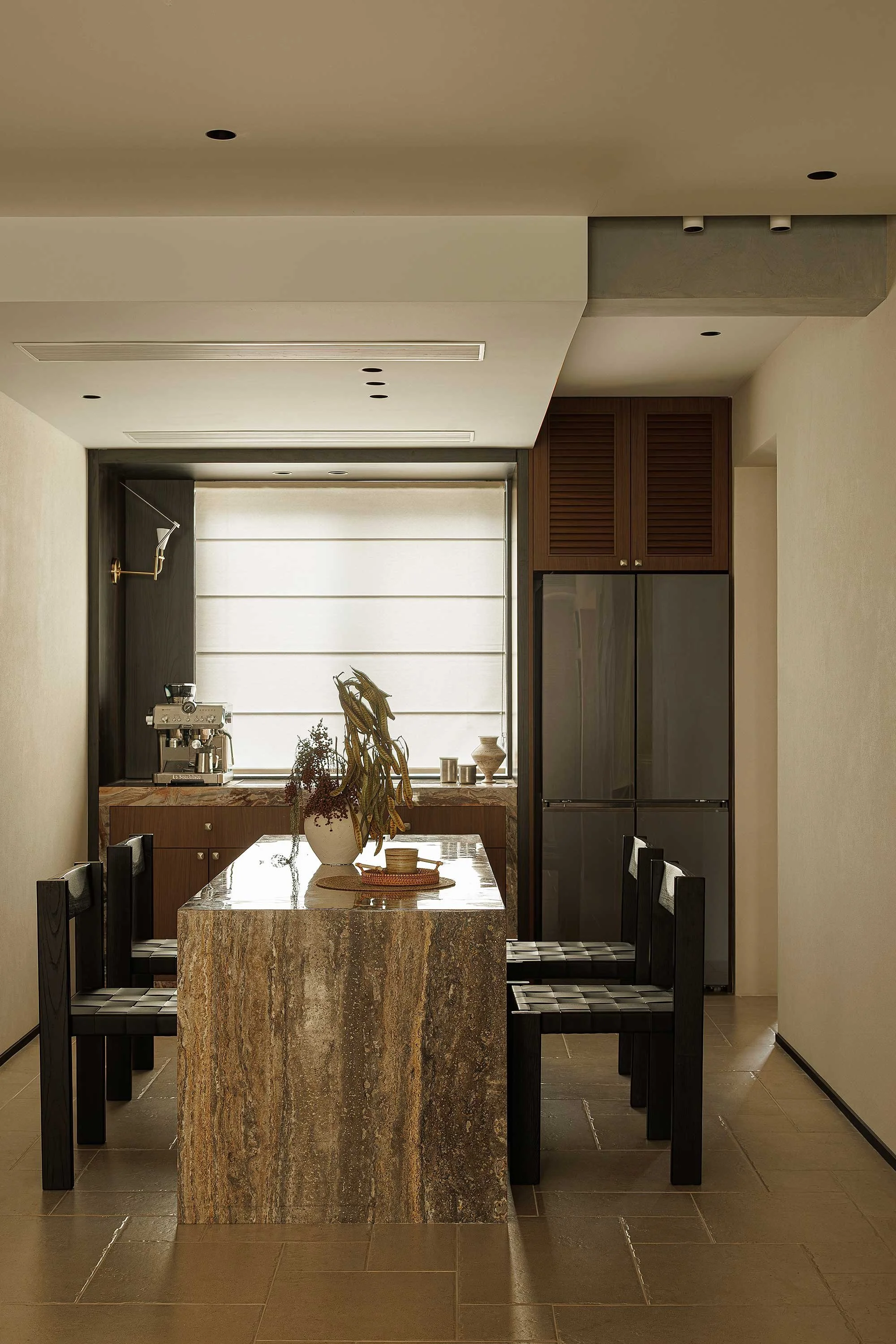
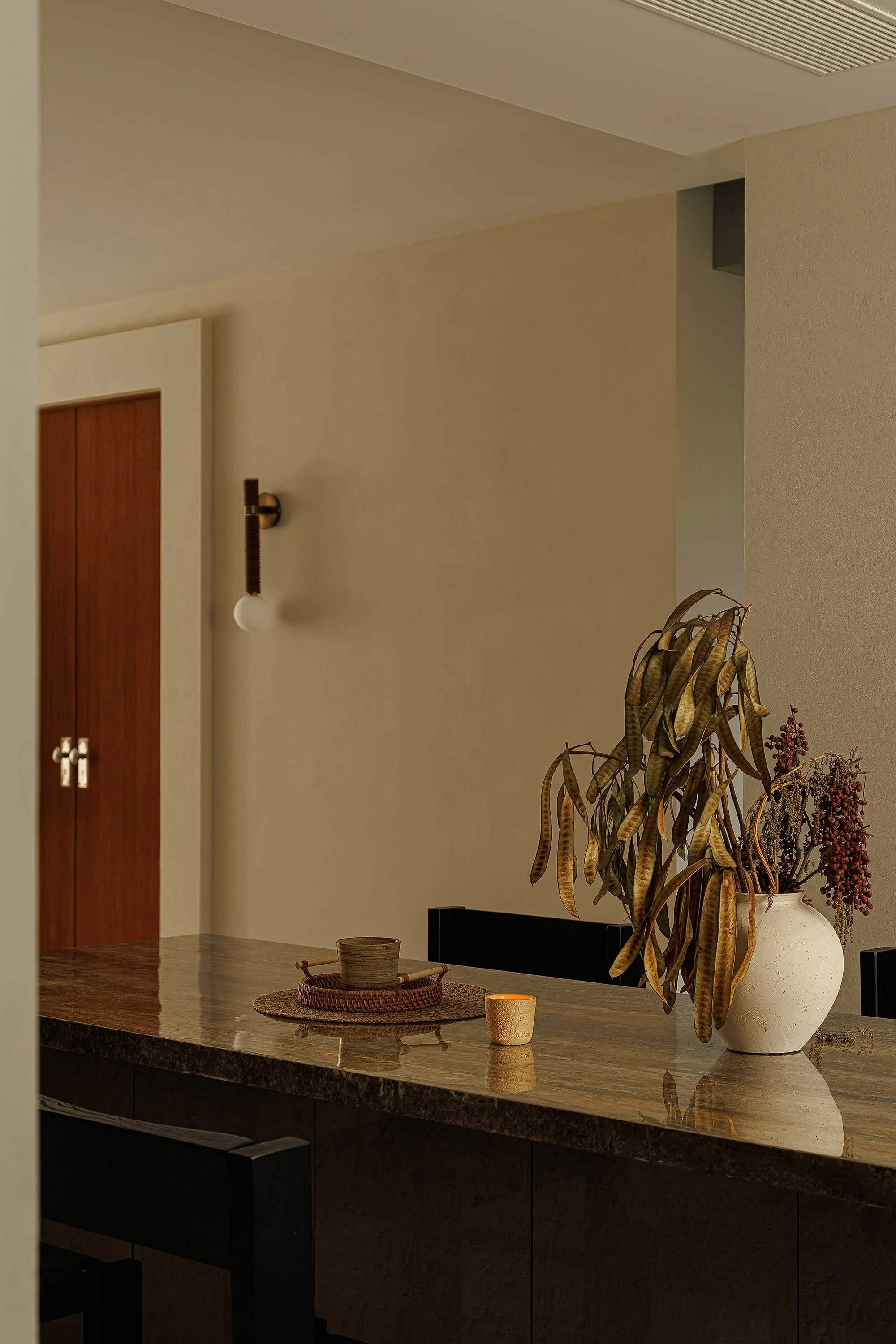
Tang speaks of a philosophy of respecting the life of a material rather than overpowering it. Which raises the question, at what point does a material stop being expressive and start becoming decorative? ‘The right materials belong in the right spaces — understated, unobtrusive and perfectly harmonious as a whole,’ he answers. ‘If any form or material in a space instantly draws all the attention to itself, it becomes superficial decoration.’
Spatially, the apartment is guided by a concept of ‘boundlessness’, as Tang describes it. When probed on what that idea means in a residential setting, and why it felt important here, he answers, ‘It’s not the absence of zoning, but visual transparency, flowing circulation and flexible functional transition.’
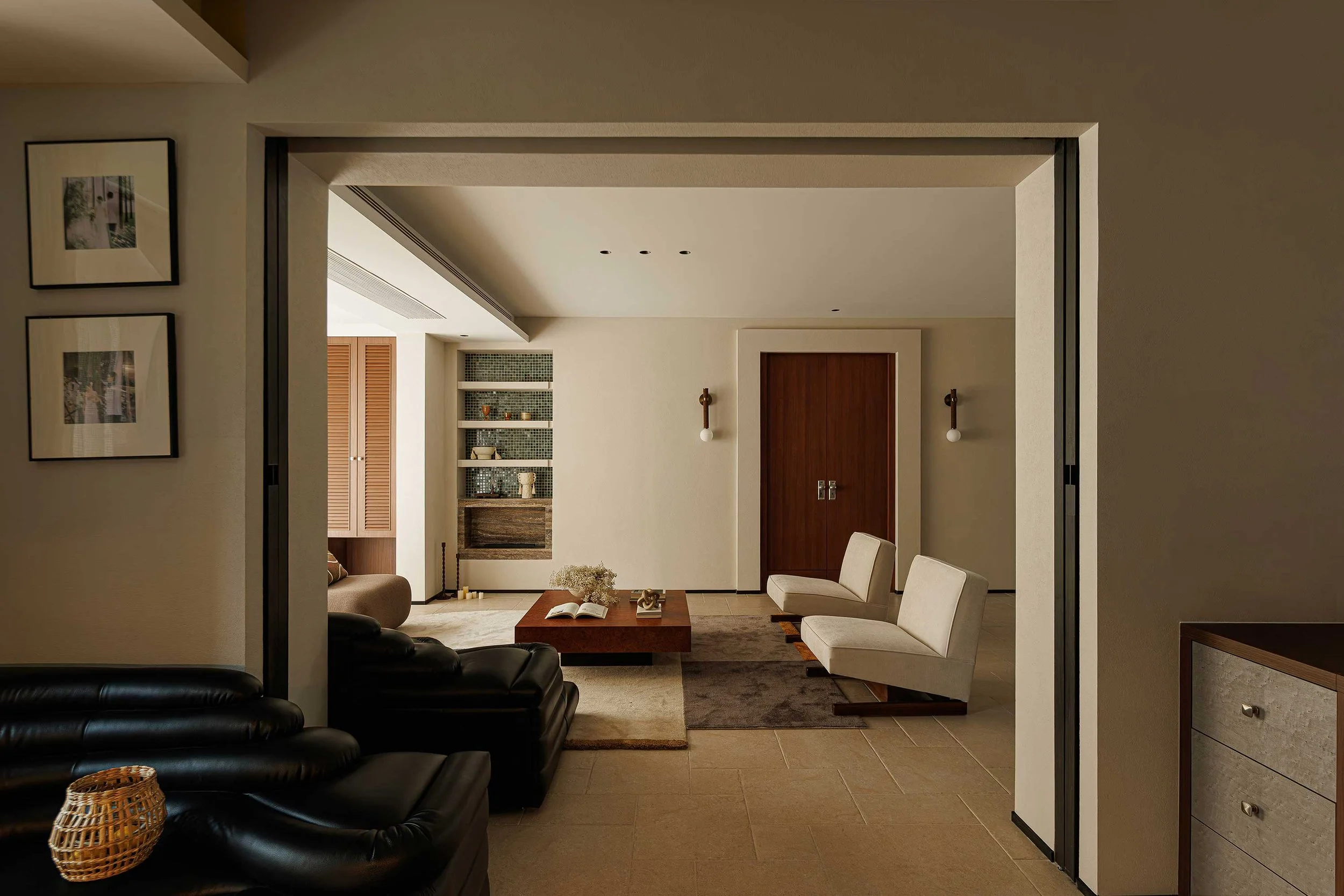
Indeed, the multiple living spaces and dining area blend seamlessly with one another, without rigid and abrupt boundaries. This concept is particularly vital here. as the homeowners are a young couple with rich and varied lifestyle needs: personal quiet time, togetherness, working from home and gathering with friends means spaces that can freely switch scenarios.
Within the interior, pocket sliding doors allow the home to shift between openness and intimacy, creating public and private circulation paths as needed. It’s another way the design actively accommodates the couple’s different daily routines, social needs and demand for privacy. When the doors are closed, the space becomes inward-looking and contemplative; when open, it invites connection and conversation. ‘To make both states feel equally authentic, I didn’t create a functional divide,’ says Tang.
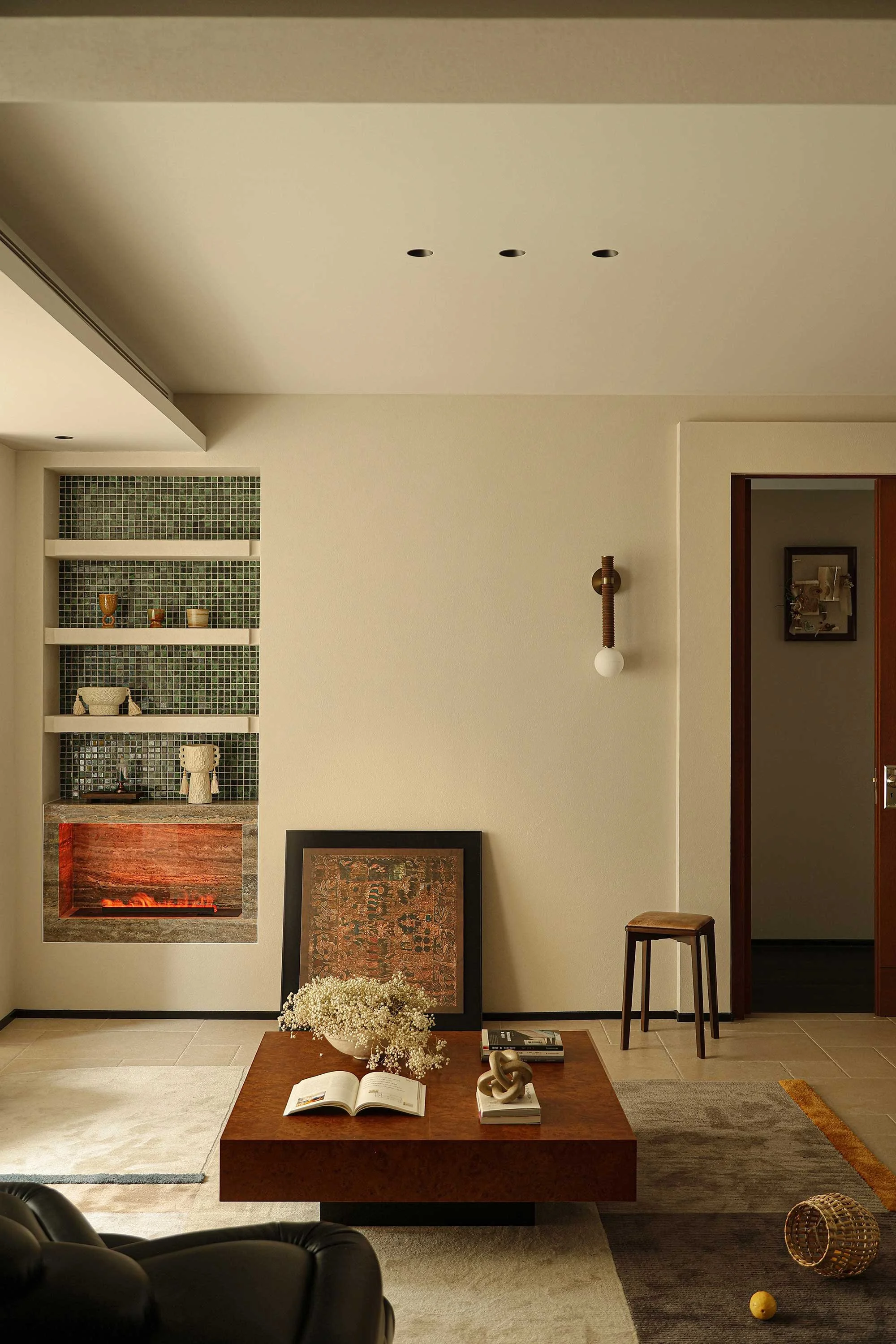
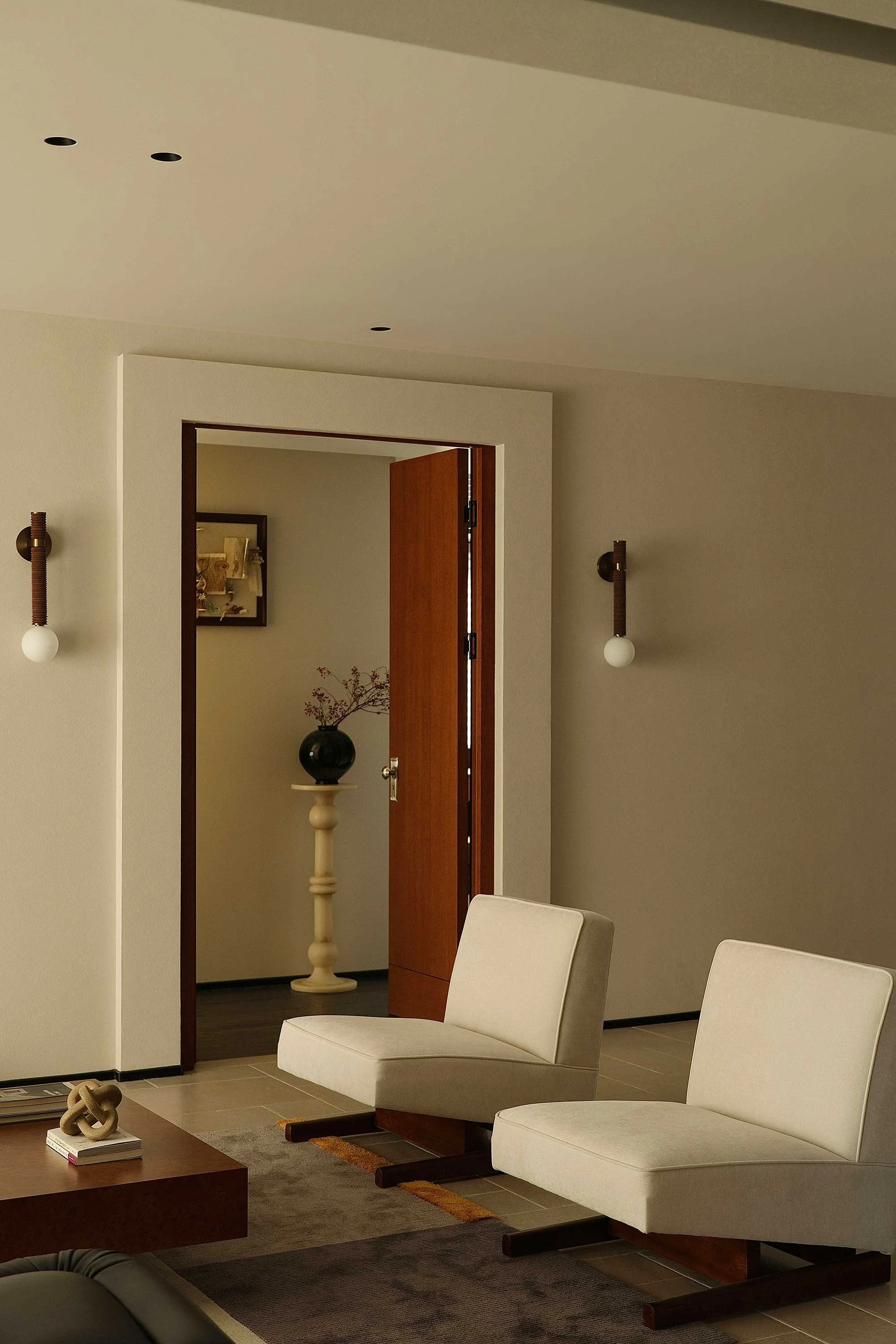
When it comes to lighting, the designer opted for a no-main-light scheme built on diffusion and reflection. ‘Lighting is really the breath of the space, and I aimed to create an unforced, understated sense of calm through it,’ he explains. ‘I intentionally minimised the presence of the fixtures themselves, letting light be the hero rather than the form.’ This approach contributes to the feeling of connection and avoids overemphasis on localised light sources, adding to the relaxed ambience.
Noticeably, the apartment changes subtly from morning to night — calm at dawn, warmer by afternoon, restful in the evening It’s a seemingly deliberate arrangement of light and time, but Tang doesn’t take credit for it. ‘I didn’t intend to choreograph the interplay of light and shadow. Instead, I respected the inherent rhythm of natural daylight, allowing the interior lighting to gently echo the passage of time,’ he says. ‘This is what I value most in designing long-term residences: the space moves with time, and life settles quietly within.’
Text by Simon Ostheimer
Images courtesy of Adda Di’An Spatial Architecture Design