At Vitra Campus, Even the Smallest Buildings Have Big Names
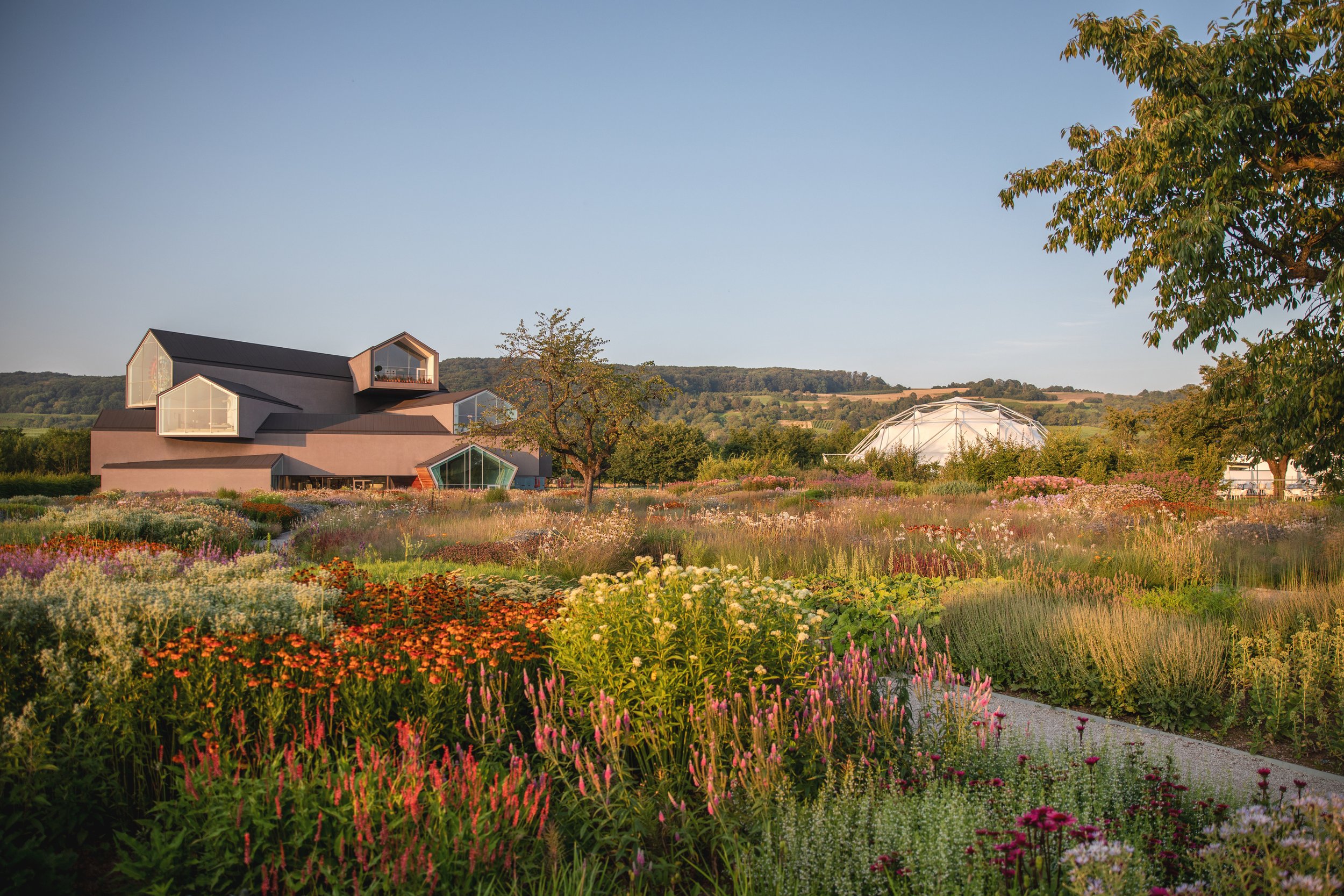
VitraHaus by Herzog & de Meuron resembles a stack of elongated houses and also functions as Vitra’s flagship store.
On the Swiss-German border, Zaha Hadid’s first built project, a Jean Prouvé petrol station, a Piet Oudolf garden, a salvaged home by Kazuo Shinohara and several deconstructivist buildings by Frank Gehry form only part of Vitra Campus’ extraordinary cast of architectural icons
Basel is often called Switzerland’s cultural capital, and for good reason. With a population of fewer than 200,000 residents, the city is home to almost 40 renowned museums and cultural institutions spread across just 37 square kilometres. That’s an incredibly high number per capita. Not to mention the city’s eponymous annual summer art fair, Art Basel — so popular it has spawned a handful of sibling fairs across the world. And yet, despite the city centre’s cachet, it’s actually the corporate headquarters of a furniture brand located just across the German border that has me on a 4.5-hour direct train from Milan to visit the small landlocked city for the first time.
Vitra was founded in 1950, though the family business dates back to 1937 — after three generations, the same family is still at its helm today. While manufacturing has long been based in Germany, it was not until a devastating fire in 1981 that the beginning of what we now know as the Vitra Campus began. Then-CEO Rolf Fehlbaum, now Chairman Emeritus of the brand, and his brother Raymond commissioned British architect Sir Nicholas Grimshaw to design a new production facility; within six months, operations were up and running again. Rather than end the relationship there, the brothers continued to work with Grimshaw on a broader masterplan for the site, adding more buildings over time. A chance meeting with then-Los Angeles-based architect Frank Gehry several years later resulted in the Vitra Design Museum building, and the campus evolved from Grimshaw’s original cohesive vision into the collage of stellar architecture that it’s known for today.
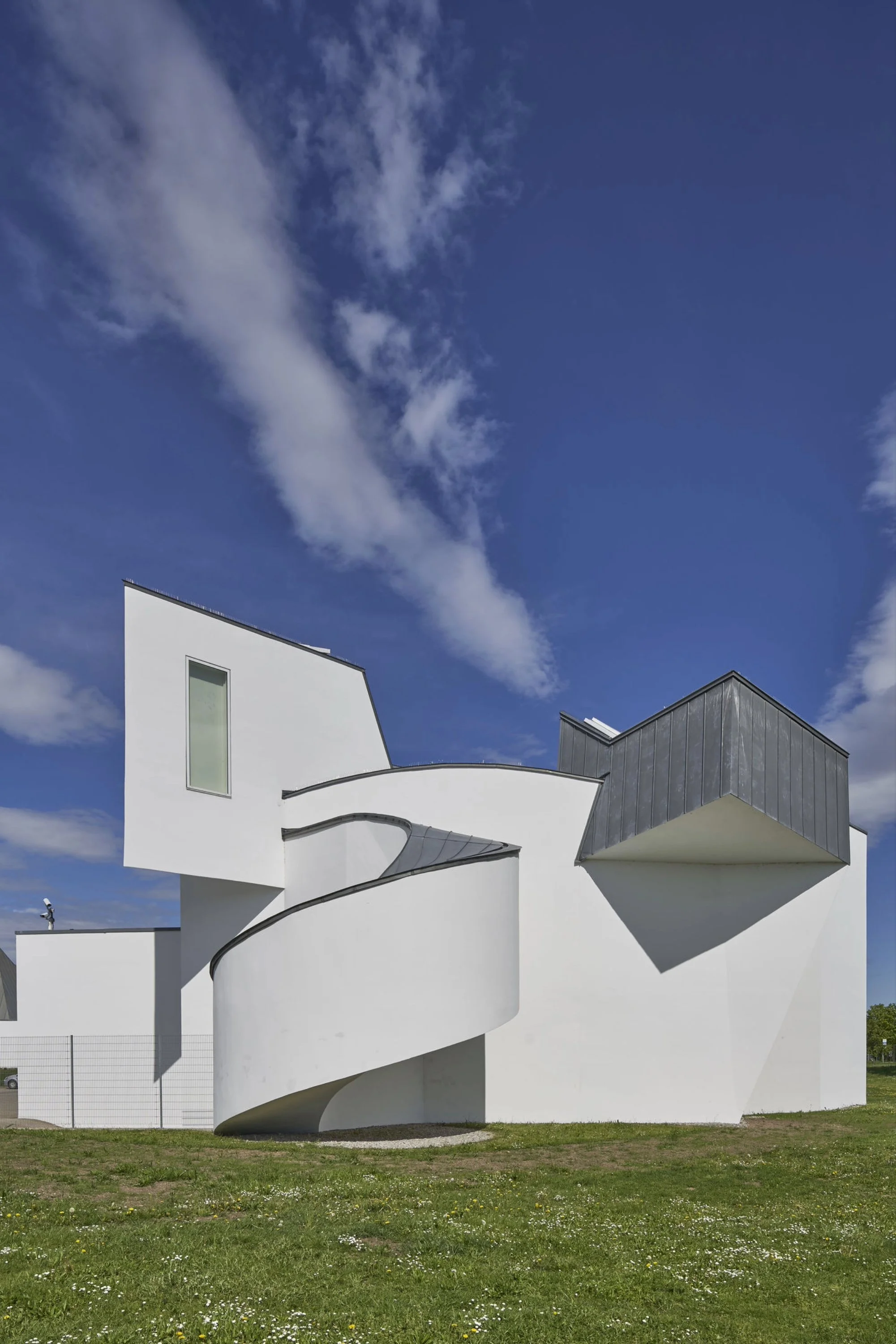
One of the world’s leading museums of design, the Vitra Design Museum by Frank Gehry presents exhibitions spanning contemporary practice and the history of design and architecture.

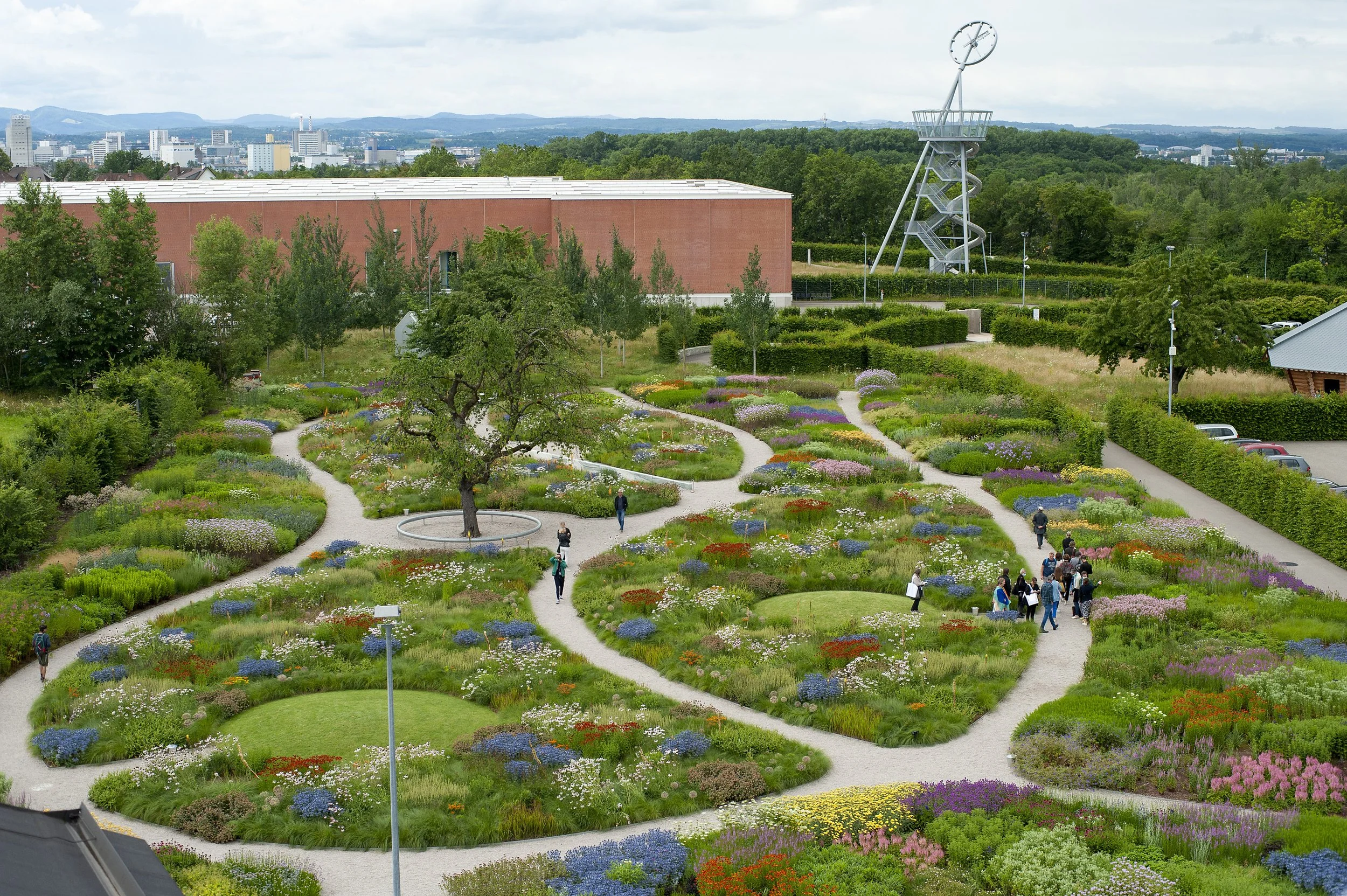
The Piet Oudolf garden reflects the Dutch designer’s pioneering approach, favouring perennial, self-regenerating plantings and a more naturalistic layout that shifts with the seasons.
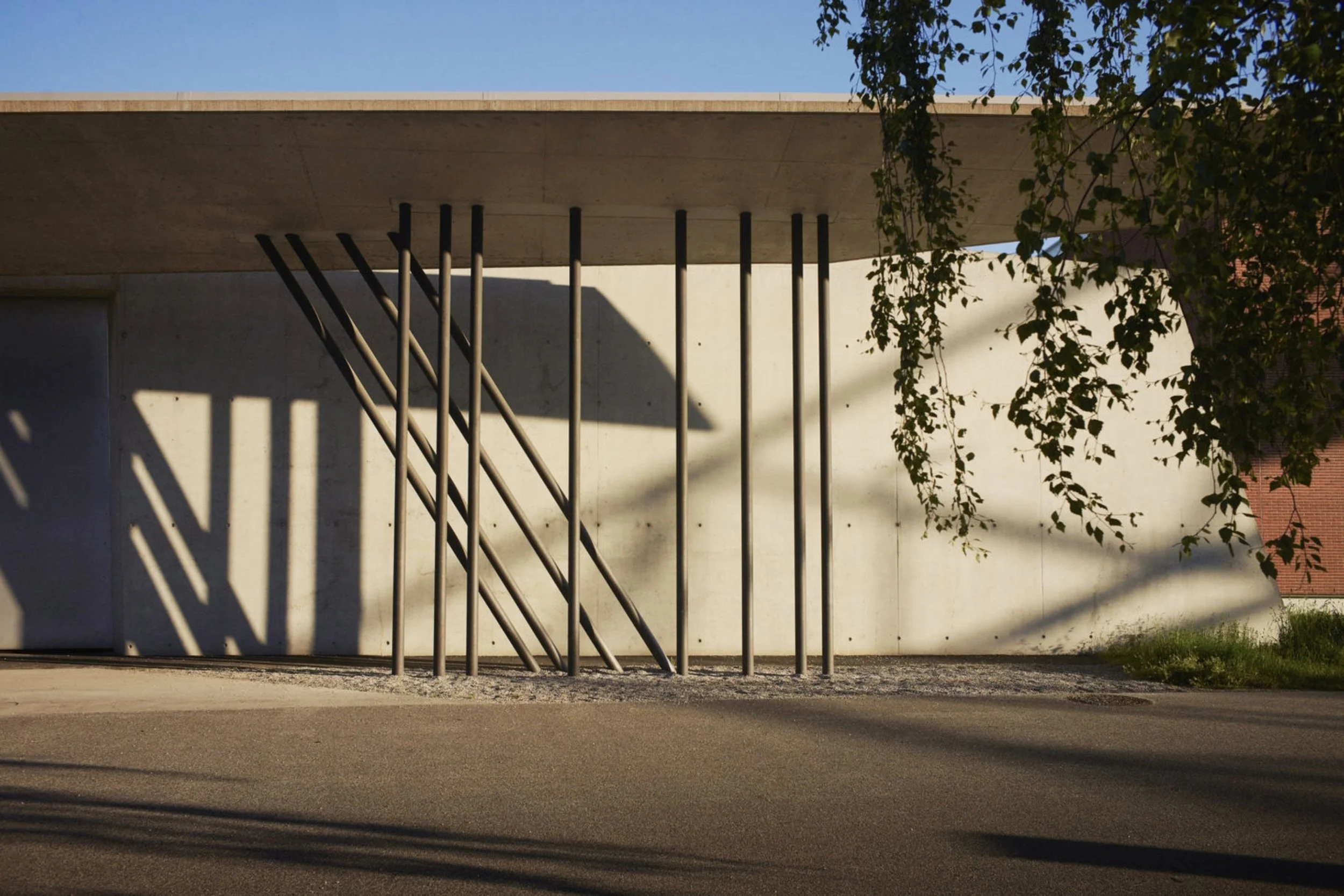
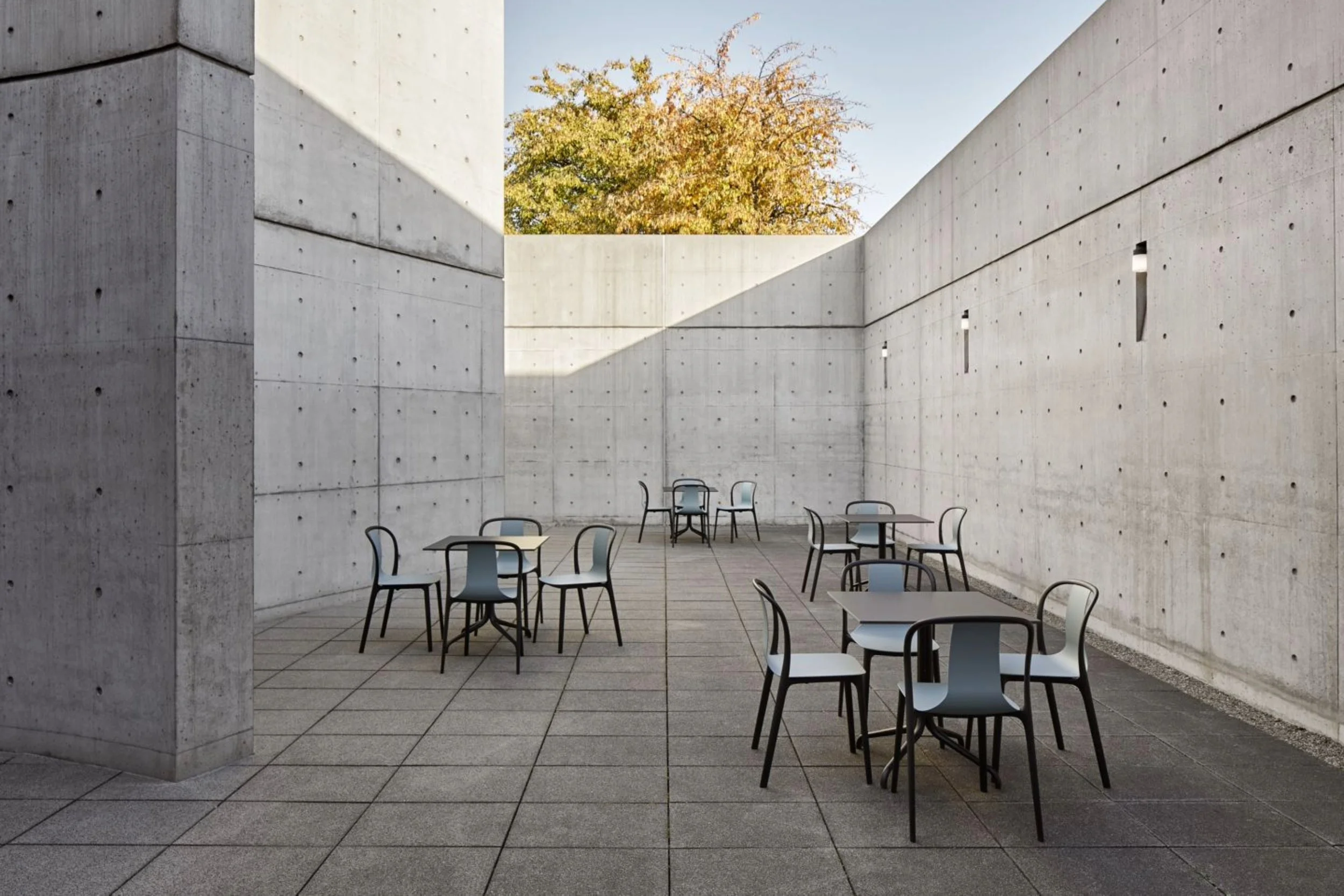
The list of campus creators reads like a who’s who of Pritzker Prize recipients: Tadao Ando, Herzog & de Meuron, Balkrishna Doshi, Frank Gehry, Zaha Hadid, SANAA, Álvaro Siza; the list goes on. Most of the resulting buildings —whether they house production, the Vitra Design Museum, cafes or Vitra Haus, the brand’s flagship showroom — are open to the public almost all year round. Many of these buildings were completed before their architects were honoured as laureates. Hadid’s building, which acts as the campus fire station, was in fact the architect’s very first built project.
Add to this mix a preserved 1950s petrol station by Jean Prouvé, a commissioned garden house by Tsuyoshi Tane, a small house — or Khudi Bari — by Marina Tabassum, a salvaged building slated for demolition known as the Umbrella House by Kazuo Shinohara (an early influence on Kazuyo Sejima and Ryue Nishizawa of SANAA), a geodesic dome by Buckminster Fuller and a garden by Piet Oudolf. This mishmash of structures could easily feel incoherent, yet the campus somehow achieves a remarkable sense of unity despite their differing styles. Fehlbaum has said he never intended for the campus to become an architectural museum, but that is exactly what it has become: a mecca for architects, and high on my own bucket list for years, for obvious reasons.
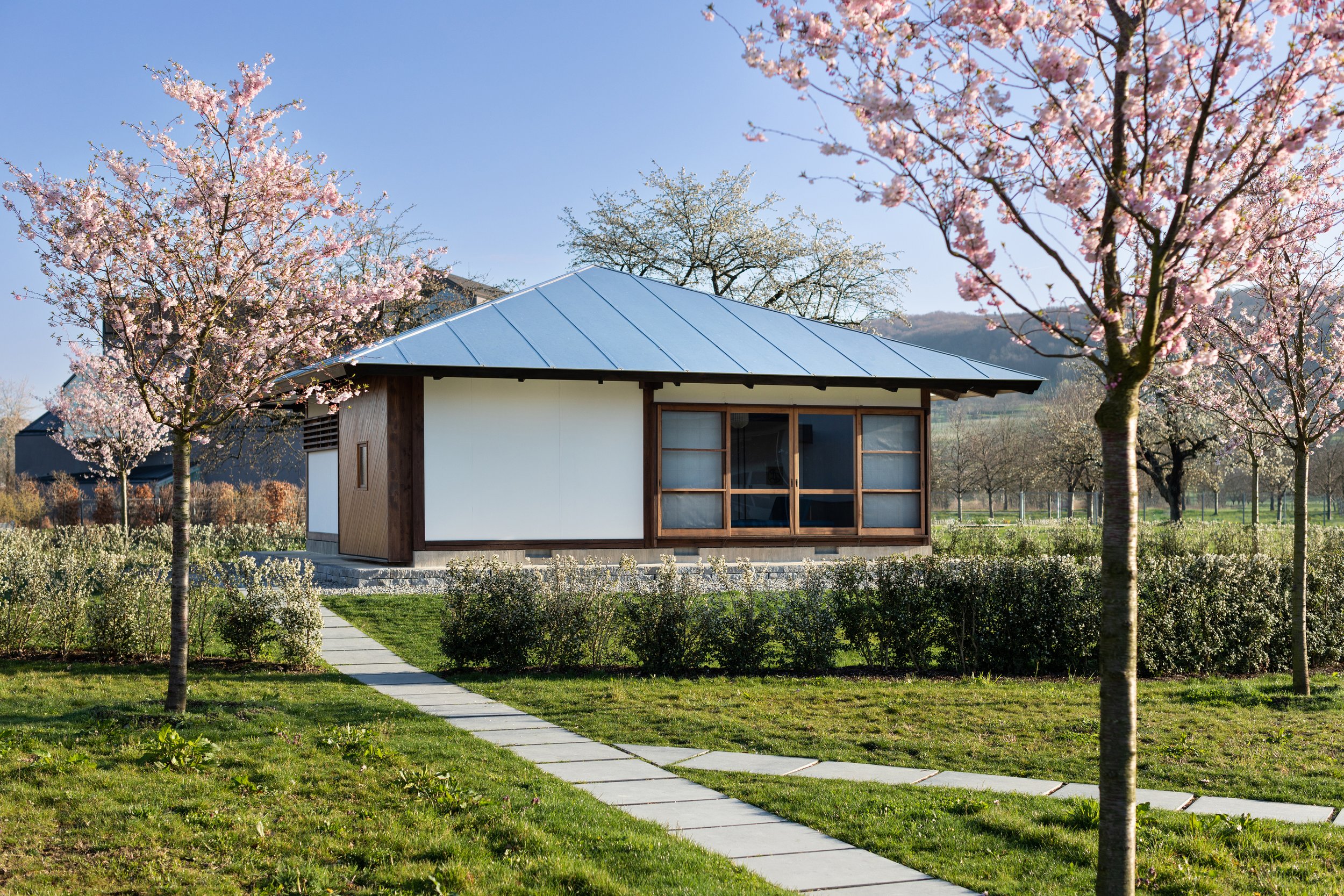
Originally built in Tokyo and reconstructed at the Vitra Campus, the Umbrella House by Kazuo Shinohara reinterprets Japanese vernacular and temple architecture through a simple wooden structure and its distinctive umbrella-like roof.
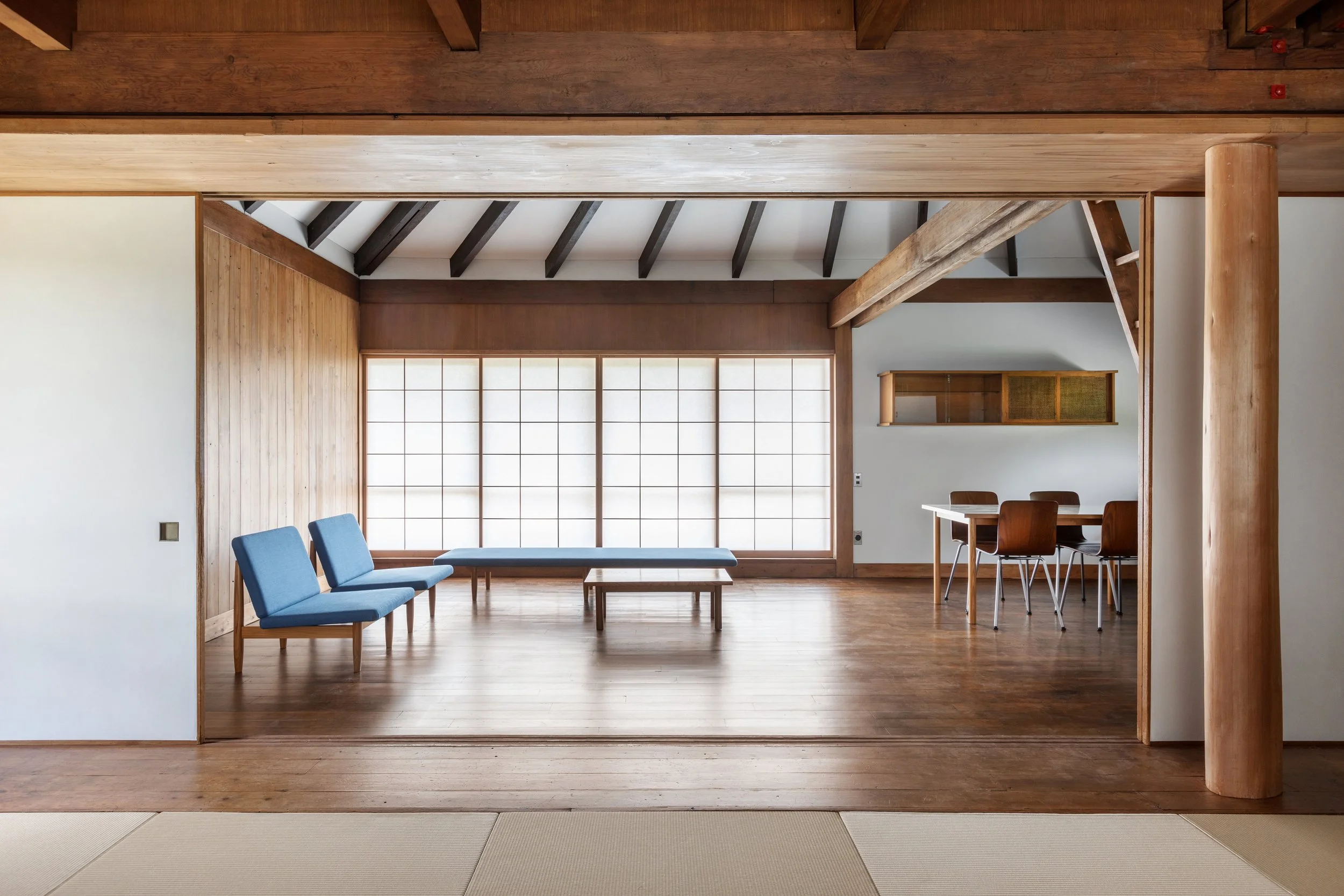
However, the reasons to visit the Vitra campus don’t stop at the buildings. Given Vitra’s involvement in producing design classics — including much of Herman Miller’s back catalogue in Europe since 1957 — it was perhaps inevitable that Fehlbaum would begin collecting furniture himself, a pursuit he has continued since the early 1980s. Large parts of the estates of Charles and Ray Eames, George Nelson and Alexander Girard were eventually entrusted to the Vitra Design Museum, creating an incredibly important collection of mid-century icons. In the following years, a number of contemporary pieces have been added to the collection, including prototypes and models, making it one of the world’s largest permanent exhibitions of modern and contemporary furniture design. The collection, which is housed in the Herzog & de Meuron-designed Vitra Schaudepot, now contains over 400 objects on permanent display, some dating to the early 1800s, and continues to grow.
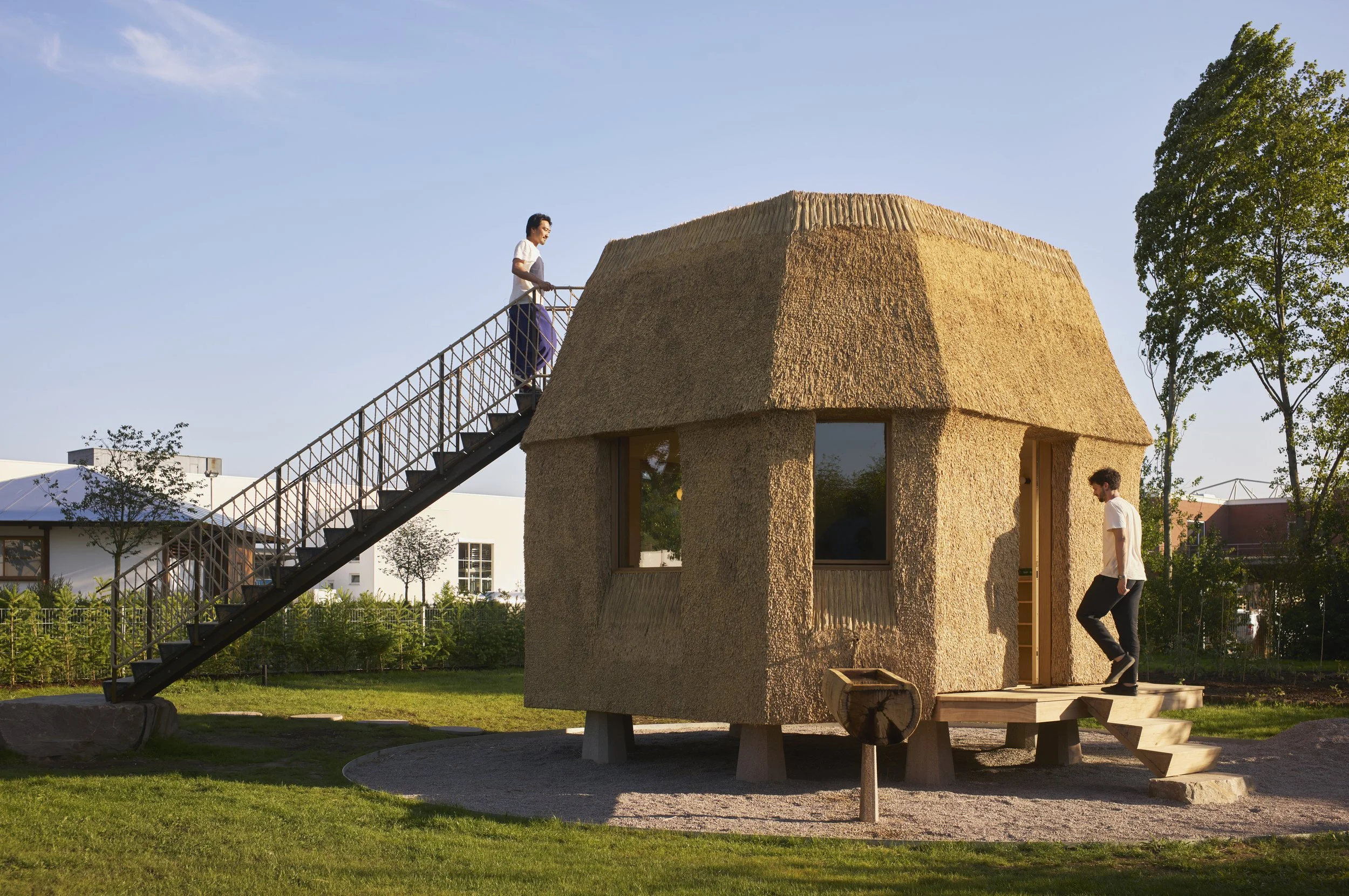
The Tane Garden House by Tsuyoshi Tane is a compact structure accommodating multiple uses, from a workshop space to storage for gardening tools, and features a rooftop viewing platform.
At the time of Design Anthology’s visit, the Vitra Design Museum had just staged an exhibition dedicated to the work of Dutch designer Hella Jongerius. Long a leading voice in international design, Jongerius’ practice is known for operating at the nexus of craft and industry, with an experimental use of colour. There’s something particularly resonant about experiencing Jongerius’ work in this context — colours shifting under the diffused light of Frank Gehry’s expressionist museum building, her textile and ceramic explorations feeling entirely at home amongst the broader collection of design objects just a short walk away in the Schaudepot.
The museum’s exhibition programme continues this year with a major retrospective marking the 100th anniversary of Verner Panton’s birth. Drawing on an extensive archive of furniture, prototypes, models and thousands of drawings, it brings together the Danish designer’s canonical works, such as the Panton Chair and Heart Cone Chair, including a special limited-edition release of the latter. It also features rarely seen architectural proposals and experimental studies, many shown in detail for the first time.
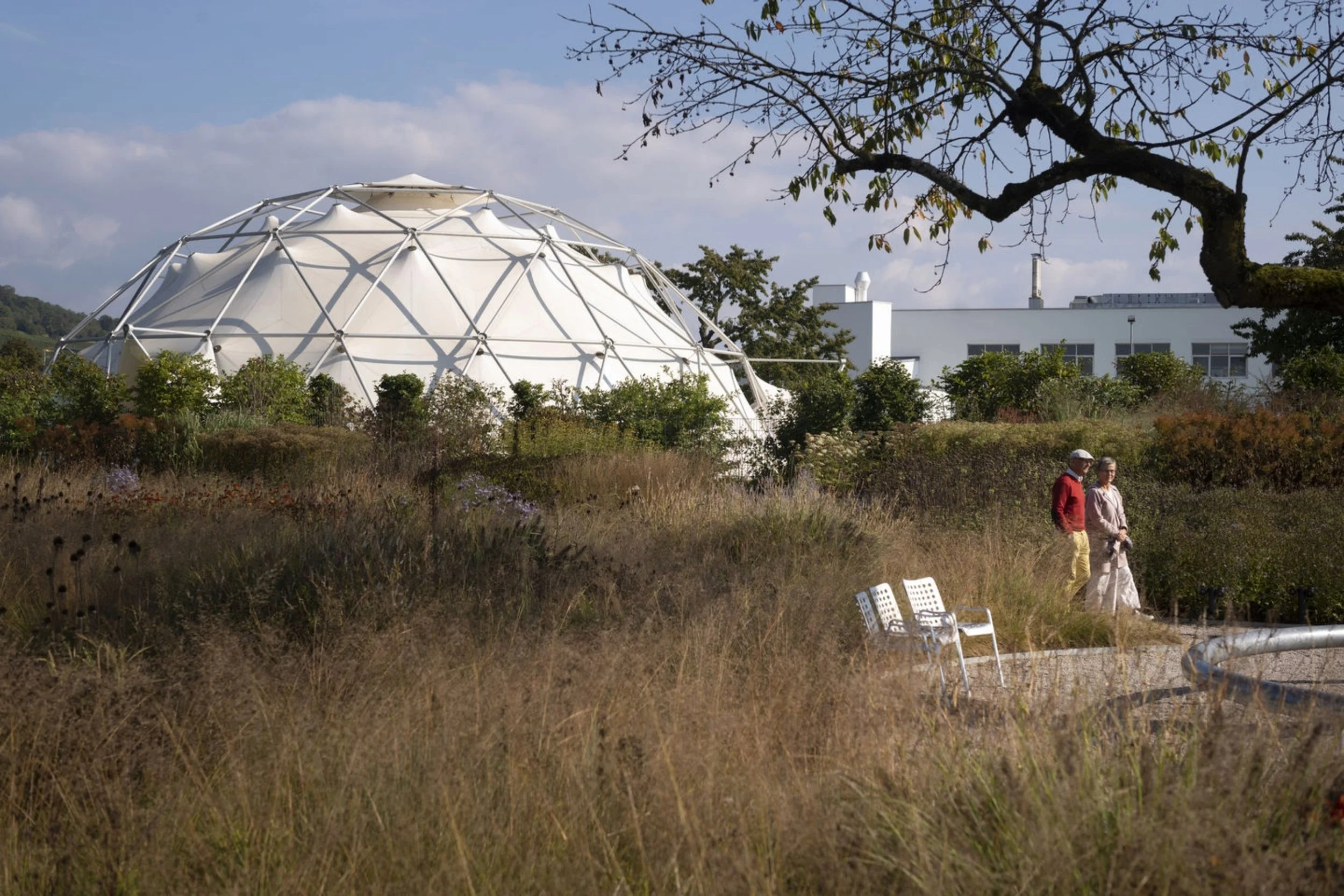
It’s this layering of experience that seems to define a visit to Vitra. The campus rewards the curious, the unhurried, the architecturally literate. You could spend an hour here or an entire day, and probably should. The guided architecture tours, which run daily, offer an invaluable layer of context, but even wandering independently between buildings — through Piet Oudolf's spectacular garden plantings and the Eames House Bird perched in various Vitra Haus windows — feels like an enriching experience in its own right.
What Fehlbaum has assembled over four decades, perhaps without ever fully intending to, is rare. You leave with a longer reading list, a renewed appreciation for a mid-century chair you’ve walked past a hundred times and, if you're anything like me, a strong urge to return.
Text by Suzy Annetta
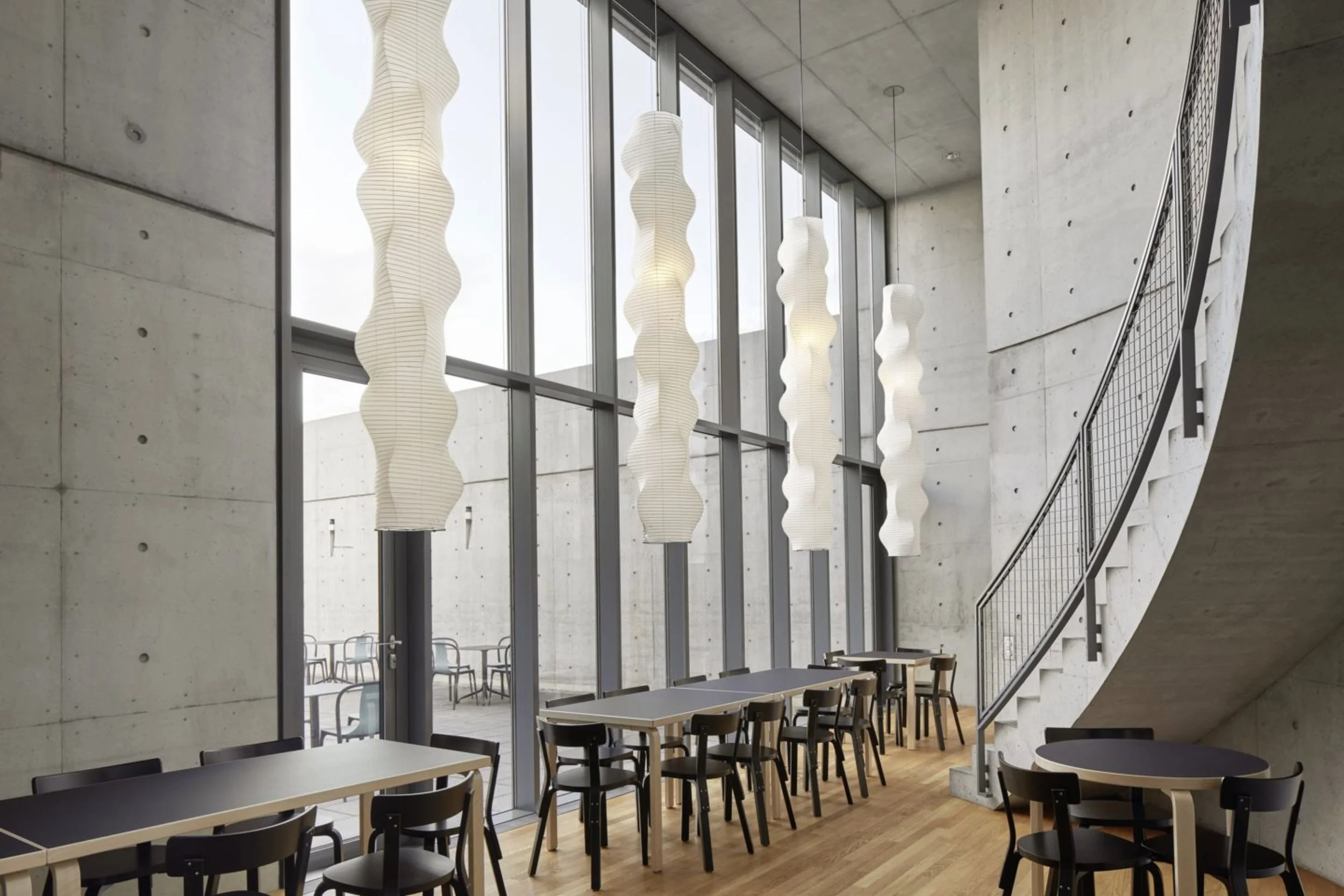
The Vitra Conference Pavilion by Tadao Ando was his first building outside Japan, a calm concrete structure with much of its volume set below ground.
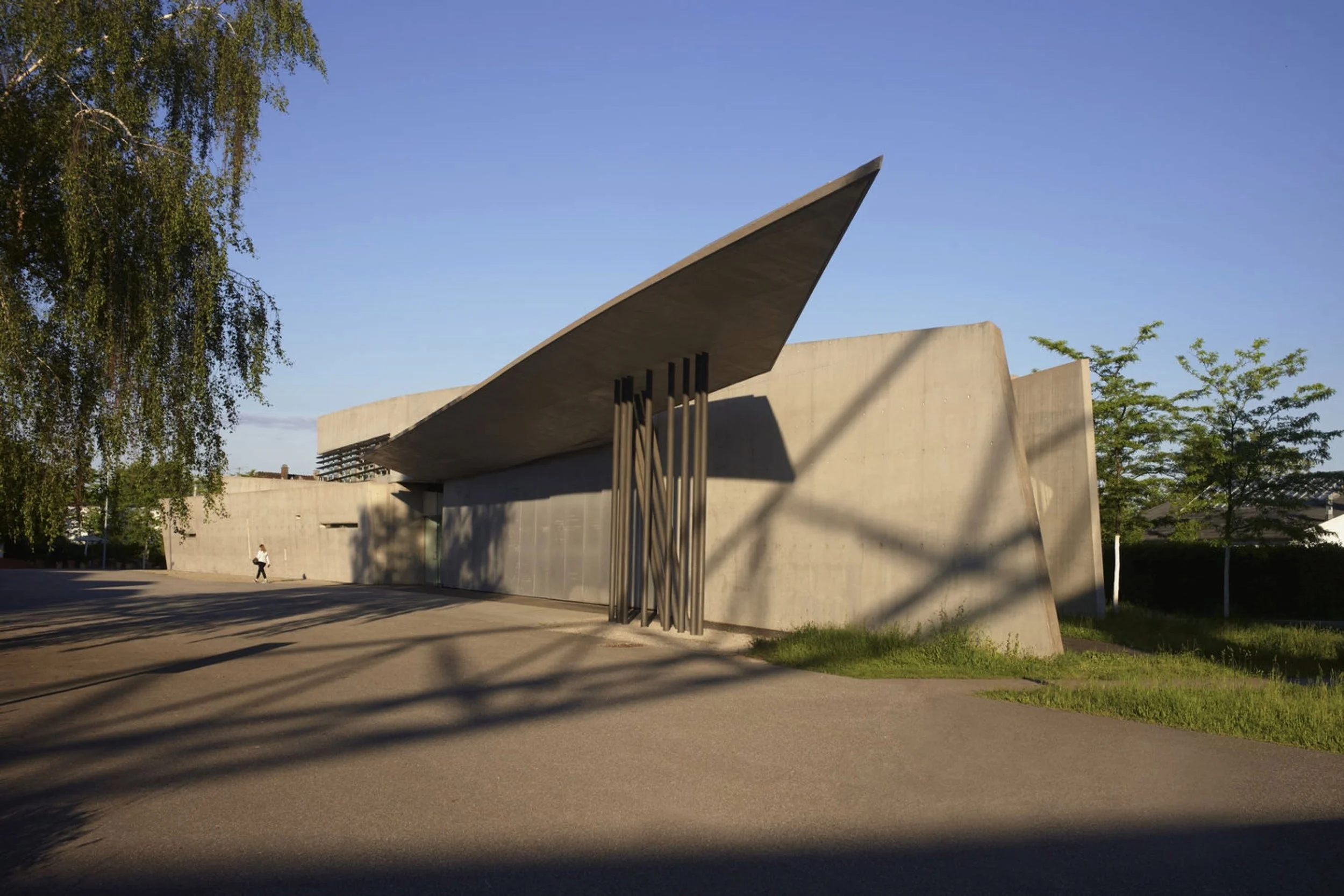
Originally designed for the campus fire brigade following the 1981 fire, Zaha Hadid’s Fire Station, her first built project, has since been repurposed for exhibitions and events.