Sri Lanka’s Most Consequential Designer Since Bawa Finally Gets His Monograph
Udayshanth Fernando was queuing outside Colombo galleries in the early 1970s, long before anyone was paying attention. A new Rizzoli monograph finally catches up
When most design lovers think of Sri Lanka, the name Geoffrey Bawa comes readily to mind — and rightly so. His tropical modernism, his dissolved threshold between interior and landscape, his canonical standing in Asian architecture; all of it is well-earned. But to begin and end there is to miss something equally important. Udayshanth Fernando — known to those fortunate enough to move within his orbit simply as Shanth — has, over more than four decades, shaped the aesthetic consciousness of an entire island with a ferocious passion that this new Rizzoli monograph finally brings into focus.
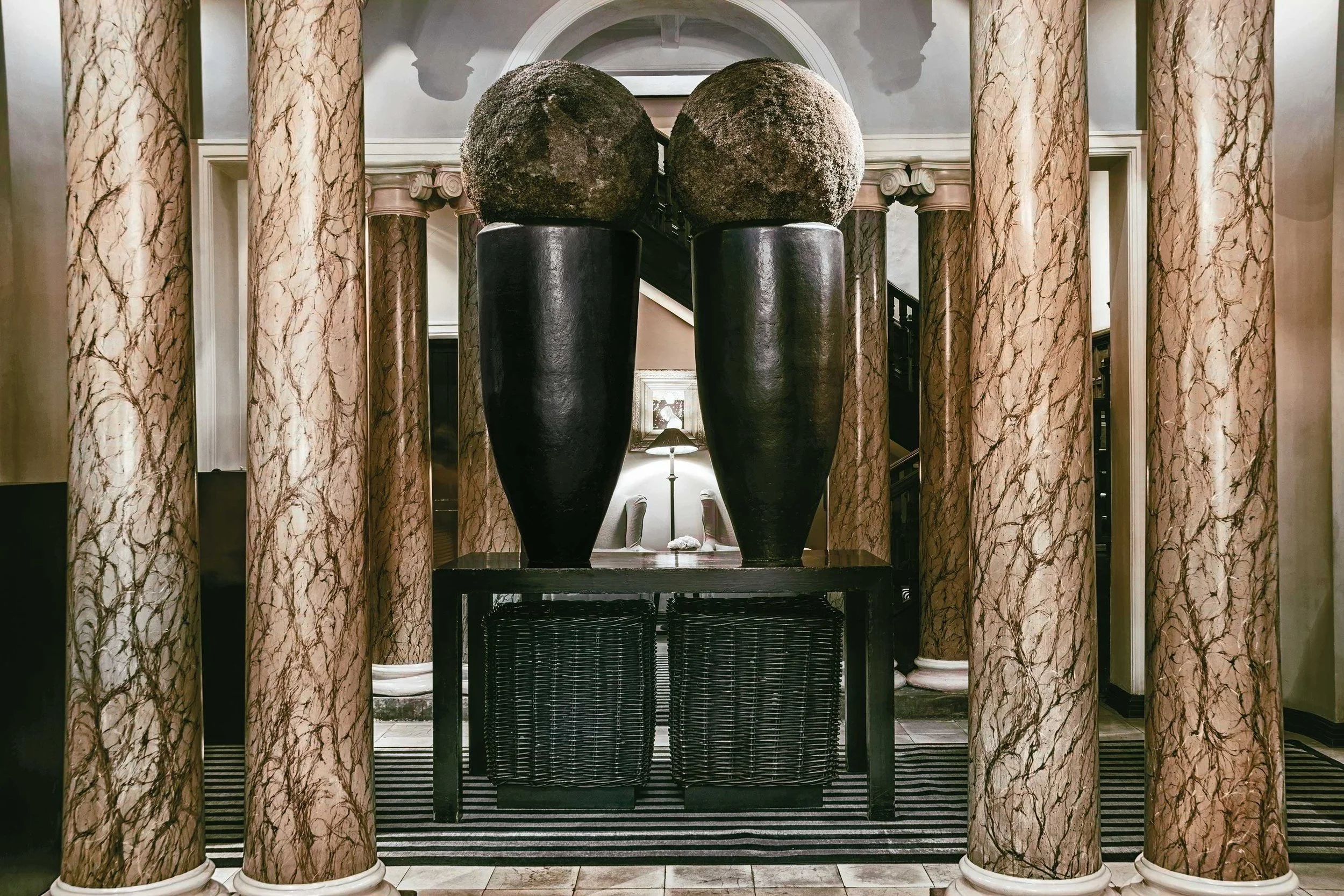
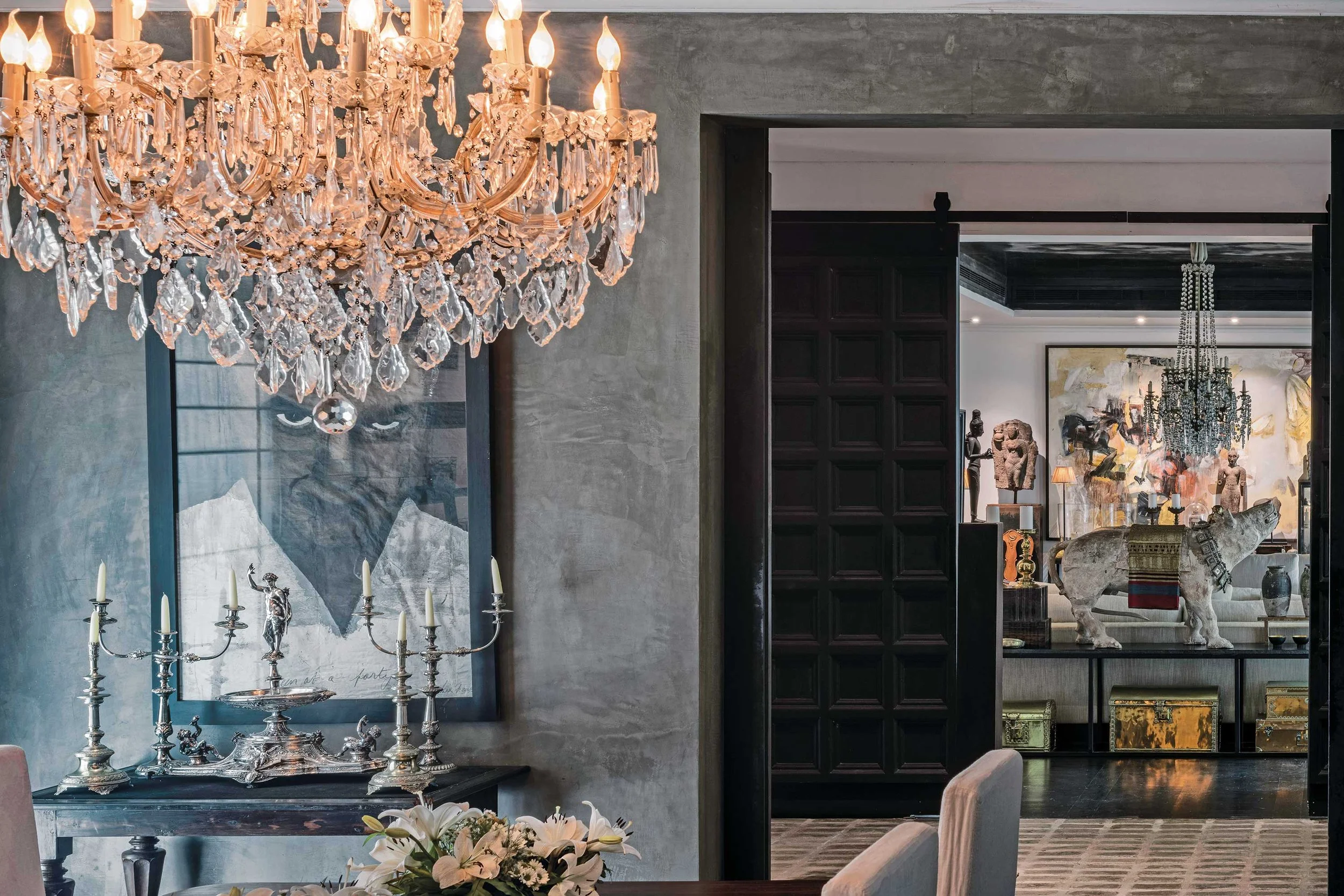
Living Design is both a visual record and a long-overdue reckoning. Sprawling across interiors, hotel spaces, private residences, product collections and the celebrated Paradise Road boutiques, the book traces the arc of a man for whom design has never been decorative work but a discipline. From the hand-painted crockery of the brand’s earliest days to the rooms of Paradise Road Tintagel Colombo — a former prime ministerial residence reopened as a hotel in November 2015, with Baccarat chandeliers, Spanish sofas, Dutch antiques and works by some of Sri Lanka’s most significant modern painters — the through-line is the conviction of someone who, as Fernando himself writes in his preface, is ‘religious when it comes to taste’.
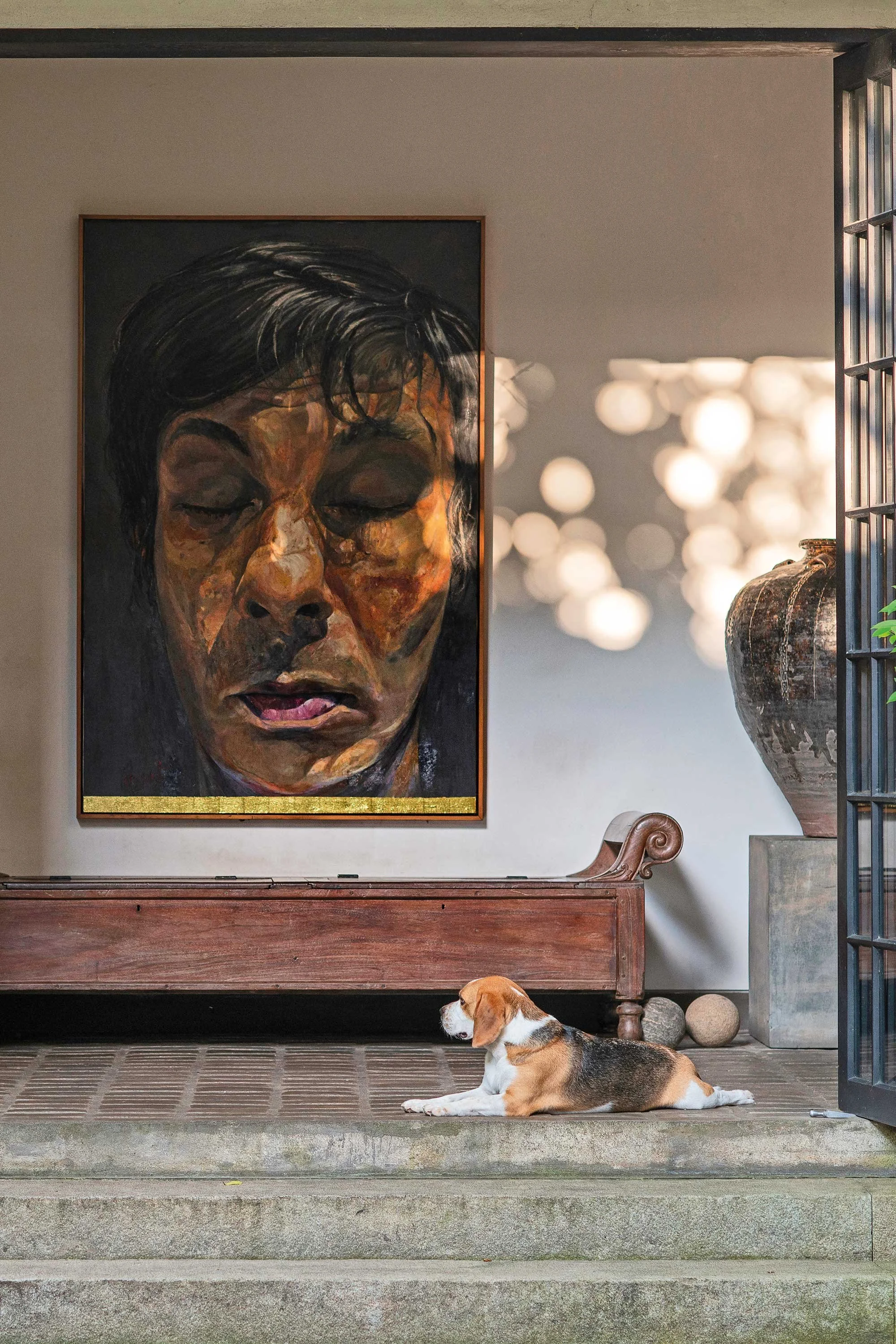
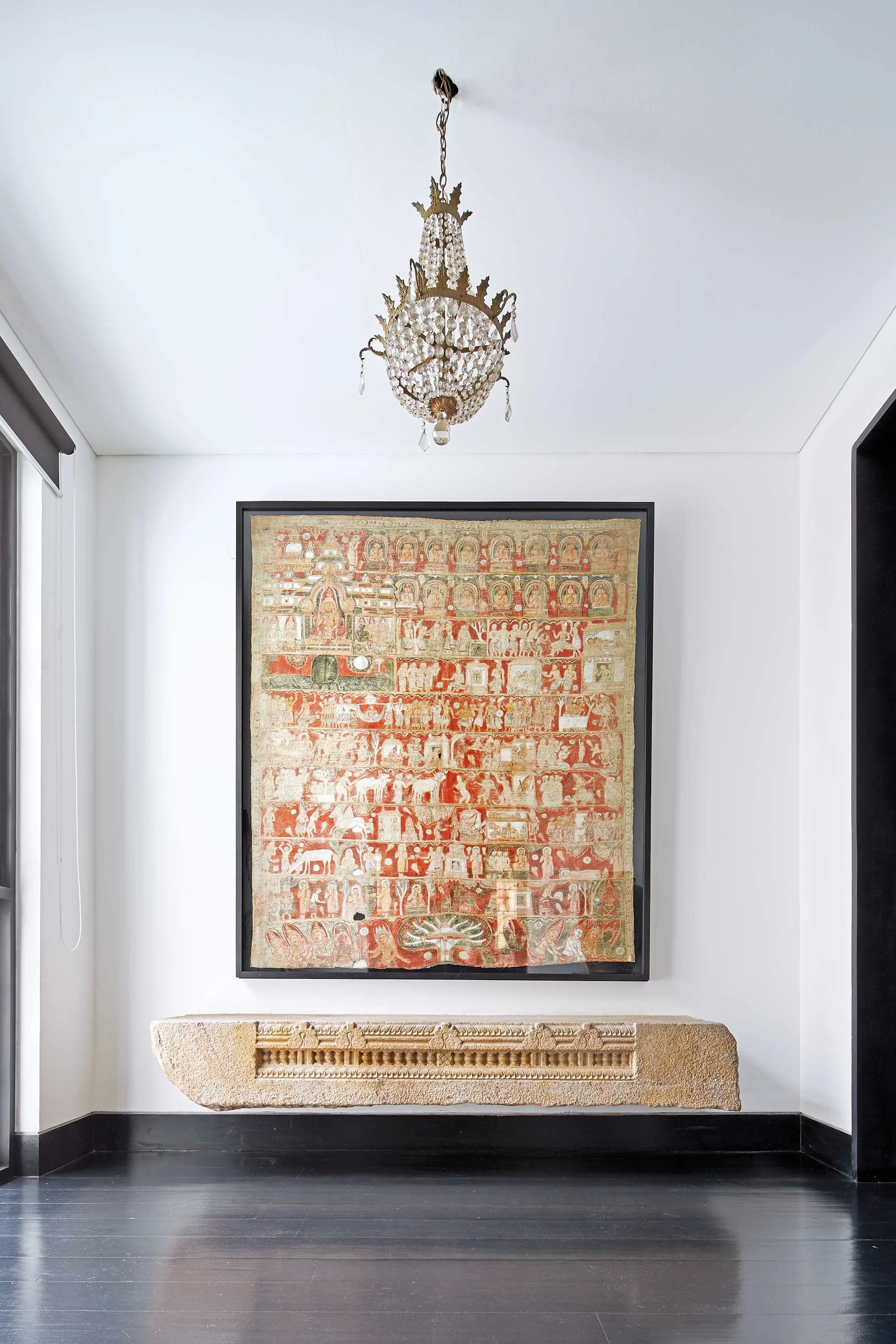
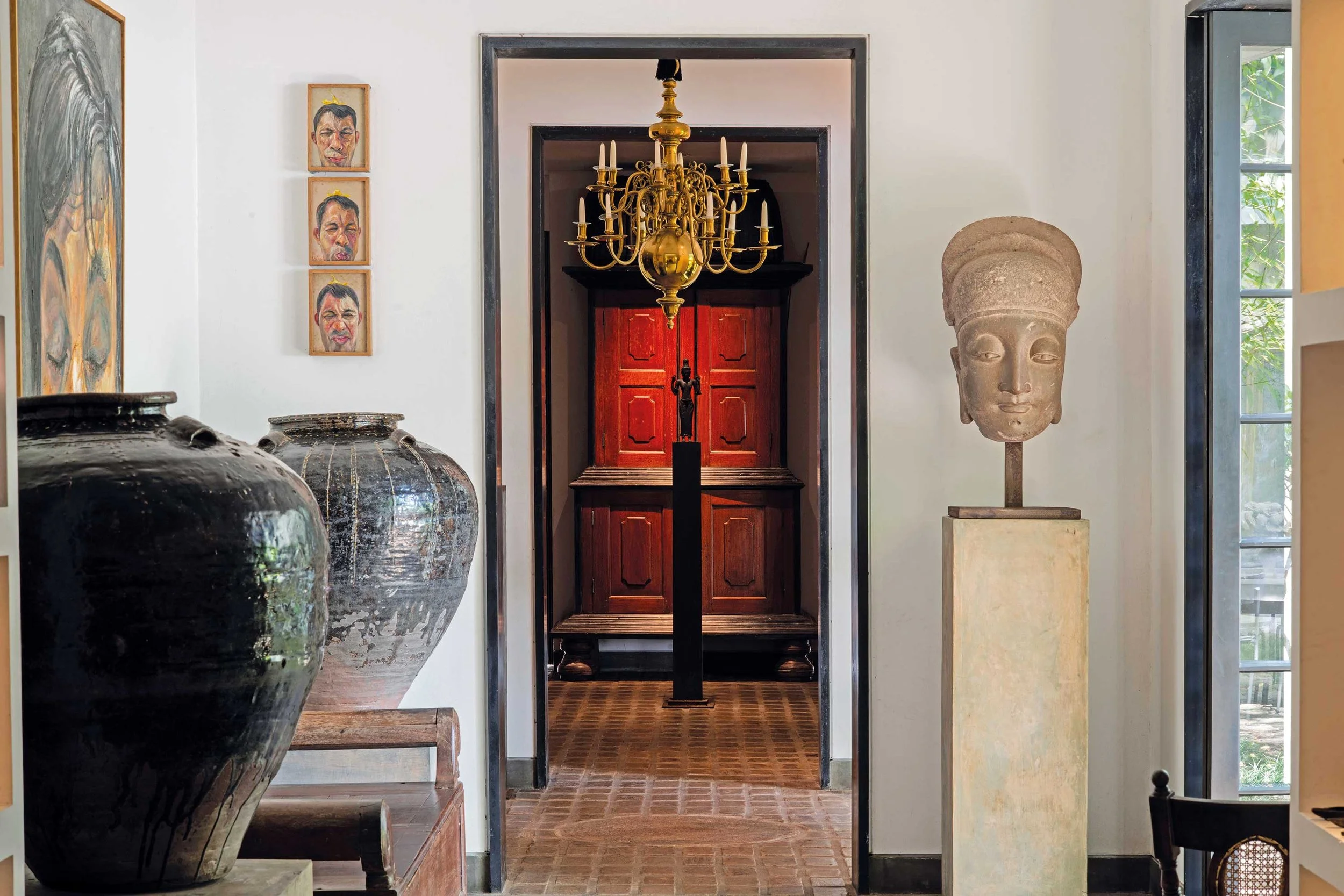
The book is generous with context. Three authoritative essayists bring complementary lenses to bear. Bandana Tewari, long-time editor-at-large of Vogue India, delivers a warmly biographical portrait — Fernando’s peripatetic early life across Germany, Australia and New Zealand, his mother’s exacting eye, the role of his late wife Angelika in building Paradise Road’s foundations. Sean Anderson, meanwhile, situates Fernando’s work within the longer sweep of South Asian cultural history, arguing persuasively that Fernando’s interiors, where Dutch colonial furniture coexists with South Indian temple artefacts and works from the luminous 43 Group, amount to a remapping of the island’s identity. His conclusion is the book’s most quotable: ‘[T]he work of Udayshanth Fernando — with his embrace of graphic, material, and spatial entanglements — is an unfolding of elegance and an uncompromising tribute to an island and its hard-won truths.’ Sonal Singh, chairman of Christie’s India, rounds out the trio, offering a collector’s perspective on a man who was standing in gallery queues to acquire art in the early 1970s.
The book’s visual narrative is equally compelling. The signature black and white stripe that Fernando designed in 1987, now synonymous with Paradise Road, reappears throughout the pages. Fernando’s home, three floors housing more than 500 works of art, makes the case for collecting as a form of scholarship. His Gallery Cafe, housed in Bawa’s former studio and organised around a shallow courtyard pond, gave Pakistani artist Ali Kazim his first solo show in 2004; his work now hangs in the Tate and the Metropolitan Museum of Art.
The only shortcoming of this beautifully produced volume is that it leaves you genuinely wanting more — more rooms, more stories, more of the vroad-ranging sensibility that has so thoroughly redefined Sri Lankan hospitality, retail and cultural life. Fernando’s daughters, Annika and Saskia, have extended that legacy further still, through fashion, gallery programming and a platform for South Asian art — proof that a design philosophy, when truly lived, becomes its own kind of inheritance.
If the book whets your appetite, Design Anthology will be visiting the Gallery Café and the Paradise Road boutique on our upcoming Sri Lanka retreat, offering a real glimpse into contemporary Colombo and the world Fernando has spent a lifetime building. Some places, and some books, simply demand to be experienced in person.
Text by Suzy Annetta
Images courtesy of Rizzoli New York